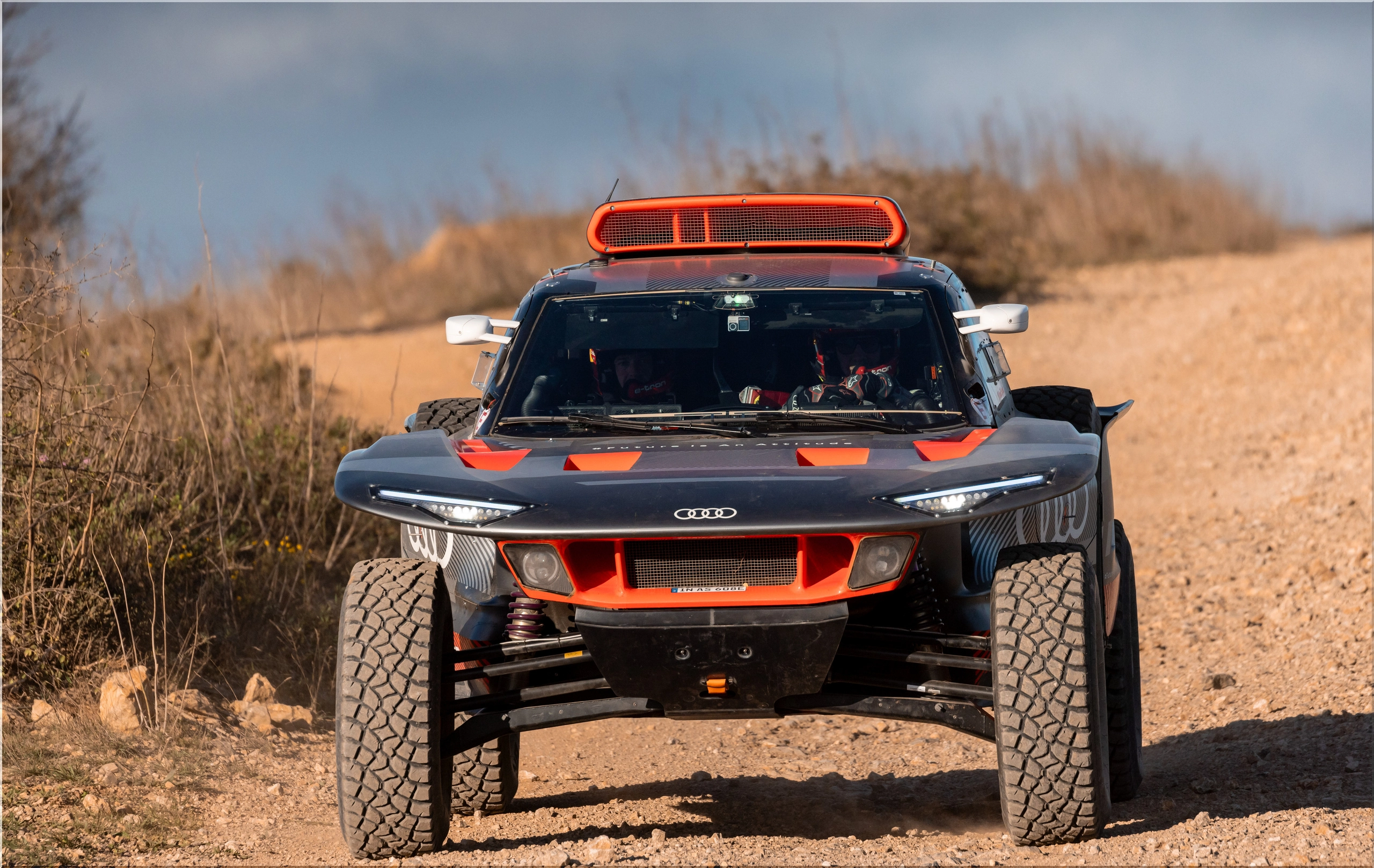
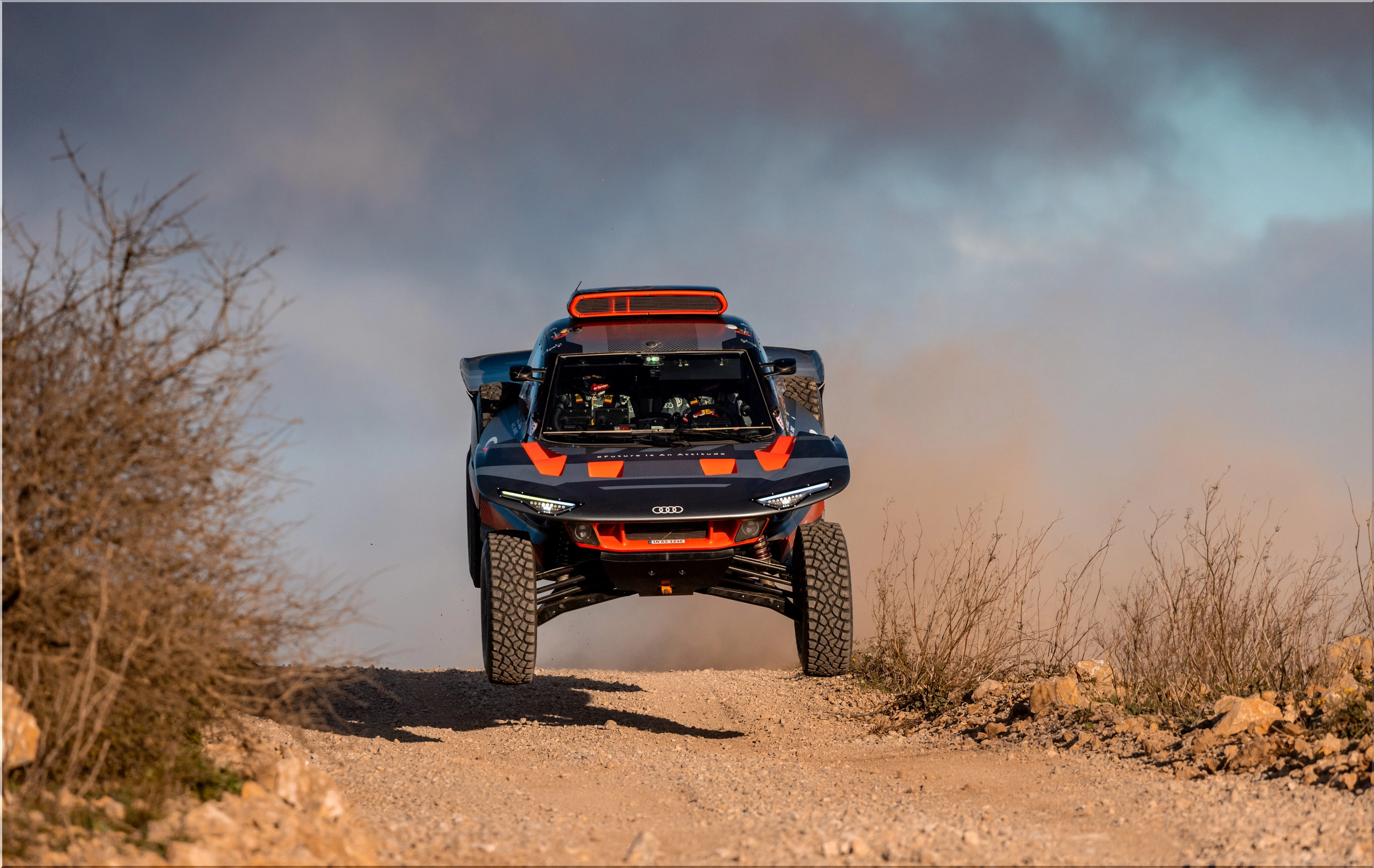
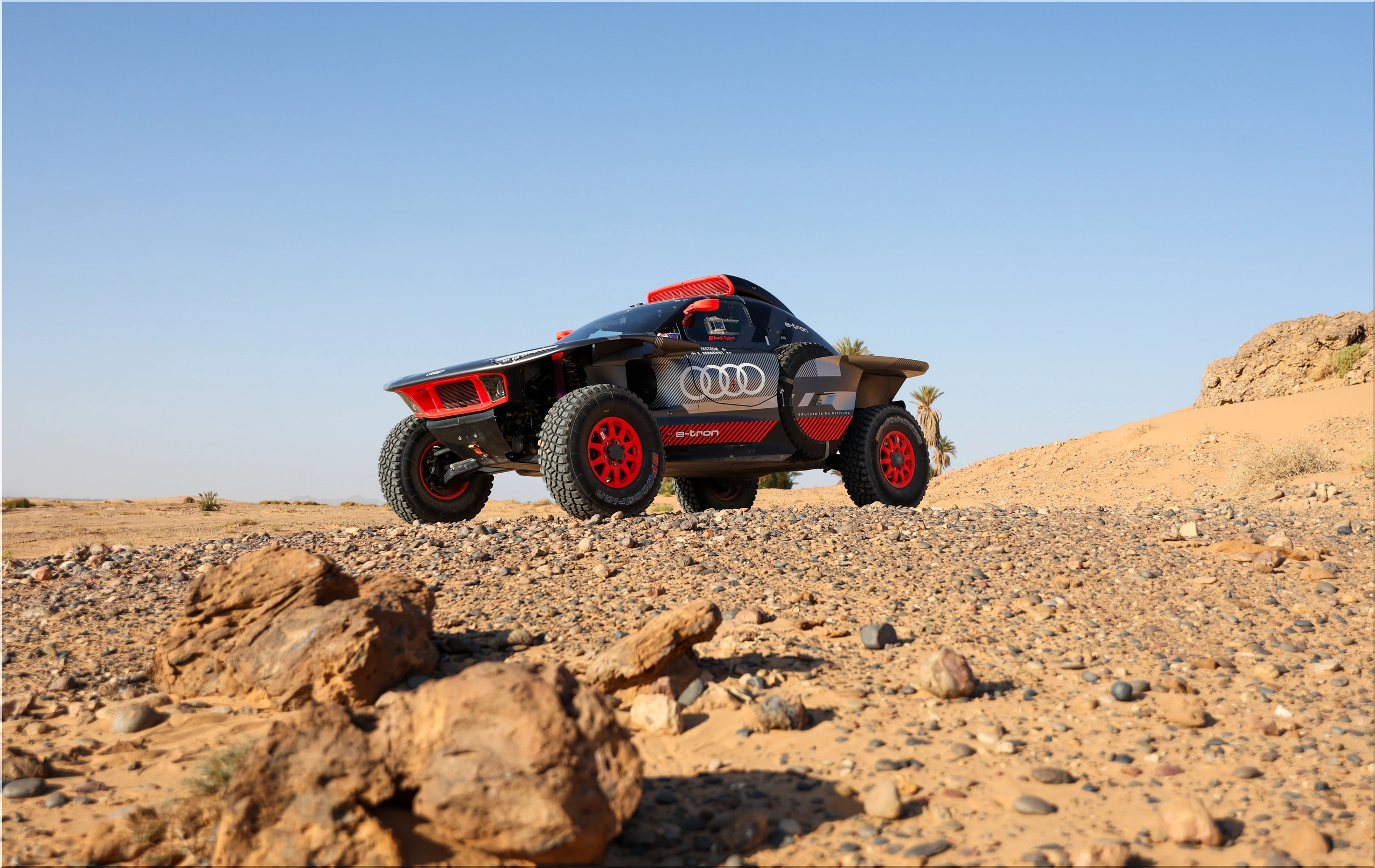
The Dakar Rally is one of the most grueling and demanding motorsport events in the world, where drivers and vehicles face extreme challenges across harsh terrains and climates. To conquer this rally, Audi has developed a unique and innovative prototype: the RS Q e-tron, an electric vehicle with a high-voltage battery and an energy converter system. The RS Q e-tron debuted in the 2022 edition of the Dakar Rally, showing its potential by winning six stages and achieving 22 podium finishes. However, it also faced some technical issues and reliability problems that prevented it from reaching the overall victory. Now, Audi is determined to improve its electric beast and prepare it for the 2024 Dakar Rally, where it hopes to claim the title and make history as the first electric vehicle to win the event.
What makes the RS Q e-tron so special?
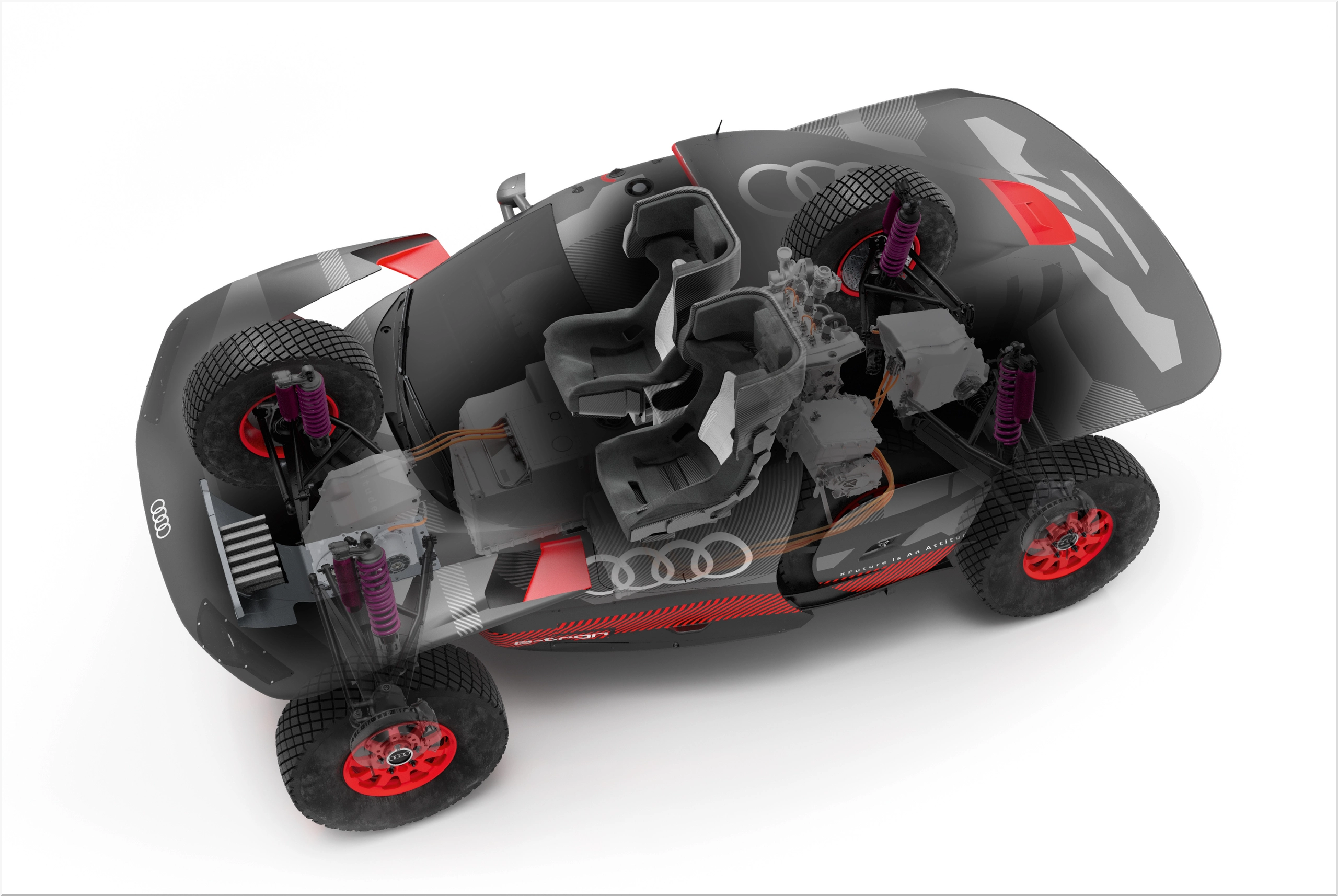
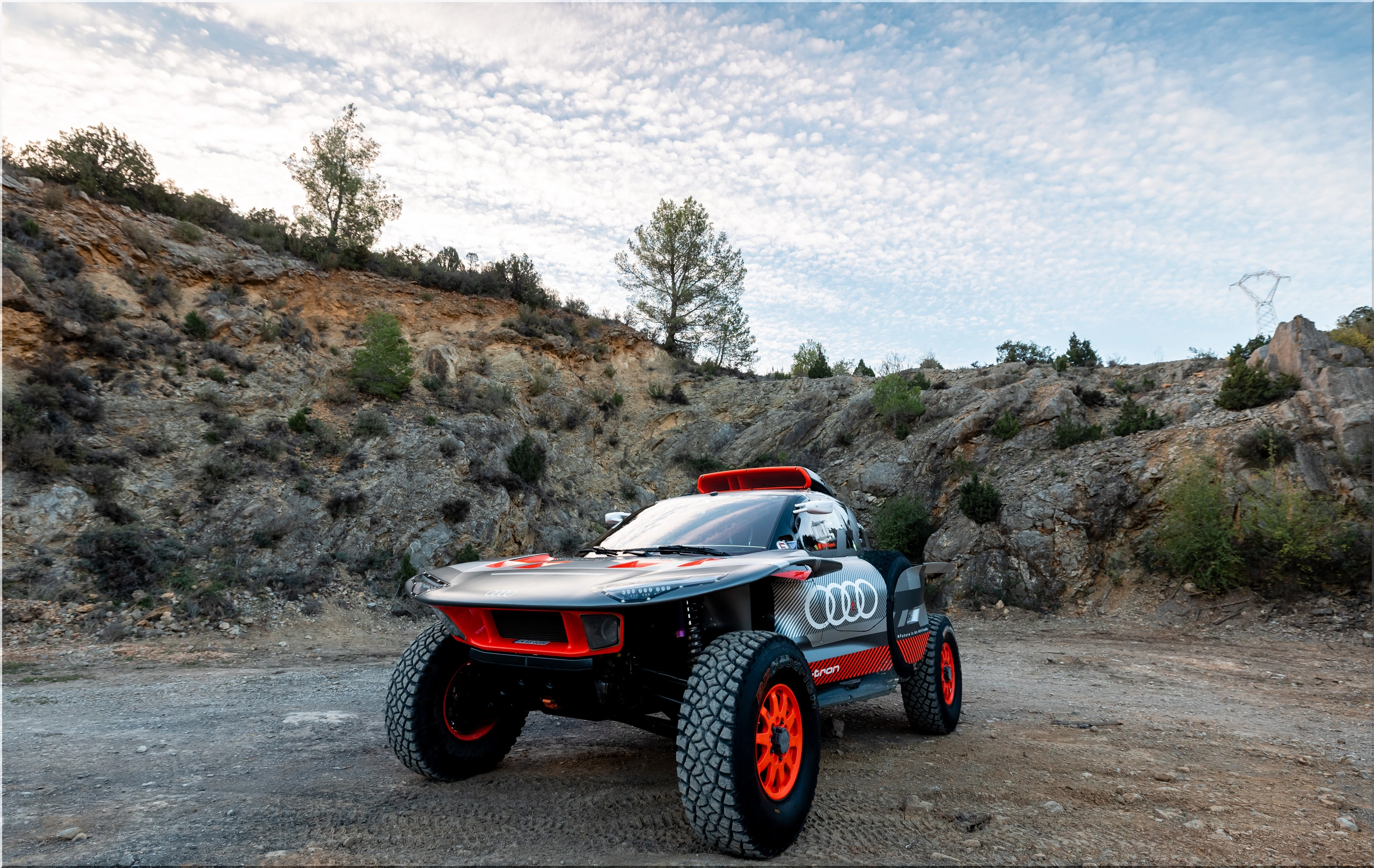
The Audi RS Q e-tron is not a conventional electric vehicle. It combines an electric drivetrain with an energy converter system based on the TFSI engine and a generator. The electric drivetrain consists of three electric motors: one on the front axle, one on the rear axle, and one between the energy converter and the drivetrain. The electric motors provide a total output of up to 500 kW (680 hp) and a torque of up to 1,000 Nm (737 lb-ft). The energy converter system is designed to recharge the high-voltage battery during the stages, as there are no external charging opportunities in the Dakar Rally. The energy converter system uses a highly efficient 2.0-liter four-cylinder TFSI engine that runs at a constant speed of 4,500 rpm and produces up to 200 kW (272 hp) of electrical power. The high-voltage battery has a capacity of about 50 kWh and weighs about 370 kg (815 lb). The RS Q e-tron has a weight of about 1,950 kg (4,299 lb) and a length of 4.5 m (14.8 ft), a width of 2.3 m (7.5 ft), and a height of 1.8 m (5.9 ft).
What are the main challenges and improvements for the 2024 Dakar Rally?
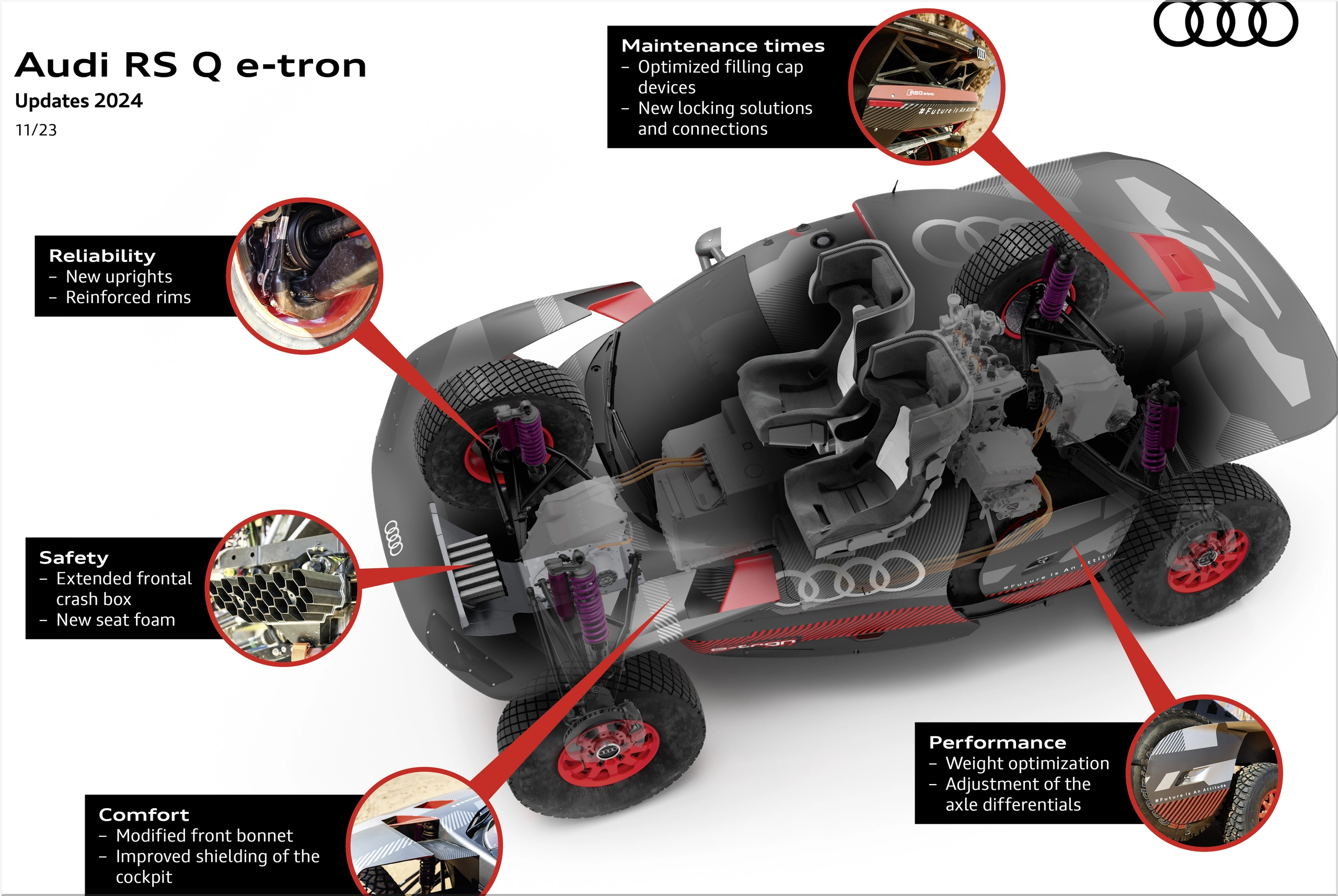
The Audi RS Q e-tron is a complex and sophisticated machine that requires constant development and optimization. Audi Sport has analyzed the previous outings of the prototype and identified the weak points and the priorities for further improvement. The project’s new technical director, Dr. Leonardo Pascali, has focused on five key topics with his development team since early summer 2023:
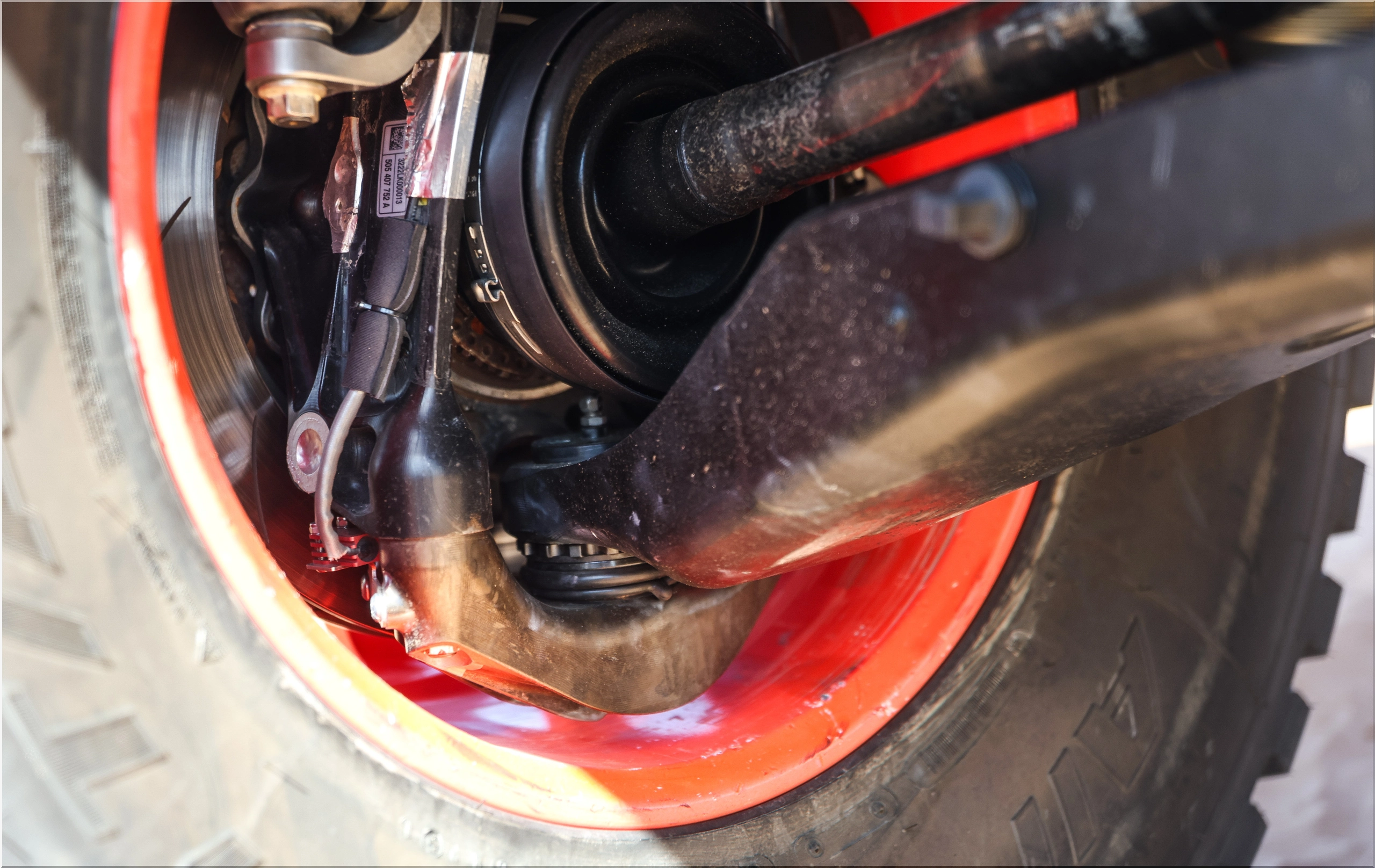
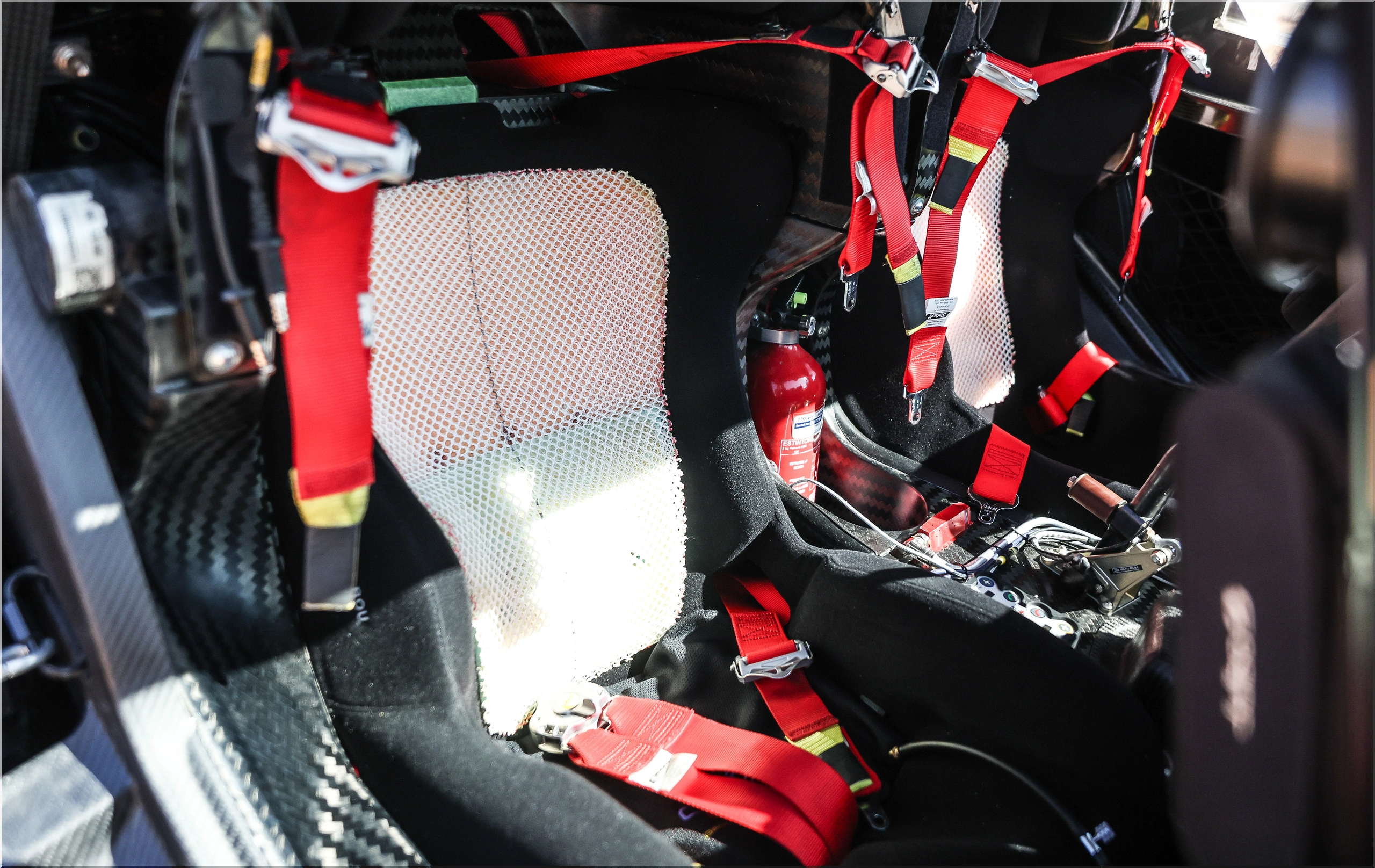
- Safety: The RS Q e-tron has been equipped with new features to enhance the safety of the drivers and co-drivers, especially in case of hard landings or rollovers. The carbon-fiber reinforced polymer (CFRP) crash box at the front end of the chassis structure has been extended to absorb more energy without compromising the angle of attack. The foam in the seats has been modified to reduce the peak loads on the occupants. The springs, dampers, and bump stops in the suspension have been adjusted to control the platform better and distribute the load over time.
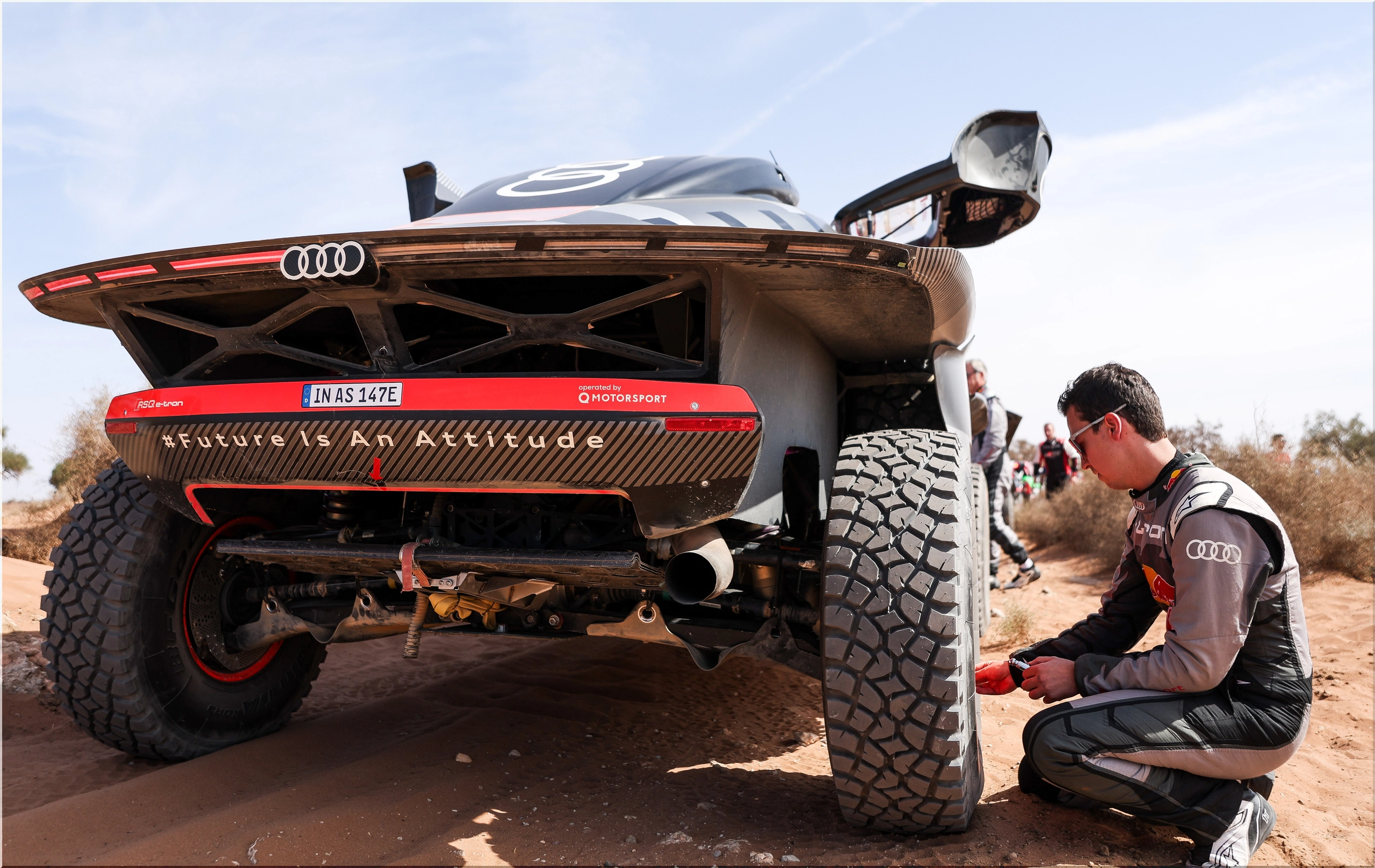
- Reliability: The RS Q e-tron has undergone several modifications to increase its reliability and durability and reduce maintenance time and effort. The cooling system has been improved to cope with the high temperatures and dust in the desert. The wiring harness has been simplified and optimized to avoid electrical failures. The software and hardware of the electric motors, the energy converter, and the battery management system have been updated and refined to enhance performance and efficiency.
- Comfort: The RS Q e-tron has been made more comfortable and ergonomic for drivers and co-drivers who must endure long and exhausting stages in the cockpit. The air conditioning system has been upgraded to provide better ventilation and cooling. The steering wheel has been redesigned to offer more grip and feedback. The dashboard and the navigation system have been revised to provide more clarity and functionality.
- Weight: The RS Q e-tron has been lightened by about 50 kg (110 lb) compared to the previous version, thanks to lighter materials and components. The weight reduction has a positive impact on the handling, the acceleration, and the energy consumption of the vehicle.
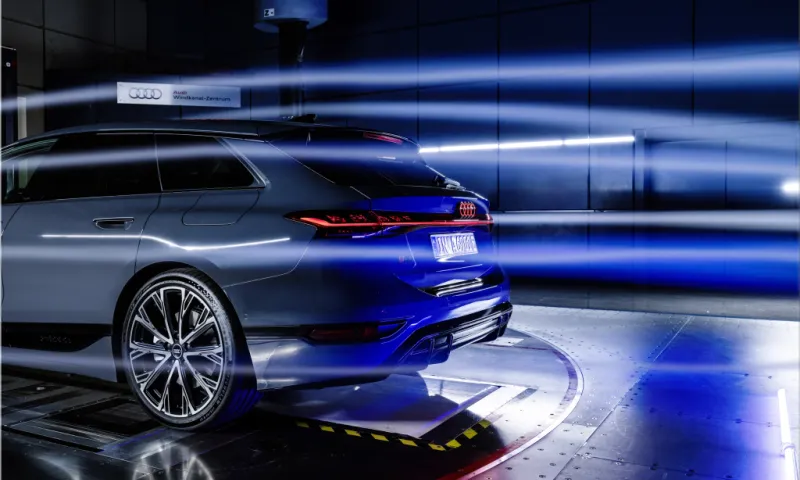
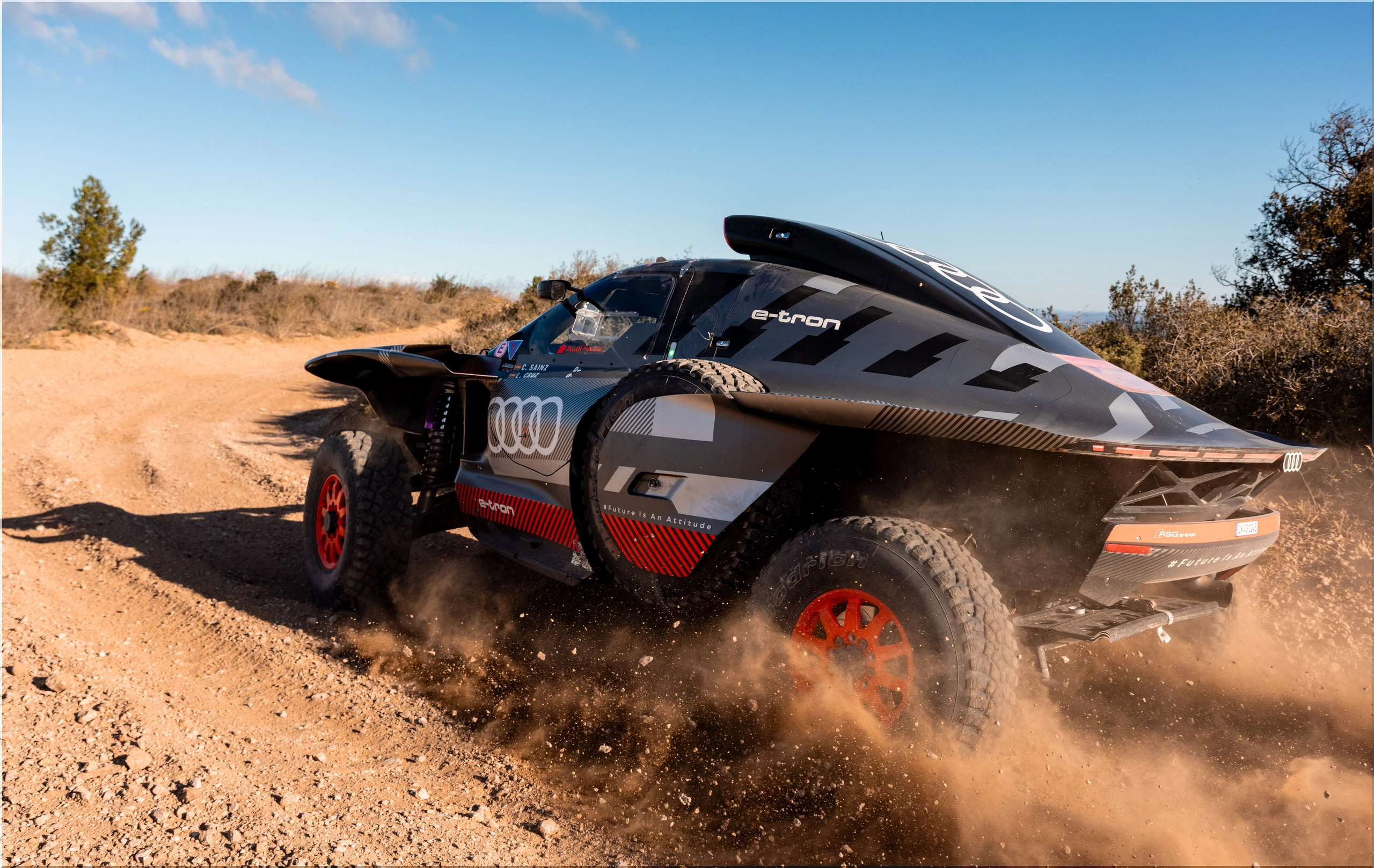
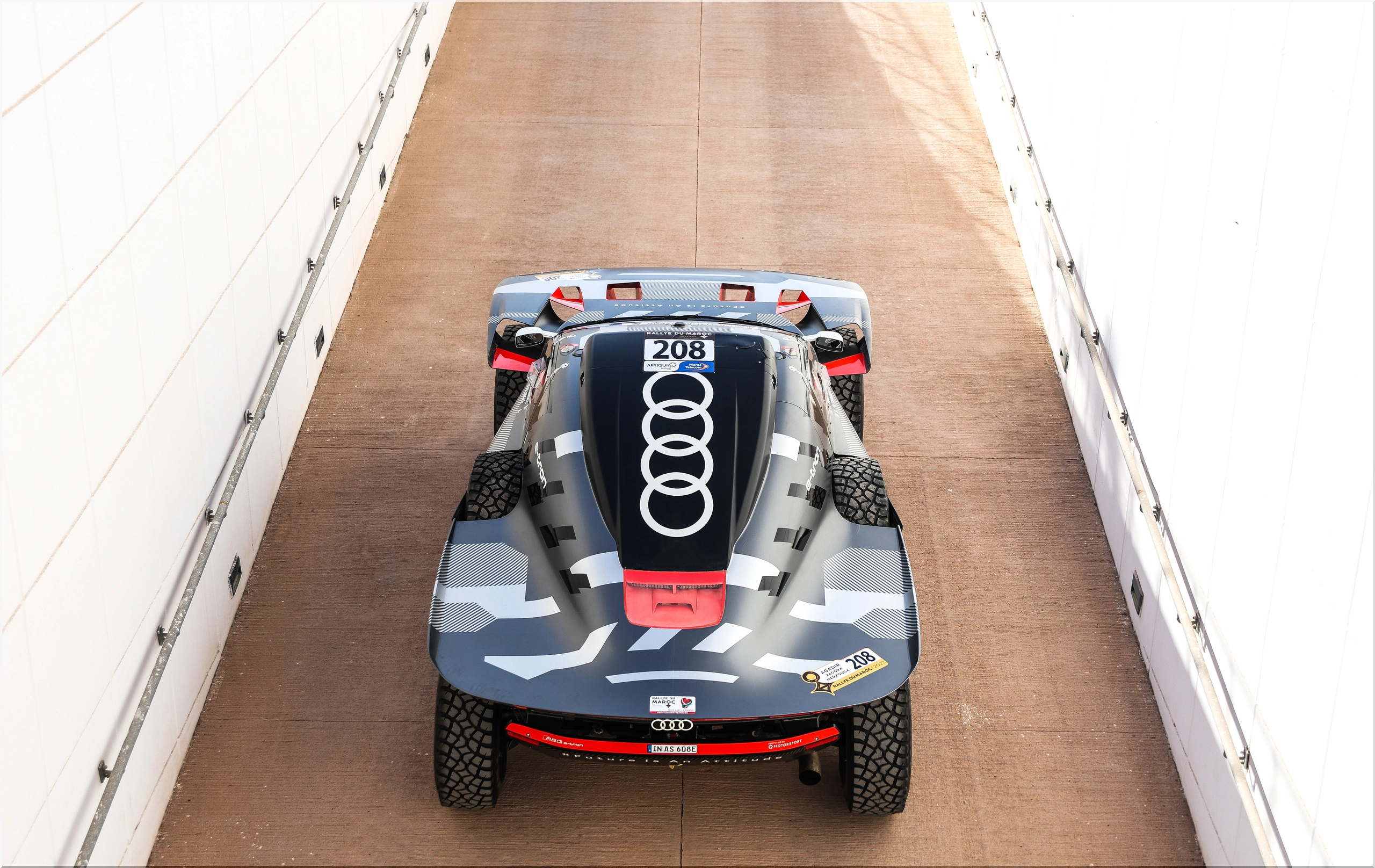
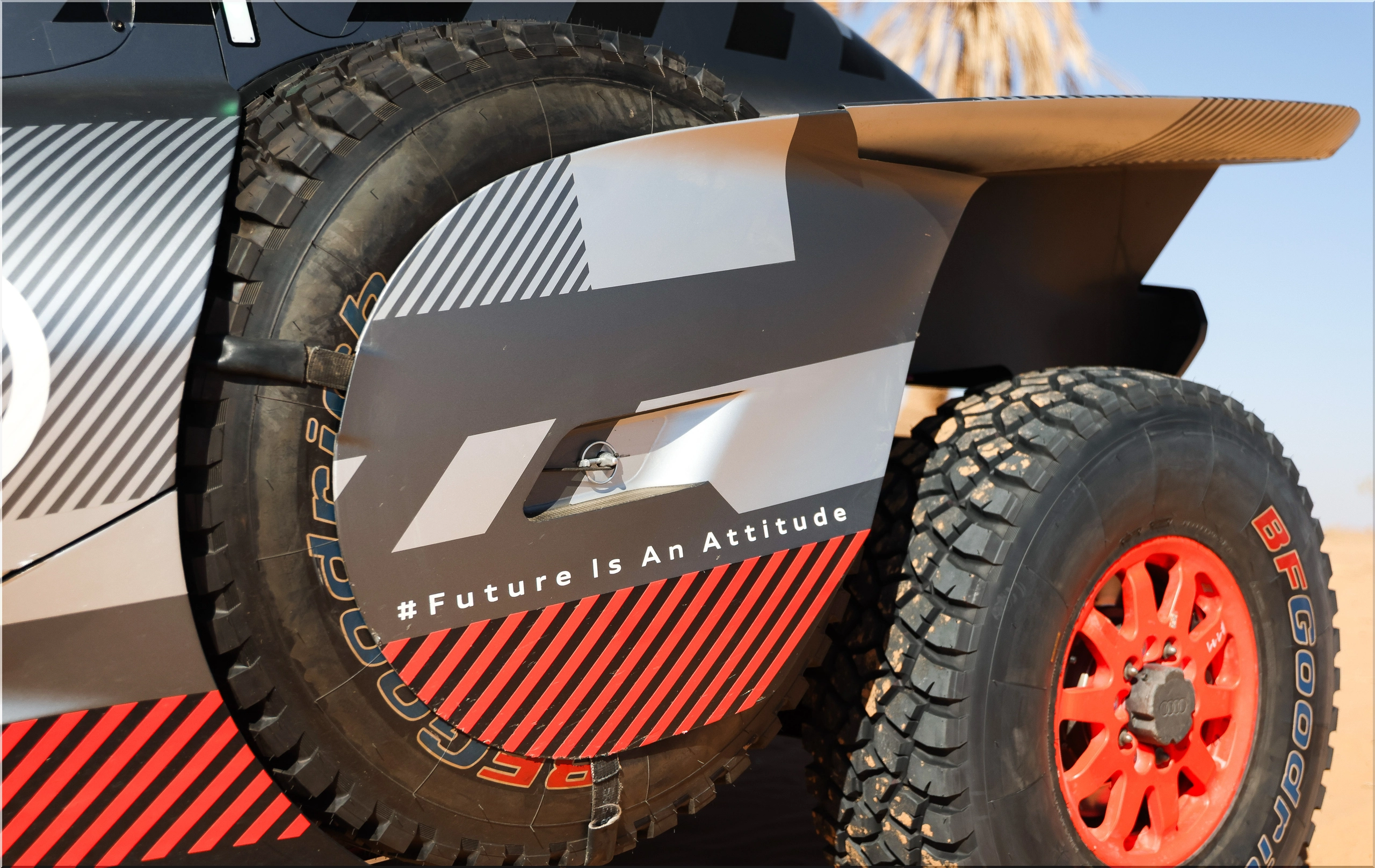
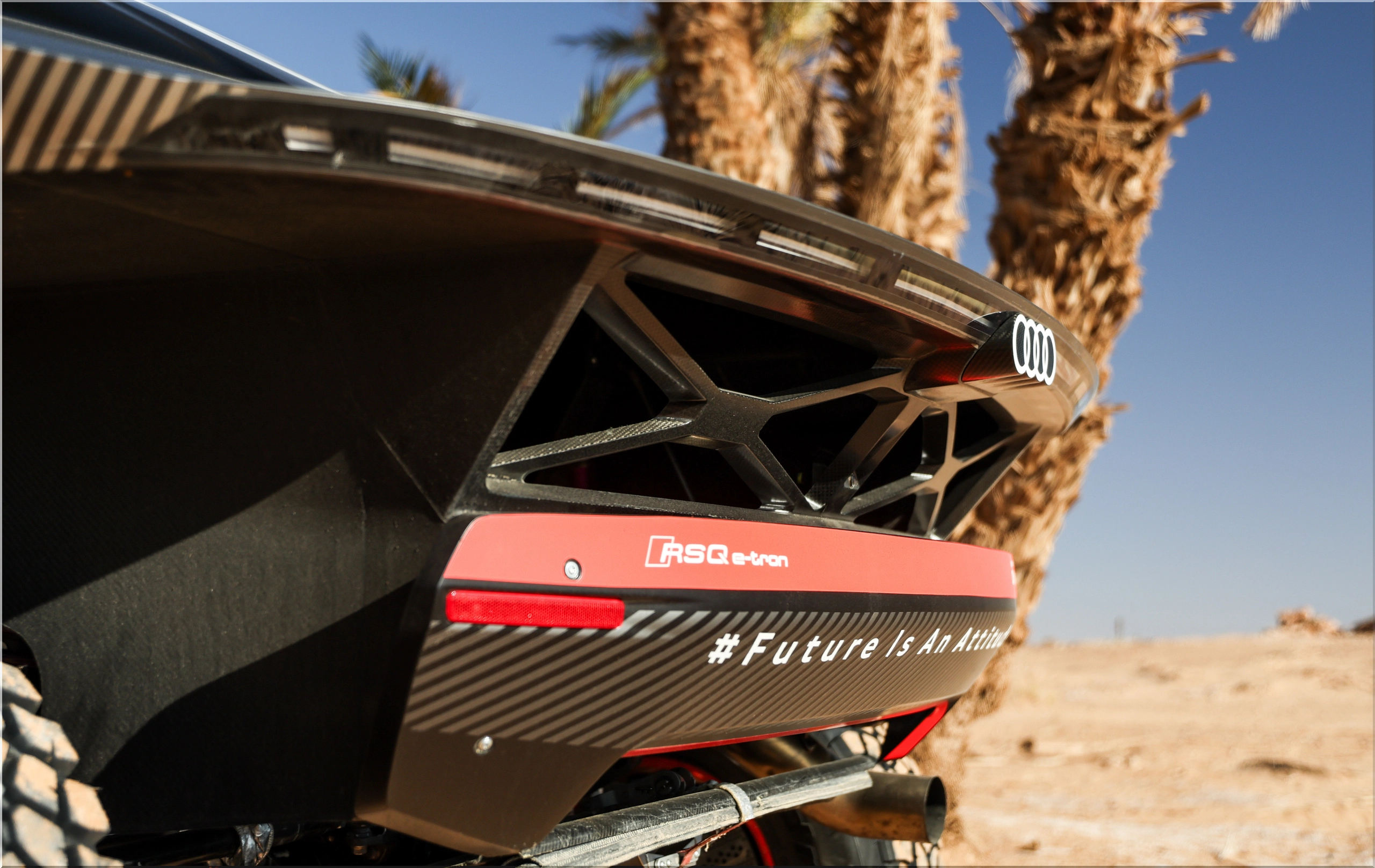
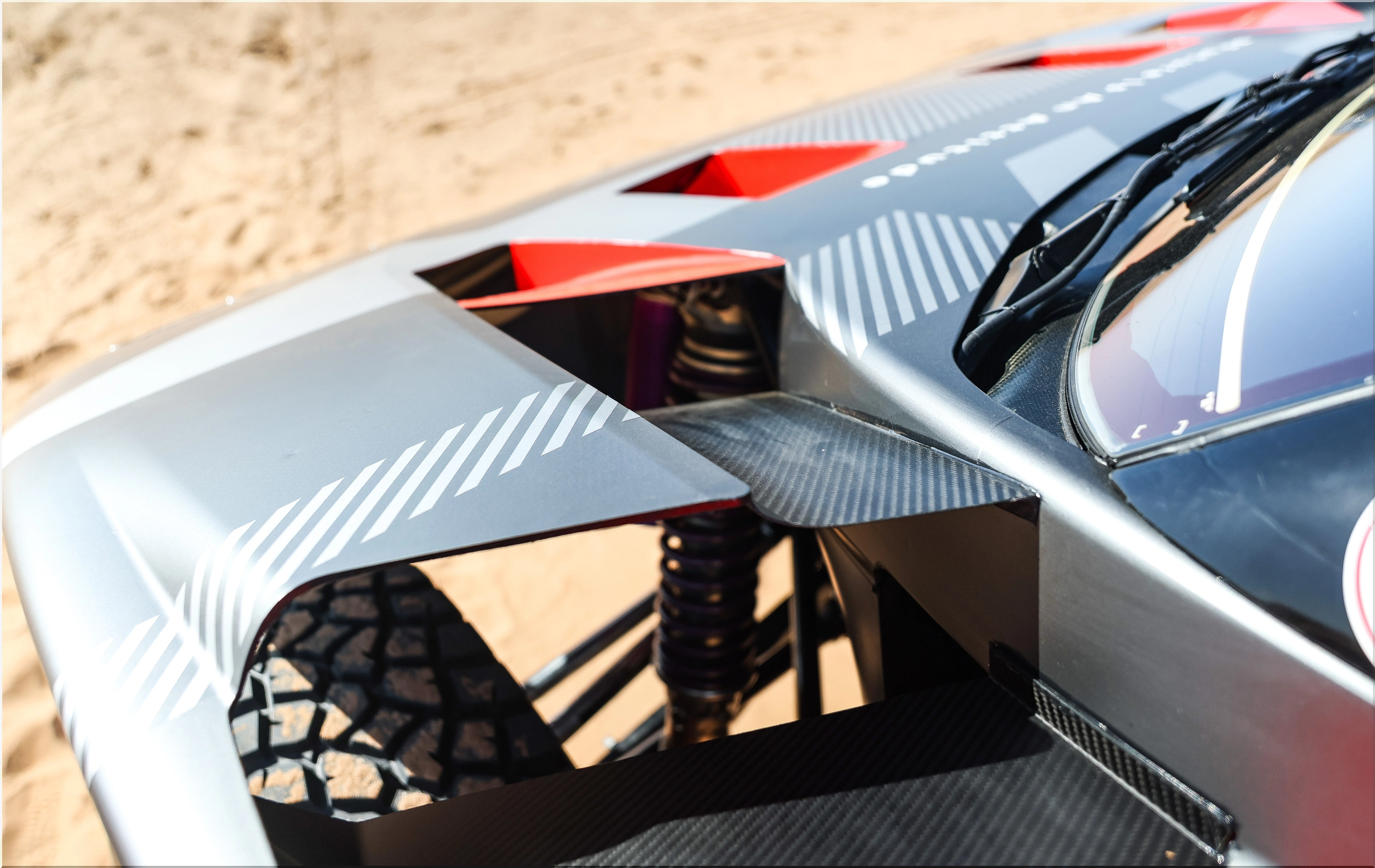
- Aerodynamics: The RS Q e-tron has been fitted with a new rear wing that improves the aerodynamic balance and stability of the vehicle, especially at high speeds. The rear wing also helps to reduce the drag and the lift, which are detrimental to the performance and the efficiency.

What are the expectations and ambitions for the 2024 Dakar Rally?
The 2024 Dakar Rally will take place from January 5 to January 19 in Saudi Arabia, where the drivers and vehicles will face a variety of terrains and conditions, such as sand, rocks, mud, grass, and mountains. The rally will consist of 12 stages, covering a total distance of about 8,000 km (4,970 mi), of which about 5,000 km (3,107 mi) will be timed. The Audi RS Q e-tron will compete against other vehicles powered by diesel, petrol, or hybrid systems in the T1+ category, which allows more technical freedom and innovation. Audi has confirmed the participation of three RS Q e-tron prototypes driven by experienced and successful crews: Mattias Ekström/Emil Bergkvist, Stéphane Peterhansel/Edouard Boulanger, and Carlos Sainz/Lucas Cruz. The three crews have already tested the RS Q e-tron in different locations and conditions, such as Morocco, Spain, and France, and have provided valuable feedback and input for the development team. The main goal for Audi is to win the 2024 Dakar Rally with the RS Q e-tron and to demonstrate the potential and the advantages of electric mobility in the toughest motorsport event in the world. Audi is confident that the RS Q e-tron is ready for the challenge and that it will make a difference in the desert.
- Add new comment
- 289 views