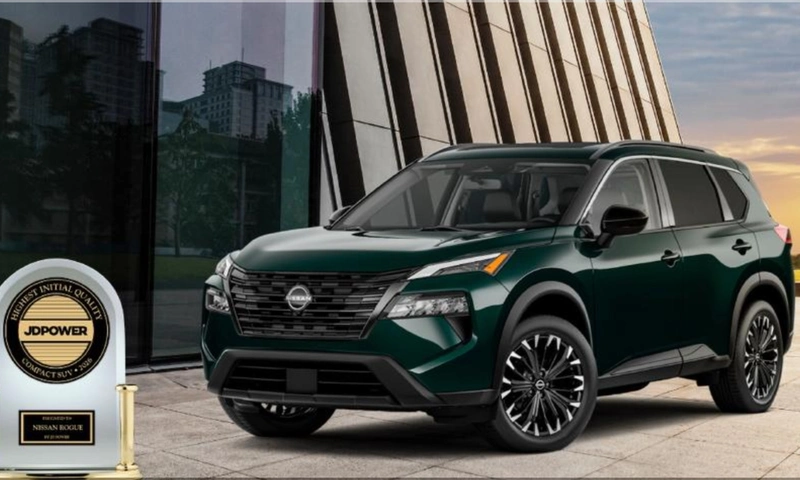
A New Plug-in Strategy for a High-Demand Segment
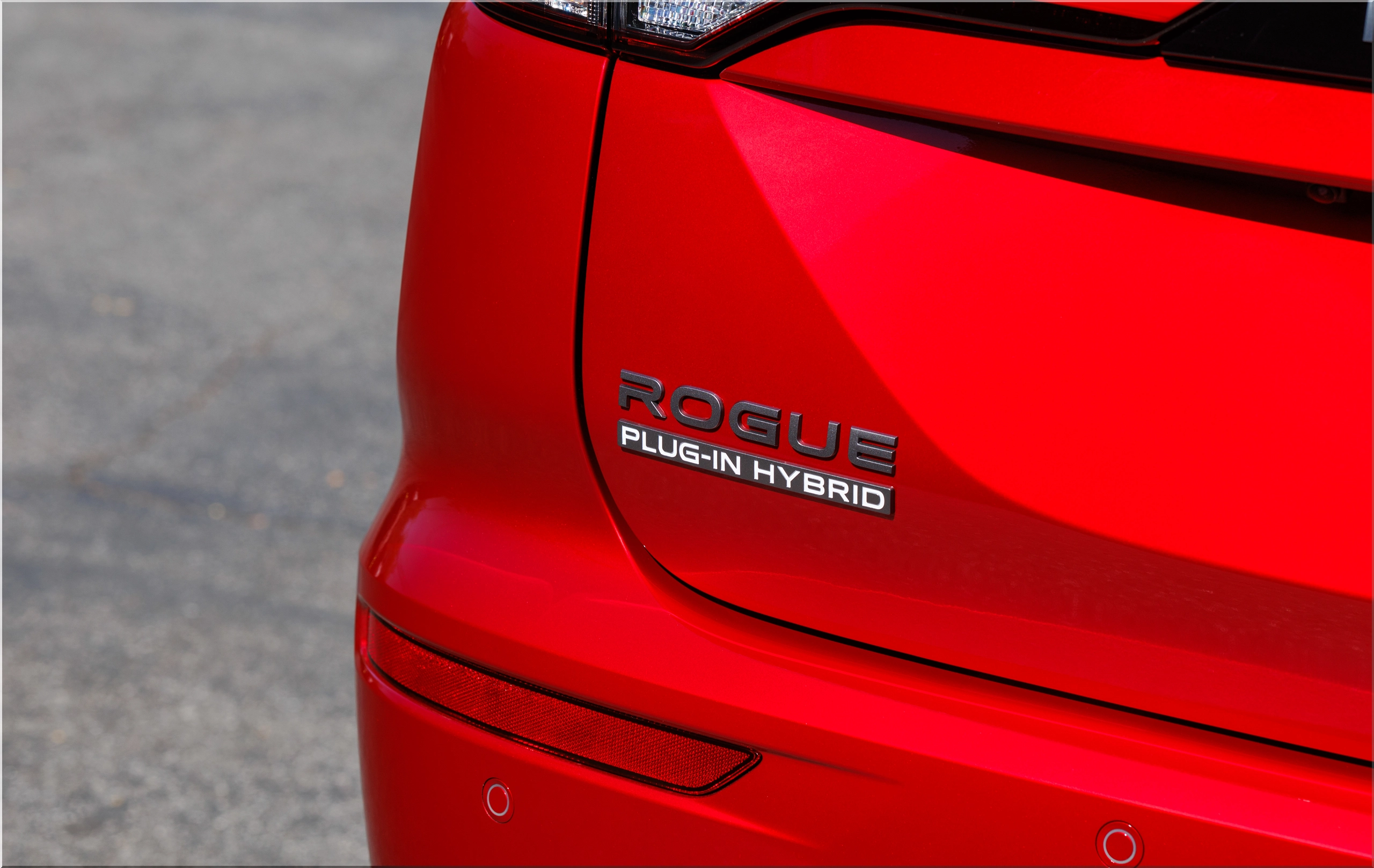
The 2026 Nissan Rogue Plug-in Hybrid enters a crowded field with one clear objective: give families a practical path into electric driving. Nissan pairs 38 miles of all-electric range, 420 miles total range, and standard Intelligent All-Wheel Drive to target buyers who want lower running costs but do not want charging anxiety.
This model extends Nissan's electrification plan. It adds a flexible seven-seat layout and a powertrain with 248 horsepower and 332 lb-ft of torque. Nissan states that dealers will receive the SL and Platinum grades in early 2026.
Powertrain: Electric When You Need It, Gas When You Don't
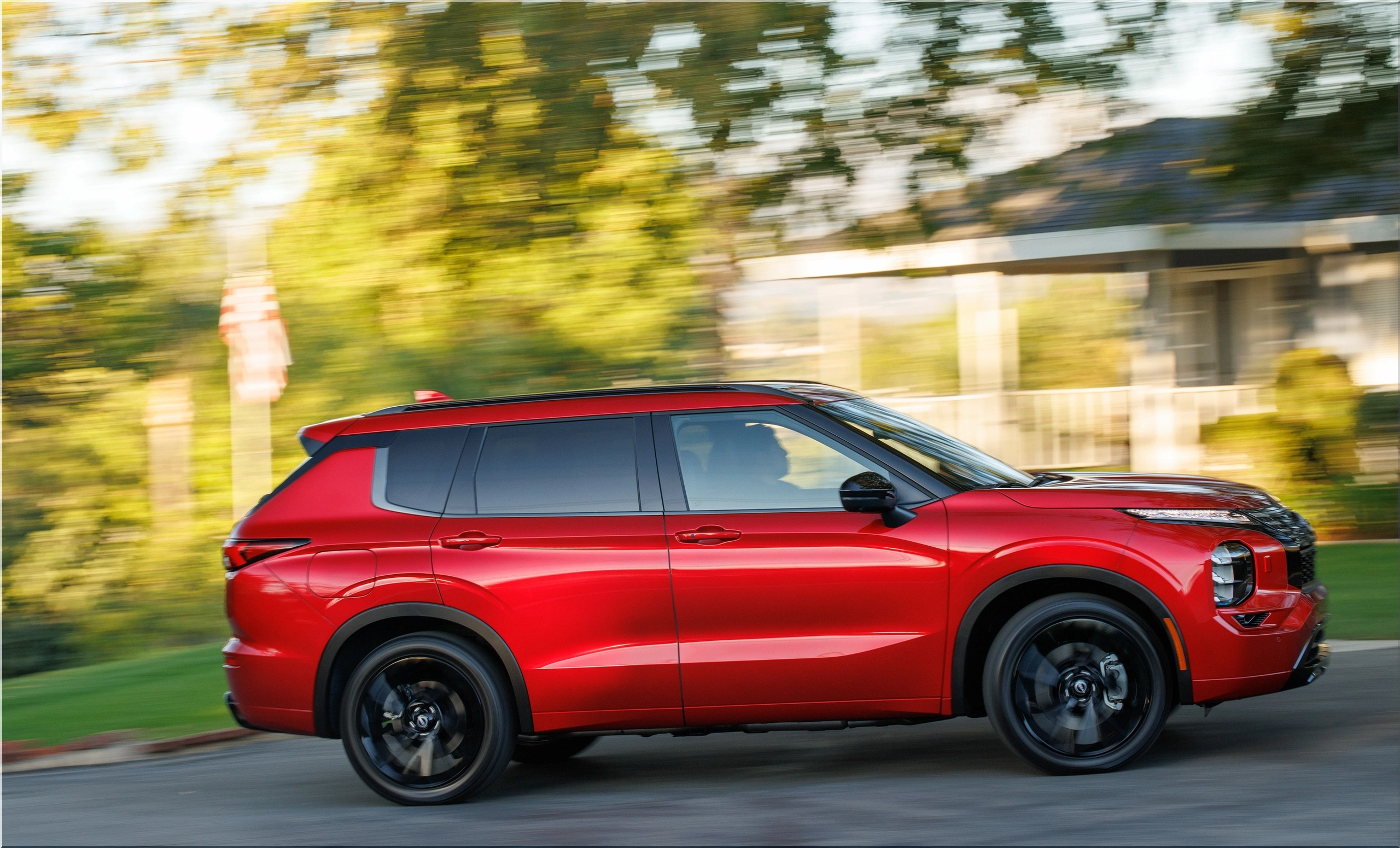
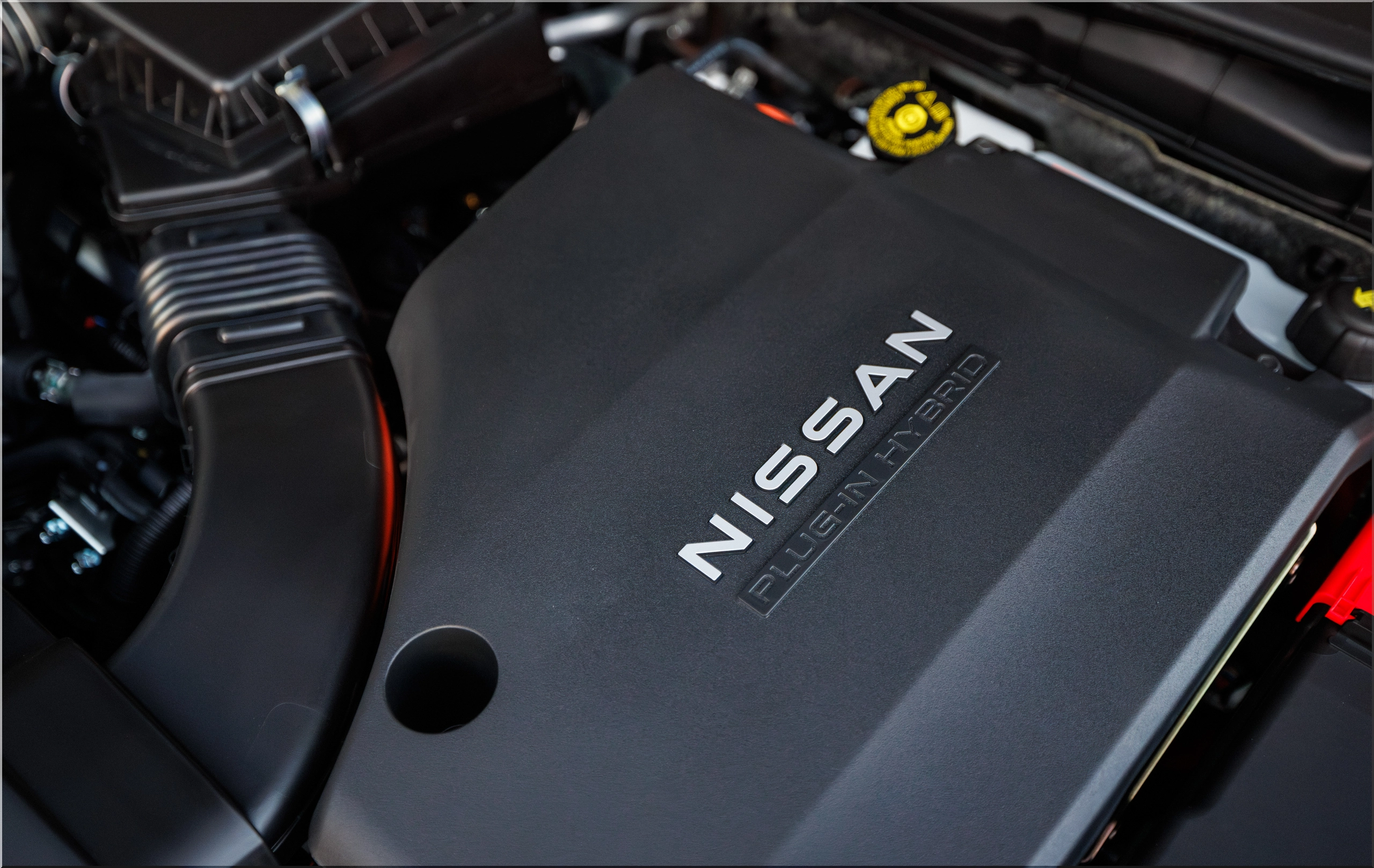
Nissan combines a 2.4-liter engine, dual electric motors, and a 20-kWh battery. The result is predictable power delivery in city traffic and stronger acceleration than the current gasoline Rogue.
Key Powertrain Specs
- Total output: 248 horsepower, 332 lb-ft
- All-electric range: 38 miles
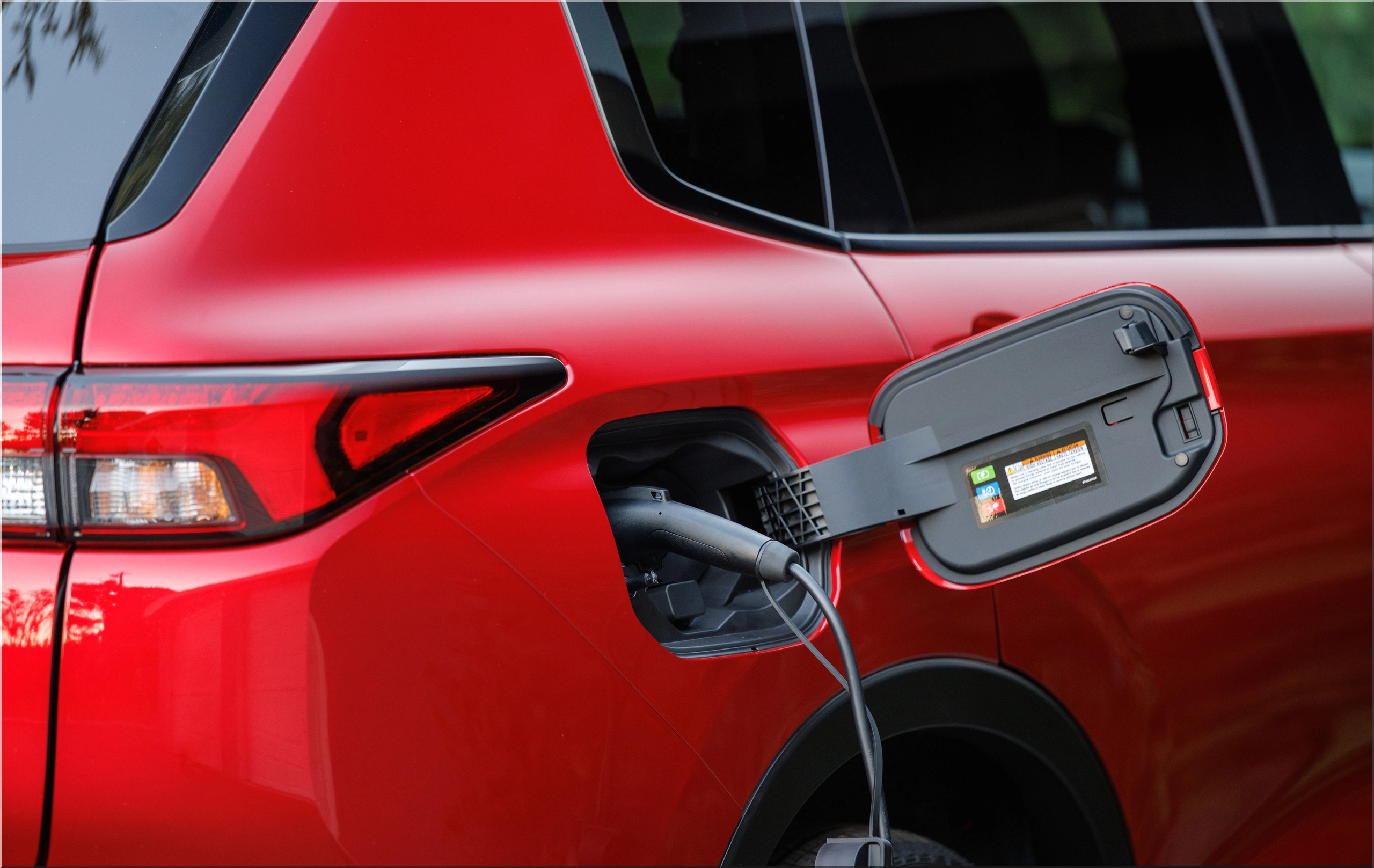
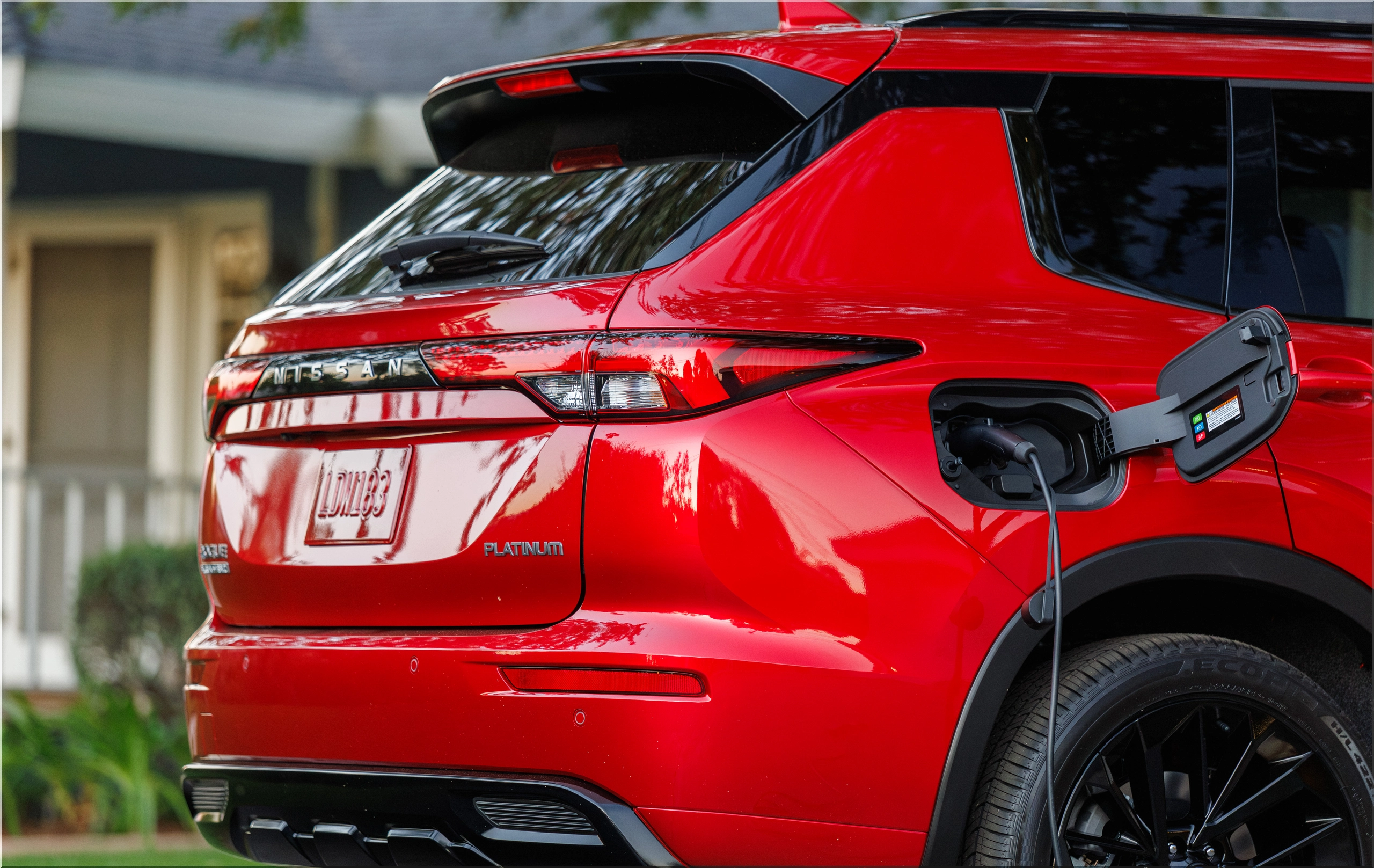
- Charging time (Level 2): 7.5 hours
- Fuel economy: 64 MPGe, 26 mpg combined on gas
- AWD: Standard
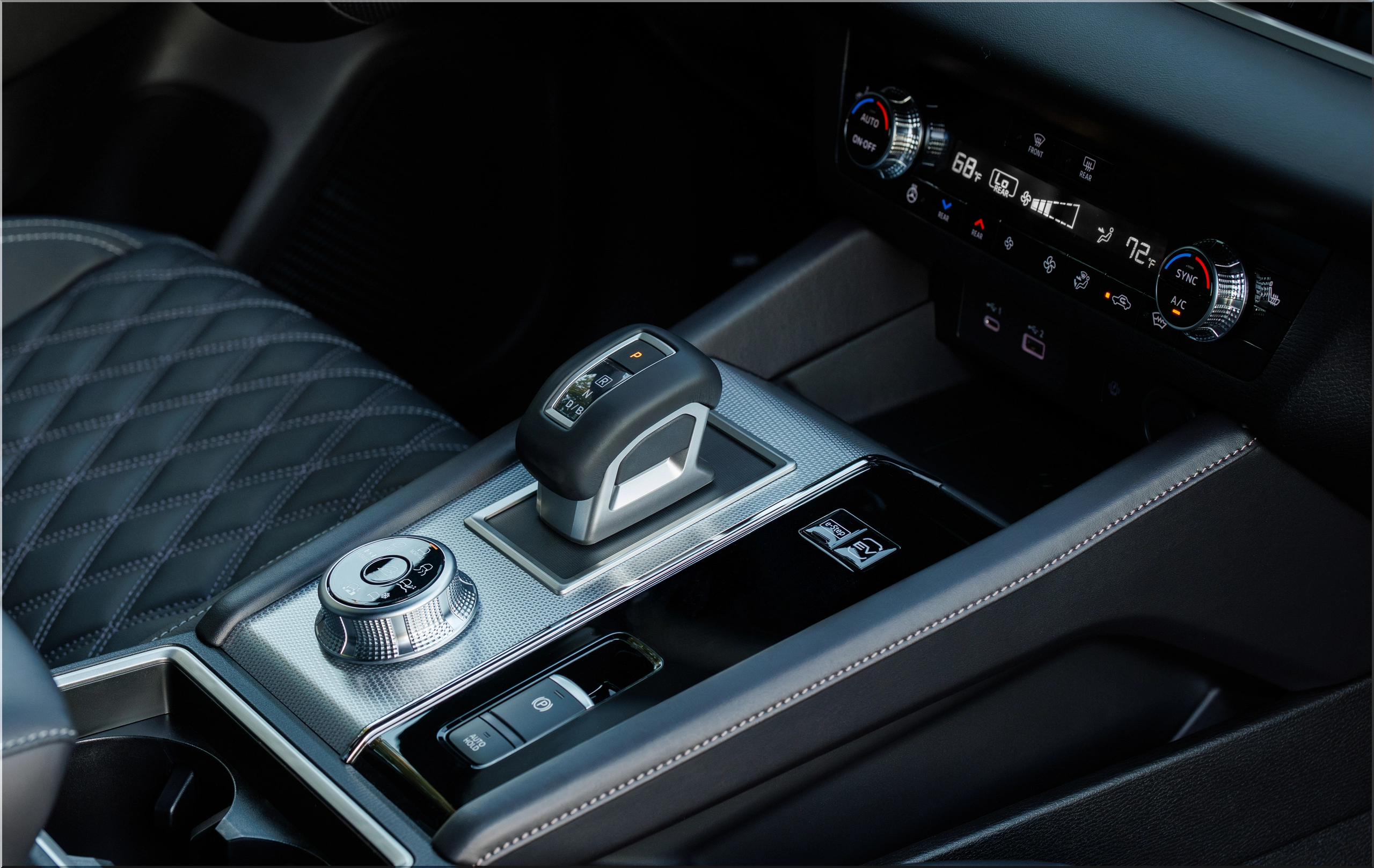
Drivers can toggle EV, Save, and Charge modes. Two regenerative braking levels and the e-Step feature help capture more energy during deceleration.
Driving Modes for Mixed Conditions
The seven-mode selector supports daily commuting and weekend travel. Modes include Normal, Power, Eco, Tarmac, Gravel, Snow, and Mud. Torque distribution and throttle mapping adjust to match traction needs.
Braking performance rises through 13.8-inch front and 13.0-inch rear vented rotors. Nissan equips the Rogue with Hill Start Assist, Hill Descent Control, and an electric parking brake with auto hold.
Interior: Three Rows and Strong Everyday Utility
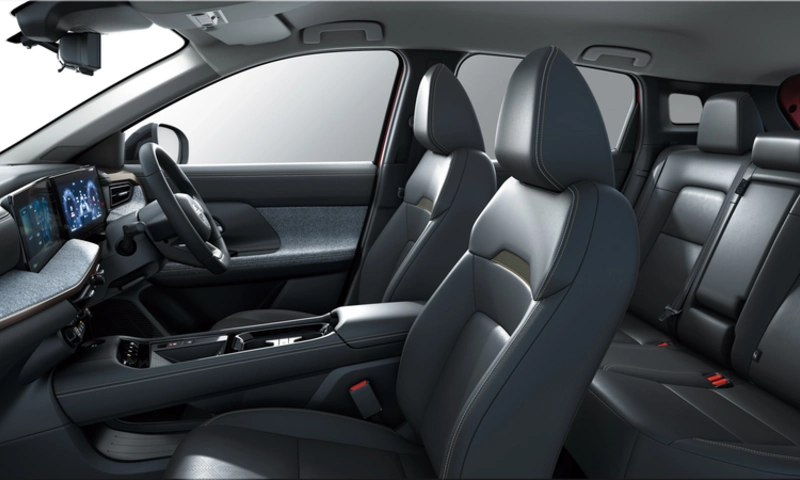
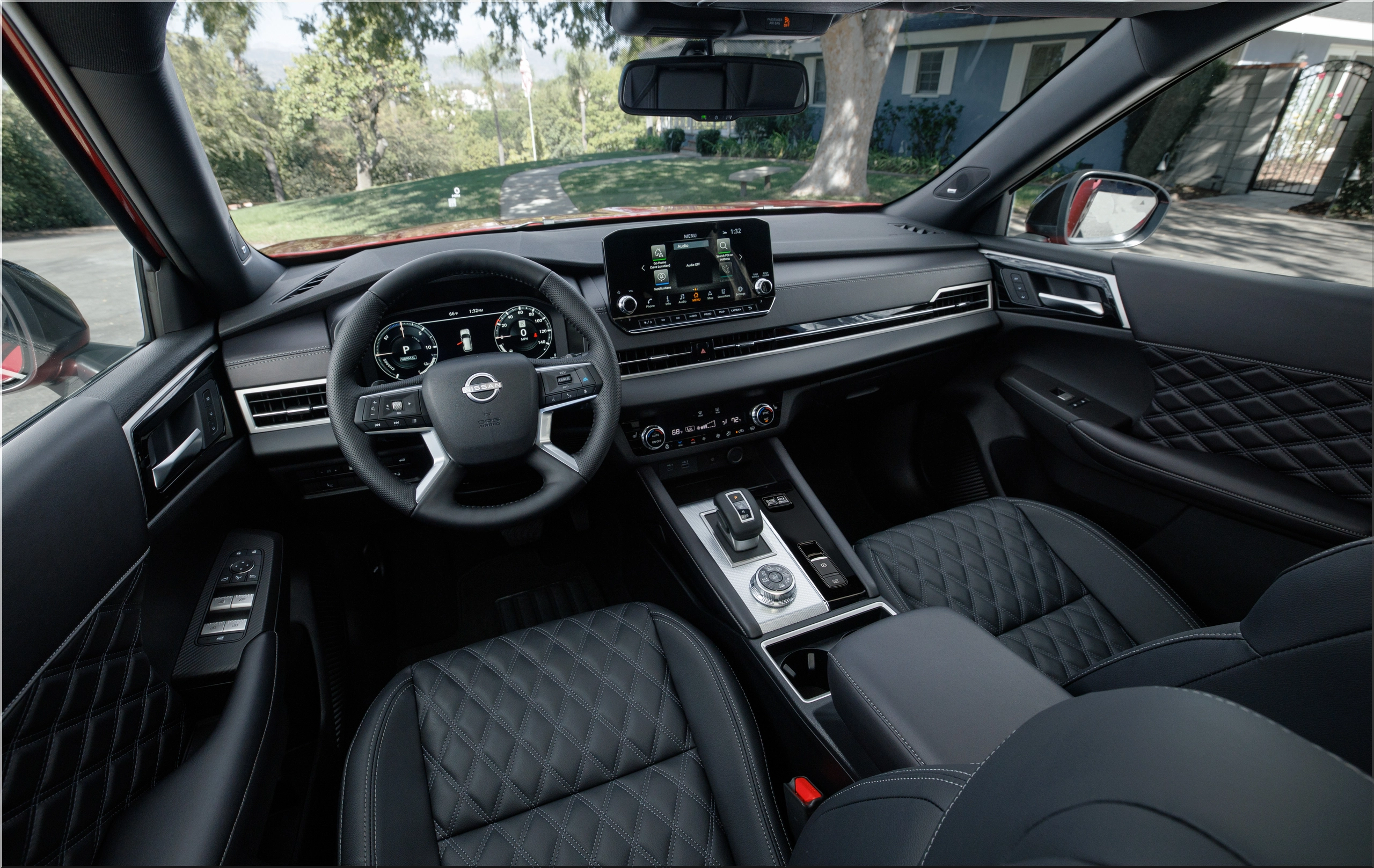
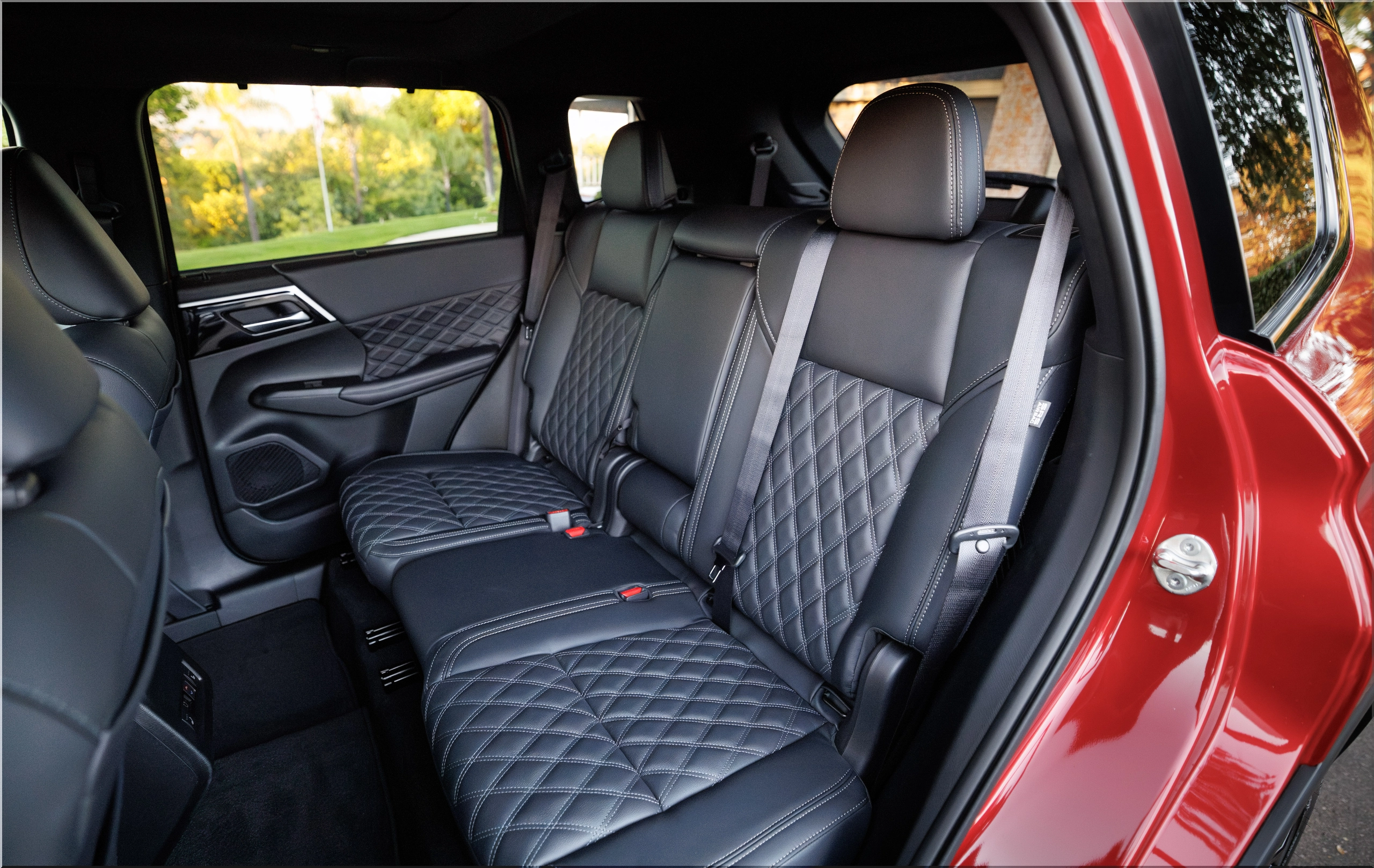
Nissan positions the Rogue Hybrid as a family mover with flexible space. The third row is compact, but the configuration expands seating to seven passengers. The second row slides, reclines, and folds for easier third-row access.
Cabin Capacity
- Cargo behind third row: 12.8 cubic feet
- Cargo behind second row: 30.8 cubic feet
- Cargo with both rows folded: 64.7 cubic feet
The cargo area fits long objects up to 80 inches. Nissan says four golf bags fit behind the second row. The wide liftgate opening and motion-activated tailgate support quick loading.
Technology: Standard 12.3-inch Display and Key Upgrades
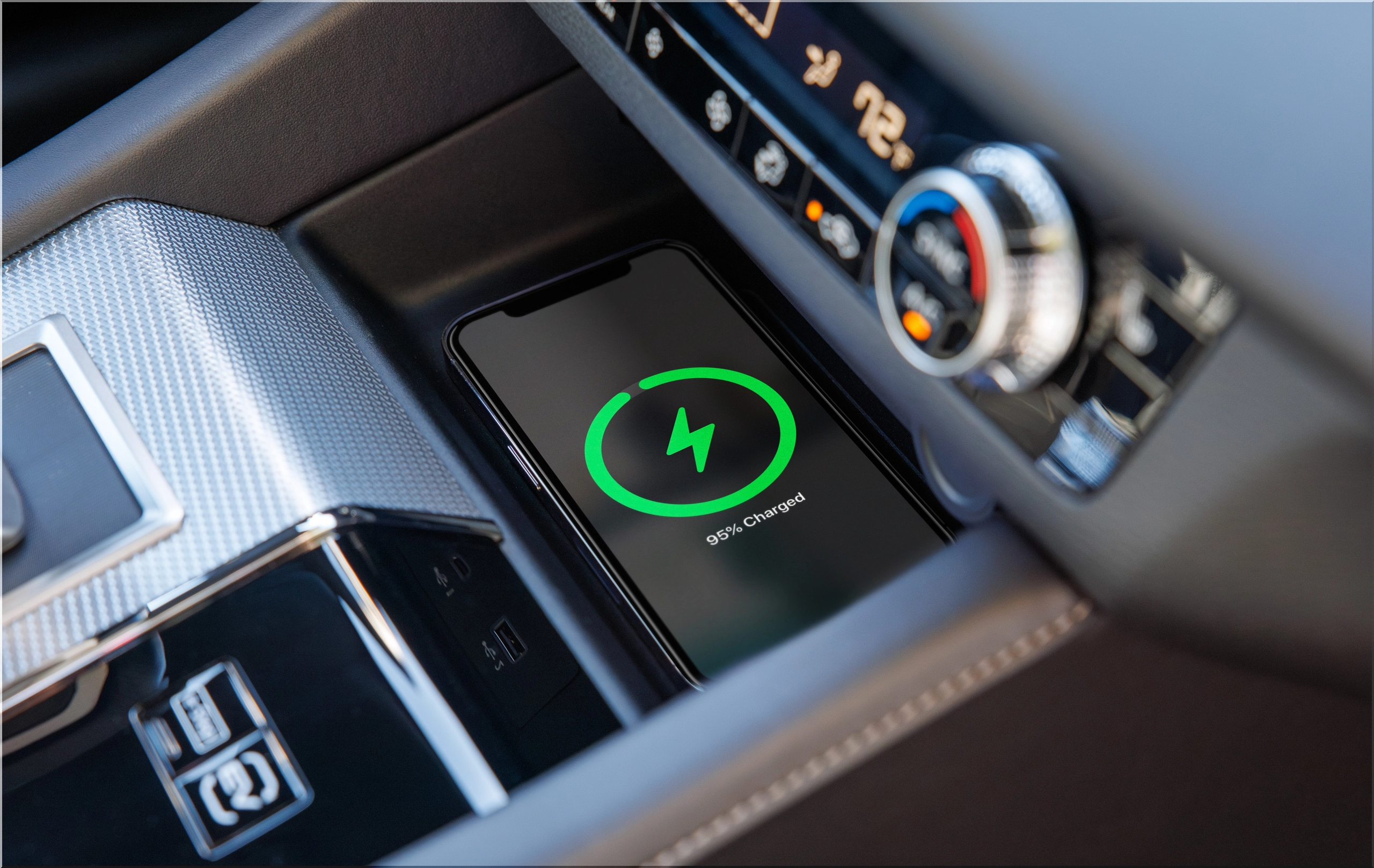
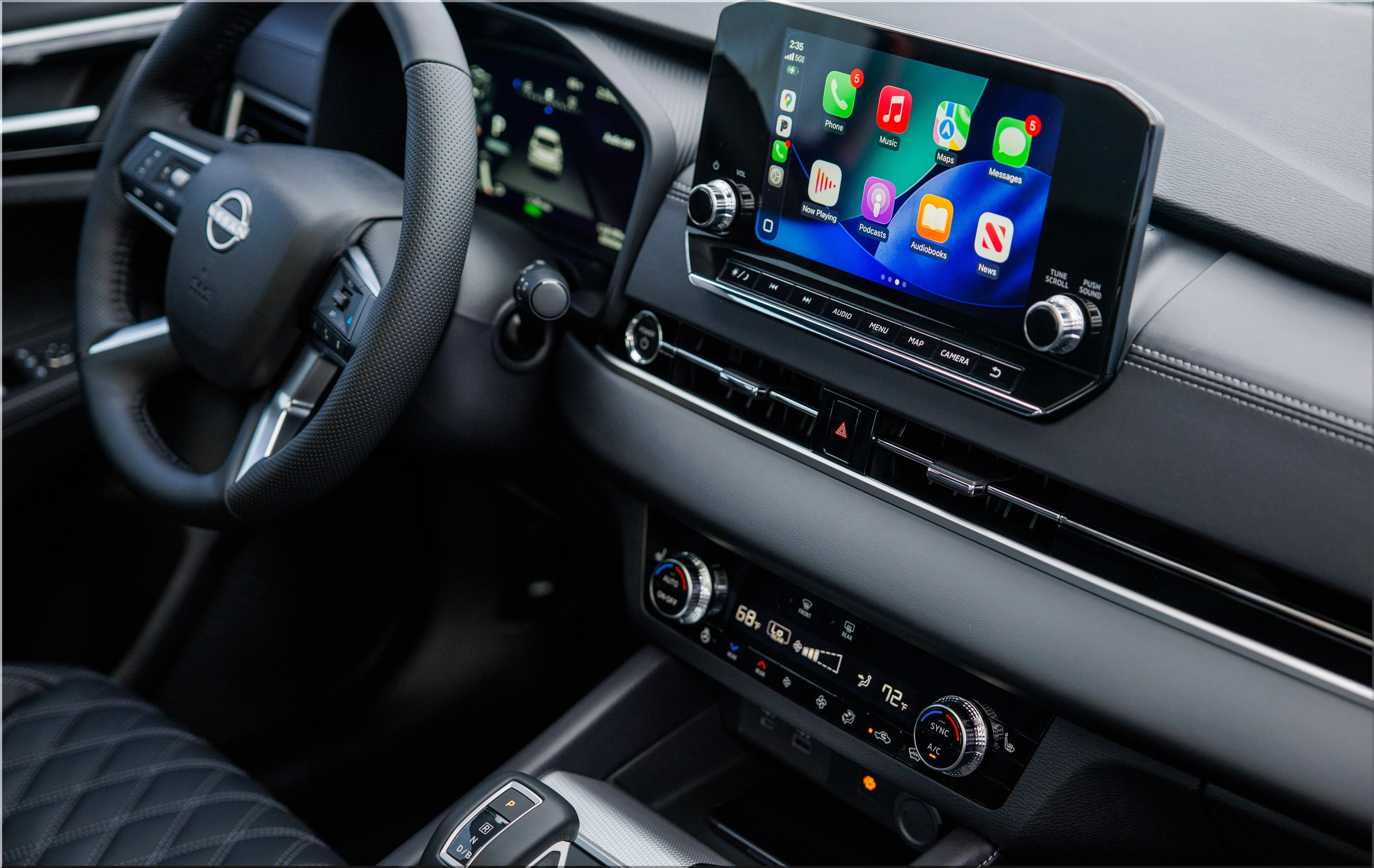
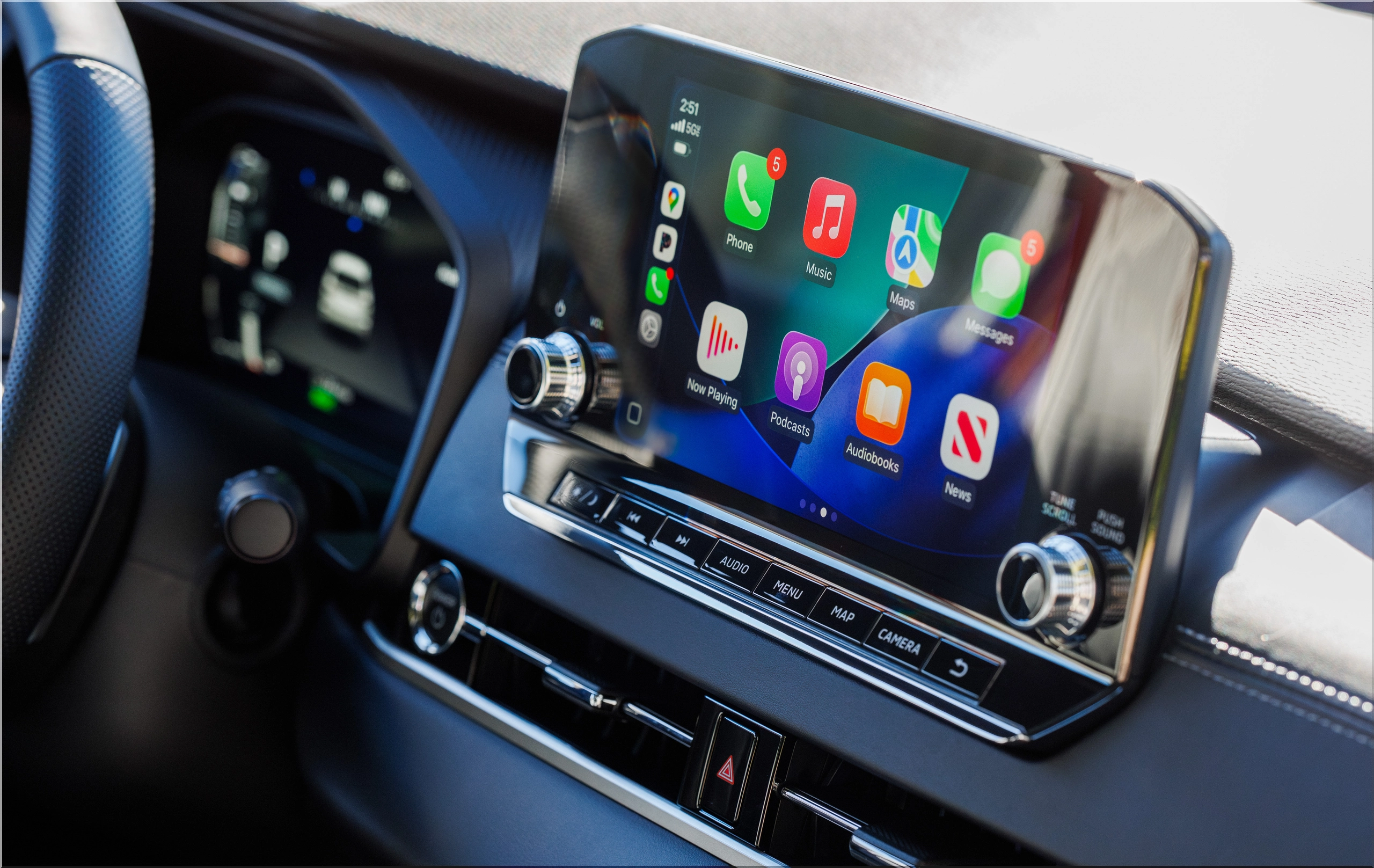
The Rogue Plug-in Hybrid brings several core connectivity features to both trims. Nissan includes a 9-inch touchscreen, wireless Apple CarPlay, wired Android Auto, and a wireless charging pad.
Platinum adds more hardware:
- 10-inch head-up display
- Bose nine-speaker audio
- Dual 120-volt, 1,500-watt outlets for appliances
- Tri-zone climate control
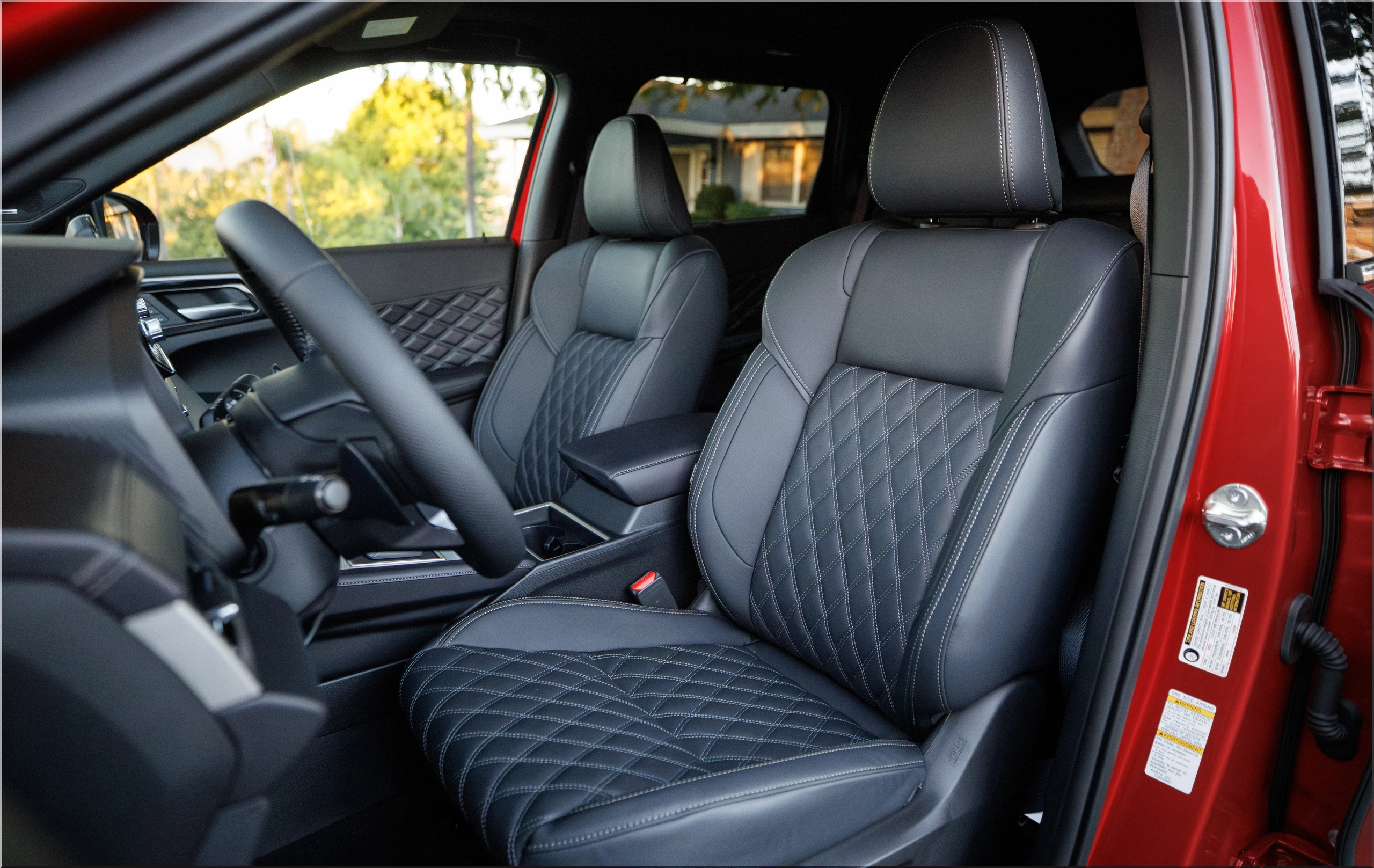
- Leather-appointed seating
- Heated second-row seats
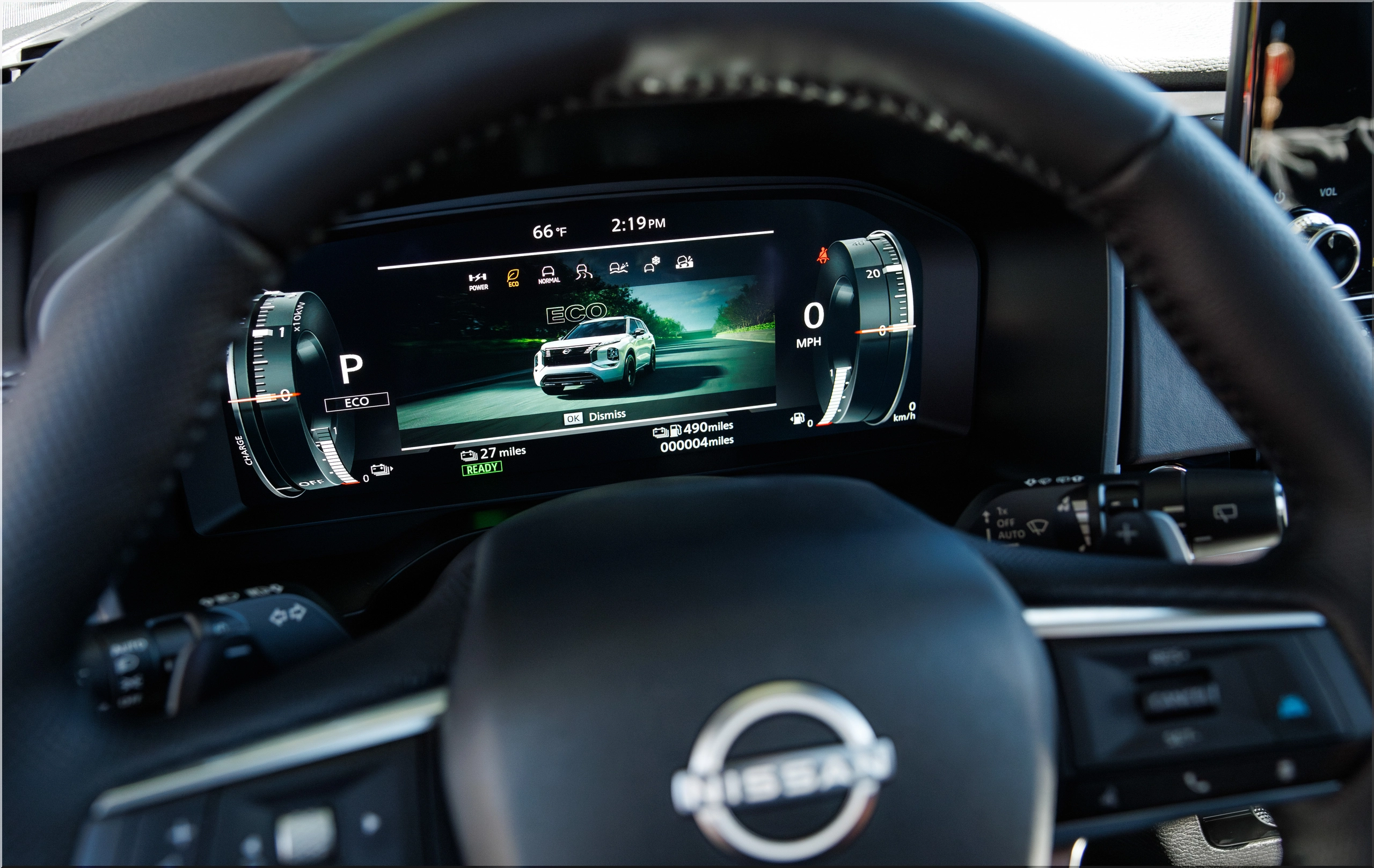
The standard 12.3-inch digital cluster delivers charging metrics, EV-range status, and hybrid power flow diagrams.
Safety: Nissan Safety Shield 360 Comes Standard
All models carry Nissan's full suite of Safety Shield 360 features. The package includes Automatic Emergency Braking with Pedestrian Detection, Lane Departure Warning, Blind Spot Warning, Rear Cross Traffic Alert, and Rear Automatic Braking.
Nissan adds:
- ProPILOT Assist with steering, braking, and acceleration support
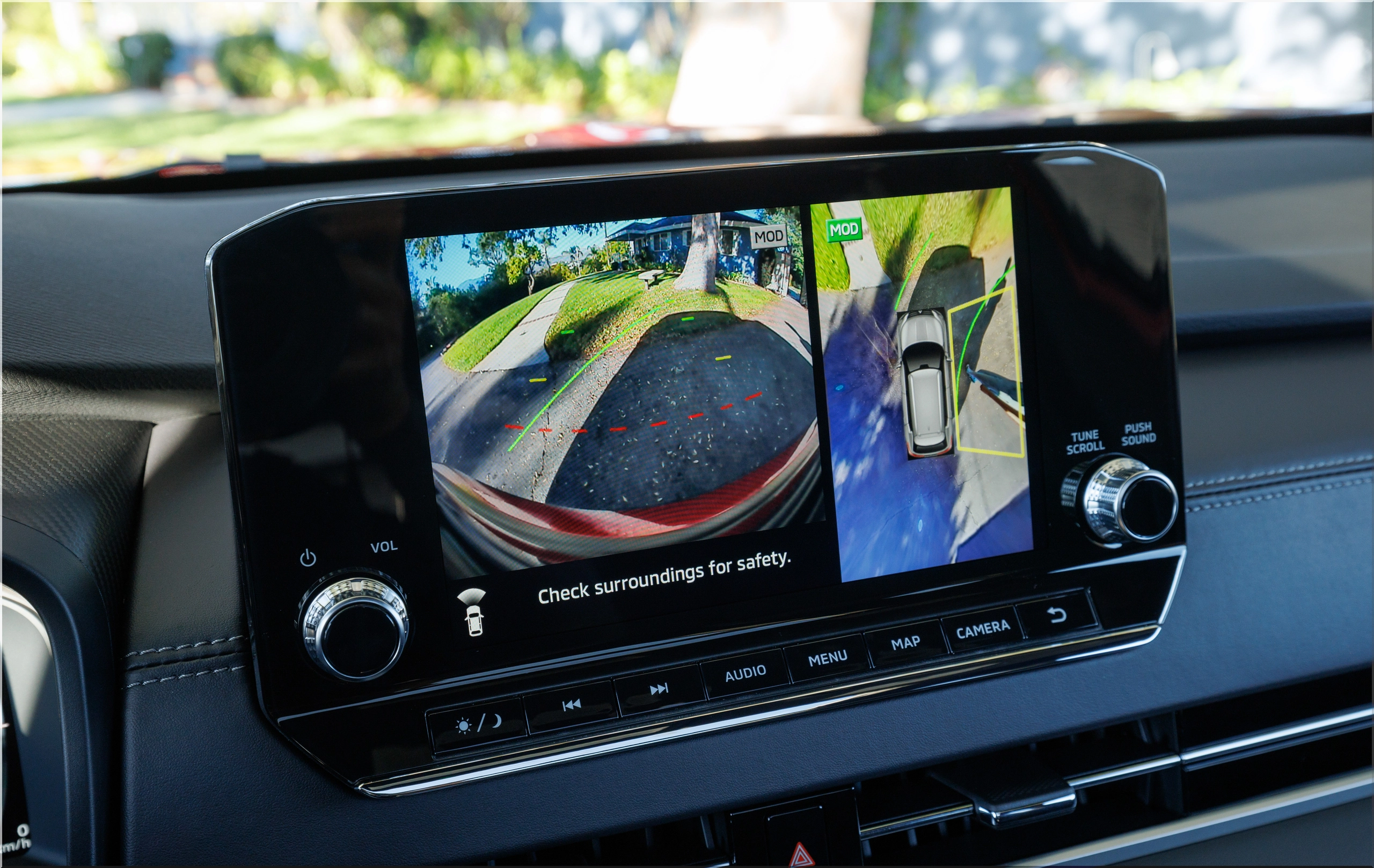
- Intelligent Around View Monitor with Moving Object Detection
- Traffic Sign Recognition
- 11 airbags
These features place the Rogue Plug-in Hybrid near the top of the segment for standard safety technology.
Exterior: Functional Design with Subtle Upgrades
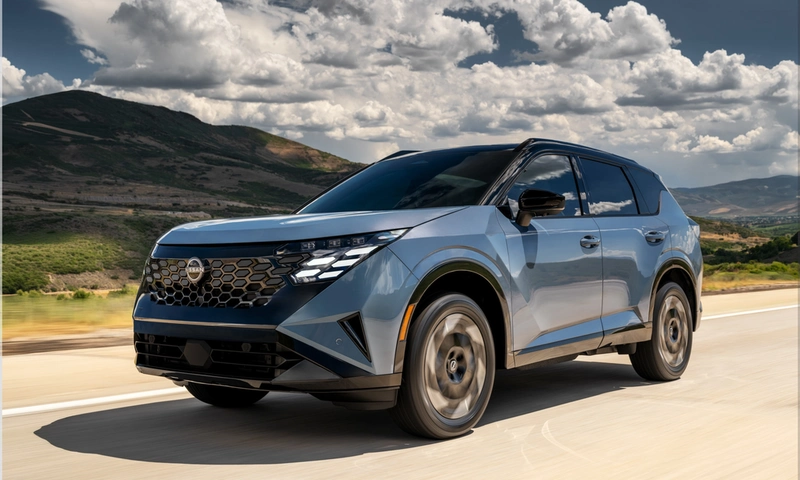
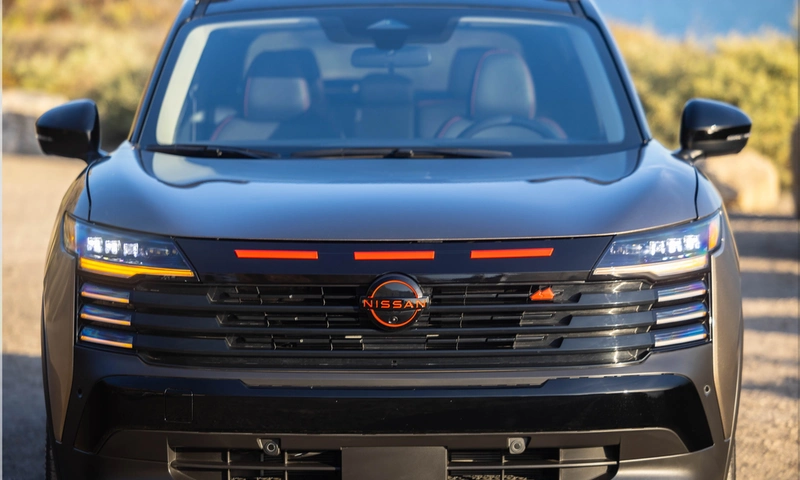
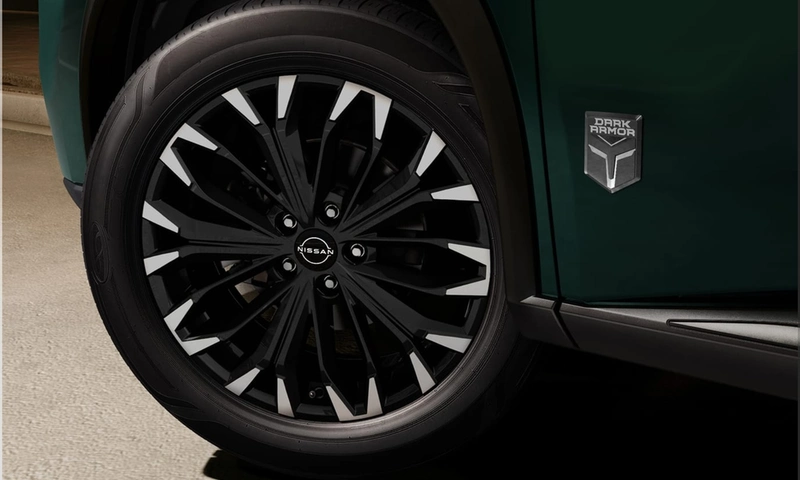
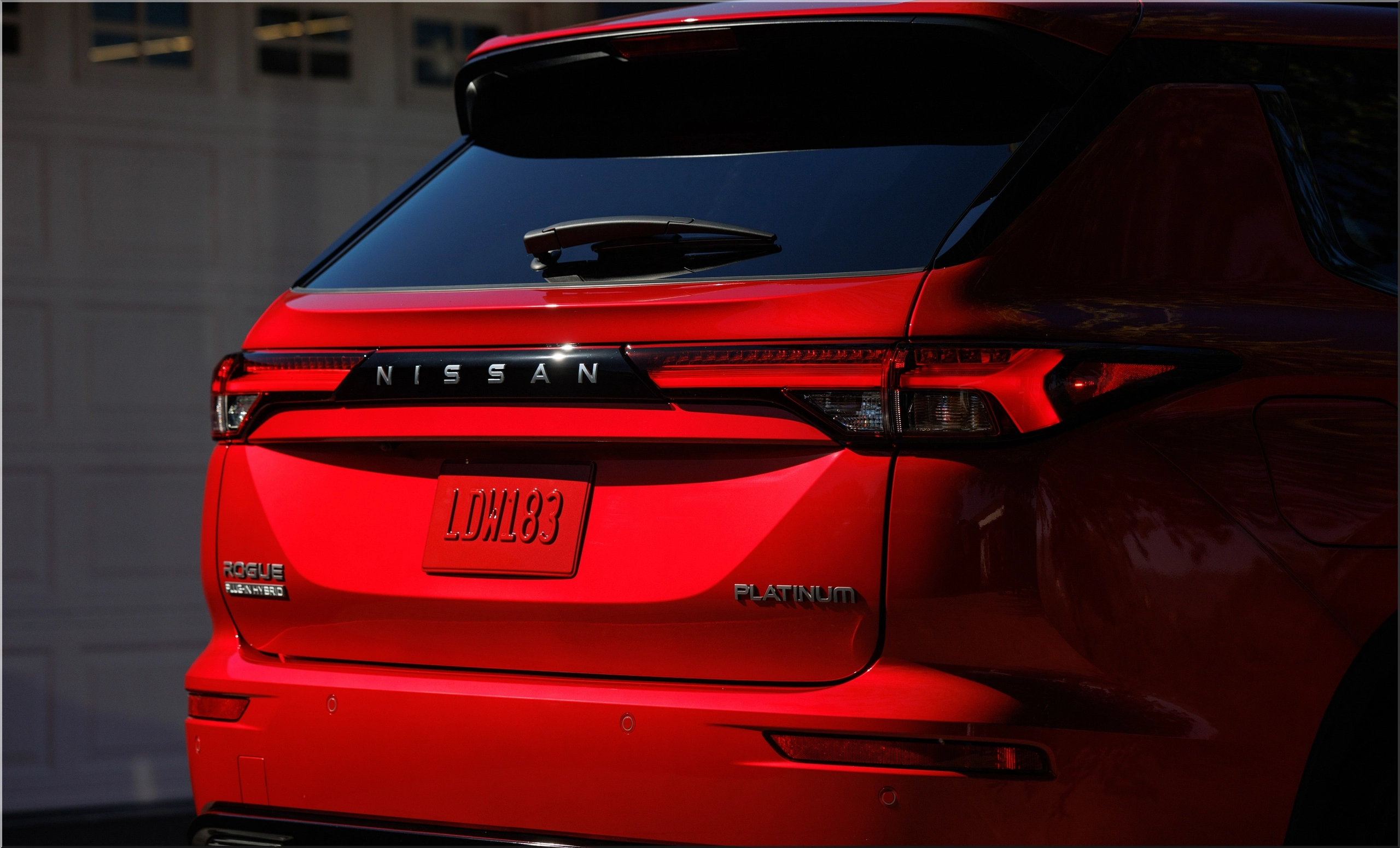
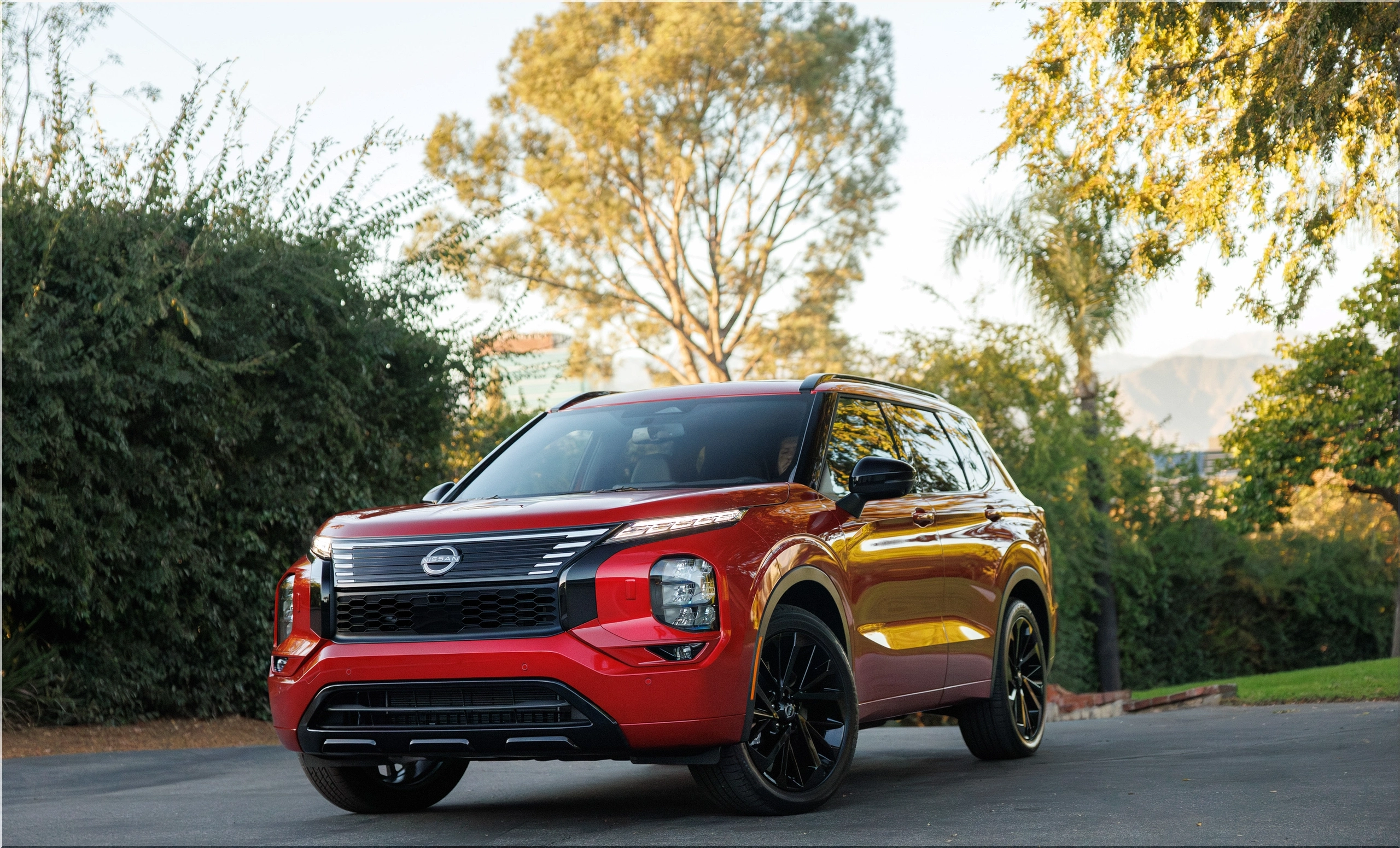
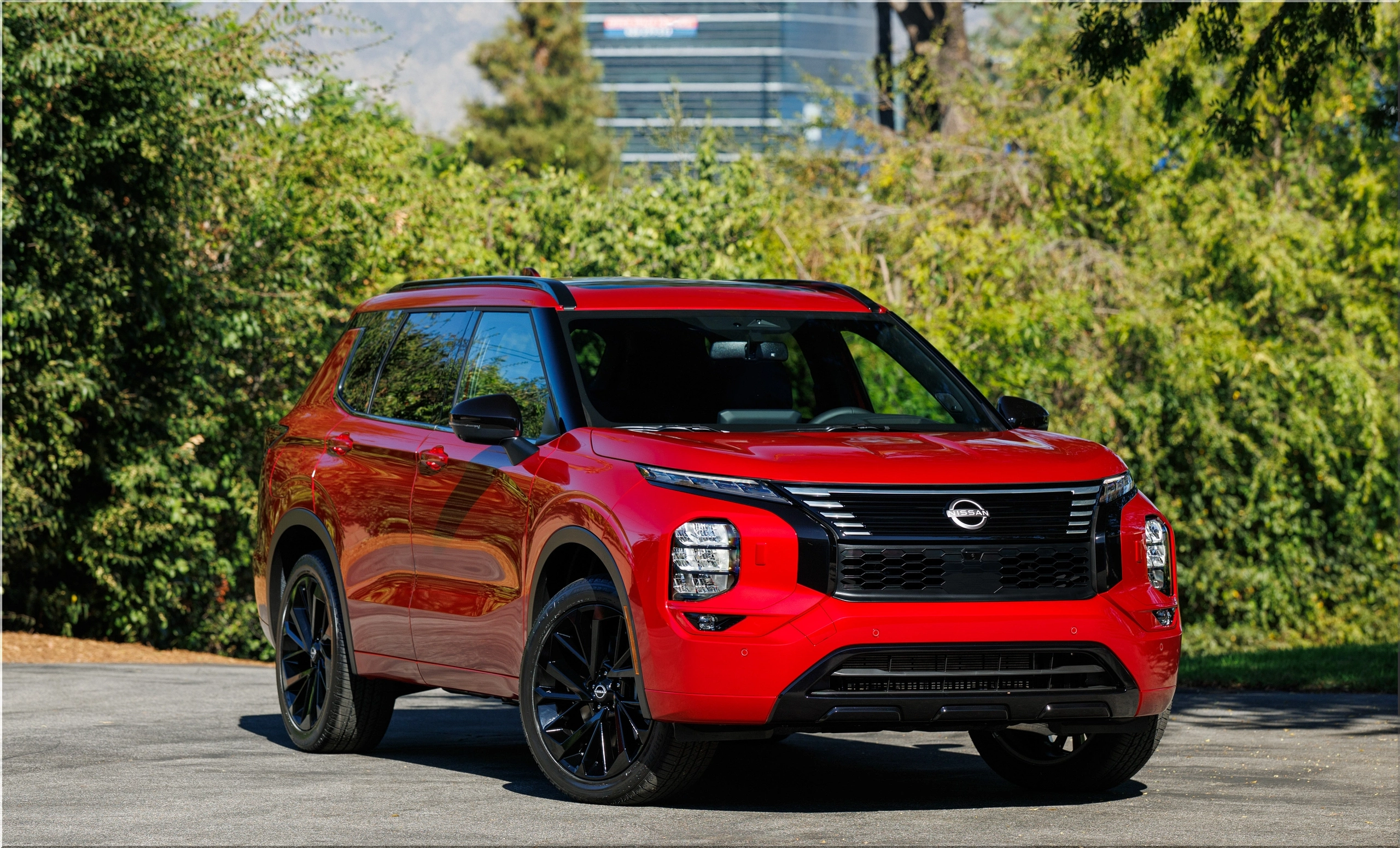
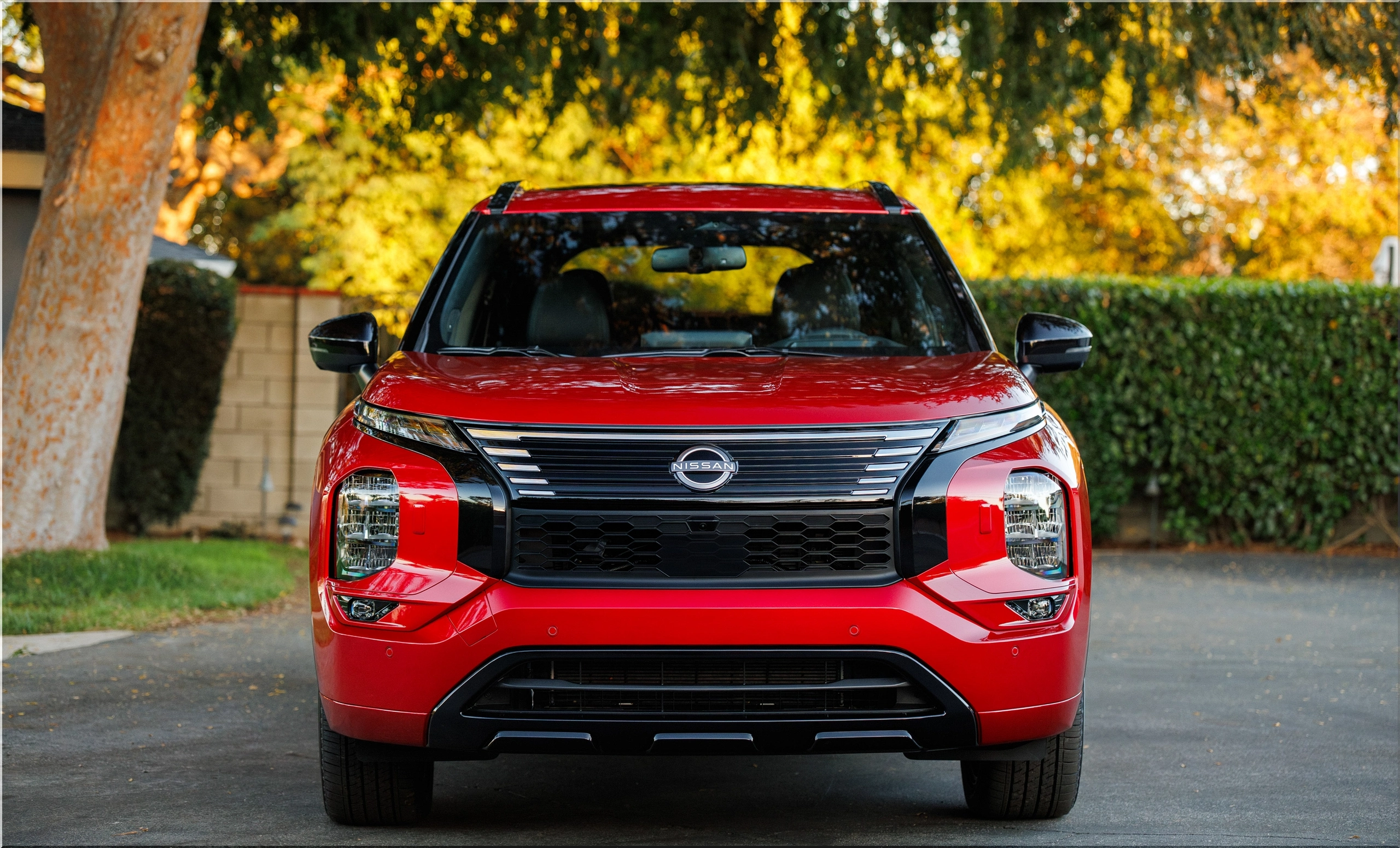
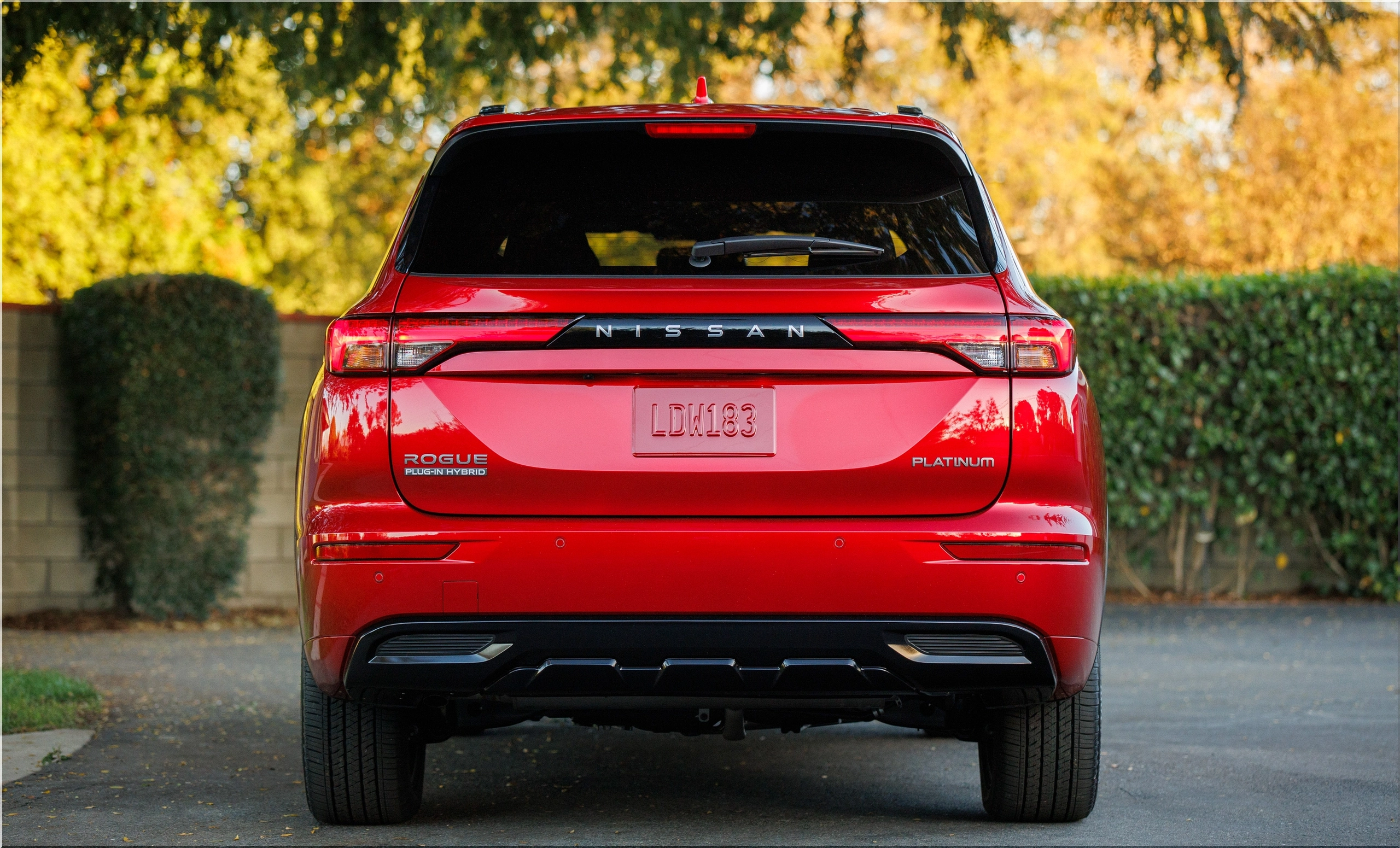
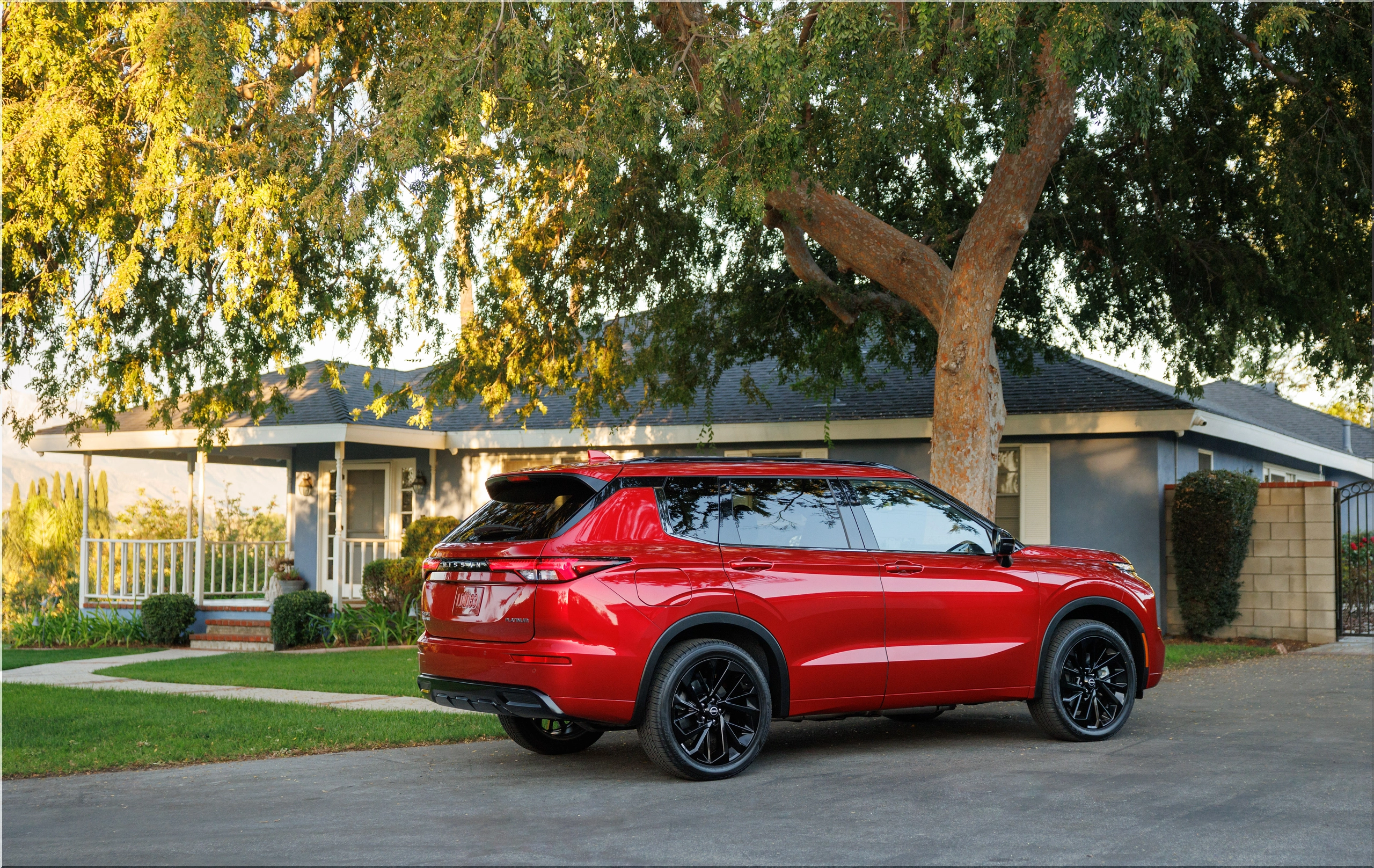
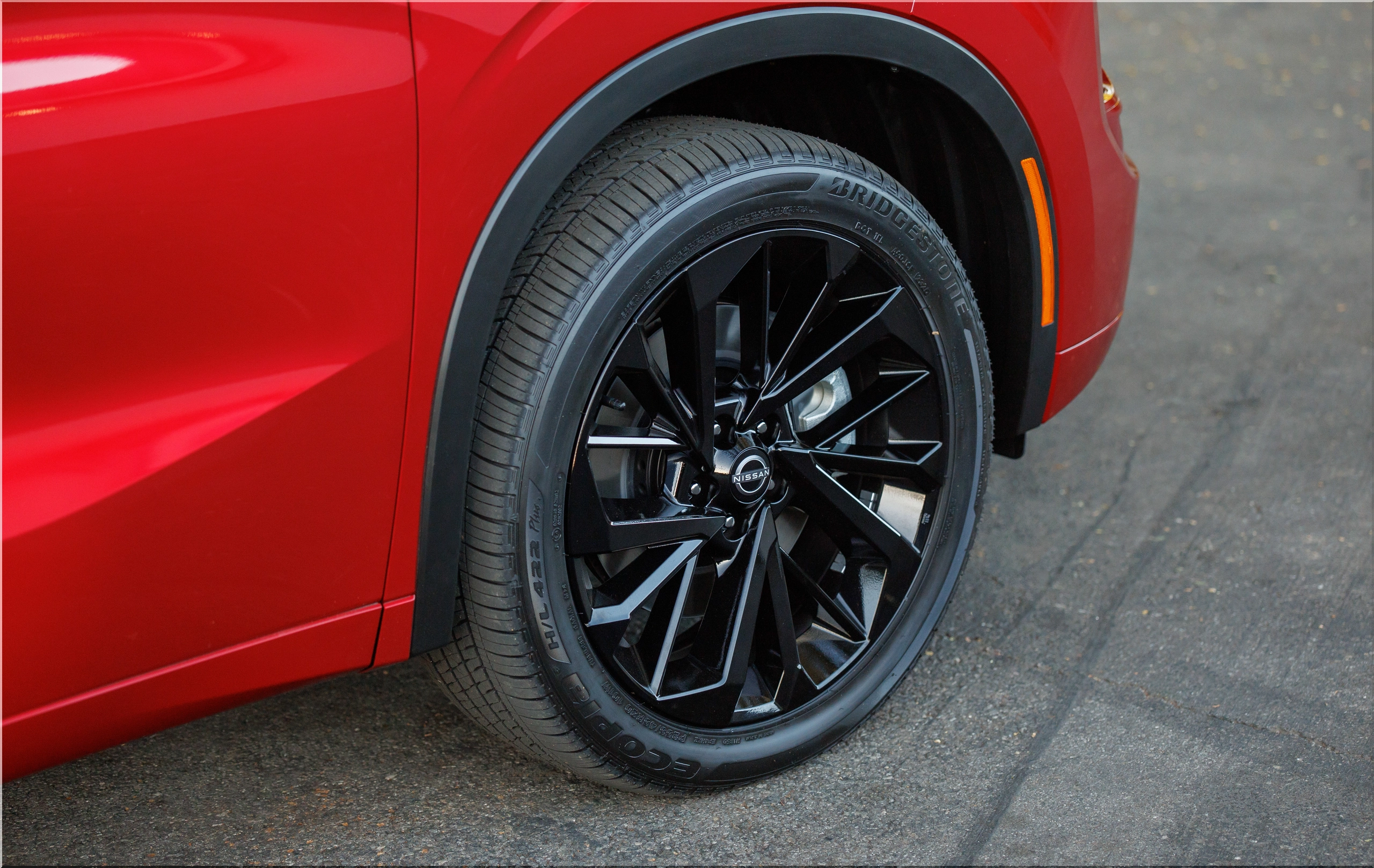
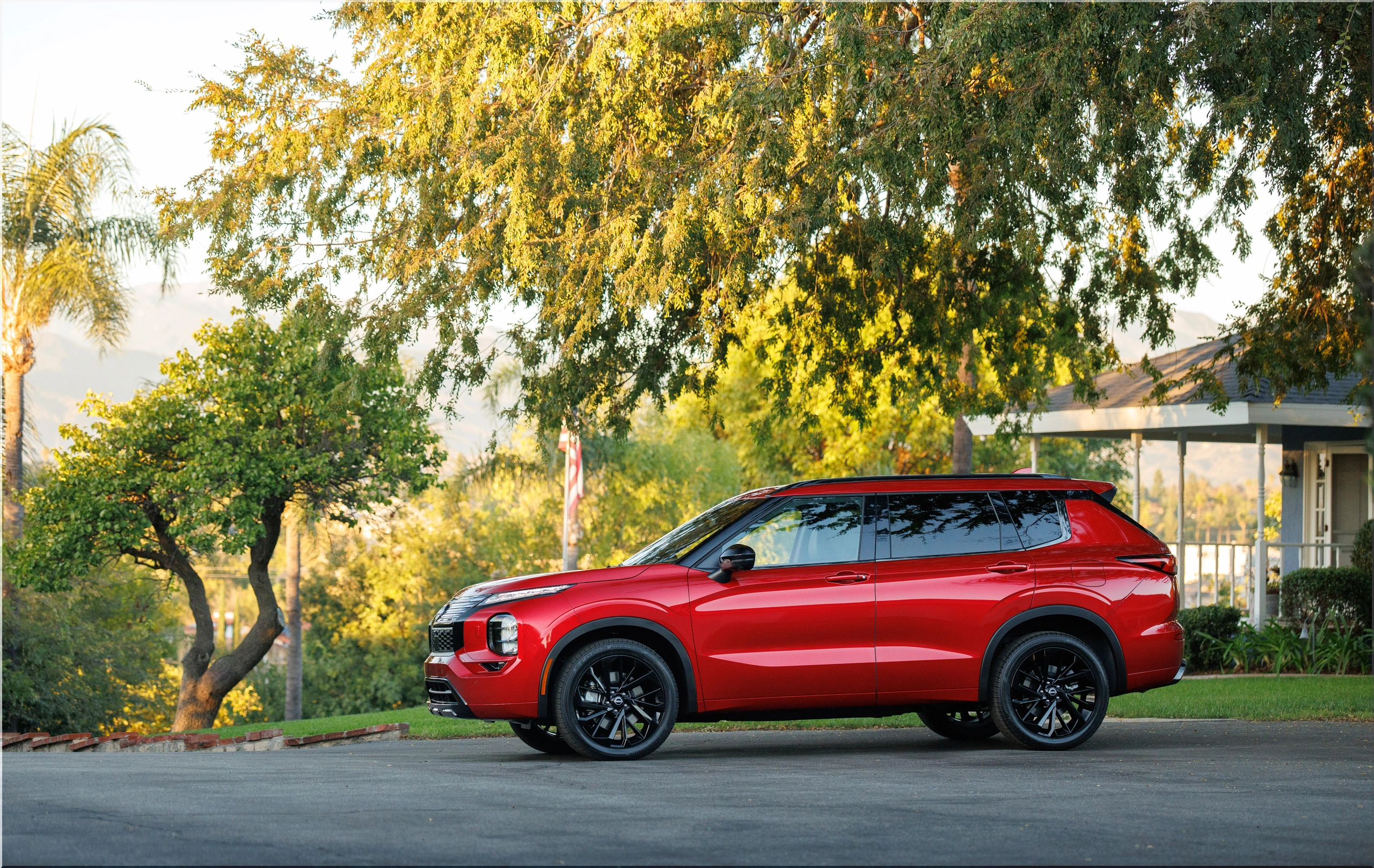
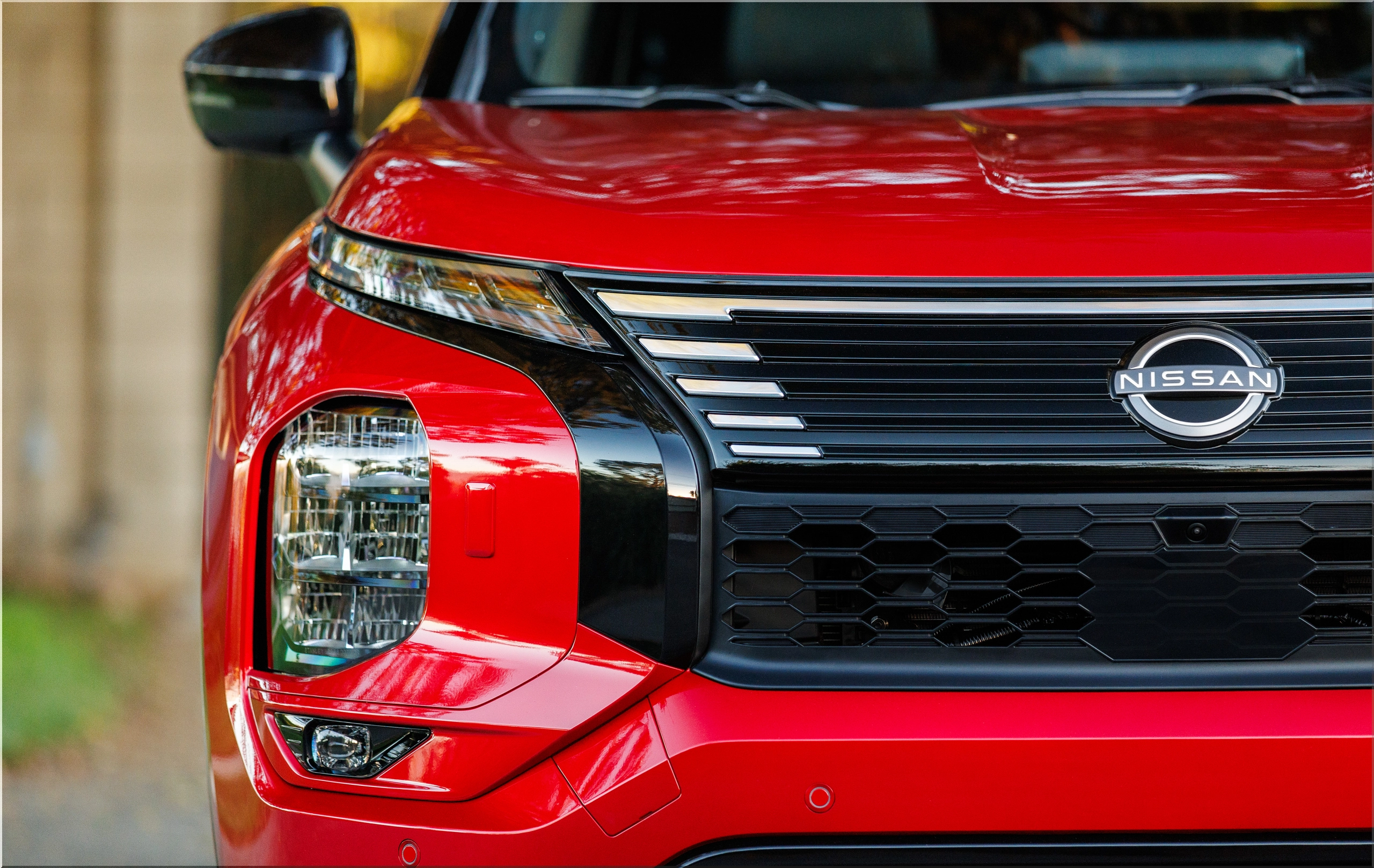
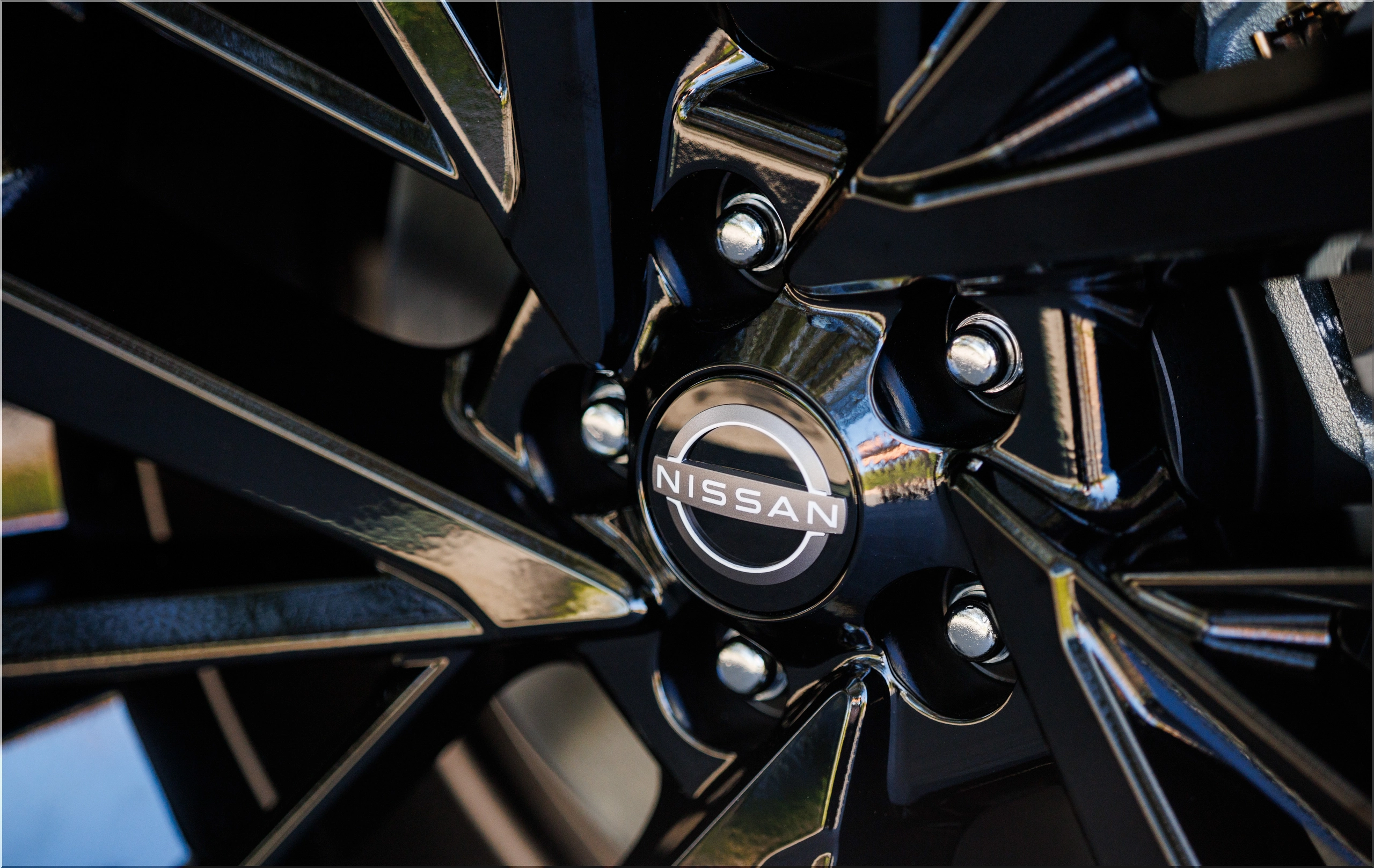
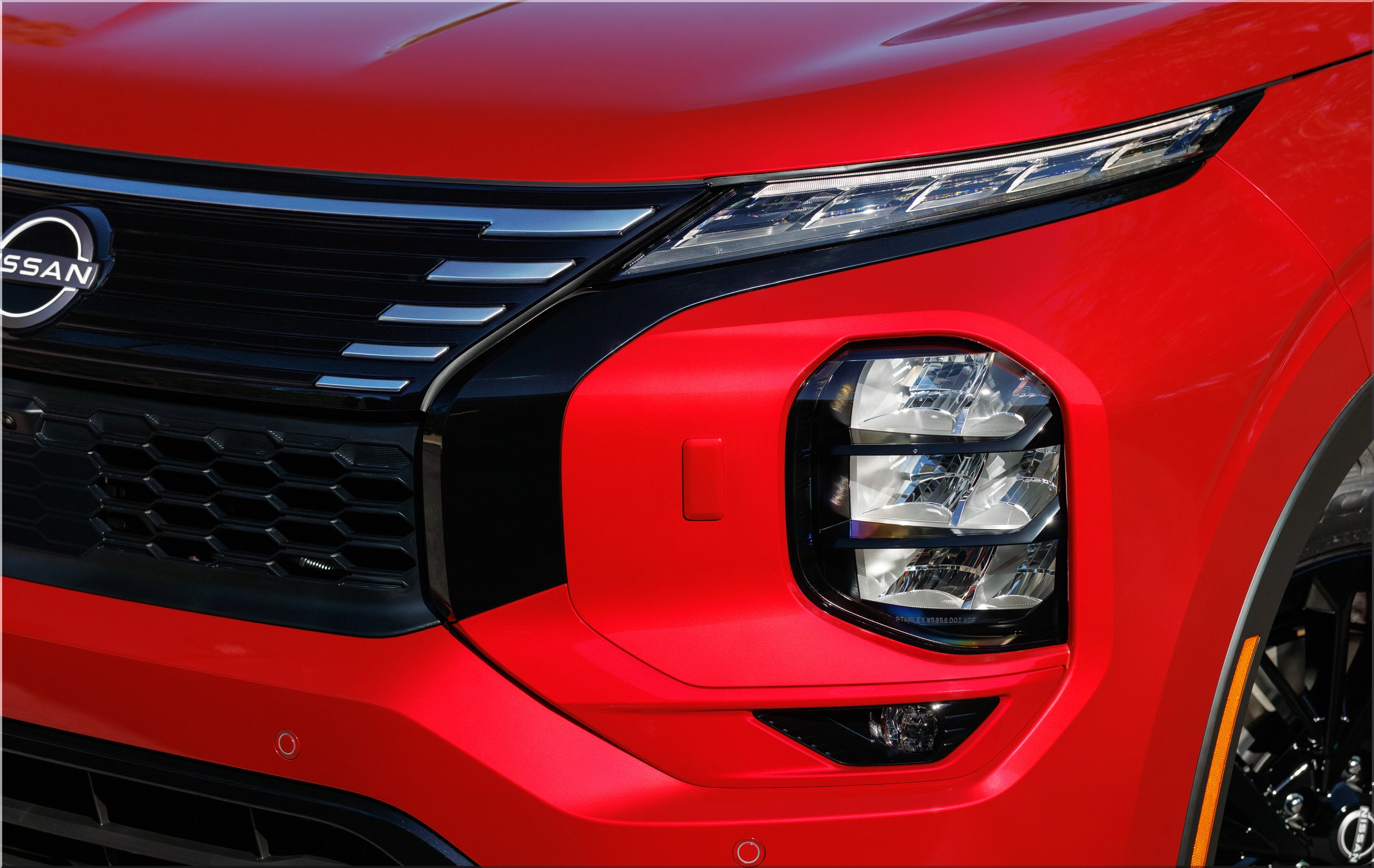
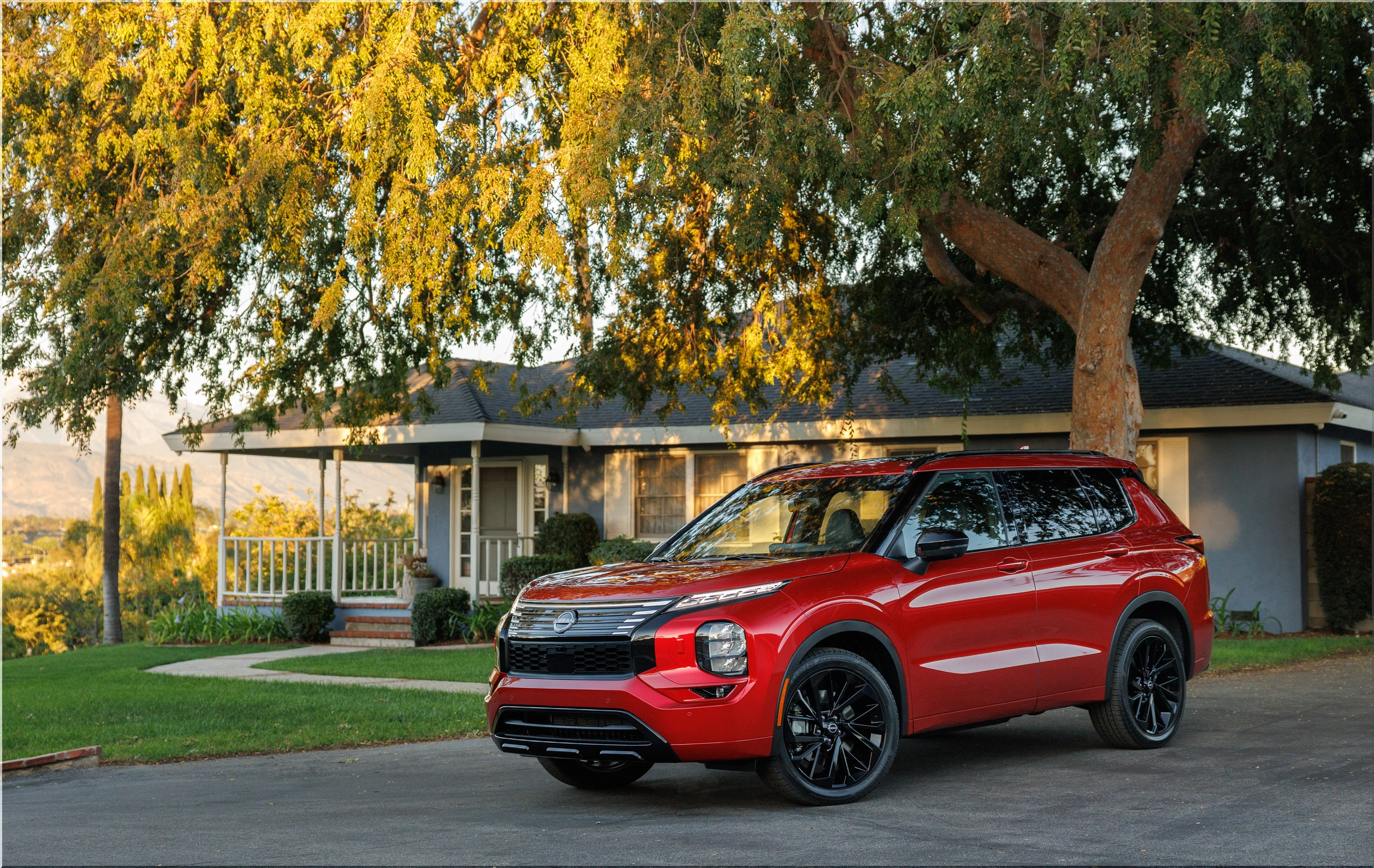
The 2026 Rogue Plug-in Hybrid uses a unibody platform and standard 20-inch dark-painted wheels. LED lighting surrounds the vehicle, with multi-element LED headlights and LED fog lights.
The rear doors open 70 degrees for easier entry or child-seat installation. Acoustic glass on the front doors reduces cabin noise. Black exterior trim and roof rails give the SUV a clean, modern look.
Specifications Snapshot
The following table summarizes core metrics for shoppers comparing plug-in SUVs:
| Category | 2026 Rogue PHEV |
|---|---|
| Battery Capacity | 20 kWh |
| Total Range | 420 miles |
| All-Electric Range | 38 miles |
| Horsepower | 248 hp |
| Torque | 332 lb-ft |
| Drivetrain | AWD |
| Seating | 7 passengers |
| Cargo (max)** | 64.7 cu ft |
| Towing | 1,500 lbs |
| Wheels | 20-inch |
Pricing Outlook
Nissan has not released pricing. The standard Rogue currently sells in the mid-$30,000s USD. Plug-in hybrid competitors exceed that figure. A reasonable expectation places the SL around $44,000–$46,000 USD and the Platinum near $48,000–$50,000 USD, depending on equipment and regional adjustments. Nissan will publish full pricing closer to launch.
Why Nissan Built This PHEV
Nissan wants a stepping stone for customers who hesitate to commit to full EV ownership. The Rogue Plug-in Hybrid gives them:
- Electric miles for daily commutes
- Gas backup for long trips
- AWD traction year-round
- Room for seven
This model also expands Nissan's U.S. electrified offerings, an area where the brand seeks stronger market presence.
Real-World Value
Daily commuters gain meaningful fuel savings from the 38-mile electric range. Families benefit from the flexible interior and strong tech package. Drivers in cold climates get AWD and multiple traction modes.
The Rogue Plug-in Hybrid offers clear strengths:
- Low running costs with EV driving
- Strong torque for highway merging
- Practical charging time at home
- Familiar Rogue ergonomics
Final Take
The 2026 Nissan Rogue Plug-in Hybrid positions itself as a practical repair to the gap between gasoline and full electric driving. Nissan builds a package with range flexibility, standard AWD, and a useful seven-seat layout. Buyers seeking an efficient family SUV with predictable long-distance capability will find strong value here.
- Add new comment
- 189 views