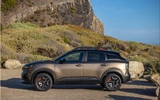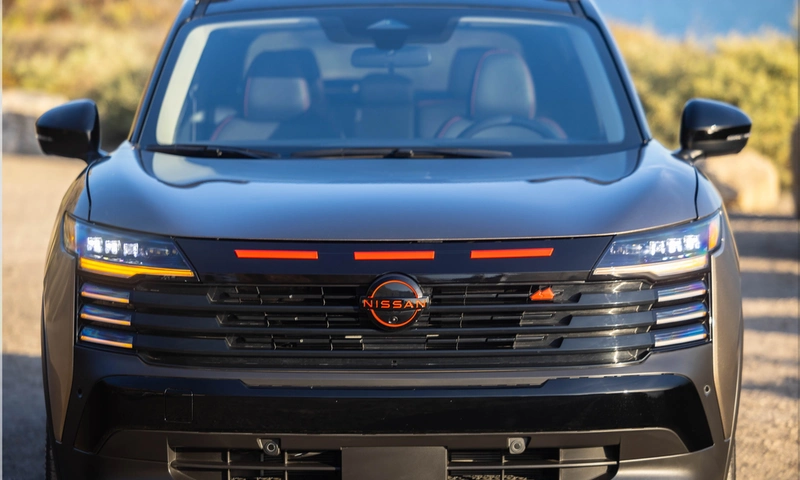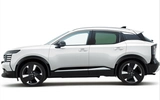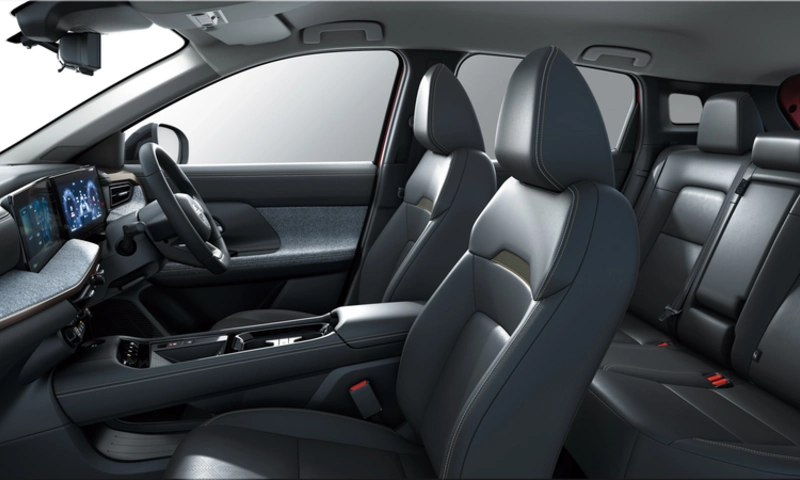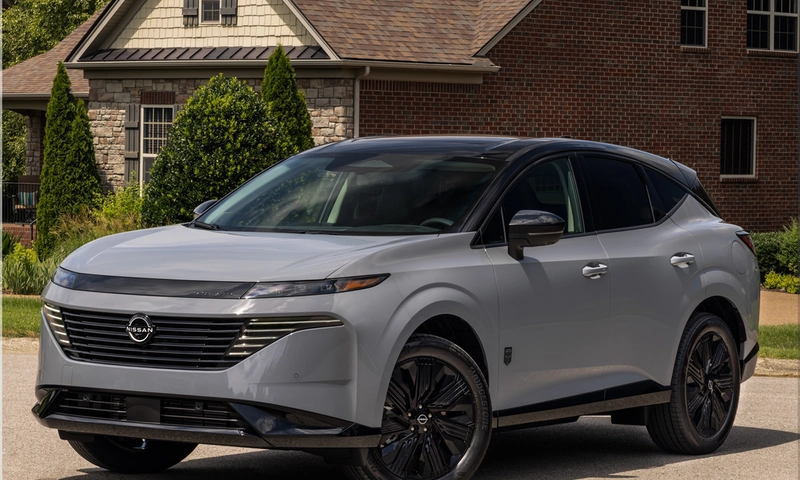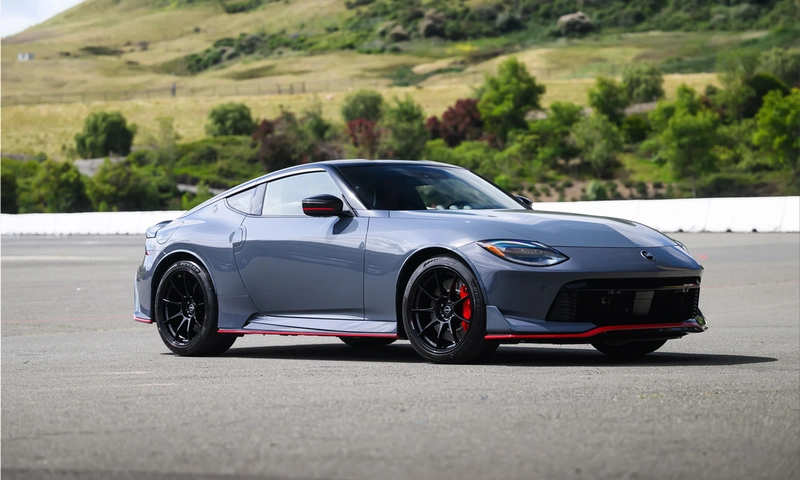

Nissan finally picked a lane with the 2027 Nissan Rogue Hybrid e-POWER. Instead of building a typical hybrid that splits propulsion duties between a gasoline engine and an electric motor, Nissan built a series hybrid that lets electric motors do all the wheel-turning. The gas engine works in the background as a generator. That sounds like a small engineering choice. It is not.
For U.S. buyers, that difference changes how the Rogue should launch from a stop, how it should behave in traffic, and why Nissan can toss the transmission entirely. The 2027 Rogue Hybrid e-POWER also matters because it arrives right when the American market has swung hard toward hybrids, not full EVs. Nissan needed a cleaner answer for suburban commuters and family buyers who want electric-style response without planning their week around charging stops.
What e-POWER actually is
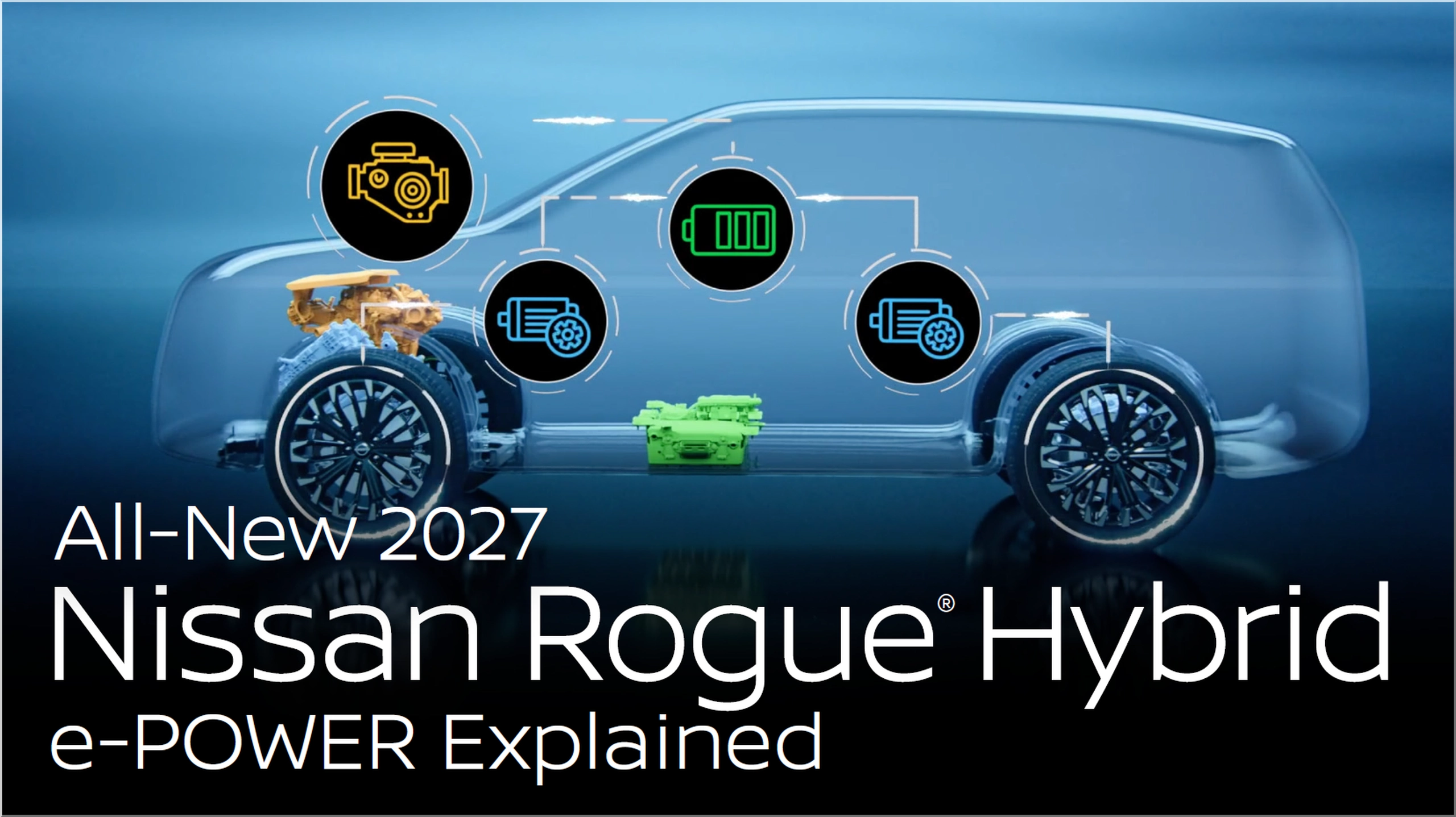
At its core, Nissan e-POWER is an electric-drive hybrid system. The wheels get propulsion from electric motors only. The gasoline engine never takes a direct mechanical path to the wheels.
That single fact separates it from most mainstream hybrids on sale in America. A Toyota-style parallel hybrid can drive the wheels with the engine, the motor, or both. Nissan's setup skips that handoff entirely. The Rogue's engine makes electricity. The battery stores some of it. The motors use it to move the SUV.
Definition: Series hybrid vs. parallel hybrid
| System type | What drives the wheels | What the gas engine does | Transmission needed |
|---|---|---|---|
| Series hybrid | Electric motor only | Generates electricity | Usually no conventional transmission |
| Parallel hybrid | Engine, motor, or both | Can drive wheels directly and assist charging | Usually yes, with power-split or geared setup |
| Battery EV | Electric motor only | No engine | No conventional transmission |
That layout gives Nissan a strong talking point: EV-like throttle response without plug-in dependence.
Why the 2027 Rogue Hybrid has no transmission
Nissan says the 2027 Rogue Hybrid e-POWER uses dual electric motors and eliminates the need for a transmission. That makes mechanical sense. Electric motors deliver torque immediately and across a broad operating range, so they do not need stepped gears the way a gasoline engine does.
Specifically, a conventional gas powertrain needs multiple ratios because combustion engines make useful torque in a narrower rpm band. A motor does not play by those rules. It delivers strong low-speed shove right away, then keeps pulling with far less gear-swapping drama. That means smoother launches, cleaner midrange response, and none of the rubber-band feel that drivers often complain about in CVT-equipped crossovers.
For Rogue shoppers, that should translate into three obvious benefits:
- Sharper response from a stop
- Smoother acceleration with fewer drivetrain interruptions
- Less mechanical noise tied to gear changes or CVT flare
Why Nissan uses a gasoline engine anyway
Because batteries still cost money, weigh a lot, and take time to charge. Nissan wants the Rogue Hybrid e-POWER to deliver electric drive feel while keeping the refueling routine familiar for U.S. families.
The gasoline engine solves that by acting as an onboard power plant. It generates electricity when needed, and Nissan can run it where it works best rather than forcing it to match wheel speed. That gives engineers more freedom to chase efficiency and refinement.
The engineering logic in one table
| Component | Job in the 2027 Rogue Hybrid e-POWER |
|---|---|
| Gasoline engine | Generates electricity |
| Inverter | Manages electrical power flow |
| Battery | Stores energy buffer for drive and regen |
| Front electric motor | Drives the front wheels |
| Rear electric motor | Drives the rear wheels |
| Regenerative braking | Recovers energy during deceleration |
The third-generation e-POWER hardware is where things get interesting
Nissan has already outlined the deeper engineering behind its latest third-generation e-POWER system, which the next Rogue will use. The big piece is a newly developed 1.5-liter turbocharged three-cylinder engine built for one task: producing electricity efficiently.
That matters because a normal road-car engine must balance cold starts, part-throttle drivability, quick transient response, highway load, and emissions under wildly different conditions. A dedicated generator engine gets a simpler assignment. Nissan can tune it around a narrower operating band, where fuel burn and thermal efficiency improve.
Looking at the data, Nissan says this dedicated engine reaches 42% thermal efficiency. That is serious territory for a gasoline engine in a mass-market crossover program.
Why the new e-POWER engine should feel quieter and more polished
Nissan also says the new setup uses a more rigid 5-in-1 component design and a purpose-built engine architecture. In plain English, the company consolidated major electrified hardware into a tighter package and tuned the generator engine to work in its sweet spot.
Consequently, the engine should spend less time flaring up in awkward, high-rpm bursts. That has always been one of the weak spots in hybrids that chase efficiency but forget sound quality. Nissan wants the engine to come on when road noise masks it better and stay in more efficient operating zones.
From an expert perspective, that is the real prize here. Fuel savings matter, but crossover buyers notice noise and throttle response every single day.
The combustion tricks under the hood
Nissan did not stop at saying "new engine." The company disclosed several technical moves that explain how this one works.
- 13:1 compression ratio, unusually high for a turbocharged gasoline engine
- STARC combustion concept to improve tumble flow and combustion stability
- Large-scale EGR use to improve efficiency
- Larger dedicated turbocharger to cut pump losses
- Cold spray valve seat technology to improve intake-port and combustion-chamber optimization
That is a dense list, but the logic stays simple. Nissan wanted stronger combustion control, lower losses, and better efficiency under steady power-generation loads. The company did not need lightning-fast engine torque response because the electric motors handle the actual driving feel. That freed engineers to tune the engine for efficiency first.
Pro-Tip
When a brand says a hybrid "drives like an EV," check one thing first: Can the engine drive the wheels directly? In the Rogue's case, the answer is no. That makes Nissan's claim much more credible than the usual marketing wallpaper.
What the standard dual-motor AWD setup changes
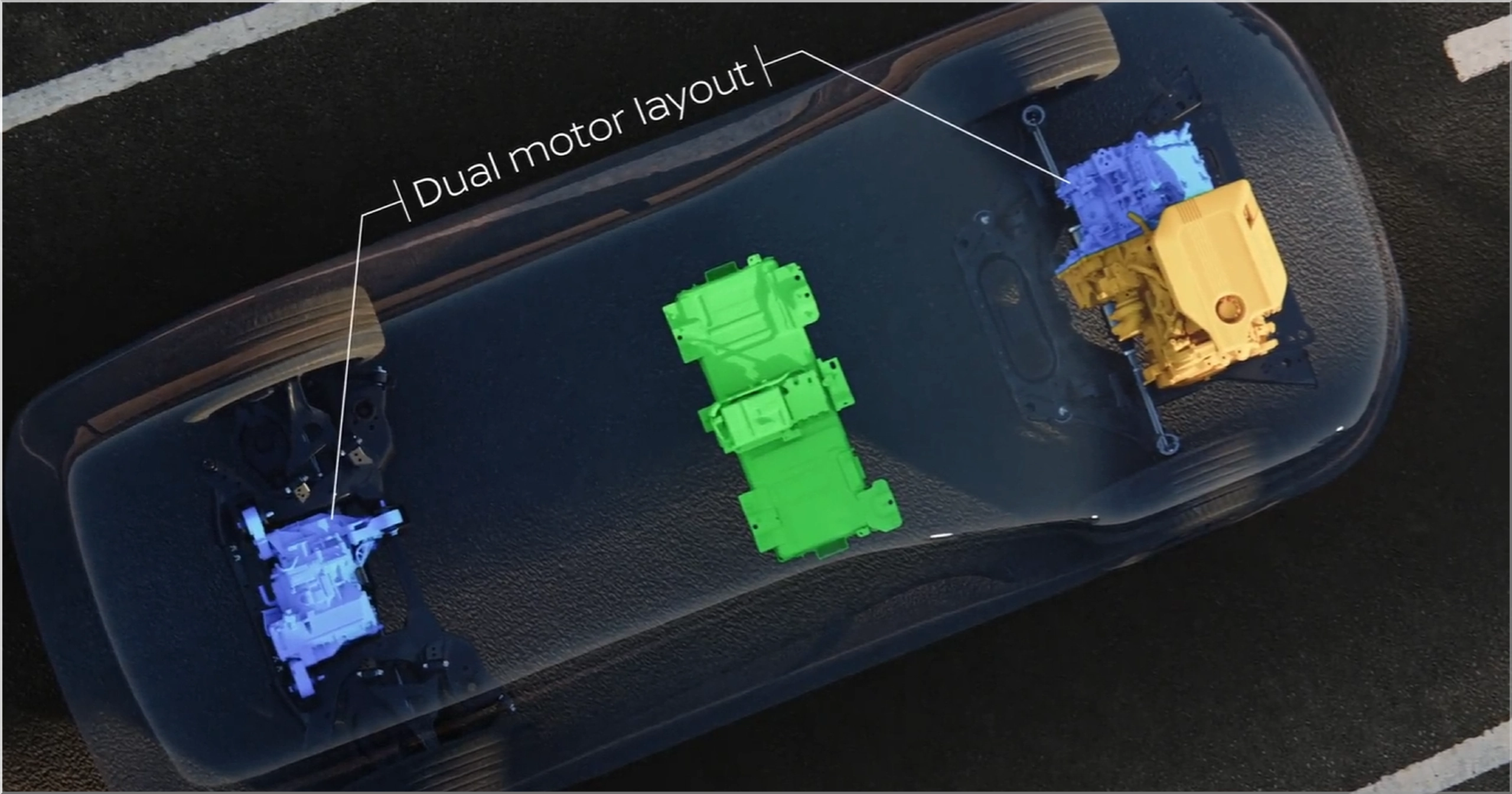
Every 2027 Nissan Rogue Hybrid e-POWER will use standard dual-motor all-wheel drive. That is another smart move for the U.S. market. American compact-SUV buyers love AWD, and electric motor control can react faster than a conventional mechanical coupling.
By comparison, many AWD systems wait for slip, then redistribute torque through clutches or differentials. A motor-based setup can meter output much faster and more precisely. That should help on wet pavement, cold-weather launches, and low-speed stability in messy suburban conditions.
Nissan also pairs the system with e-Pedal Step, which lets the driver control more of the deceleration through the accelerator pedal while recovering energy under braking. That will not turn the Rogue into a full one-pedal EV, but it should make traffic driving easier and harvest more energy in stop-and-go use.
What now?
If you are shopping compact SUVs in late 2026, the 2027 Nissan Rogue Hybrid e-POWER deserves attention for one reason above all: it does not behave like a compromise machine. Nissan built it to fix two common hybrid complaints at once, the weird engine noise and the dull step-off response.
Watch for these final numbers when Nissan releases the full U.S. spec sheet:
- Combined horsepower and torque
- EPA city and highway fuel economy
- Battery size and usable energy buffer
- Cargo and packaging penalties, if any
- Trim pricing versus the Rogue gas model and Rogue Plug-in Hybrid
If Nissan lands those figures cleanly, the Rogue could hit a sweet spot for American buyers who want hybrid efficiency with much stronger day-to-day drivability. And frankly, that is a smarter pitch right now than pretending every family in America wants an EV and a home charger by next Tuesday.
- Add new comment
- 77 views