For the past 30 years, the BMW Group Recycling and Dismantling Centre (RDC) has been at the forefront of advancing the circular economy in the automotive industry. As sustainability and resource efficiency become central to global manufacturing, the RDC has positioned itself as a leader in vehicle recycling and materials recovery. This facility has evolved from a recycling facility into a center of excellence, consistently contributing to reducing environmental impact, promoting resource conservation, and boosting recycling technologies for end-of-life vehicles. With the automotive sector facing increasing pressure to innovate sustainably, BMW’s RDC stands as a critical asset in this green transformation.
The Foundation of BMW's Circular Economy: Why RDC Matters
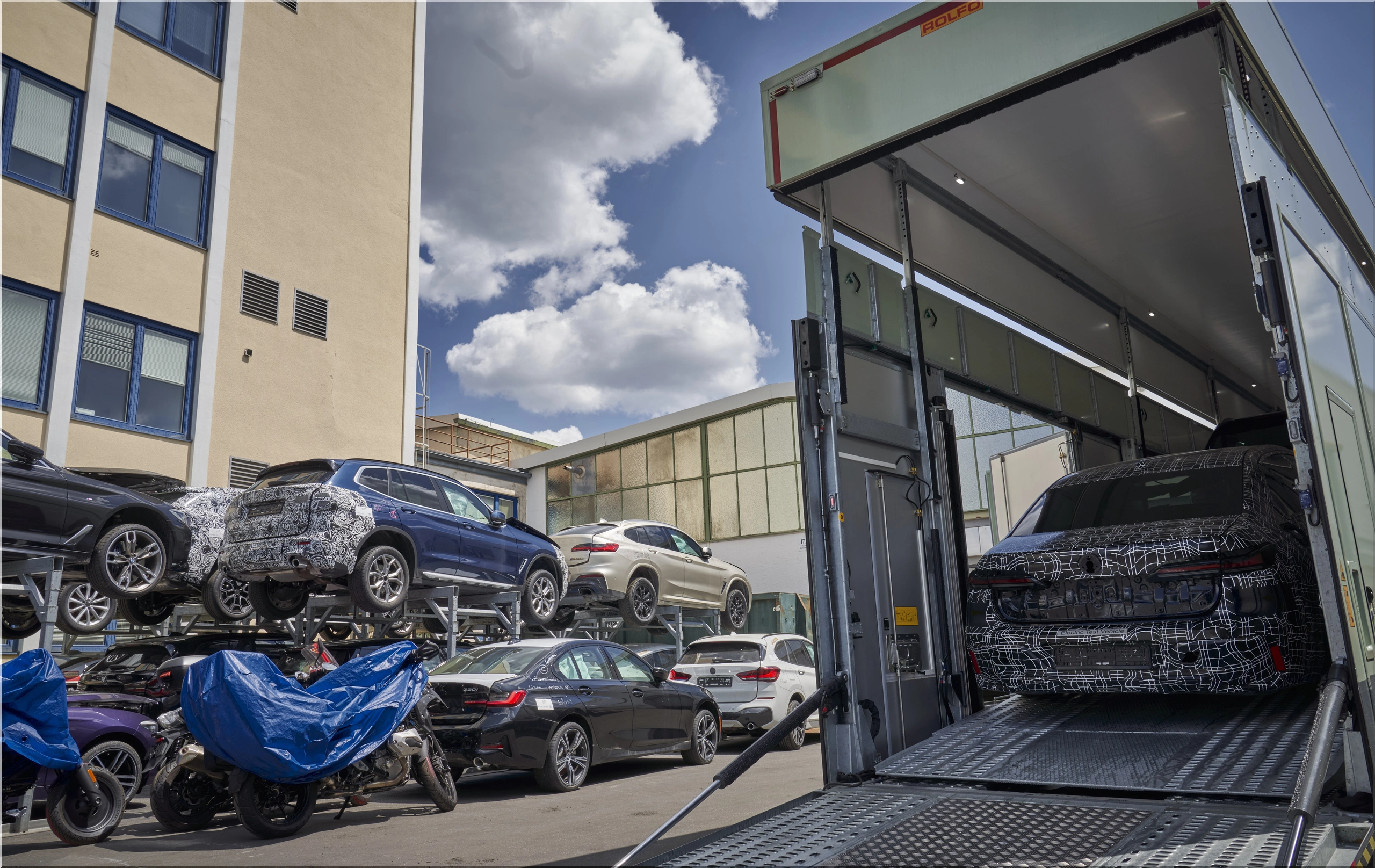
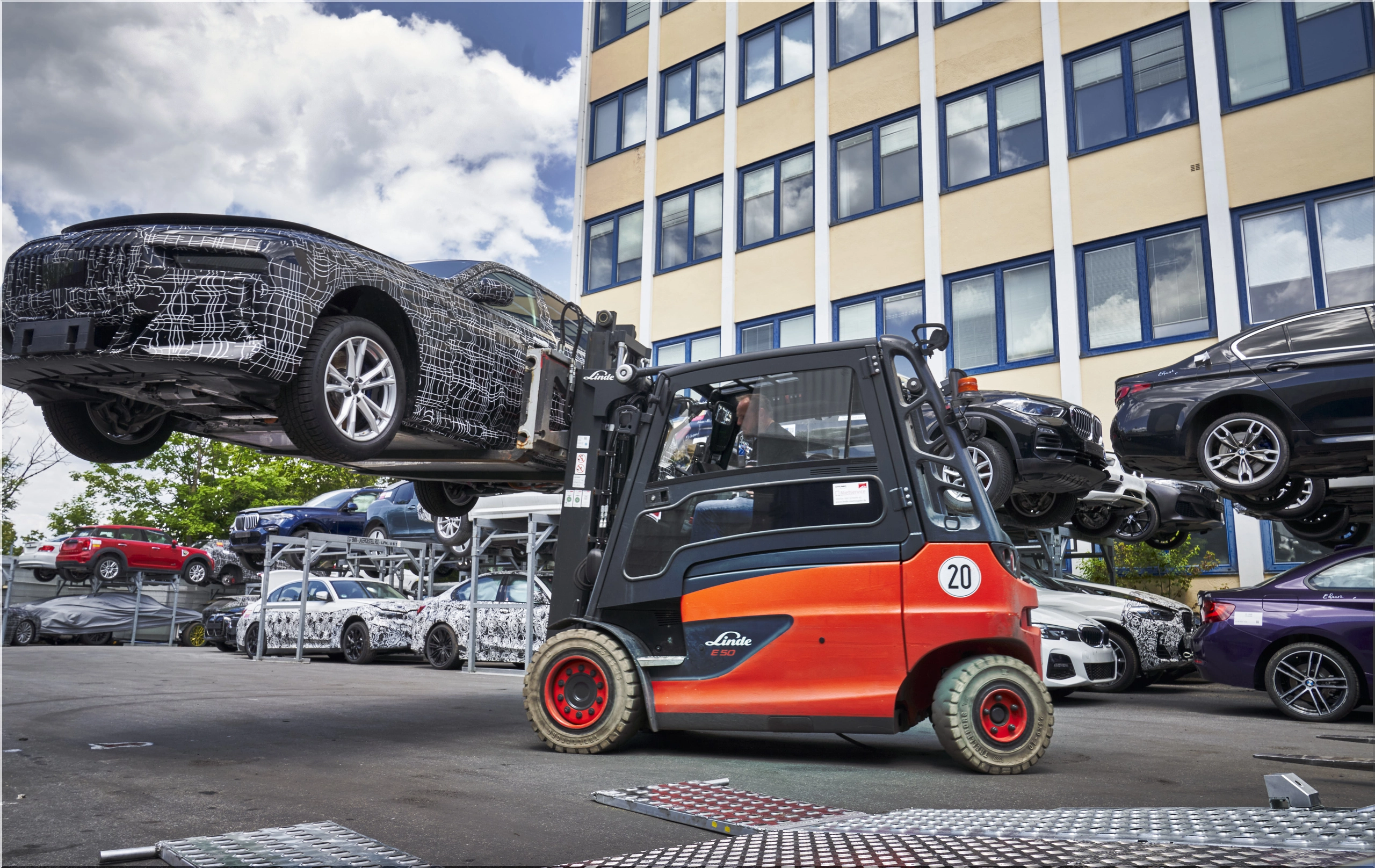
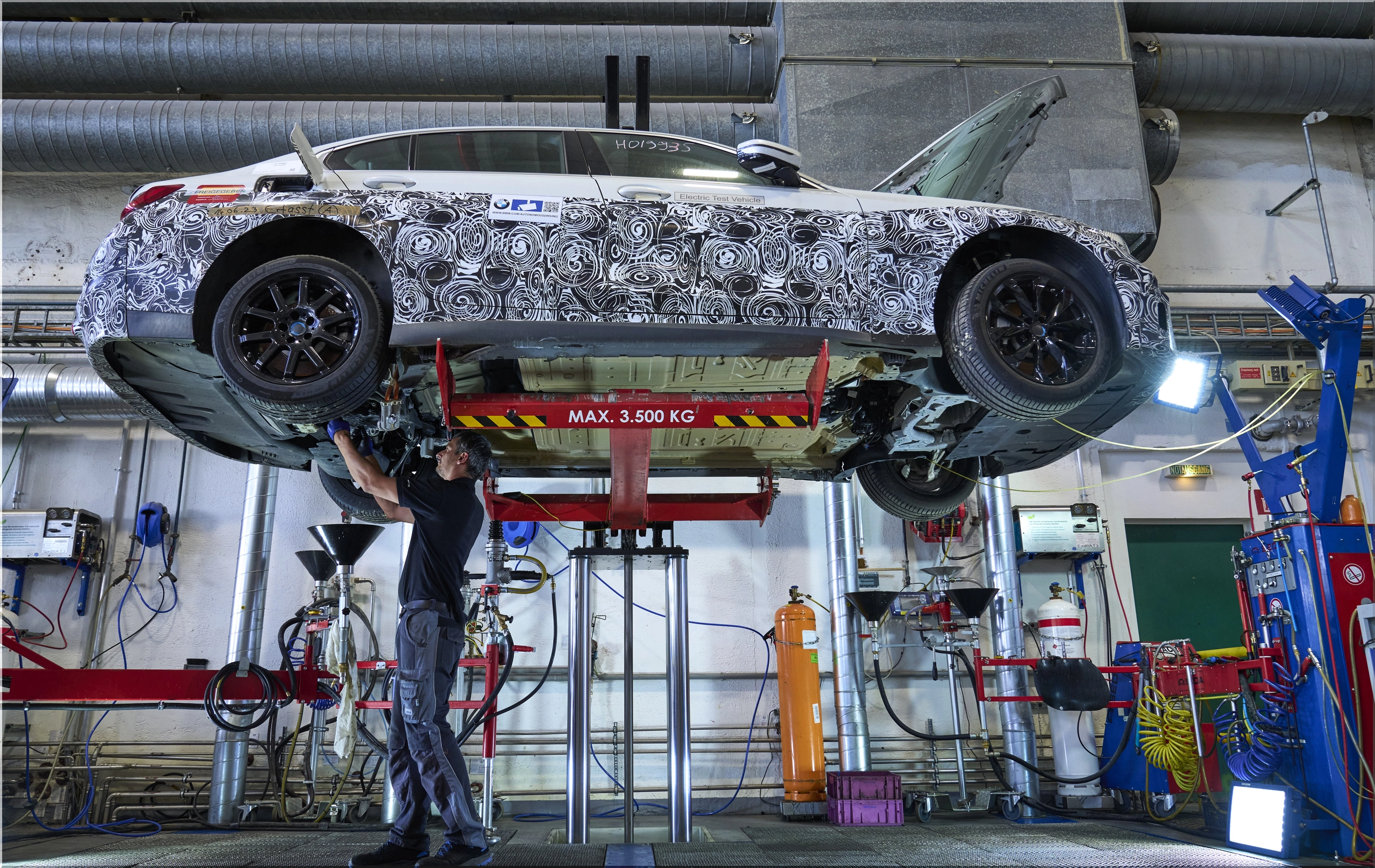
Established in 1994, BMW's RDC was created with the mission of advancing recycling technologies for end-of-life vehicles. The center initially focused on processing pre-series vehicles, particularly those used in testing and thus unsuitable for retail. Over time, the RDC expanded its operations, recycling thousands of vehicles annually, and became a model for global best practices in recyclability and materials reuse.
BMW’s commitment to circular design principles emphasizes reducing the environmental footprint through material recovery and reusability. The RDC has continuously supported the BMW Group's aim to incorporate recyclability in product development. By designing vehicles with recycling in mind, BMW ensures that materials can be efficiently recovered and reused at the end of a vehicle’s life cycle.
RDC's Advanced Recycling Processes
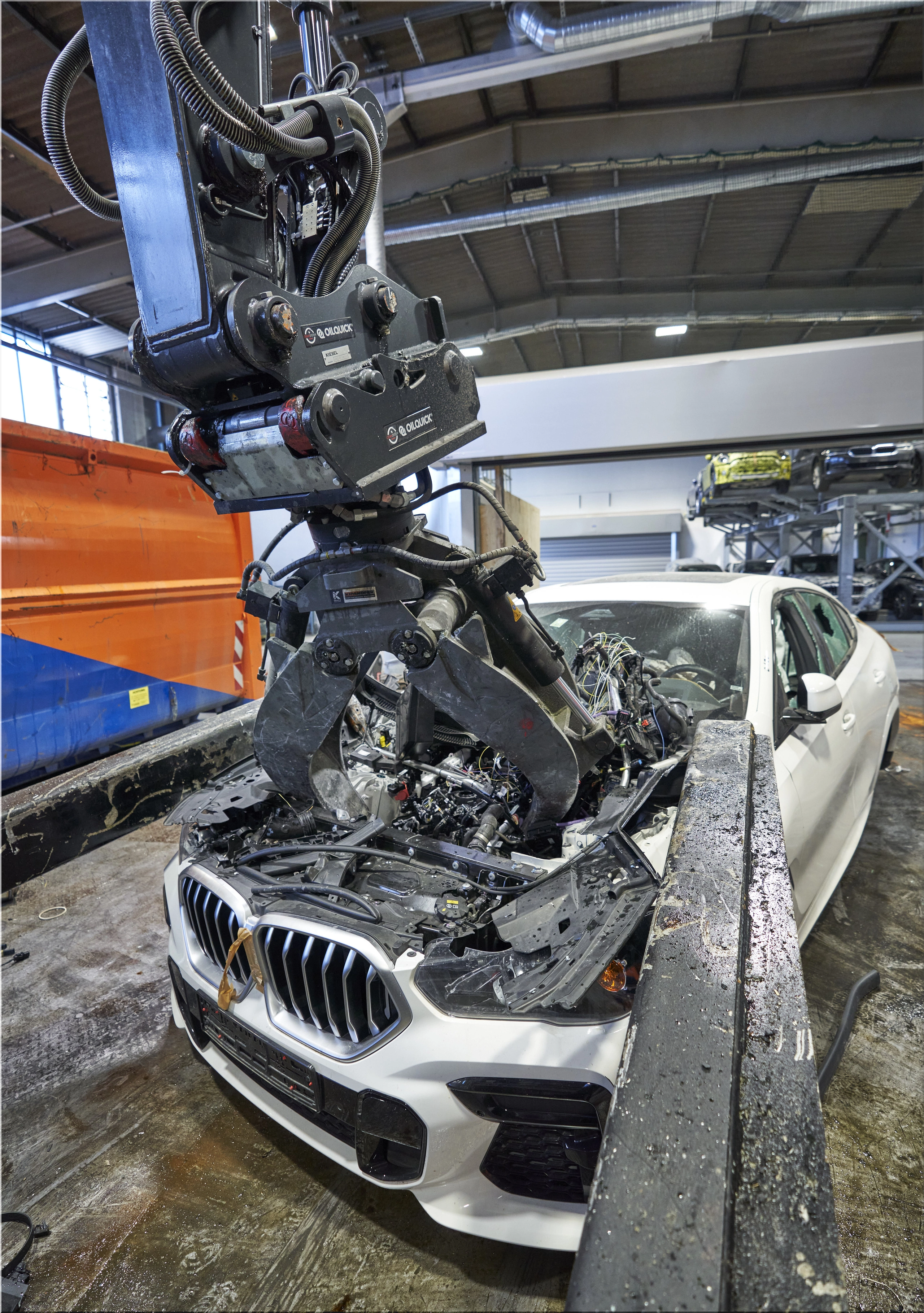
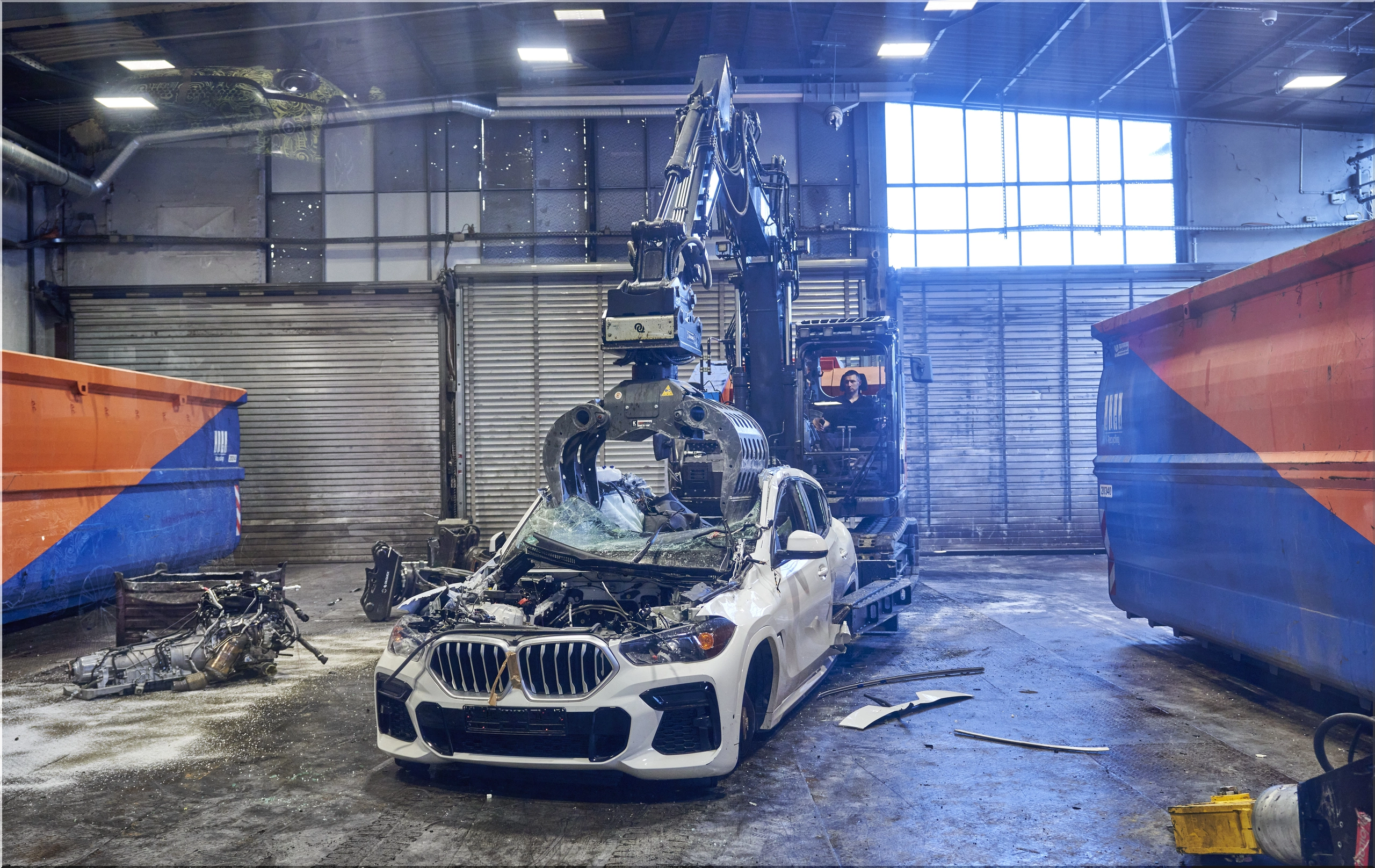
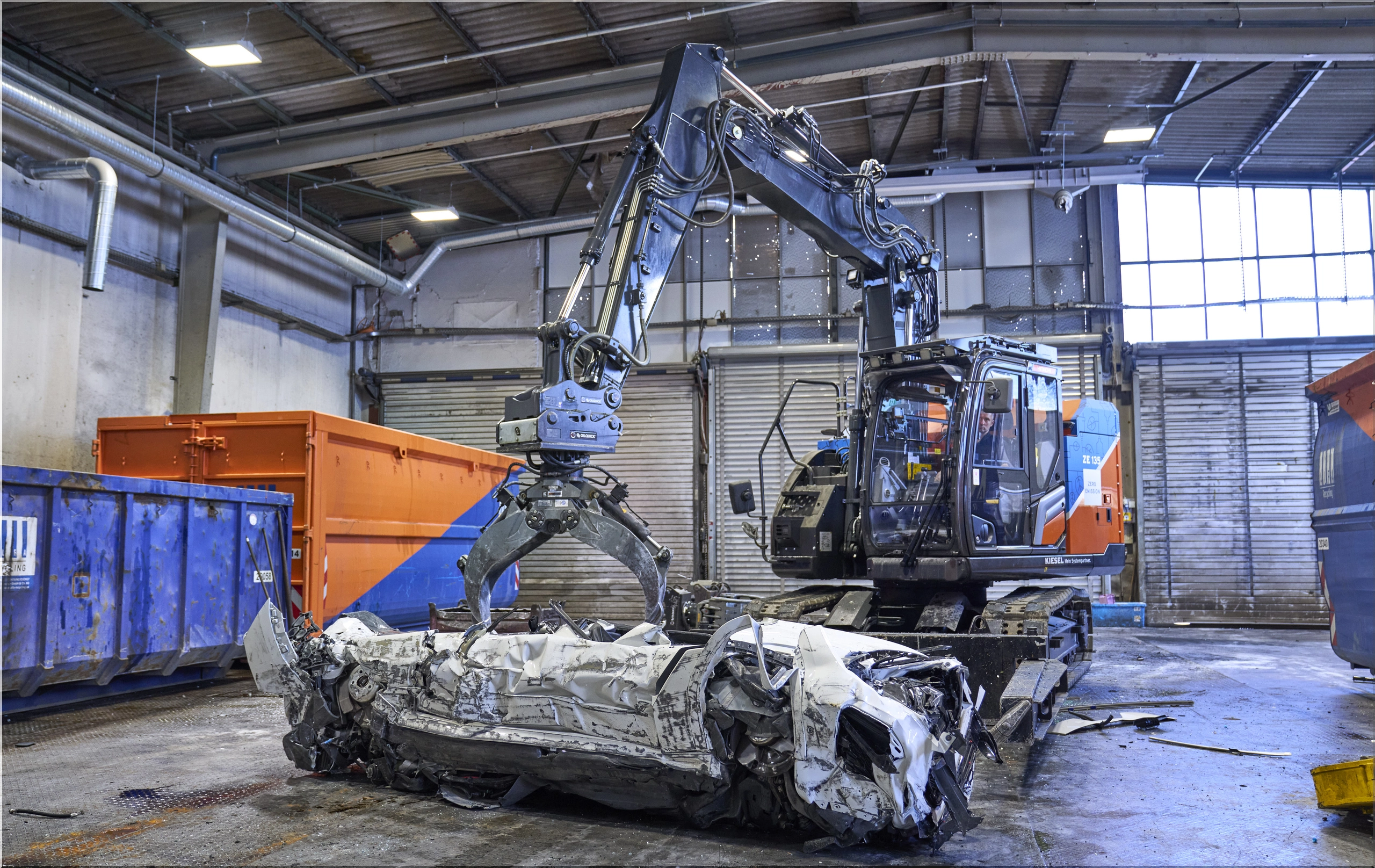
At the core of the RDC's operations is a highly systematic approach to vehicle dismantling and recycling. BMW has developed several proprietary technologies and processes to maximize the recovery of valuable materials. Some key steps include:
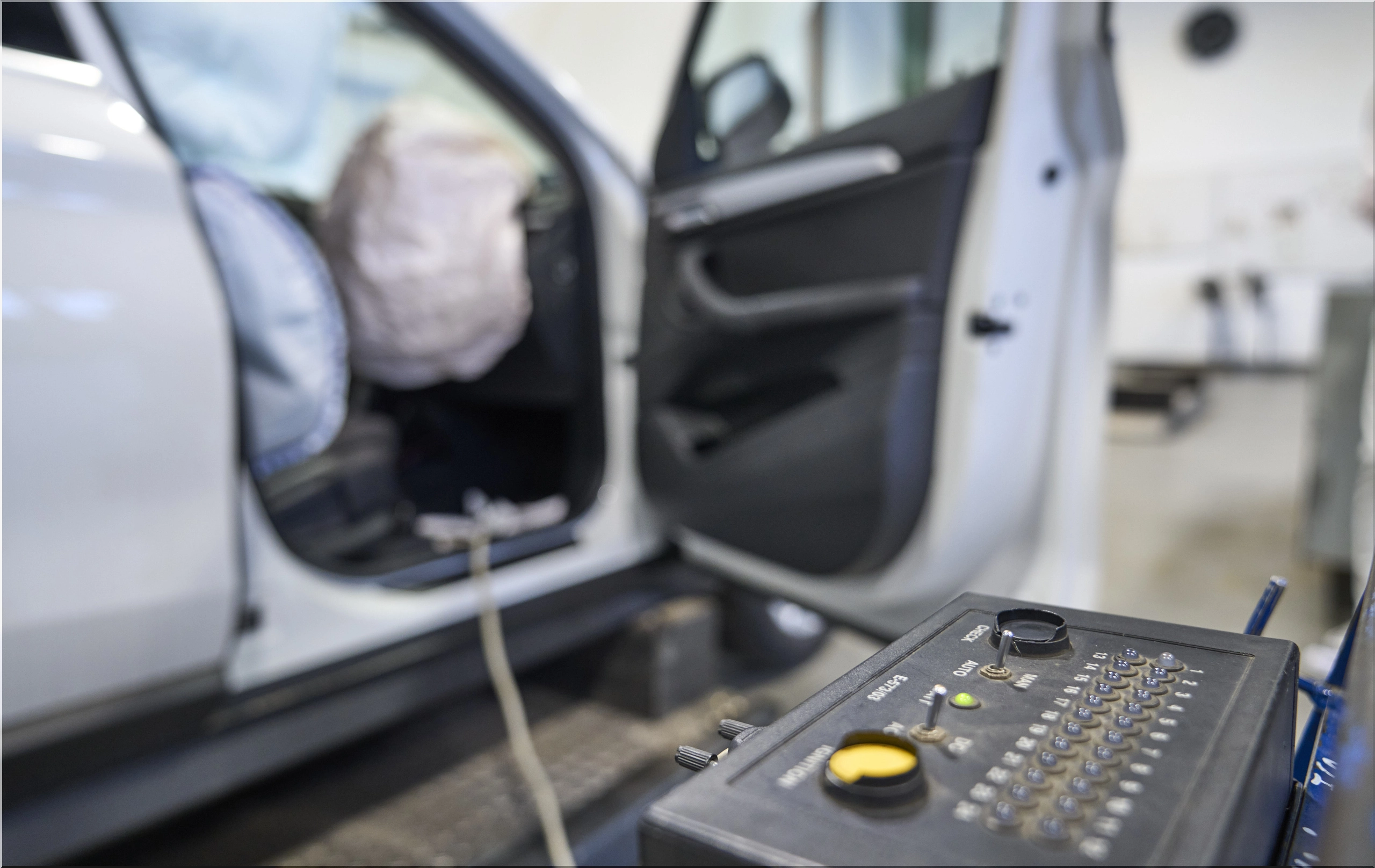
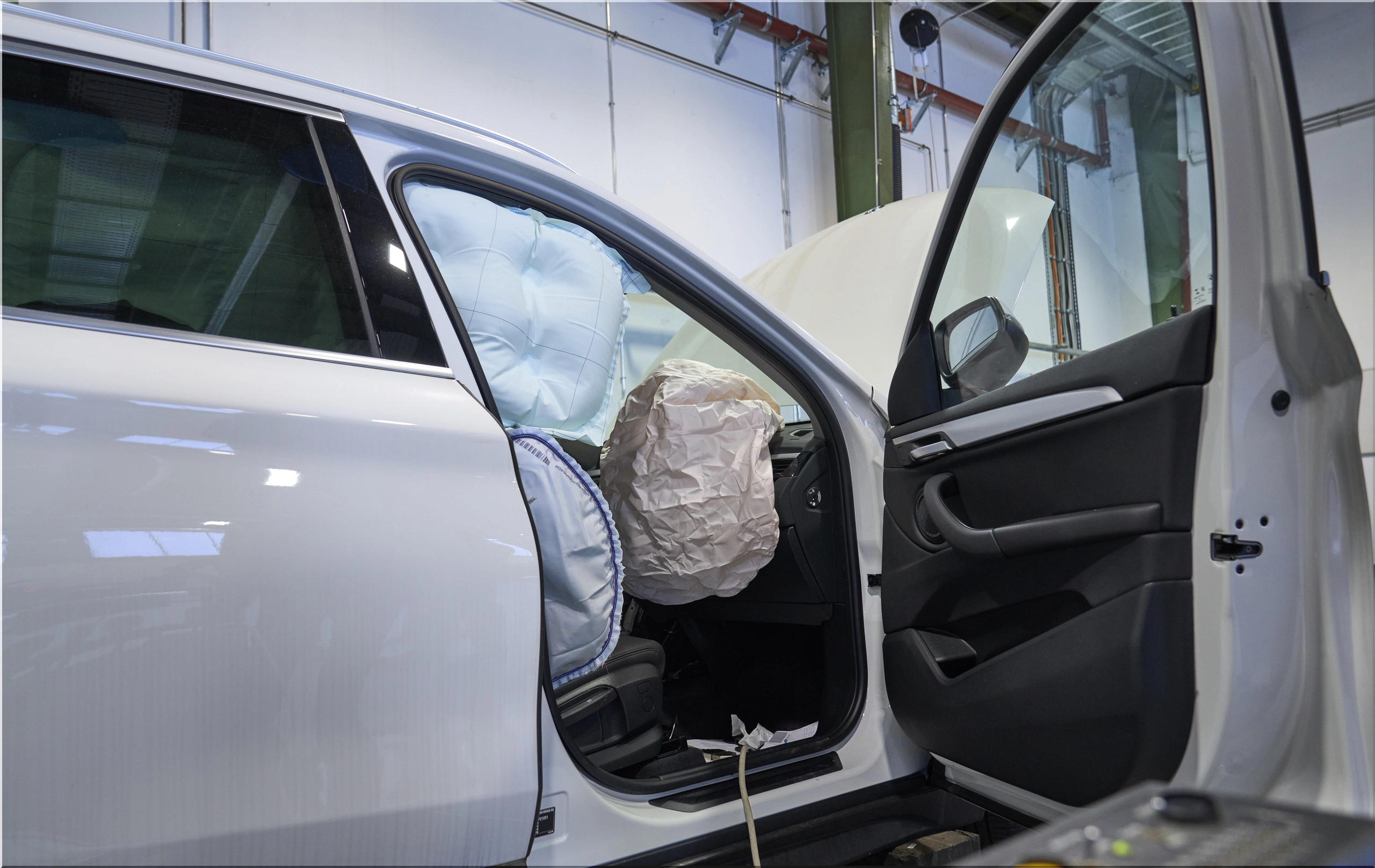
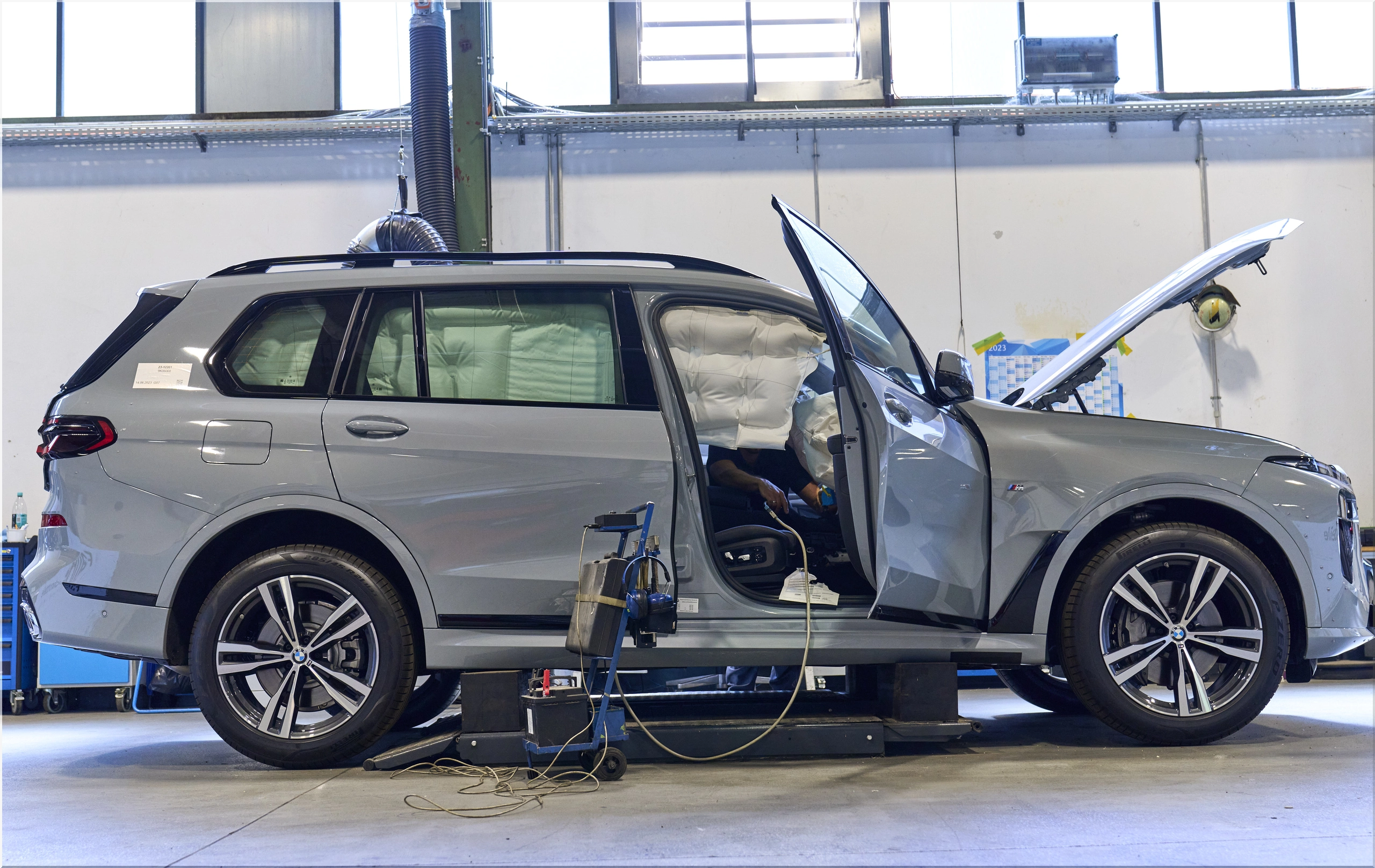
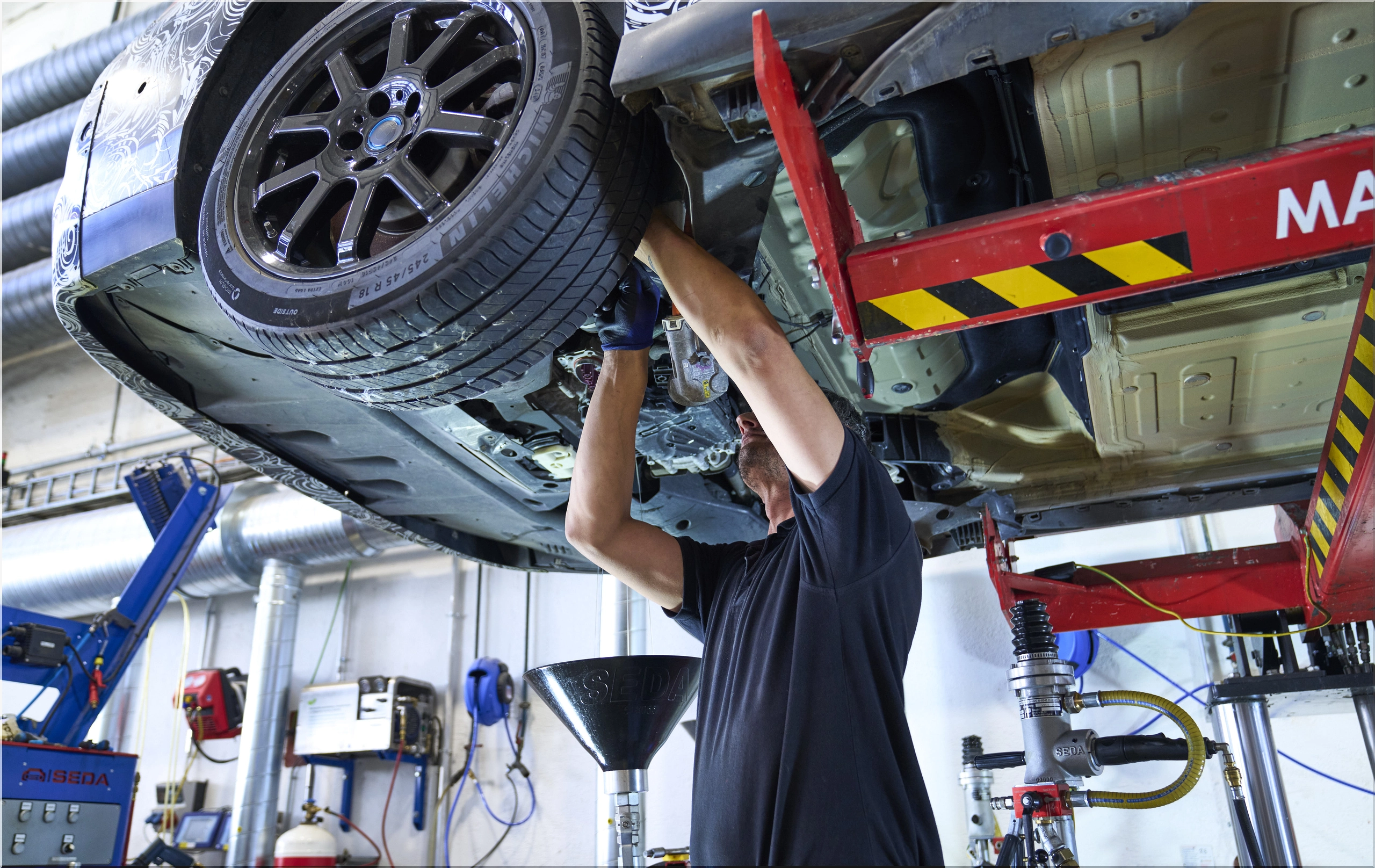
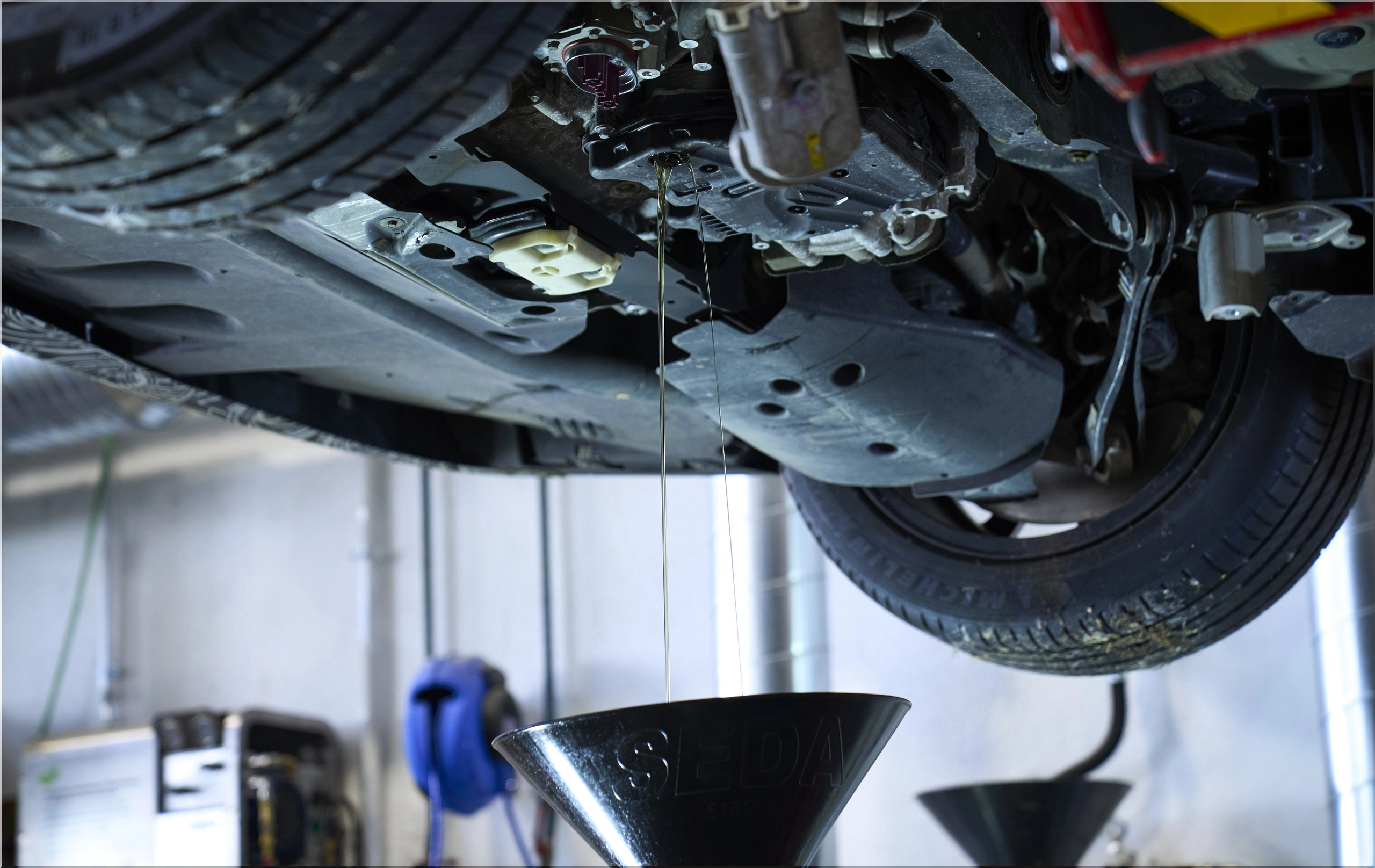
- Controlled dismantling: This begins with neutralizing vehicle restraint systems and removing hazardous materials, such as fluids.
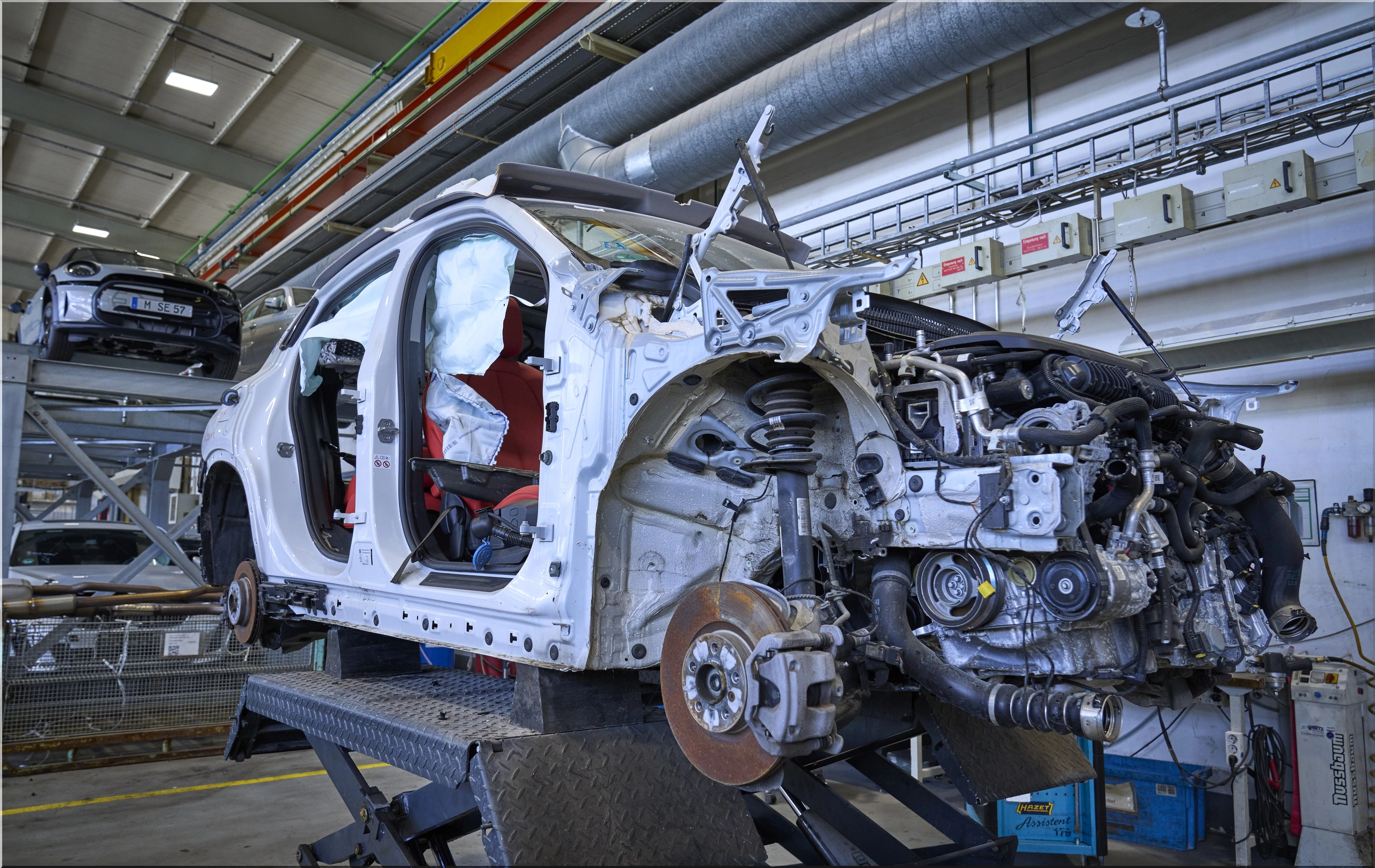
- Component recovery: Functional components that remain in good condition are salvaged and made available for resale.
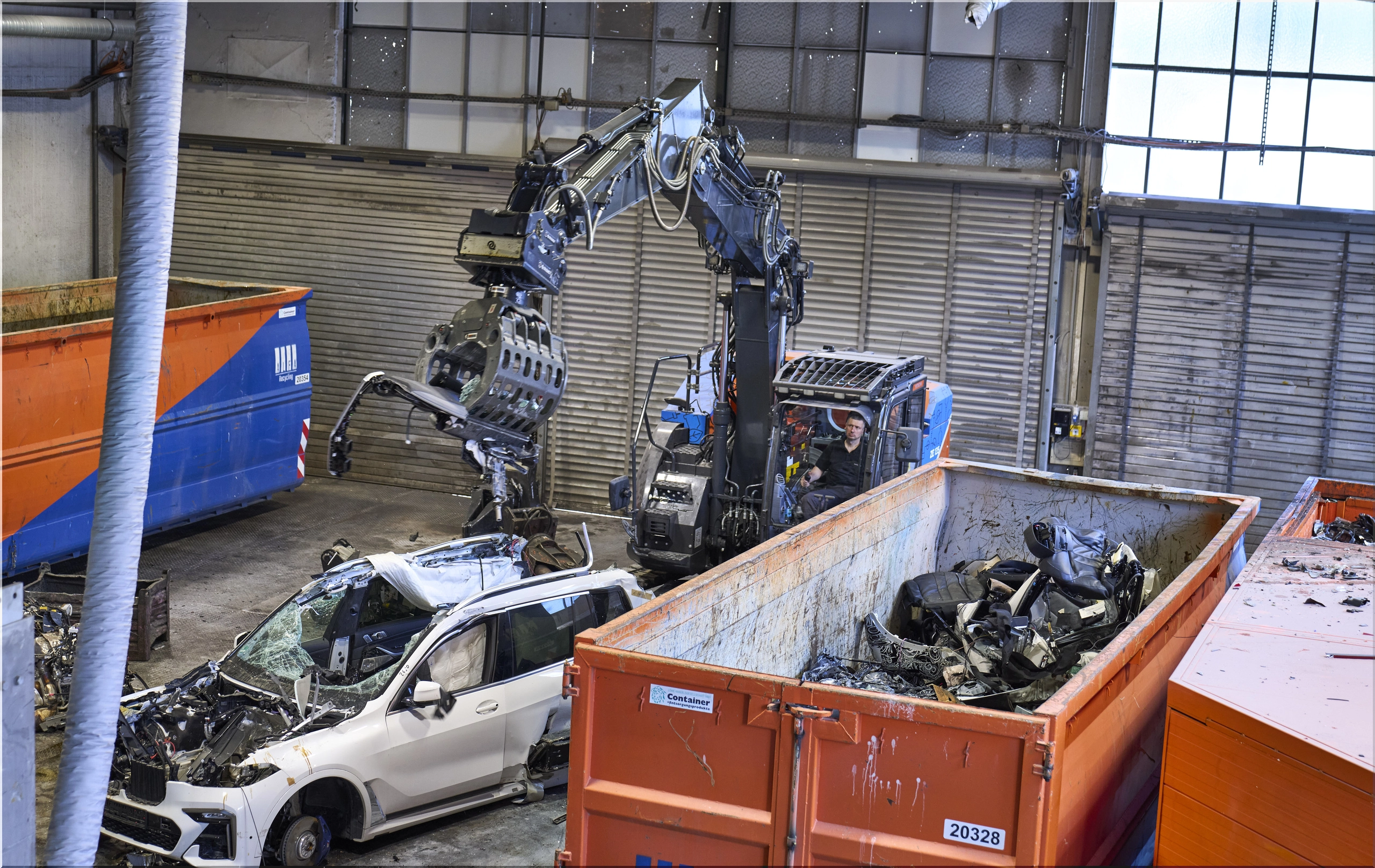
- Metal recycling: Key metals like aluminum, copper, and steel are extracted using specialized tools, ensuring that high-value materials can be reintroduced into the production process.
The centre also employs innovative technologies to separate different materials, ensuring high-quality recyclables that can be used in new vehicle production. For instance, metals recovered from vehicles can be used for new automotive components, reducing the need for virgin resources.
Collaborative Research and Technological Innovations
The BMW Group has consistently partnered with industry leaders and academic institutions to push the boundaries of automotive recycling. The Car2Car project, a state-supported initiative, has been instrumental in furthering research into more efficient recycling technologies. This collaboration aims to increase the recovery of recyclable materials from end-of-life vehicles, particularly for materials like steel, aluminum, copper, glass, and plastic.
BMW’s role in Car2Car involves supplying vehicles and expertise, with the goal of achieving a closed-loop recycling system that ensures minimal wastage. Through semi-automated dismantling processes and advanced sorting technologies, Car2Car aims to retain the value of raw materials and make recycling more economically viable. This project, supported by artificial intelligence (AI), uses spectroscopic methods to identify materials and improve the purity of recovered resources, thus facilitating their re-use in vehicle production.
Impact of the RDC on Sustainability
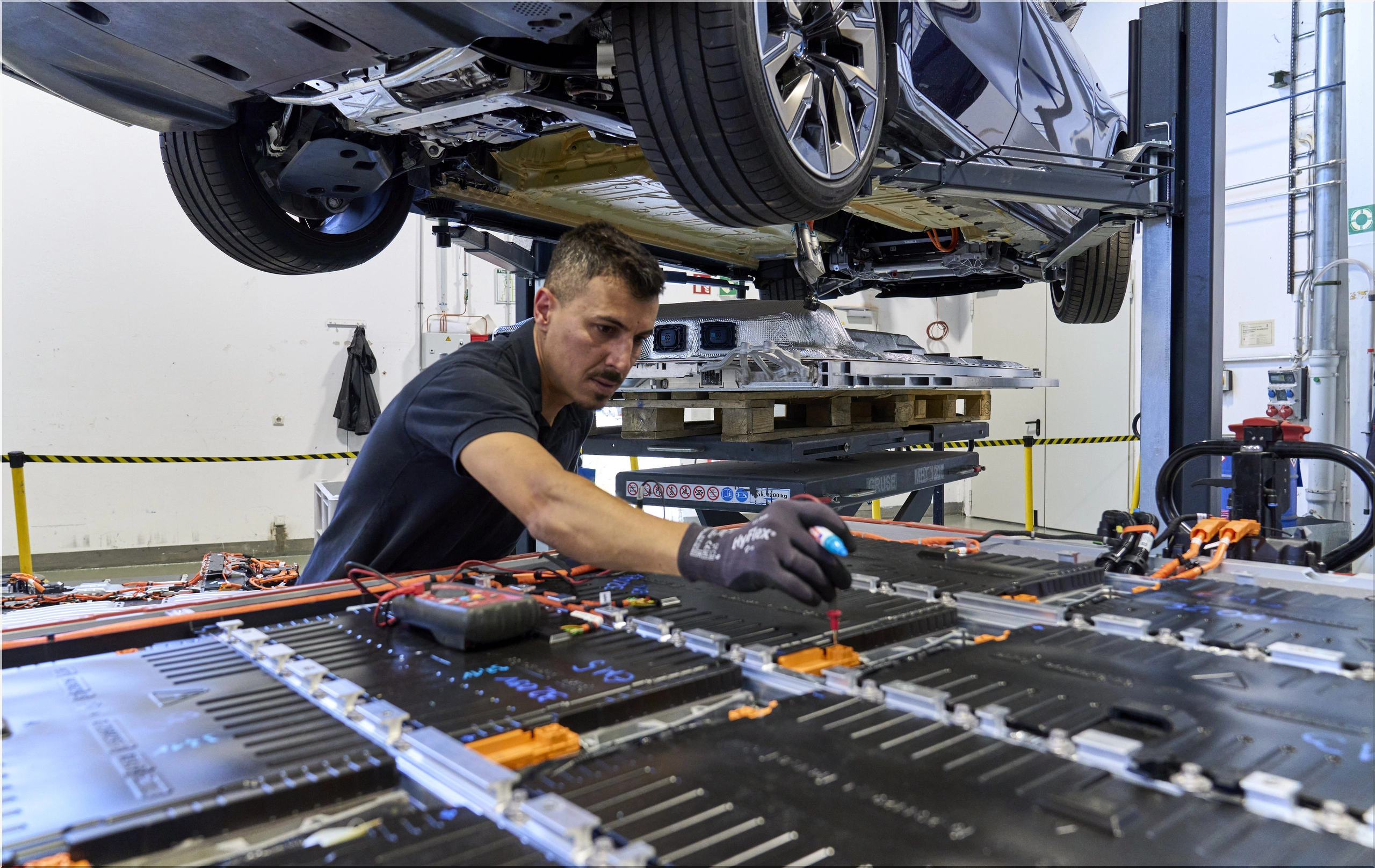
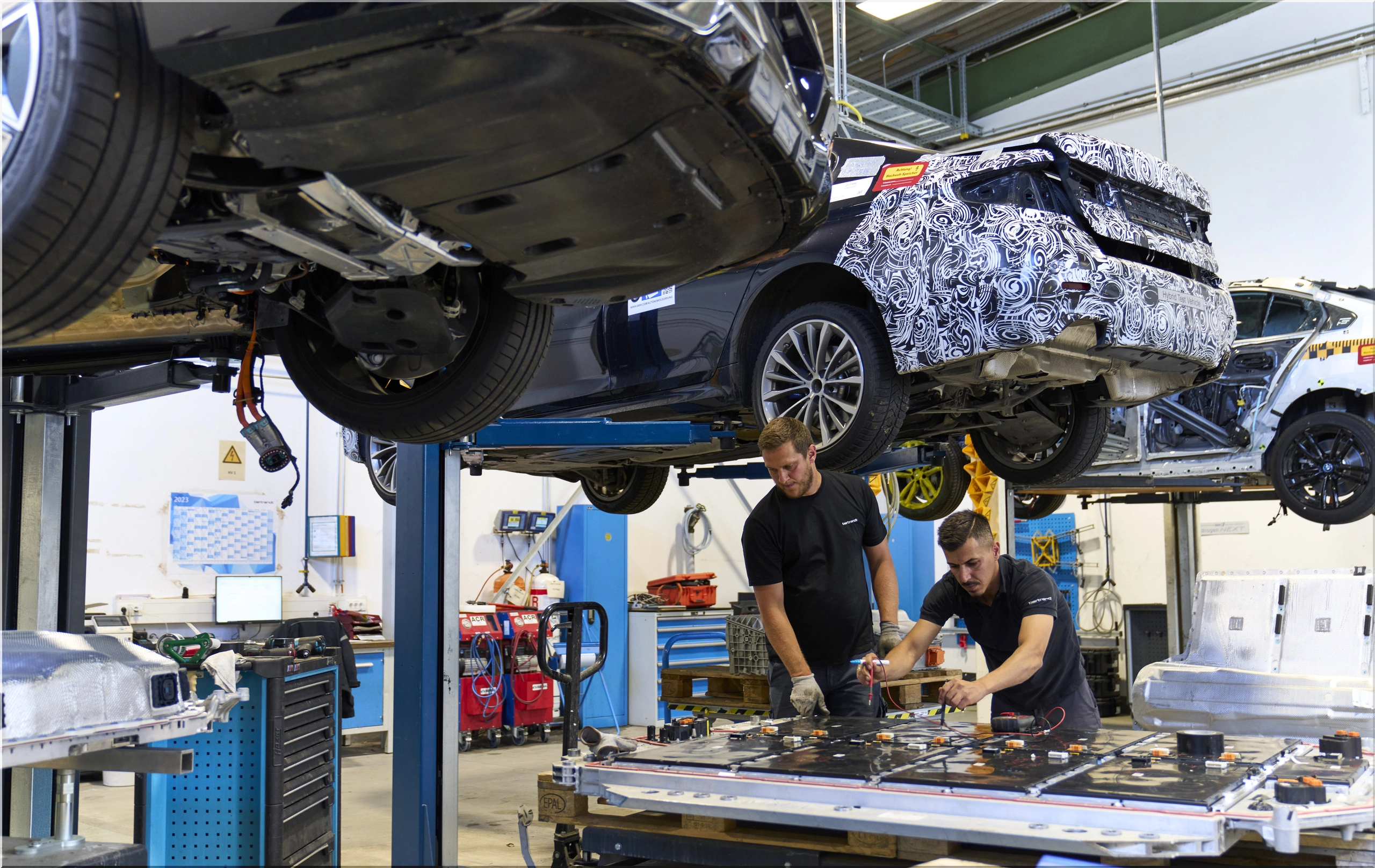
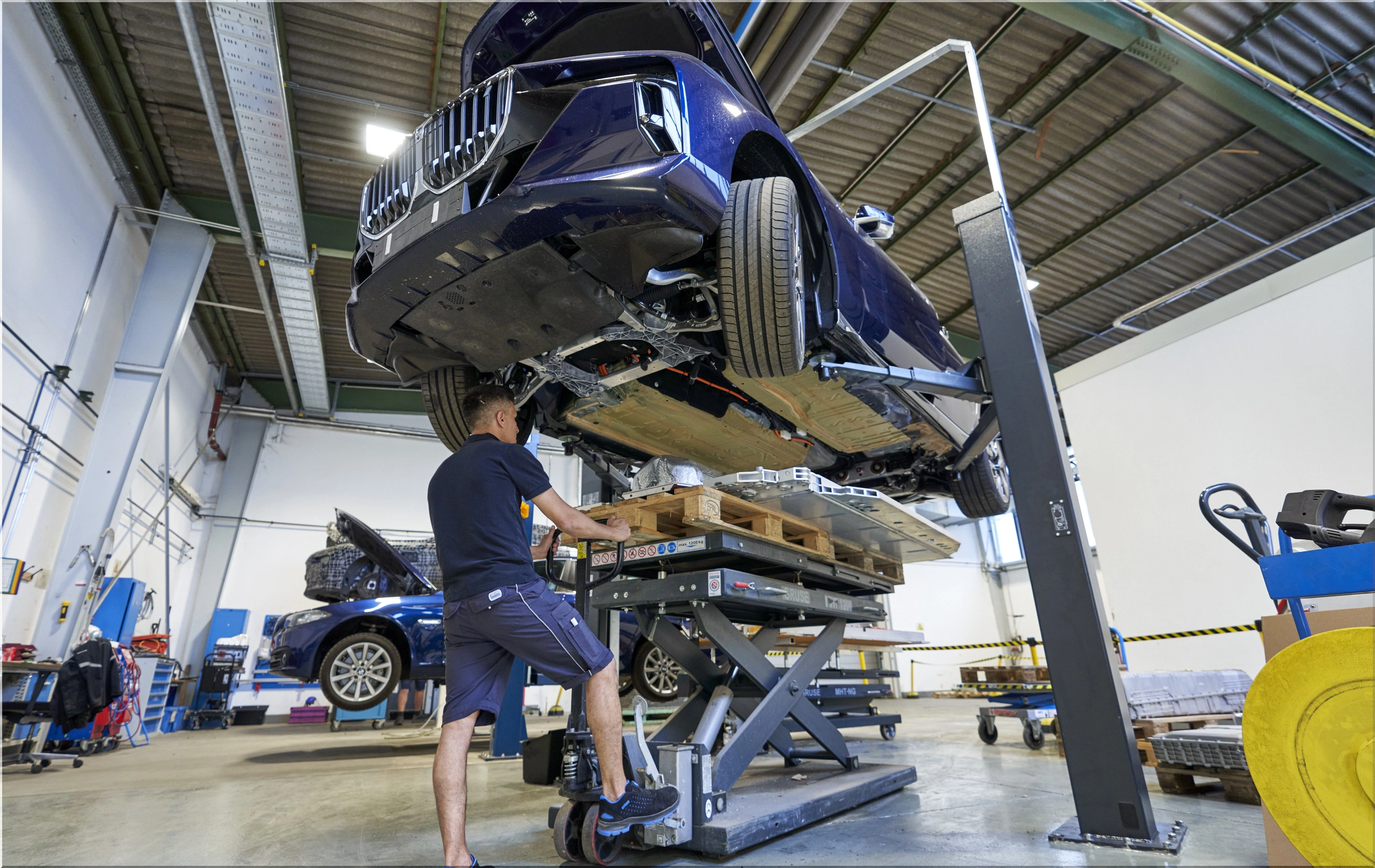
BMW’s leadership in vehicle recycling has ripple effects across its entire product range. The findings from RDC are applied to improve the recyclability of new vehicles. For example, the adoption of mono-materials, which are easier to recycle due to their purity, is one approach BMW uses to enhance the circularity of its production processes. Additionally, the RDC’s insights into how high-voltage batteries from electric vehicles (EVs) can be efficiently recycled have proven invaluable as the automotive industry shifts toward electromobility.
The BMW Group's commitment to a 50% increase in secondary materials in its new models by 2030 highlights the company's vision for a more sustainable future. By integrating recyclability into its design processes, BMW aims to minimize resource extraction and promote closed-loop systems where today’s waste becomes tomorrow’s raw materials.
Key Achievements and Future Directions
Over the past three decades, the RDC has evolved significantly, expanding its scope and influence both within BMW and throughout the industry. Some notable milestones include:
- Development of the International Dismantling Information System (IDIS): This platform, co-developed by BMW, provides global access to vehicle dismantling data. More than 3,000 organizations in 32 countries use IDIS to improve their dismantling processes.
- Innovation in high-value material recovery: The RDC has pioneered techniques for extracting high-value materials like precious metals from components such as catalytic converters.
- Collaboration on battery recycling: With the growth of electric vehicles, the RDC has focused on developing methods to recycle lithium-ion batteries, ensuring the sustainable management of these vital components.
Looking forward, BMW aims to deepen its efforts in circular economy practices. With electromobility on the rise, the RDC’s expertise in battery recycling will become increasingly crucial. The center’s continued research and development into automated recycling processes will also be key to scaling up these efforts and meeting the global demand for sustainable automotive solutions.
Conclusion: A Blueprint for the Future of Automotive Recycling
The BMW Group Recycling and Dismantling Centre (RDC) stands as a beacon of sustainable innovation in the automotive industry. By advancing the circular economy, BMW is not only reducing its environmental impact but also setting a new standard for the industry. The Center’s pioneering work in vehicle recycling, research collaborations, and integration of AI technologies ensures that BMW remains at the cutting edge of resource conservation and materials efficiency.
As the automotive world moves towards a more sustainable future, the BMW RDC’s efforts to increase the use of secondary materials, improve recyclability, and support closed-loop systems will play a pivotal role. The lessons learned from 30 years of innovation at the RDC provide a robust foundation for greener vehicles and more sustainable industry for generations to come.
Key Takeaways
- BMW RDC plays a leading role in the circular economy for automotive manufacturing.
- Advanced processes focus on material recovery, component reuse, and high-value metals extraction.
- The Car2Car project and other collaborations enhance the center’s capacity to improve recyclability across various materials.
- High-voltage battery recycling is a key area of innovation for the future, particularly as electromobility grows.
- BMW’s focus on circular design and the use of secondary materials underscores its commitment to sustainability.
- Add new comment
- 195 views