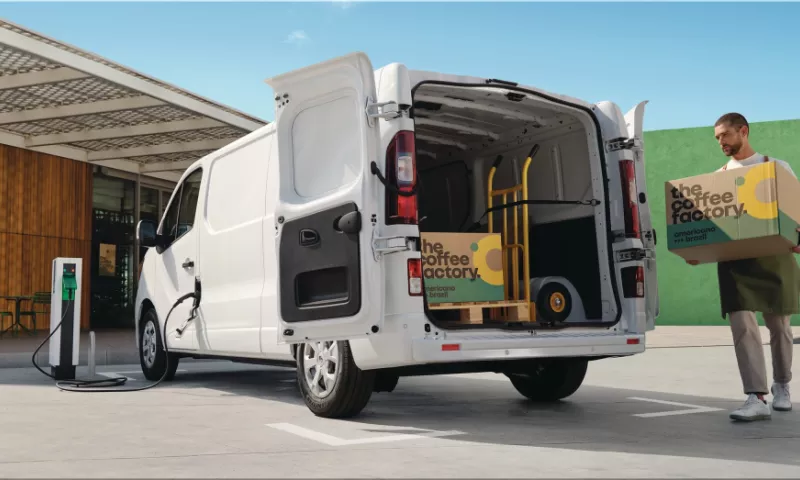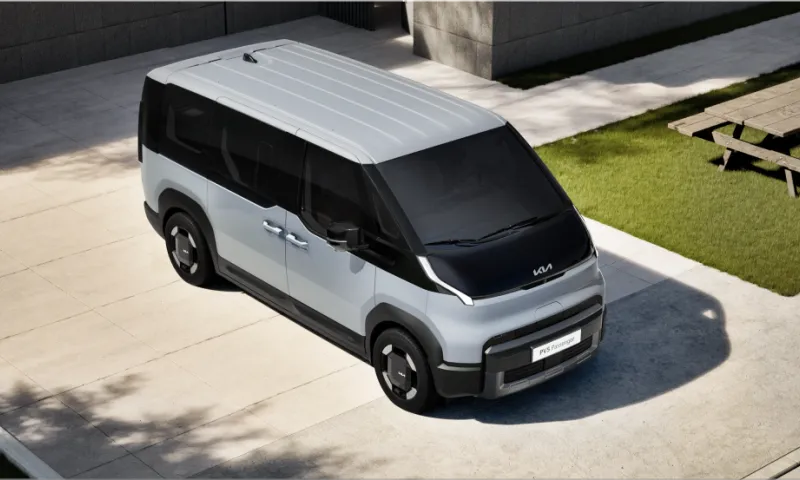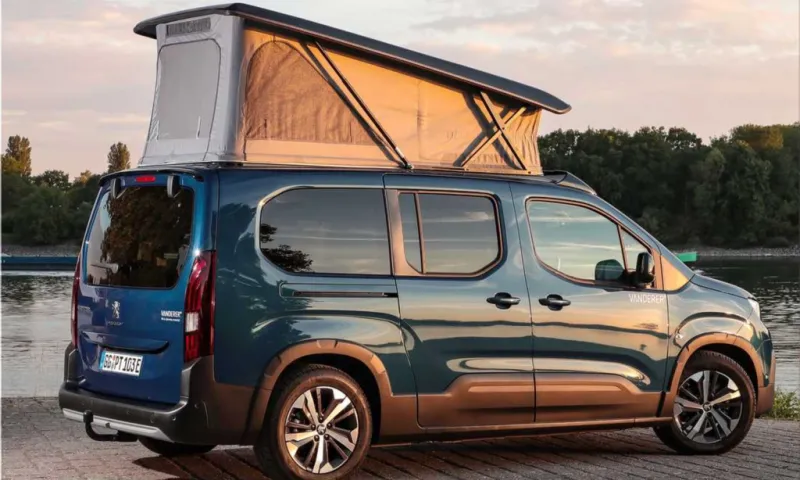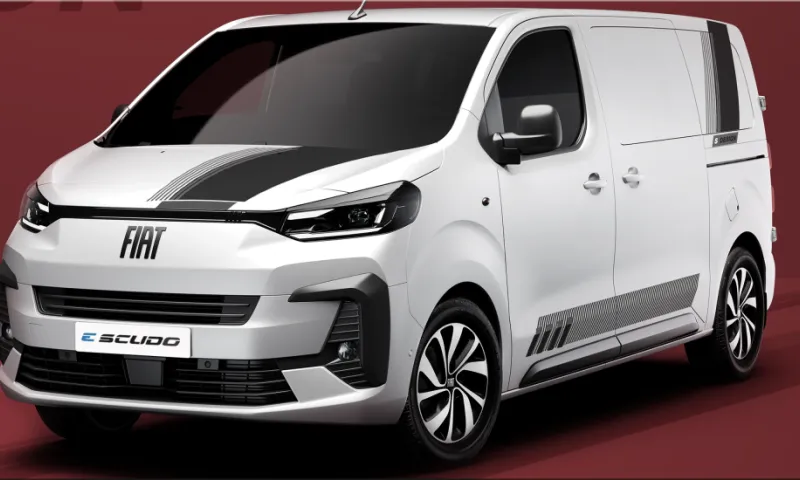
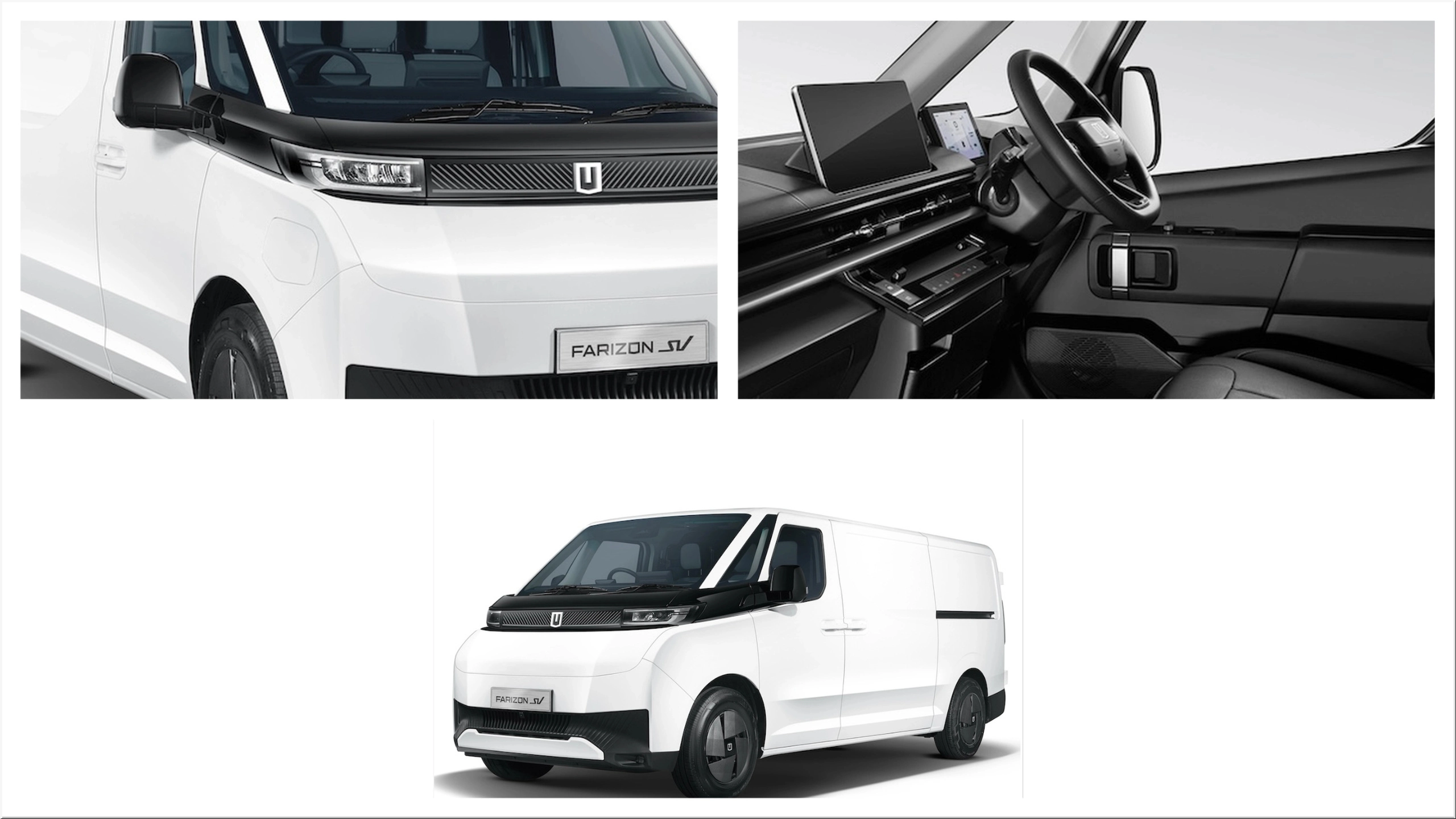
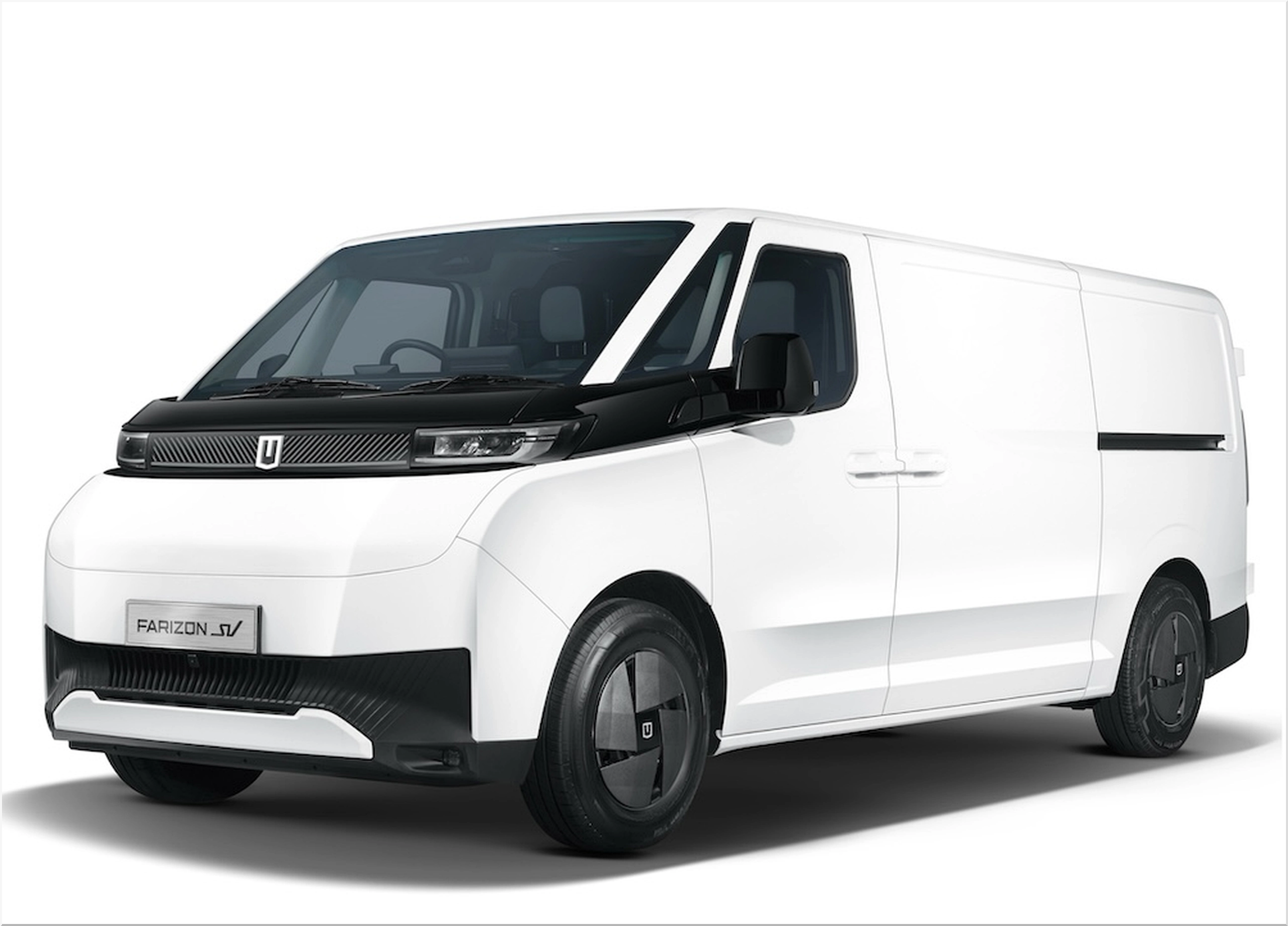
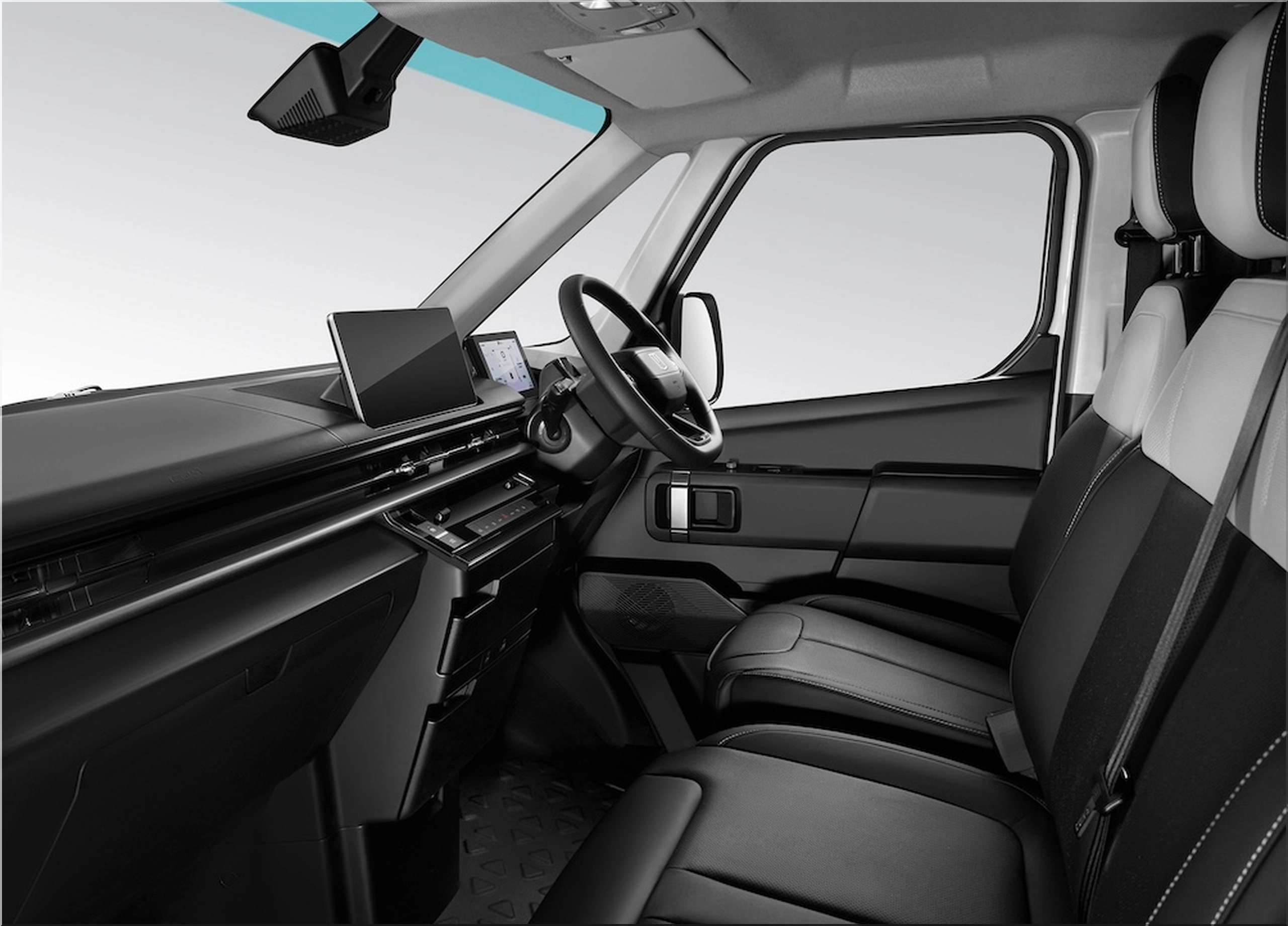
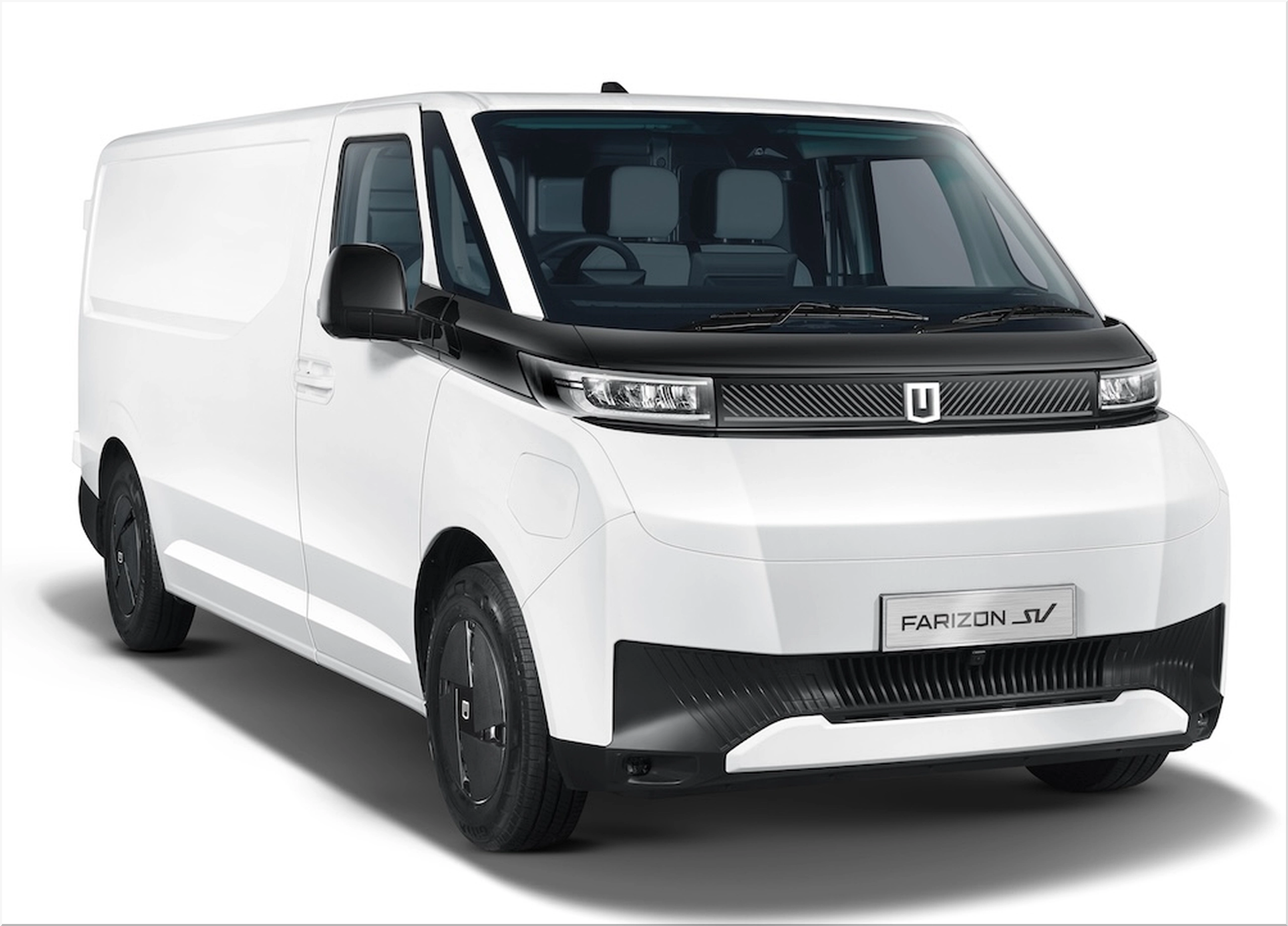
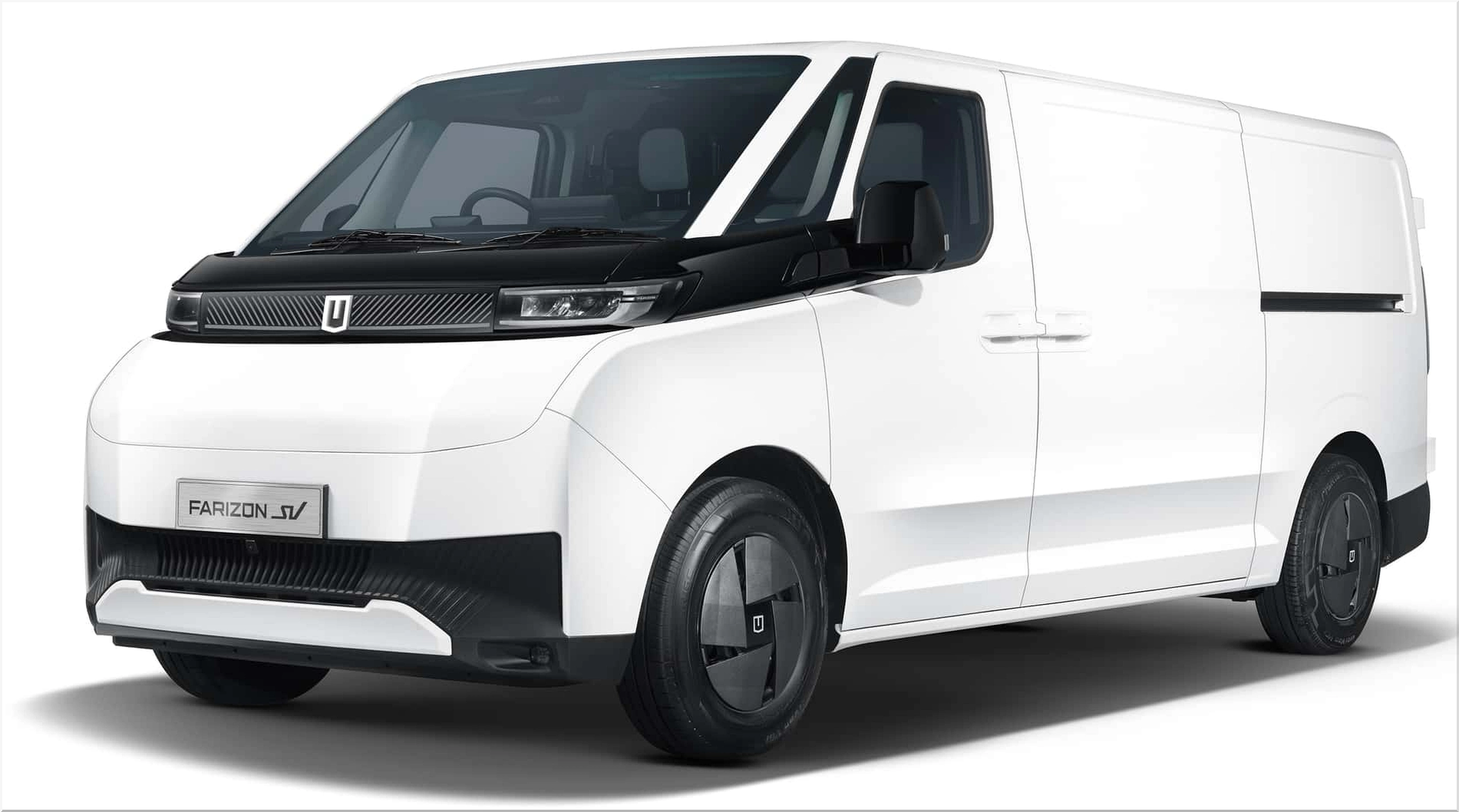
The electric vehicle (EV) market in the UK is set to expand in 2025 with the arrival of the Farizon SV, an innovative electric van from Geely. Designed for both cargo and passenger transport, this Chinese electric van promises to shake up the sector with its focus on sustainability, efficiency, and cost-effectiveness.
Why the Farizon SV Matters
The Farizon SV enters the UK market at a time when businesses face mounting pressure to reduce emissions. This EV offers a solution for companies seeking greener alternatives to traditional diesel vans. Key features include:
- Zero-emissions powertrain: Fully electric, ensuring compliance with the UK’s stringent emissions regulations.
- Long driving range: Expected to cover up to 249 miles (400 km) on a single charge.
- Multiple configurations: Available as both a cargo van and passenger transport vehicle.
- Cost-efficient operation: Lower running costs compared to internal combustion engine (ICE) vans.
Technical Specifications
Geely’s Farizon SV is engineered to address the specific needs of businesses and fleet operators. Below is a breakdown of its specifications:
| Feature | Specification |
|---|---|
| Powertrain | Fully electric |
| Battery capacity | 86 kWh |
| Range (per charge) | Up to 249 miles (400 km) |
| Payload capacity | Up to 2,000 lbs (907 kg) |
| Charging time (fast) | Approximately 40 minutes |
| Charging time (standard) | 6-8 hours |
| Variants | Cargo, Passenger |
Practical Benefits for UK Buyers
Businesses in logistics, retail, and transportation can expect several benefits from the Farizon SV:
- Reduced emissions costs: Ideal for avoiding Clean Air Zone (CAZ) fees in urban areas.
- Scalable fleet options: Designed to integrate seamlessly into fleets of all sizes.
- Durable and reliable design: Built for long-term use in demanding conditions.
Competitive Landscape: How the Farizon SV Compares
The Farizon SV competes with other electric vans already available in the UK, including the Ford E-Transit, Mercedes-Benz eSprinter, and Vauxhall Vivaro-e. Below is a comparison table:
| Model | Range (miles) | Payload (lbs) | Starting Price (USD) |
| Farizon SV | 249 | 2,000 | 50,000 |
| Ford E-Transit | 196 | 3,800 | 49,000 |
| Mercedes-Benz eSprinter | 150 | 2,469 | 52,000 |
| Vauxhall Vivaro-e | 205 | 2,200 | 48,000 |
Market Timing and Launch Plans
Geely plans to launch the Farizon SV in the UK by early 2025. This timing aligns with growing government incentives for EV adoption and stricter environmental policies targeting commercial vehicles. Pricing will start at approximately $50,000 (converted from GBP), making it competitive with existing options.
Key Challenges and Opportunities
While the Farizon SV’s specs and pricing are appealing, the brand faces challenges entering a market dominated by established players. Success will depend on:
- Robust charging infrastructure: Adequate support is essential for long-distance operations.
- Fleet adoption rates: Gaining traction among fleet operators will be crucial for scaling sales.
- Brand recognition: Building trust in a new name will take time.
Why Fleet Operators Should Consider the Farizon SV
For fleet operators, the Farizon SV represents a forward-thinking investment. Benefits include:
- Fuel savings: Electricity is significantly cheaper than diesel.
- Lower maintenance costs: EVs have fewer moving parts compared to ICE vehicles.
- Government incentives: Tax breaks and grants can reduce upfront costs.

Final Thoughts
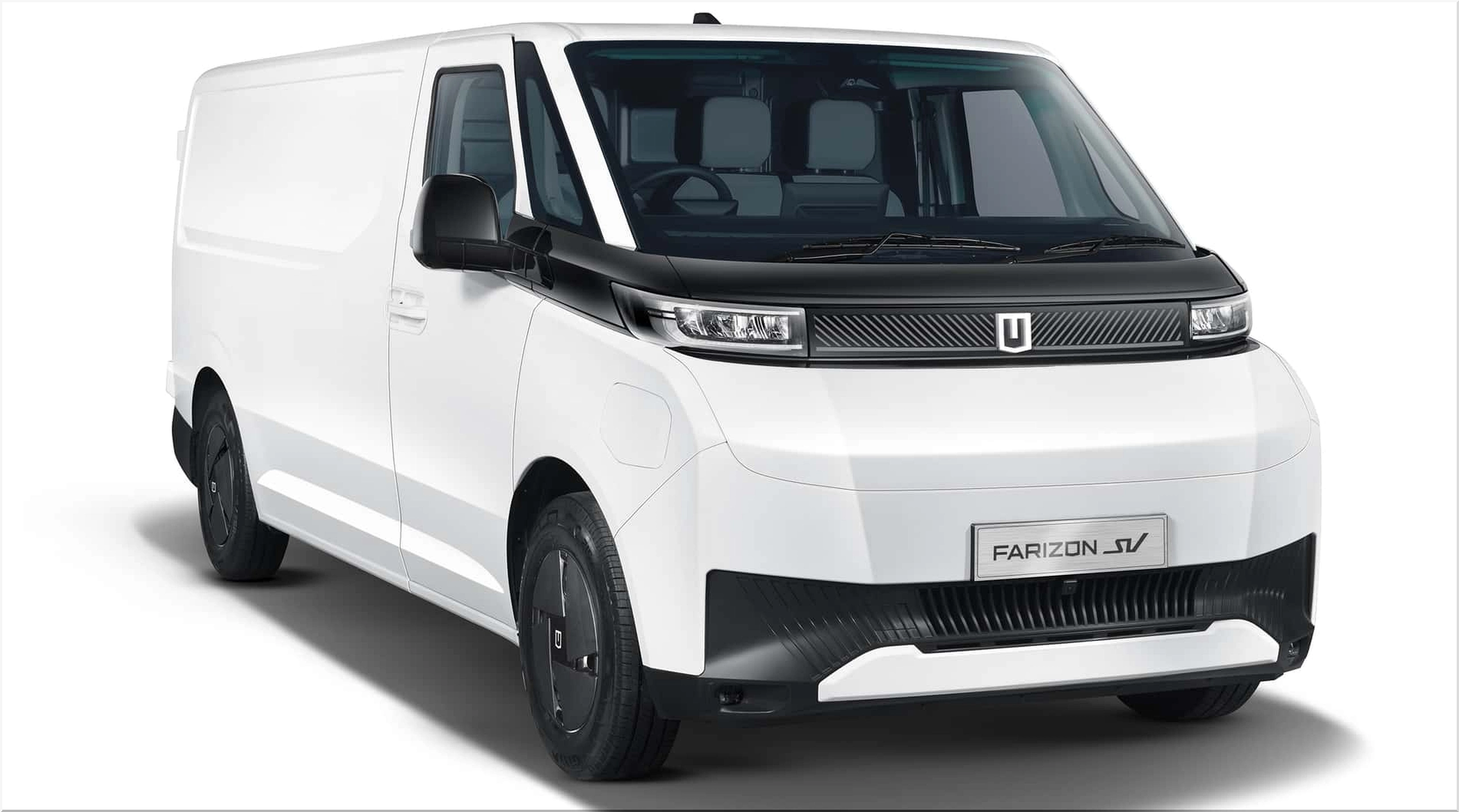
The arrival of the Farizon SV in the UK signals a step forward for commercial EVs. With its strong specifications, competitive pricing, and focus on sustainability, this electric van has the potential to become a game-changer for businesses transitioning to greener operations. For companies seeking a reliable, efficient, and eco-friendly fleet addition, the Farizon SV is worth considering.
- Add new comment
- 108 views