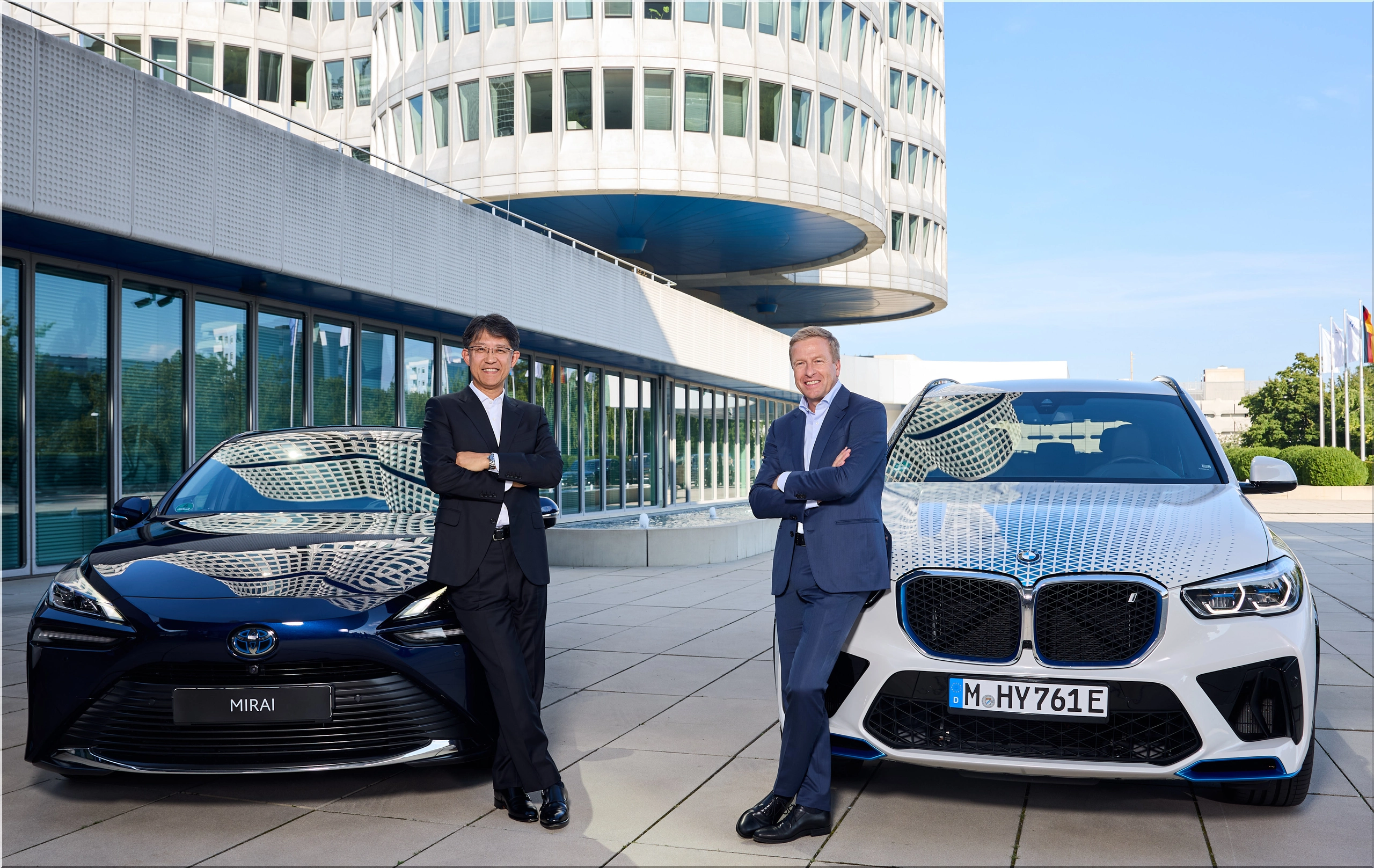
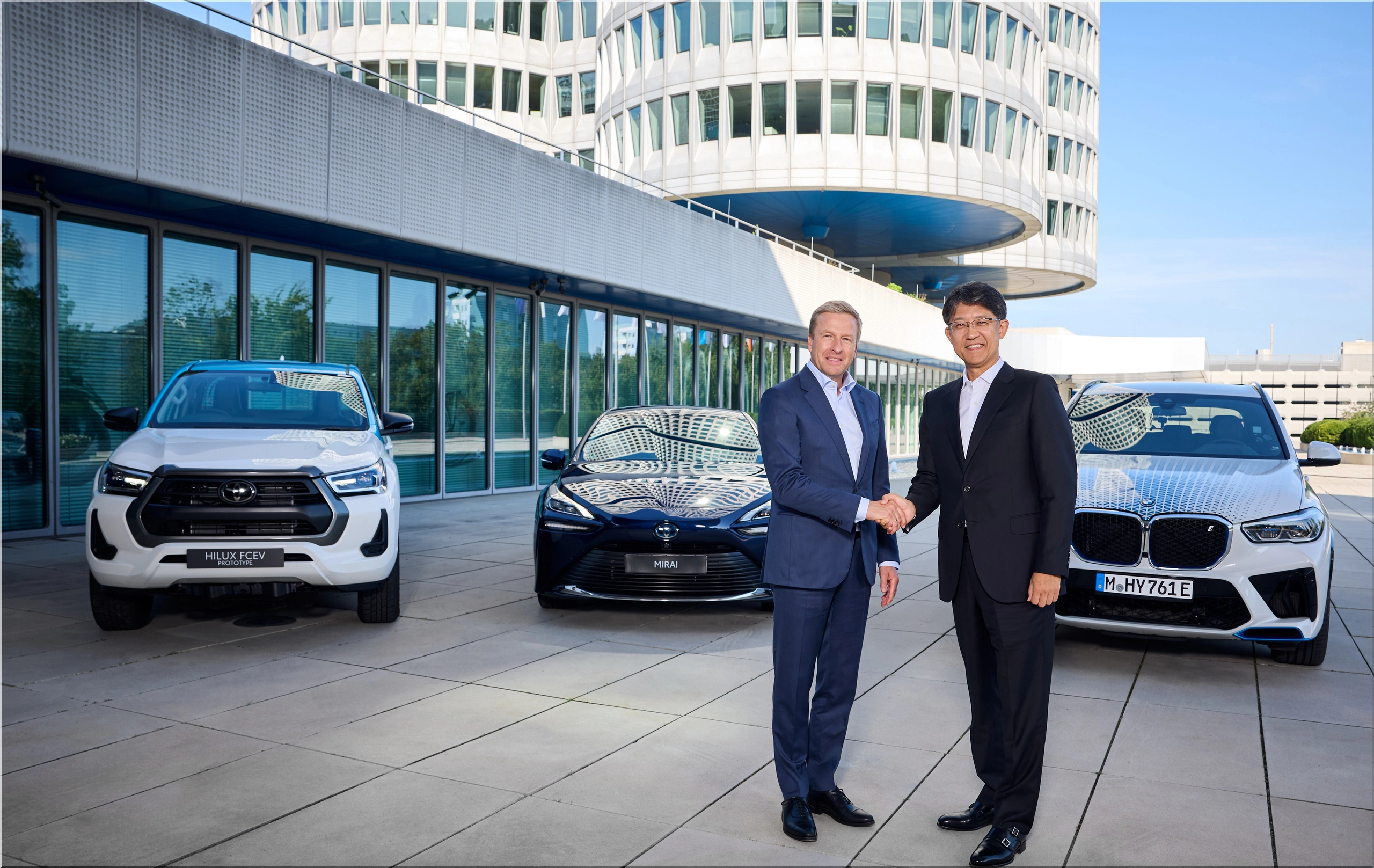
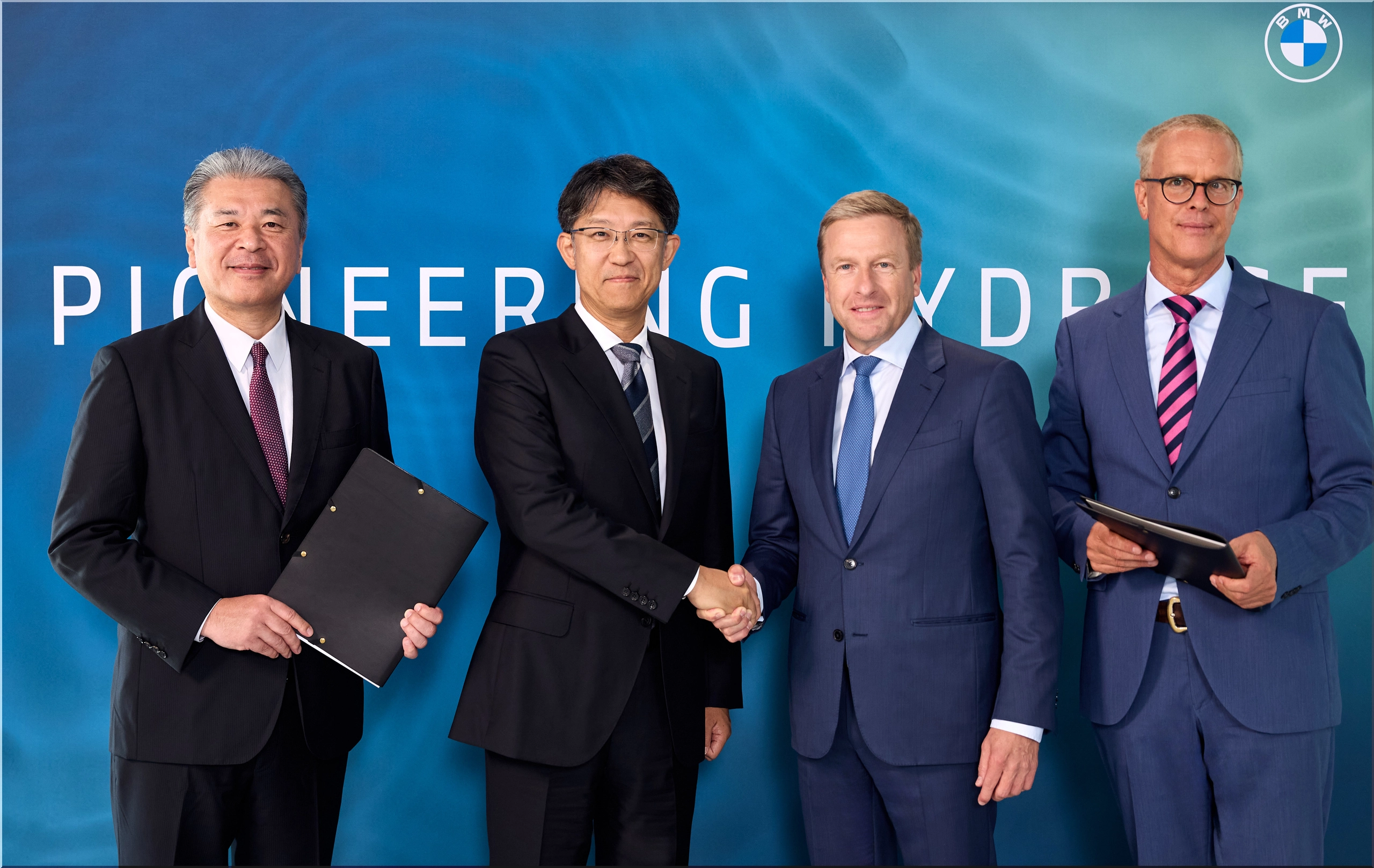
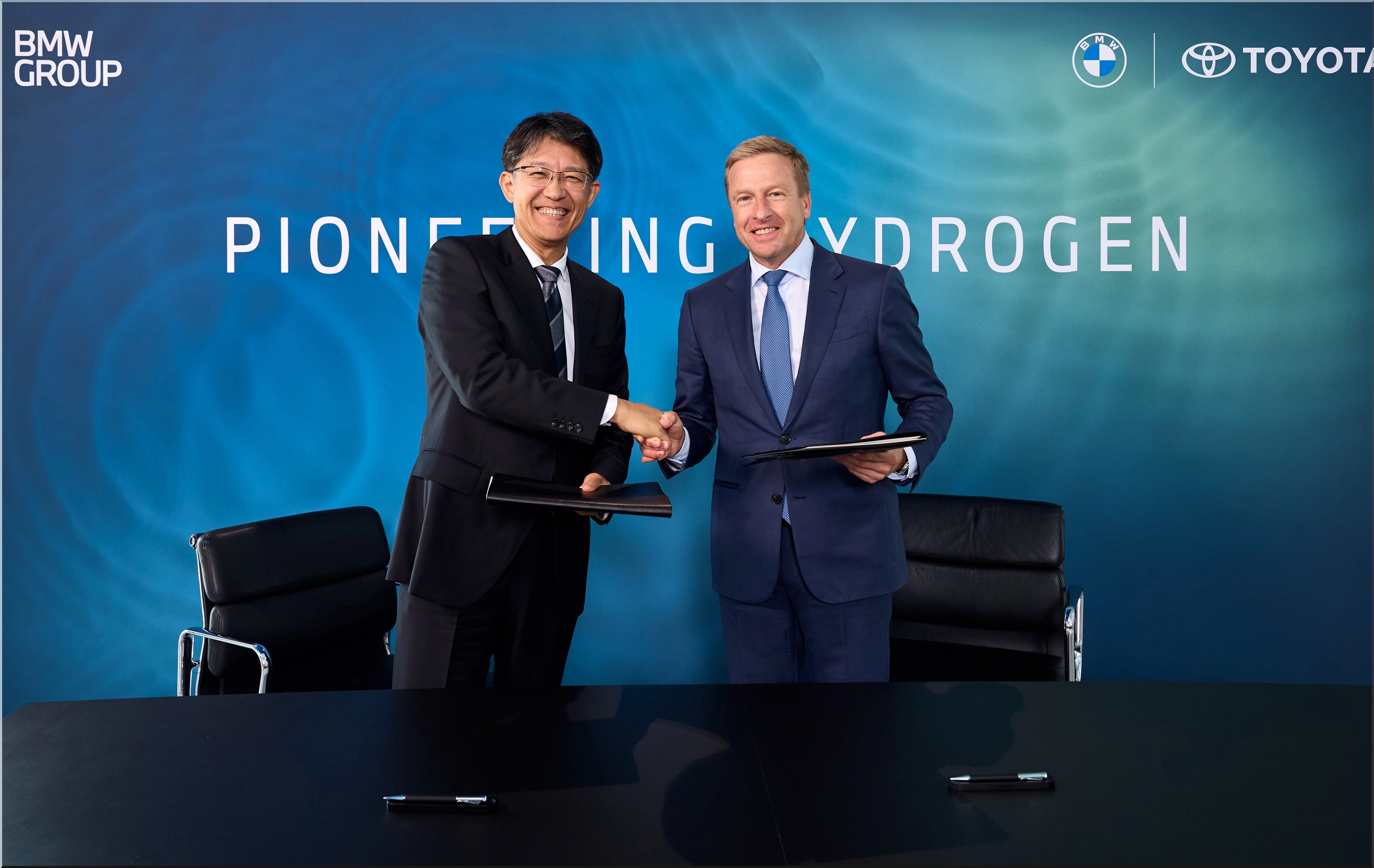
The automotive industry is undergoing a radical transformation, with Toyota Motor Corporation and BMW Group at the forefront of technological advancements aimed at sustainability and carbon neutrality. These two industry giants have recently deepened their collaboration, focusing on developing fuel cell electric vehicles (FCEVs) and fostering the growth of a hydrogen society. Their partnership not only strengthens their individual portfolios but also pushes the global agenda toward clean energy. Here's an in-depth look at how this collaboration could reshape the future of mobility.
A Shared Vision for Carbon Neutrality
Toyota and BMW's collaboration extends beyond traditional business partnerships. At the heart of their cooperation is a shared vision: achieving carbon neutrality through innovative technologies like hydrogen-powered vehicles. Hydrogen has long been hailed as a sustainable alternative to fossil fuels due to its zero-emission profile when used in fuel cells.
By joining forces, Toyota and BMW are committed to developing a third-generation fuel cell system to power a broader range of vehicles. This system is slated to be installed across their respective model lineups, ensuring that fuel cell electric vehicles (FCEVs) become more accessible to consumers globally. BMW's first mass-produced FCEV is expected to hit the market by 2028, marking a significant milestone in their hydrogen journey.
Advancing Hydrogen Technology Together
Toyota has long been a pioneer in hydrogen technology, with its Toyota Mirai FCEV serving as a testament to its leadership in this space. BMW, meanwhile, has been exploring hydrogen as a fuel source since 1979, with notable progress in the development of hydrogen-powered test vehicles. Their collaboration dates back to 2011 when they began working together to advance fuel cell technology.
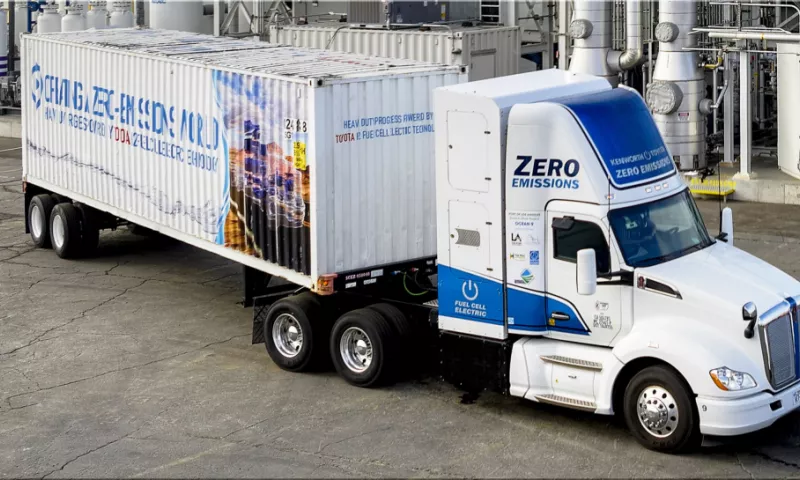
The two automakers are now building on this legacy by developing a third-generation fuel cell system, which promises greater efficiency, lower costs, and broader applications in both passenger and commercial vehicles. Toyota's hydrogen leadership and BMW's technical prowess make this partnership an ideal synergy, as both companies bring their unique strengths to the table.
Expanding Fuel Cell Vehicles and Infrastructure
As the hydrogen ecosystem evolves, the focus is not just on the vehicles themselves but also on creating the necessary infrastructure to support a hydrogen society. Both Toyota and BMW recognize that building a comprehensive hydrogen refueling network is critical for widespread FCEV adoption. This is why their partnership includes close collaboration with hydrogen-producing companies, distributors, and refueling stations to ensure a stable and sustainable hydrogen supply.
Additionally, the two automakers are working with like-minded partners in various industries to create synergies in development, procurement, and cost reduction. By sharing resources and amalgamating powertrain units, they aim to lower the costs associated with hydrogen technology, ultimately making it a more viable option for consumers and businesses alike.
Building a Hydrogen Society
Toyota and BMW’s goal is ambitious: to contribute to the establishment of a hydrogen society, where hydrogen plays a central role in powering a wide range of applications beyond just vehicles. This collaboration is part of their broader effort to decarbonize the transport sector and beyond, aligning with global goals to reduce CO2 emissions and combat climate change.
The companies' approach is holistic, addressing the entire hydrogen value chain, from production to storage, transportation, and end-use. This "multi-pathway" strategy includes not only FCEVs but also battery electric vehicles (BEVs), hybrid electric vehicles (HEVs), and plug-in hybrids (PHEVs). By offering multiple solutions, Toyota and BMW are positioning themselves as leaders in the shift toward a more sustainable future.
Key Outcomes of the Collaboration
- Third-generation fuel cell system: Toyota and BMW are jointly developing a more advanced fuel cell system, expected to power a wider range of vehicles, including both passenger and commercial models.
- FCEV expansion: The new system will allow both companies to offer more fuel cell electric vehicles, with BMW set to release its first mass-produced FCEV in 2028.
- Infrastructure development: Both automakers are actively working with hydrogen producers and refueling stations to ensure a stable supply of hydrogen, which is critical for the success of FCEVs.
- Cost reduction: By amalgamating powertrain units and sharing resources, Toyota and BMW aim to drive down the costs associated with hydrogen technology, making it more accessible.
Conclusion: The Future of Hydrogen Mobility
The strengthened partnership between Toyota and BMW represents a critical step forward in the global transition to hydrogen-powered mobility. As both companies work toward creating a hydrogen society, they are developing cutting-edge technologies and laying the groundwork for a sustainable infrastructure that will support the widespread adoption of FCEVs.
In the race toward carbon neutrality, hydrogen is increasingly being viewed as a vital component of the future energy mix. With Toyota and BMW leading the charge, the dream of a world where hydrogen energy powers everything from vehicles to homes may soon become a reality. Their multi-pathway approach ensures that consumers will have a variety of eco-friendly options to choose from, helping to accelerate the global shift away from fossil fuels.
This collaboration is not just about creating new technologies—it’s about fundamentally reshaping the way we think about energy, transportation, and sustainability. As we look to the future, Toyota and BMW are positioning themselves as leaders in the clean energy revolution, ensuring that hydrogen will play a key role in shaping the mobility solutions of tomorrow.
- Add new comment
- 212 views