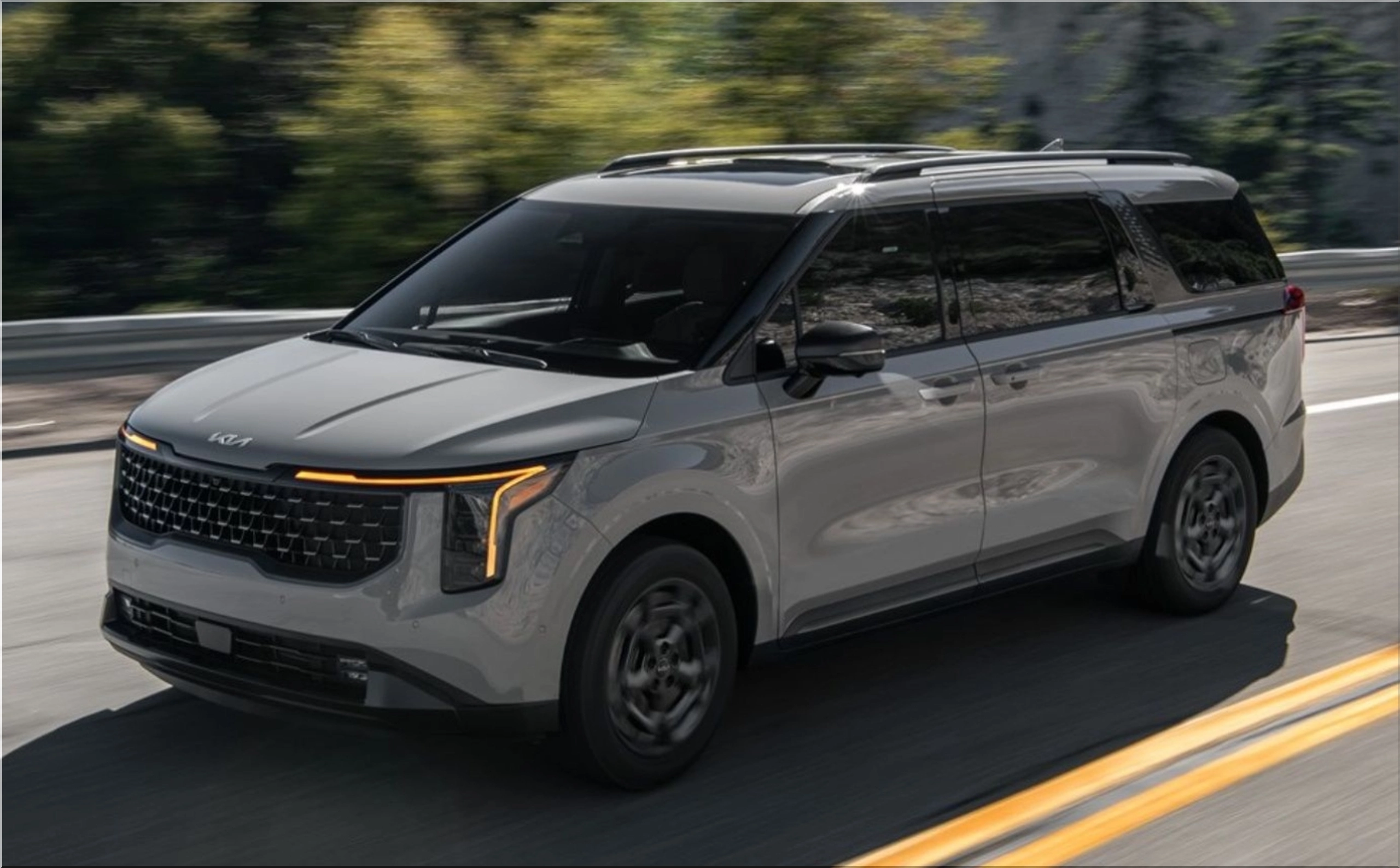
Kia America has posted its highest-ever first-half sales. The automaker moved 416,511 vehicles from January through June 2025. That’s an 8% increase year-over-year. More critically, retail sales jumped 12%, signaling stronger consumer demand across showrooms.
This isn't a fluke. It's a calculated outcome driven by strong model performance, rising hybrid demand, and a reshaped product mix.
Core Models Push Volume, Lead Growth
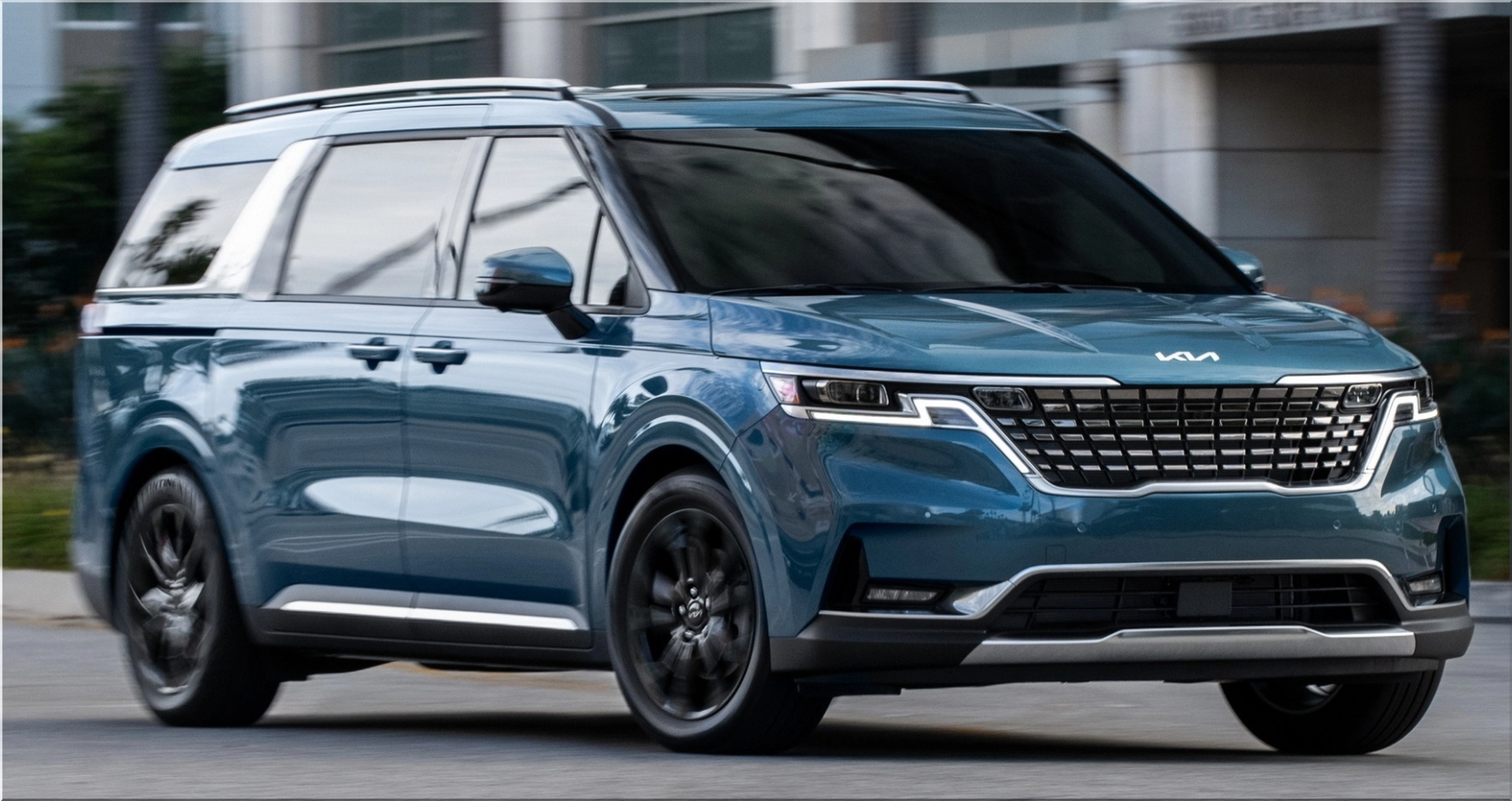
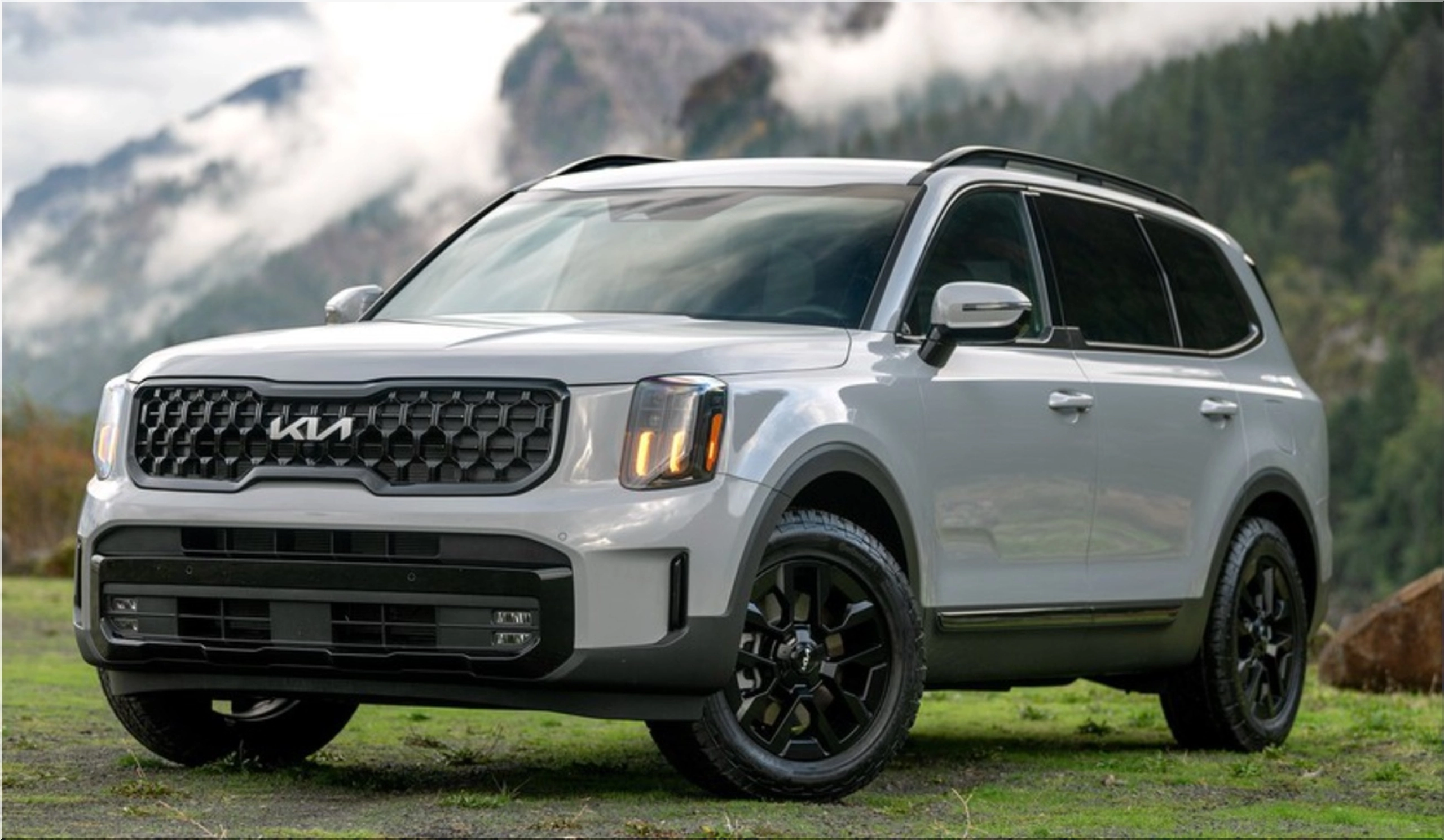
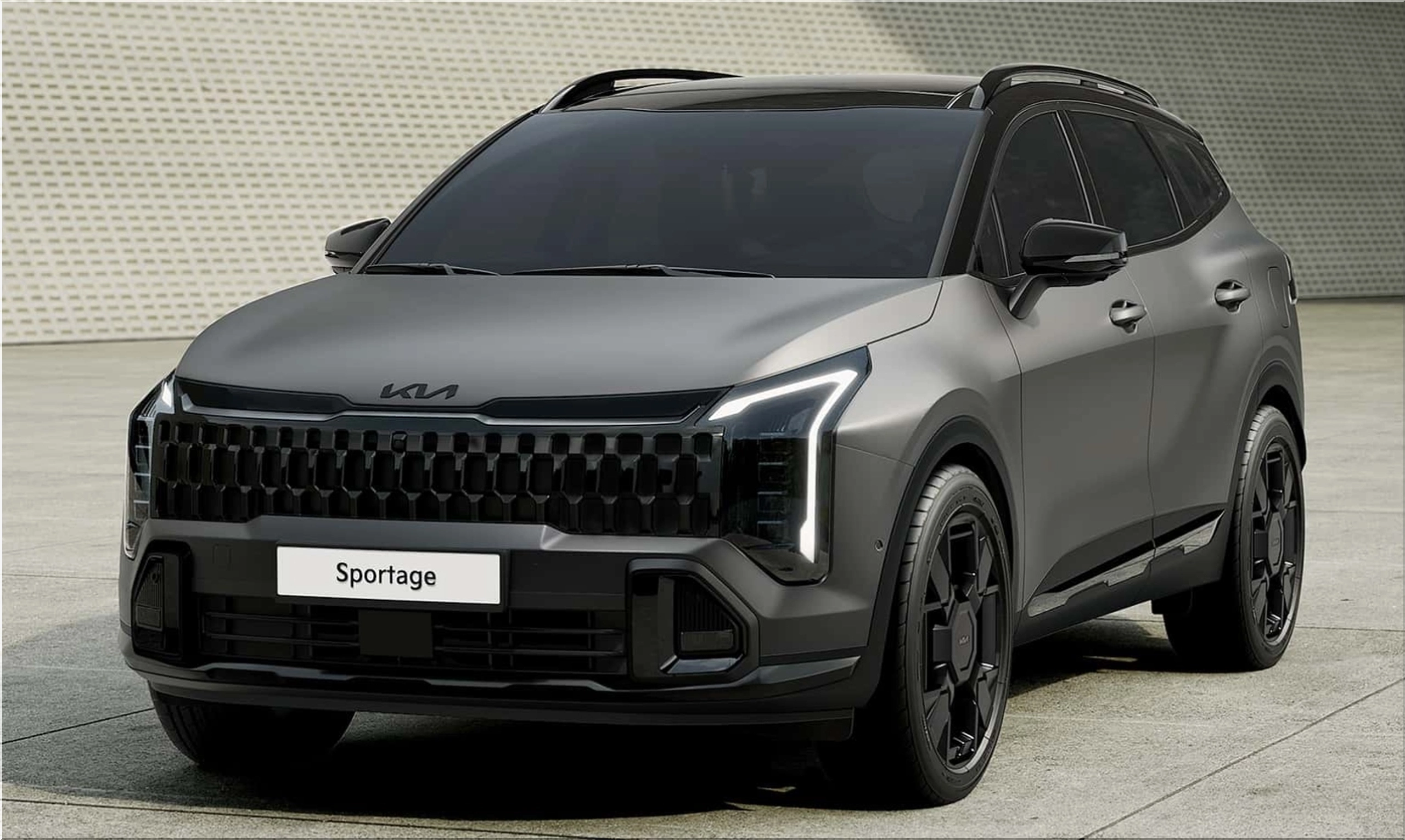
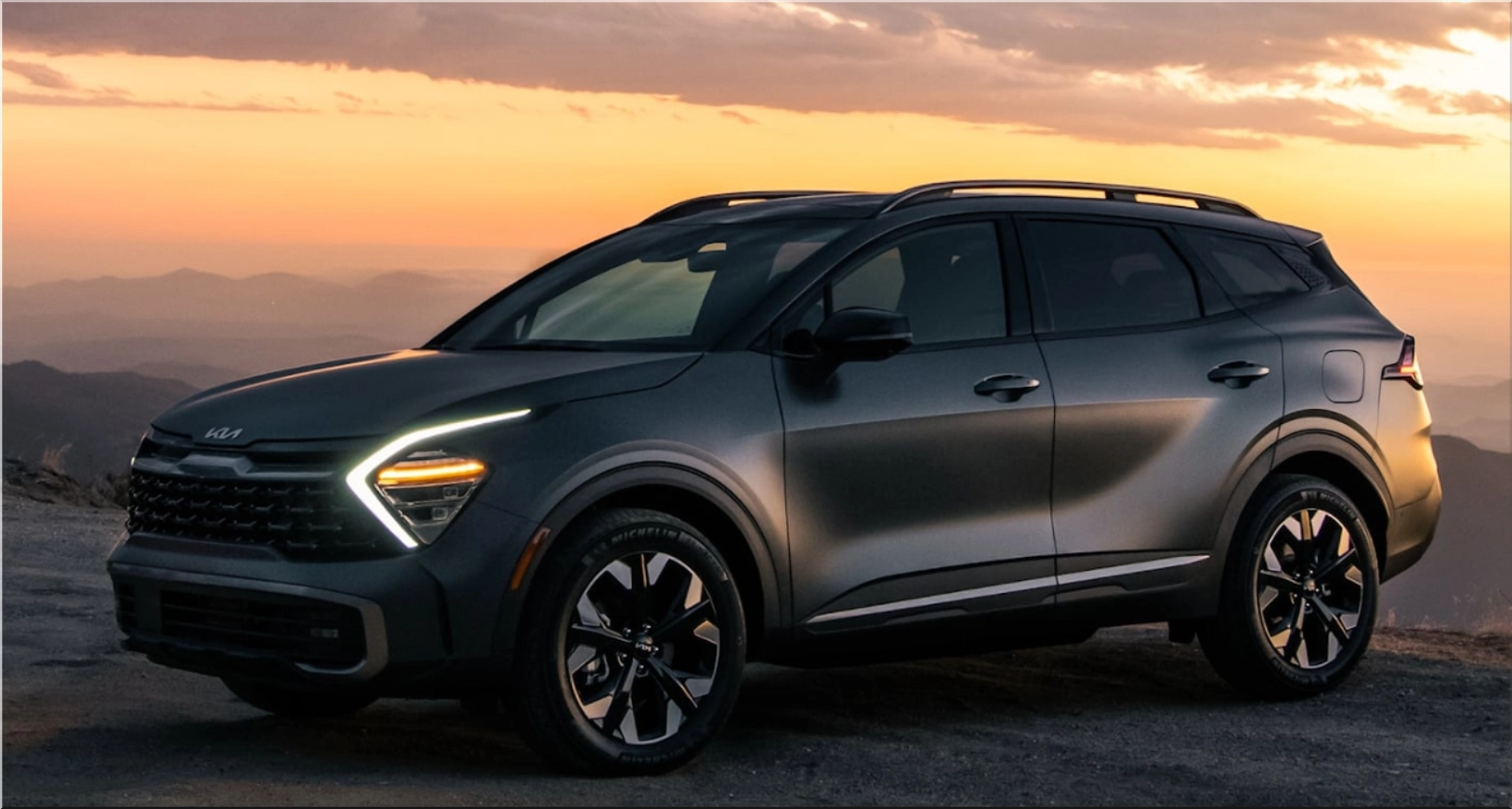
Four models—Carnival, Telluride, Sportage, and K4—achieved their best-ever first-half sales. Here’s a look at the year-over-year gains:
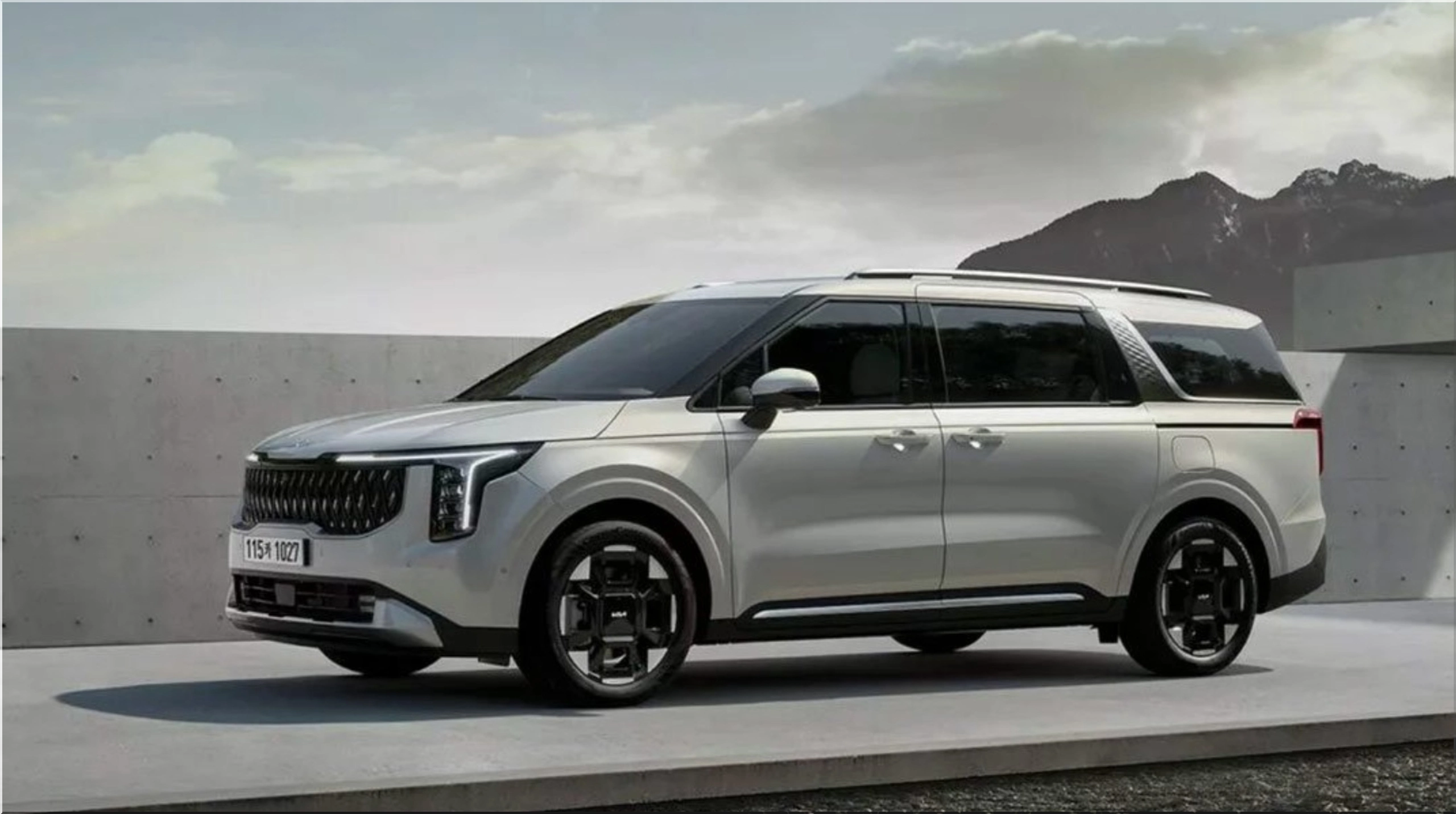
- Carnival: +57%
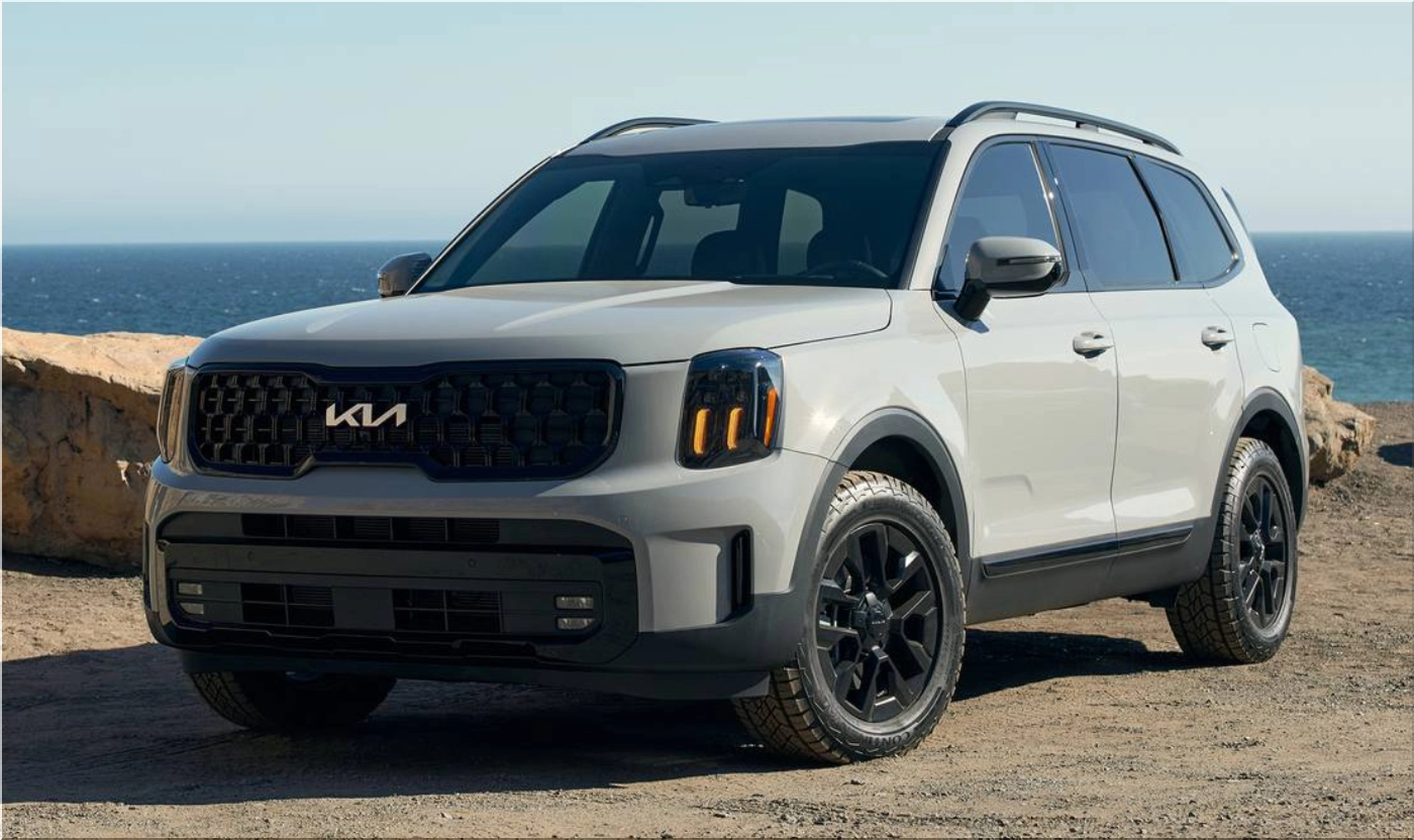
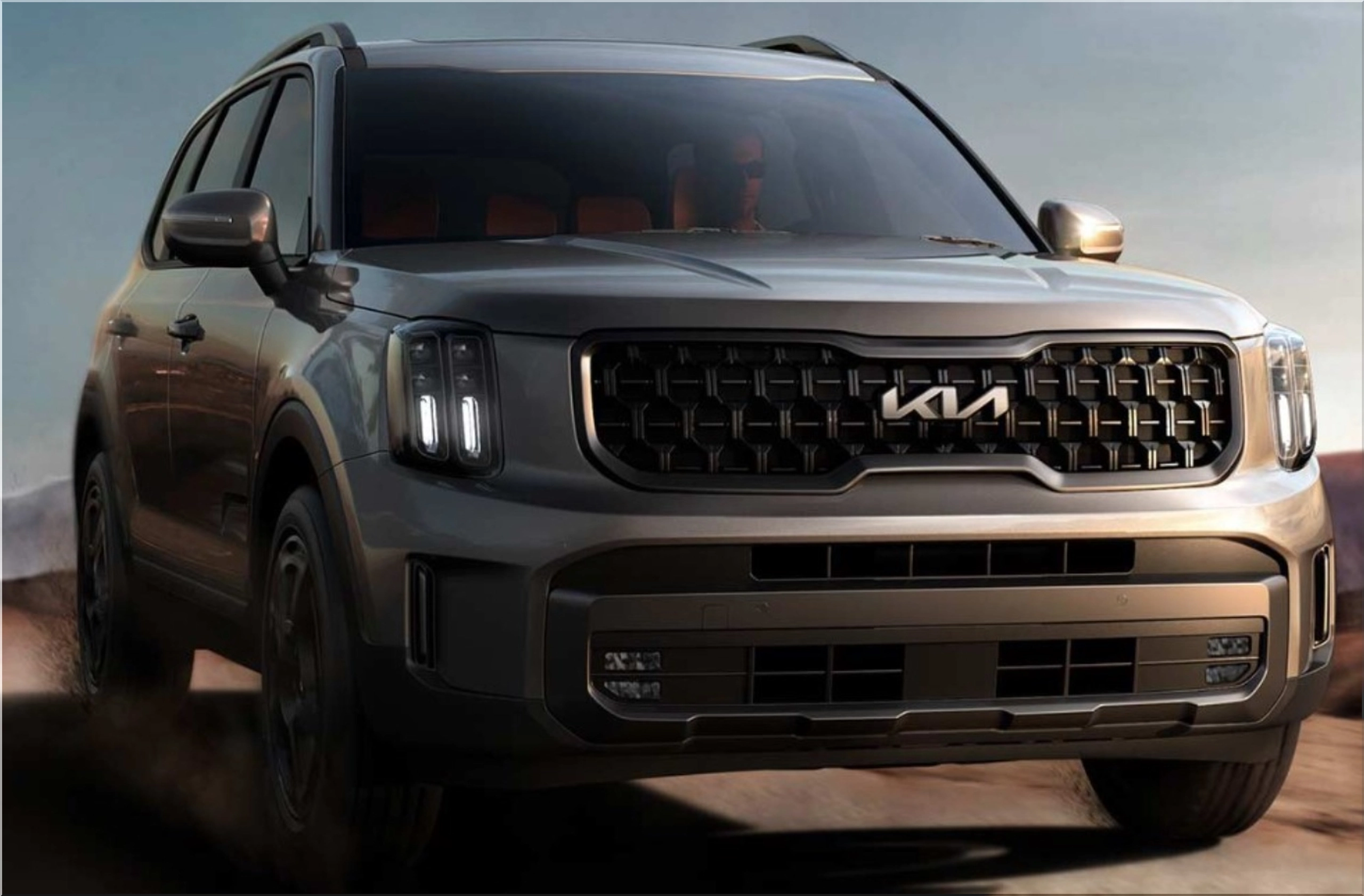
- Telluride: +15%
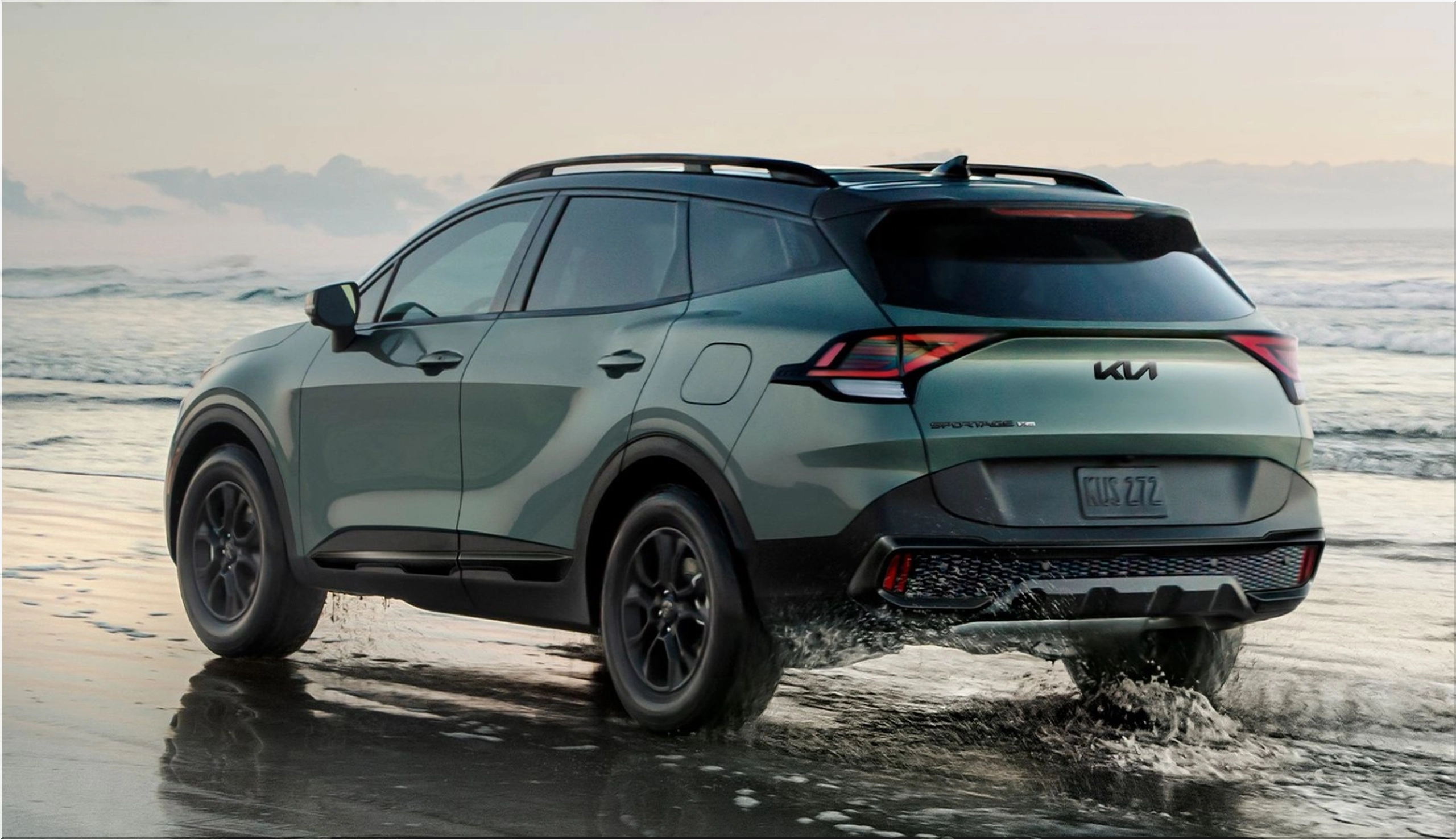
- Sportage: +9%
- K4 (replacing the Forte): +7%
The K5 midsize sedan stood out with a 170% increase compared to the same period last year. That’s the sharpest percentage growth among all Kia models. Meanwhile, the Sorento SUV added 9% in volume.
| Model | Units Sold | YoY Growth |
|---|---|---|
| Sportage | 87,172 | +9% |
| K4 | 75,535 | +7% |
| Telluride | 61,502 | +15% |
| Sorento | 50,919 | +9% |
| Carnival | 33,152 | +57% |
| K5 | 34,565 | +170% |
Sedans Are Gaining Again
Against industry trends, Kia’s sedan lineup is growing. First-half sedan sales are up 29% year-over-year, a figure that contradicts the declining trend seen across most automakers.
K5 went from 12,807 units sold in H1 2024 to 34,565 in H1 2025. That’s nearly triple the volume.
Electrified Momentum: Hybrids Surge 70%
Kia’s electrified sales are shifting from pure EVs to hybrids and plug-in hybrids. Hybrid volume rose 70% year-over-year, a sharp contrast to falling EV numbers.
Kia EV9 and Kia EV6 sales are both down:
- EV9: 4,938 units sold (down 49%)
- EV6: 5,875 units sold (down 46%)
Consumers remain cautious with EVs due to charging limitations and pricing. Kia is reacting by leaning into hybrid growth while stabilizing EV9 production.
SUV Lineup Maintains Market Share
The SUV segment delivered 9% growth year-over-year. Kia’s broad SUV range—from the compact Seltos to the full-size Telluride—continues to gain traction.
| Model | Sales | YoY Change |
|---|---|---|
| Kia Telluride | 61,502 | +15% |
| Kia Sportage | 87,172 | +9% |
| Kia Sorento | 50,919 | +9% |
| Kia Carnival | 33,152 | +57% |
| Kia Seltos | 24,939 | –24% |
| Kia Soul | 26,126 | –8% |
| Kia Niro | 11,788 | –35% |
Declining sales from the Seltos, Soul, and Niro show pressure in entry-level SUV pricing and demand.
Retail Channel Driving Results
Retail sales grew 12% year-over-year, outpacing Kia's overall 8% growth. Less dependence on fleet improves dealer profitability and residual value.
Electrify Expo Push: Brand Engagement, Not Volume
Kia’s presence at Electrify Expo events helps promote EV awareness. Events include:
- Los Angeles (completed)
- Seattle: July 12–13
- Chicago: September 13–14
- New York City: October 17–19
The focus is brand building, not immediate unit sales.
Challenges in EV Segment
Despite investment, Kia’s EV6 and EV9 sales declined year-over-year. Combined volume fell from 20,612 to 10,813 units.
Key challenges:
- Lower prices from competitors
- Charging network gaps
- Dealer reluctance to hold EV inventory
Kia is responding with updated trims like the EV9 GT-Line and Nightfall Edition.
U.S. Assembly Expands Strategic Value
Multiple models are assembled in the U.S., including:
- EV6 (select trims)
- EV9 (select trims)
- Sportage (gas only)
- Sorento (gas only)
- Telluride
This allows better pricing control and alignment with U.S. tax credit rules.
Second Half 2025 Outlook
Growth is possible, but several risk factors exist:
- High interest rates
- Stabilizing used car prices
- EV softness
Kia will continue pushing hybrids, refining its lineup, and strengthening retail execution.
Key Strategic Actions
- Grow K5, Carnival, and Telluride volume.
- Expand hybrid offerings as demand climbs.
- Manage EV incentives to stay competitive.
- Rebuild demand for entry-level SUVs.
- Leverage U.S. assembly for better margins.
Conclusion
Kia America enters the second half of 2025 in a strong position. Growth in hybrids, recovery in sedans, and resilience in core SUVs build momentum. Now, the challenge is managing pricing, demand, and profit across segments as market conditions shift.
- Add new comment
- 187 views