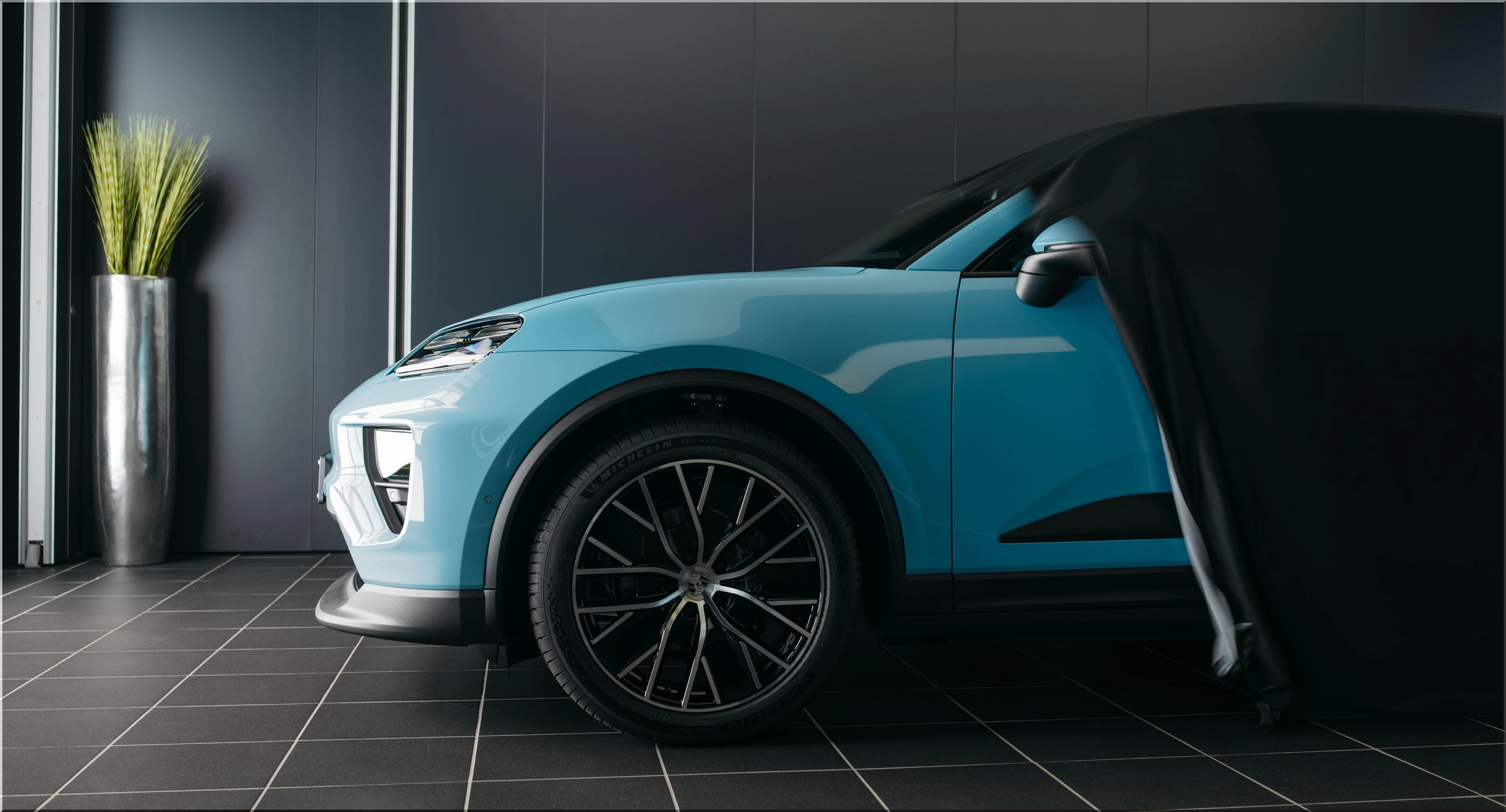
Macan Hits the One-Million Mark in Leipzig
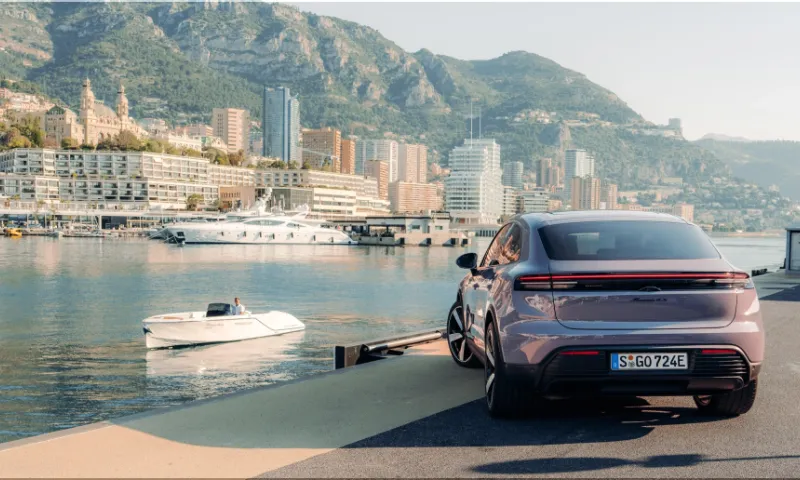
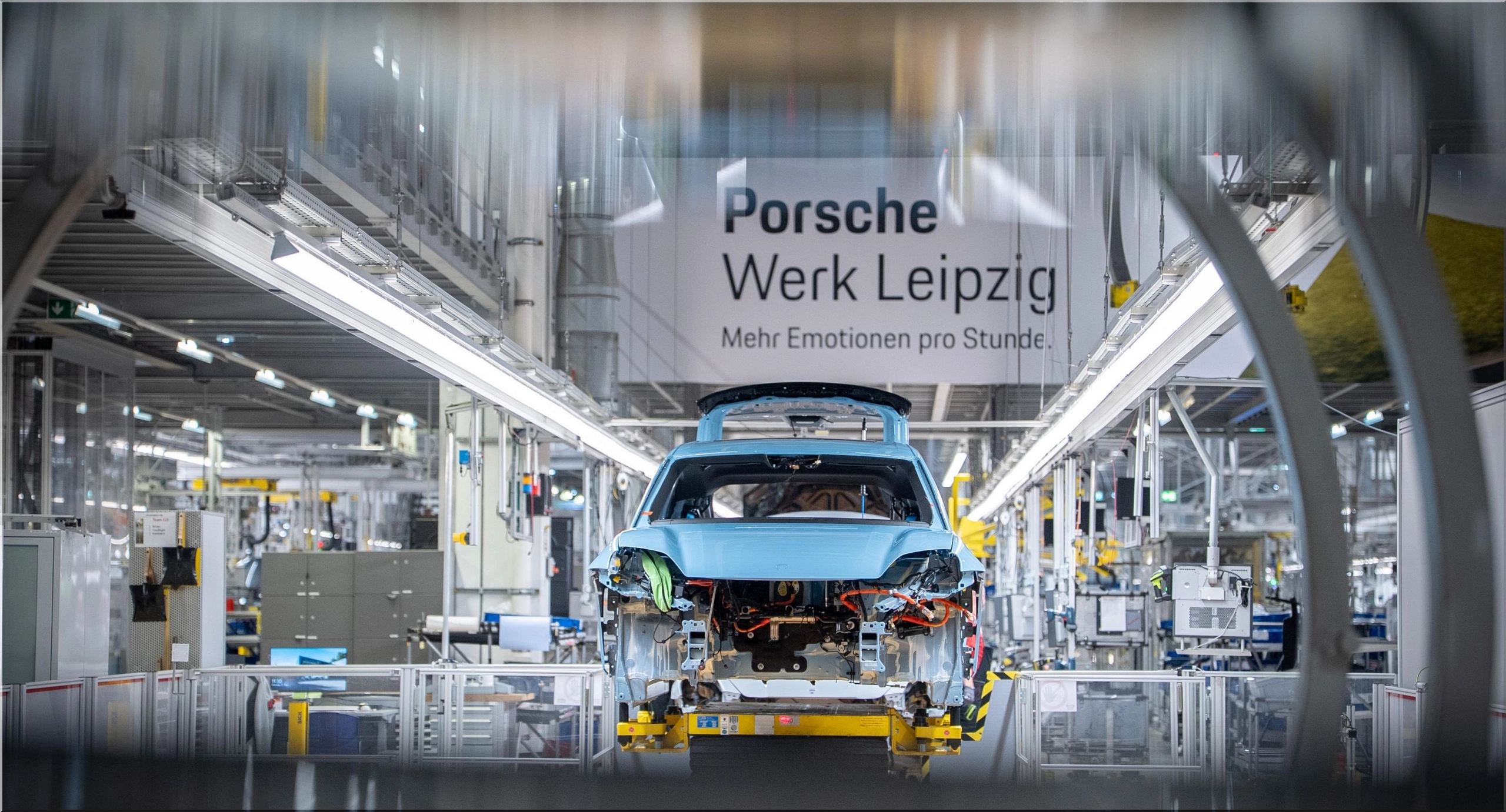
The Porsche Macan just crossed a major production milestone. The one-millionth unit rolled off the line at Porsche’s Leipzig plant, underscoring the SUV’s critical role in the brand’s global growth strategy.
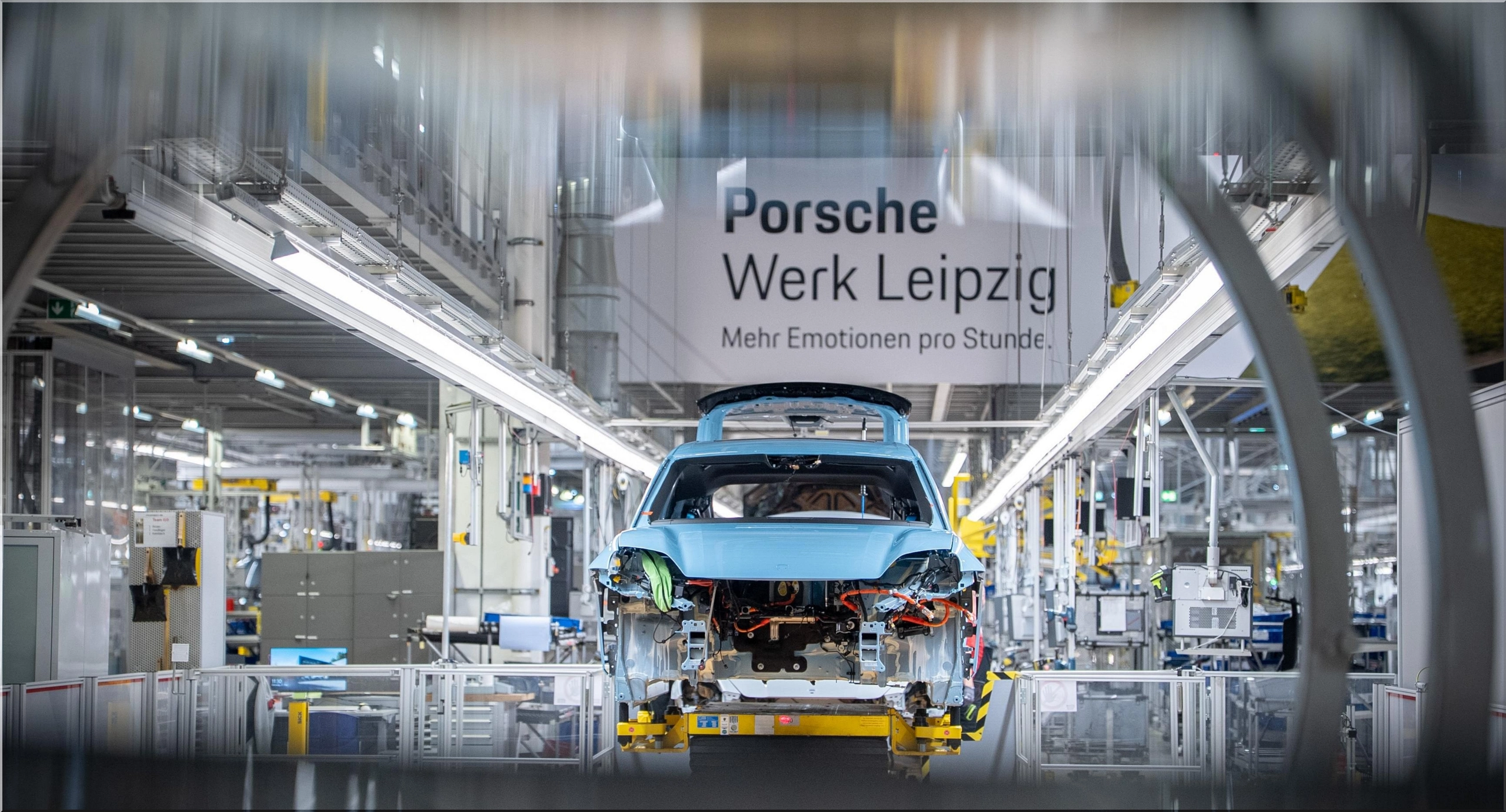
Since 2013, Porsche has built the Macan exclusively in Leipzig. The plant began as an assembly facility but evolved into a full factory in 2013. Over the past 12 years, the compact SUV has become one of the brand’s top sellers. In 2024 alone, Porsche delivered 82,795 Macan units globally.
A Strategic Bet That Paid Off
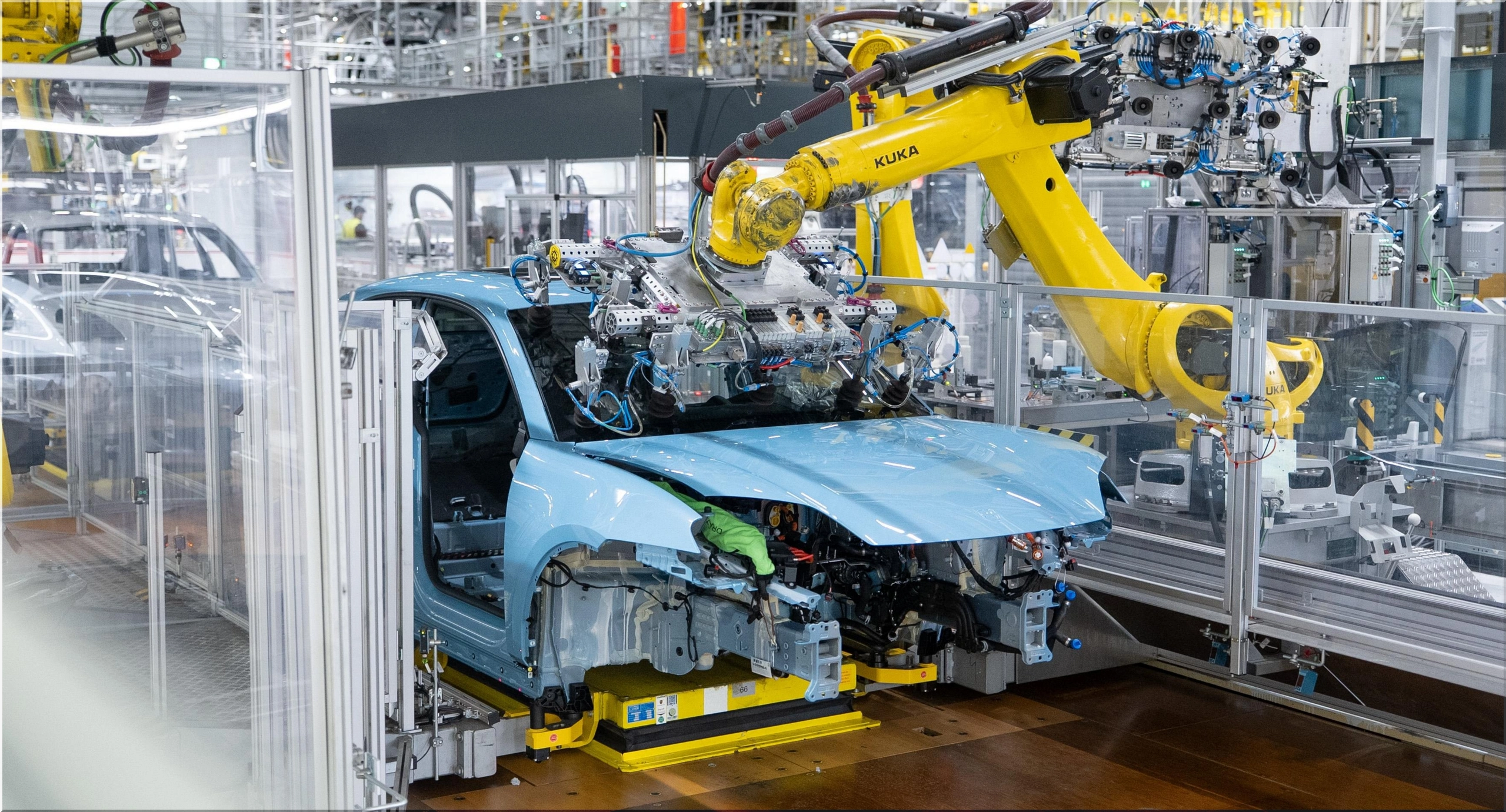
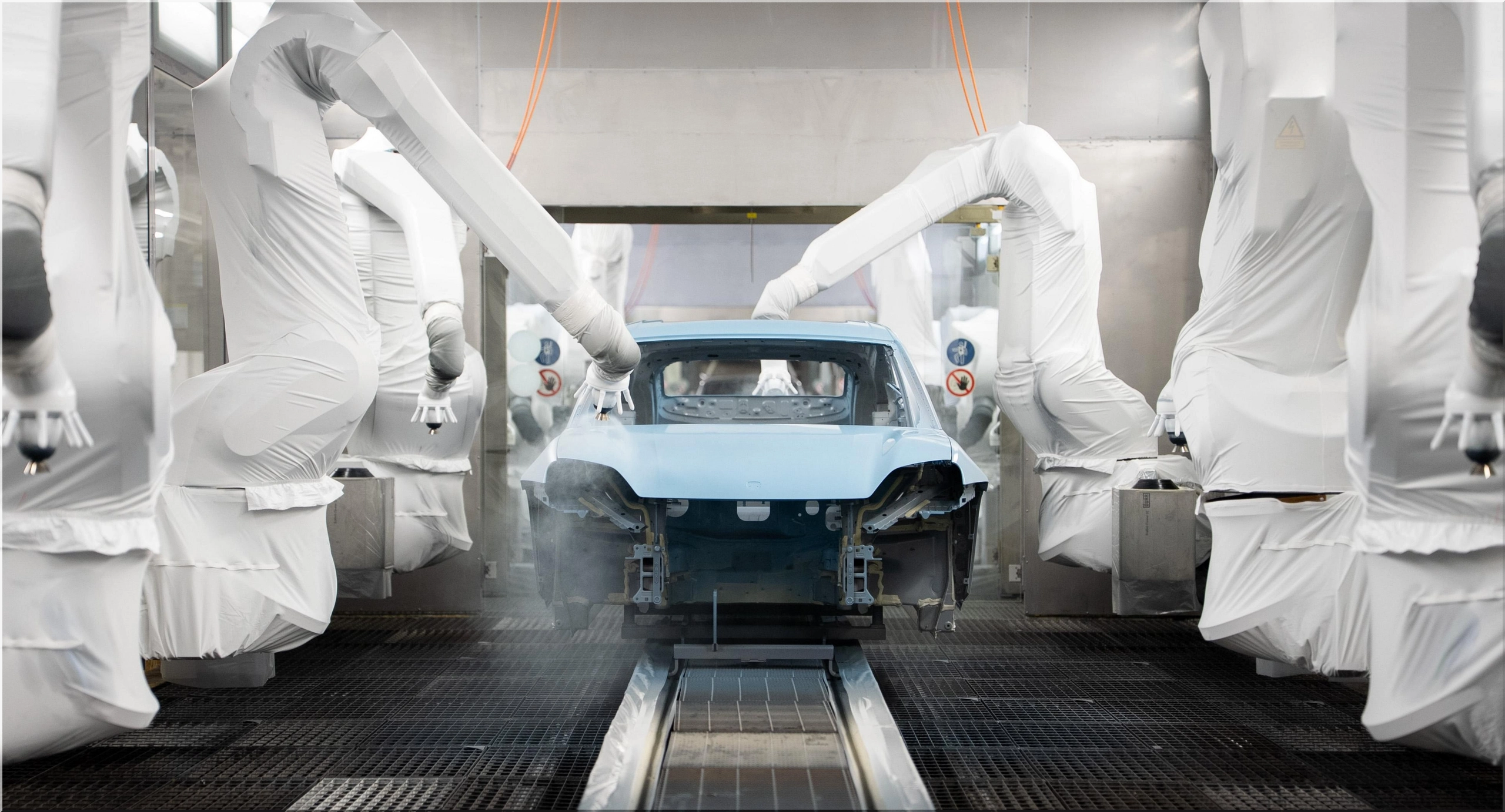
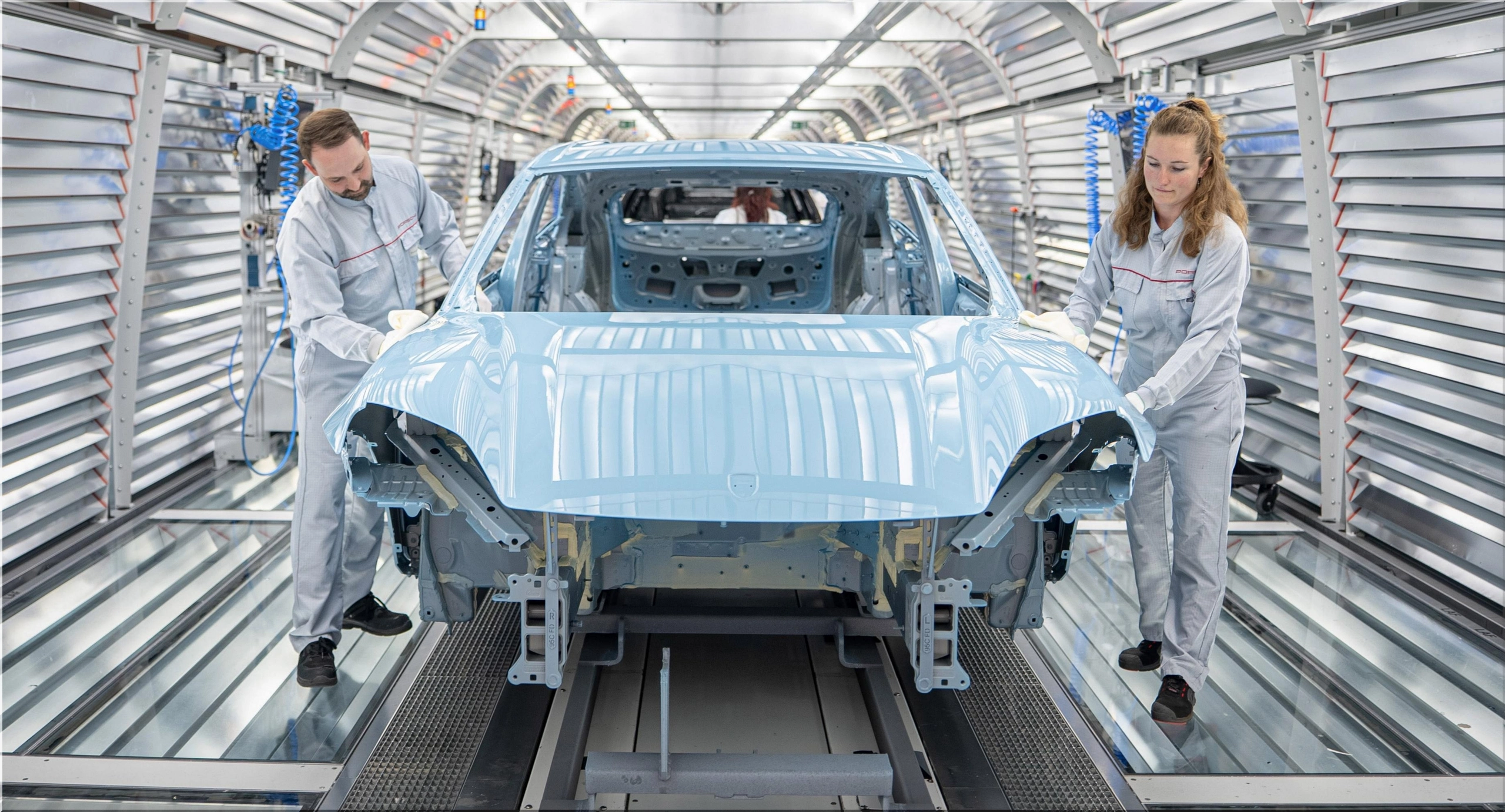
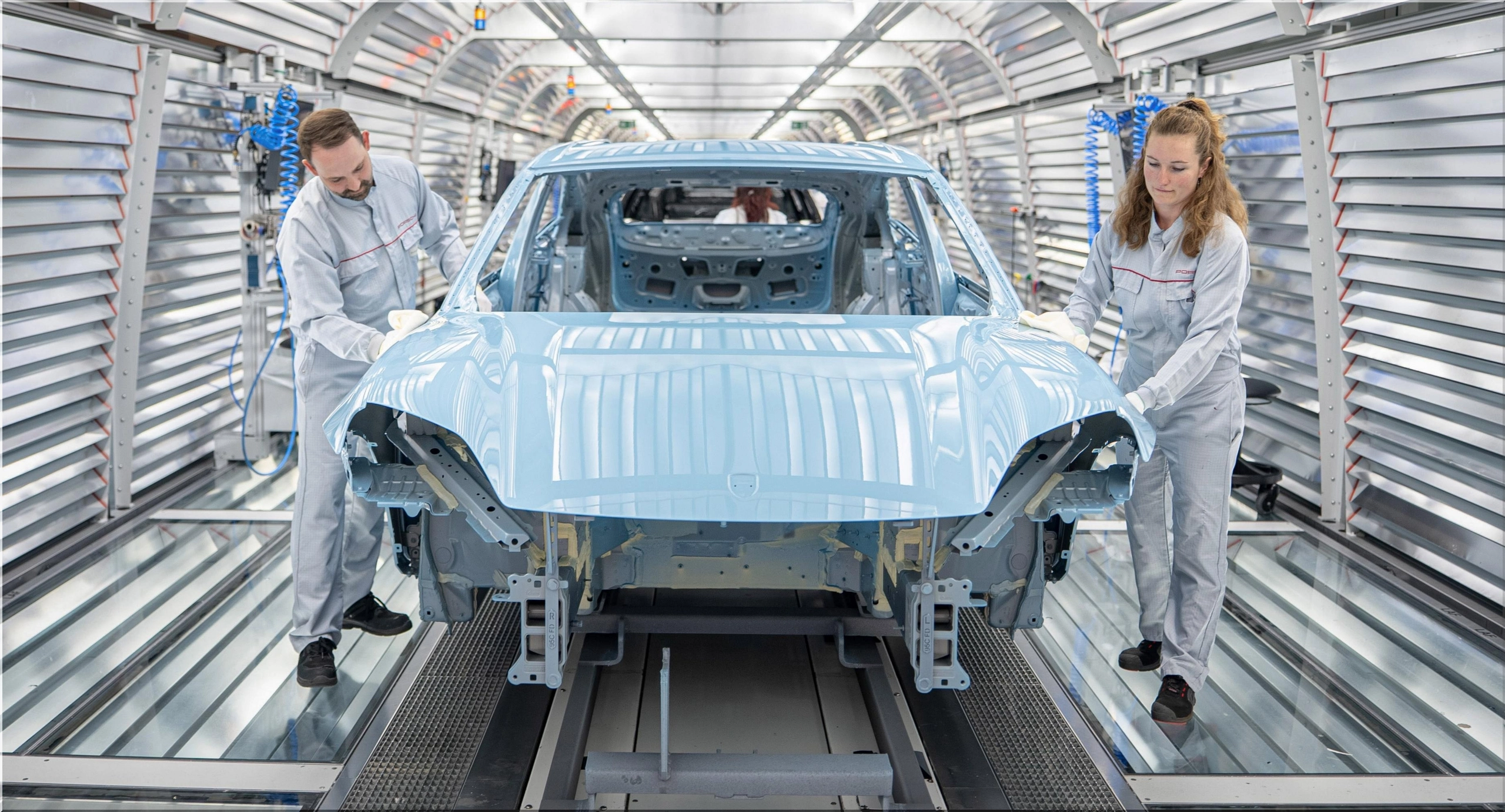
The decision to produce the Macan in Leipzig started in 2011. Porsche invested heavily to transform the site into a complete manufacturing facility with its own paint and body shops. That upgrade created 1,500 new jobs in the region.
Today, Leipzig builds the Macan and Panamera models, and until 2017, it also handled Cayenne production. From 2003 to 2006, it was home to the Carrera GT supercar.
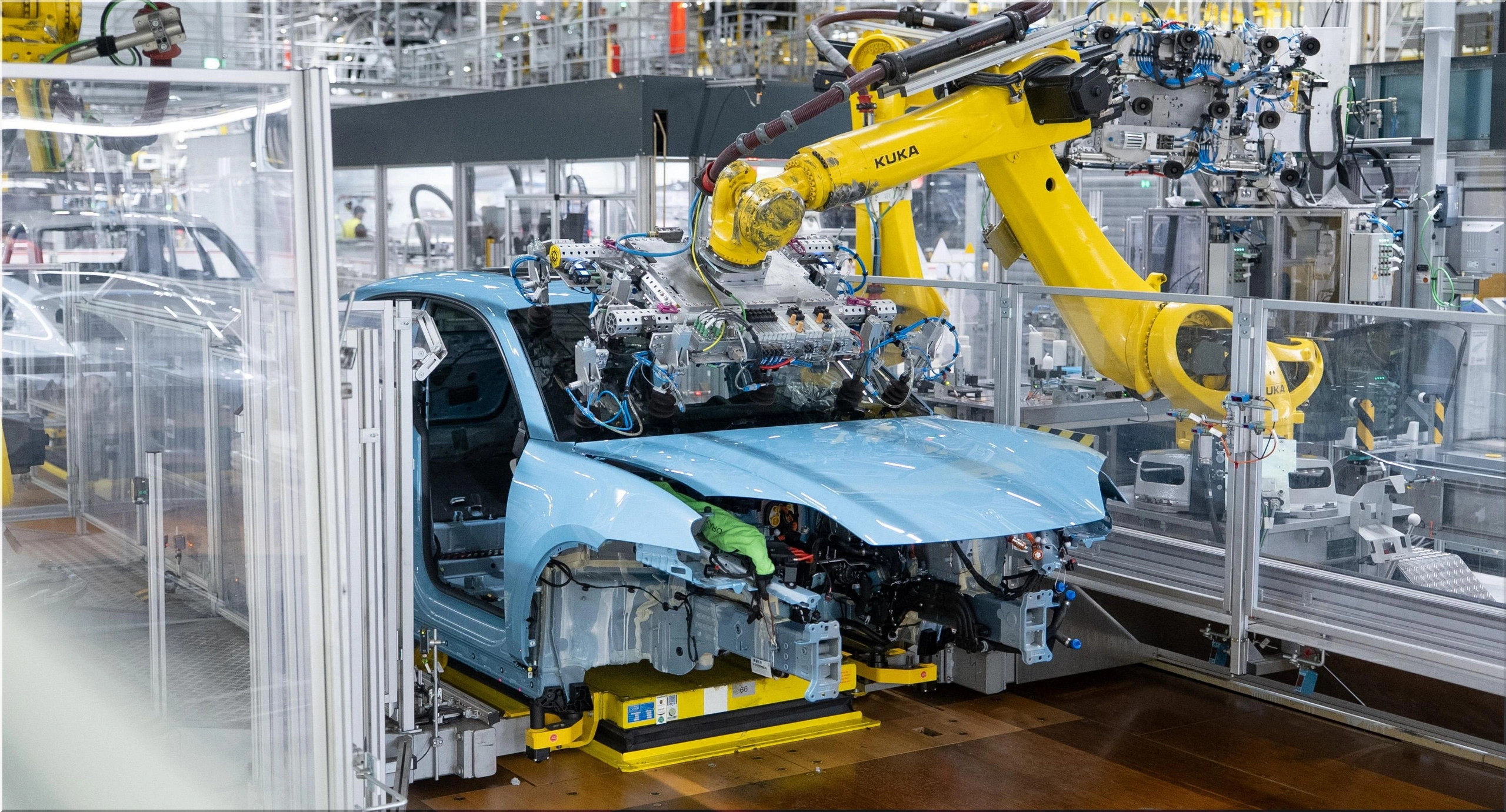
The Leipzig site is now a benchmark for flexibility. Porsche runs a multi-powertrain line—gasoline, hybrid, and fully electric—on a single line. That level of agility helps Porsche adapt quickly to global market changes.
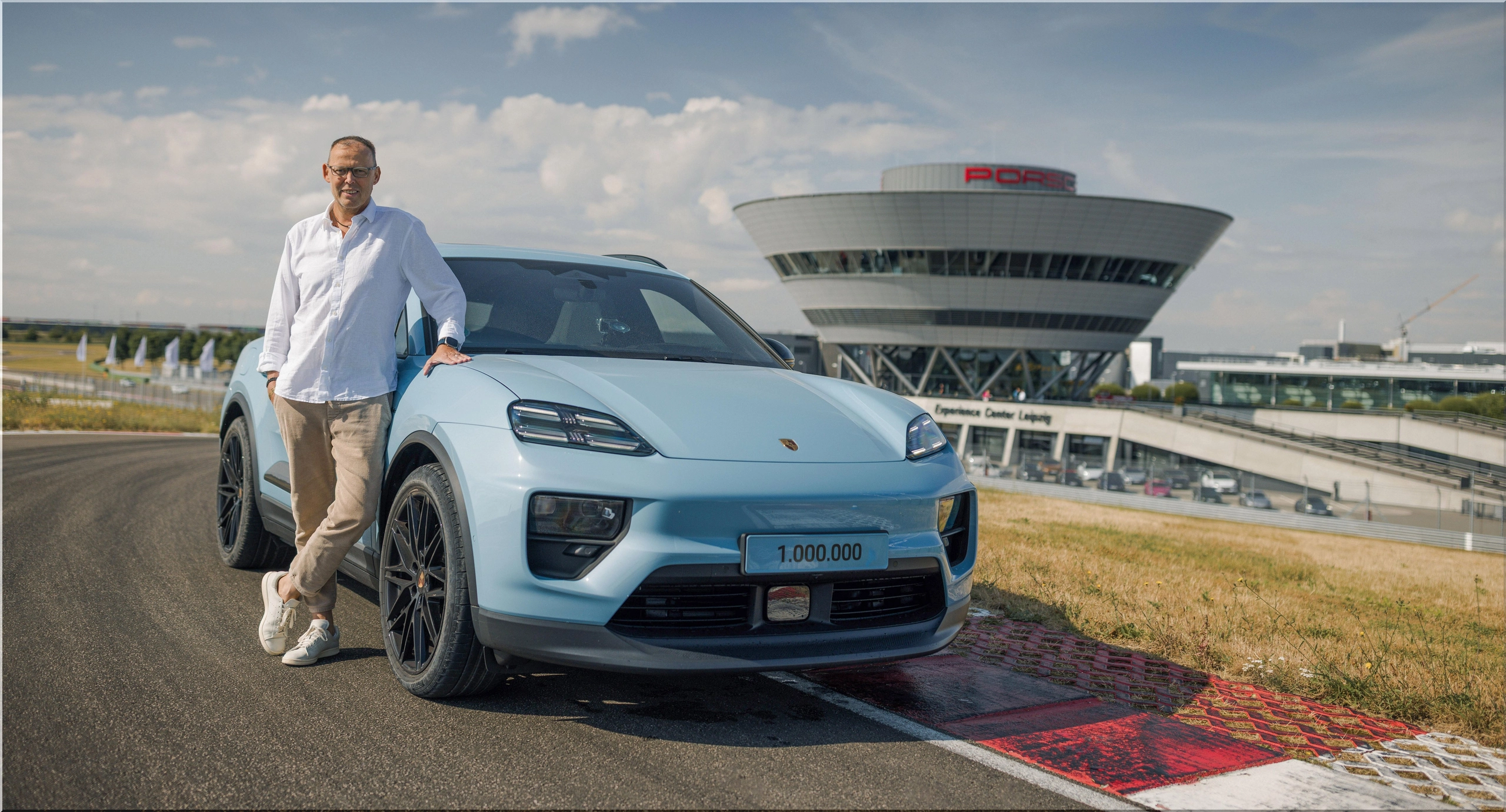
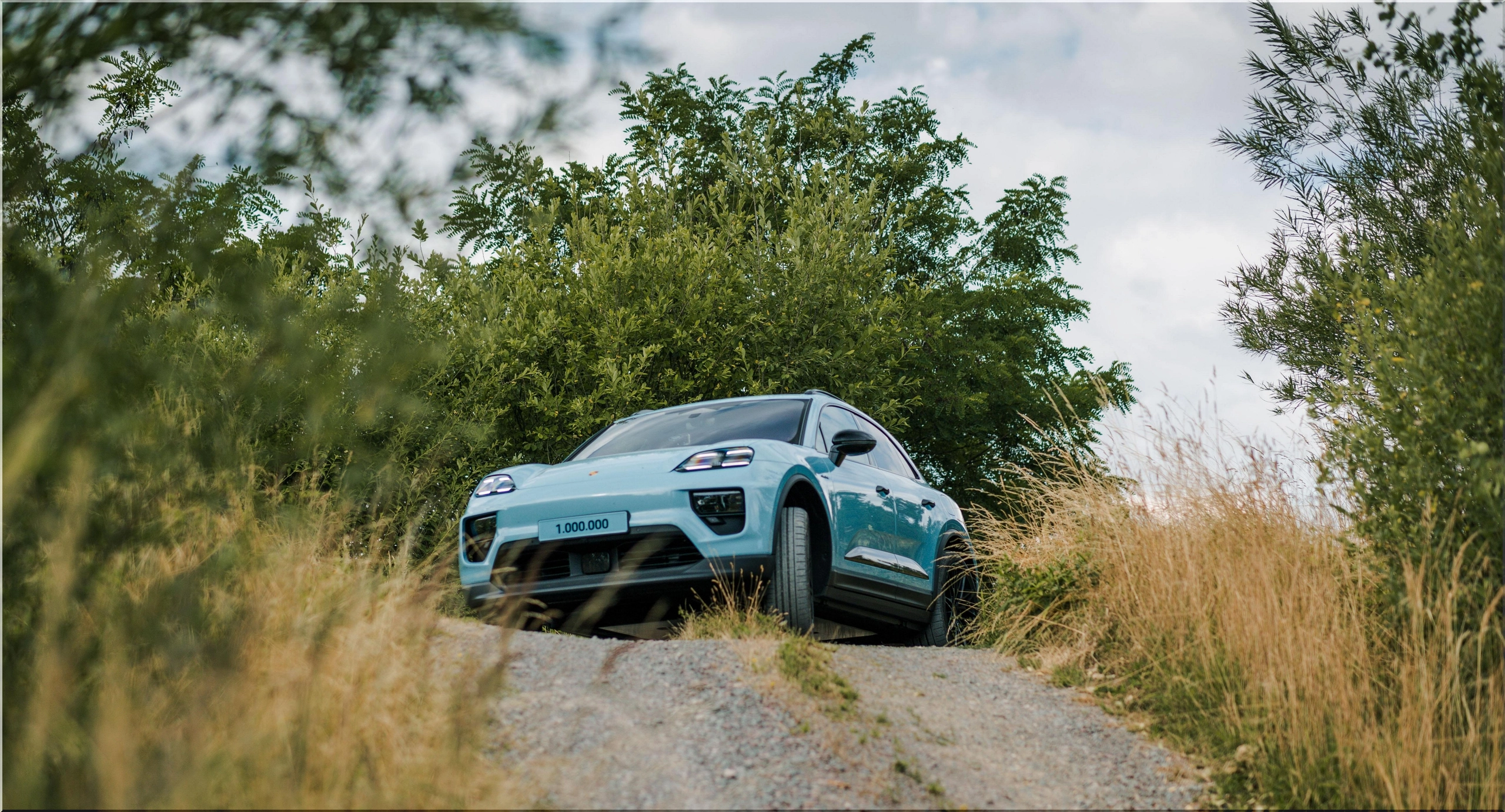
The Anniversary Car: Macan 4 in Frozen Blue Metallic
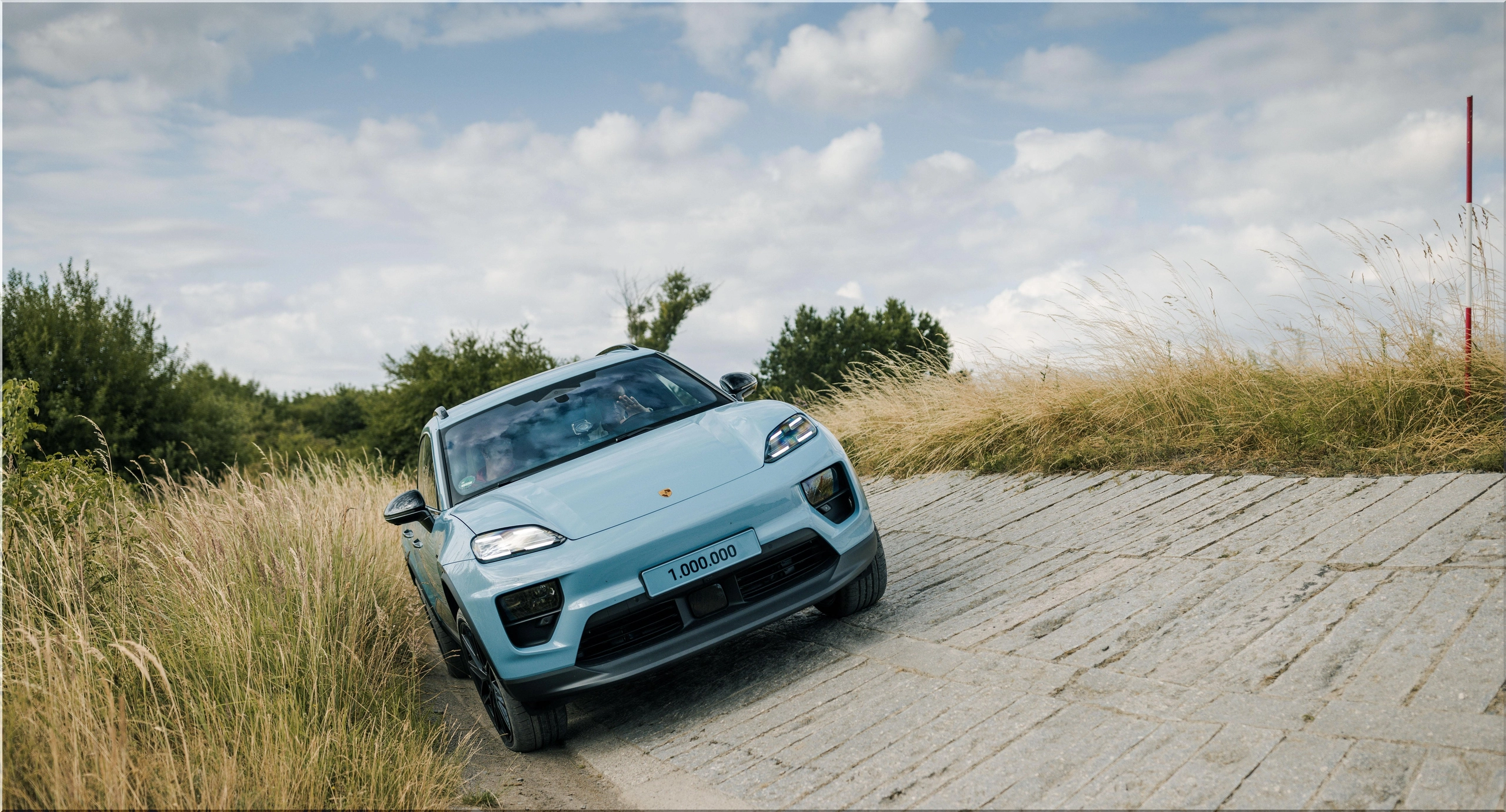
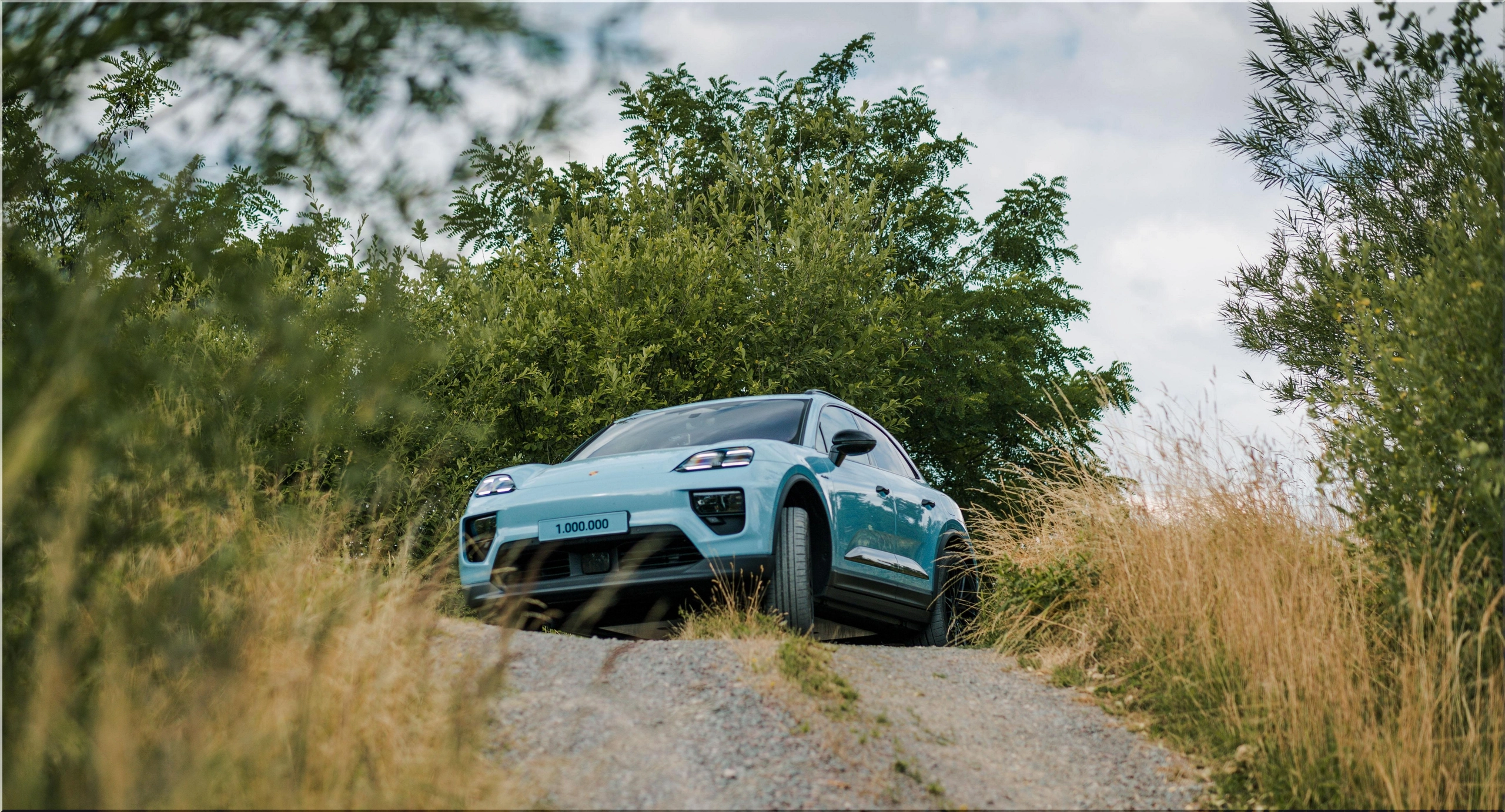
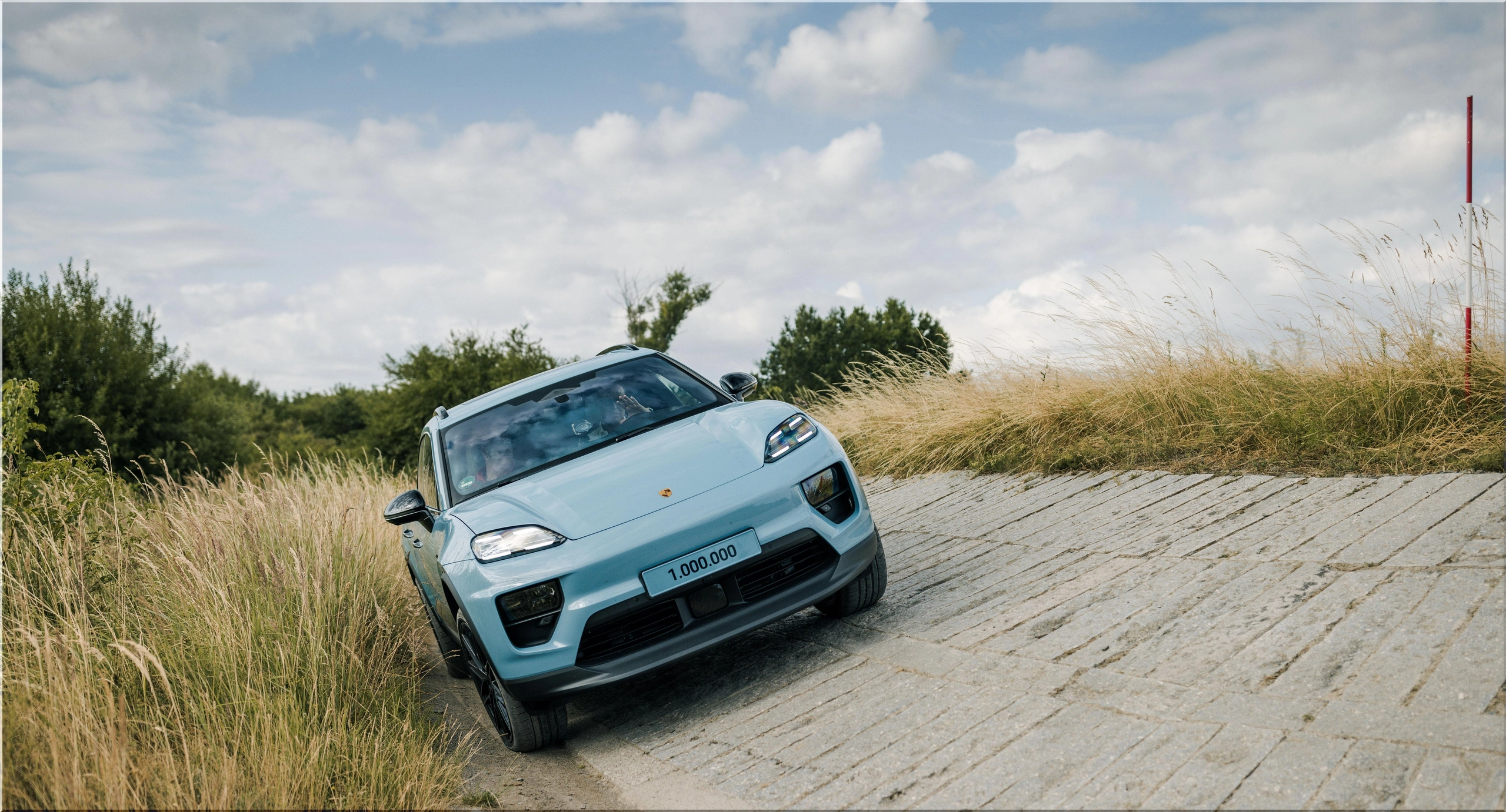
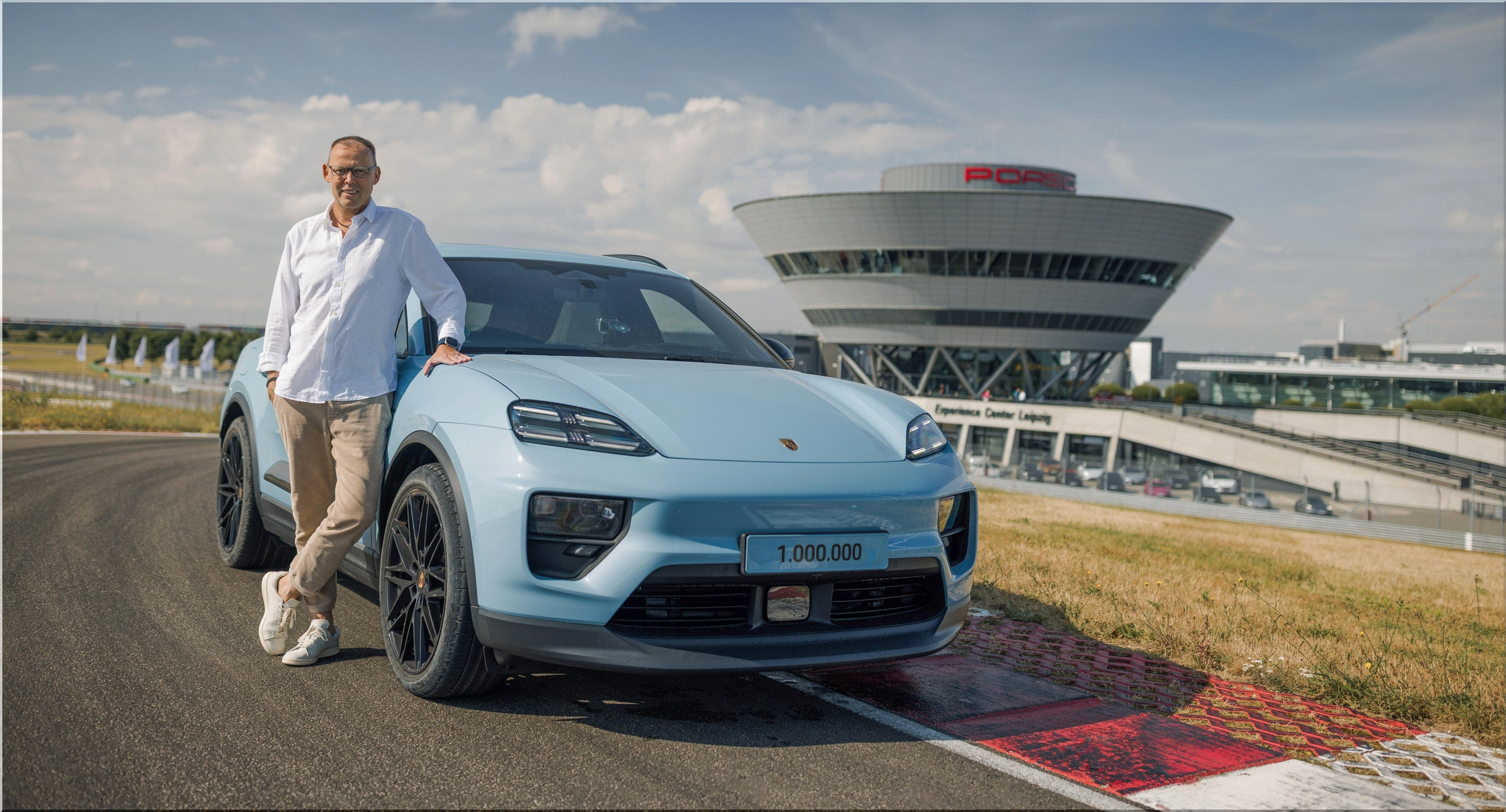
Porsche chose a Macan 4 in Frozen Blue Metallic as the one-millionth vehicle. Equipped with a 100-kWh battery and dual-motor all-wheel drive, this unit symbolizes the model’s shift toward electrification.
Key Specifications of the Anniversary Vehicle:
| Feature | Specification |
|---|---|
| Power Output (Overboost) | 408 hp (300 kW) |
| 0–100 km/h Acceleration | 5.2 seconds |
| Top Speed | 137 mph (220 km/h) |
| Battery Capacity (Gross) | 100 kWh |
| Maximum Range (WLTP) | 380 miles (612 km) |
| Charging Speed (800V DC) | 270 kW |
| Charging Time (10–80%) | 21 minutes |
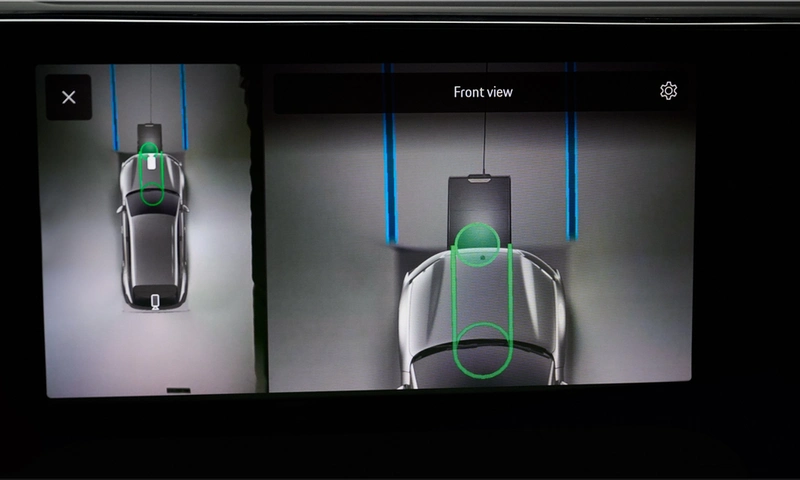
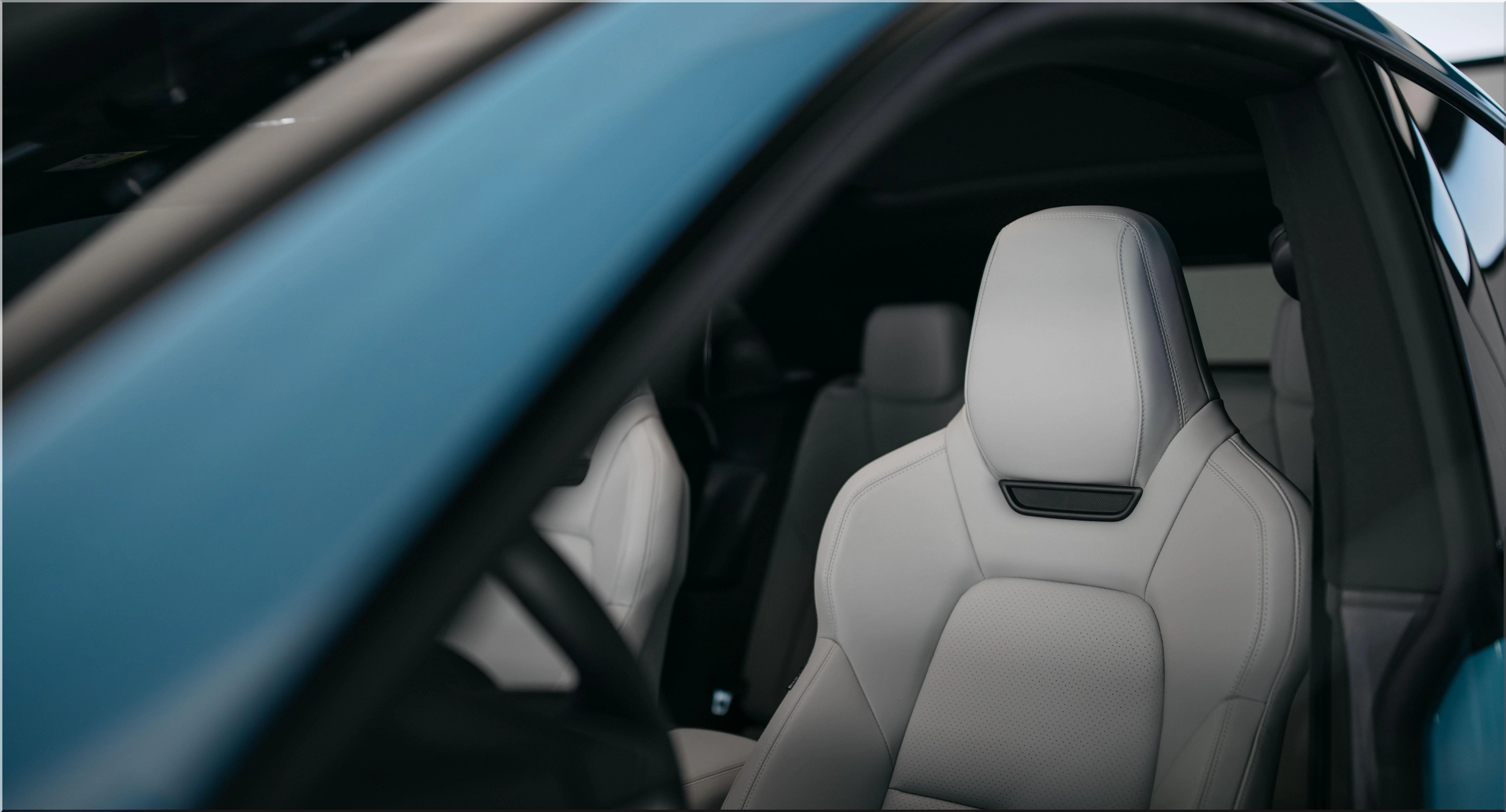
The car also includes a head-up display with augmented reality, panoramic roof, and heated GT sports steering wheel. The interior features two-tone leather in Black and Chalk with adaptive sports seats.
Electric Macan Production Now in Full Swing
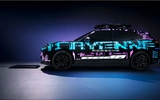
In 2024, Porsche started building the second-generation Macan, now fully electric. The new EV sits on the Premium Platform Electric (PPE) co-developed with Audi. This move allows Porsche to maintain performance while shifting toward zero emissions.
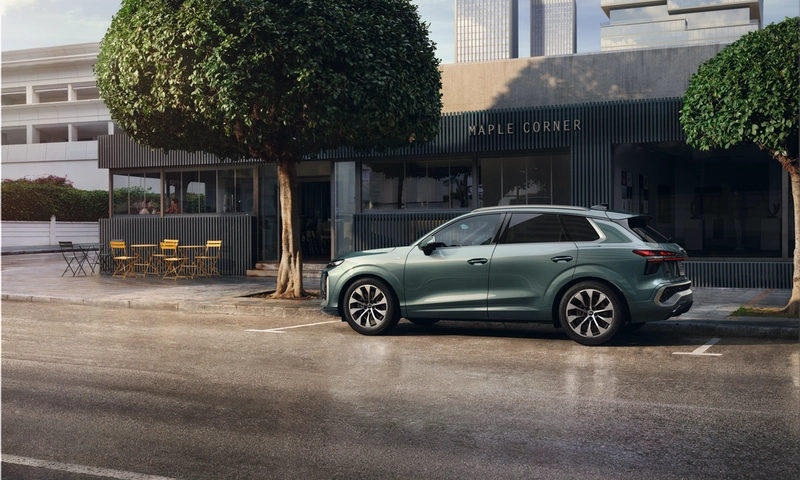
Macan EVs share key battery and powertrain tech with the upcoming Audi Q6 e-tron and other VW Group models. Porsche is also expanding Leipzig again—adding a new body shop and axle production facility to support the electric lineup.
Performance and Efficiency Numbers
Porsche released WLTP-rated consumption data for both the Porsche Macan 4 and Porsche Macan 4S:
Electric Efficiency Ratings (WLTP):
| Model | Power Consumption (kWh/100 km) | CO₂ Emissions (g/km) | Efficiency Class |
|---|---|---|---|
| Porsche Macan 4 | 21.1–17.9 | 0 | A |
| Porsche Macan 4S | 20.7–17.7 | 0 | A |
These numbers place the Macan EV variants in the top class for electric efficiency. Both use regenerative braking and support bidirectional charging, although Porsche hasn't confirmed rollout dates for vehicle-to-grid features.
Leipzig: An Engine of Growth for Porsche
With over 5,000 employees, Porsche’s Leipzig site is a major economic player in Central Germany. In 2021, it won the Lean and Green Management Award. In 2023, it earned Factory of the Year, recognizing its intelligent production systems.
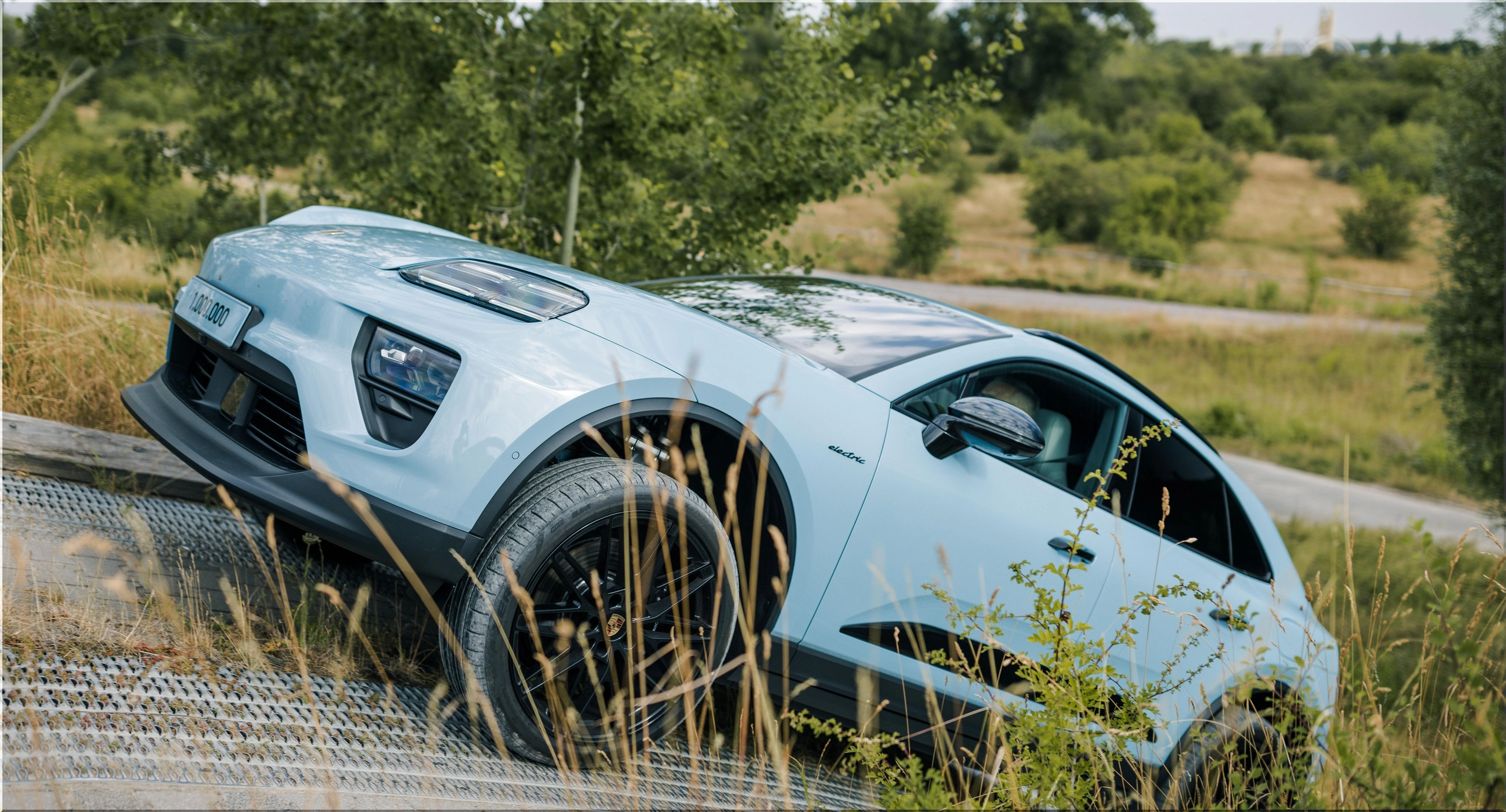
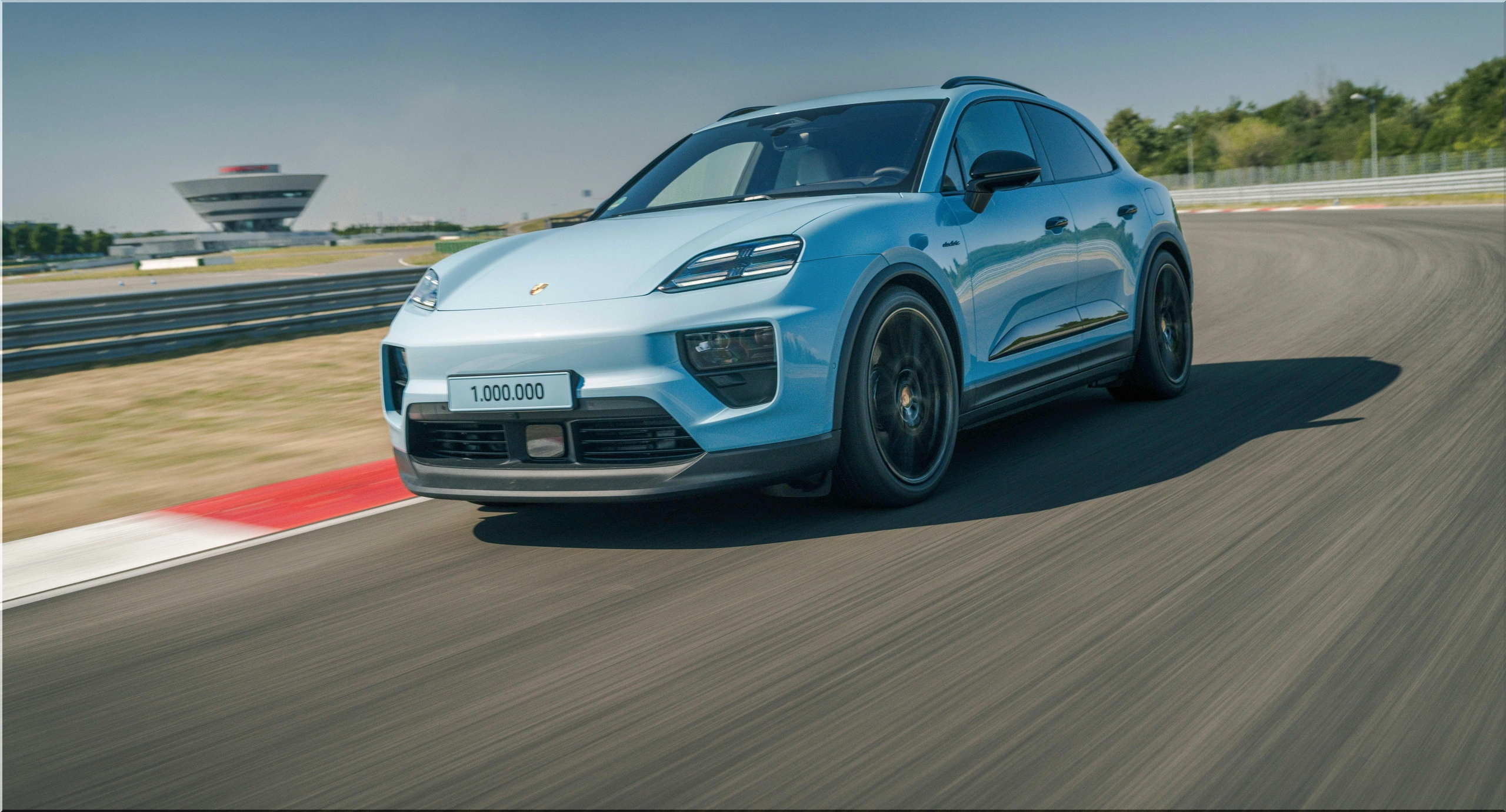
The facility also includes a Porsche Experience Center, complete with a racing circuit and an off-road course. New car buyers can test-drive vehicles on the track before taking delivery.
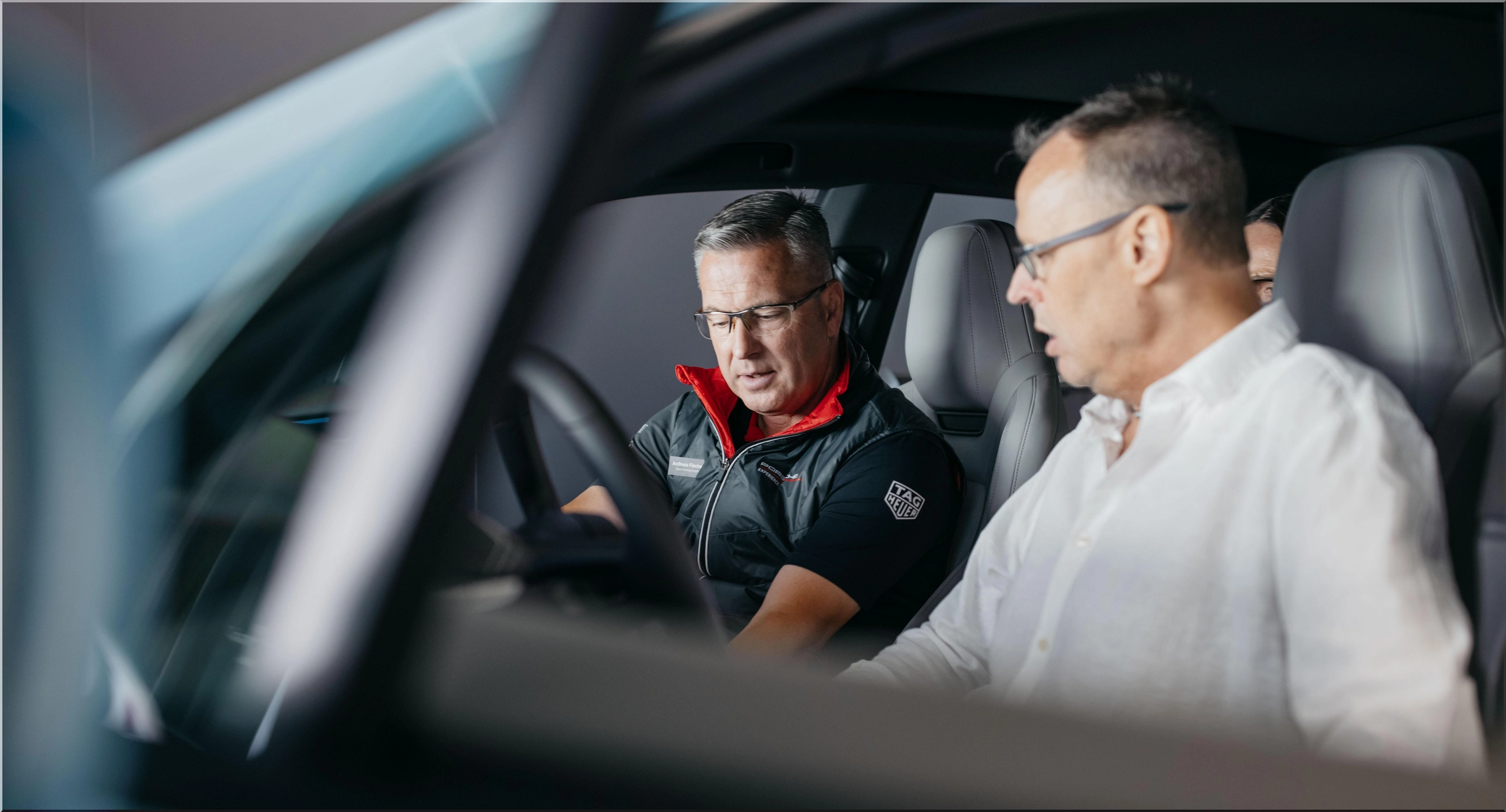
The anniversary Macan was handed over to its new owner, Stefan Schmidt, at the Experience Center. The 62-year-old entrepreneur from Kiel took delivery on-site, capping the handover with laps on the track in an identical vehicle.
Porsche’s Volume Strategy Hinges on Macan
The Macan is a key part of Porsche’s volume strategy. It’s the brand’s best-selling model, accounting for a large portion of global deliveries. The move to electrify it—without dropping the nameplate—allows Porsche to maintain market share while complying with tightening emissions regulations.
By selling electric, hybrid, and combustion variants on the same line, Porsche can scale production based on demand without splitting investment between separate facilities. This modular approach is already proving cost-effective.
Macan Production Timeline:
- 2011 – Leipzig chosen as the Macan site
- 2013 – Production begins
- 2014–2017 – Cayenne joins Leipzig
- 2024 – Fully electric Macan enters production
- 2025 – One millionth Macan produced
What This Means for Porsche’s EV Strategy
Porsche aims for more than 80% EV share by 2030. The Taycan set the foundation, but the Macan EV scales the effort. Positioned below the Cayenne in size and price, the Macan can compete with vehicles like the Tesla Model Y, BMW iX3, and Mercedes EQB.
At the same time, Porsche isn’t ditching gas engines yet. The 911 and 718 lines remain combustion-based for now, and the Panamera continues to offer hybrid and V8 options. The Macan acts as a flexible bridge.
U.S. Market Impact
Although exact U.S. pricing isn’t confirmed, the Macan 4 should start around $80,000, based on European pricing and EV tax positioning. If it qualifies for federal tax credits, that could help Porsche retain buyers in key markets like California and New York.
Charging compatibility with 800V systems makes it suitable for networks like Electrify America, where it can benefit from faster turnaround times than many competitors.
Bottom Line
Porsche’s production of one million Macans is more than just a headline. It signals the brand’s ability to scale high-margin vehicles and shift toward electrification without sacrificing performance. With the Macan EV already rolling out and Leipzig continuing to expand, the next million units might arrive even faster.
The Macan isn’t going anywhere. It’s evolving to meet the next decade of mobility head-on.
- Add new comment
- 166 views