Nissan Kait Revealed: Spacious, Affordable SUV Built in Brazil
A New SUV Built for Everyday Needs
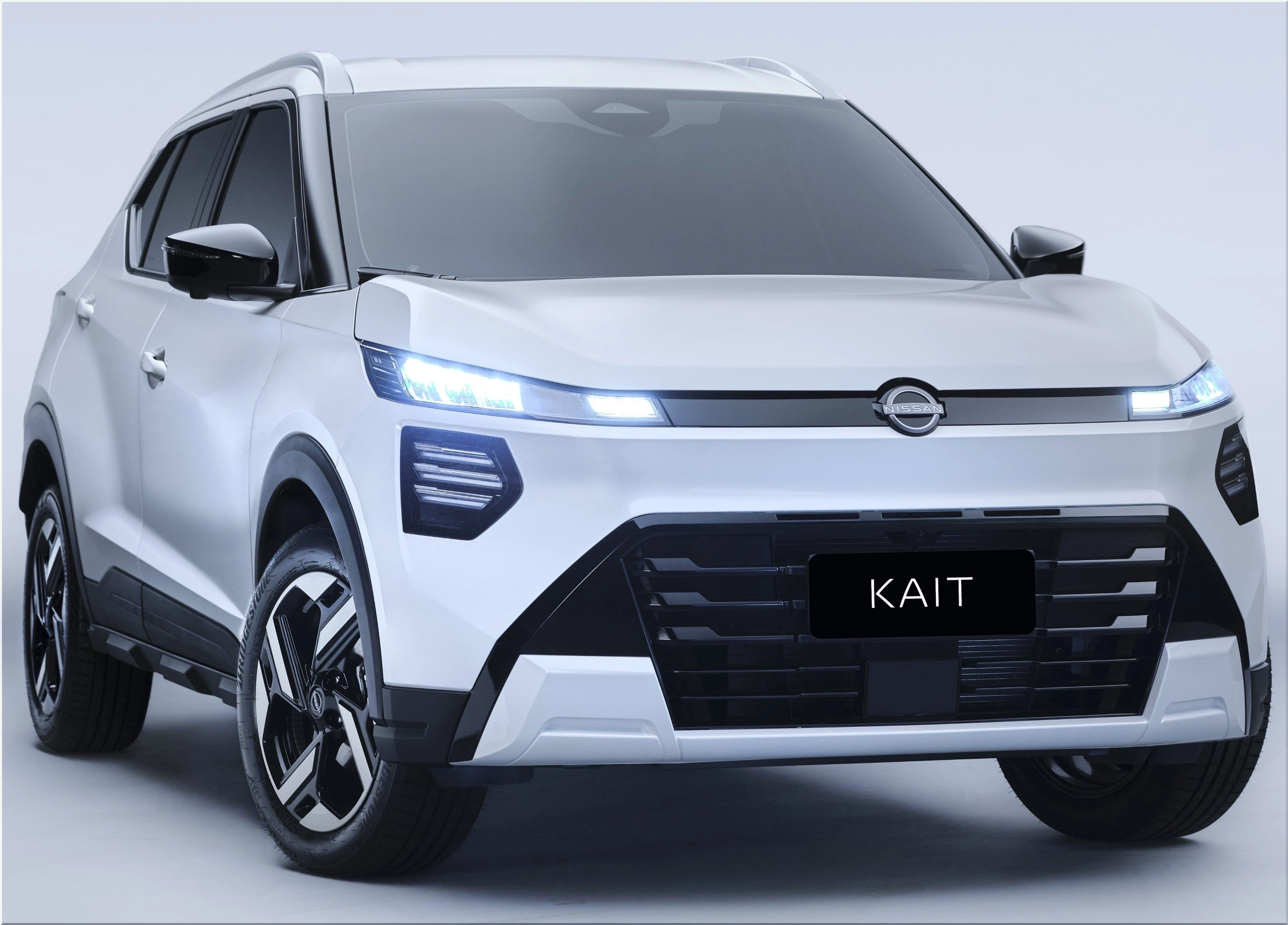
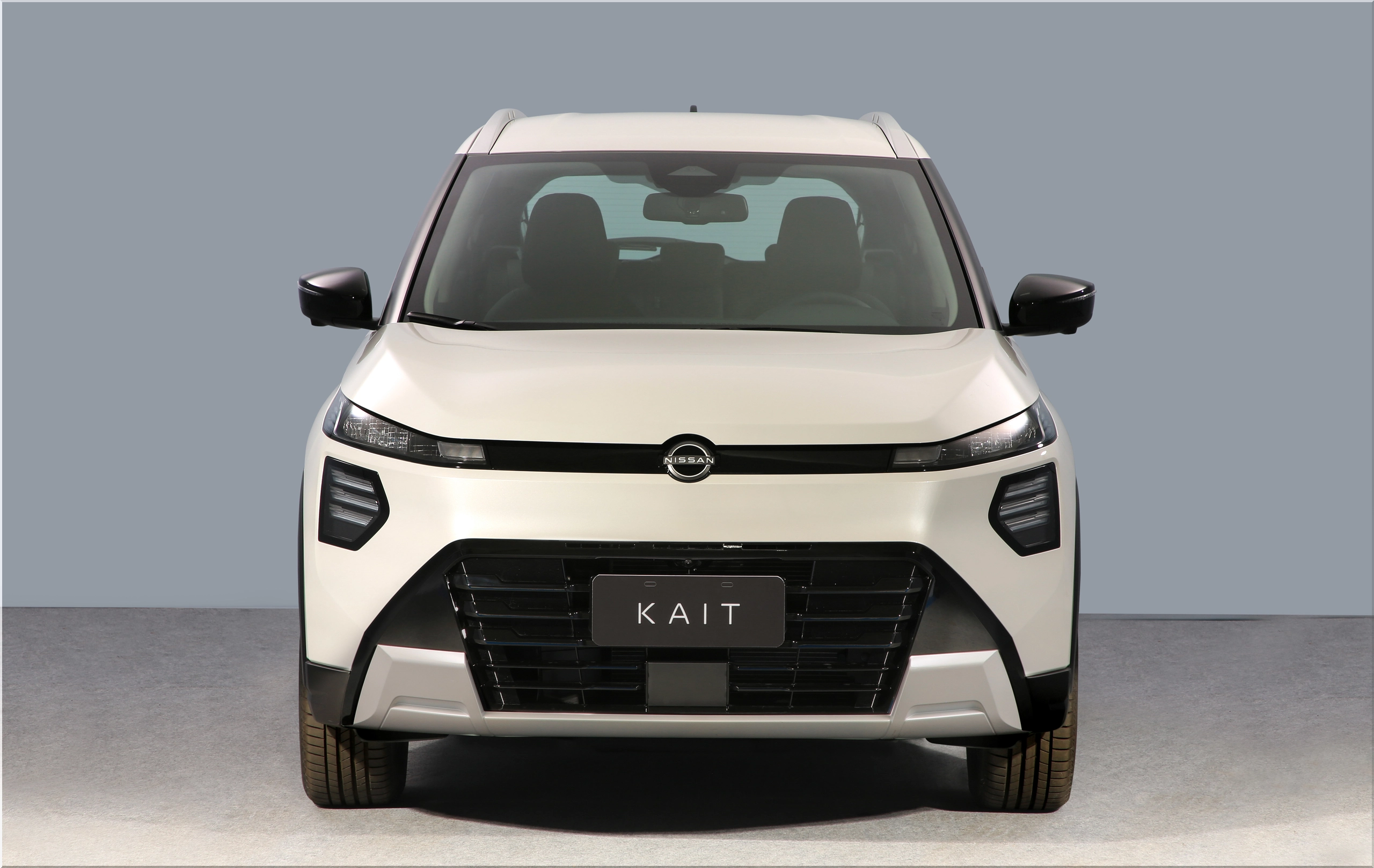
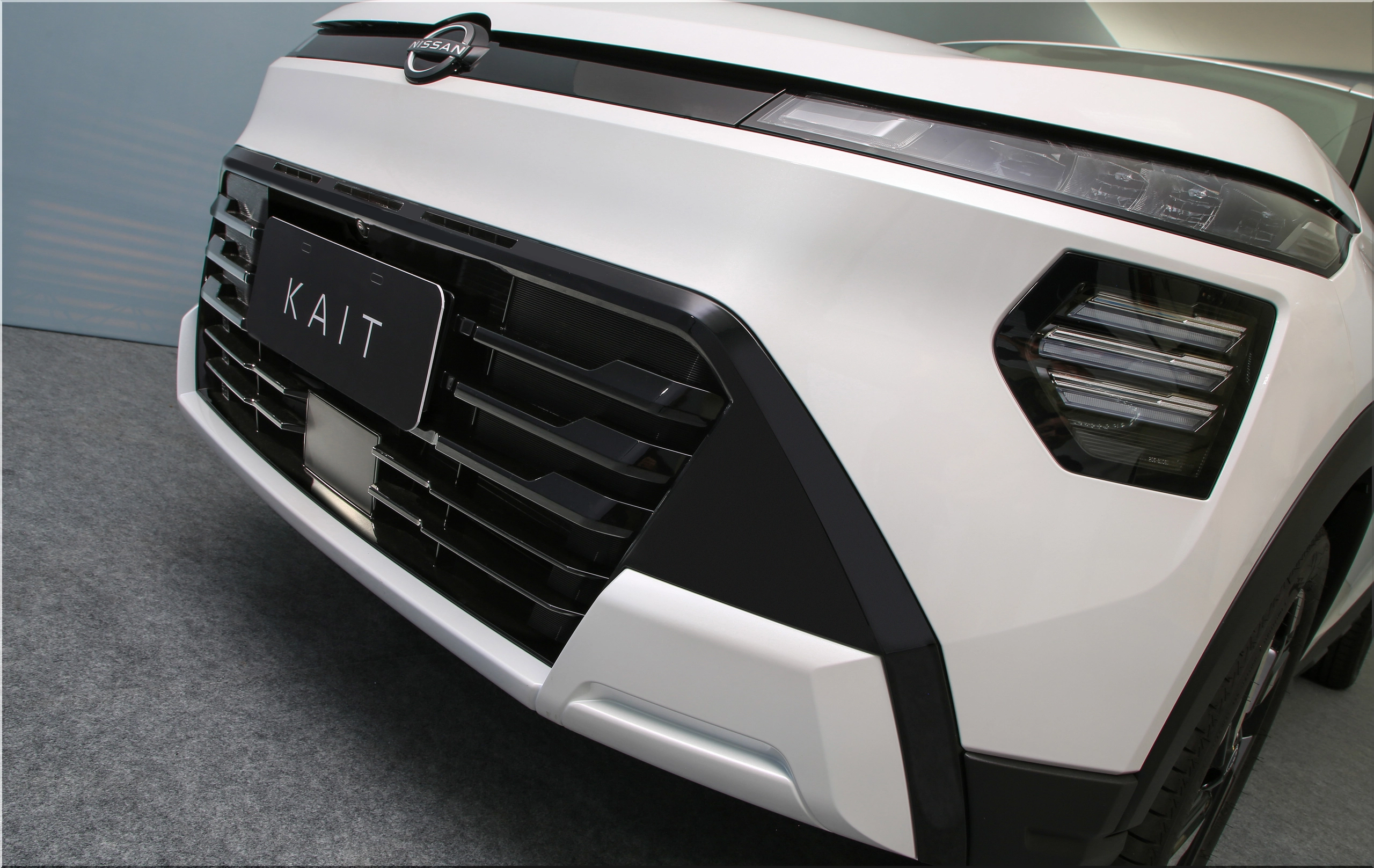
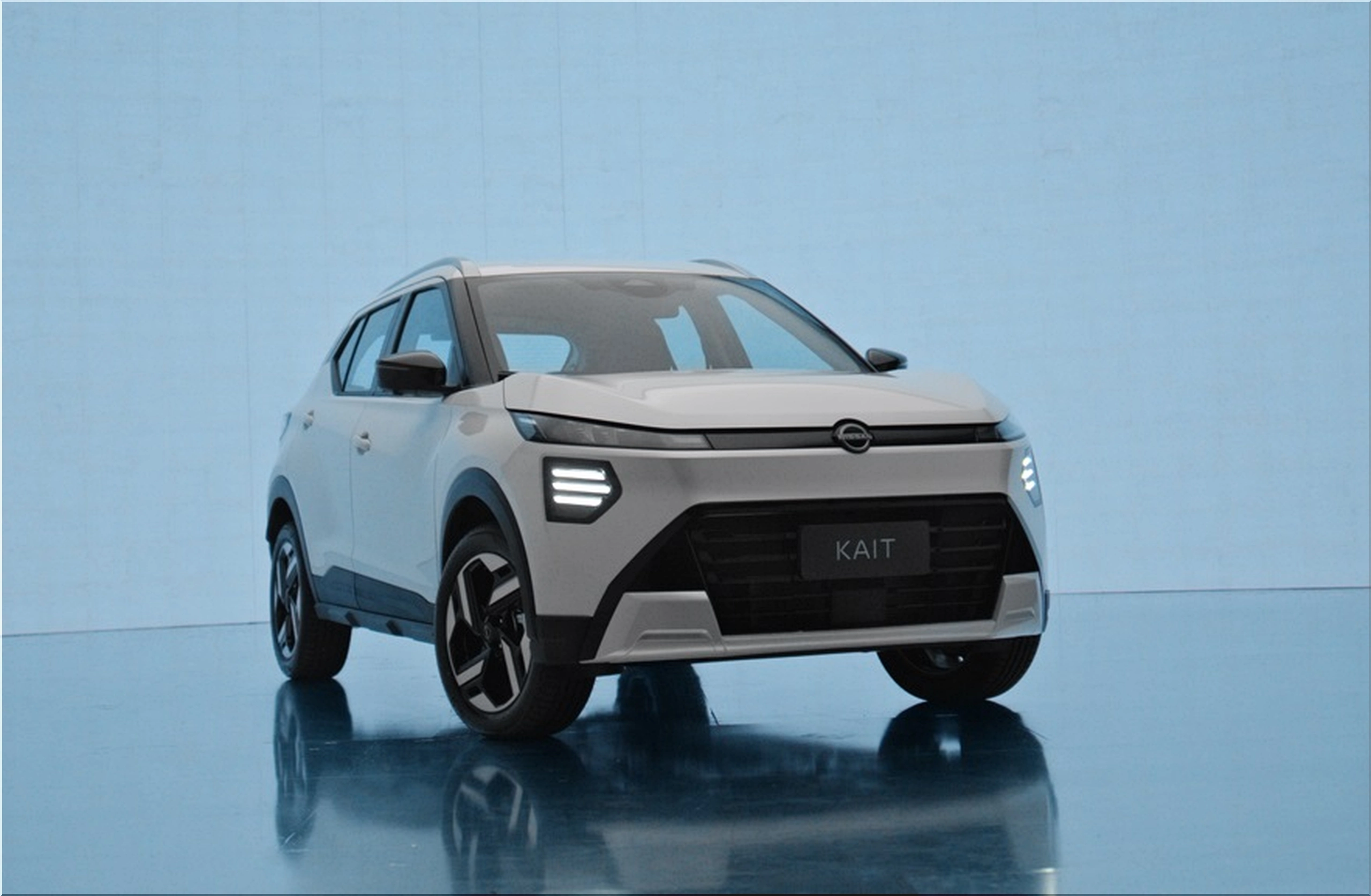
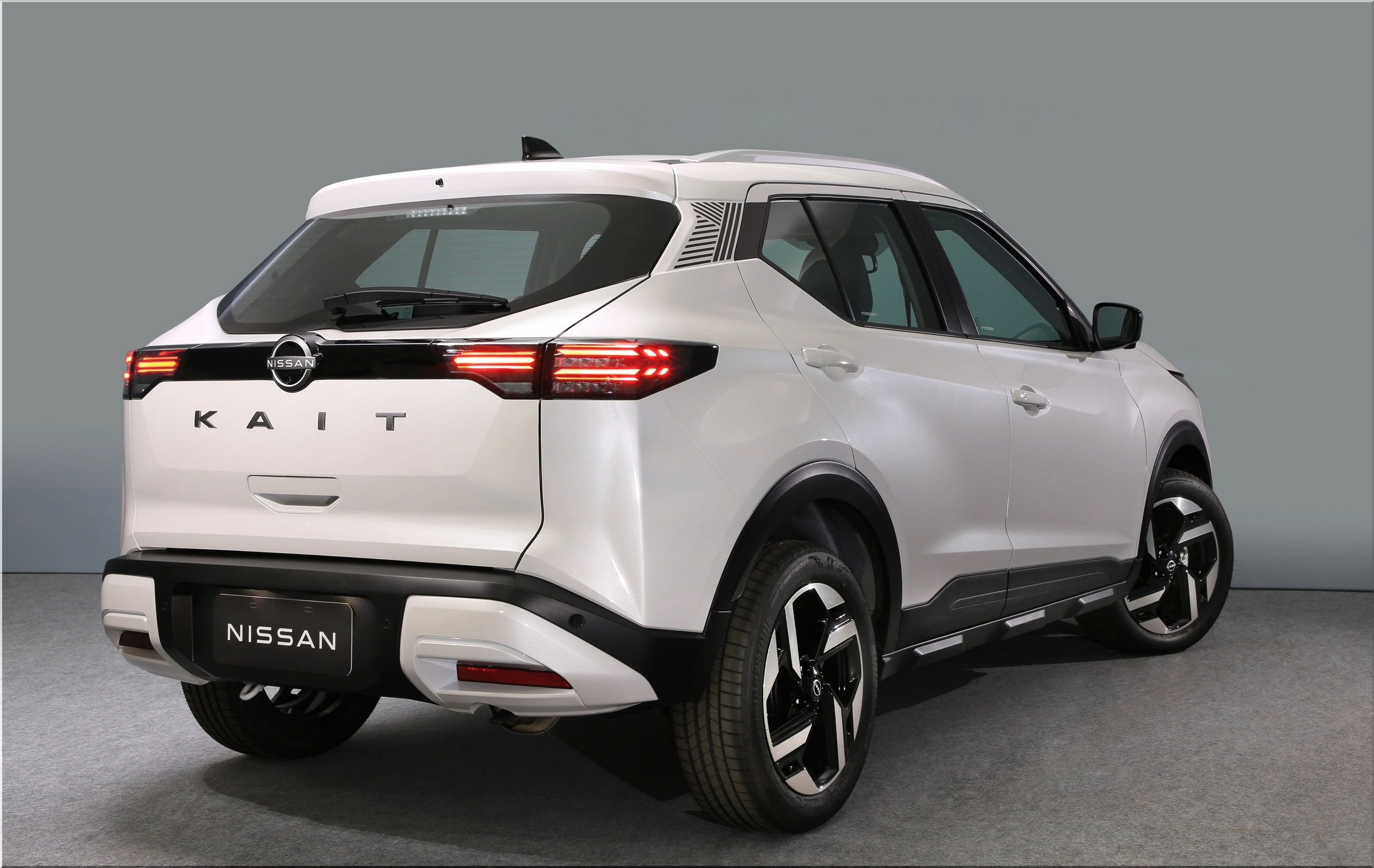
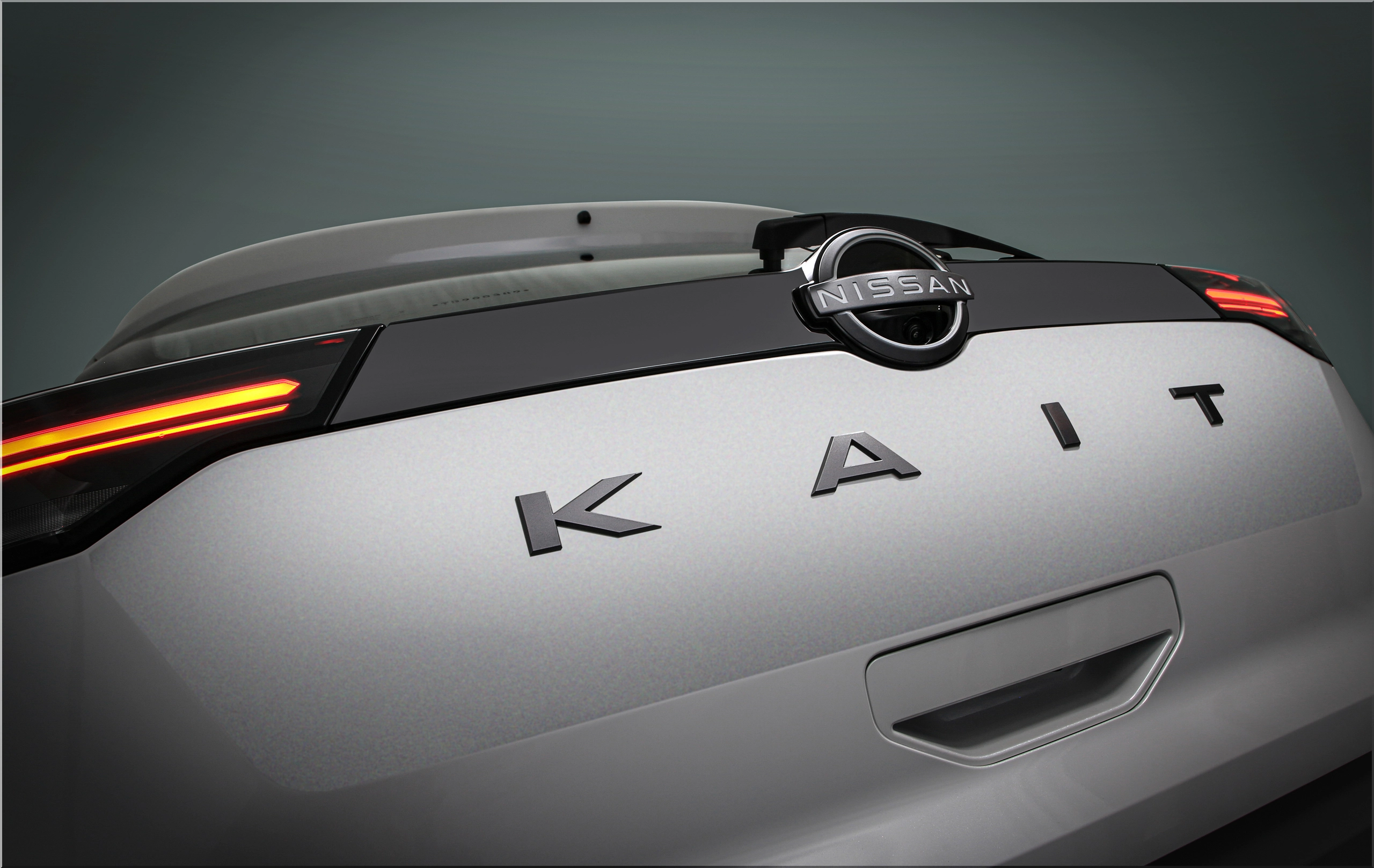
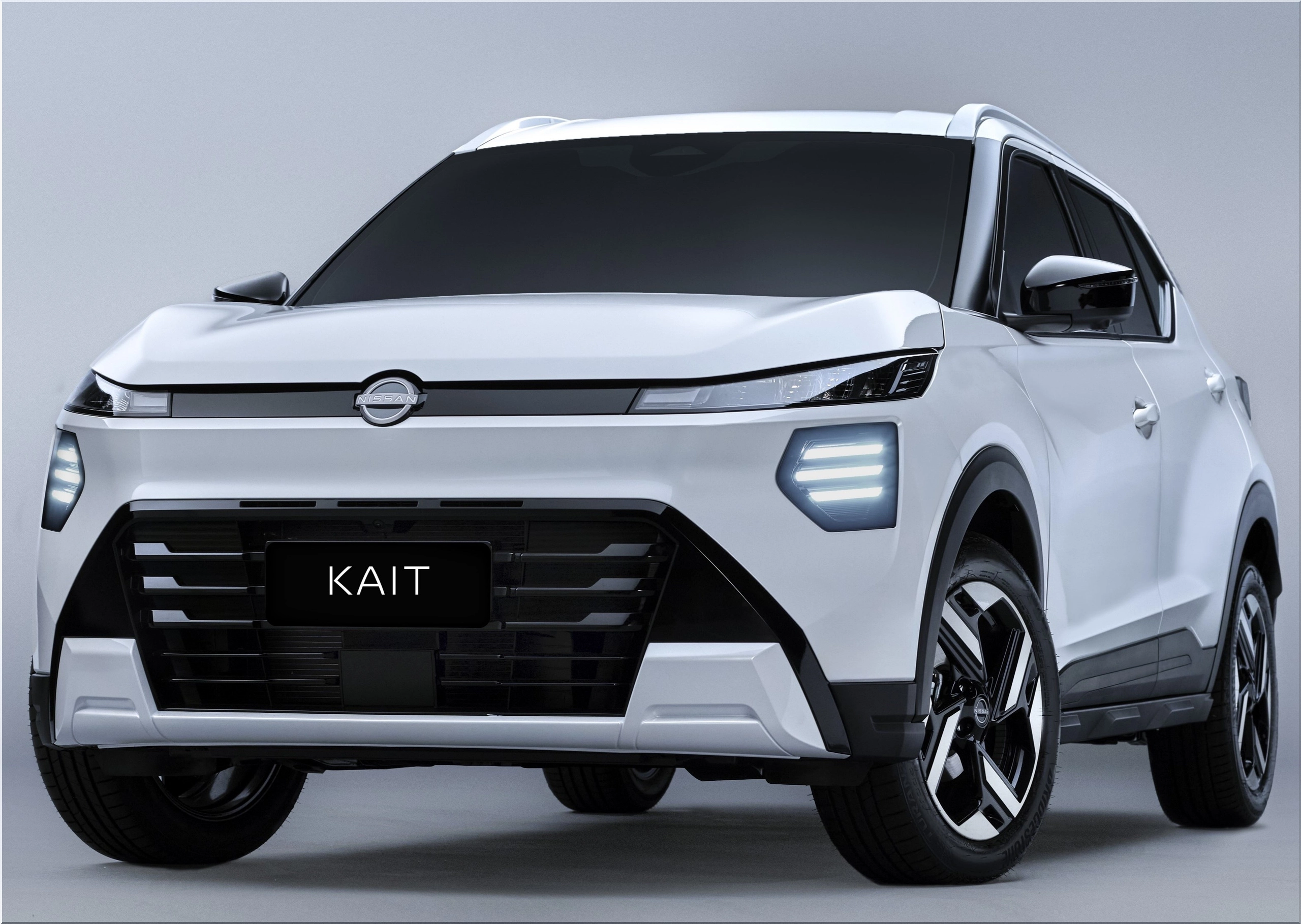
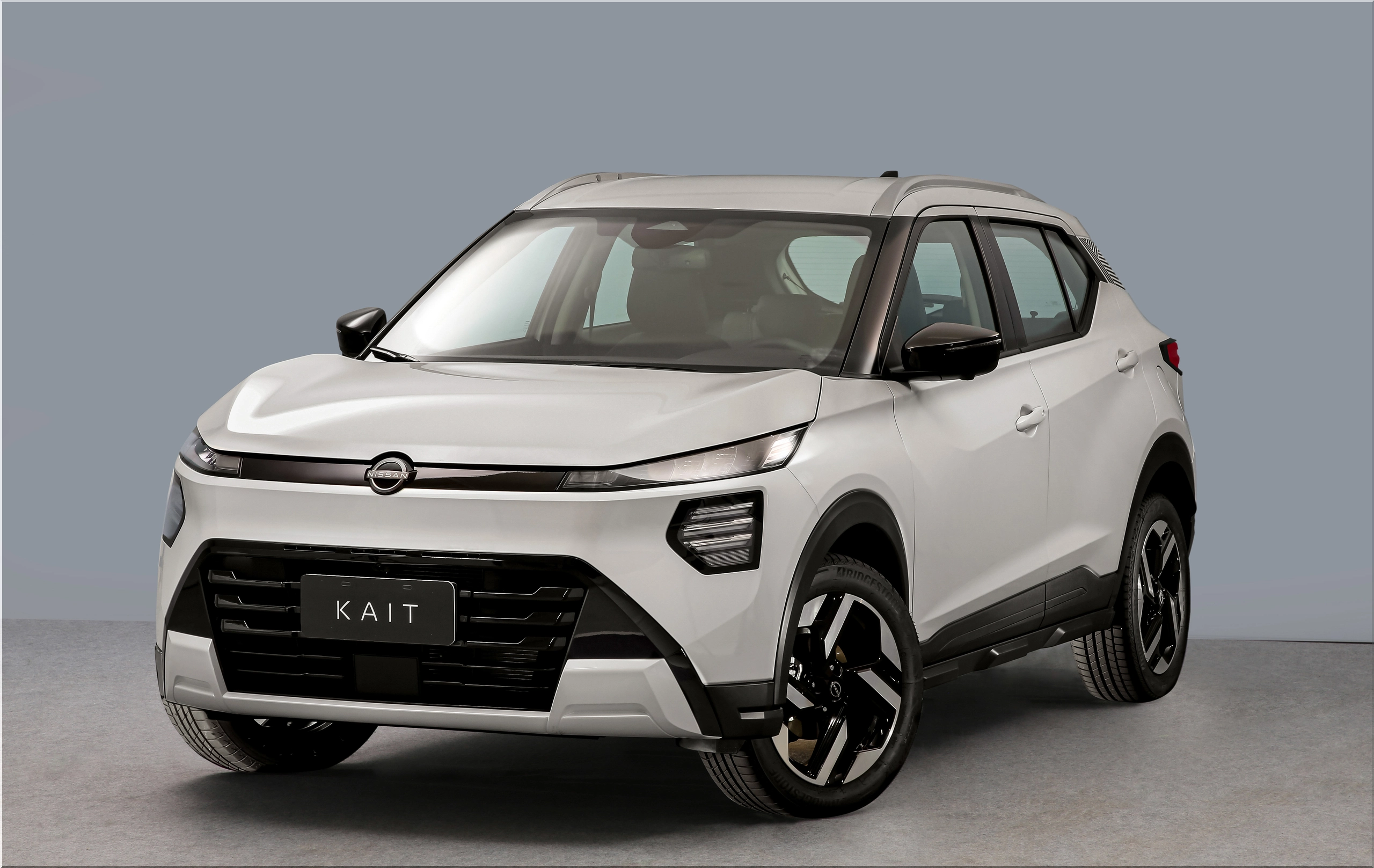
Nissan introduced the new Kait SUV to Latin America with a simple pitch: buyers want space, safety, and price discipline. The model arrives as the compact-SUV market grows across the region. Nissan builds the Kait in Brazil and plans to export it to more than 20 markets. The company positions the Kait alongside the Kicks and Magnite, two models that already serve as volume anchors across Latin America.
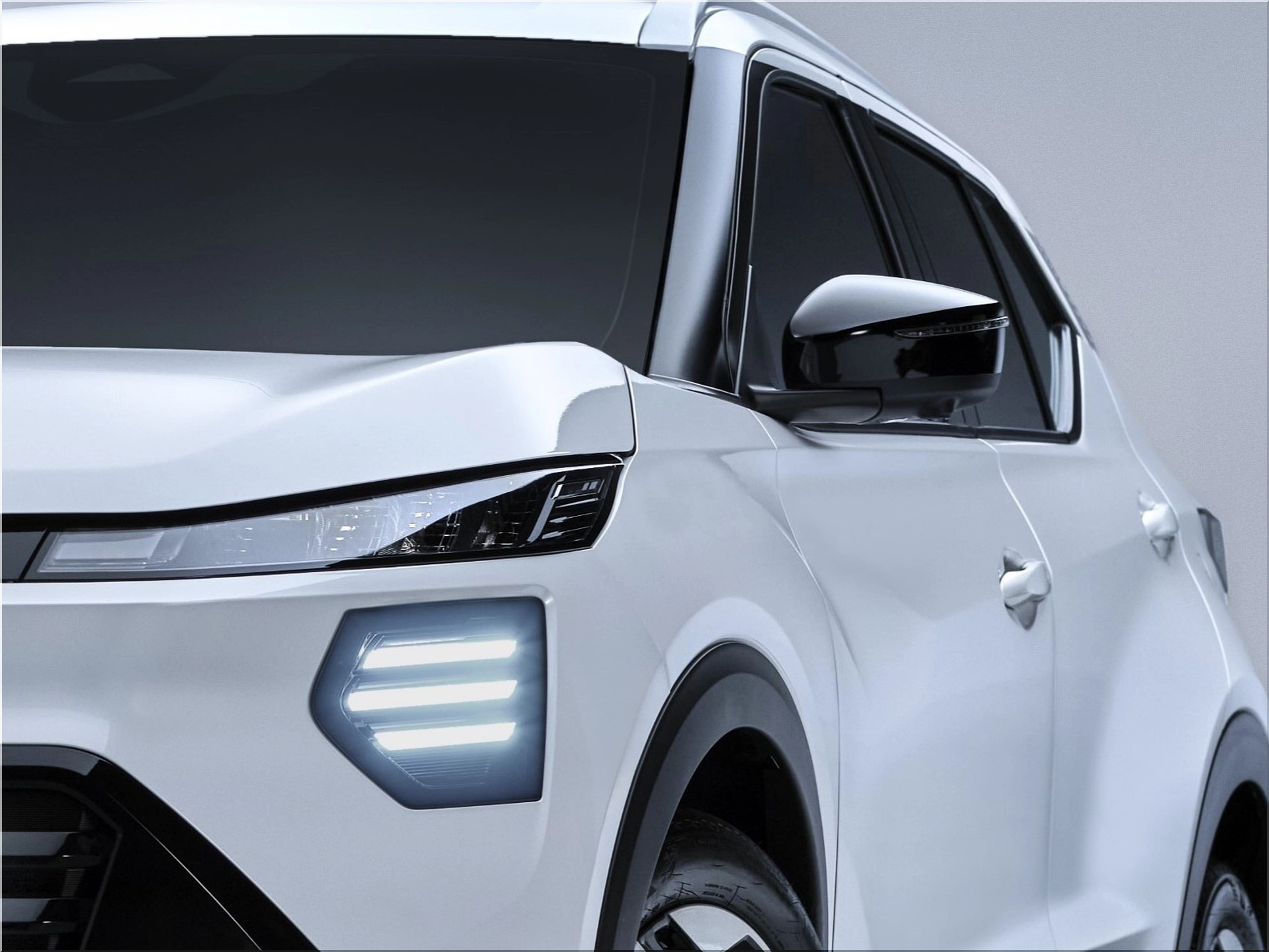
The 2026 Nissan Kait enters a crowded category. Nissan answers that challenge with practical engineering rather than marketing fireworks. The early details sketch a straightforward product: roomy, safe, and tuned for local driving habits.
Packaging Built for Real Life
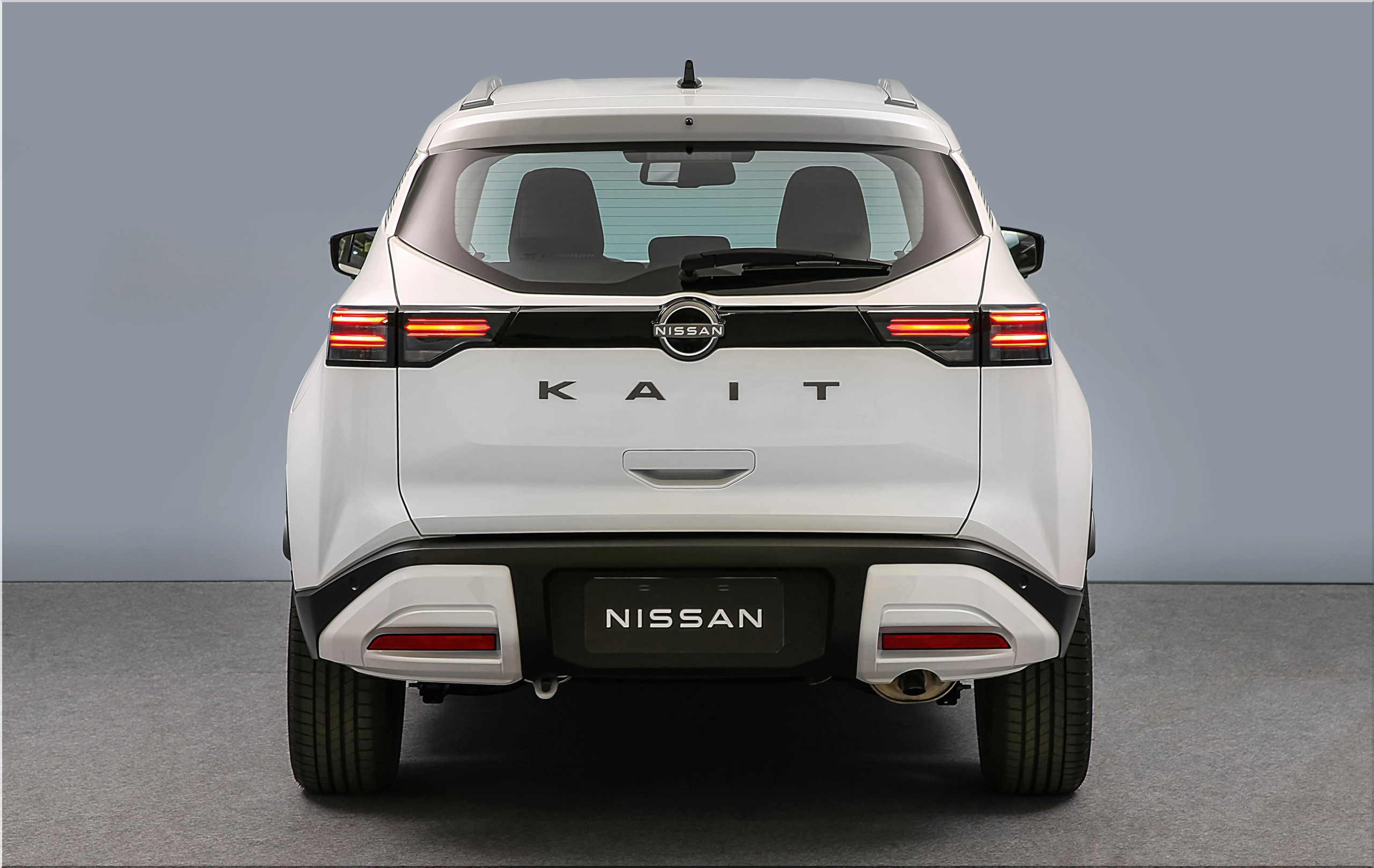
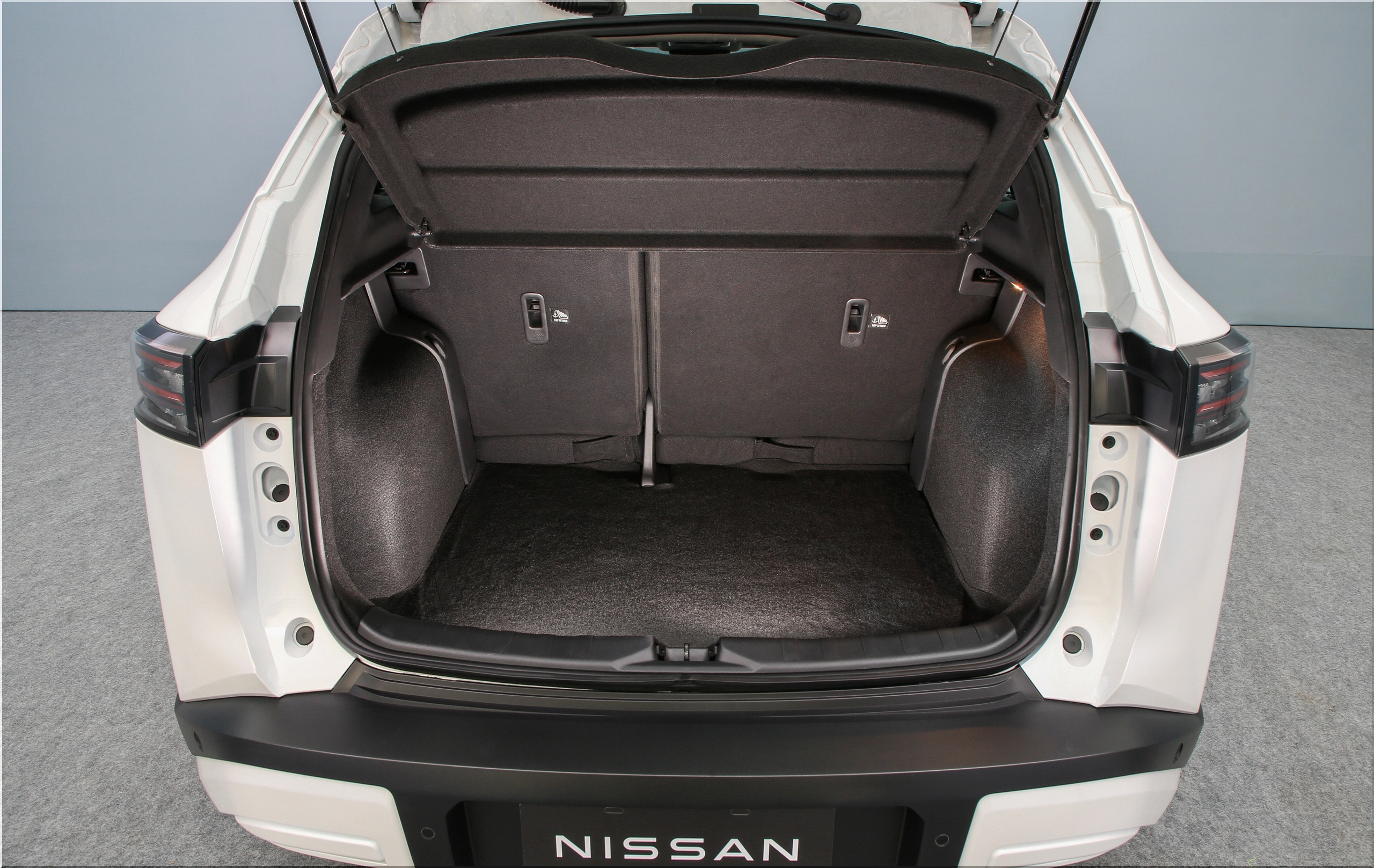
Nissan gives the Kait 432 liters of trunk capacity, a number that families and rideshare drivers will appreciate. Many compact SUVs promise flair; the Kait focuses on simple function. The tall opening and flat load floor should reduce the usual juggling act of trying to fit luggage without rearranging your life.
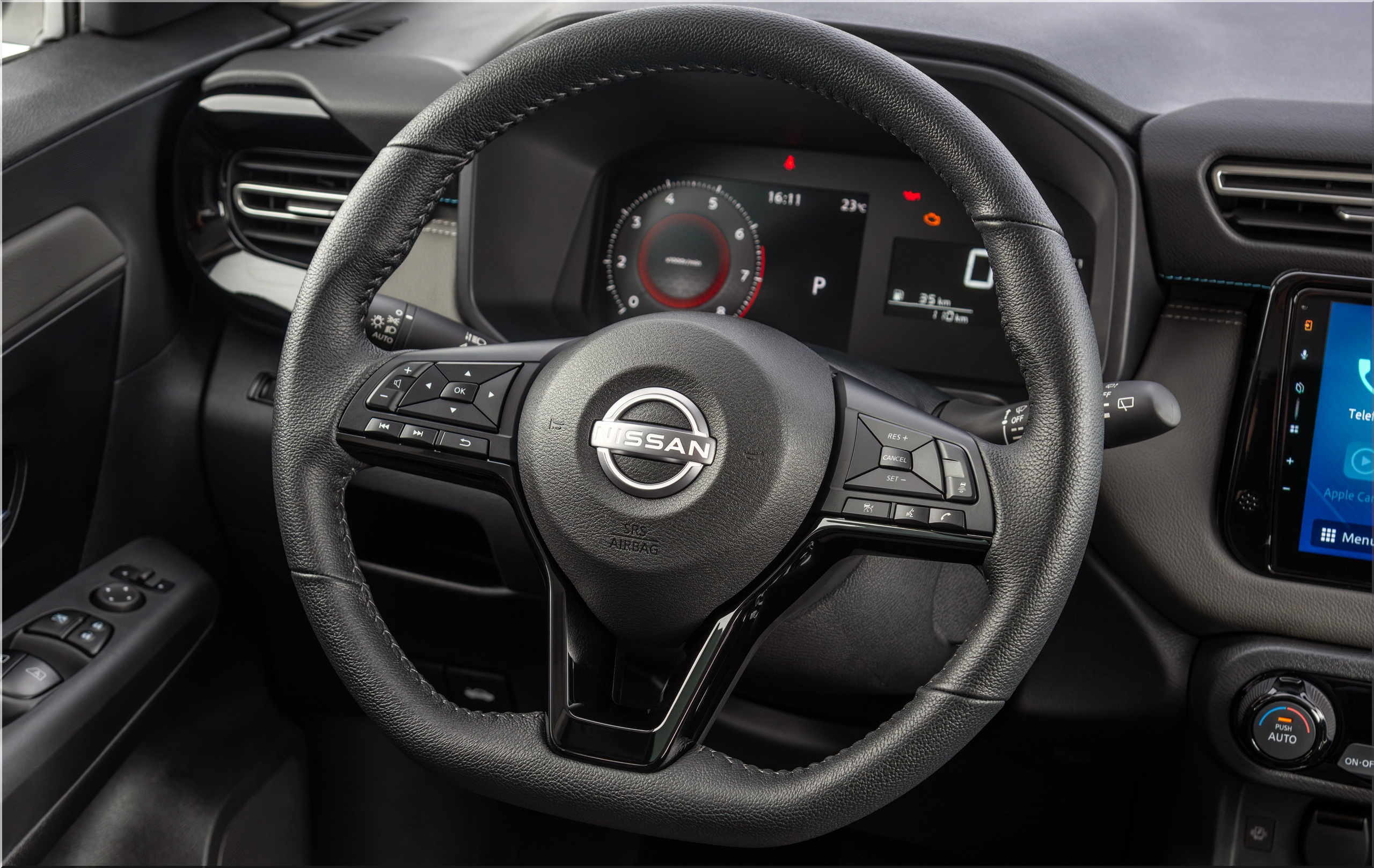
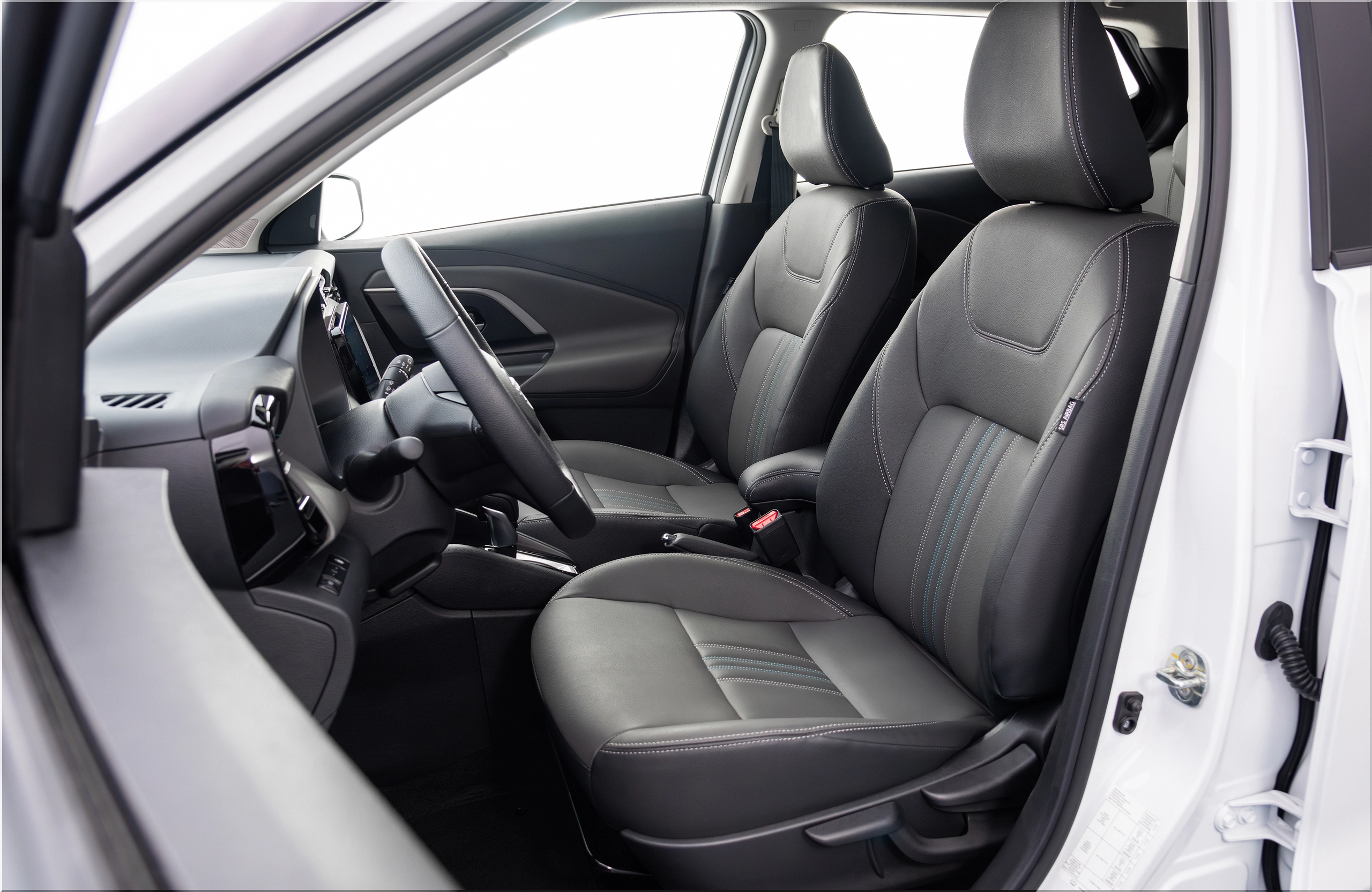
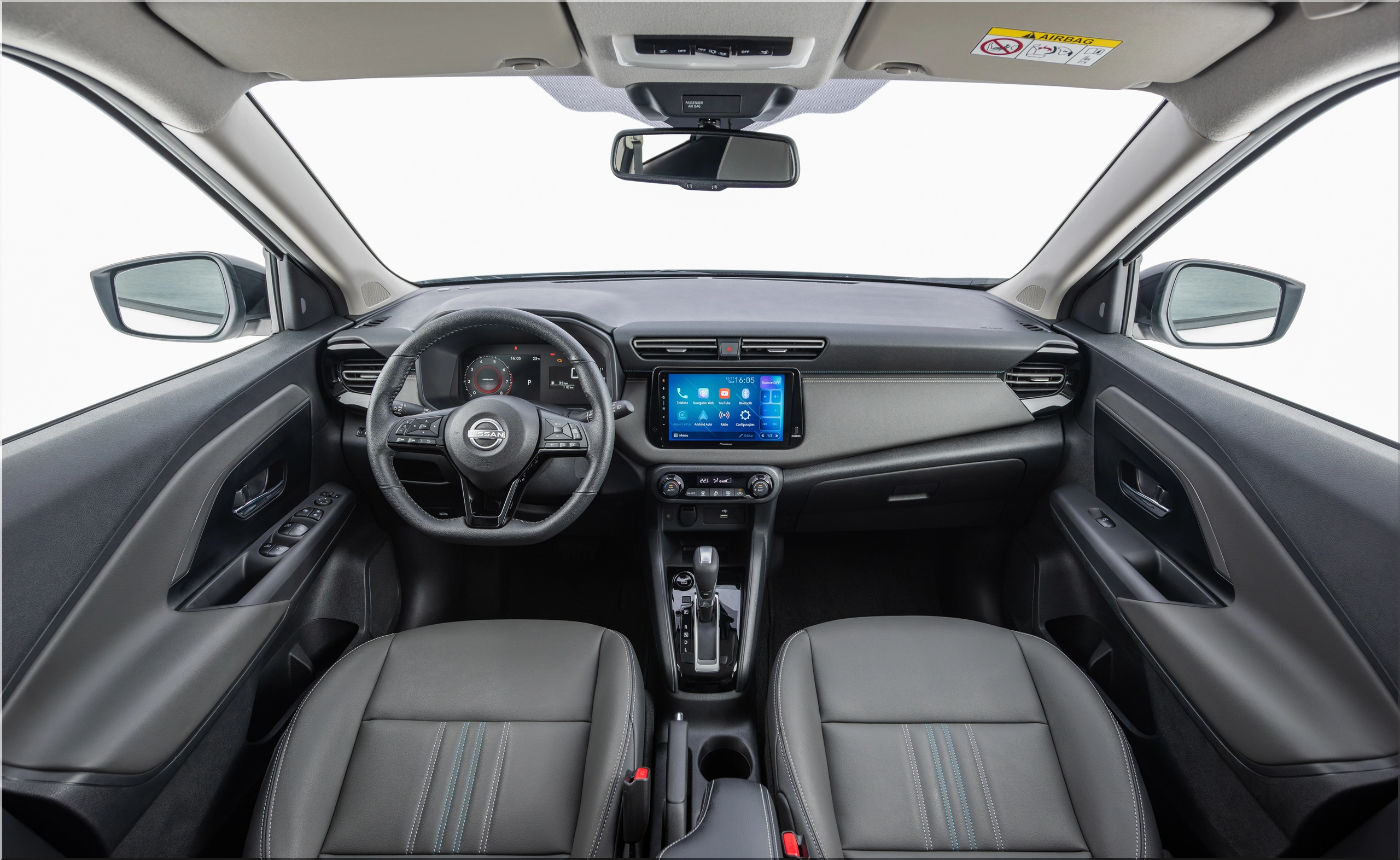
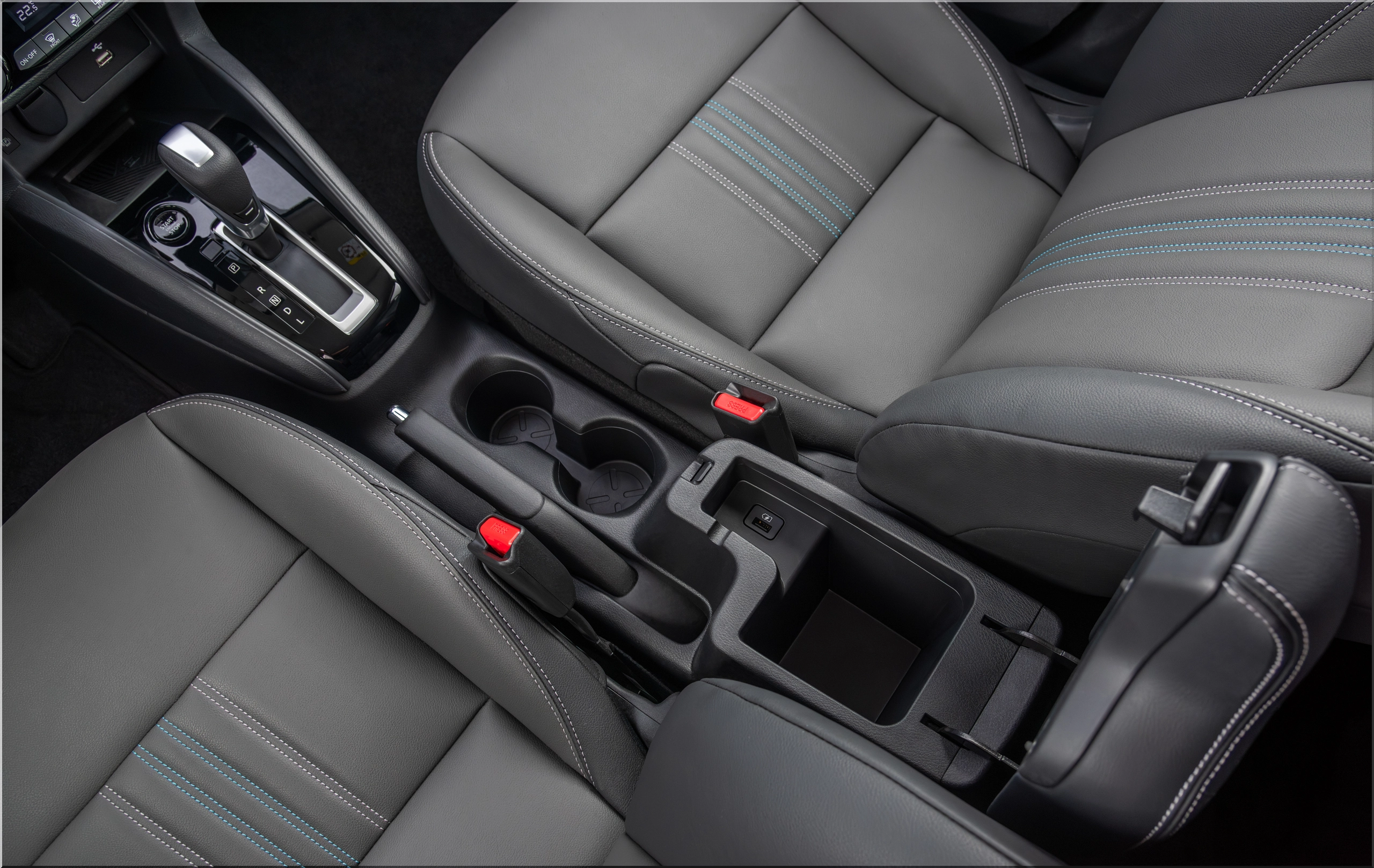
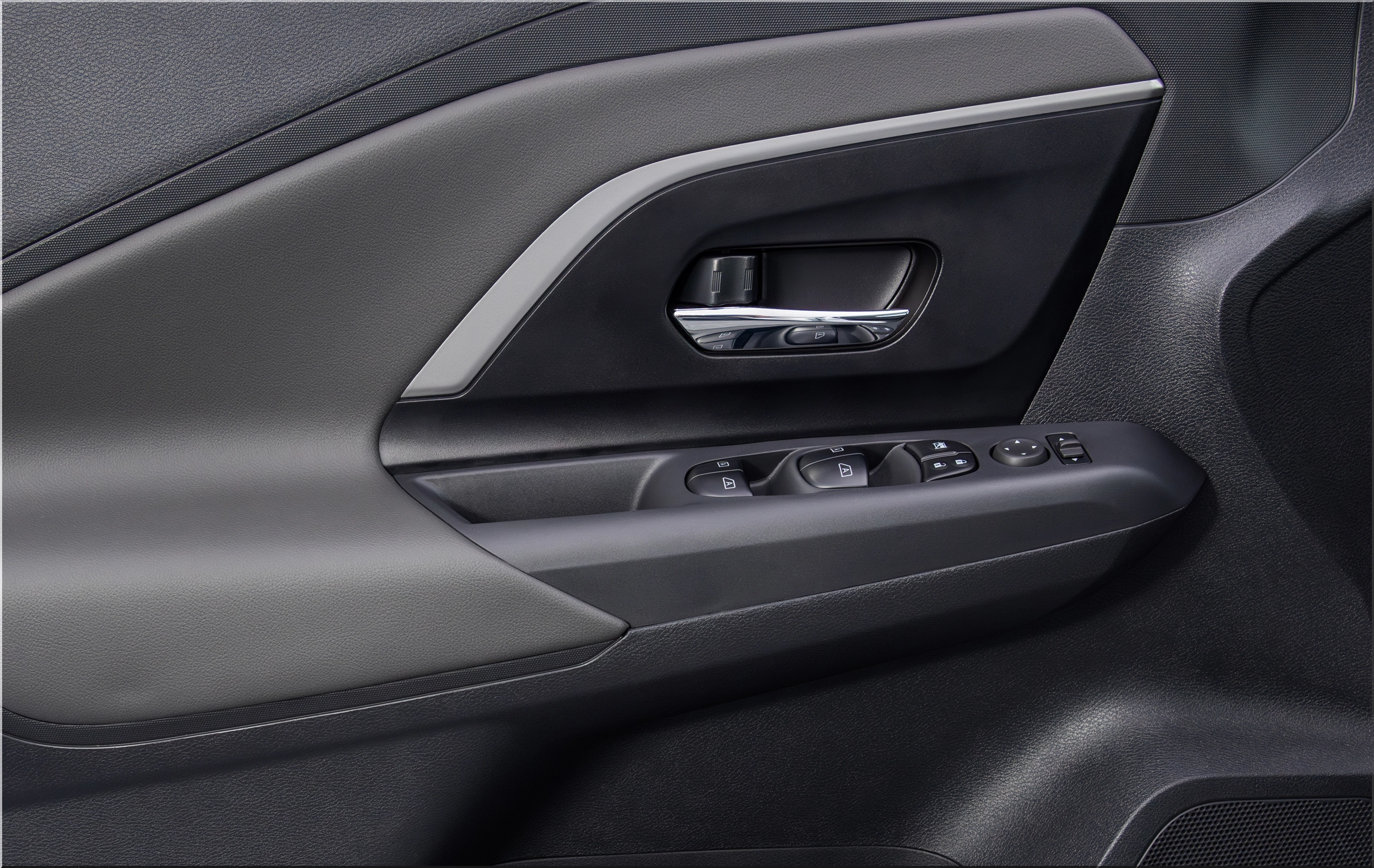
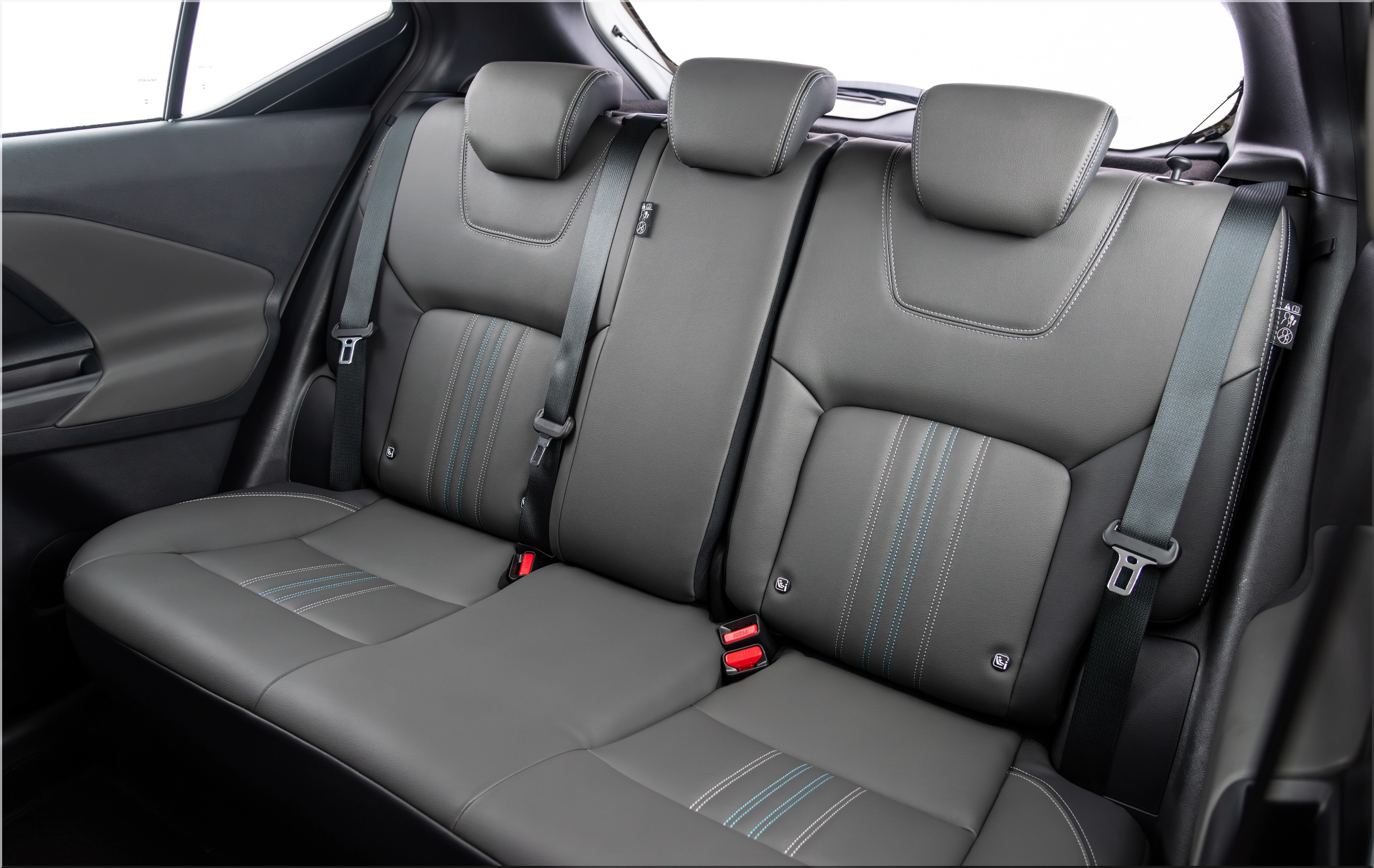
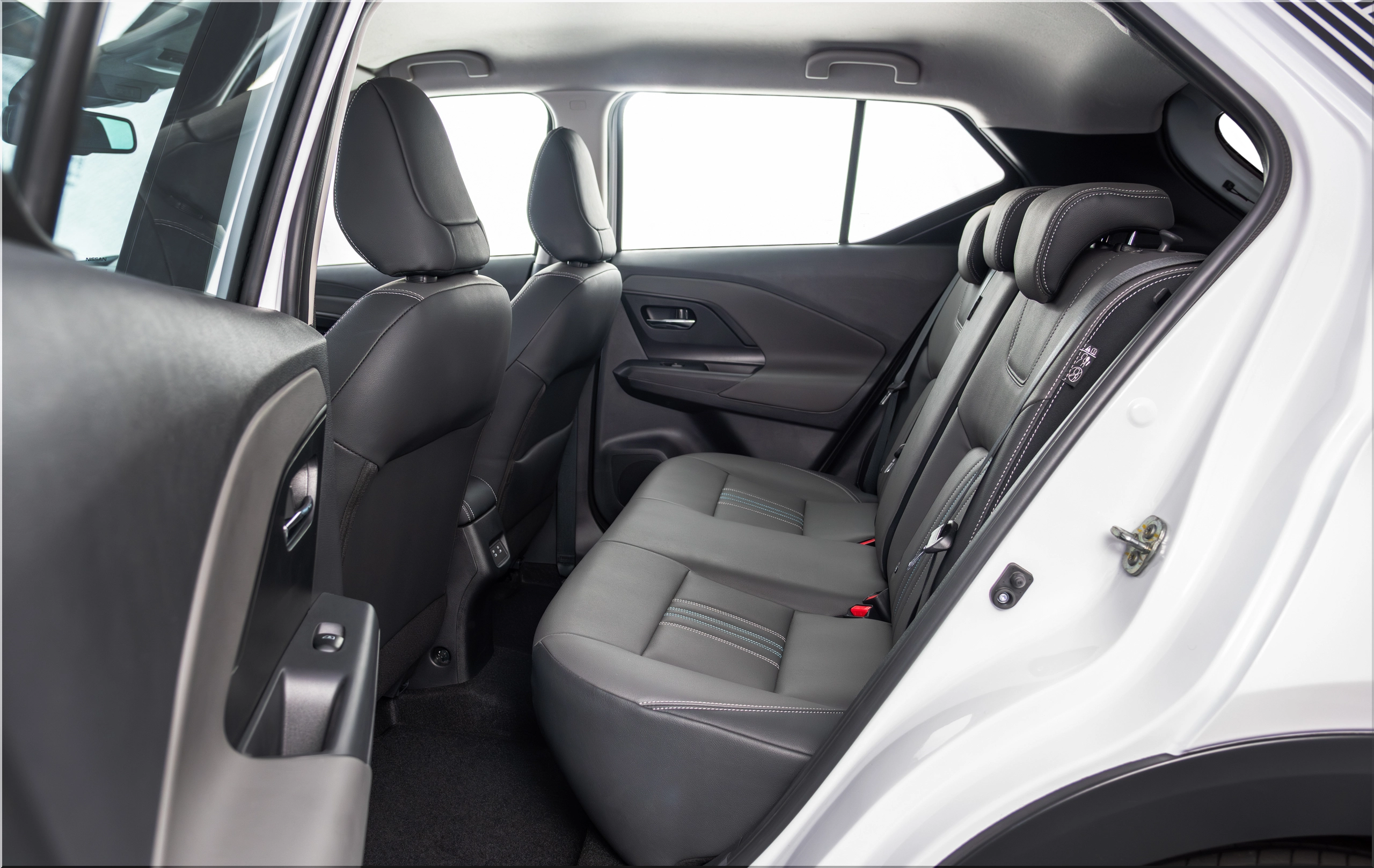
Cabin design appears guided by the same logic. Nissan hints at a spacious interior that puts ergonomics before flash. The company points to Latin American customer research that found clear preferences: predictable controls, comfortable seating, and enough storage areas for phones, bags, and day-to-day clutter.
Nissan’s Strategy for the Region
Nissan speaks openly about strengthening its position in a highly competitive SUV segment. The Kicks and Magnite gave the brand traction; the Kait extends that plan. Rather than chase luxury cues, the Kait targets widespread adoption by leaning on robustness, reliability, and quality, traits Nissan emphasizes across its most successful global platforms.
Producing the Nissan Kait in Brazil allows Nissan to control costs and speed up supply. Latin American buyers face sharp currency swings and inflation. A locally built SUV helps avoid volatile import pricing and keeps the Kait within reach of a broad customer base.
Early Safety and Technology Expectations
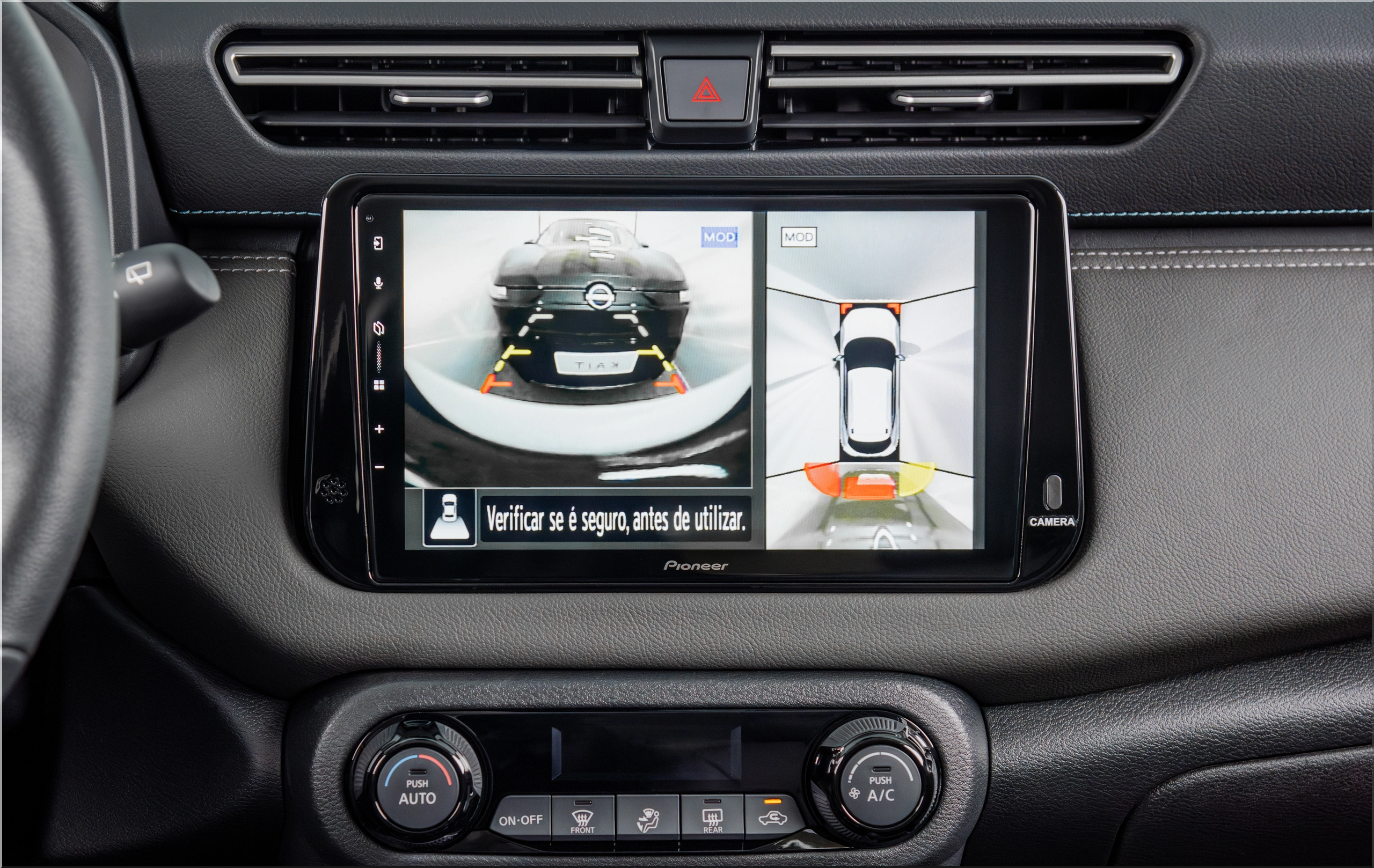
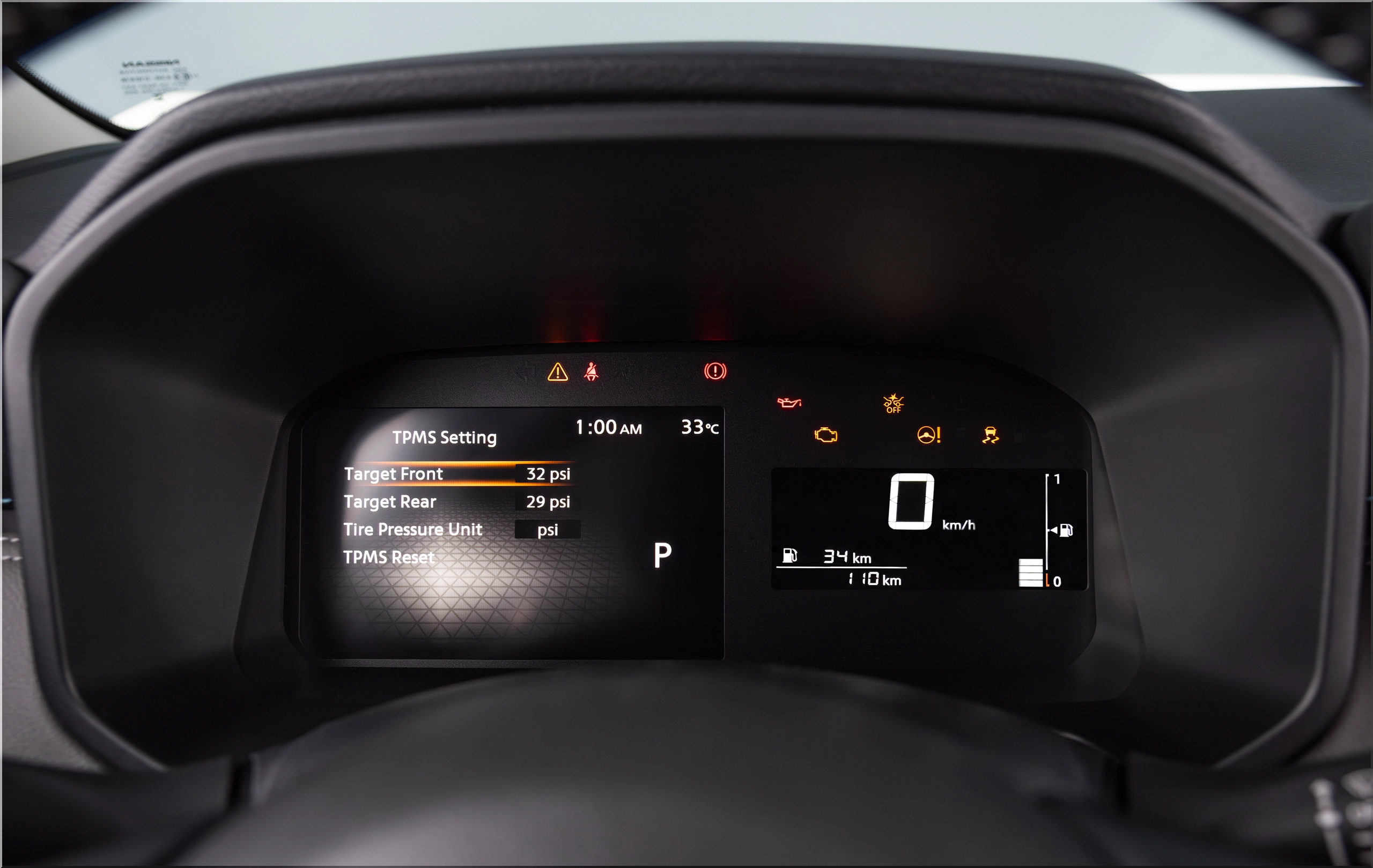
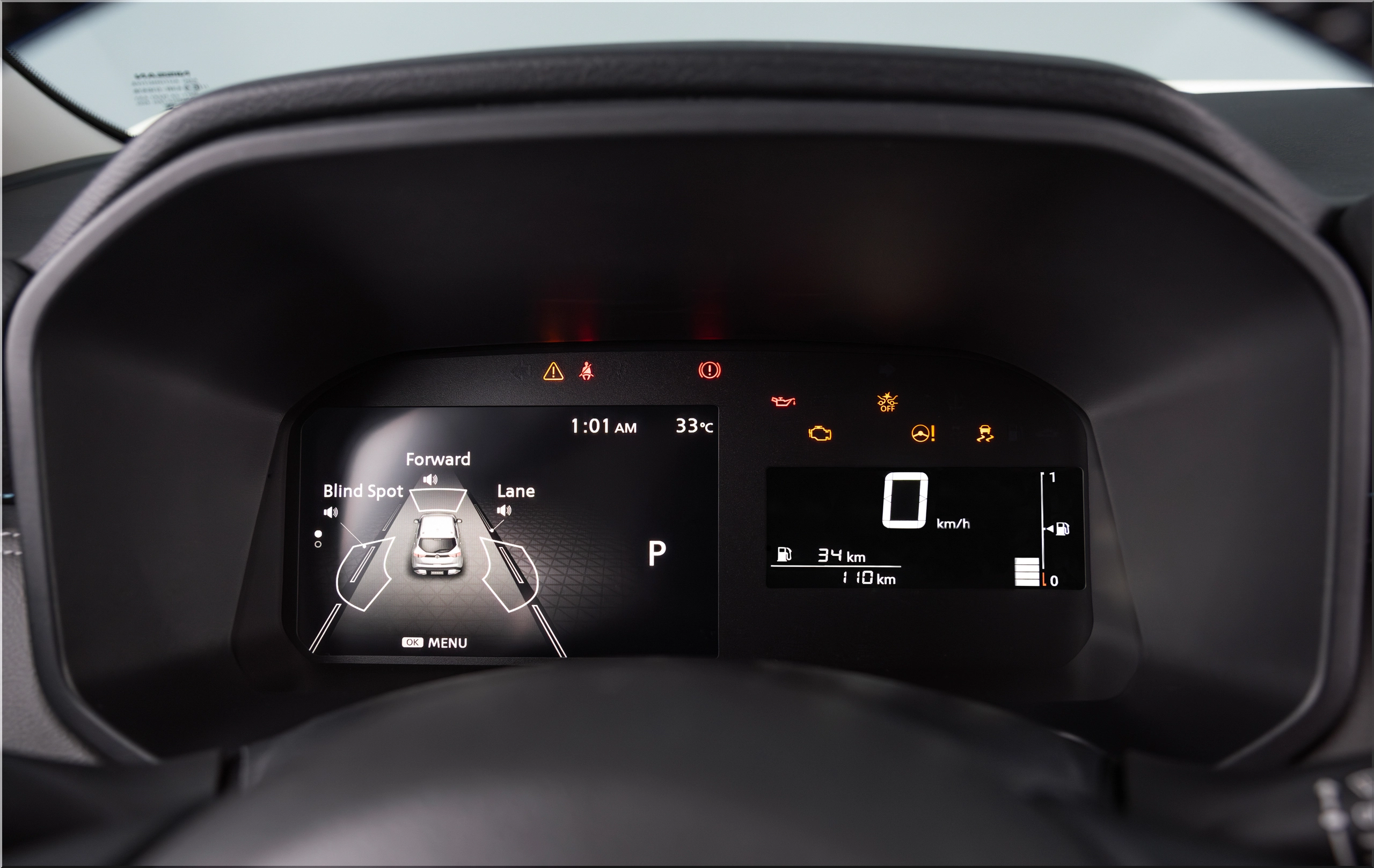
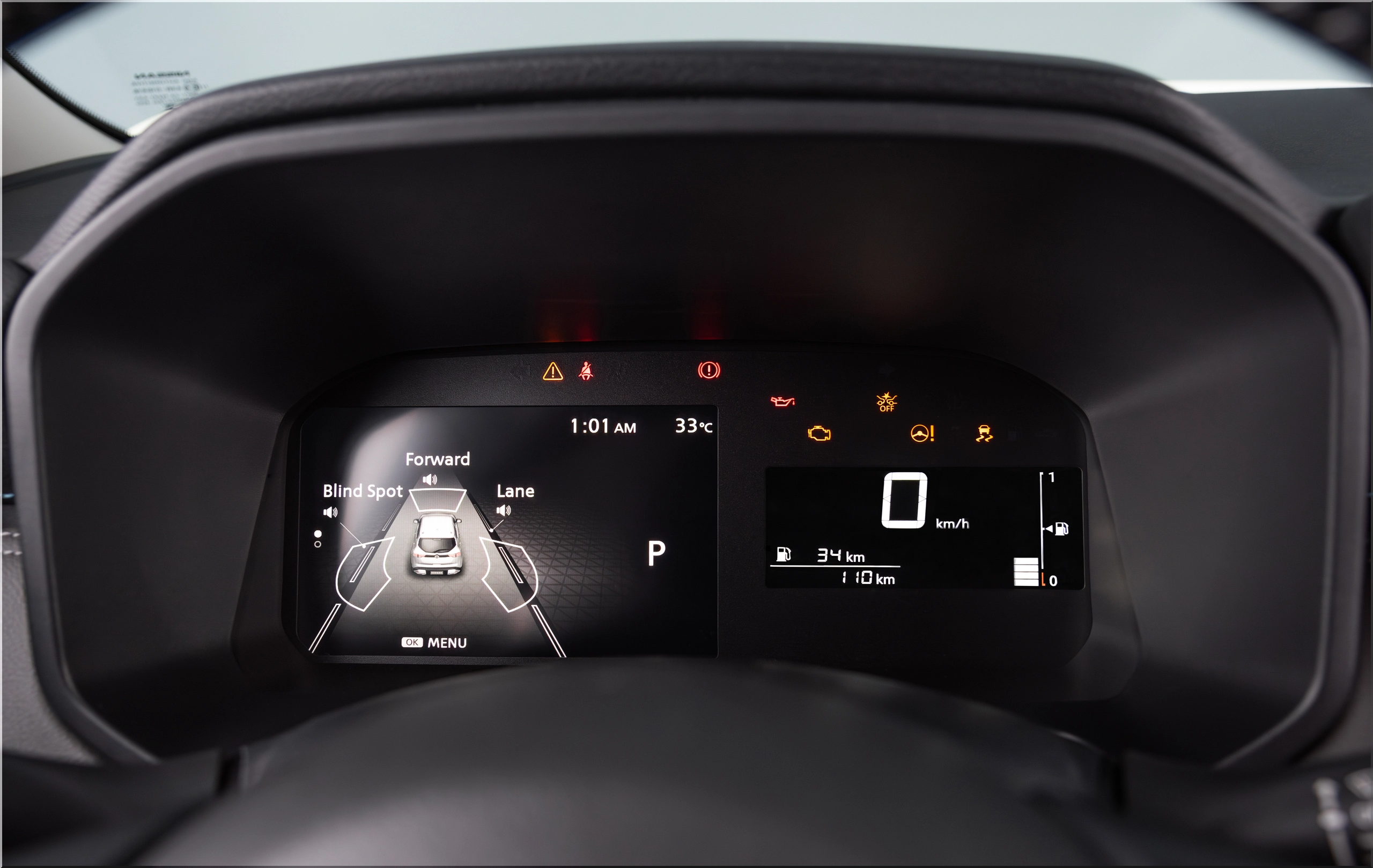
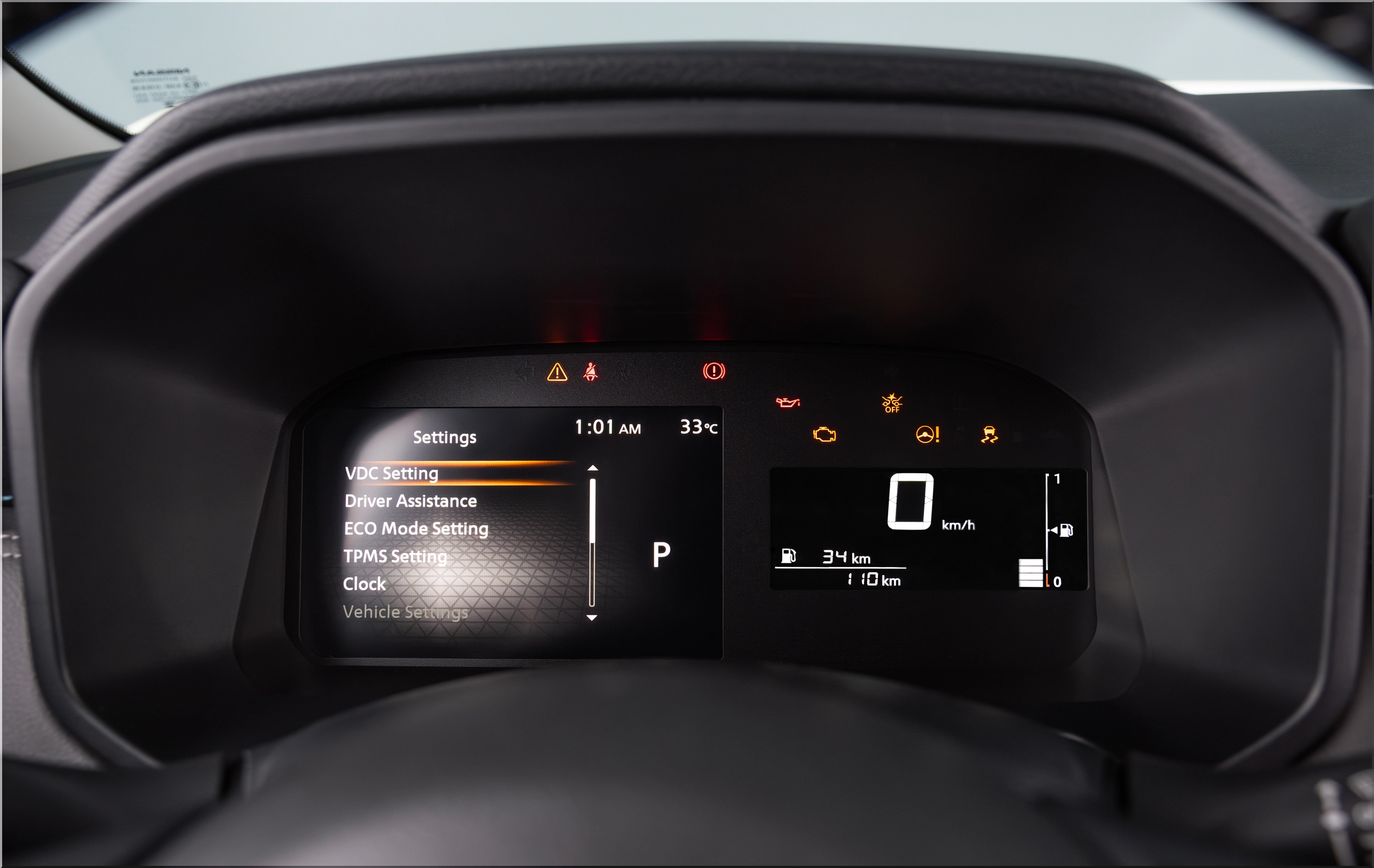
While Nissan has not released full specifications, the company highlights well-equipped safety features. Expect standard electronic stability control, multiple airbags, and driver-assist tools such as lane-departure alerts or automatic emergency braking on higher trims. Nissan usually tunes its advanced driver-assist systems for dense traffic, so the Kait should support drivers dealing with tight city streets and short-notice braking.
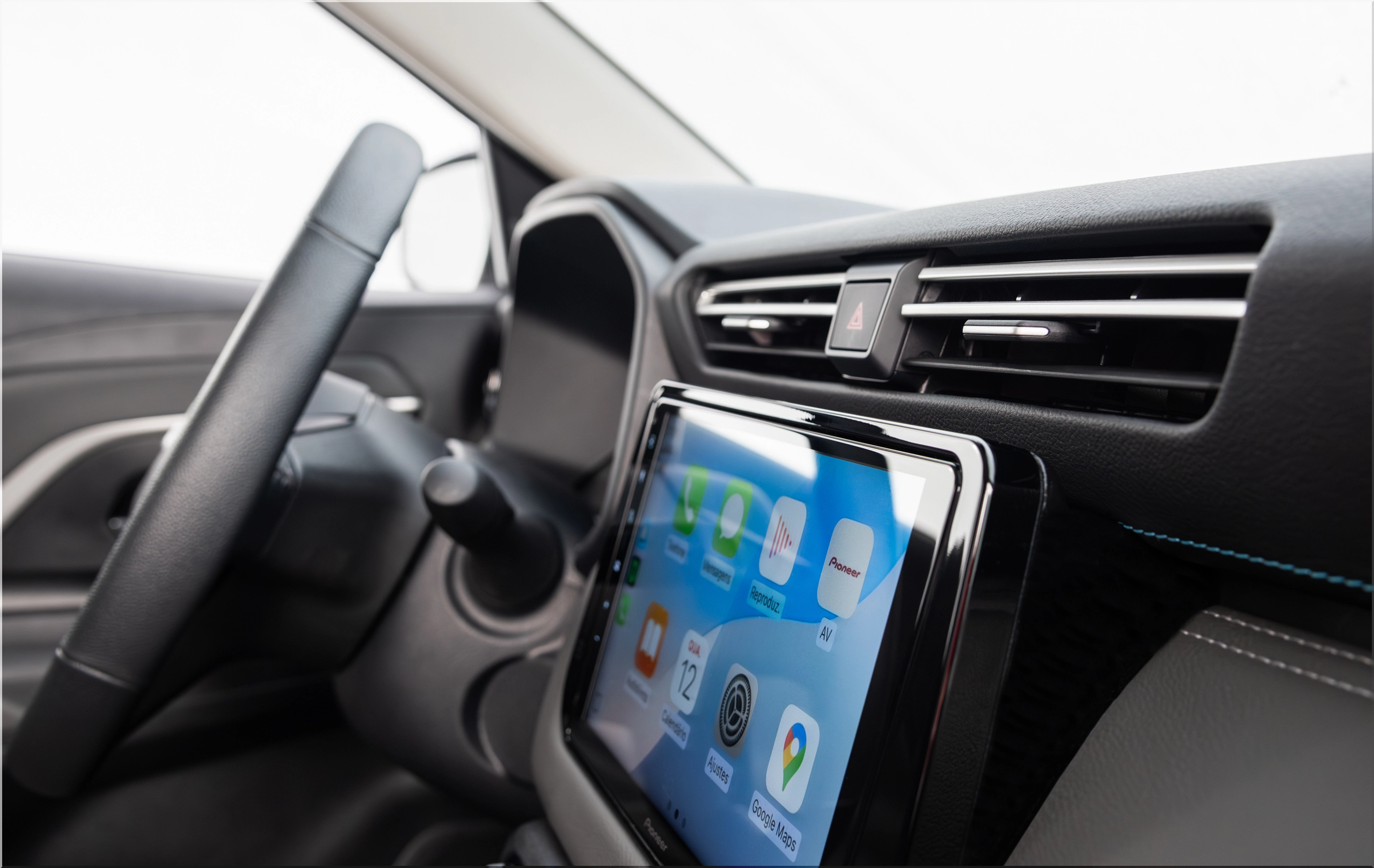
Infotainment will likely follow the brand’s current formula: a touchscreen system with Android Auto and Apple CarPlay integration. Nissan tends to keep interfaces simple, which should reduce learning curves for buyers moving from older vehicles.
Market Positioning and Expected Pricing
Because Nissan plans mass-market reach, analysts expect the 2026 Nissan Kait to start near the USD 18,000–22,000 range depending on local taxes and trim. That places it between the Magnite and Kicks, giving the brand a three-model ladder within the same category.
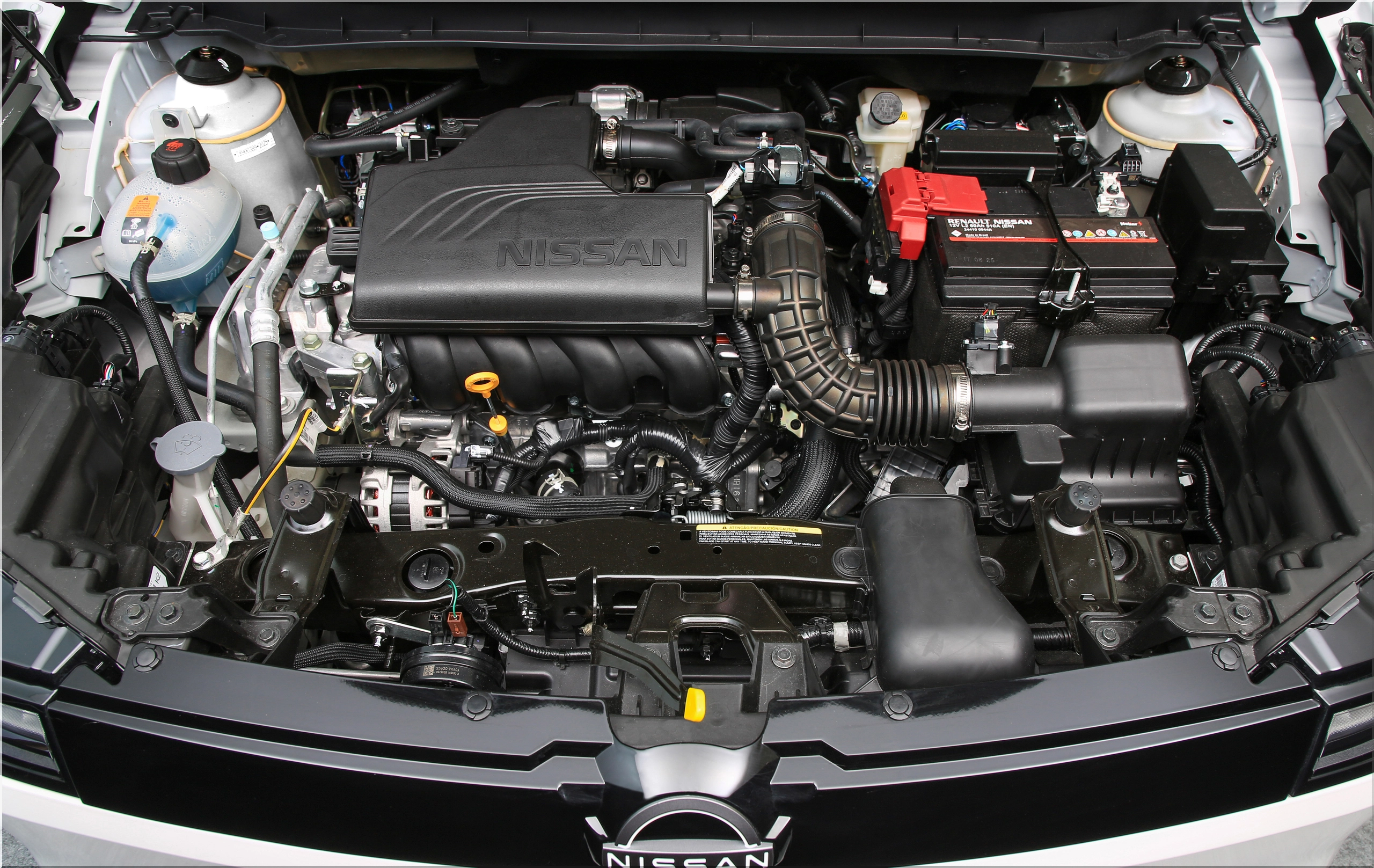
A pricing strategy like that suggests the Kait will target families upgrading from small sedans and first-time SUV buyers who want predictable ownership costs. Fuel efficiency will matter. While Nissan has not shared engine data, expect a modest, efficient powertrain aimed at keeping running expenses low.
How the Kait Compares to Rivals
To give buyers clearer context, here is a comparison of the Kait’s early-known attributes versus common competitors in its expected segment.
Compact SUV Comparison Table
| Model | Trunk Capacity | Assembly Location | Expected Price (USD) | Positioning Notes |
|---|---|---|---|---|
| Nissan Kait | 432 liters | Brazil | 18,000–22,000 | Focus on practicality, local production |
| Renault Duster | 445 liters | Colombia | 17,000–21,000 | Known for durability and ride comfort |
| Chevrolet Tracker | 393 liters | Brazil | 20,000–25,000 | Strong tech features and efficiency |
| Volkswagen Nivus | 415 liters | Brazil | 21,000–24,000 | Coupe-style design and modern infotainment |
The Kait’s trunk capacity places it near the top. Its pricing should position it as a value-driven option. Nissan’s use of a proven platform may help control long-term maintenance costs, an area many regional buyers watch closely.

Why Nissan Thinks the Kait Will Succeed
Nissan believes the Kait will resonate because it avoids unnecessary complexity. The design targets specific regional needs: space for family trips, durability for rougher urban roads, and safety gear that offers real benefit rather than tech-for-tech’s-sake.
By manufacturing in Brazil, Nissan reduces logistical risk. Parts availability improves, and repairs become easier and cheaper. Buyers looking for predictable ownership costs will see those advantages quickly.
Potential Challenges
The Kait still needs to prove itself. The compact-SUV market has no shortage of competent choices. Competitors have loyal followings and brand-specific perks. Nissan must deliver strong fuel efficiency and urban drivability to keep pace. The company must also resist the temptation to strip lower trims of features, a trend that often frustrates price-sensitive buyers who still expect modern safety tools.
Another challenge: messaging. Shoppers increasingly research online before stepping into a dealership. Nissan must present clear information, transparent pricing, and honest capabilities to win attention in a market that often distrusts vague claims.
Final Take
The Nissan Kait arrives with a direct mission: provide a practical, spacious, and safety-focused compact SUV for Latin America. Early signs show a grounded product shaped by local needs rather than global marketing trends. If Nissan delivers strong fuel efficiency, competitive pricing, and widely available service support, the Kait could become a key pillar in the brand’s regional portfolio.
For buyers tired of compact SUVs that promise flash but deliver compromises, the Kait offers a simpler, clearer proposition. Spacious trunk. Functional cabin. Familiar controls. Transparent value. A welcome shift in a segment that often drifts into excess.
- Add new comment
- 99 views