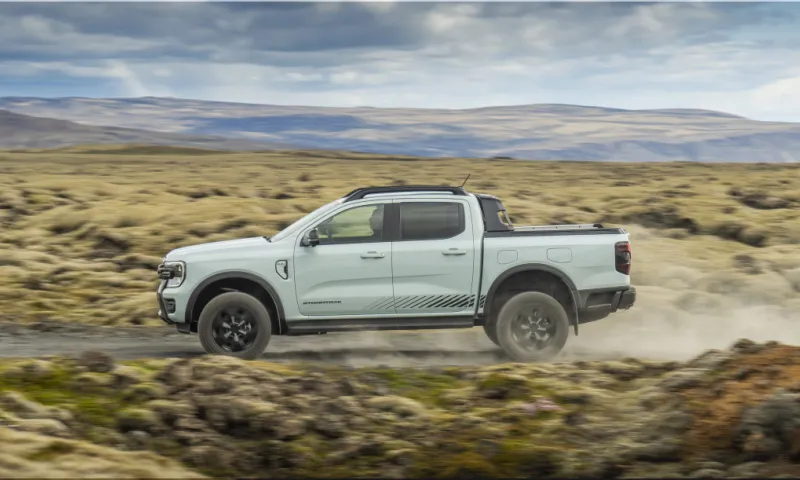
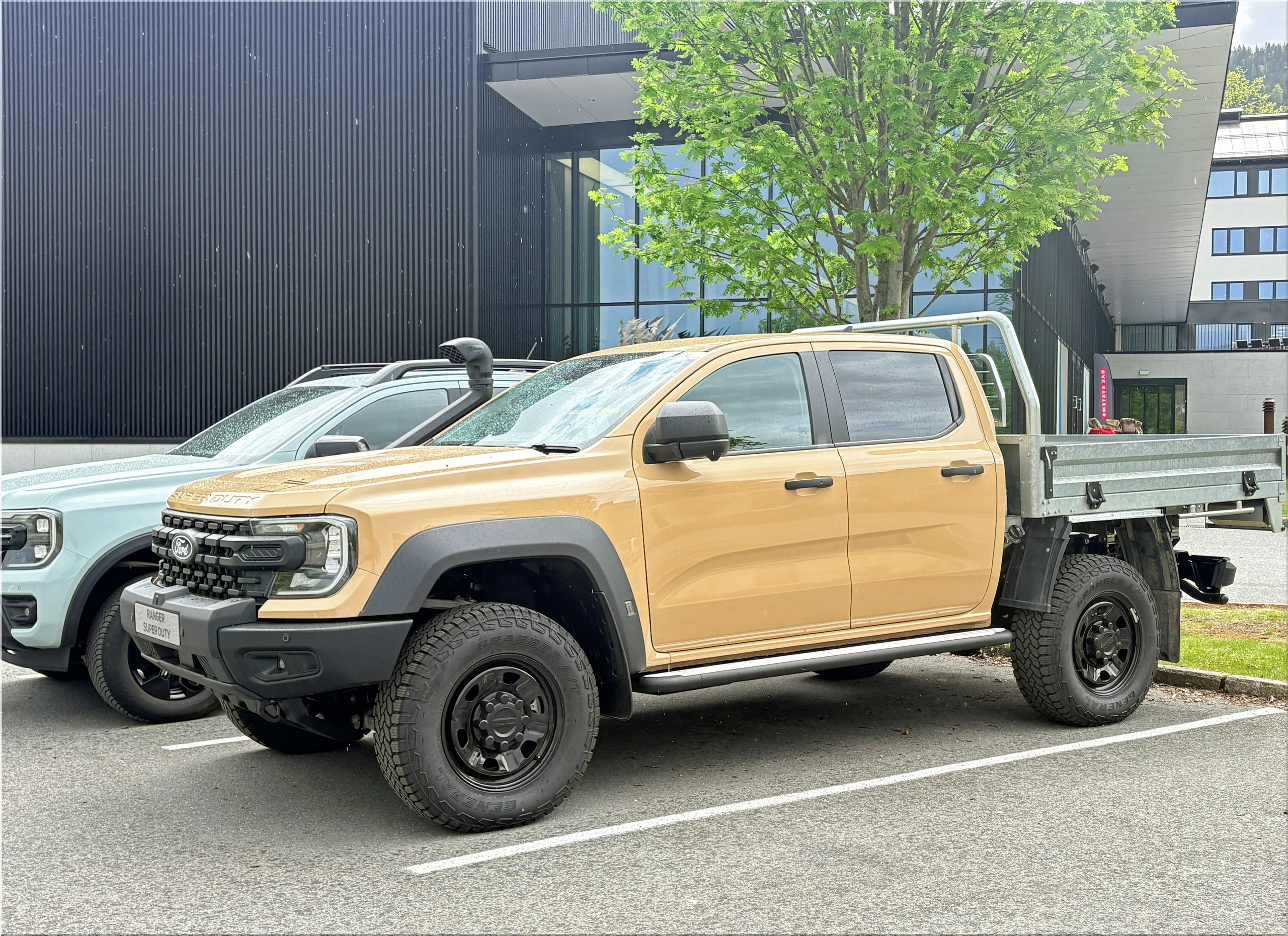
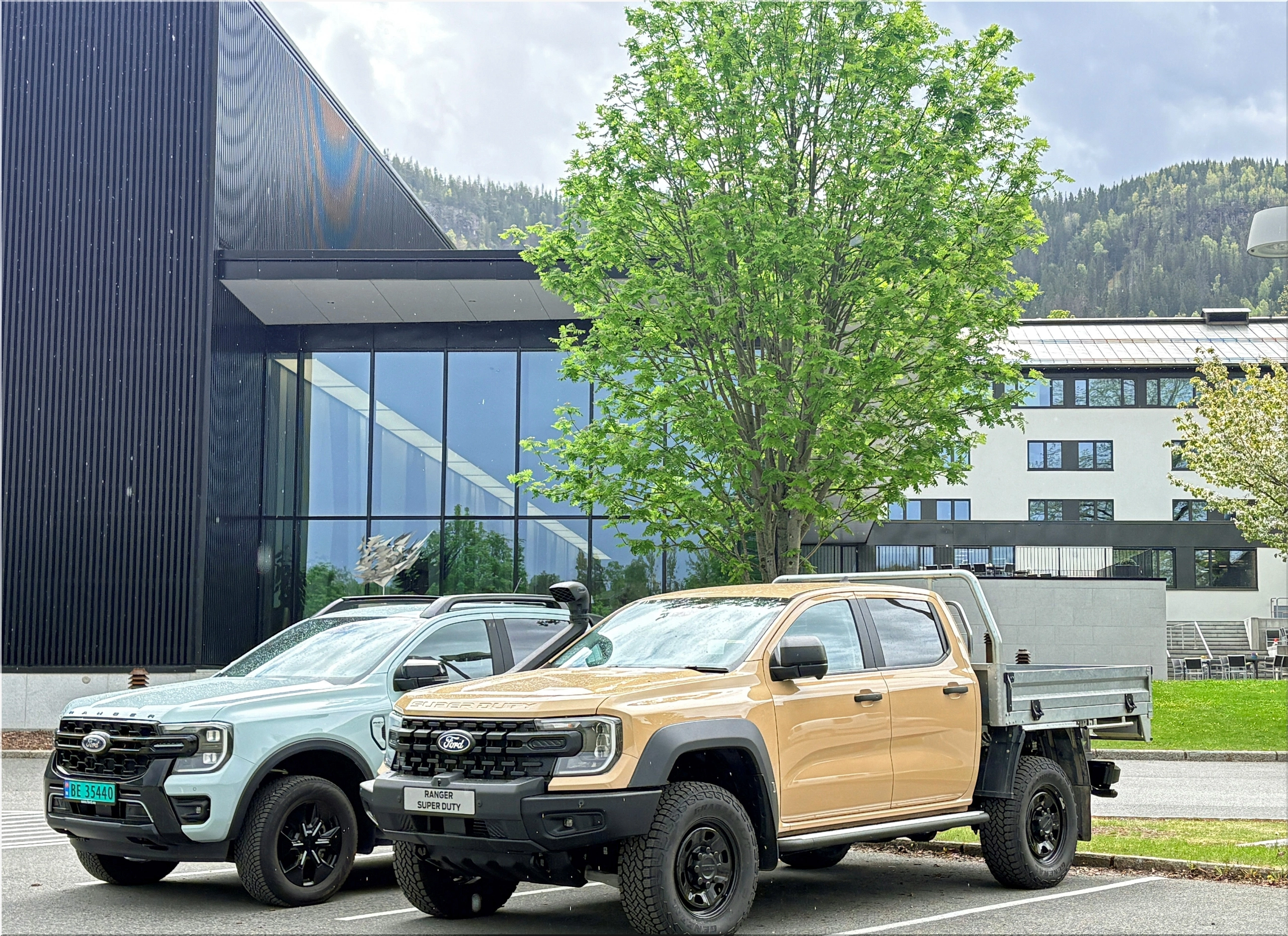
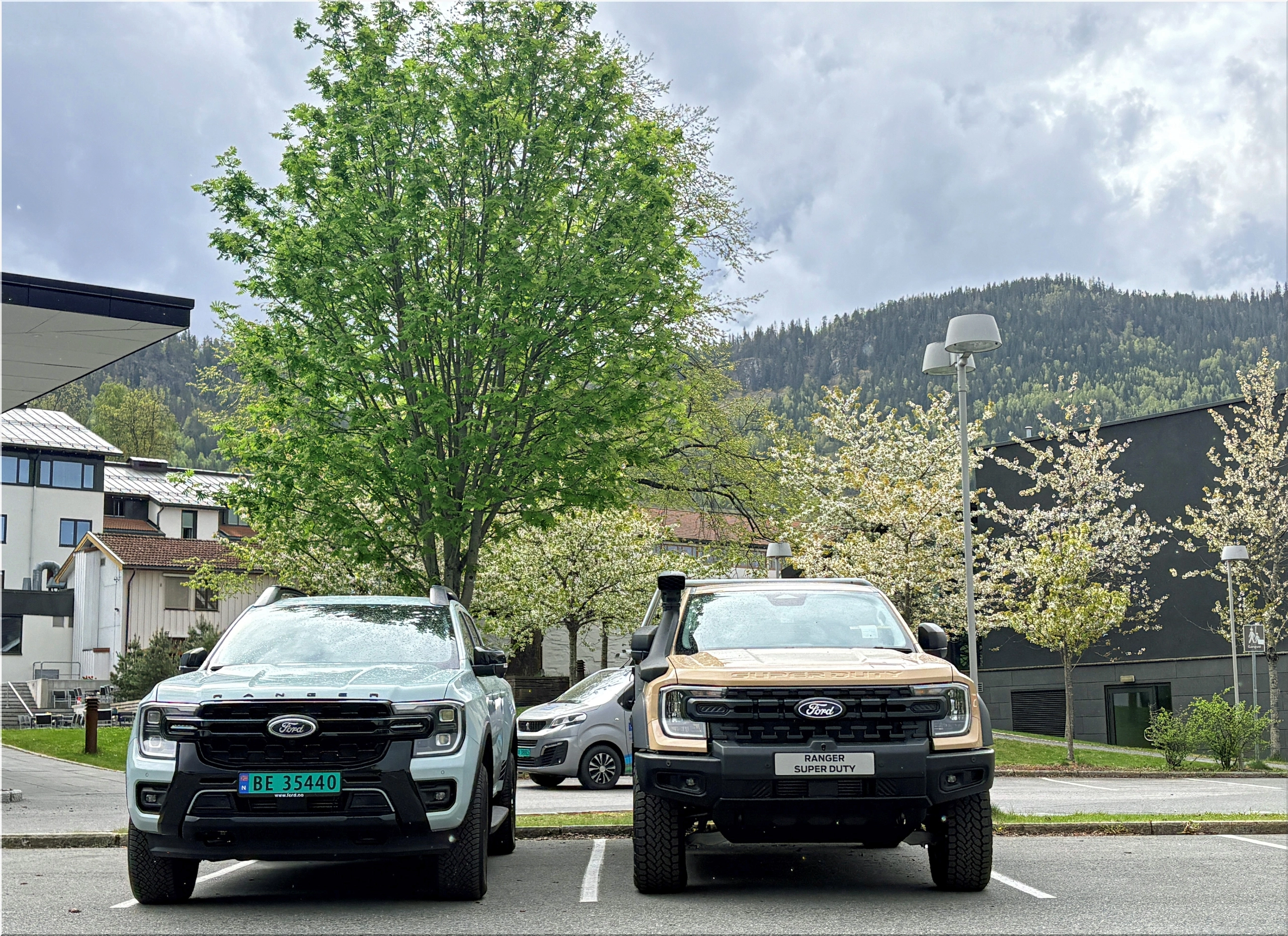
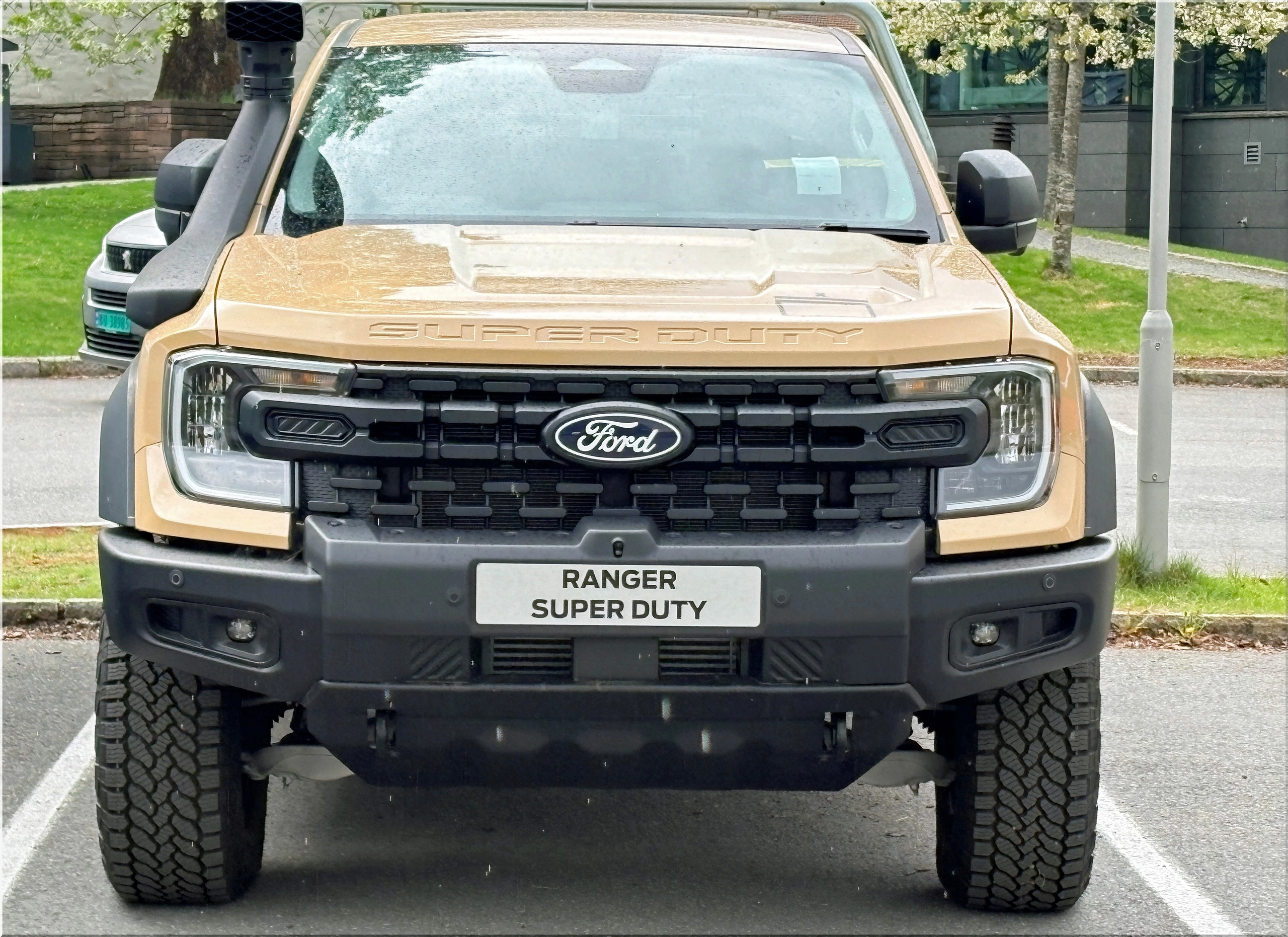
Ford has a clear target for the Ford Ranger Super Duty Europe launch: operators who need a midsize truck with commercial-truck muscle, not lifestyle pickup theater. The new Ranger Super Duty arrives in Europe and Norway with order books open, first deliveries expected in the second half of 2026, and a spec sheet aimed directly at emergency services, defense, mining, forestry, infrastructure, and rescue work.
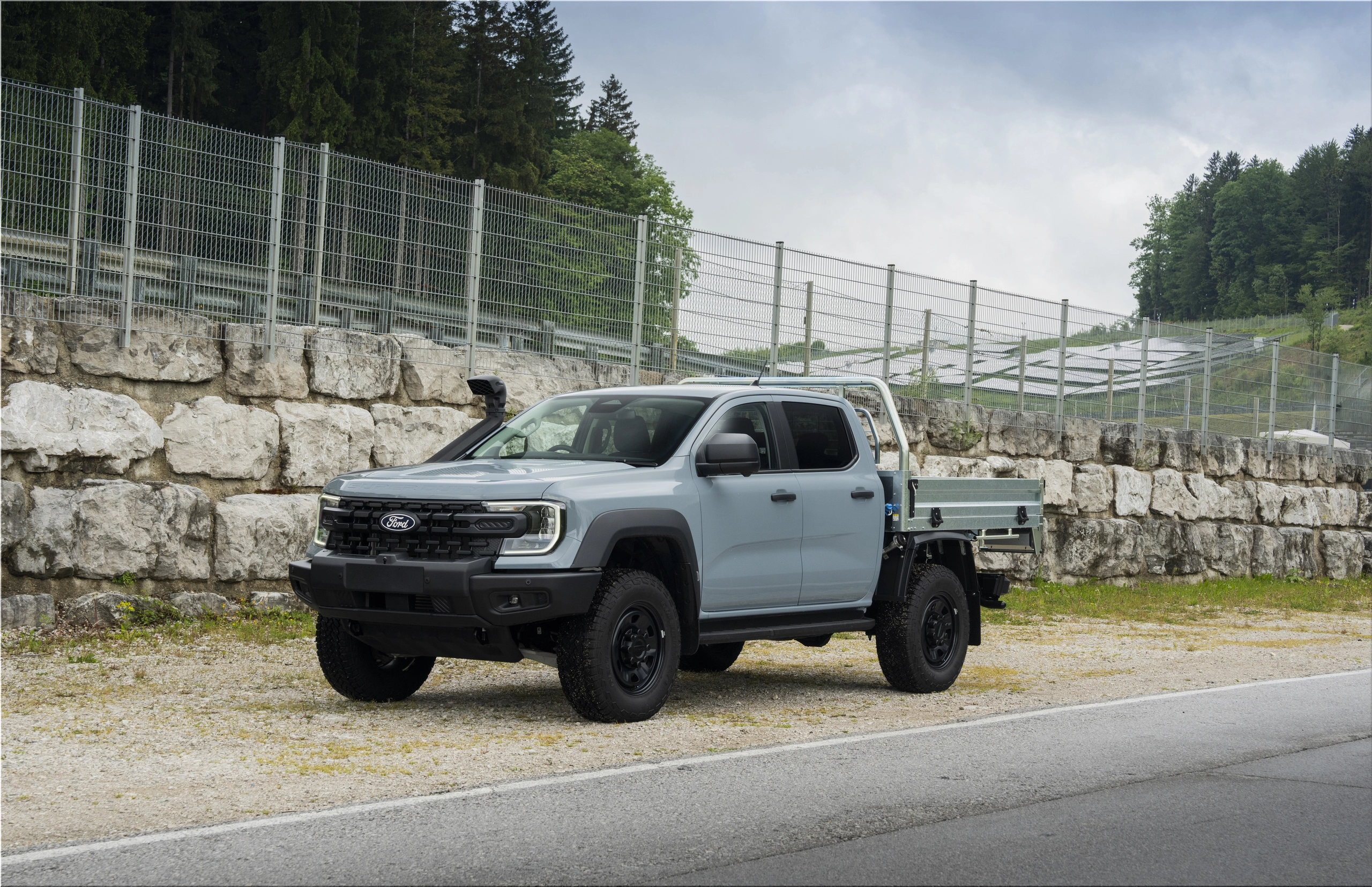
This truck changes the Ford Ranger brief. Ford has already owned the European pickup class for 11 straight years, and the Ranger held more than 47 percent market share in Europe last year. Now Ford wants to create a heavier-duty lane inside the midsize pickup segment, where many European operators need serious payload and towing capability but lack access to full-size American work trucks.
The numbers do the talking: up to 4,500 kg towing capacity, up to 1,982 kg payload, 4,500 kg gross vehicle mass, and 8,000 kg gross combined mass. That means about 9,920 pounds of towing, 4,370 pounds of payload, 9,920 pounds of GVM, and 17,637 pounds of GCM.
Ford Ranger Super Duty Europe Launch Targets Specialist Work
Ford positions the Ranger Super Duty as a truck for buyers who run equipment, crews, armor, medical systems, recovery gear, tools, and heavy trailers in bad terrain. That list matters. In Europe, a typical pickup buyer often runs within a 3,500 kg towing ceiling and a roughly 1-tonne payload class. Ford now moves the Ranger into a space where those numbers no longer cover the job.
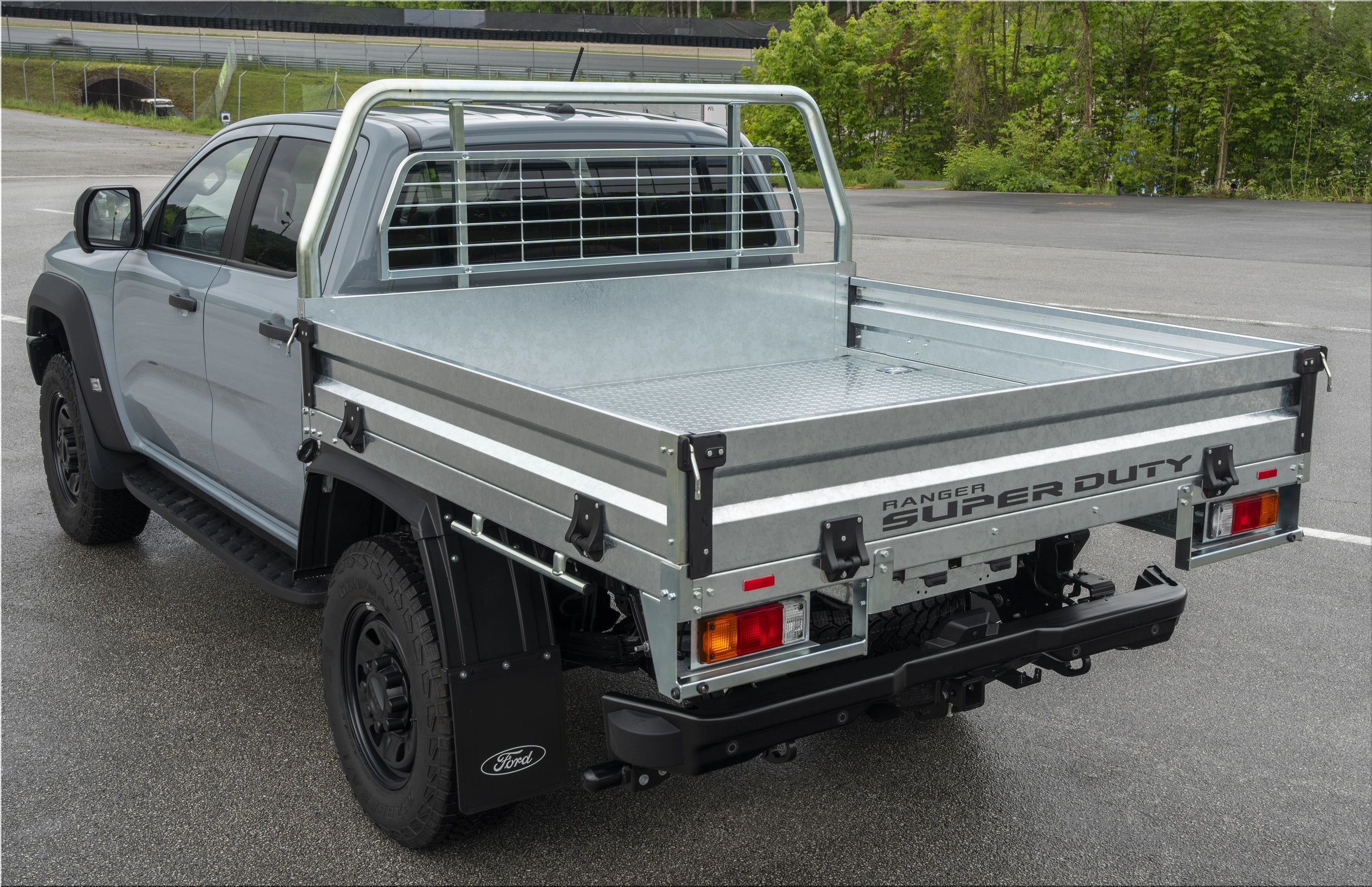
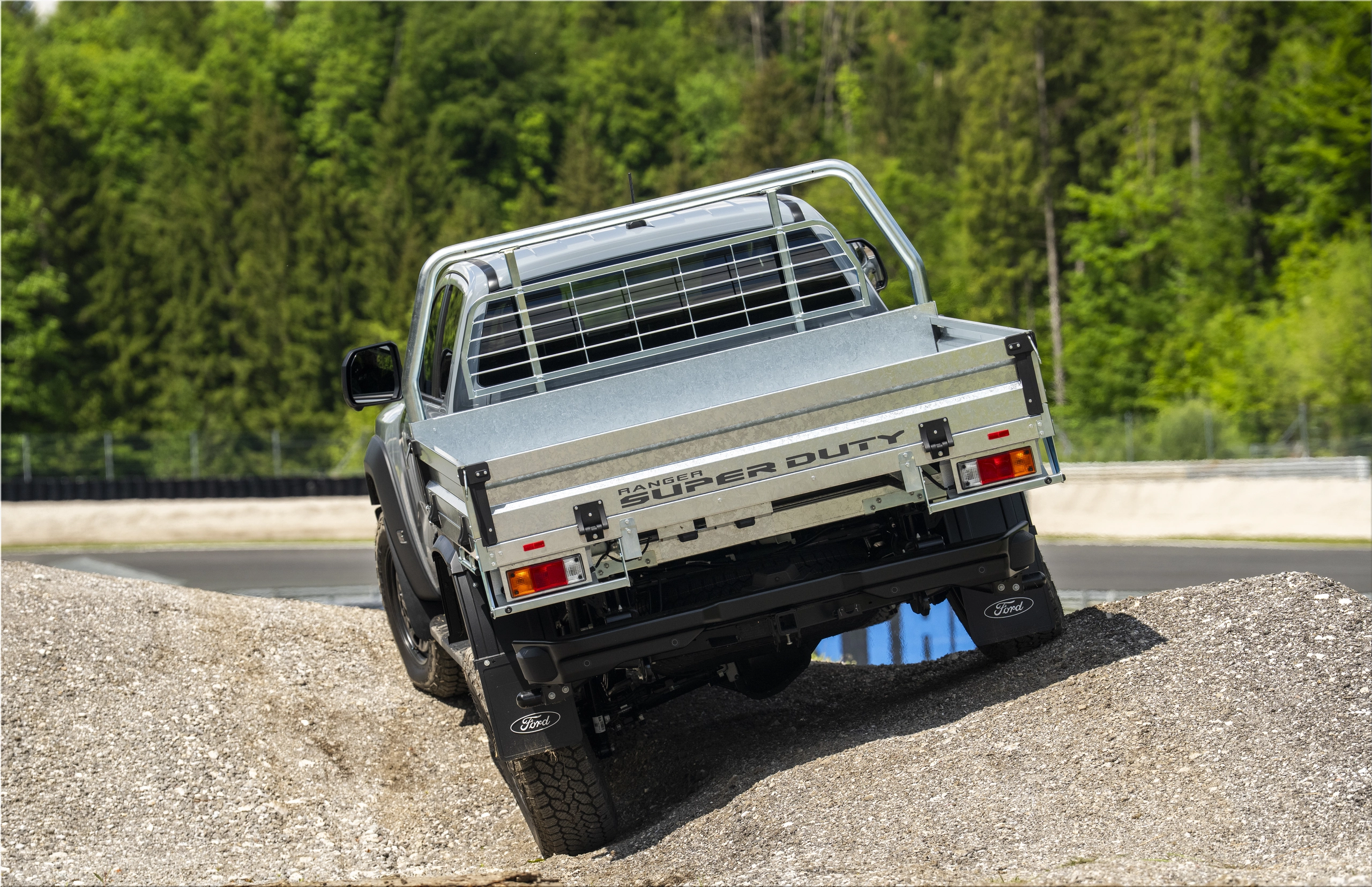
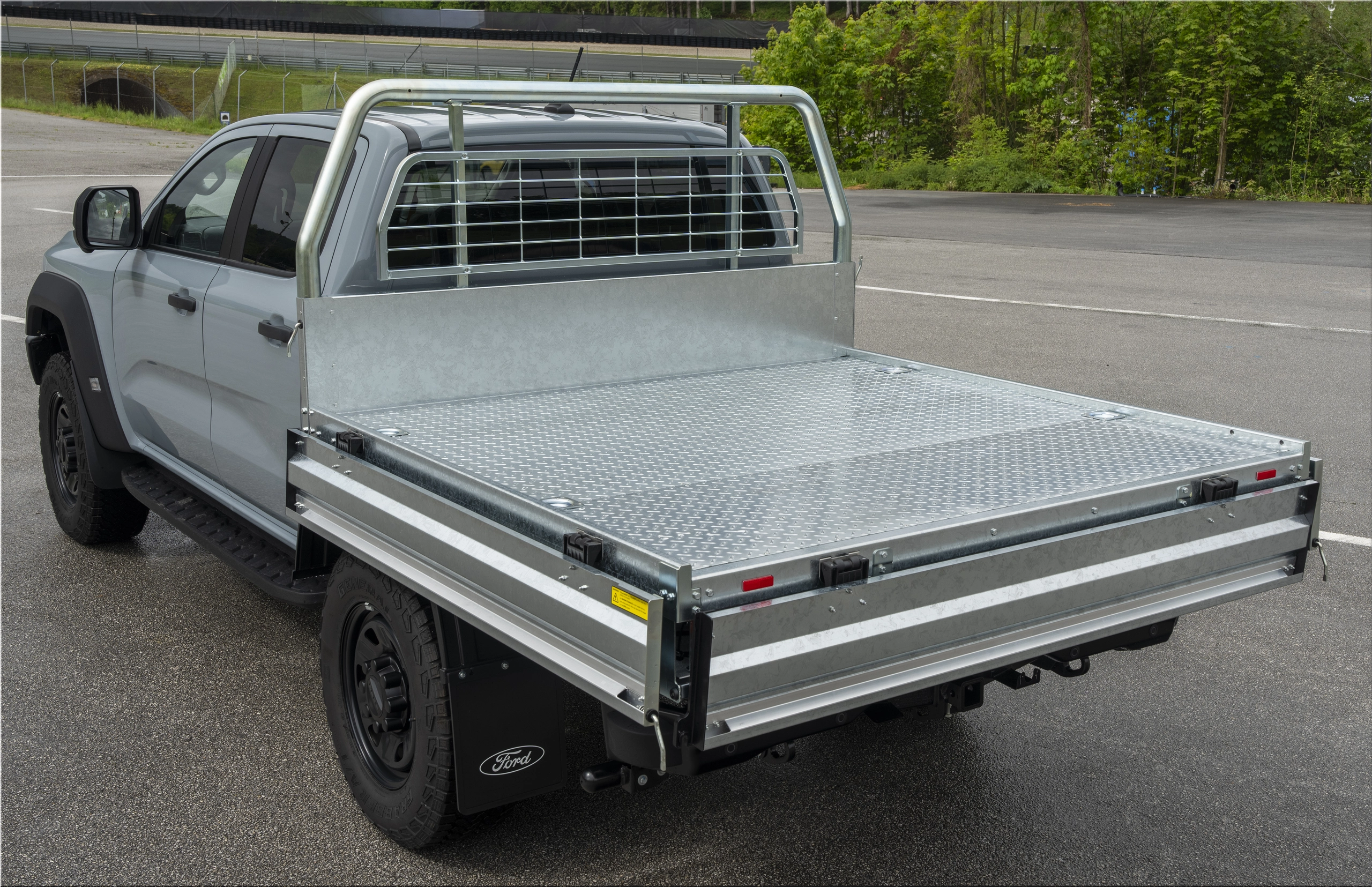
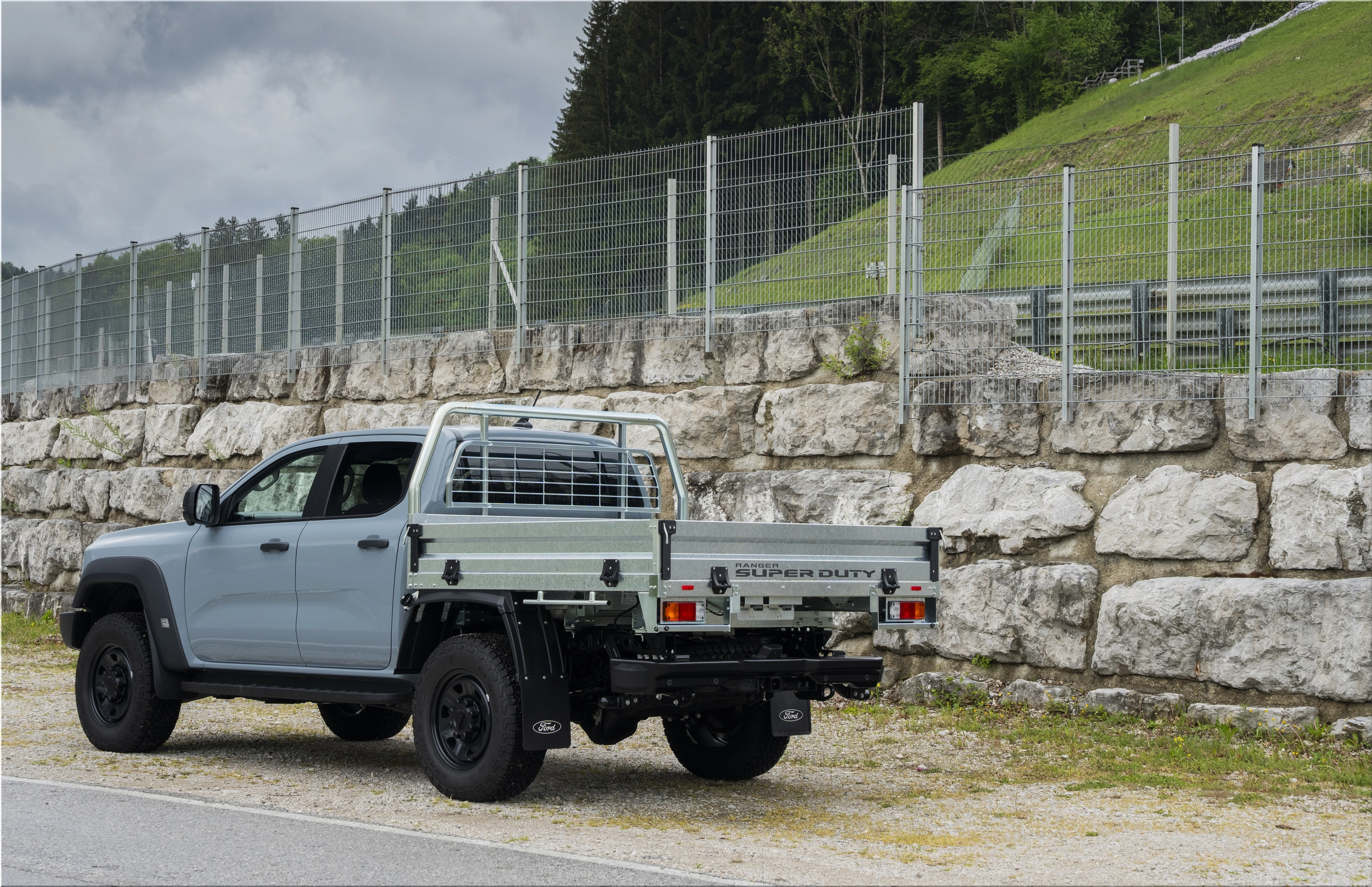
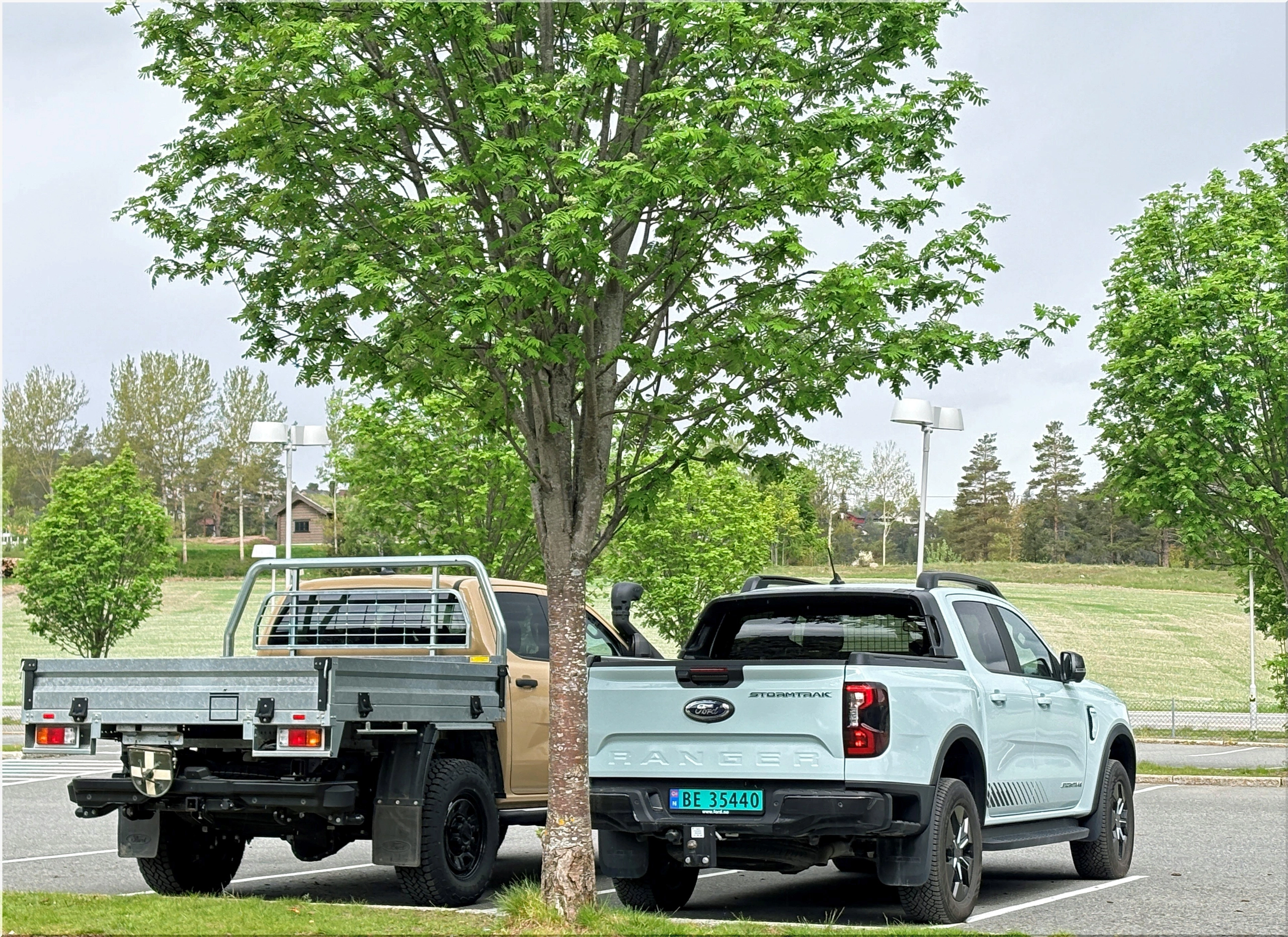
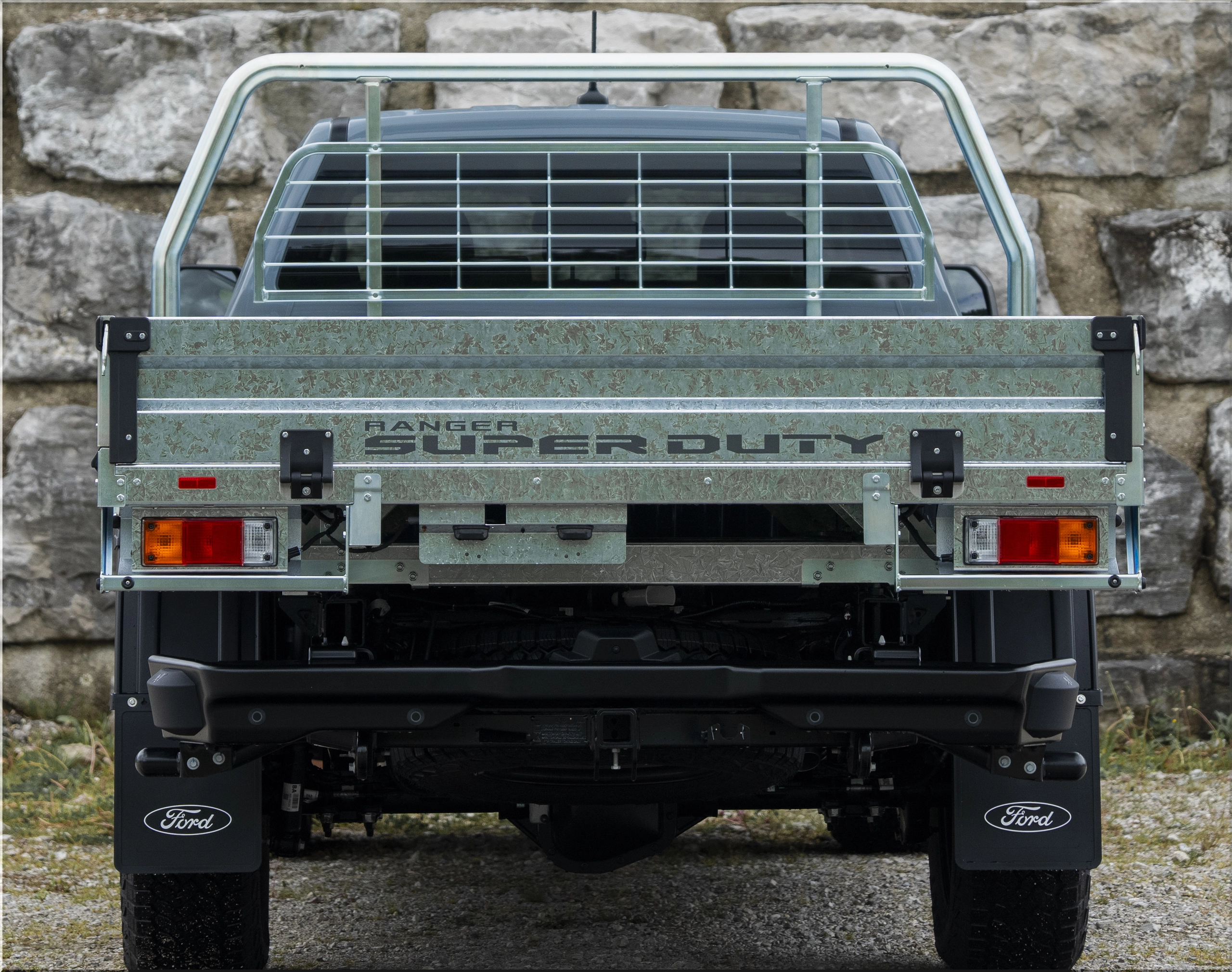
Specifically, Ford names emergency services, mining, forestry, infrastructure, rescue services, and comparable specialist operators. Ford also frames the vehicle as a platform for approved converters, which explains several engineering choices. The truck carries reinforced mounting points, pre-installed auxiliary switches, grouped rear sensors, and cabin mounting provisions for added screens or laptops.
That matters for defense and emergency users. A standard pickup becomes less useful when a converter must cut, drill, reroute, and certify around factory systems. The Ford Pro converter network can add lifting gear, cabinets, tipper bodies, communications hardware, rescue modules, and other mission equipment with less friction because Ford designed the Super Duty around conversion work from the start.
Key Ford Ranger Super Duty Specs
| Specification | Ford Ranger Super Duty Europe | Approx. U.S. Conversion |
|---|---|---|
| Maximum braked towing | 4,500 kg | 9,920 lb |
| Maximum payload | 1,982 kg | 4,370 lb |
| Gross vehicle mass | 4,500 kg | 9,920 lb |
| Gross combined mass | 8,000 kg | 17,637 lb |
| Engine | 3.0-liter V6 turbodiesel | 3.0-liter V6 diesel |
| Output | 209 hp | 209 hp |
| Torque | 600 Nm | 443 lb-ft |
| Ground clearance | 299 mm | 11.8 in |
| Wading depth | 850 mm | 33.5 in |
| Approach angle | Up to 36 degrees | Up to 36 degrees |
| Departure angle | Up to 29 degrees | Up to 29 degrees |
| Ramp angle | 26 degrees | 26 degrees |
Why The 3.0-Liter V6 Diesel Makes Sense
Ford uses its 3.0-liter V6 turbodiesel in the Ranger Super Duty, rated at 209 hp and 600 Nm of torque. That equals roughly 443 lb-ft, and the torque figure matters more than the horsepower figure here. Heavy towing, slow off-road work, and loaded climbing reward low-speed torque, thermal control, axle strength, and gearing more than peak output.
Looking at the data, Ford did not chase a drag-strip number. It built the powertrain around duty cycle. A heavy trailer creates sustained load, not a short acceleration burst, and the diesel V6 gives the truck a broad torque foundation for crawling, towing, and moving weight without constant high-rpm operation.
In addition, Ford says the engine meets Euro 6.2 emissions requirements. That gives fleet buyers a diesel workhorse in a region where diesel passenger vehicles face pressure, but commercial users still need range, torque, towing, and refueling speed.
Heavy-Duty Hardware Separates It From A Regular Ranger
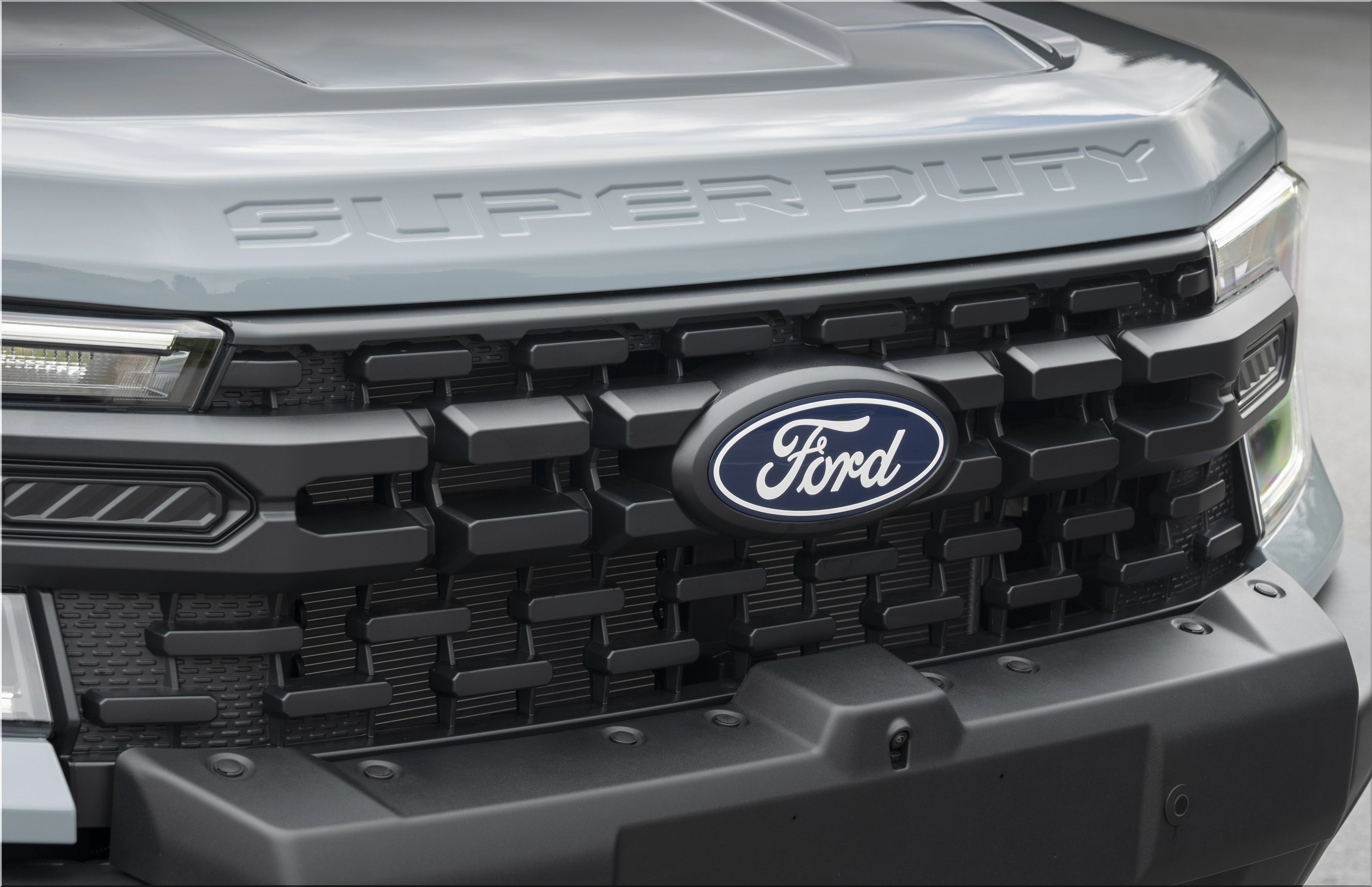
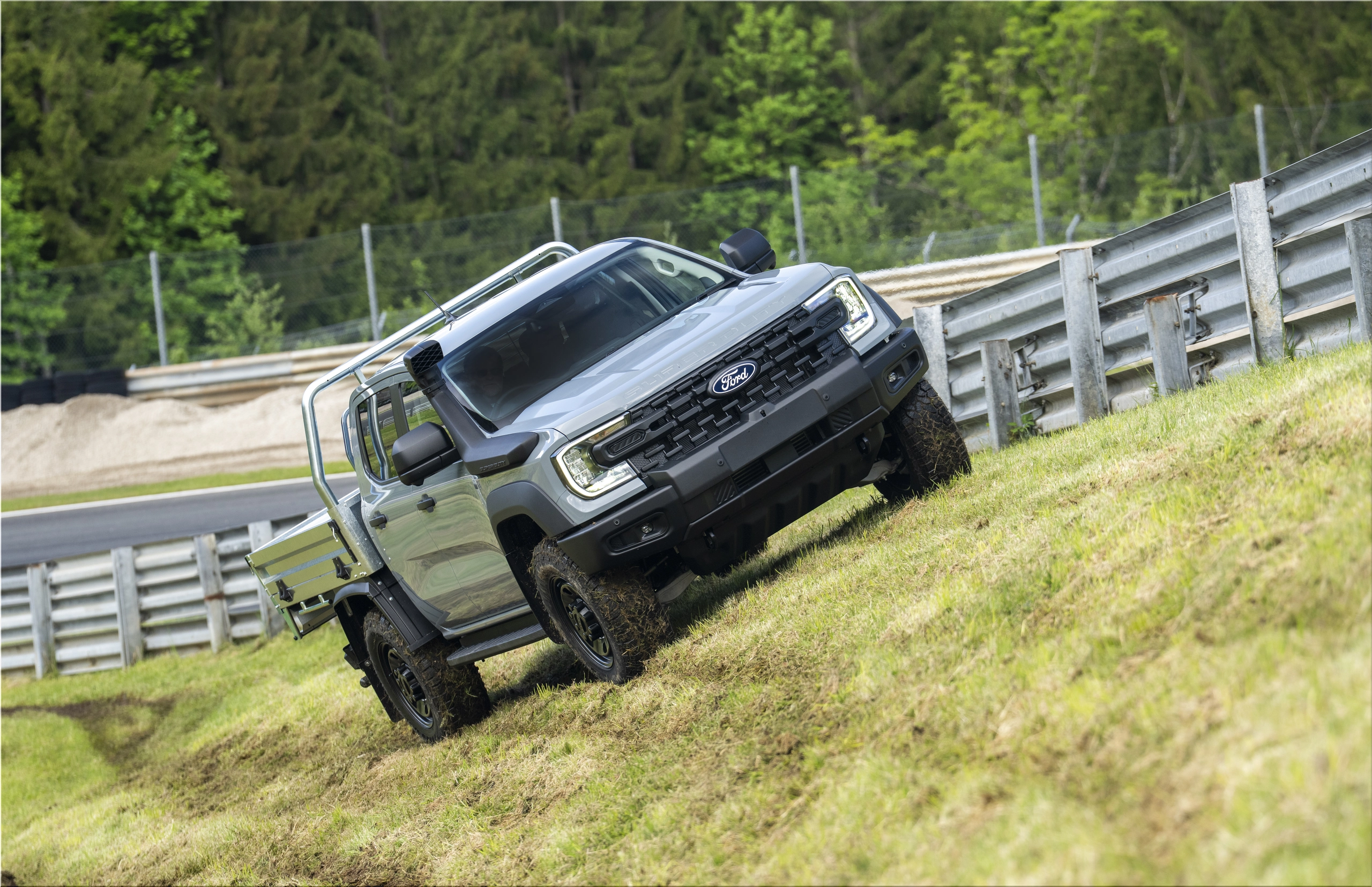
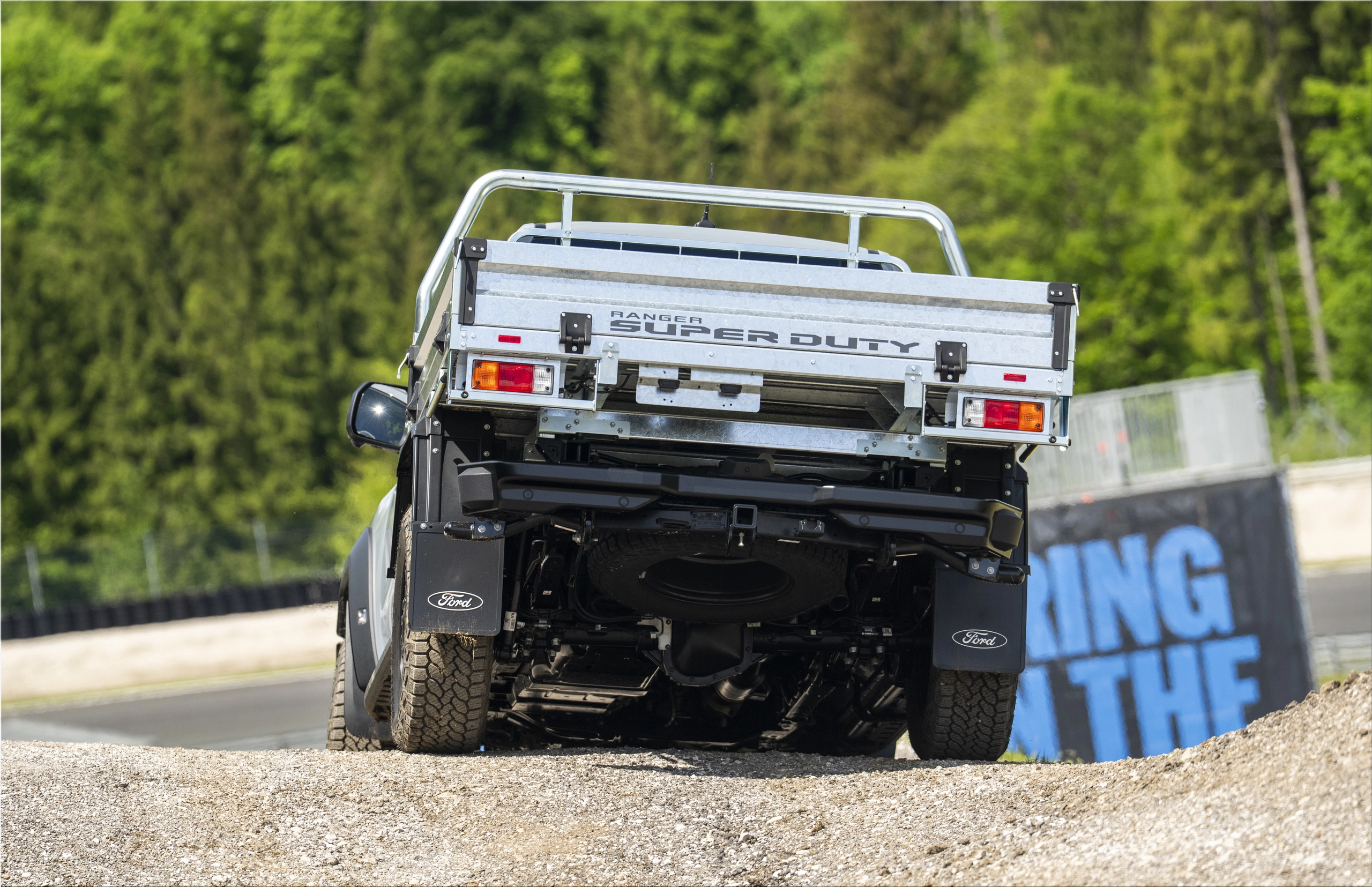
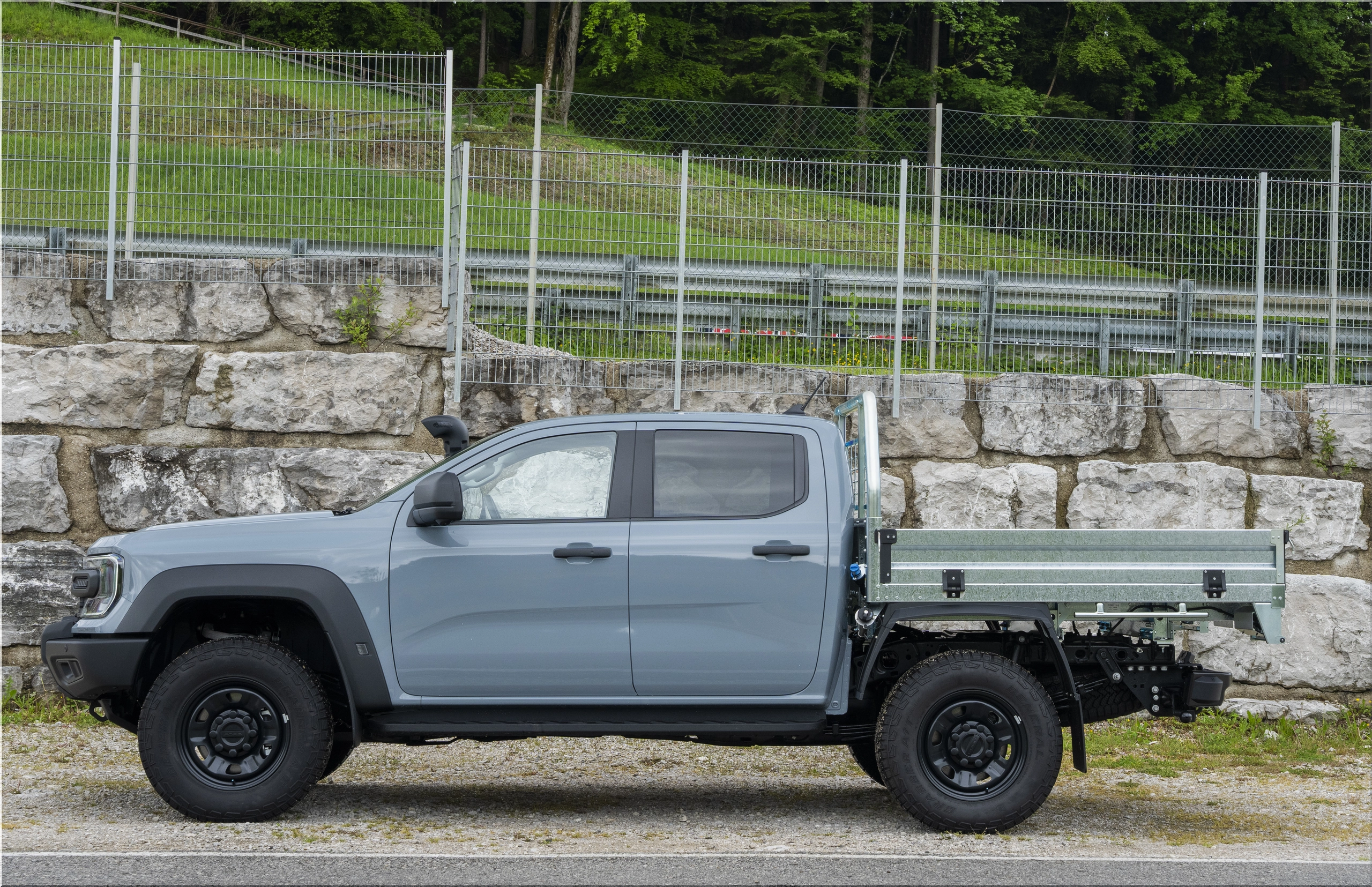
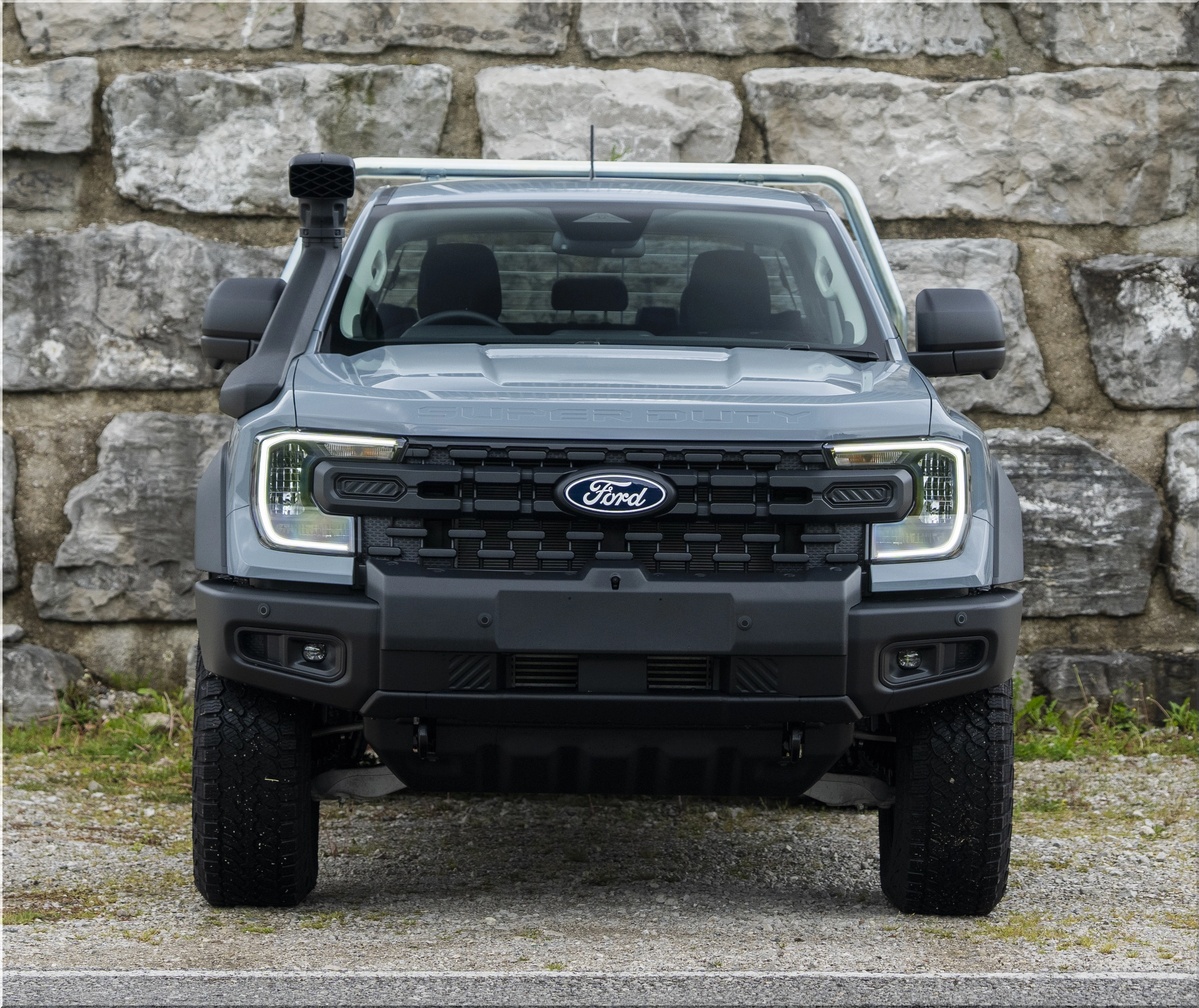
The Super Duty keeps the regular Ranger's exterior dimensions, but Ford changes the pieces that carry load. The frame, suspension mounts, and tow structure receive heavy reinforcement. The rear axle becomes the largest and strongest ever fitted to a Ranger, and the truck uses eight-stud wheel hubs with larger wheel bolts and torque indicators.
That eight-stud setup tells you Ford expects commercial punishment. More studs spread clamping load across a larger pattern, which helps when the vehicle runs high payloads, heavy trailers, rough tracks, and repeated fleet use. The torque indicators also help maintenance teams spot wheel-fastener issues before downtime turns into roadside drama.
Ford also upgrades the transfer case with larger, stronger components than standard Ranger variants. The low-range gearing comes from the larger Ford F-Series Super Duty, which signals clear engineering intent. By comparison, normal midsize pickups often meet towing claims under road-biased conditions, while the Ranger Super Duty aims to retain control when the surface gets ugly and the load stays heavy.
Mechanical Upgrades That Matter
- Reinforced frame and suspension mounts for high payload and specialist bodies
- Largest Ranger rear axle to date for heavy-duty load handling
- Eight-stud hubs with torque indicators for fleet maintenance visibility
- Heavy-duty transfer case with low-range gearing drawn from F-Series Super Duty logic
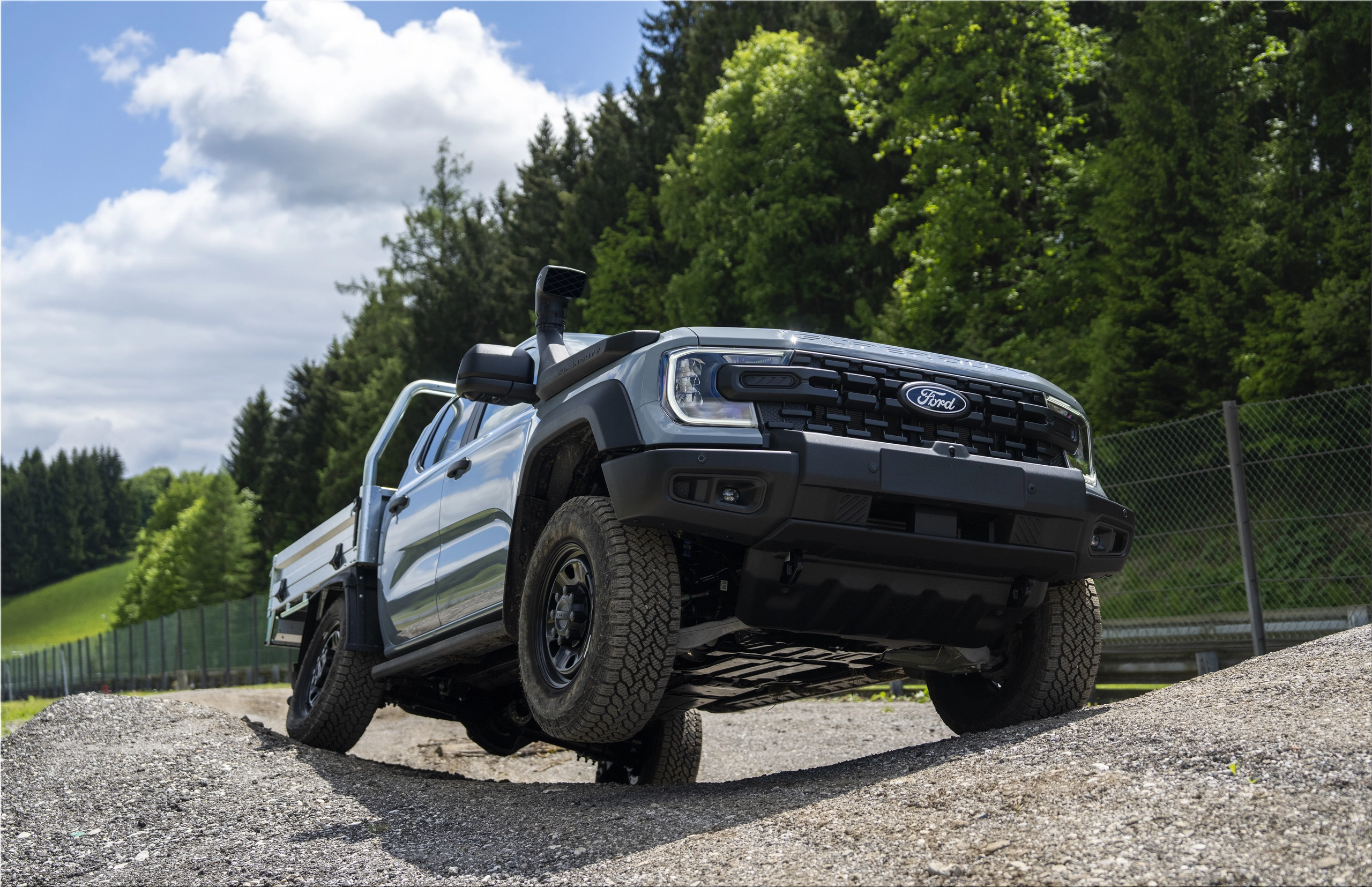
- High-strength steel underbody plates protecting the chassis, engine, and driveline
- Front and rear locking differentials for low-speed traction on loose or uneven terrain
Off-Road Numbers Give It Real Field Value
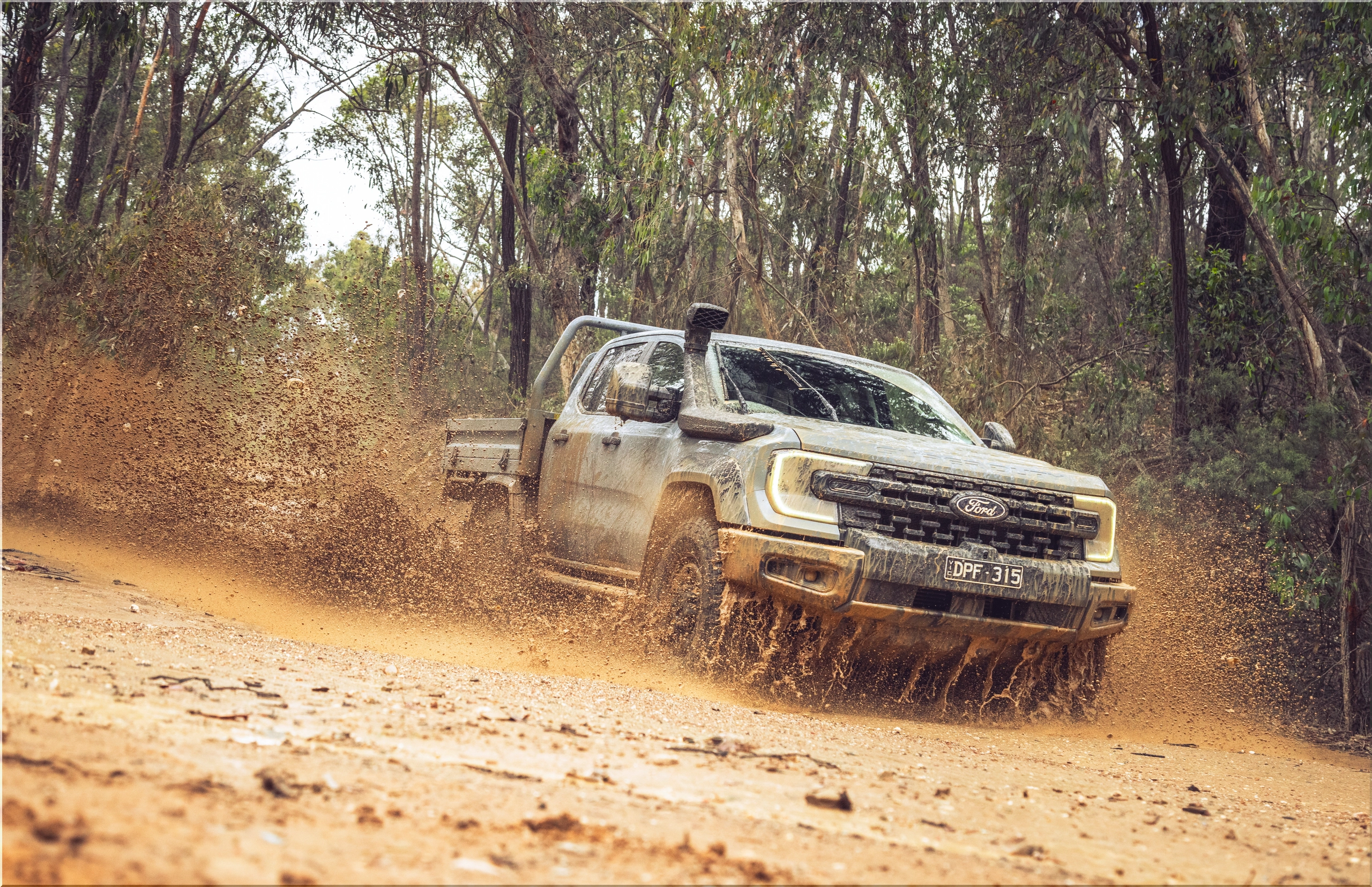
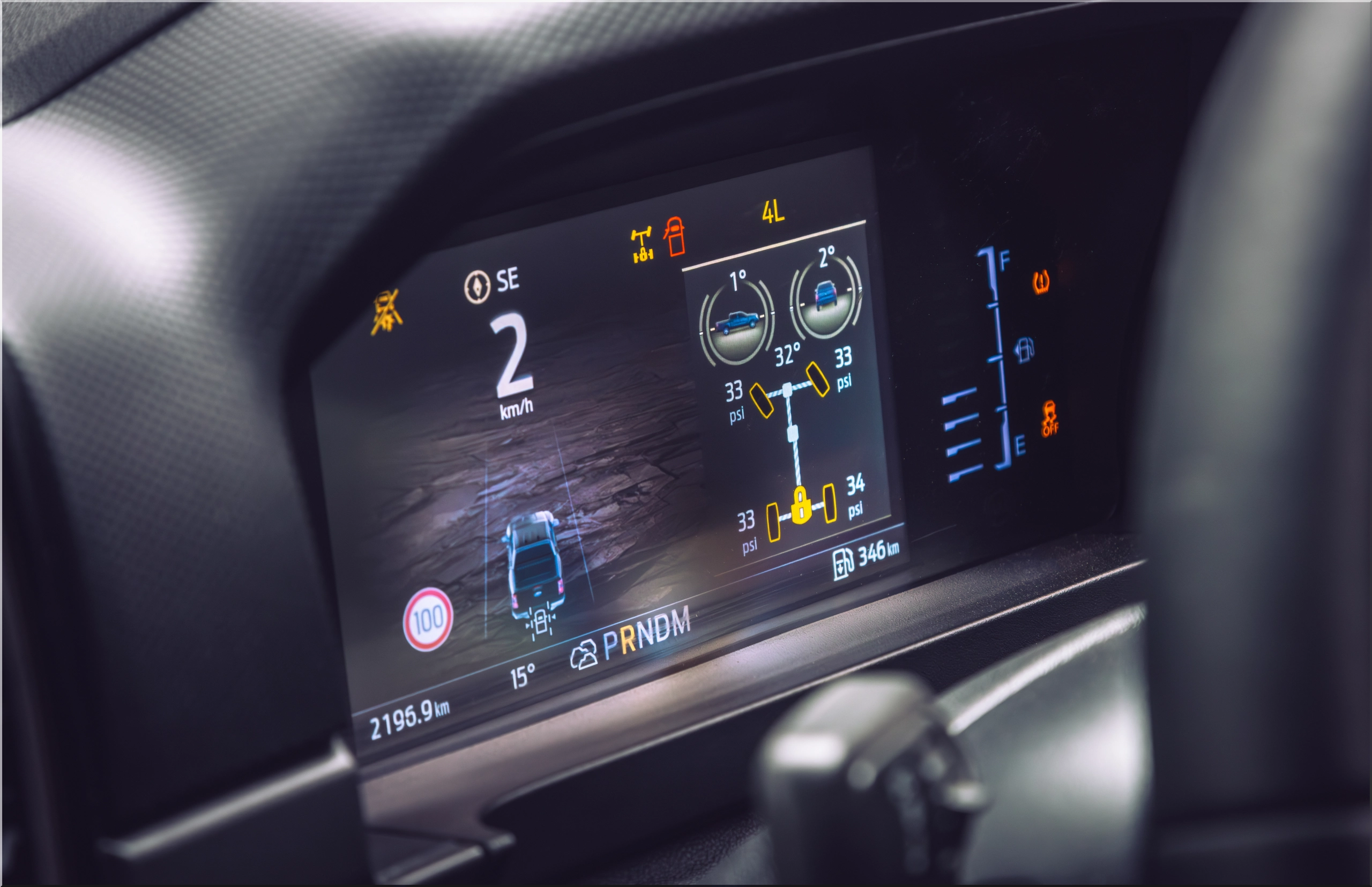
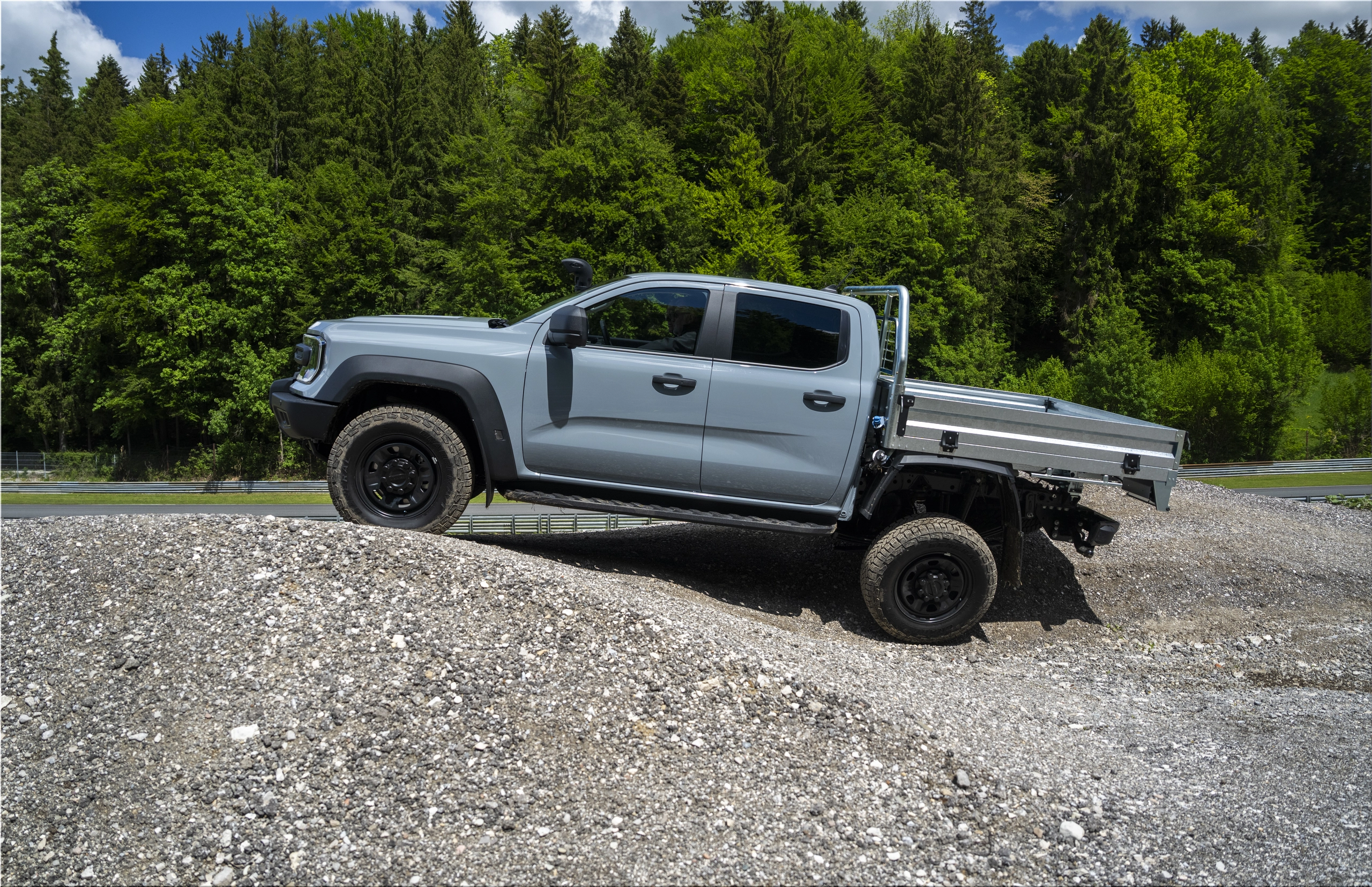
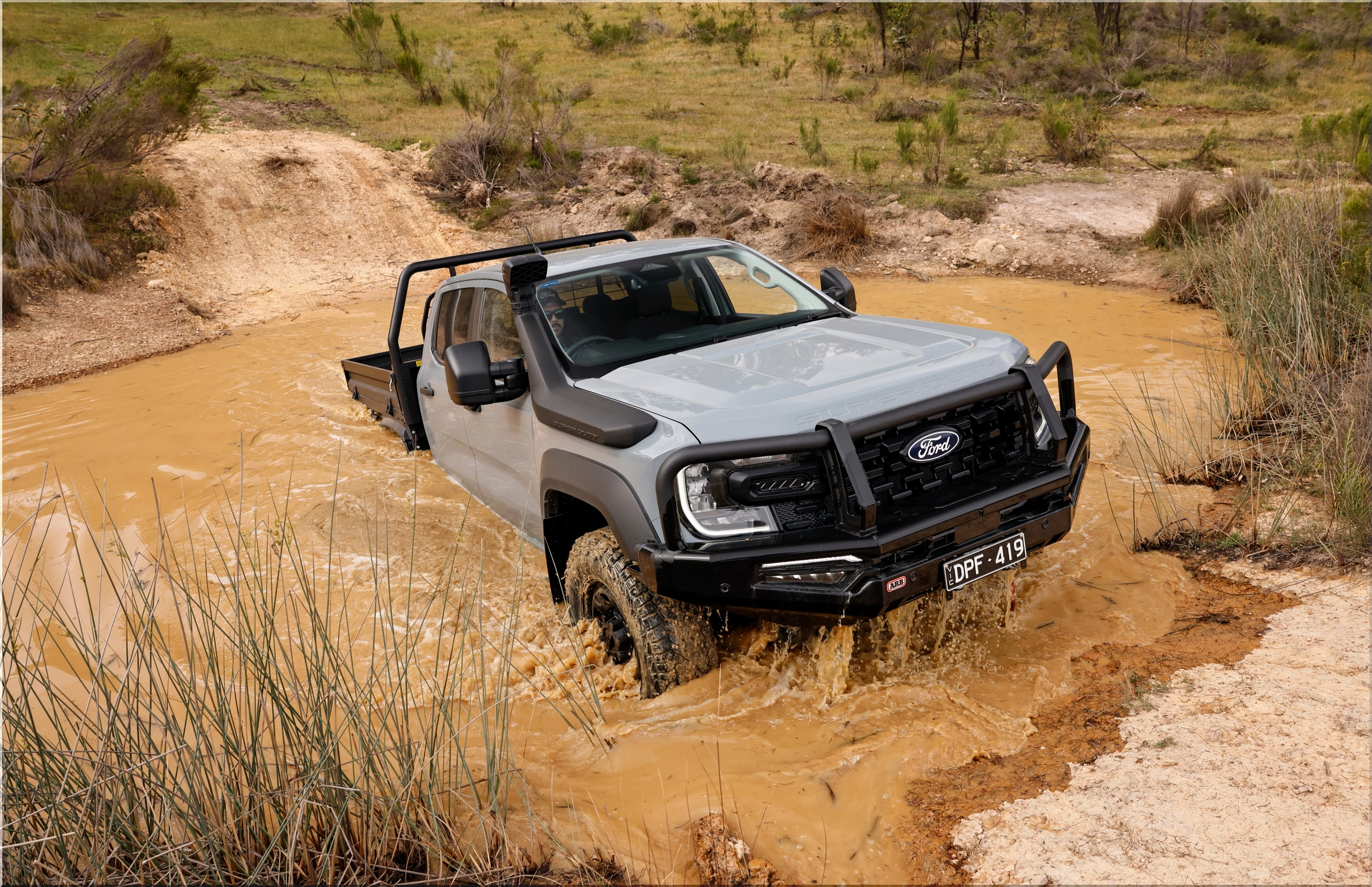
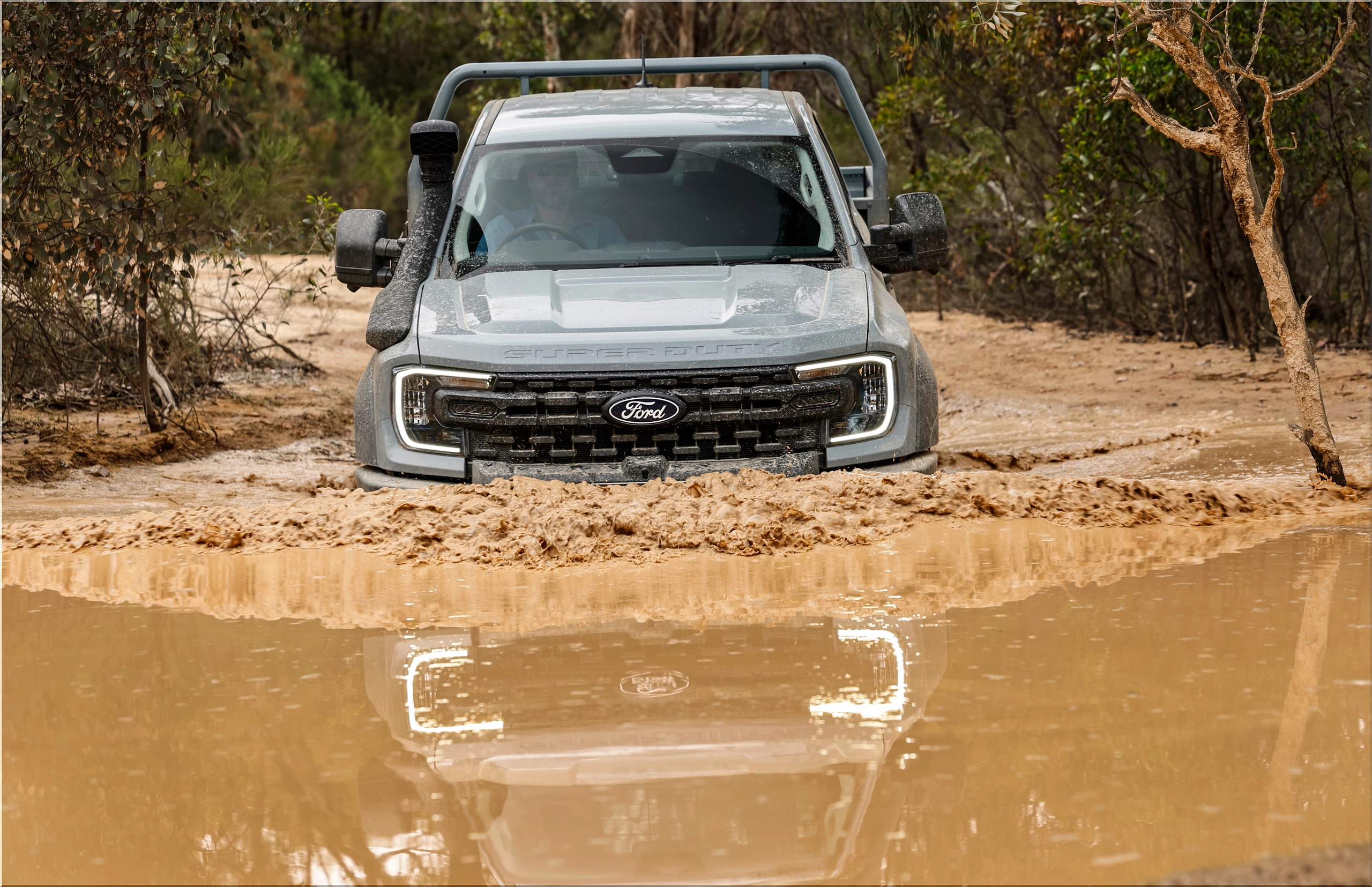
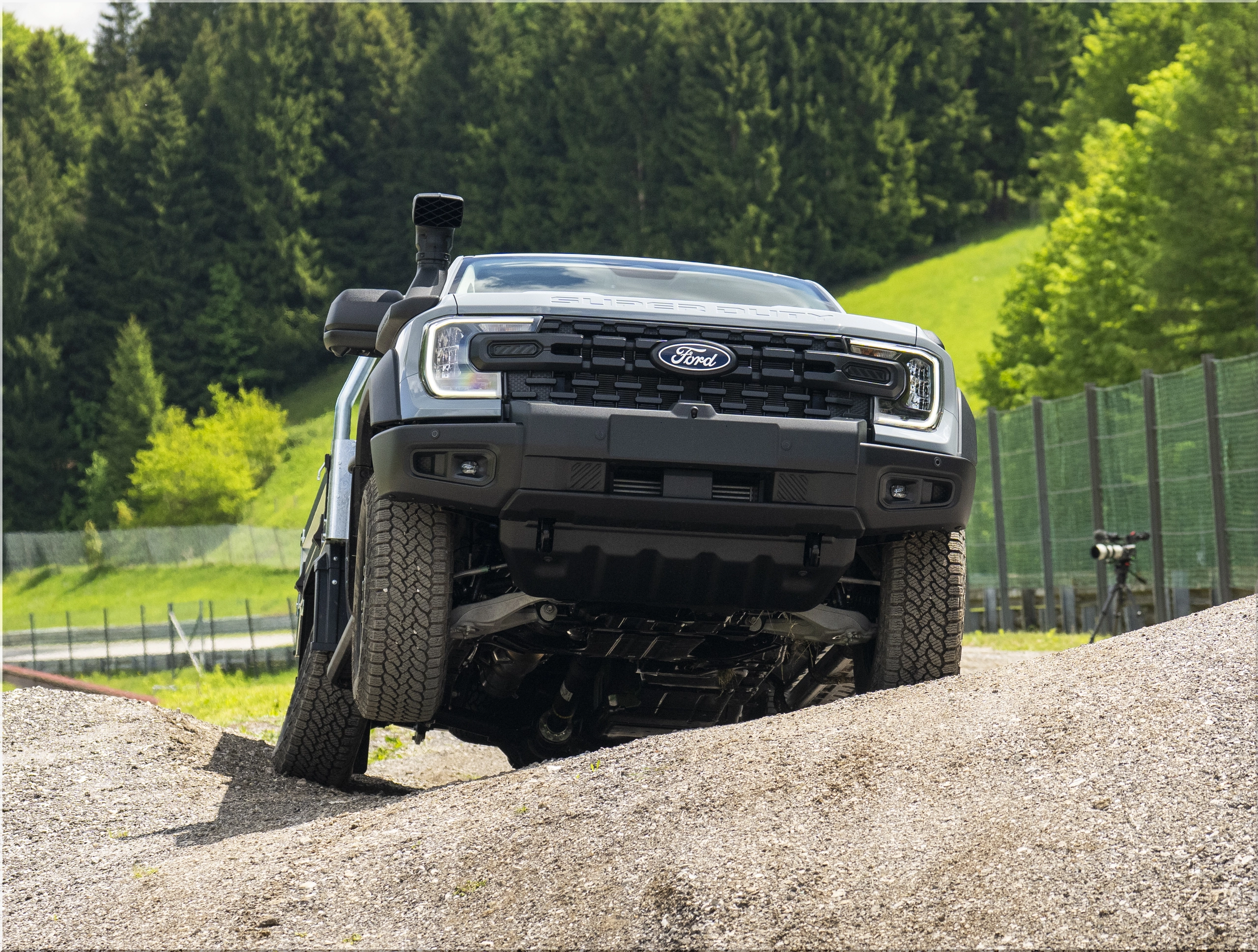
The Ford Ranger Super Duty off-road specs read like a truck designed for remote worksites rather than weekend trail posts. Ground clearance reaches 299 mm, or about 11.8 inches. Wading depth reaches 850 mm, or about 33.5 inches. Ford also quotes an unloaded approach angle of up to 36 degrees, departure angle of up to 29 degrees, and ramp angle of 26 degrees.
Those numbers matter when a loaded truck crosses rutted tracks, forest roads, broken quarry surfaces, or flood-prone access routes. Ground clearance protects the belly. Approach and departure angles protect the body and tow gear. Wading capability lets operators move through water crossings that would stop lower commercial vehicles.
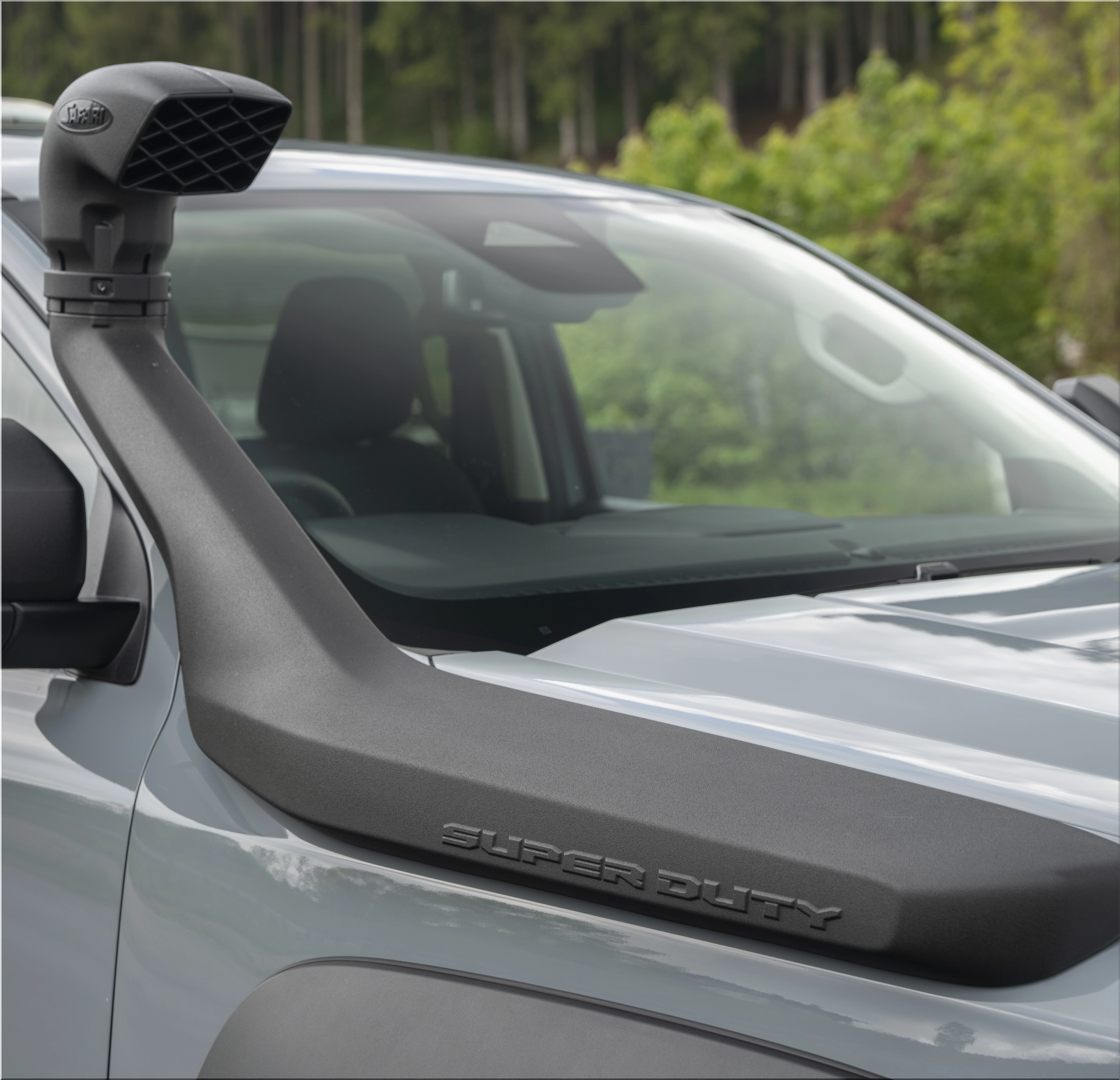
Specifically, Ford raises several vents to cut the risk of water intake. It also fits full underbody protection in high-strength steel. From an expert perspective, that combination matters more than a single wading claim because water resistance depends on intake height, driveline sealing, electrical layout, and operator speed through the crossing.
Smart Hitch And Onboard Scales Add Fleet Control
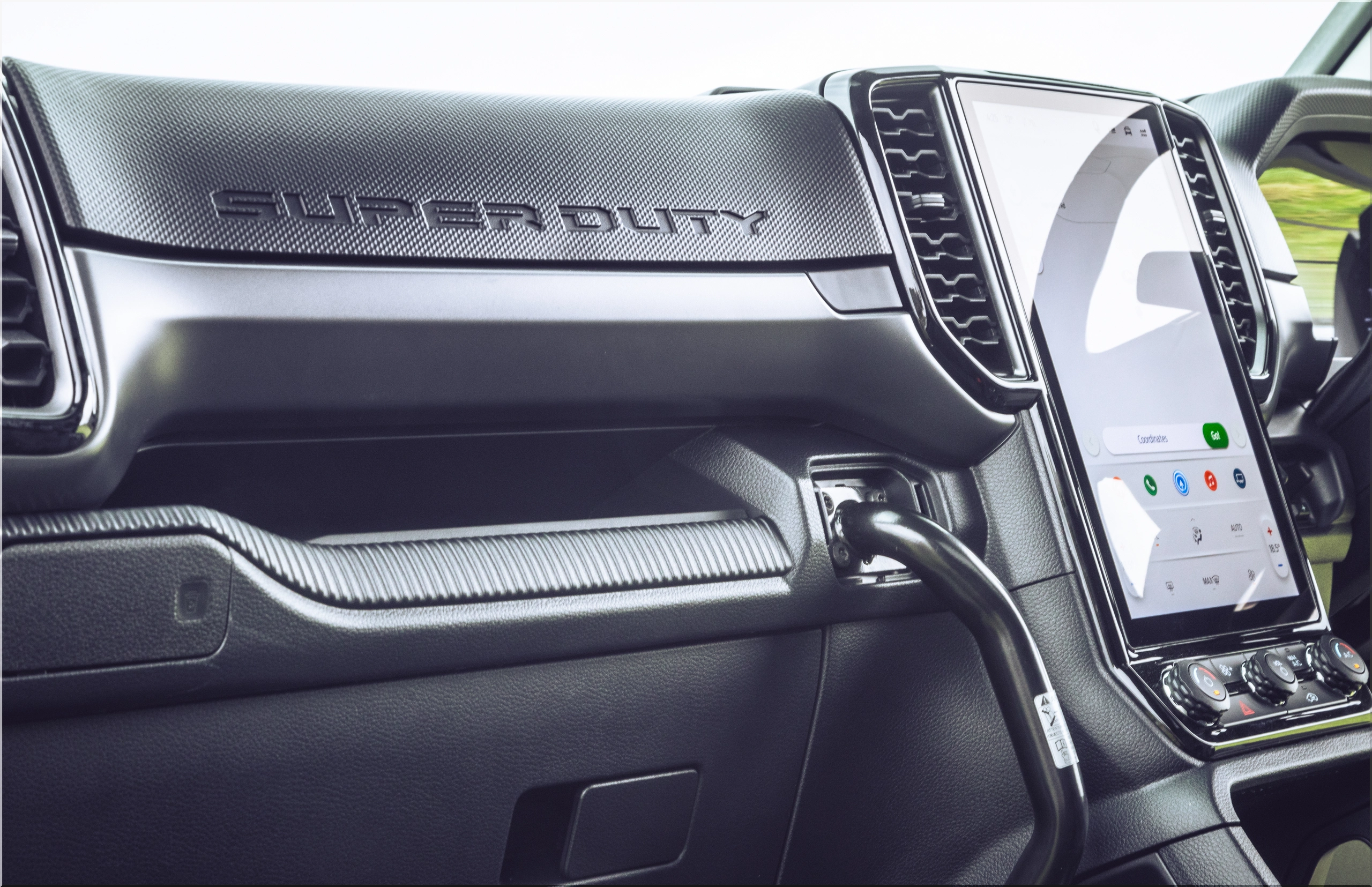
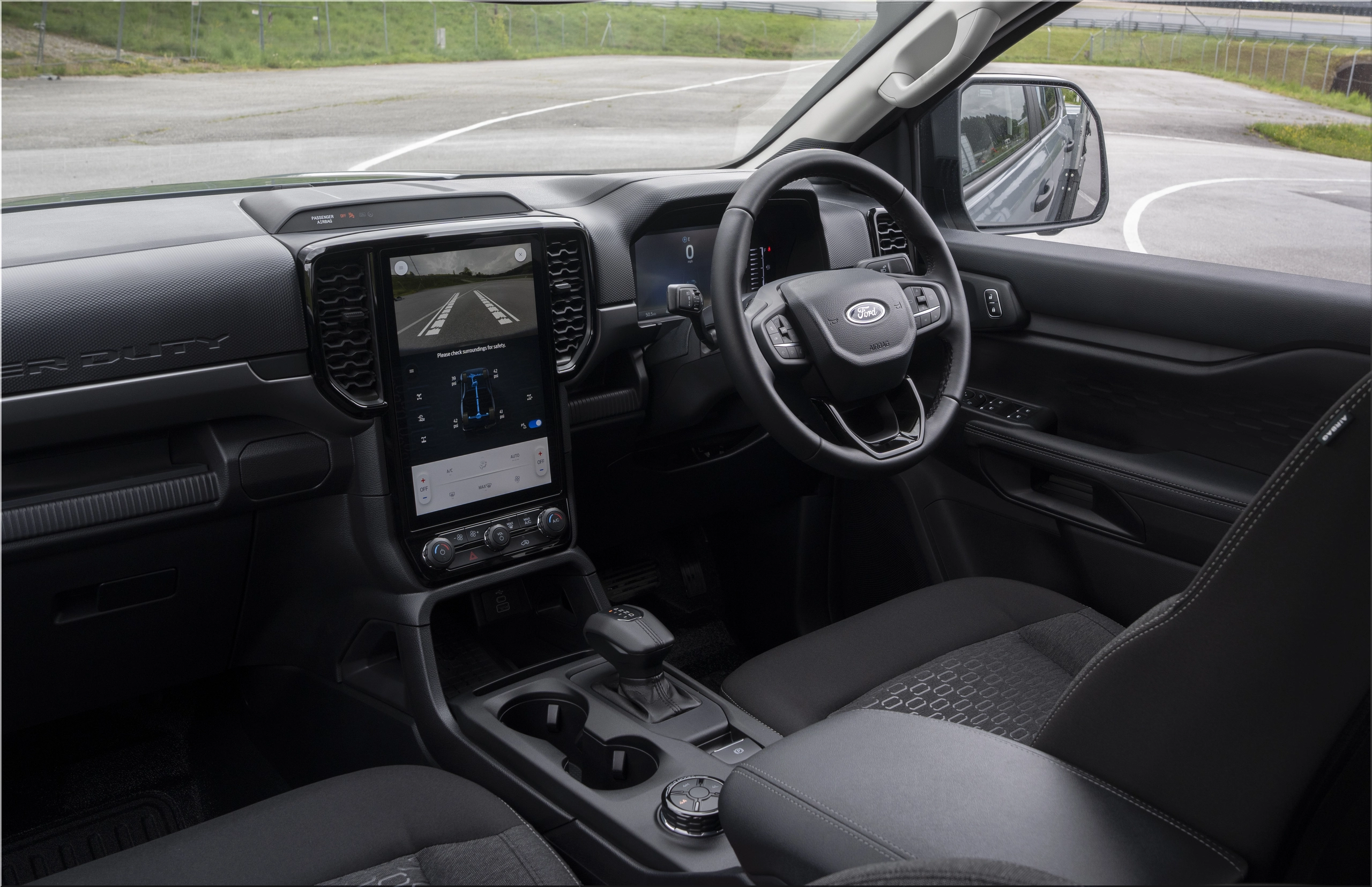
The Ranger Super Duty becomes the first Ranger model with Smart Hitch and Onboard Scales. Smart Hitch shows trailer nose weight, while Onboard Scales display real-time payload weight on the 12-inch touchscreen inside the cabin.
That feature can save tires, driveline parts, brakes, and legal trouble. Operators often overload pickups because payload includes passengers, fuel, tools, trailer tongue weight, and fitted equipment. A 1,982 kg payload rating looks huge, but a service body, winch, crew, water tank, radios, and spares can consume capacity fast.
Consequently, payload visibility turns into operational ROI. The driver no longer guesses. Fleet managers can train crews to load correctly, reduce axle overload, and keep the truck within its engineered limits.
Pro-Tip: How To Spec A Ranger Super Duty Conversion
Start with payload math before choosing drawers, cranes, armor, or medical modules. Add the weight of permanent equipment, crew, fuel, recovery gear, tools, communications systems, and trailer nose weight. Then leave a working margin for daily load variation because field vehicles rarely return to base with the same weight they left with.
Towing And Payload Comparison
| Vehicle | Max Towing | Max Payload | GCM / GTW | Best Use Case |
|---|---|---|---|---|
| Ford Ranger Super Duty | 4,500 kg | 1,982 kg | 8,000 kg | Heavy fleet, emergency, mining, defense |
| Ford Ranger PHEV | 3,500 kg | About 1,000 kg | Not the same class | Urban fleets needing plug-in hybrid running |
| Toyota Hilux Hybrid 48V | 3,500 kg | Up to 1,000 kg | Not stated here | Conventional fleet pickup work |
| Isuzu D-Max diesel | 3,500 kg | Up to 1,200 kg | Varies by market | Durable one-tonne pickup duty |
| INEOS Grenadier Quartermaster | 3,500 kg | Up to 835 kg | 3,500 kg GVW in EU | Off-road utility with lower payload |
By comparison, the Ranger Super Duty wins the heavy-load argument. The Toyota Hilux, Isuzu D-Max, and INEOS Grenadier Quartermaster still serve valid commercial roles, but none of the listed rivals matches Ford's 4,500 kg tow rating, 4,500 kg GVM, and near-2-tonne payload claim in one midsize package.
The Ranger PHEV plays a different role. It gives Ford a plug-in pickup for lower-emission work, urban access, and onboard power needs, but the Ranger Super Duty handles the dirty end of the fleet equation: more mass, more trailer, more remote-site abuse.
The Defense And Emergency Services Angle
Ford's timing looks deliberate. European governments and contractors need vehicles that can accept communications equipment, field modules, medical conversions, utility bodies, and security equipment without jumping straight into larger truck platforms. The Ranger Super Duty gives Ford a credible donor vehicle for that job.
In defense use, the value sits in payload, conversion bandwidth, parts access, and global support. A pickup that can tow 4.5 tonnes and carry close to 2 tonnes can support logistics, patrol, maintenance, engineering, rescue, and command roles. It also fits European roads, depots, and trails better than a full-size U.S. pickup would.
Ford Global Fleet Sales lists the Ranger Super Duty for Europe, the Middle East, Asia, Africa, South America, and worldwide fleet customers. That distribution plan supports the defense and aid-sector case because cross-border operators care about service channels, replacement parts, and repeatable specifications across regions.
Driver Assistance And Cabin Tech Still Matter
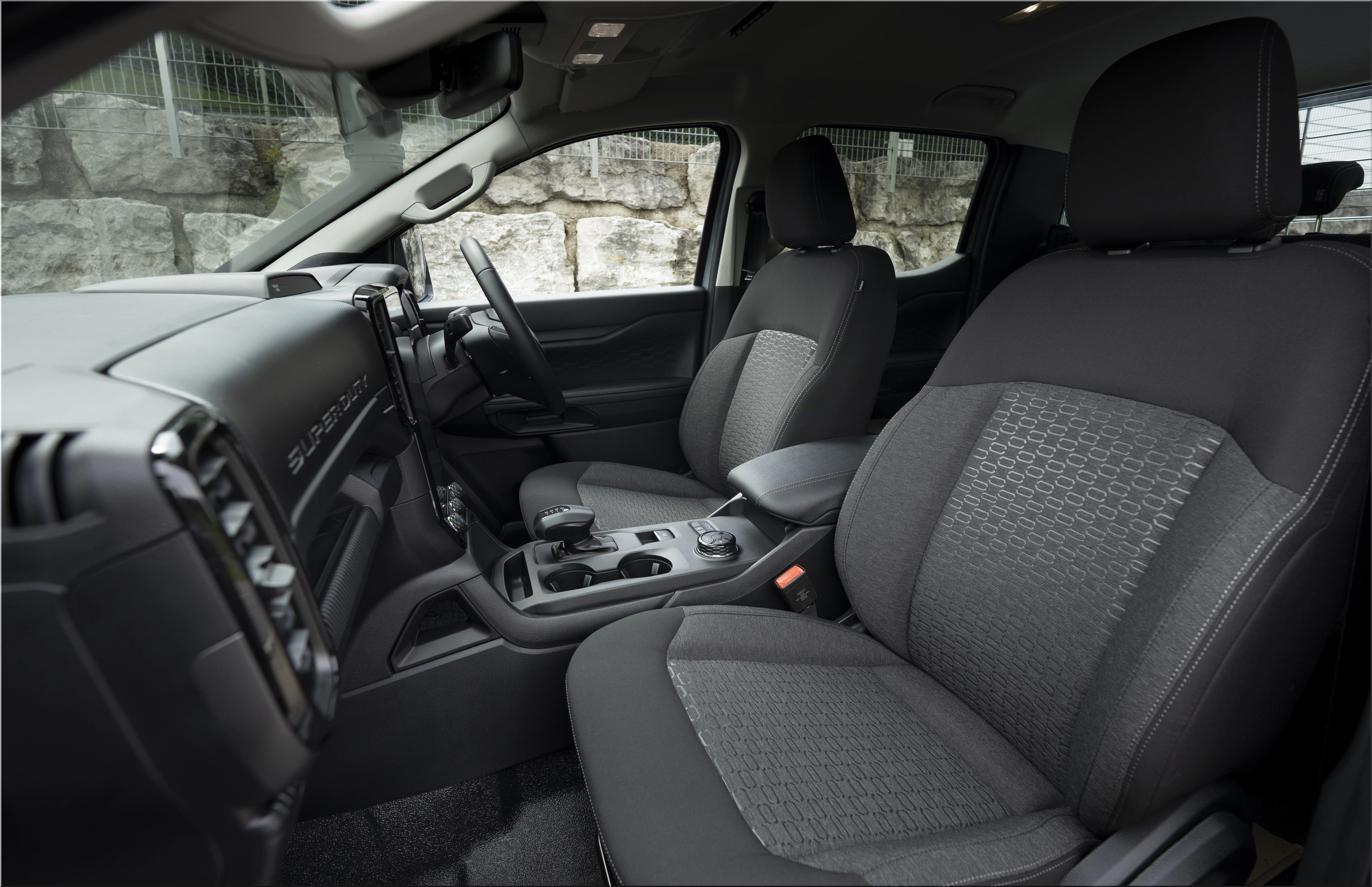
Heavy-duty does not mean low-tech. Ford fits the Ranger Super Duty with familiar Ranger tech, including the SYNC 4 touchscreen, 360-degree camera, integrated modem capability, connected navigation, software update access, and Ford Pro software support. Ford also includes Trailer Backup Assist to simplify reversing with a trailer.
Those systems reduce fatigue. A 4.5-tonne trailer behind a loaded pickup demands precision, and camera coverage helps drivers manage worksites, tight yards, rescue zones, and narrow forest tracks. The grouped rear sensors and cameras also help converters because they simplify rear-body installation.
Ford adds six pre-installed auxiliary switches with 60A capacity, configurable for multiple uses. That detail deserves attention. Emergency lighting, winches, compressors, radios, work lamps, pumps, and auxiliary power systems usually require clean switch integration. Factory wiring capacity can save labor hours and reduce the risk that a converter creates electrical problems during installation.
Type Approval, Pricing, And Availability
Ford says the Ranger Super Duty does not initially carry regular European type approval for public-road use with standard white plates. That means converters or specialist actors with the required approvals must obtain individual vehicle approval for road use. This point will shape early adoption because the first customer group will likely include professional operators with established conversion and approval processes.
Ford has opened orders, and first European deliveries should start in the second half of 2026. Prices remain available on request because the model lacks ordinary type approval and standard tax calculations in markets such as Norway. No public European price allows a clean USD conversion at this stage.
Definition: Gross Combined Mass
Gross combined mass means the maximum permitted weight of the truck and trailer together. For the Ford Ranger Super Duty, that figure reaches 8,000 kg, so operators can tow serious equipment while still carrying meaningful load in the truck itself.
What Should Fleet Buyers Check Before Ordering?
Fleet buyers should ask one practical question: will the Super Duty reduce the number of vehicles needed for the job?
For a mining, forestry, rescue, or infrastructure operator, the math can favor one stronger truck over two lighter units. A Ranger Super Duty can tow heavier plant, carry tools or buckets in the tray, and still move through harsh terrain. That can cut trips, reduce driver hours, and simplify dispatch planning.
Still, buyers need to map the whole operating case. Check type approval, driver licensing, insurance, converter certification, axle loading, trailer compatibility, service access, tire supply, and recovery plans. A truck this capable only pays back when the whole fleet process supports its capacity.
Ford Creates A New Heavy-Duty Midsize Pickup Class In Europe
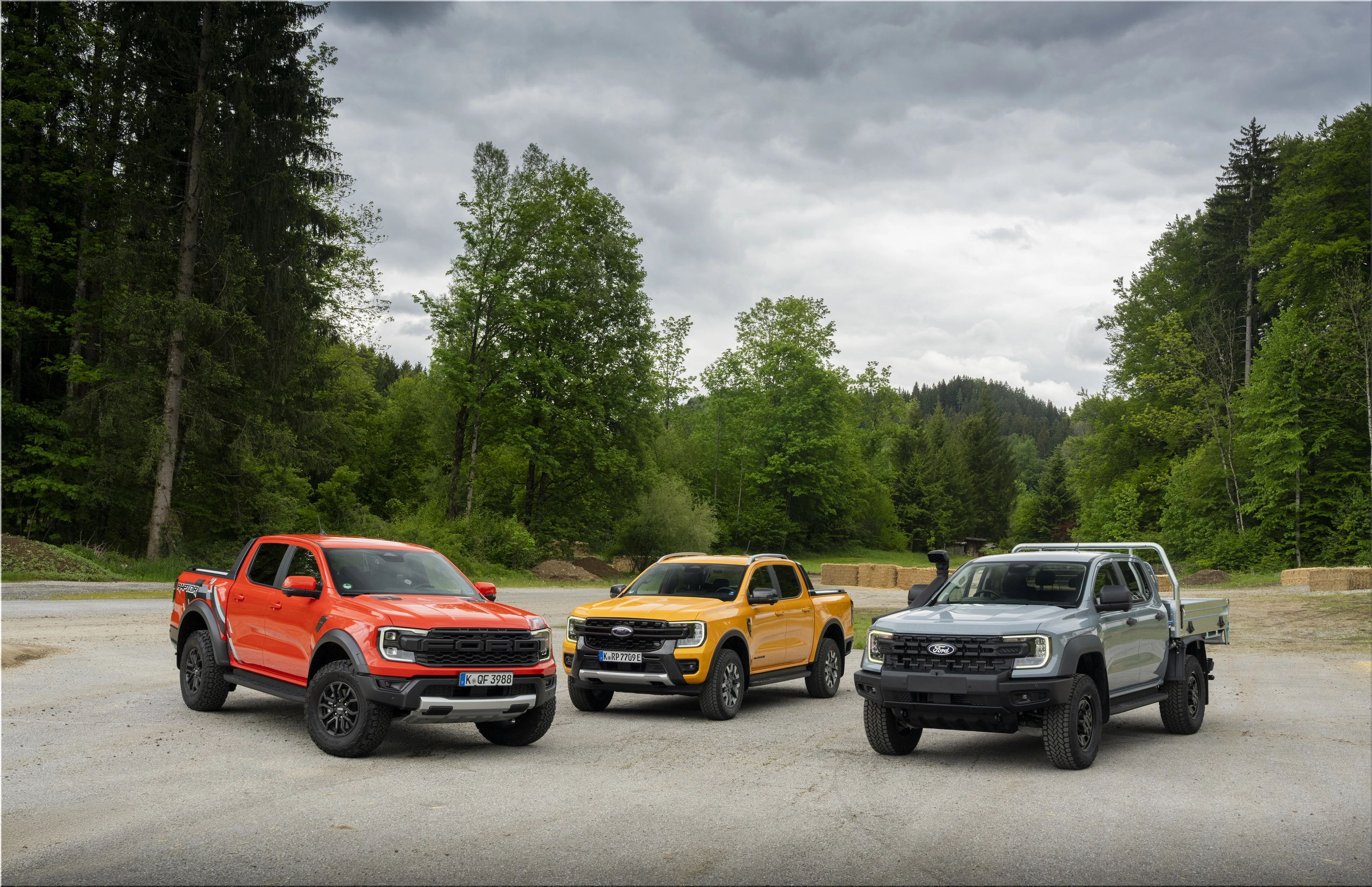
The Ford Ranger Super Duty gives Europe something unusual: a midsize pickup with near-commercial-truck load ratings and serious off-road geometry. It does not replace the Ranger PHEV, regular Ranger, or Ranger Raptor. It attacks a narrower and harder job: heavy payload, heavy towing, specialist conversion, and field durability.
That strategy fits Ford Pro. Ford already leads Europe's pickup segment, and the Super Duty gives the company another reason for fleet buyers to stay inside the Ranger family. The truck brings diesel torque, reinforced hardware, smart load monitoring, factory conversion prep, and strong off-road data into a single platform.
For operators who only need image, this truck makes no sense. For teams that pull 4.5 tonnes, carry nearly 2 tonnes, cross mud and water, and run expensive equipment far from base, the 2026 Ford Ranger Super Duty looks like the most serious Ranger Europe has ever seen.
- Add new comment
- 179 views