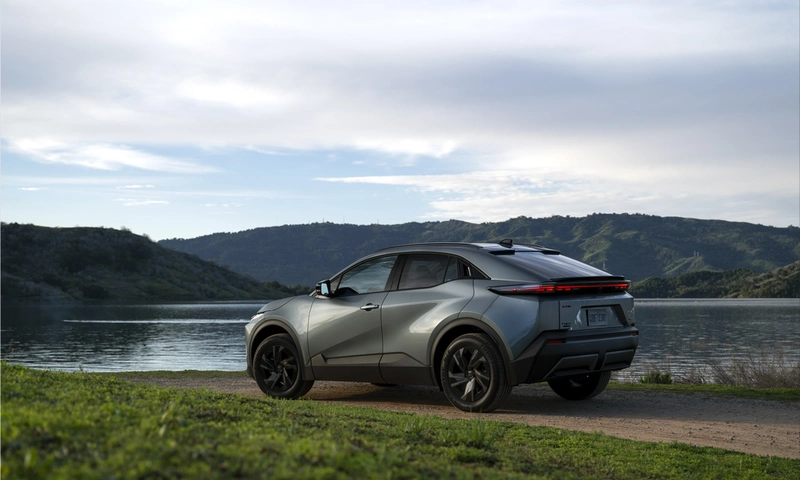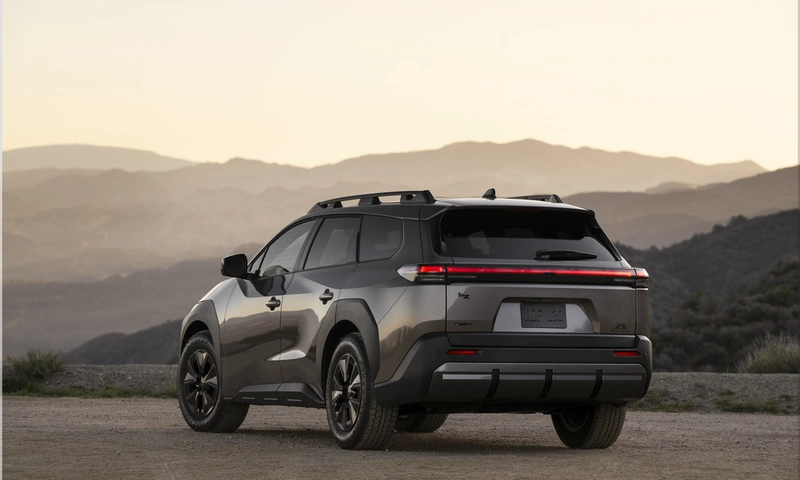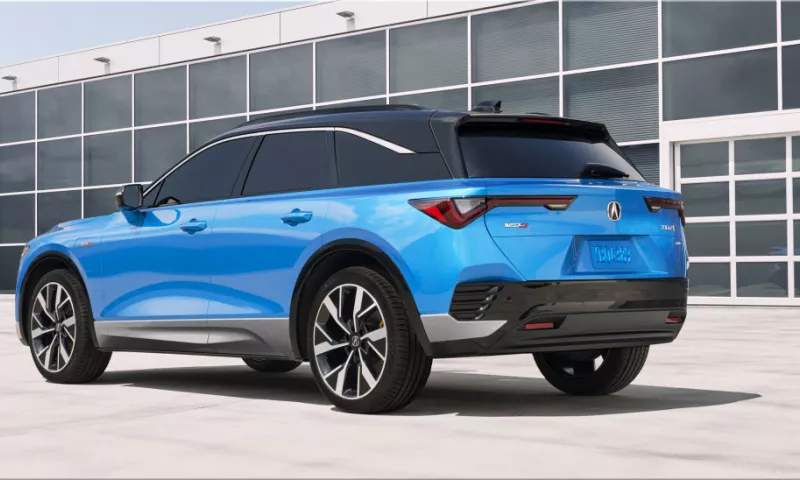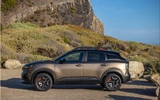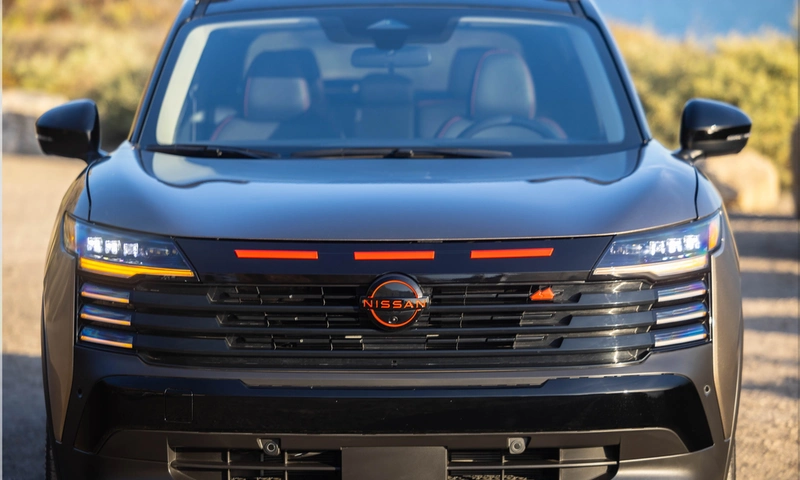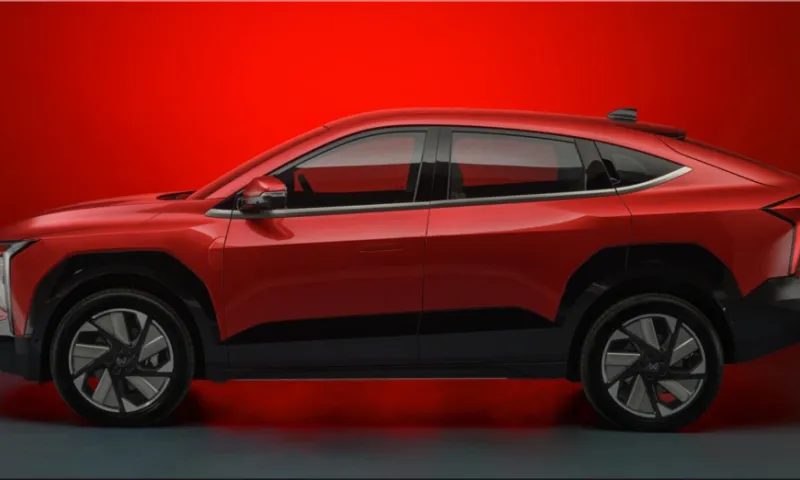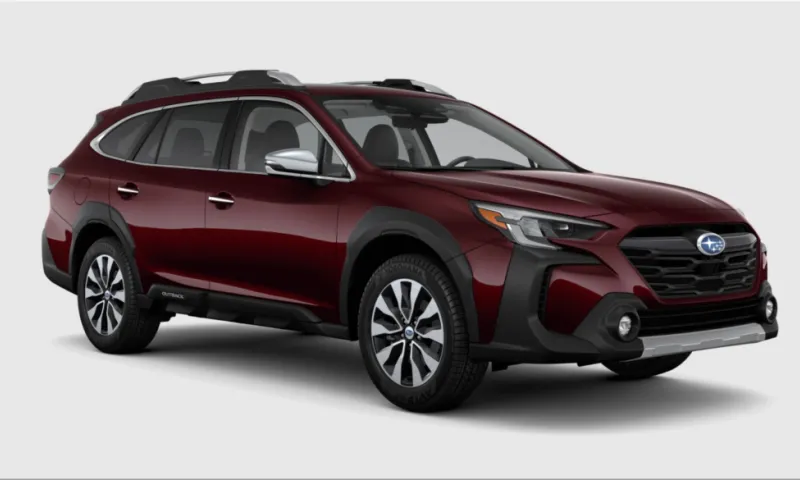
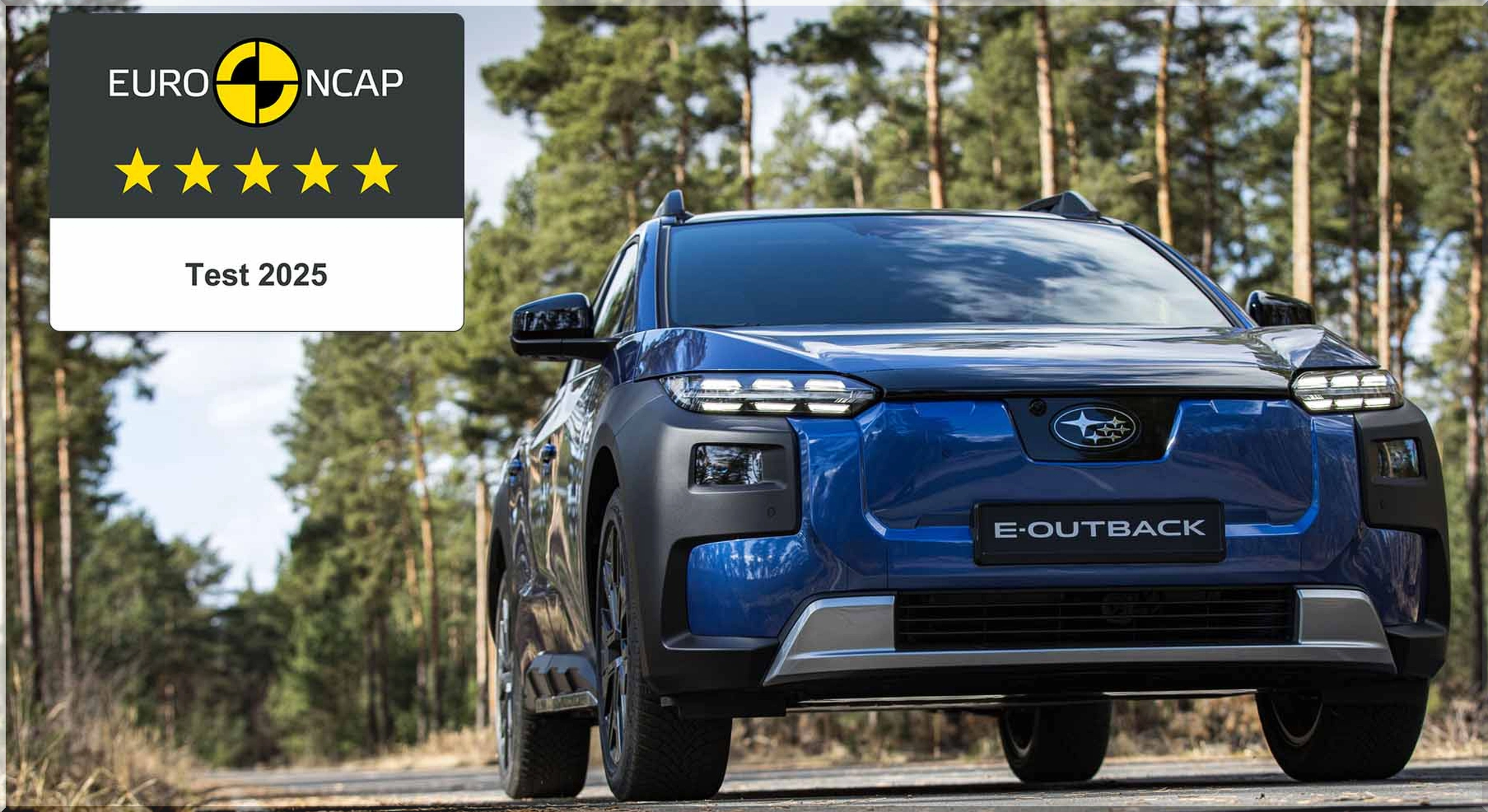
The 2026 Subaru E-Outback has completed its first European media drives and secured the highest five-star rating from Euro NCAP. Subaru now has two strong selling points: the electric SUV can handle rough routes, and its crash structure and driver-assistance systems meet a demanding European safety standard.
Euro NCAP awarded the electric Subaru Outback 89 percent for adult protection, 85 percent for child protection, 80 percent for vulnerable road-user protection, and 79 percent for safety assistance. Subaru also gives the E-Outback 280 kW, permanent dual-motor all-wheel drive, up to 326.8 miles of WLTP range, 8.3 inches of ground clearance, and a 3,307-pound towing limit.
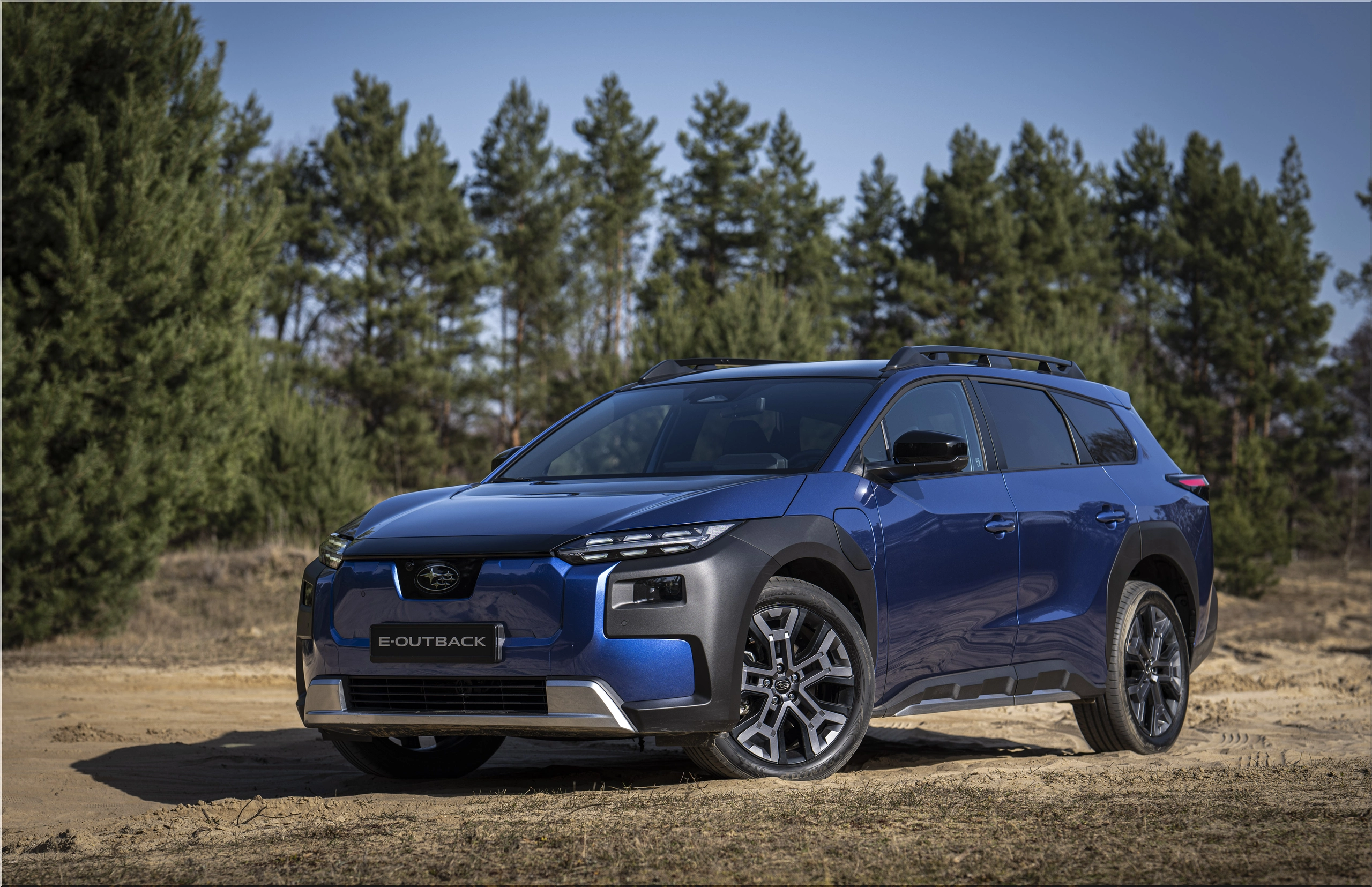
Subaru E-Outback Key Specifications
The Subaru E-Outback measures 190.7 inches long, 73.2 inches wide, and 65.9 inches tall. Its 112.2-inch wheelbase places it in the midsize electric SUV class, while the long roof and upright rear body favor family and outdoor use.
| Specification | Subaru E-Outback figure |
|---|---|
| Powertrain | Dual permanent-magnet electric motors |
| System output | 280 kW / 375 hp |
| Front motor rating | 167 kW / 268 Nm |
| Rear motor rating | 167 kW / 268 Nm |
| Battery capacity | 74.7 kWh gross |
| Battery voltage | 391 volts |
| Drive | Permanent all-wheel drive |
| 0-62 mph | 4.5 seconds |
| Top speed | 112 mph |
| WLTP range | 296.4-326.8 miles |
| DC charging peak | 150 kW |
| DC charging, 10-80 percent | About 28 minutes |
| AC charging | 11 kW standard, 22 kW optional |
| Ground clearance | 8.3 inches |
| Towing capacity | 3,307 pounds |
| Maximum cargo volume | Up to 60.7 cubic feet |
| Curb weight | About 4,420-4,431 pounds |
Looking at the data, the front and rear motors each carry a 167-kW rating, but Subaru caps total system output at 280 kW. Buyers should not add the two motor ratings and claim 334 kW, because battery output, inverter limits, thermal control, and software govern the power available at one time.
Why the Electric All-Wheel-Drive System Works
The Subaru permanent all-wheel-drive system uses one motor at each axle. Software can alter front-to-rear torque delivery far faster than a mechanical clutch-based setup, helping the vehicle react quickly on ice, wet grass, loose gravel, or mud.
The low-mounted battery reduces body roll and helps the tires share cornering loads. The 4,400-pound curb weight still asks plenty from the suspension and brakes.
Subaru uses MacPherson front struts, a double-wishbone rear suspension, ventilated disc brakes, and regeneration paddles.
Dual X-MODE Adds Low-Speed Control
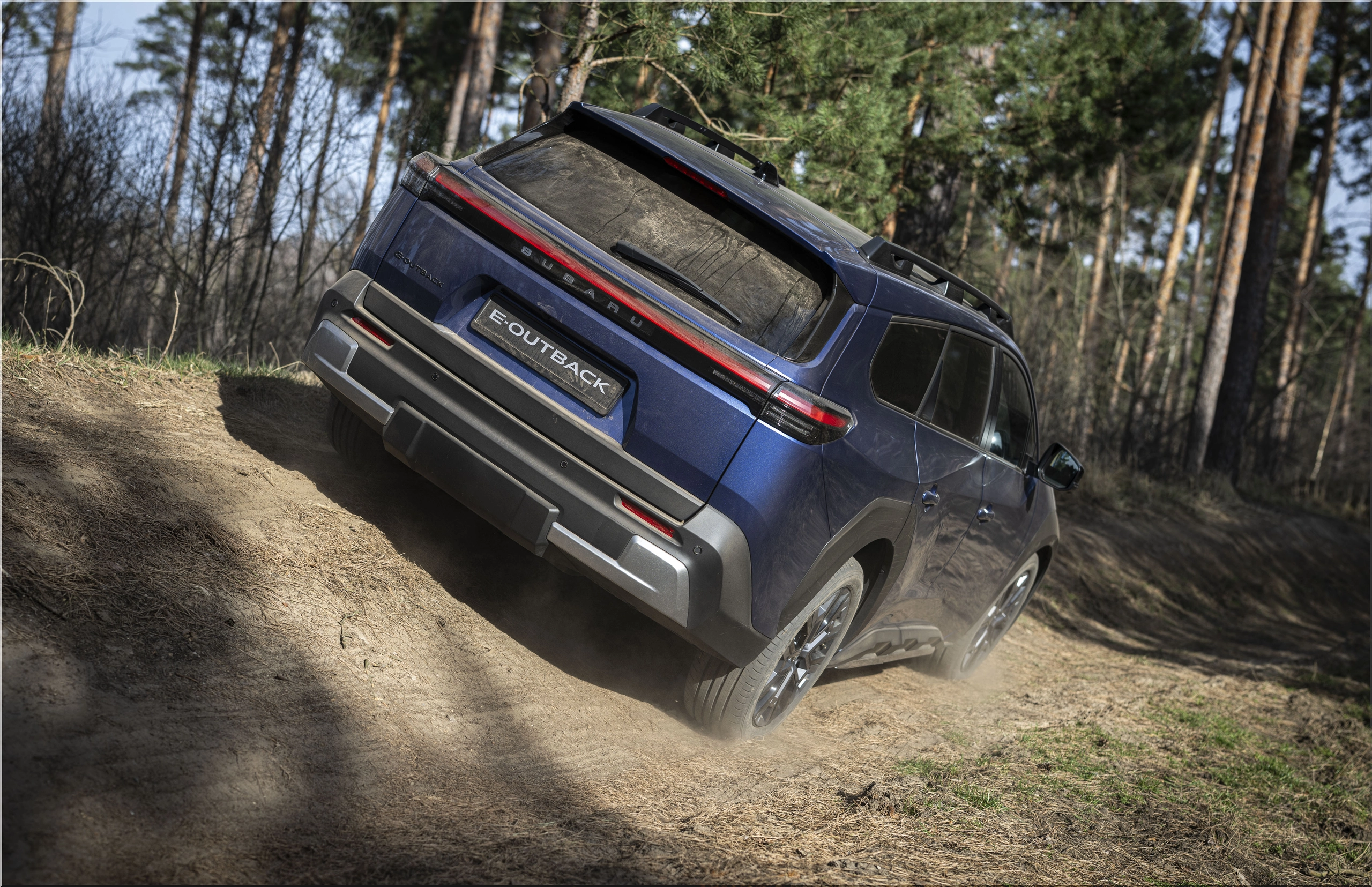
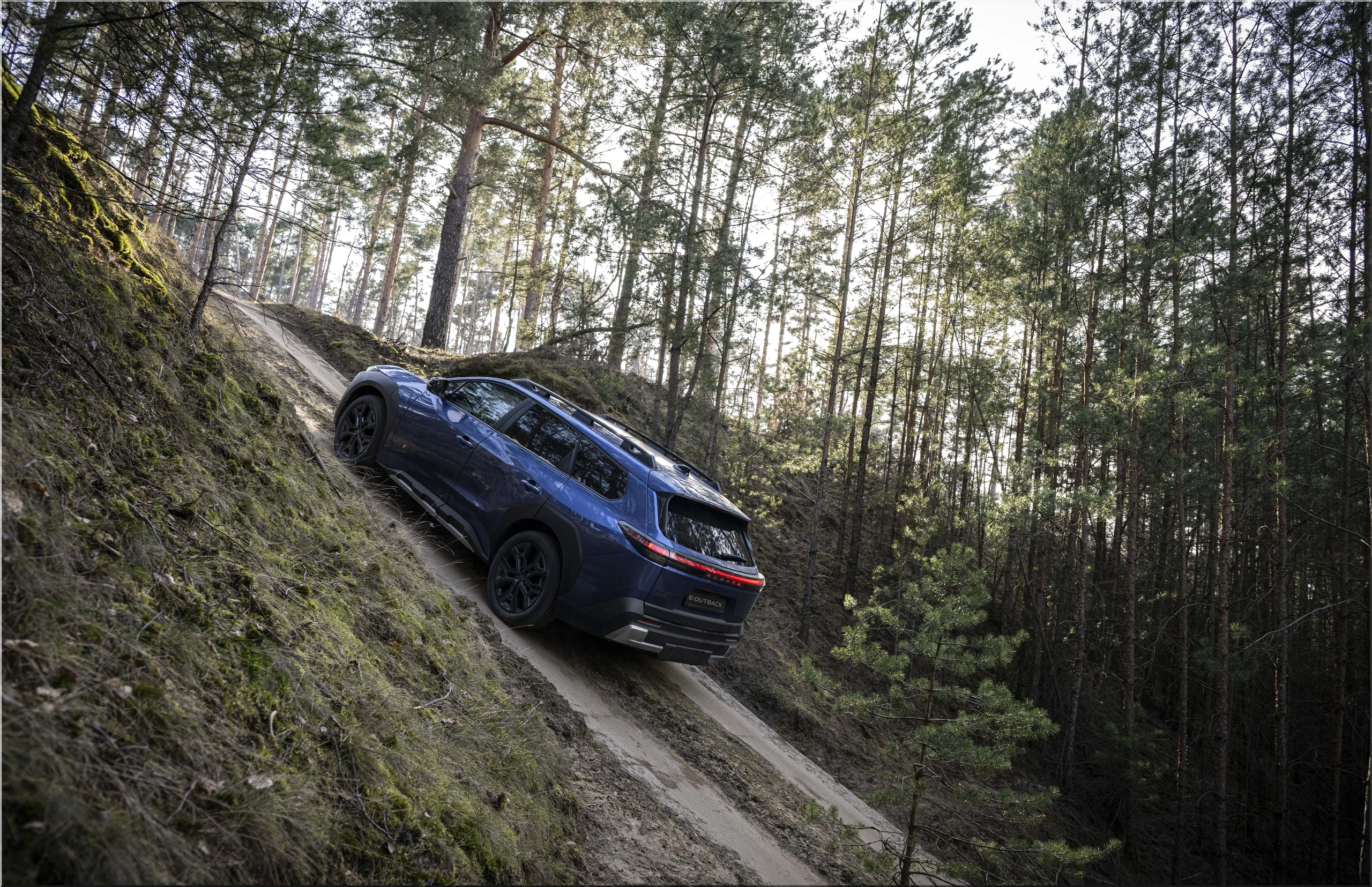
Dual X-MODE offers Snow/Dirt and Deep Snow/Mud settings. The system changes motor response, wheel-slip targets, stability-control intervention, and brake action when traction varies from wheel to wheel.
Grip Control holds a low target speed over difficult surfaces, while Hill Descent Control regulates speed on steep declines. These systems do not turn road tires into off-road tires, but they reduce abrupt throttle inputs and uncontrolled wheelspin.
The 8.3-inch clearance figure gives the E-Outback a practical edge over many road-focused electric crossovers. Still, the front aerodynamic spats sit lower at 7.1 inches, so drivers should watch the nose when crossing deep ruts or hardened snowbanks.
Range and Charging Performance
The 74.7-kWh battery supports up to 326.8 miles under the WLTP cycle. Subaru lists 296.4 miles for the Mid grade and 326.8 miles for the High grade, an unusual result because the High grade uses 20-inch wheels while the Mid grade uses 18-inch wheels.
A 150-kW DC charger can take the battery from 10 to 80 percent in about 28 minutes. That session adds roughly 52.3 kWh before charging losses, equal to an average battery-side rate near 112 kW. Battery preconditioning helps the pack accept higher power sooner in cold weather.
Pro-Tip: Use the Fastest Part of the Charging Curve
For long-distance travel, arrive near 10 percent and leave near 70 or 80 percent. Charging power usually falls as the battery fills, so pushing from 80 to 100 percent can consume more time per added mile.
Cargo Space, Towing, and Cabin Hardware
The E-Outback offers up to 633 liters of cargo space, equal to about 22.4 cubic feet, with the rear seats upright and the cargo floor low. Folding the rear seats expands capacity to as much as 1,718 liters, or 60.7 cubic feet.
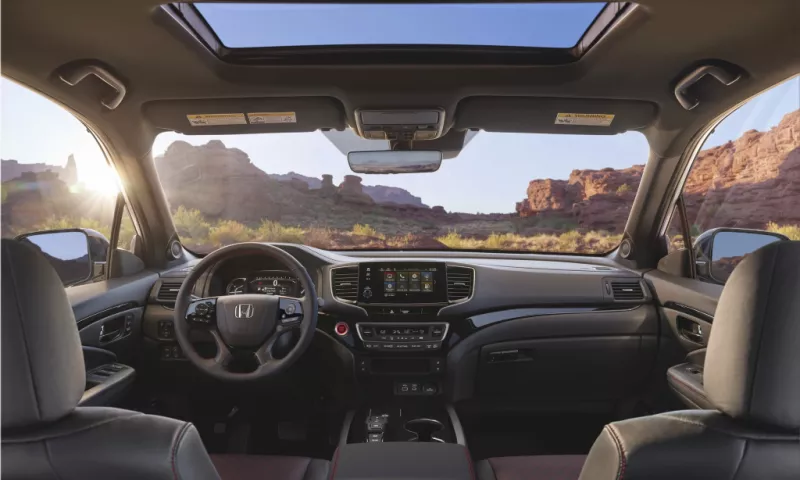
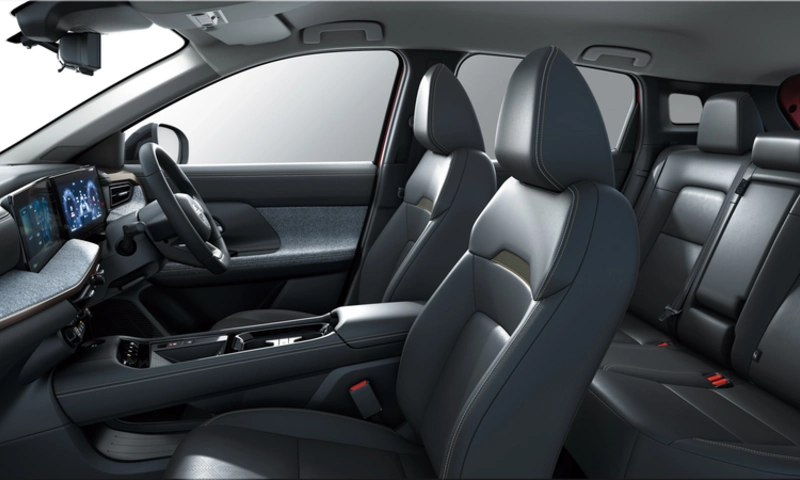
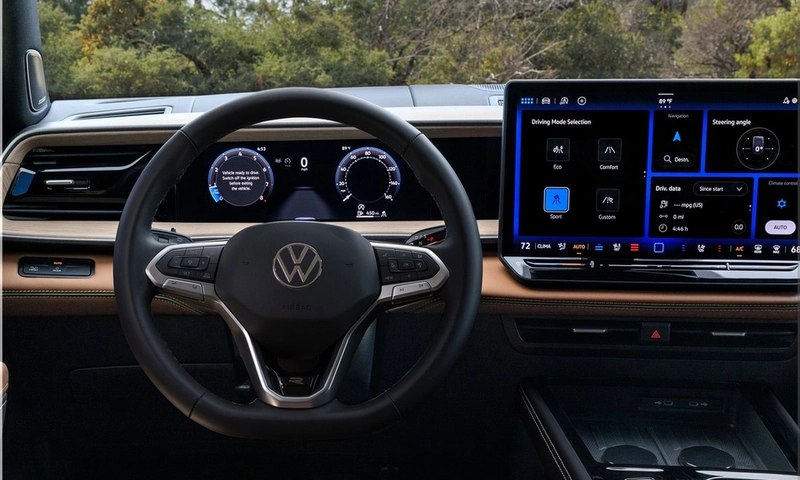
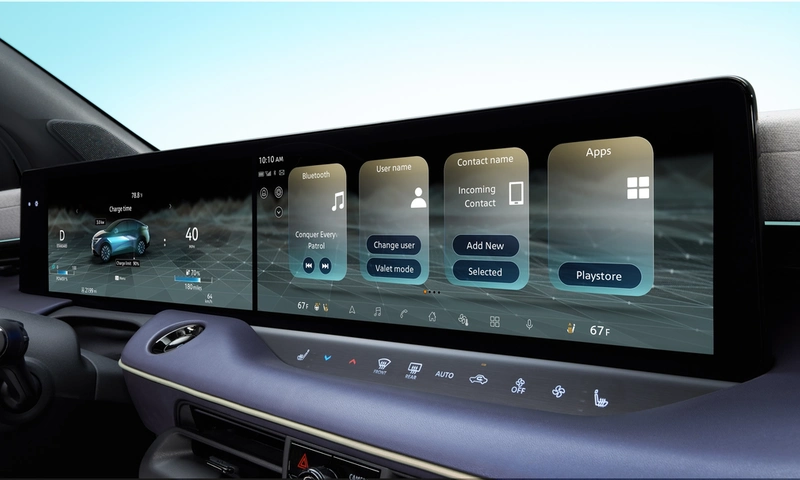
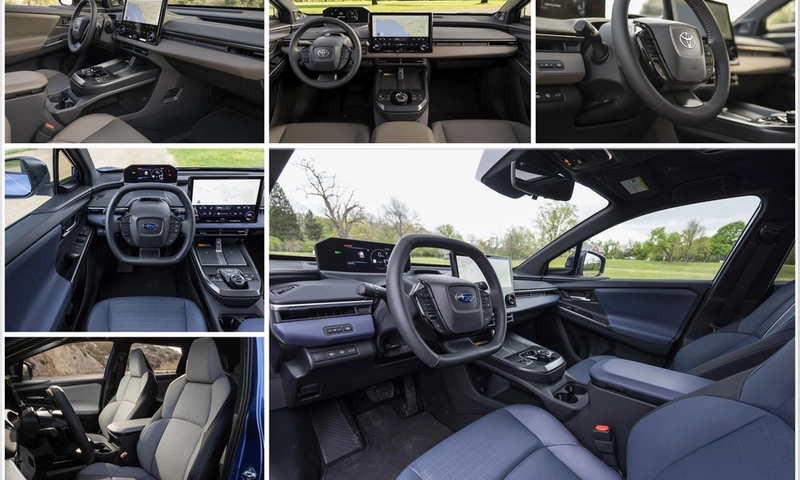
The cabin includes a 14-inch touchscreen, a 7-inch driver display, wireless phone integration, two charging pads, and USB-C ports. Upper trims can add ventilated seats, Harman Kardon audio, and a 1,500-watt cargo outlet.
A 3,307-pound towing rating supports small caravans, utility trailers, personal watercraft, or a compact boat. Electric towing will cut driving range, often sharply at highway speed, because trailer drag rises with speed.
Pro-Tip: Test the Trailer Before a Long Trip
Load the trailer as it will travel and run a 50-mile highway test. Use the resulting energy consumption to set charging stops instead of relying on the unladen WLTP figure.
Euro NCAP Results Show Strong Protection With Clear Limits
A five-star rating does not mean the E-Outback earned perfect scores in every test. Euro NCAP verified it as a structural and safety-equipment twin to the Toyota bZ4X, then completed added checks. The program recorded excellent side-barrier and rear-impact performance, but found marginal chest protection in the full-width frontal and severe side-pole tests.
| Euro NCAP category | Score | Key result |
|---|---|---|
| Adult occupant protection | 89 percent | Maximum points in side mobile barrier and rear impact |
| Child occupant protection | 85 percent | Strong 6-year-old and 10-year-old dummy results |
| Vulnerable road users | 80 percent | Strong cyclist and motorcyclist AEB response |
| Safety assistance | 79 percent | Strong lane support and seatbelt reminders |
| Frontal impact | 13.6 / 16 points | Stable passenger compartment |
| Lateral impact | 15.4 / 16 points | Near-maximum result |
| Rear impact | 4 / 4 points | Good whiplash protection |
| Rescue and extrication | 2.7 / 4 points | Advanced eCall and multi-collision braking |
The passenger compartment remained stable in the offset frontal test. Knee and femur protection rated well for the driver and front passenger, and Subaru showed similar protection for occupants of different sizes and seating positions.
A center airbag reduces contact between the front occupants during a far-side impact. Post-collision braking can slow the vehicle after the first crash, reducing the chance of a second impact.
Child Safety and Road-User Protection
The E-Outback earned strong child-dummy scores in frontal and side tests. All approved child-restraint types fit correctly in the tested seating positions, and the front passenger airbag can be switched off for a rear-facing child seat.
The rear-seat reminder uses an indirect method based on door activity. Euro NCAP no longer awards points for indirect child-presence detection, so buyers should understand that the system does not directly sense a child in the rear seat.
Pedestrian and cyclist head protection rated mainly good or adequate, though the windshield pillars and lower windshield area produced poor results. Femur protection also rated largely poor, while knee and lower-leg protection performed well.
The automated braking system scored 7.8 out of 8 points for cyclist braking, 0.8 out of 1 point for cyclist door-opening prevention, and 8 out of 9 points in car-to-car braking tests. Rear pedestrian detection remains a weak point because the system does not brake for pedestrians behind the vehicle.
How the E-Outback Compares With Key Electric SUVs
The E-Outback targets buyers who need family space, all-wheel traction, towing ability, and fast acceleration. Its closest technical rival is the Toyota bZ4X Touring, which shares core architecture and battery hardware.
| Model | Power | Range | Acceleration | Published cargo figure | Towing |
|---|---|---|---|---|---|
| Subaru E-Outback | 280 kW | Up to 326.8 miles | 4.5 sec, 0-62 mph | Up to 22.4 cu ft | 3,307 lb |
| Toyota bZ4X Touring AWD | 280 kW | Up to 348 miles, target | Not published | 21.2 cu ft | 3,307 lb |
| Skoda Enyaq 85x | 220 kW | Up to 357 miles | 6.3 sec, 0-62 mph | About 20.7 cu ft | 4,409 lb |
| Tesla Model Y Long Range AWD | Dual-motor AWD | 372 miles WLTP | 4.6 sec, 0-60 mph | 33.1 cu ft including front trunk | 3,500 lb |
The Subaru beats the Skoda Enyaq 85x on acceleration. The Enyaq tows more, while the Model Y publishes longer range and greater cargo capacity.
The Toyota bZ4X Touring comes closest, matching the battery capacity, AWD output, charging peak, and tow limit. Subaru adds its own chassis and traction calibration.
Is the Subaru E-Outback a Safe Electric Family SUV?
Yes. The Subaru E-Outback Euro NCAP rating supports that conclusion with strong adult, child, cyclist, and motorcyclist results. Its stable frontal structure, center airbag, effective lane support, emergency braking, and child-restraint compatibility create a strong family-safety case.
Still, buyers should read past the five stars. Marginal chest results in two severe crash scenarios, weak pedestrian femur protection, and the lack of rear pedestrian AEB show that the rating includes tradeoffs.
Why This Affects You
The E-Outback combines useful electric range with the features Subaru owners often use: permanent AWD, generous clearance, roof rails, a square cargo area, and meaningful towing capacity. It also avoids the slow acceleration associated with many practical family vehicles.
From an expert perspective, its strongest argument comes from balance. The charging rate, tow rating, and range do not lead the class. Yet few electric SUVs combine a 4.5-second sprint, 8.3 inches of clearance, 60.7 cubic feet of maximum cargo space, and a five-star Euro NCAP result in one package.
The E-Outback suits drivers who place traction, utility, and safety ahead of maximum charging speed or the longest possible range. Subaru has built a credible electric successor to the Outback idea, even though the new vehicle changes nearly every mechanical ingredient under the skin.
- Add new comment
- 66 views