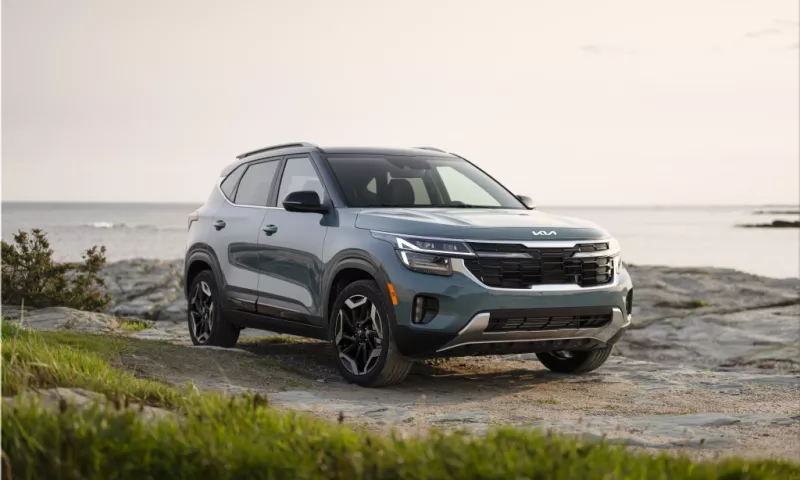
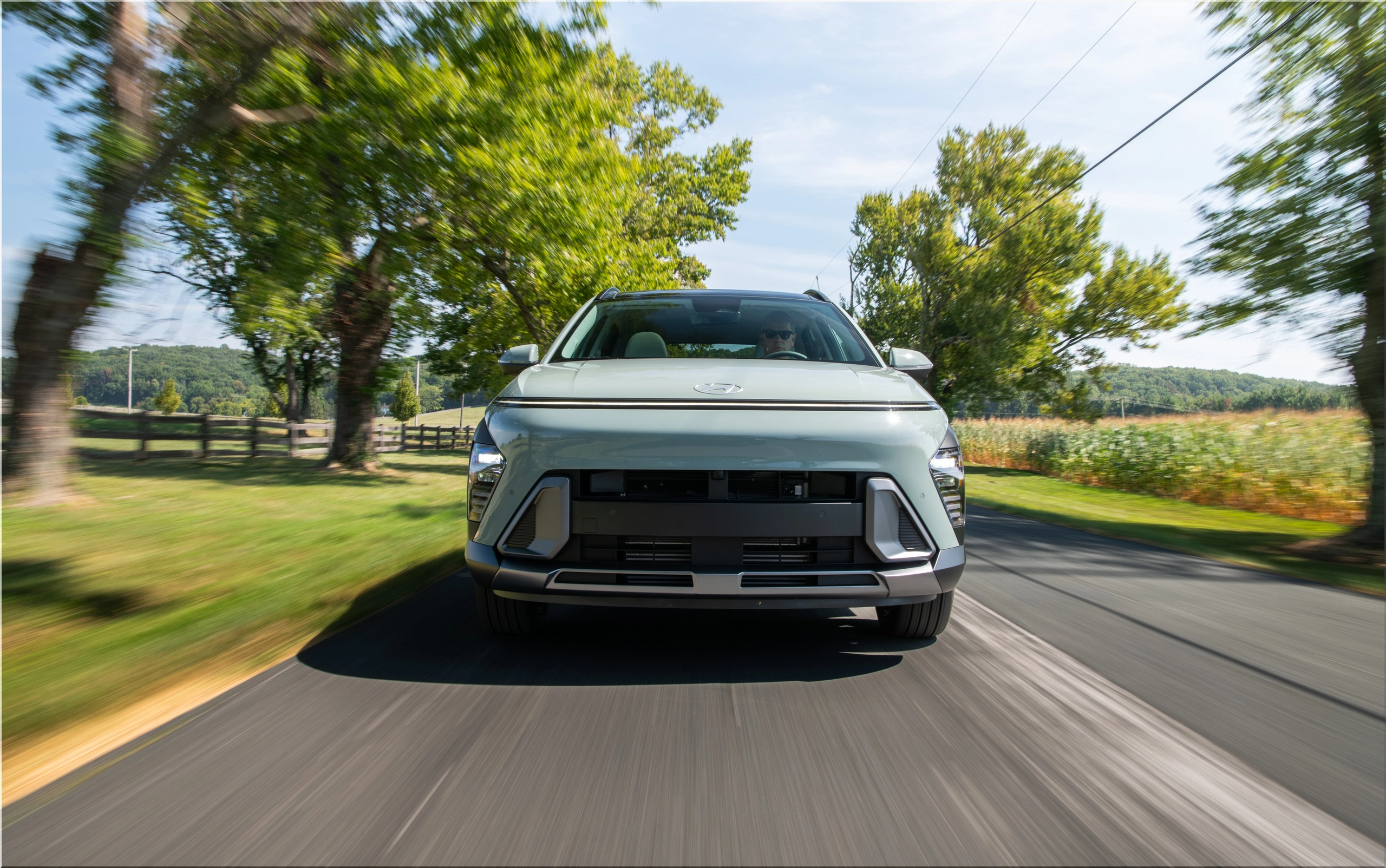
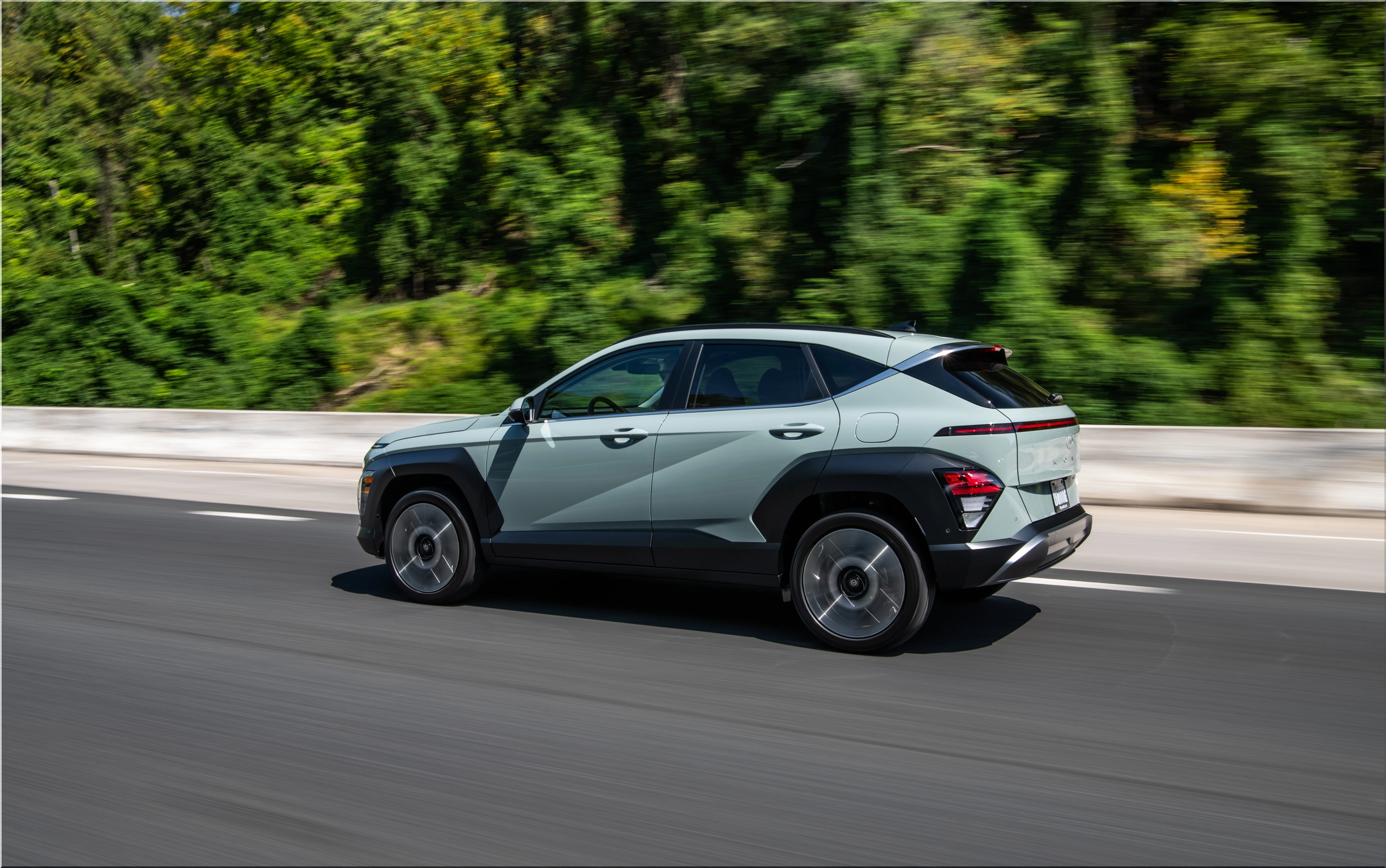
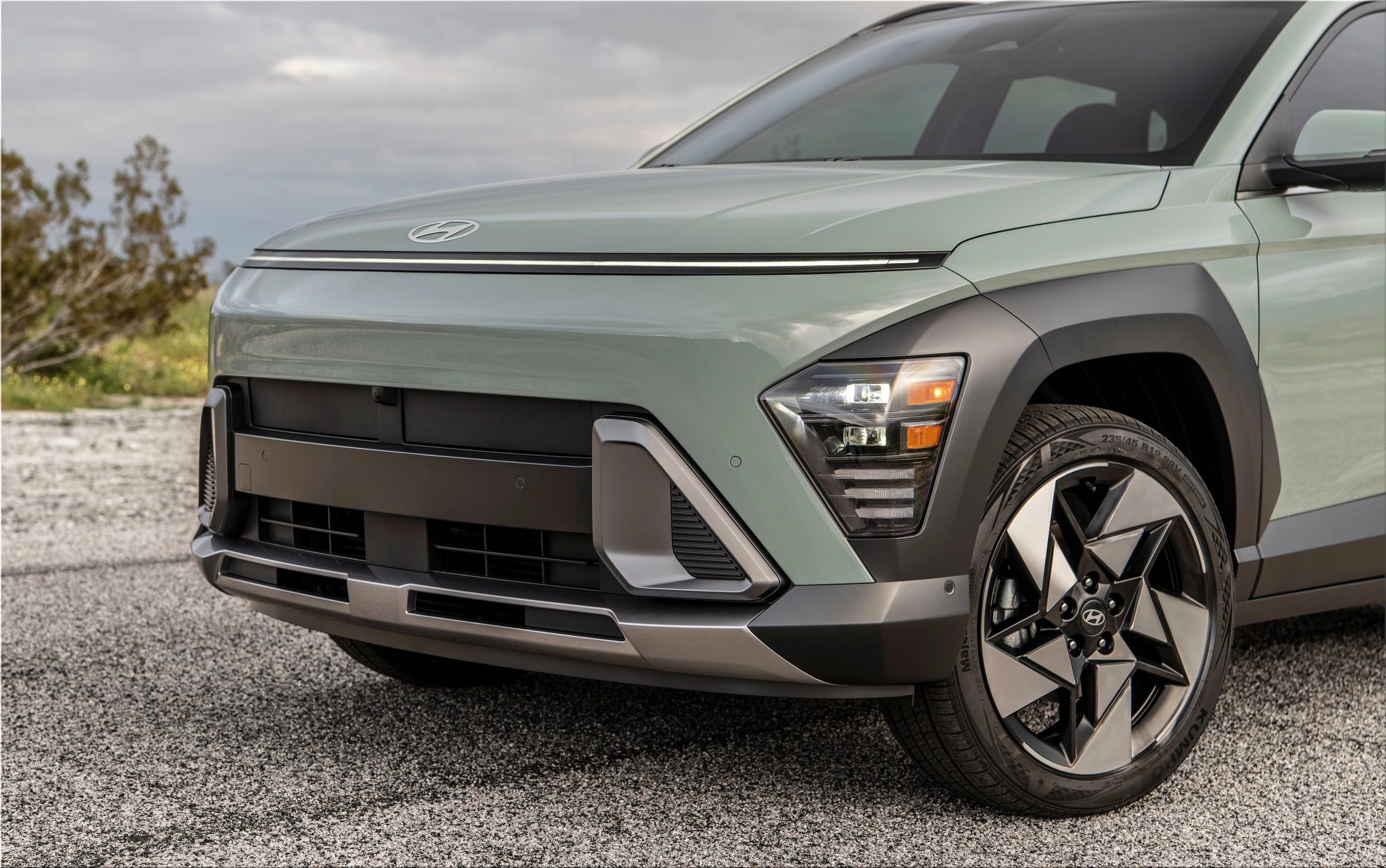
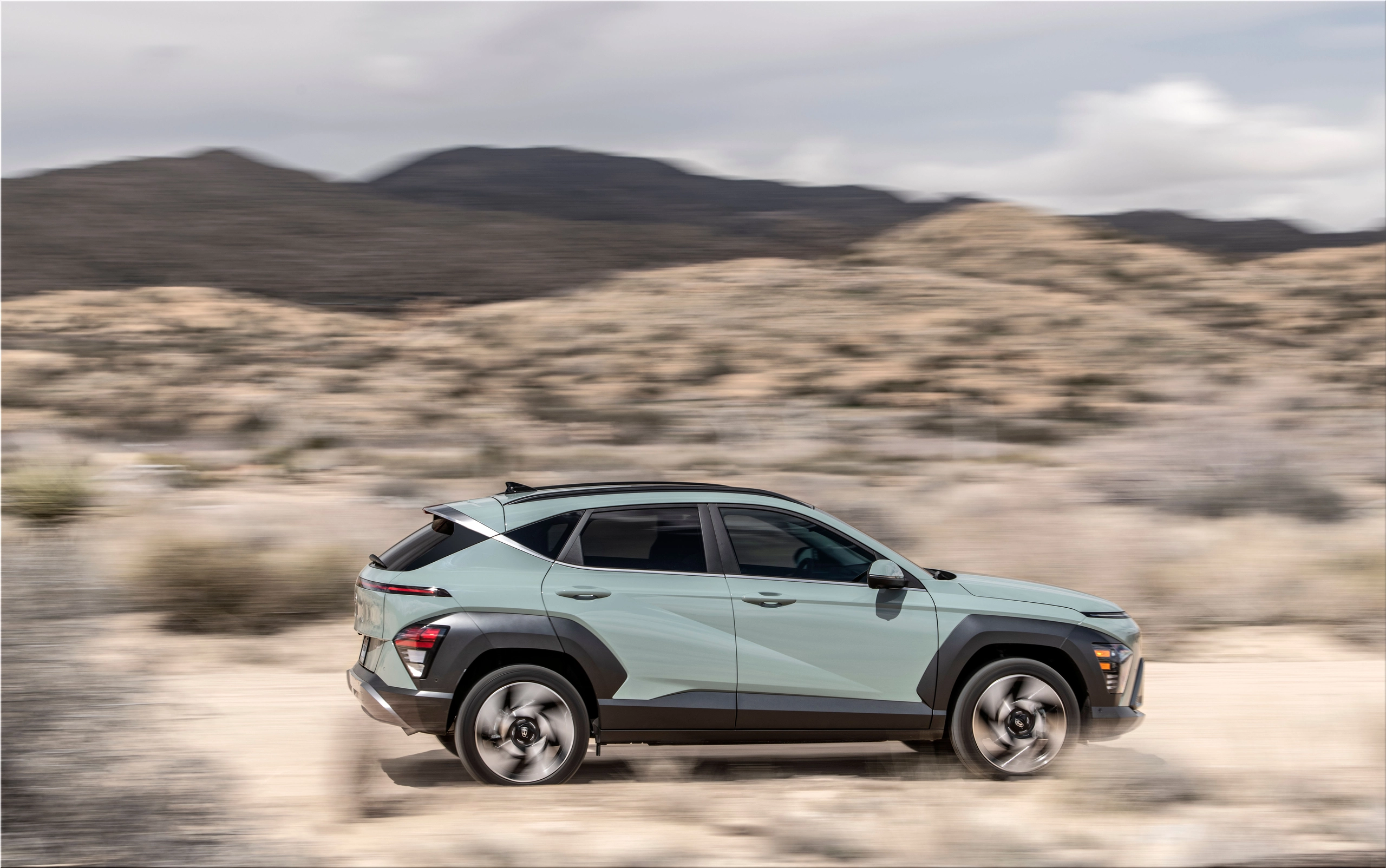
The 2026 Hyundai Kona lands in the American subcompact SUV class with a clearer mission than before: give buyers more space, more standard safety tech, and a stronger trim ladder without pushing the price into compact SUV territory. Hyundai reshuffled the lineup for 2026, dropped several older trim names, and now centers the gas Kona range around SE, SEL Sport, SEL Premium, and Limited.
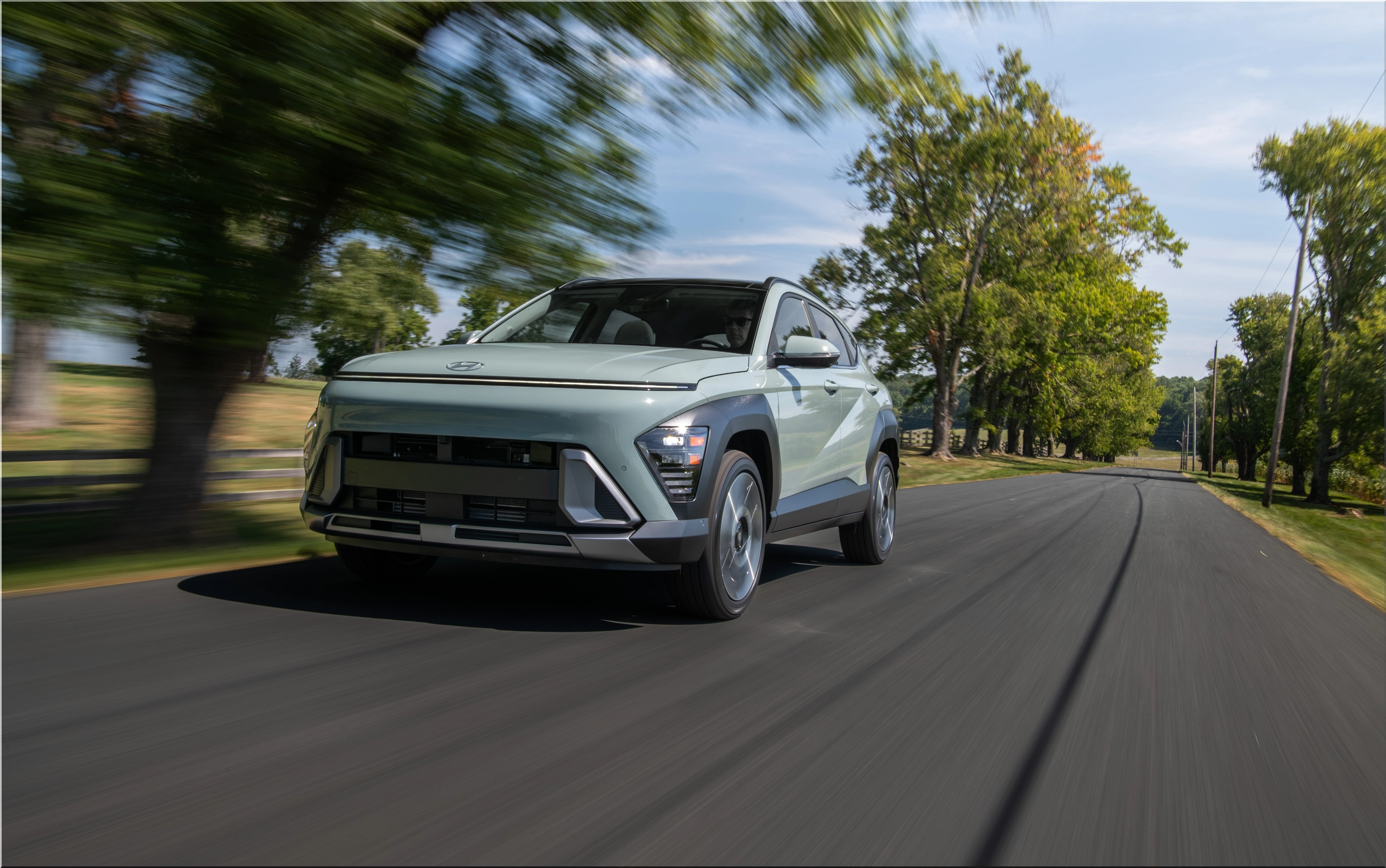
That helps shoppers. A lot.
The Hyundai Kona price starts at $25,500 MSRP before the $1,600 freight charge, which puts the real entry point at $27,100 before taxes, registration, and dealer add-ons. The top Limited AWD sits at $34,150 MSRP, or $35,750 after freight. That spread gives Hyundai room to sell both a simple commuter and a tech-heavy small SUV with premium-grade features.
2026 Hyundai Kona Price and Trim Strategy
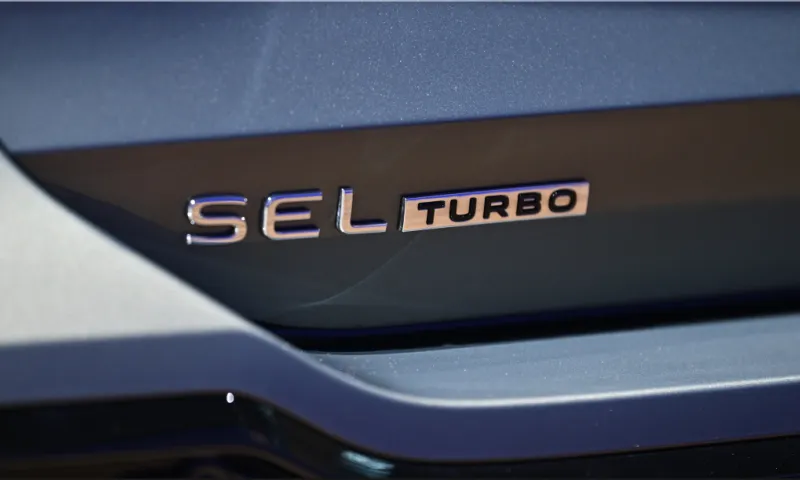
Hyundai now splits the 2026 Kona lineup by engine as much as equipment. The SE and SEL Sport use the 2.0-liter Atkinson-cycle four-cylinder with an Intelligent Variable Transmission. The SEL Premium and Limited use the stronger 1.6-liter turbocharged four-cylinder with an 8-speed automatic.
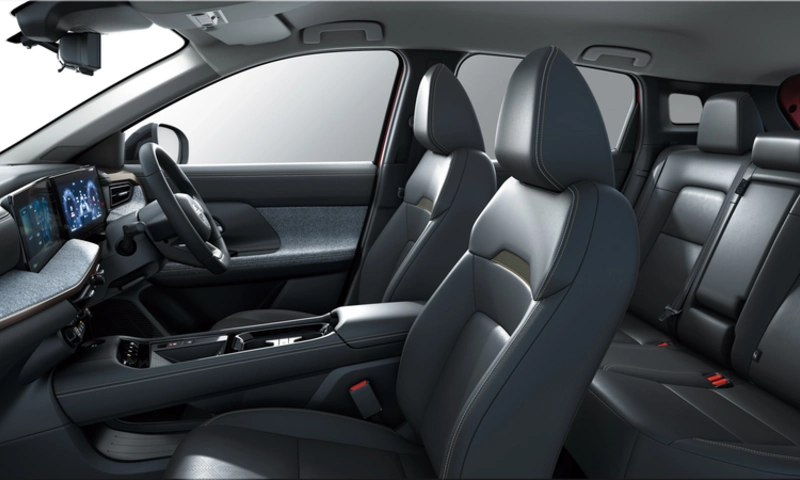
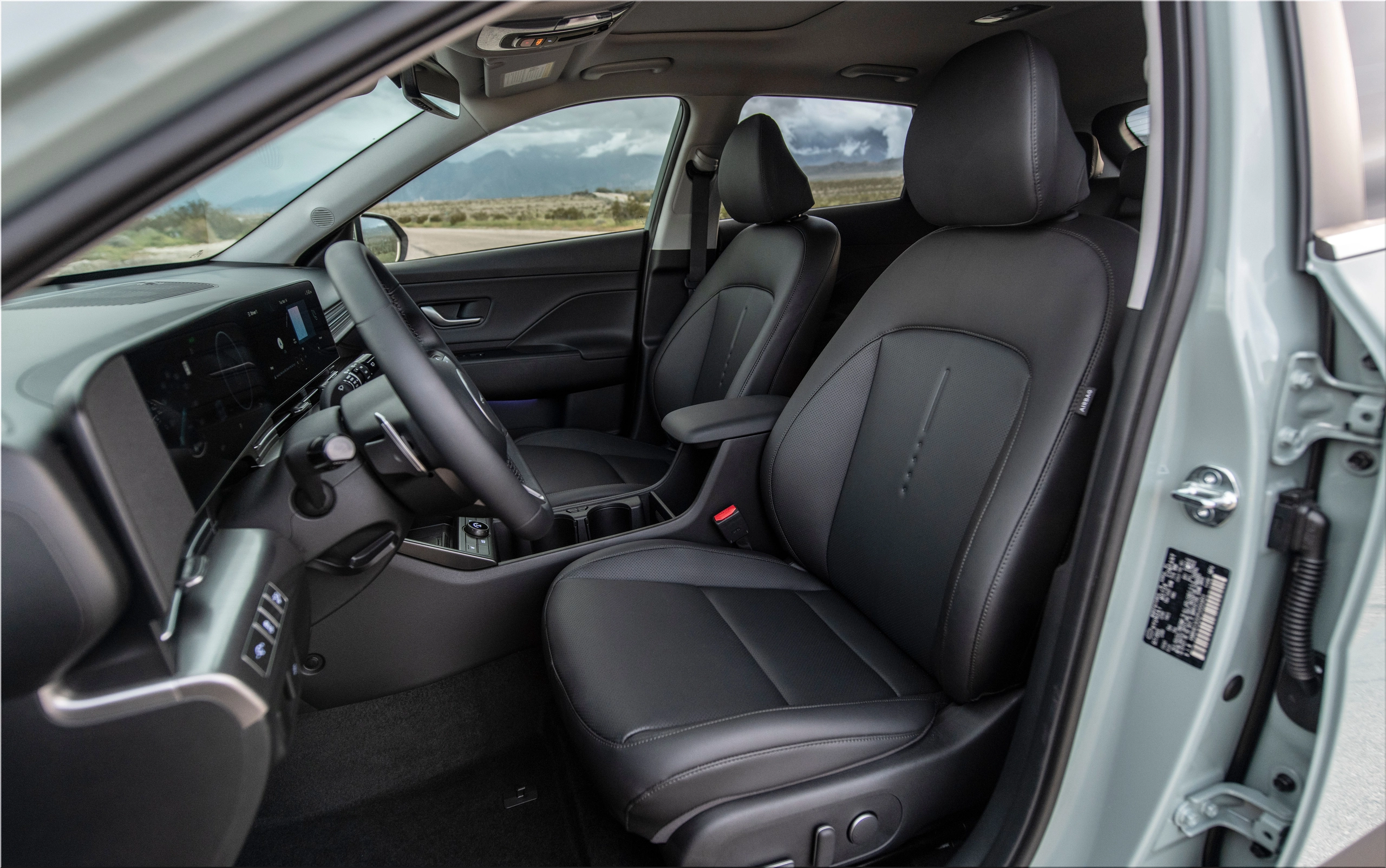
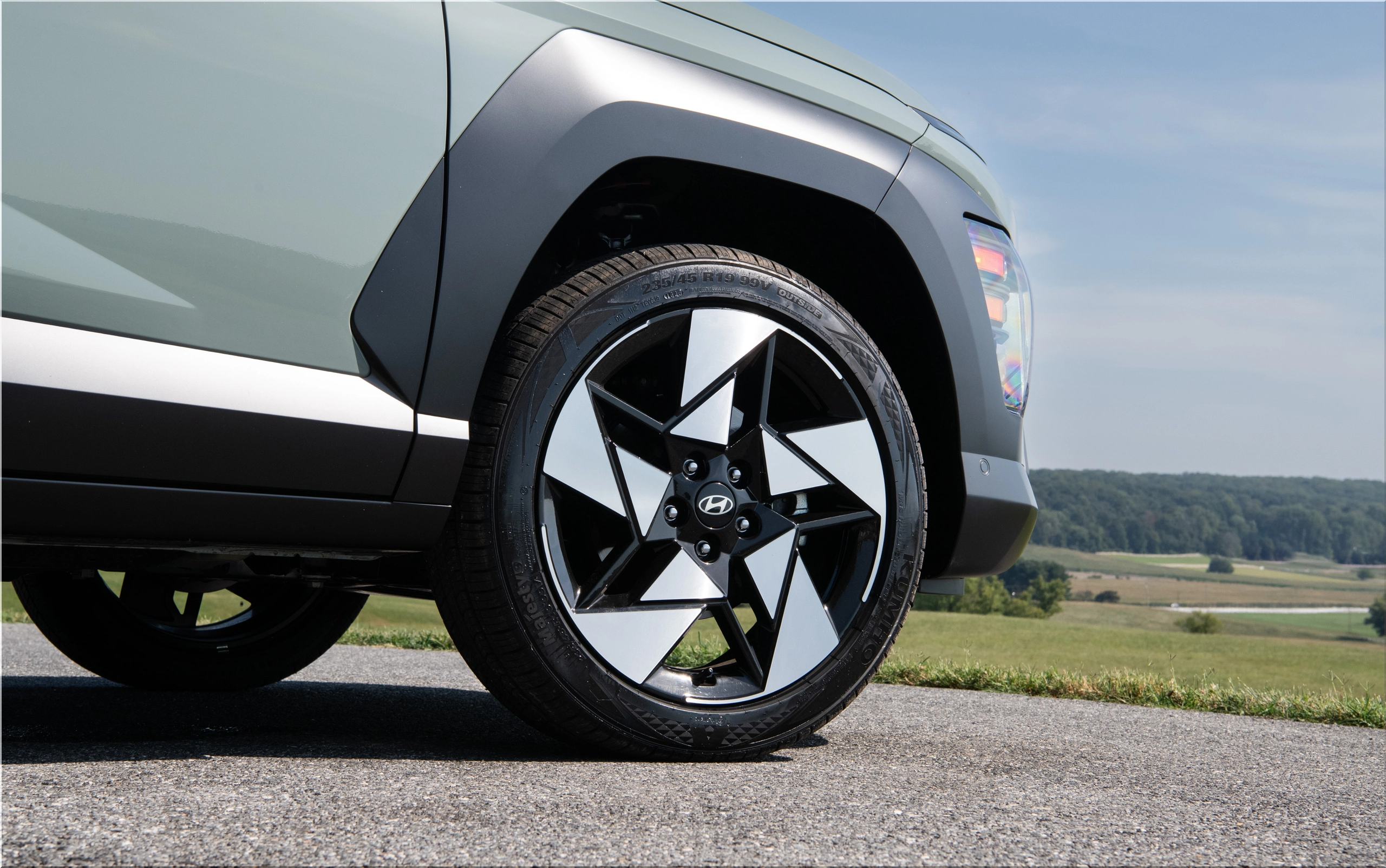
That matters because the price jump from SEL Sport to SEL Premium buys more than badges. It buys a stronger powertrain, paddle shifters, 19-inch wheels, H-Tex seating, ambient interior lighting, and a more upscale cabin layout.
| 2026 Hyundai Kona trim | Engine | Drivetrain | MSRP | Price with $1,600 freight |
|---|---|---|---|---|
| SE FWD | 2.0L 4-cylinder | FWD | $25,500 | $27,100 |
| SE AWD | 2.0L 4-cylinder | AWD | $27,000 | $28,600 |
| SEL Sport FWD | 2.0L 4-cylinder | FWD | $26,675 | $28,275 |
| SEL Sport AWD | 2.0L 4-cylinder | AWD | $28,175 | $29,775 |
| SEL Premium FWD | 1.6L turbo | FWD | $28,425-$28,550 | $30,025-$30,150 |
| SEL Premium AWD | 1.6L turbo | AWD | $29,925-$30,050 | $31,525-$31,650 |
| Limited FWD | 1.6L turbo | FWD | $32,535-$32,650 | $34,135-$34,250 |
| Limited AWD | 1.6L turbo | AWD | $34,035-$34,150 | $35,635-$35,750 |
Looking at the data, AWD costs $1,500 across the range. Hyundai also upgrades AWD models with HTRAC AWD, Snow mode, an AWD liftgate badge, and a multi-link rear suspension. That rear suspension point deserves attention because front-drive SE and SEL Sport models use a torsion-beam rear axle, while AWD models gain a more advanced rear setup.
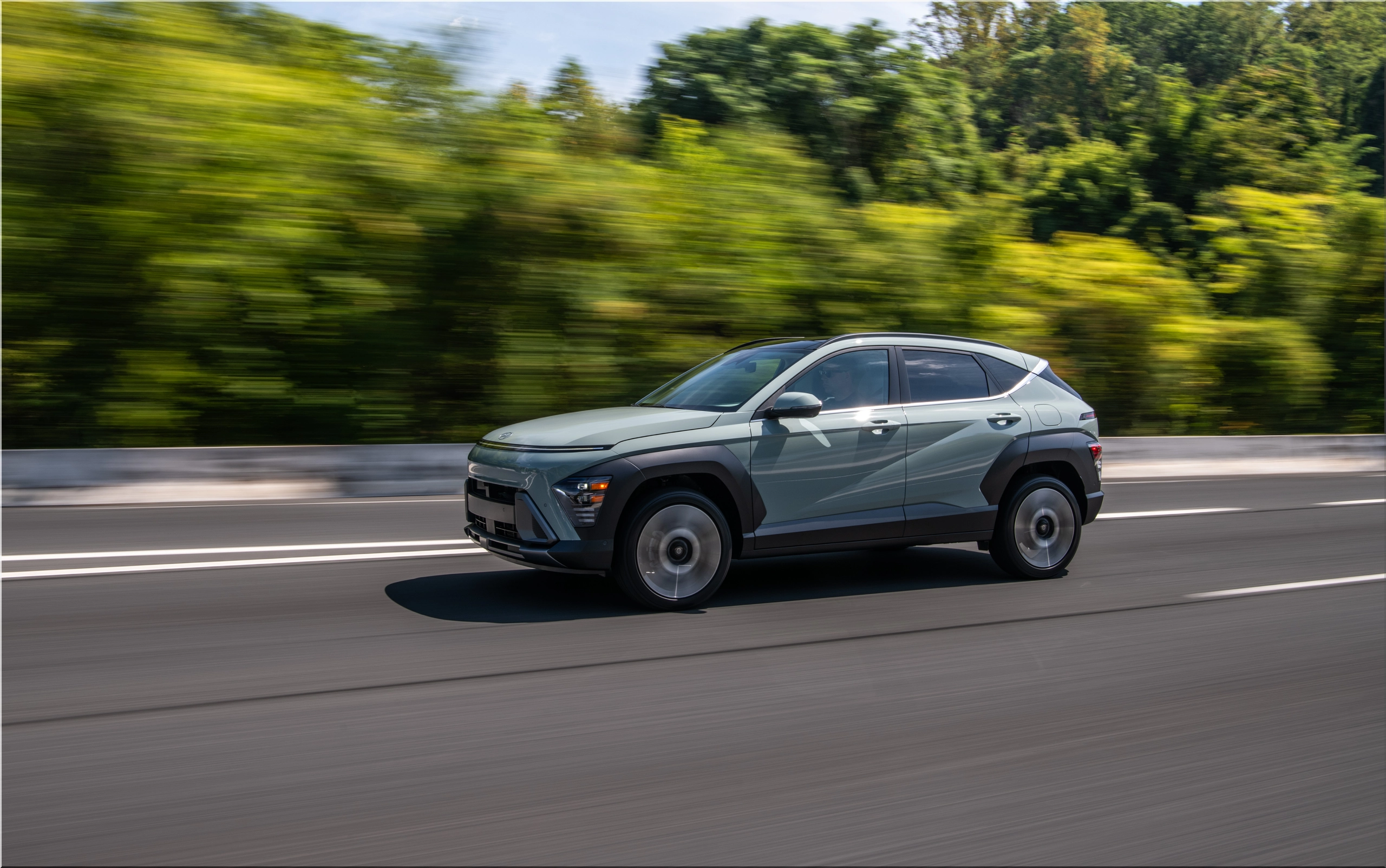
Powertrain Specs: 2.0L Economy or 1.6T Punch
The base 2.0-liter engine makes 147 horsepower and 132 lb-ft of torque. It suits commuting, school runs, and stop-and-go traffic, but it does not give the Kona much passing authority when five people and cargo load the cabin.
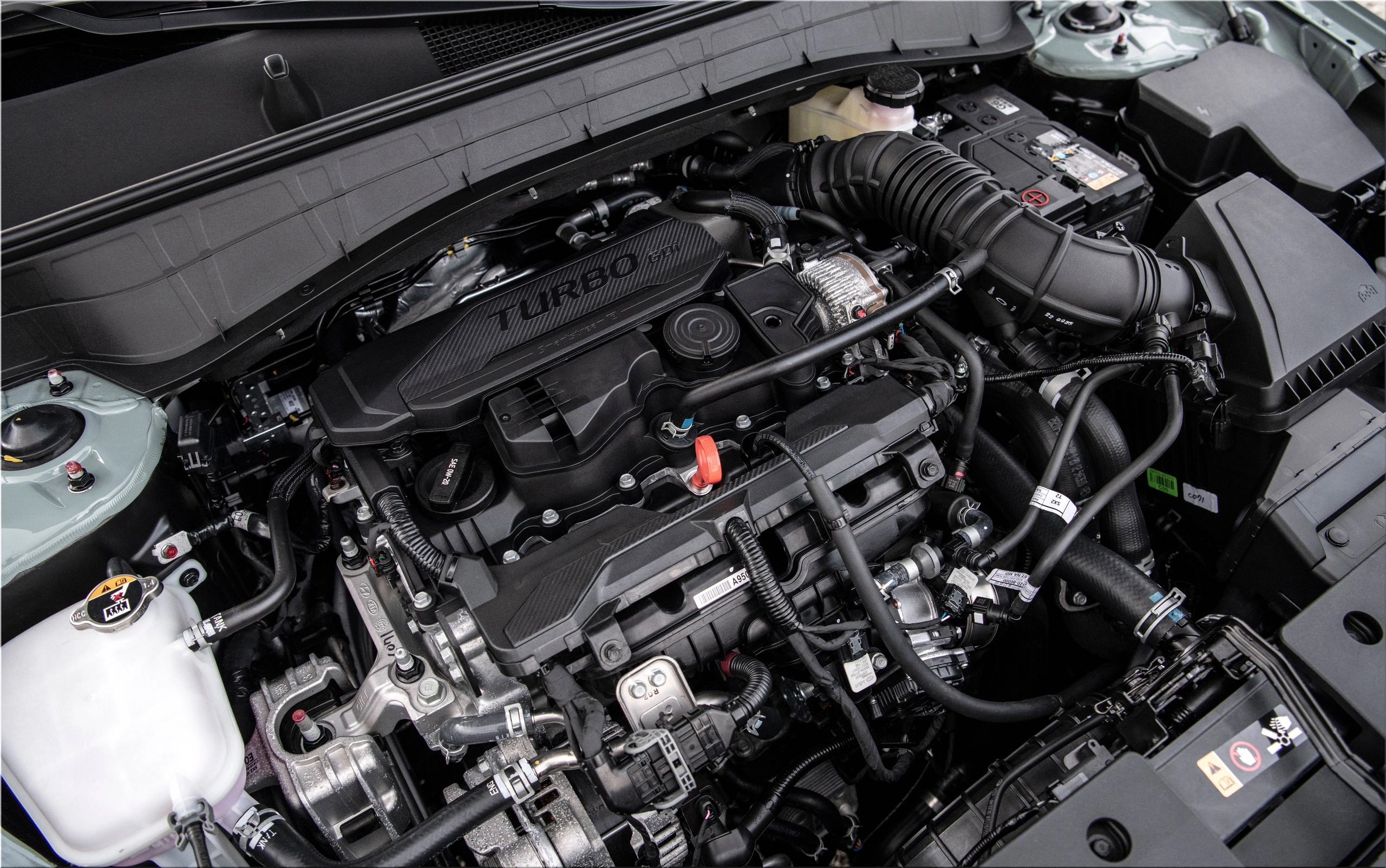
The turbo engine fixes that. The 1.6-liter turbo makes 190 horsepower and 195 lb-ft of torque, with the torque arriving low in the rev range. Specifically, that torque delivery gives the Kona stronger launch feel and better midrange response on freeway ramps.
| Specification | 2.0L Kona | 1.6T Kona |
|---|---|---|
| Horsepower | 147 hp | 190 hp |
| Torque | 132 lb-ft | 195 lb-ft |
| Transmission | Intelligent Variable Transmission | 8-speed automatic |
| Drivetrain | FWD or AWD | FWD or AWD |
| Best combined MPG estimate | 31 mpg | 26 mpg with AWD |
| Best use case | Value, mileage, city driving | Passing power, premium trims, AWD confidence |
From an expert perspective, the 8-speed automatic gives the turbo Kona a more polished low-speed feel than the old dual-clutch setup. A torque-converter automatic tolerates parking-lot crawling, hill starts, and repeated stoplight launches with less drama. Drivers lose a little snap, but they gain refinement.
Size, Cargo Space, and Everyday Packaging
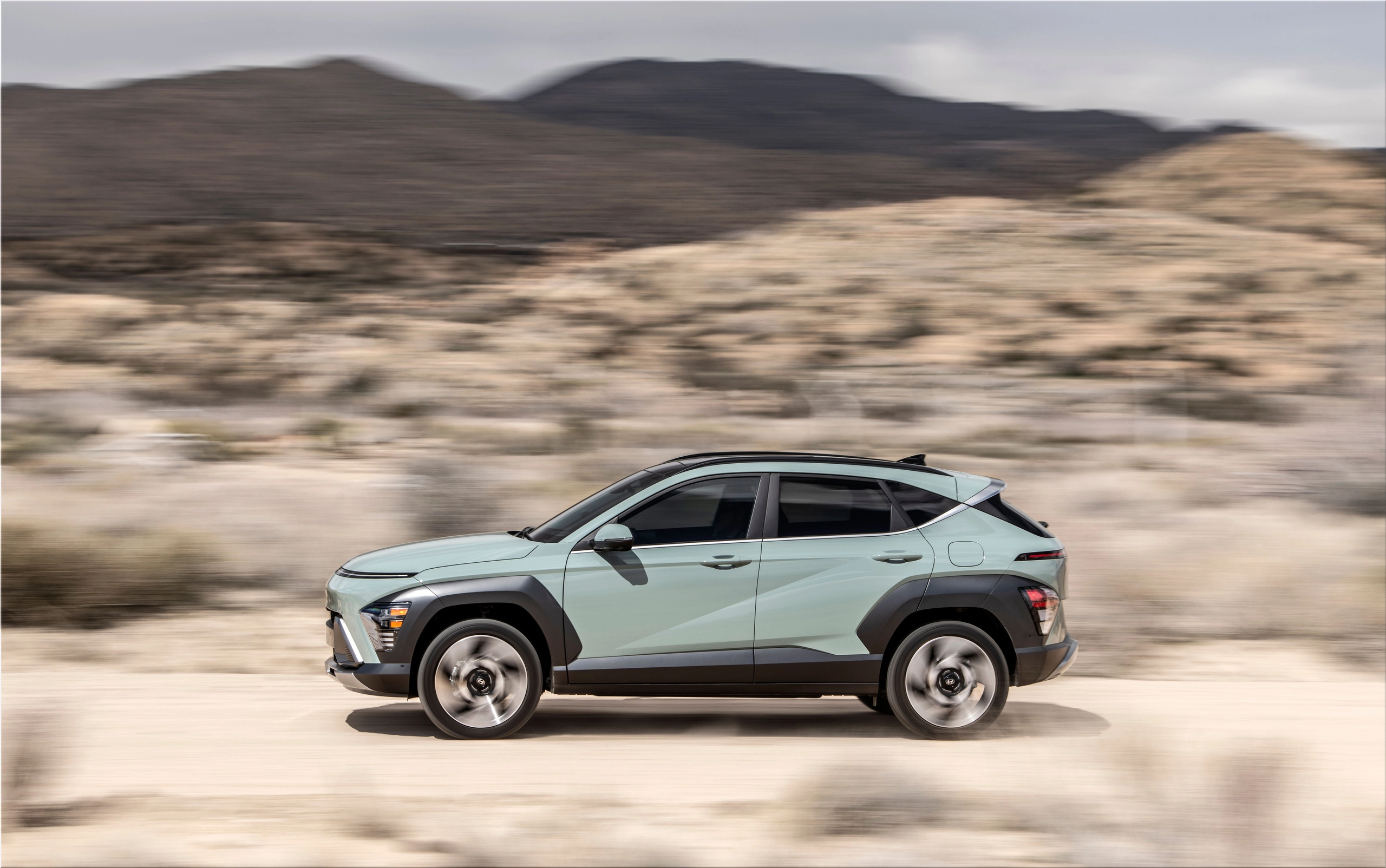
The 2026 Hyundai Kona stretches across a smart footprint. It measures about 171.3 inches long, 71.9 inches wide, and rides on a 104.7-inch wheelbase. In metric terms, that equals roughly 4,351 mm long, 1,826 mm wide, and 2,660 mm between the axles.
The cabin makes the strongest argument. Hyundai gives the Kona 25.5 cubic feet of cargo space behind the second row and 63.7 cubic feet with the rear seats folded. That beats what many shoppers expect from a vehicle that still parks like a small SUV.
Key packaging wins include:
- 104.7-inch wheelbase for better rear-seat space
- 25.5 cu-ft cargo area with all seats upright
- 63.7 cu-ft max cargo volume with the second row folded
- 60/40 split rear seat with recline
- Rear air vents on SEL Sport and above
- Temporary spare tire on SE and selected AWD turbo models
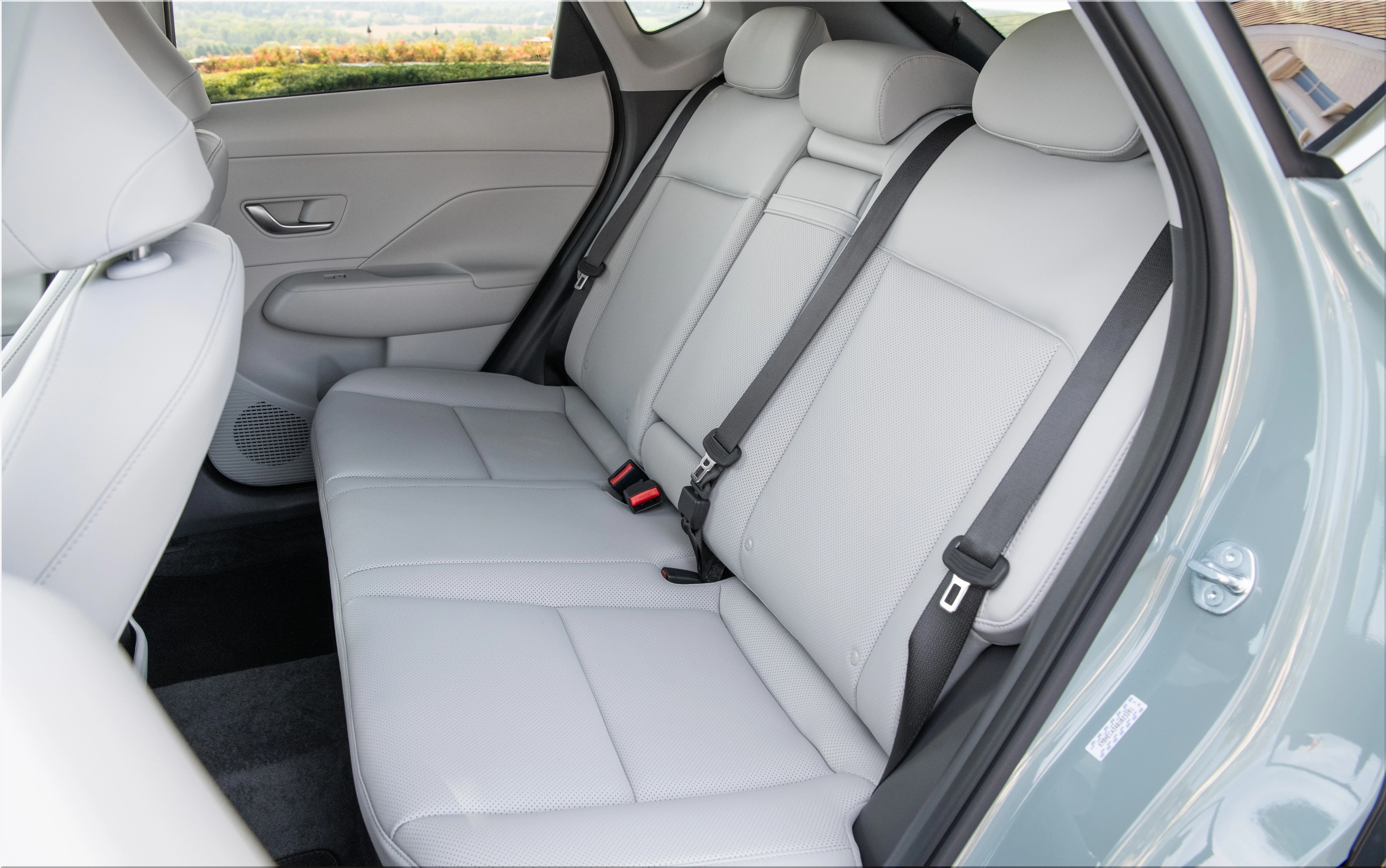
In addition, the Kona works well for small families because the second row gives adults usable room and gives parents more space when installing large child seats. That matters in real life. A rear seat that technically fits a car seat but punishes the front passenger ruins daily use.
Technology and Safety: Hyundai Makes the Base Model Count
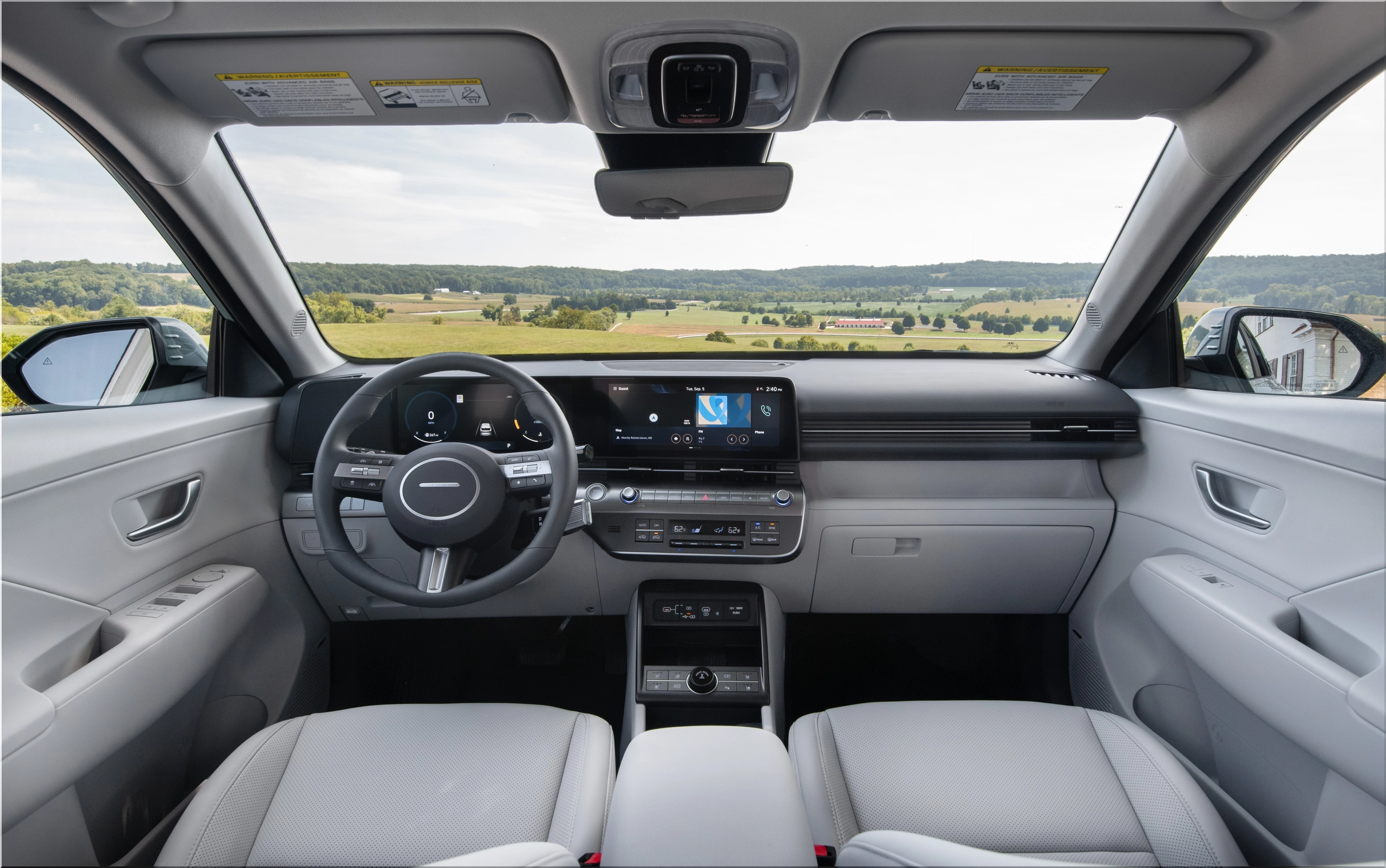
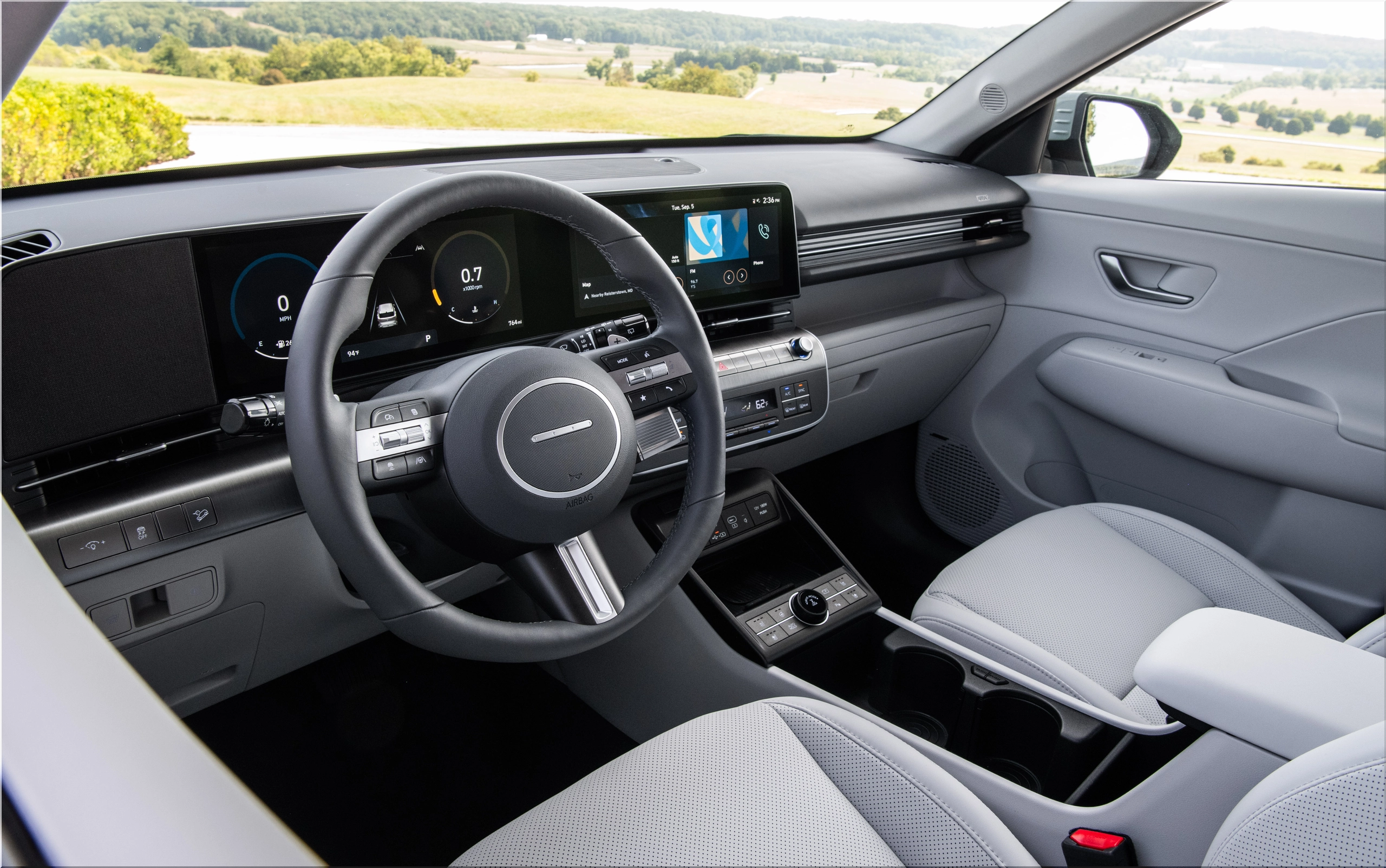
Hyundai did not strip the SE to hit a low advertised price. The entry Kona includes a 12.3-inch display audio system, wireless Apple CarPlay and Android Auto, four USB-C ports, remote start, proximity key, push-button start, and OTA software updates.
The safety list also carries real weight. SE includes Forward Collision-Avoidance Assist with pedestrian and cyclist detection, Junction Turning and Direct Oncoming support, Lane Keeping Assist, Lane Following Assist, Blind-Spot Collision Warning, Rear Cross-Traffic Collision-Avoidance Assist, Safe Exit Warning, High Beam Assist, Smart Cruise Control with Stop and Go, and a haptic steering wheel.
Pro-Tips:
- Pick SE FWD only when price and MPG outrank power.
- Pick SEL Sport AWD for cold-weather value without turbo cost.
- Pick SEL Premium FWD when you want the 190-hp engine at the lowest price.
- Pick Limited AWD only when you will use the camera tech, Bose audio, ventilated seats, and Highway Driving Assist.
Limited Trim: The Tech-Heavy Kona
The Kona Limited adds the features that move Hyundai into near-premium territory for this class. It brings Surround View Monitor, Blind-Spot View Monitor, Parking Collision-Avoidance Assist in Reverse, Remote Smart Parking Assist, Highway Driving Assist, Navigation-based Smart Cruise Control, Bose 8-speaker audio, ventilated front seats, heated steering wheel, wide sunroof, hands-free smart liftgate, and Hyundai Digital Key 2 Touch.
Consequently, the Limited makes the most sense for buyers who deal with tight garages, dense urban parking, and long commutes. The camera suite and driver-assist hardware produce a real daily payoff. The value equation weakens if you mostly drive short suburban routes and park in open lots.
2026 Hyundai Kona MPG and Real-World Expectations
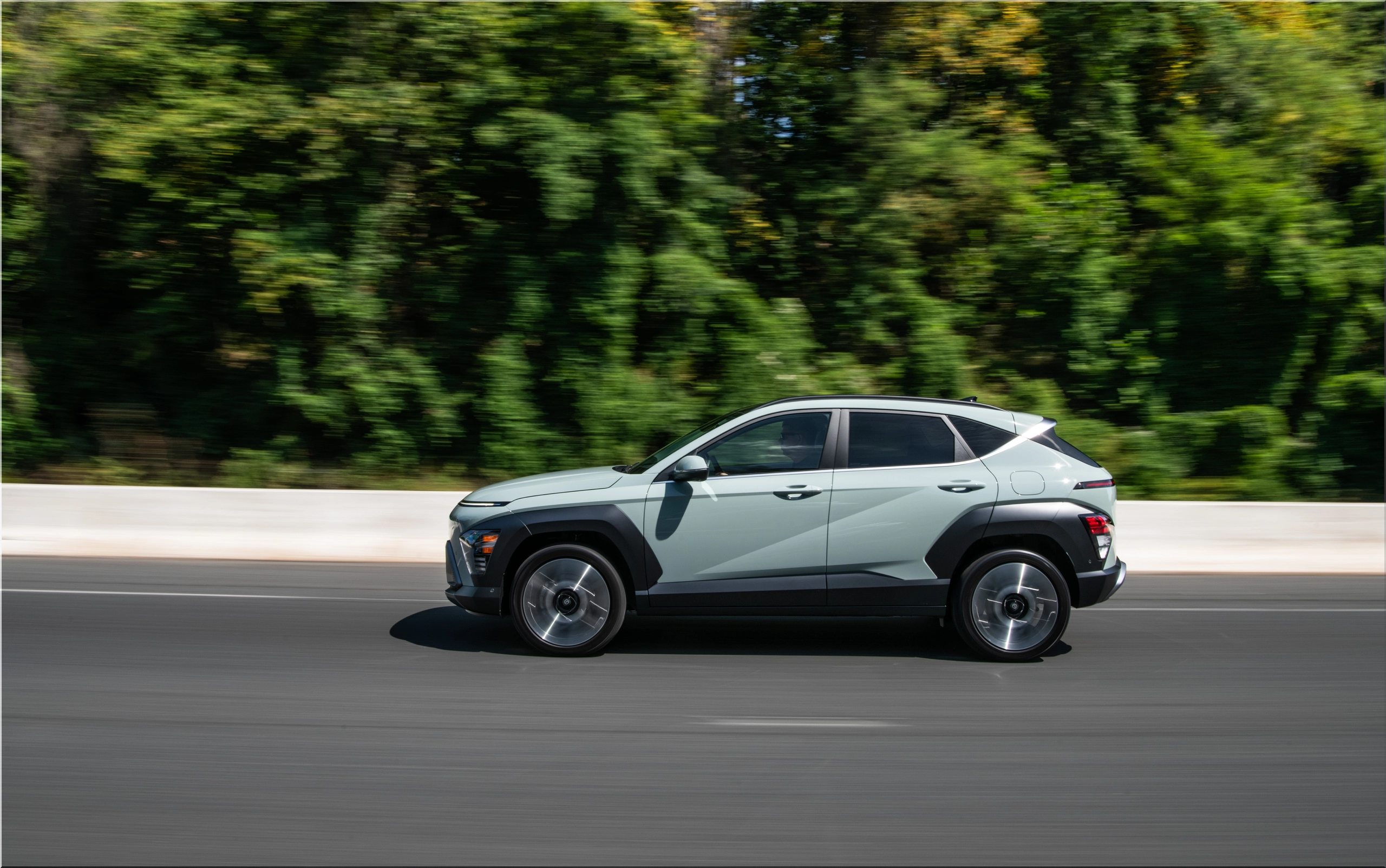
The most efficient gas Kona setup reaches about 31 mpg combined with the 2.0-liter engine and front-wheel drive. The turbo AWD setup drops to about 26 mpg combined, though independent highway testing has shown the turbo AWD Kona can beat its EPA highway estimate under steady-speed conditions.
That creates a clear split. The base engine saves fuel and money. The turbo engine makes the Kona feel better matched to American freeway speeds.
Which 2026 Hyundai Kona should you buy?
Buy the SEL Premium FWD if you want the smartest balance. It brings the 190-hp turbo engine, 8-speed automatic, 19-inch wheels, H-Tex seating, 12.3-inch instrument cluster on selected builds, and a much richer cabin without pushing the price past Limited territory. Add AWD only if winter traction, hills, or gravel roads matter in your area.
2026 Hyundai Kona vs Rivals
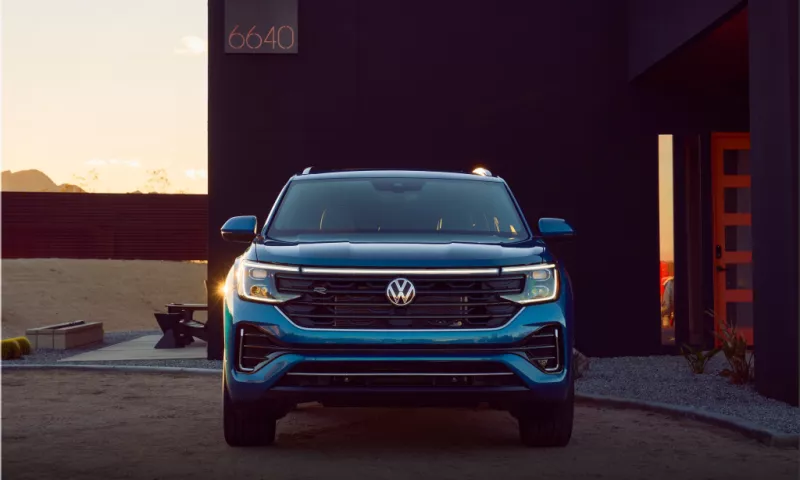
By comparison, the Kona does not win every line item. The Chevrolet Trax costs less and offers strong cargo space, but it comes only with front-wheel drive and uses a 137-hp turbo three-cylinder. The Volkswagen Taos offers more maximum cargo capacity and strong highway MPG. The Kia Seltos closely mirrors Kona powertrain logic but gives slightly more cargo room behind the second row.
| Model | Base price | Power | Drivetrain choice | Max cargo space | Key win |
|---|---|---|---|---|---|
| 2026 Hyundai Kona | $25,500 | 147 hp or 190 hp | FWD or AWD | 63.7 cu-ft | Tech and turbo value |
| 2026 Chevrolet Trax | Around $23,500 | 137 hp | FWD only | About 54 cu-ft | Lowest entry price |
| 2026 Kia Seltos | Around $25,285 | 147 hp or 190 hp | FWD or AWD | 62.8 cu-ft | Roomy boxy cabin |
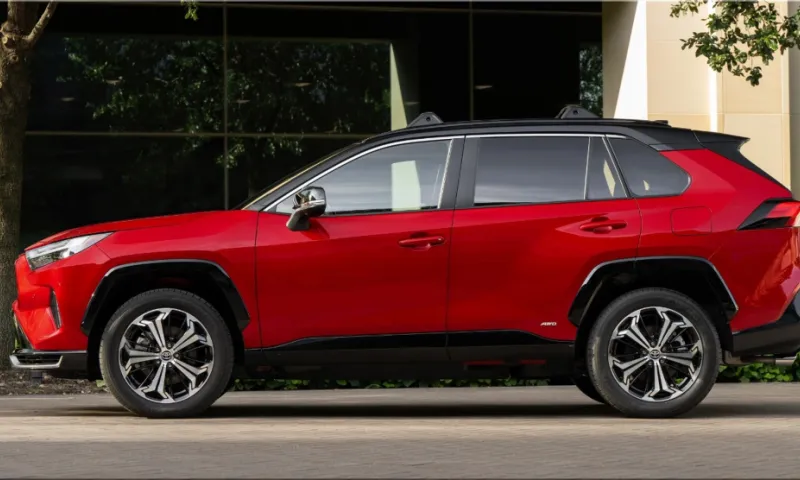
| 2026 Toyota Corolla Cross | Around mid-$20K range | 169 hp gas, 196 hp hybrid | FWD or AWD | About 52-24 cu-ft range by setup | Hybrid MPG |
| 2026 Volkswagen Taos | $26,500 | 174 hp | FWD or AWD | 65.9 cu-ft | Cargo and highway MPG |
The Kona wins when the buyer wants small-SUV dimensions, modern screens, strong driver assists, available AWD, and a meaningful turbo option. The Trax wins on price. The Corolla Cross Hybrid wins on fuel economy. The Taos wins on cargo volume. The Seltos turns this into a family fight, and the decision may come down to styling, dealer pricing, and warranty preference.
Why This Matters to You
The 2026 Hyundai Kona price puts it right in the zone where buyers often stretch from used compact SUVs into new subcompact models. That makes the warranty, standard tech, and safety package more important than a flashy option list.
The Kona also fits the 2026 market mood. Many buyers want better fuel economy but do not want a full EV. Others want AWD but do not need a large SUV. Hyundai answers both groups with a gas Kona that feels more mature than its size suggests, yet still avoids the bulk and cost of a Tucson.
The take? Buy the turbo if you can. The base engine handles the basics, but the 190-hp Kona gives this small SUV the confidence its chassis and cabin already deserve.
- Add new comment
- 11 views