New vs Used Cars: What Makes Sense for US Drivers
Choosing between a new or used car in the United States is not a lifestyle choice. It is a financial, risk, and timeline decision driven by depreciation, warranties, financing terms, reliability, and how long you realistically plan to keep the vehicle.
This guide explains how the decision actually works in the US market, with concrete numbers, segment comparisons, and model-specific examples from Ford and Tesla. No hype. No generic advice. Just how the math and risk play out for real US drivers.
The Core Difference Between New and Used Cars
The fundamental difference between buying new and buying used comes down to who absorbs depreciation.
- New-car buyers absorb the steepest value loss in the first years
- Used-car buyers benefit from value that has already dropped
Insurance costs, financing terms, resale flexibility, and long-term risk all flow from that single fact.
Buying a New Car in the United States
New cars appeal to buyers who want certainty. You get a clean ownership history, full warranty coverage, and the latest safety and technology features. You also accept the highest upfront cost and the fastest early depreciation.
Advantages of Buying New
- Full factory warranty
- No prior wear or unknown maintenance
- Latest safety and driver-assistance systems
- Easier access to manufacturer-backed financing
Disadvantages of Buying New
- Sharp depreciation in the first 2–3 years
- Higher purchase price
- Higher insurance premiums
- Less flexibility if selling early
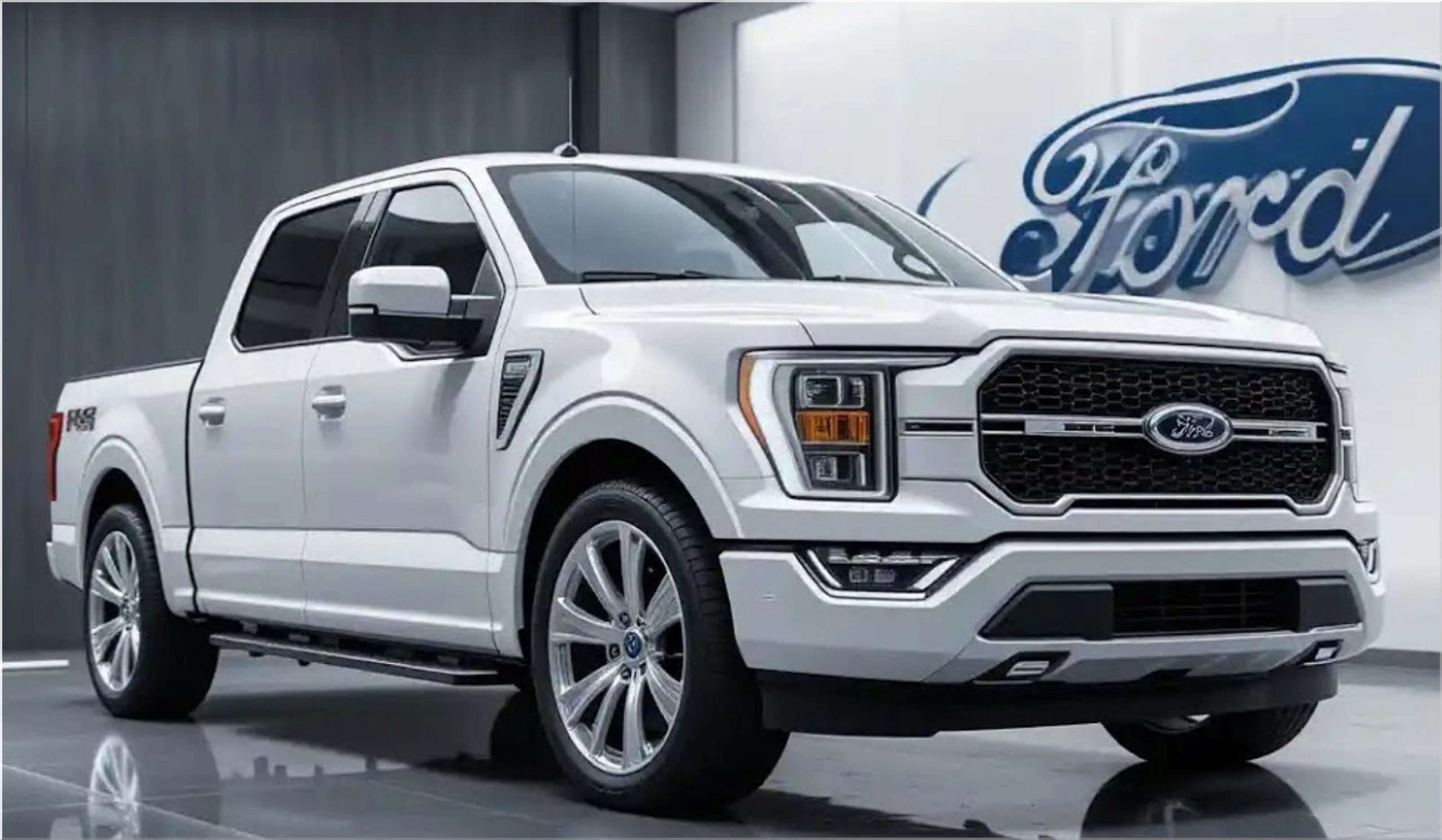
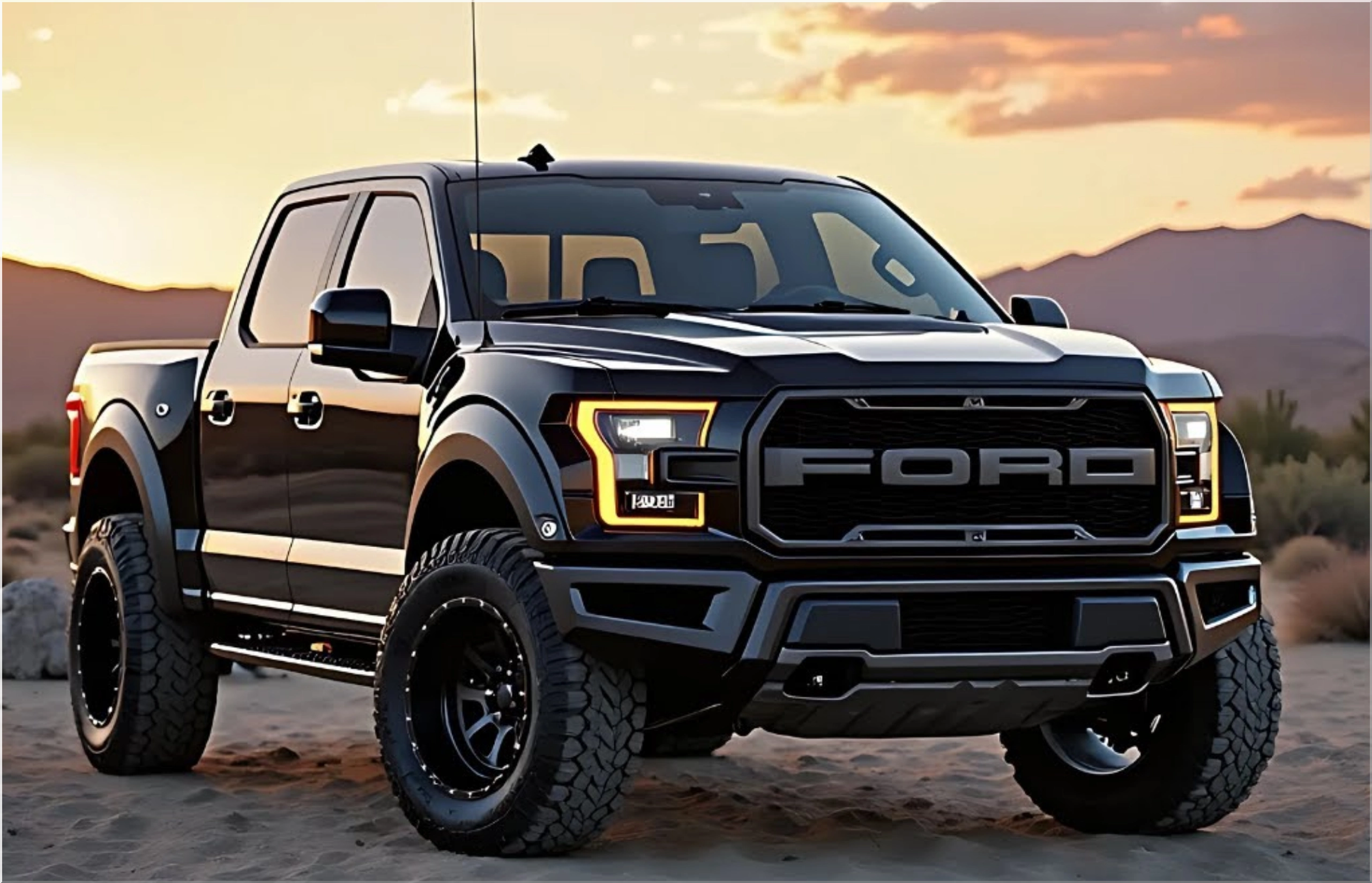
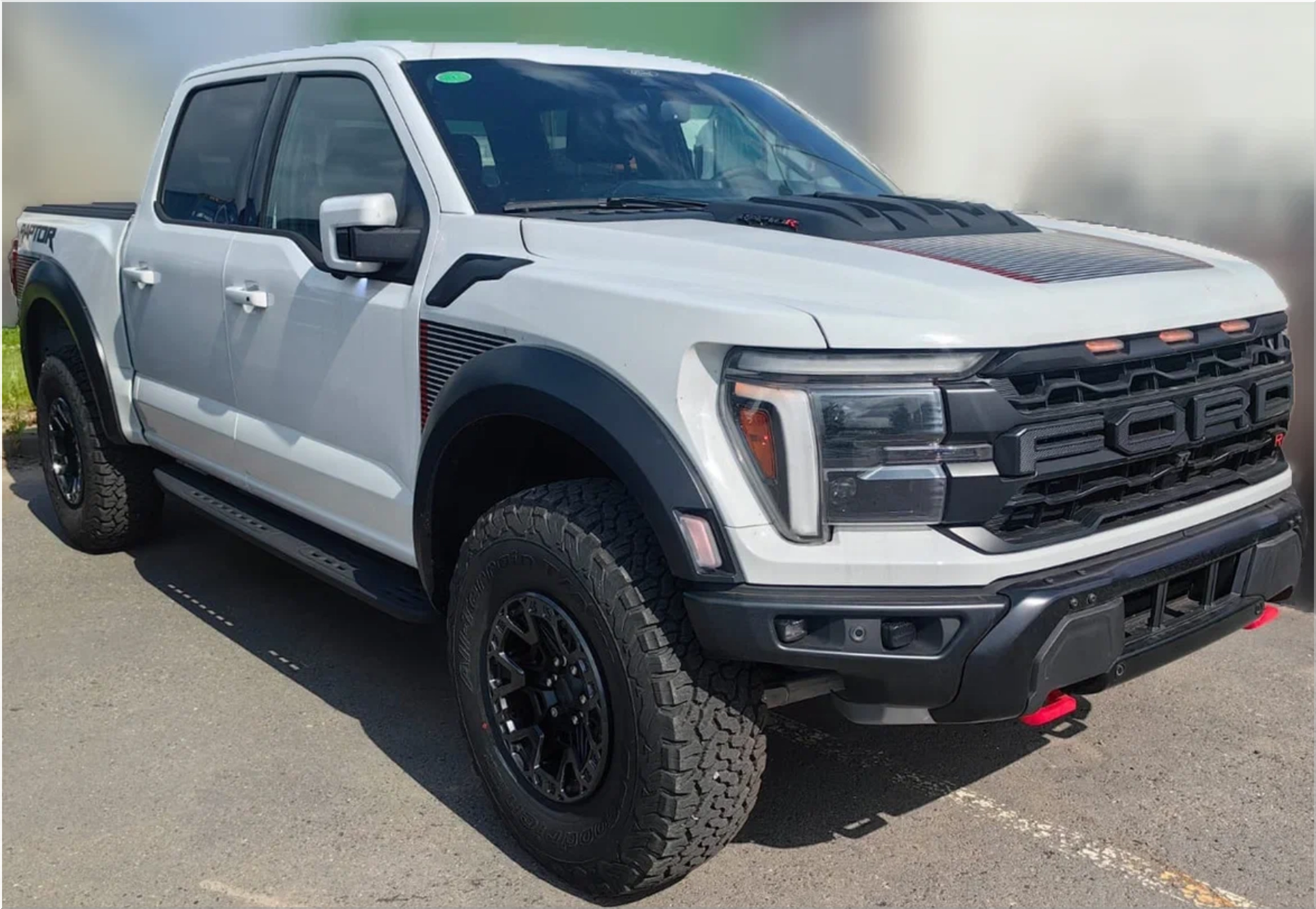
Real US Example: Ford F-150
A new Ford F-150 often makes sense for US buyers who tow, haul, or use the truck for work and plan to keep it for 8–10 years. In that scenario, early depreciation matters less because ownership is long-term and warranty coverage reduces risk during the most failure-prone years.
Buying a Used Car in the United States
Used cars dominate the US market because they deliver more value per dollar when depreciation and insurance costs are taken seriously.
Condition, service history, and engineering complexity matter more than age or mileage alone.
Advantages of Buying Used
- Lower purchase price
- Slower depreciation
- Lower insurance costs
- Greater resale flexibility
- Ability to buy higher trims for the same budget
Disadvantages of Buying Used
- Limited or expired warranty
- Unknown maintenance quality
- Higher long-term repair risk
- Fewer financing incentives
Real US Example: Used Ford SUV
A three- to five-year-old Ford SUV often costs thousands less than a new equivalent while delivering nearly identical space and comfort. For families planning 4–6 years of ownership, used frequently produces a better financial outcome.
New vs Used by Vehicle Segment (US Market Reality)
Sedans and Hatchbacks
| Factor | New | Used |
|---|---|---|
| Purchase Price | High | Much lower |
| Depreciation | Very fast | Mostly absorbed |
| Insurance Cost | Higher | Lower |
| Best Choice | Rare | Often |
US takeaway: Used sedans almost always make more financial sense.
SUVs and Crossovers
| Factor | New | Used |
|---|---|---|
| Demand | Very high | High |
| Depreciation | Moderate | Slower |
| Ownership Cost | Higher | Lower |
| Best Choice | Mixed | Often |
US takeaway: Lightly used SUVs frequently offer the best balance of value and reliability.
Pickup Trucks
| Factor | New | Used |
|---|---|---|
| Resale Value | Strong | Very strong |
| Durability | High | High |
| Depreciation | Slower | Slower |
| Best Choice | Both | Both |
US takeaway: Trucks are one of the few segments where new and used can both make sense.
Electric Vehicles: New vs Used in the US Market (Numbers Only)
Electric vehicles behave very differently from gas or hybrid cars in the used market. Depreciation is faster and resale values are more sensitive to manufacturer pricing changes and incentives.
Model-Specific Comparison: Ford F-150 vs Tesla Model 3
Typical US Prices and Depreciation
Ford F-150 (Gasoline, High-Volume Pickup)
| Ownership Stage | Typical Price (USD) | Depreciation vs New |
|---|---|---|
| New | $40,000–$55,000 | 0% |
| 3 years old | $28,000–$36,000 | 30–40% |
| 5 years old | $22,000–$30,000 | 45–55% |
| 8 years old | $15,000–$22,000 | 60–65% |
What this shows:
Depreciation is slow and predictable. A five-year-old F-150 typically retains around 45–55 percent of its original value, making used purchases relatively low risk.
Tesla Model 3 (Electric Sedan)
| Ownership Stage | Typical Price (USD) | Depreciation vs New |
|---|---|---|
| New | $43,000–$47,000 | 0% |
| 3 years old | $24,000–$30,000 | 35–45% |
| 5 years old | $18,000–$24,000 | 45–60% |
| 8 years old | $12,000–$18,000 | 60–70% |
What this shows:
Depreciation is faster and less stable. A five-year-old Model 3 often loses half or more of its original value, driven by EV price cuts, incentive changes, and rapid technology turnover.
Real US Example: Tesla Model 3
A used Tesla Model 3 may look attractive on price, but buyers must evaluate remaining battery warranty, degradation risk, software limitations, and long-term repair exposure. For drivers without home charging or long ownership plans, used EVs can be higher risk than used gas or hybrid cars.
Certified Pre-Owned Cars: The Middle Ground
Certified Pre-Owned vehicles bridge the gap between new and used.
What Certified Pre-Owned Usually Includes
- Multi-point inspection
- Verified vehicle history
- Extended warranty coverage
- Manufacturer backing
When Certified Pre-Owned Makes Sense
- You want warranty protection
- You want to avoid early depreciation
- You plan medium-term ownership
- You want lower risk than non-certified used cars
For many US buyers, CPO offers the best balance between cost and predictability.
Depreciation: The Cost Most Buyers Ignore
Depreciation is the largest ownership cost most drivers never see directly.
Typical US Depreciation Curve
- Years 1–3: steep loss
- Years 4–7: slower decline
- Year 8 and beyond: value stabilizes
Buying after the steep decline usually produces the strongest long-term value.
Financing Differences in the United States
New Cars
- Lower interest rates
- Manufacturer incentives
- Longer loan terms
Used Cars
- Higher interest rates
- Shorter terms
- Greater reliance on credit score
Low-rate new-car financing can offset some depreciation, but only for buyers who keep vehicles long-term.
Regional US Driving Patterns Matter
Urban and Coastal Areas
- Shorter trips
- Higher insurance costs
- Used or CPO vehicles often make more sense
Suburban and Rural Areas
- Higher mileage
- Trucks and SUVs dominate
- New or CPO vehicles can be practical
Where and how you drive matters as much as what you drive.
The Practical US Buyer Rule
- Long-term owners often benefit from used or CPO
- High-mileage drivers often benefit from used
- Risk-averse buyers may prefer new
- EV buyers should be especially cautious with used options
The best choice aligns with your ownership timeline, risk tolerance, and usage, not marketing trends.
Final Takeaway
New cars offer certainty.
Used cars offer value.
Certified Pre-Owned offers balance.
Understanding depreciation, warranties, financing, and real US ownership patterns lets you choose deliberately instead of emotionally. That is how smart US drivers win.
- Add new comment
- 180 views