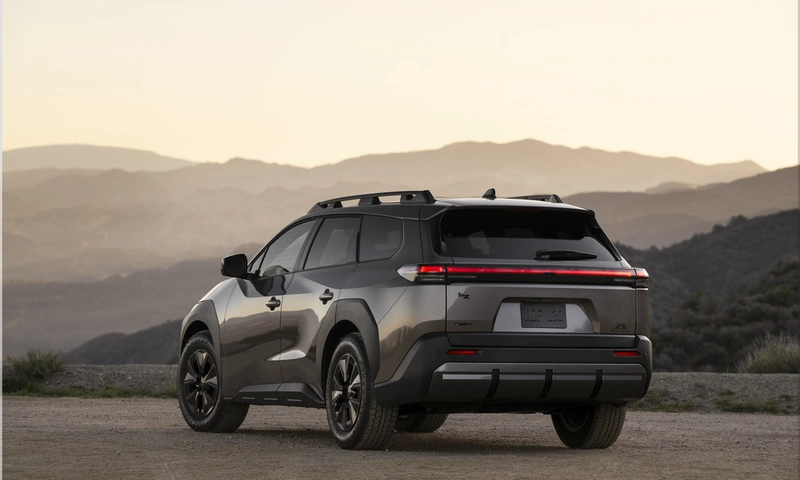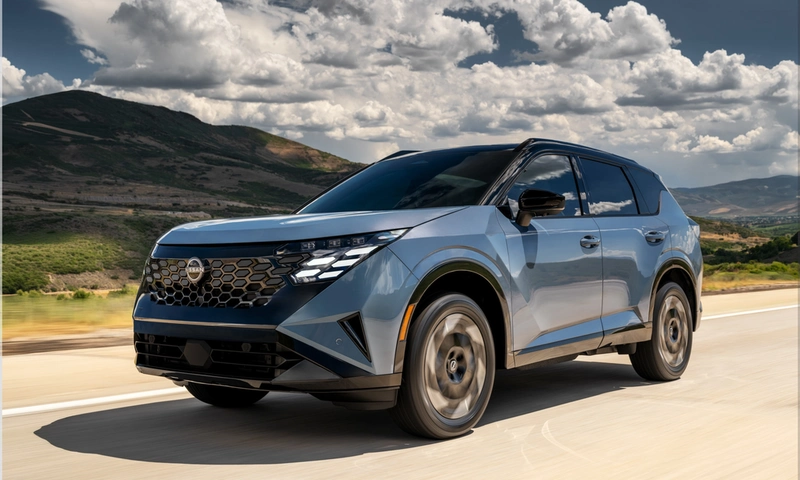
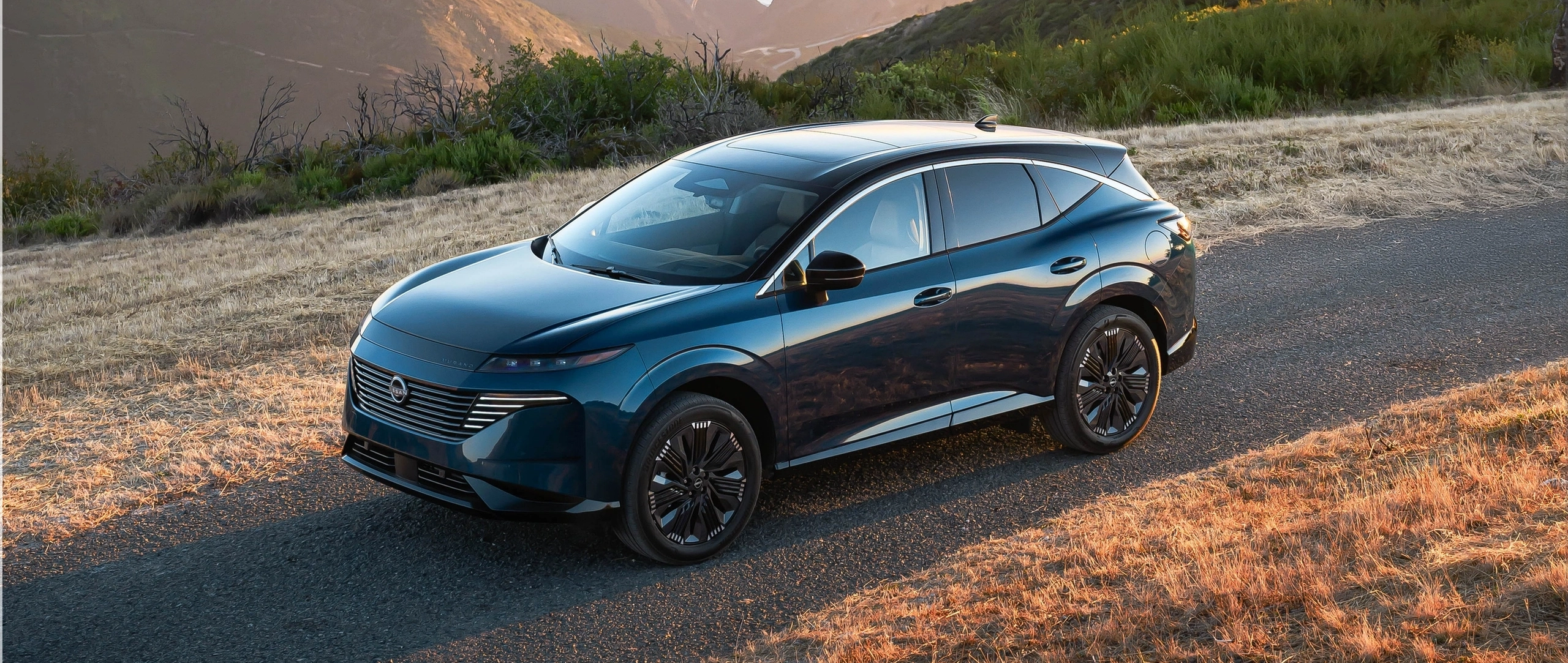
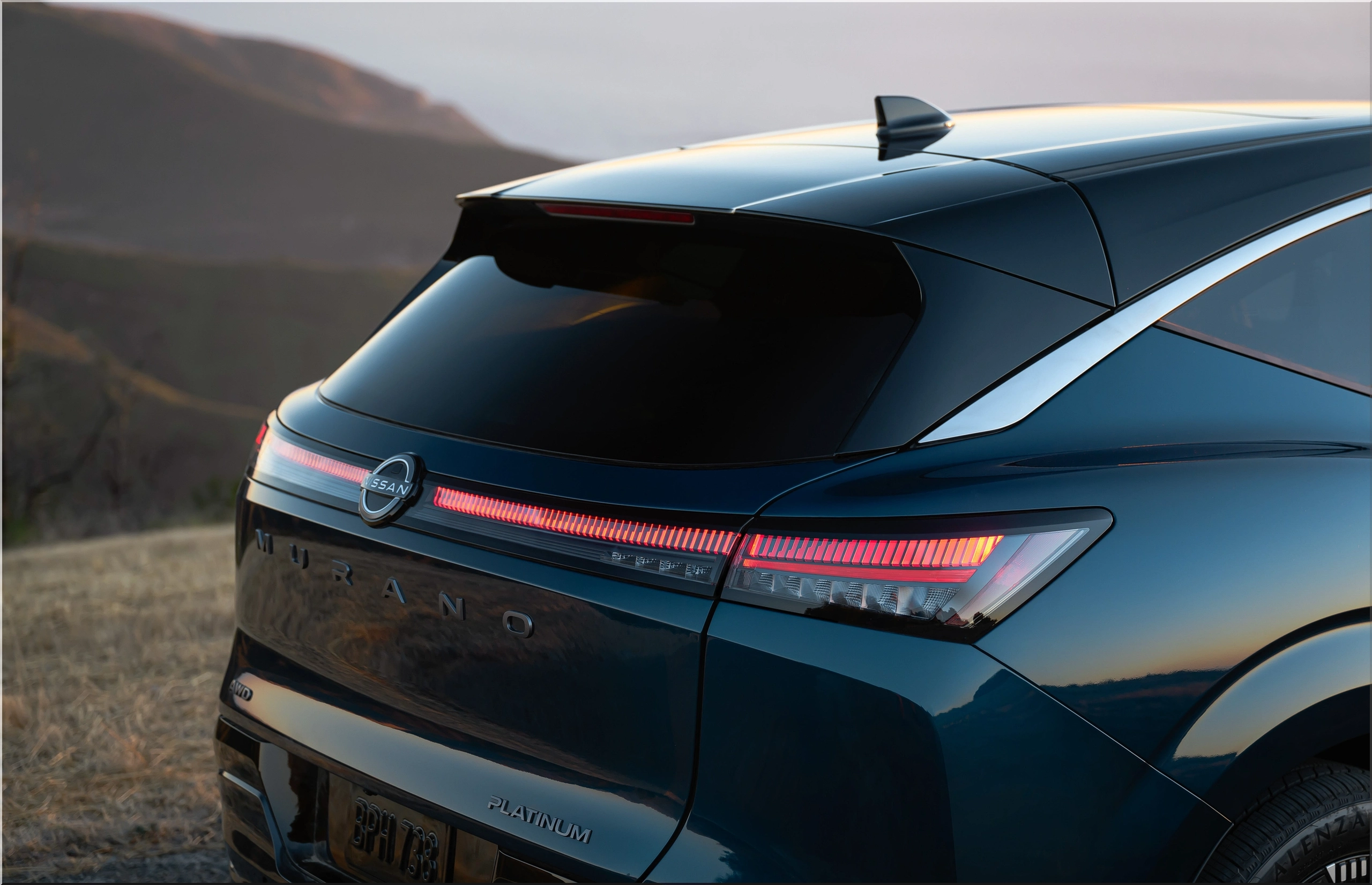
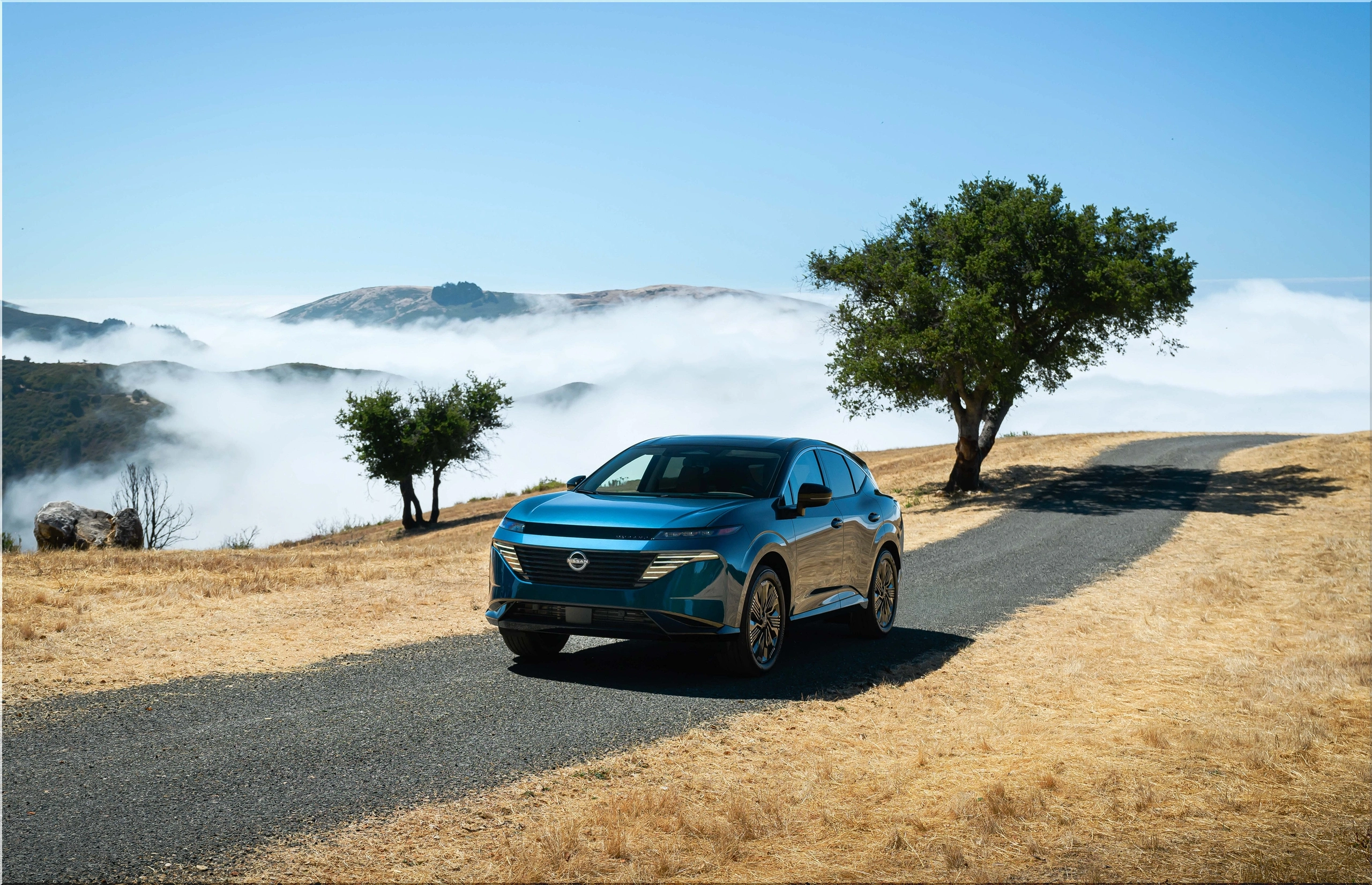
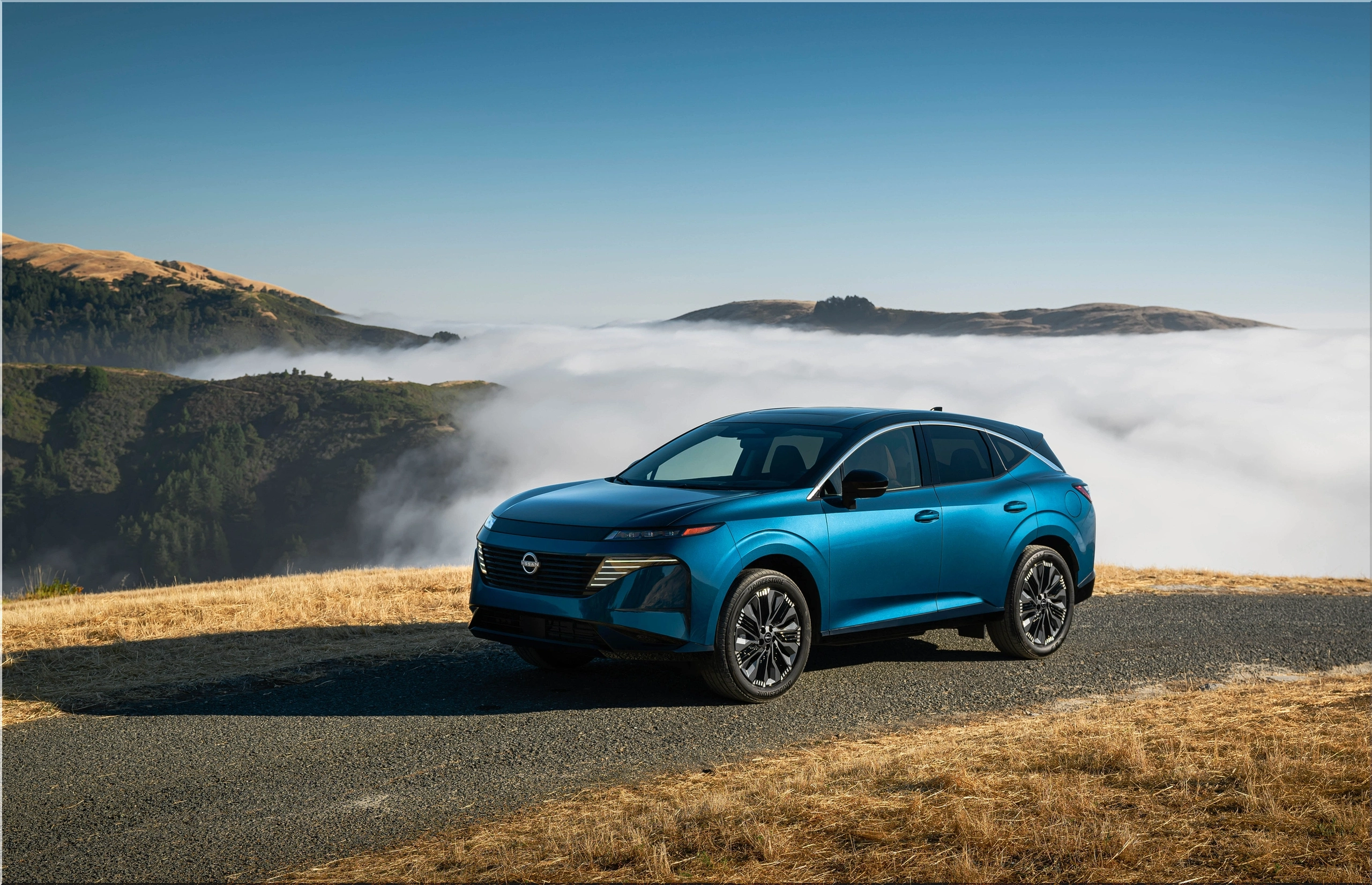
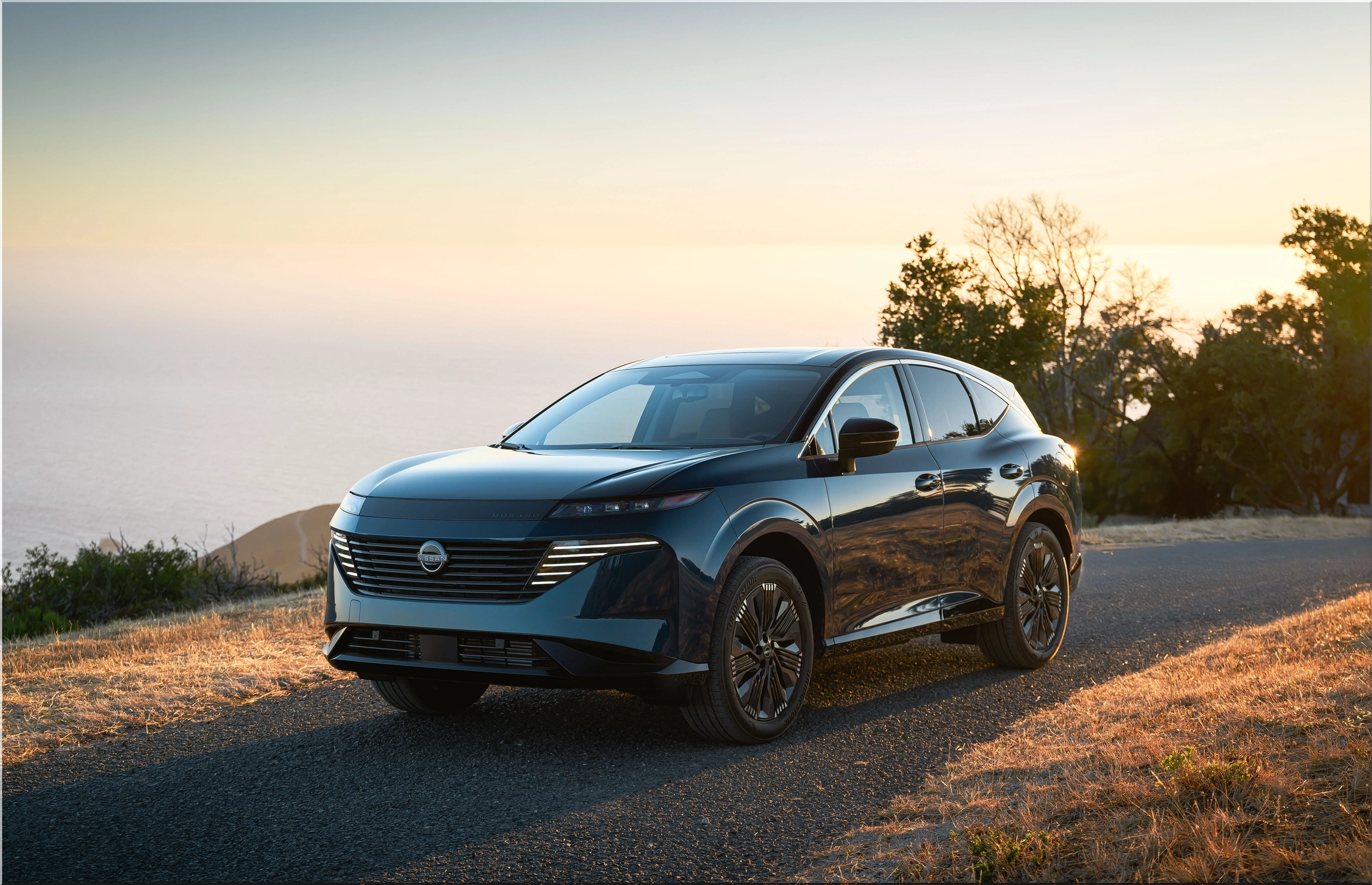
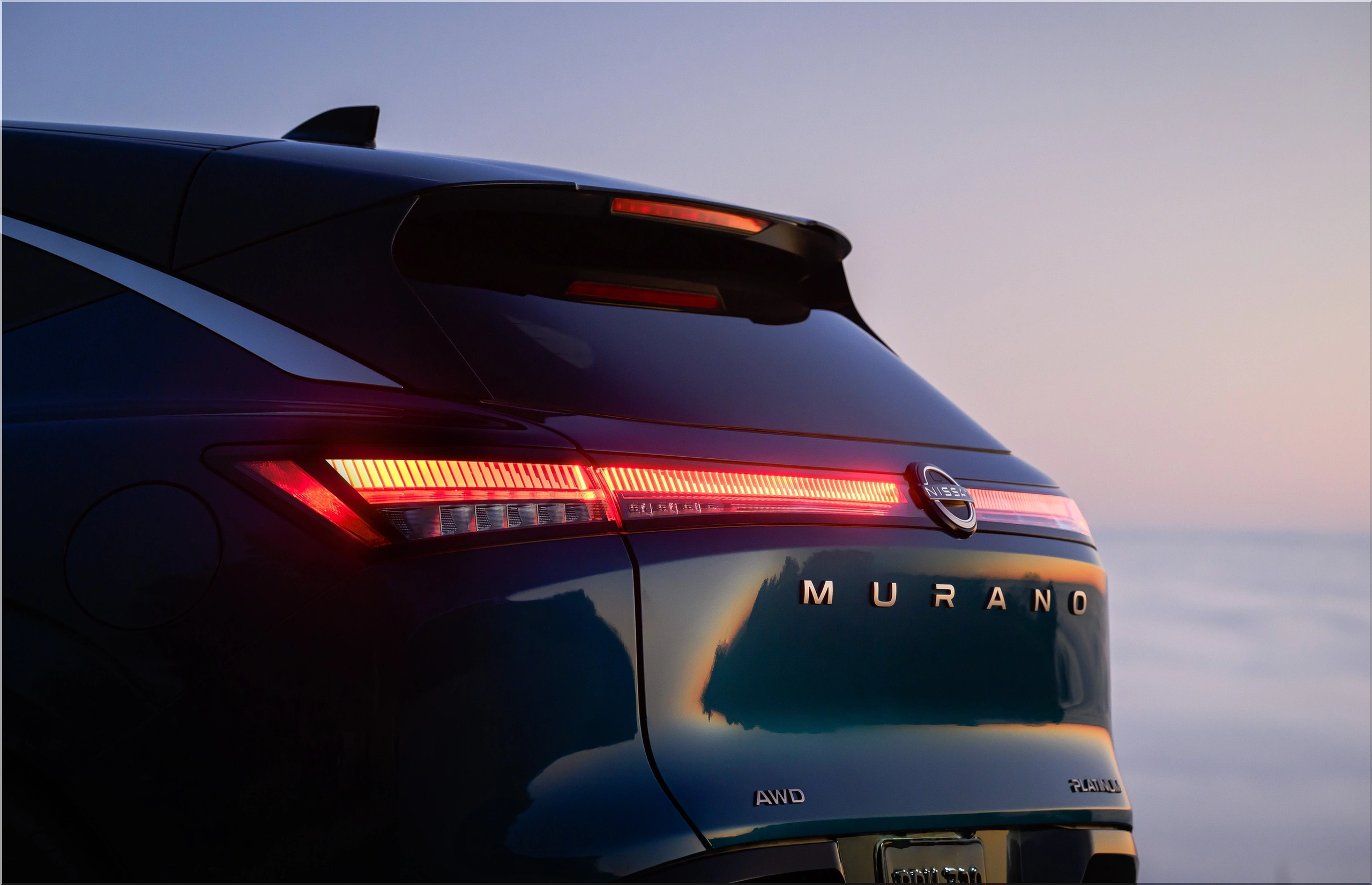
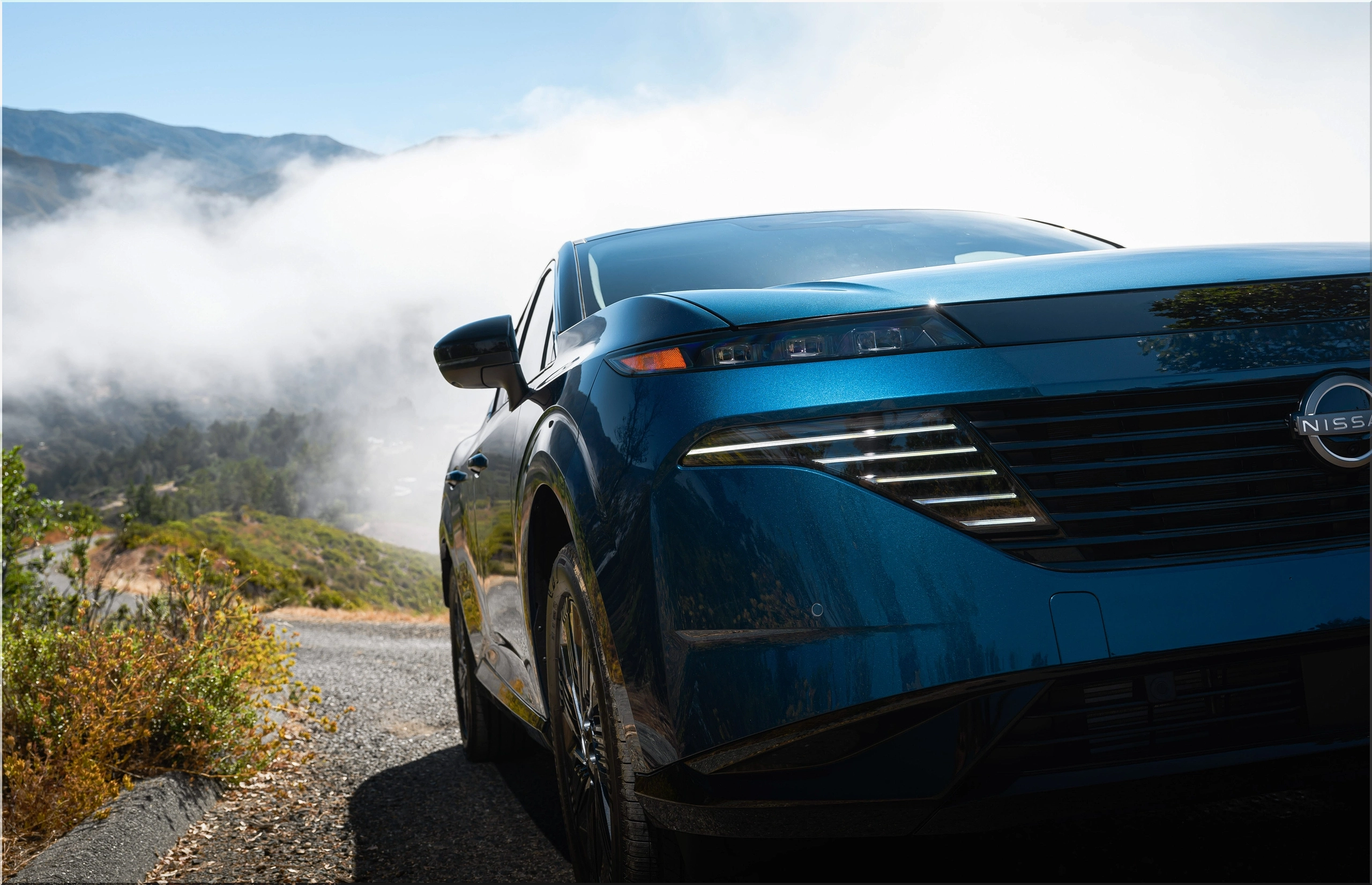
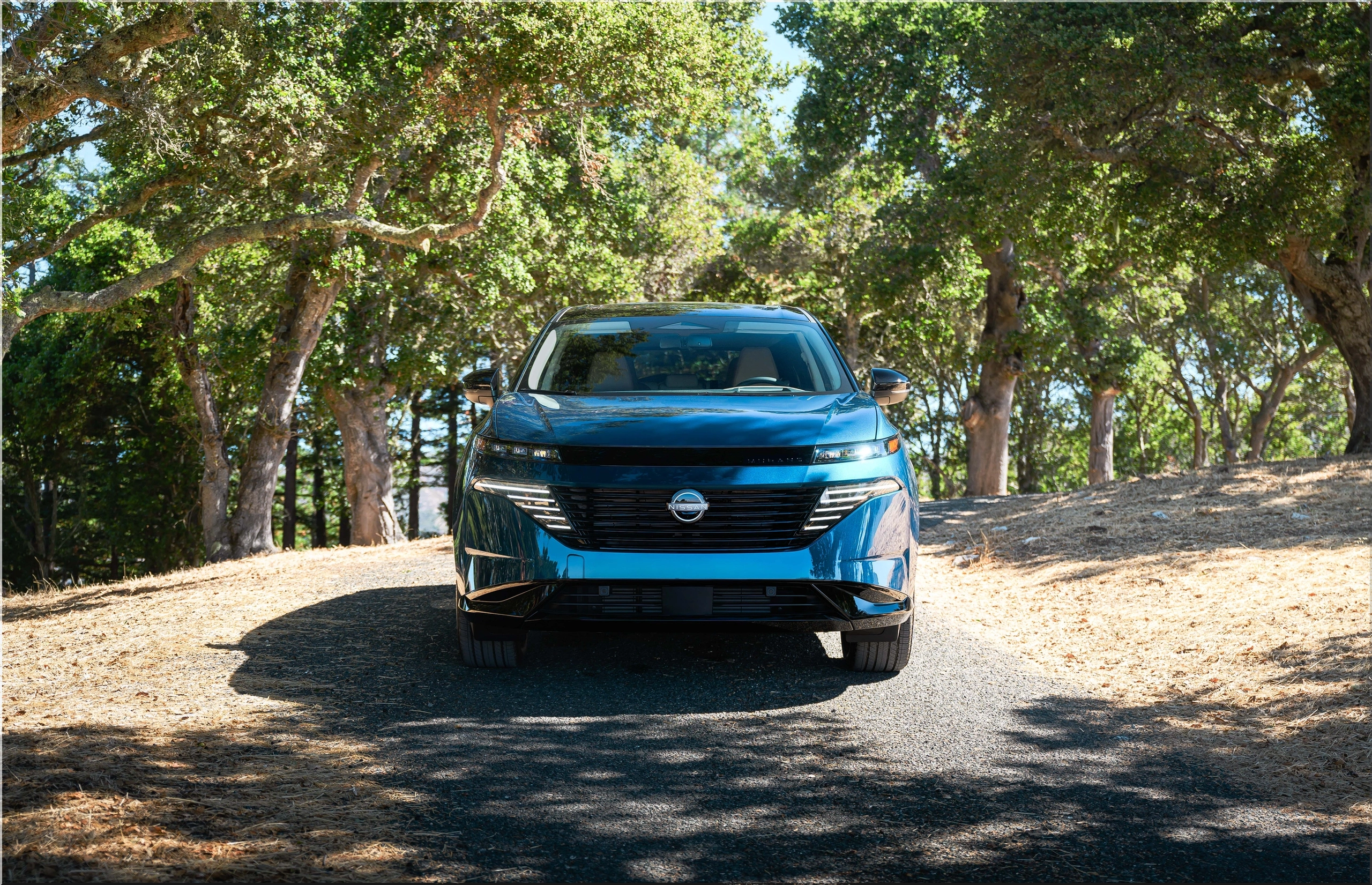
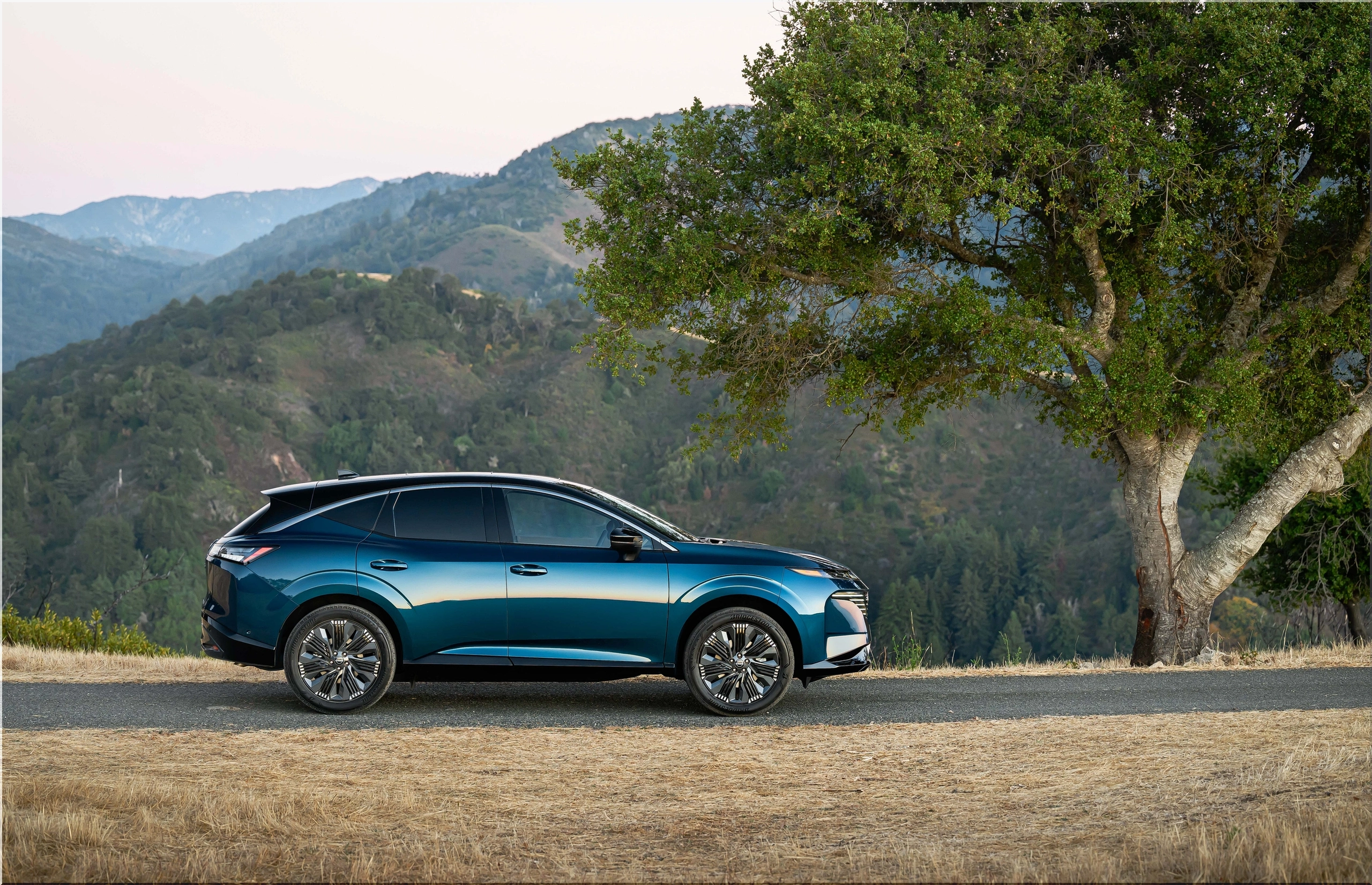
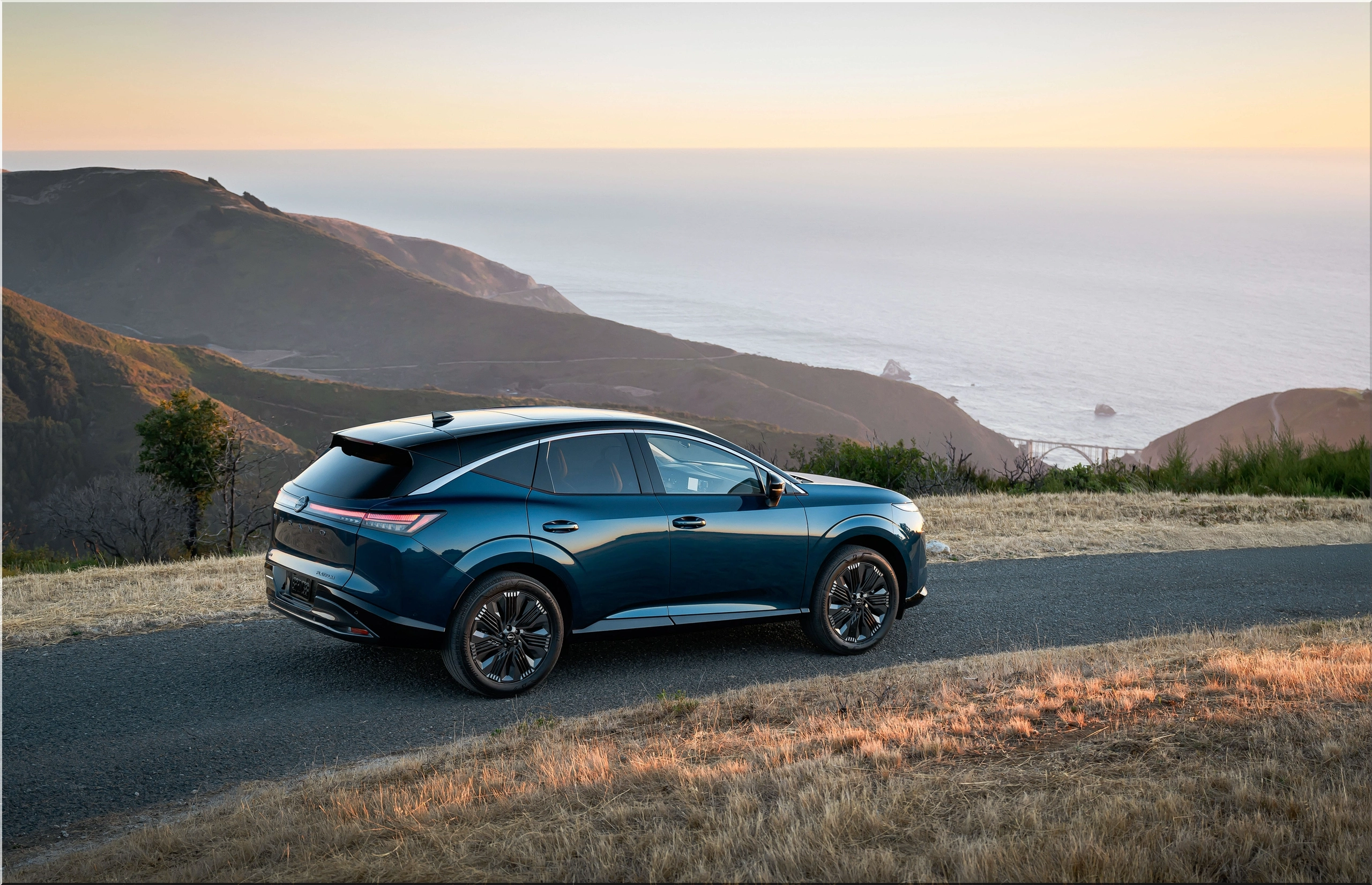
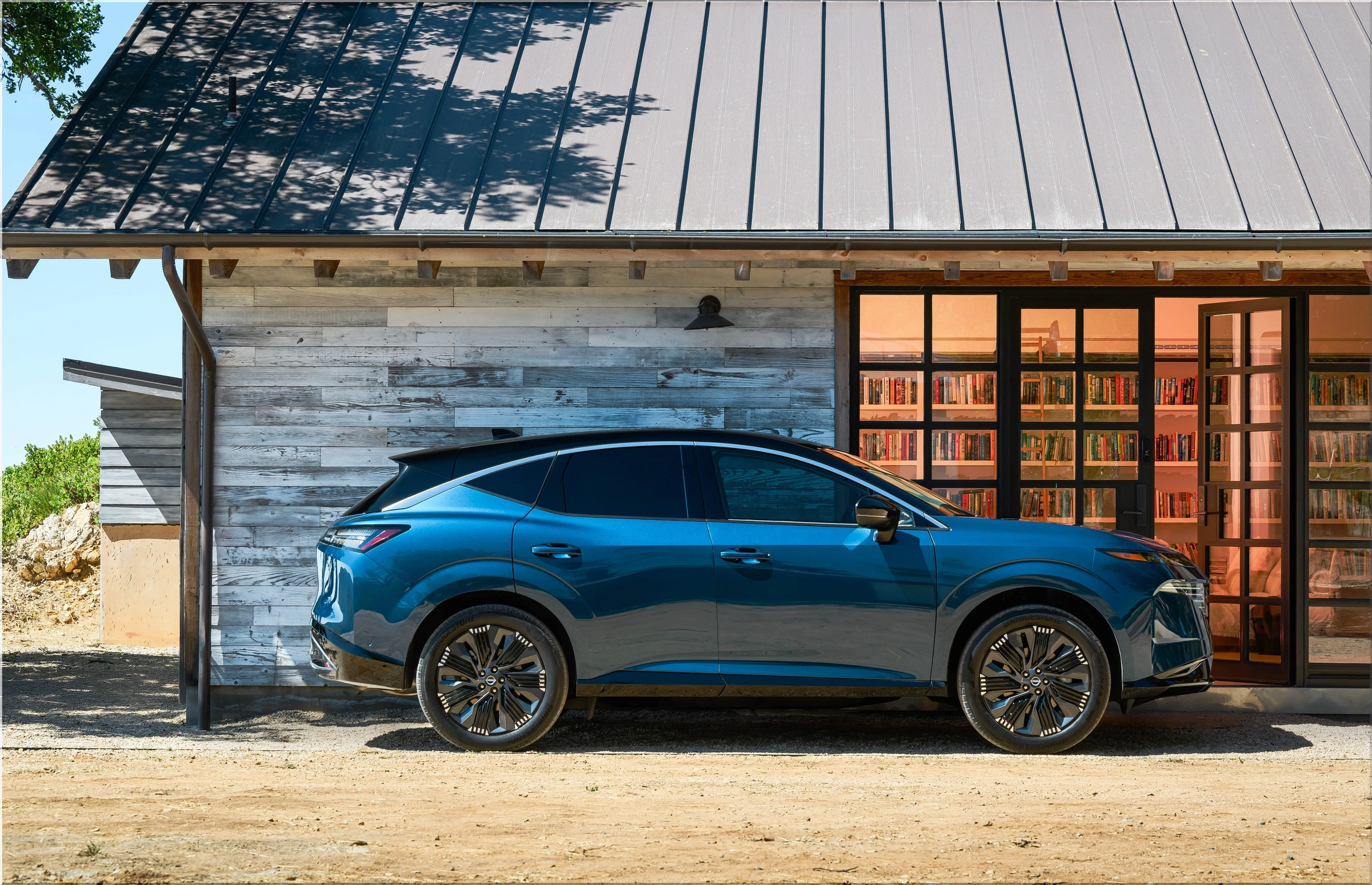
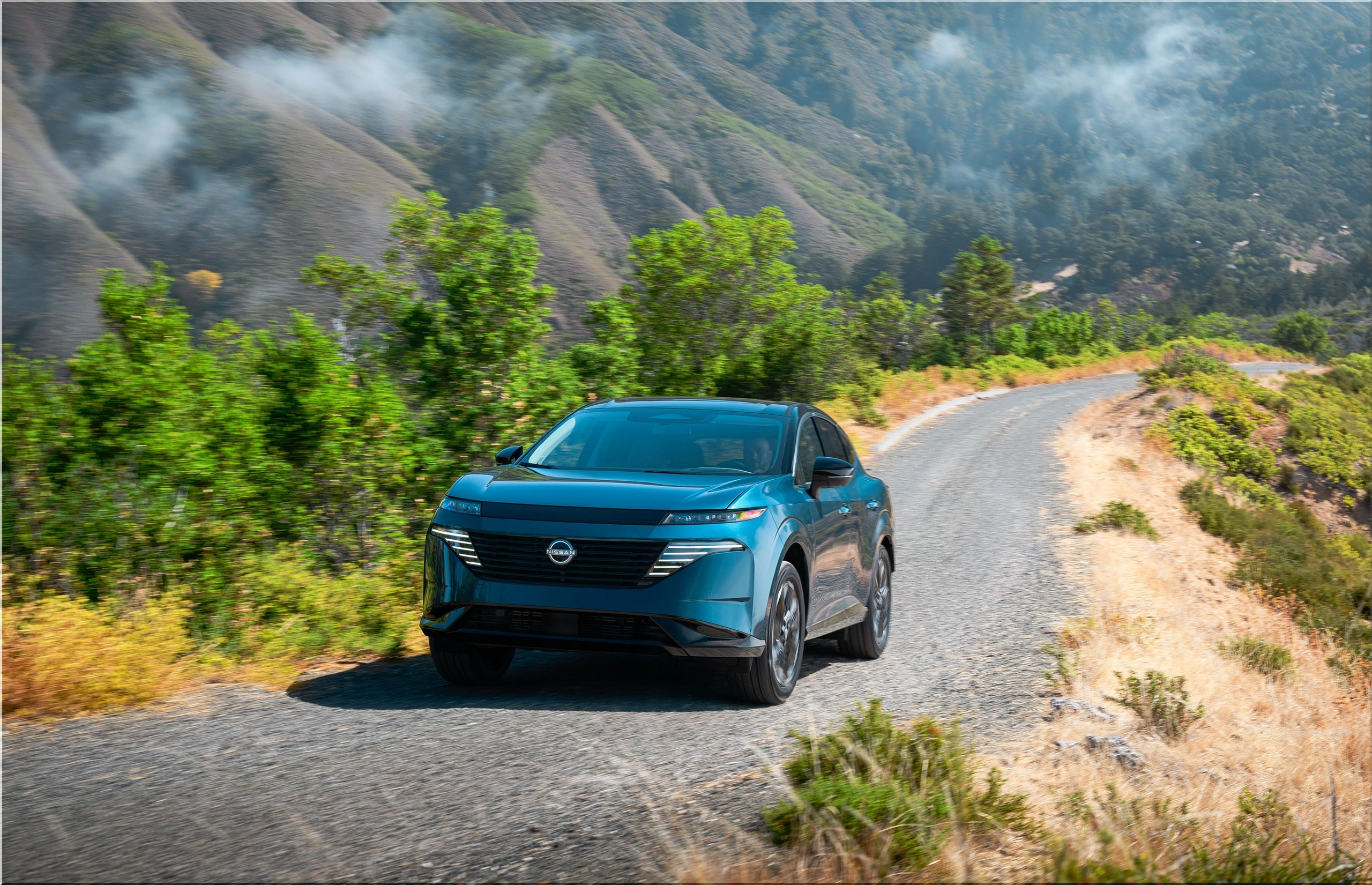
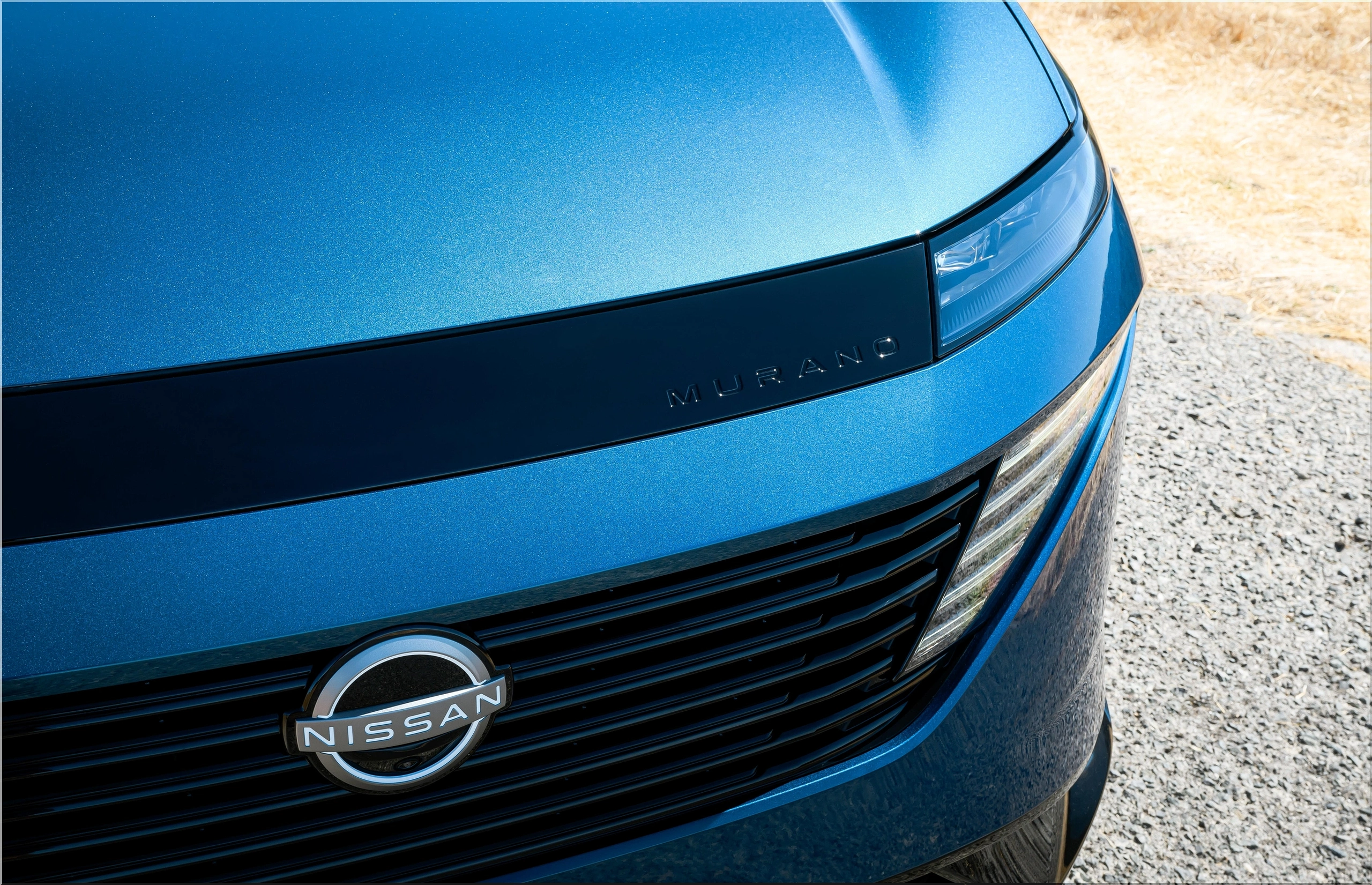
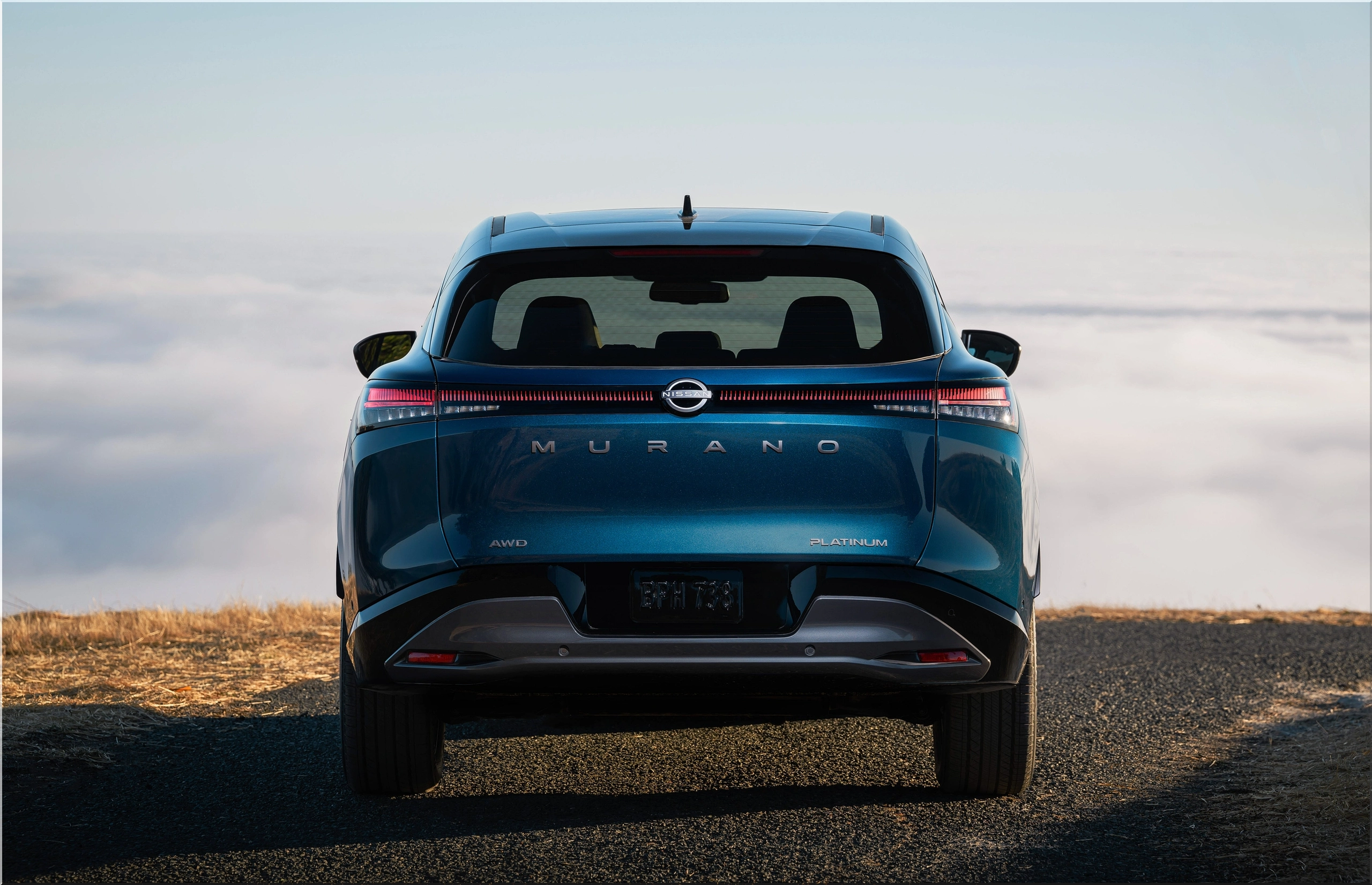
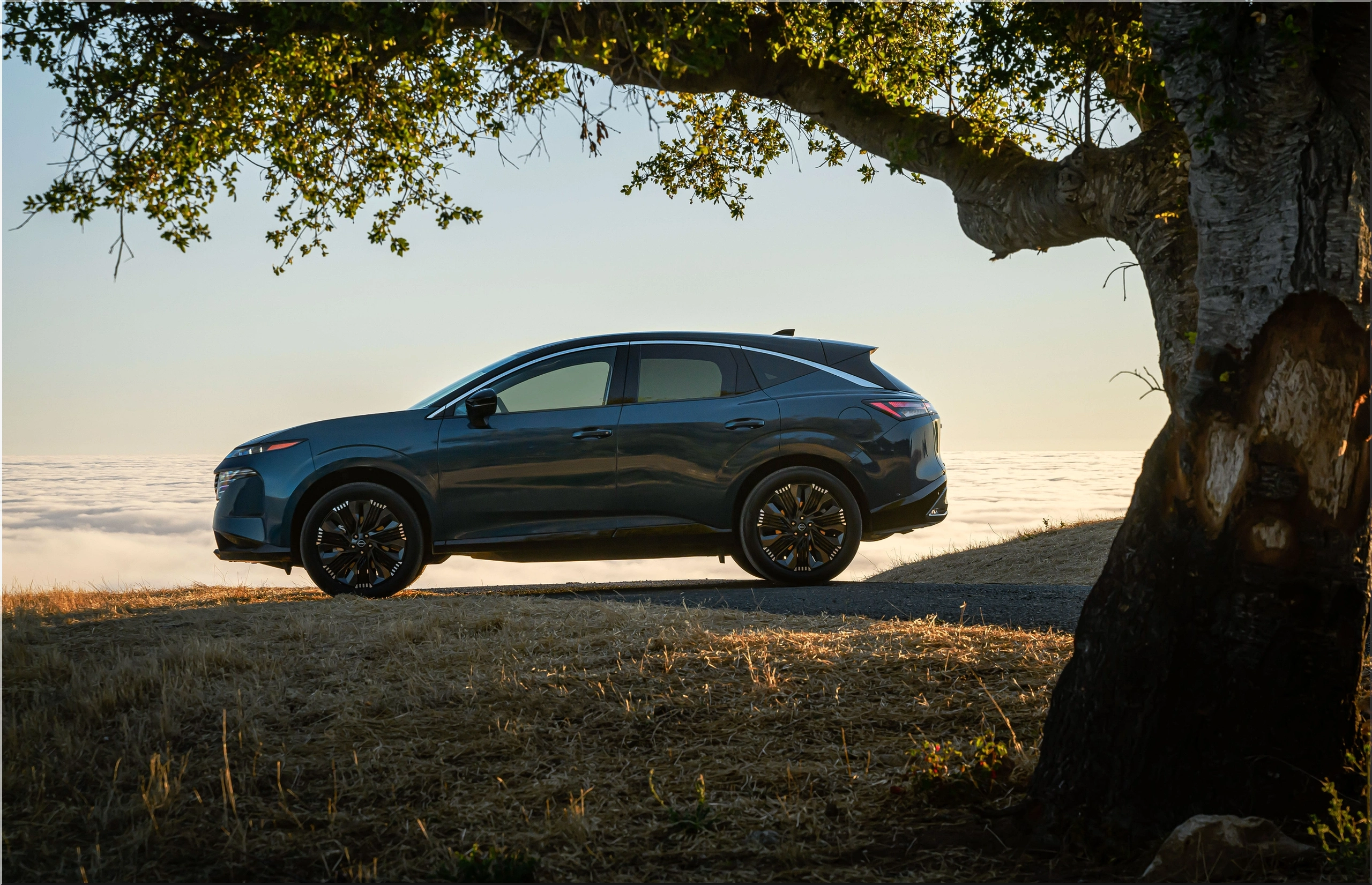
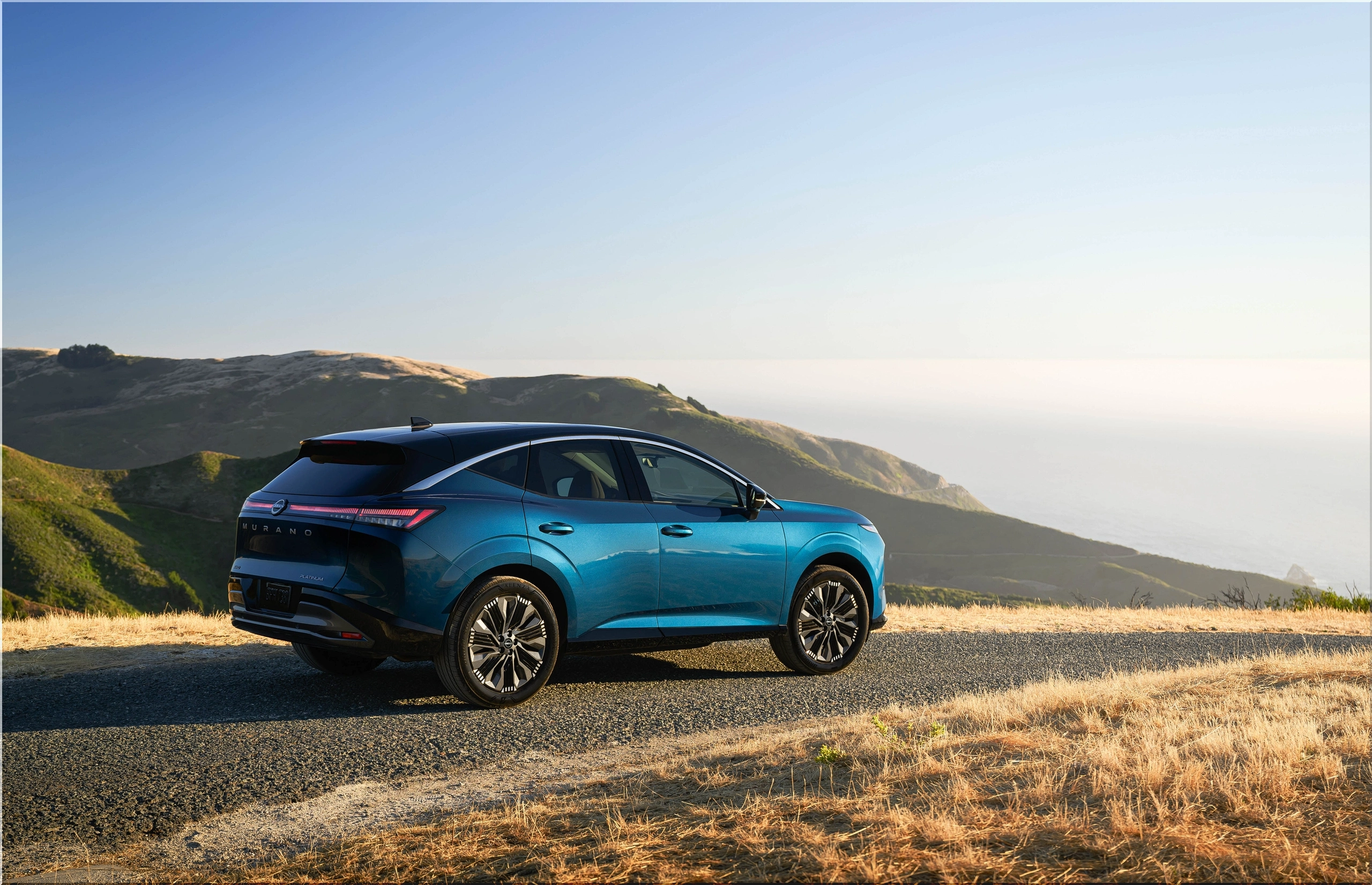
Nissan has decided to send the U.S.-built Nissan Murano into the Japanese market, with sales set to begin in early 2027. That matters for two reasons. First, Murano has long been a North America-focused product, built in Smyrna, Tennessee and tuned around U.S. buyer preferences. Second, this move gives Nissan a premium, two-row crossover to thicken its lineup in Japan without waiting on a clean-sheet domestic replacement.
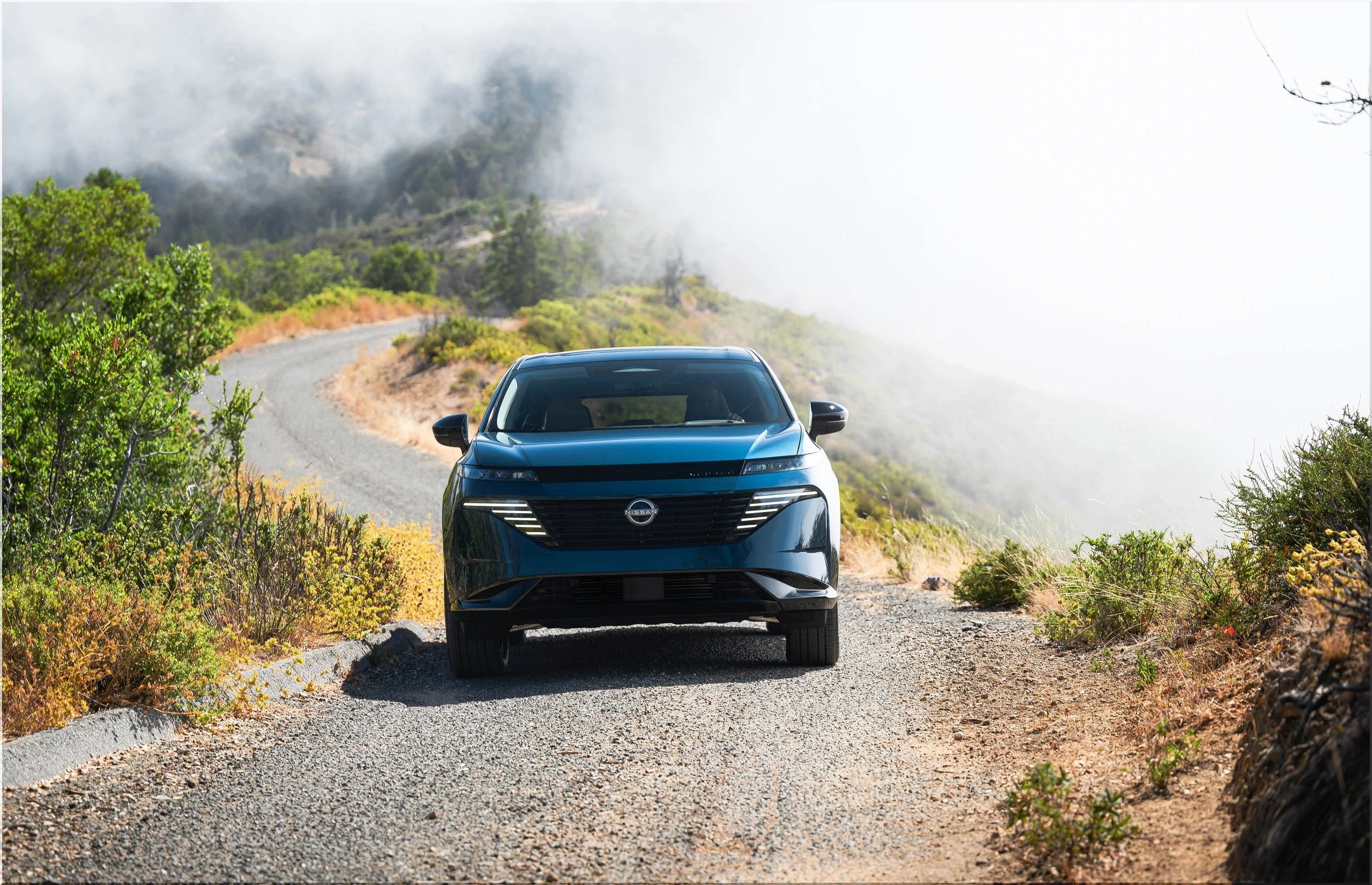
Looking at the data, this is a product move with supply-chain logic behind it. Nissan already builds the current-generation Murano in volume in Tennessee, and the latest model arrived with a full redesign for the 2025 model year. By routing that vehicle back to Japan, Nissan gains a faster path to market, a fresh nameplate with existing production tooling, and a way to monetize U.S. manufacturing capacity with a higher-margin crossover instead of chasing low-value volume.
What Nissan Announced
The core headline is simple: Nissan will introduce the U.S.-built Murano to Japan. Sales are scheduled for early 2027, and the vehicle will come from Nissan's Smyrna Vehicle Assembly Plant in Tennessee.
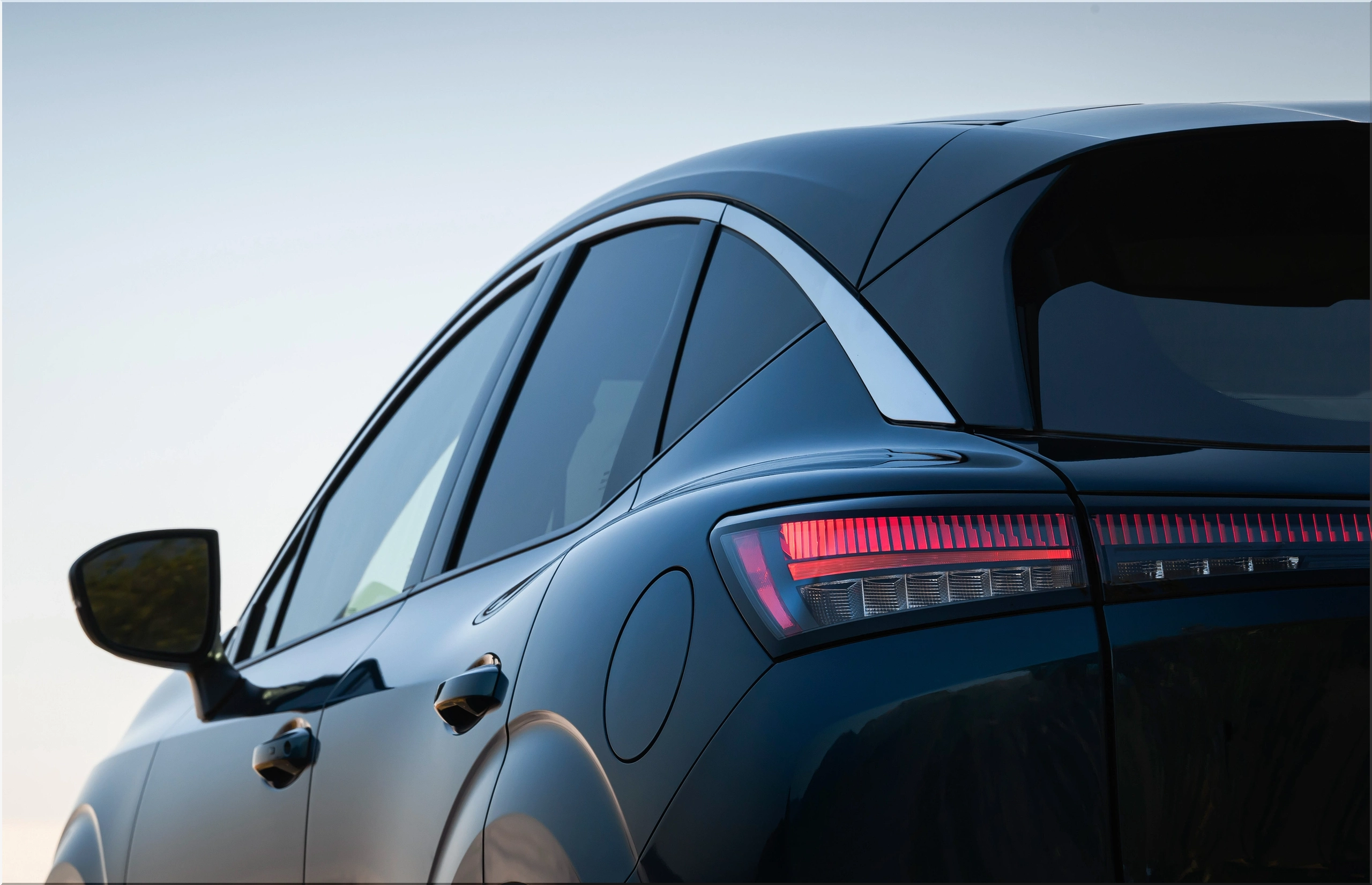
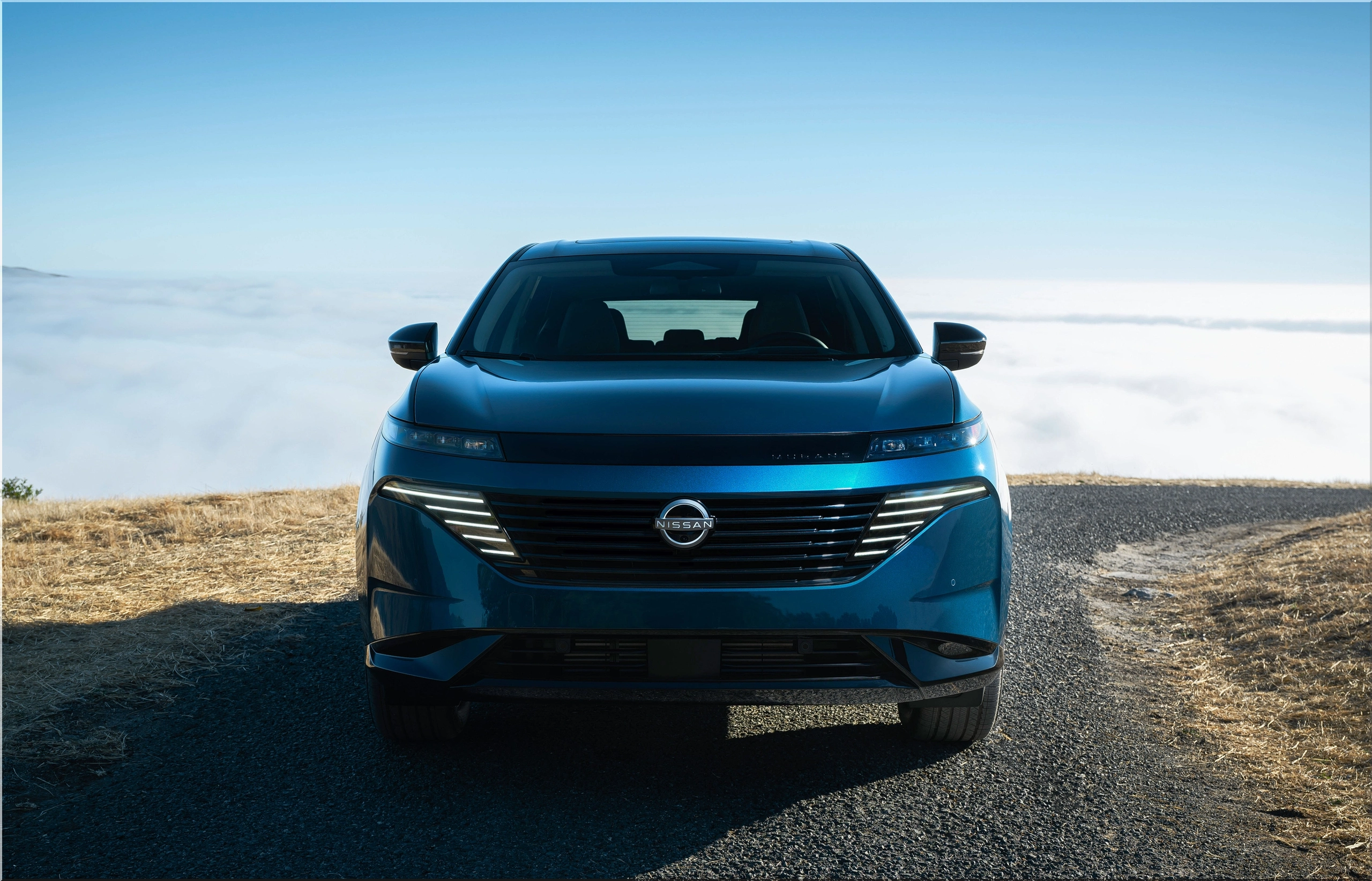
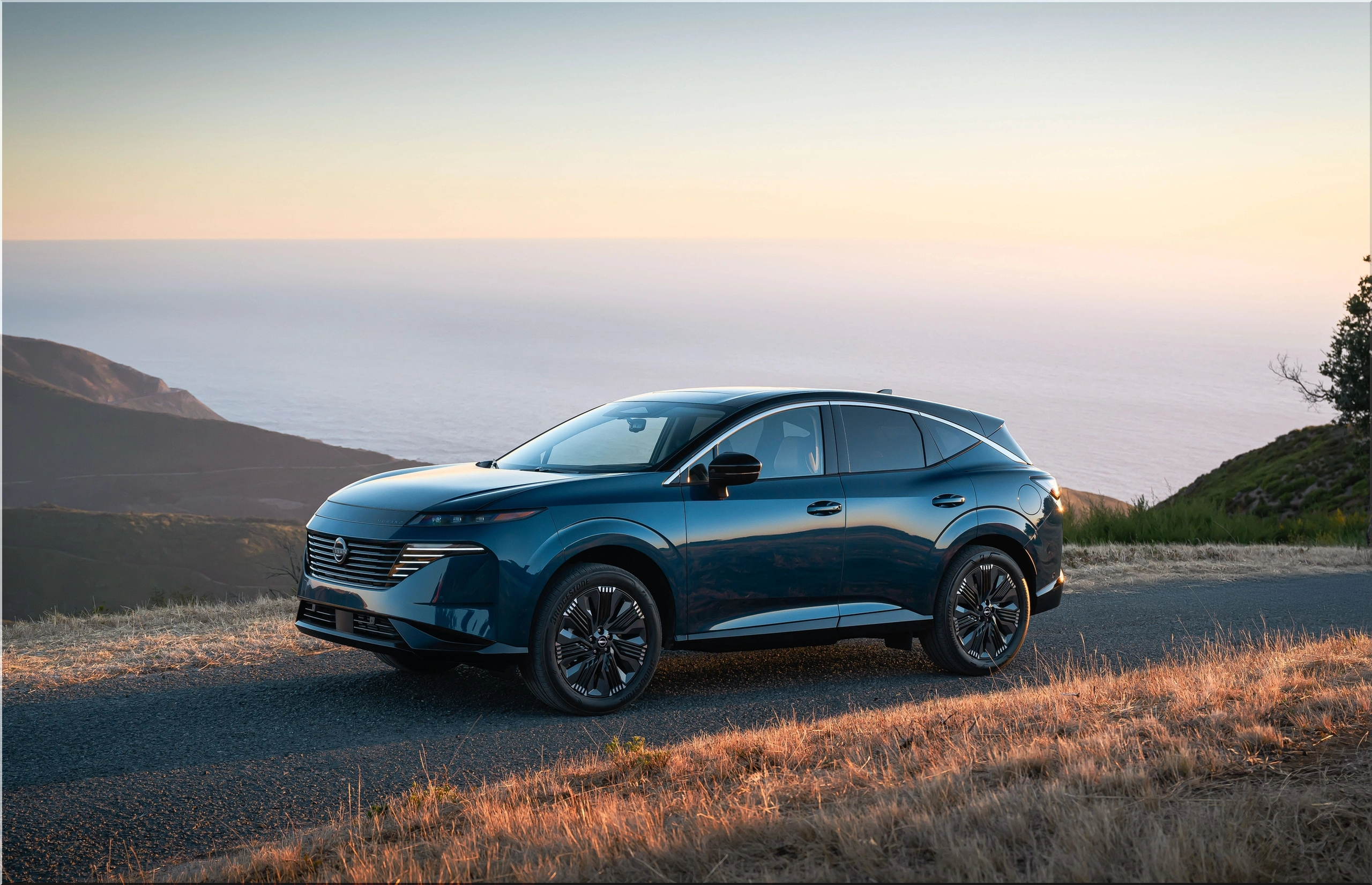
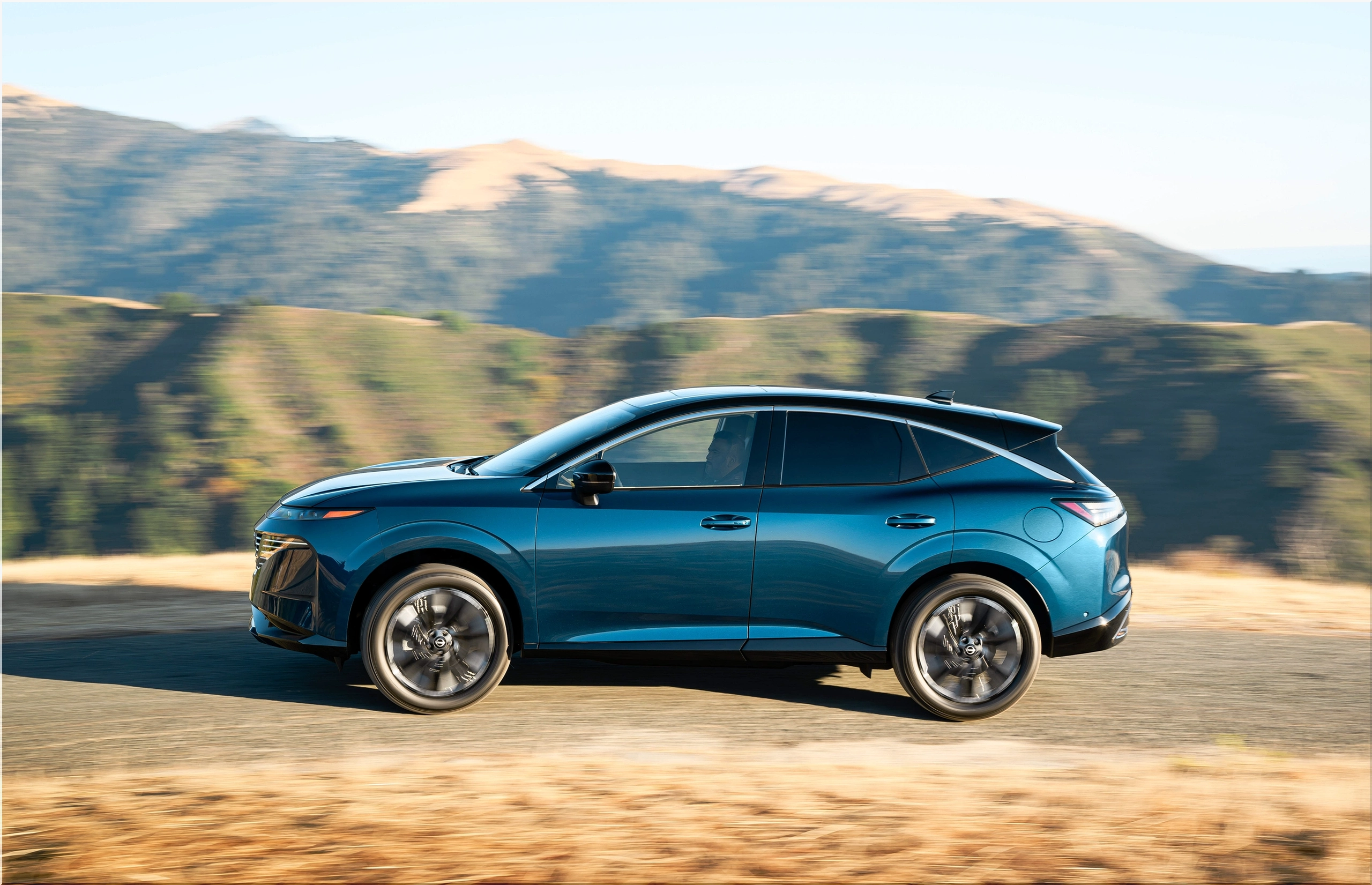
That decision has weight because Murano already sits in a useful niche. It is larger and more design-led than compact crossovers, but it avoids the packaging and pricing stretch that comes with a full-size three-row SUV. In Japan, where Nissan needs stronger showroom pull in profitable segments, Murano gives the brand a recognizable global model with premium cues and a more upscale cabin presentation.
Fast Facts
| Item | Detail |
|---|---|
| Model | Nissan Murano |
| Production location | Smyrna, Tennessee, USA |
| Japan launch timing | Early 2027 |
| Vehicle type | Mid-size, two-row crossover SUV |
| Strategic role | Expand Nissan's lineup in Japan with an imported premium crossover |
Why This Move Makes Sense
Nissan did not choose Murano by accident. The current Murano has already absorbed the expensive work: platform execution, supplier ramp-up, validation, and North American production launch. Consequently, bringing that vehicle to Japan lets Nissan move with less capital intensity than developing a separate Japan-only SUV in the same class.
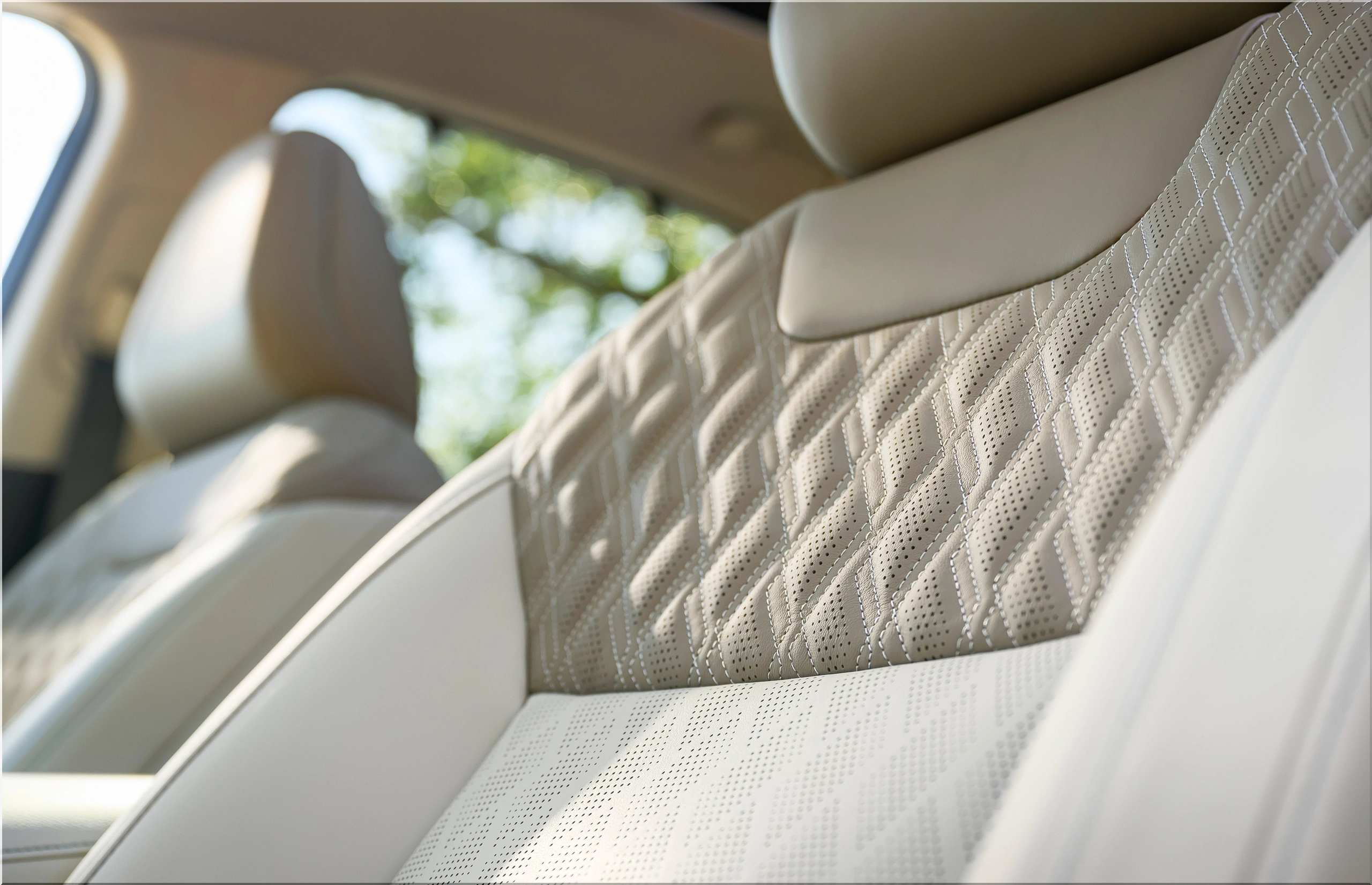
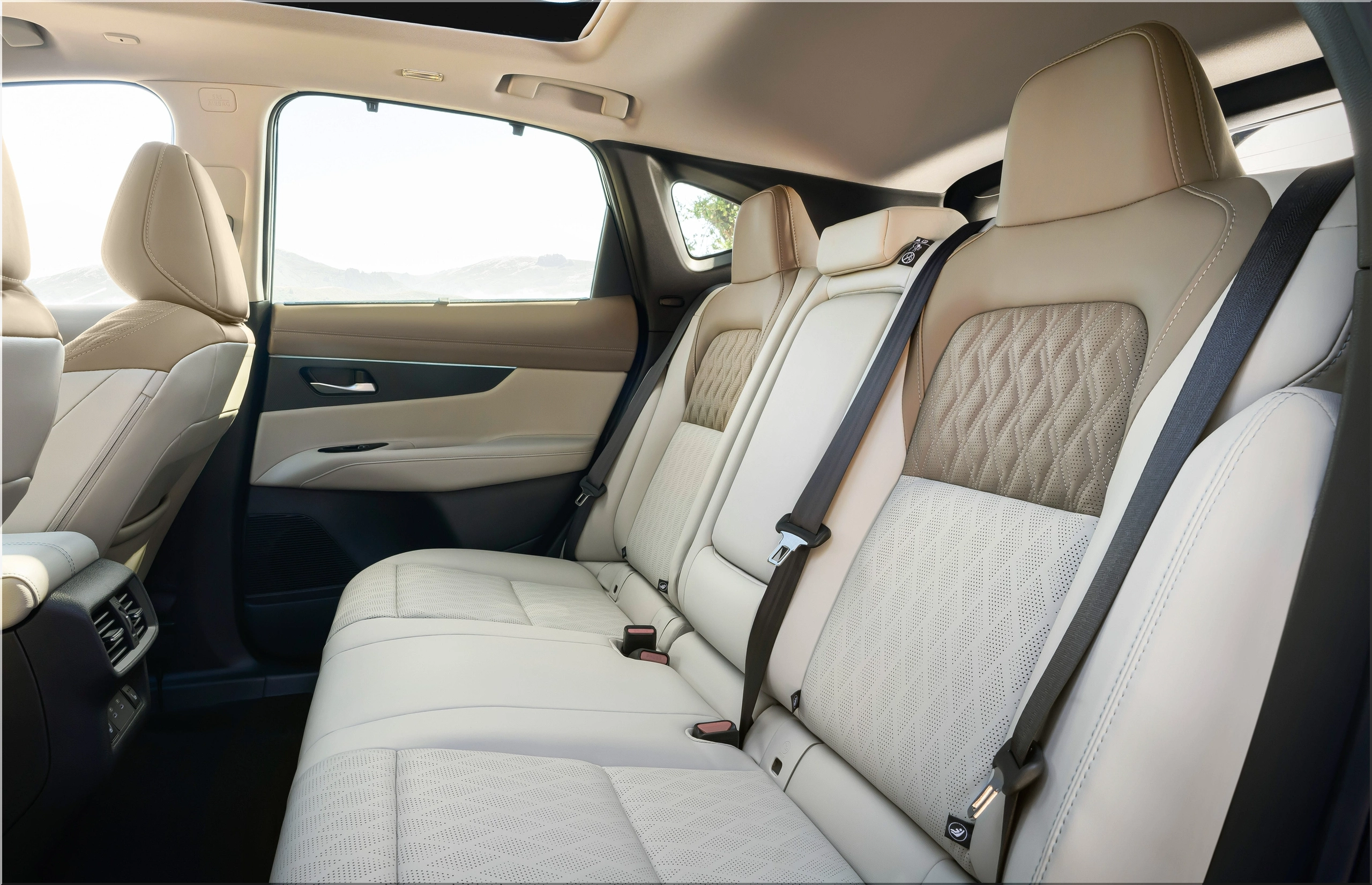
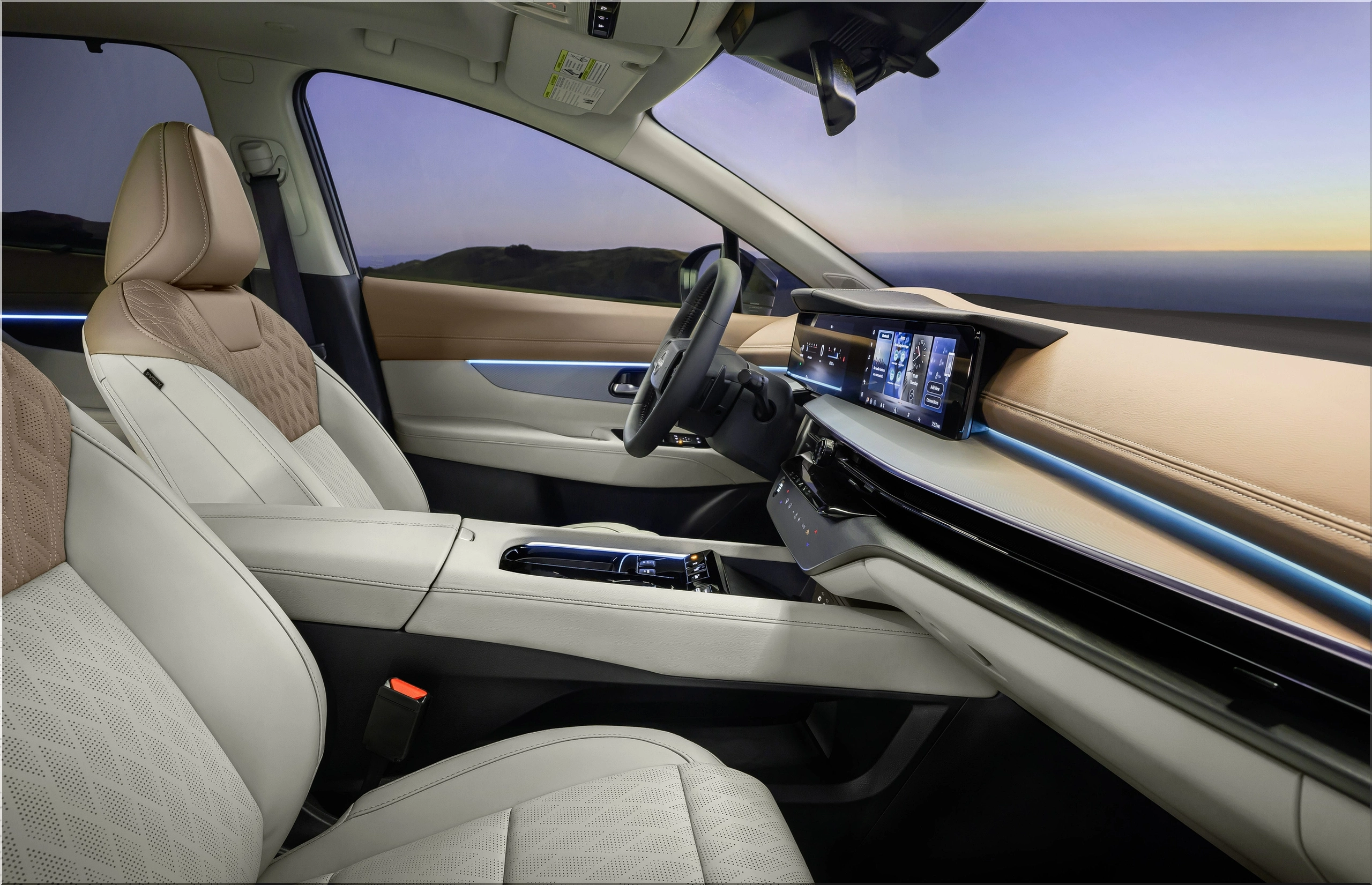
From an expert perspective, Murano also fits a gap in brand positioning. Nissan has leaned hard on compact crossovers, kei cars, electrified models, and family-focused utility vehicles in Japan. Murano gives the company a premium Nissan SUV with stronger design identity, richer interior materials, and a more emotional pitch than a purely rational family hauler.
There is also a manufacturing angle. Smyrna already produces Murano alongside other key Nissan and Infiniti products. That makes Murano a logical export candidate because the plant, suppliers, and logistics chain already exist.
The Murano Nissan Will Send to Japan
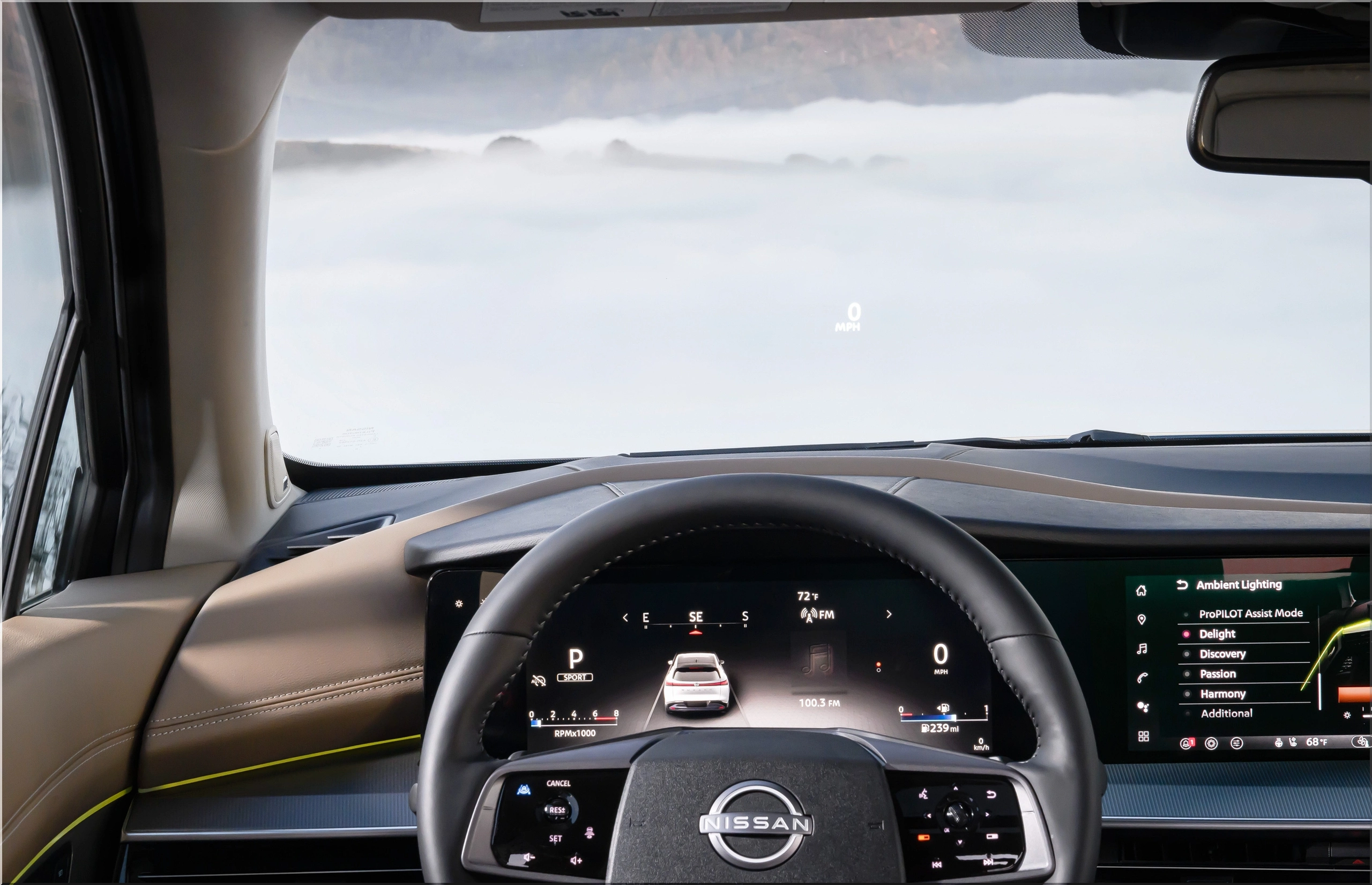
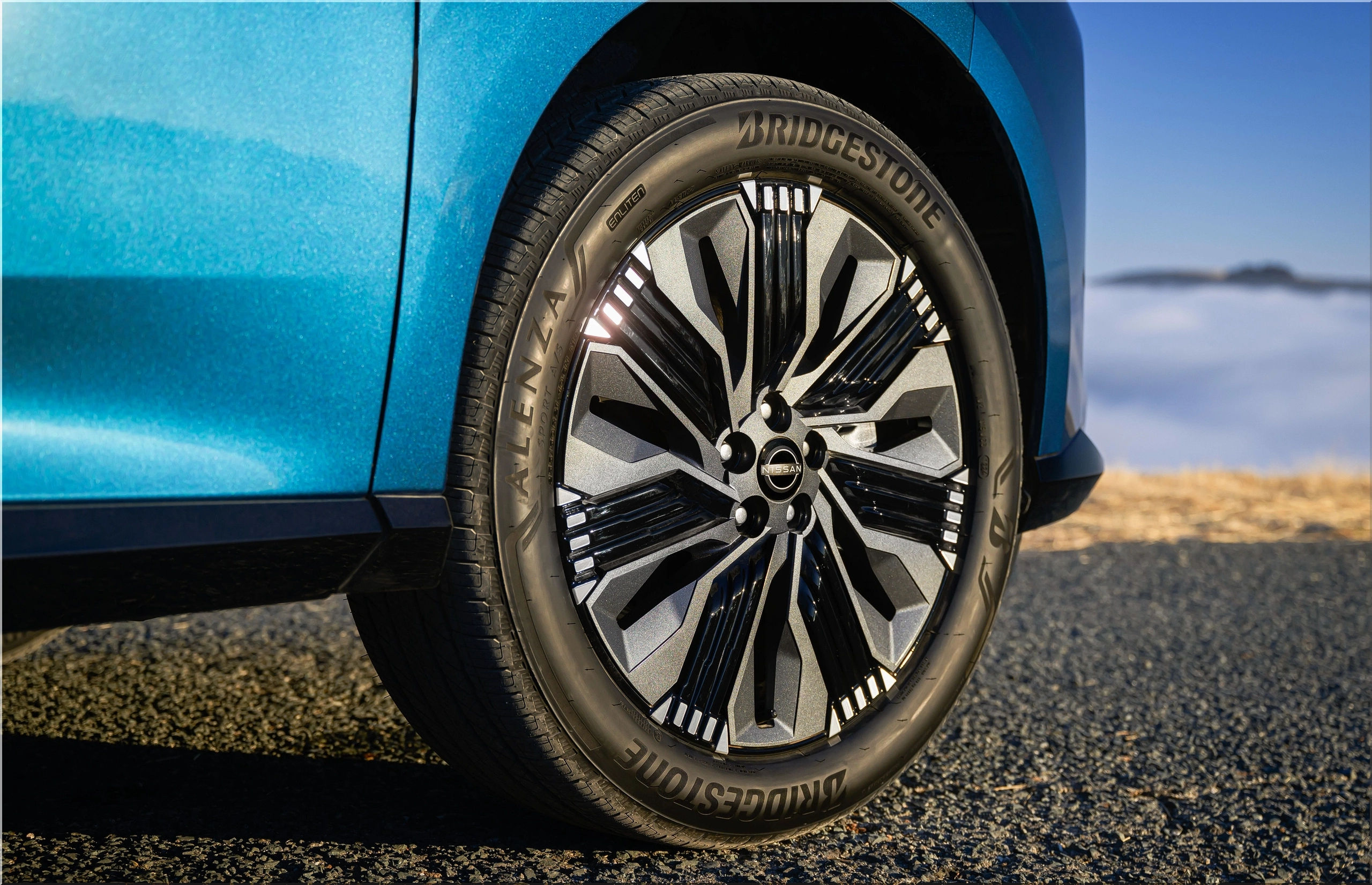
The current Nissan Murano is materially different from the outgoing model. Nissan swapped in a 2.0-liter VC-Turbo inline-four and paired it with a 9-speed automatic transmission, replacing the old V6/CVT formula. Specifically, the new powertrain produces 241 horsepower and 260 lb-ft of torque, while EPA ratings reach 21 mpg city, 27 mpg highway, and 23 mpg combined in U.S. specification.
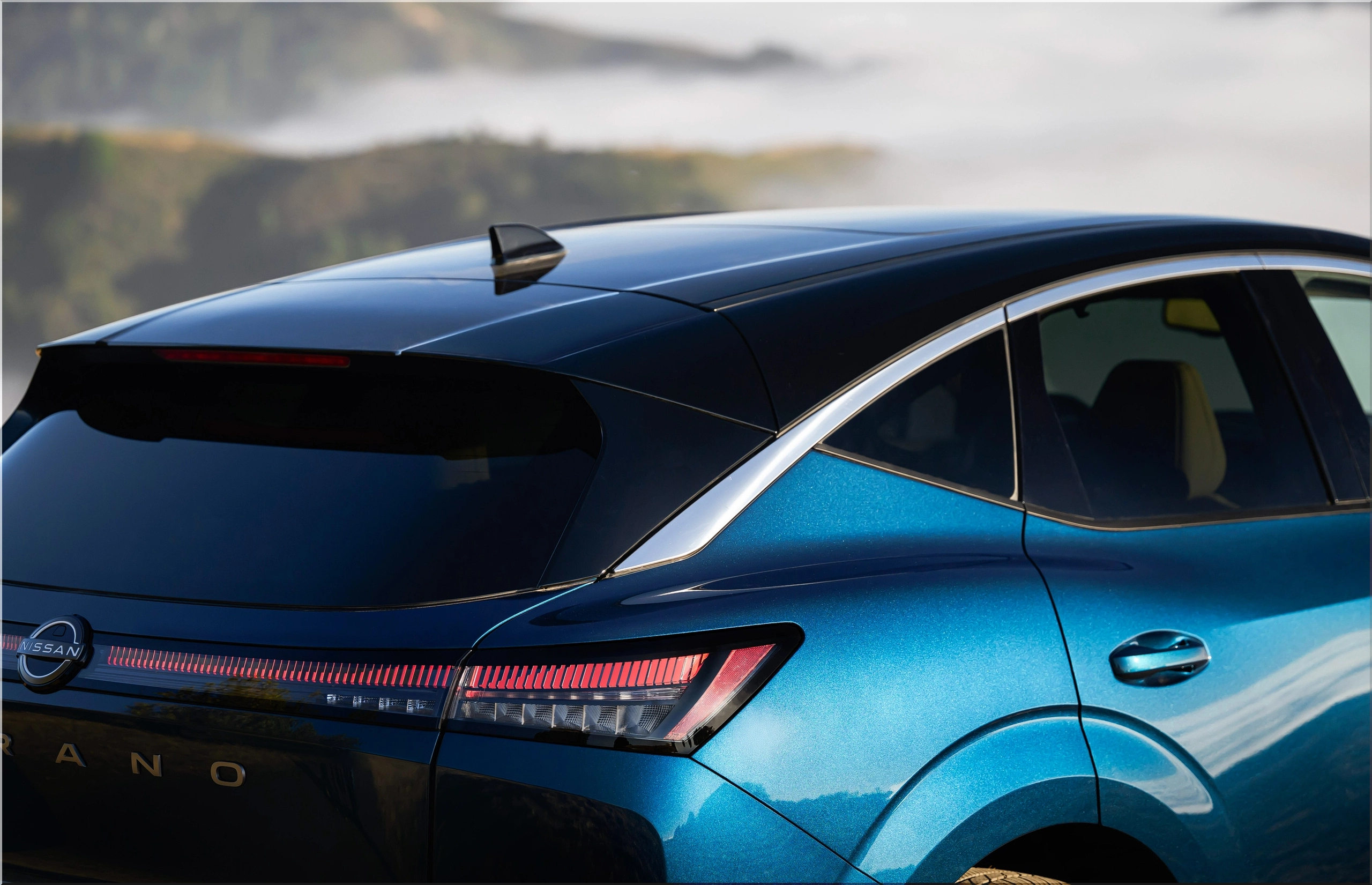
That matters because Nissan did not merely restyle the vehicle. It reworked the driveline, upgraded the cabin tech stack, and pushed Murano further into near-luxury territory.
Key U.S.-Spec Murano Numbers
| Specification | Nissan Murano |
|---|---|
| Engine | 2.0-liter VC-Turbo I-4 |
| Output | 241 hp |
| Torque | 260 lb-ft |
| Transmission | 9-speed automatic |
| Wheelbase | 111.2 in / 2,824 mm |
| Length | 192.9 in / 4,900 mm |
| Width | 78.0 in / 1,981 mm |
| Height | 67.9 in / 1,725 mm |
| Highway economy | 27 mpg |
| Towing capacity | 1,500 lb / 680 kg |
| Starting U.S. MSRP | $40,470 |
By comparison, those dimensions put Murano in a meaningful sweet spot. It is long enough to deliver real rear-seat room and cargo usability, but it stays under the physical sprawl of larger three-row SUVs. For Japan, that means Nissan can sell presence and comfort without stepping into full-size packaging penalties.
Why the Engineering Package Matters
The VC-Turbo engine is the technical centerpiece. Nissan's variable-compression design lets the engine shift operating characteristics depending on load, which gives Murano a broader usable range than a conventional fixed-compression turbo four. Under lighter loads, the system can favor efficiency. Under heavier demand, it can support stronger output. That dual-purpose logic fits a crossover expected to handle commuting, highway work, and occasional long-distance touring.
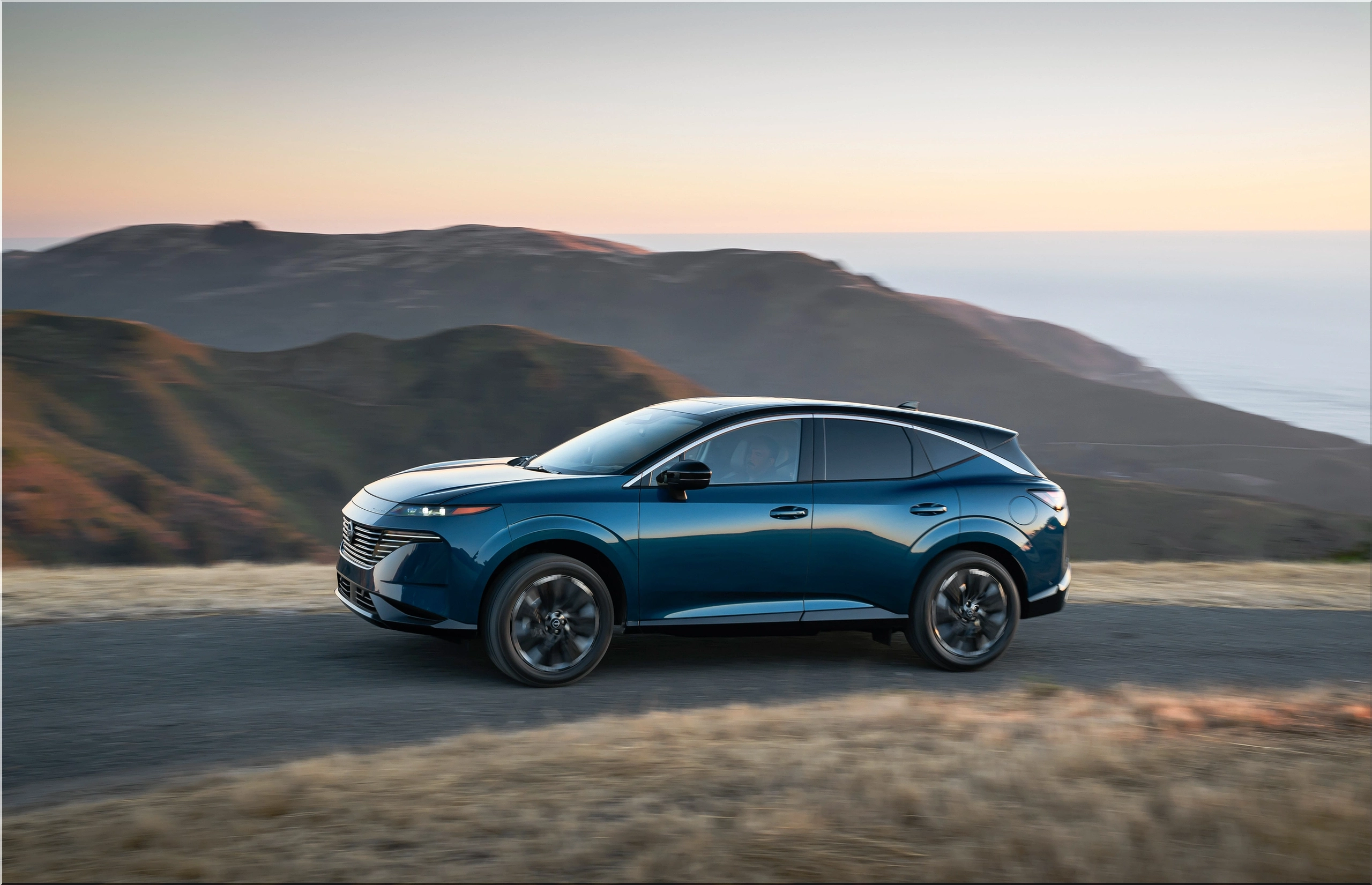
The 9-speed automatic also changes Murano's character. The old CVT prioritized smoothness, but many buyers in this segment now expect a more natural stepped shift feel and better ratio spread. Specifically, the 9-speed helps the engine stay in a more efficient or responsive operating band, depending on driver demand. That gives Nissan a more globally acceptable calibration for markets that still value conventional automatic behavior.
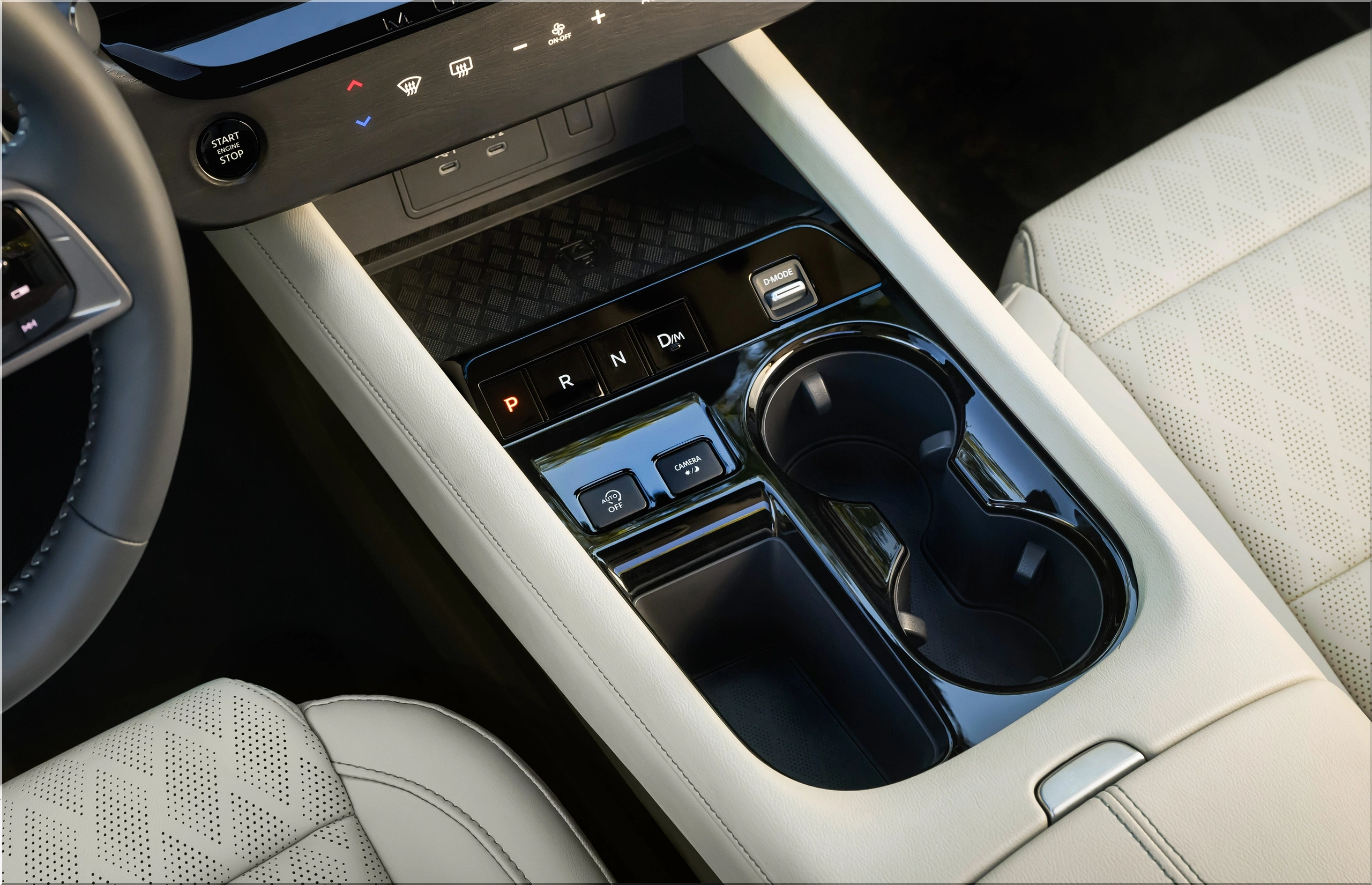
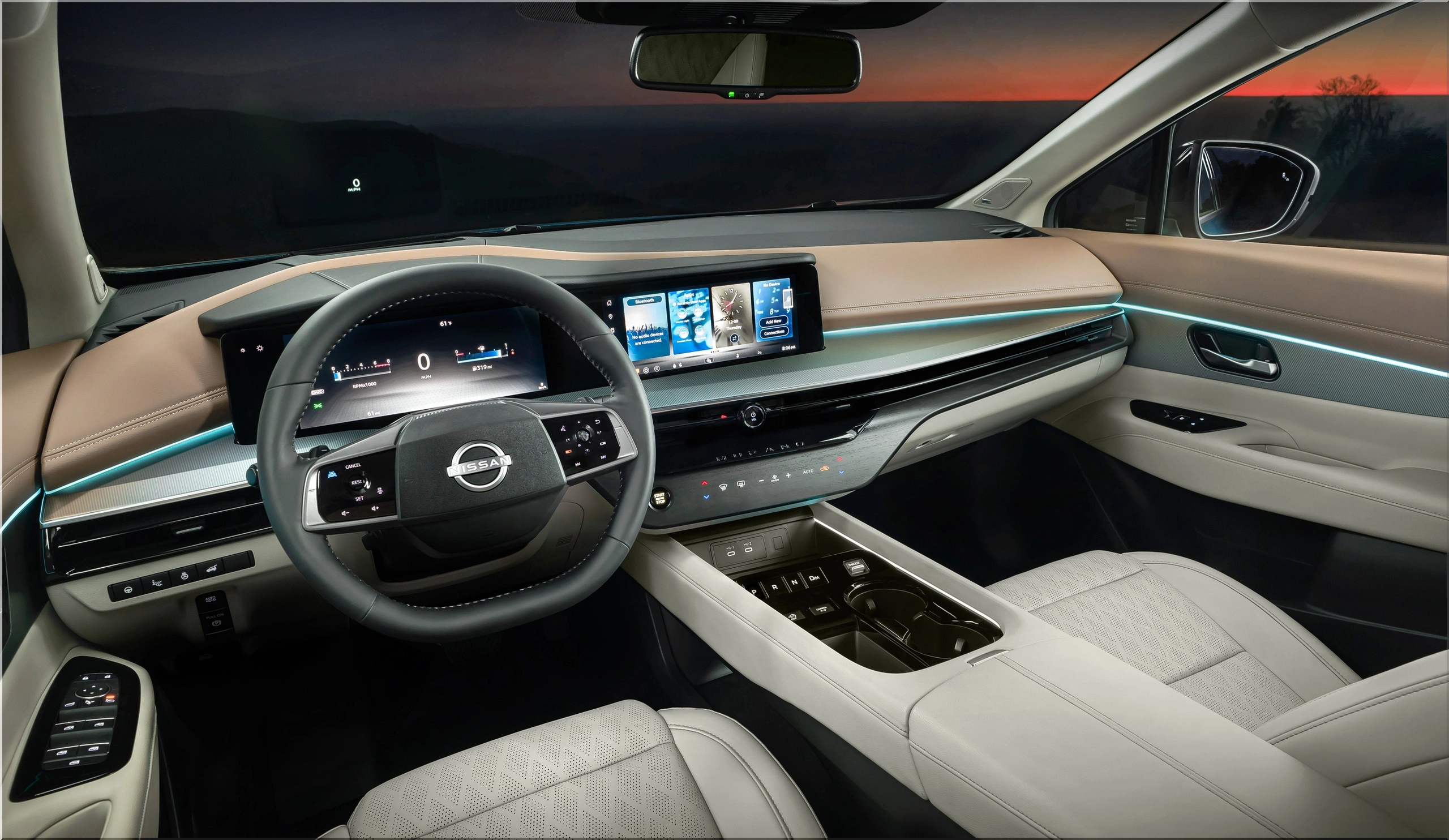
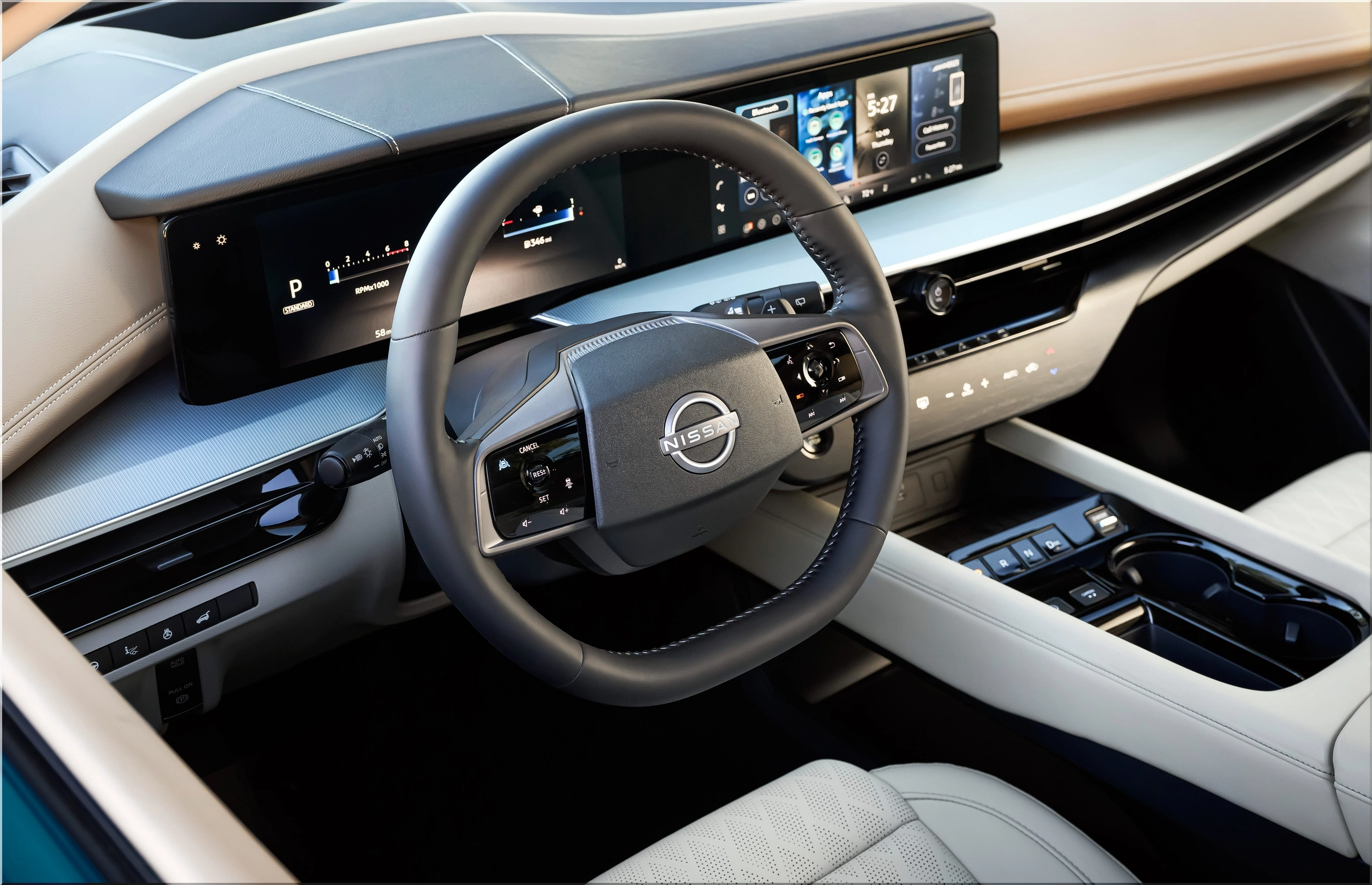
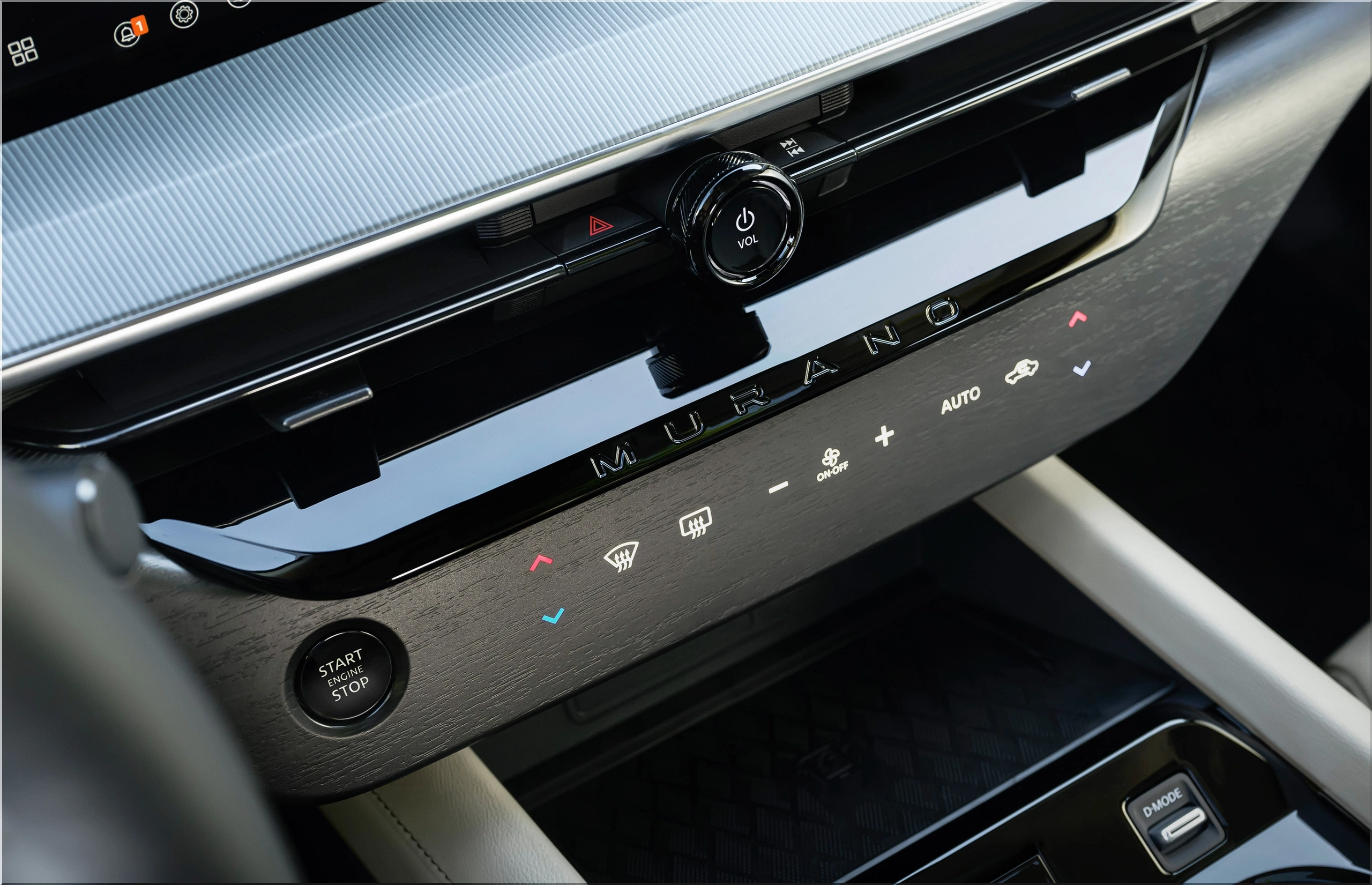
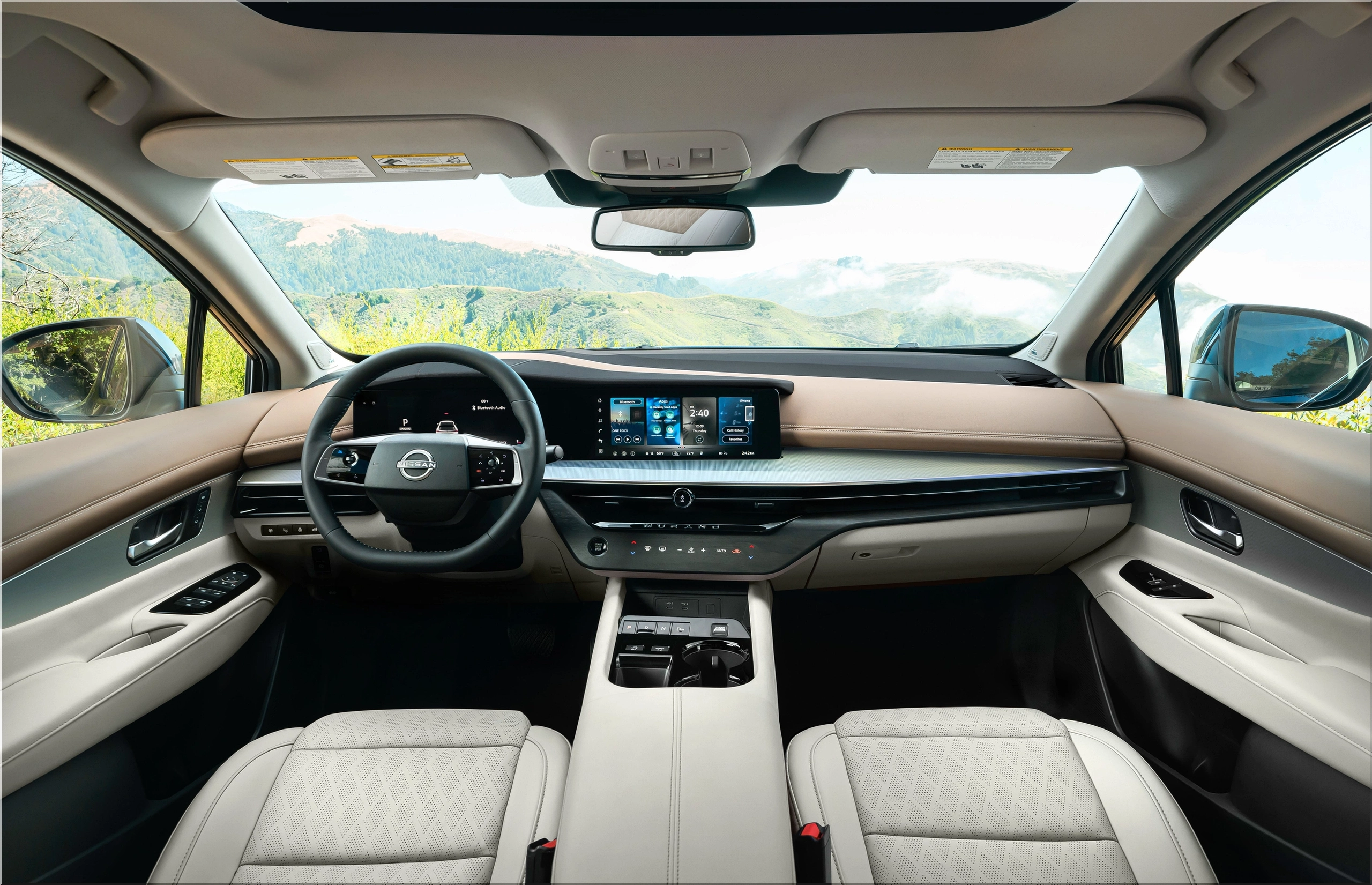
Inside, Murano adds the hardware buyers in this price band now treat as mandatory:
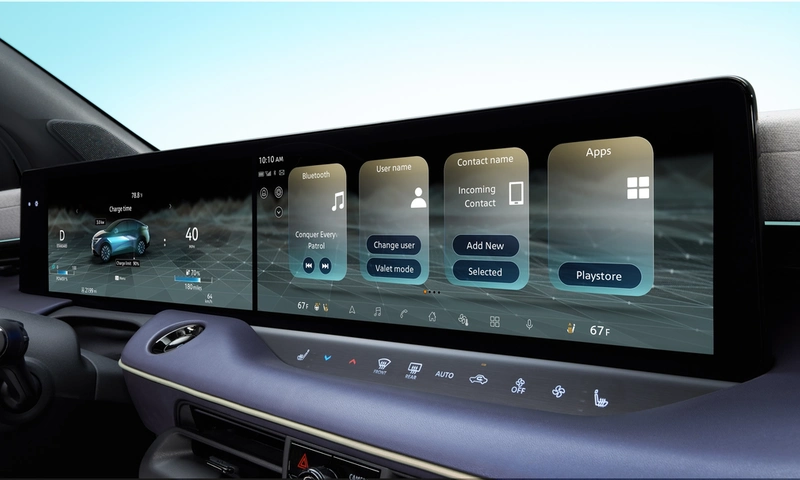
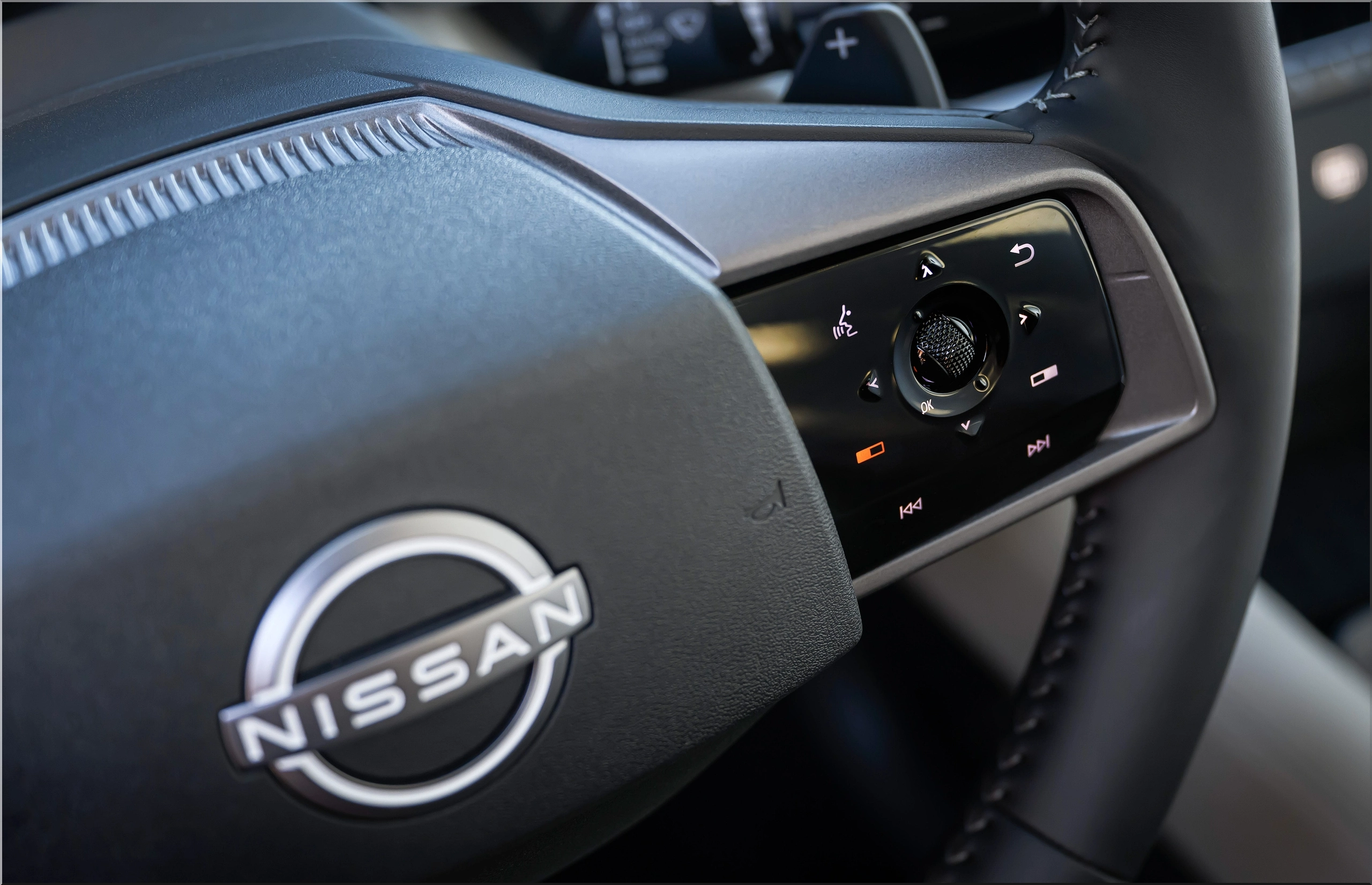
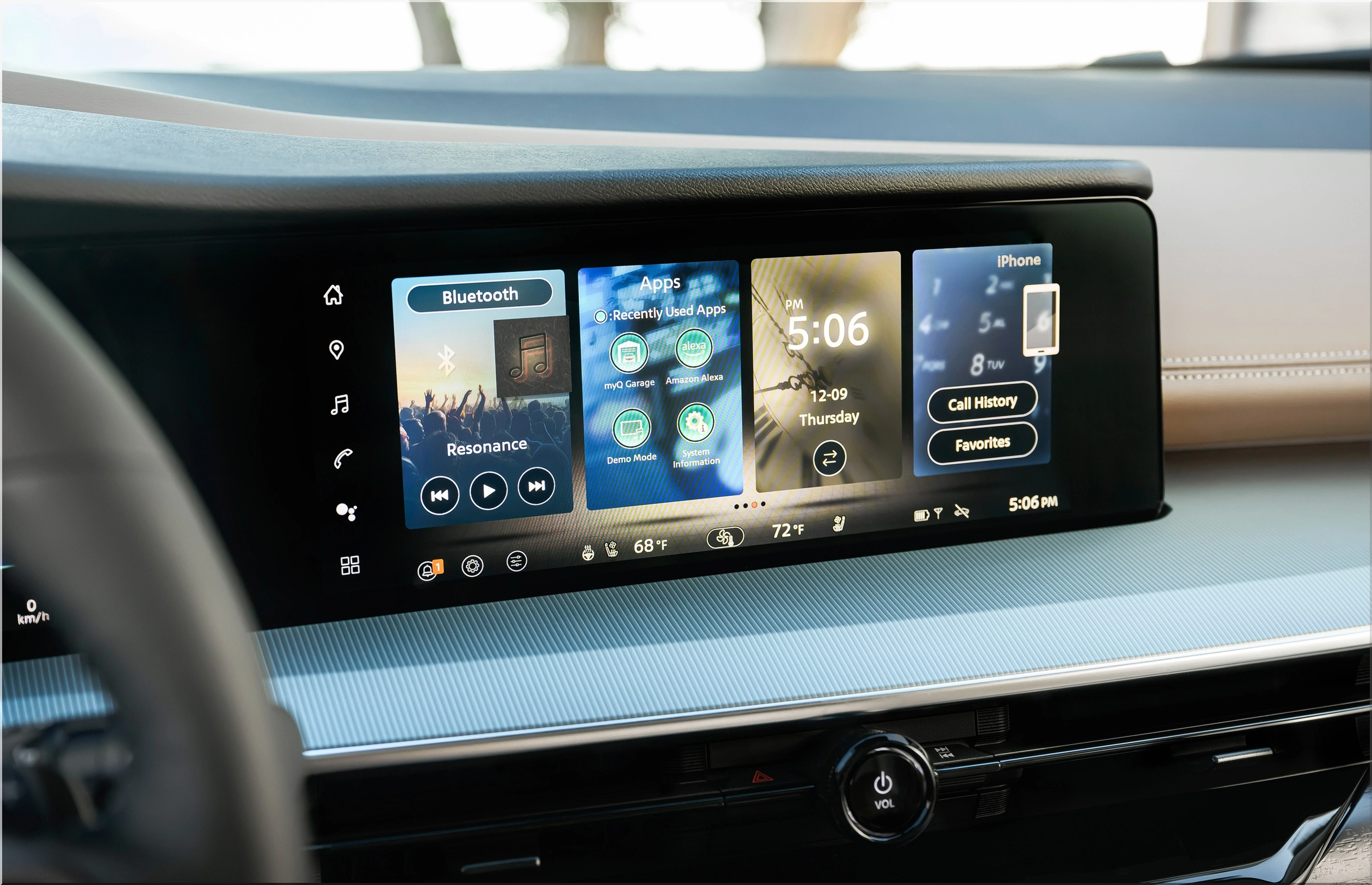
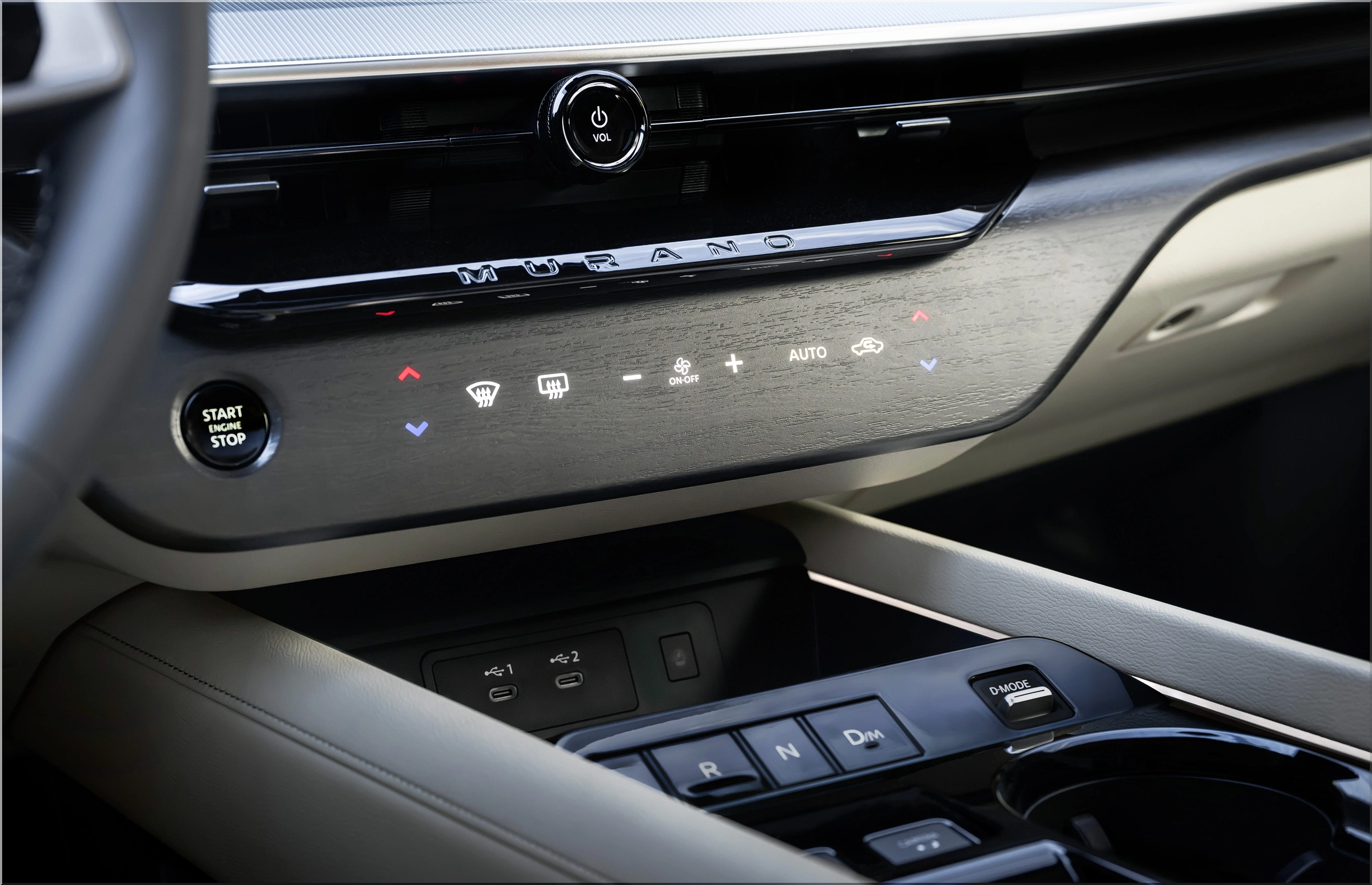
- Dual 12.3-inch displays
- Google built-in
- Wireless Apple CarPlay and Android Auto
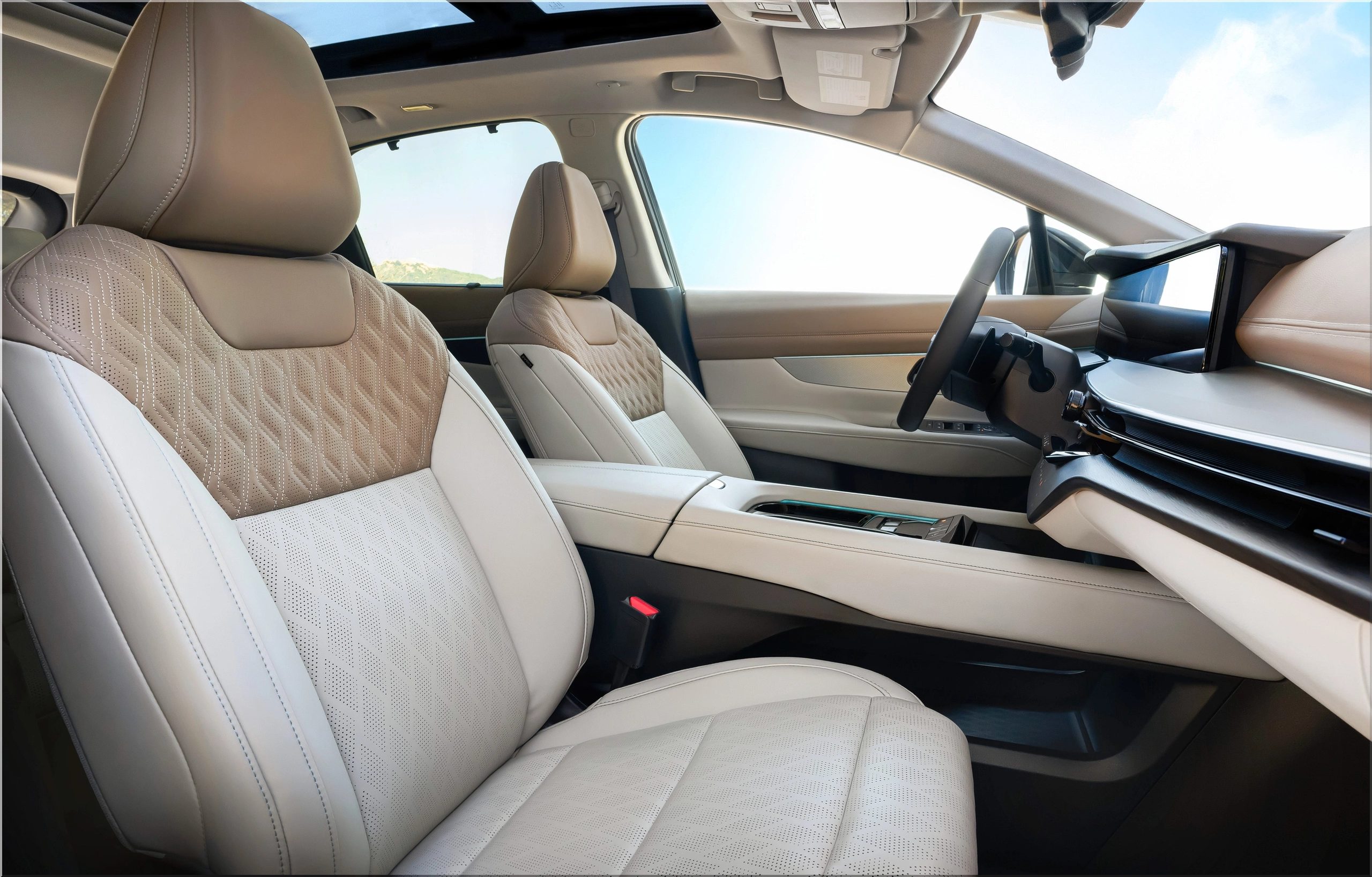
- Available massaging front seats
- Available quilted leather-appointed seating
- Available all-wheel drive
That last point matters less as a headline in Japan than in snow-belt North America, but it still reinforces Murano's premium positioning.
What This Means for Nissan in Japan
This move gives Nissan three immediate wins.
- Product freshness
Murano arrives as a current-generation crossover, not a recycled legacy product. - Margin opportunity
Premium two-row SUVs typically deliver stronger transaction values than smaller mainstream crossovers. - Brand image support
Murano brings design, cabin tech, and upscale cues that can lift showroom traffic.
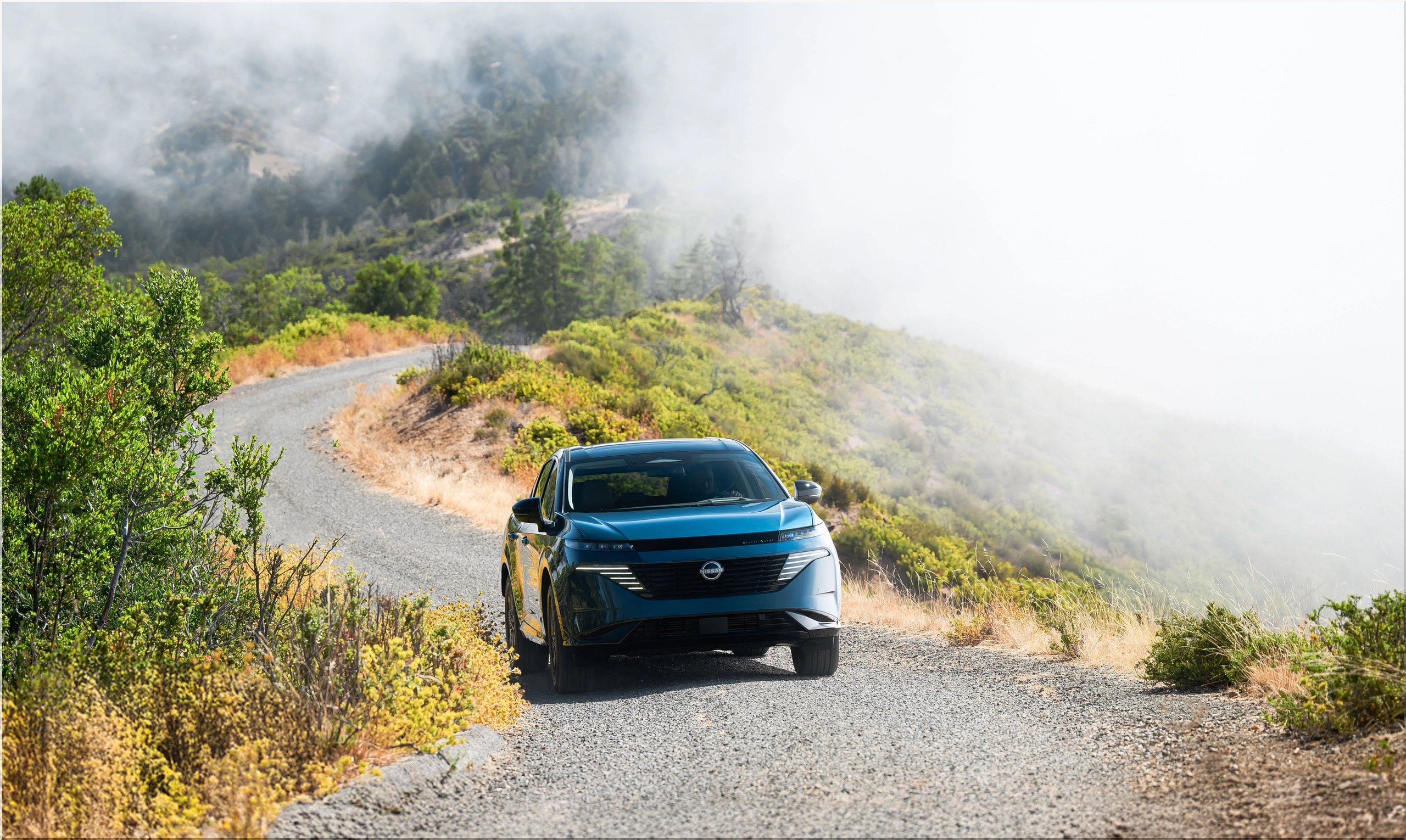
Consequently, Murano could serve as a useful halo within Nissan's non-luxury SUV range in Japan. It will not carry the whole business. It does not need to. It needs to bring in buyers who want something more polished than a mainstream compact crossover and less formal than an Infiniti.


Definition
Reverse import: A vehicle built by a Japanese automaker outside Japan and then sold in Japan as an imported product.
Pro-Tip
Watch Nissan's final Japan-market spec sheet closely. The biggest variables will be trim structure, drivetrain availability, local equipment packaging, and pricing versus imported rivals and domestic upper-trim crossovers.
What Now?
For Nissan, the next move is execution. The company needs clean pricing, smart trim logic, and a value story that explains why a U.S.-built Murano SUV belongs in Japanese showrooms in 2027.
For readers and buyers, the real question is simple: can Nissan turn a North America-led crossover into a credible premium play at home? Looking at the product, the answer could be yes. The current Murano has the hardware, the size, and the showroom presence. Now Nissan has to prove the strategy works on Japanese pavement.
- Add new comment
- 114 views