Cars in the United States are more than transportation. They are financial instruments, regulated assets, and long-term commitments that shape where people live, how they work, and how they spend money. For most Americans, a car is the second-largest purchase they will ever make, yet the system behind car buying and ownership remains poorly understood.
This guide explains how cars work in the United States from a real ownership perspective. It covers the full lifecycle: choosing a car, pricing, financing, powertrains, long-term costs, reliability, maintenance, safety, regulations, and modern vehicle technology. Every section focuses on practical decisions, not theory.
If you understand this system, you spend less, avoid common traps, and choose cars that fit your life instead of working against it.
How Car Ownership Works in the United States
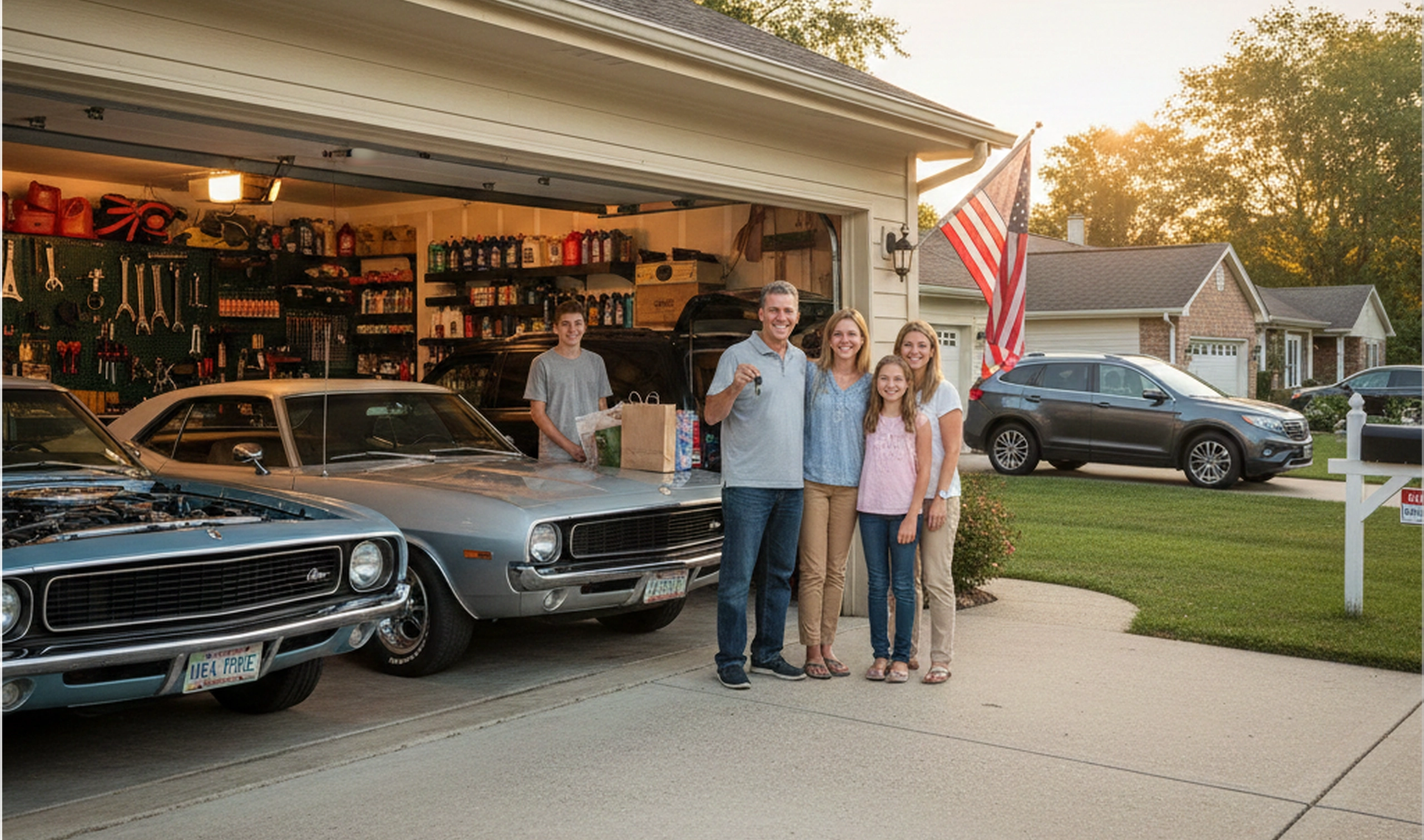
In the US, car ownership usually follows one of three paths: buying new, buying used, or leasing. Each path creates a different financial outcome over time.
When you buy a car, you either pay cash or finance it with a loan. Once the loan is paid off, the car belongs to you. You can keep it for years, sell it, or trade it in whenever you want.
When you lease a car, you are paying for depreciation rather than ownership. You return the car at the end of the lease unless you choose to buy it for a predetermined price.
Ownership Path Comparison
| Ownership Path | Monthly Cost | Long-Term Cost | Flexibility | Asset at End |
|---|---|---|---|---|
| Buy New | Higher | Moderate | High | Yes |
| Buy Used | Lower | Lowest | High | Yes |
| Lease | Lower | Highest | Low | No |
Real-World Example
Two drivers choose the same $38,000 crossover.
- Driver A finances it for 60 months and keeps it for 10 years
- Driver B leases the same model twice and then leases again
Driver A has five years with no payments and sells the car later. Driver B always has a payment and no resale value. The difference is not the car. It is the ownership model.
New vs Used Cars: What the Difference Really Means
New cars offer full warranties, no prior wear, and the latest technology. They also lose value faster than any other category of vehicle.
Used cars cost less upfront and depreciate more slowly, but condition depends far more on maintenance history than age.
New vs Used Cars Comparison
| Factor | New Car | Used Car |
|---|---|---|
| Purchase Price | Highest | Lower |
| Depreciation | Fastest | Slower |
| Warranty | Full | Limited or none |
| Maintenance Risk | Low | Variable |
| Best For | Short-term owners | Long-term owners |
Depreciation Example
A new car purchased for $42,000 may be worth $28,000 after three years.
A three-year-old version purchased for $28,000 may still be worth $21,000 three years later.
This is why lightly used cars often provide the best value for cost-conscious buyers.
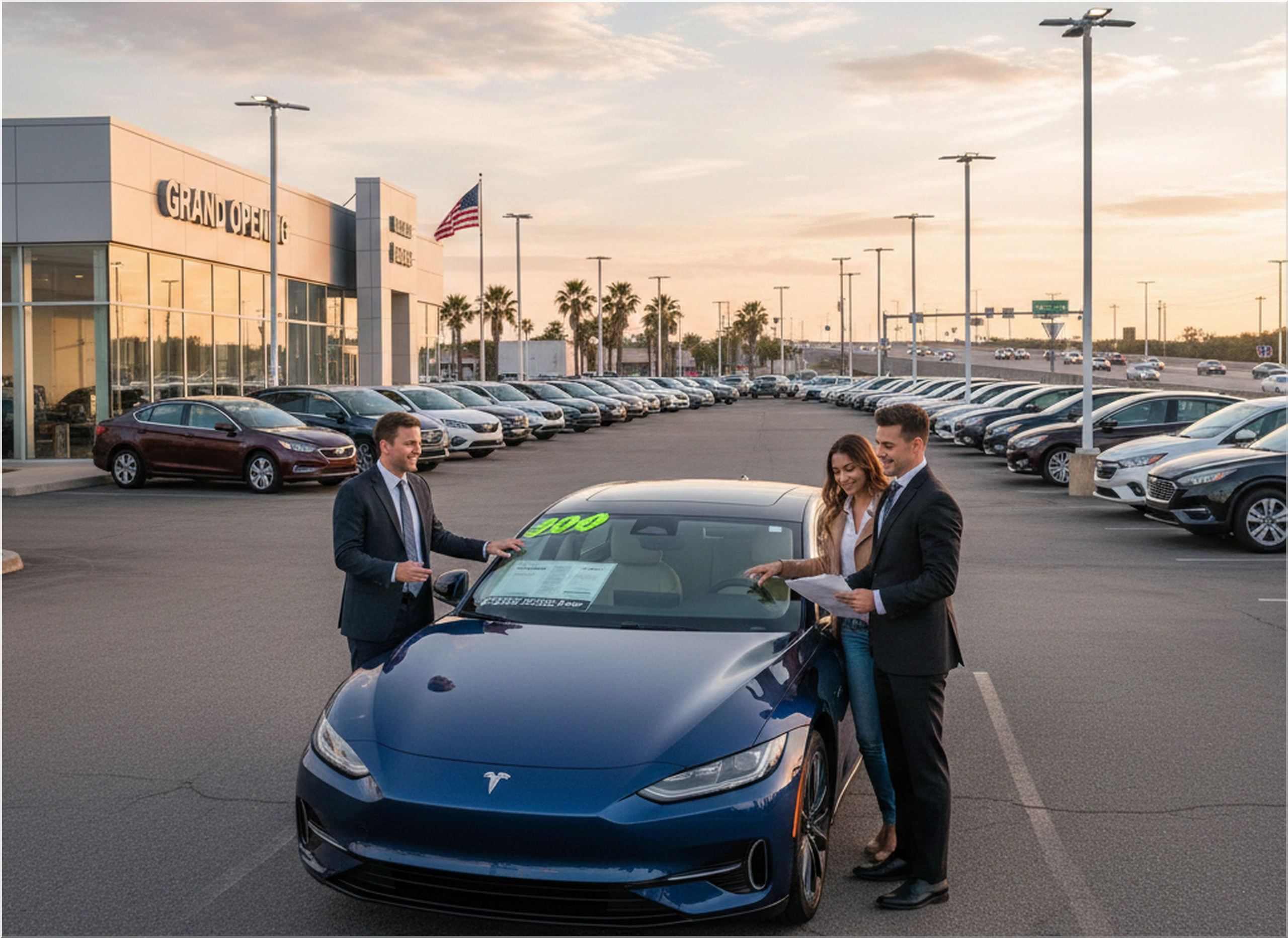
How Car Pricing Works in America
Car pricing in the US is intentionally complex. The number you see on a window sticker is rarely the number you pay.
The most visible price is MSRP, or Manufacturer Suggested Retail Price. It exists mainly as a reference point. Dealers adjust pricing based on supply, demand, incentives, and regional market conditions.
What Makes Up the Final Out-the-Door Price
| Cost Component | Description |
|---|---|
| Vehicle Price | Negotiated selling price |
| Dealer Fees | Documentation and processing |
| Sales Tax | State and local |
| Title and Registration | Required for legal ownership |
| Add-Ons | Optional dealer extras |
Pro-Tip: Always negotiate the out-the-door price. Monthly payments hide total cost.
Monthly Payment Trap Example
Two buyers agree to a $499 monthly payment.
- Buyer A chooses a 48-month loan
- Buyer B chooses a 72-month loan
Buyer B pays thousands more in interest over time while staying in debt longer.
How Auto Loans and Financing Really Work
Most Americans finance their vehicles. Auto loan terms commonly range from 36 to 84 months.
Longer loans reduce monthly payments but increase:
- Total interest paid
- Risk of negative equity
- Financial exposure if the car is totaled or sold early
Loan Term Comparison
| Loan Term | Monthly Payment | Interest Paid | Risk Level |
|---|---|---|---|
| 36 months | High | Lowest | Low |
| 48 months | Moderate | Low | Low |
| 60 months | Lower | Moderate | Medium |
| 72–84 months | Lowest | Highest | High |
Negative Equity Example
A buyer finances a car for 84 months with minimal down payment. After three years, the loan balance exceeds the car’s value. If the car is totaled, insurance does not cover the full loan, leaving the owner responsible for the difference.
Gas, Hybrid, and Electric Cars in Real-World Use
Choosing a powertrain is about lifestyle, not ideology.
Powertrain Comparison
| Powertrain | Fuel Cost | Convenience | Best Use Case |
|---|---|---|---|
| Gasoline | Variable | High | Long trips, flexibility |
| Hybrid | Lower | High | Mixed driving |
| Electric | Lowest | Variable | Short commutes, home charging |
Lifestyle Example
A homeowner with a garage and a short commute can easily live with an electric vehicle. An apartment dweller relying on street parking may struggle with charging access. The same car can be perfect for one driver and impractical for another.
What It Really Costs to Own a Car in the US
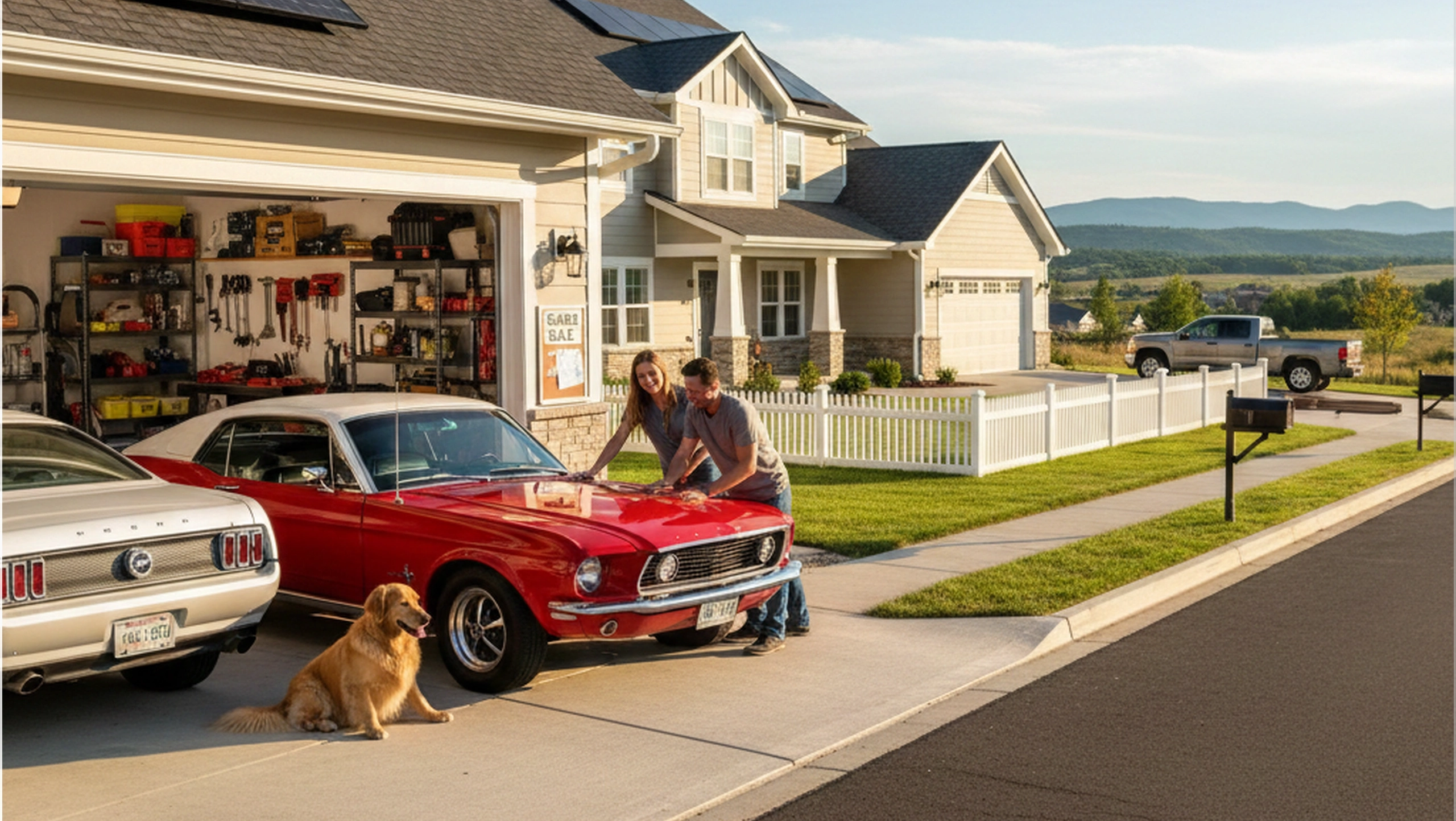
Purchase price is only one part of ownership.
Major Ownership Costs
- Insurance
- Fuel or electricity
- Maintenance
- Repairs
- Registration and taxes
- Depreciation
Definition: Total Cost of Ownership
Total cost of ownership represents everything you pay to own a car over time, not just the purchase price.
Example Cost Breakdown (Annual)
| Cost Category | Estimated Annual Cost |
|---|---|
| Insurance | $1,200–$2,000 |
| Fuel | $1,000–$2,500 |
| Maintenance | $600–$1,200 |
| Depreciation | $2,000–$4,000 |
Depreciation is often the largest cost and the least understood.
Mileage, Reliability, and Longevity Explained
Mileage alone does not define a car’s condition. Maintenance history and usage matter more.
Mileage Example
- Car A: 150,000 highway miles, full service history
- Car B: 90,000 city miles, skipped maintenance
Car A may be the safer long-term choice.
Many modern cars exceed 200,000 miles with proper care. Others become expensive earlier due to complexity or parts availability.
Maintenance Is a Financial Strategy
Routine maintenance prevents small problems from becoming expensive failures.
Common Preventive Maintenance
- Oil changes
- Brake service
- Tire replacement
- Fluid inspections
Pro-Tip: Preventive maintenance is one of the few ownership costs you can control.
Safety Systems and What They Actually Do
Passive Safety vs Active Safety
| Safety Type | Purpose | Examples |
|---|---|---|
| Passive | Protect during crash | Airbags, crumple zones |
| Active | Prevent crashes | Emergency braking, lane assist |
Active safety systems assist drivers but do not replace attention.
Regulations, Inspections, and Recalls
Vehicle rules vary by state. Some states require annual inspections. Others do not.
Recalls address safety or compliance issues. Manufacturers must repair recall problems at no cost. Ignoring recalls can reduce safety and resale value.
Technology and Software in Modern Cars
Cars increasingly rely on software for:
- Infotainment
- Navigation
- Driver assistance
- Vehicle settings
Over-the-Air Updates Explained
| Benefit | Risk |
|---|---|
| Feature improvements | Software bugs |
| Bug fixes | Long-term support uncertainty |
| No dealer visit | Ownership restrictions |
Software now plays a major role in long-term ownership satisfaction.
How to Make Smarter Car Decisions
Better decisions come from alignment, not emotion.
Ask yourself:
- How long will I realistically keep this car
- How predictable is my driving
- Can I afford ownership beyond the payment
Avoid paying for features that do not improve daily life.
Final Perspective
Cars in the United States operate inside a complex system of pricing, financing, depreciation, maintenance, regulation, and technology. When you understand this system, you stop guessing and start choosing.

- Add new comment
- 121 views