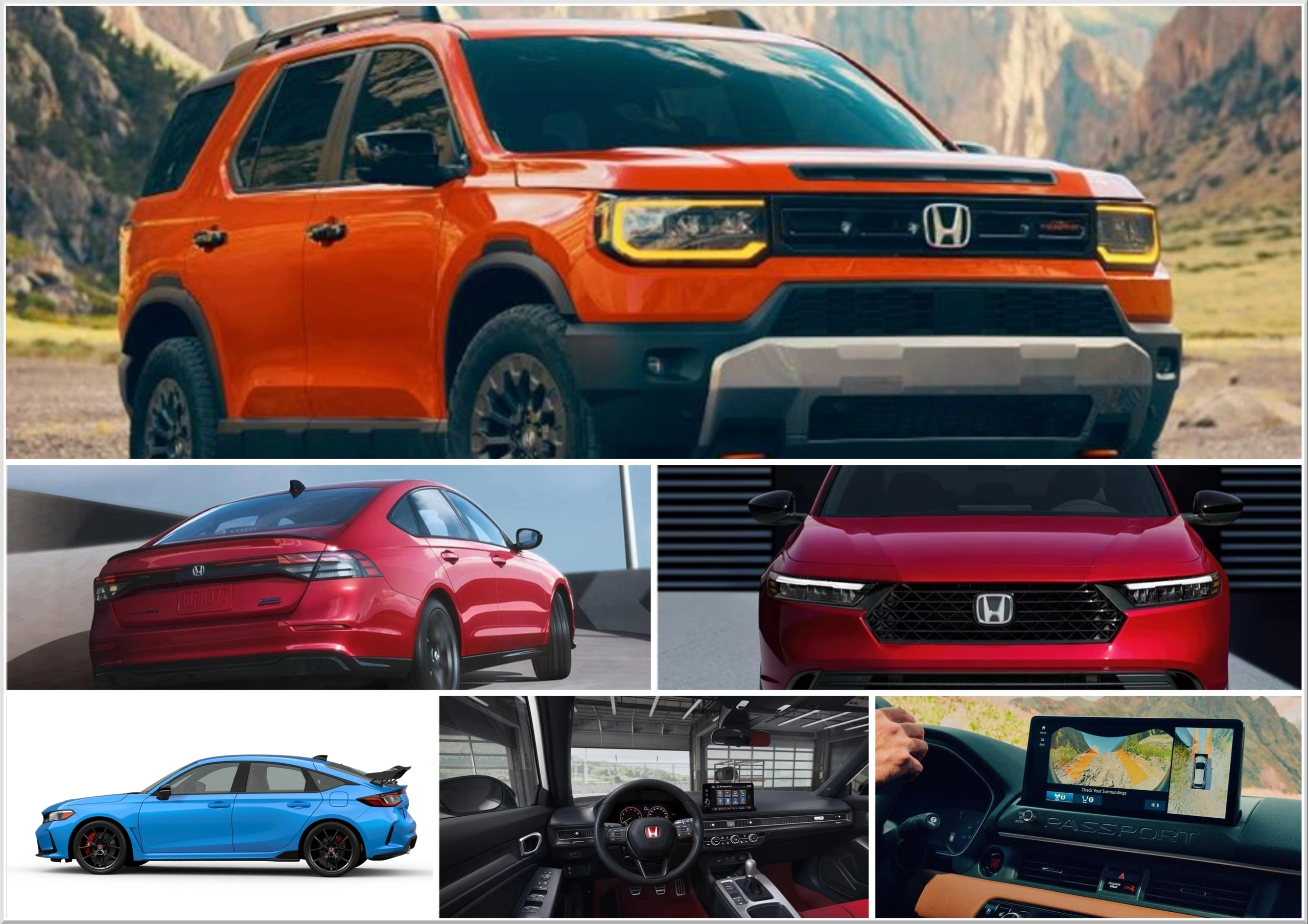
Handing a teenager the keys can turn an ordinary driveway into mission control. Parents want crash protection, clear controls, manageable costs, and a car that forgives a rookie's imperfect timing. For 2026, the Insurance Institute for Highway Safety and Consumer Reports selected one new Honda and two used Honda lines for young drivers: the Passport, Civic, and Accord. The badge starts the conversation. The exact year, trim, condition, and insurance quote finish it.
Why These Three Hondas Cleared the Teen-Driver Tests
IIHS and Consumer Reports do not pick teen cars from brochure sparkle. Their joint screening checks crash protection, braking, handling, control usability, weight, and power. That mix asks how the whole vehicle supports an inexperienced driver before, during, and after a mistake.
Each used choice weighs more than 2,750 pounds and earns a good IIHS score in the driver-side small-overlap front crash test. Consumer Reports gives each one at least 3 out of 5 for braking and handling, plus at least 2 out of 5 for control usability.
The Honda Civic and Accord sit in the Good Choices - used tier. The higher Best Choices tier adds well-rated headlights across all trims and standard automatic emergency braking with pedestrian detection. Some newer Civics and Accords carry those features, but the full year ranges do not promise them on every car.
The new-vehicle screen sets a higher bar. A qualifying model must win a 2026 IIHS safety award, earn Consumer Reports' Best Safety Verdict, and receive a good IIHS seat-belt reminder score.
Definition: What the Teen-Vehicle List Actually Tells You
The list identifies models that meet firm safety and usability rules. It does not certify every used example as clean or correctly repaired. A neglected Civic with worn tires remains a poor purchase.
Passport vs. Civic vs. Accord at a Glance
| Honda choice | Eligible years | Price reference | Strongest use case | Main tradeoff |
|---|---|---|---|---|
| Passport midsize SUV | New 2026 model | From $44,950 | Shared family use, winter driving, cargo | Highest purchase, fuel, and insurance costs |
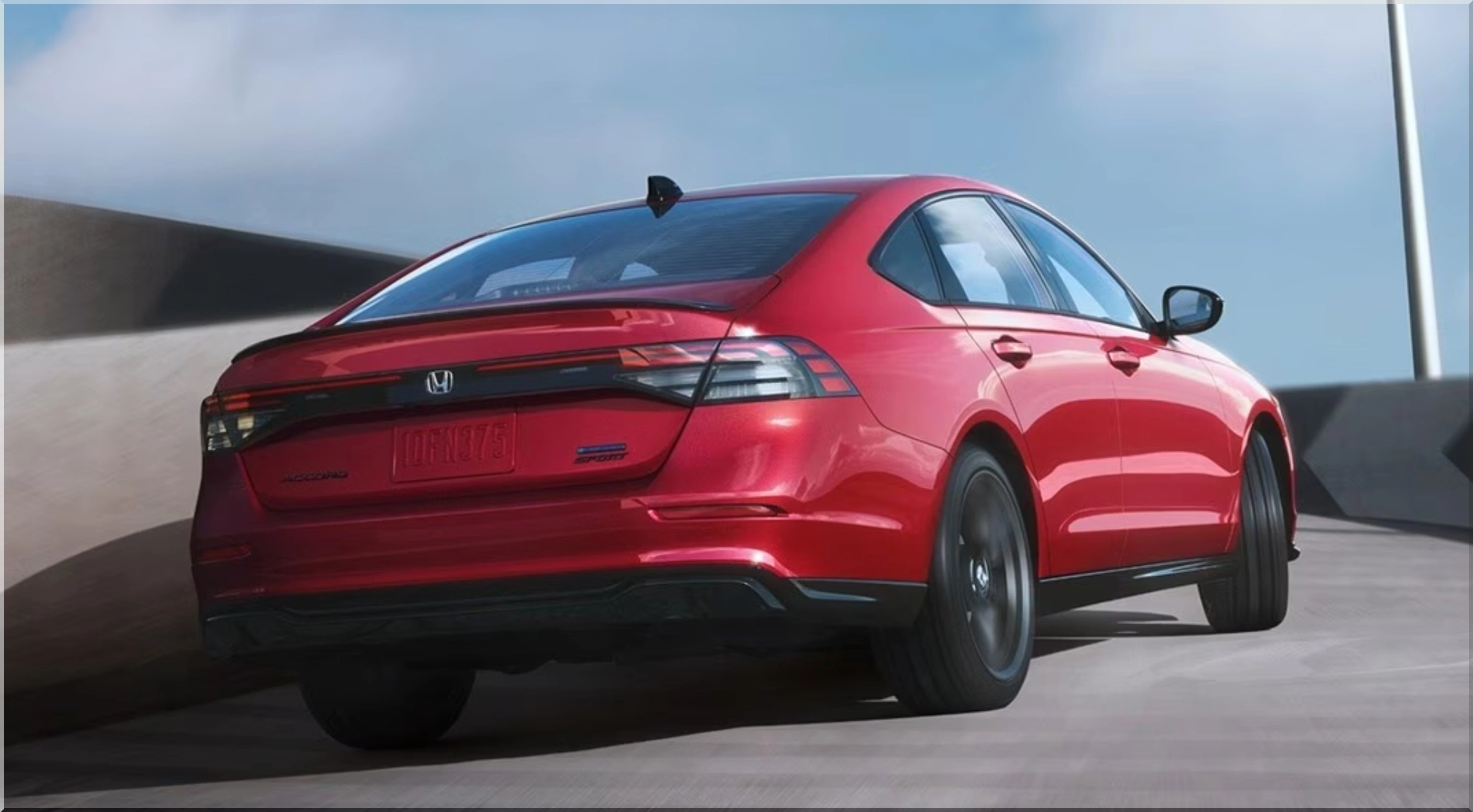
| Civic coupe or sedan | Used 2014-2025 models | From about $8,100 | School, work, city parking | Older cars may lack newer driver aids |
| Accord sedan | Used 2013-2025 models; hybrids from 2014 | From about $8,300 | Longer commutes, passengers, shared use | Larger footprint than Civic |
The used prices reflect April 2026 median retail figures for the earliest eligible year. IIHS rounded them to $100. Mileage, trim, location, history, and condition can move an asking price by thousands.
2026 Honda Passport: Maximum Safety Tech, Maximum Bill
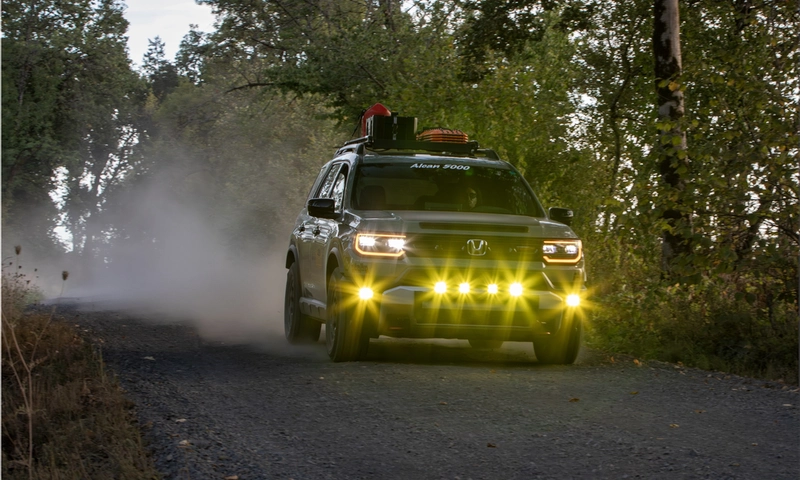
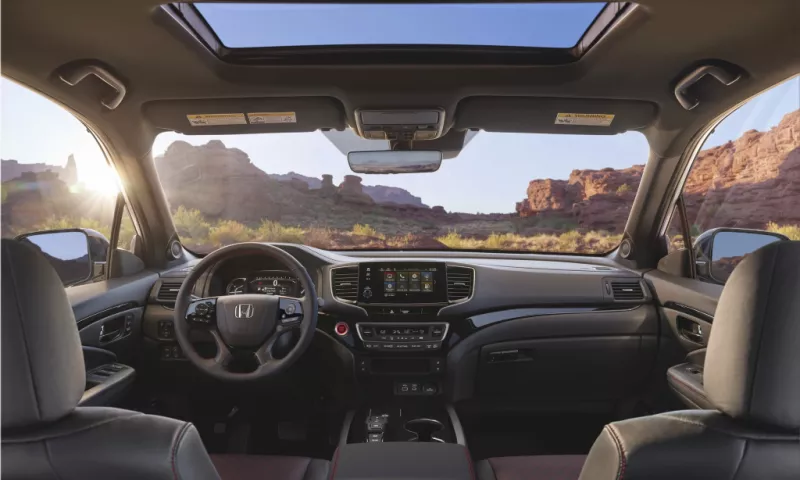
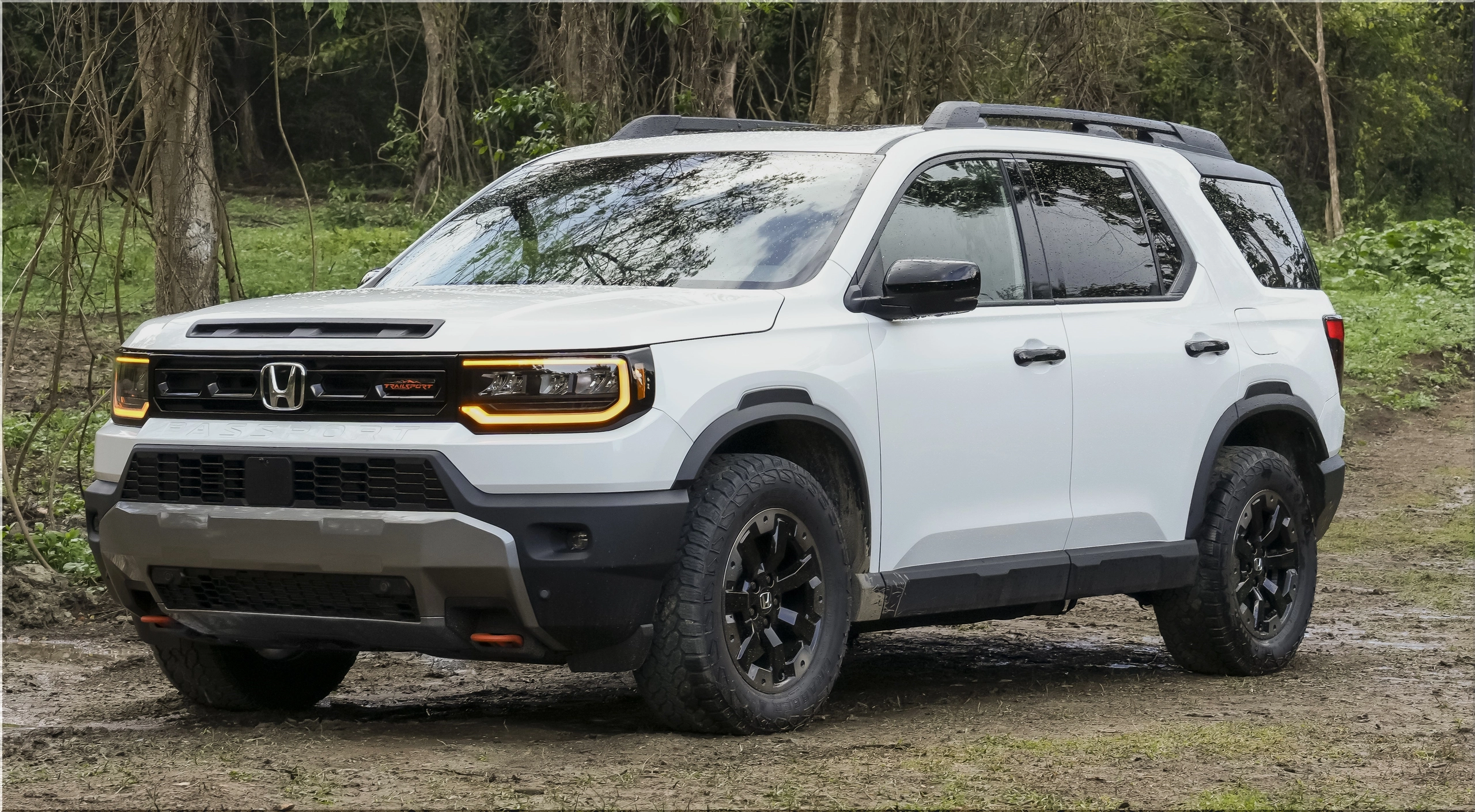
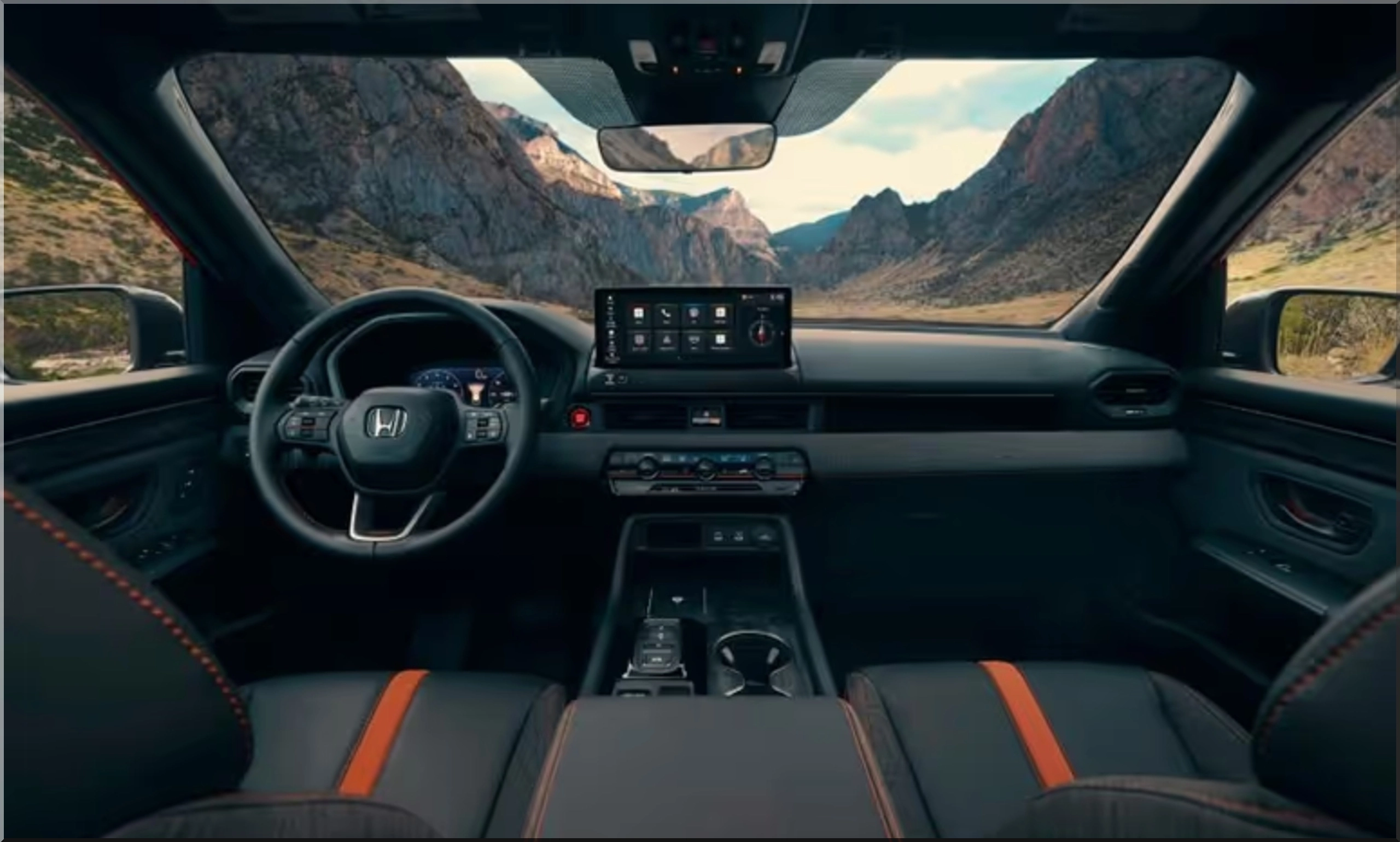
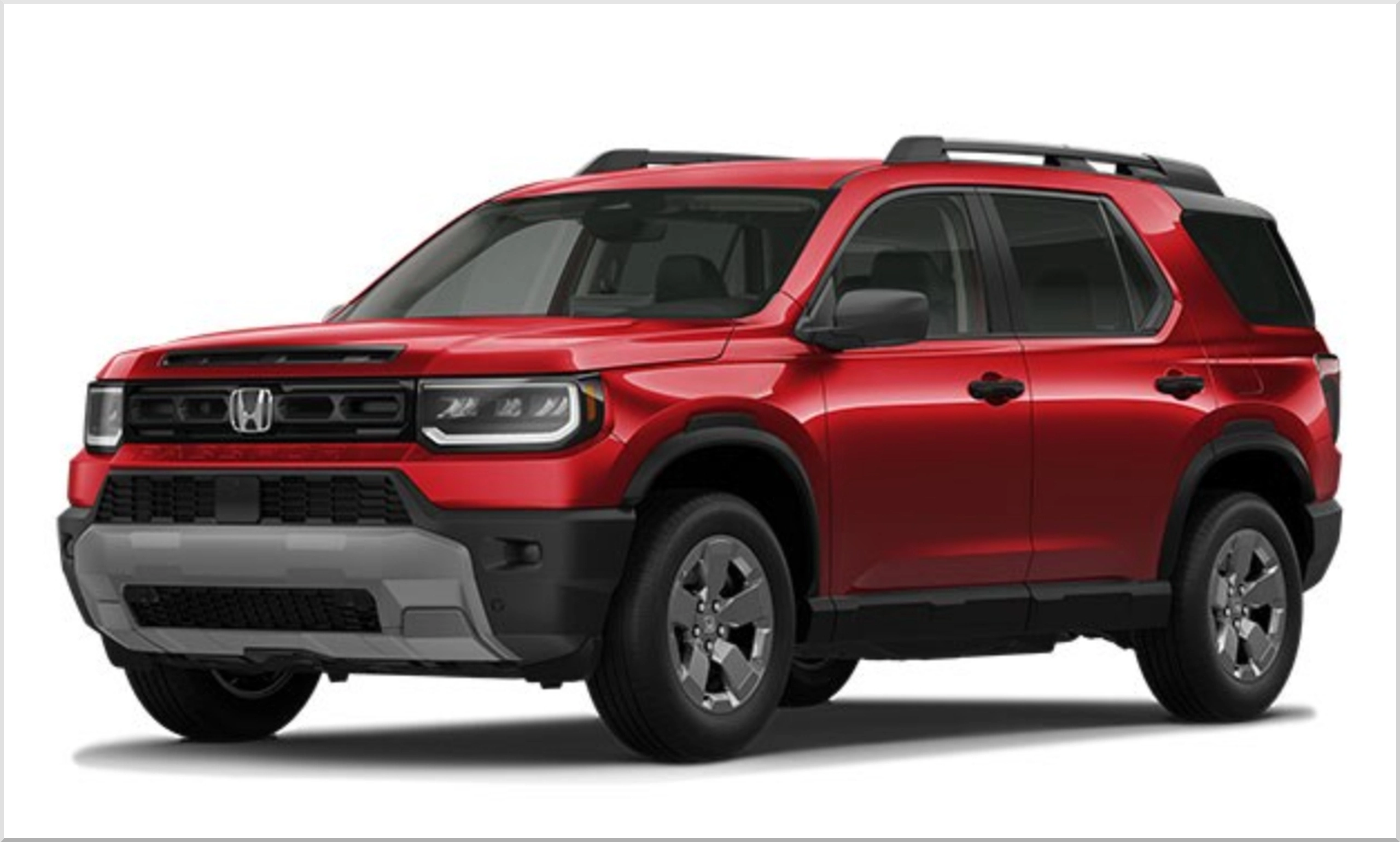
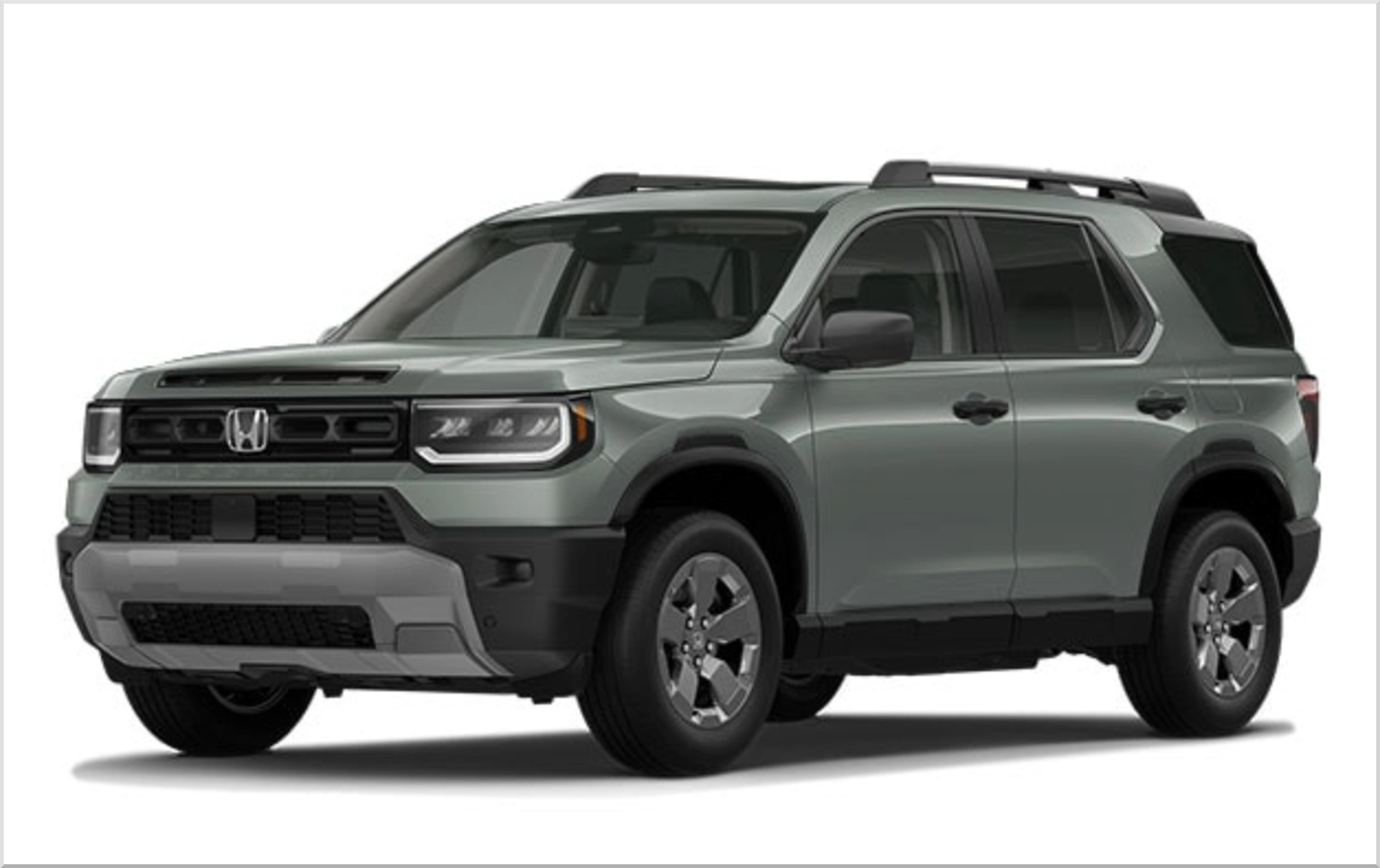
The 2026 Honda Passport for a teen driver clears the toughest screen of this trio. IIHS awarded it Top Safety Pick+, while Consumer Reports gave it a Best Safety Verdict. The base RTL currently starts at $44,950, placing it just under the joint list's $45,000 new-car ceiling.
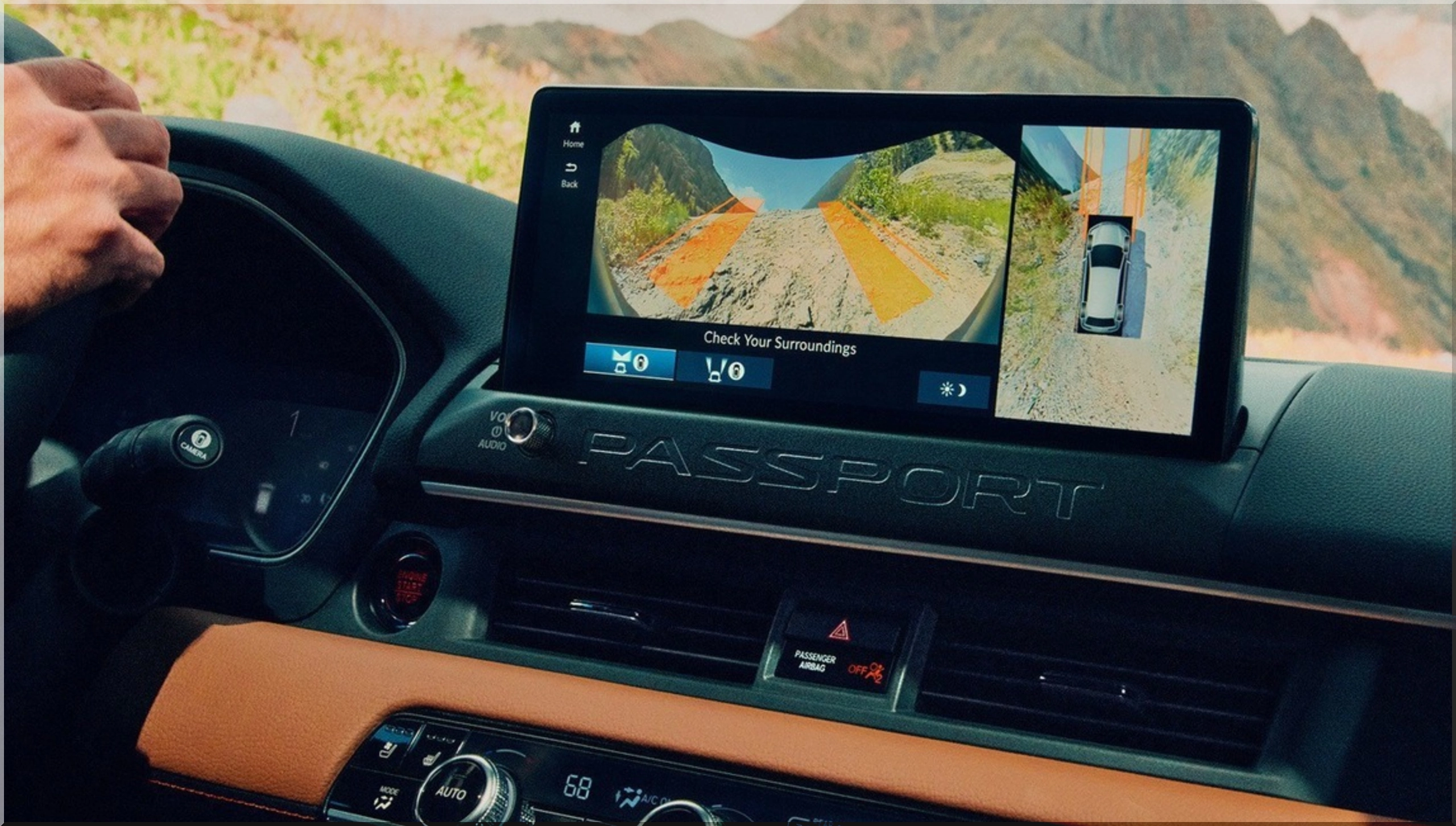
Honda equips the base Passport with automatic emergency braking and advanced pedestrian detection. It also includes lane-keeping assistance, road-departure mitigation, blind-spot information, rear cross-traffic support, adaptive cruise control, and parking sensors. Standard all-wheel drive can help a family that deals with snow, gravel roads, or muddy sports fields.
Still, a 285-horsepower V6 SUV asks more from a new driver than a compact sedan. It occupies more parking space, drinks more gasoline, and carries a higher replacement value. Parents should price a policy with the actual VIN before signing.
The Passport makes the strongest case as a shared household vehicle. Its cargo area swallows sports bags without turning the back seat into a locker room. Families seeking a low-cost first car will find better financial logic in the Civic or Honda Accord.
Used Honda Civic: The Sensible Default for Most Teens
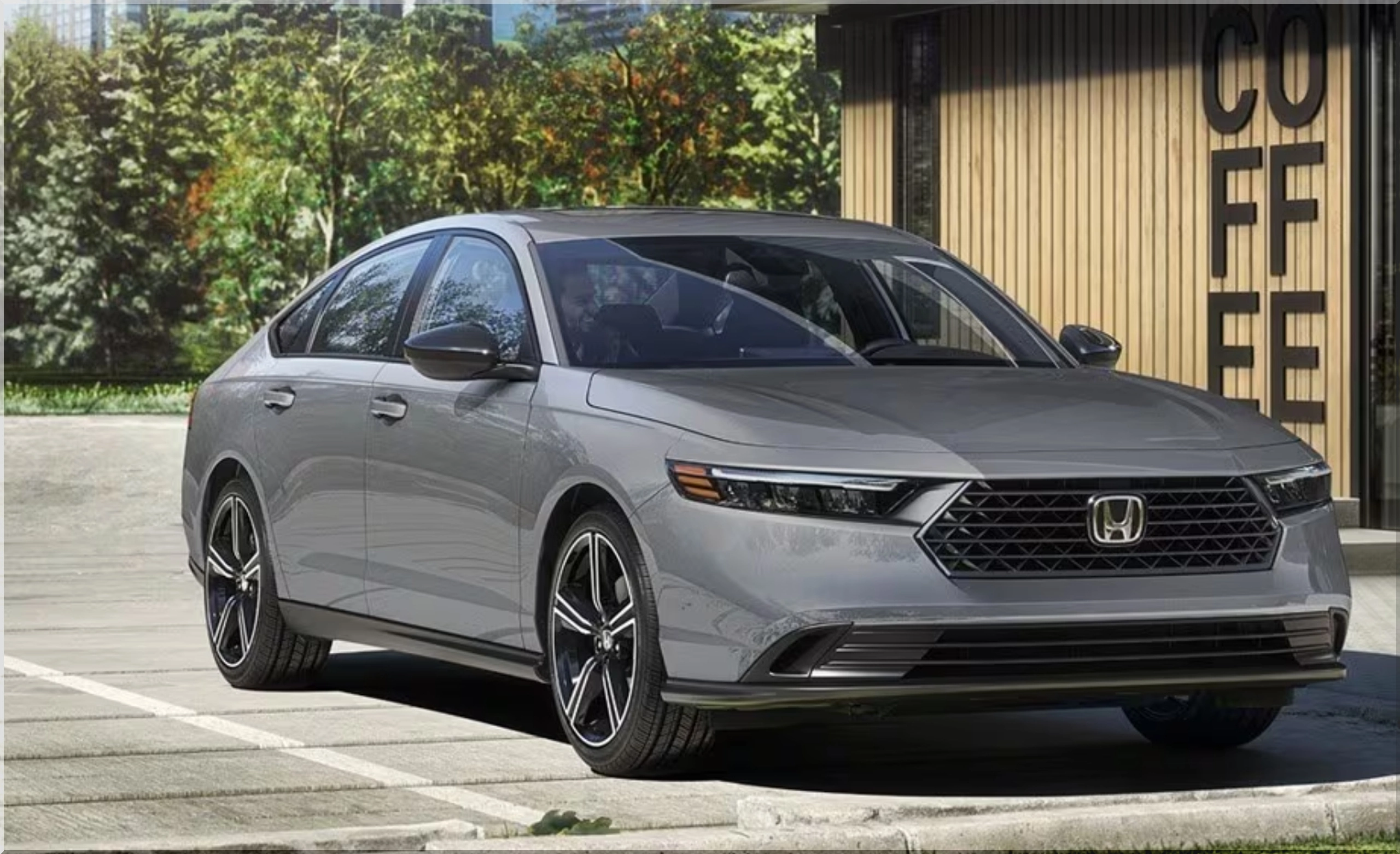
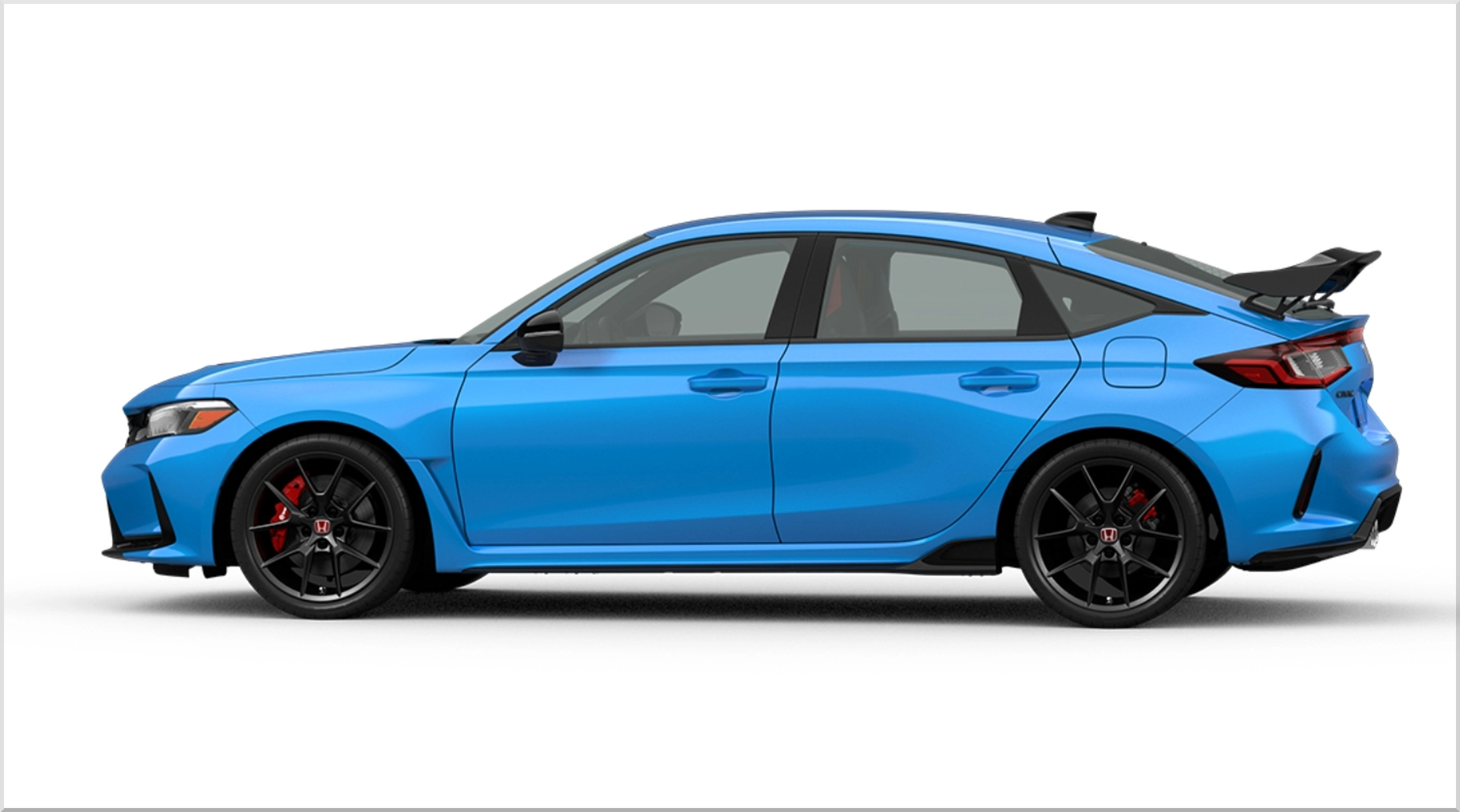
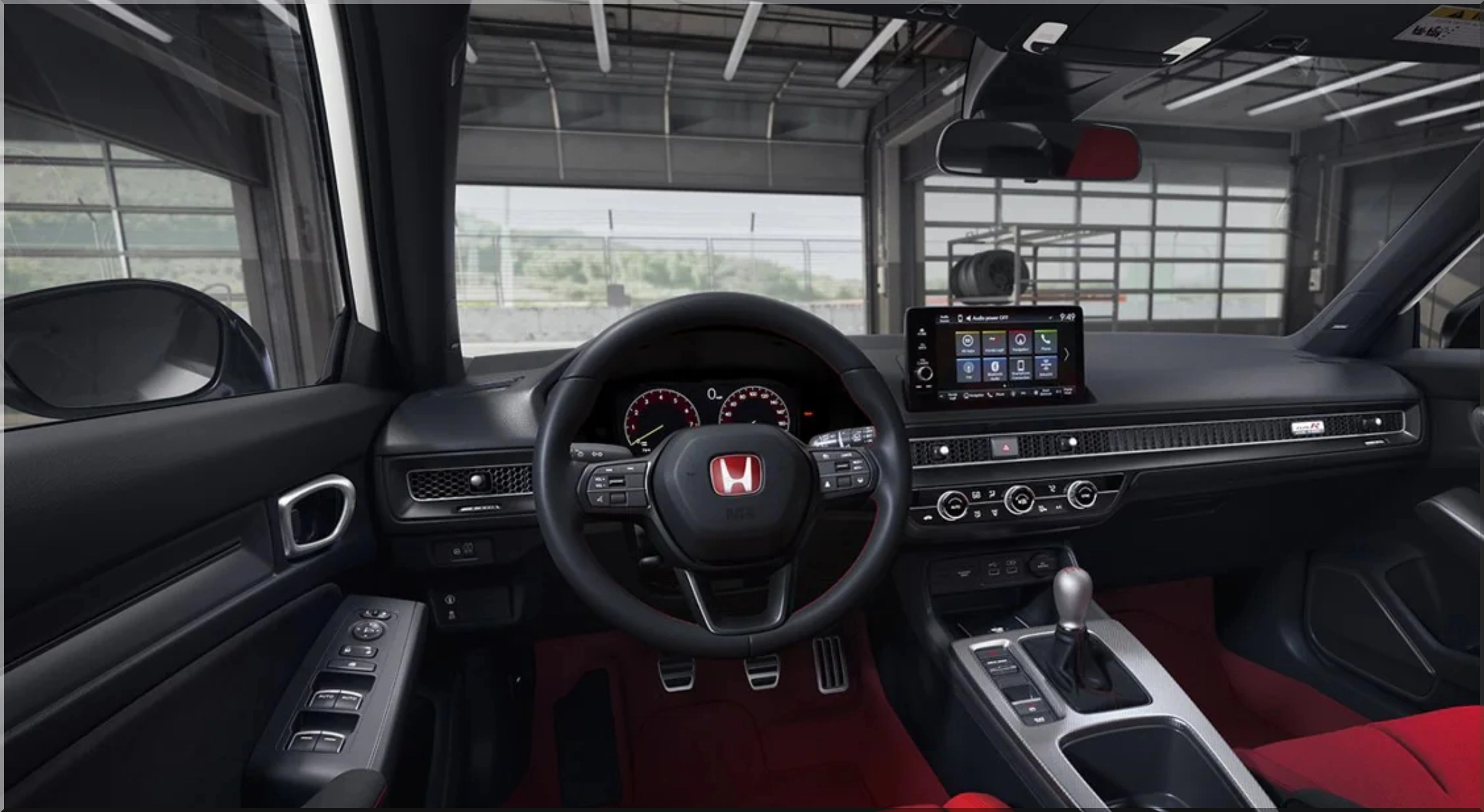
IIHS and Consumer Reports include used Honda Civic coupes and sedans from 2014 through 2025 in the Good Choices tier. The earliest eligible Civic carries a price reference near $8,100. That gives families a broad shopping range, from basic older cars to recent sedans with modern driver aids.
The Civic's compact size helps in tight school lots and crowded streets. Its modest running costs suit part-time workers and college commuters. It will not protect like a heavier SUV in every crash, but it passed the list's weight and crash-test rules.
Feature availability needs careful checking. Honda introduced Honda Sensing in 2014 and has placed the technology in more than 10 million U.S. vehicles. Yet early Civic years and lower trims may lack automatic emergency braking, blind-spot monitoring, or lane support. Verify each feature through the VIN, original window sticker, owner's manual, and dashboard controls.
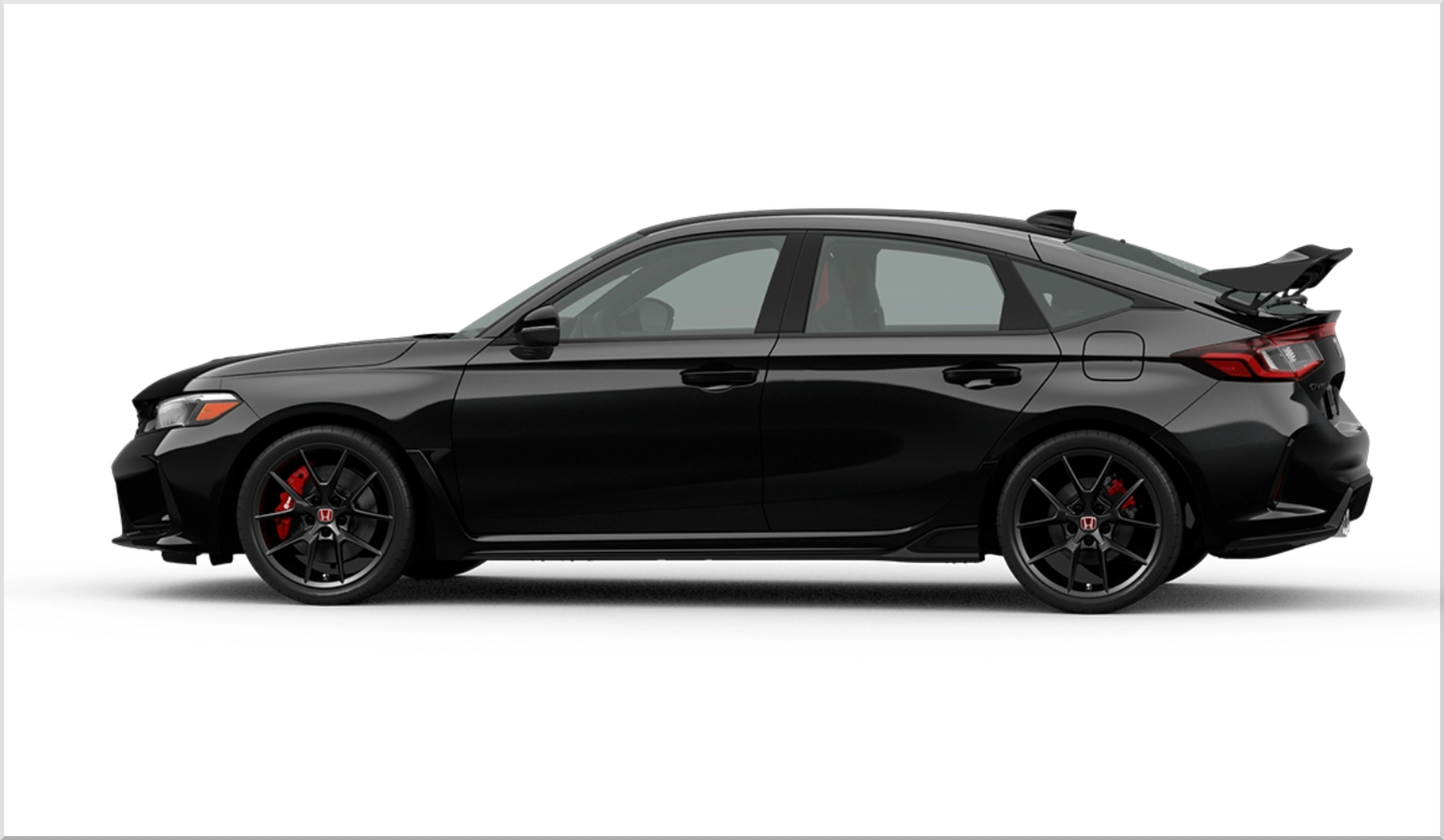
Used Civics also attract enthusiastic owners, which creates one extra shopping task. Avoid cars with cut springs, questionable engine tunes, cheap tires, altered lights, removed airbags, or mystery wiring. A stock Civic with maintenance records beats a louder one with an impressive social-media history.
Used Honda Accord: More Space Without SUV Spending
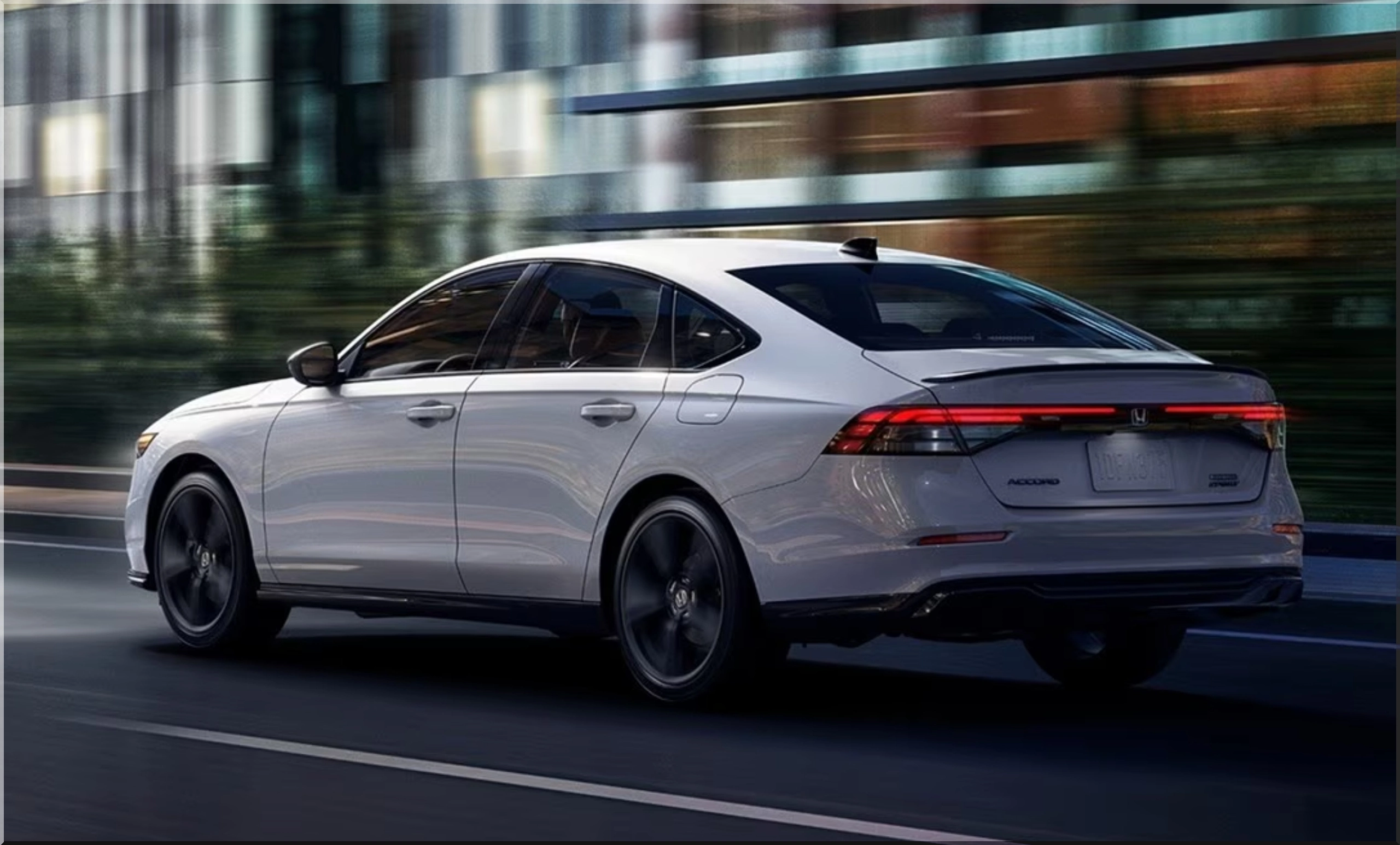
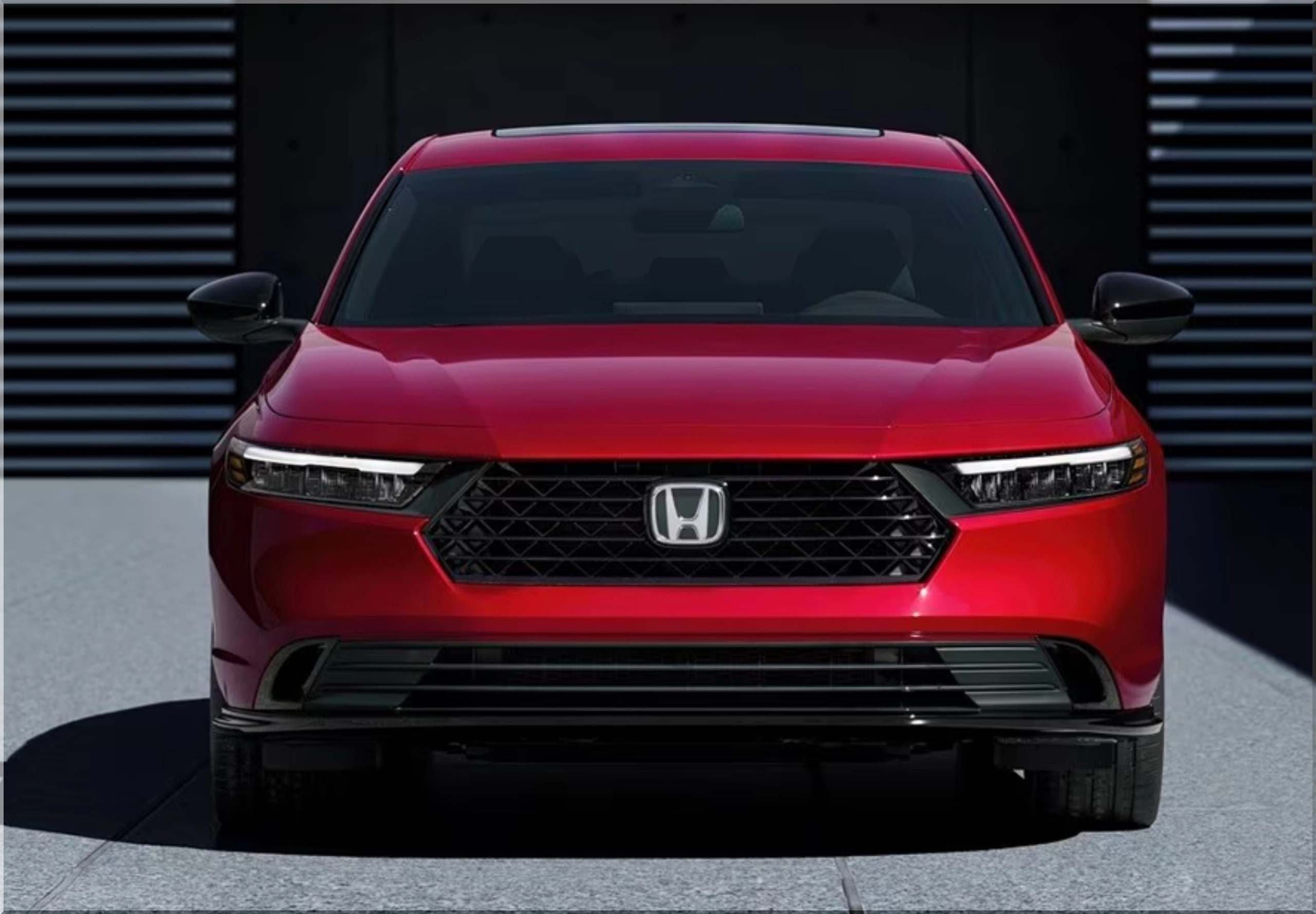
The joint list covers Honda Accord sedans from 2013 through 2025, plus Accord Hybrids from 2014 through 2025. The earliest eligible Accord carries a price reference near $8,300. That small gap from the Civic can make the Accord tempting for families that need rear-seat room and a larger trunk.
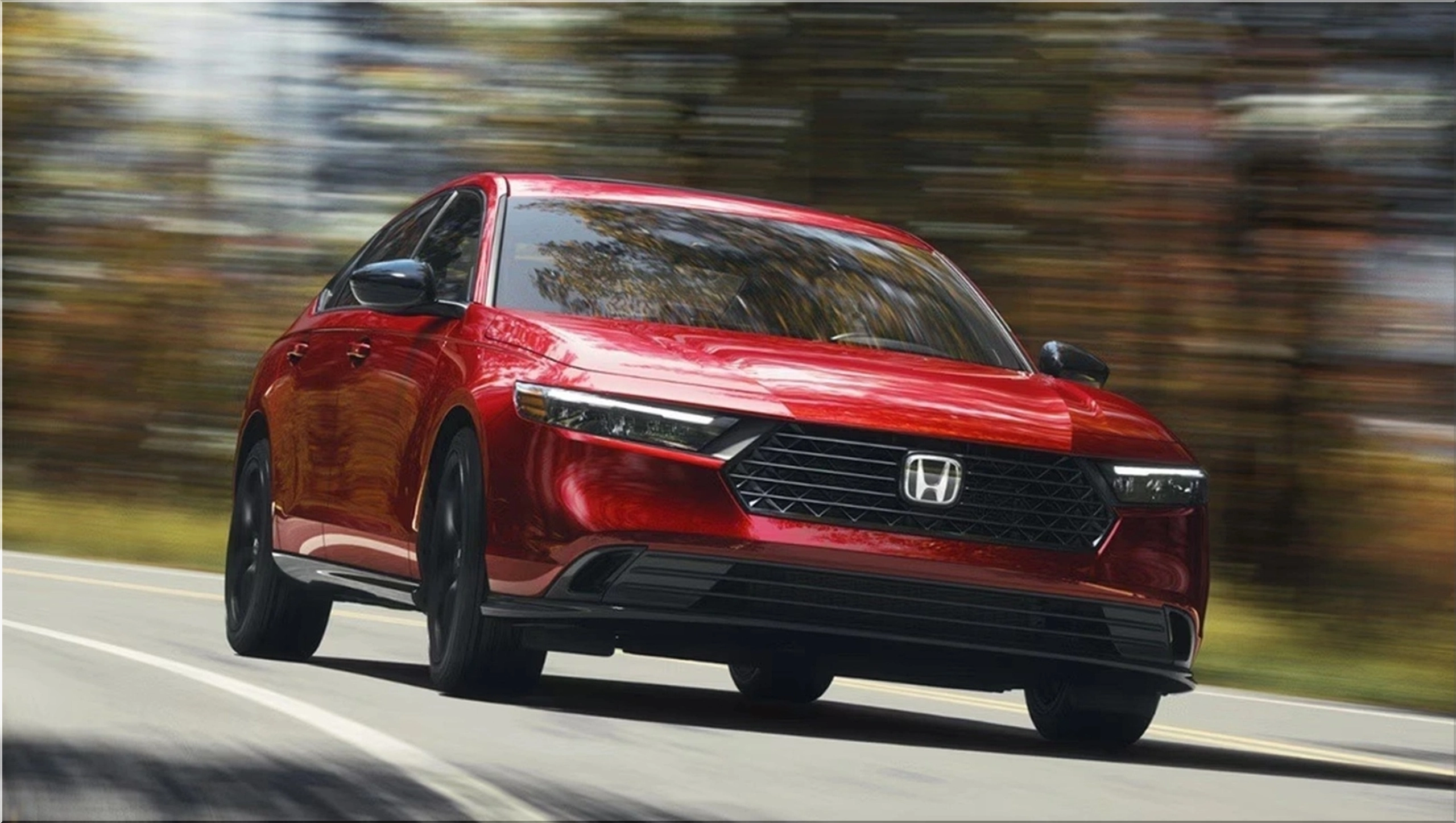
The Accord feels settled on long highway drives and gives a tall teen more space. It also works well as a shared car. Its larger body demands more care in tight parking, so the teen should test visibility and low-speed control.
IIHS advises families to favor base engines and avoid high-output variants for novice drivers. That advice applies here. Some Accord versions deliver brisk acceleration that a new driver does not need. A standard gasoline model or well-checked hybrid makes a calmer target.
Hybrid shoppers should ask a Honda specialist to inspect the high-voltage battery and cooling system. Fuel savings can help a long commute, but a weak battery can erase that advantage.
How to Buy a Safe Honda for a Teen in Six Steps
A model-year range gives you a filter, not a finished purchase. Use this process to turn a promising listing into a defensible family decision:
- Set the full monthly budget. Add payment, insurance, gasoline, registration, service, tires, and a repair reserve. Get an insurance quote for each VIN.
- Confirm the exact vehicle. Match the year, body style, engine, trim, and production date against the IIHS entry. Do not assume a similar badge qualifies.
- Check recalls twice. Search the VIN before the test drive, then ask for repair invoices covering any open campaign. Check again every six months after purchase.
- Pay for an independent inspection. Ask the mechanic to check tires, brakes, suspension, battery health, crash repairs, airbags, warning lights, and assistance sensors.
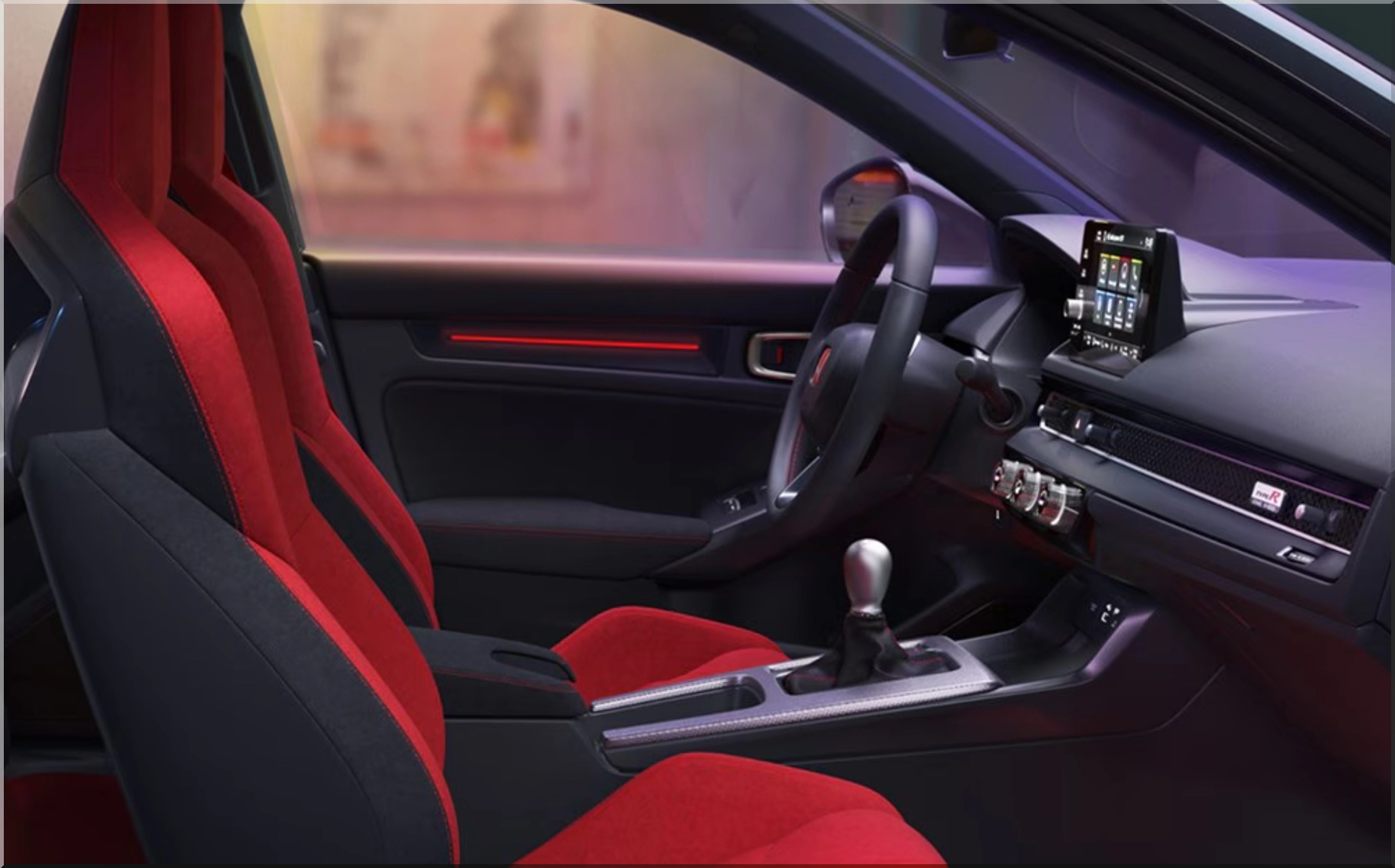
- Let the teen test the basics. Check seating position, sightlines, mirror coverage, pedal reach, control clarity, parking ease, and highway merging. Predictability wins.
- Teach every driver aid. Read the manual together. Learn each warning, setting, and limitation. Never stage a collision to test automatic braking.
Pro-Tip: Buy Condition Before Trim
A lower trim with fresh tires, clean service records, and no crash repairs beats a fancier trim with deferred maintenance. Tires and brakes shape every stop. A premium stereo shapes the playlist. Spend accordingly.
Driver Assistance Still Needs a Driver
Crash-avoidance technology gives a teen an extra layer of help, not permission to glance at a phone. Cameras lose clarity in heavy rain. Lane systems may struggle with faded markings. Automatic braking may reduce an impact without preventing it. A young driver must stay ready to steer and brake at all times.
Federal data add urgency. In 2024, 752 teen drivers died in crashes, and 2,320 teen drivers took part in crashes that killed someone. Speed played a role for 33 percent of passenger-vehicle teen drivers in fatal crashes. Among teen drivers who died, 51 percent had not buckled up.
A family driving agreement should cover five plain rules:
- Every occupant buckles up before the car moves.
- The phone uses Do Not Disturb mode and stays out of reach.
- The teen follows household passenger and nighttime limits.
- The driver obeys speed limits, even when traffic runs faster.
- Parents add rain, snow, highway, and night practice gradually.
The safest car still depends on the habits inside it. Technology can catch some errors. It will not build judgment, control peer pressure, or choose a slower speed on a wet curve.
Which Honda Should Your Family Choose?
For most families buying a teen's personal car, the used Honda Civic offers the clearest starting point. It costs less to buy, fits crowded parking lots, and gives shoppers many eligible years. Seek the newest clean example the budget supports, then favor one with automatic emergency braking and strong headlights.
Choose the used Honda Accord when the teen faces longer commutes, carries family members, or needs extra cabin space. Favor the base engine. Consider a hybrid only after a qualified technician checks its battery system.
Choose the 2026 Honda Passport when the household wants one new SUV to share and can comfortably cover its insurance, fuel, and purchase price. Its safety credentials lead this trio, but its size and cost make little sense for many solo school commutes.
Turn the List Into a Smart Purchase
Shortlist two or three vehicles, collect insurance quotes, check each VIN, and book inspections. Have the teen drive the streets, lots, and highway ramps they will use each week. Pick the Honda that feels calm, predictable, and easy to control. That gives a new driver room to learn.
- Add new comment
- 68 views