
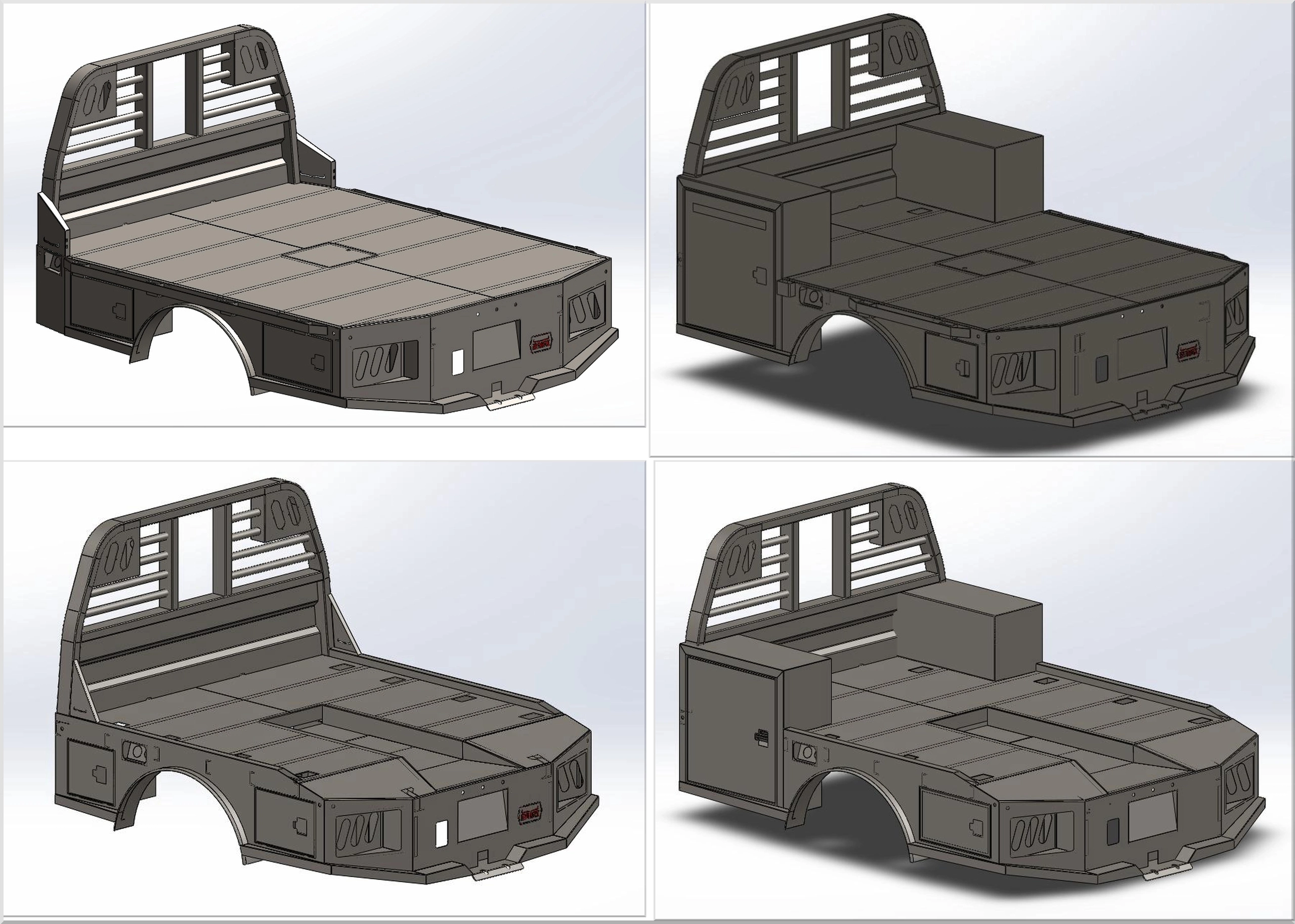
Selecting, operating, and maintaining heavy-duty industrial equipment requires careful planning and rigorous evaluation. In manufacturing, construction, logistics, and heavy material handling, choosing the wrong machinery or neglecting proper maintenance protocols leads directly to operational downtime, increased safety risks, and escalating repair expenses. Equipment managers and facility operators often struggle to balance initial procurement budgets against long-term operational durability. A structured approach to selecting and caring for industrial hardware ensures that machinery operates at peak efficiency while delivering a reliable return on investment.
Building a dependable equipment management framework involves evaluating load capacities, understanding material specifications, establishing routine inspection routines, and planning for component replacement cycles. When reviewing industrial hardware categories, structural material standards, and specialized machinery options for heavy-duty applications, referencing comprehensive product catalogs like those displaying products by Iron Ox Products provides a helpful baseline for comparing structural load limits and operational features across commercial hardware lines. Taking the time to establish rigorous selection and maintenance criteria early prevents unexpected machine failure and keeps work sites operating safely.
Step 1: Assessing Operational Load Requirements and Worksite Environmental Factors
Before investing in new machinery or commercial hardware components, a thorough operational audit must be conducted by facility managers. Installing equipment that is under-rated for a specific application causes rapid wear, whereas purchasing over-spec'd equipment unnecessarily inflates capital expenditure.
Calculating Maximum Load Capacities
- Static Load vs. Dynamic Load: To the maximum weight a piece of equipment supports while completely at rest is what static load refers. While parts are in motion, dynamic load measures the stresses applied, including forces generated by acceleration, vibration, and impact. On peak dynamic load conditions, equipment ratings should always be based.
- Safety Margins: Above its rated working load limit, a designated safety factor is typically required by industry standards to be supported by hardware. Ensuring that unexpected overload scenarios are accounted for by all operational calculations is necessary.
Evaluating Environmental and Chemical Exposure
Material degradation rates are significantly influenced by worksite conditions.
- Temperature Extremes: Breakdown of lubricants and softening of metal alloys can be caused by high operational temperatures, while structural steel can be made brittle by extreme cold.
- Corrosive Environments: Specialized corrosion-resistant coatings, galvanized finishes, or high-grade stainless steel components are required by facilities exposed to high humidity, saltwater, chemical fumes, or abrasive dust.
Step 2: Evaluating Material Build Quality and Manufacturing Standards
On the quality of its underlying raw materials and manufacturing precision depends directly the durability of industrial equipment. Understanding basic metallurgy and construction methods helps buyers make informed hardware decisions.
Understanding Common Industrial Metals
- Structural Carbon Steel: High tensile strength and durability at a manageable cost point are provided by structural carbon steel, making it the standard choice for heavy framework and machinery bodies.
- Stainless Steel: Chromium is contained in stainless steel to provide natural resistance against rust and chemical oxidation, which makes it ideal for food processing, chemical handling, and outdoor marine environments.
- Cast Iron vs. Forged Steel: Operational vibration is absorbed well by cast iron components, but under sharp impact, they can fracture. For heavy impact applications, superior structural integrity and shock resistance are offered by forged steel.
Reviewing Structural Weld and Assembly Quality
- Weld Integrity: For consistent bead width and complete penetration, structural joints should be inspected. Weak points under load stress are signaled by porosity, cracking, or irregular weld seams.
- Fastener Standards: Matching the grade requirements specified by structural engineers must be verified for all bolts, nuts, and mounting hardware. Significantly higher tensile strength than standard Grade 5 commercial fasteners is offered, for example, by Grade 8 bolts.
Step 3: Establishing a Proactive Preventative Maintenance Schedule
Far more cost-effective than reactive emergency repairs is preventative maintenance. Machinery operational life is extended by a structured maintenance schedule, which also prevents minor wear from escalating into catastrophic mechanical failure.
Daily Pre-Operation Inspection Checklists
A quick visual and functional audit should be performed by operators before turning on machinery at the start of every shift:
- Fluid Levels and Leaks: Engine oil, hydraulic fluid, coolant, and gear oil levels must be checked. Hoses, seals, and fittings should be inspected for signs of leakage.
- Safety Guards and Controls: Emergency stop buttons, safety interlocks, warning lights, and protective shielding must be tested to ensure operator safety systems function correctly.
- Fastener Tightness: Critical structural bolts and pins should be visually inspected for movement or loosening caused by operational vibration.
Periodic Scheduled Servicing
Rather than waiting for component failure, recurring maintenance milestones should be set up based on operational hours or calendar days:
- Lubrication Schedules: To bearings, joints, and sliding surfaces, grease and lubricants should be applied according to manufacturer interval recommendations to reduce friction and heat buildup.
- Filter Replacement: Air, fuel, and hydraulic filters must be replaced regularly to prevent contaminants from clogging internal pumps and valves.
Step 4: Operator Training and Safe Handling Protocols
If operated incorrectly, even the most durable equipment will fail prematurely. A critical layer of machinery preservation and site safety is formed by comprehensive operator training.
Standardized Operating Procedures (SOPs)
Clear, easy-to-read operating manuals and safety instructions should be maintained near every major piece of equipment.
- Proper Start-Up and Shut-Down: Ensuring that engines and hydraulic systems are allowed by operators to reach optimal operating temperatures before applying heavy loads is essential.
- Load Handling Protocols: Personnel must be trained never to exceed specified working load limits or bypass safety features to speed up production cycles.
Recognizing Early Warnings of Equipment Distress
Subtle signs of mechanical trouble should be spotted and reported by operators before failure occurs:
- Unusual Vibration: Misalignment, worn bearings, or unbalanced rotating components are often indicated by excessive shaking.
- Abnormal Noise: Metal-to-metal contact or inadequate lubrication is signaled by grinding, squealing, or knocking sounds.
- Overheating: Cooling system failure, hydraulic restriction, or excessive mechanical friction is pointed to by elevated operating temperatures.
Step 5: Managing Spare Parts Inventory and Retirement Cycles
Planning for the eventual wear and replacement of high-stress components is required when managing an industrial site.
- Stock High-Wear Spares: A localized inventory of common wear items—such as belts, seals, bearings, hoses, and fast-wearing hardware—should be maintained to eliminate shipping delays during unexpected breakdowns.
- Track Equipment Lifetime Costs: All maintenance expenses, replacement part costs, and operational downtime hours should be logged for each machine asset over time.
- Plan Strategic Retirement: When the cost of new equipment is approached by cumulative repair costs and lost production time, a planned machine replacement should be scheduled to maintain workplace productivity.
Checklist for Heavy-Duty Equipment Management
- Audit Load Requirements: Maximum dynamic loads must be calculated and necessary safety factors applied before sourcing hardware.
- Verify Material Specs: Raw materials, alloys, and protective coatings suited to your worksite environment should be selected.
- Implement Daily Inspections: Mandatory pre-shift checklists covering fluids, safety interlocks, and structural fasteners must be established.
- Enforce Operator Training: Following standardized SOPs and recognizing early signs of mechanical stress must be ensured for all personnel.
- Maintain Critical Spares: Essential high-wear replacement parts should be stocked on-site to minimize downtime during repairs.
- Track Lifetime Costs: Cumulative repair expenses must be monitored to plan timely equipment upgrades before total failure occurs.
- Add new comment
- 58 views