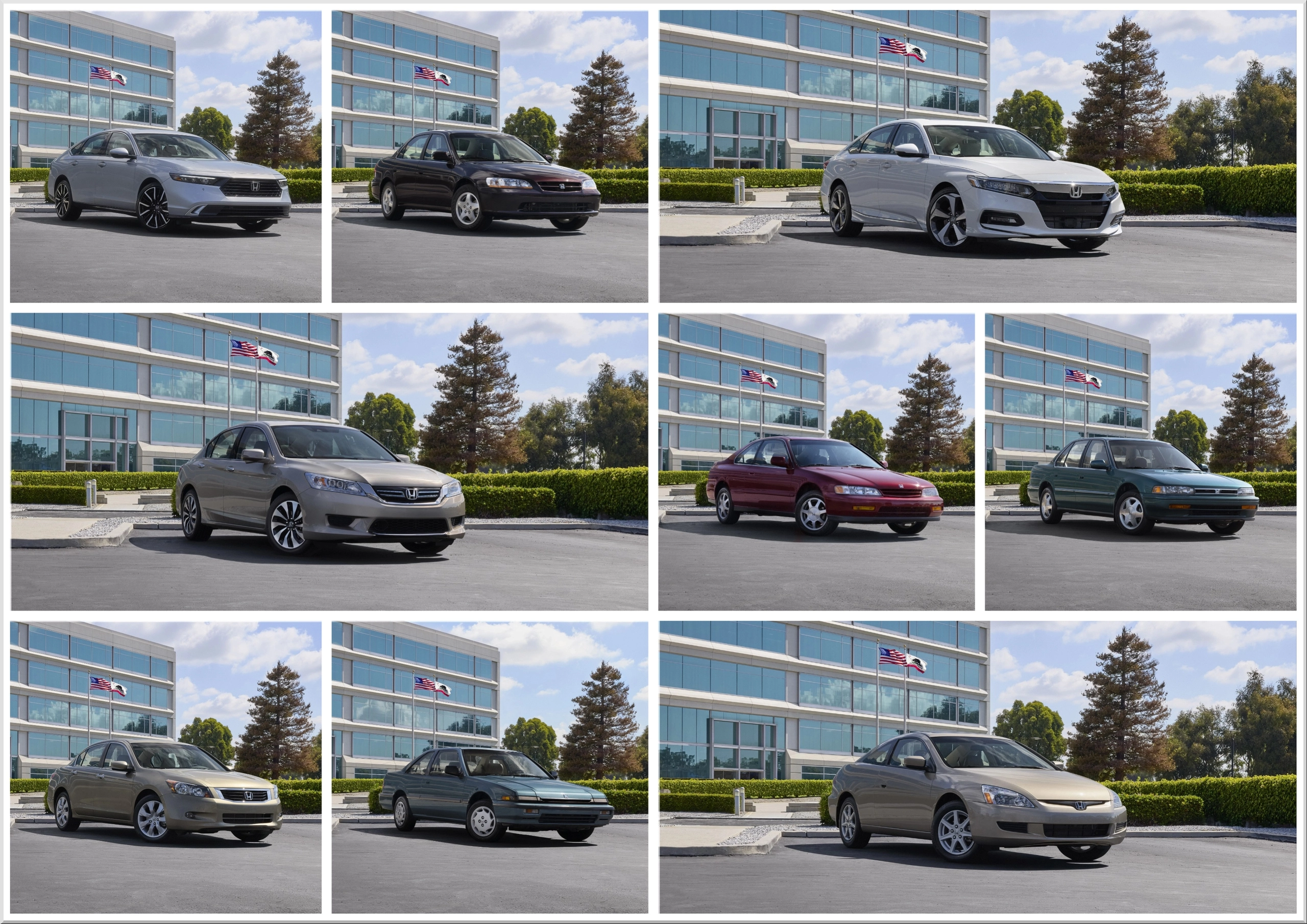
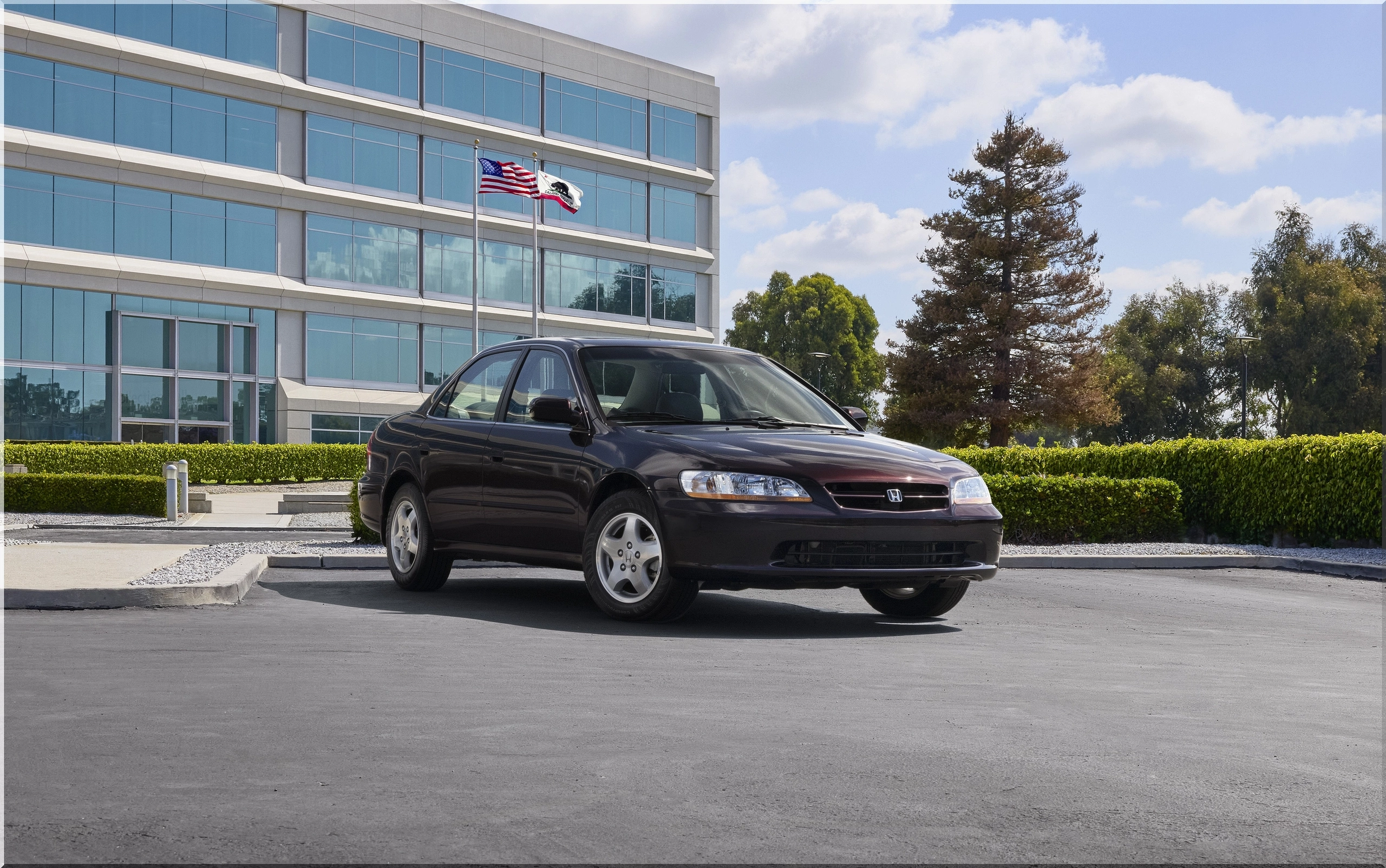
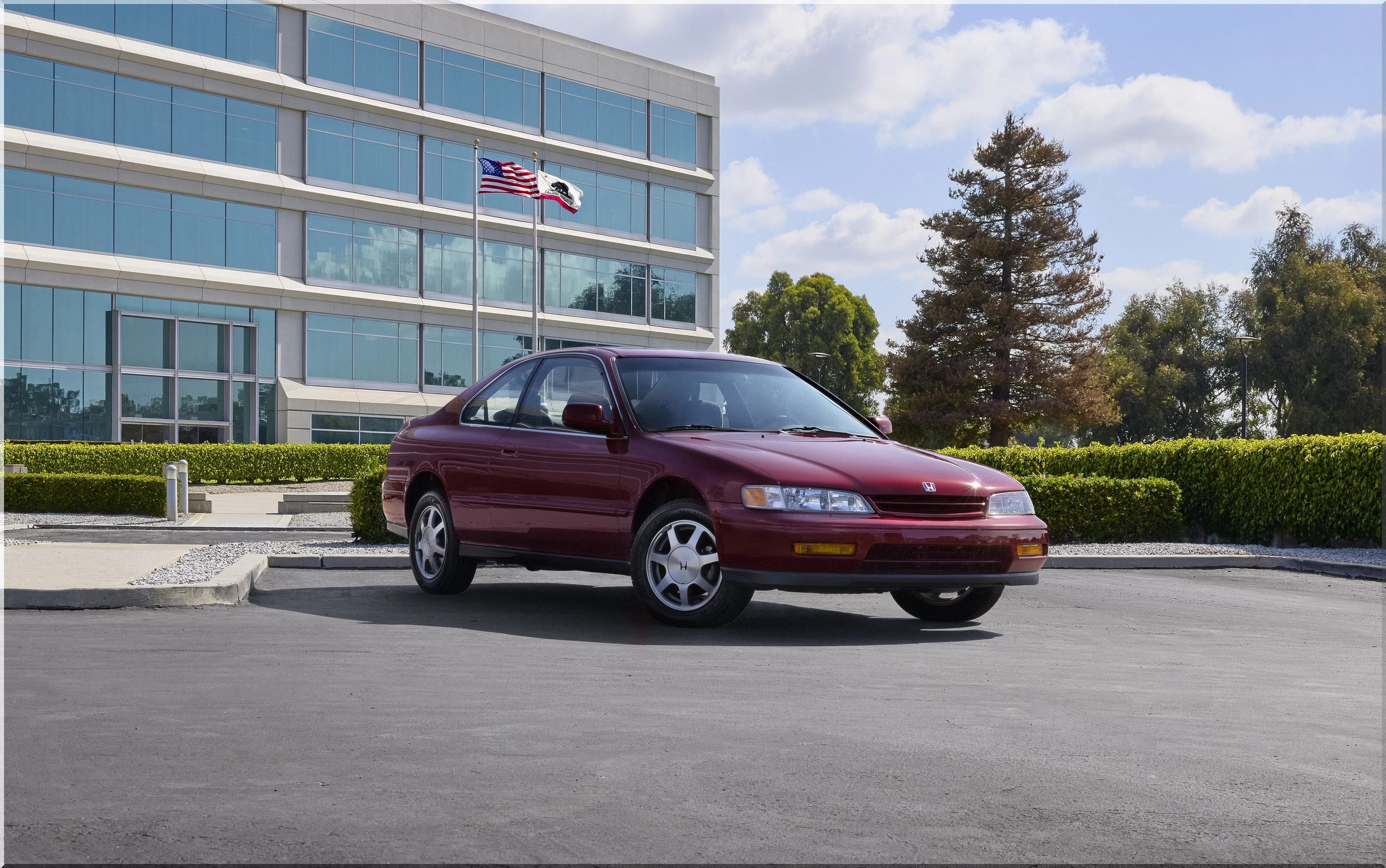
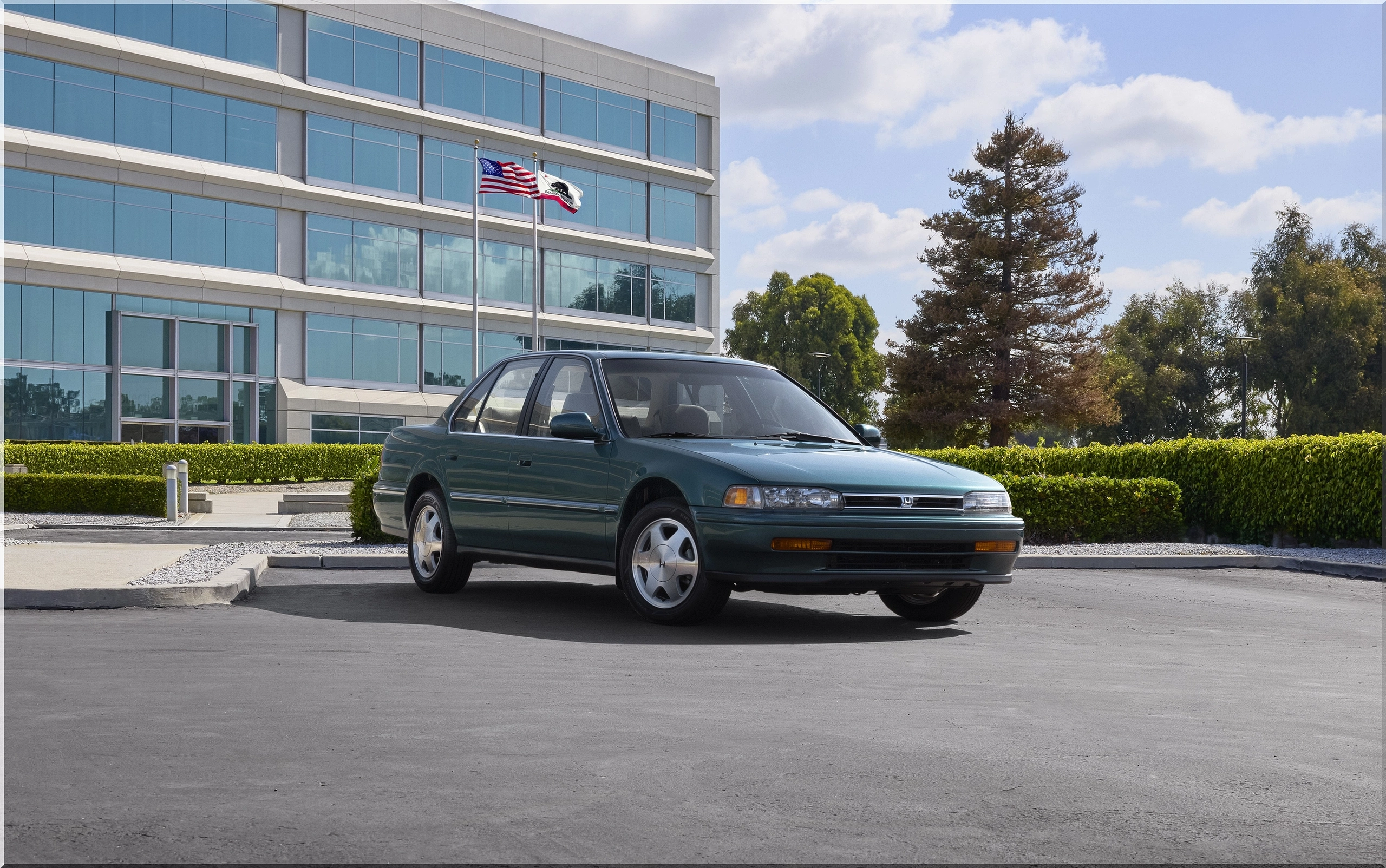
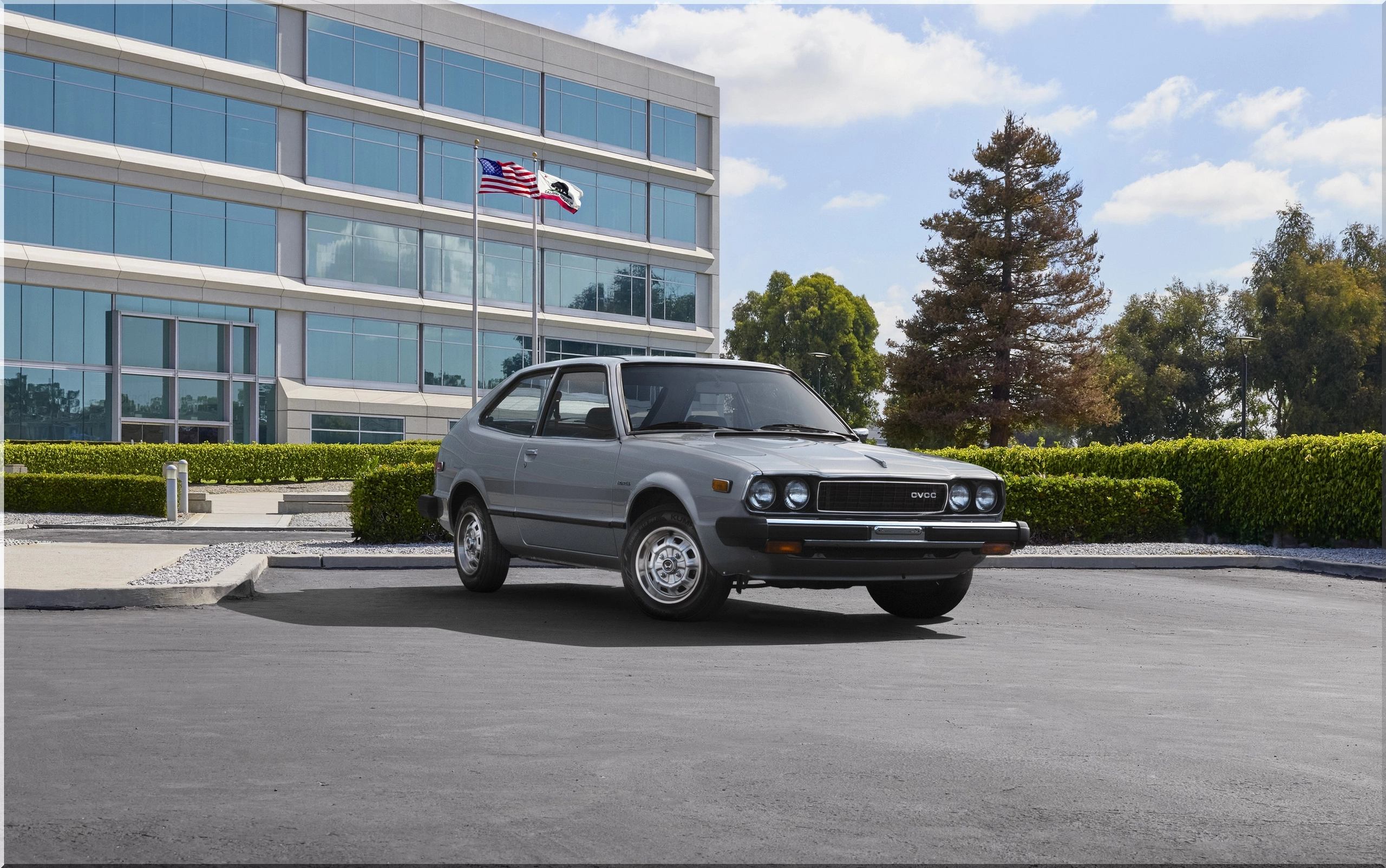
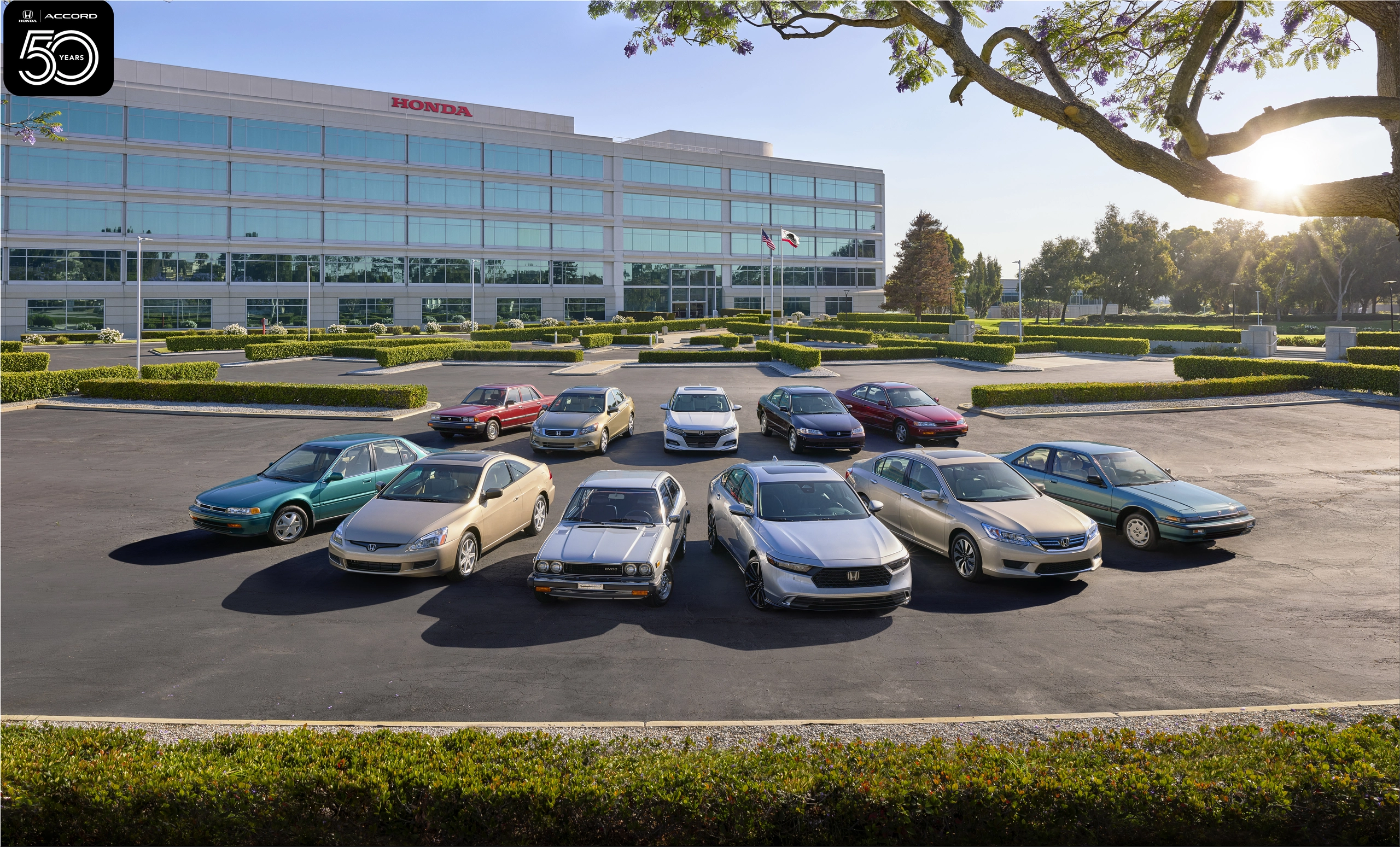
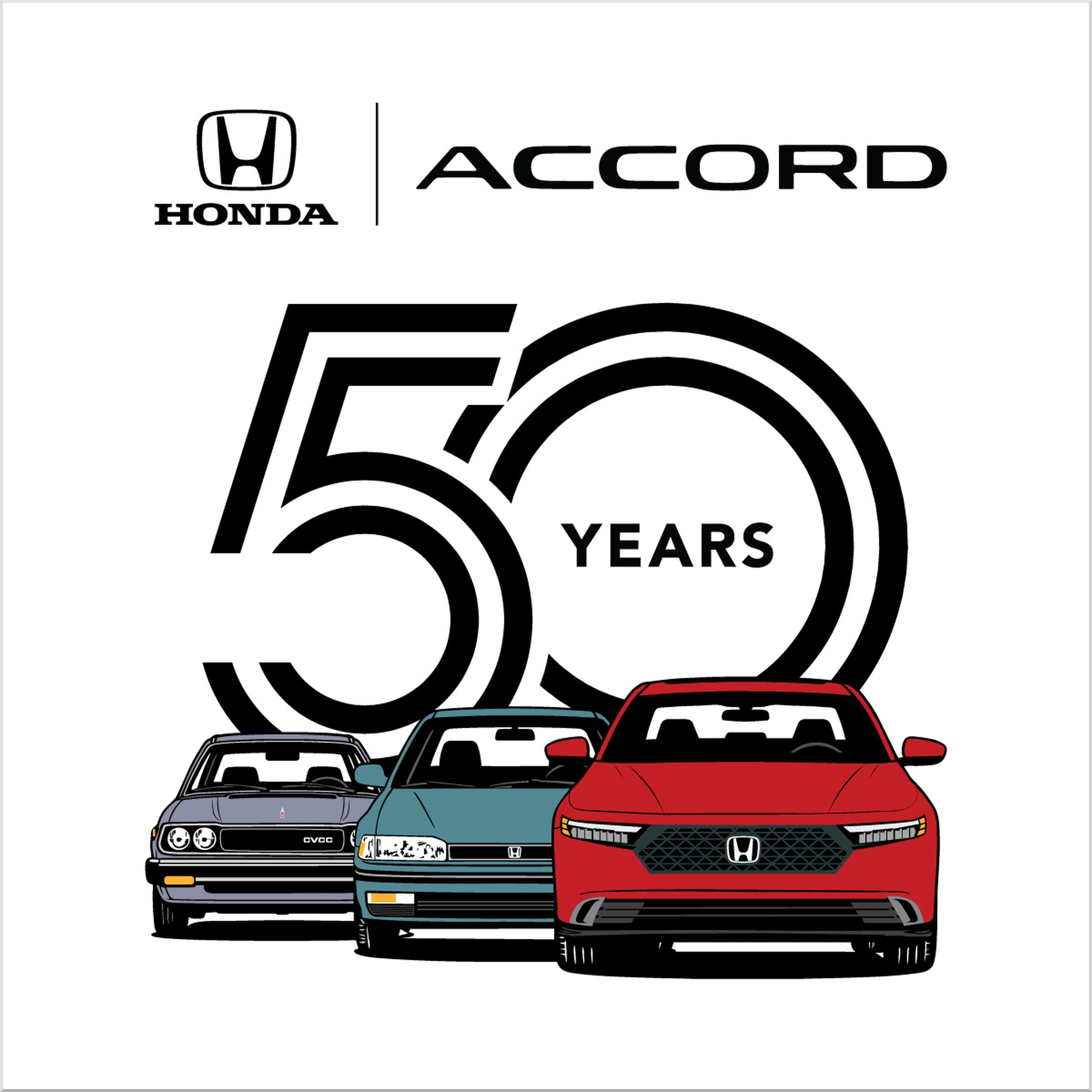
Honda introduced the Honda Accord to America in June 1976 as a compact front-wheel-drive hatchback with a 68-hp CVCC four-cylinder engine. Fifty years later, the nameplate still does the same job with far more tech: move people, burn less fuel, keep ownership costs sane, and give drivers enough feedback to avoid the beige-sedan penalty box.
That last part matters to Accord loyalists, even if many midsize sedan buyers now cross-shop compact SUVs by reflex. The Honda Accord history reads like a rolling case study in practical engineering: clean combustion before clean combustion became fashionable, local manufacturing before "built near the buyer" became boardroom gospel, and hybrid power before many rivals found a workable balance between efficiency and drivability.
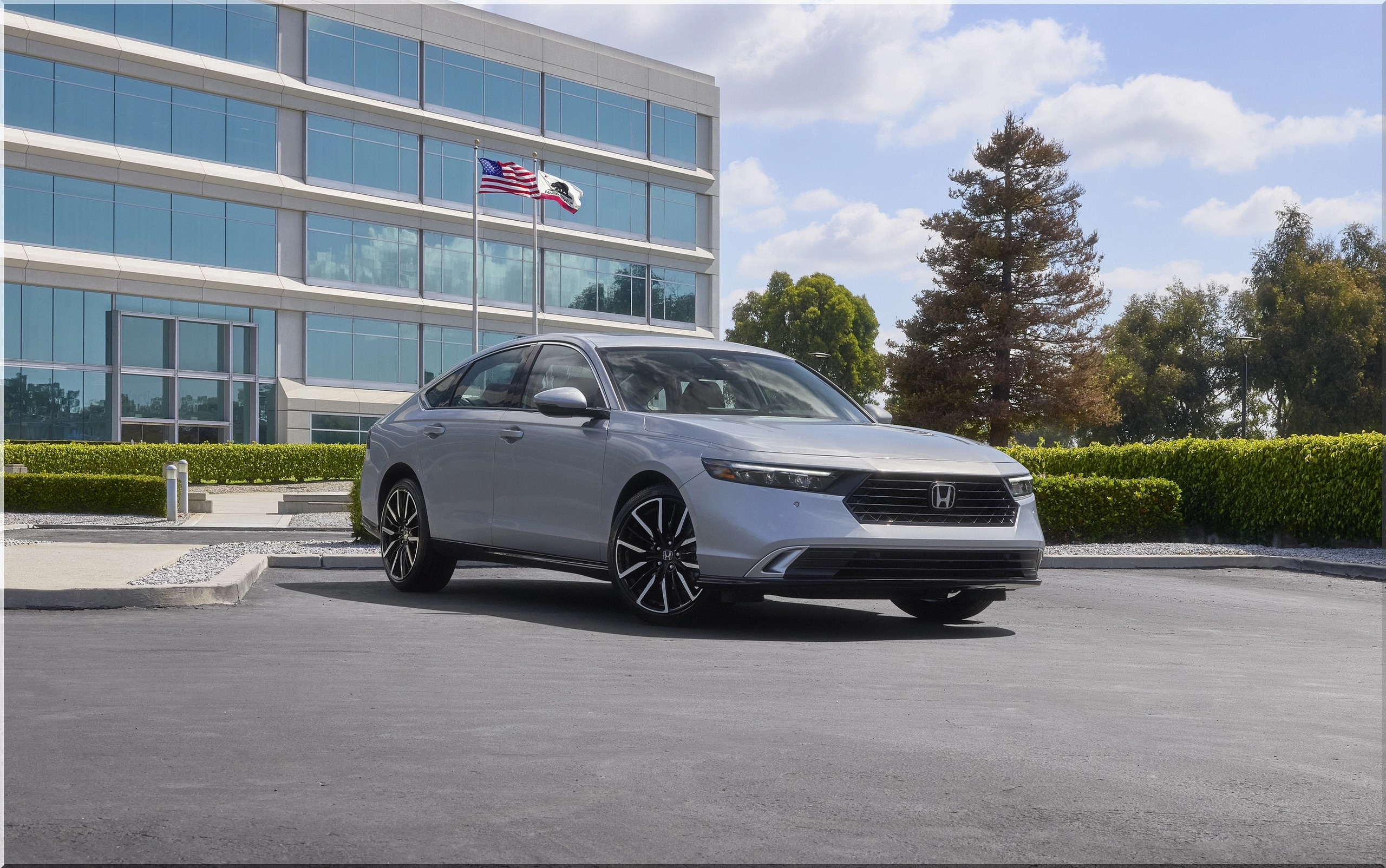
Looking at the data, the 2026 Honda Accord still lands where the model has always performed best. It gives buyers a wide cabin, a big trunk, strong fuel economy, and a powertrain lineup that favors real-world operating cost over spec-sheet theater. Honda also hints that year 51 may bring a sharper attitude, which the Accord could use. Sensible does not need to mean sleepy.
Honda Accord 50th Anniversary: The Big Picture
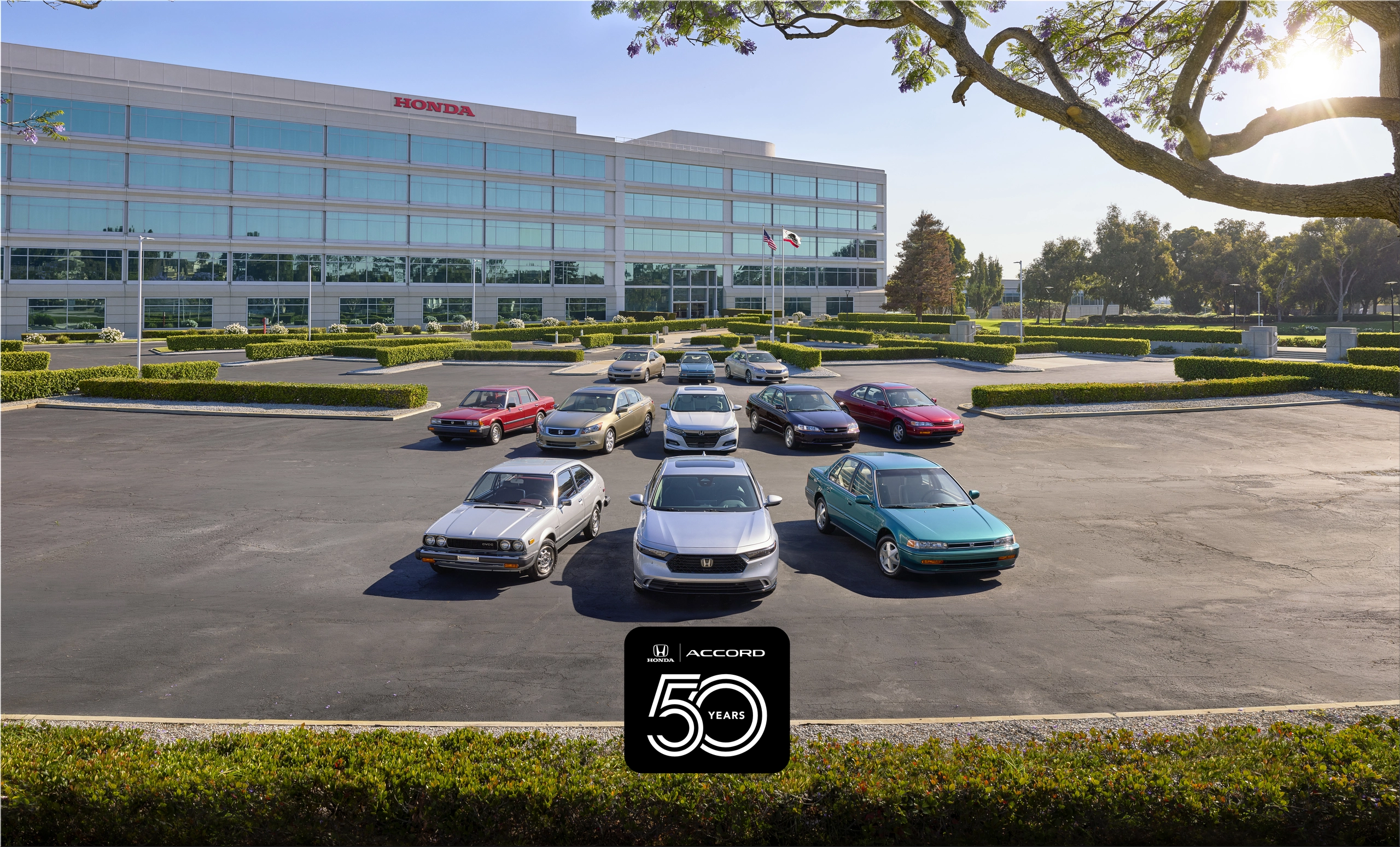
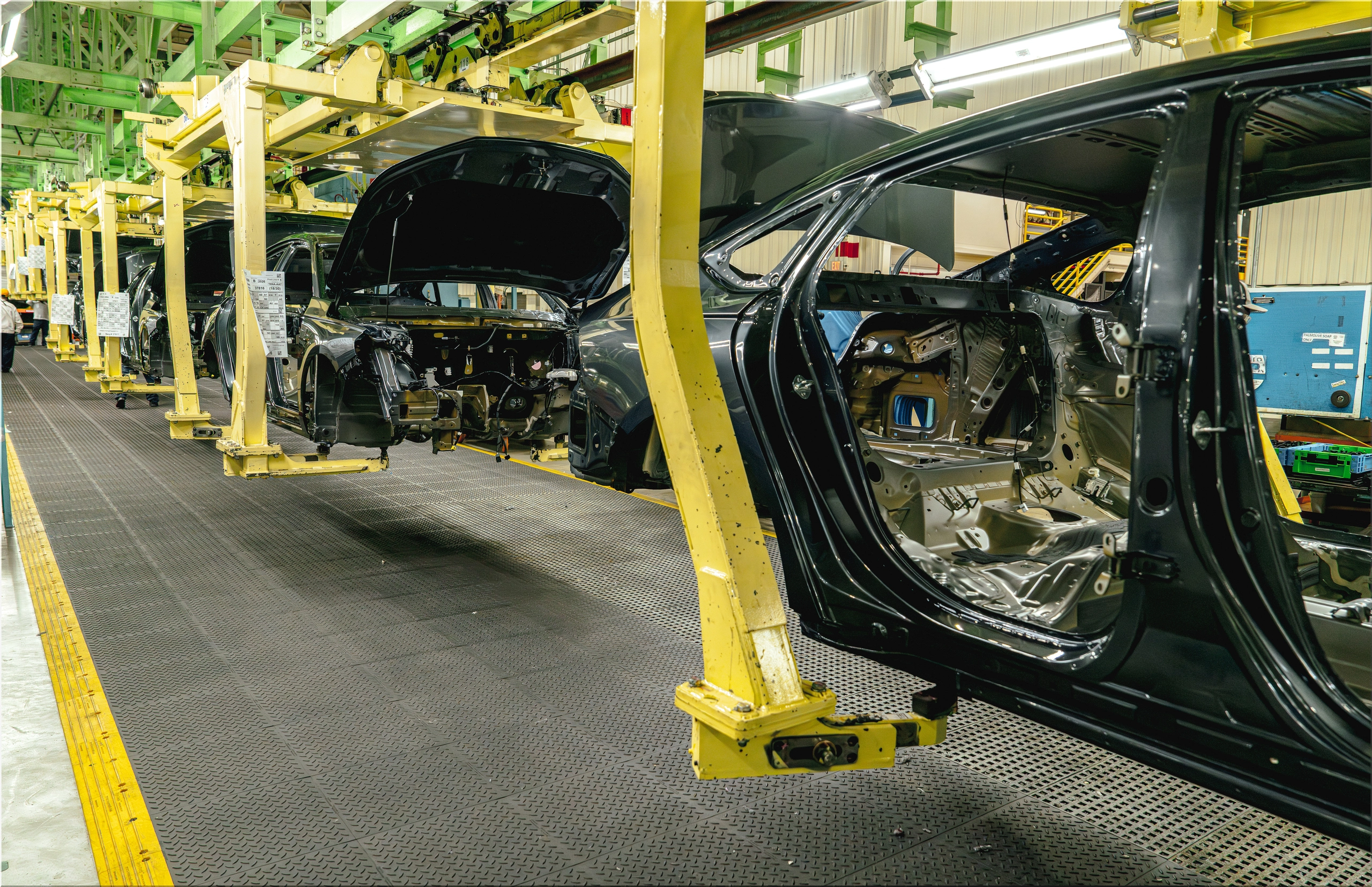
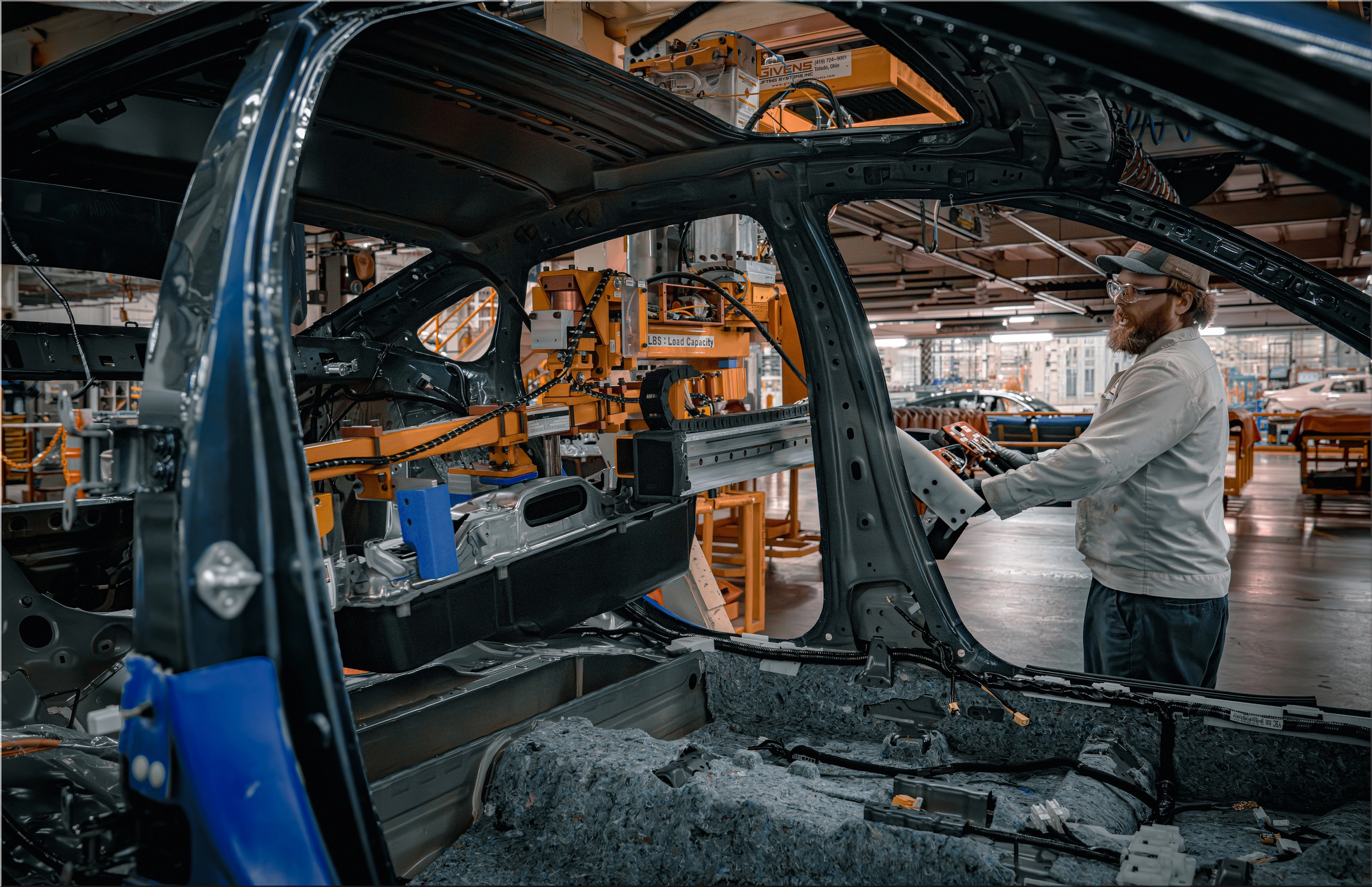
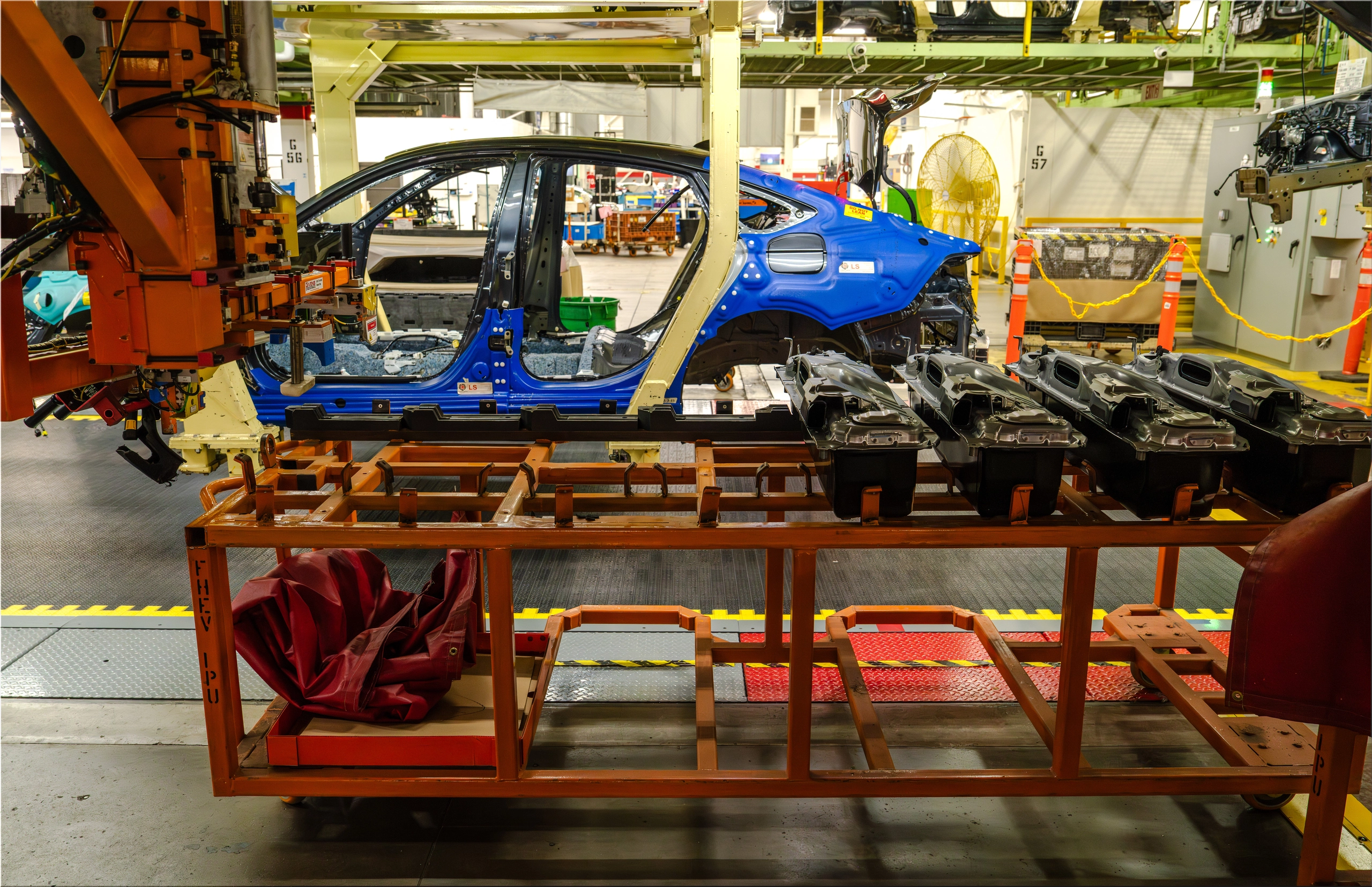
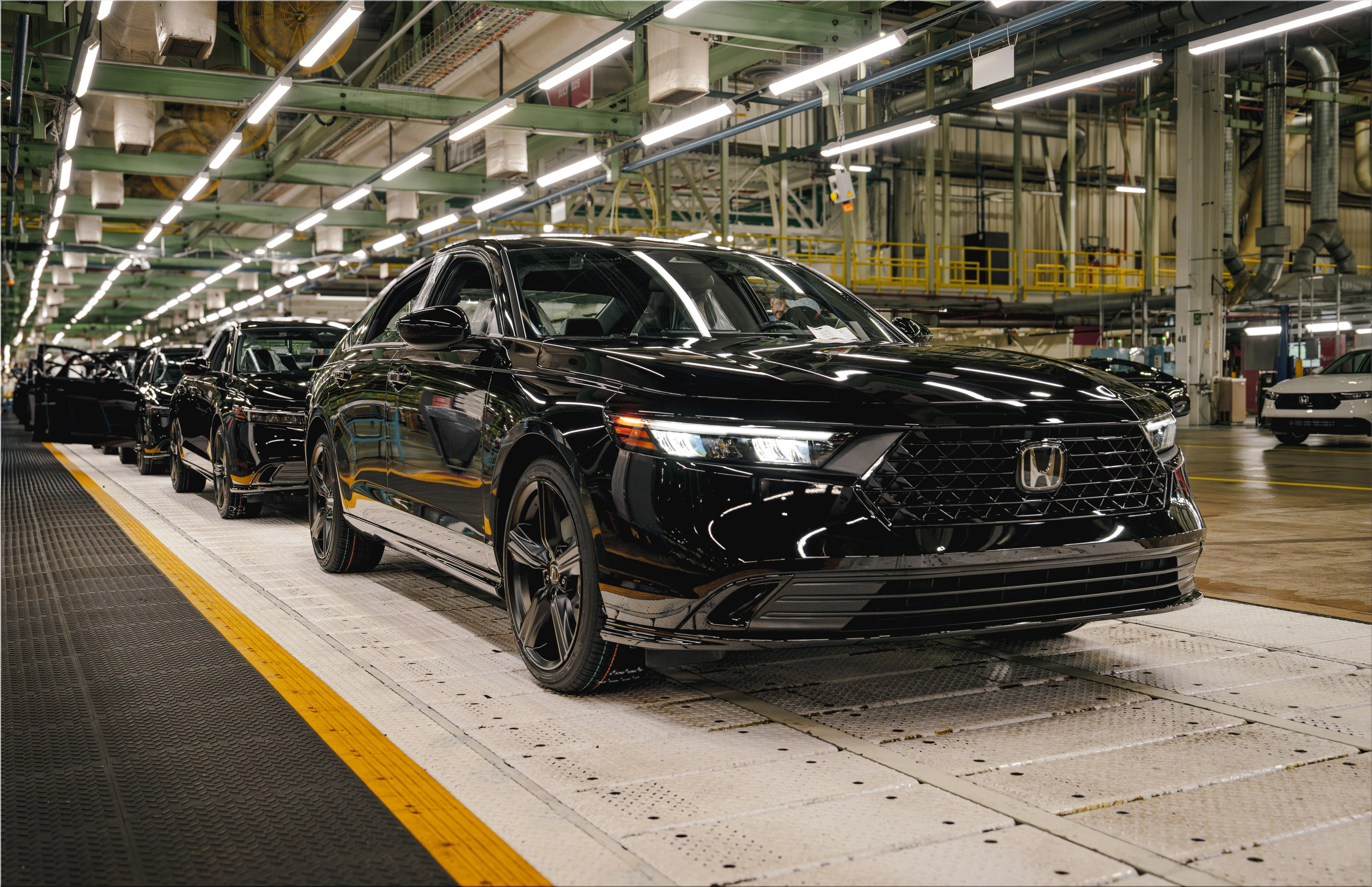
The Honda Accord 50th anniversary arrives with three numbers that explain its staying power: nearly 15 million cumulative U.S. sales, more than 13 million units built in Ohio since 1982, and more than 25 million sales across over 160 countries and regions. That scale did not happen because Honda chased one fad. It happened because the Accord kept matching the way people actually drive.
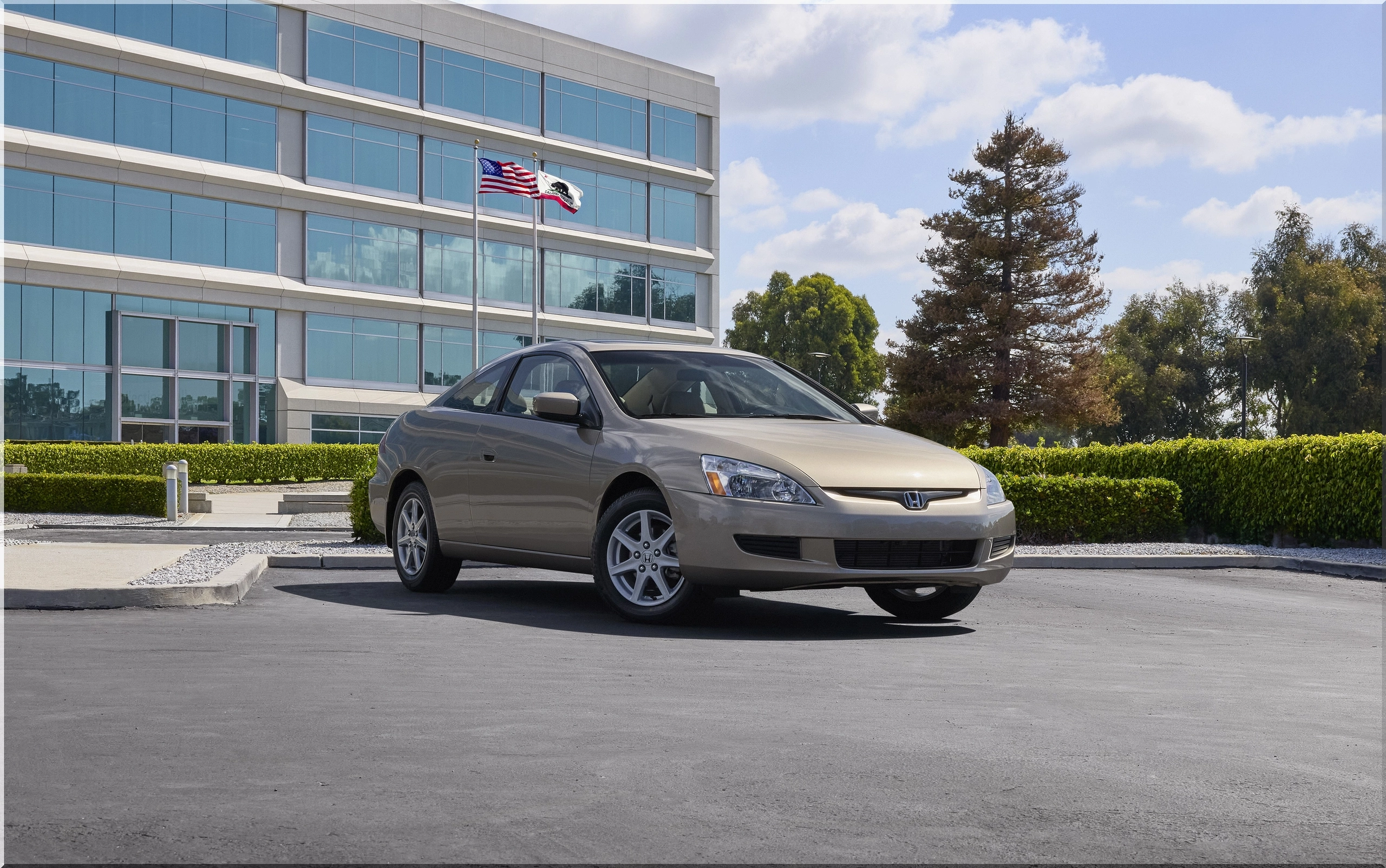
In 1976, the Accord answered a fuel-conscious market with front-wheel drive, a space-efficient hatchback body, and the CVCC engine. The logic worked because Honda did not ask buyers to choose between cleaner operation and usable performance. Specifically, the CVCC combustion system reduced emissions while keeping the car responsive enough for daily American traffic.
By comparison, many domestic cars of the late 1970s carried more weight, used more fuel, and delivered poor power per pound. The first Accord did not dominate with brute force. It won with packaging, lightness, visibility, and efficiency. That strategy still defines the modern Accord, even as the current car stretches nearly 196 inches long and uses a two-motor hybrid system that can move the sedan under electric power at low speeds.
From 68 HP Hatchback To 204 HP Hybrid Sedan
The original Accord's 68 hp sounds tiny in 2026, but context does the heavy lifting. A lighter car with front-wheel drive, compact dimensions, and clean combustion could feel alert in daily use, while large V8 sedans often delivered disappointing acceleration after emissions equipment and fuel rules choked output.
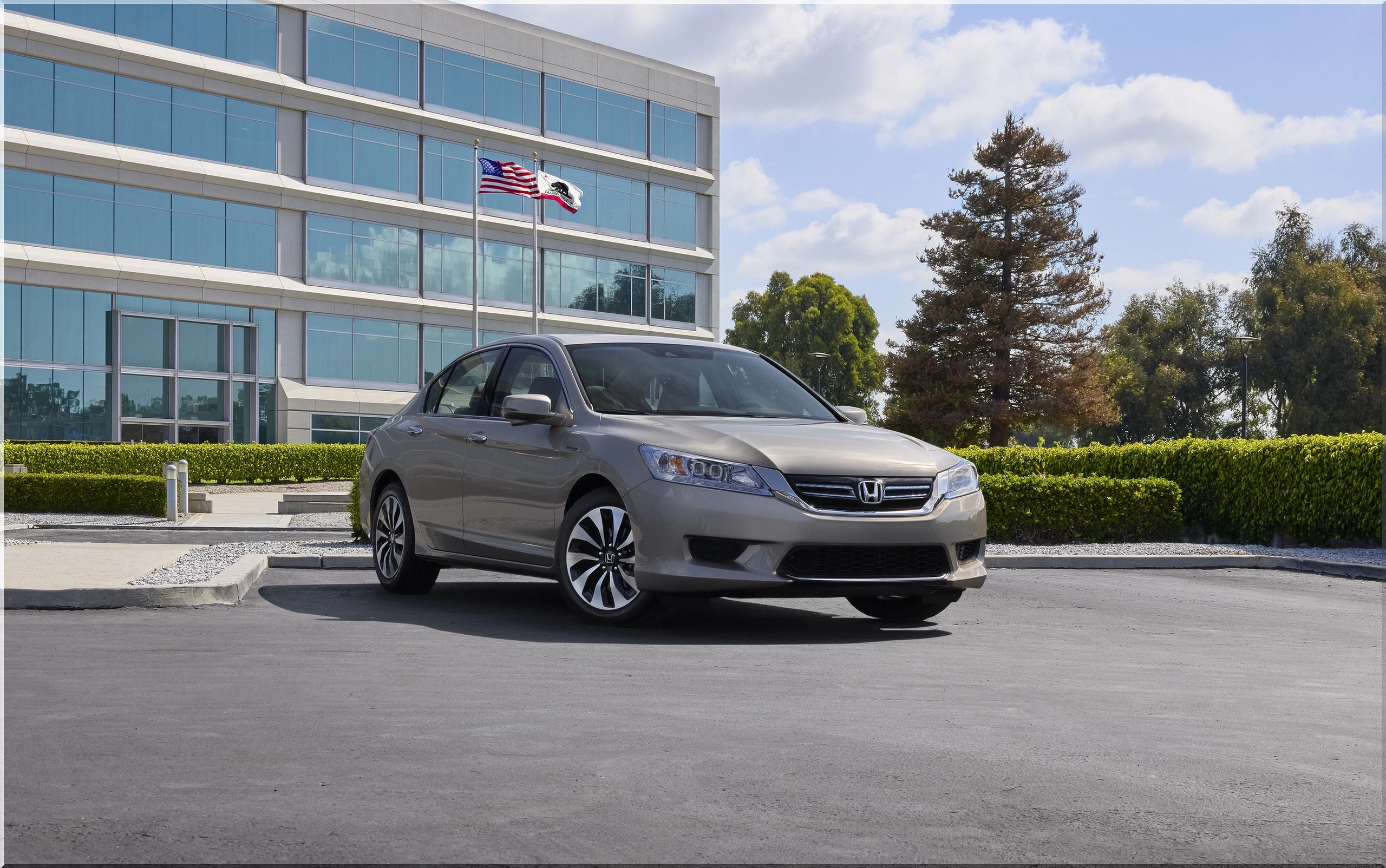
The modern 2026 Honda Accord Hybrid changes the formula without abandoning it. Honda pairs a 1,993 cc Atkinson-cycle four-cylinder with two electric motors, giving the hybrid trims 204 total system horsepower. The electric traction motor produces 247 lb-ft of torque from 0 to 2,000 rpm, which gives the Accord the immediate low-speed response shoppers often miss in conventional gasoline sedans.
Consequently, the hybrid does not feel like an efficiency penalty. It feels like the better Accord for most drivers.
| Era / Model | Body And Role | Powertrain | Output | Engineering Logic |
|---|---|---|---|---|
| 1976 Accord | Compact 2-door hatchback | CVCC four-cylinder | 68 hp | Low fuel use, lower emissions, usable daily response |
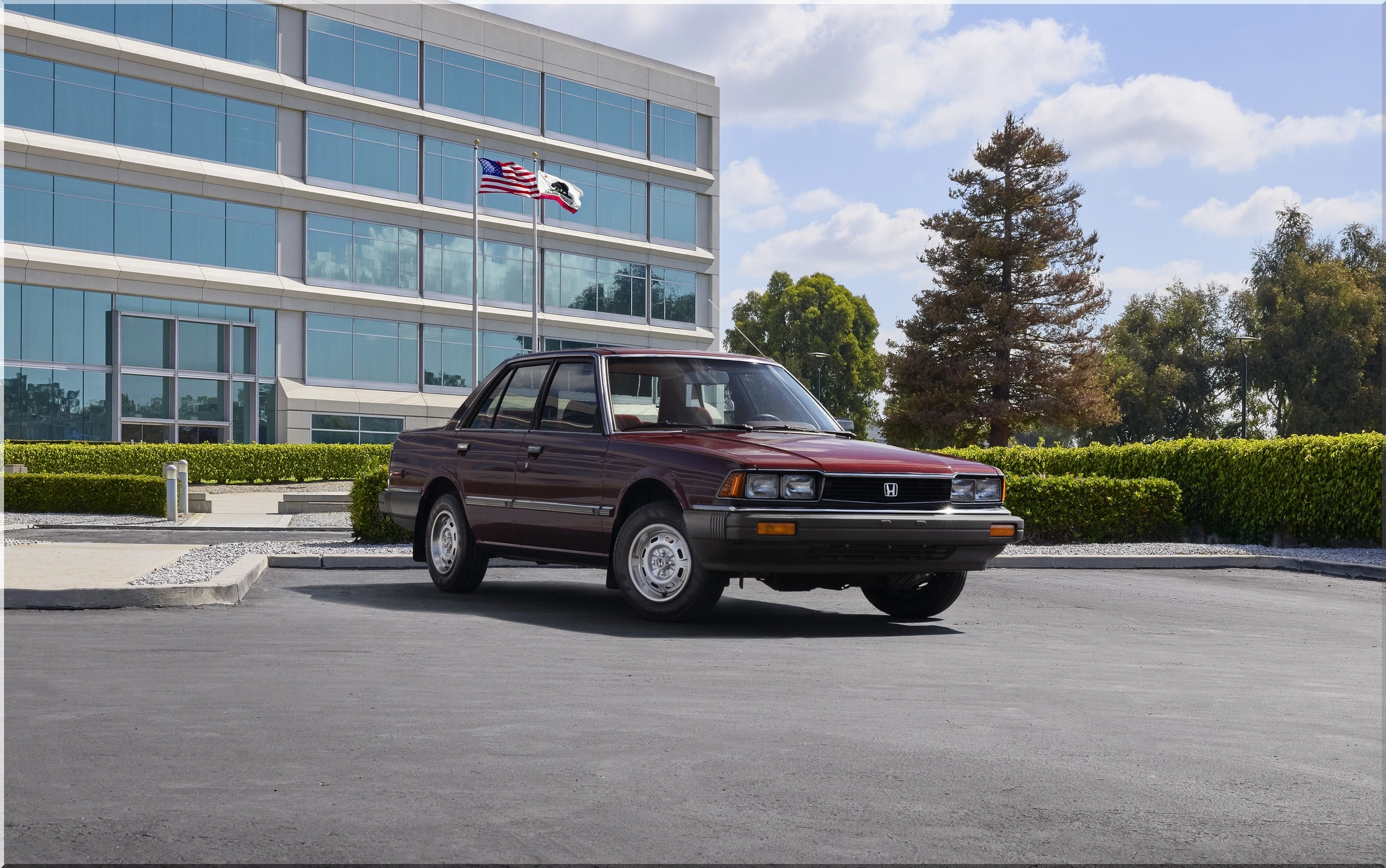
| 1982 Accord | U.S.-built sedan/hatchback era | Gas four-cylinder | Market-specific tuning | Local production in Ohio reduced distance from buyer to factory |
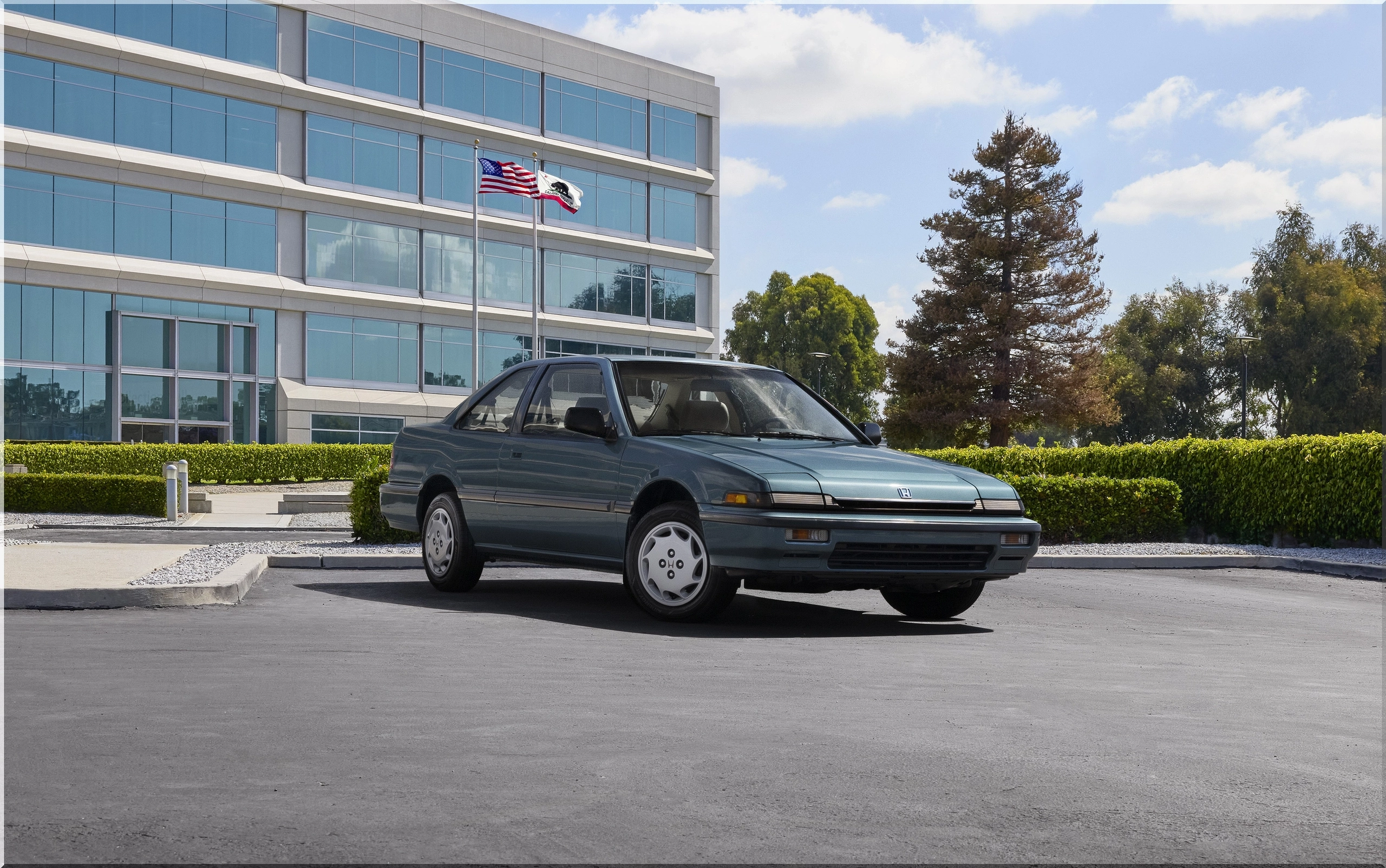
| 1985 third generation | Sedan, hatchback, coupe | Gas four-cylinder | Higher output by trim | Four-wheel double-wishbone suspension added sports-car logic to a family car |
| 2005 Accord Hybrid | Midsize sedan | V6 hybrid | Performance-focused hybrid | Early proof that electrification could add thrust, not only MPG |
| 2026 Accord Hybrid | Midsize sedan | 2.0-liter two-motor hybrid | 204 hp | Electric drive feel at low speeds, efficient engine drive at cruising speeds |
From an expert perspective, Honda's best move involves simplicity where the driver never sees it. The two-motor hybrid system avoids the feel of a conventional stepped automatic because the traction motor handles much of the driving task. At higher, steady speeds, a lock-up path lets the engine drive the wheels more directly, reducing conversion losses when the engine can operate efficiently.
2026 Honda Accord Specs: The Current Car By The Numbers
The current Accord measures 195.7 inches long, 73.3 inches wide, and 57.1 inches tall, with a 111.4-inch wheelbase. Converted to metric, that equals about 4,971 mm long, 1,862 mm wide, 1,450 mm tall, and 2,830 mm between the axles. In plain buyer terms, Honda built the Accord as a long, low sedan with rear-seat space that still makes compact crossovers look a little silly.
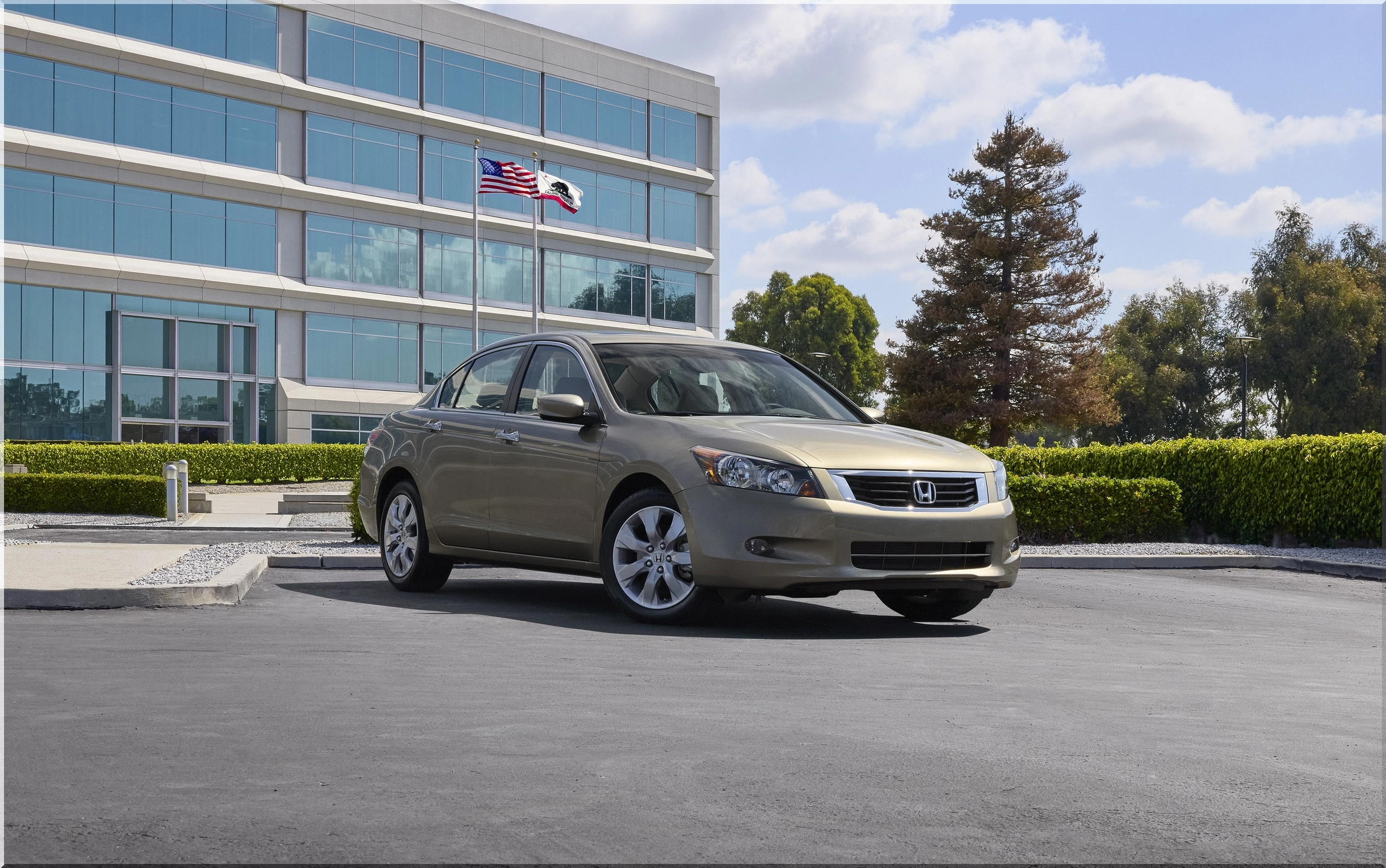
The cabin supports that claim. Front legroom measures 42.3 inches or about 1,074 mm, while rear legroom measures 40.8 inches or about 1,036 mm. Cargo volume sits at 16.7 cubic feet, or about 473 liters, across gas and hybrid trims. That last point counts because many hybrid sedans lose trunk space to battery packaging; the Accord does not.
| 2026 Honda Accord Measurement | Imperial | Metric | Why It Counts |
|---|---|---|---|
| Wheelbase | 111.4 in | 2,830 mm | Long enough to support adult rear-seat space |
| Length | 195.7 in | 4,971 mm | Full-size presence in a midsize sedan price band |
| Width | 73.3 in | 1,862 mm | Stable stance without huge parking-lot width |
| Height | 57.1 in | 1,450 mm | Low roofline helps aero and sedan proportions |
| Ground clearance | 5.3 in | 135 mm | Normal sedan clearance for paved-road use |
| Front / rear legroom | 42.3 / 40.8 in | 1,074 / 1,036 mm | Adult-friendly rear seat |
| Trunk volume | 16.7 cu ft | 473 L | Family-trip usable without SUV ride height |
| Turning diameter | 38.4 ft | 11.7 m | Manageable for a car this long |
In addition, Honda tunes the chassis with MacPherson struts up front and a multi-link rear suspension. Gas trims use 11.5-inch front and 11.1-inch rear disc brakes, while hybrid trims step up to 12.3-inch front discs and keep 11.1-inch rear discs. That difference makes sense because the hybrid carries more power and uses regenerative braking, so Honda gives it more front brake capacity for repeated stops.
Gas Vs Hybrid: Which Honda Accord Makes More Sense?
The 2026 Honda Accord lineup starts with two gas trims: LX and SE. Both use a 1.5-liter turbocharged inline-four producing 192 hp at 6,000 rpm and 192 lb-ft from 1,700 to 5,000 rpm. The engine uses a 73 mm x 89.5 mm bore and stroke, a 10.6:1 compression ratio, and a continuously variable transmission.
The hybrid lineup starts with Sport Hybrid and runs through EX-L Hybrid, Sport-L Hybrid, and Touring Hybrid. Those trims use a 1,993 cc Atkinson-cycle inline-four, a direct drive unit, and an AC synchronous permanent-magnet traction motor. The gas engine alone makes 146 hp, but the electric motor brings the system to 204 hp and gives the car its best torque feel.
| 2026 Accord Trim | Powertrain | MSRP Before Destination | MPG City / Hwy / Combined | Key Buyer Logic |
|---|---|---|---|---|
| LX | 1.5L turbo gas | $28,395 | 29 / 37 / 32 | Lowest entry cost, strong standard value |
| SE | 1.5L turbo gas | $30,695 | 28 / 36 / 31 | Adds sportier look and more comfort gear |
| Sport Hybrid | 2.0L two-motor hybrid | $33,795 | 46 / 41 / 44 | Best entry point for hybrid punch |
| EX-L Hybrid | 2.0L two-motor hybrid | $35,095 | 51 / 44 / 48 | Efficiency pick with 17-inch wheels |
| Sport-L Hybrid | 2.0L two-motor hybrid | $35,495 | 46 / 41 / 44 | Sportier trim with hybrid response |
| Touring Hybrid | 2.0L two-motor hybrid | $39,495 | 46 / 41 / 44 | Tech-heavy Accord with premium features |
The answer: choose the Accord Hybrid EX-L if fuel economy sits near the top of your shopping list. It reaches 51 mpg city, 44 mpg highway, and 48 mpg combined, helped by its more efficiency-focused wheel and tire setup. Choose the Sport Hybrid or Sport-L Hybrid if you want the stronger visual stance of 19-inch wheels and accept the lower 44 mpg combined rating.
Pro-Tips For Buying A 2026 Honda Accord
- Pick the EX-L Hybrid for the best fuel economy and long-commute value.
- Pick the Sport Hybrid if you want hybrid torque without paying Touring money.
- Pick the LX only if purchase price beats fuel savings in your ownership math.
- Watch wheel size. The 17-inch hybrid setup helps MPG; the 19-inch setup trades some efficiency for stance.
- Test the rear seat with real passengers, not hope. The Accord's 40.8 inches of rear legroom remains one of its best buying arguments.
Why The Accord Hybrid System Works So Well
Honda's two-motor hybrid system uses the engine in three ways. It can power a generator, charge the battery pack, or send torque directly to the wheels when that route saves energy. Most of the time, the traction motor gives the Accord its smooth low-speed character.
That design explains the Accord Hybrid's city rating. Stop-and-go traffic gives the system constant chances to use electric drive and regenerative braking. The electric motor also produces peak torque instantly, so the driver gets clean launch response without waiting for a turbocharger to build boost or a transmission to hunt for the right ratio.
Atkinson-cycle tuning also plays a major role. The hybrid's 13.9:1 compression ratio and long 81 mm x 96.7 mm bore-and-stroke layout favor thermal efficiency over high-rpm drama. The gas engine makes only 134 lb-ft on its own, but the motor covers the low-rpm demand. In addition, the 3.895 final drive and direct-drive layout help the hybrid cruise with less mechanical waste than a traditional multi-gear setup.
Why Year 51 Could Bring A Sportier Accord
Honda's 50th birthday message did more than look backward. A senior Honda product executive signaled a stronger focus on the Accord's sporty side, and Honda has already shown a sharp hybrid sedan prototype that could point toward the next chapter.
That move would not betray the Accord formula. It would restore a part of it. Past Accords earned respect because they combined practical cabins with better steering, suspension tuning, and driver feedback than the segment required. The third-generation car's double-wishbone suspension, the V6 manual coupes, the 2.0T Sport, and the current hybrid's instant torque all support the same idea: an Accord should act like the driver showed up on purpose.
The likely next step centers on hybrid control, chassis stiffness, and software-defined response. Honda's next-generation hybrid work points to lower system cost, better fuel efficiency, electric all-wheel-drive capability for some models, and S+ Shift logic that simulates sharper gear changes through engine and motor control. Honda has not confirmed those features for the next Accord, but the direction fits the brand's public product strategy.

Why This Half-Century Story Still Counts For American Buyers
The sedan market shrank because crossovers took the family-car crown. Yet the Accord still gives U.S. drivers a strong reason to pause before signing for another high-riding box. It uses less gasoline than many SUVs, gives adults real rear-seat room, carries luggage cleanly, and avoids the weight penalty that hurts ride, tires, and brakes.
The Honda Accord 50 years story also shows how Honda built trust the slow way. The company did not rely on one hero generation. It refined combustion, steering, suspension, manufacturing, hybrid operation, safety tech, and cabin packaging across decades. Some years brought more excitement than others. Fair. Even the best appliance needs a little hot sauce.
Still, the 2026 Accord proves the core idea holds up. The gas model keeps the entry price under control. The hybrid model brings the better drive. The cabin space beats many compact SUVs at their own family-hauling game. And the 50th anniversary gives Honda the perfect excuse to make the 51st-year Accord sharper.
If Honda adds more personality without wrecking the Accord's fuel economy and value math, the sedan will not need nostalgia to stay relevant. It will need exactly what it has always used: smart engineering, honest pricing, and enough driver appeal to remind America that a family sedan can still have a pulse.
- Add new comment
- 62 views