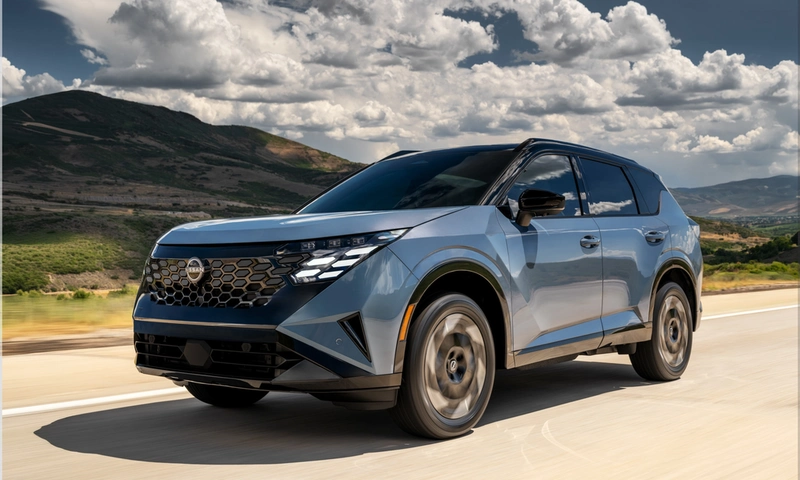
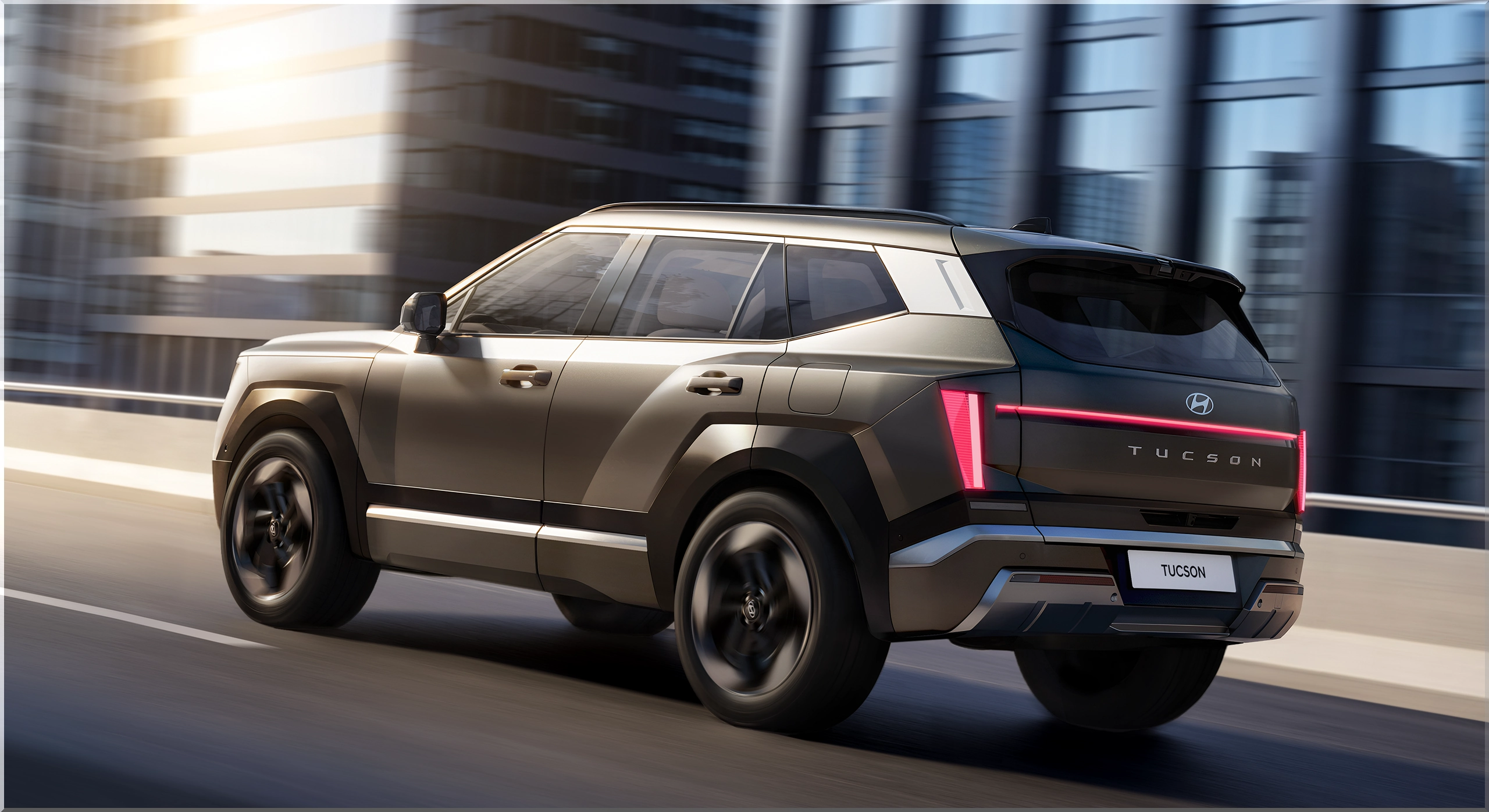
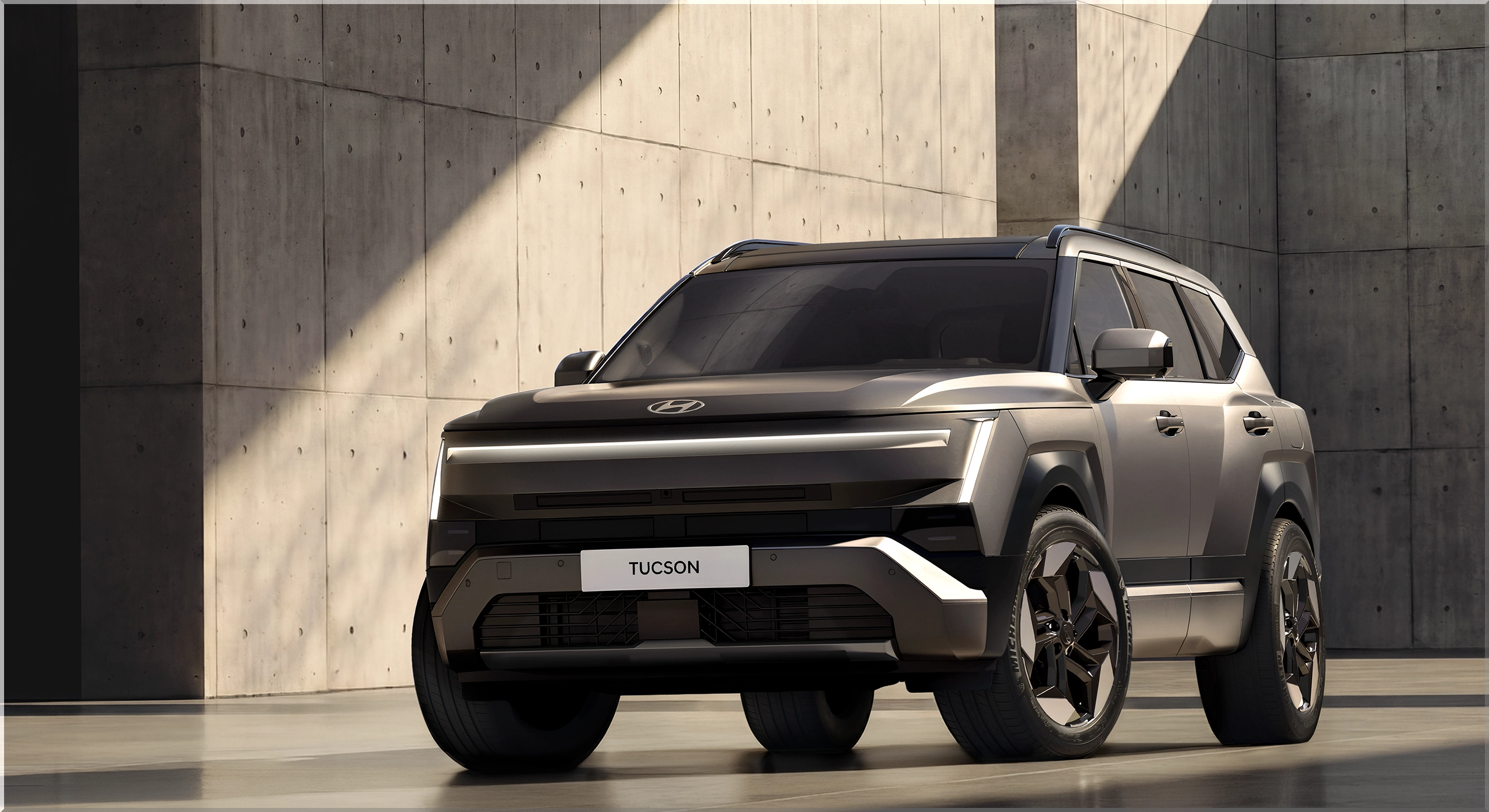
The 2027 Hyundai Tucson puts its biggest upgrades where American SUV buyers can use them: fuel economy, passenger space, and trailer capacity. Hyundai introduced the redesigned compact SUV in New York, with a sharper, squared-off design and a new two-motor hybrid system.
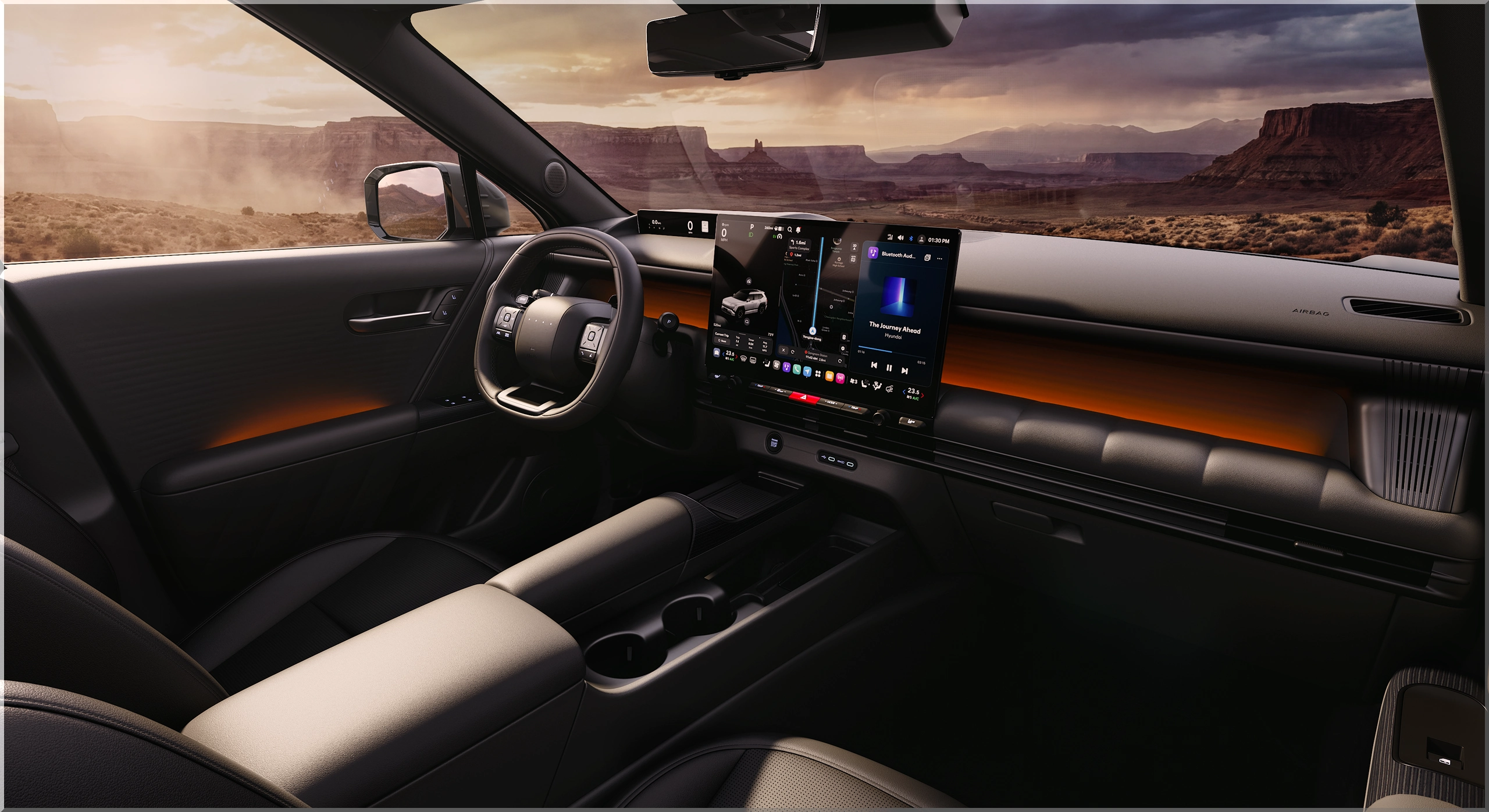
Hyundai USA schedules gasoline and hybrid models for early 2027. The company has yet to announce U.S. pricing, and its headline fuel-economy figures remain manufacturer targets rather than final EPA-certified ratings.
Bigger Dimensions, Easier Family Access
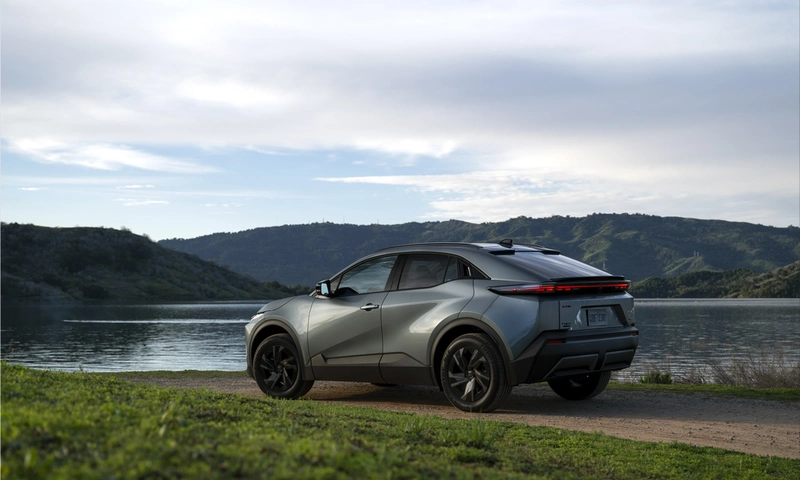
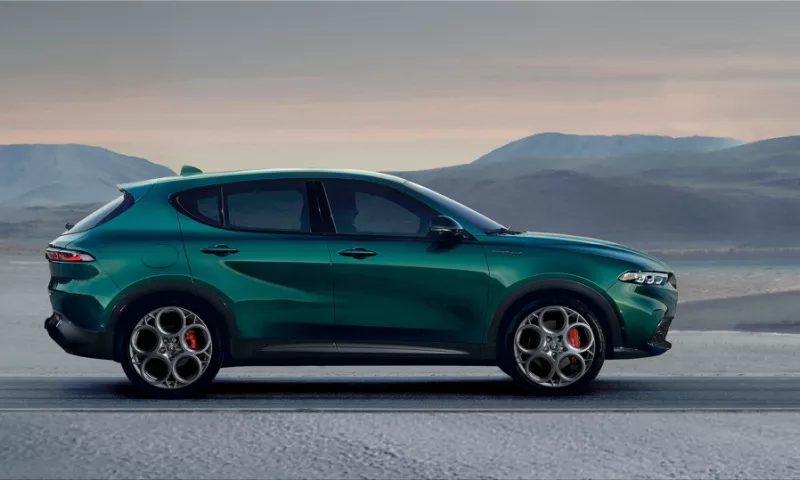
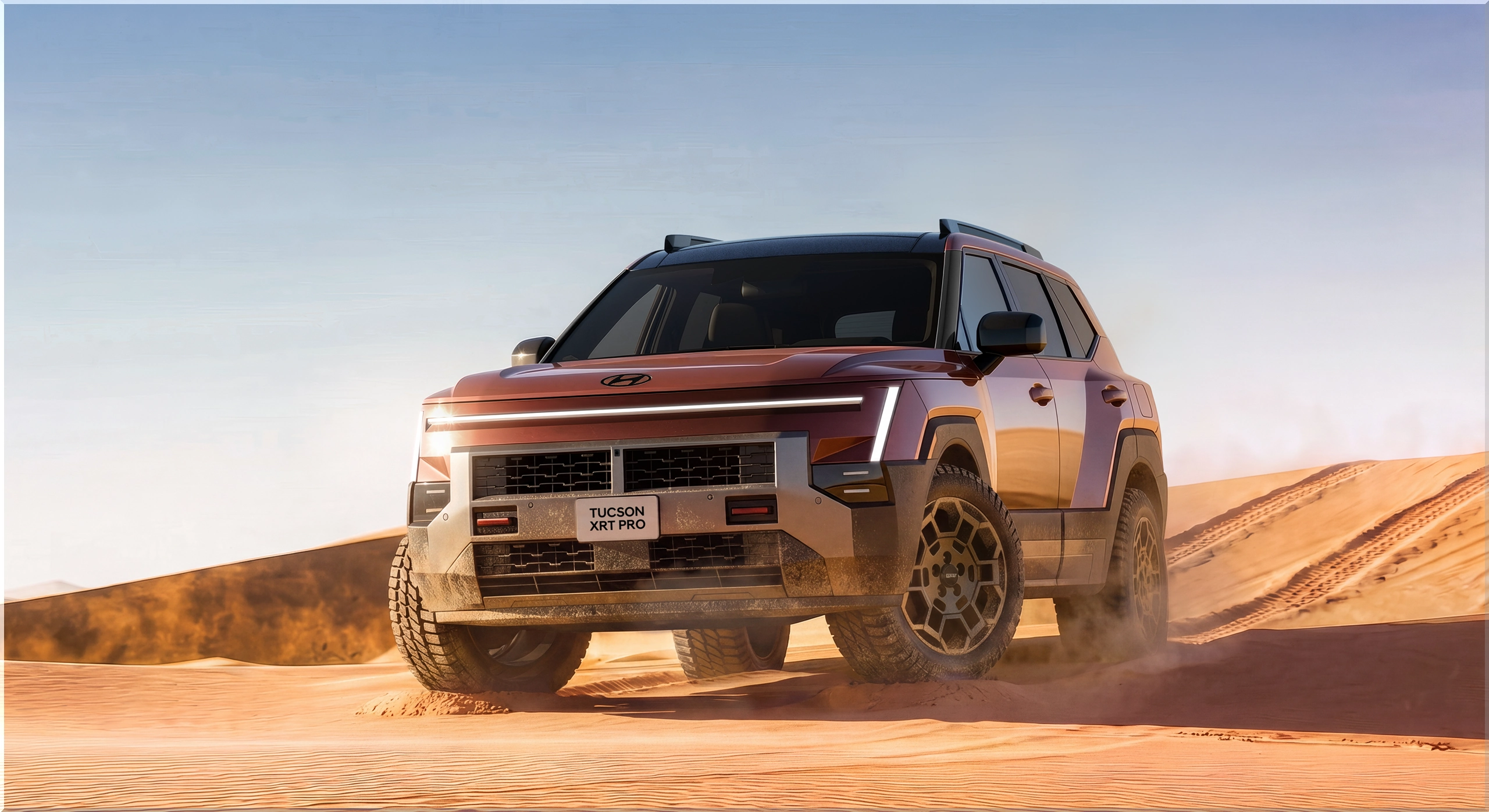
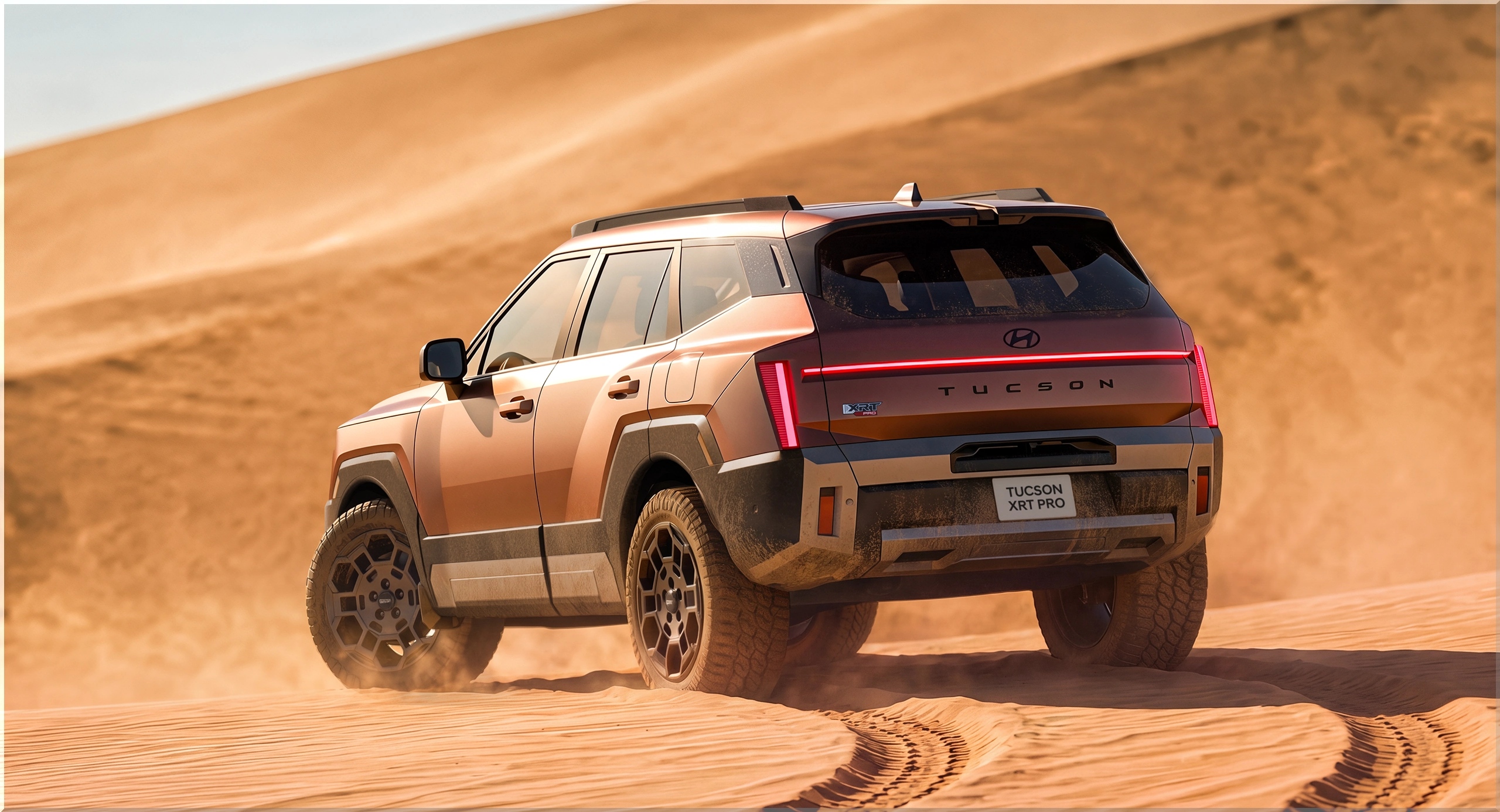
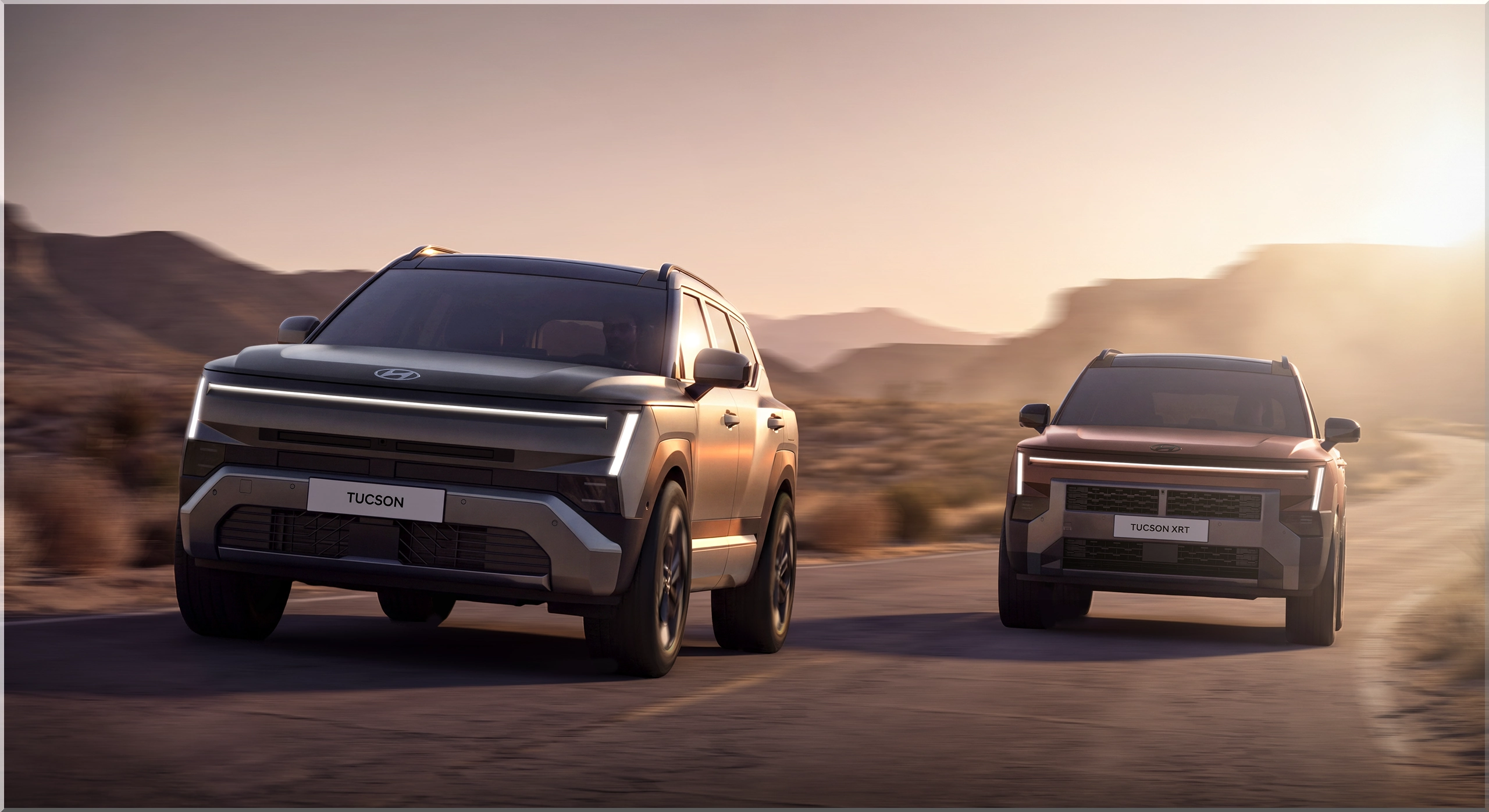
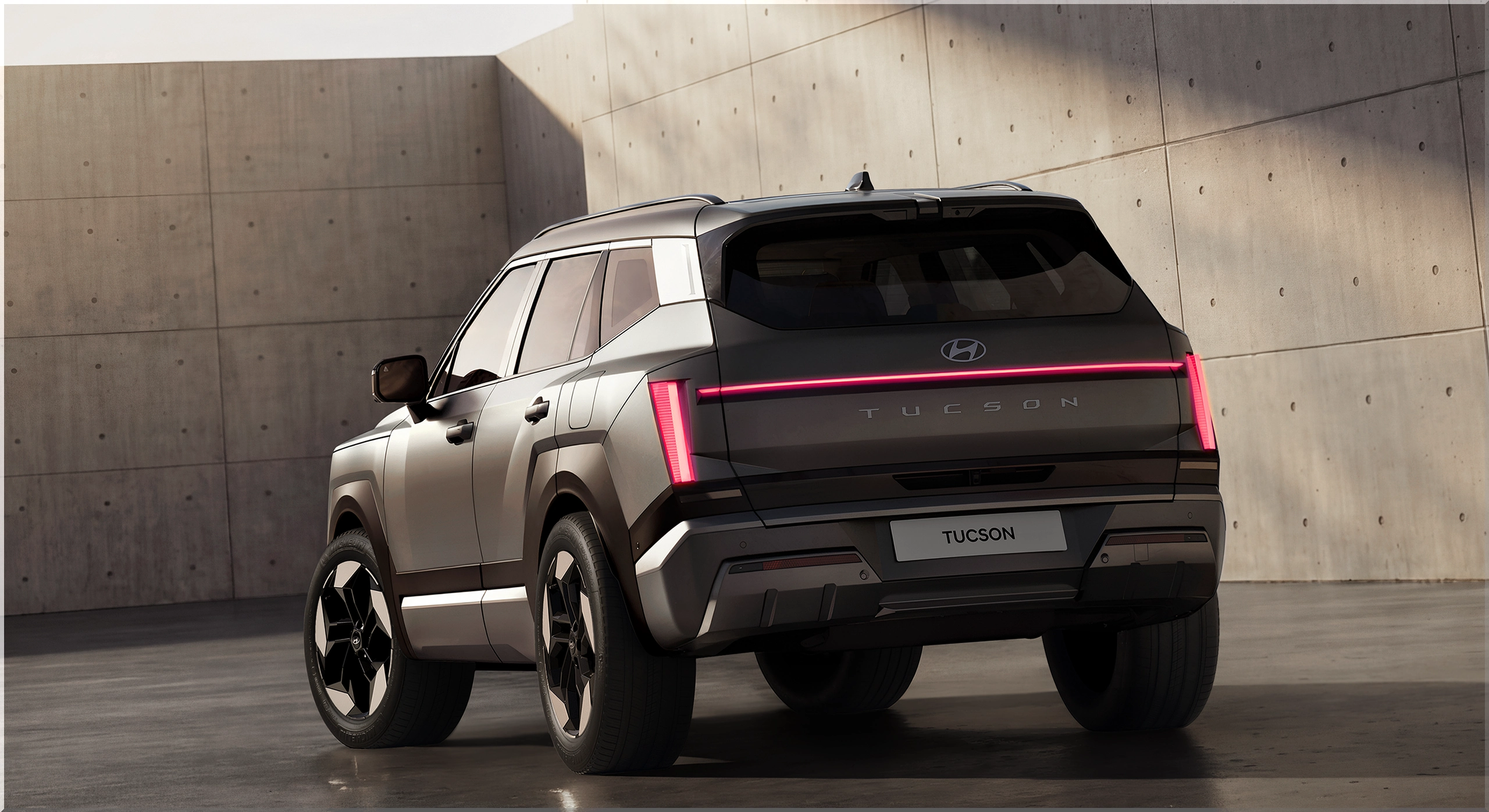
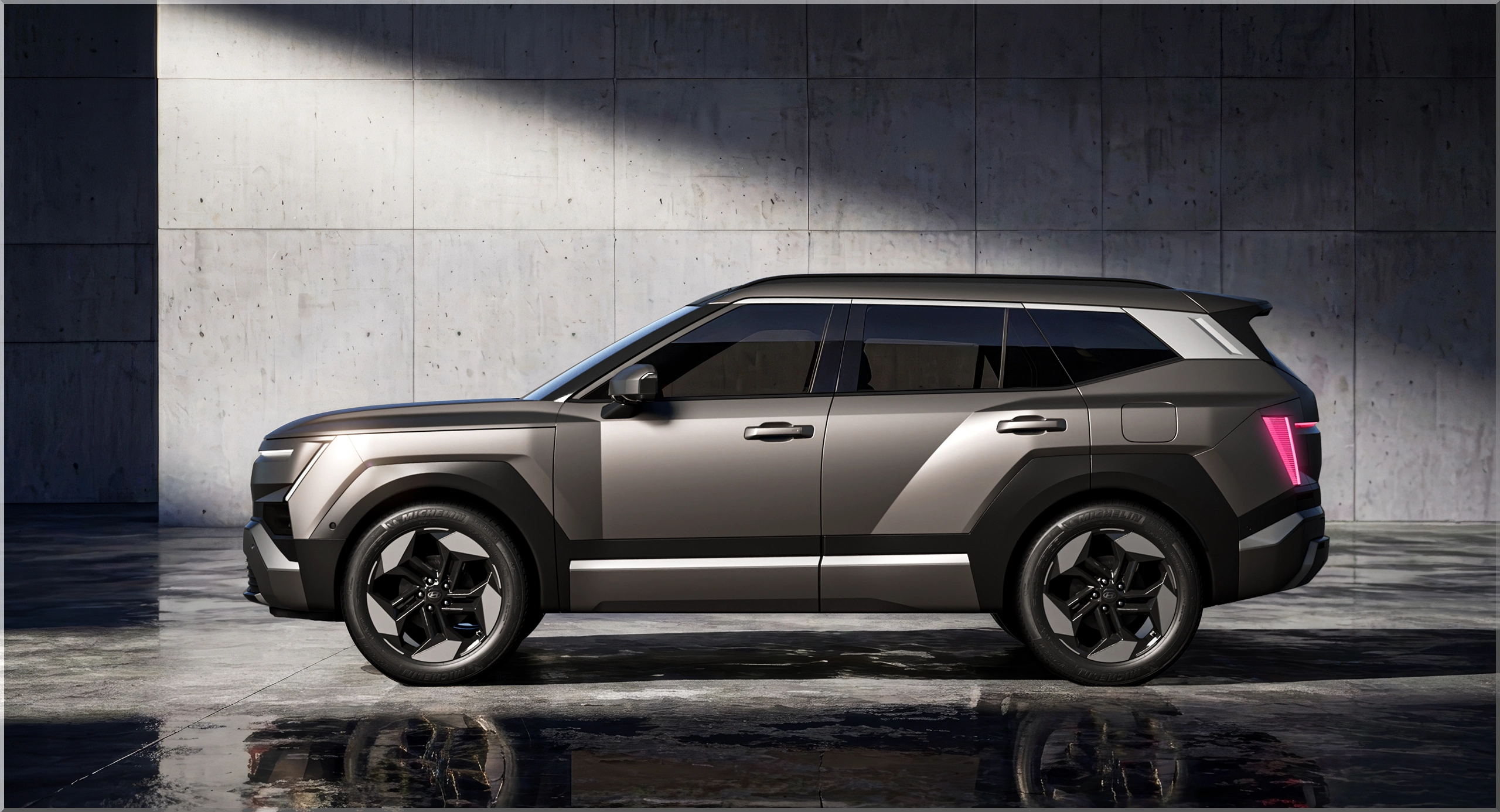
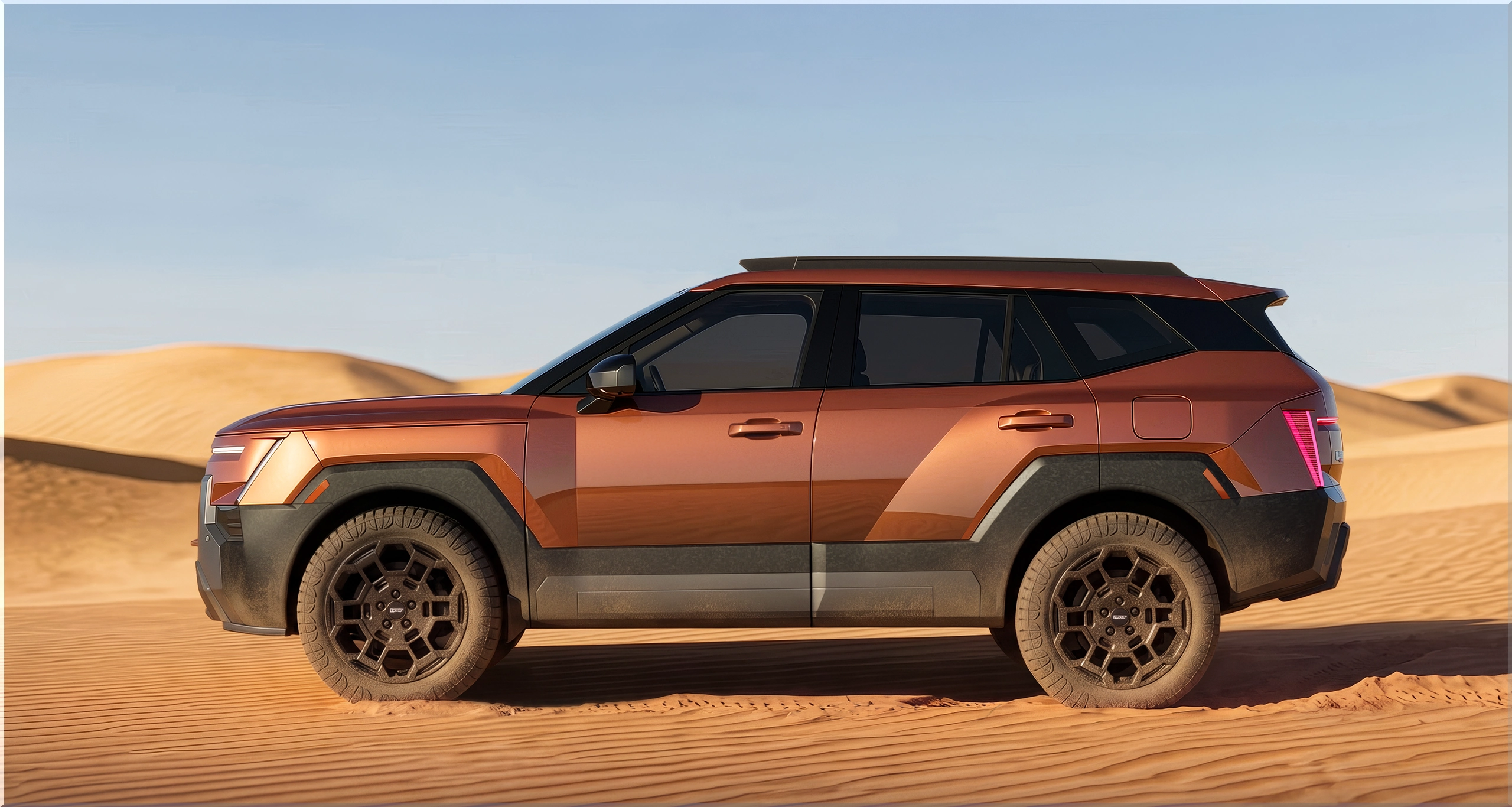
Hyundai's 'Art of Steel' design brings muscular fenders, restrained door surfaces, and H-Edge lighting. The long-wheelbase body grows in three directions, while an extra 1.2 inches between the axles supports additional passenger space.
| Long-wheelbase measurement | New Tucson | Change from predecessor |
|---|---|---|
| Length | 185.0 inches / 4,700 mm | +2.4 inches / 60 mm |
| Width | 75.0 inches / 1,905 mm | +1.6 inches / 40 mm |
| Height, without roof rack | 66.3 inches / 1,685 mm | +0.8 inch / 20 mm |
| Wheelbase | 109.6 inches / 2,785 mm | +1.2 inches / 30 mm |
| Door opening angle | 83 degrees | +10 degrees |
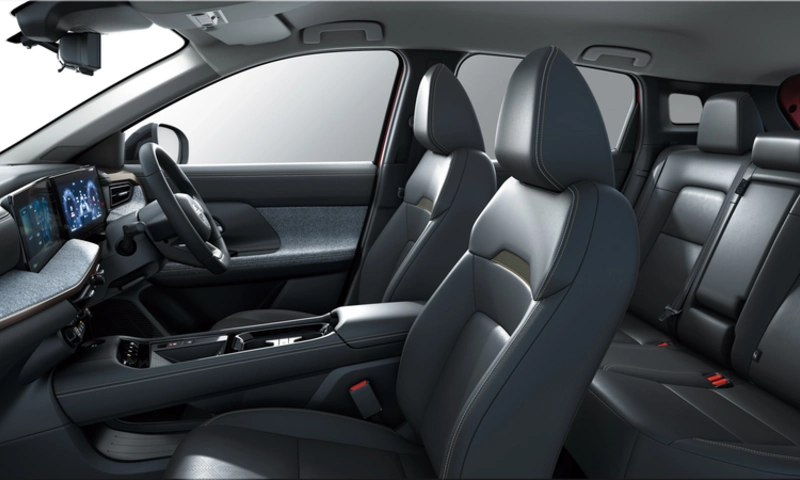
Rear legroom reaches 41.9 inches, or 1,064 mm. Wider door openings should make loading a rear-facing child seat easier, but families should test their own seats before purchasing. Published dimensions describe available space; they do not establish three-across child-seat compatibility.
Hybrid Engineering: Two Motors With Different Jobs
The Hyundai Tucson Hybrid delivers a stated U.S. system output of 233 horsepower and approximately 280 lb-ft of torque, using a six-speed automatic. Its 1.49-kWh battery supports electric assistance without an external charging connection.
Specifically, the P1 motor connects directly to the engine crankshaft for starting, electricity generation, and torque assistance. The P2 motor supplies propulsion and regenerative braking. Hyundai's engineering explanation identifies the benefit: direct coupling removes the belt losses of its previous P0 arrangement, while coordinated motor control supports smoother shifts.
Hyundai targets:
- 42 mpg: Front-wheel drive with 17-inch wheels.
- 40 mpg: AWD with 17-inch wheels, or other front-wheel-drive configurations.
- 38 mpg: Other AWD configurations.
- 8.5 seconds to 60 mph: Manufacturer-stated hybrid acceleration.
The gasoline alternative produces 184 hp from a turbocharged 1.6-liter engine and uses an eight-speed automatic. Overseas buyers also receive a plug-in option with a 17.1-kWh battery and an estimated 50-mile electric range; Hyundai's U.S. launch page identifies gasoline and conventional hybrid versions.
XRT PRO Adds Useful Hardware
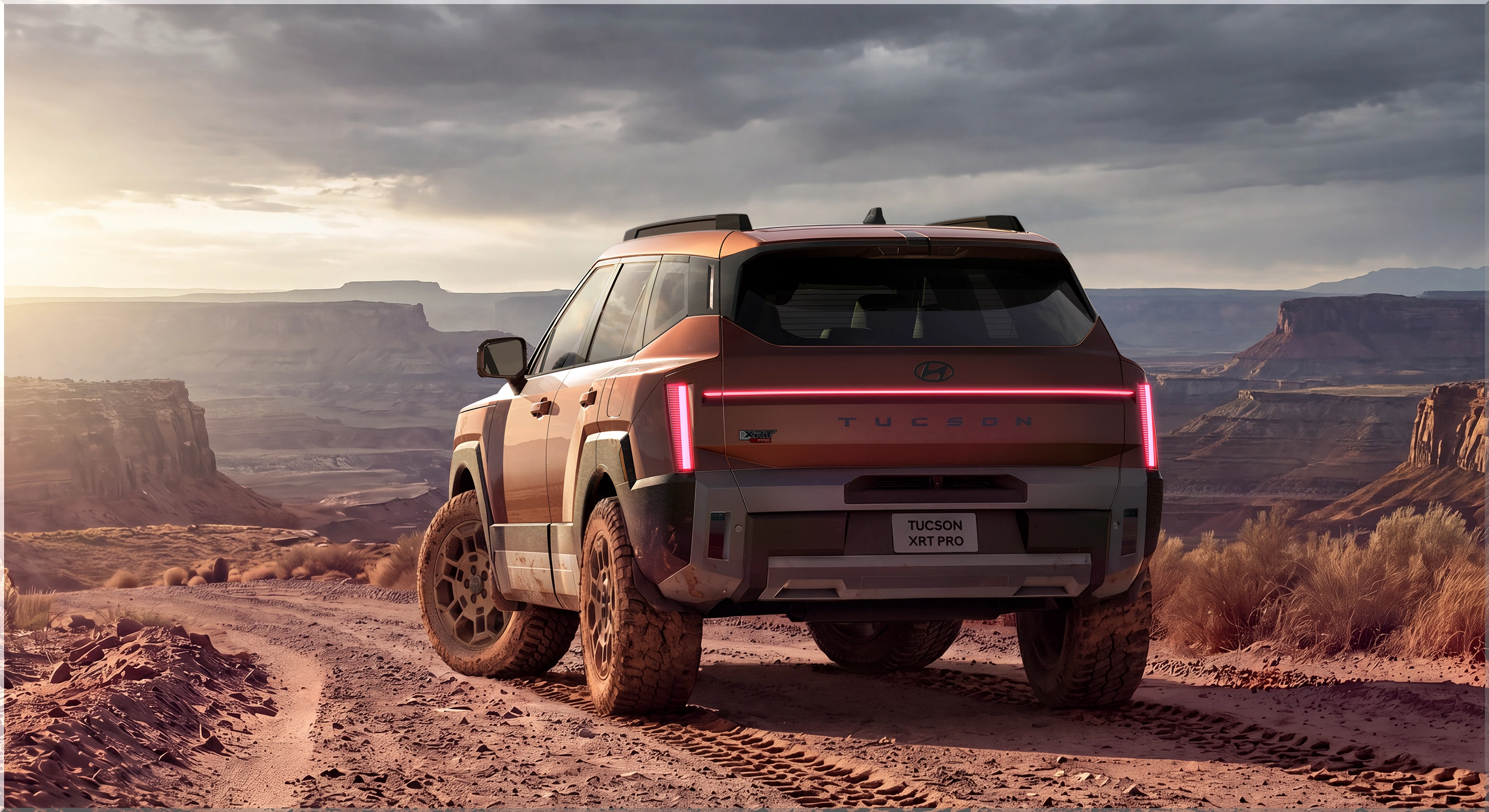
The Hyundai Tucson Hybrid XRT PRO pairs AWD with all-terrain tires, front recovery hooks, and 8.3 inches of ground clearance, or 210 mm. That adds 1.2 inches over the standard model. Hyundai also adds Smart Terrain Assist, which assesses traction and wheel slip and displays a color-coded difficulty score.
Target Speed Control manages acceleration and braking between approximately 1.2 and 15.5 mph. The engineering logic favors slow, controlled progress on uneven trails. Buyers still need to assess tire grip, underbody protection, and trail conditions rather than rely on a dashboard score.
Tucson Hybrid vs. CR-V Hybrid and Sportage Hybrid
Looking at the data, the Tucson's towing claim creates a larger practical gap than its horsepower figure. The following comparison uses U.S. specifications, maximum available towing limits, and each model's most efficient front-wheel-drive configuration for fuel economy.
| 2027 hybrid SUV | System output | Combined fuel economy | Maximum towing |
|---|---|---|---|
| Hyundai Tucson | 233 hp | 42 mpg target, 17-inch wheels | 3,000 lb, AWD |
| Honda CR-V | 204 hp | 40 mpg EPA rating | 1,000 lb |
| Kia Sportage | 232 hp | 41 mpg EPA rating | 2,000 lb with trailer brakes |
The Hyundai Tucson Hybrid claims 50% more towing capacity than the Kia Sportage and triple the Honda CR-V Hybrid's limit. However, the comparison combines different drivetrain configurations within each model line; no single front-wheel-drive Tucson delivers the table's AWD towing specification. Buyers should verify payload, hitch equipment, and loaded trailer weight before choosing a vehicle.
Pleos Connect Keeps Physical Controls
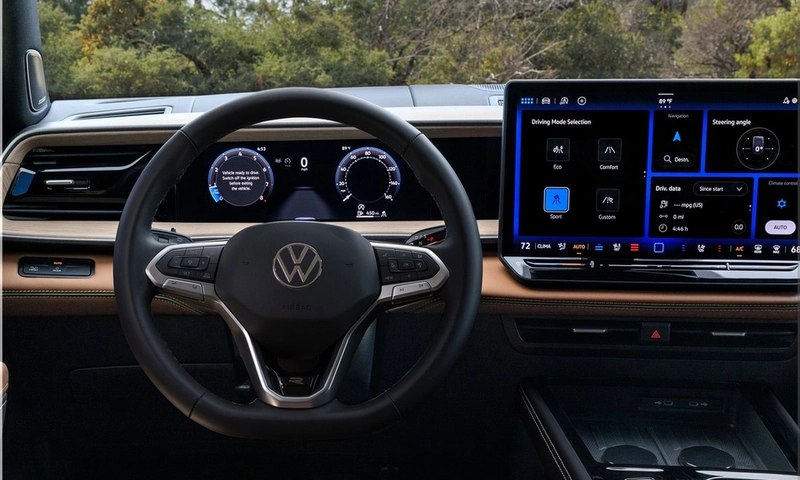
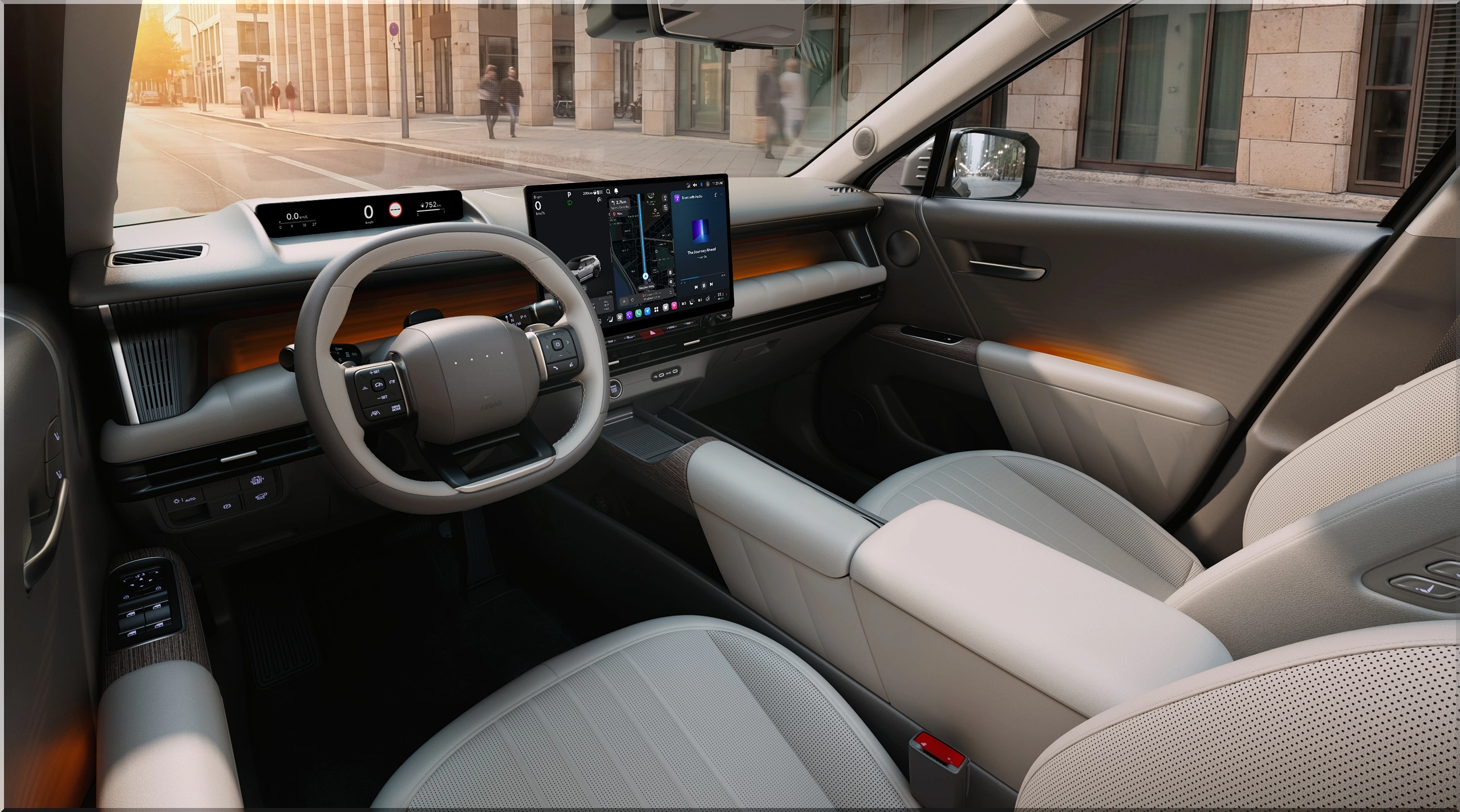
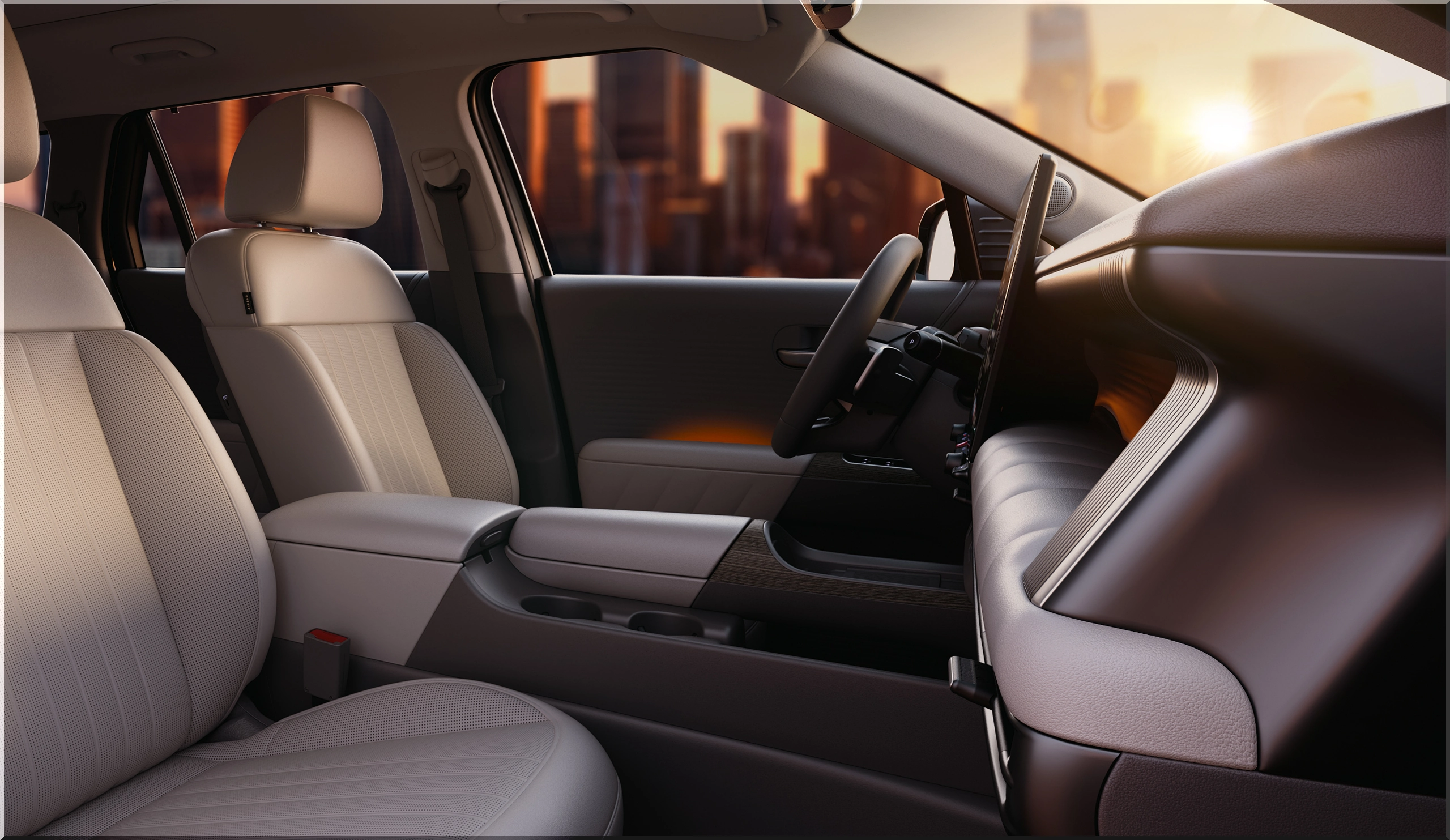
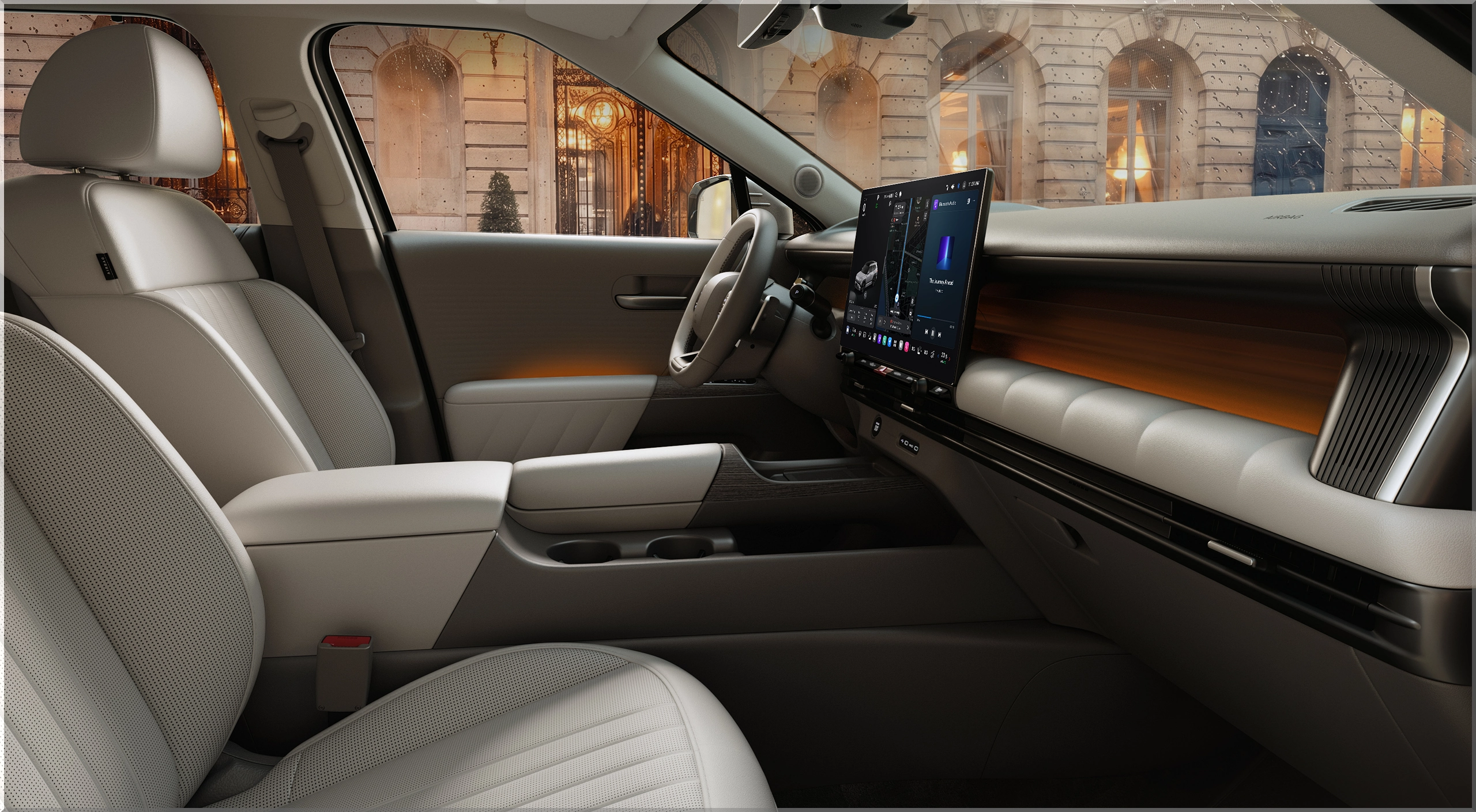
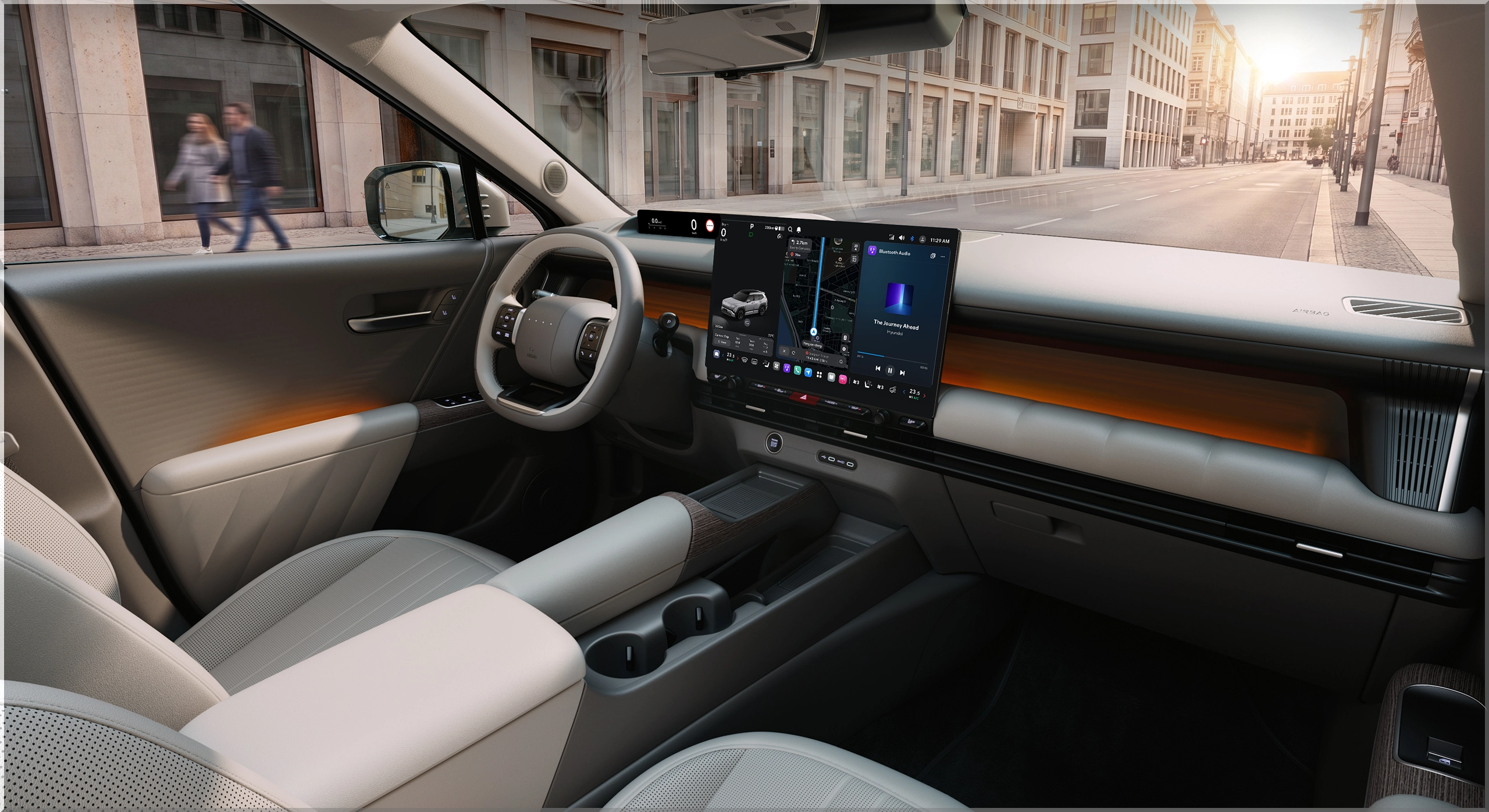
Pleos Connect runs Android Automotive OS with a 12.9- or 17-inch central touchscreen and a separate 9.9-inch driver display. Gleo AI accepts conversational requests, while over-the-air updates support software changes.
Hyundai retains tactile HVAC and audio controls. That decision deserves attention: drivers can adjust frequent-use functions without opening touchscreen menus. Feature availability varies by market and trim, so buyers should check the U.S. equipment list.
Why This Helps US Buyers
Should a high-mileage commuter wait for the new Hyundai Tucson Hybrid? If the current vehicle can serve through early 2027, waiting provides a chance to compare final pricing and EPA ratings before committing.
For an illustrative 15,000-mile year, 42 mpg consumes about 357 gallons, versus 536 gallons at the gasoline model's stated 28-mpg figure. At an assumed $3.50 per gallon, that difference saves approximately $625 annually. A hypothetical $3,000 hybrid premium would take about 4.8 years to recover through fuel savings alone.
Pro-Tips Before Signing
- Compare identical drivetrains and wheel sizes when assessing efficiency.
- Bring your child seats and stroller to the test drive.
- Get an itemized purchase quote, then compare the hybrid premium with your annual mileage.
- For towing, check the specific vehicle's payload label and owner's manual.
- Add new comment
- 47 views