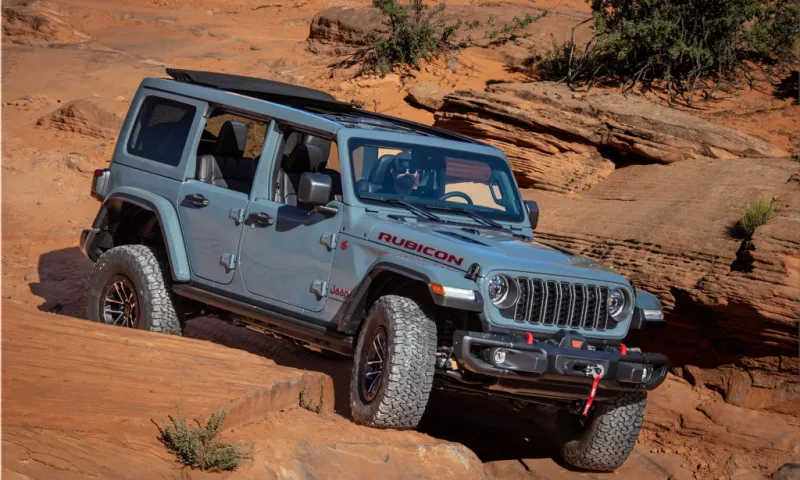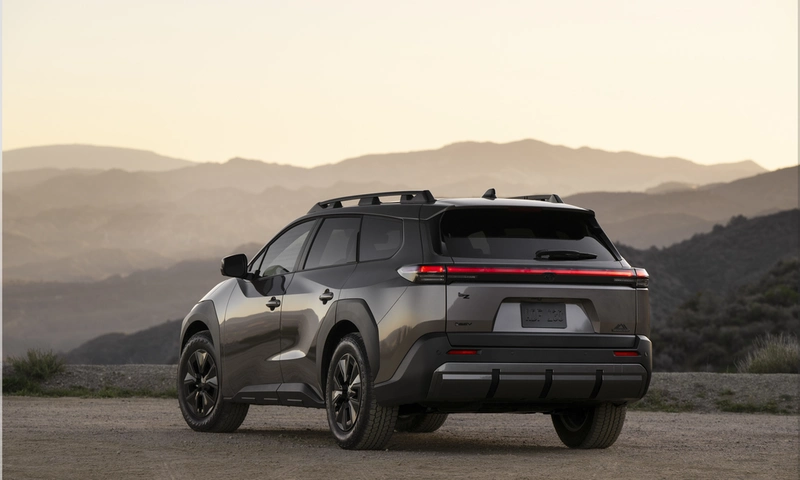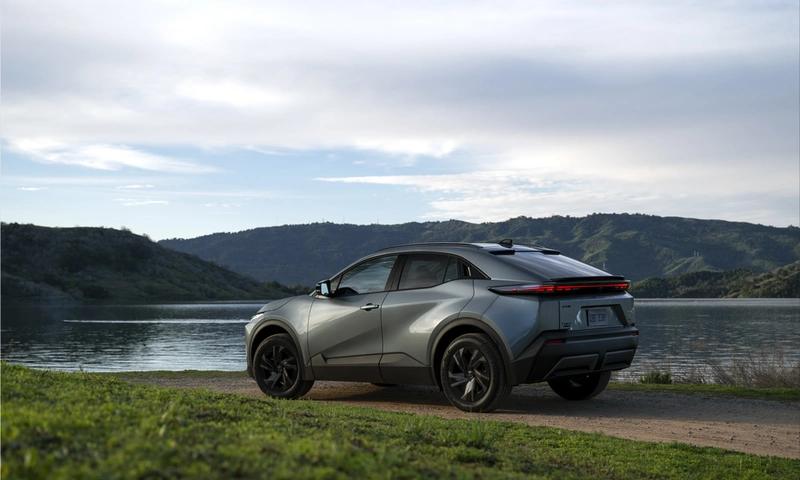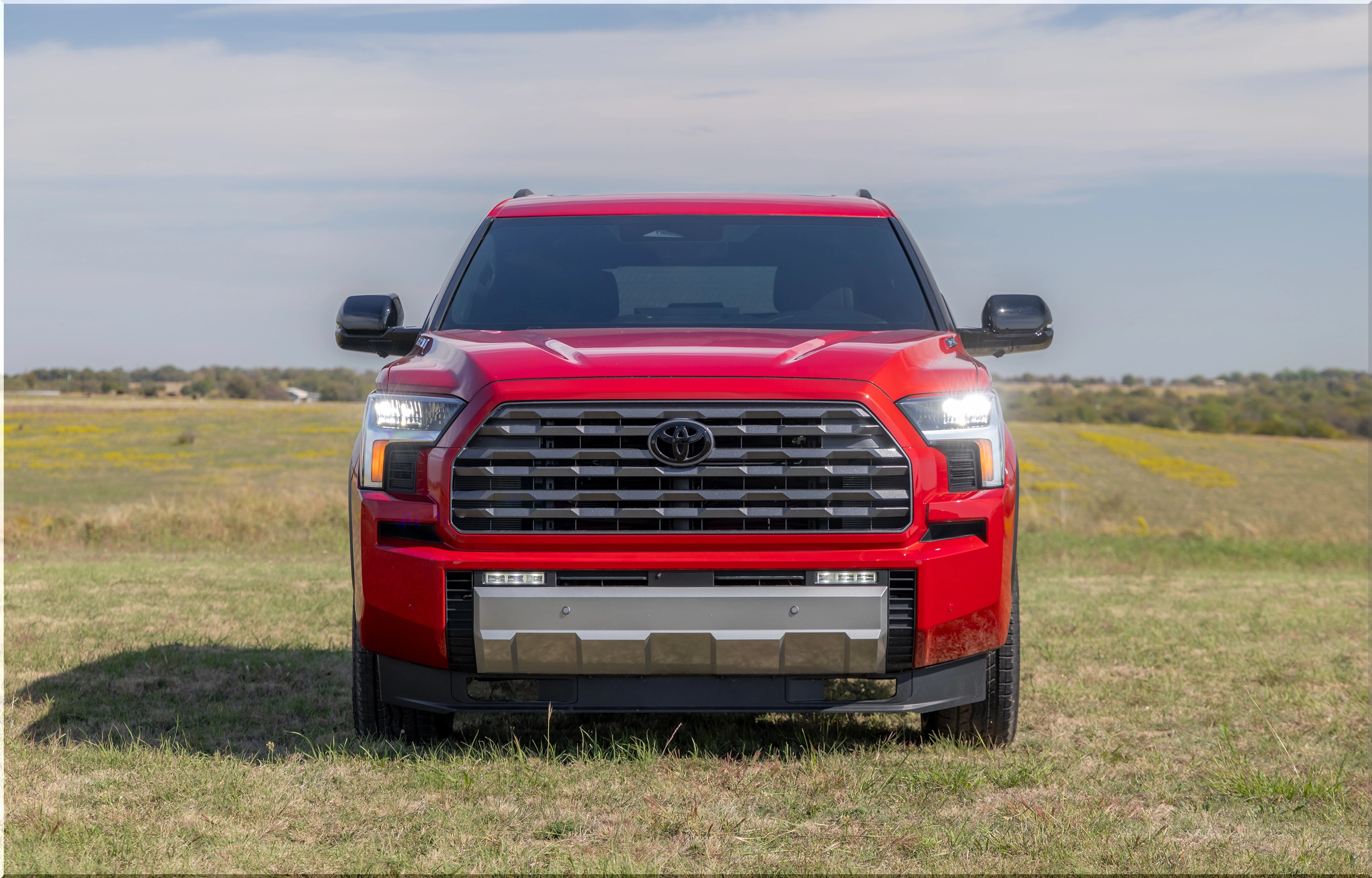
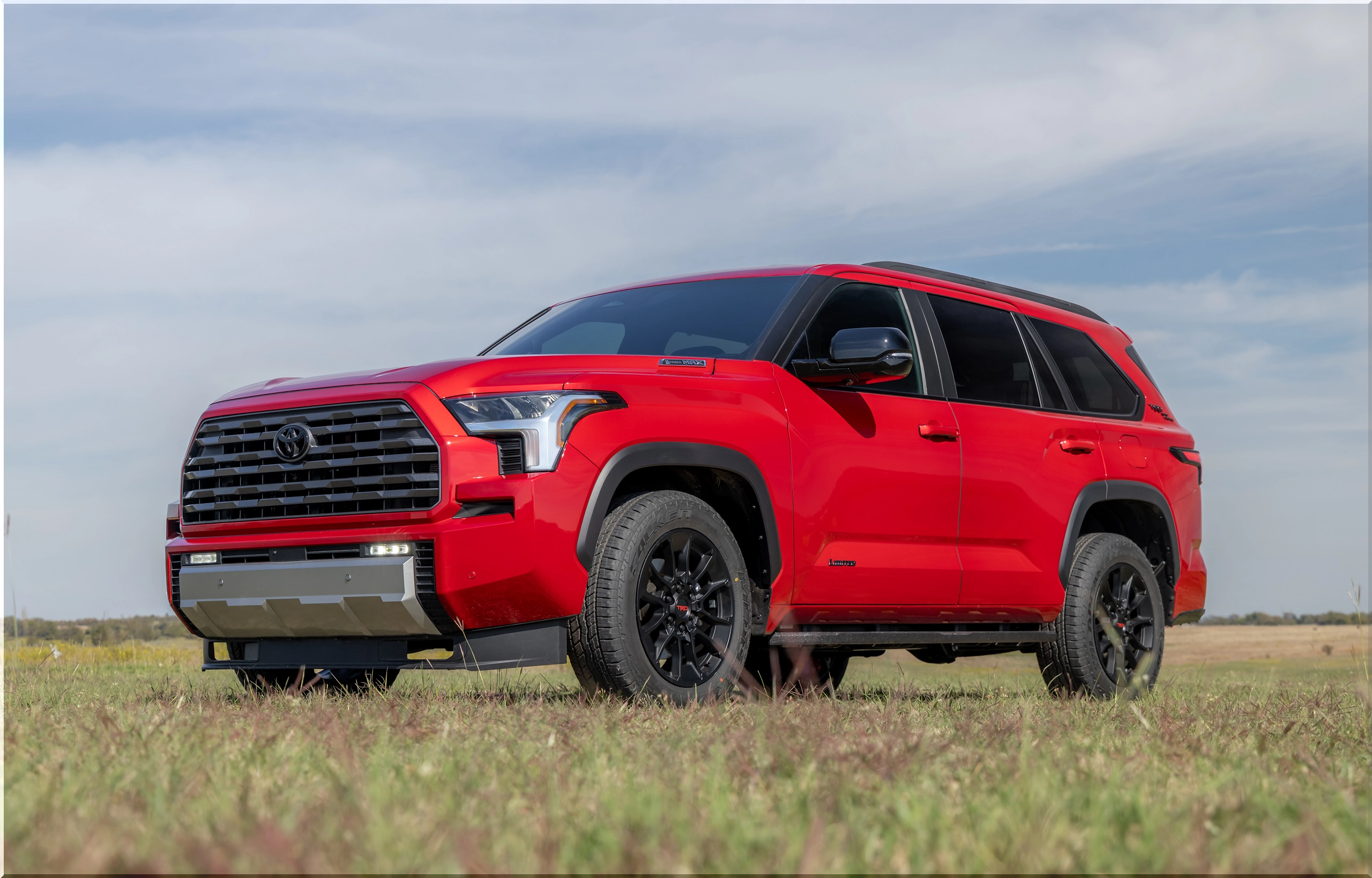
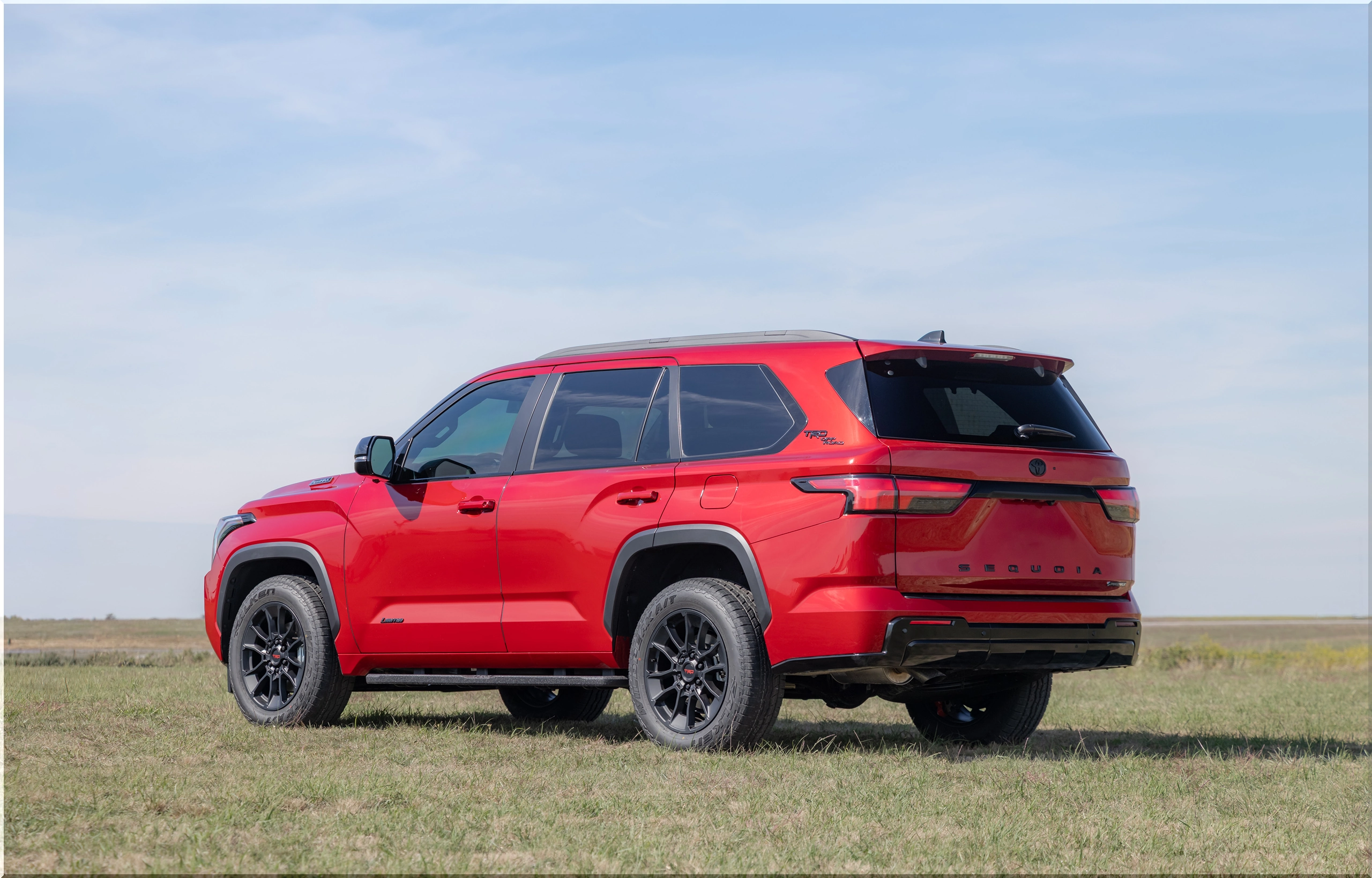
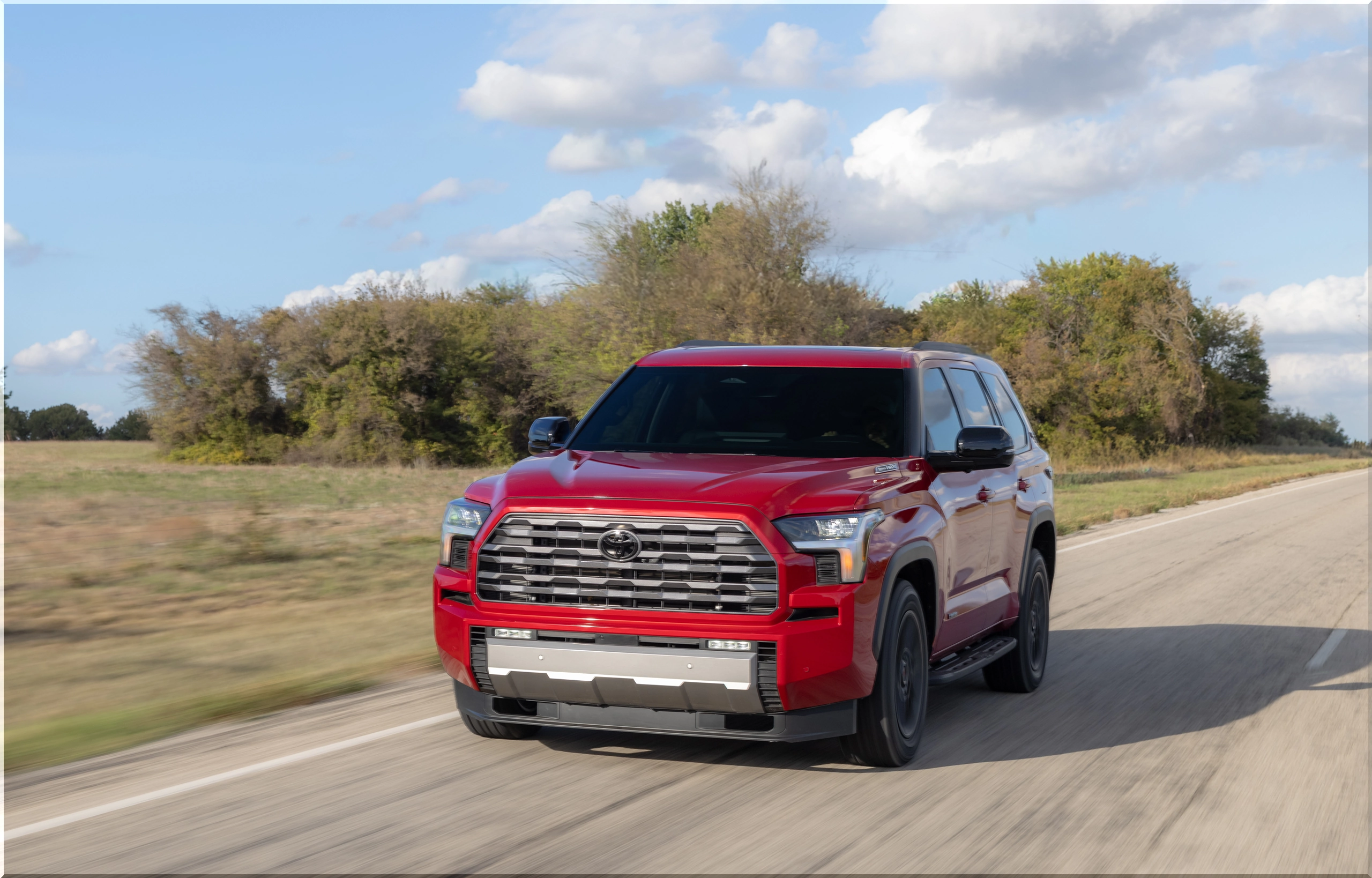
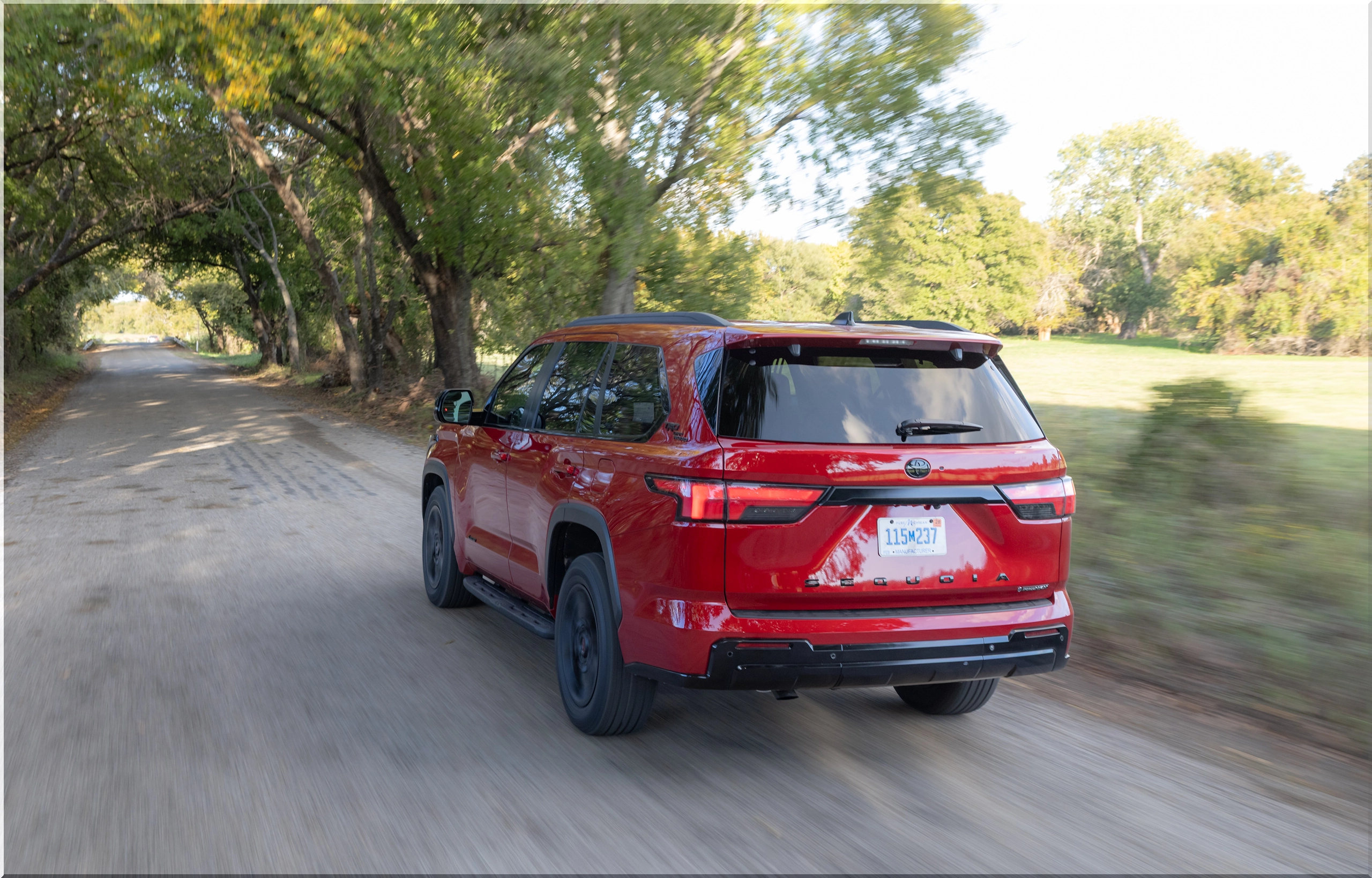
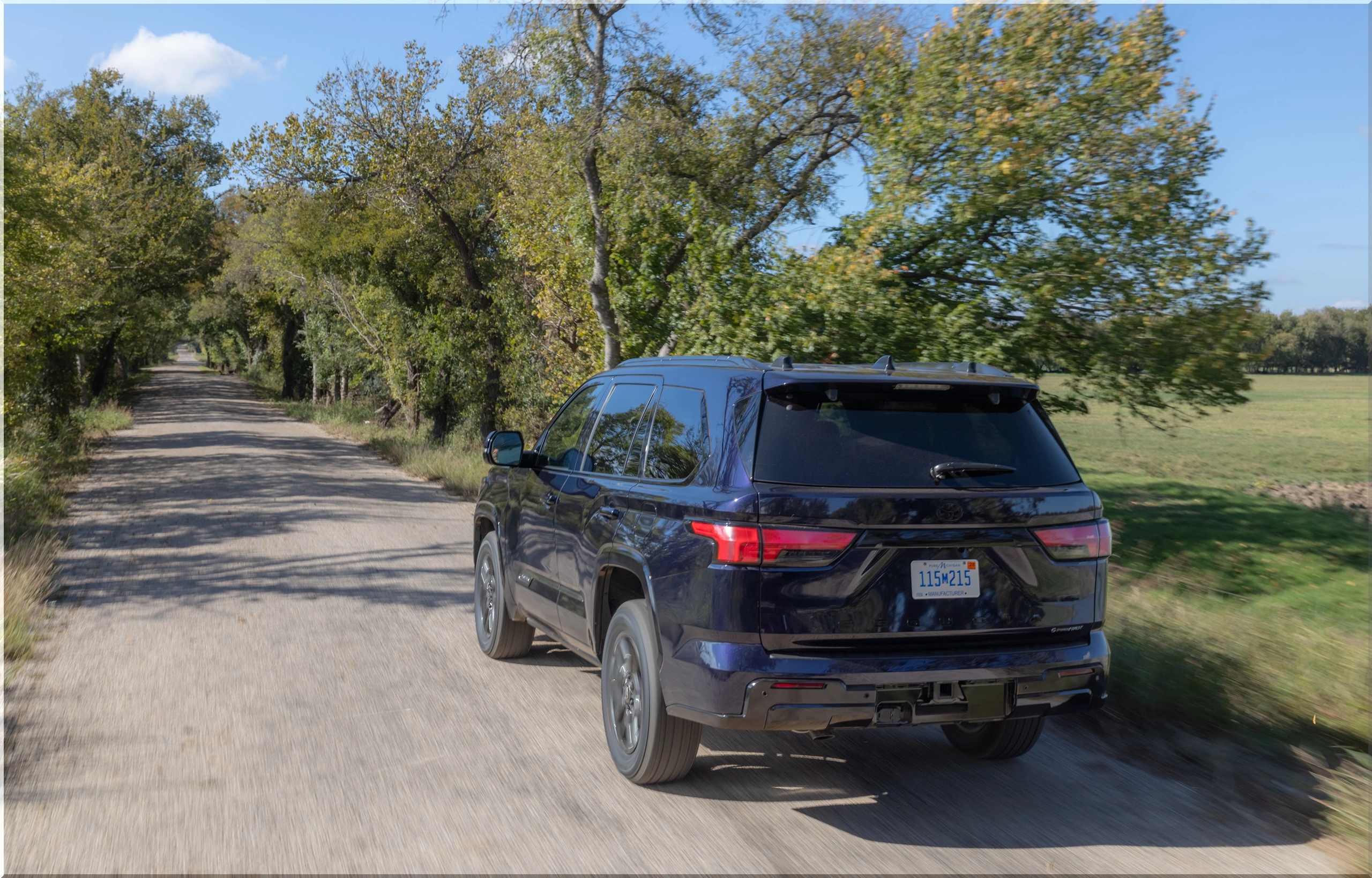
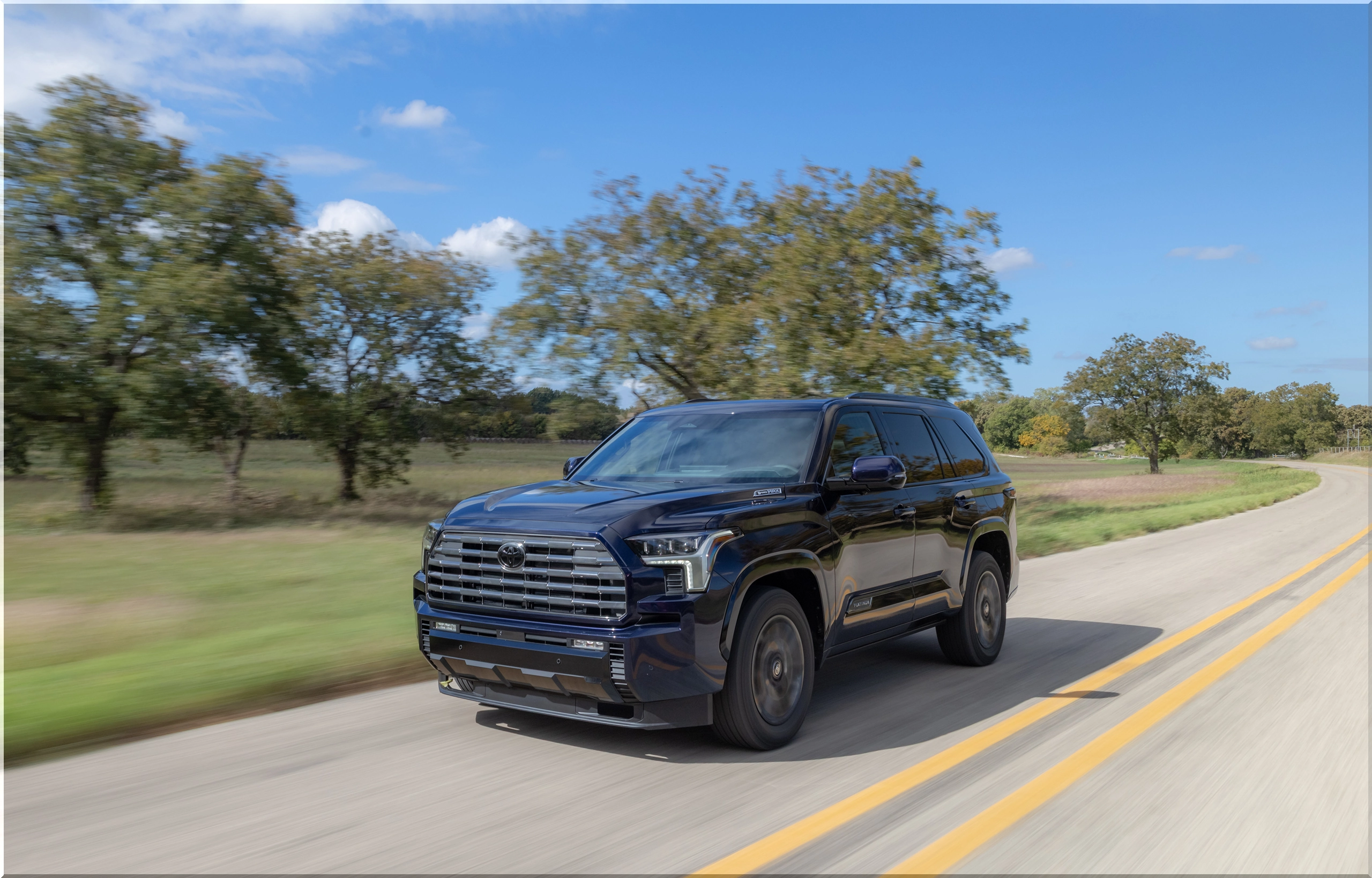
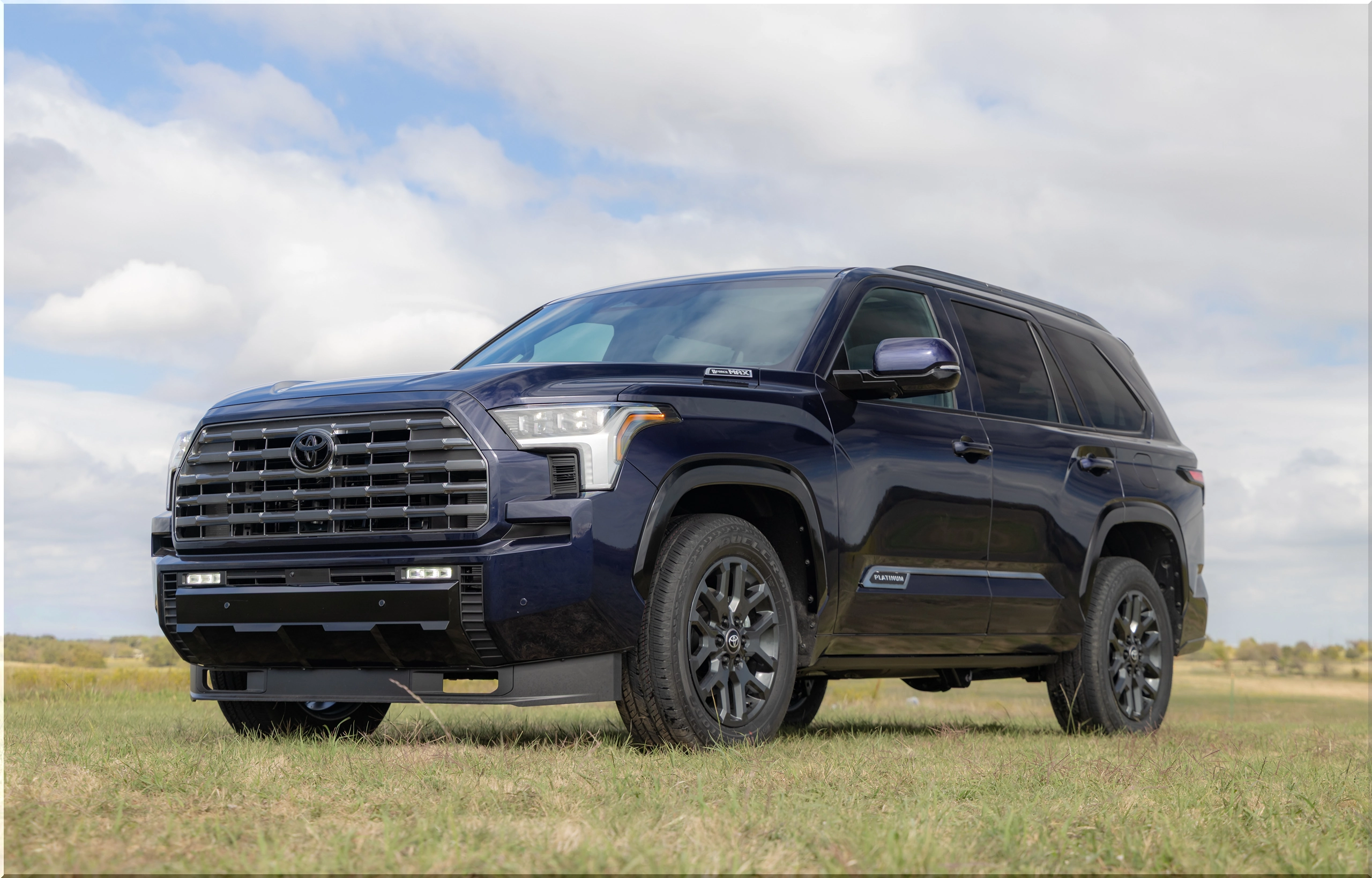
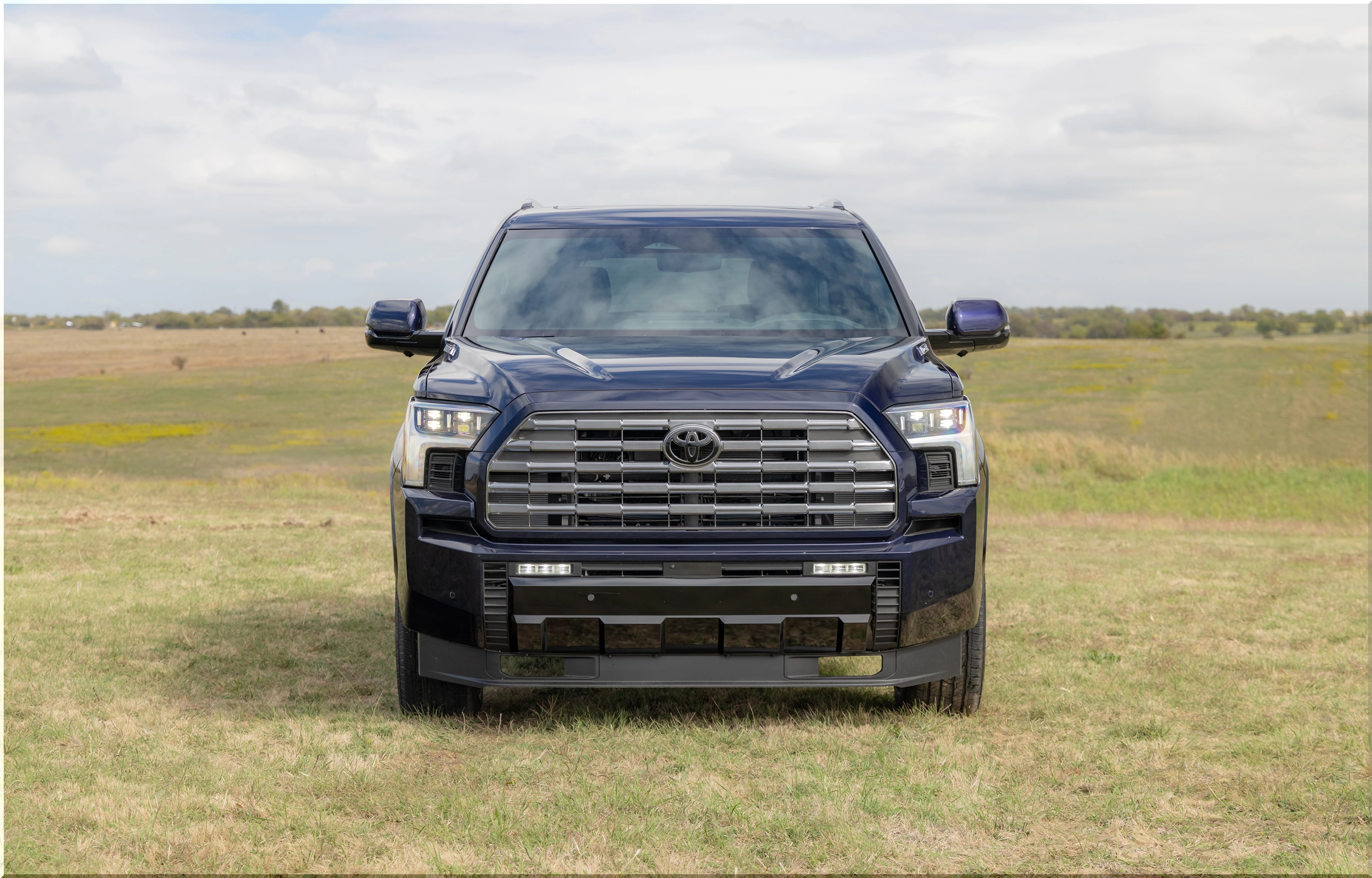
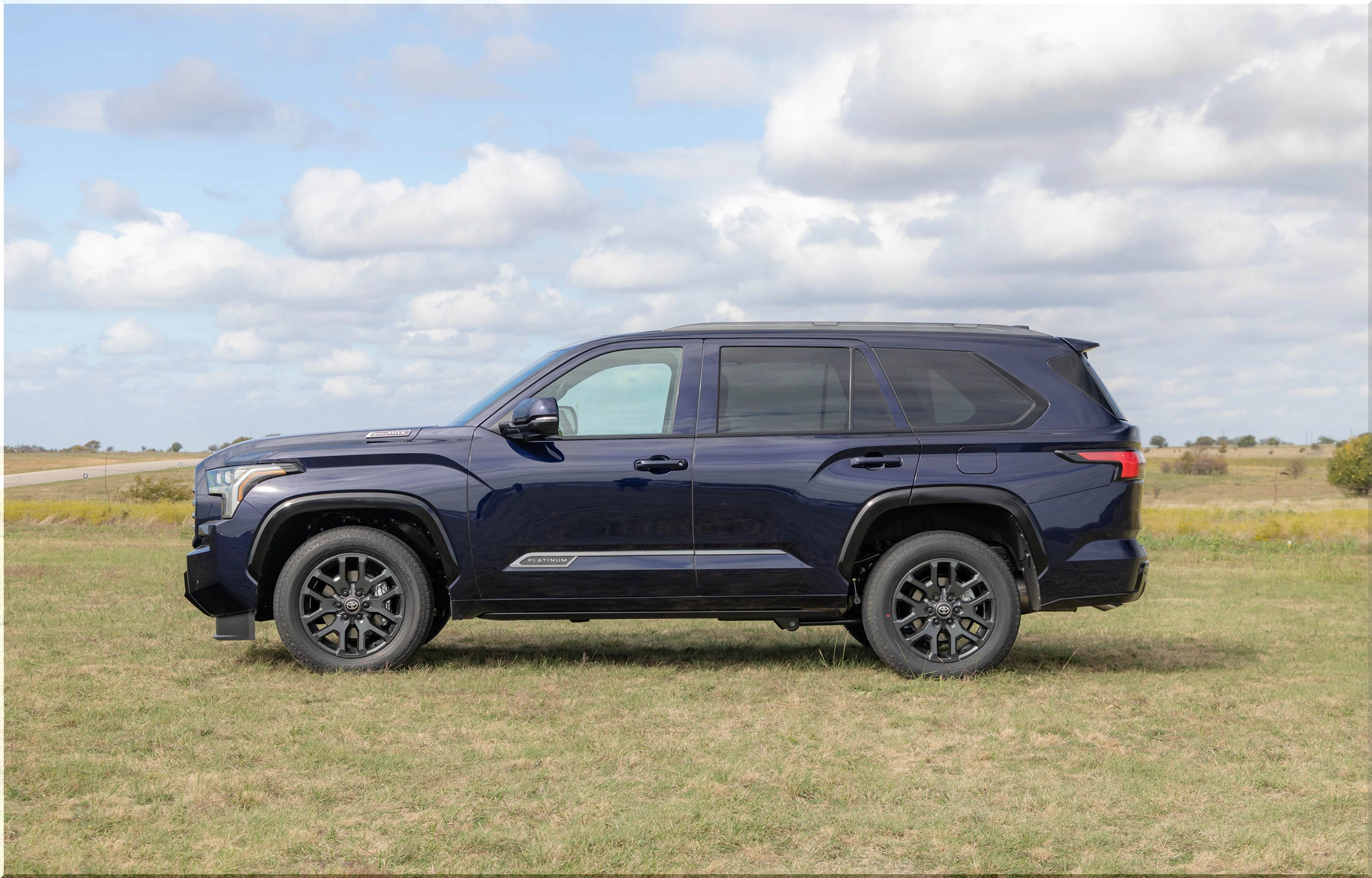
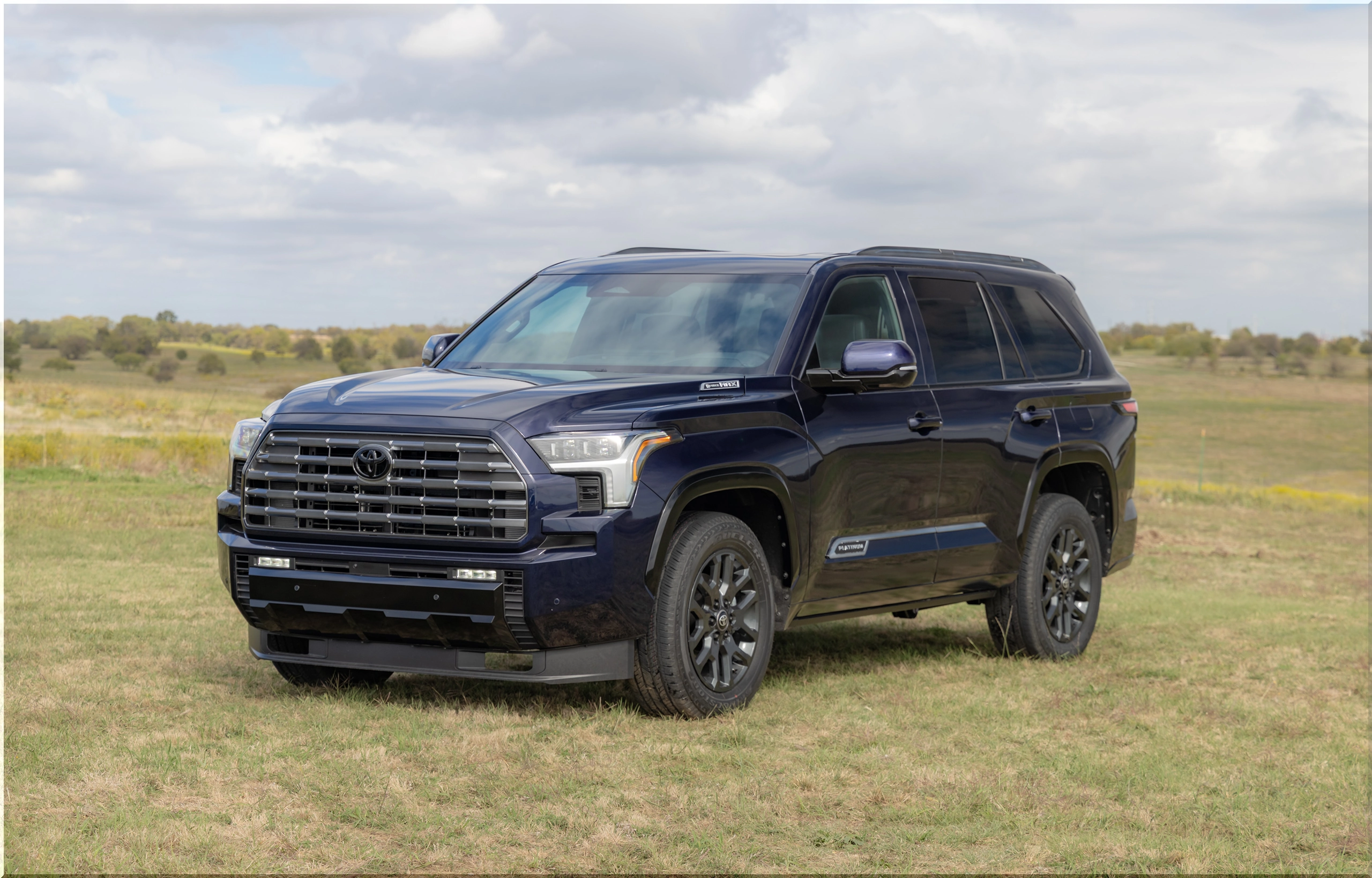
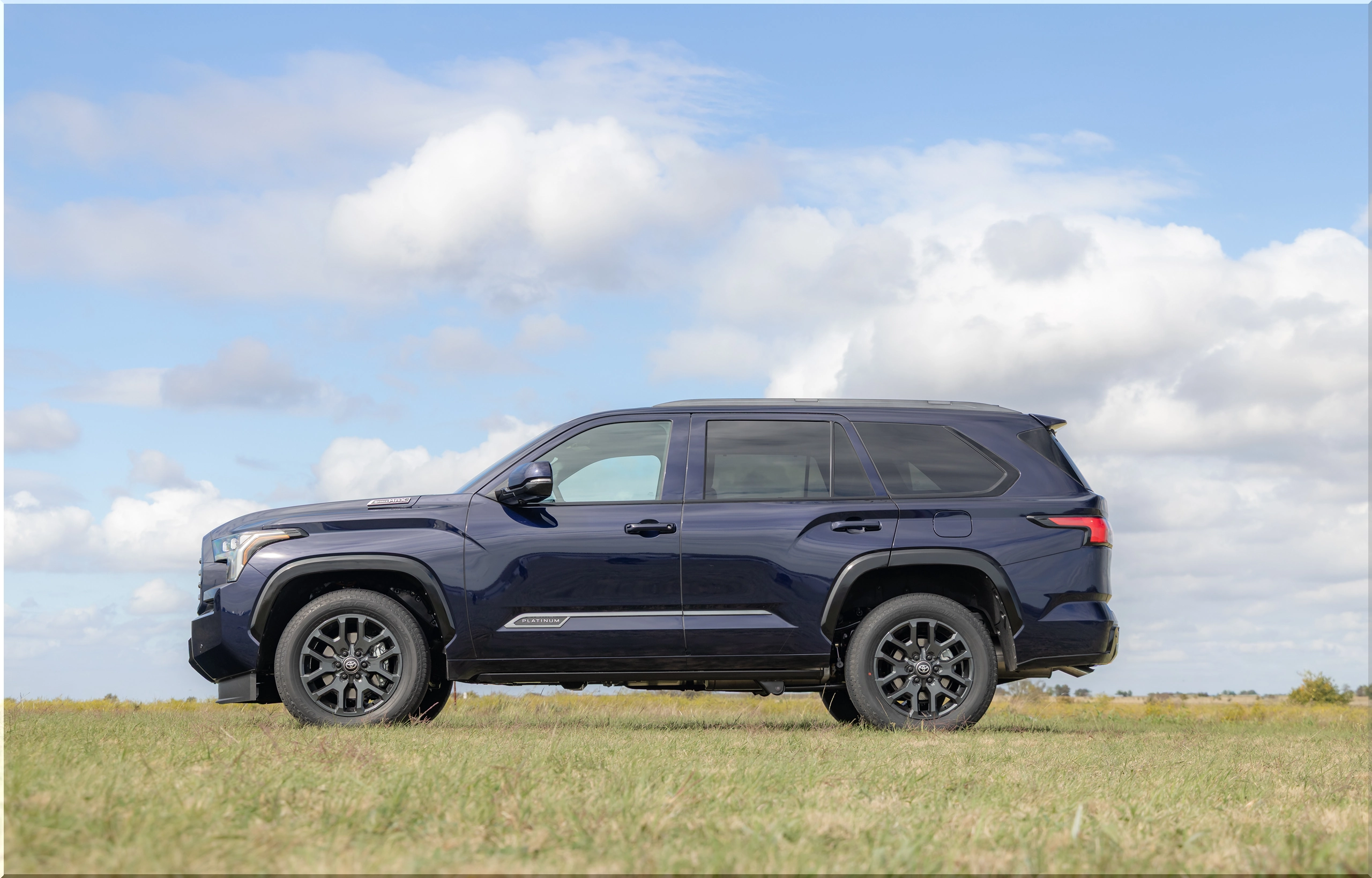
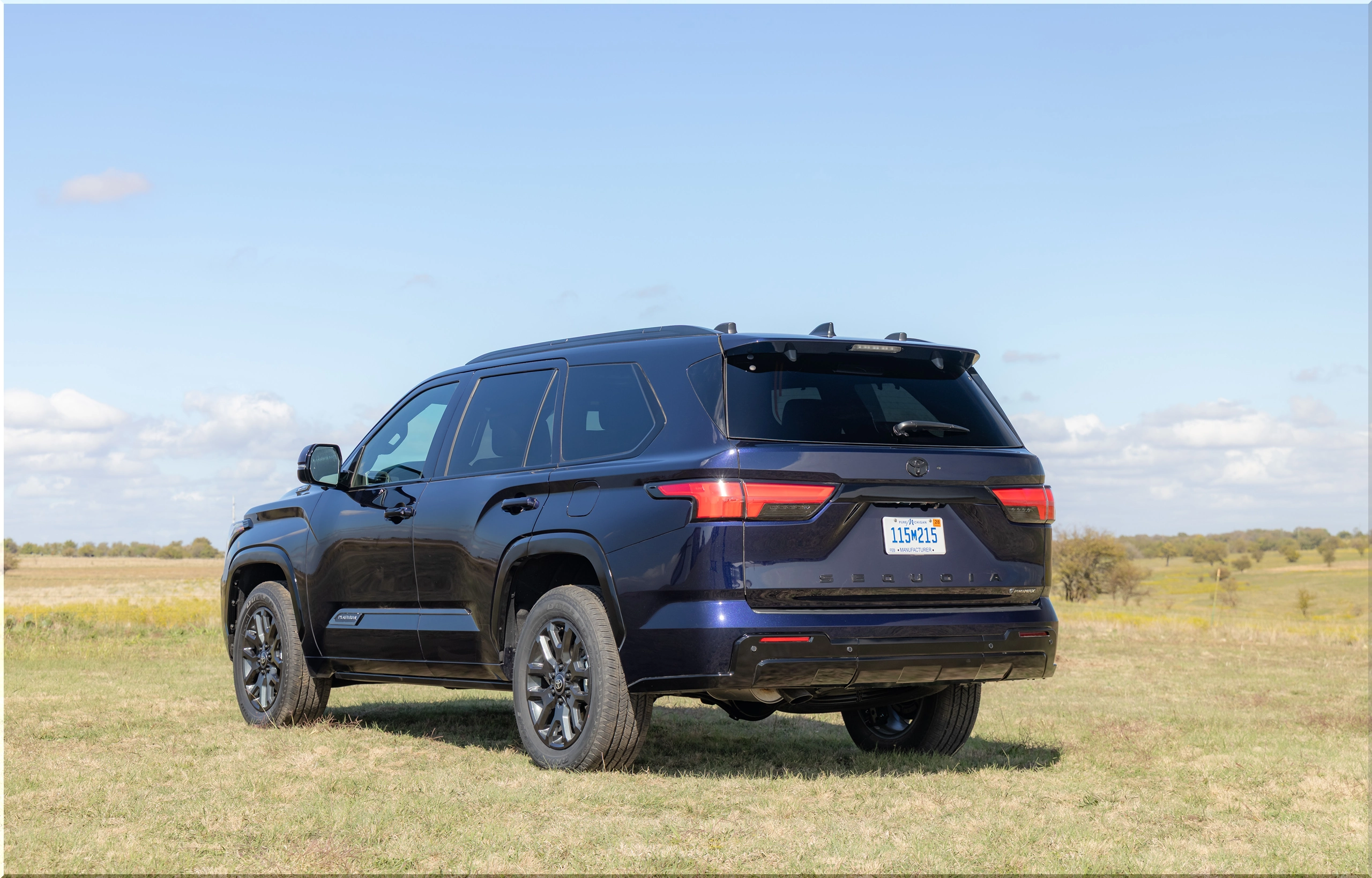
The 2027 Toyota Sequoia gives American families two different routes off pavement: a new SR5-based Trailhunter package and a revised TRD Pro with adjustable FOX shocks. Toyota also adds trailer assistance that could matter more during a crowded campground arrival than another exterior badge.
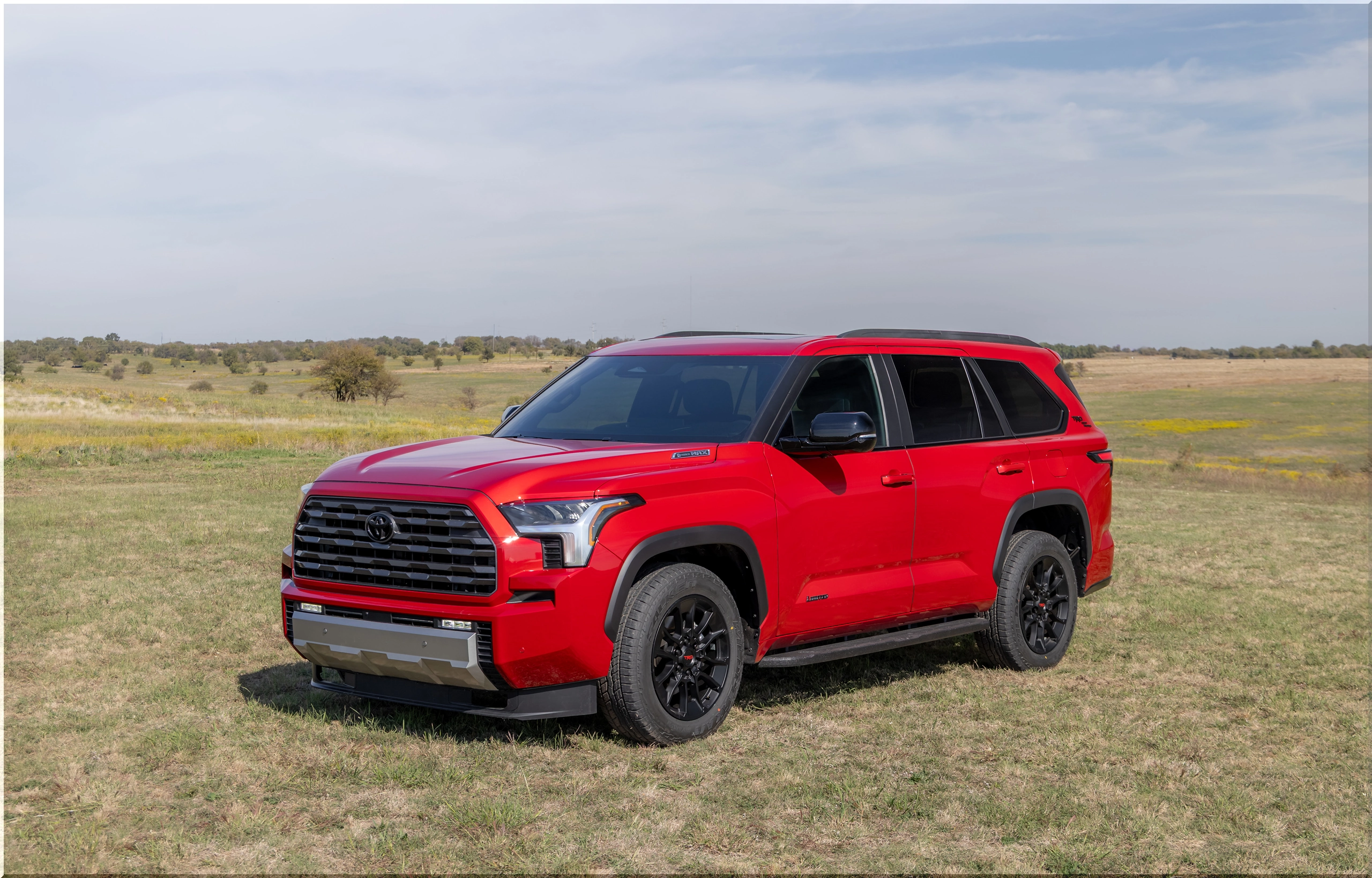
Toyota announces a $69,900 starting MSRP for the lineup and expects fall 2026 dealer arrivals. That figure doesn't establish the Trailhunter's price; the November announcement doesn't itemize its package charge.
Trailhunter vs. TRD Pro: Buy the Hardware You Need
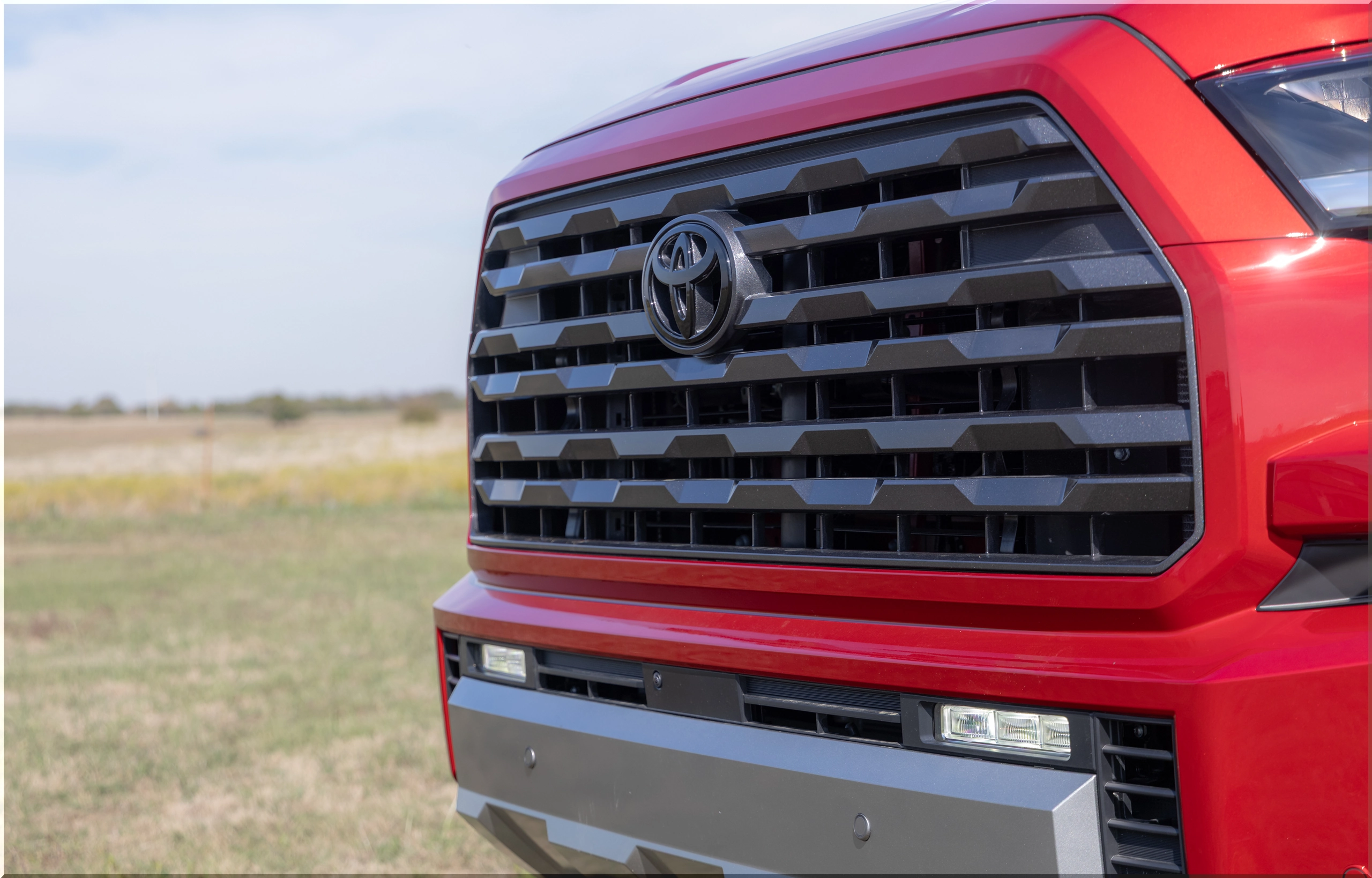
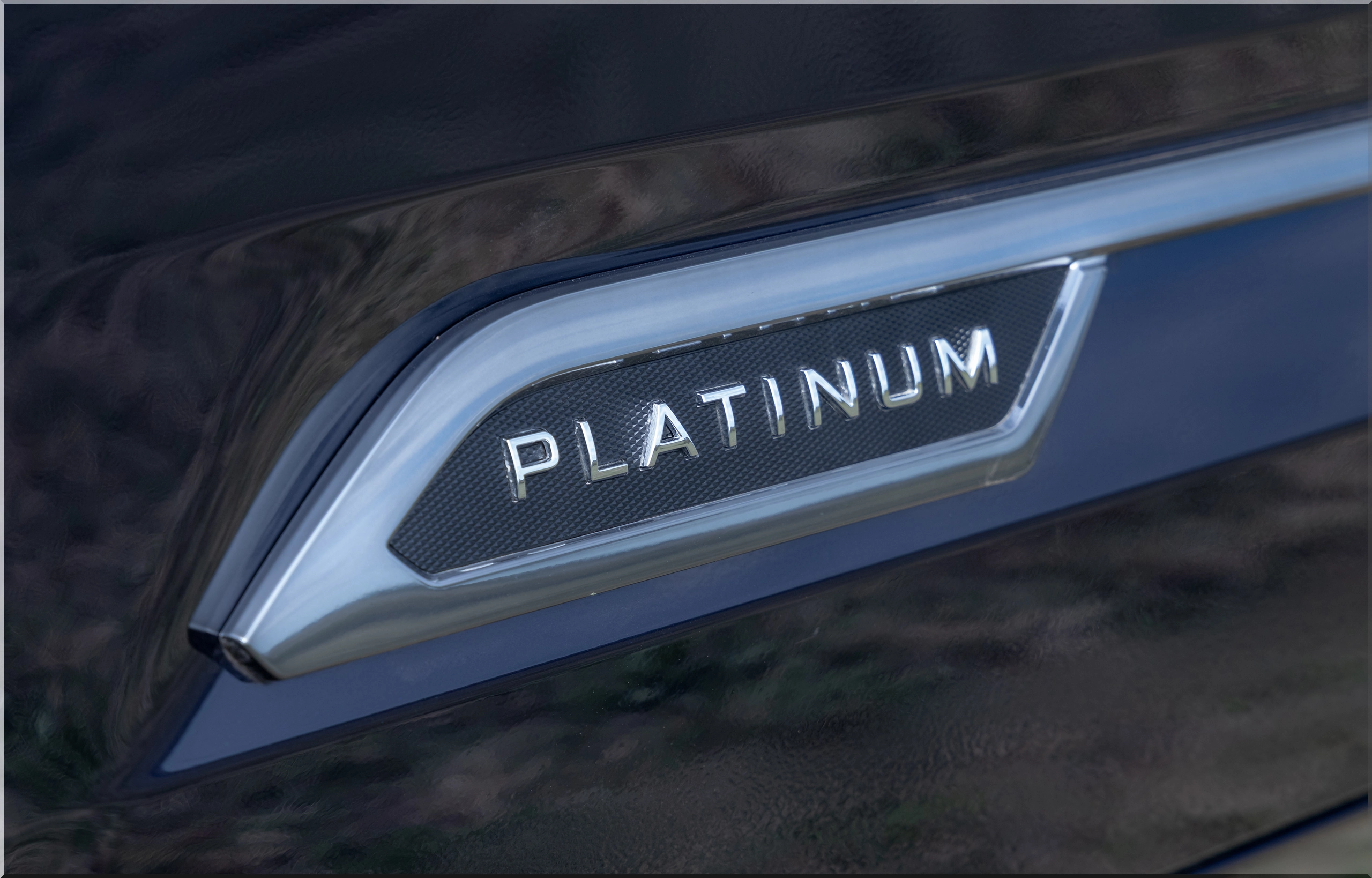
The 2027 Toyota Sequoia Trailhunter adds equipment to the SR5 grade. That distinction matters: shoppers can target off-road hardware without automatically stepping into a luxury grade.
| Equipment | SR5 with Trailhunter package | 2027 Sequoia TRD Pro |
|---|---|---|
| Suspension update | Old Man Emu upgraded suspension | Sequoia-tuned, adjustable FOX QS3 shocks |
| Tire specification | Michelin LTX Trail 265/70R18 | Toyota's cited announcements don't specify size |
| Recovery equipment | Front recovery hooks | Standard red tow hooks |
| Underbody protection | Additional protection, including a skid plate | Confirm exact equipment on the window sticker |
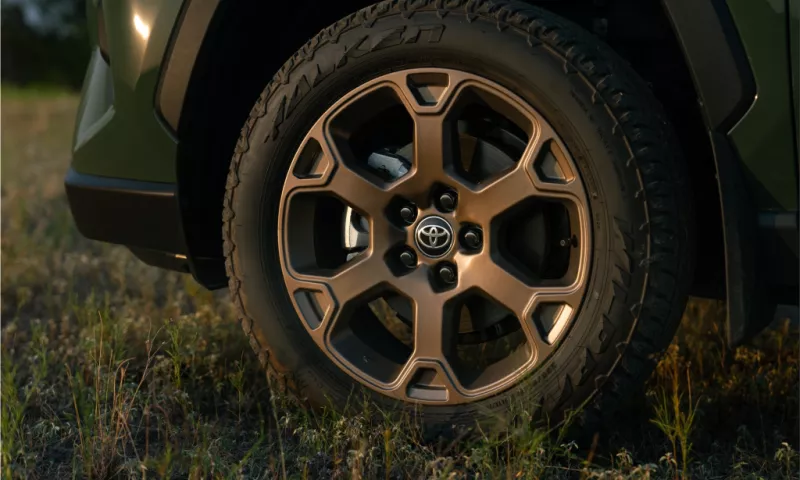
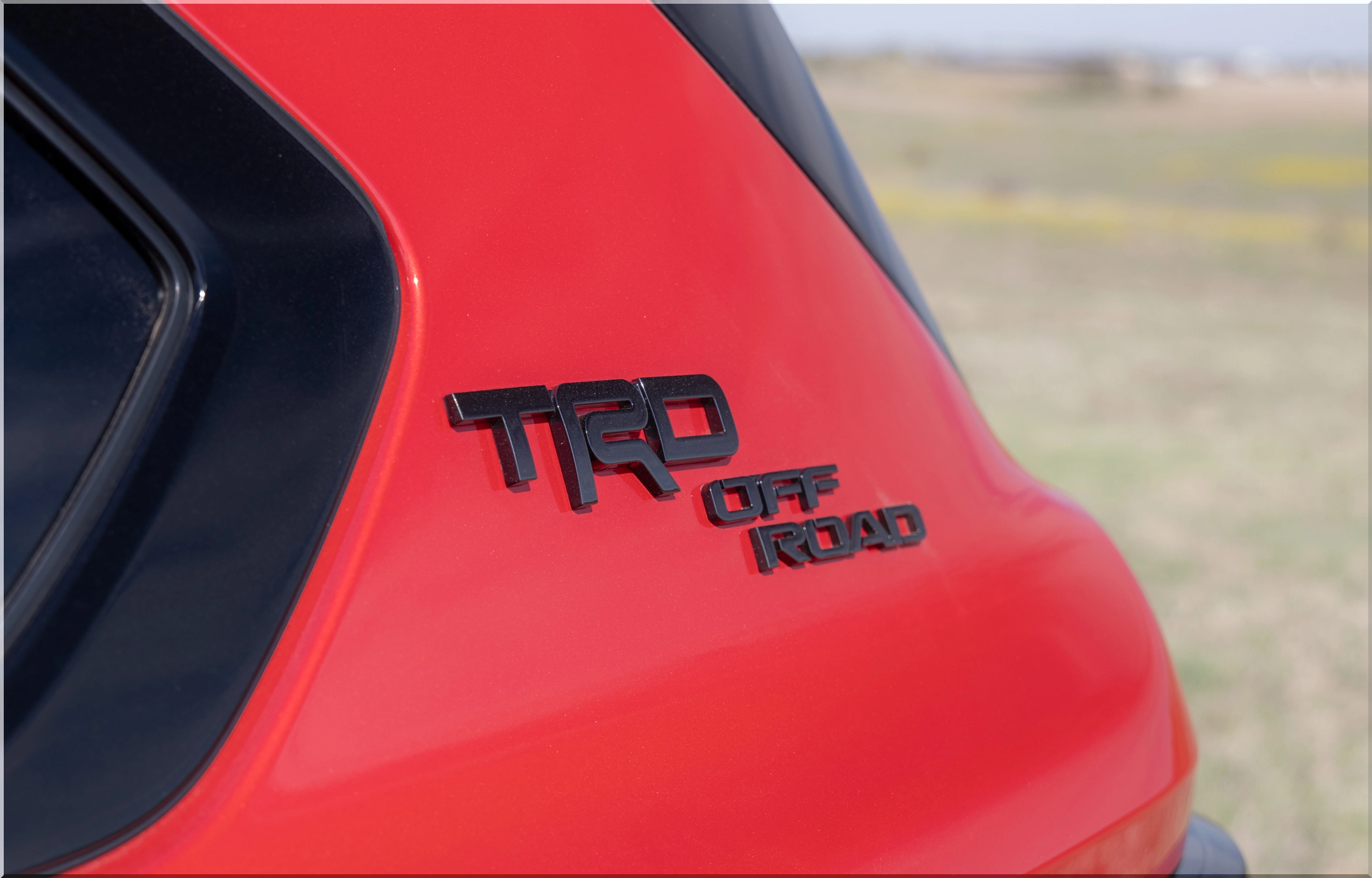
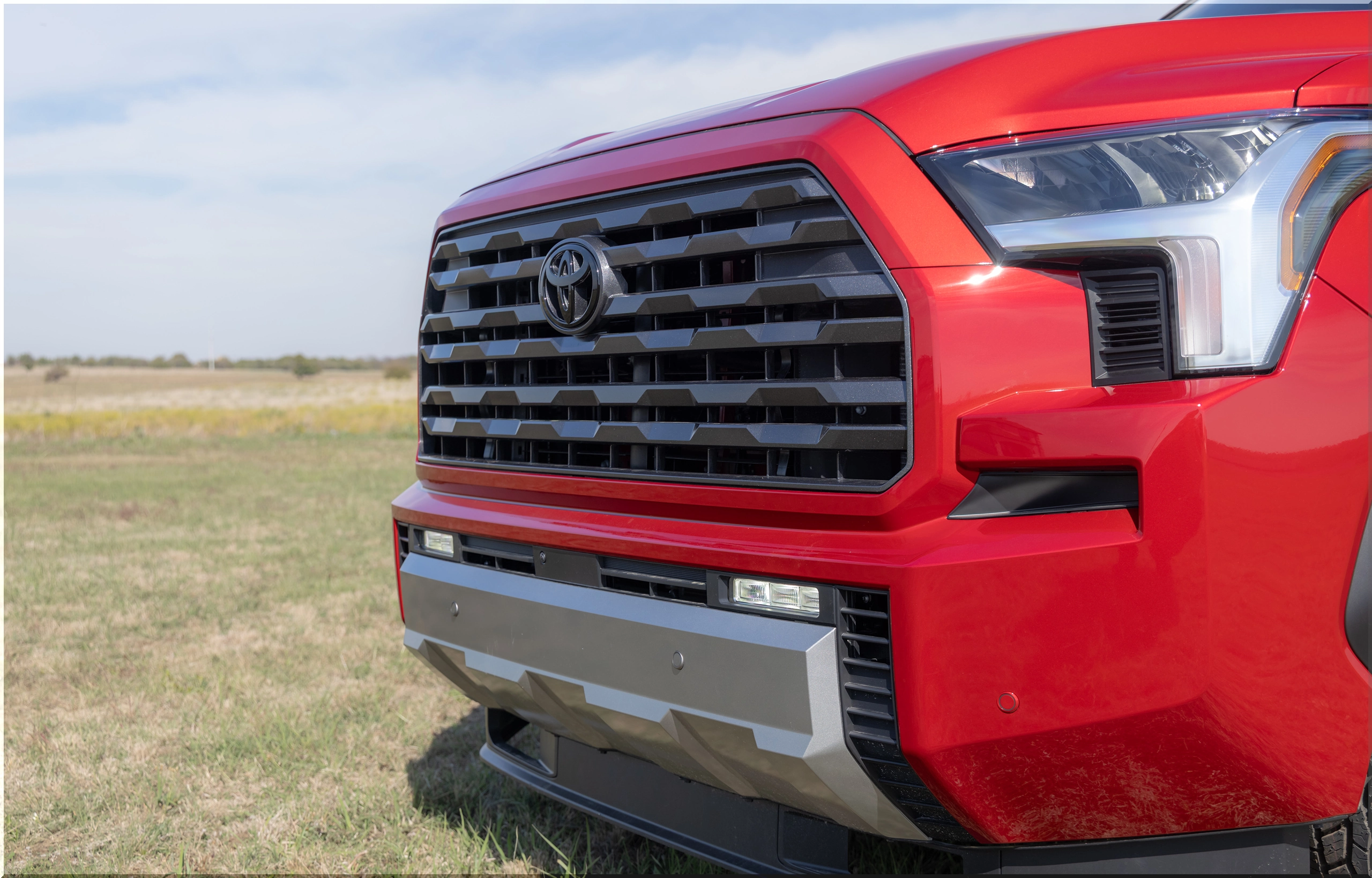
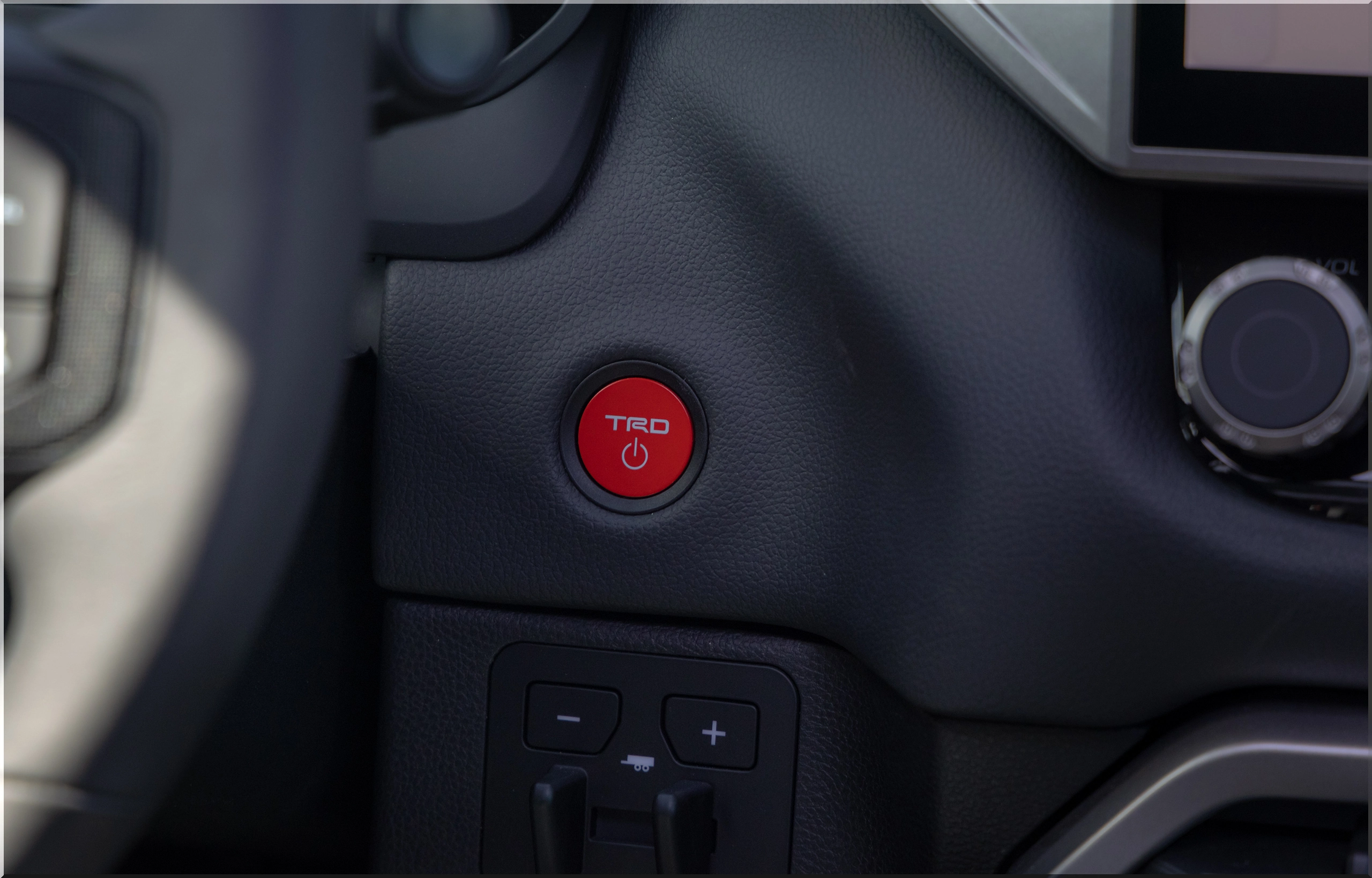
| Identifying details | Bronze wheels and exclusive badges | Heritage grille and available Honeycomb paint |
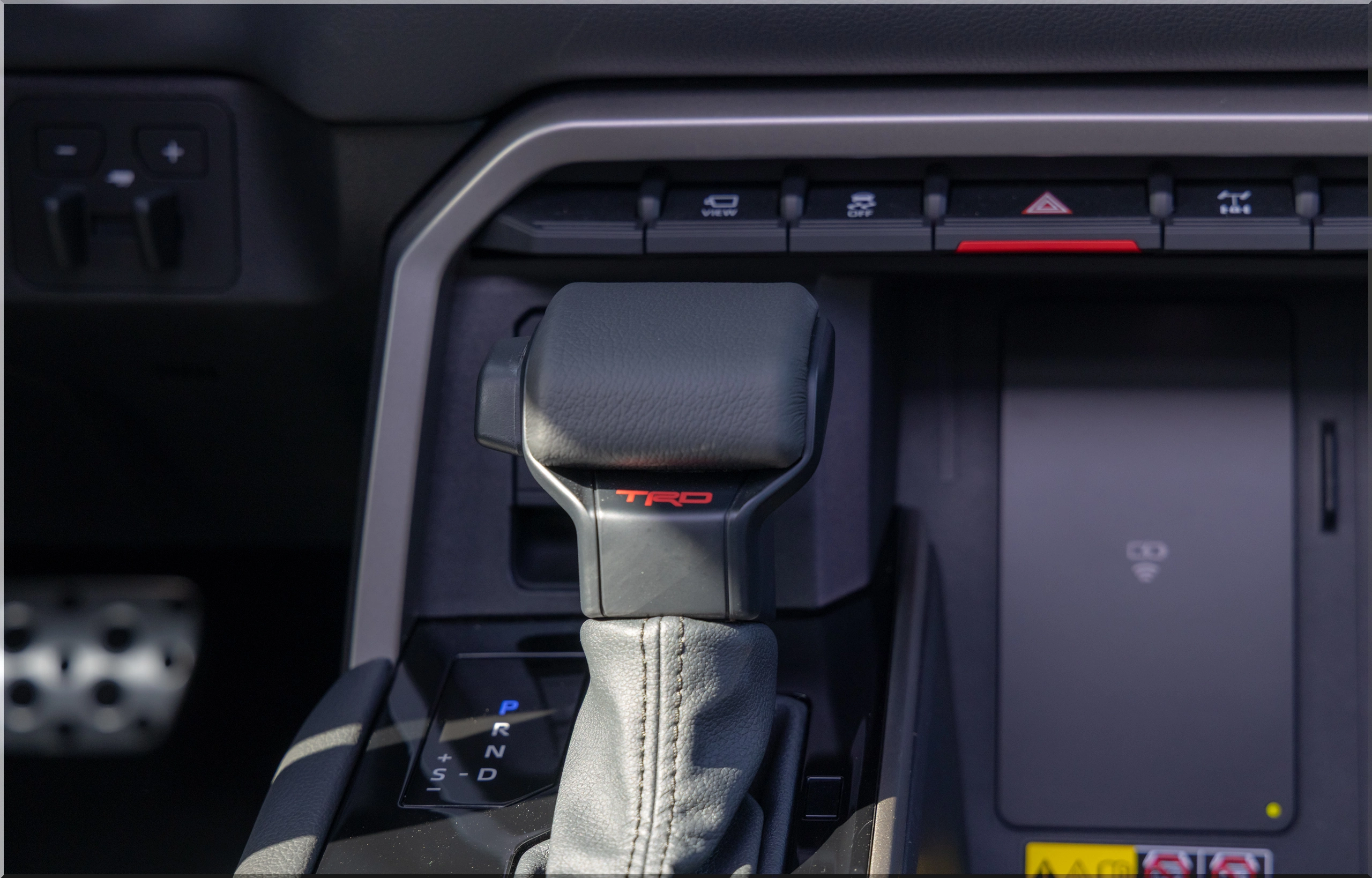
Trailhunter also includes Crawl Control, Multi-Terrain Select and a locking rear differential. The differential mechanically ties the rear wheels' rotation together, helping when one tire loses grip; Crawl Control manages low-speed throttle and braking so the driver can concentrate on wheel placement.
Looking at the data, the Trailhunter's tire size provides useful context. Its nominal 265-mm width equals 10.43 inches, while its 70-series sidewall measures approximately 185.5 mm, or 7.30 inches. Calculating from the size code gives a roughly 32.6-inch overall diameter, although actual mounted dimensions vary. That sidewall gives the tire room to flex around uneven surfaces; it doesn't prove puncture resistance or establish ground clearance.
By comparison, TRD Pro's adjustable damping lets drivers change how the shocks resist suspension movement. Neither announcement supplies enough suspension travel or approach-angle data to declare a numerical off-road winner.
Hybrid Power: Judge the Work, Then the MPG
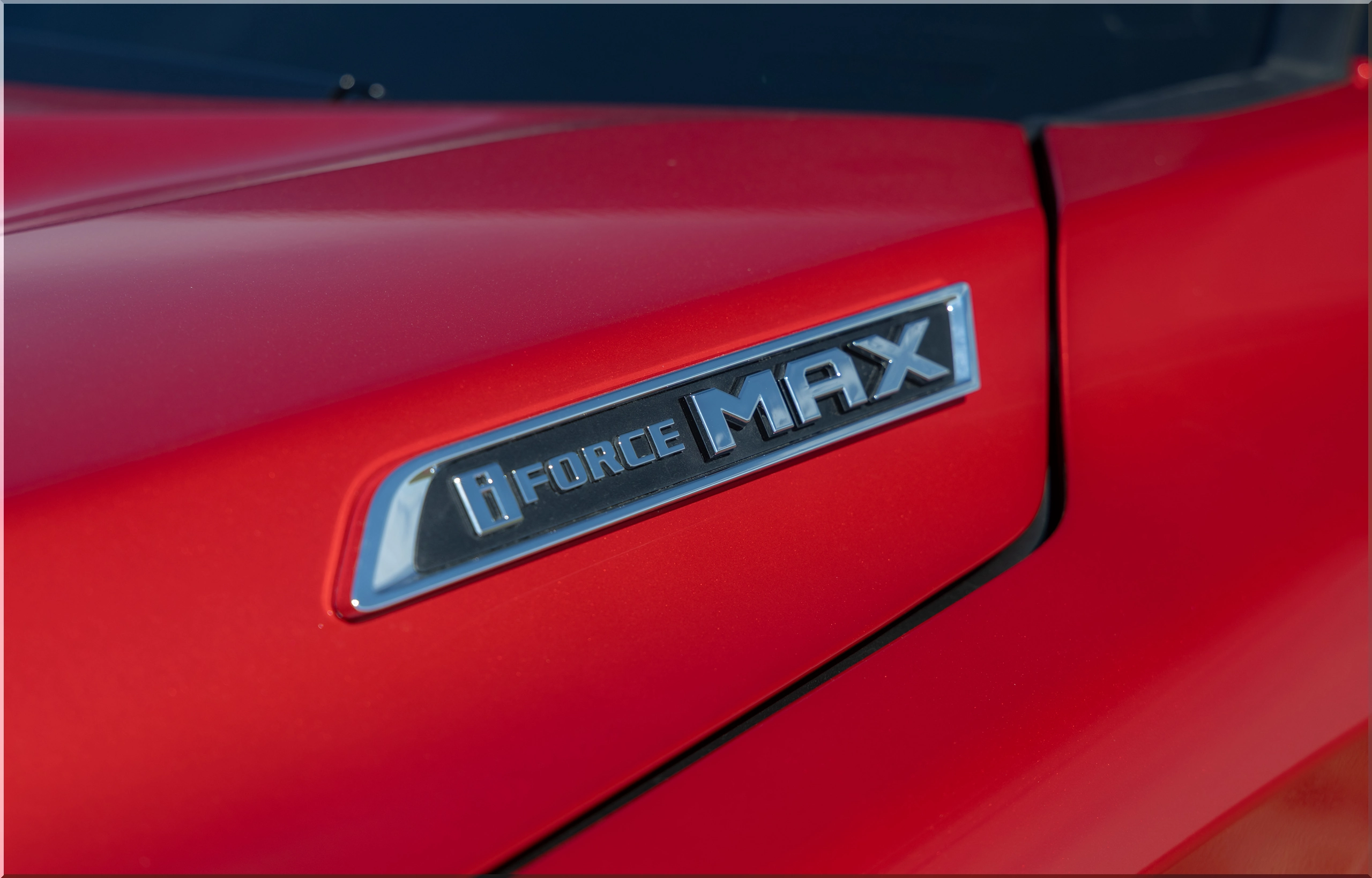
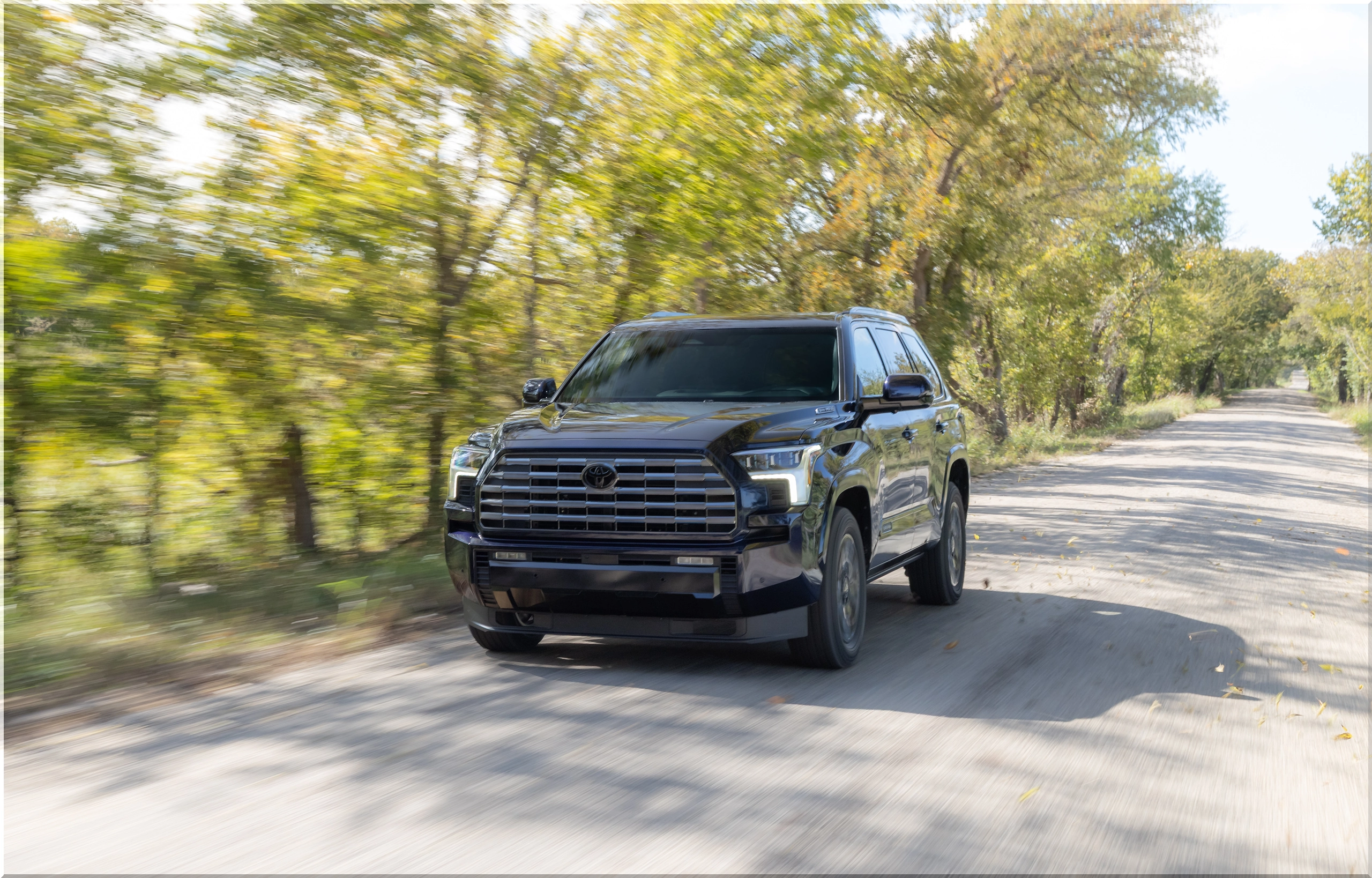
Every Sequoia uses the i-FORCE MAX hybrid powertrain, combining a 3.4-liter twin-turbo V6 and motor-generator for 437 horsepower and 583 lb-ft of torque. Electric assistance supports acceleration, but the hybrid badge alone doesn't promise inexpensive towing.
Toyota's consumer page lists a manufacturer-estimated 20 mpg combined across trims. Treat that as an estimate rather than an EPA-certified result or a towing forecast. At 15,000 annual miles, 20 mpg implies 750 gallons; multiplying that figure by your local gasoline price gives a useful starting fuel budget. A trailer, headwind and mountain grades can change that calculation.
Towing Technology Improves Setup, but Ratings Need Verification
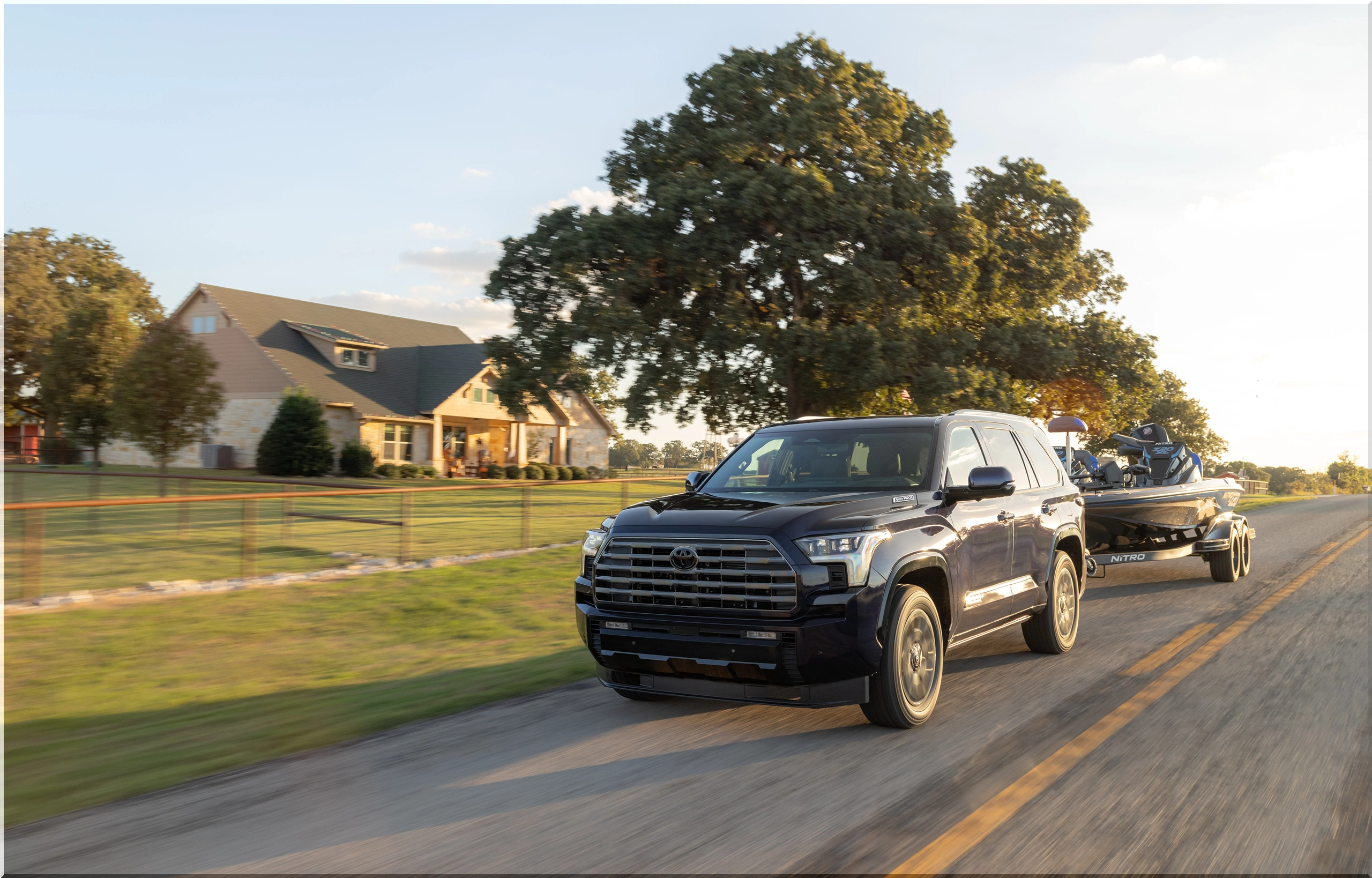
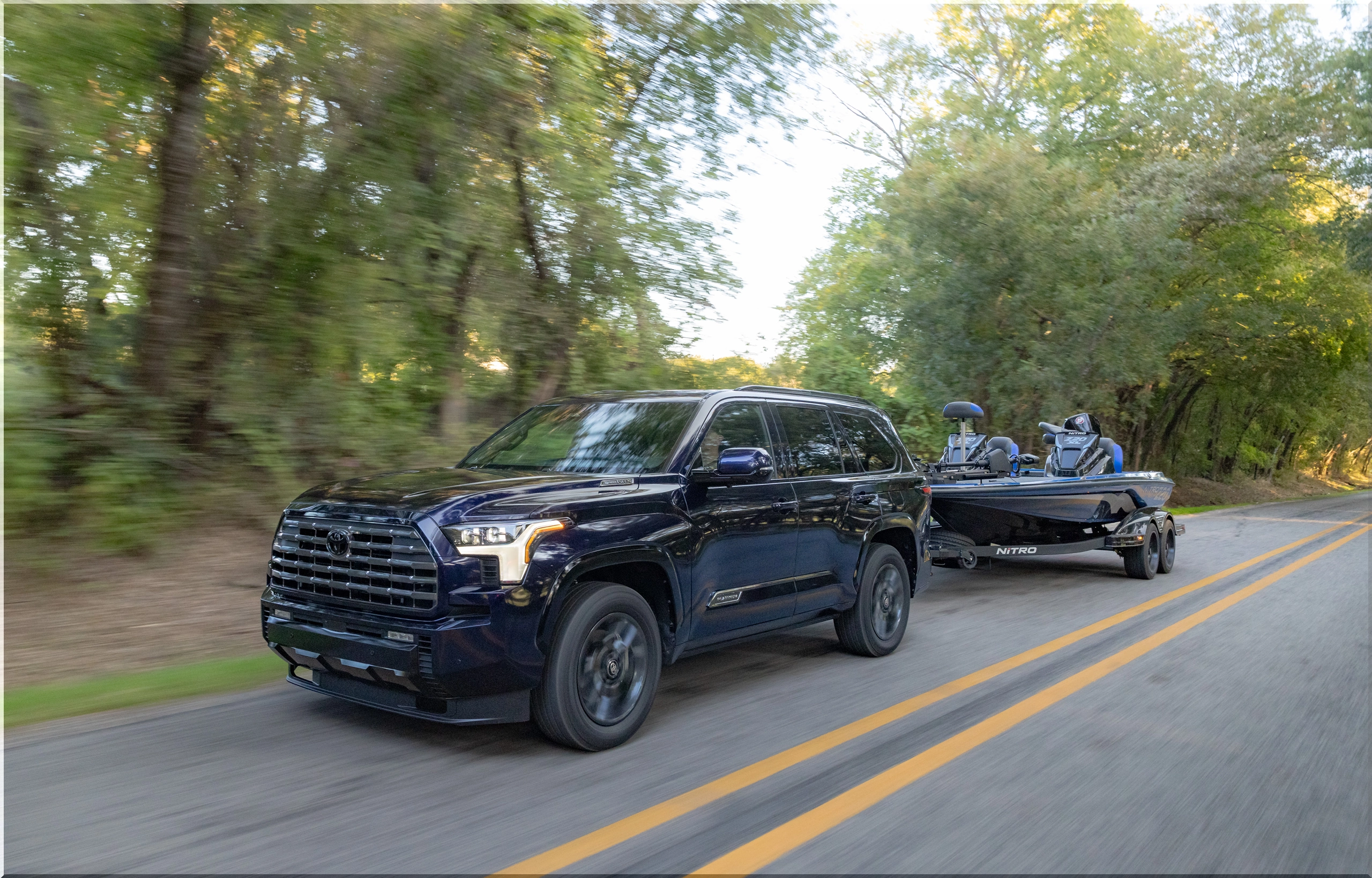
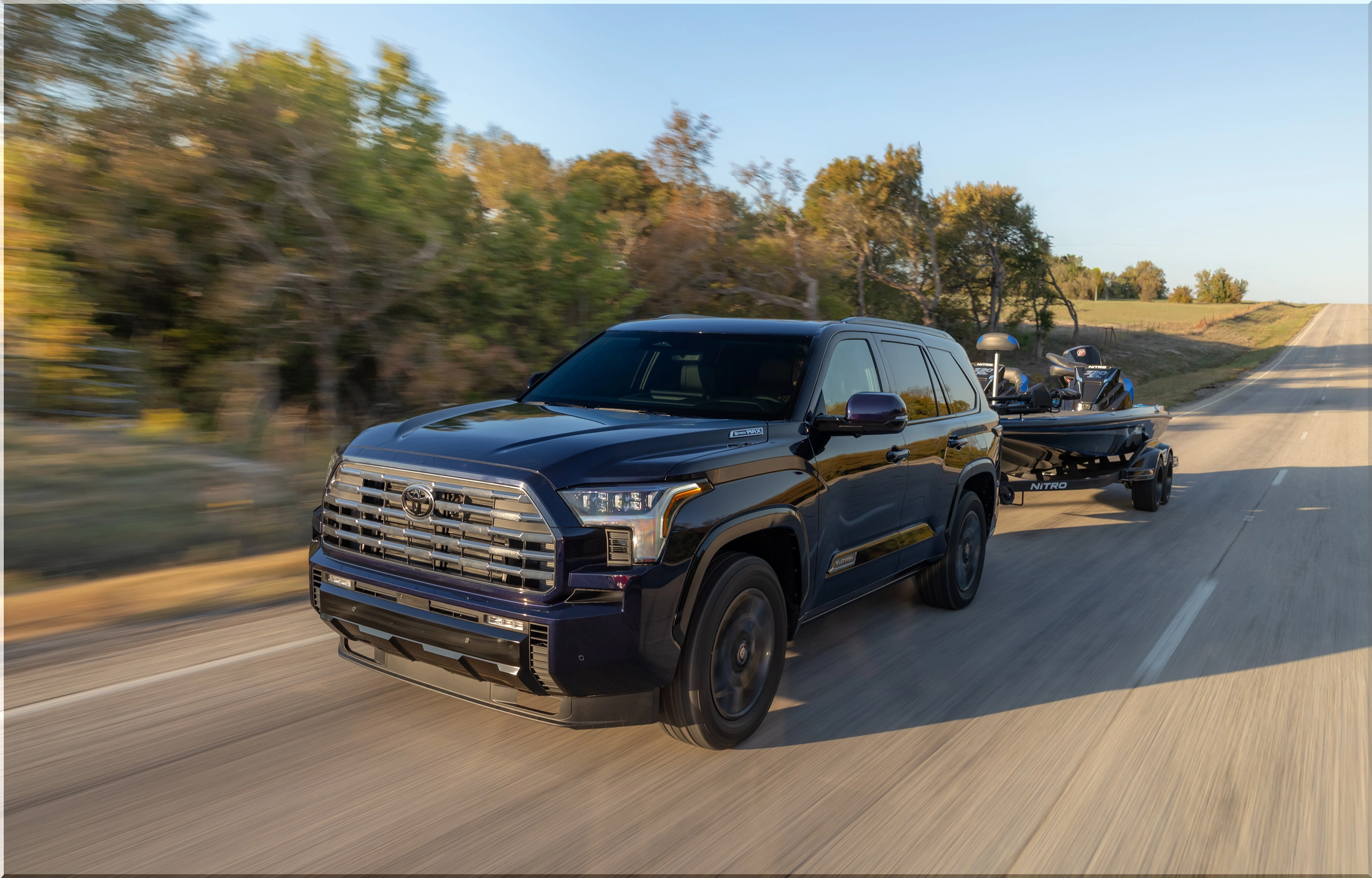
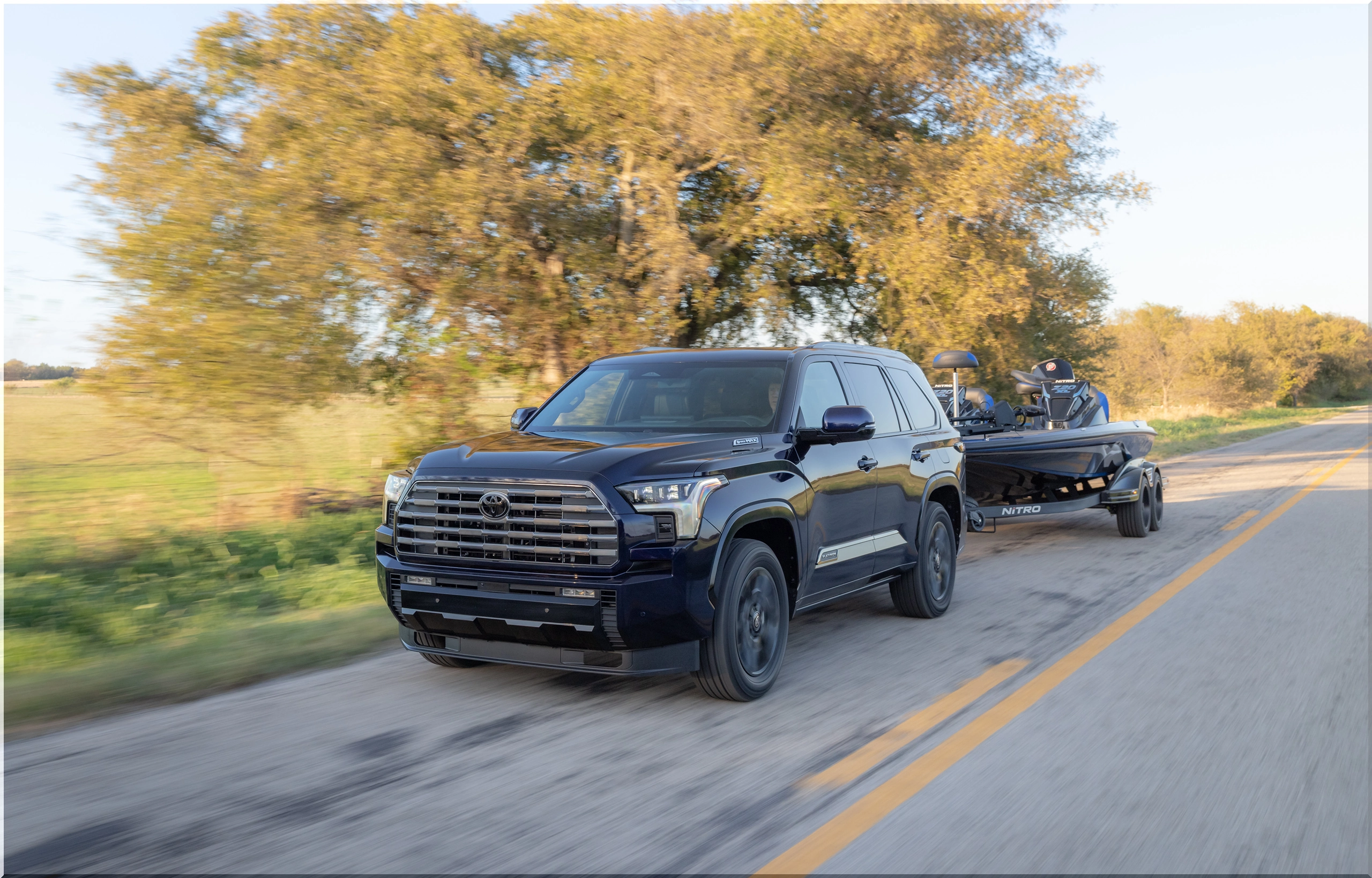
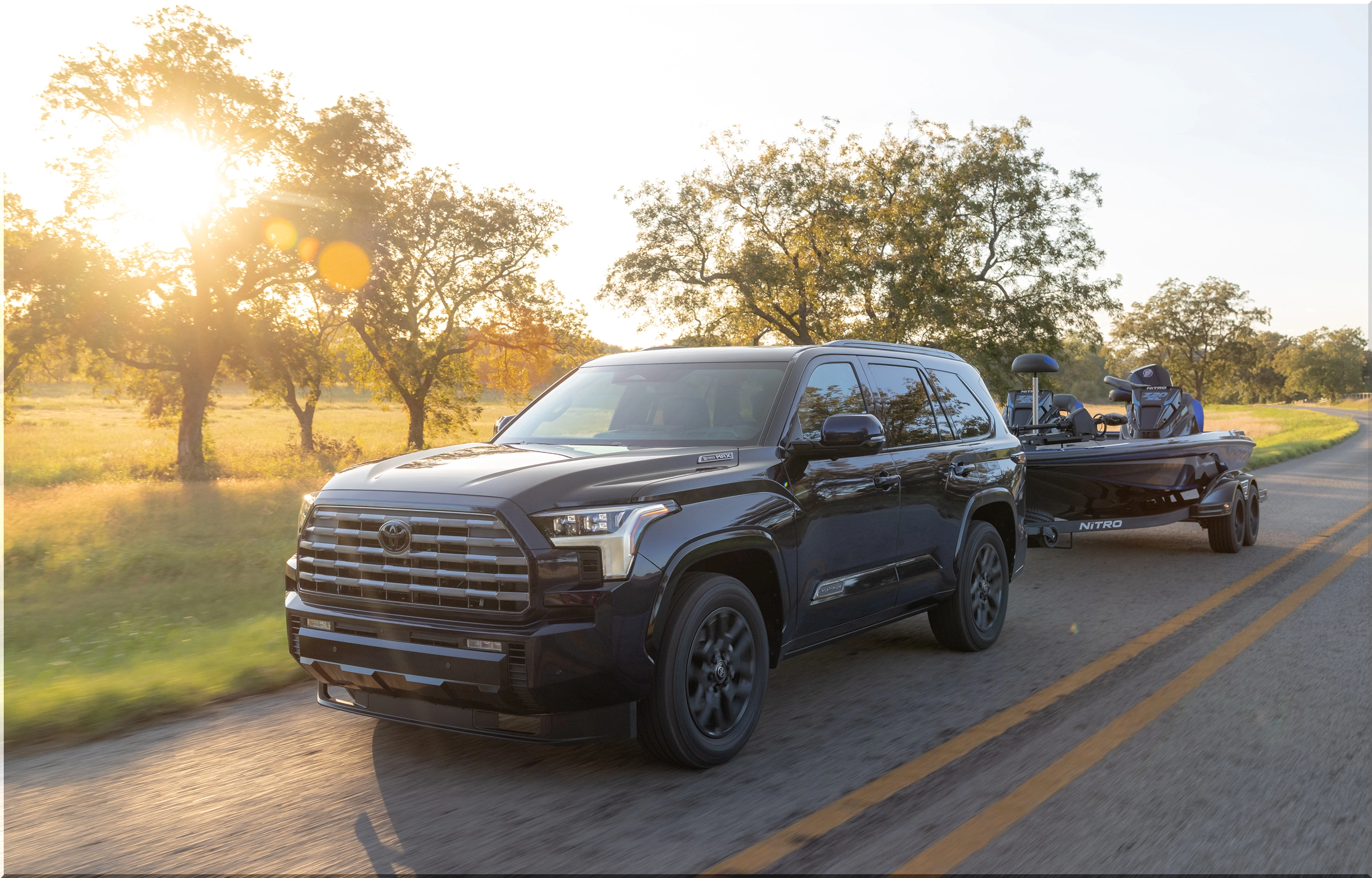
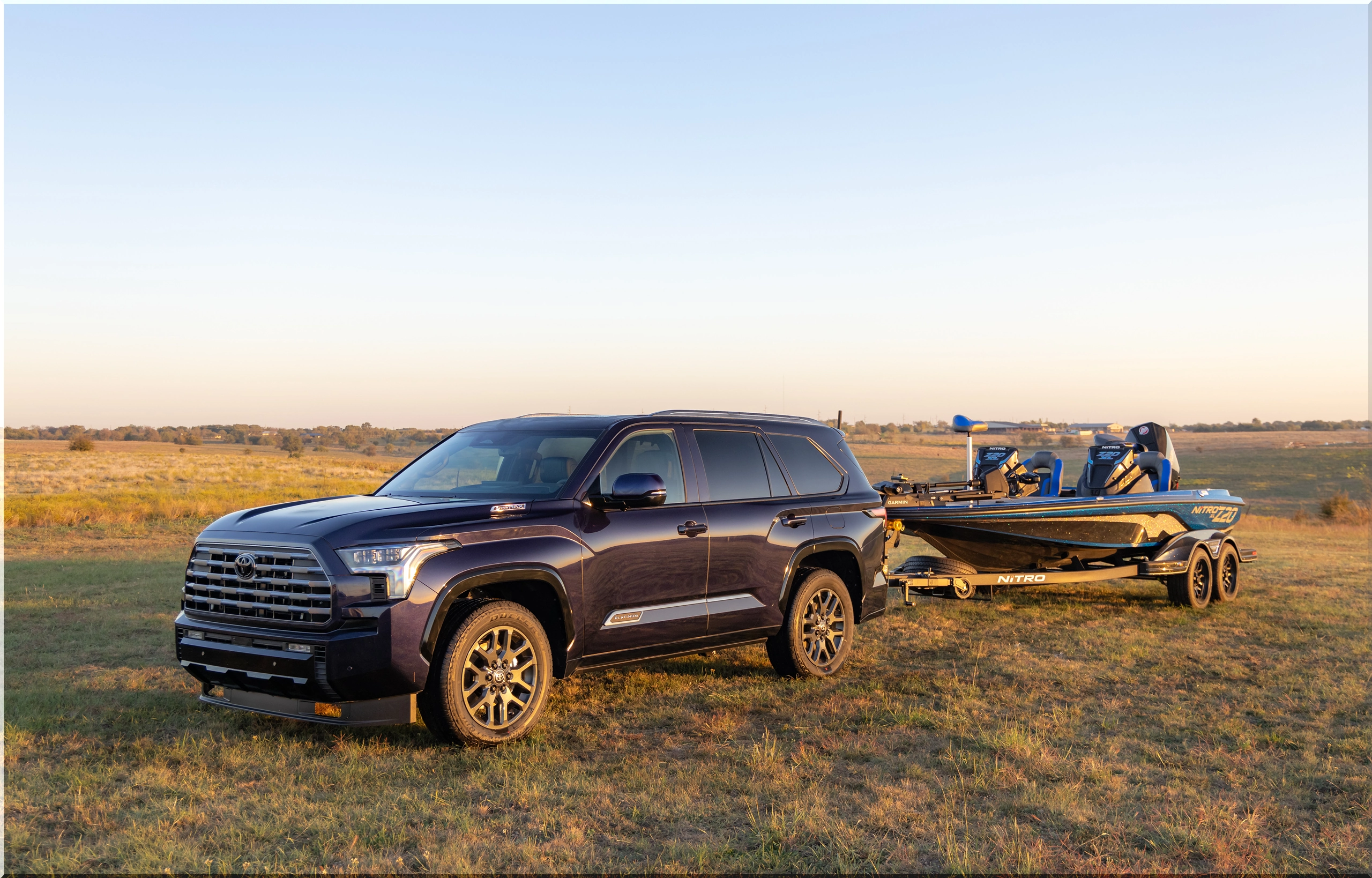
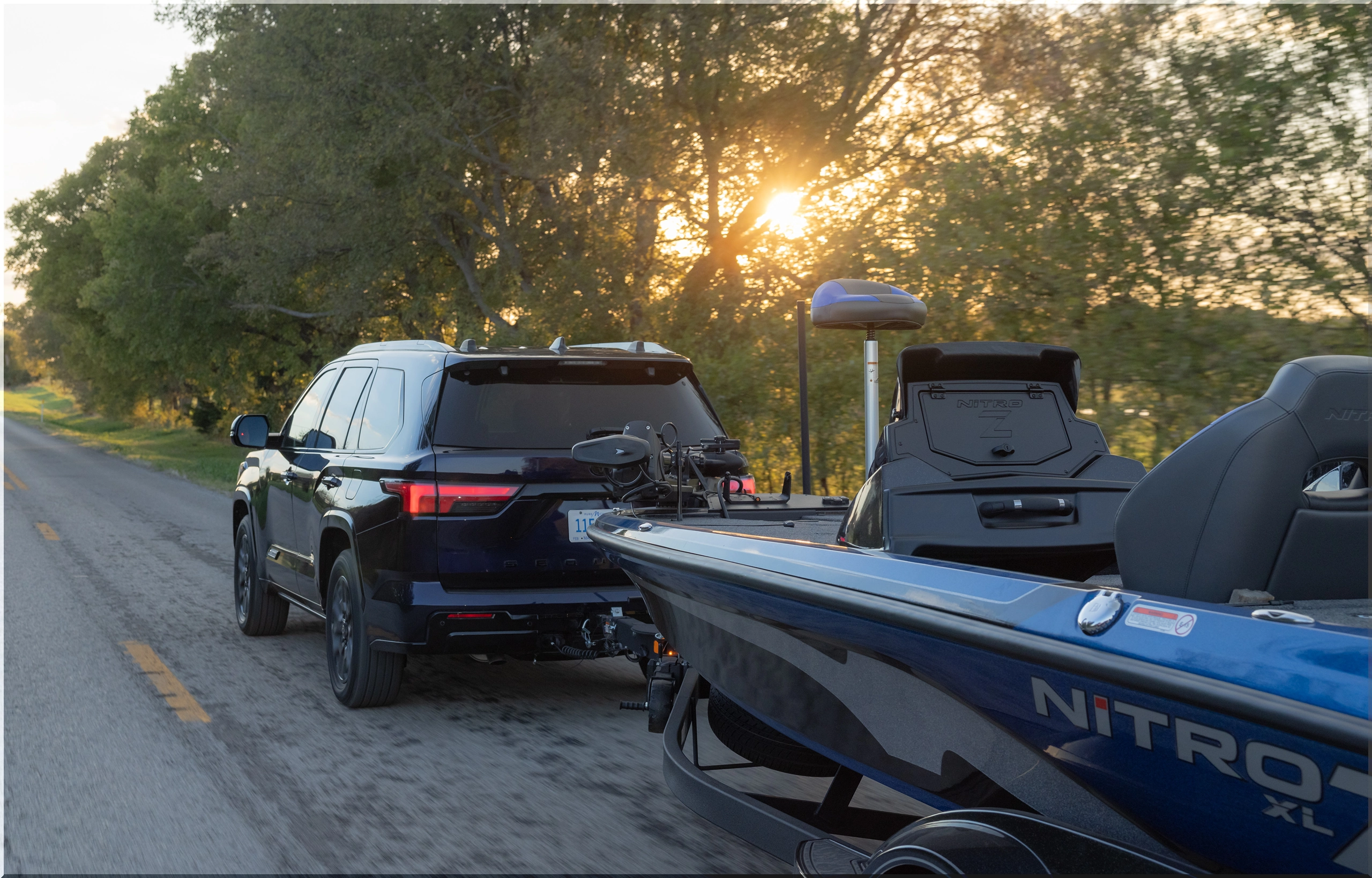
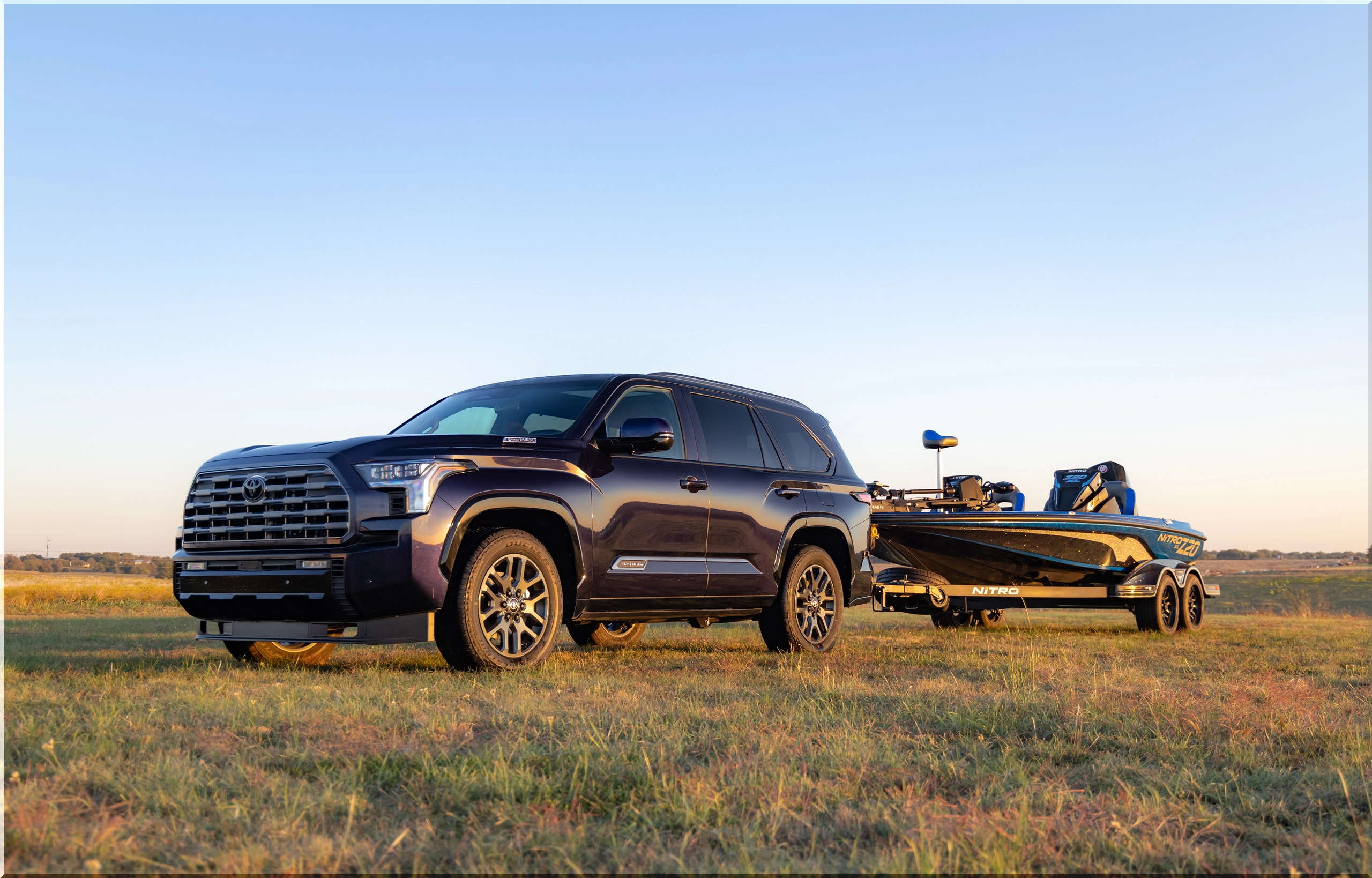
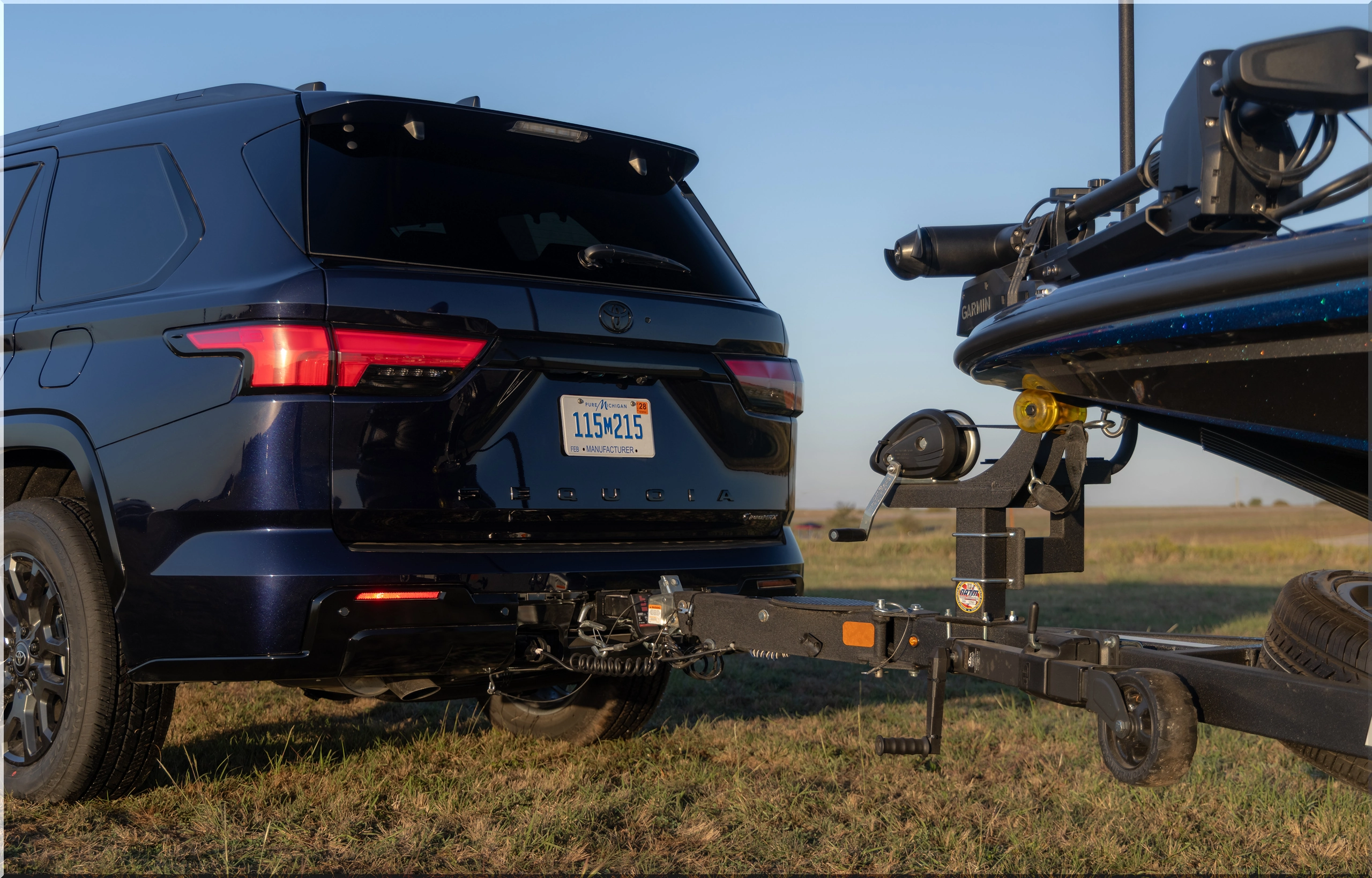
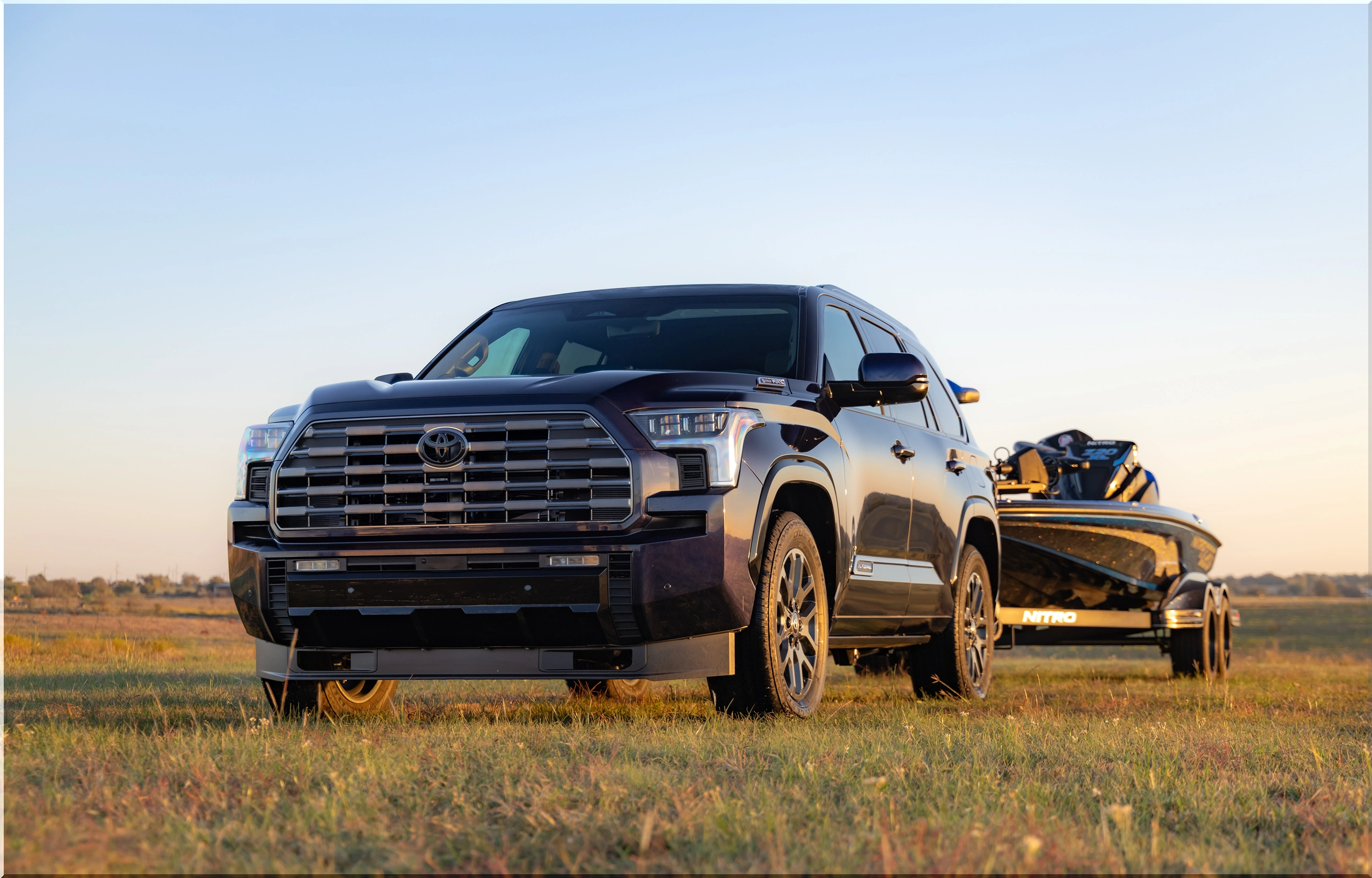
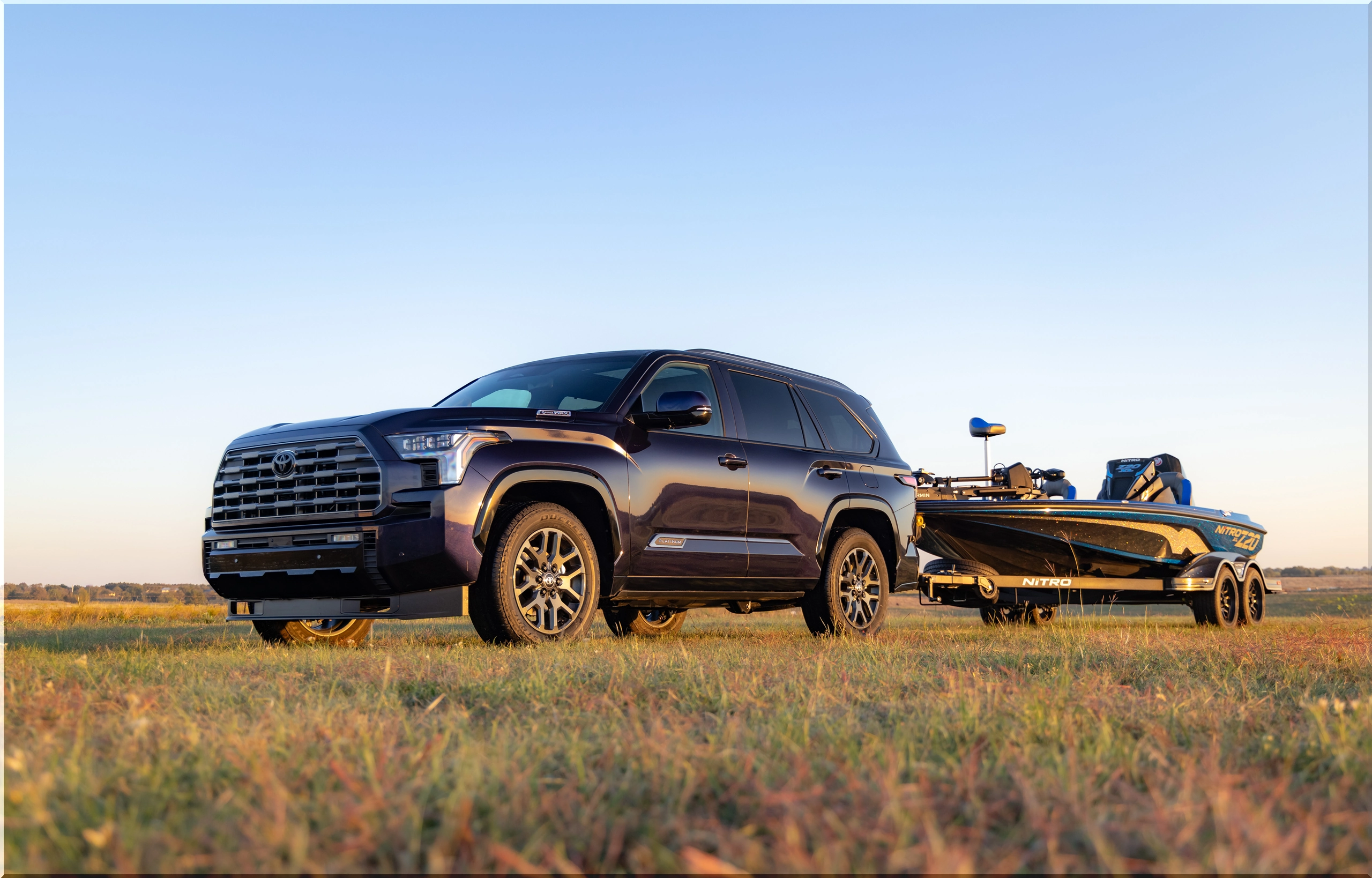
The 2027 Toyota Sequoia towing capacity currently carries a documentation conflict. Toyota's November 4 newsroom release claims 9,520 pounds, while its 2027 consumer page lists 9,120 pounds. The 400-pound difference deserves clarification before anyone purchases a trailer.
Neither headline figure establishes the rating of a particular Trailhunter or TRD Pro.
| Available trailer assistance | What Toyota describes | Buyer benefit |
|---|---|---|
| Automated Trailer Detection | Rear radar and camera measure trailer characteristics | Reduces manual setup |
| Trailer Garage | Moves trailer profiles into the multimedia screen | Makes settings easier to access |
| Trailer Blind Spot Monitor | Extends monitoring around the trailer | Helps cover the longer combination |
| Trailer Lane Trace Assist | Supplies lane-centering steering support under certain conditions | Assists during highway towing |
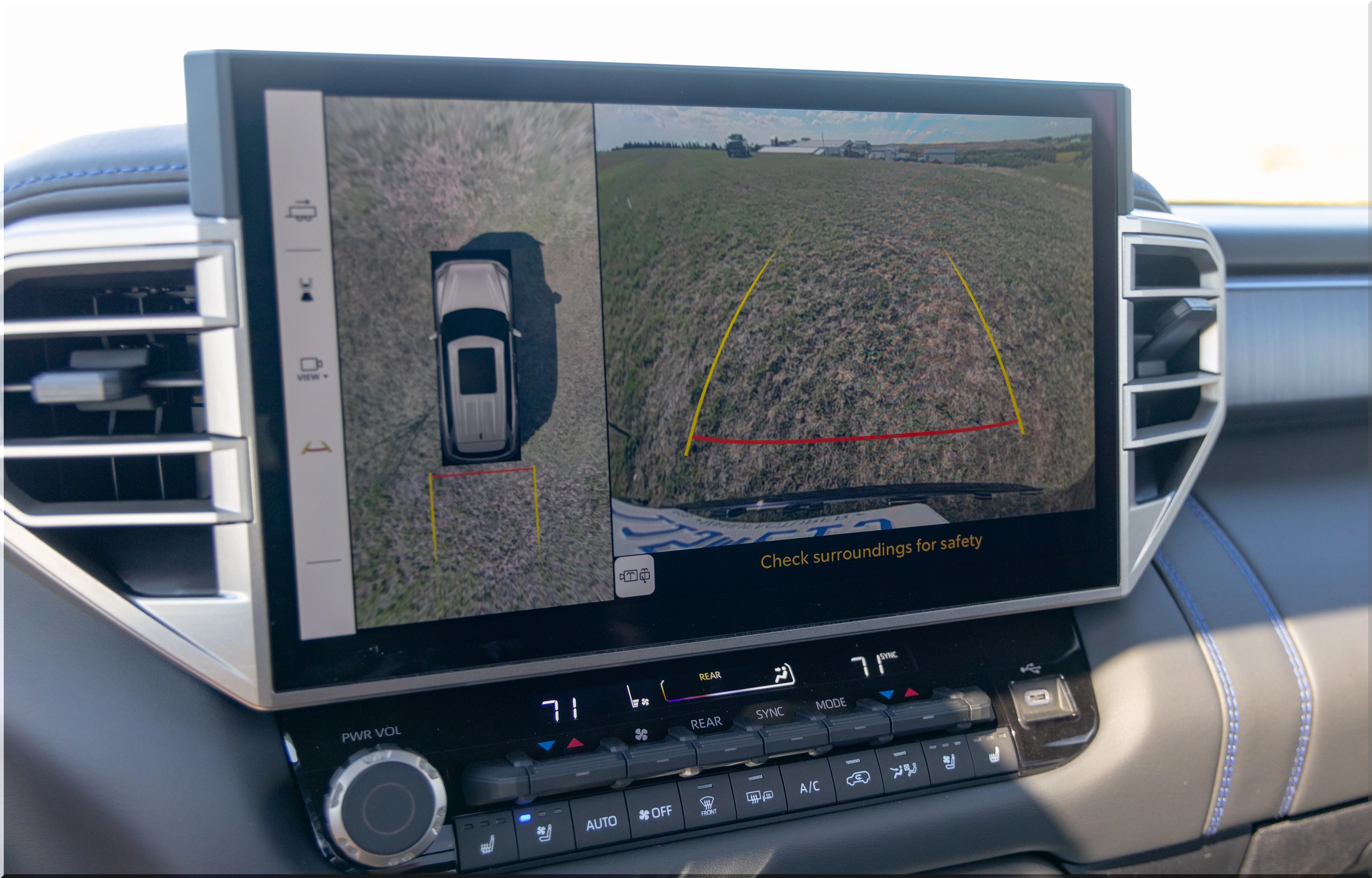
| Trailer Backup Guide | Adds moving guidelines, a slider interface and steering assistance | Helps manage reversing and jackknife risk |
Pro-Tip: Calculate payload before comparing maximum tow ratings.
- Add passengers, luggage, hitch hardware and trailer tongue weight.
- Compare that total with the actual vehicle's payload label.
- Check trailer, axle, hitch and combined-weight limits in the matching owner's manual.
A hypothetical 8,000-pound trailer carrying 10% of its weight on the hitch adds 800 pounds to the SUV. Add 700 pounds of occupants and 150 pounds of luggage, and the load reaches 1,650 pounds before hitch hardware. Those illustrative numbers show why a family can run out of payload before reaching an advertised towing maximum.
Cabin Technology Helps During Everyday Driving
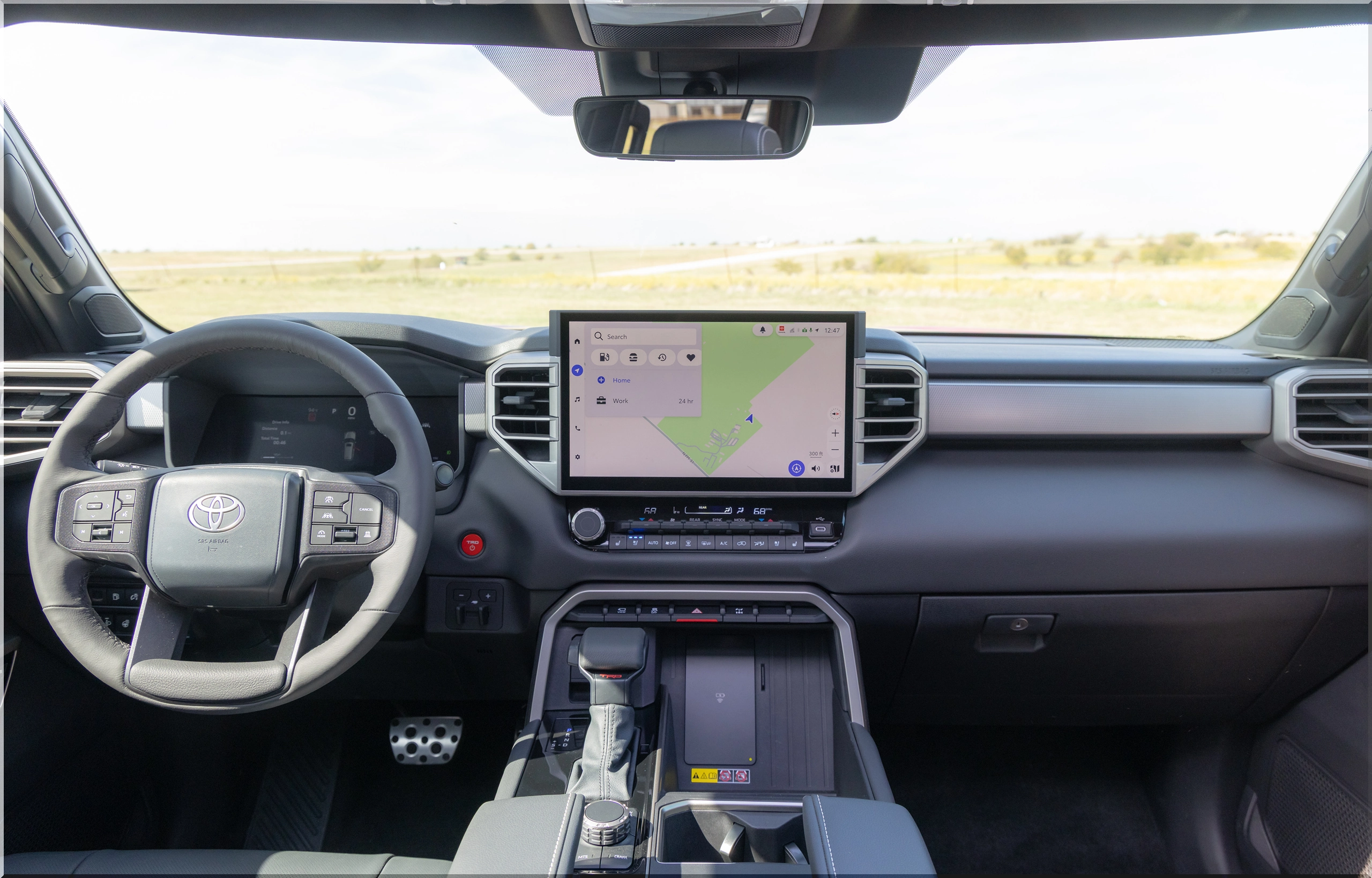
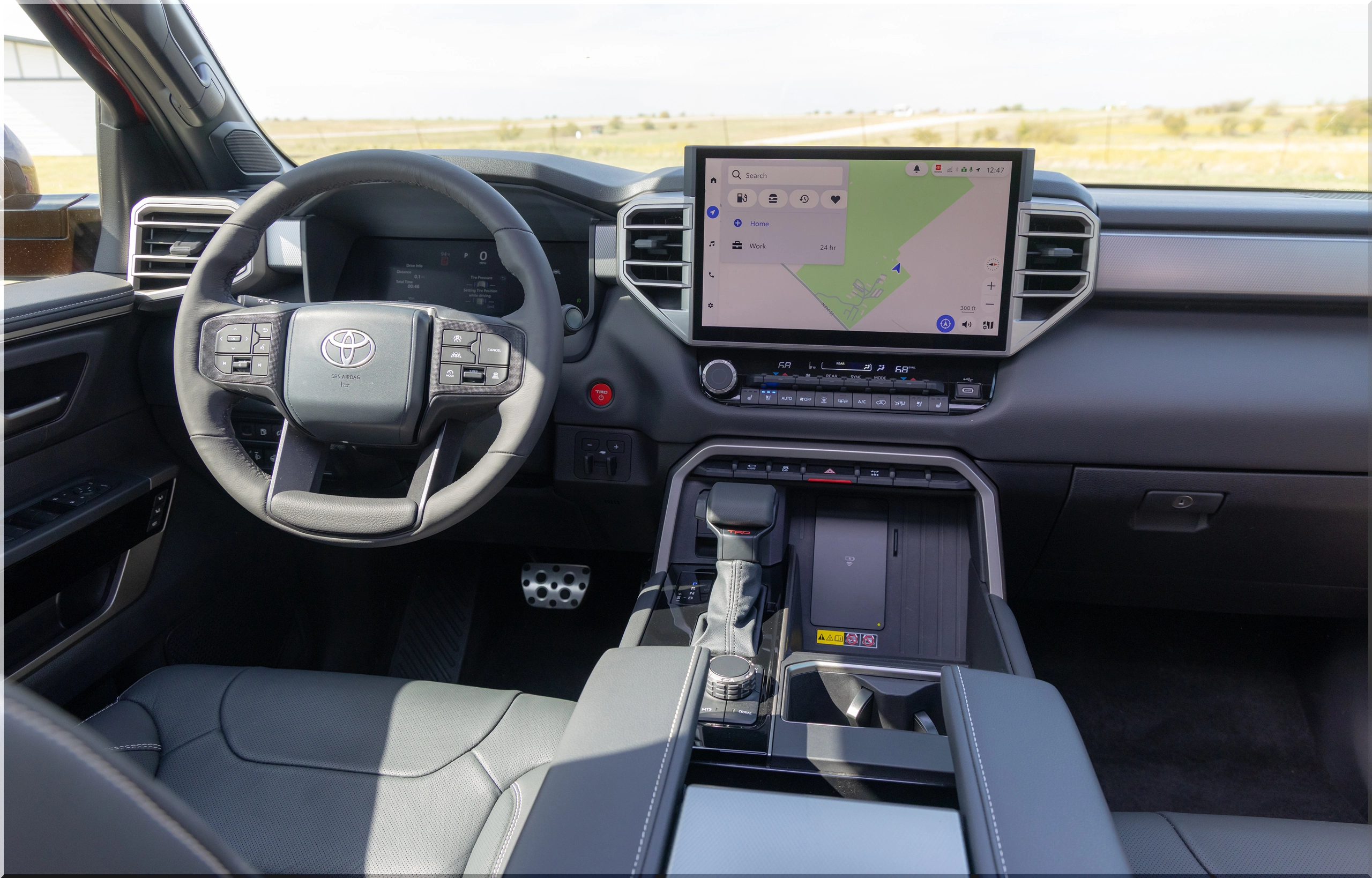
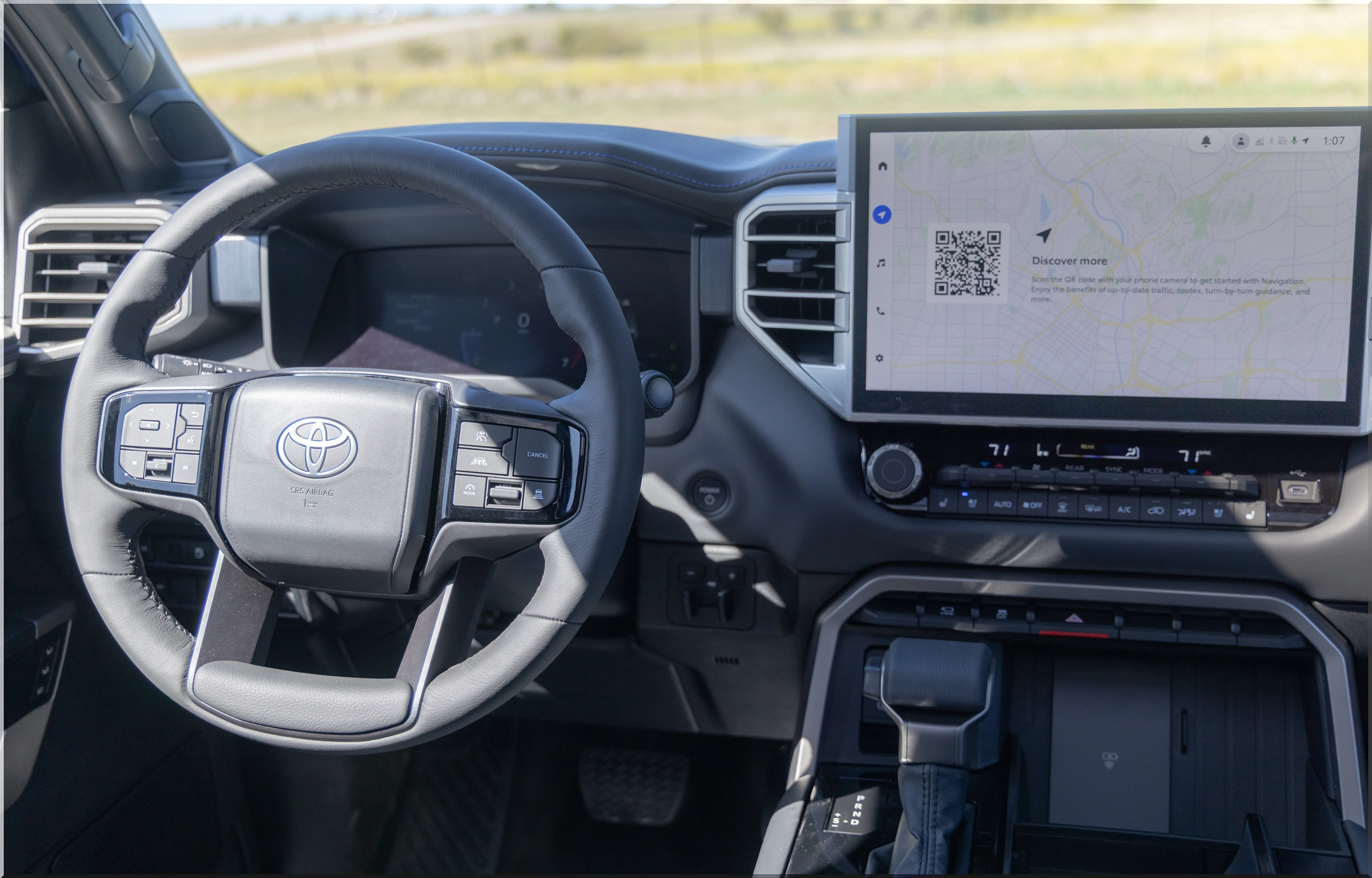
In addition, Toyota standardizes a 14-inch touchscreen and Toyota Safety Sense 4.0. The multimedia system adds a configurable home screen, while the built-in Drive Recorder captures 20-second event clips.
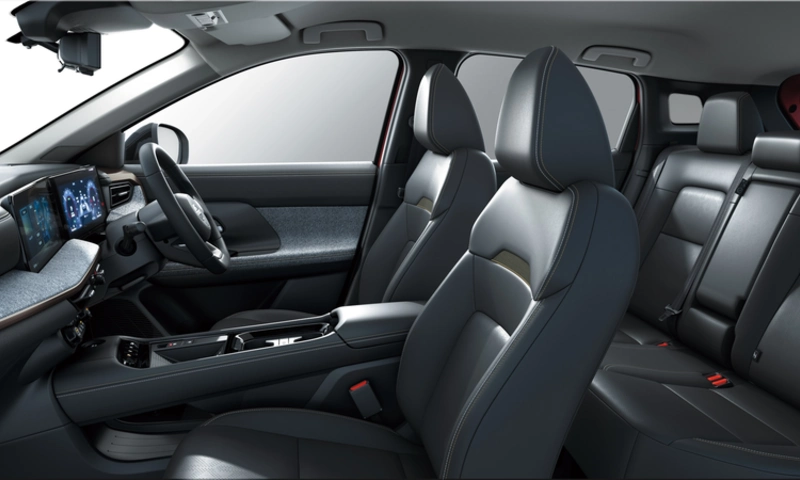
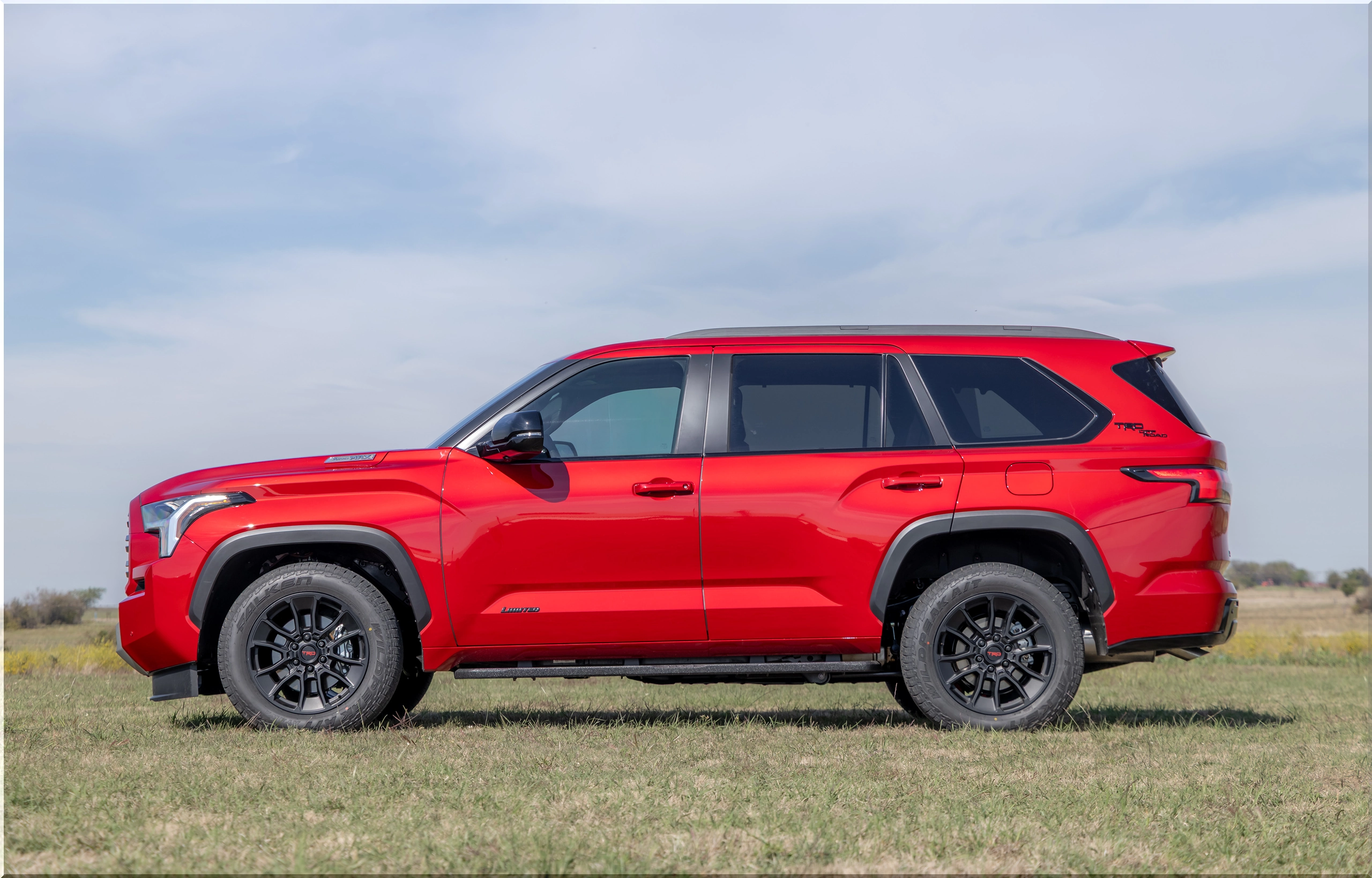
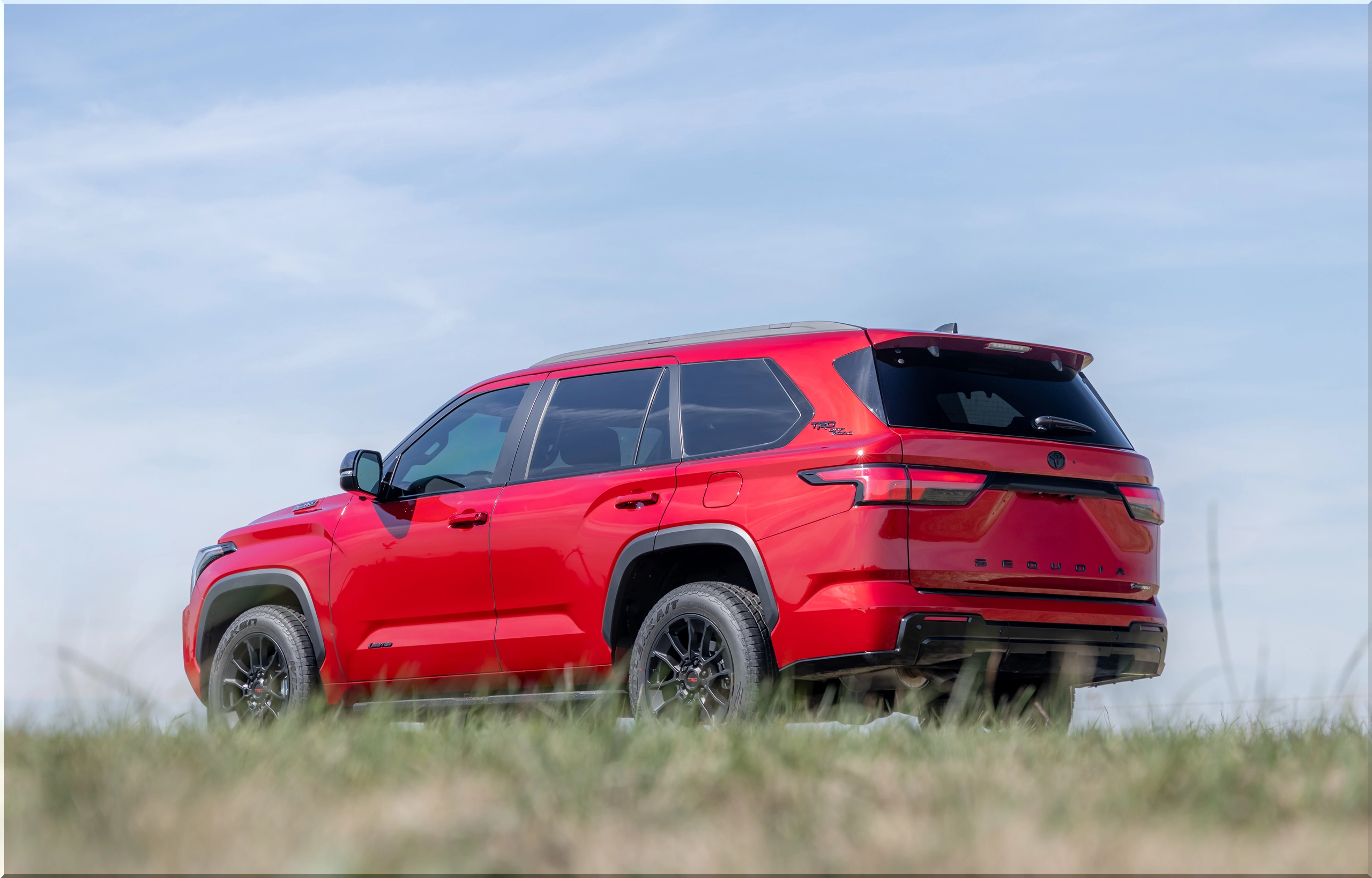
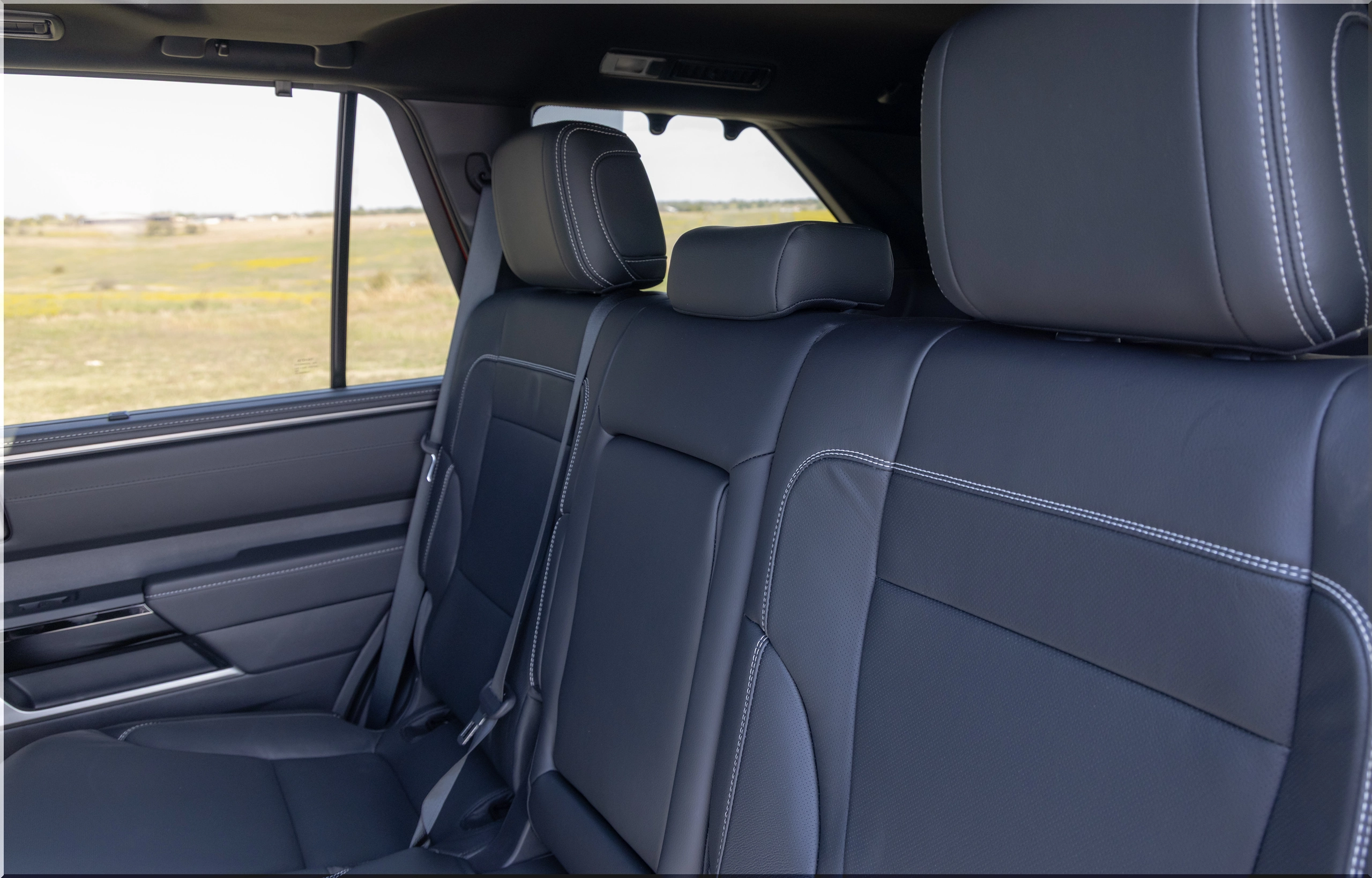
Toyota offers seating for up to eight with a second-row bench or seven with captain's chairs. The sliding third row and cargo shelf let families trade passenger space against luggage room. Bring your actual stroller: screen size won't tell you whether it fits behind occupied rear seats.
Which 2027 Sequoia Should You Buy?
Start with Trailhunter if your shopping list centers on camping access and traction hardware. Consider TRD Pro if adjustable shocks justify its quoted price. Toyota's cited announcements leave package pricing and several off-road measurements unanswered, so compare written equipment lists before ordering.
For a useful dealer evaluation:
- Drive both versions over the same broken pavement.
- Install your child seats and load your regular road-trip gear.
- Request the exact vehicle's towing documentation and a trailer-assistance demonstration.
This assessment uses published specifications rather than a road test. The strongest purchase case comes from matching verified capacity and usable cabin space to your family's actual load.
- Add new comment
- 61 views