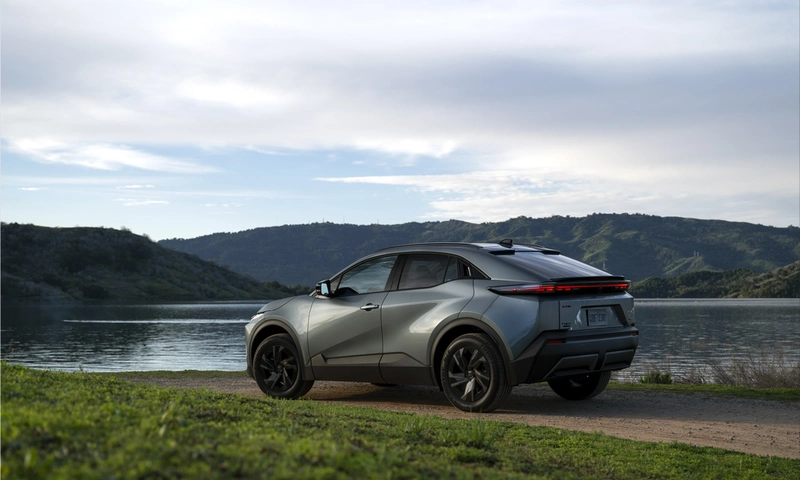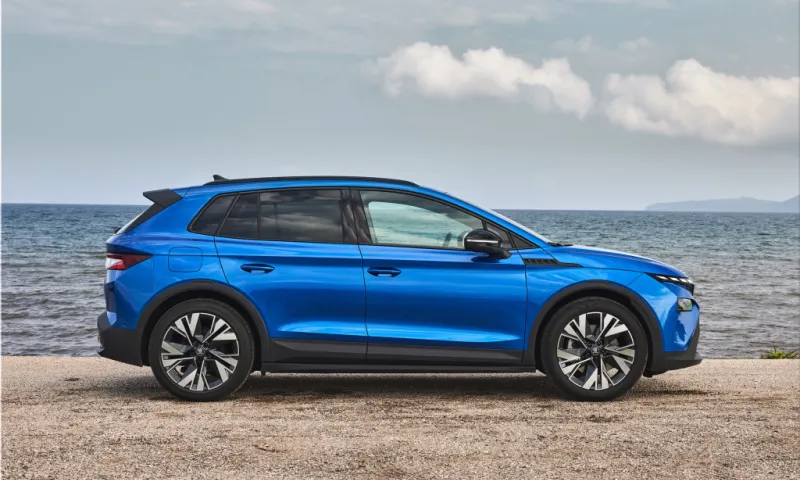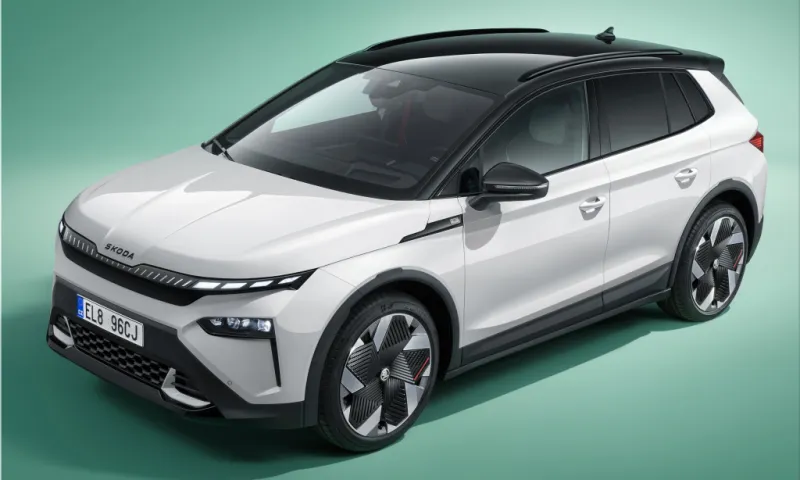
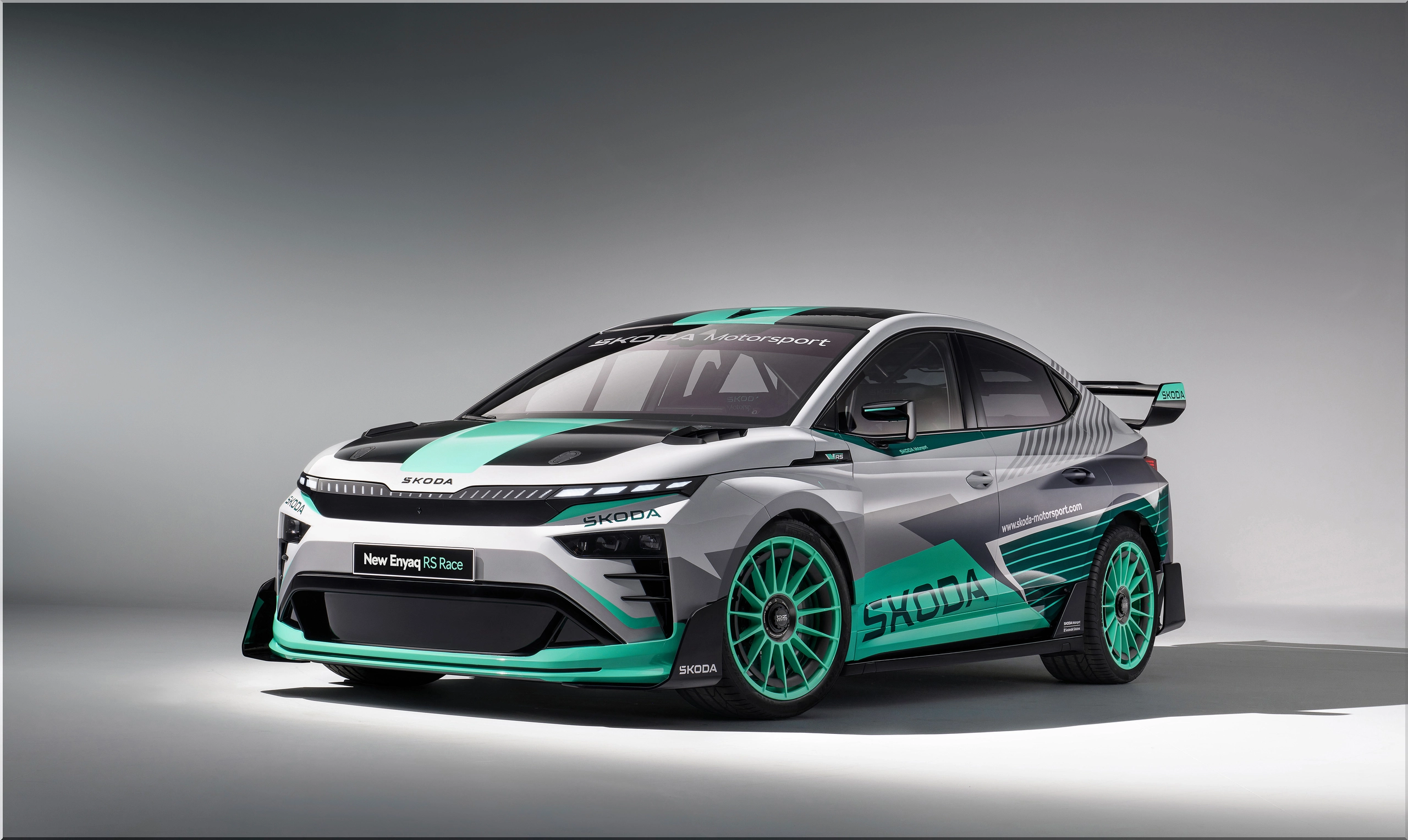
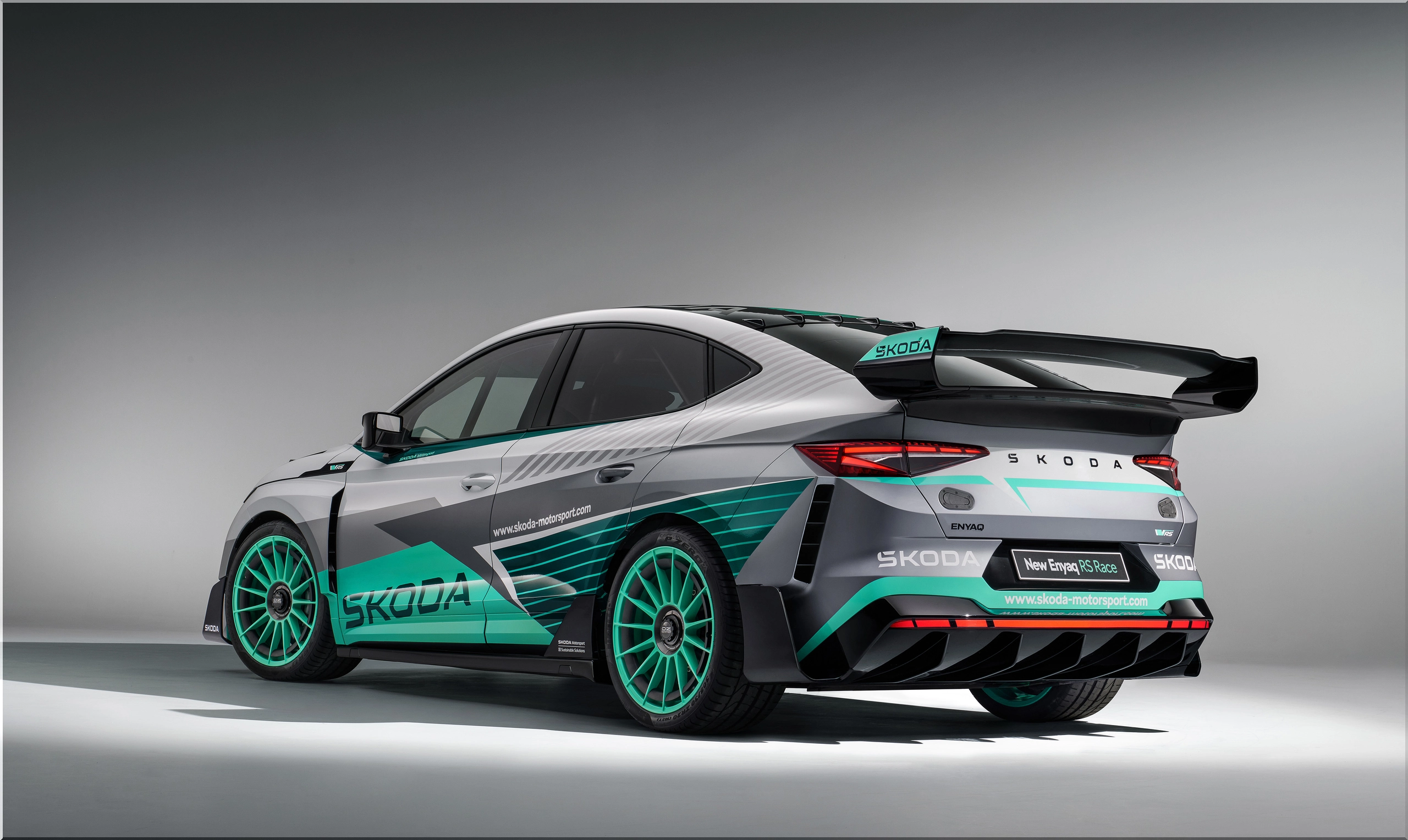
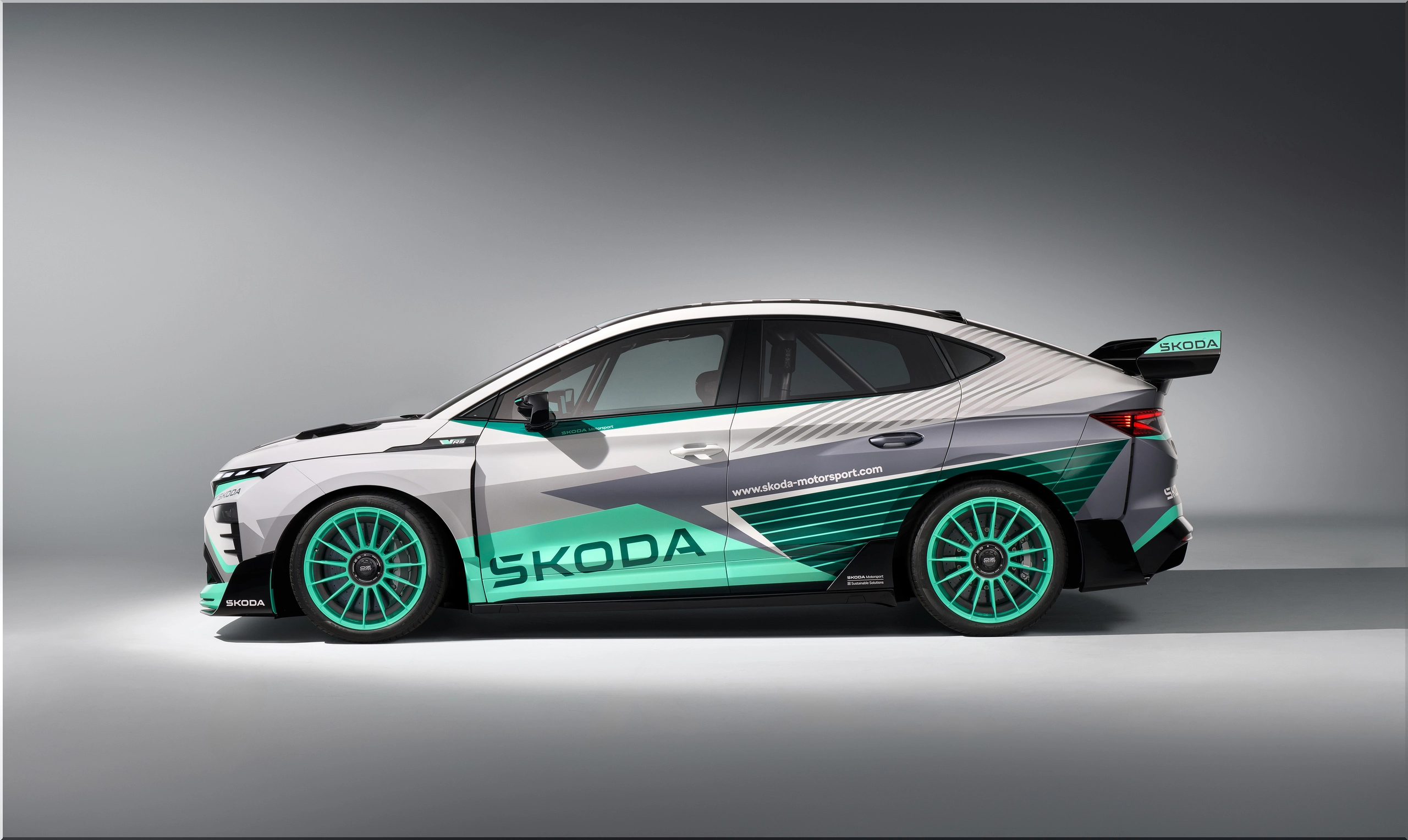
The Škoda Enyaq RS Race is not a prototype for show. It’s a rolling R&D lab. Stripped of fluff and loaded with purpose, this all-electric concept drops 316 kg (696 lbs) from the production Enyaq Coupé RS and injects real motorsport DNA into an electric platform. It’s built for performance. It’s engineered for material testing. And it points toward a realistic future where EVs are lighter, stronger, and built with less carbon-intensive materials.
Technical Overview: How the RS Race Compares
| Specification | Enyaq RS Race | Enyaq Coupé RS (Baseline) |
|---|---|---|
| Power Output | 250 kW (335 hp) | 250 kW (335 hp) |
| 0–62 mph | < 5.0 seconds | 6.5 seconds |
| Top Speed | 111 mph | 111 mph |
| Weight Reduction | -316 kg | Standard |
| Track Width (Front/Rear) | +72 mm / +116 mm | Standard |
| Ride Height | -70 mm | Standard |
| Brake System | Carbon-ceramic setup | Steel rotors |
| Differentials | Front + rear LSD | Open differentials |
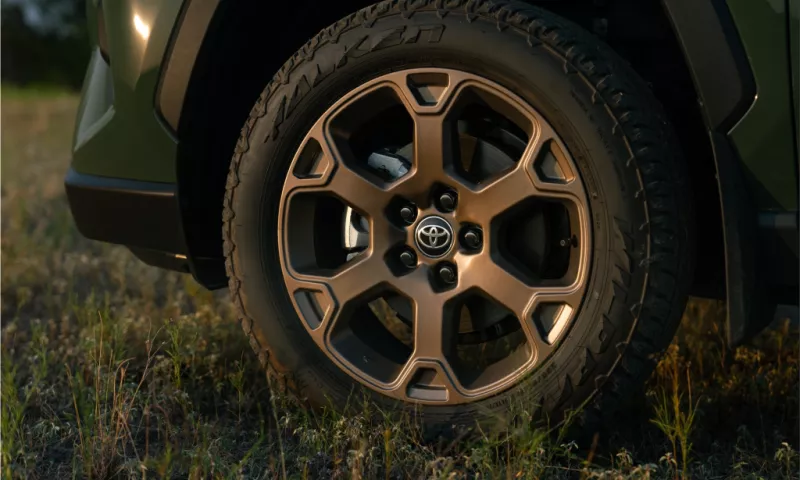
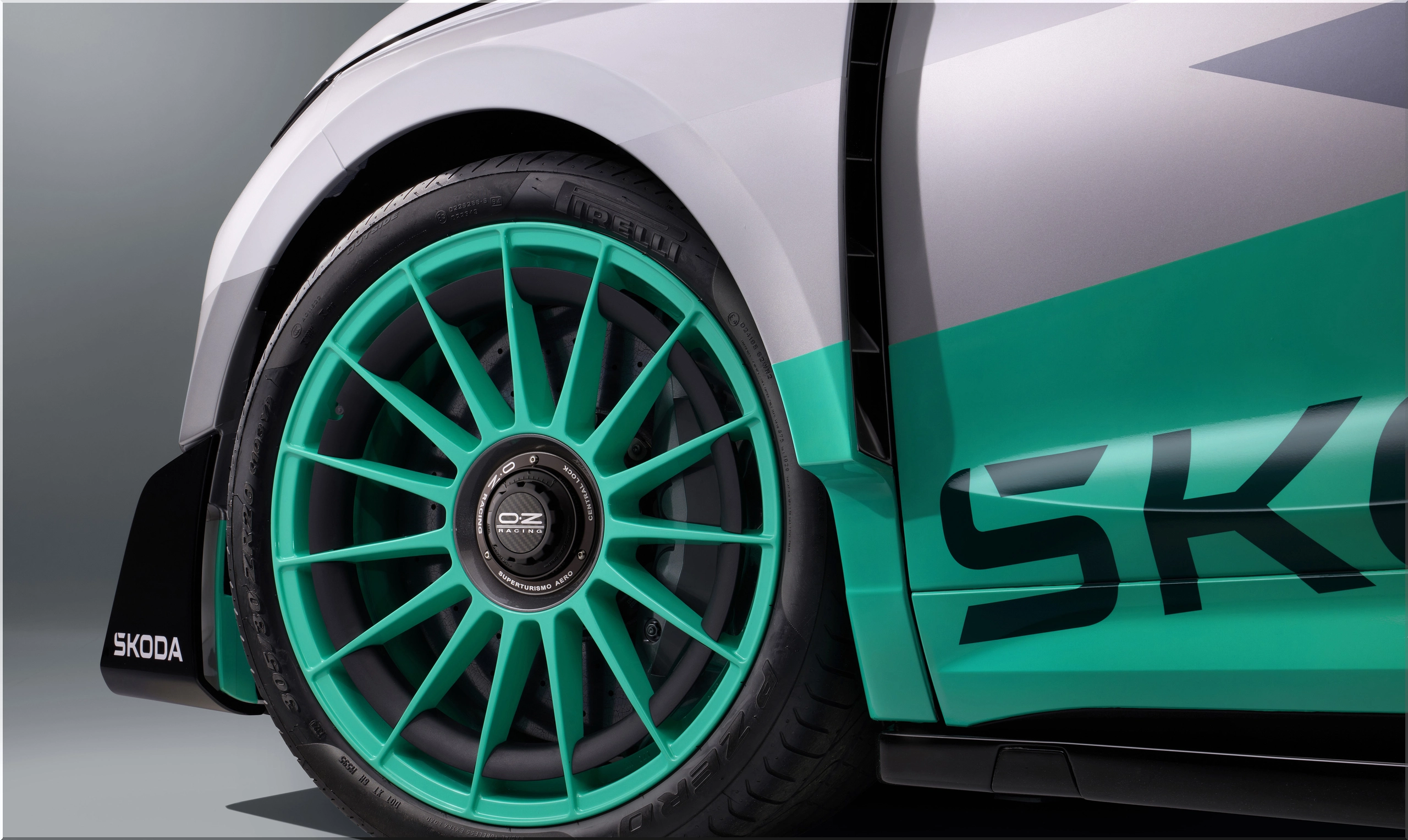
| Wheels | 20-inch, low-profile | 20-inch |
| Suspension | Fully adjustable | Adaptive (DCC) |
Purpose-Built: Function Over Everything
Škoda Motorsport took a proven dual-motor layout and reworked every surrounding system. The team’s mission: improve handling, aerodynamics, and weight balance using race-tested components.
- 70 mm lower ride height
- +72 mm / +116 mm wider track
- Integrated roll cage
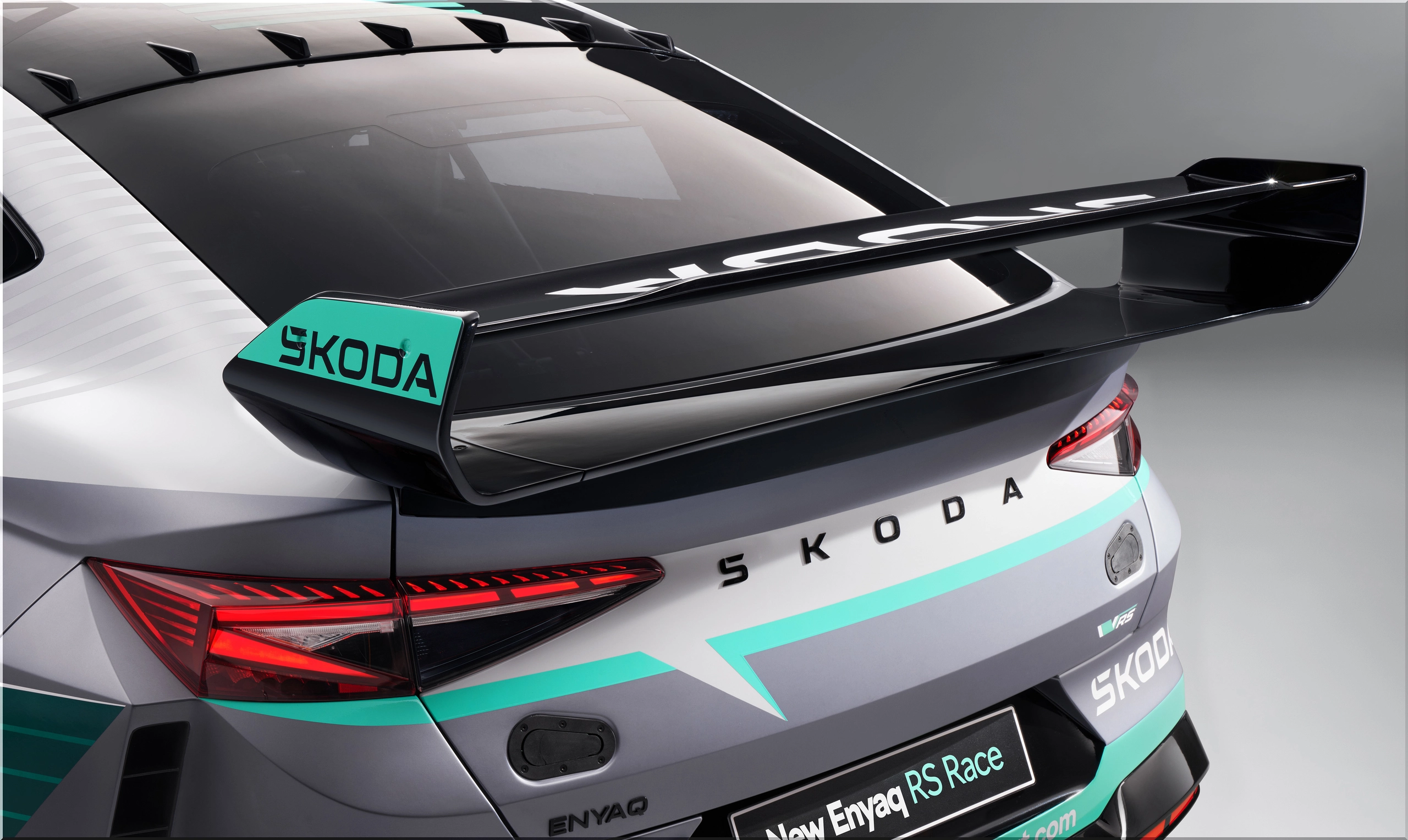
- Polycarbonate windows and flax-fiber body panels
Sustainable Materials: Replacing Carbon, Cutting CO₂
Škoda replaced carbon fiber with flax-based biocomposites from Bcomp. These materials offer comparable stiffness to carbon and reduce emissions by 85%.
Components Made from Flax-Based Composites
- Bumpers
- Fenders
- Roof panel
- Rear wing
- Dashboard
- Door panels
Škoda used PowerRibs 3D structure for strength and weight reduction. These materials are already used in the Fabia RS Rally2.
Aerodynamic Efficiency: Redesigned for Speed
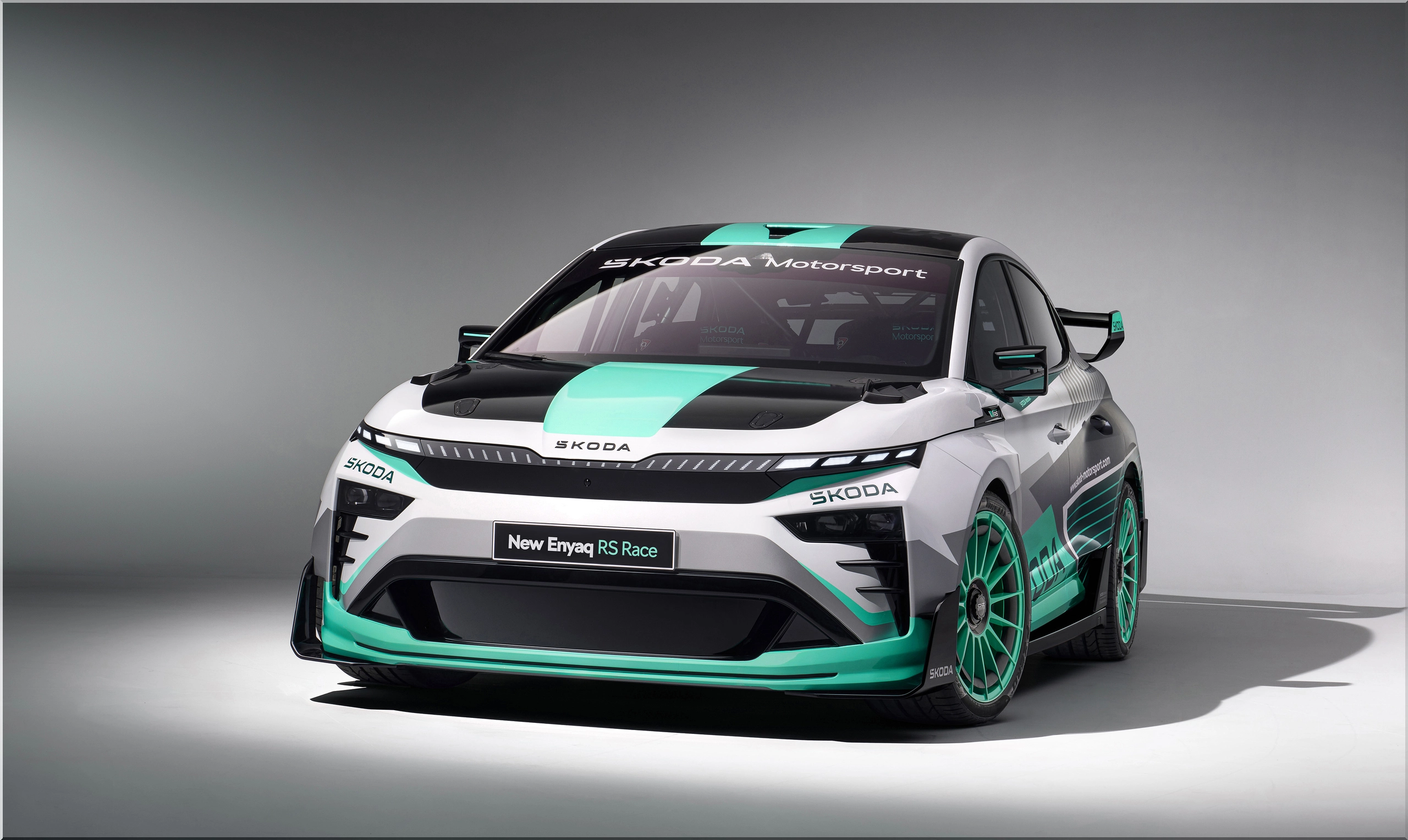
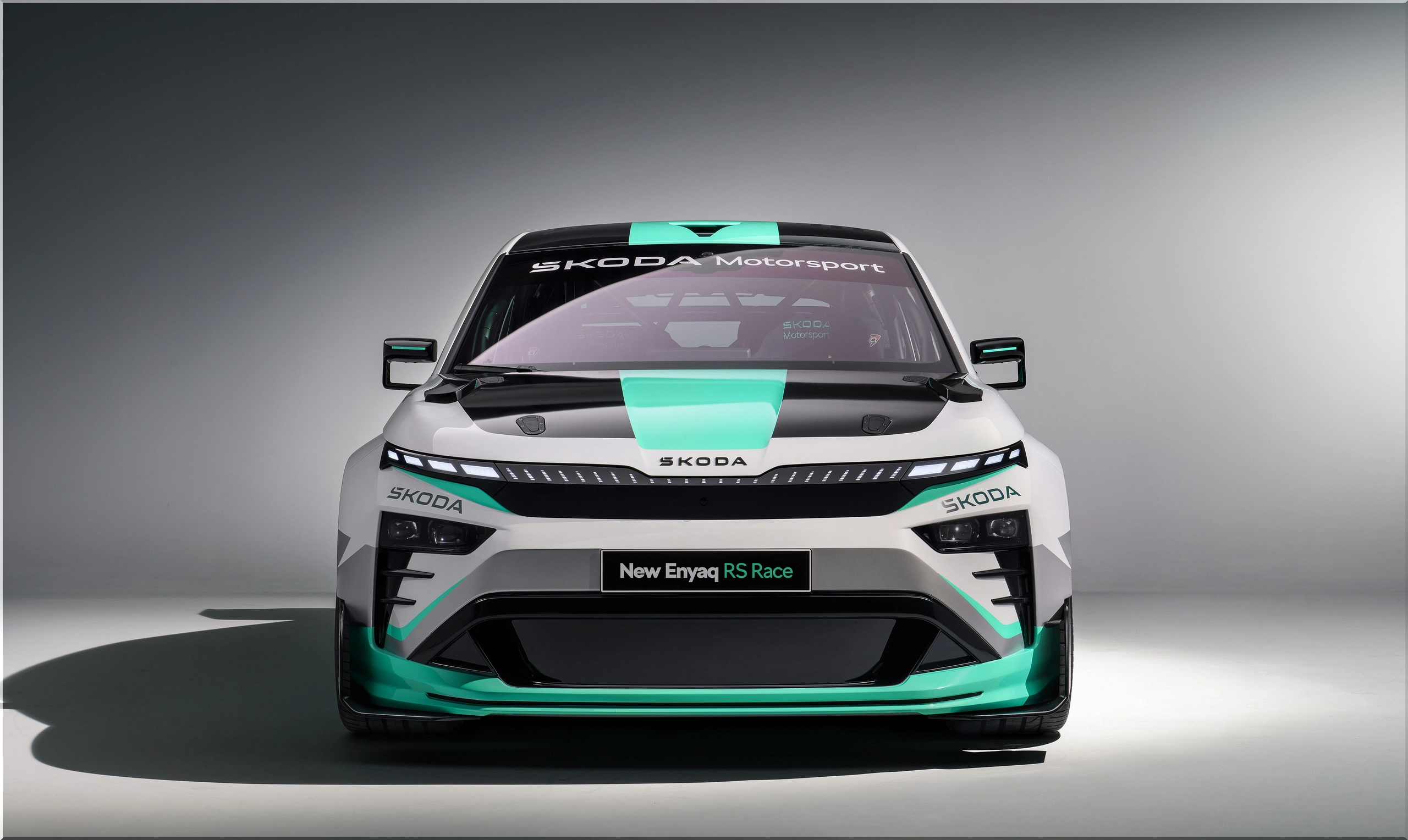
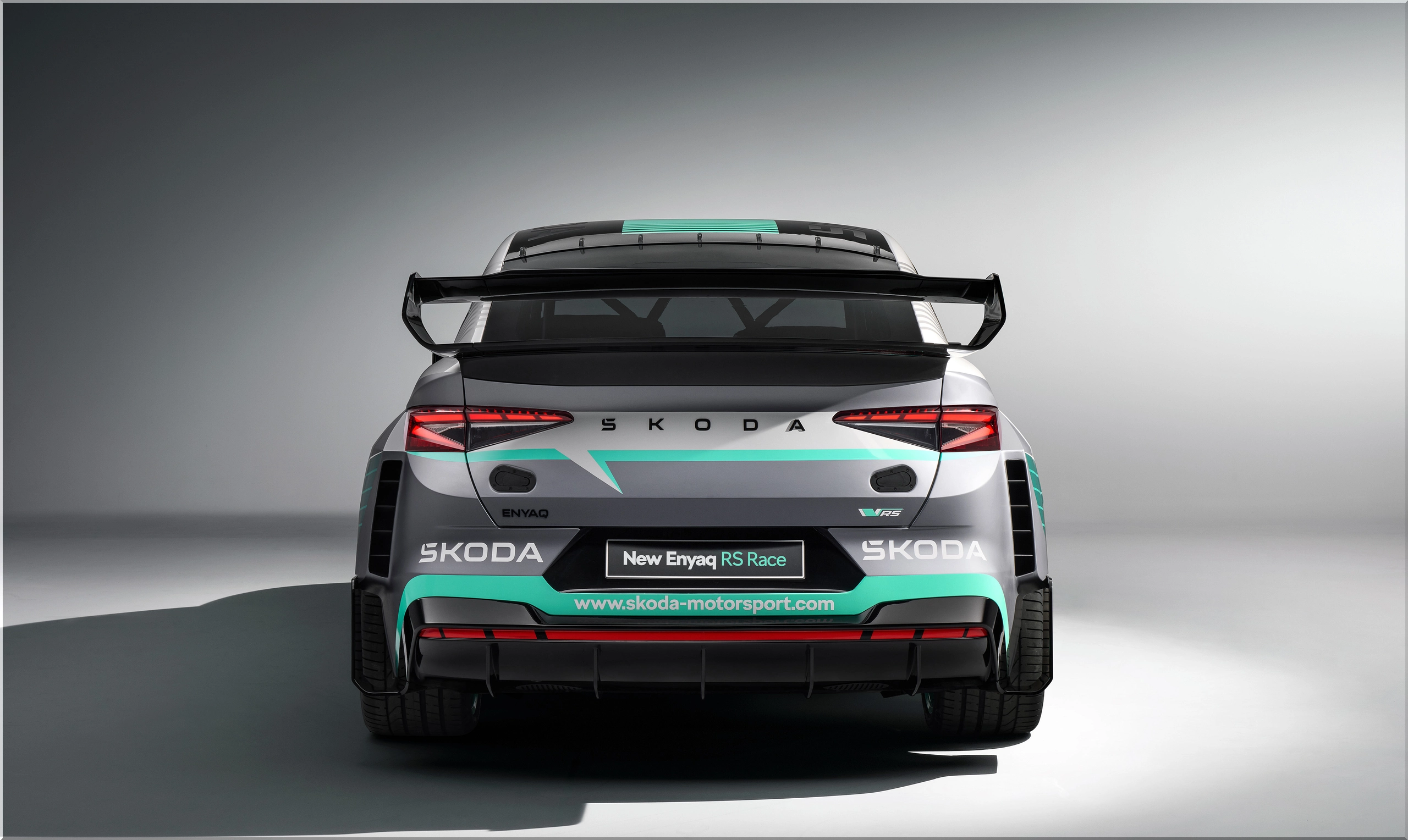
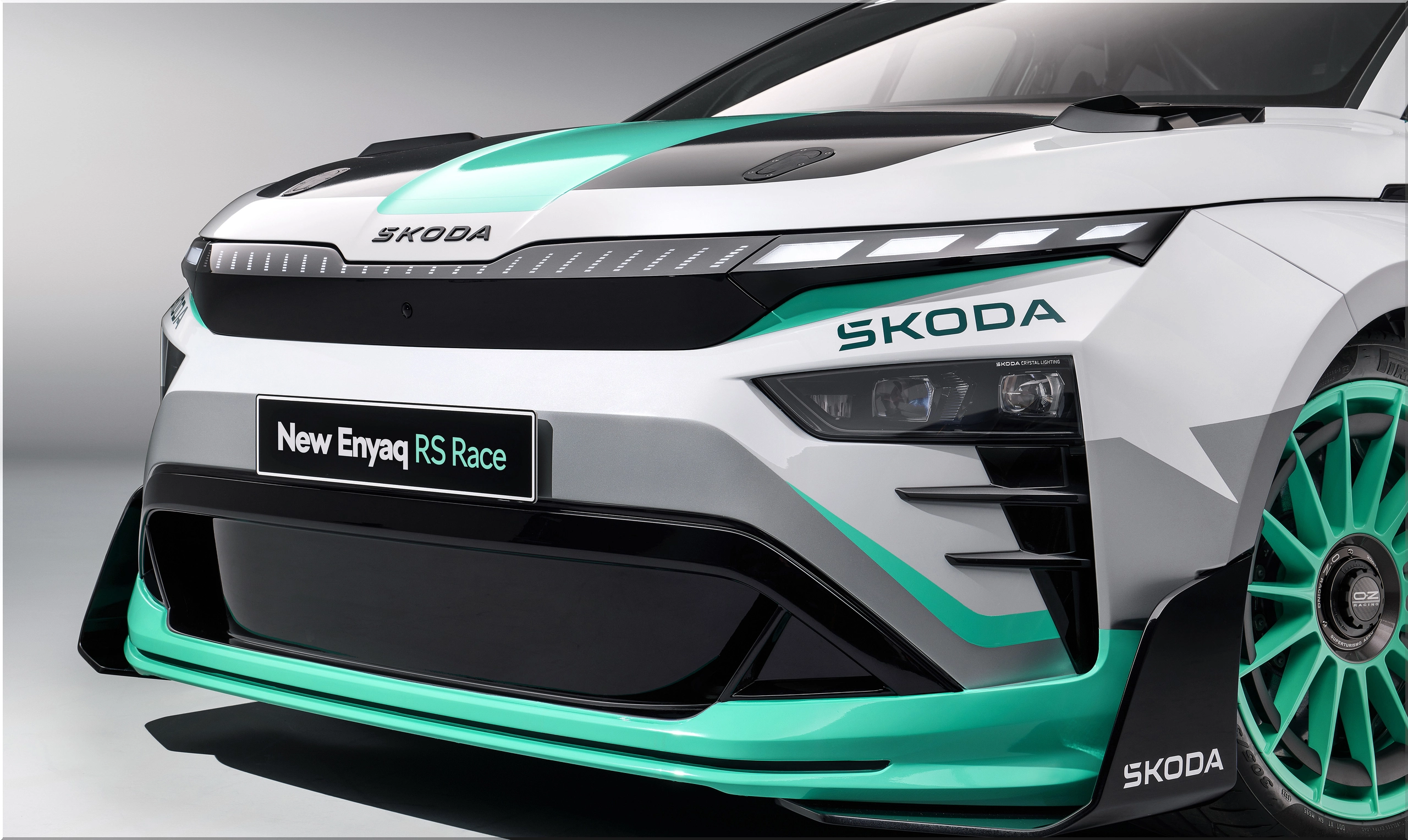
Škoda re-engineered the Enyaq bodywork with motorsport principles. Adjustments improved cooling, downforce, and high-speed stability.
- High-mounted rear wing
- NACA duct for cabin ventilation
- Redesigned bumpers and front intakes
- Diffuser and rear vents for brake cooling
Braking, Steering, and Suspension: Track-Ready Setup
Everything under the chassis was upgraded for competition use. The production suspension was replaced with a fully adjustable rally setup. Škoda added:
- Carbon-ceramic brakes with 10-piston front and 4-piston rear calipers
- Dedicated brake cooling system
- Hydraulic rally handbrake and Fabia pedal box
- Limited-slip differentials front and rear
Cockpit: Built for Racing, Nothing Extra
The cabin is stripped for performance. Everything is functional and safety-rated:
- Two racing seats with six-point harnesses
- Full roll cage
- Linear steering with racing software
- Minimal dashboard with manual control panel
Acoustic Feedback: EV Sound with Motorsport Logic
Škoda added a Havas digital sound system with adjustable output above 18 mph. It features:
- Three loudspeakers
- Digital amplifier
- Real-time audio feedback linked to driving behavior
Production Intent: Built to Inform, Not Sell
The Enyaq RS Race will not be sold. It serves as a testing platform for:
- Material durability and emissions impact
- Cooling systems and battery stress testing
- Aerodynamic performance
Data from this concept will guide the next generation of Škoda electric vehicles.
Conclusion: Real Testing for a Lighter EV Future
The Enyaq RS Race is Škoda’s blueprint for future EVs: faster, lighter, and built with sustainable materials. Every element serves a function and supports future scalability. This car proves that track performance and sustainability are not mutually exclusive.
- Add new comment
- 95 views