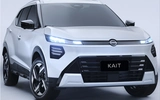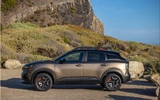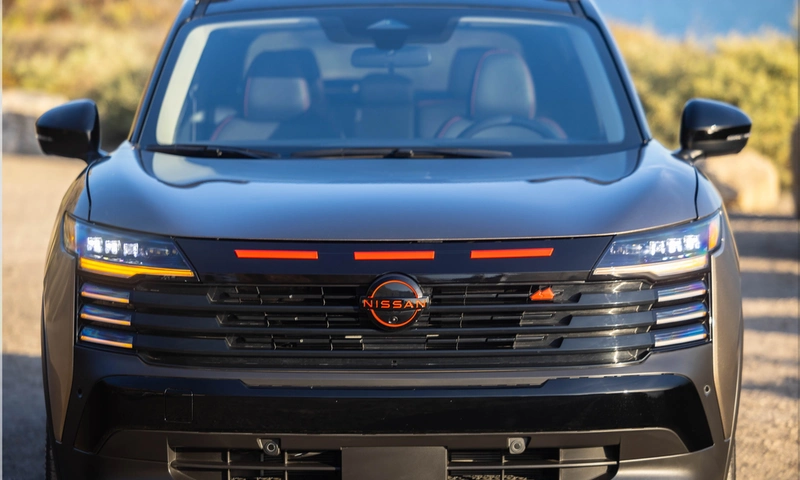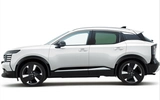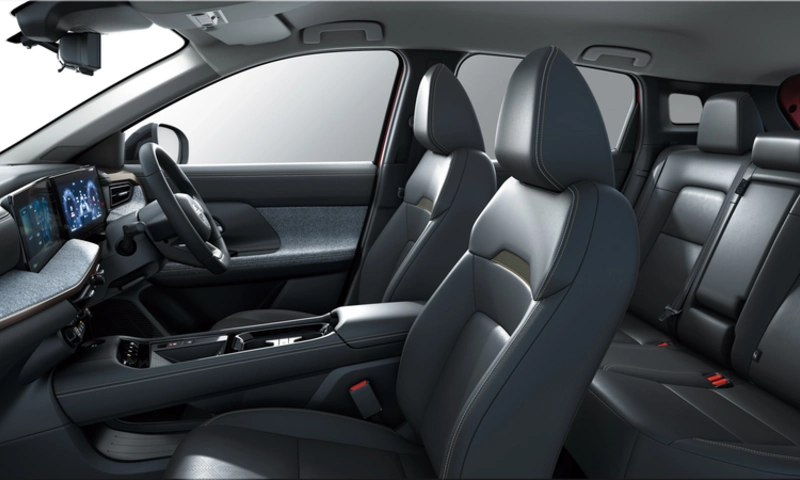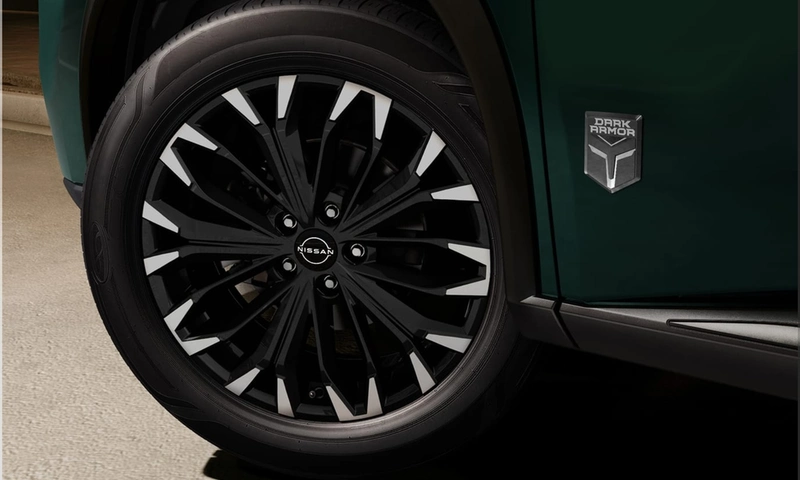
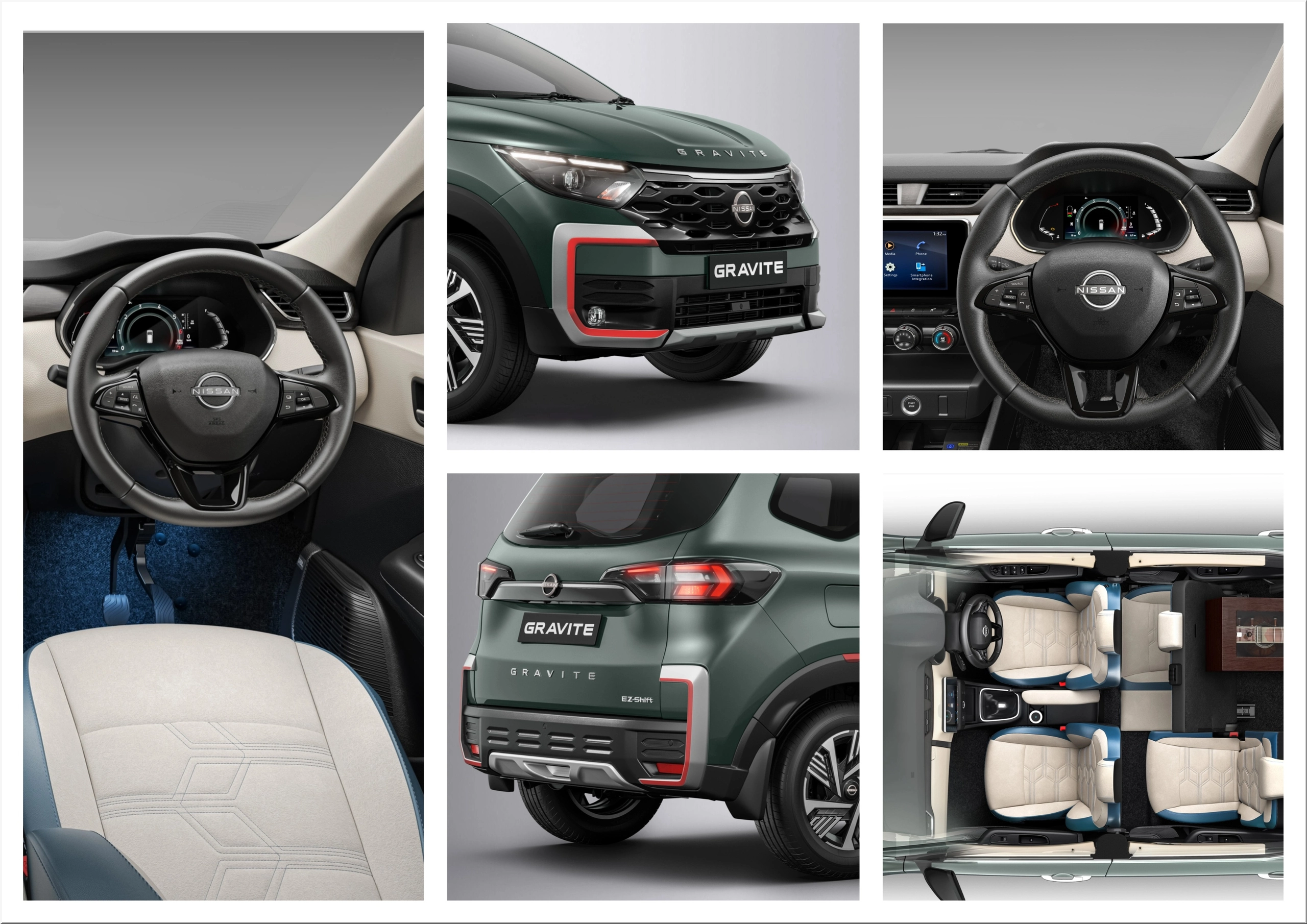
Nissan just fired a clear signal into the Indian market with the all-new Nissan GRAVITE. It targets the high-volume family space with a 7-seater MPV package, local production in Chennai, and an entry price that undercuts the segment with intent.
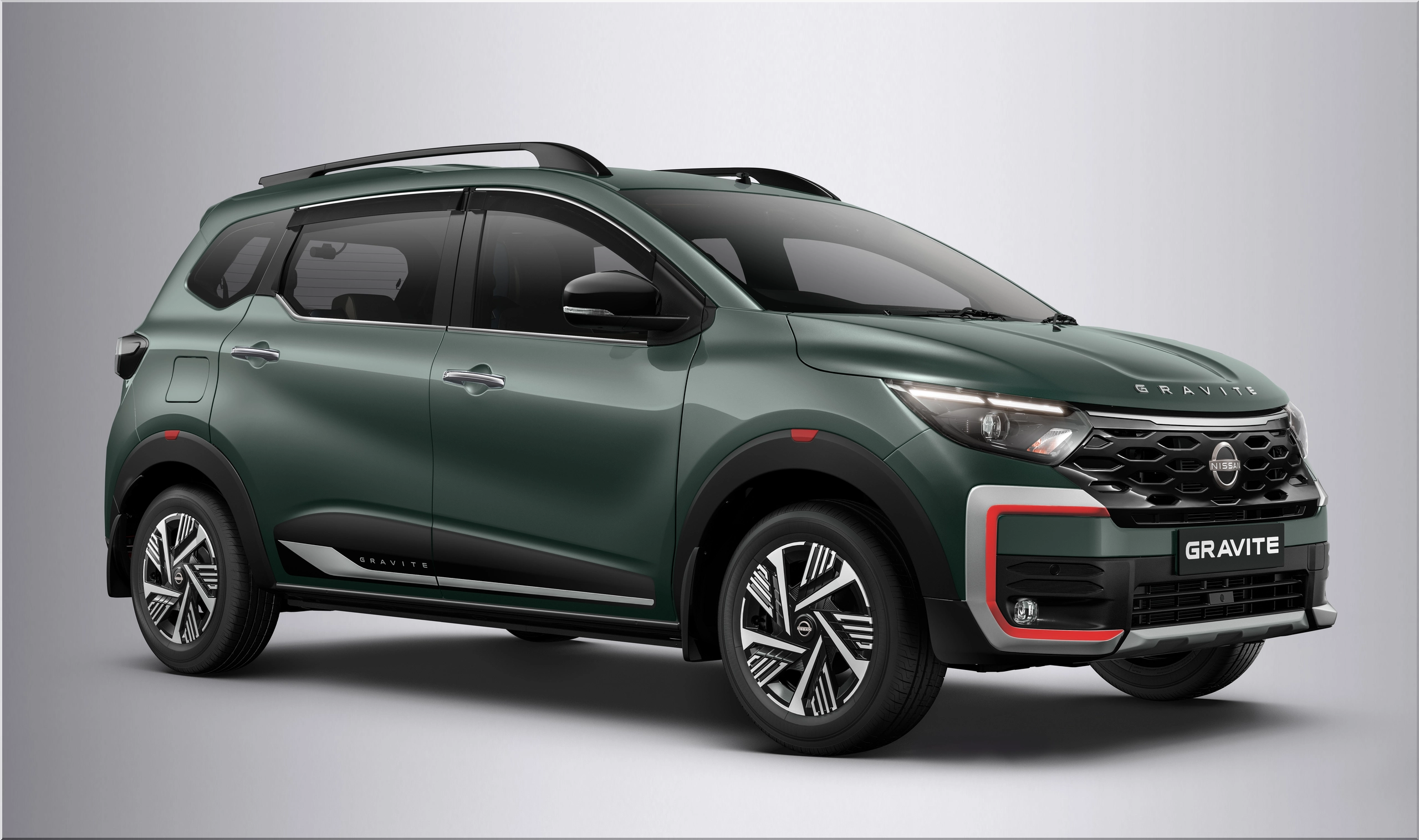
The headline number matters because it reframes the entire conversation: an introductory price of INR 5.65 lakh converts to about $6,231 at the February 18, 2026 exchange rate. In addition, Nissan positions GRAVITE as a practical people mover with modern safety content and a spec sheet that reads like a checklist of what Indian family buyers demand: 6 airbags standard, ESC, TCS, HSA, a large-format infotainment screen, and a modular cabin that prioritizes cargo flexibility.
Looking at the data, GRAVITE does not chase headline horsepower. It chases ownership math: fuel economy, predictable servicing, and packaging efficiency per millimeter. Consequently, the engineering choices make sense for buyers who measure value in daily operating cost, not quarter-mile slips.
What the GRAVITE Actually Is: Segment, Platform, and Strategic Role
Nissan calls GRAVITE a purpose-built C-SUV in spirit, but the hardware and packaging land it squarely in the compact 3-row MPV lane. From an expert perspective, that matters because the Indian market rewards vehicles that maximize cabin utility inside a footprint that stays easy to park and cheap to run.
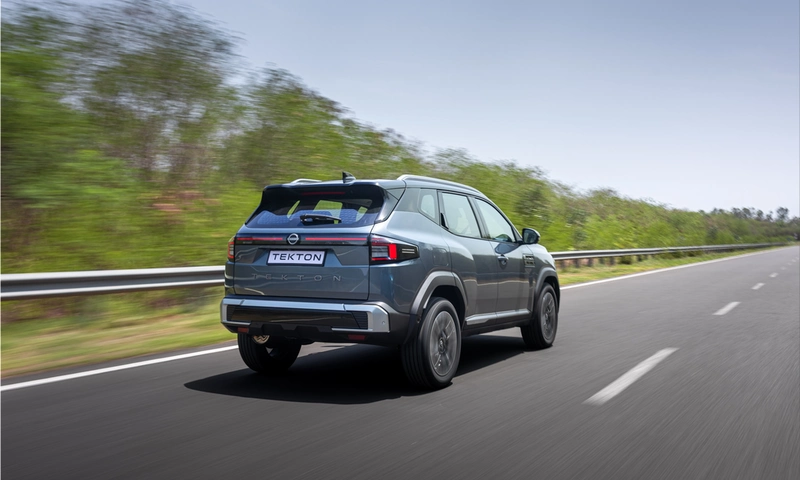
GRAVITE also slots into a broader India plan. Nissan ties it to Magnite momentum, then tees up additional launches, including the Tekton C-SUV in mid-2026 and another 7-seater C-SUV in early 2027. Specifically, that roadmap signals Nissan wants scale, dealer throughput, and export-capable manufacturing stability.
Definitions: MPV vs C-SUV (Why Nissan Uses Both Terms)
- MPV (Multi-Purpose Vehicle): Packaging-first vehicle design that prioritizes seating flexibility, easy third-row access, and cargo configurability.
- C-SUV: Market-facing label that emphasizes stance, ground clearance, and styling cues associated with SUVs.
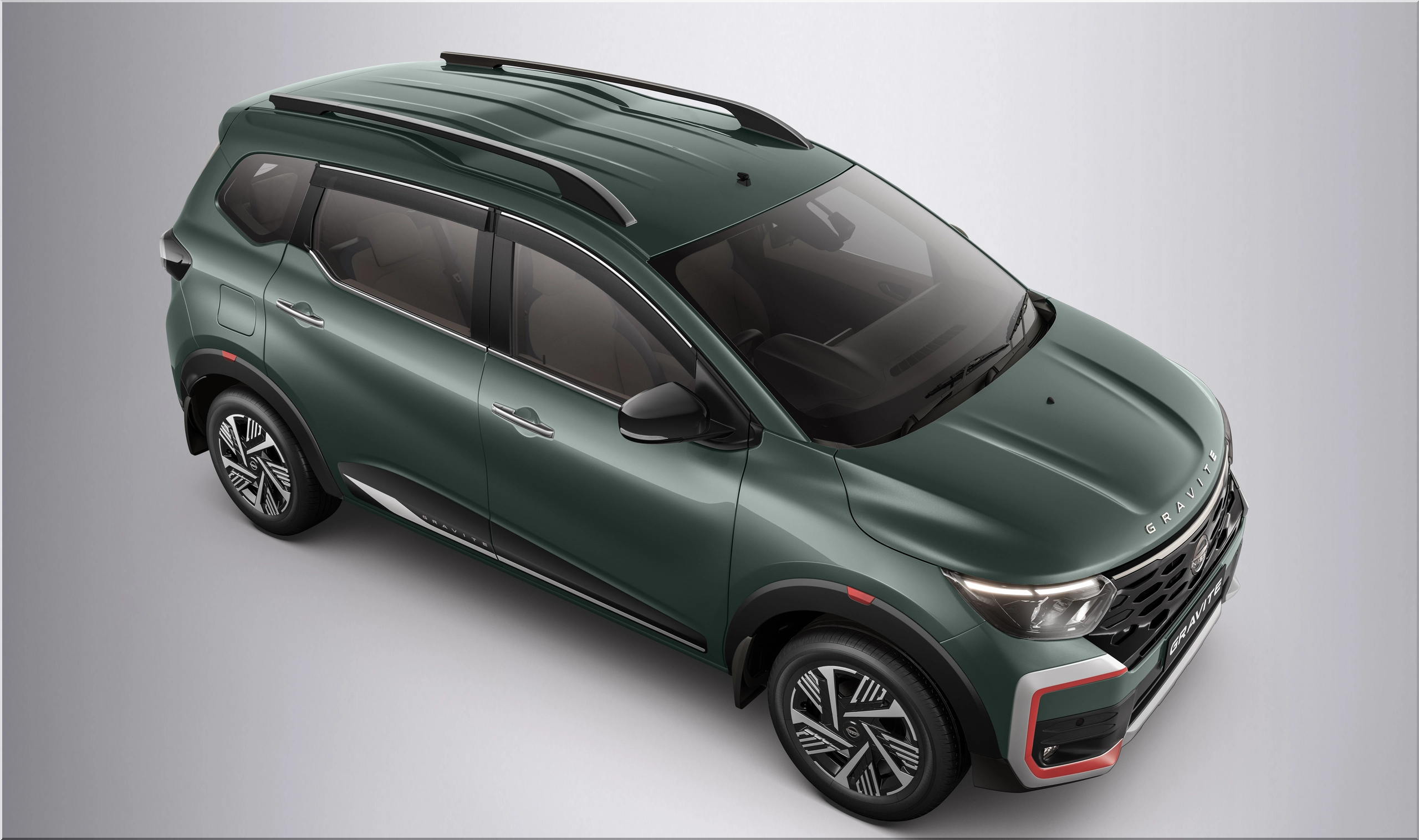
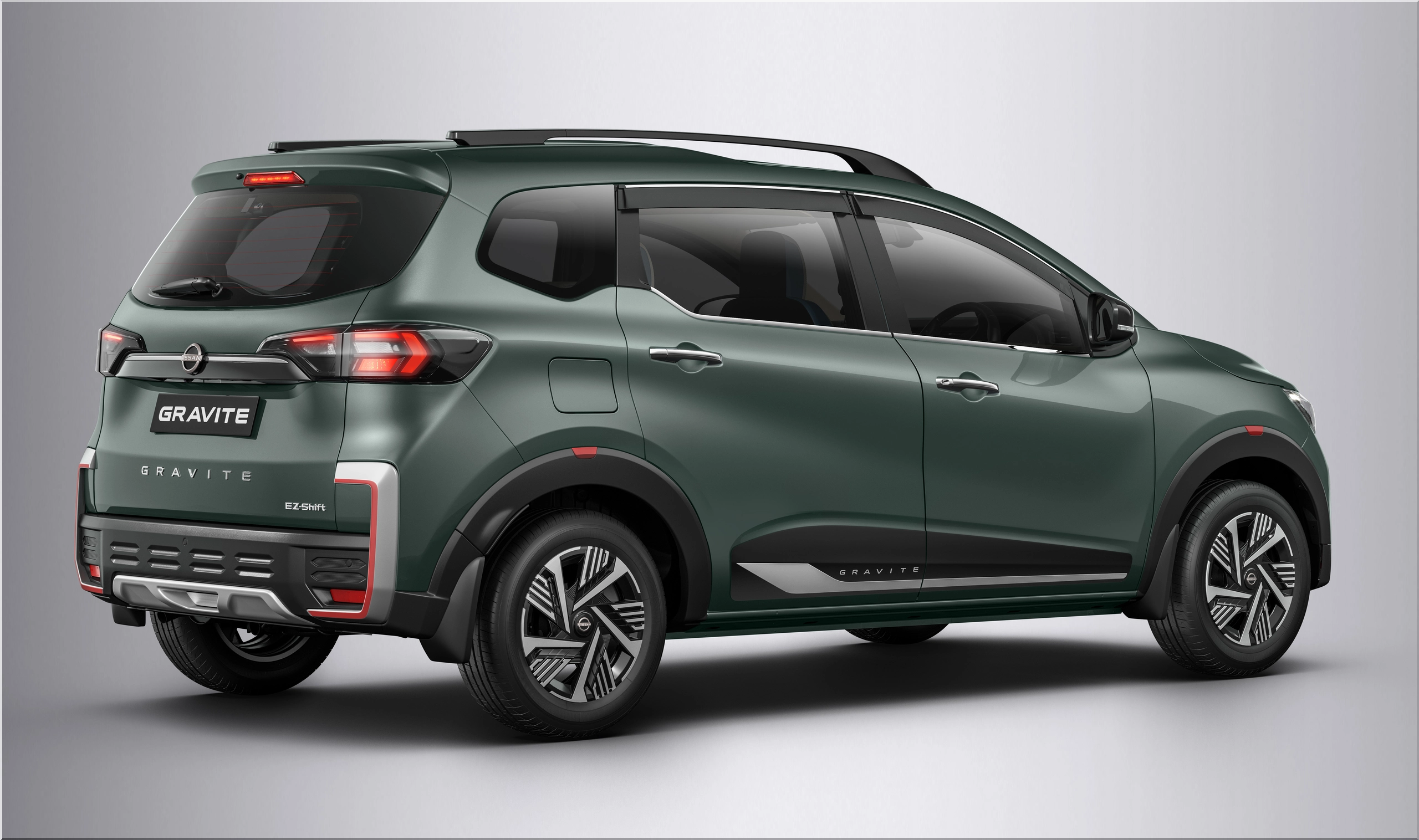
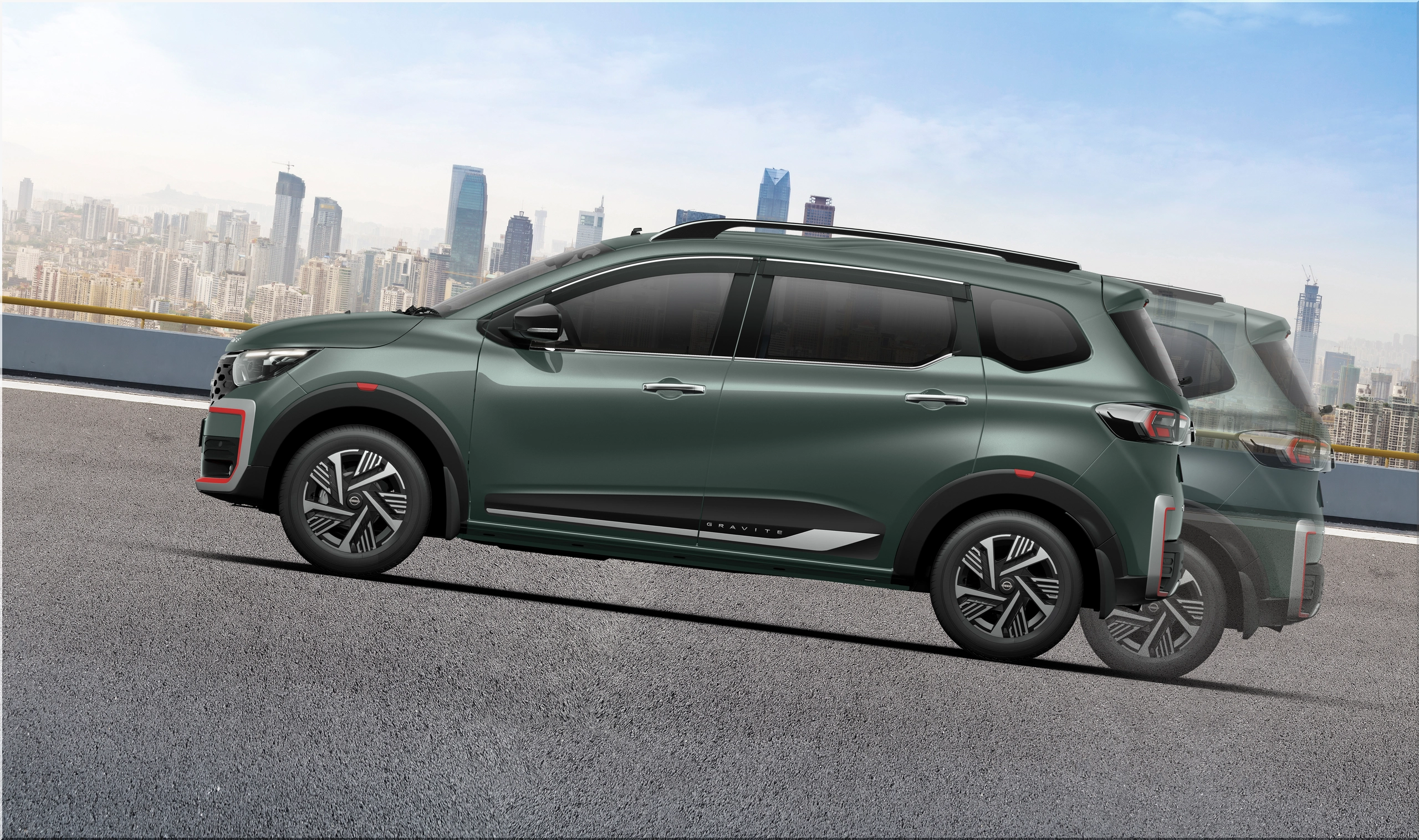
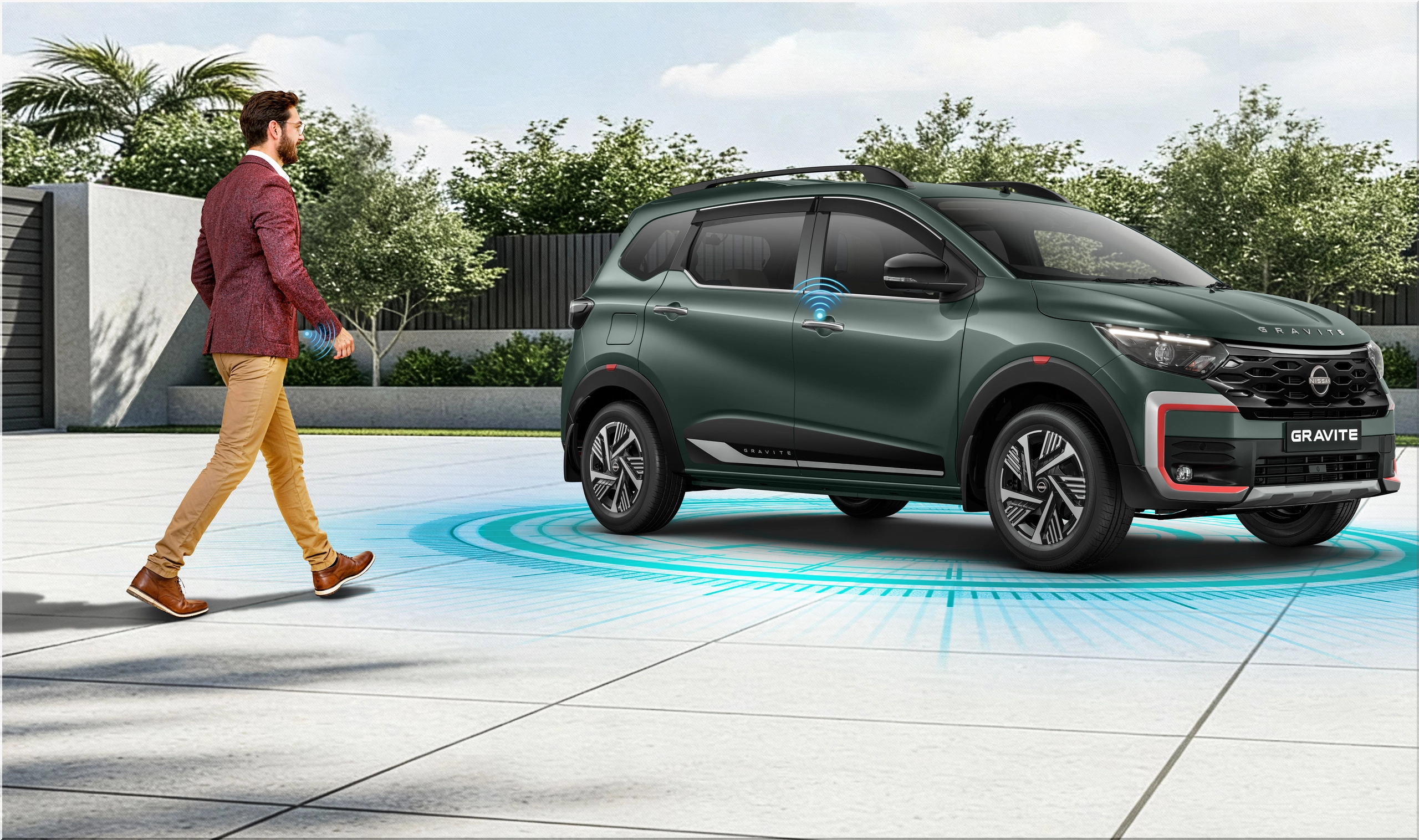
GRAVITE blends both. It uses MPV fundamentals (modular cabin and third-row flexibility) while adopting SUV-coded design signals (wheel-arch emphasis, roof rails, higher ride height).
Pricing in USD: Entry Point, Competitive Reality, and Why It Matters
GRAVITE enters at about $6,231 (introductory). That number forces competitors to defend their value story with features, power, or brand pull. By comparison, common reference points in India translate roughly as follows:
- Renault Triber base around INR 5.76 lakh: about $6,352
- Maruti Ertiga base around INR 8.80 lakh: about $9,705
- Kia Carens base around INR 10.99 lakh: about $12,120
Nissan essentially attacks the segment from below, which changes buyer expectations about what “affordable 7-seater” can include in safety and tech content.
Pro-Tips: How to Evaluate Price in This Segment
- Compare standard safety first, then entertainment. A low price with weak safety content costs more over time in risk.
- Treat third-row use as binary: if adults sit back there often, prioritize wheelbase and third-row headroom.
- Use fuel economy to estimate monthly cost quickly: multiply your monthly kilometers by fuel price, then divide by stated km/l as a baseline.
Exterior Engineering: Dimensions, Ground Clearance, and Road-Presence Math
GRAVITE’s exterior dimensions land in a sweet spot for a 3-row product that still behaves in dense city traffic:
- Length: 3,987 mm (156.97 in)
- Width: 1,734 mm (68.27 in)
- Height: 1,644 mm (64.72 in)
- Wheelbase: 2,636 mm (103.78 in)
- Ground clearance: 182 mm (7.17 in)
The wheelbase number drives the story. A 2,636 mm wheelbase gives Nissan room to package a third row while keeping the overall length under 4.0 meters. Consequently, the Nissan GRAVITE stays maneuverable while still delivering genuine multi-row utility.
Design highlights support that stance-focused pitch:
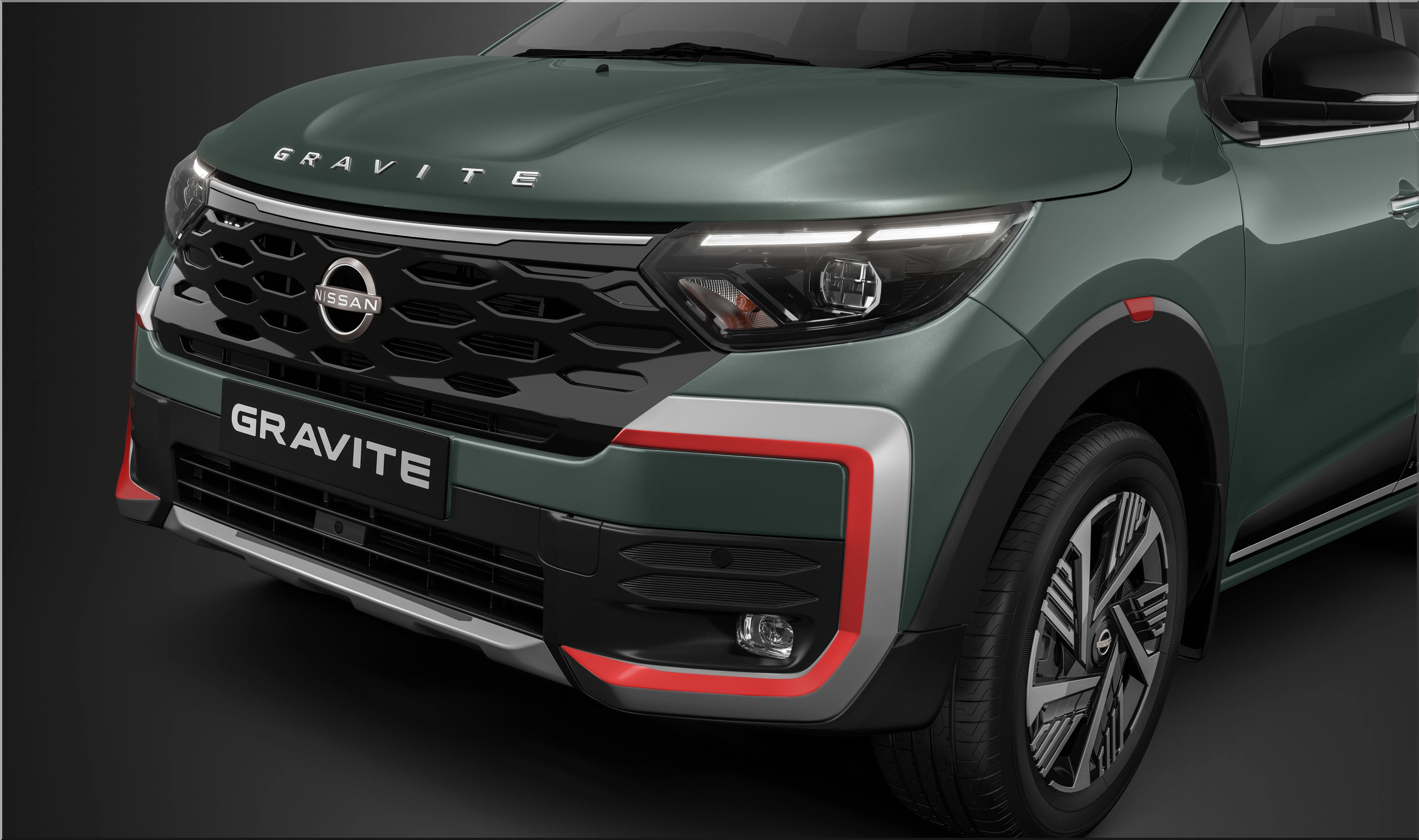
- Piano black grille treatment with aero accents
- Signature LED headlamps with integrated DRLs
- LED tail lamps with a split, sculpted look
- Roof rails rated to carry 50 kg load
- Wide-opening doors tuned for day-to-day practicality
Interior Packaging: Seating Logic, Cargo Volume, and Modular Use Cases
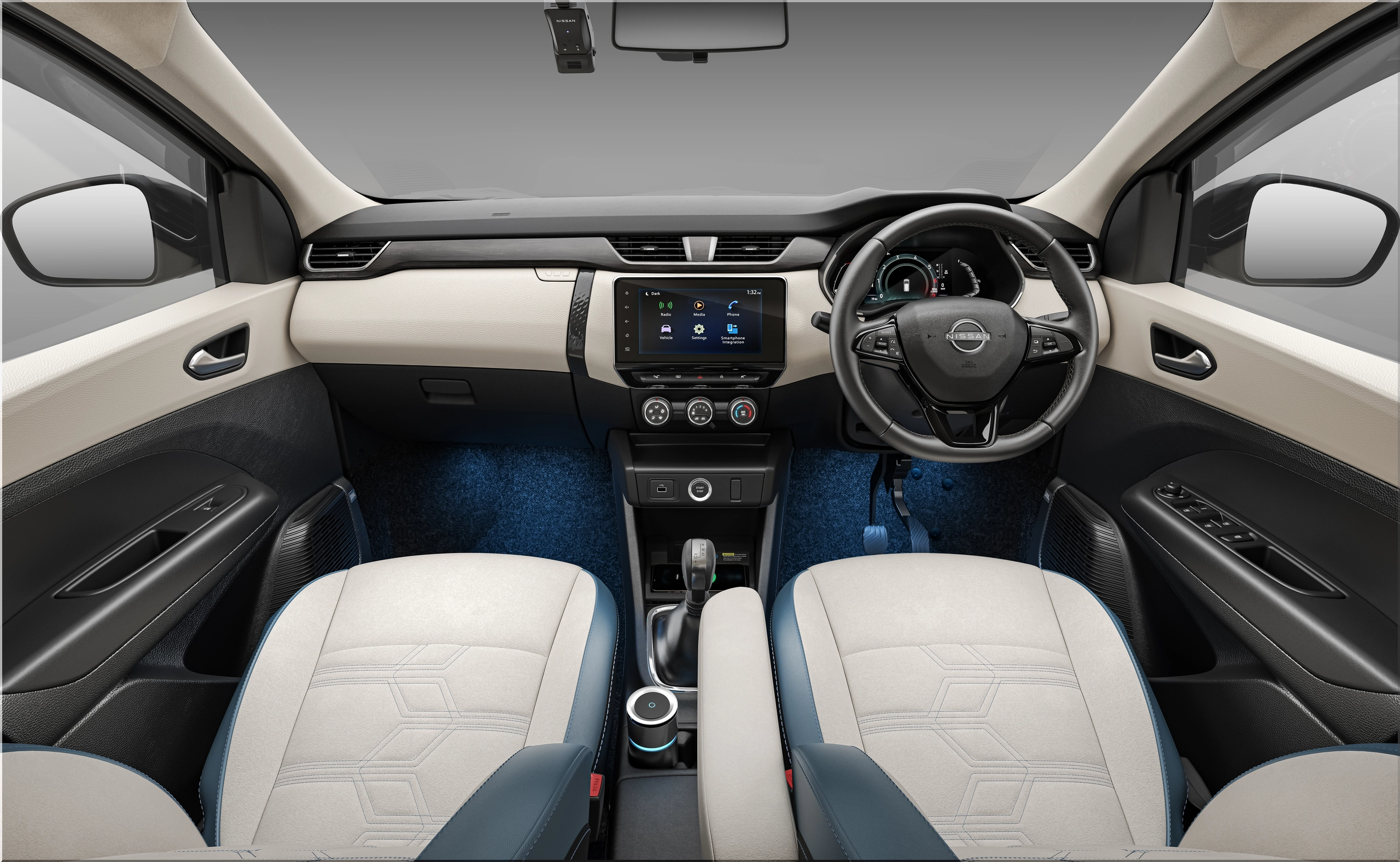
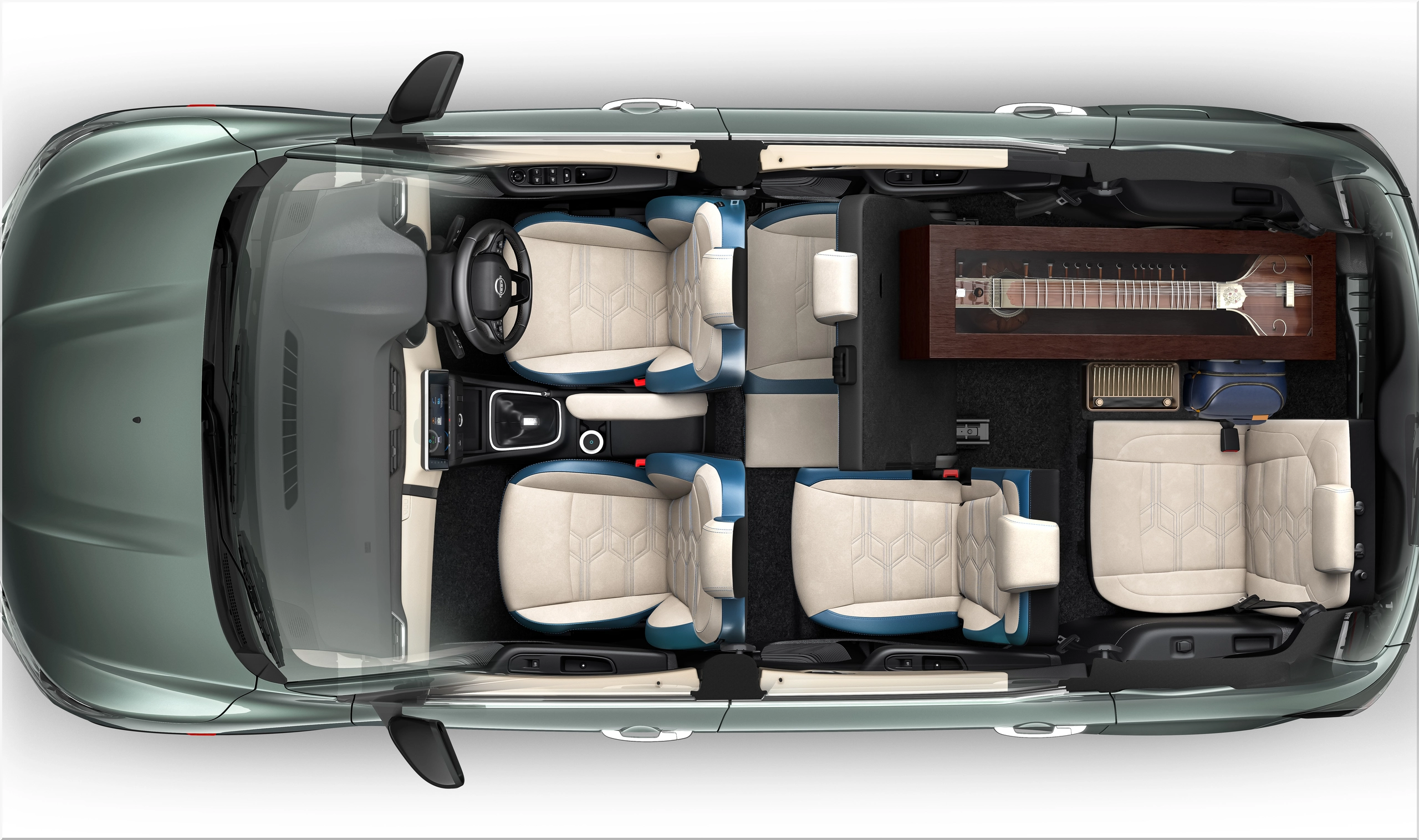
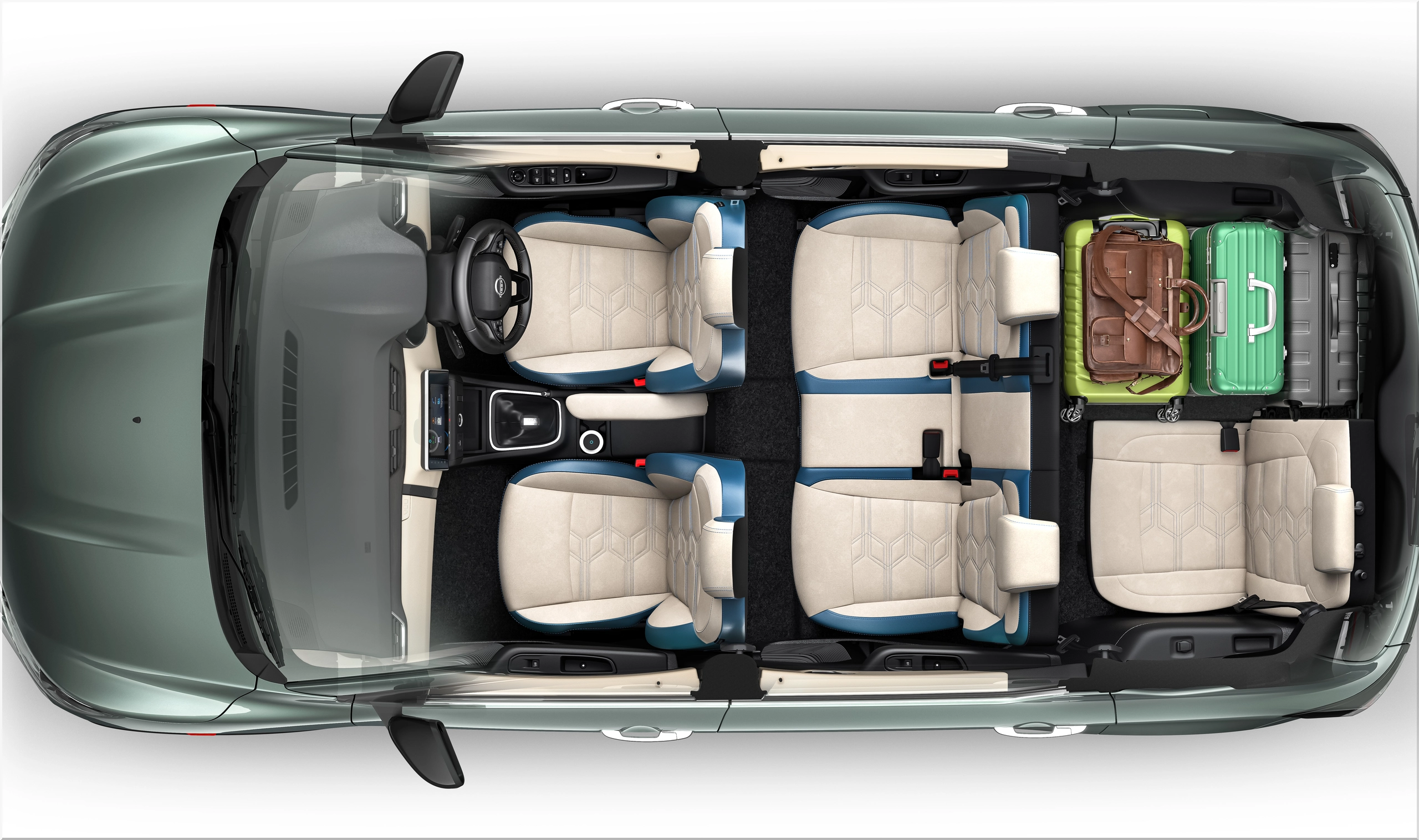
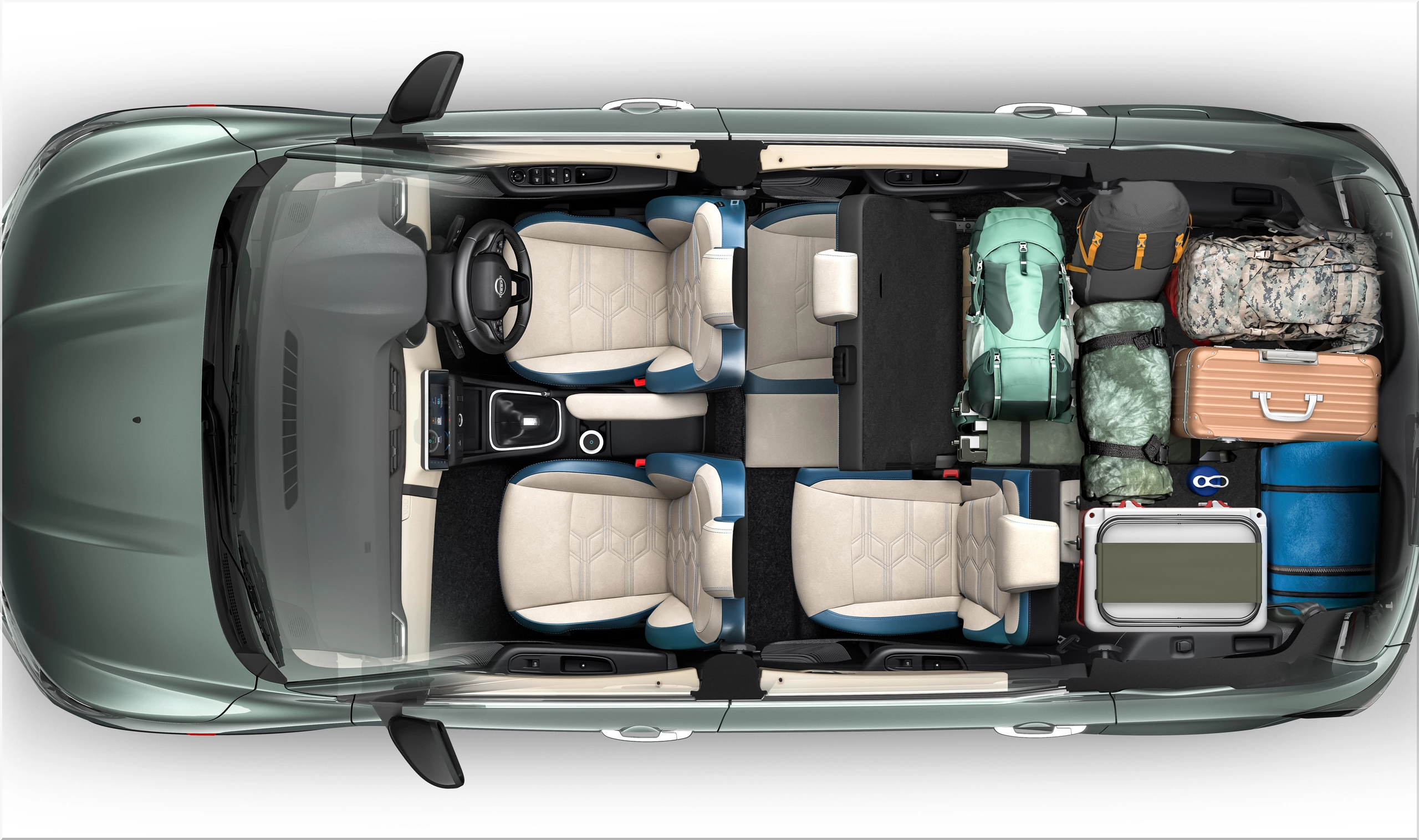
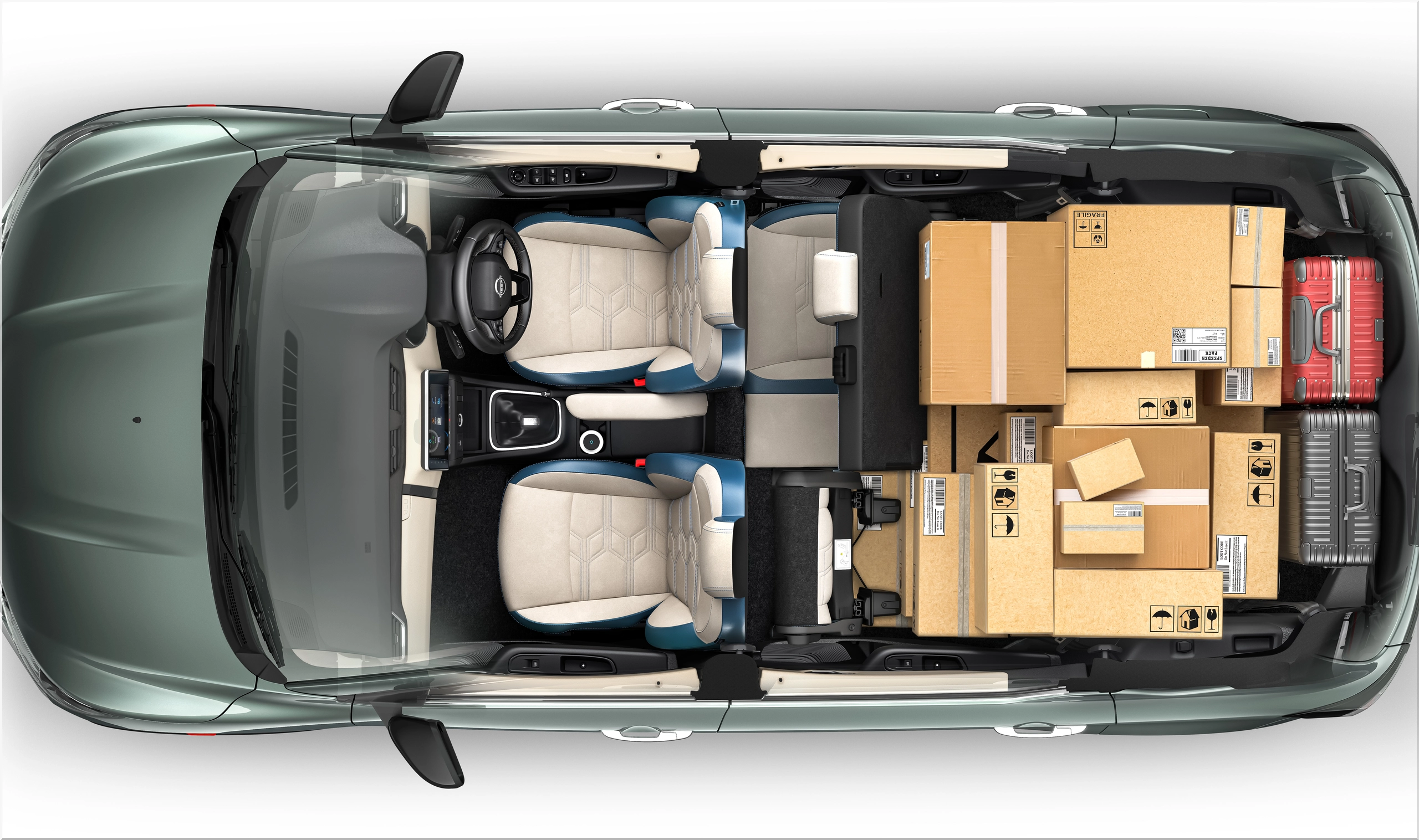
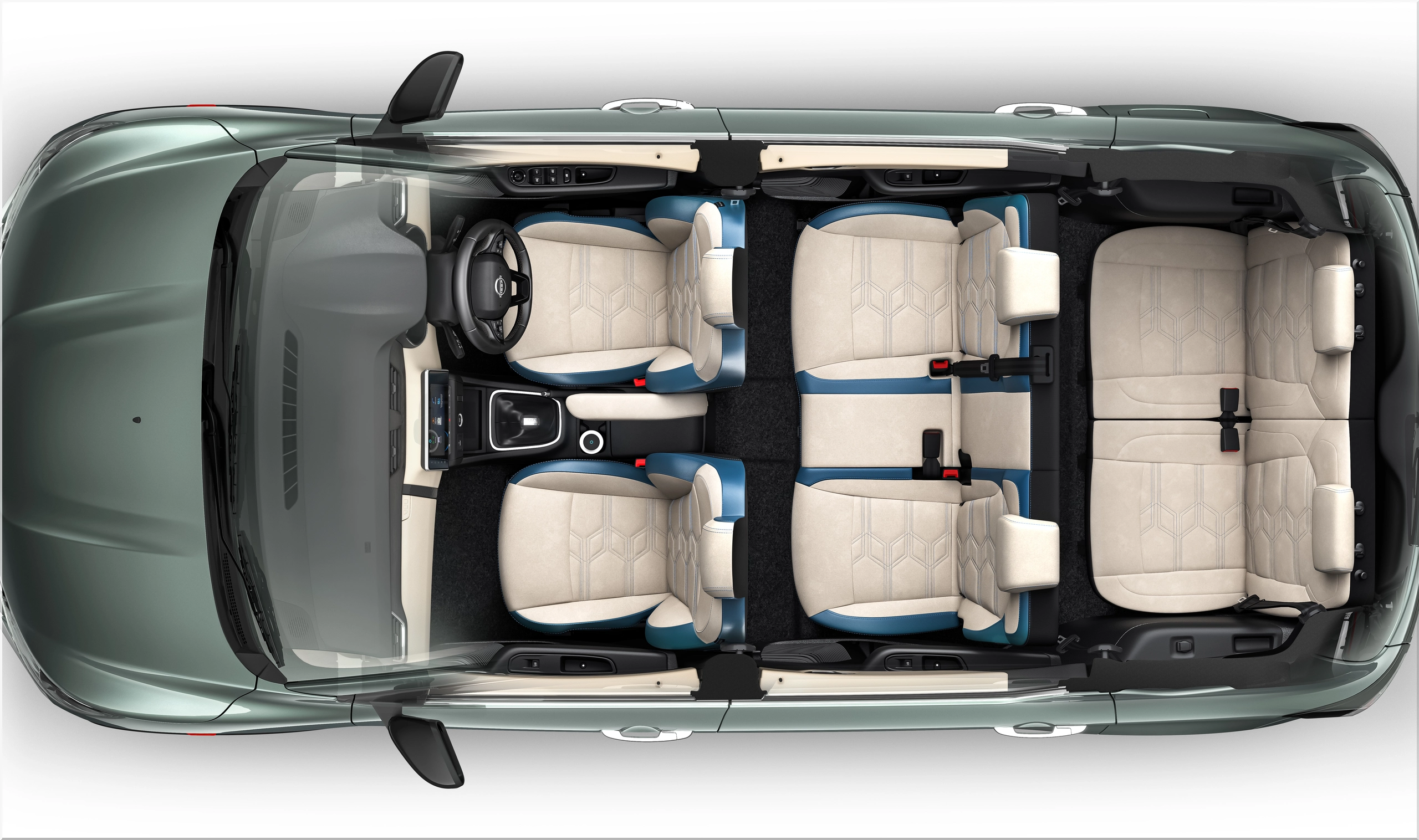
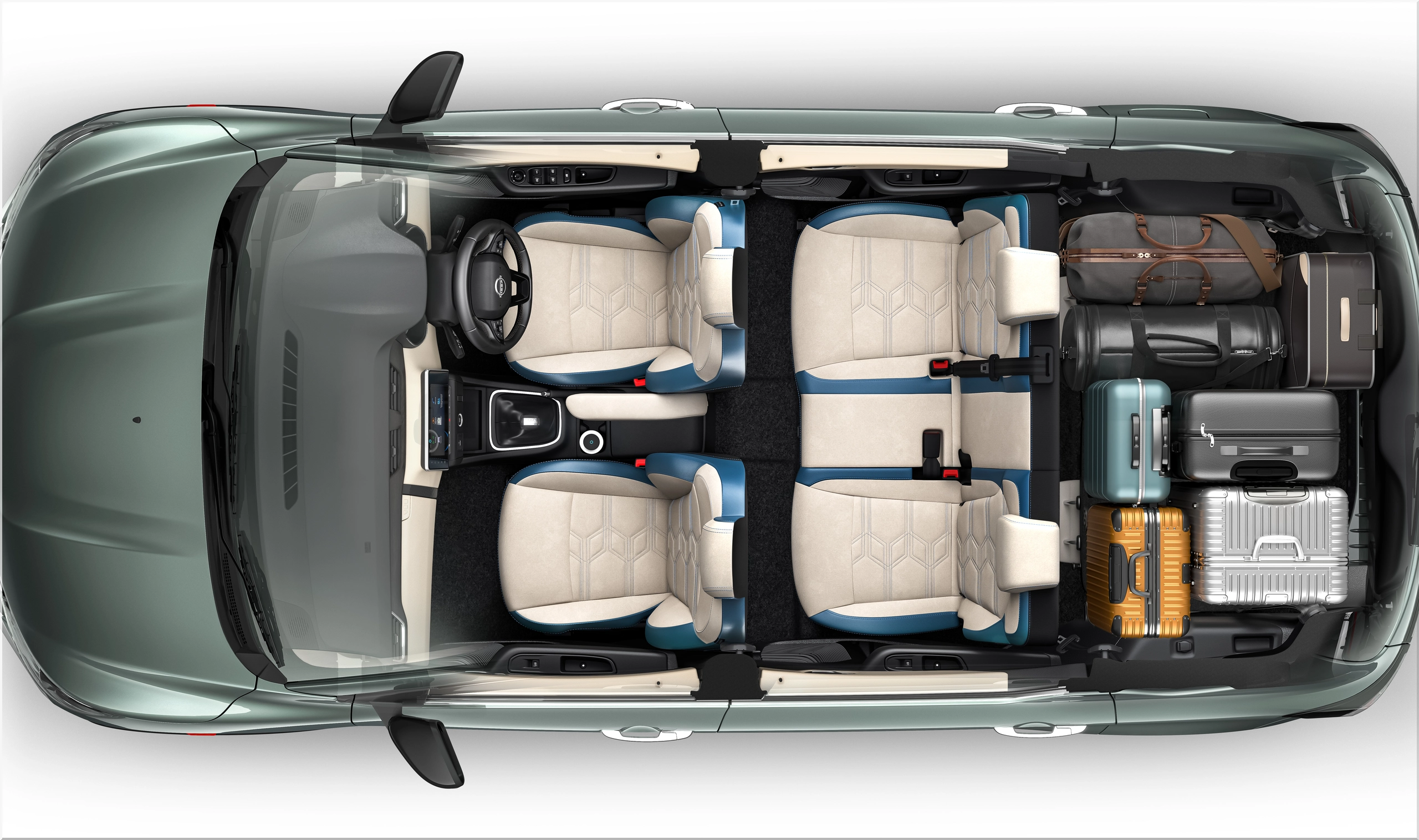
Nissan GRAVITE wins on packaging discipline. Nissan leans into modularity and makes the third row removable in a 50:50 split configuration. That hardware choice sounds simple, but it changes how owners actually use the vehicle.
Here is the usable cargo story:
- 625 L boot space in 5-seat configuration
- 320 L boot space in 6-seat configuration
- Third row removal expands cargo volume without requiring complex folding gymnastics
In addition, Nissan tunes the cabin for Indian climate reality. The tropicalised AC with vents across all three rows addresses a real friction point in budget 7-seaters: rear comfort drops fast when ambient temperatures spike and vehicle glass area runs large.
Cabin content aims at comfort-per-rupee:
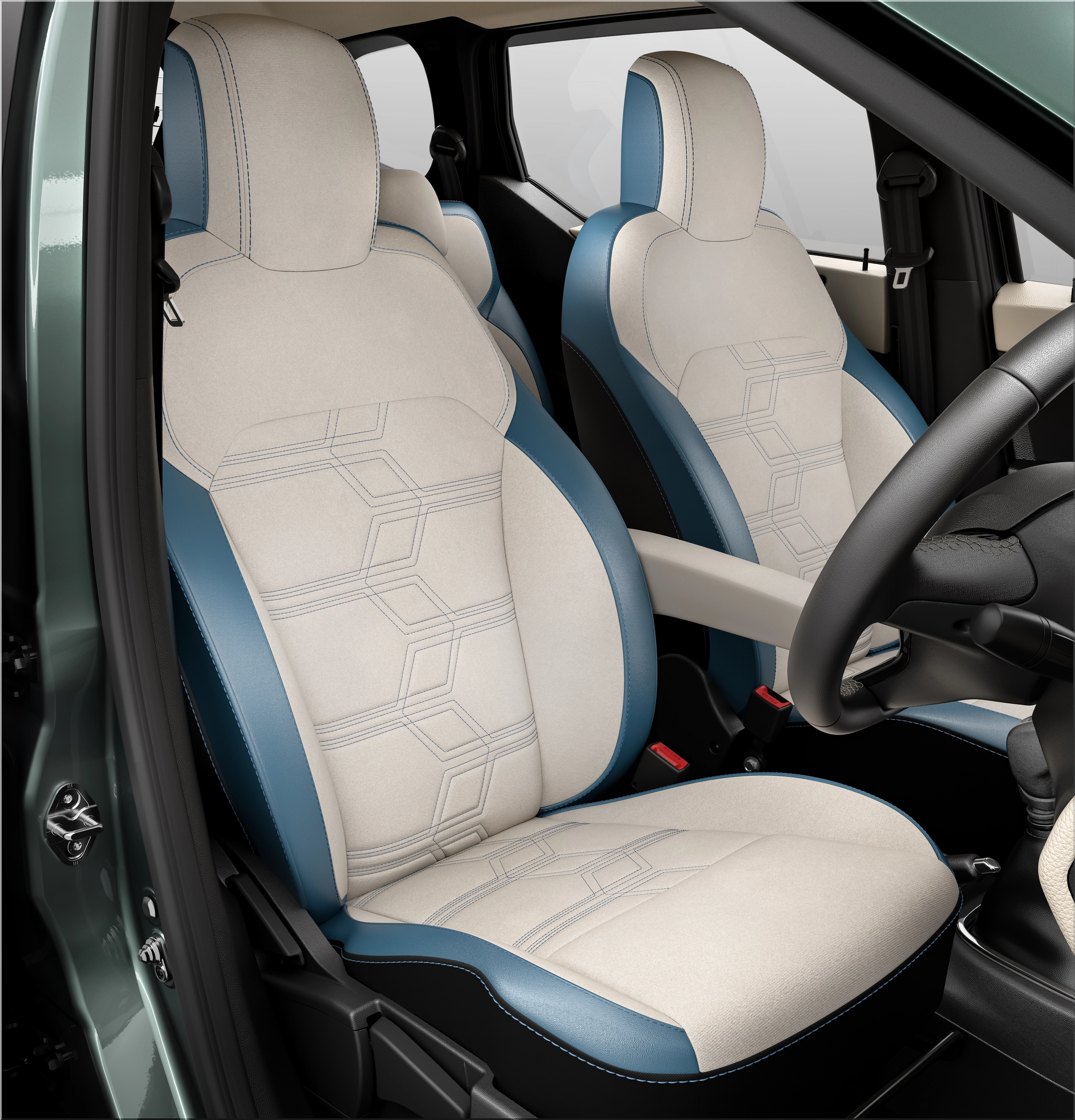
- Suede and leatherette seat trim on higher variants
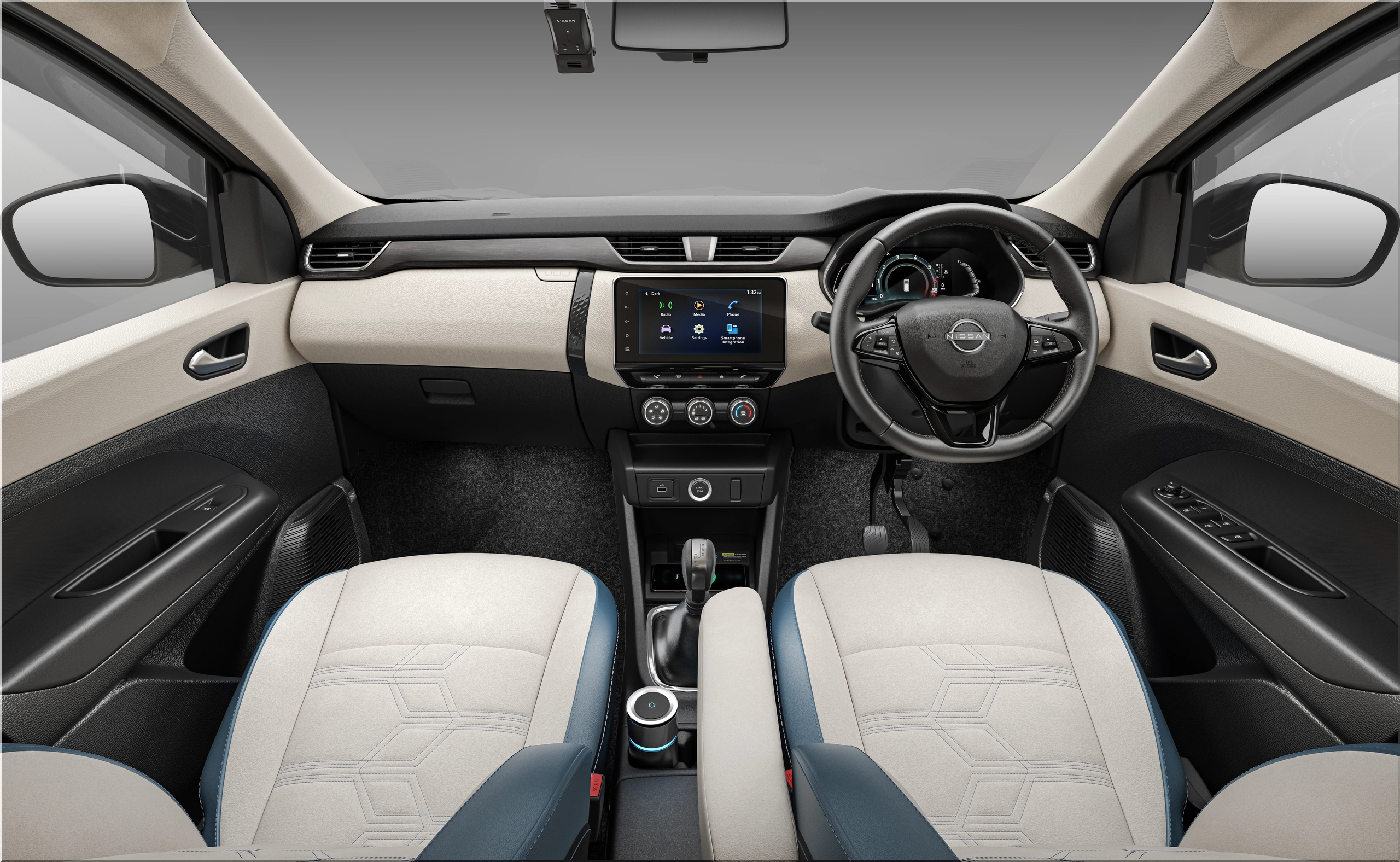
- Dual-tone dashboard with wood finish detail
- Multiple cooled compartments for drinks and snacks
- Smart storage distribution for families that carry gear daily
Definitions: Why Wheelbase Drives Third-Row Comfort
- Wheelbase sets the distance between the axles.
- A longer wheelbase typically increases second-row footwell length and improves the geometric options for third-row legroom.
- GRAVITE’s 2,636 mm wheelbase aligns with compact MPVs that prioritize packaging efficiency.
Technology Stack: Screens, Interfaces, and Daily-Use Features
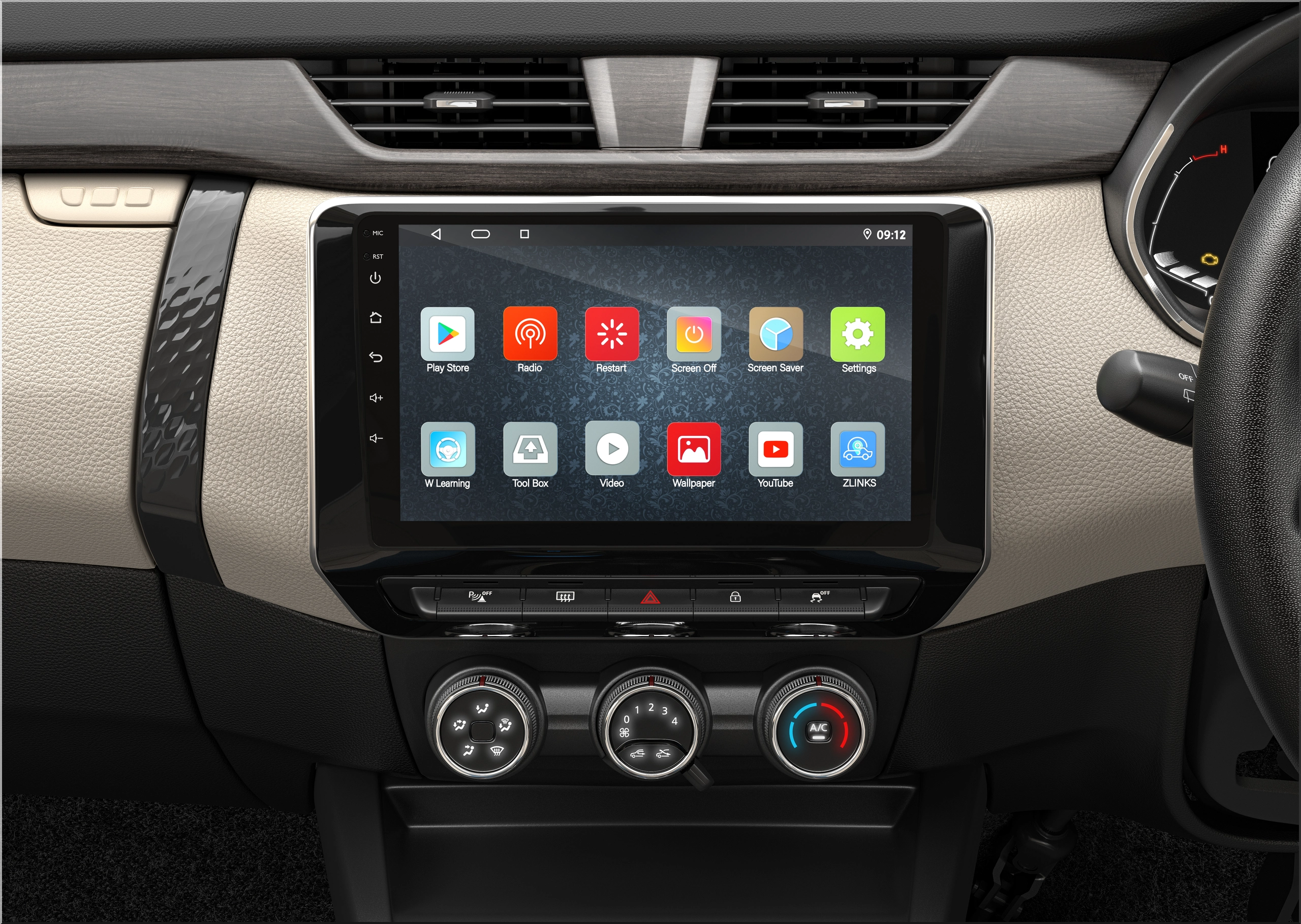
GRAVITE pushes tech where it matters: driver information and phone integration.
Key tech elements include:
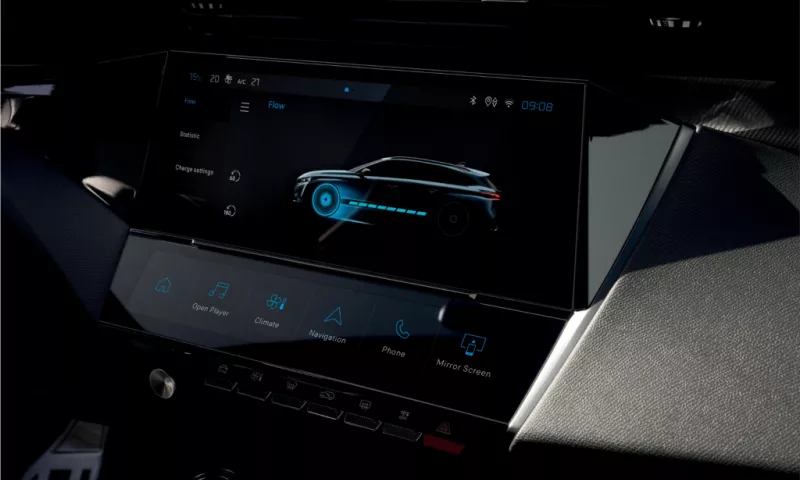
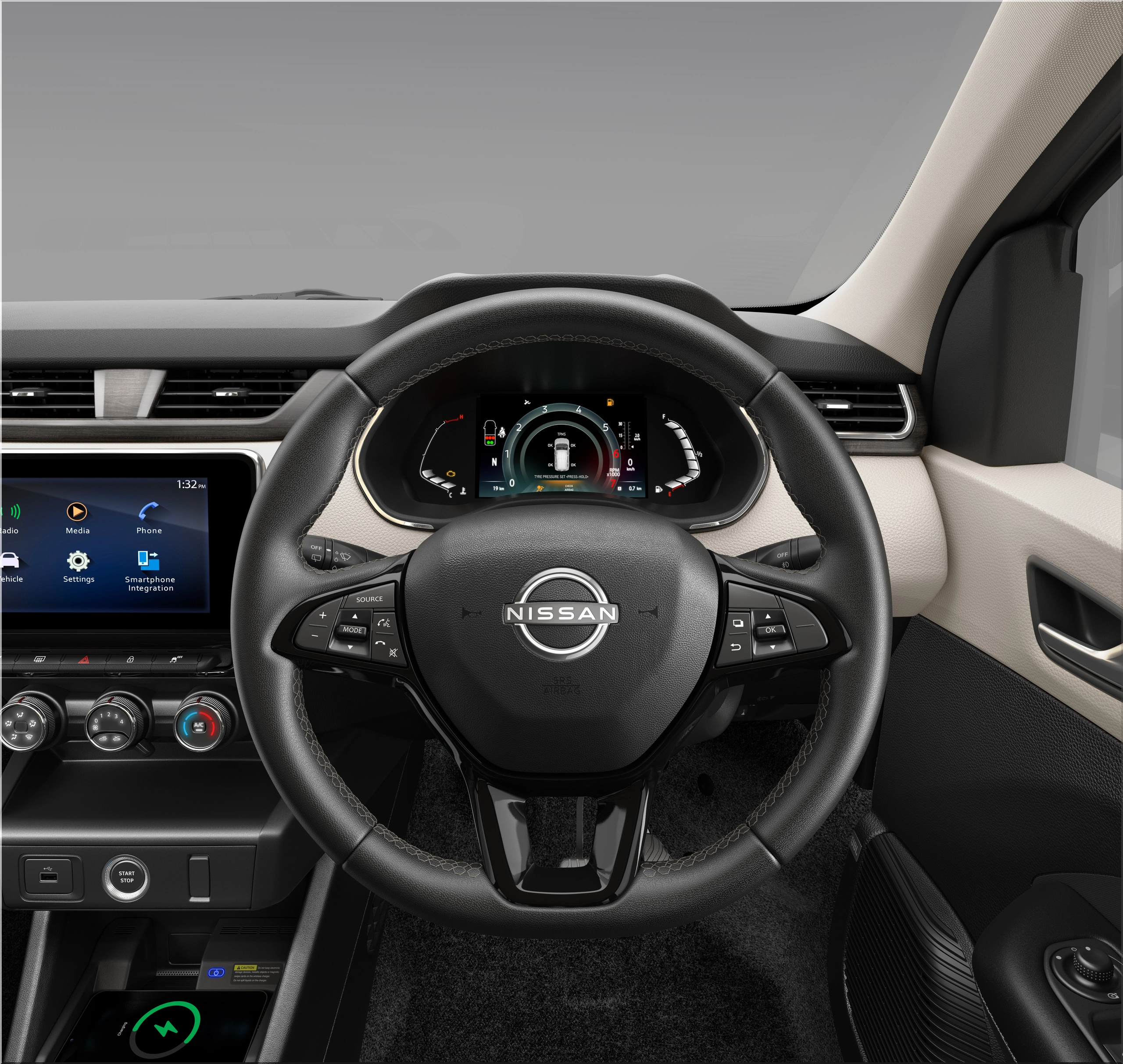
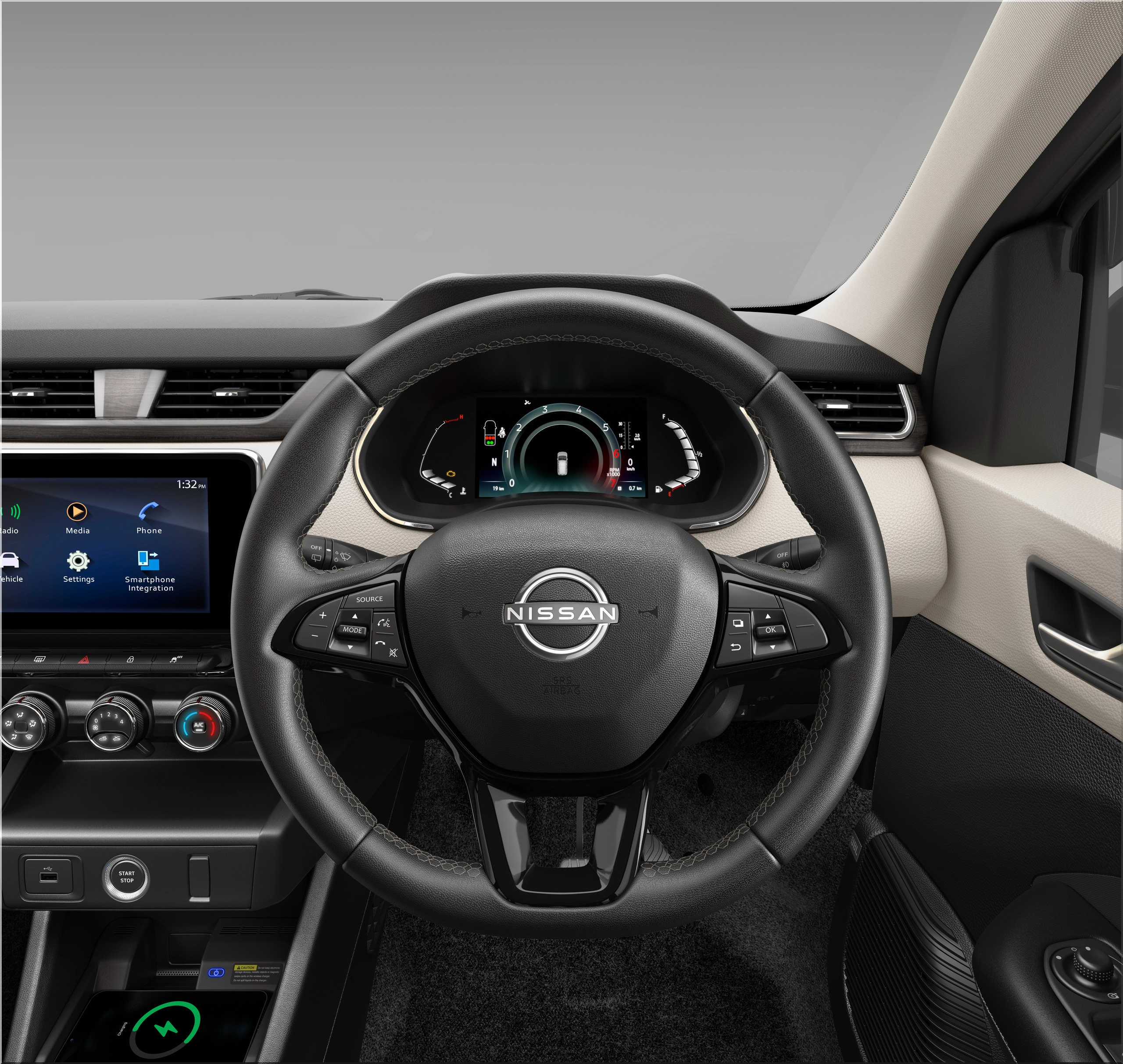
- 20.32 cm infotainment display (8.0 in) with wireless phone mirroring
- 17.78 cm digital instrument cluster (7.0 in) with TPMS readouts
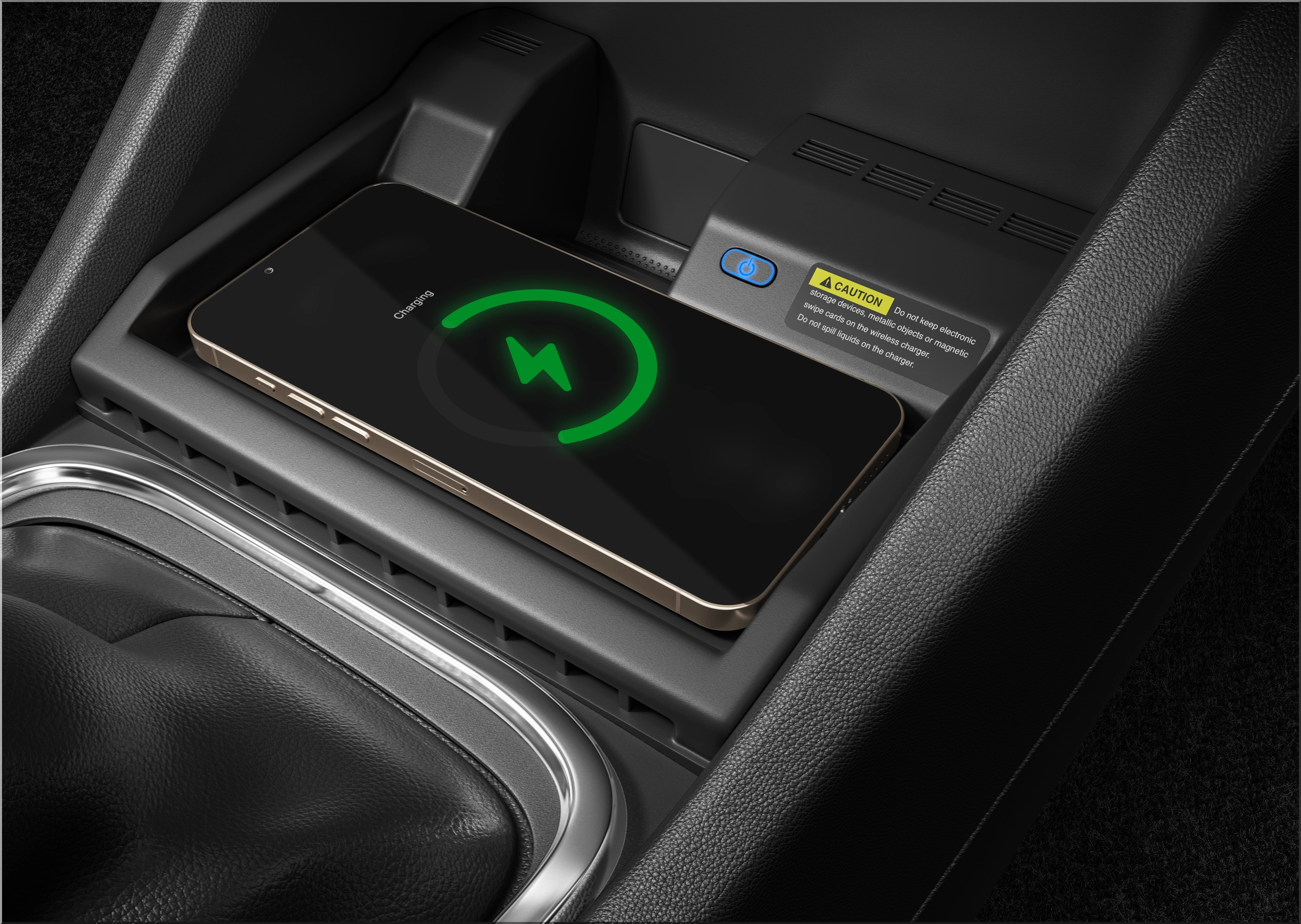
- Wireless charging (availability varies by grade)
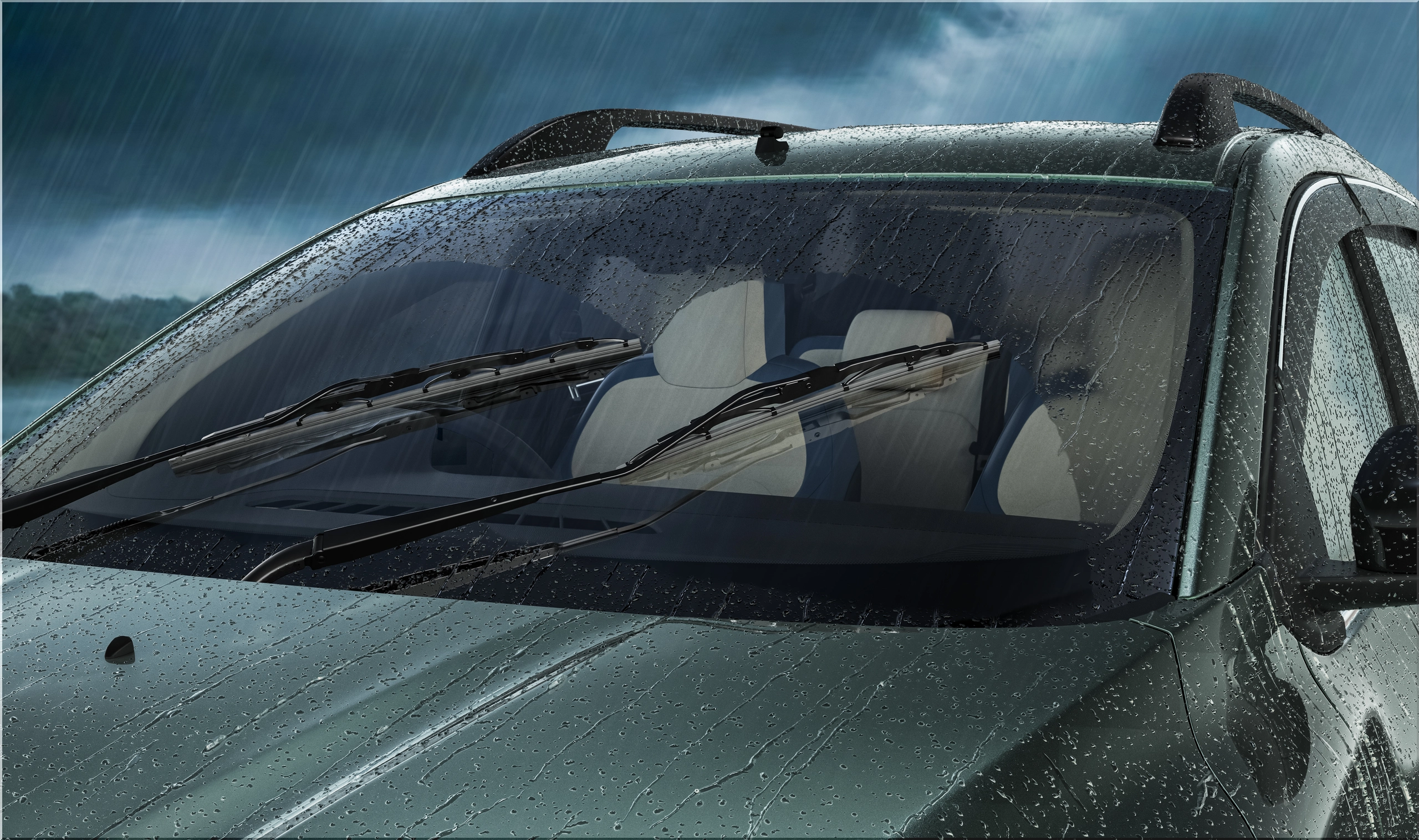
- Rain-sensing wipers on higher trims
- Auto headlamps on higher trims
- Rear camera with projection guidelines on selected variants
The product logic stays consistent. Nissan does not chase gimmicks. It adds features that reduce friction in real use: fewer cables, faster glanceability, better wet-weather convenience.
Safety Engineering: Standard Kit That Moves the Segment
GRAVITE brings unusually strong baseline safety content for its price band. Nissan lists more than 30 standard safety features, anchored by active stability systems and a full airbag count.
Standard and core safety systems include:
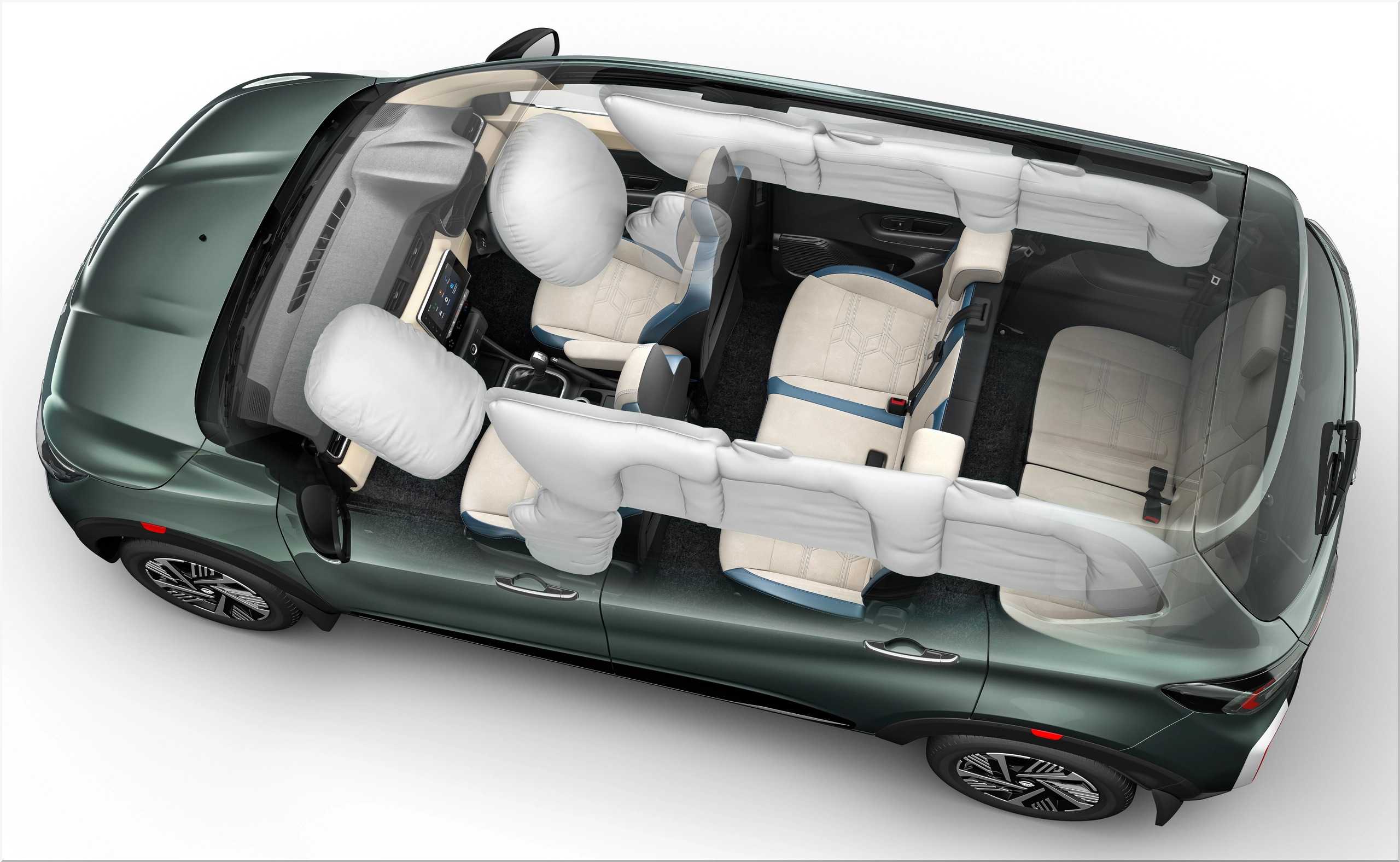
- 6 airbags (front, side, curtain)
- ESC (Electronic Stability Control)
- TCS (Traction Control System)
- HSA (Hill Start Assist)
- ABS with EBD
- Brake Assist
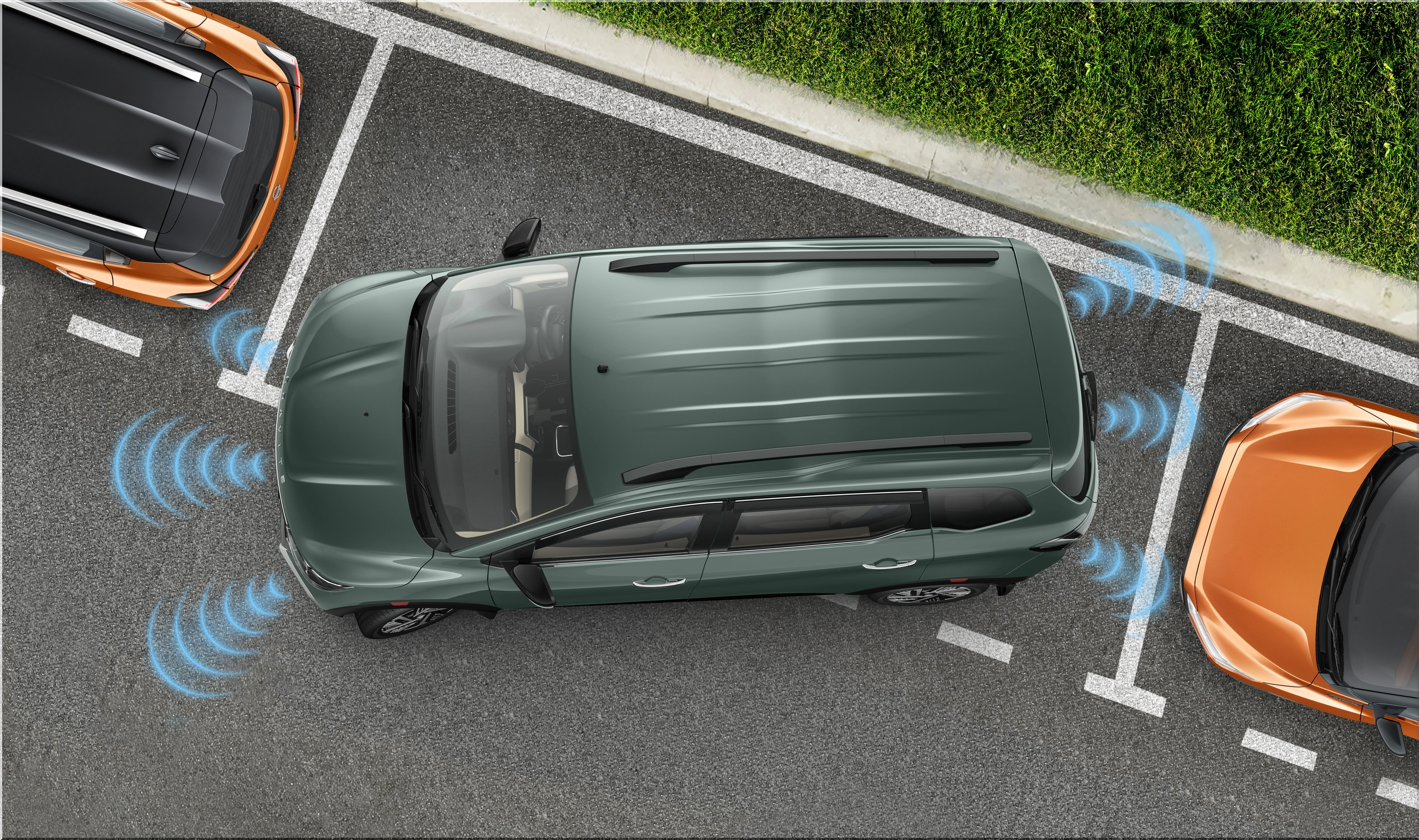
- Front and rear parking sensors
By comparison, many budget-focused three-row products treat ESC and curtain airbags as premium upsells, or skip them entirely at entry grades. Consequently, GRAVITE’s baseline spec forces a harder look at what competitors call “value.”
Powertrain and Transmission: Why Nissan Chose This Setup
GRAVITE uses a naturally aspirated 1.0L petrol engine tuned for predictable response and low running cost rather than peak output theatrics.
Engine core specs
- Displacement: 999 cc
- Bore x stroke: 71.0 mm x 84.1 mm
- Max power: 72 PS at 6,250 rpm
- Max torque: 96 Nm at 3,400 to 3,600 rpm
That torque band tells you how Nissan expects GRAVITE to drive. It places peak twist in a usable midrange window, which supports city speeds and moderate highway cruising without constant downshifts.
Transmission options
- 5-speed manual (5 MT)
- 5-speed automated manual (5 AMT) branded as EZ-shift
From an expert perspective, the AMT choice tracks the pricing mission. A torque-converter automatic would raise cost and fuel consumption. A dual-clutch would raise cost and complexity. Nissan uses AMT to deliver two-pedal convenience while staying inside a tight cost envelope.
Definitions: AMT vs Conventional Automatic
- AMT: Automated clutch and gear actuation on a manual gearbox. It usually weighs less and costs less, but shift feel can vary by calibration.
- Torque-converter automatic: Uses fluid coupling for smoother launches and shifts, but it costs more and can reduce fuel economy in budget applications.
Fuel Economy: Converting the Numbers into Real-World Planning
Nissan quotes strong efficiency figures for the segment:
- Manual: 19.3 km/l (about 45.4 mpg US)
- AMT: 19.6 km/l (about 46.1 mpg US)
- Fuel tank: 40 L (about 10.6 US gal)
Those numbers imply a long-range bias. In ideal conditions, the math suggests 770 to 784 km per tank on paper. Real-world driving will vary, but the setup clearly targets fewer fuel stops and lower total operating spend.
Chassis, Brakes, and Suspension: Simple Hardware, Smart Priorities
GRAVITE uses a practical chassis recipe that matches its mission.
Steering
- Electronic Power Steering
Brakes
- Front: disc
- Rear: drum
Suspension
- Front: MacPherson strut with lower transverse link
- Rear: twist beam with coil spring
- Shock absorbers: twin-tube telescopic
This layout prioritizes durability, predictable maintenance, and cost control. Specifically, a twist-beam rear suspension saves space and supports a low load floor, which helps cargo packaging in a compact three-row body.
Weight and Tires: What the Numbers Suggest About Daily Behavior
Weight and rolling hardware influence ride quality, braking demand, and fuel economy.
Weight
- Kerb weight: 988 kg (MT) and 993 kg (AMT)
- Gross vehicle weight: 1,533 kg (MT) and 1,538 kg (AMT)
Tires and wheels
- Spare: 165/80 R14
- Main tires: 165/80 R14 on Visia, Acenta, N-Connecta
- Tekna uses 185/65 R15
A lighter kerb weight supports efficiency and city agility. In addition, the tire sizing strategy keeps replacement cost down on lower trims while giving top grades a wider contact patch for stability feel.
Nissan GRAVITE Technical Spec Matrix (MT vs AMT)
| Spec | GRAVITE 1.0 Petrol 5 MT | GRAVITE 1.0 Petrol 5 AMT |
|---|---|---|
| Length | 3,987 mm (156.97 in) | 3,987 mm (156.97 in) |
| Width | 1,734 mm (68.27 in) | 1,734 mm (68.27 in) |
| Height | 1,644 mm (64.72 in) | 1,644 mm (64.72 in) |
| Wheelbase | 2,636 mm (103.78 in) | 2,636 mm (103.78 in) |
| Ground clearance | 182 mm (7.17 in) | 182 mm (7.17 in) |
| Engine | 999 cc NA petrol | 999 cc NA petrol |
| Power | 72 PS @ 6,250 rpm | 72 PS @ 6,250 rpm |
| Torque | 96 Nm @ 3,400 to 3,600 rpm | 96 Nm @ 3,400 to 3,600 rpm |
| Fuel economy | 19.3 km/l (45.4 mpg) | 19.6 km/l (46.1 mpg) |
| Fuel tank | 40 L (10.6 gal) | 40 L (10.6 gal) |
| Kerb weight | 988 kg | 993 kg |
| Brakes | Front disc, rear drum | Front disc, rear drum |
| Suspension | MacPherson front, twist beam rear | MacPherson front, twist beam rear |
Trims and Feature Walk: How to Pick the Right GRAVITE Variant
Nissan offers multiple grades, with a clear feature ladder.
Visia (MT) focus
- Projector headlamp
- Second-row slide, recline, fold, tumble functions
- Third-row removable 50:50 seat
- 6 airbags, ESC, TCS standard
Acenta (MT) focus
- 20.32 cm infotainment
- Wireless phone mirroring
- Steering-mounted controls
- Rear AC with vents for second and third rows
N-Connecta (MT and EZ-shift) focus
- Rear camera with guidelines
- Rear wiper and defogger
- Roof rail rated to 50 kg
- LED tail lamp detail
Tekna (MT and EZ-shift) focus
- 17.78 cm digital cluster
- Signature LED headlamps with DRLs
- R15 dual-tone wheels
- Push-button start with i-Key
Limited Launch Edition: What You Actually Gain
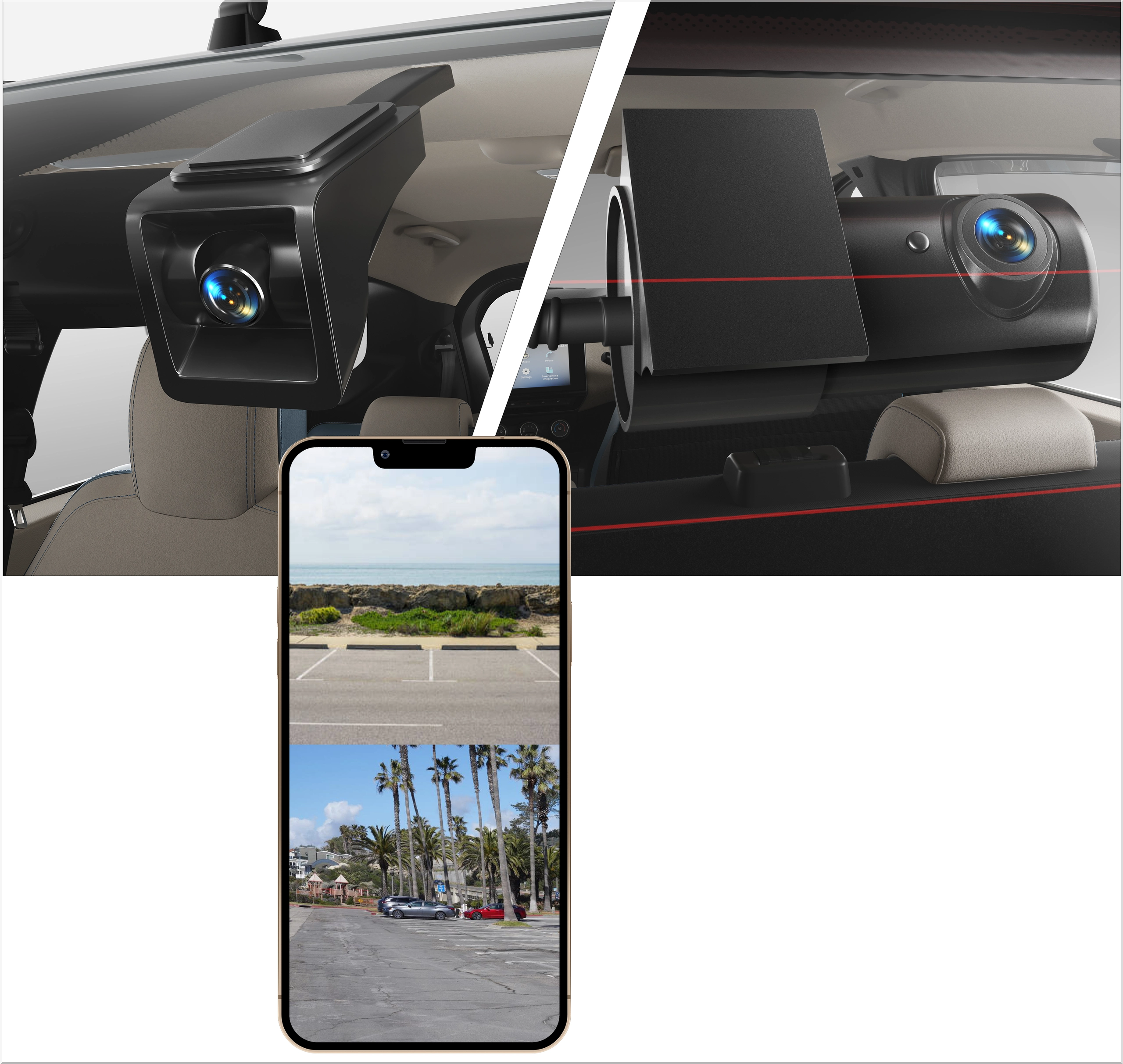
Launch Edition adds accessory-driven upgrades that target comfort and convenience buyers:
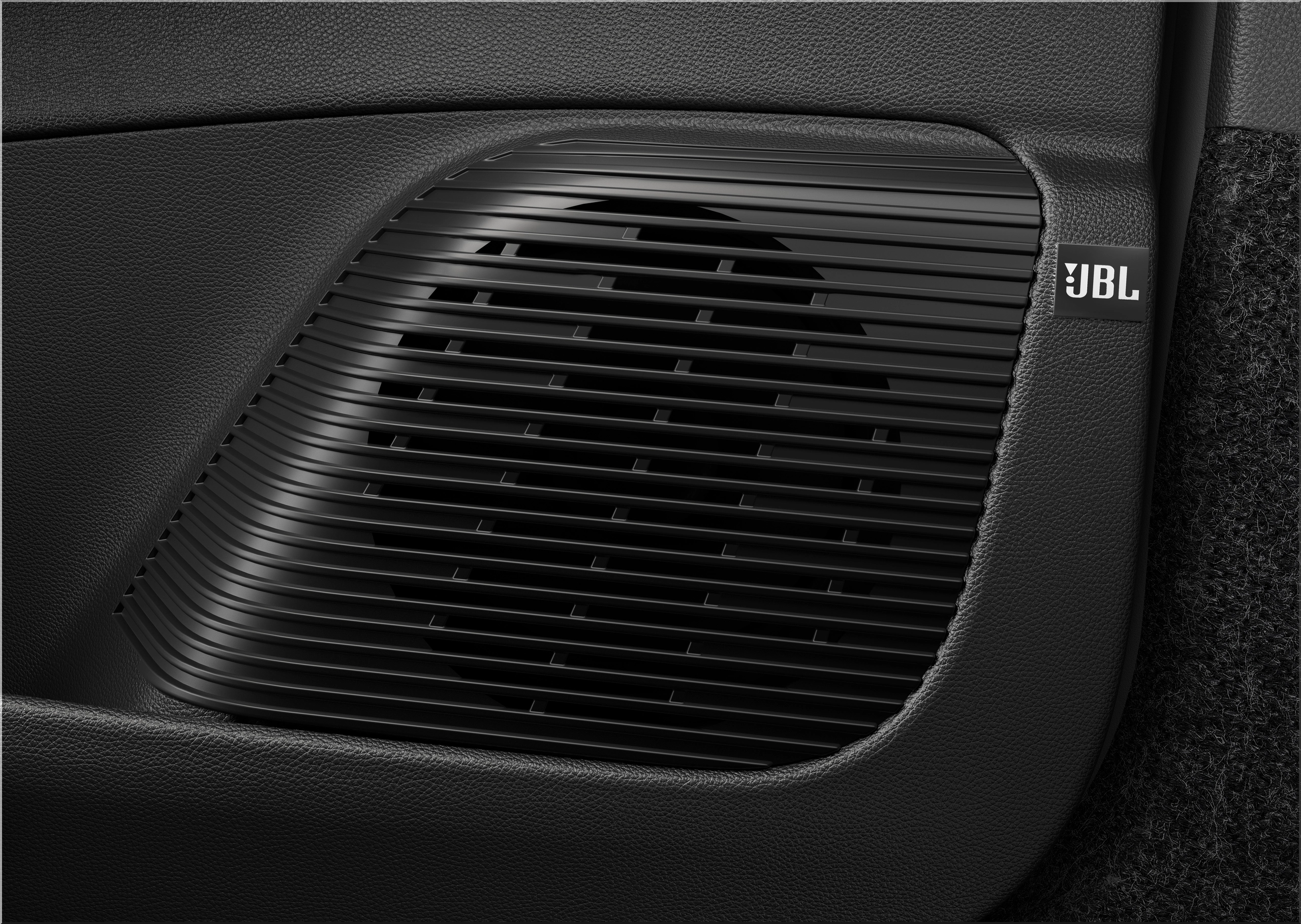
- JBL premium audio
- Dual dash cam
- Air purifier
- Ambient mood lighting
- Neck and lumbar cushions for front row
This grade exists to lift perceived value fast at launch, which helps early conversion rates and showroom close ratios.
Competitive Landscape: Where GRAVITE Wins, Where It Gives Ground
GRAVITE plays in a crowded field. The cleanest comparisons sit against budget-to-mainstream 7-seat MPVs that Indian buyers cross-shop.
GRAVITE vs Key 7-Seat MPV Rivals (India Market Snapshot)
| Vehicle | Approx base price (USD) | Length (mm) | Wheelbase (mm) | Ground clearance (mm) | Engine (cc) | Torque (Nm) | Claimed fuel economy (km/l) |
|---|---|---|---|---|---|---|---|
| Nissan GRAVITE | $6,231 | 3,987 | 2,636 | 182 | 999 | 96 | 19.3 to 19.6 |
| Renault Triber | $6,352 | 3,985 | 2,636 | 182 | 999 | 96 | 17 to 20 |
| Maruti Ertiga | $9,705 | 4,395 | 2,740 | 185 | 1,462 | 137 | 20.3 to 20.51 |
| Kia Carens | $12,120 | 4,540 | 2,780 | 195 | 1,497 | varies by engine | 12.6 |
Win/Loss Metrics (Straight Talk)
- Price win: GRAVITE posts the lowest entry cost in this comparison set.
- Safety-value win: 6 airbags and stability systems at this price reshape the baseline.
- Packaging tie: Triber matches wheelbase and ground clearance closely, which suggests direct cross-shopping.
- Power loss vs Ertiga and Carens: GRAVITE trades acceleration reserve for operating cost and pricing aggression.
- Size loss vs Ertiga and Carens: Larger rivals offer more physical volume and typically stronger highway load performance.
Consequently, GRAVITE targets families who prioritize affordability, safety content, and day-to-day usability over high-output drivetrains.
Why Nissan Built GRAVITE This Way: Engineering Logic You Can Feel
Nissan’s choices line up with constraints that actually matter in India:
- Keeping length under 4.0 meters supports urban usability while still enabling 3-row packaging through wheelbase optimization.
- Using a 999 cc naturally aspirated engine controls cost, supports low maintenance, and reduces heat load in traffic.
- Offering AMT gives two-pedal convenience without importing the price and service complexity of a conventional automatic.
- Standardizing core safety systems improves brand trust at scale and reduces trim-level confusion for buyers.
By comparison, brands that rely on upsell-heavy safety packaging force buyers into higher prices to get core protections. GRAVITE flips that script.
Ownership Strategy: Warranty, Maintenance Plans, and Predictability
GRAVITE leans hard into predictable ownership:
- Standard warranty up to 3 years / 100,000 km
- Extended warranty option up to 10 years / 200,000 km
- Pre-paid maintenance plan: 5 years / 50,000 km
- Roadside assistance: 3 years, 24x7
This matters for conversion because the buyer in this segment often finances tightly and wants stable monthly outflow. In addition, Nissan’s positioning around low-cost maintenance aims directly at total cost of ownership, not showroom flash.
Pro-Tips: What to Ask During a Test Drive and Dealer Visit
- Ask for an on-paper quote that lists what the pre-paid maintenance plan covers, line by line.
- Drive the AMT in stop-go traffic and test low-speed creep behavior, since calibration defines daily comfort.
- Check third-row removal steps in person. Time it. If you use cargo often, that step matters more than brochure talk.
- Verify tire sizes for your chosen trim and price out replacements. Running cost often hides in rubber.
What Now?
- If you want a budget 7-seater with strong standard safety content, shortlist Nissan GRAVITE early and compare it directly to Triber on packaging and feature value.
- If you carry adults in row three and drive highways loaded, test Ertiga and Carens for power reserve, then decide if GRAVITE’s price delta covers the trade.
- If you want two pedals, drive the EZ-shift AMT back-to-back with the manual. Choose based on traffic reality, not spec-sheet pride.
- If you plan long ownership, price the extended warranty and maintenance plan as part of your purchase decision, not as an afterthought.
- Add new comment
- 162 views