BMW Targets Next-Level Track Precision With Concept RR
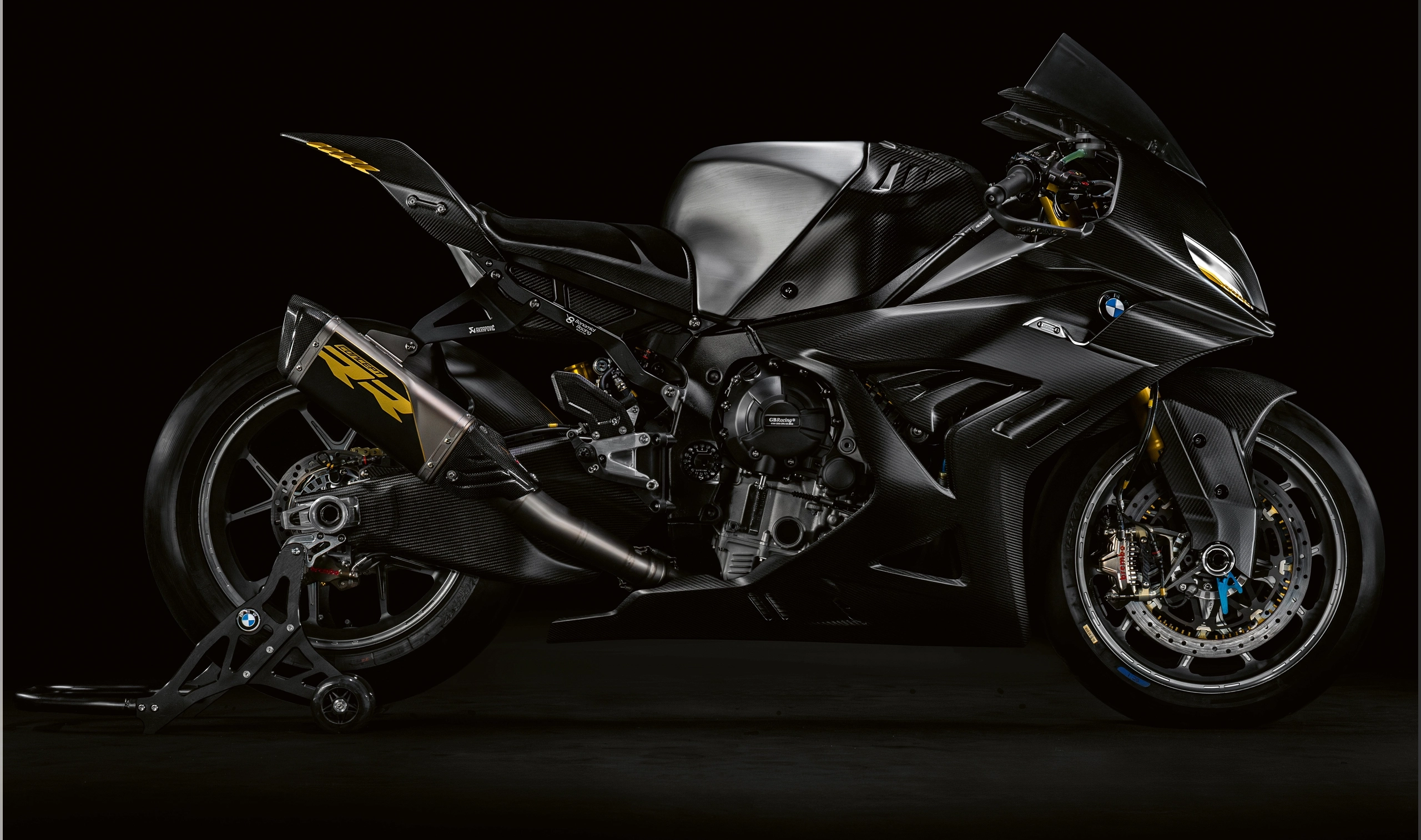
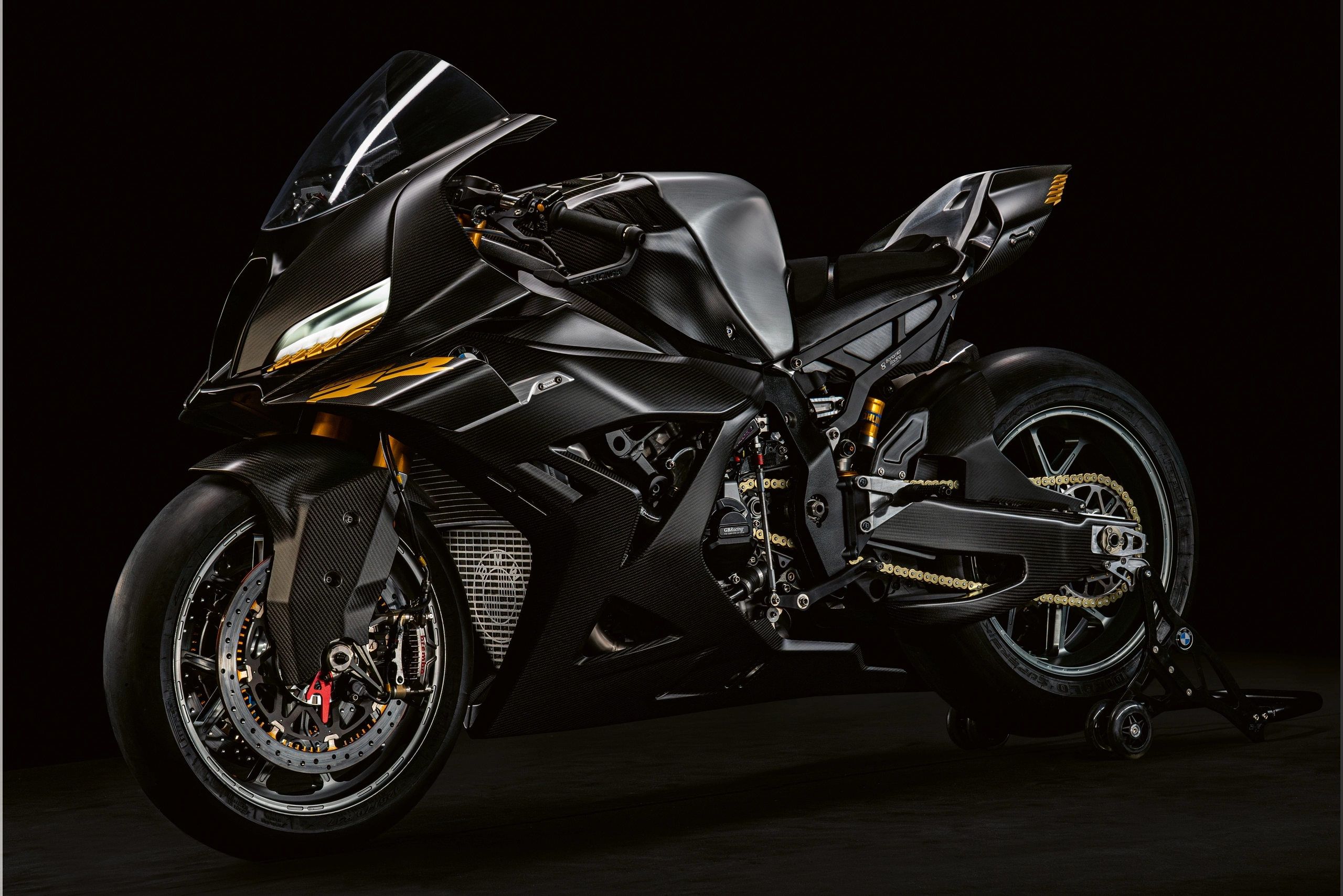
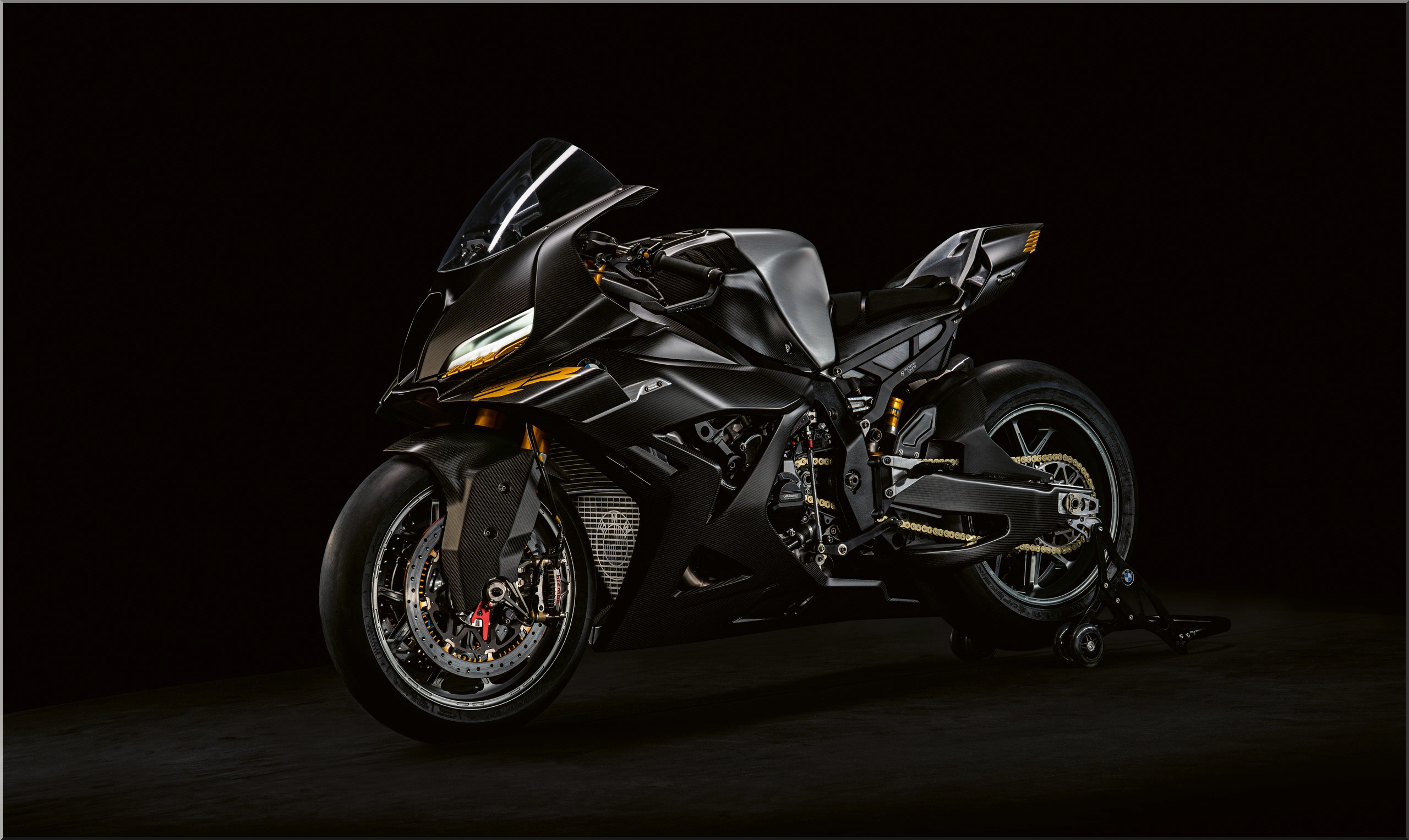
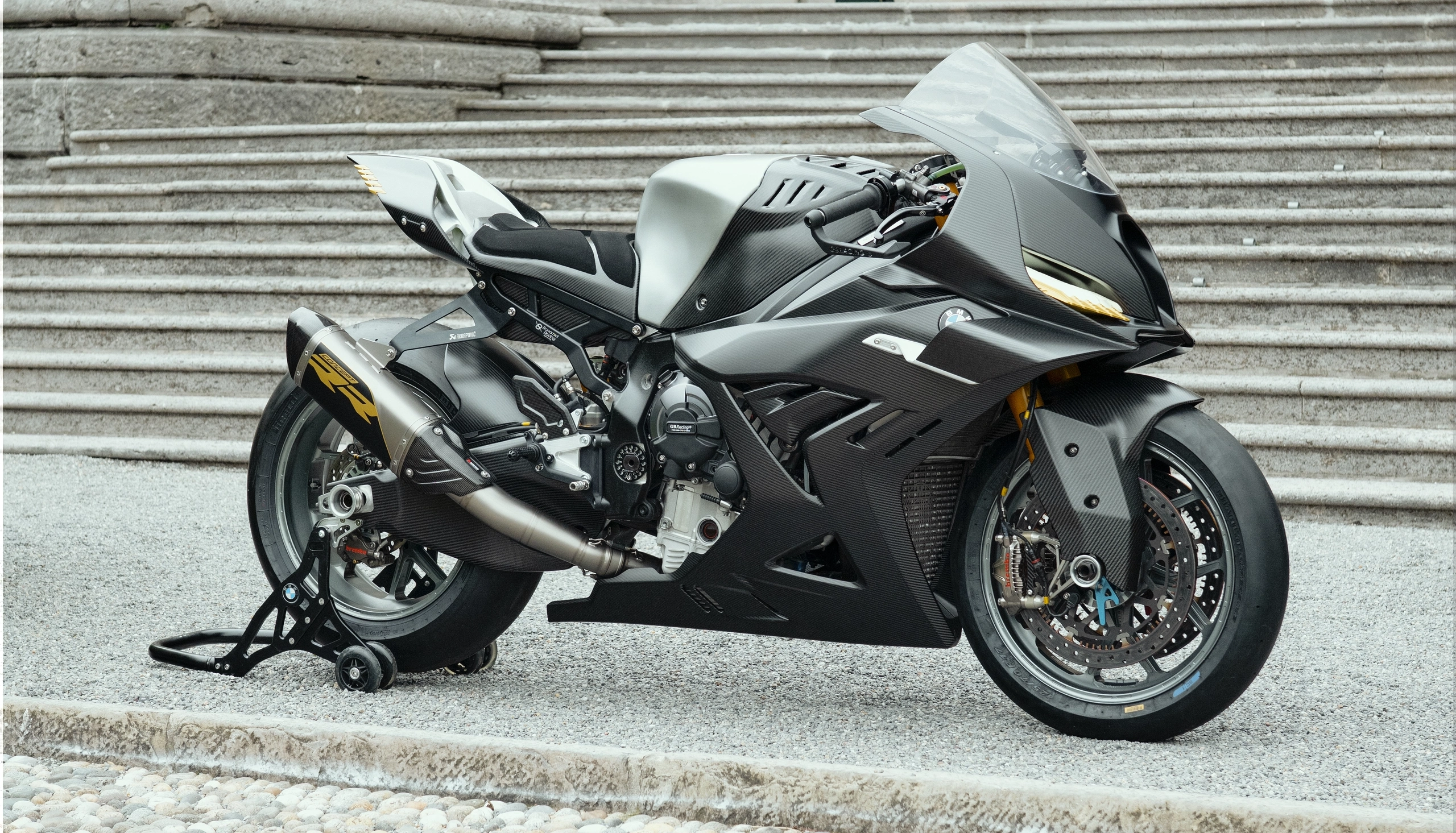
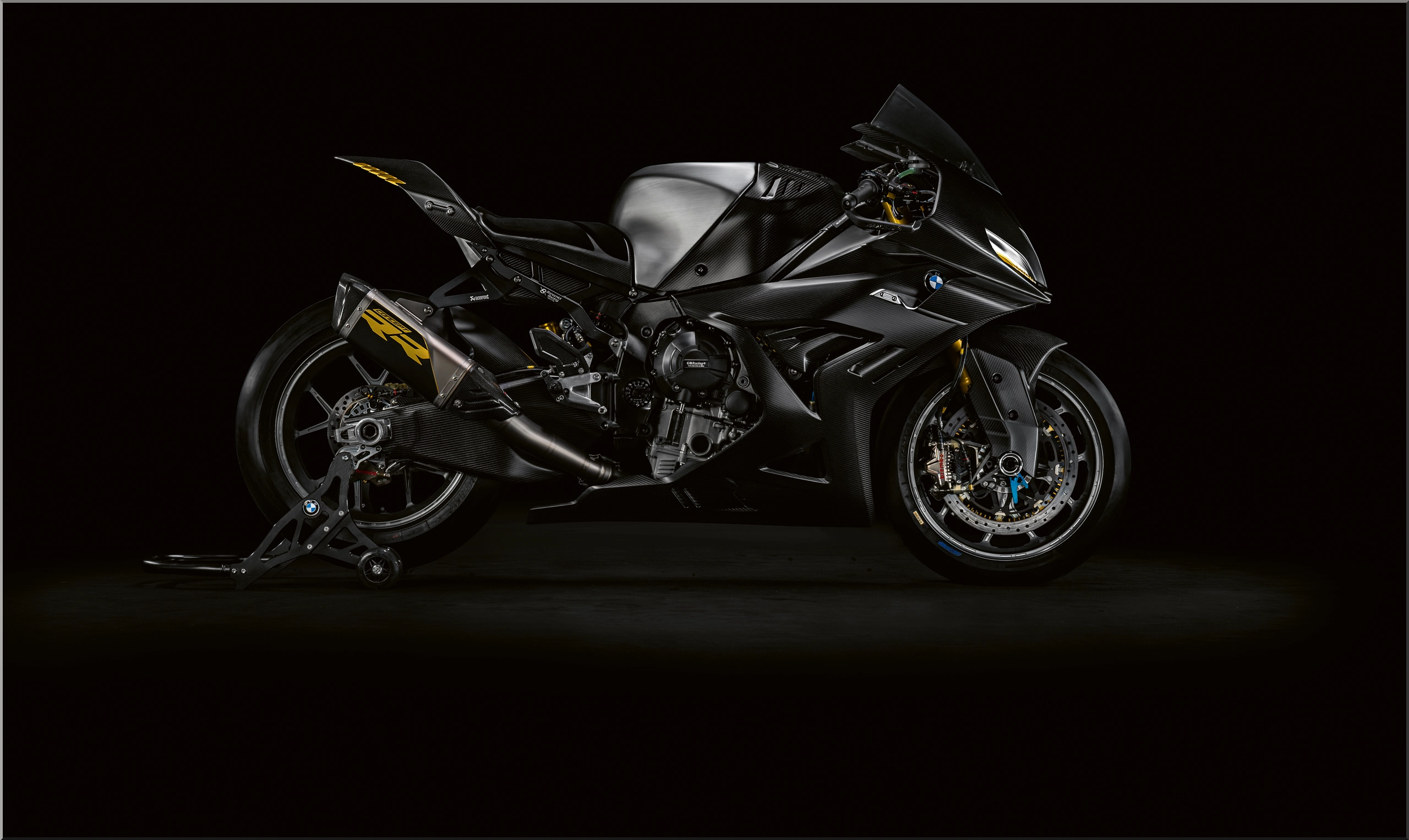
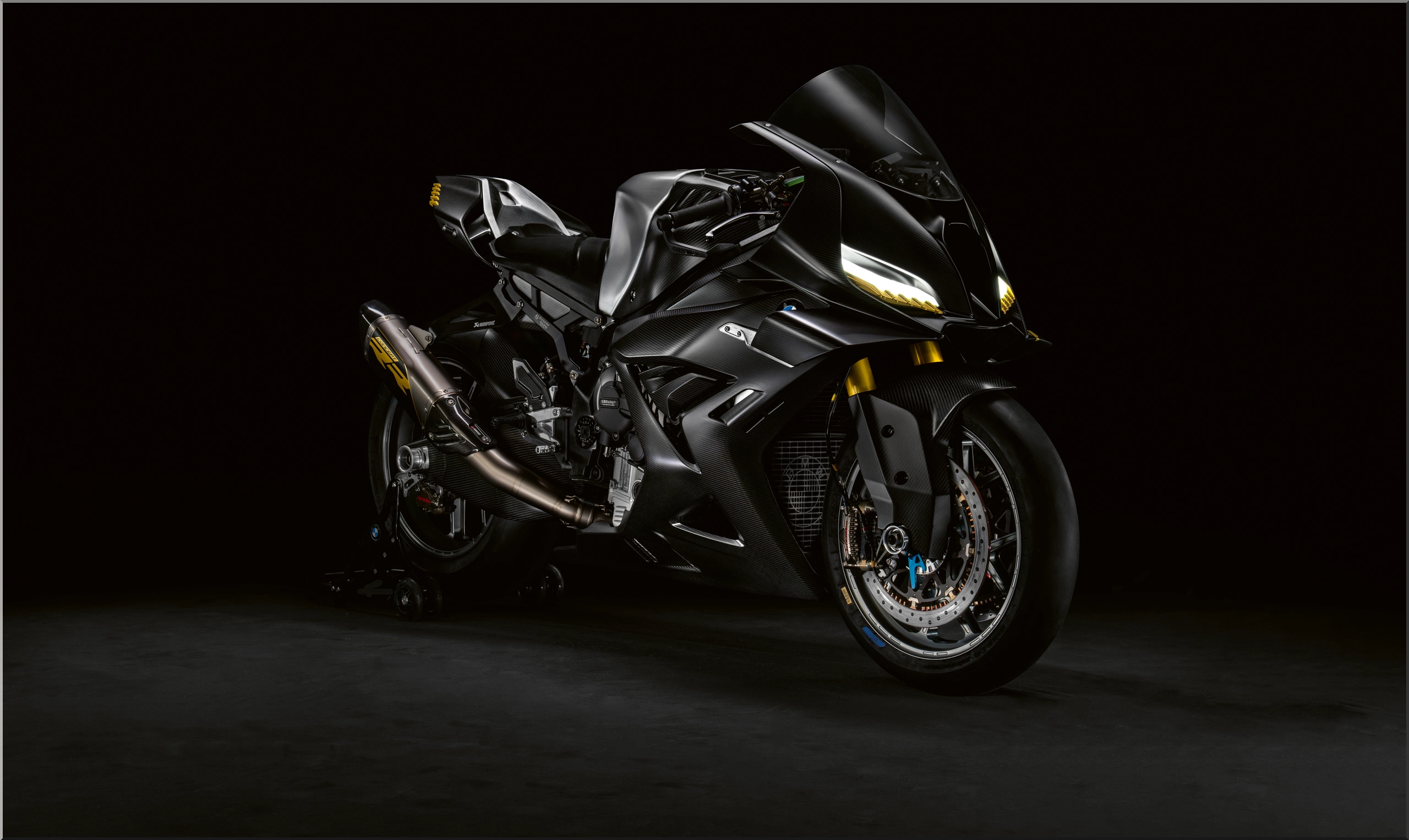
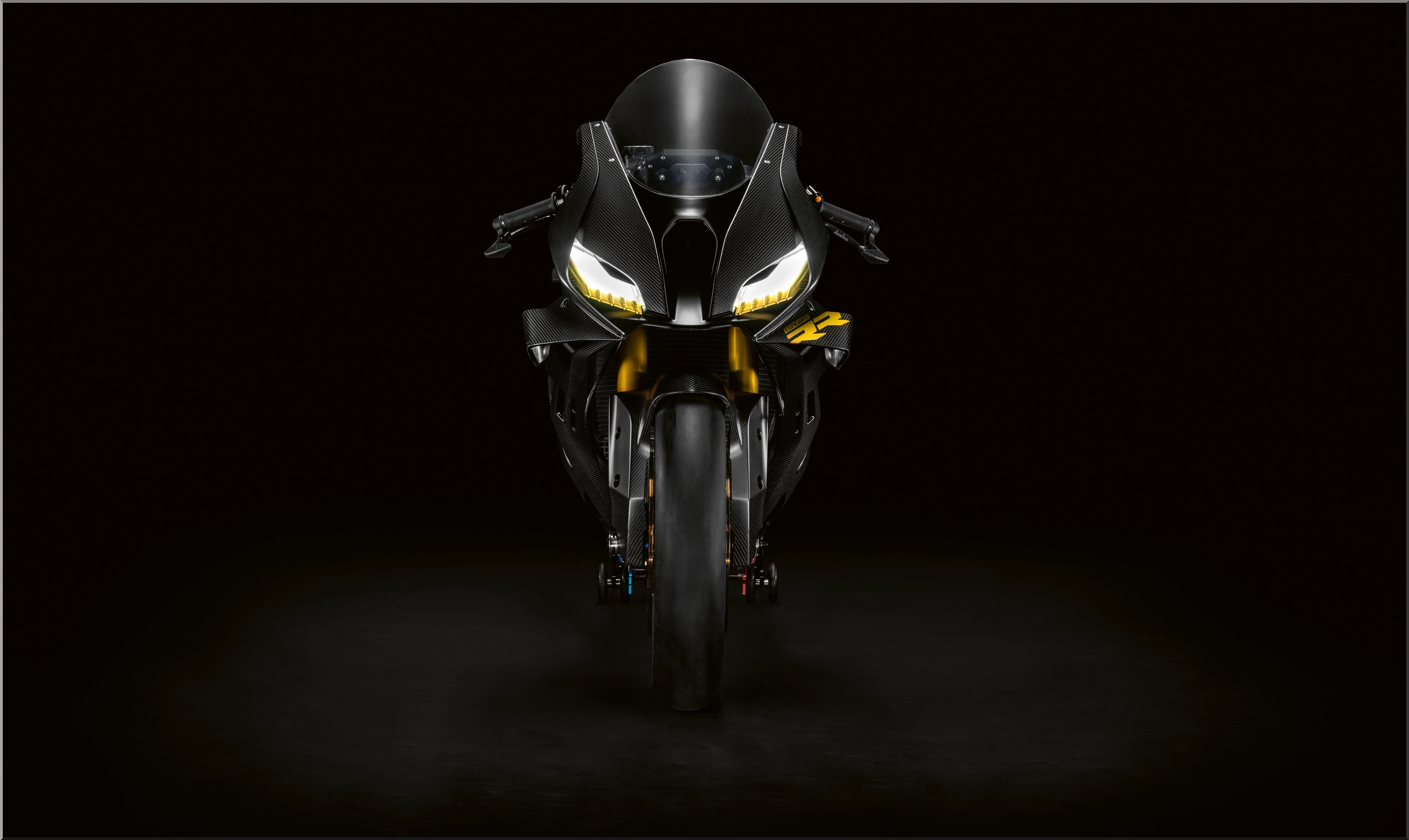
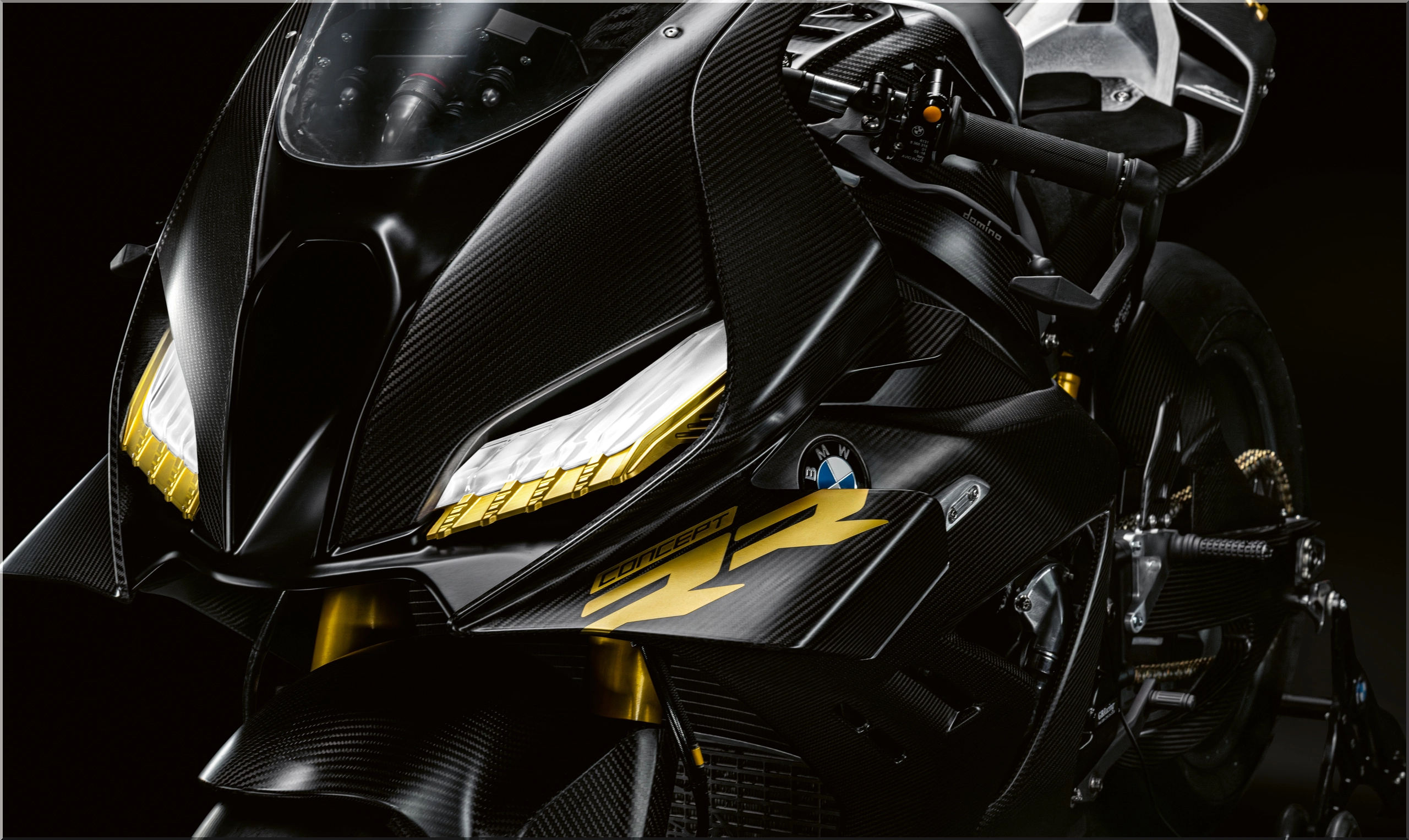
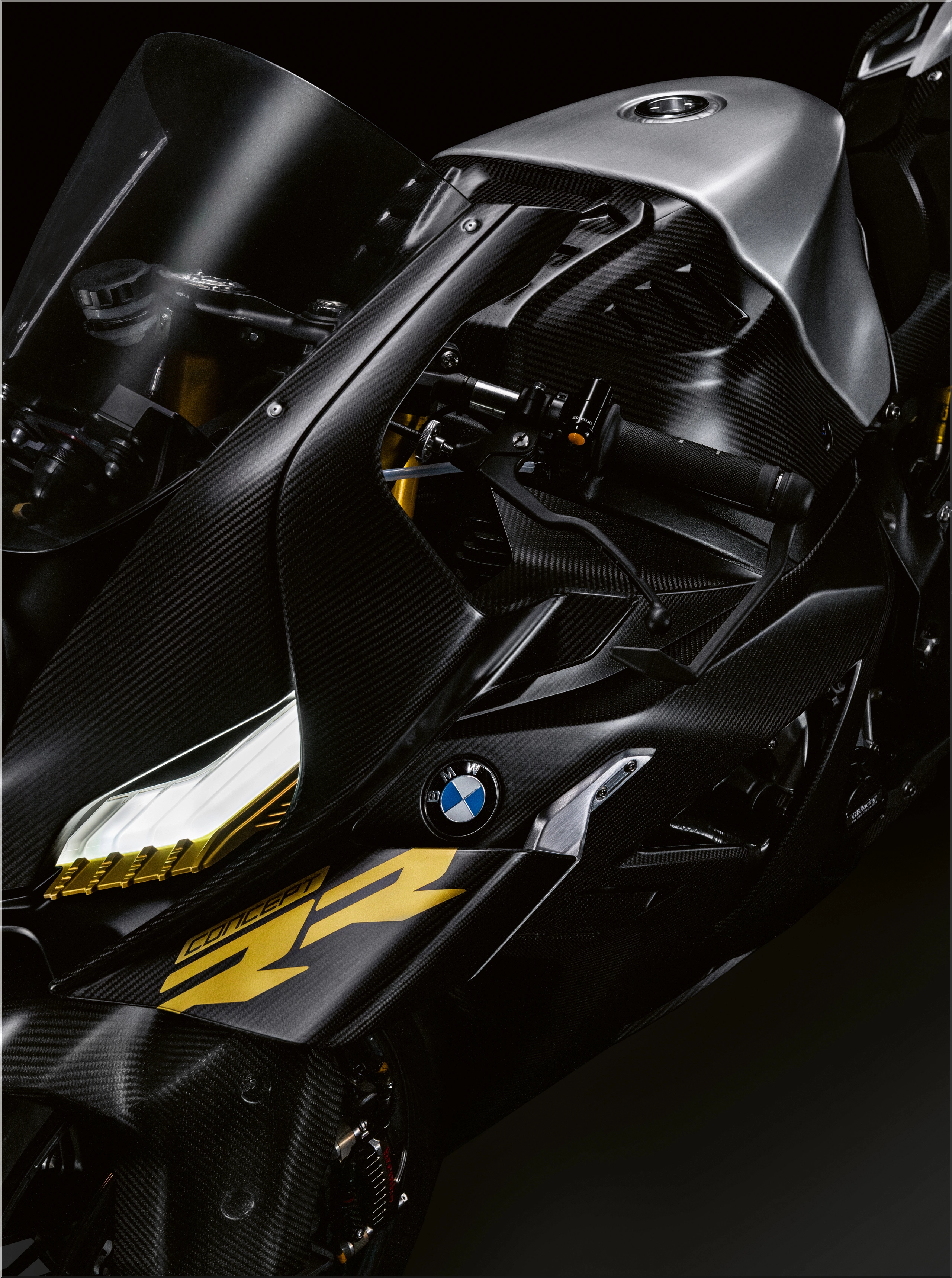
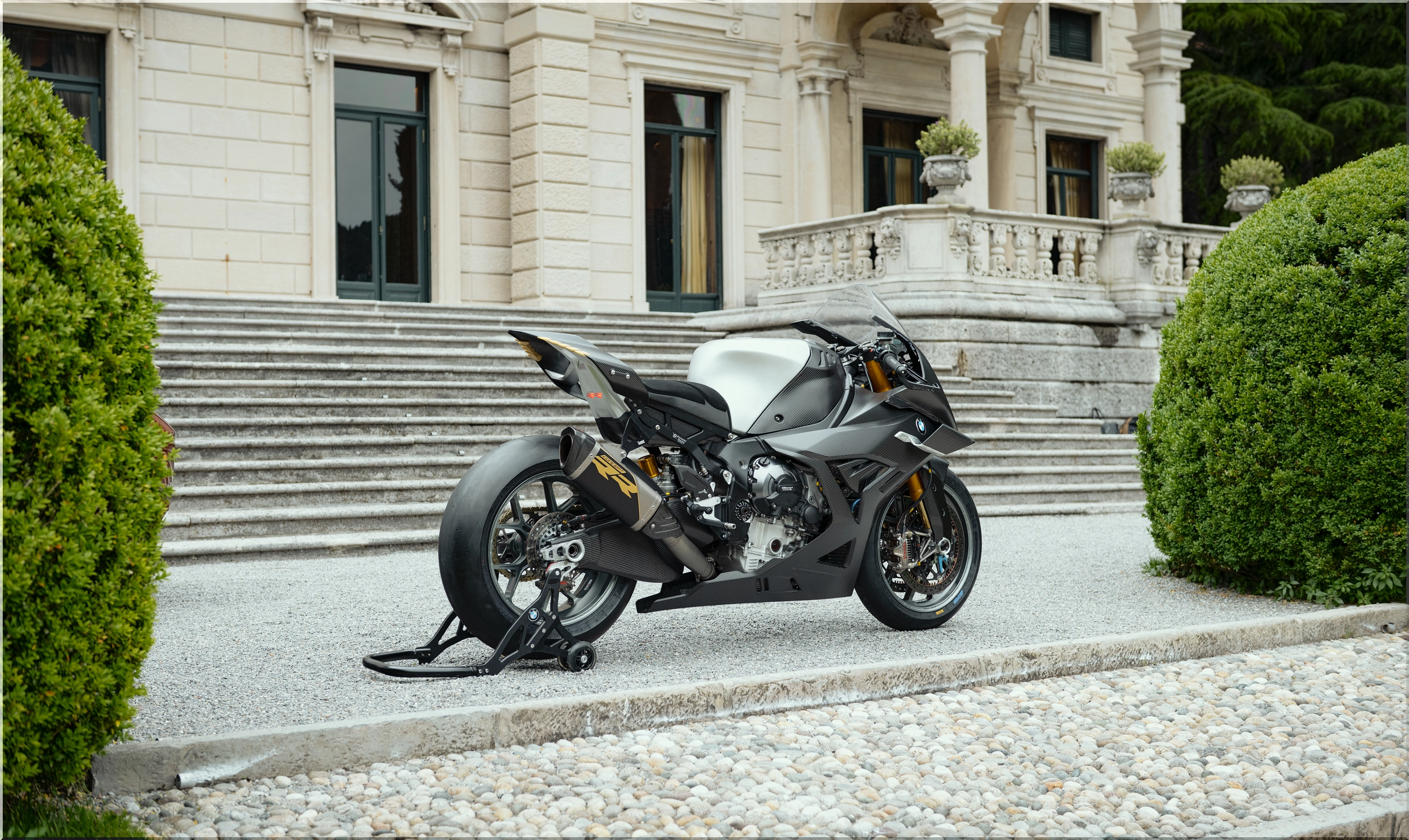
BMW Motorrad officially revealed the BMW Motorrad Concept RR at the 2025 Concorso d’Eleganza Villa d’Este. This prototype signals what’s next for the RR series, specifically offering clues into the evolution of the BMW M 1000 RR platform. Based on the brand’s proven race engineering, this concept emphasizes power-to-weight improvements, aerodynamic efficiency, and advanced electronics derived from competitive superbike programs.
BMW’s intent is clear: deliver a track-focused motorcycle that’s lighter, sharper, and more responsive than its predecessors. Unlike prior concept showcases aimed at design, this one places performance front and center. It’s not a design study—it’s a data-backed engineering statement.
Engine & Performance: Track-Derived Power from the M 1000 RR Platform
The BMW Concept RR continues to utilize the brand’s 999cc inline four-cylinder engine, a unit refined through years of competitive experience in WorldSBK (World Superbike Championship). Current output exceeds 230 horsepower, up from the stock M 1000 RR’s 205 hp, thanks to internal revisions and recalibrated electronic controls.
BMW uses a lightweight titanium exhaust system, revised intake ducts, and a remapped ECU to increase throttle response. These adjustments improve peak performance while maintaining midrange torque—a critical component for corner exit speed on tight circuits.
Key Powertrain Features:
- 230+ hp 999cc inline-four engine
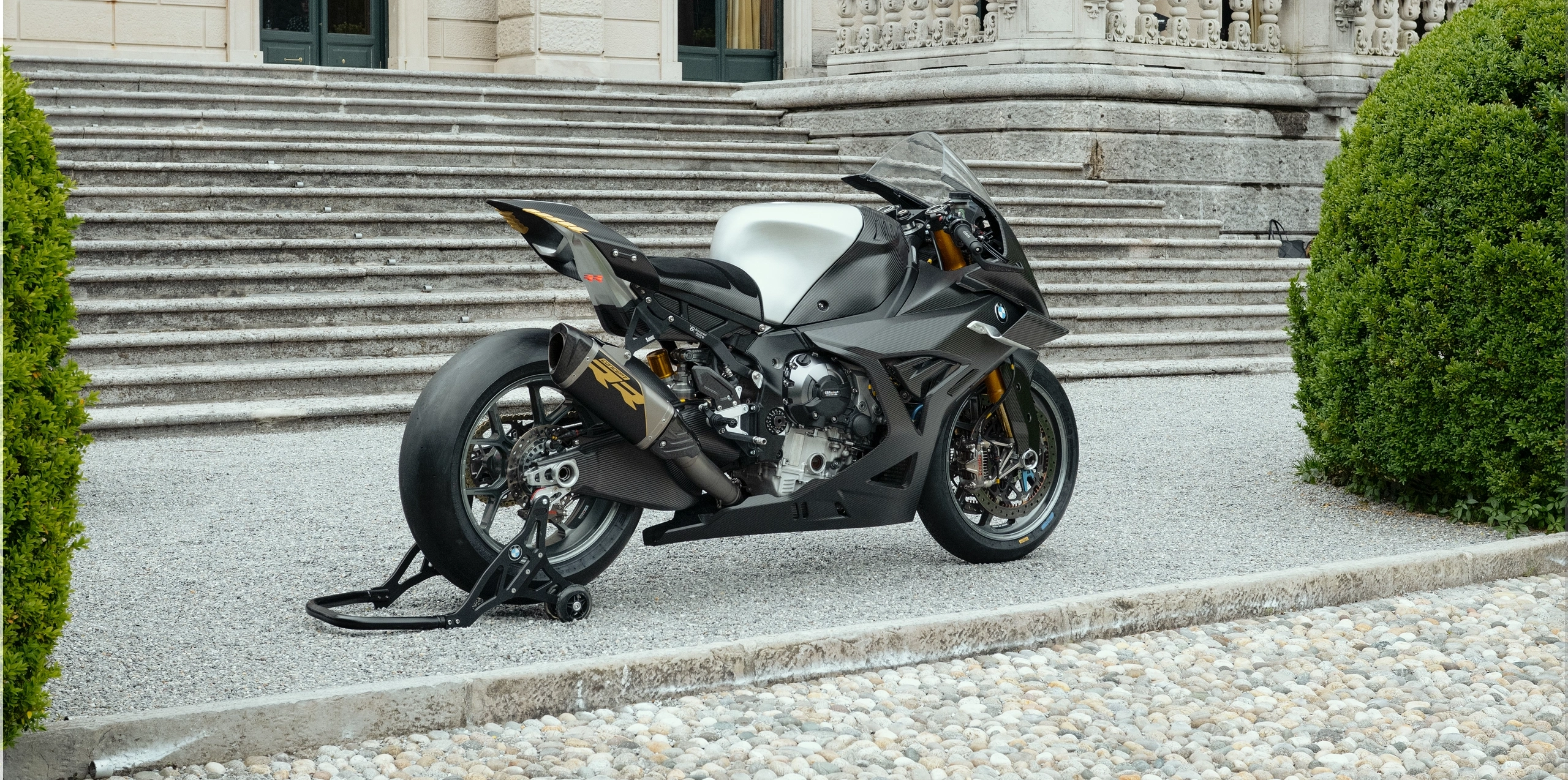
- Titanium Akrapovič exhaust system (race-spec)
- Redesigned cylinder head with new valve timing
- New camshafts and ultra-lightweight pistons
- Higher redline (approaching 15,500 rpm)
The Concept RR applies race-derived ride-by-wire throttle management and multiple dynamic riding modes calibrated for both wet and dry conditions. These adjustments are delivered via BMW’s latest-generation six-axis IMU, ensuring every millisecond counts on corner entry, lean angle transitions, and acceleration.
Advanced Electronics: Controlled Power, Optimized Lap Times
BMW’s electronic package in the Concept RR integrates refined rider aids that stem directly from the brand’s MotoGP and WorldSBK telemetry analytics. Unlike older systems with generic presets, this one adapts based on lean angle, wheel slip, and braking pressure.
Core Electronics Suite:
- Multi-level dynamic traction control (DTC)
- Launch control with adjustable RPM limiter
- Programmable engine braking control
- Drag torque control (MSR)
- Wheelie control with front-lift sensor feedback
- Quickshifter Pro with auto-blip for clutchless downshifts
- Race ABS Pro, tailored for track and slick tires
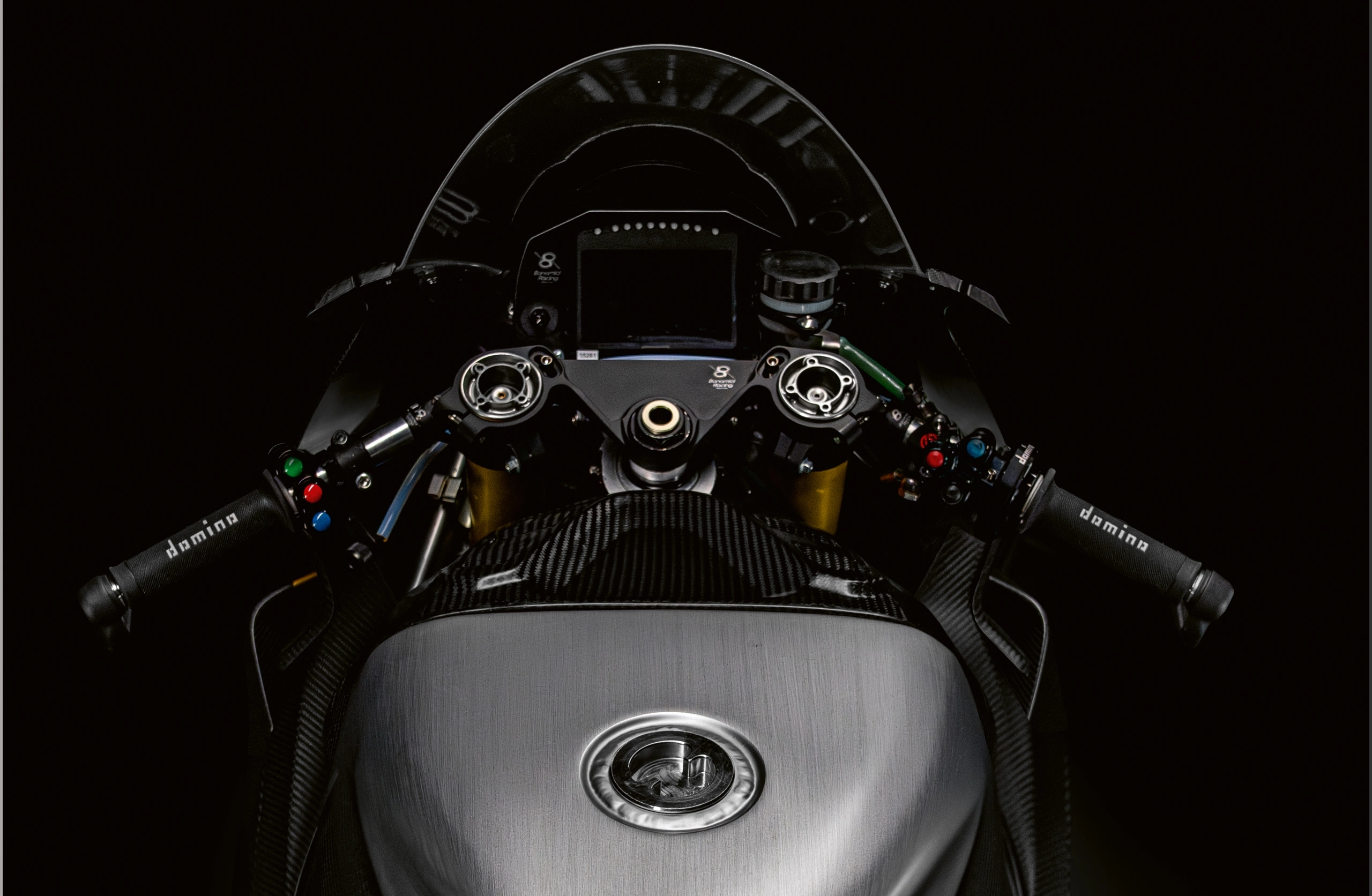
Each feature is accessible via a 6.5-inch TFT display with track-optimized UI modes. Riders can log lap times, throttle input, lean angles, and braking force using an onboard telemetry logger. For professionals, these metrics reduce setup guesswork and shave seconds off lap times.

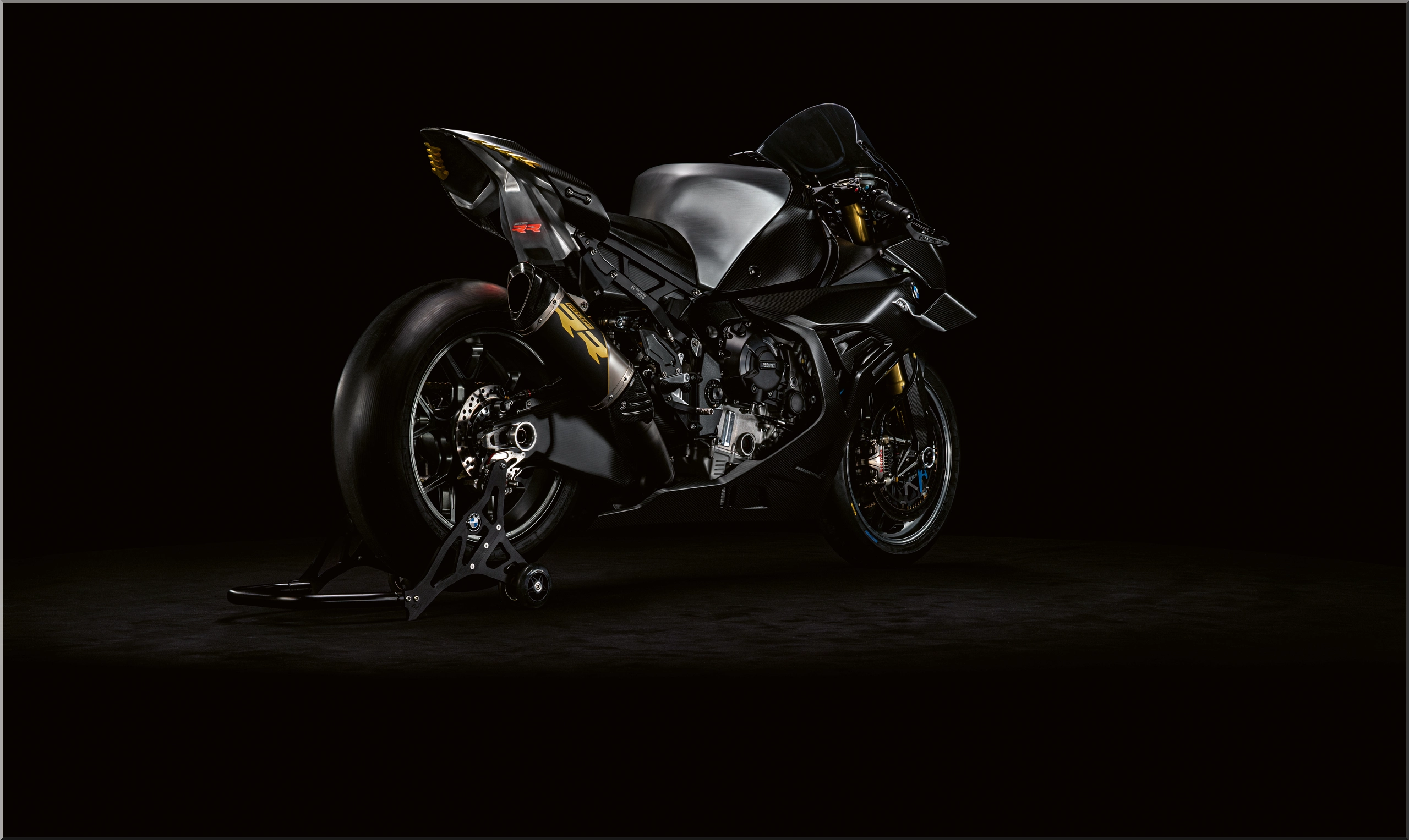
Chassis and Aerodynamics: Carbon, Aluminum, and Computational Fluid Dynamics
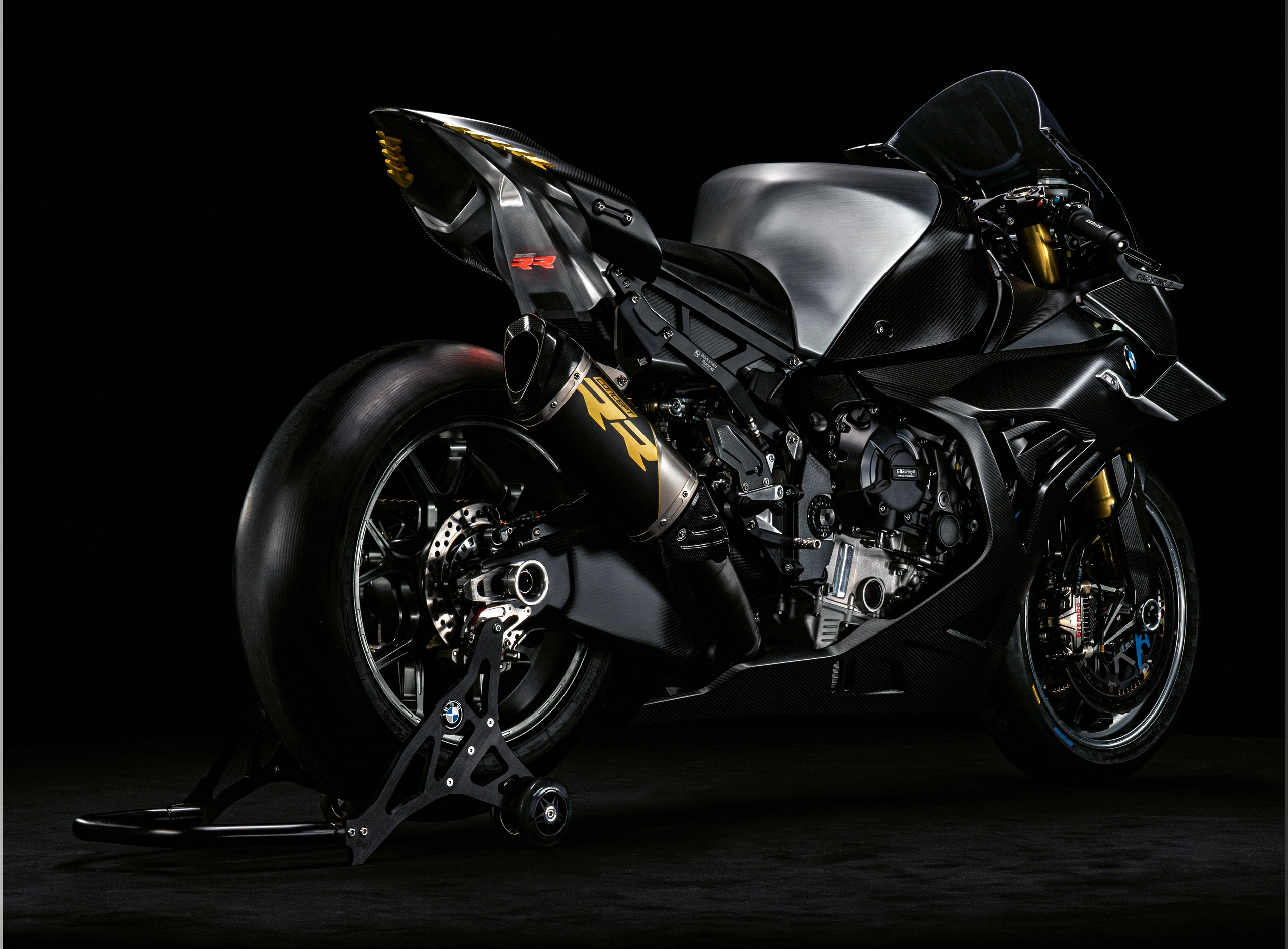
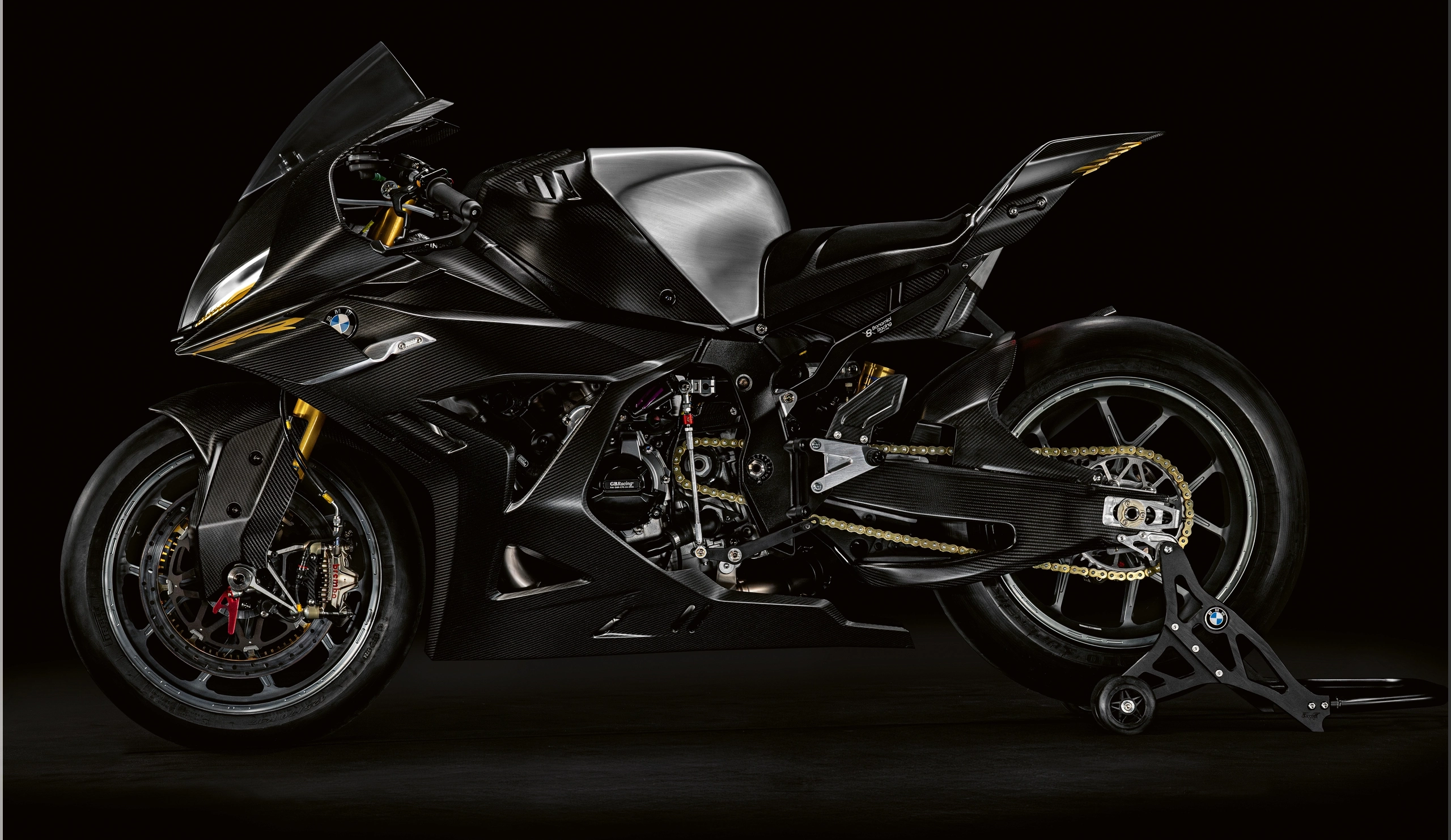
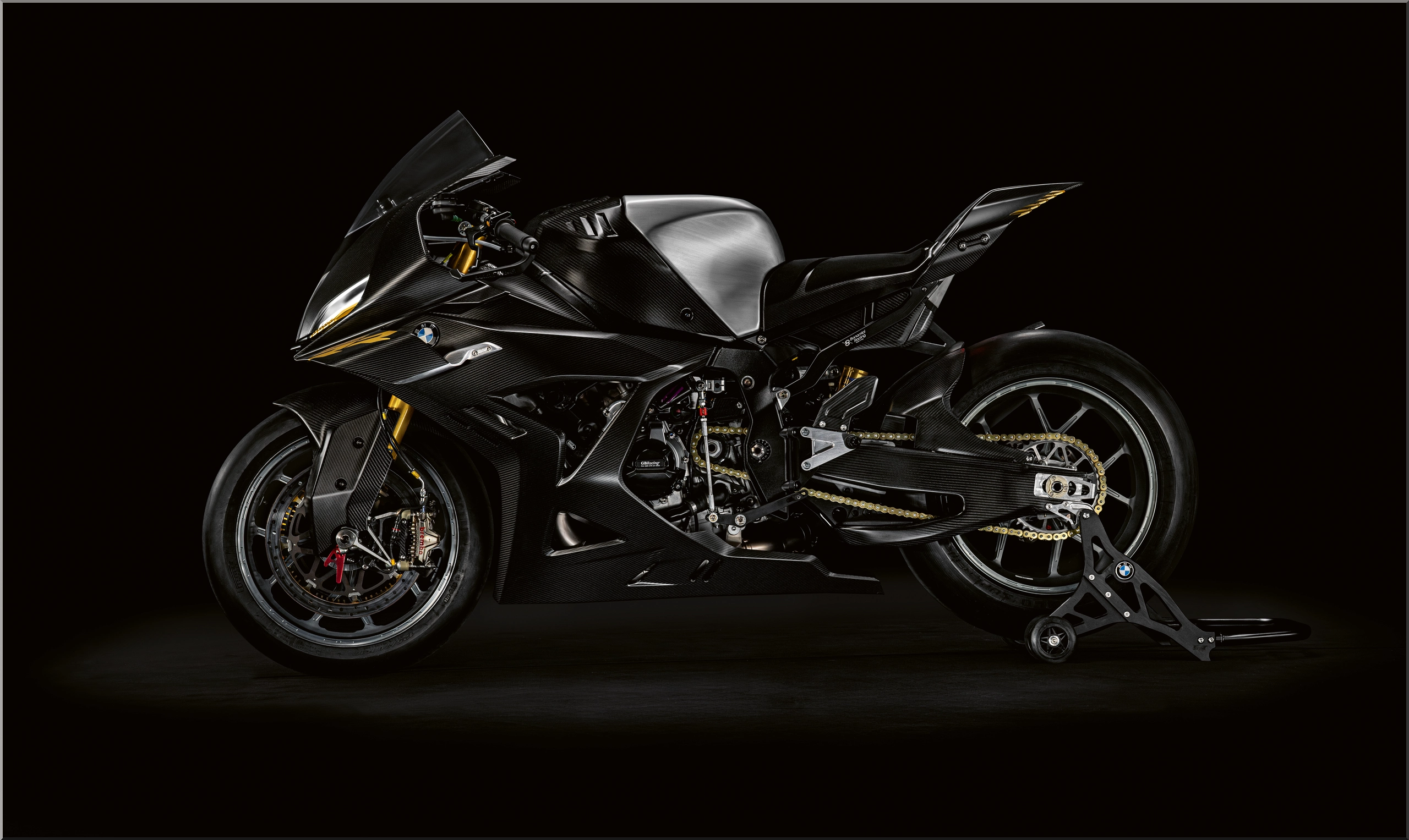
The BMW Concept RR chassis prioritizes torsional stiffness and low weight. It employs a hybrid carbon-aluminum main frame, weighing nearly 10% less than the M 1000 RR’s structure. BMW claims improved feedback through the seat and pegs due to redistributed rigidity points and revised suspension mounts.
Frame & Suspension Highlights:
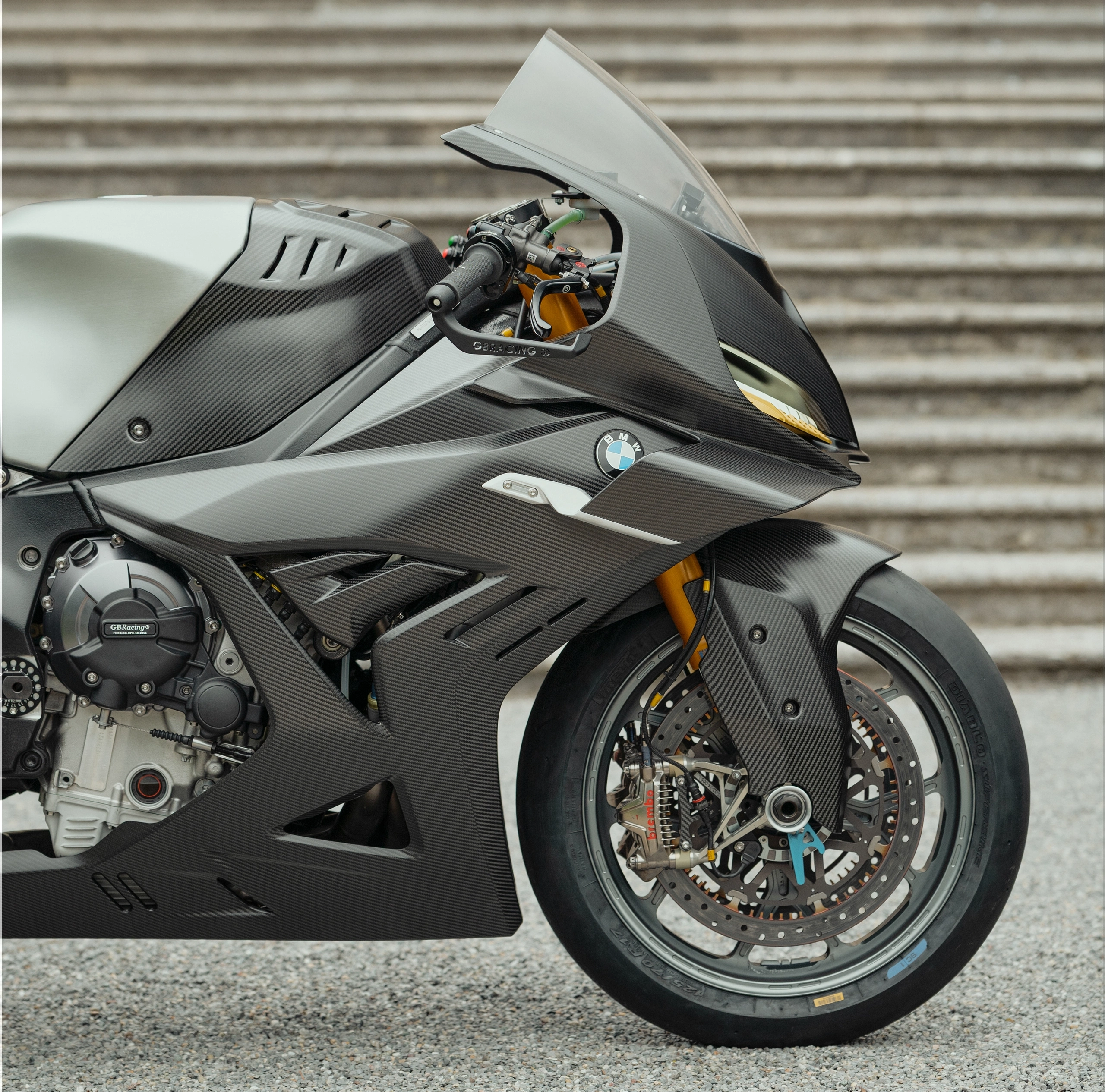
- Carbon fiber twin-spar frame reinforced with aluminum nodes
- Full Öhlins FGR 400 front forks (GP-spec)
- Öhlins TTX 36 GP rear shock with remote adjuster
- Extended swingarm with revised pivot angle for high-speed stability
BMW also developed CFD-tested aerodynamics, including:
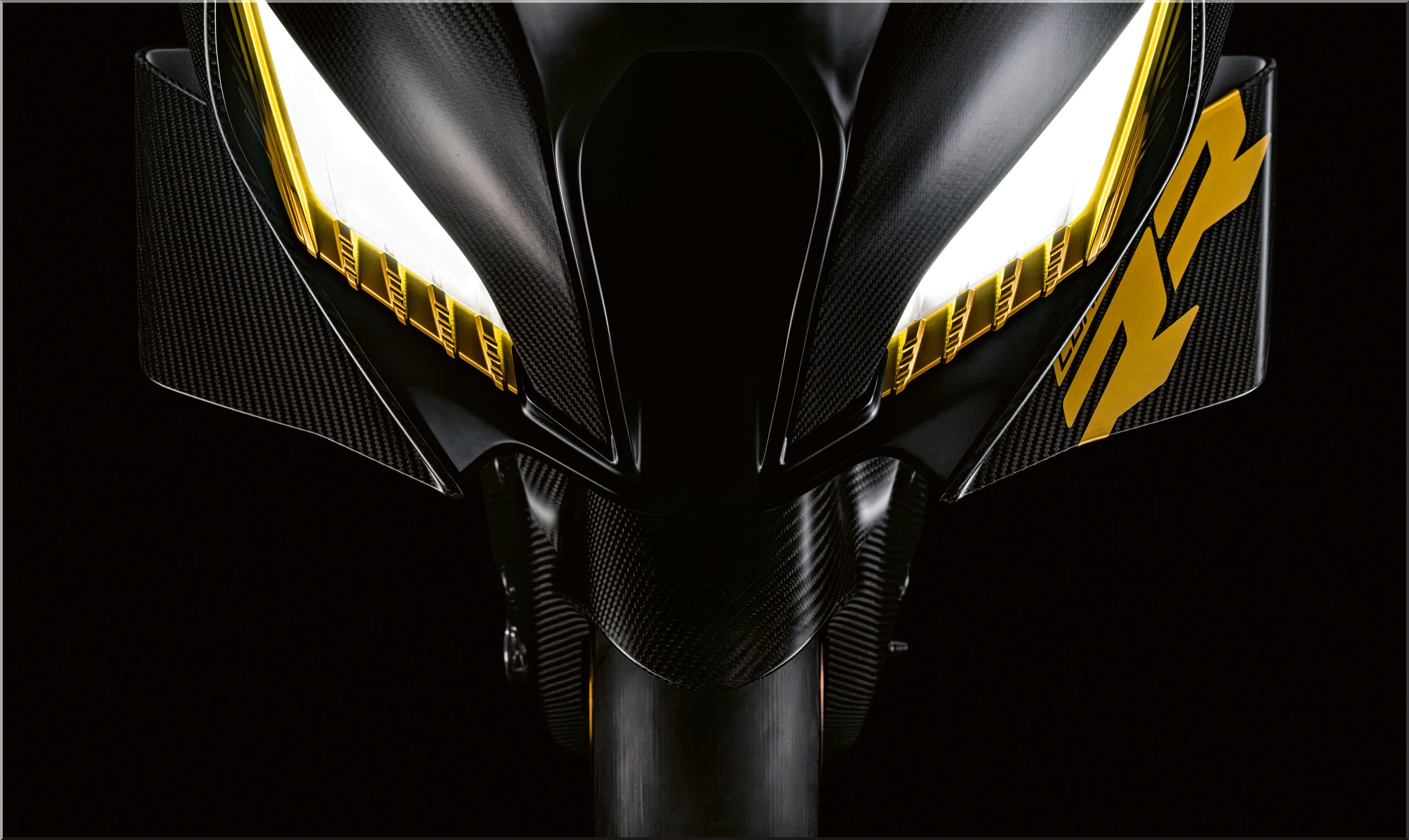
- Integrated winglets delivering up to 24 lbs of downforce at 124 mph
- Vented body panels to lower engine temperatures by up to 5°C
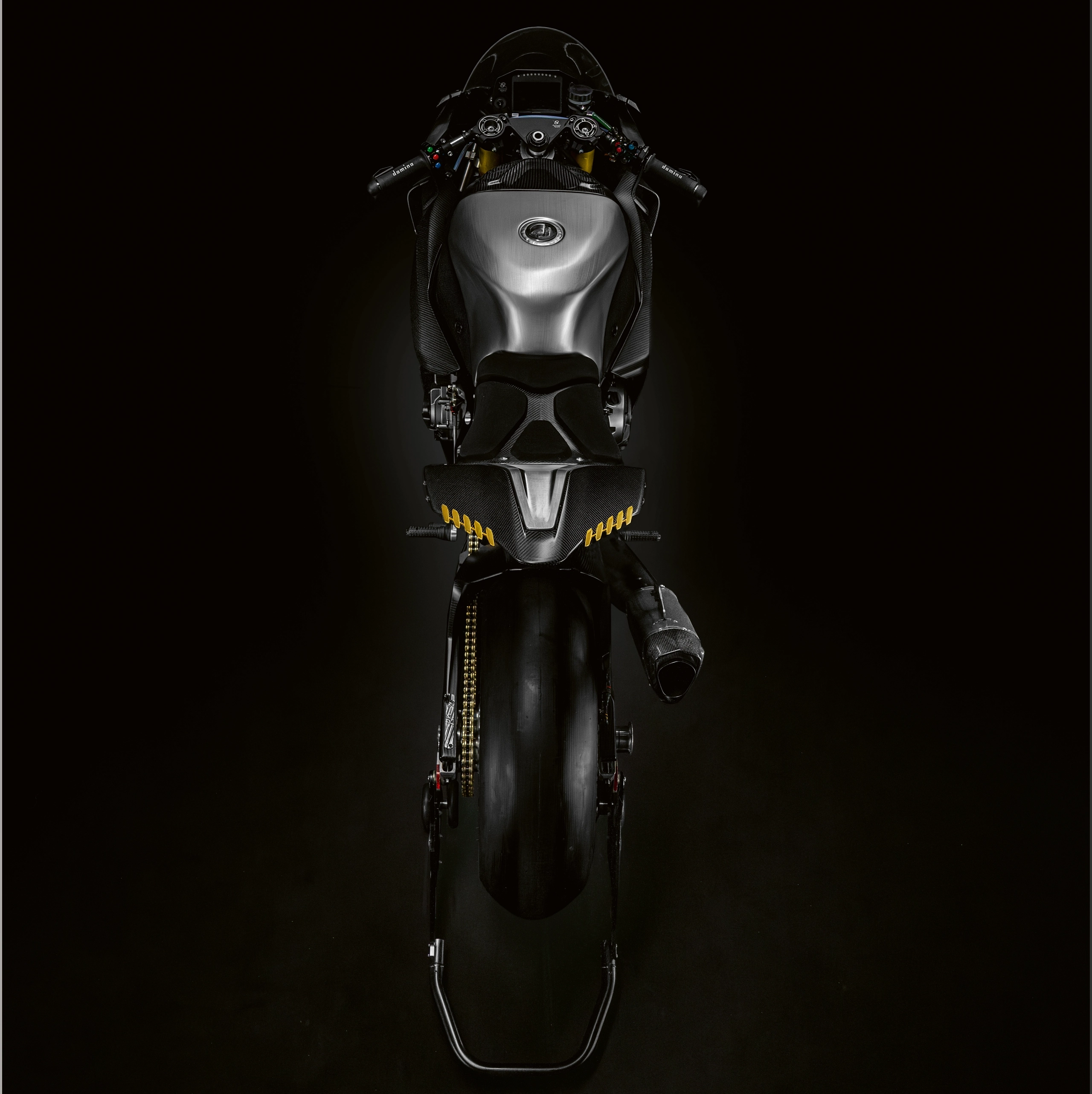
- Monolithic carbon tail section, eliminating traditional subframe weight
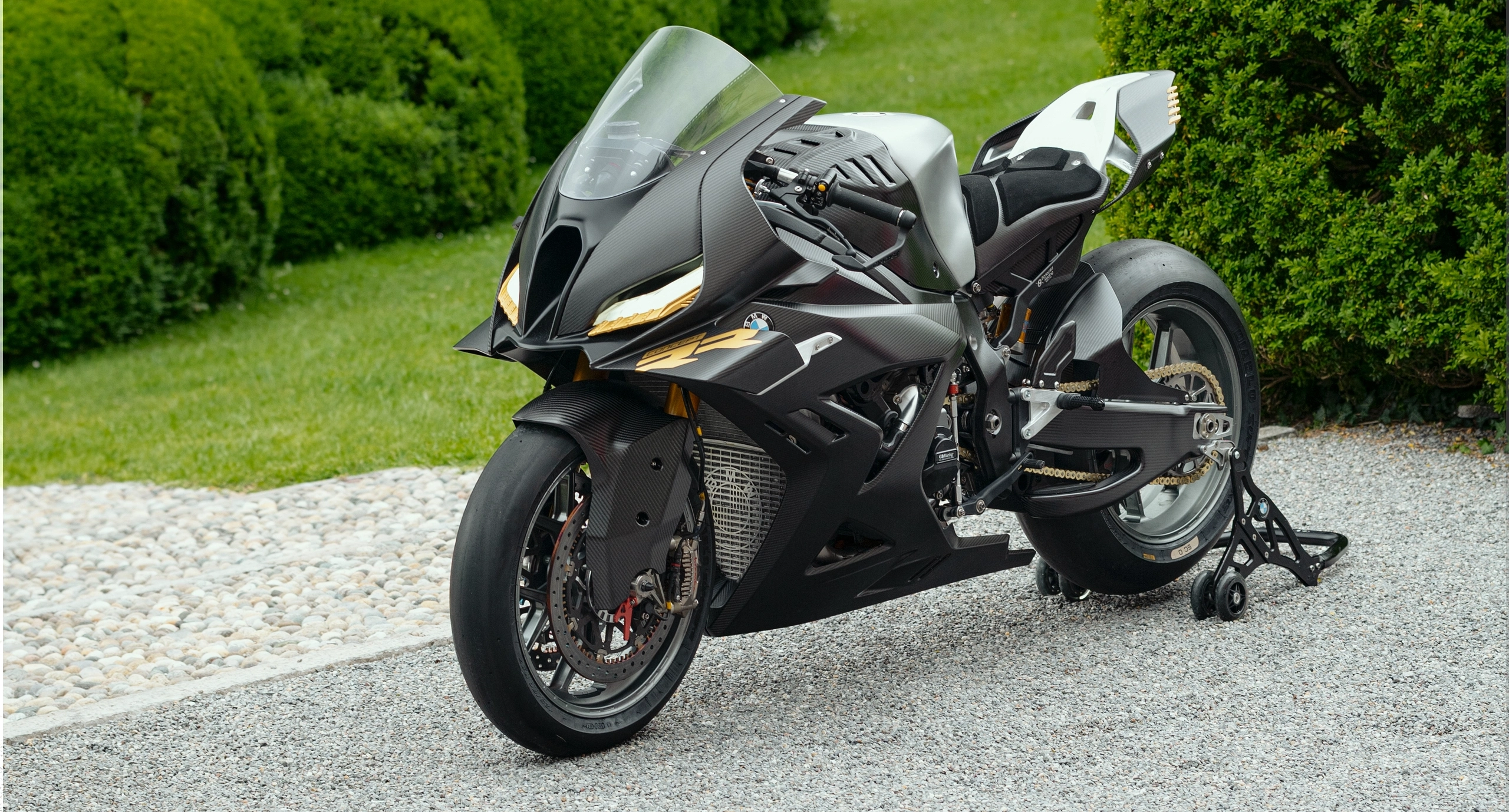
- Enlarged air intake for better volumetric efficiency at speed
Aerodynamic downforce not only improves high-speed cornering but also enables later braking without destabilizing the front end. This approach echoes BMW’s M Motorsport strategies, where downforce must serve mechanical grip, not aesthetics.
Design Language and Materials: Functional Engineering with Race Focus
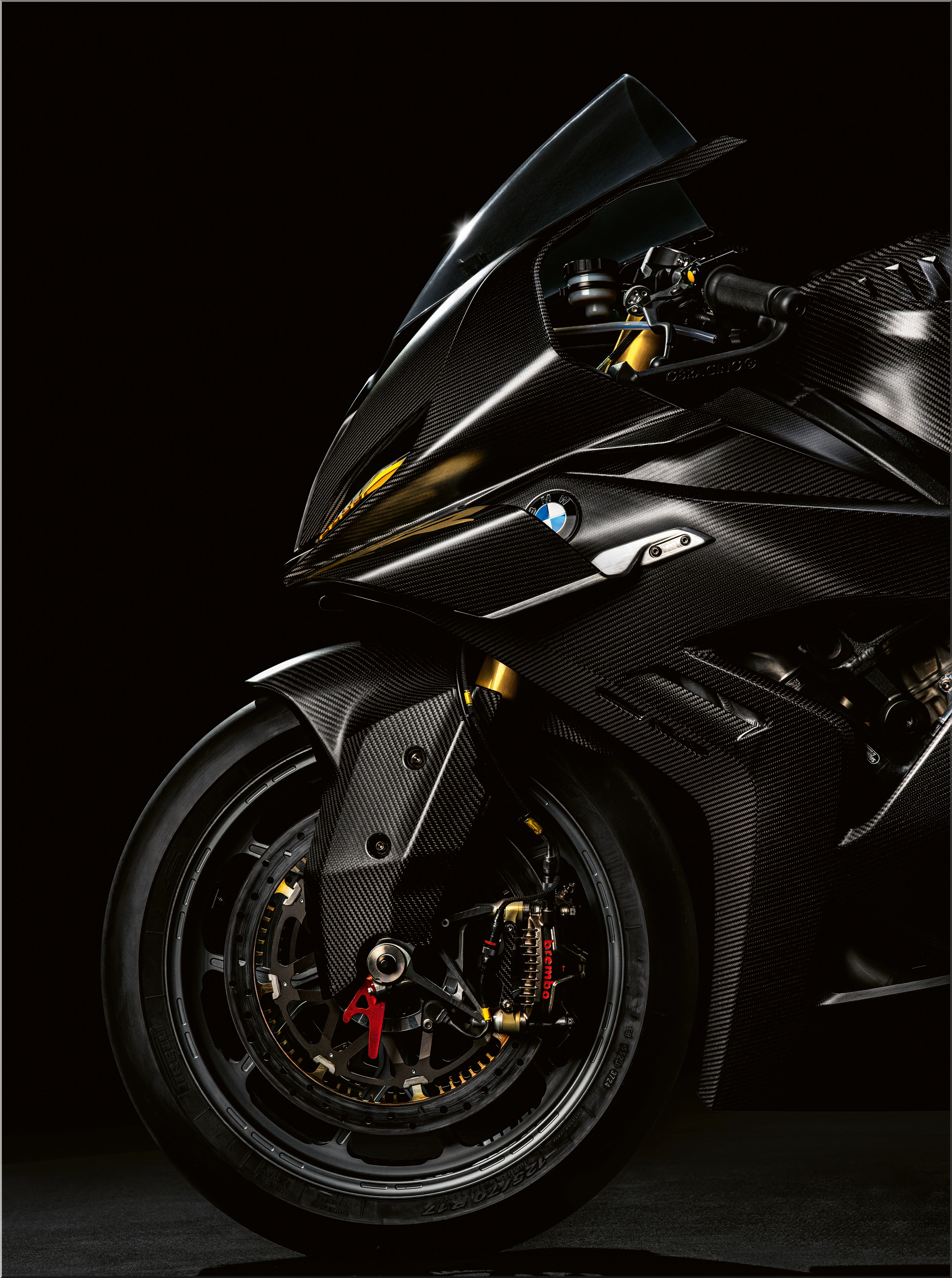
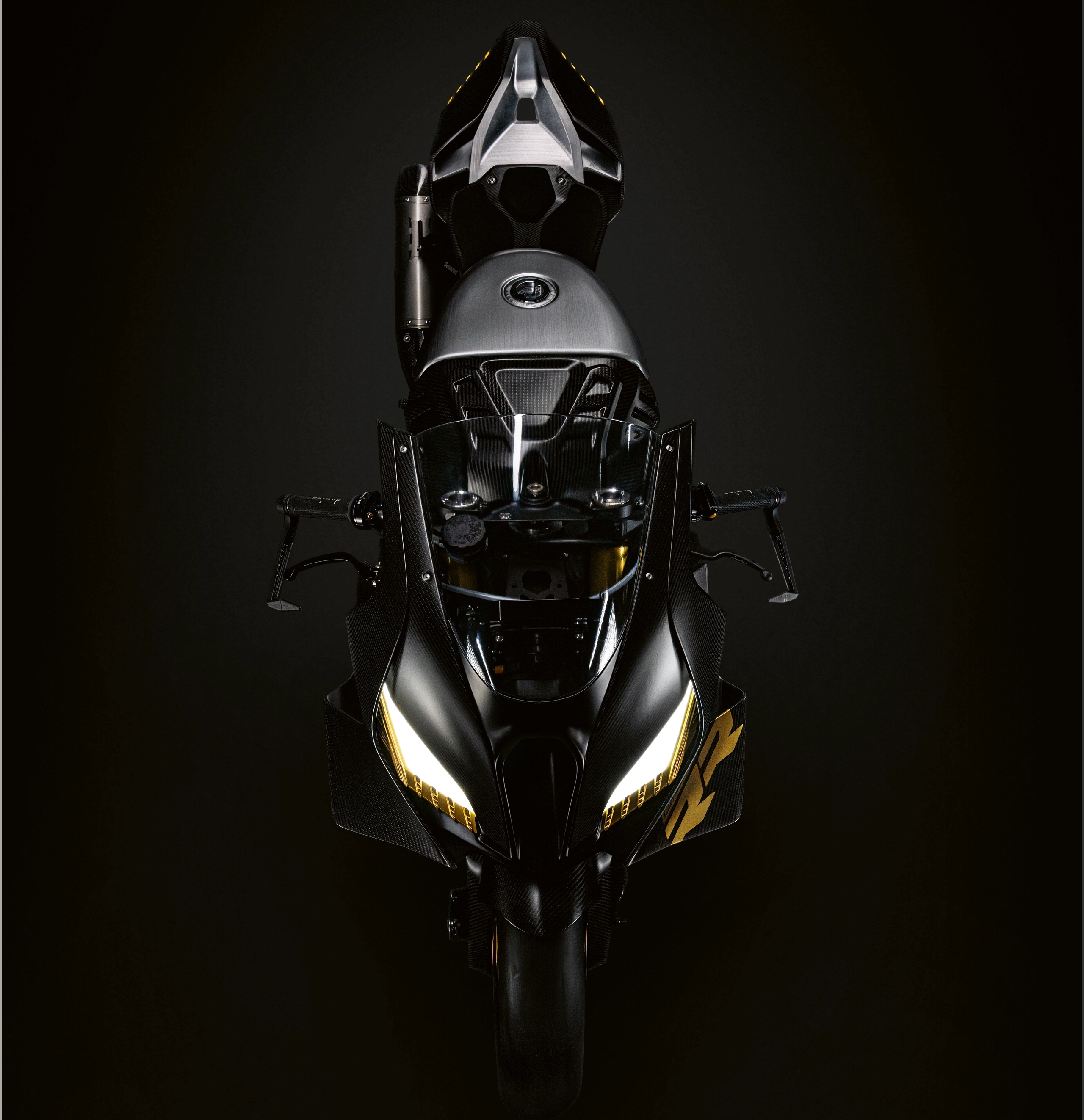
Every line of the Concept RR exists for a reason. The fairings are fabricated from pre-preg carbon fiber, offering rigidity without weight penalty. A shortened tail and laser-cut LED tail-light emphasize the mass-centralization principle. There’s no rear seat—this bike doesn’t make room for passengers or design flourishes.
Key Construction and Material Choices:
- Dry carbon fiber bodywork with minimal paint
- Aluminum billet triple clamps and foot controls
- Magnesium forged wheels—lighter than carbon in rotational mass
- Titanium fasteners and linkages for weight savings
This focus on lightweight construction reduces unsprung mass and enhances flickability through rapid direction changes. The Concept RR signals where BMW is heading: function trumps luxury, even in high-end machines.
Positioning, Availability, and Pricing Expectations
The Concept RR is not confirmed for production, but insiders indicate it will inform the next generation M 1000 RR and possibly a new tier of M RR Pro motorcycles. If this materializes, buyers can expect production versions to land between $38,000–$42,000 USD, depending on final spec.
BMW has historically priced high-performance limited-run superbikes accordingly:
- 2024 M 1000 RR Competition: $36,995 USD
- 2023 HP4 Race (carbon chassis): $78,000 USD (limited to 750 units)
Possible Release Timeline:
- Concept Evaluation Phase: 2025–2026
- Production Variant Unveil: Mid-2026
- Deliveries Begin: Early 2027
BMW is expected to offer track-focused configuration options out of the factory, including slick tire compatibility, data logging expansion modules, and factory race support add-ons through its M Performance catalog.
Final Take: BMW Is Doubling Down on Race-Ready Engineering
The BMW Motorrad Concept RR is more than a styling exercise. It sends a clear message to Ducati, Yamaha, and Aprilia: BMW aims to lead the literbike class with hard data and race-proven solutions. This concept strips away luxuries, embraces technology, and sticks to what matters—performance.
It’s a testbed for next-gen systems and materials. And when BMW moves its concepts into production, history shows they arrive close to spec. Expect to see key elements of the Concept RR appear in the next BMW M 1000 RR, potentially as early as 2026.
- Add new comment
- 161 views