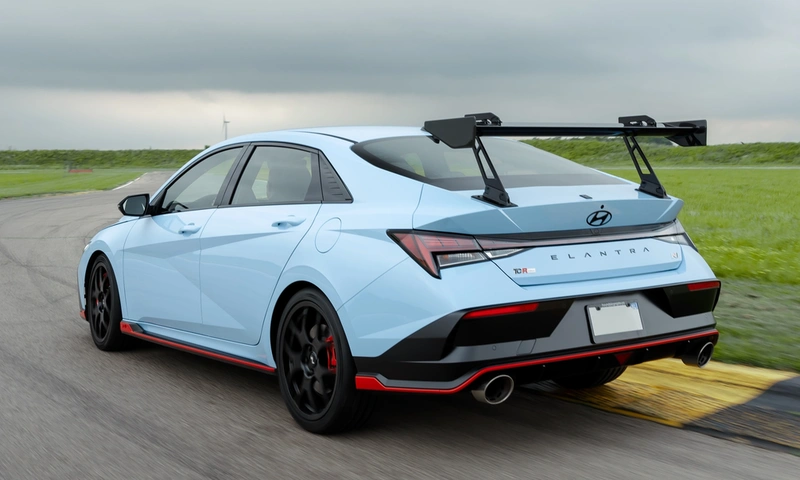
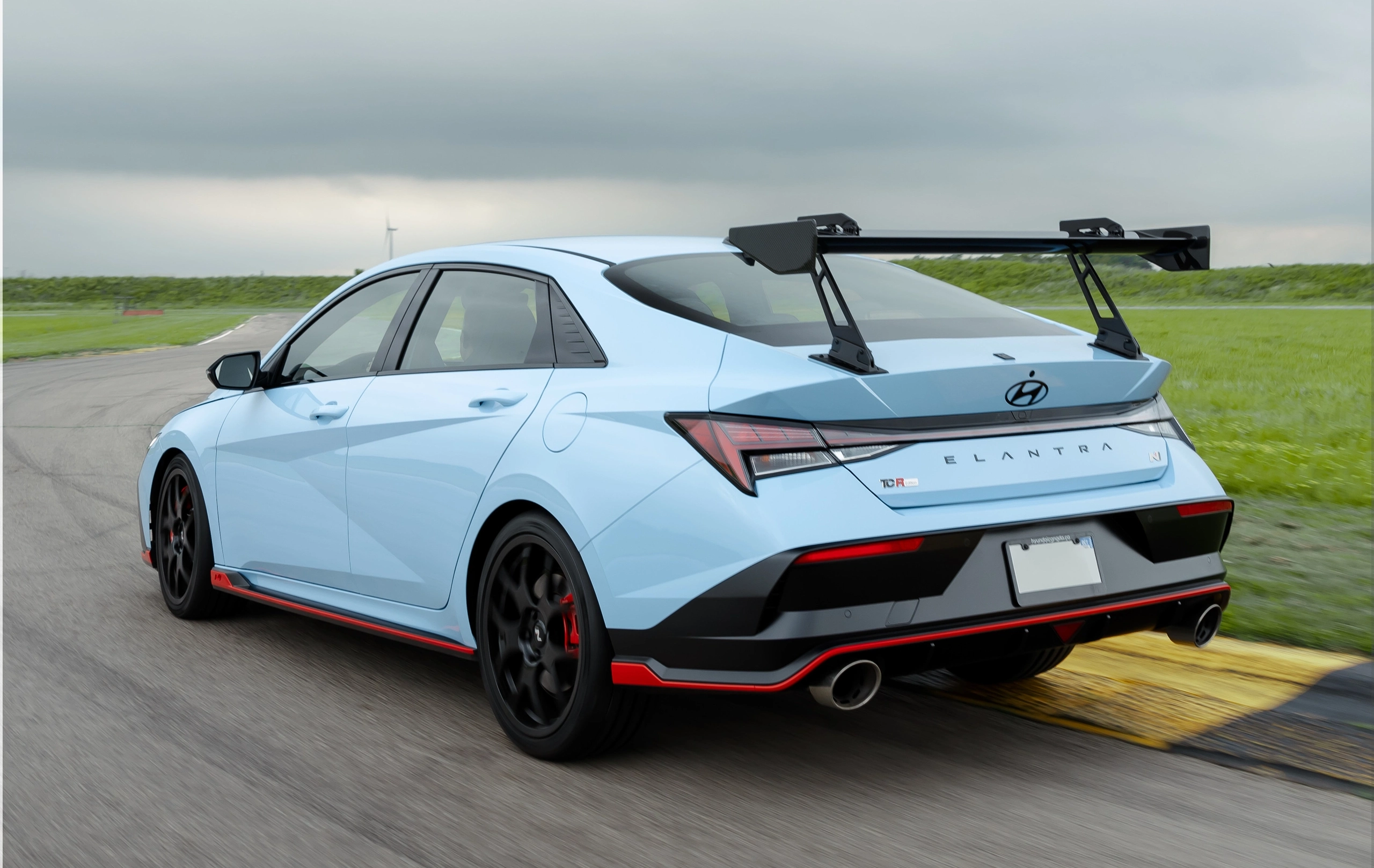
The 2026 Hyundai Elantra N TCR Edition arrives with a sharper value pitch than many buyers expected. Hyundai set the base MSRP at $39,250 for the six-speed manual and $40,750 for the eight-speed wet dual-clutch transmission. Add Hyundai's $1,245 destination charge, and the out-the-door starting figure before tax and registration lands at $40,495 or $41,995, respectively.
That pricing matters because the Elantra N TCR Edition does not ask buyers to pay exotic-car money for factory-developed track hardware. It adds real parts that affect braking, grip, and aero balance, then wraps them in a package that still undercuts several hot-compact rivals. Looking at the data, Hyundai priced this car like a brand that wants enthusiasts in the showroom, not just on social media.
2026 Hyundai Elantra N TCR Edition pricing explained
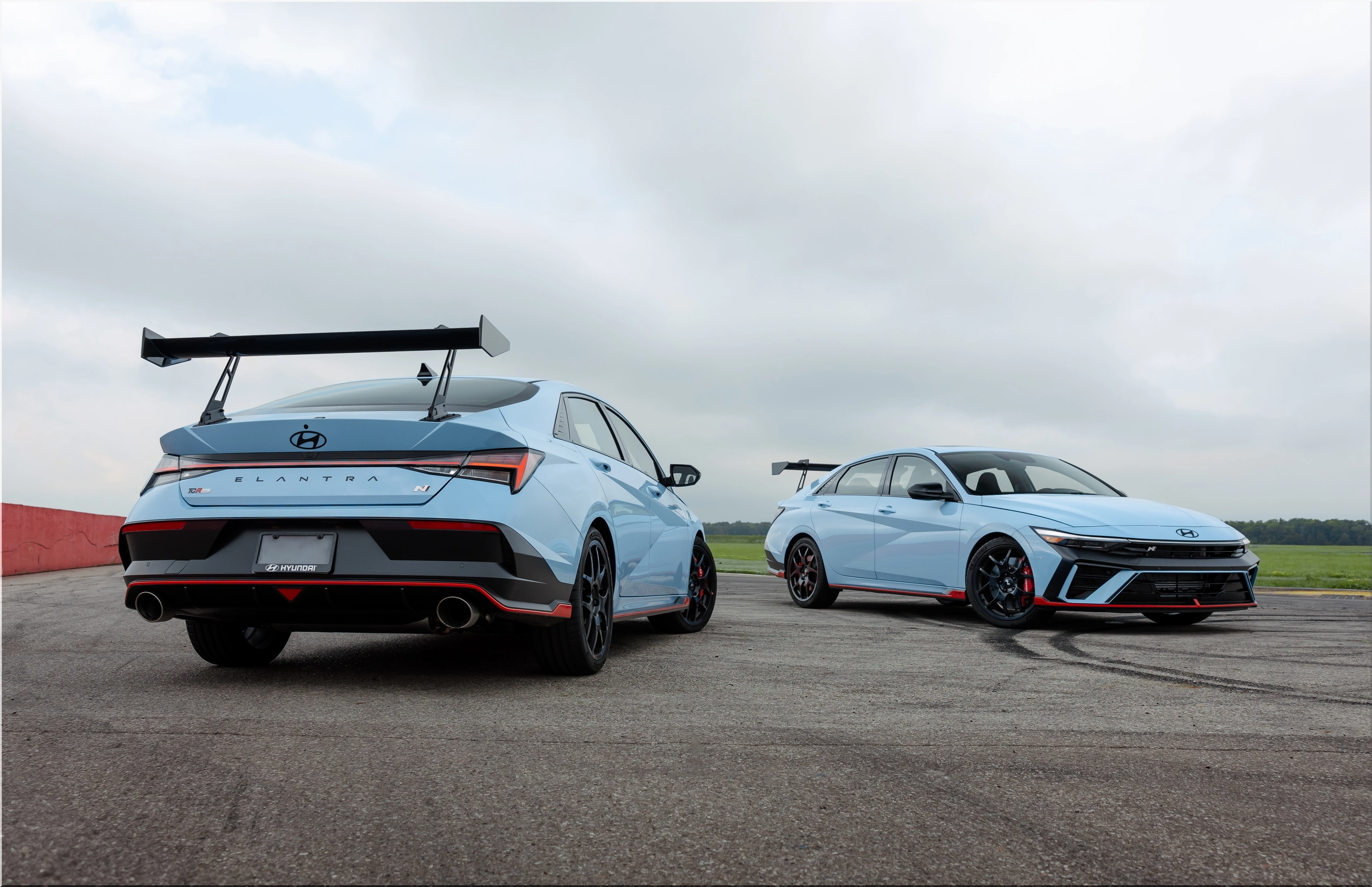
Hyundai kept the premium over a standard 2026 Hyundai Elantra N surprisingly tight. The regular Elantra N starts at $35,100 with the manual and $36,600 with the DCT, so the TCR Edition adds $4,150 before destination in either case.
Price table: TCR Edition vs standard Elantra N
| Model | MSRP | Destination | Total Before Tax/Fees |
|---|---|---|---|
| 2026 Elantra N MT | $35,100 | $1,245 | $36,345 |
| 2026 Elantra N DCT | $36,600 | $1,245 | $37,845 |
| 2026 Elantra N TCR Edition MT | $39,250 | $1,245 | $40,495 |
| 2026 Elantra N TCR Edition DCT | $40,750 | $1,245 | $41,995 |
By comparison, that extra spend buys hardware that would cost serious money to source, fit, and tune correctly in the aftermarket. Hyundai also folds those upgrades into a factory package with OEM validation, which lowers the usual risk that comes with mixing random brake, wheel, and aero parts from three different catalogs.
What the TCR Edition adds over the regular Elantra N
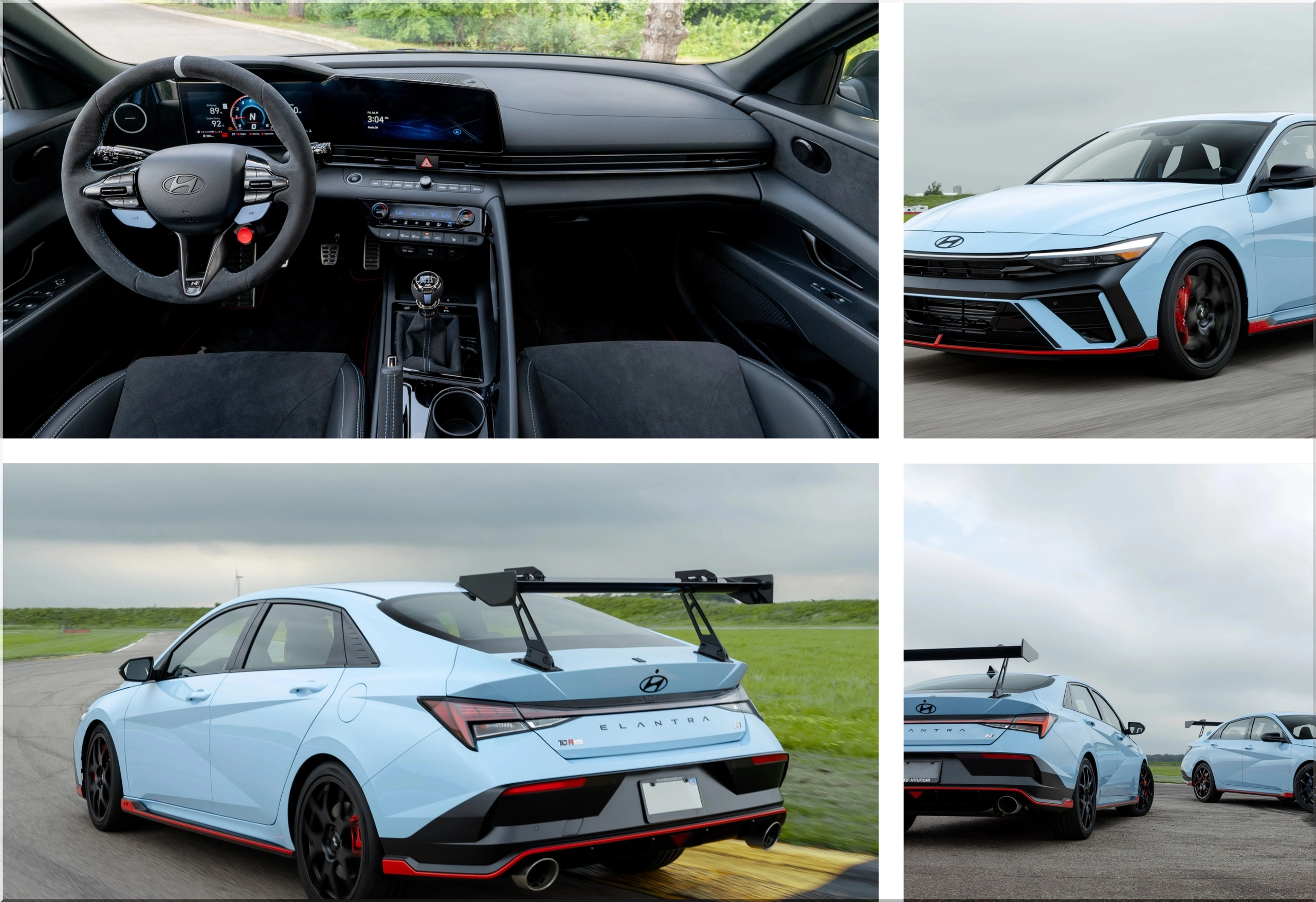
The heart of the car stays the same, and that is not a complaint. Hyundai keeps the turbocharged 2.0-liter four-cylinder at 276 horsepower and 289 lb-ft of torque, driving the front wheels through either a manual gearbox or the brand's wet DCT. The TCR Edition changes the way that output reaches the pavement and how the chassis handles repeated hard use.
Specifically, Hyundai adds:
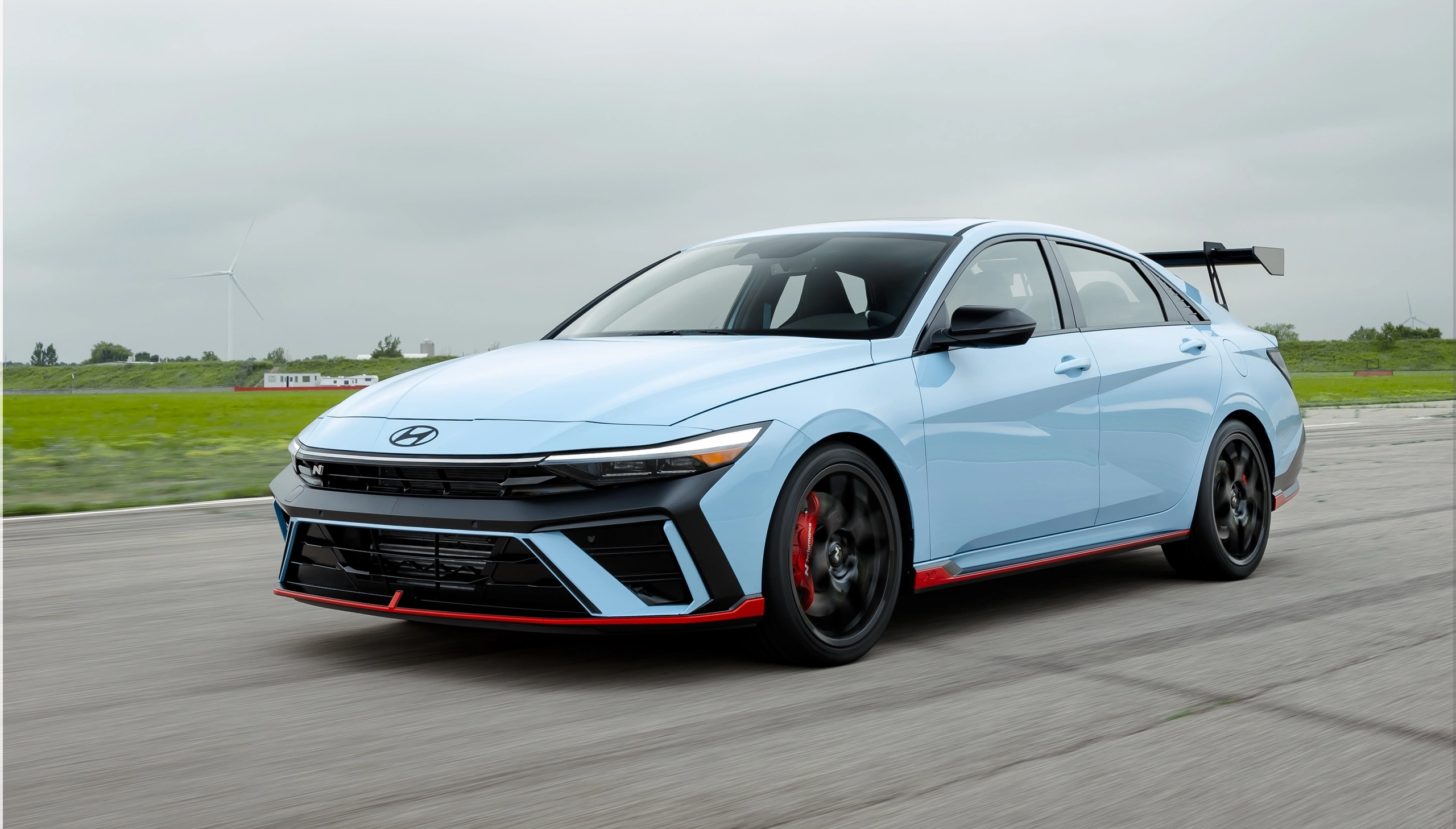
- Four-piston monoblock front brake calipers
- Two-piece front brake rotors
- 19-inch forged alloy wheels
- Adjustable carbon-fiber swan-neck rear wing
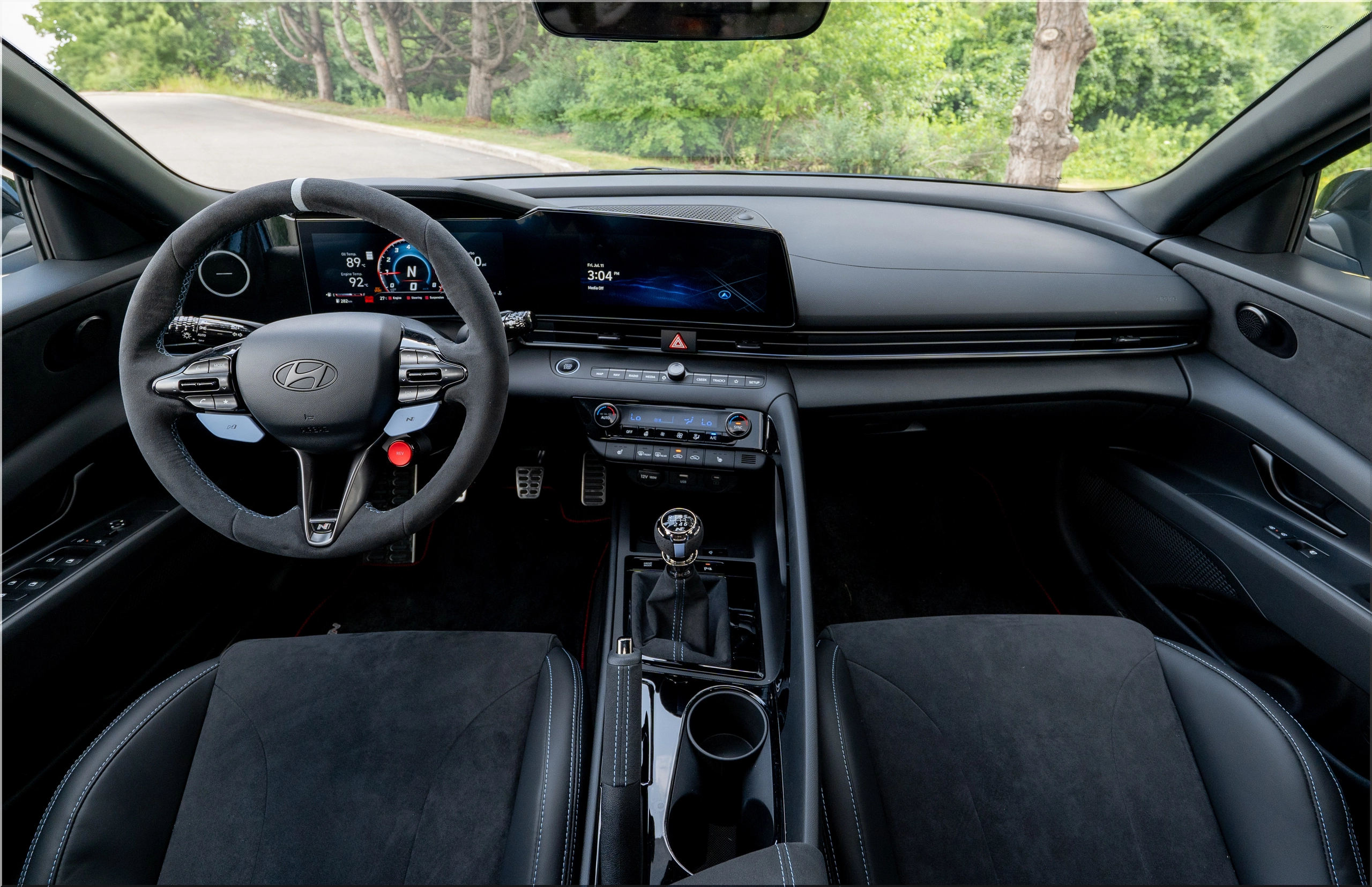
- Alcantara steering wheel, shift knob, handbrake, and armrest trim
- Blue front seat belts and TCR-specific badging
- N Performance aluminum sill plates and puddle lamps
That list tells you Hyundai focused on unsprung mass, heat management, and aero stability. Forged wheels usually cut weight while improving stiffness. Two-piece front rotors manage repeated heat cycles better than cheaper one-piece setups. The rear wing adds visual drama, yes, but the real point sits in the word adjustable. That lets Hyundai tune rear downforce for different driving conditions rather than treating the wing like a styling prop.
Key specs that still make the Elantra N formula work
The TCR Edition rests on a solid base car, and the core numbers still hold up in 2026.
Quick-spec table: 2026 Hyundai Elantra N TCR Edition
| Spec | Figure |
|---|---|
| Engine | 2.0-liter turbocharged inline-four |
| Output | 276 hp / 289 lb-ft |
| Drivetrain | Front-wheel drive |
| Transmission choices | 6-speed manual or 8-speed wet DCT |
| Wheelbase | 107.1 inches |
| Length | 184.1 inches |
| Width | 71.9 inches |
| Height | 55.7 inches |
| Tires | 245/35R19 Michelin Pilot Sport 4S summer tires |
Those measurements also explain why the Hyundai Elantra N TCR Edition stays appealing on American roads. At 184.1 inches long with a 107.1-inch wheelbase, it gives drivers enough footprint for high-speed stability without turning daily parking into a bad mood generator. The Michelin Pilot Sport 4S rubber seals the deal. Hyundai did not cheap out there.
Why this price works
From an expert perspective, Hyundai nailed the psychology here. Buyers in this segment will pay more for parts they can see and feel. They will also punish a brand that charges too much for stickers, black trim, and a special badge.
The TCR Edition avoids that trap. The brake package improves repeatability on track days. The forged wheels and sticky tires support sharper response. The Alcantara touchpoints give the cabin more purpose without pretending this is a luxury sedan. Consequently, Hyundai created a car that feels meaningfully upgraded rather than merely repackaged.
That strategy also helps Hyundai against rivals that now command heavier premiums. A $40,495 starting price with destination for a limited-production, motorsports-flavored sedan looks aggressive in today's performance-car market. It does not look cheap. It looks smart.
Should buyers choose the manual or the DCT?
That depends on how you plan to use the car.
- Choose the manual if you want maximum involvement and the lowest entry price.
- Choose the DCT if you want faster shifts, easier commuting, and stronger consistency in stop-and-go traffic.
- Choose quickly if inventory stays tight, because Hyundai calls this a limited-production model.
Pro-Tip
If you plan even two or three track days a year, the TCR Edition makes more sense than building a standard Elantra N piece by piece. You get factory-developed hardware, known fitment, and a cleaner resale story.
What now?
The 2026 Hyundai Elantra N TCR Edition price puts it in a rare position. It feels special, it packs real motorsports-linked hardware, and it does not ask buyers to make a financial leap into another class. For enthusiasts who want a front-drive sedan with real bite, this looks like one of the more rational performance buys of 2026.
- Add new comment
- 119 views