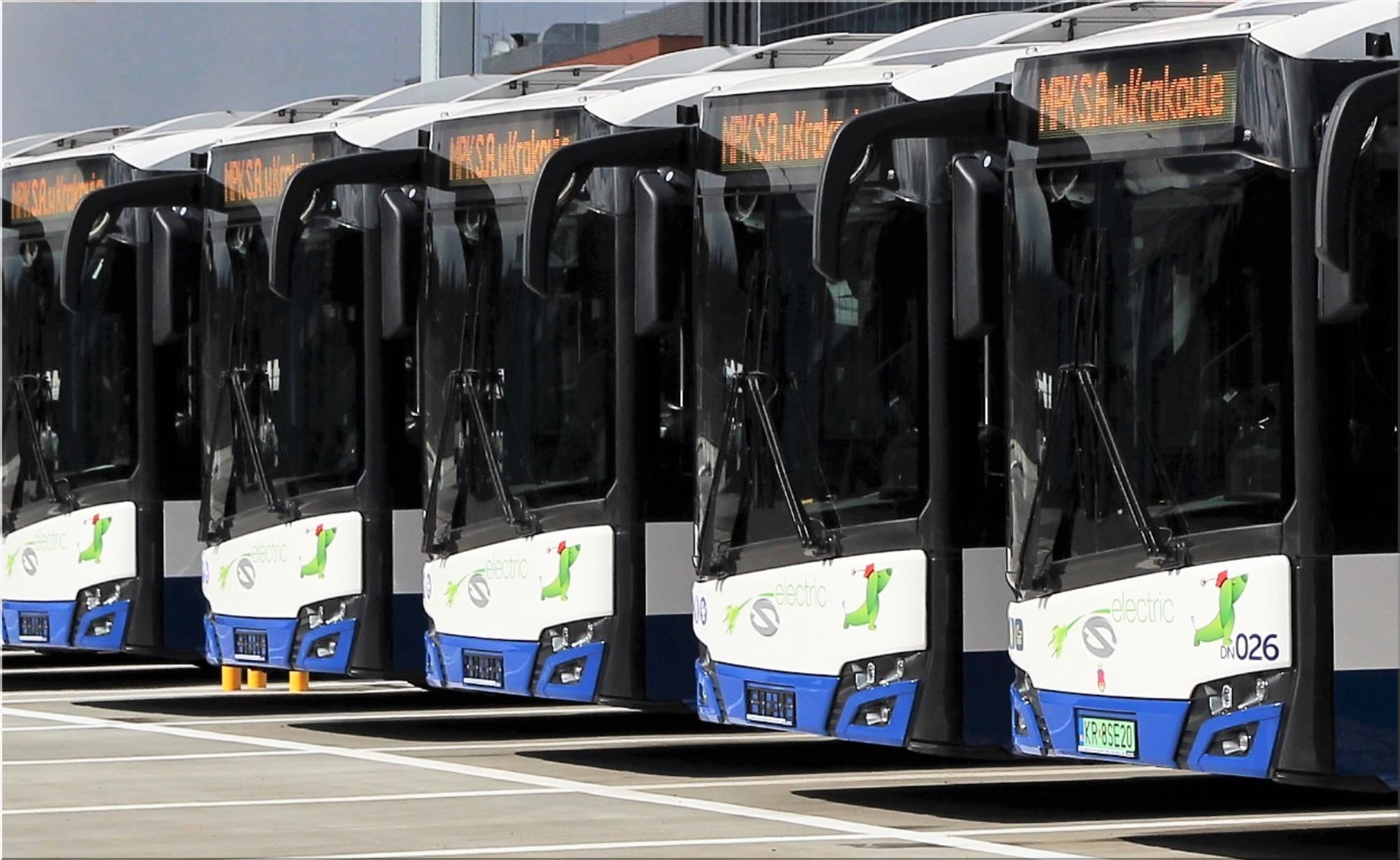
Cracow, Poland, a city steeped in history and cultural charm, is taking a significant step towards a greener future for its public transportation system. This week, a landmark deal was struck between the Municipal Transport Company of Cracow (MPK Kraków) and Solaris, a leading European bus manufacturer. The agreement involves the acquisition of 37 mild hybrid buses, slated to join Cracow's already impressive fleet of nearly 600 Solaris vehicles.
This move signifies a strategic shift for Cracow's public transport infrastructure, prioritizing environmental consciousness without compromising efficiency. Let's delve deeper into the details of this exciting development and explore the potential impact of these new additions.
Modernizing the Fleet, Minimizing the Footprint
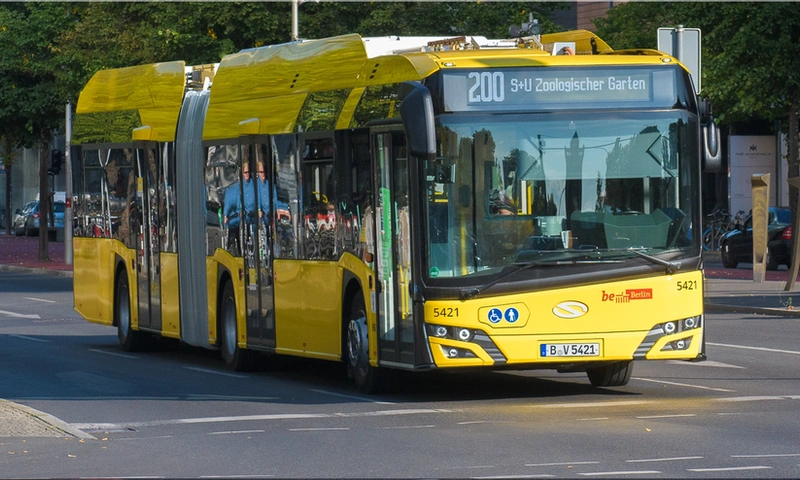
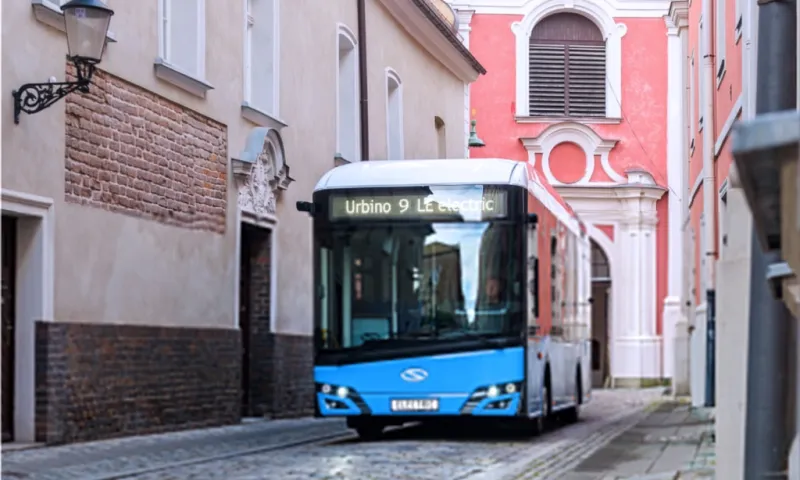
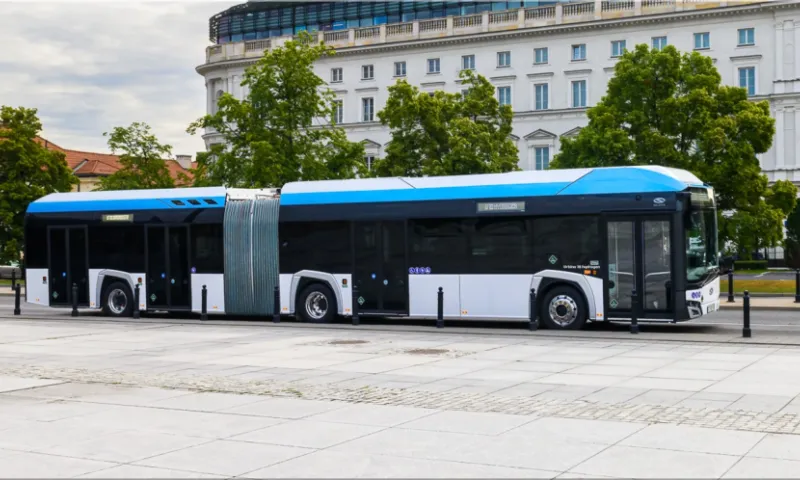
The new arrivals are specifically designed to replace the city's older buses. These modern 12-meter giants boast a slew of passenger-friendly features, including low-floor design for ease of access, air conditioning for year-round comfort, and features tailored to serve both city and agglomeration routes (25 and 12 buses respectively). While these enhancements undoubtedly elevate the passenger experience, the true significance lies in the underlying technology – the mild hybrid system.
The Power of Synergy: Unveiling the Mild Hybrid Advantage
The beauty of mild hybrid technology lies in its ability to bridge the gap between conventional combustion engines and fully electric alternatives. These buses utilize a clever combination of an internal combustion engine and an electric motor. The electric motor functions as a generator, alleviating the workload on the combustion engine during operation. This translates to tangible benefits:
- Fuel Efficiency: By reducing the strain on the main engine, mild hybrids achieve significant fuel savings compared to their non-hybrid counterparts. This translates to cost reduction for MPK Kraków and a positive environmental impact.
- Reduced Emissions: The decreased reliance on the combustion engine directly translates to lower emissions. Passengers and pedestrians alike will breathe a little easier with these cleaner-burning buses on the road.
- Energy Recuperation: The system employs a brilliant strategy of capturing energy during braking, a period where it would otherwise be wasted. This captured energy is then stored and strategically redeployed when the engine requires additional power, particularly during acceleration.
- Flexibility: Unlike fully electric buses that require dedicated charging infrastructure, mild hybrids offer greater operational flexibility. They can seamlessly integrate into existing infrastructure while still delivering significant environmental advantages.
A Partnership Built on Experience
This collaboration marks a new chapter in the longstanding relationship between Cracow and Solaris. The Polish bus manufacturer has been a trusted partner for over two decades, supplying the city with nearly 600 vehicles. Notably, a significant portion of this existing fleet comprises zero-emission electric buses, showcasing Cracow's commitment to sustainable transportation.
While the mild hybrid technology represents a first for Solaris buses in Cracow, the concept itself isn't entirely new to the city. Last summer, MPK Kraków conducted a four-week trial run of mild hybrid buses on their routes, providing valuable insights and solidifying their decision to integrate this technology into their mainstream fleet.
Cracow's Green Journey: A Look Ahead
The arrival of these mild hybrid buses signifies a crucial step towards a greener future for Cracow's public transportation system. By prioritizing fuel efficiency and reduced emissions, the city is making a conscious effort to minimize its environmental footprint. This move not only benefits the environment and public health but also aligns with a growing global trend towards sustainable urban mobility.
The success of this initiative has the potential to pave the way for further advancements in Cracow's public transport infrastructure. We can expect to see continued exploration of alternative fuel sources and the development of even more eco-friendly technologies. As Cracow embarks on this green journey, one thing is certain: the city is setting a positive example for other urban centers around the world, proving that progress and sustainability can go hand in hand.
A Broader Look at the Implications
This news extends beyond a simple press release. It represents a critical shift in the way cities approach public transportation. Here are some additional points to consider:
- Public Perception: The introduction of these new buses has the potential to influence public perception of Cracow's public transport system positively. Passengers who choose eco-friendly options may feel a sense of pride in contributing to a cleaner city.
- Economic Benefits: Fuel savings achieved through the use of mild hybrid buses can translate to long-term economic benefits for MPK Kraków. These savings can then be redirected towards further improvements within the public transport system.
- Urban Planning: Cities worldwide are grappling with the challenge of balancing urban development with environmental protection. Cracow's adoption of mild hybrid technology serves as a successful case study for other cities looking to implement similar solutions.
- The Future of Public Transport: The Cracow example highlights the potential of mild hybrid buses as a bridge between conventional and fully electric options. As the technology matures and costs become more competitive, we can expect to see wider adoption of mild hybrids in public transportation systems around the world.
- Add new comment
- 265 views