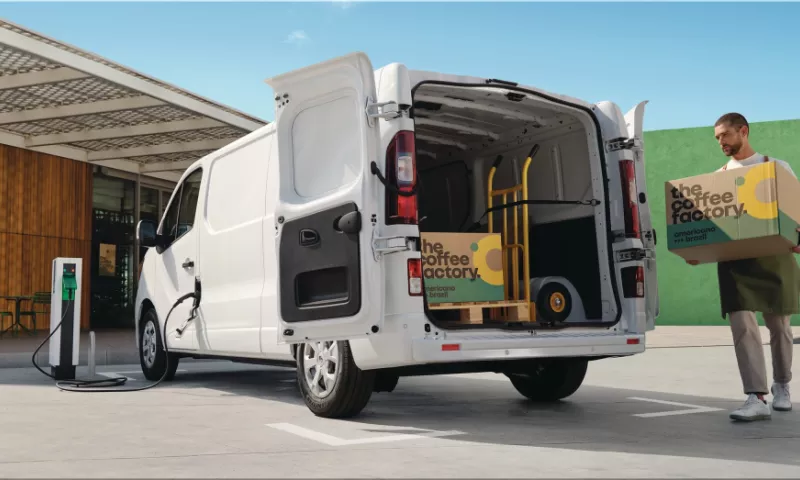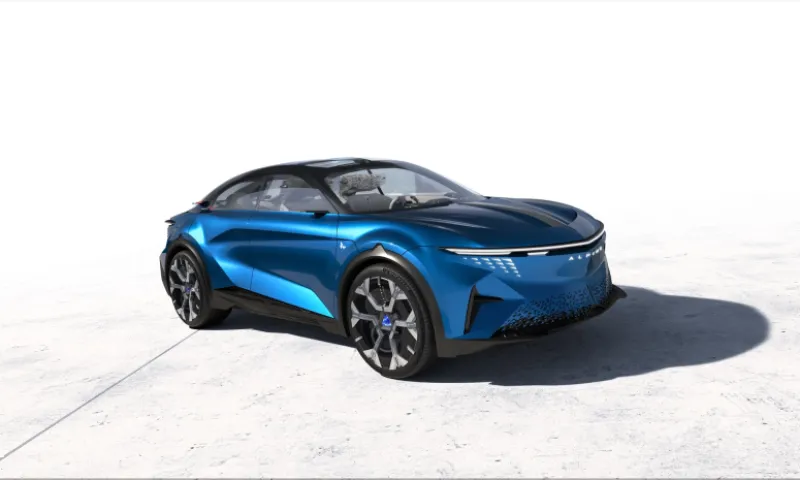
If you've been driving the same petrol or diesel car for the bones of a decade, 2026 might just be the year it finally makes sense to go electric. Back in June, the Minister for Transport, Darragh O'Brien, announced a new €10 million scrappage scheme called ICE2EV, run by the Sustainable Energy Authority of Ireland (SEAI). The idea is simple. Get older, dirtier cars off Irish roads and replace them with new electric ones. To make that happen, the Government is putting up to €8,500 behind your switch.
The scheme has got plenty of people talking, but it's also caused a fair bit of head-scratching. Who actually qualifies? How much do you really get? And how do you apply before the money runs out? Here's the whole thing in plain English.
What the €8,500 actually is
The big number everyone quotes is up to €8,500. The important thing to know is that this isn't one lump sum. It's made up of two separate supports.
The new bit, the ICE2EV part, is a €5,000 grant you get when you scrap a qualifying older car and buy a new EV. On top of that sits the existing SEAI electric car grant of up to €3,500, which has been around for a good while. Put the two together and eligible buyers can get up to €8,500 off.
One honest point worth making. That €3,500 SEAI grant is usually already built into the advertised price of new electric cars. So the genuinely new money here is the €5,000 scrappage part. That's still a serious saving, and the best bit is it comes straight off the price at the point of sale. You don't pay it up front and claim it back later.
Who and what qualifies
To get the grant, both you and your old car need to tick a few boxes. The car you scrap has to be a petrol or diesel passenger car first registered in 2013 or earlier. You need to have owned it for at least 12 months before you apply, and it must be taxed and insured at the time, with a valid NCT or one that ran out no more than six months before your application date. You'll also need the log book.
Here's a big one. The car has to be scrapped through a registered EV dealer at an approved facility. If you scrap it yourself, you're out of luck. Existing electric cars and plug-in hybrids can't be scrapped under the scheme either. It's aimed squarely at getting older petrol and diesel cars off the road.
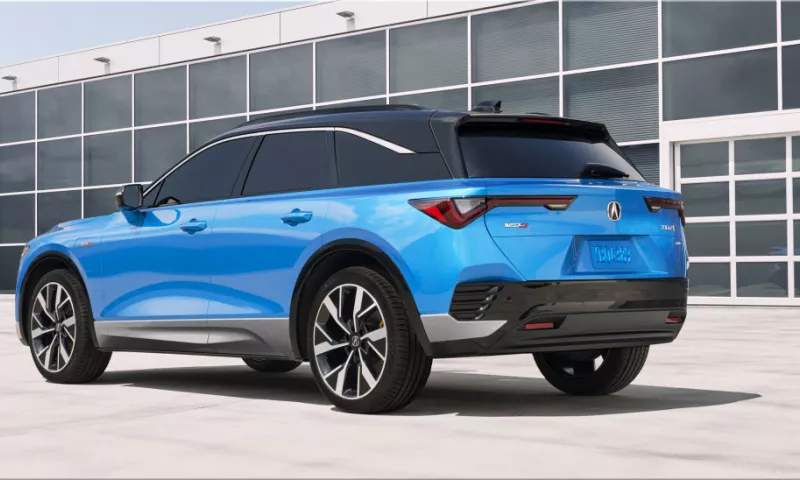
On the new car side, you have to buy a brand new battery electric vehicle, registered from the 262 plate onwards, with a list price under €60,000. Keep in mind that this price cap is set to drop to €50,000 for applications made after the 31st of July 2026, so the model you pick and the timing of your application both matter. Used EVs don't count.
The step-by-step process
The good news is your dealer does nearly all the paperwork. Here's how it usually goes:
- Check your old car qualifies. Look at the year it was registered, how long you've owned it, and that the tax, insurance and NCT are sorted. A quick call to a dealer will tell you where you stand.
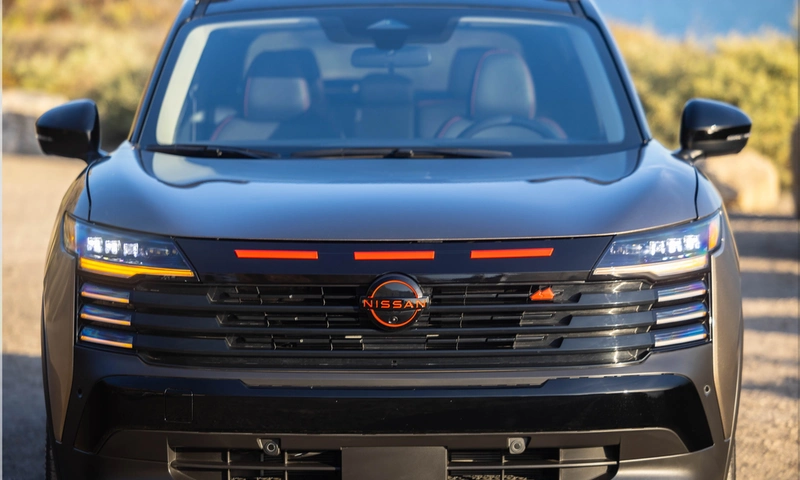
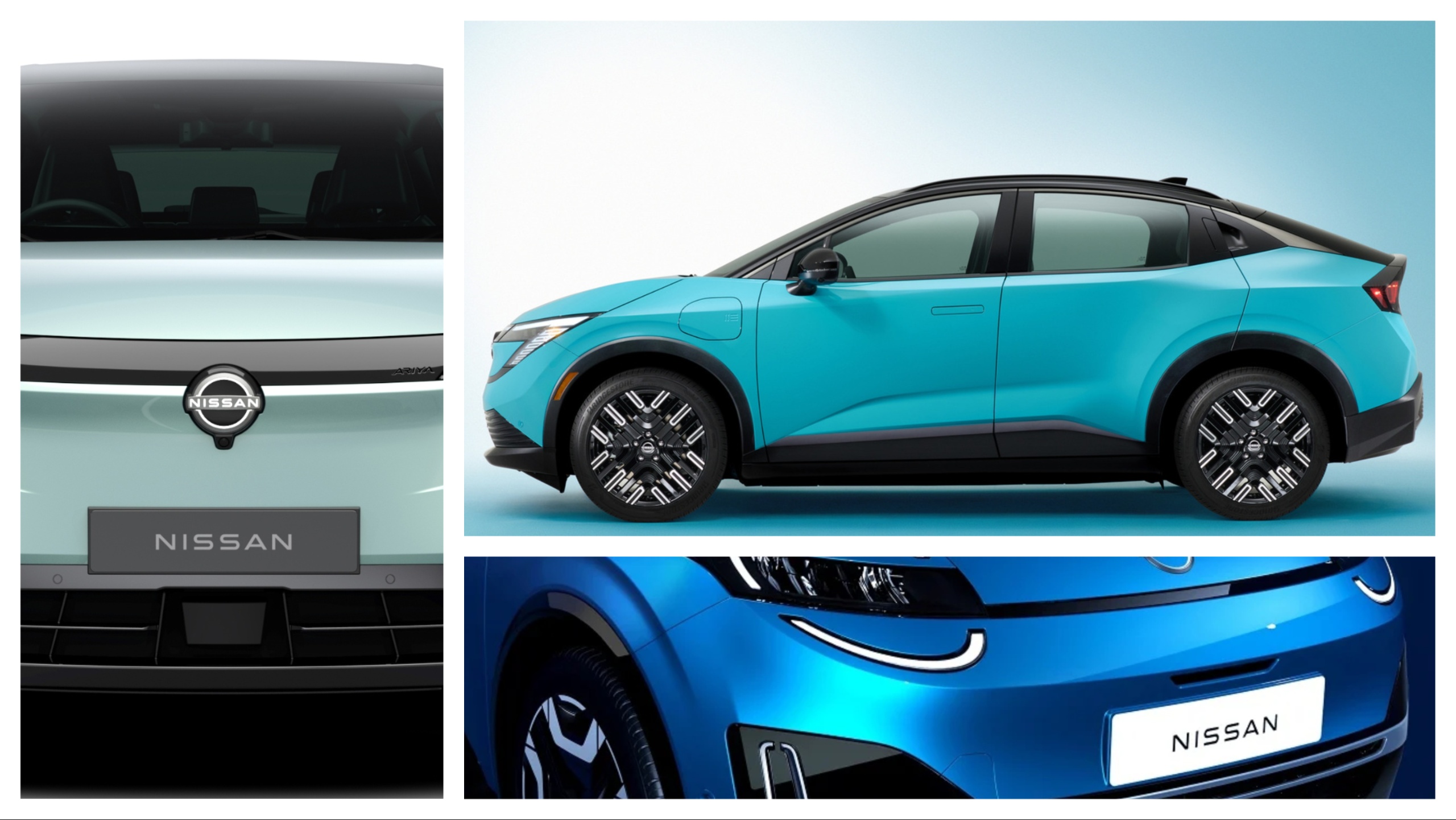
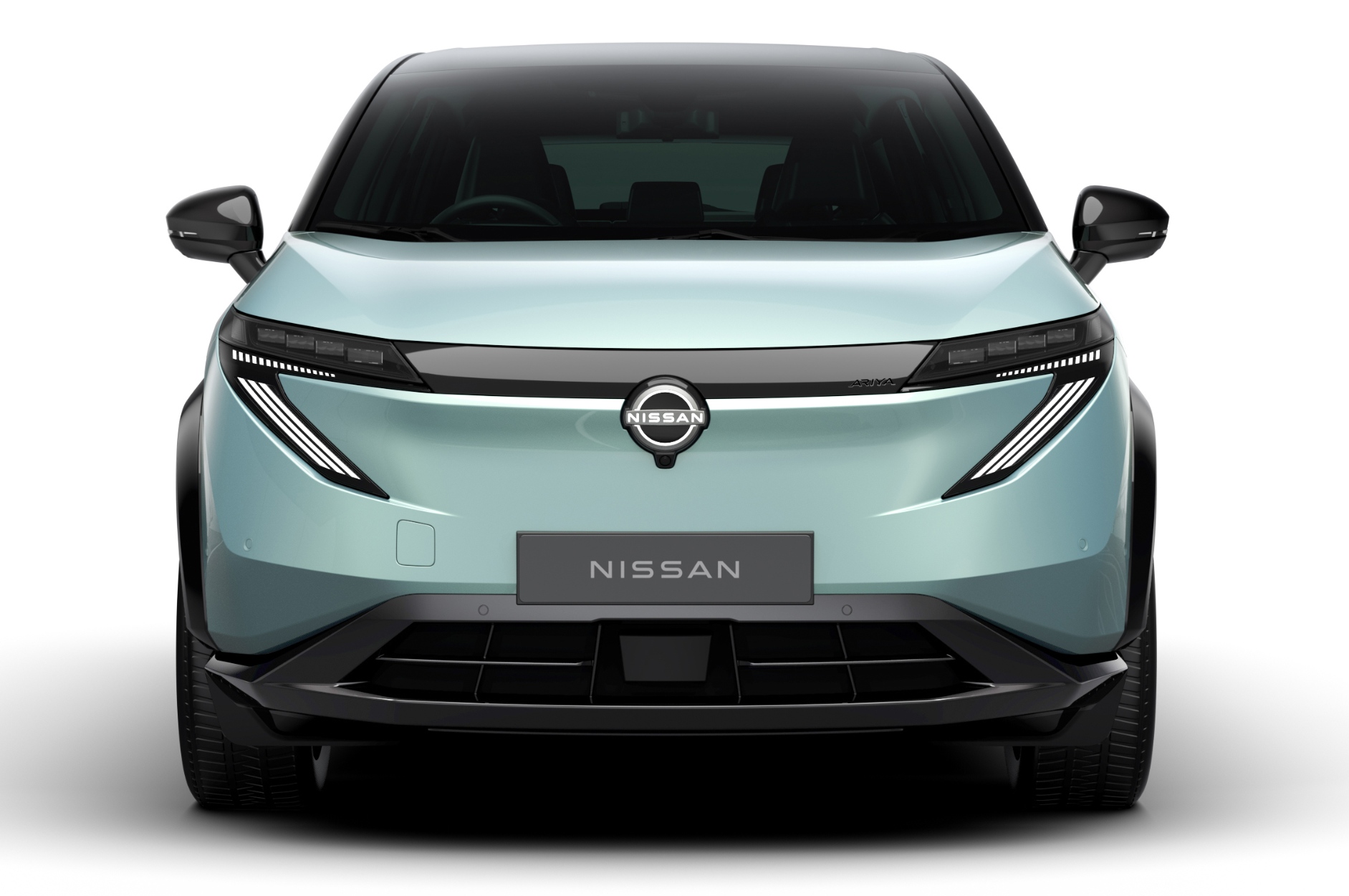
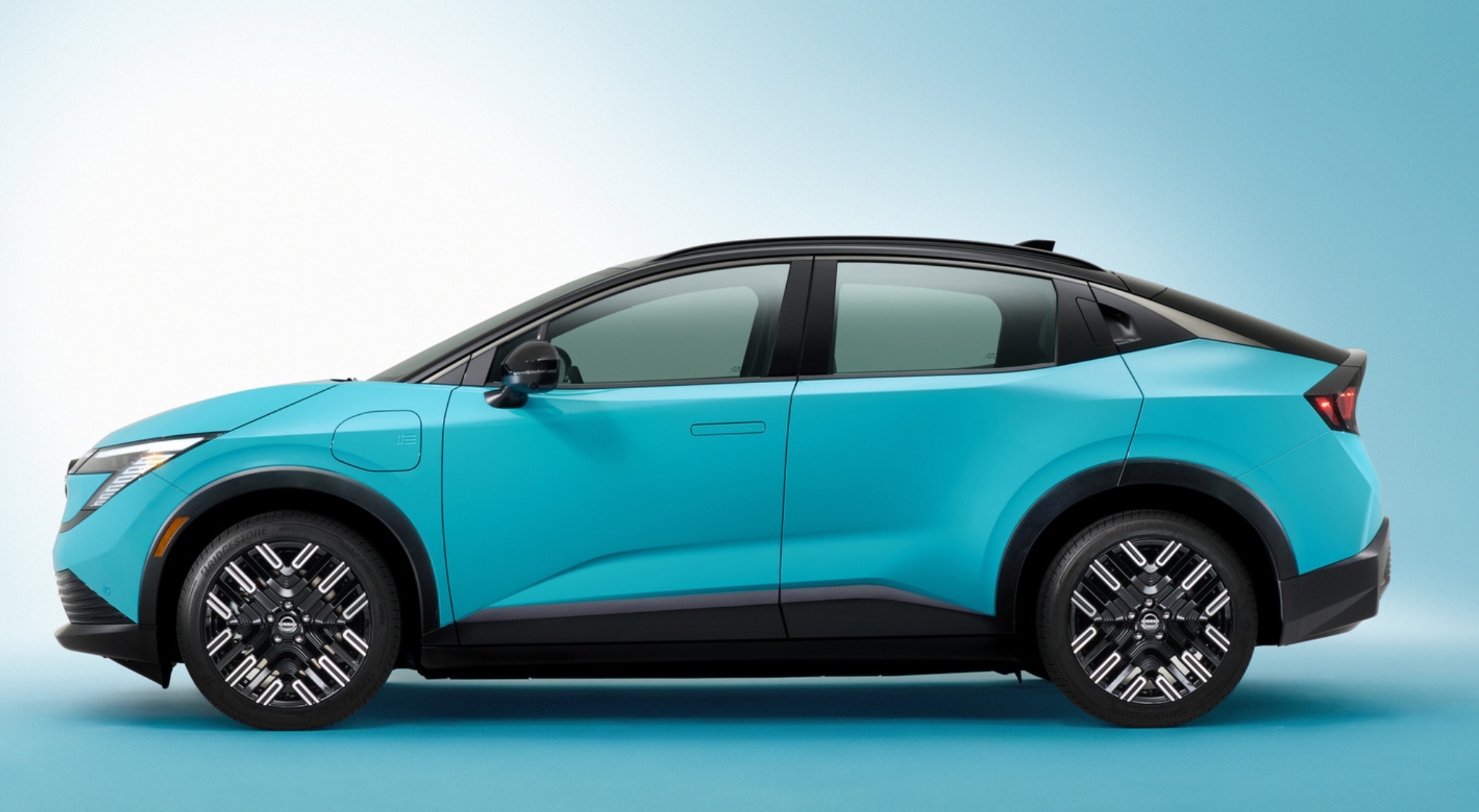
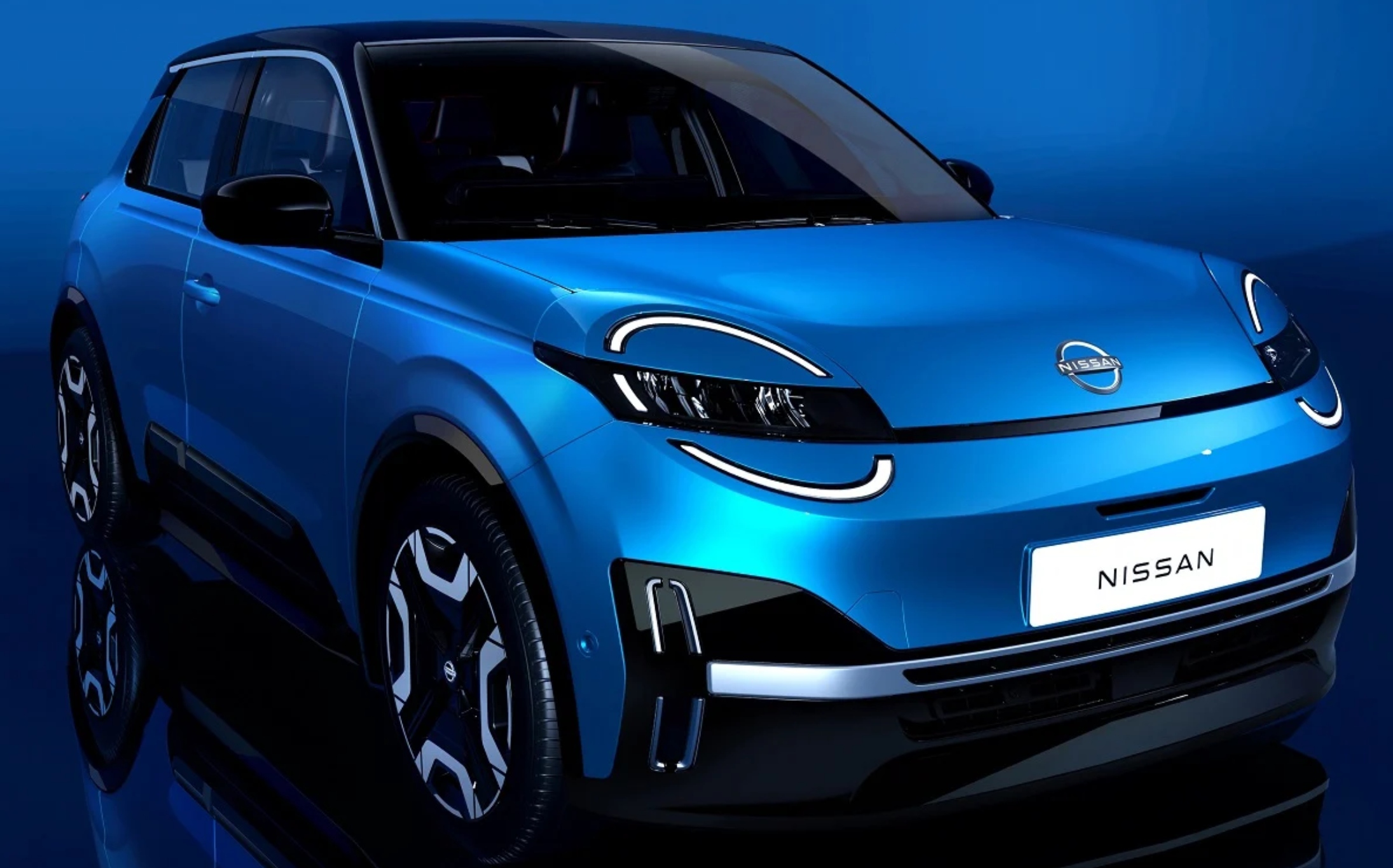
- Pick your new EV. Have a look through the range from nissan ireland and choose a qualifying electric model within the price cap.
- Bring your bits and pieces. Hand over your log book and any proof of address needed to match your Eircode to the right rural or urban budget.
- Let the dealer apply. Your dealer, who must be registered with SEAI, sends in the application for you and waits for a letter of offer.
- Drive away with the saving done. Once it's approved, the scrappage amount and the SEAI grant come straight off the price. SEAI then pays the dealer back, and your old car gets collected and scrapped.
If you want a fuller breakdown with worked examples, the carmaker's own government scrappage scheme ICE2EV page is handy and gets kept up to date as SEAI releases more detail.
Don't hang about, the money is limited
This is the part a lot of people miss. The €10 million budget covers the €5,000 scrappage part for roughly 2,000 cars around the country before it closes. The funding is split 65% for rural drivers and 35% for urban, and your category is decided by your Eircode. Once a category's money is gone, it shuts, and there's no waiting list. A few dealers were already saying it looked oversubscribed within weeks of the announcement.
Because applications opened in early July 2026 on a first-come, first-served basis, anyone who's even half thinking about the switch should register their interest with a dealer sooner rather than later. Even if you haven't settled on a car yet, getting your name in the queue costs you nothing.
So, is it worth it?
For anyone whose old diesel is on its last legs, facing rising fuel bills, NCT repairs and creeping motor tax, the timing can be spot on. Five grand off a new EV, along with the lower day-to-day running costs of electric, can really change the sums. Electric cars are flying out the door in Ireland too, making up well over one in five new cars sold in 2026, so you'd be in good company.
If you'd like a clear, no-nonsense overview before you commit, this handy Guide for Irish Government Scrappage Scheme To Buy EV Cars lays out the rules, the qualifying cars and the steps all in one place. Have a read, check your old car against the list, and if it fits the bill, get talking to a registered dealer. With a capped fund, the difference between saving €5,000 and missing out could come down to nothing more than who got in first.
- Add new comment
- 118 views