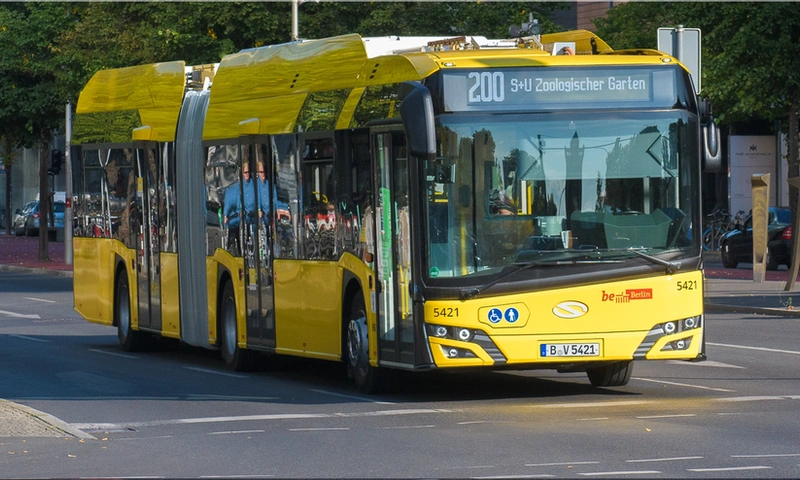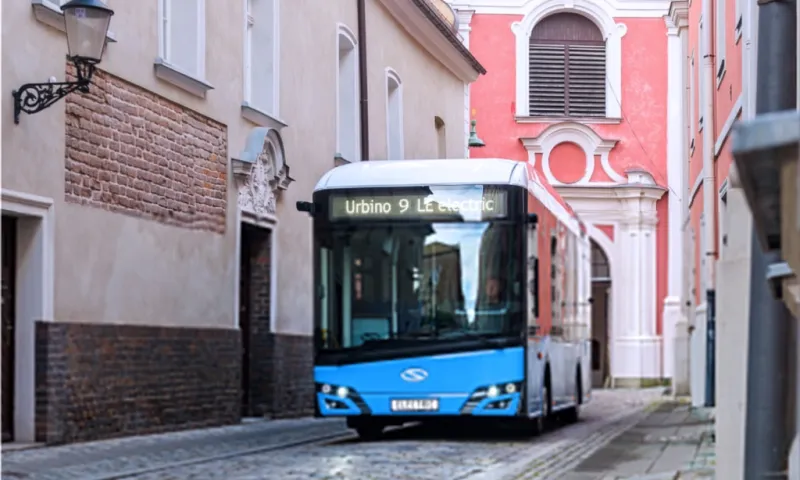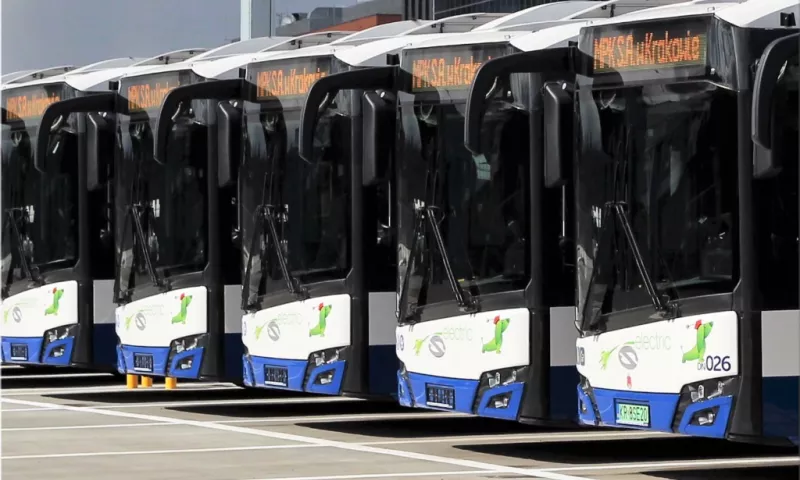
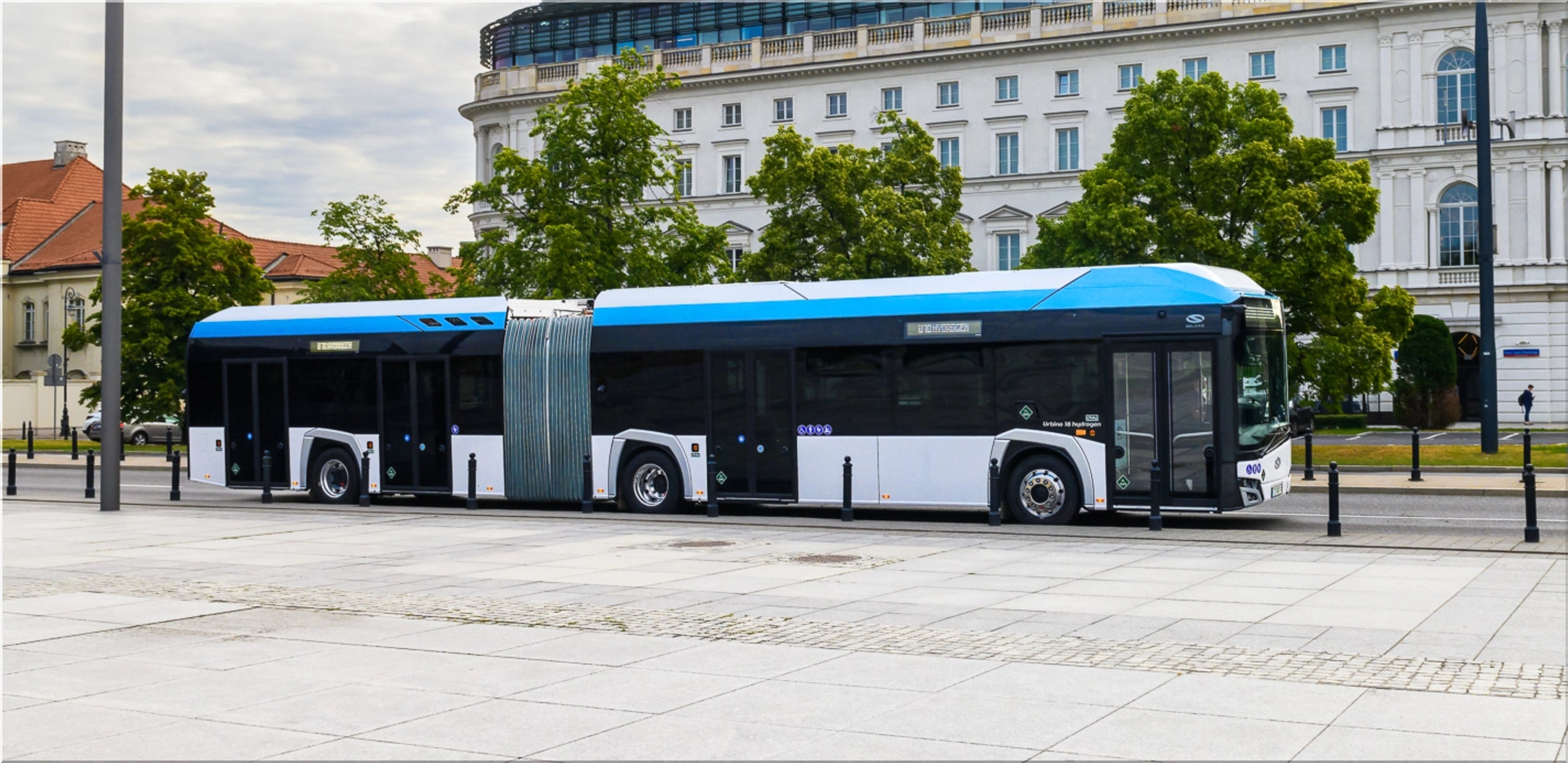
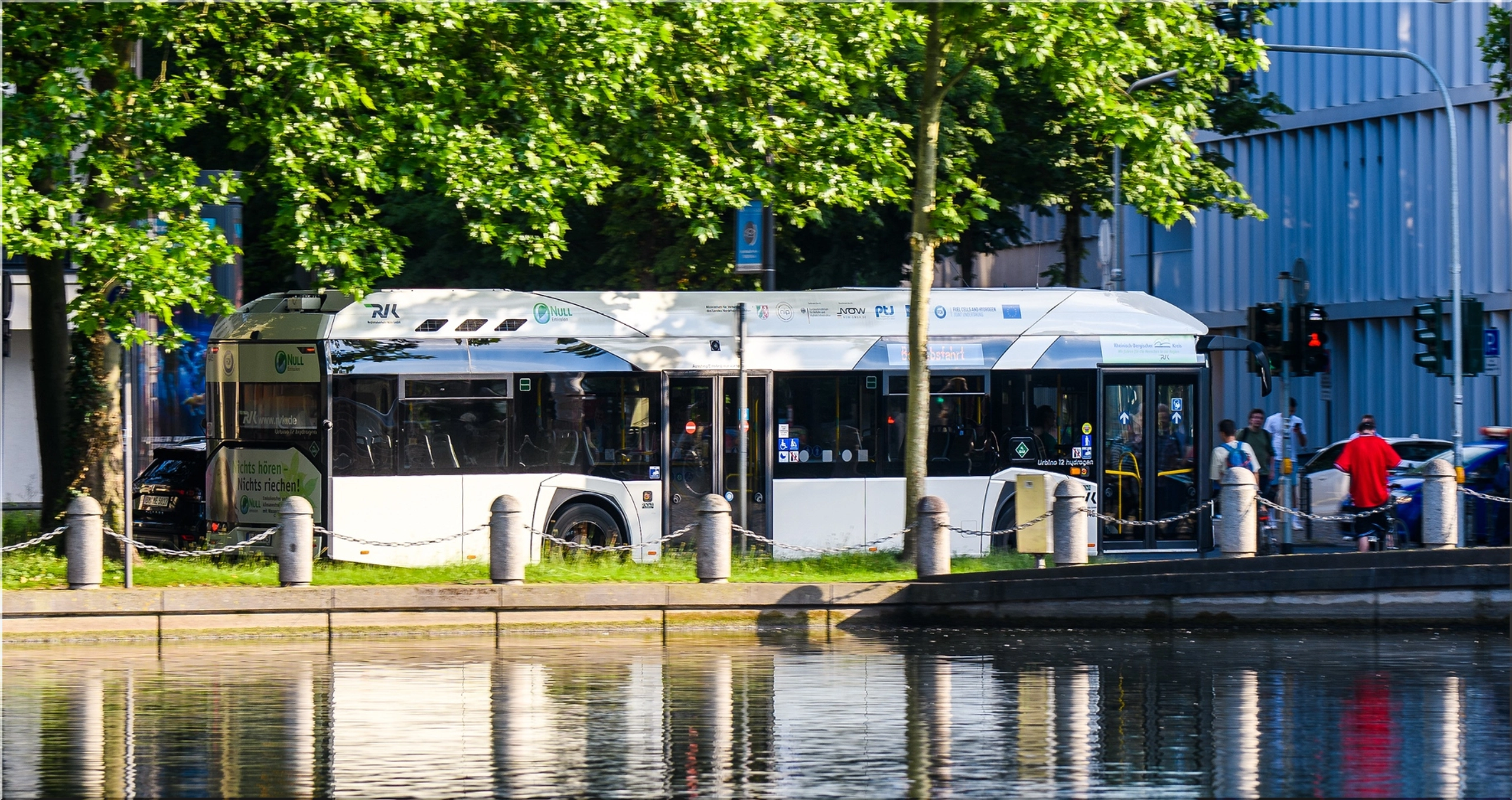
In a historic shift toward zero-emission transportation, Cologne’s public transit system, operated by Regionalverkehr Köln GmbH (RVK), recently introduced articulated Solaris Urbino 18 hydrogen buses to its fleet. This move marks a significant leap in the city's journey toward green public transportation, as the addition of these buses forms part of a long-term hydrogen strategy. With these new deliveries, Cologne is stepping into the future with Europe's largest fleet of hydrogen-powered buses.
Key Details on the Solaris Urbino 18 Hydrogen Buses
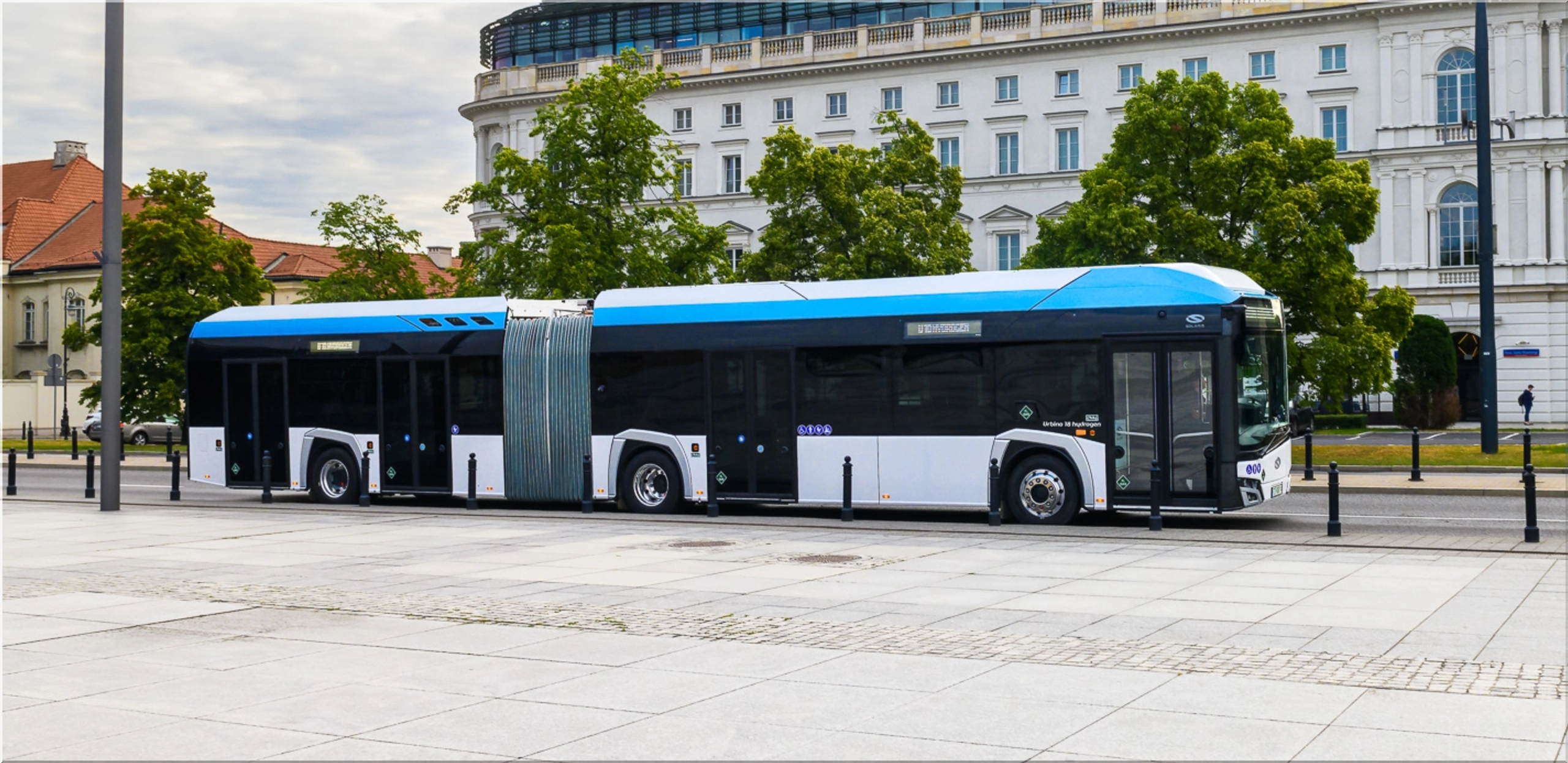
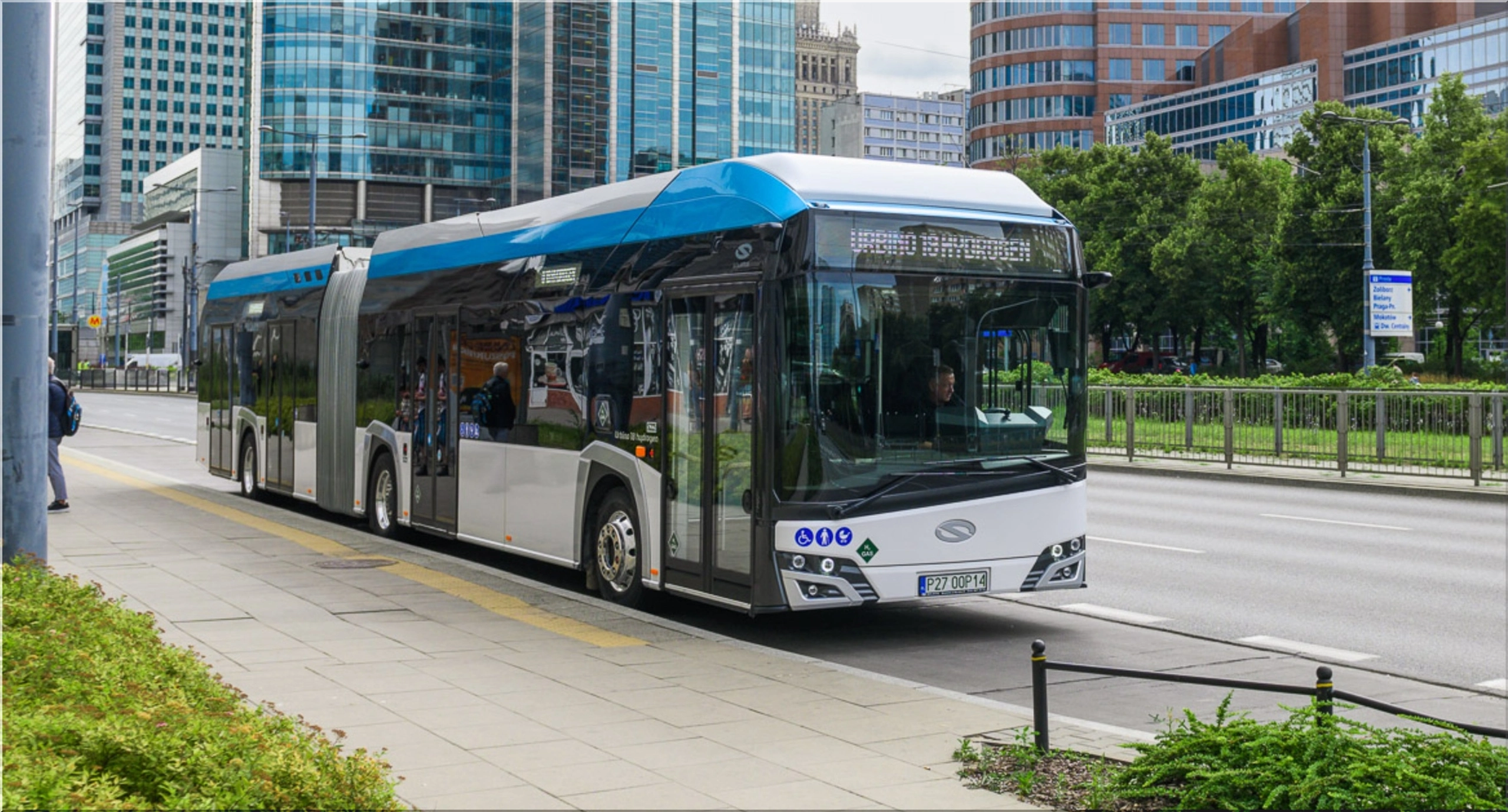
The Solaris Urbino 18 hydrogen buses are designed to provide sustainable public transport while maintaining efficiency and capacity. These articulated buses offer various features tailored for urban environments:
- Length: 18 meters, allowing for more passengers
- Fuel Cell Power: Equipped with a 100 kW fuel cell system
- Fuel Capacity: Over 50 kg of gaseous hydrogen stored in eight rooftop tanks
- Advanced Modular Drive System: Enables enhanced passenger space by eliminating the need for a traditional engine compartment
- Comfort and Efficiency: Features such as high-efficiency air conditioning, a heat pump system, and passenger information systems elevate both the driver and passenger experience.
This integration of cutting-edge hydrogen technology aligns with global efforts to reduce emissions and introduce renewable energy solutions in urban transit.
The Importance of Zero-Emission Transit
RVK’s hydrogen strategy is centered around the transition to clean energy, aiming to reduce greenhouse gas emissions and combat the harmful effects of fossil fuel dependency. Hydrogen-powered buses present several key advantages for public transportation:
- Zero emissions: Hydrogen buses only emit water vapor, significantly cutting air pollution.
- Increased passenger capacity: Articulated buses accommodate a larger number of commuters, vital for busy routes.
- Extended range: The Urbino 18 hydrogen bus can travel long distances on a single refueling.
- Quick refueling: Hydrogen buses can be refueled in minutes, ensuring minimal downtime compared to electric vehicles.
- Quiet and smooth operation: The buses provide a silent and comfortable ride, reducing noise pollution.
Hydrogen as the Future of Public Transit
Hydrogen technology offers an alternative to traditional battery-electric buses, addressing range anxiety while providing long-term environmental benefits. This is particularly important in cities like Cologne, where interconnected transit systems require vehicles that can cover longer distances between urban and rural areas. Hydrogen buses also support the goal of energy independence, as hydrogen can be produced locally through renewable energy sources.
RVK's Expanding Hydrogen Fleet
RVK has been gradually increasing its hydrogen fleet, solidifying its place as a leader in sustainable public transport. The latest additions include:
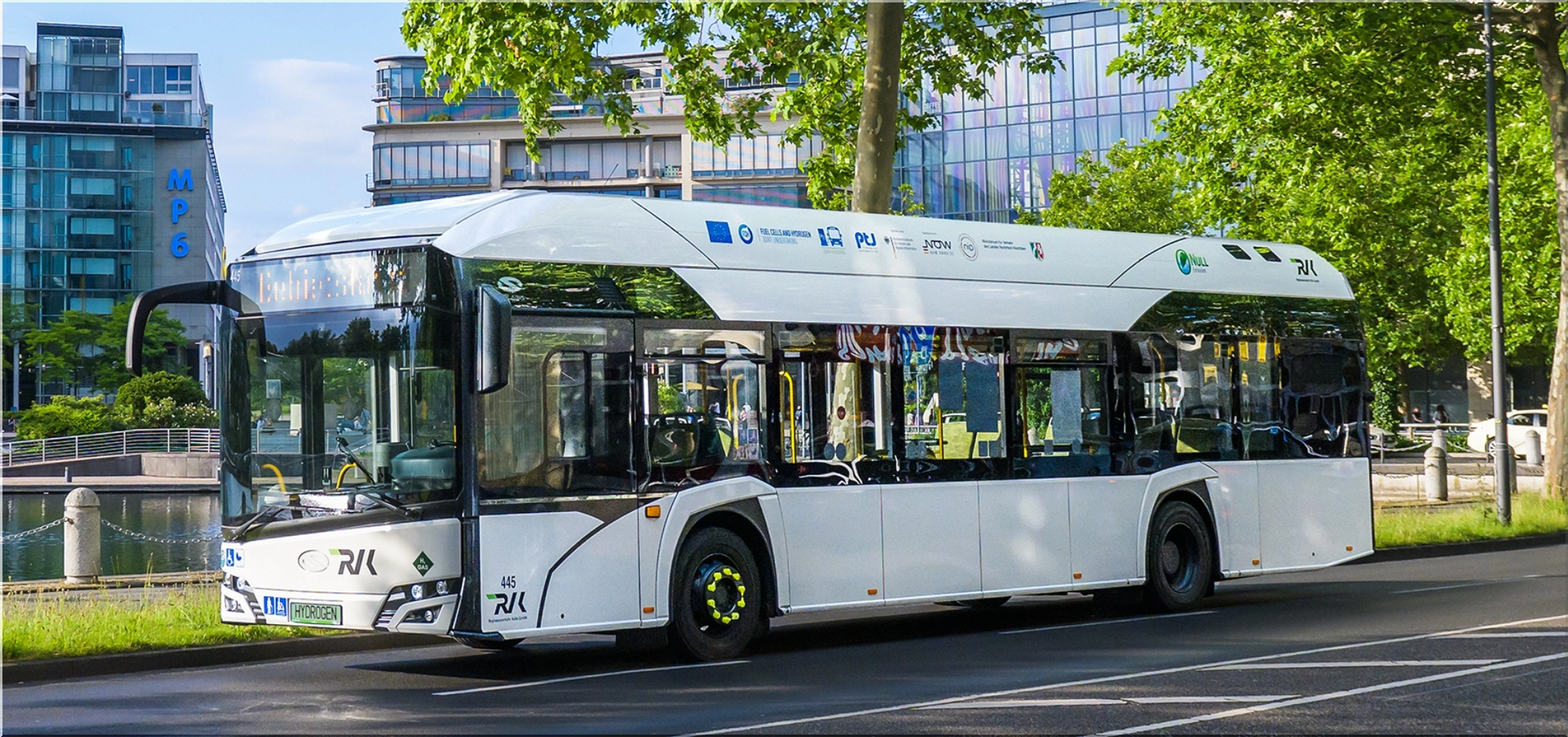
- Eight articulated Solaris Urbino 18 hydrogen buses joining the existing fleet of 46 Solaris hydrogen buses
- Upcoming deliveries of 20 more hydrogen buses (both 12-meter and 18-meter versions)
Upon completion, the fleet will reach 84 hydrogen-powered buses, making it the largest hydrogen bus fleet in Europe.
A Trusted Partnership with Solaris
Solaris has played a crucial role in supporting RVK’s hydrogen transformation. As a pioneer in hydrogen-powered public transport, the company has delivered over 700 Urbino hydrogen buses across Europe. Solaris’ expertise extends beyond just manufacturing; it provides after-sales service and maintenance for these advanced vehicles, ensuring long-term performance and reliability.
The Global Push for Sustainable Transit
The adoption of hydrogen buses in Cologne reflects a broader movement toward zero-emission public transportation across Europe. Cities are increasingly recognizing the need to cut emissions and improve air quality, and hydrogen offers a promising path forward.
Solaris is currently working with over 40 operators in 10 countries who have signed contracts for Solaris Urbino hydrogen buses. In the coming years, the global hydrogen bus market is expected to grow significantly, driven by:
- Government mandates for reduced emissions
- Funding for clean energy projects
- Public awareness of environmental issues
The Benefits of Hydrogen for Urban Mobility
As cities continue to grow, public transport systems must evolve to meet the needs of larger populations while reducing environmental impact. Hydrogen-powered buses present an ideal solution due to their scalability, efficiency, and sustainability.
Key Benefits of Hydrogen Buses for Urban Areas:
- Efficient use of space: With no traditional engine, these buses can carry more passengers, reducing overcrowding.
- Fast refueling: Buses can be refueled quickly, ensuring maximum operational time.
- Adaptability: Hydrogen buses are suitable for intercity and rural routes, offering versatility across different environments.
- Quiet operation: A quieter bus system means less noise pollution, particularly important in densely populated urban areas.
The Future of Public Transit in Cologne
With the addition of articulated hydrogen buses, Cologne is setting a new standard for sustainable urban mobility. This transition to hydrogen power is not only a win for the environment but also for the city's residents, who benefit from cleaner air, quieter streets, and a more efficient public transport system.
What Lies Ahead?
RVK’s hydrogen initiative is part of a broader sustainability strategy that aims to completely overhaul public transport in Cologne. With future plans for additional hydrogen refueling stations and continued expansion of the hydrogen fleet, the city is positioning itself as a leader in green mobility.
Solaris will remain a key partner in this journey, providing the expertise and technology needed to support Cologne’s ambitious environmental goals. As hydrogen technology becomes more widespread, other cities are likely to follow suit, adopting similar solutions to address urban transportation challenges.
Conclusion: Cologne Leads the Way in Hydrogen Mobility
The introduction of articulated hydrogen buses in Cologne is a clear signal that the future of public transportation lies in sustainable solutions. By integrating cutting-edge hydrogen technology into its fleet, RVK is reducing its carbon footprint and offering a clean, efficient alternative to traditional transit systems.
With more hydrogen buses on the way, Cologne is on track to become a model city for green urban transport, showcasing how hydrogen can be a game-changer in the fight against climate change.
- Add new comment
- 199 views