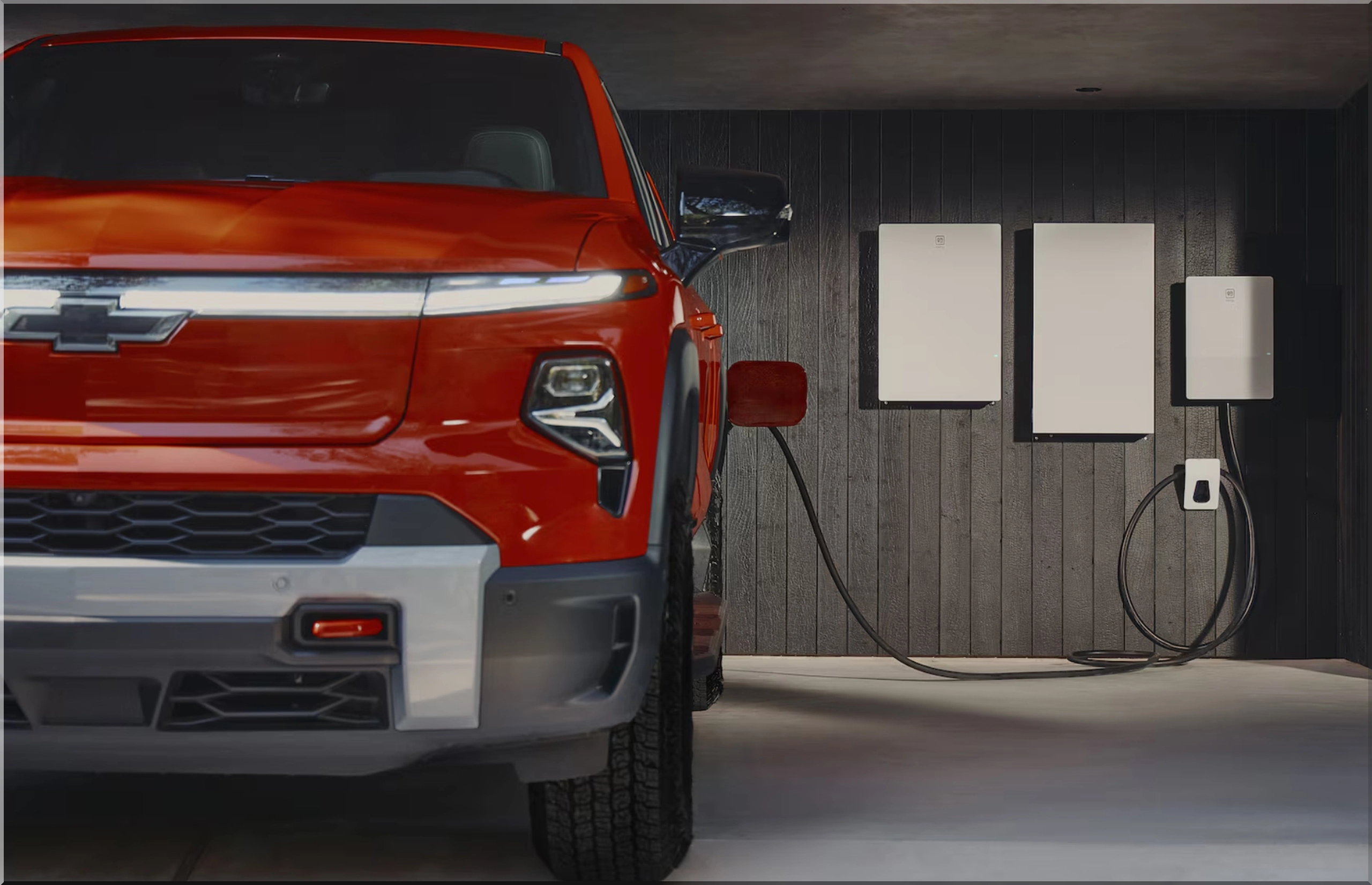
GM wants the EV in your garage to do a second job. Park it, plug it in, and the battery can move power back into a house or, through approved utility programs, back to the grid. That basic idea powers GM bidirectional charging, and it turns models such as the Chevrolet Equinox EV, GMC Sierra EV, Chevrolet Silverado EV, Buick Envista and Cadillac LYRIQ into energy assets instead of parked appliances with wheels.
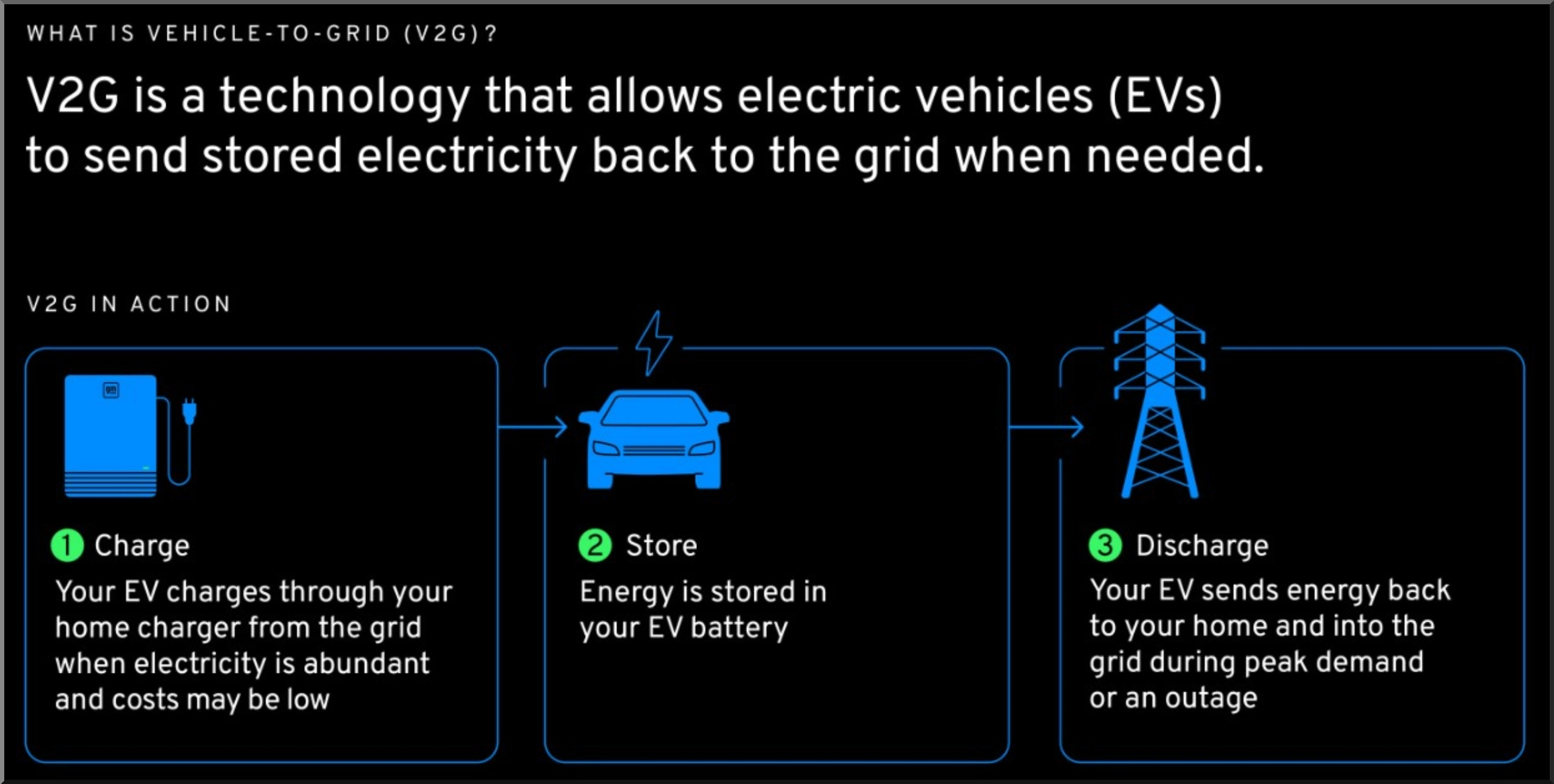
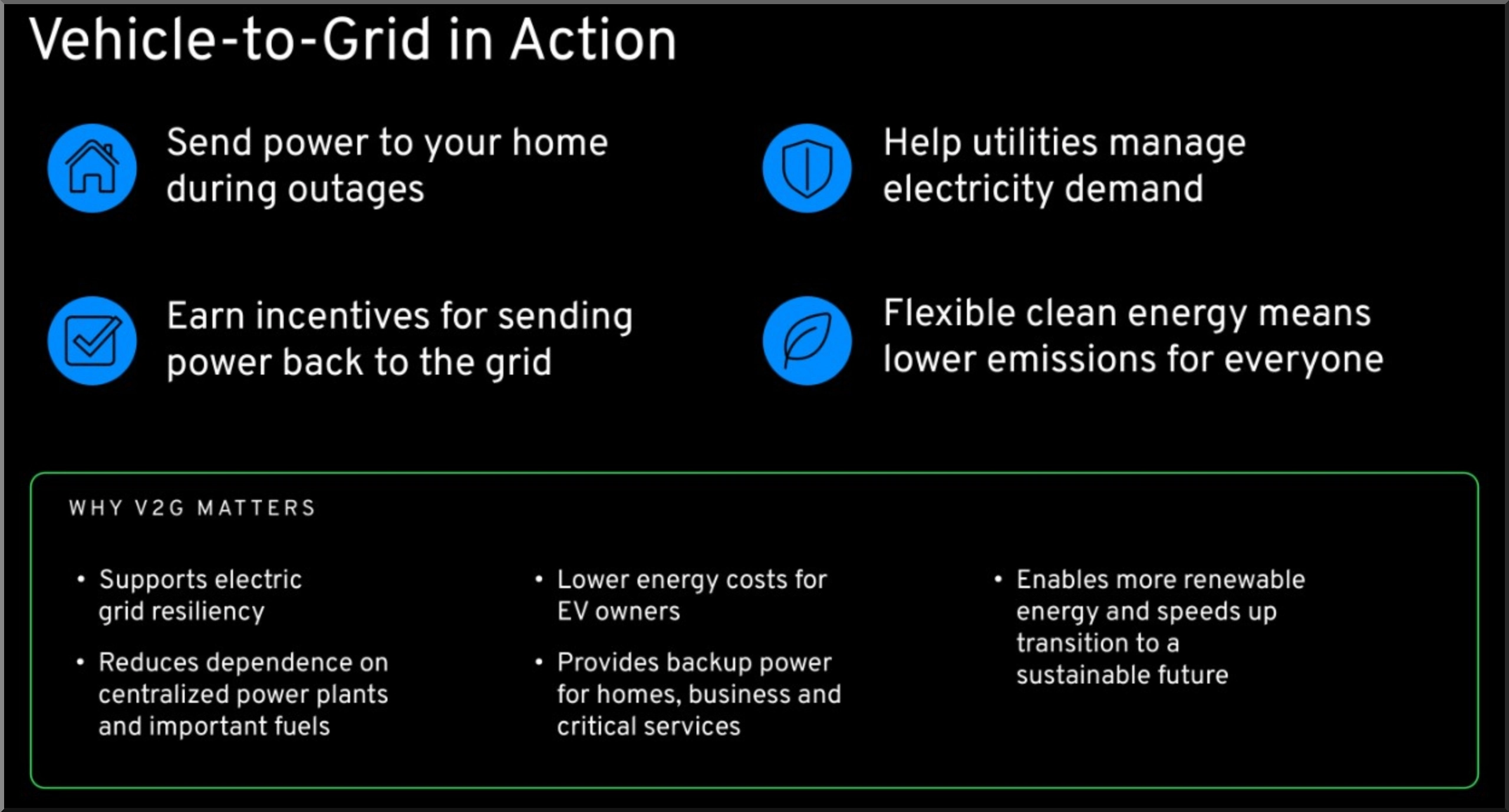
The pitch sounds simple. The hardware does the hard work. Vehicle-to-Home charging, called V2H, sends electricity from a compatible GM EV into a properly equipped house during an outage. Vehicle-to-Grid charging, called V2G, sends energy from a compatible EV back to the local grid through participating utility programs.
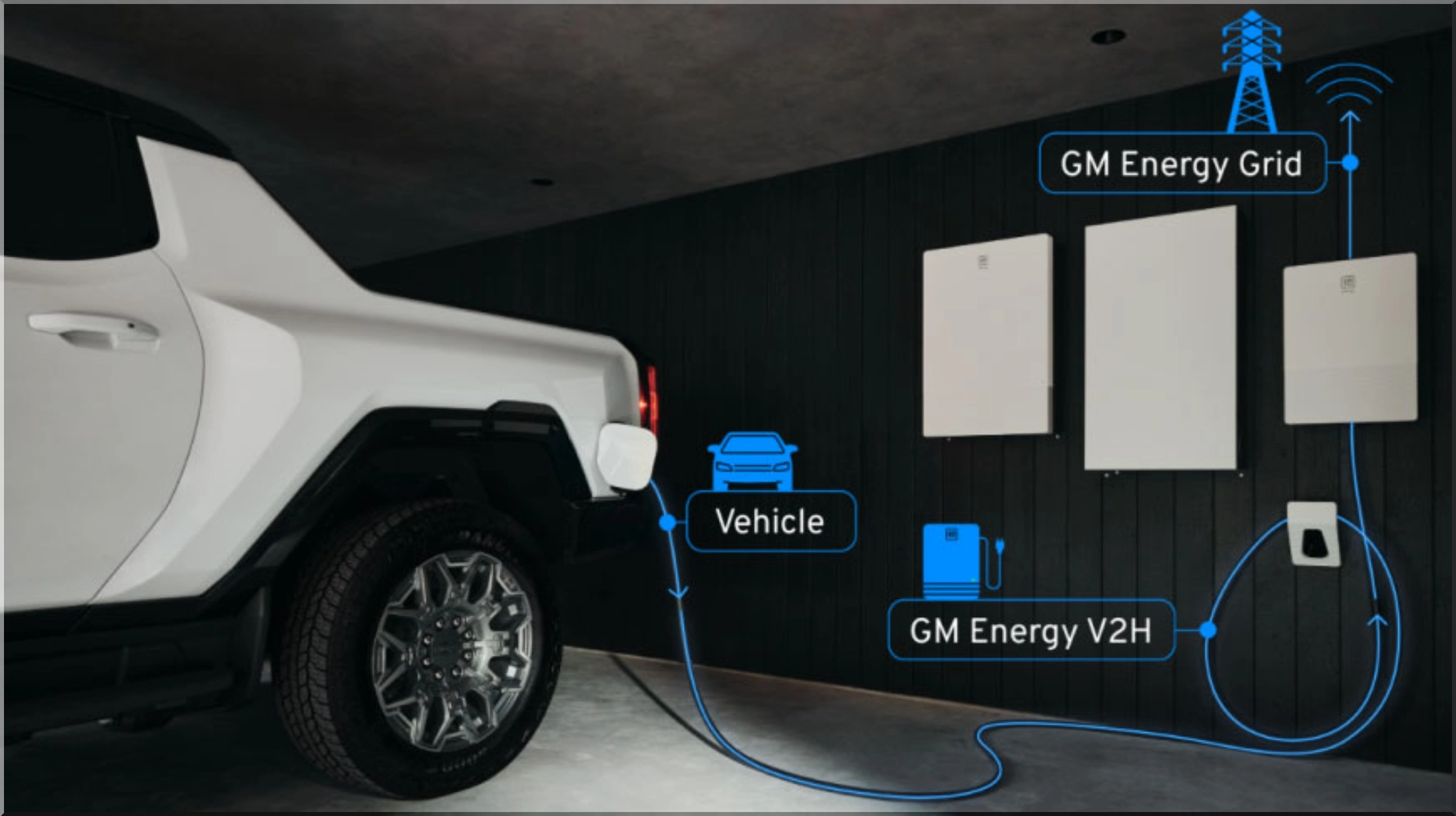
How GM Bidirectional Charging Works
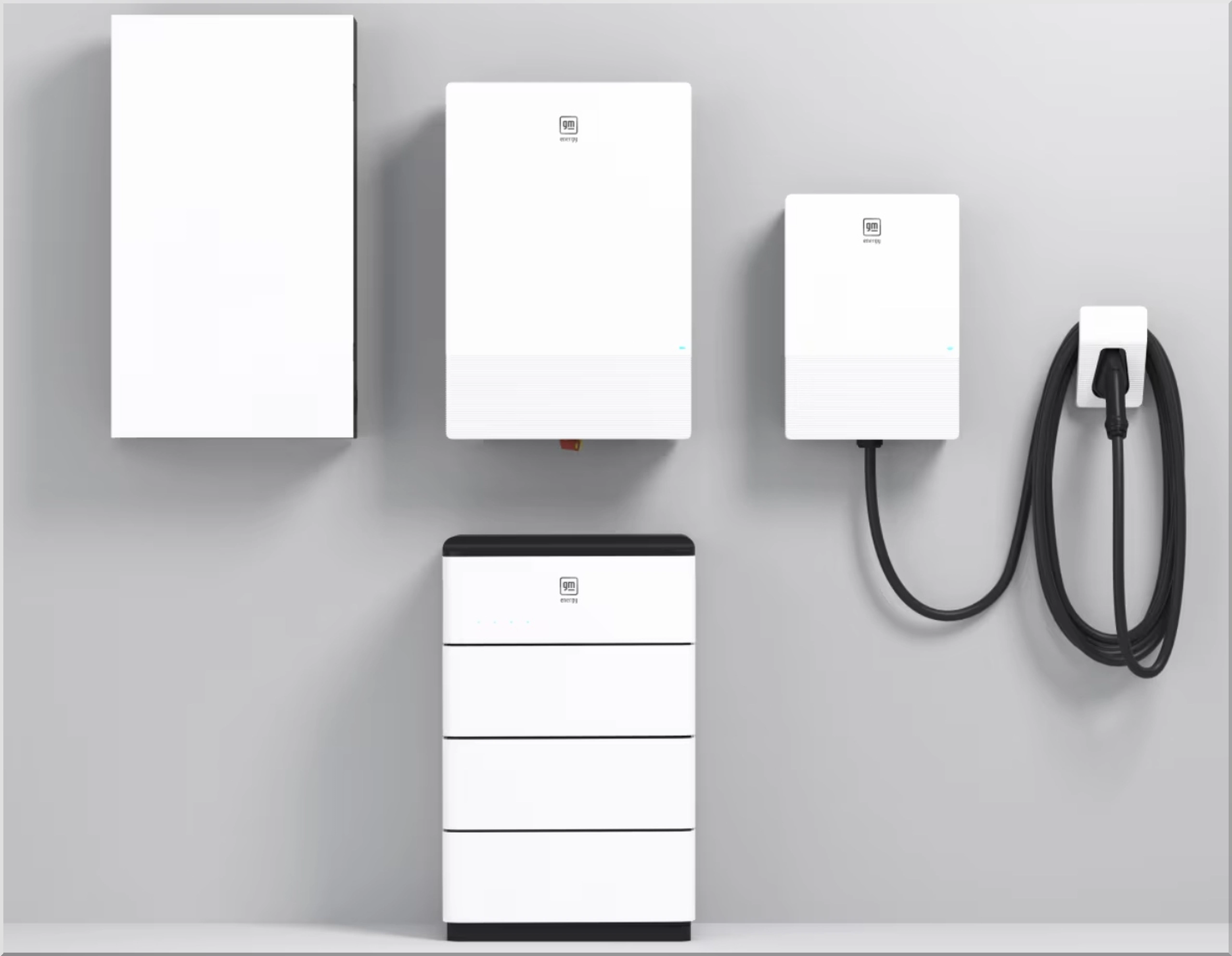
A normal Level 2 charger sends alternating-current power from the house to the EV, then the vehicle converts and stores that energy in its battery pack. Bidirectional charging adds the reverse path. Specifically, GM’s system uses the GM Energy PowerShift Charger with the GM Energy V2H Enablement Kit, which includes a Home Hub, inverter, and Dark Start Battery.
That equipment controls power flow, isolates the home from public power lines, and protects utility crews during an outage. In addition, it lets the EV power household loads without backfeeding the grid when workers may need dead lines to stay dead. That safety logic separates a proper V2H installation from a risky extension-cord science project.
| GM Energy Component | Job In The System | Key Data |
|---|---|---|
| GM Energy PowerShift Charger | Level 2 charging and bidirectional interface | 19.2 kW, 80 A, 25 ft cable |
| V2H Enablement Kit | Enables EV-to-home backup power | Home Hub, inverter, Dark Start Battery |
| Home Hub | Controls home/grid isolation and backup modes | Whole-home or partial-home setup, 200 A max service/disconnect rating |
| Inverter | Converts stored vehicle energy for home use | 9.6 kW backup power |
| Dark Start Battery | Helps initiate system operation during outage conditions | 9.6 V nominal voltage |
V2H vs V2G: Same Battery, Different Job
V2H charging works like a home backup generator, minus the gasoline can and the 2 a.m. pull-start drama. If a storm cuts power, the EV can send electricity to critical home loads such as refrigeration, lighting, internet hardware, and air conditioning, provided the system has enough stored energy and the home setup supports those circuits.
V2G technology targets the utility side. Looking at the data, the EV feeds small amounts of stored energy back to the grid during high-demand periods, such as heat waves or cold snaps. Consequently, utilities can reduce peak strain, and owners may earn credits or lower their electricity bills through approved programs.
| Use Case | Power Destination | Owner Benefit | Main Limitation |
|---|---|---|---|
| V2H | Home circuits | Backup power during outage | Requires proper home equipment and installation |
| V2G | Local grid | Possible utility credits or bill savings | Depends on utility program availability |
| Smart charging | EV battery | Lower-cost charging during off-peak hours | Requires time-of-use rate or smart schedule |
| Home storage integration | PowerBank and home loads | Stores grid or solar energy for later use | Adds hardware cost and installation complexity |
The Hardware Specs Owners Should Know
GM’s system carries real electrical weight. The GM Energy PowerShift Charger measures 20.9 x 14.8 x 6.3 inches, or about 531 x 376 x 160 mm, and weighs 37.5 pounds. It mounts to a wall, carries a NEMA 4X rating for indoor or outdoor installation, and supports up to 44.5 miles of range per charging hour under suitable conditions.
The Home Hub measures 35.8 x 20.5 x 7.65 inches, or about 909 x 521 x 194 mm, and weighs 45.2 pounds. The inverter measures 30.7 x 20.9 x 7.5 inches, or about 780 x 531 x 191 mm, weighs 94.8 pounds, and produces up to 9.6 kW of backup power. The Dark Start Battery stays much smaller at 13.66 x 15.16 x 2.48 inches, or about 347 x 385 x 63 mm, with an 8.56-pound weight.
Compatible GM EVs
GM Energy lists several V2H-capable GM EVs for the PowerShift Charger and V2H Enablement Kit combination:
- 2027 Chevrolet Bolt EV
- 2026 Chevrolet Blazer EV
- 2026 Chevrolet Equinox EV
- 2026 Chevrolet Silverado EV
- 2026 GMC Hummer EV SUV and SUT
- 2026 GMC Sierra EV
- 2026 Cadillac CELESTIQ, VISTIQ, ESCALADE IQ, OPTIQ, and LYRIQ
Why The Silverado EV Makes The Case Loudest
The 2026 Chevrolet Silverado EV Max Range gives GM its clearest talking point because its large battery can support a properly equipped home for up to five days. That does not mean every house gets five days of full-power living with the oven, dryer, pool pump, and central air all running like nothing happened. It means battery capacity, load selection, weather, battery condition, and owner behavior control the actual result.
By comparison, the system’s 9.6 kW backup output fits essential-load planning better than unlimited whole-house use. Run the refrigerator, modem, lights, select outlets, and HVAC strategically, and the EV becomes a serious outage tool. Run every heavy circuit at once, and physics sends the invoice.
Current GM Energy Pricing
GM lists the GM Energy V2H Enablement Kit at $6,299, the GM Energy V2H Bundle at $8,098, and the GM Energy Home System starting at $15,297 during the current promotional window. Those prices cover listed GM Energy products, not installation, permits, panel upgrades, taxes, or local utility work.
From an expert perspective, installation cost will decide the real ROI for many owners. A newer 200 A electrical service with clean panel capacity may play nicely. An older panel, detached garage, long conduit run, or utility interconnection delay can add friction fast.
Pro-Tips For GM EV Owners
- Ask the installer to quote partial-home backup and whole-home backup separately.
- Keep a minimum battery reserve for driving before you allow V2H or V2G discharge.
- Put refrigeration, internet, lighting, garage door power, and one HVAC zone at the top of the backup list.
- Do not use the system for medical devices; GM advises against that use.
- Check local time-of-use rates before chasing V2G savings.
Should You Buy GM V2H Hardware Now?
Buy it now if your area sees outages, your GM EV supports V2H, and your home electrical system can accept the equipment without major surgery. Wait if your utility has no V2G program, your panel needs major work, or your EV spends most nights away from home.
The smart play starts with a load audit. Count the circuits you truly need during an outage, then size the backup setup around those loads instead of pretending the EV should power suburban life at full blast for a week. GM’s bidirectional charging tech gives the garage a new job, but disciplined energy use still wins.
- Add new comment
- 90 views