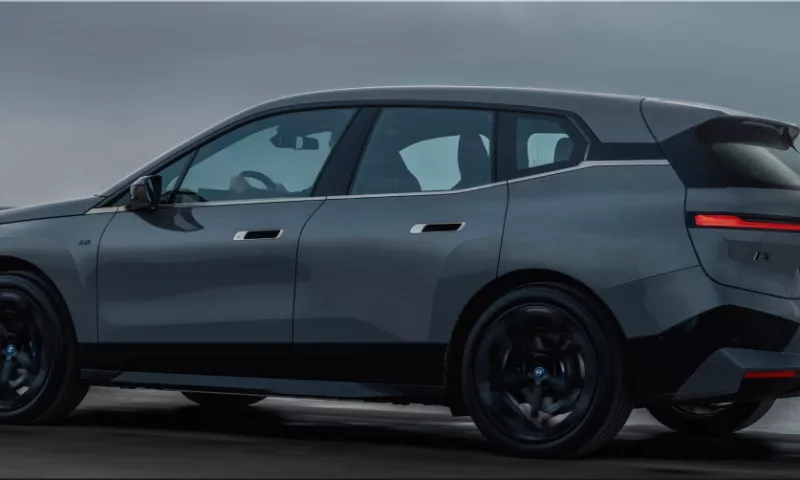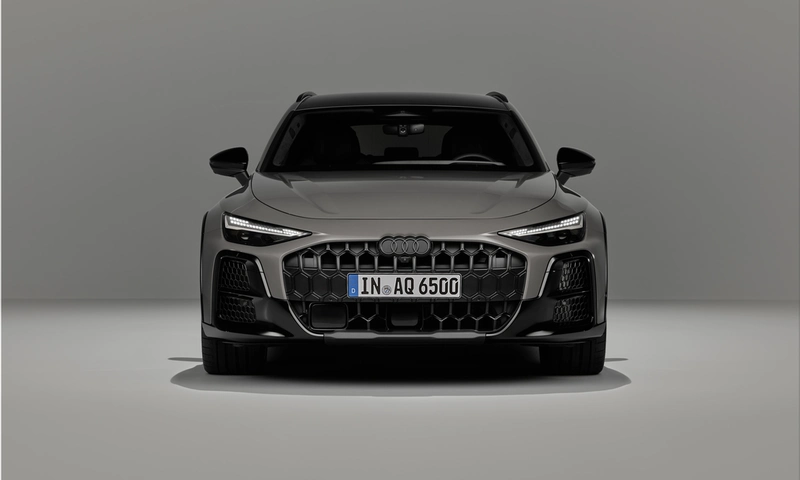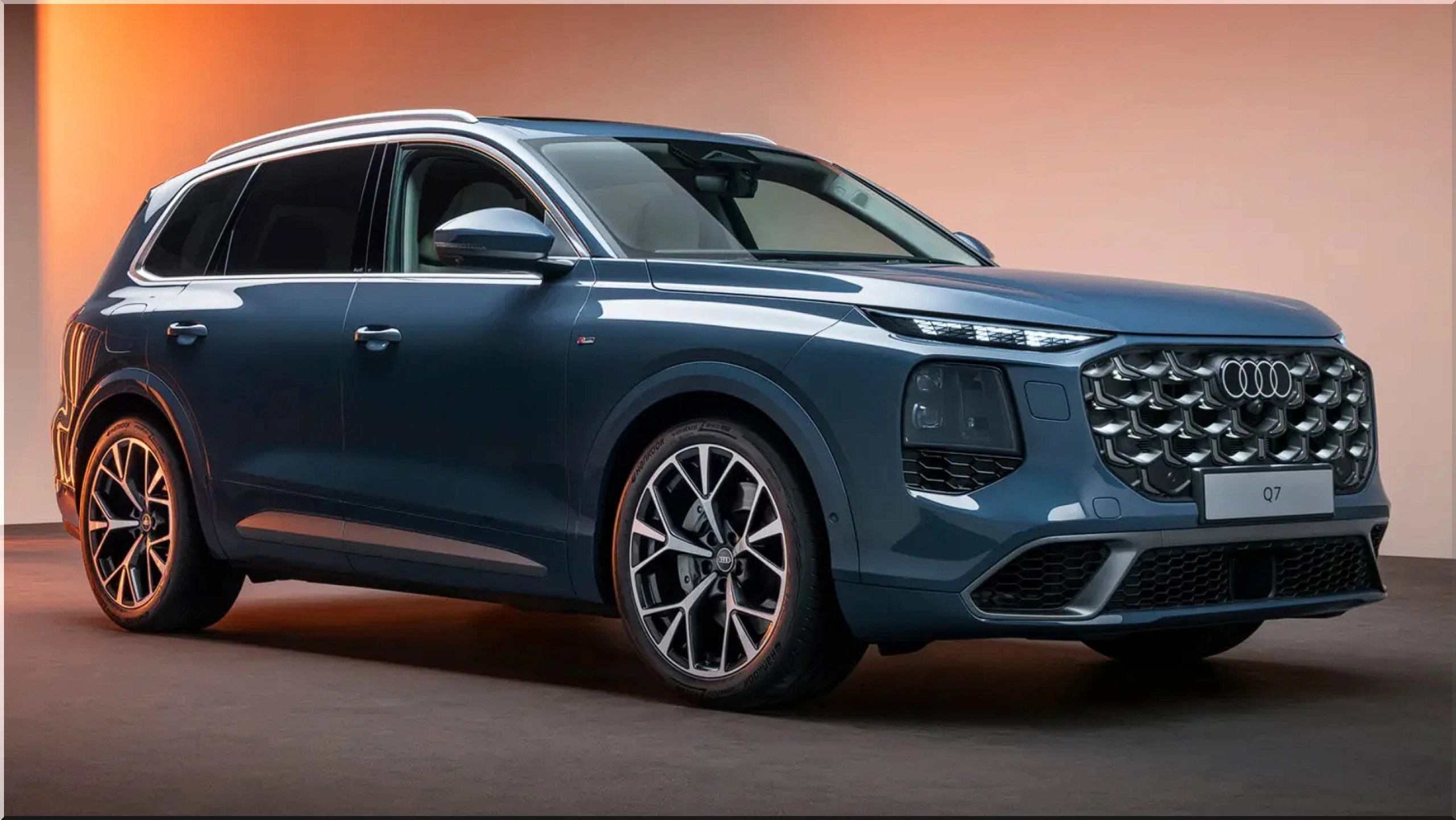
Audi plans to build its first US manufacturing plant in Georgia, committing approximately $4 billion and targeting 4,500 jobs. The proposed factory at the Middle Georgia Megasite in Peach County would accommodate up to 200,000 vehicles annually, giving Audi an American production base for premium SUVs.
That's a factory-sized bet on American buyers. But Volkswagen Group says the project still needs approval from the relevant committees, and capacity alone won't guarantee sales.
When Will Audi's Georgia Plant Start Production?
Georgia's October 24 announcement sets out three milestones: site grading in 2027, facility construction in 2028, and full production in 2031. Audi's October 25 release uses a broader schedule, describing construction from 2027 and production in the early 2030s. Buyers should treat those dates as planning targets.
The location offers more than available land. Georgia says Norfolk Southern rail connects the site to Savannah and Brunswick ports in less than five hours, supporting inbound components and outbound vehicles. In addition, Georgia Quick Start plans a dedicated training facility and instruction through technical college campuses, helping Audi prepare workers before assembly begins.
Why 200,000 Vehicles Doesn't Mean 200,000 US Sales
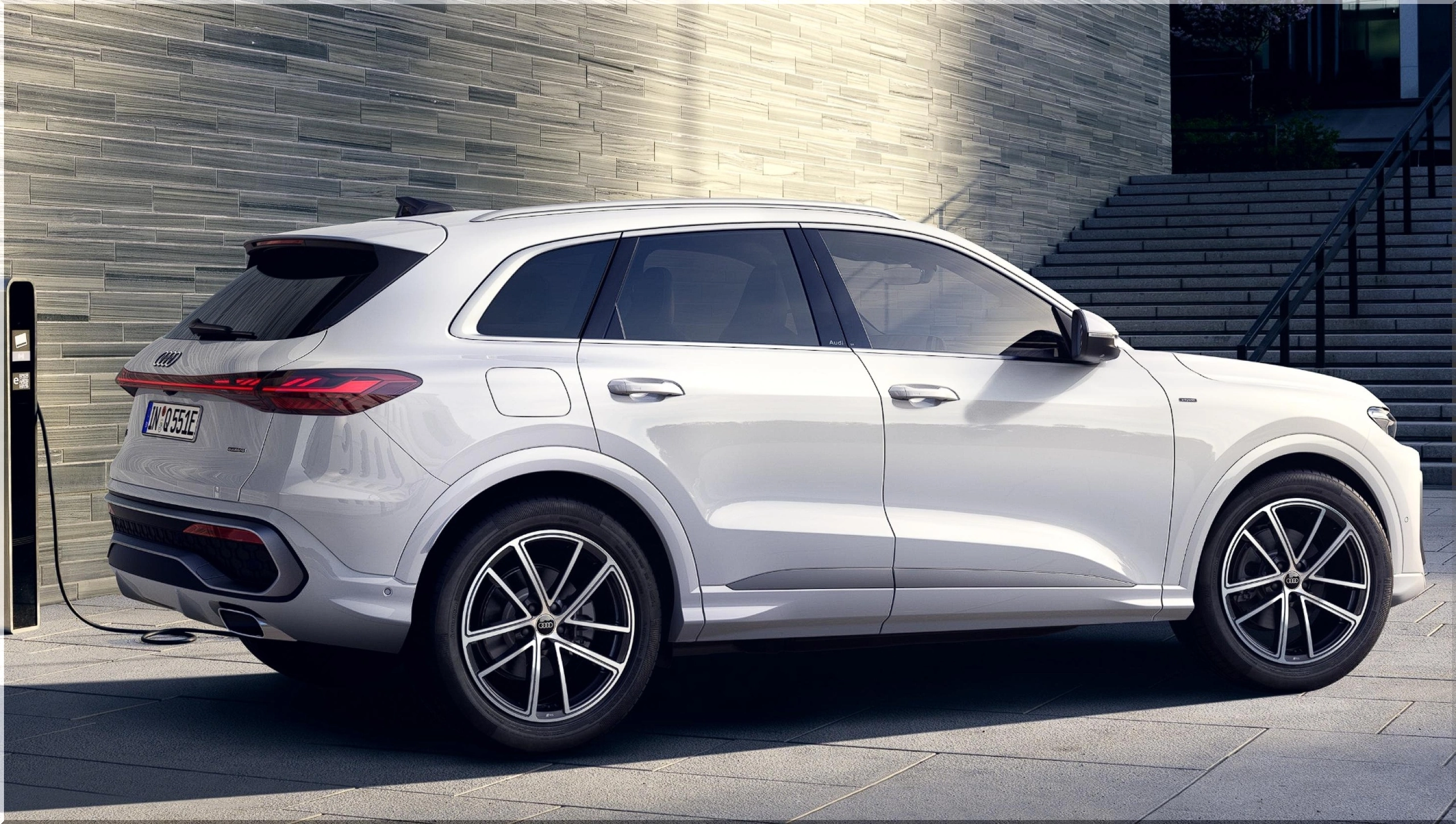
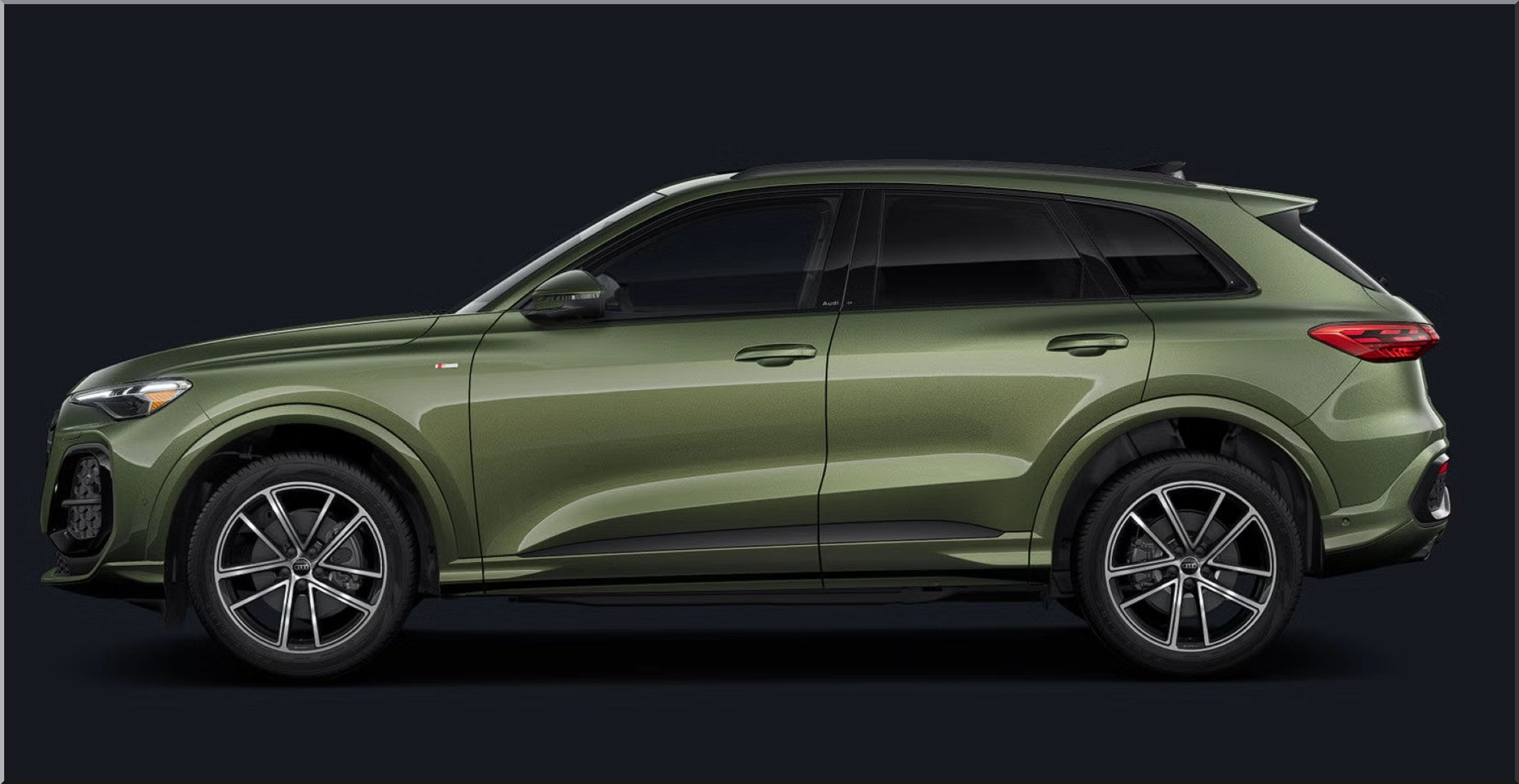
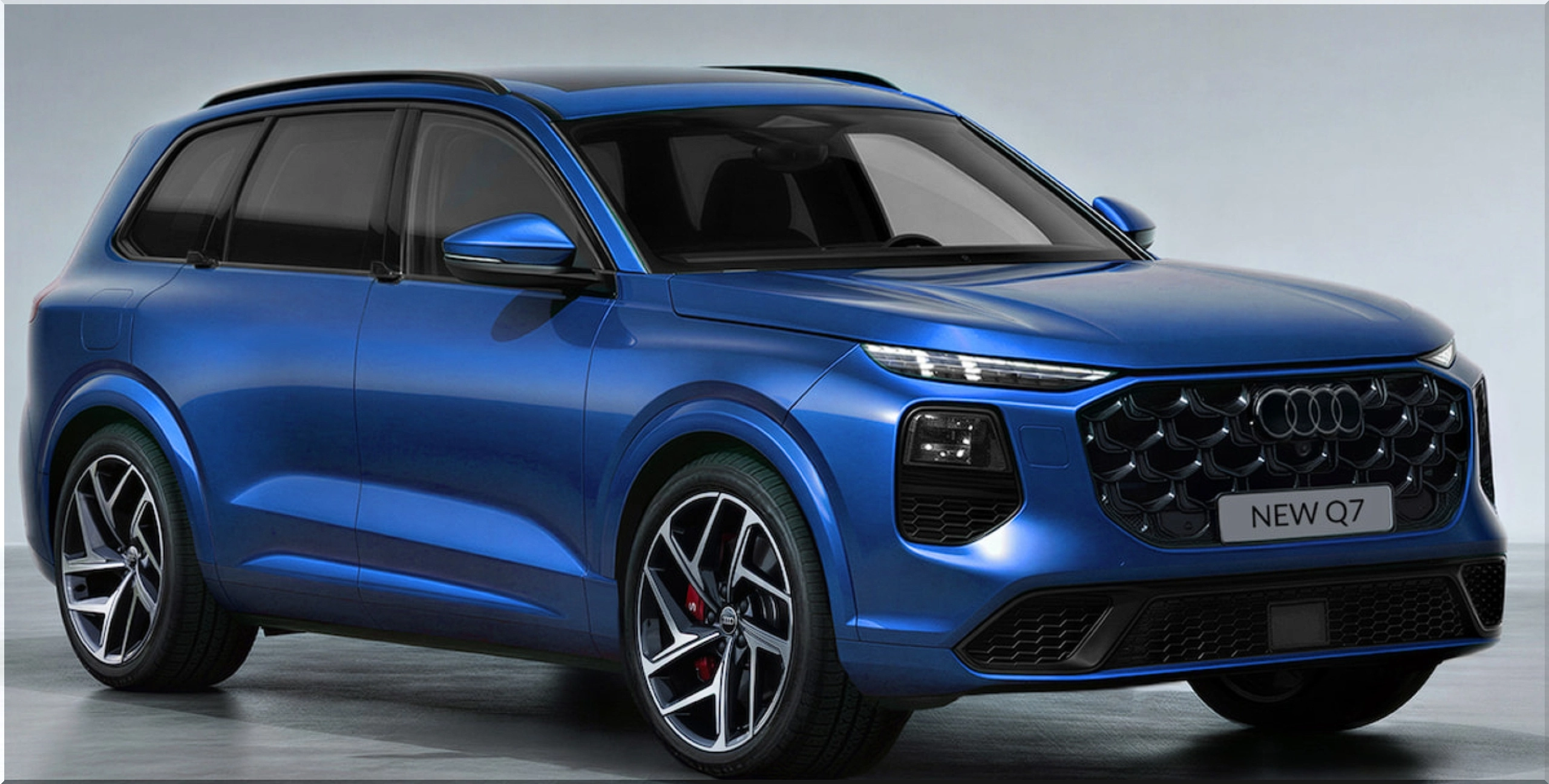
Automotive Manufacturing Solutions reports that Audi plans Q7, Q8, and Q9 production, with combustion and plug-in hybrid powertrains. Audi's published announcement identifies premium SUVs without naming those models, so the reported lineup carries less certainty than the announced investment and capacity.
The same report quotes Audi of America President Vito Paladino allocating around half the output to the US. At full capacity, that means roughly 100,000 US-bound vehicles annually, leaving the other half for markets outside the US. The business case depends on export demand alongside American showroom traffic.
Looking at the data, two calculations put the factory's scale into perspective:
- $20,000 per annual vehicle-capacity slot: Divide $4 billion by 200,000. This measures investment intensity; it doesn't represent the manufacturing cost of each SUV.
- 800 vehicles per working day: Divide annual capacity by an illustrative 250-day production year. Audi hasn't announced that operating calendar or its shift pattern.
Definition: Production capacity describes what a factory can build under stated operating assumptions. Actual output depends on demand, staffing, supplier readiness, and equipment performance.
What Local Production Could Change for Audi Buyers
Audi says American production would reduce exposure to trade and currency risks. The commercial logic makes sense: building near customers can shorten finished-vehicle shipping routes and reduce dependence on imported complete vehicles. Imported components can still carry costs and policy exposure, so domestic assembly won't erase every supply-chain expense.
The announcement promises no MSRP reduction. Audi could use any savings to support margins, equipment, or incentives instead of cutting sticker prices.
Should You Wait for a Georgia-Built Audi?
Buyer tip: Don't delay a current purchase solely for this factory. The timetable stretches into the next decade, and Audi hasn't published Georgia-specific pricing, EPA ratings, towing limits, or vehicle dimensions. Compare today's out-the-door prices, financing costs, passenger space, and towing requirements; revisit the Georgia models when Audi releases production specifications. @ georgia.gov.
- Add new comment
- 28 views