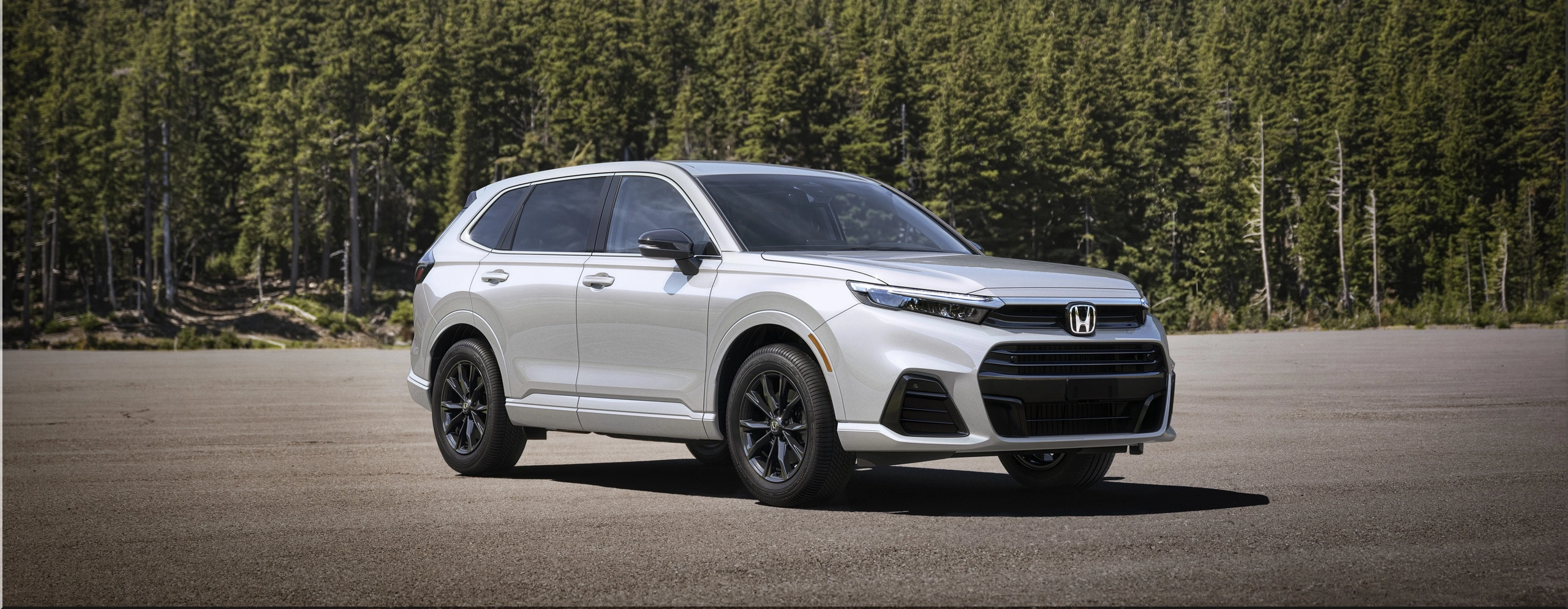
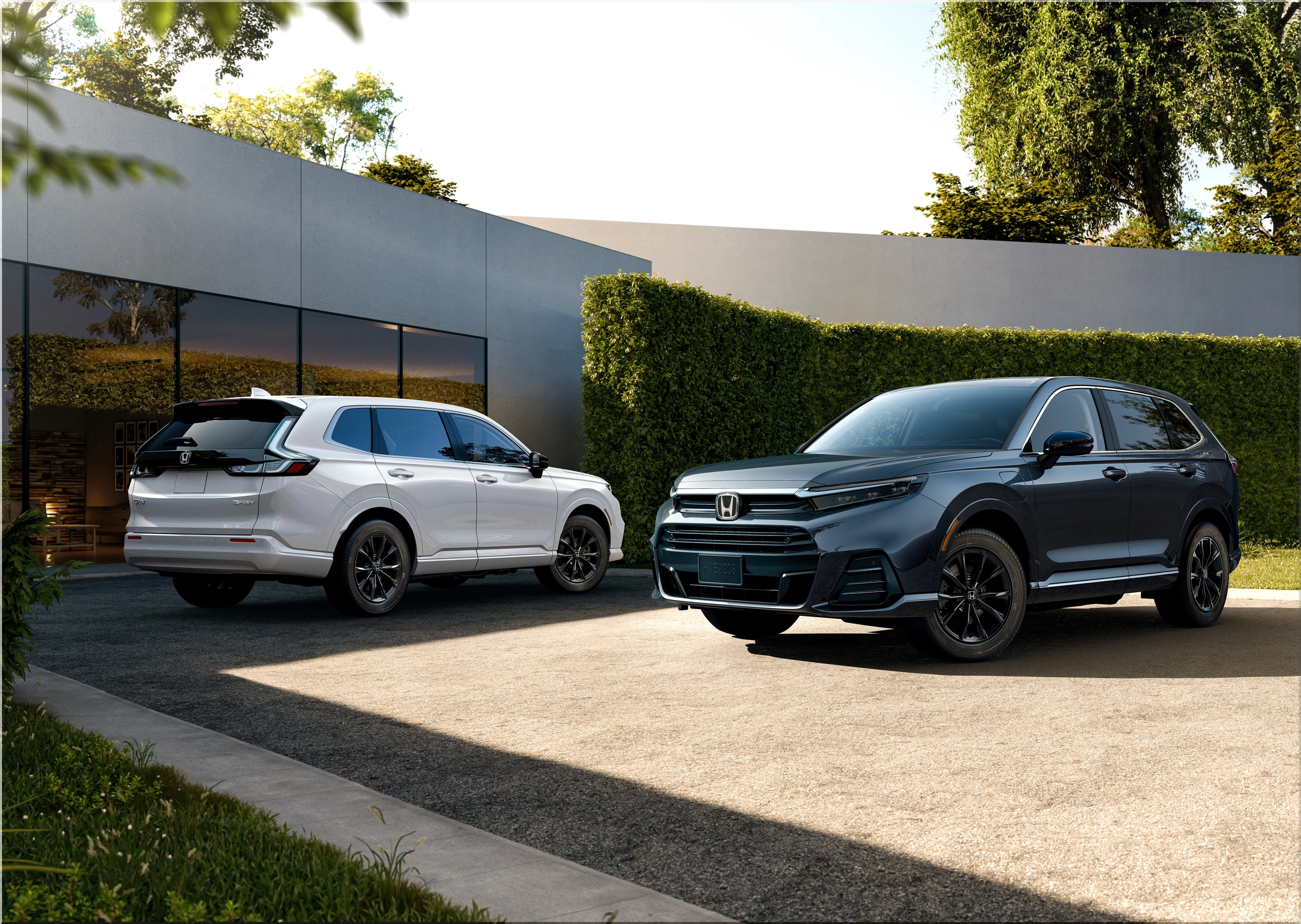
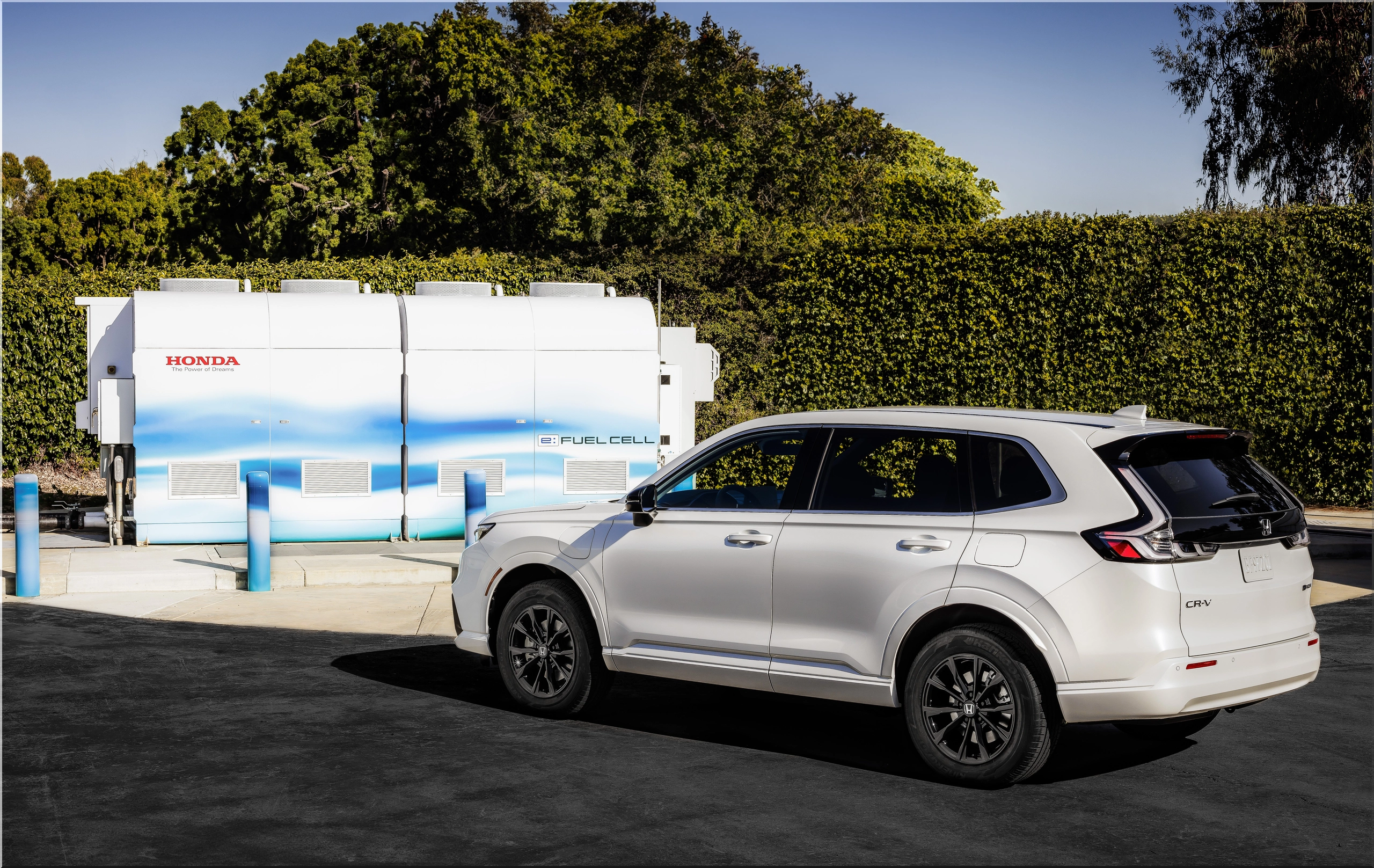
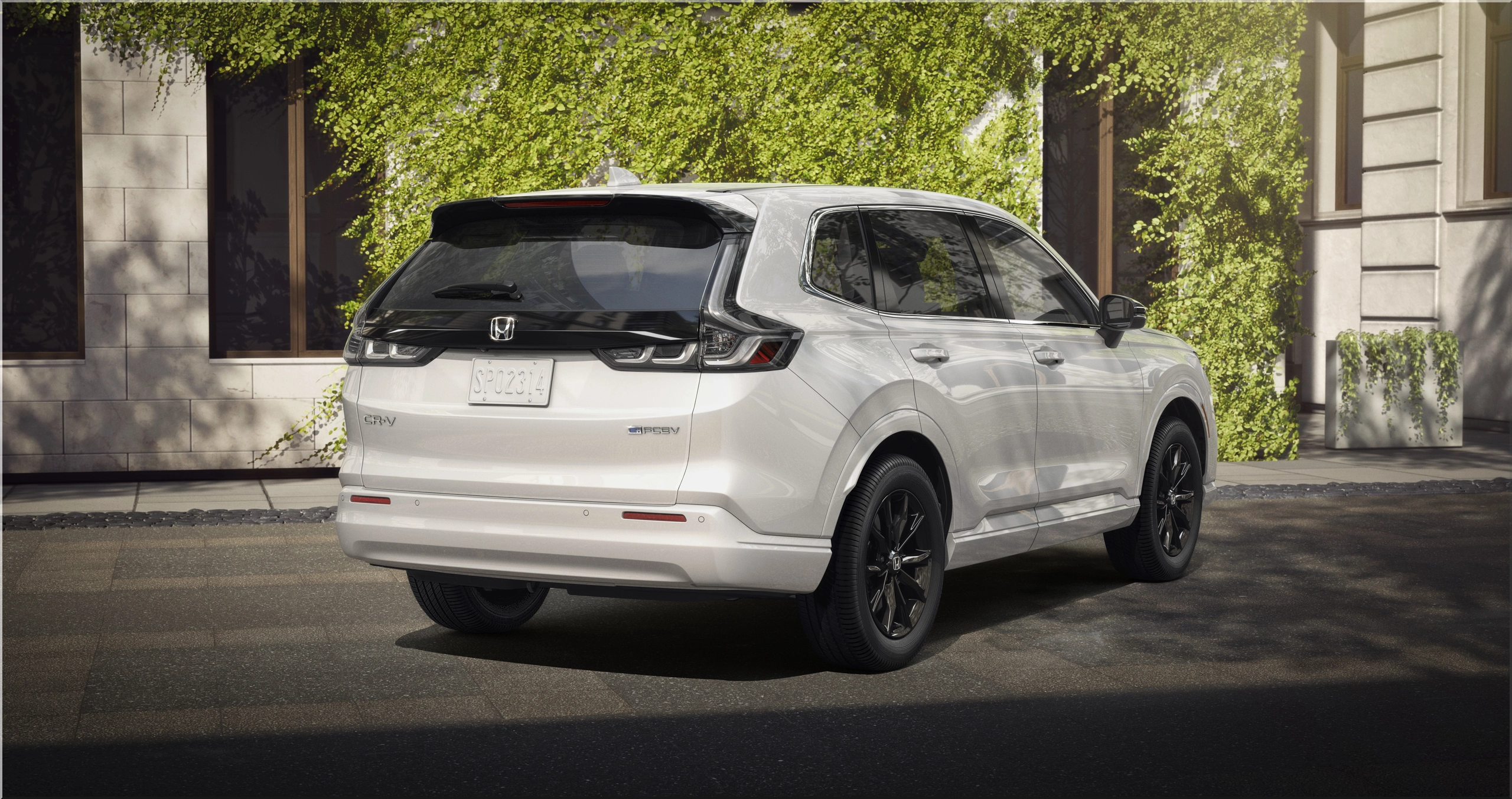
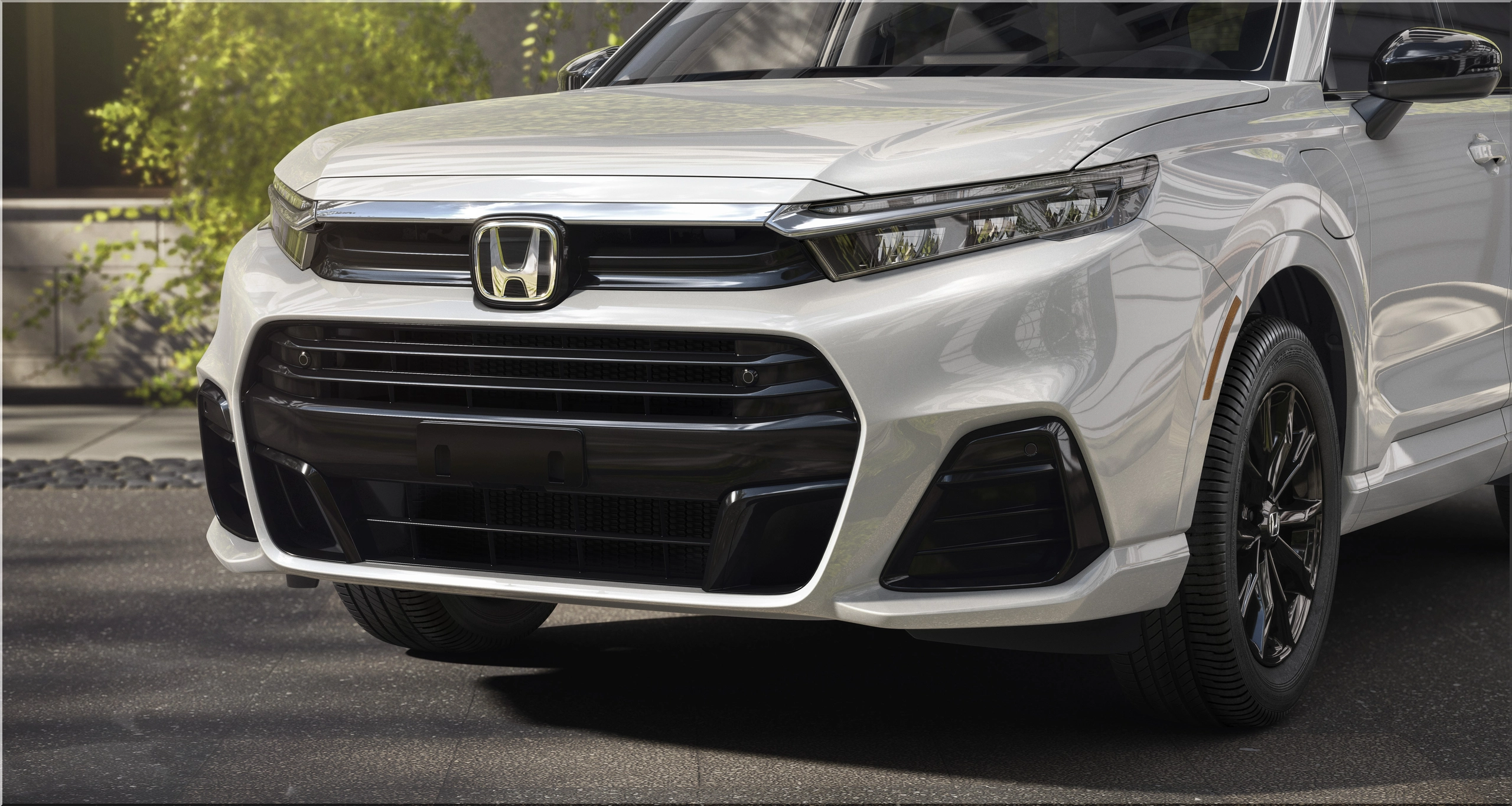
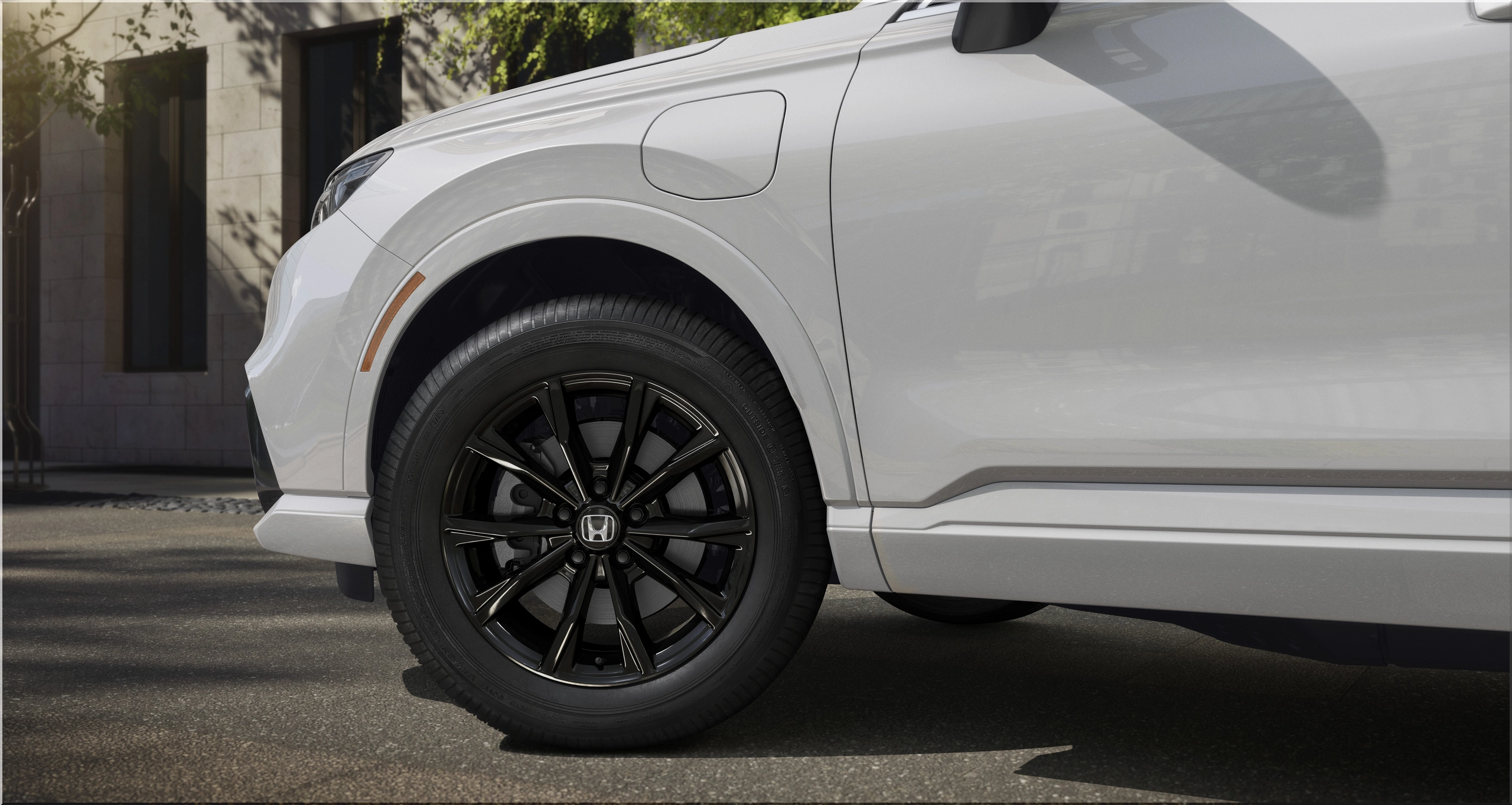
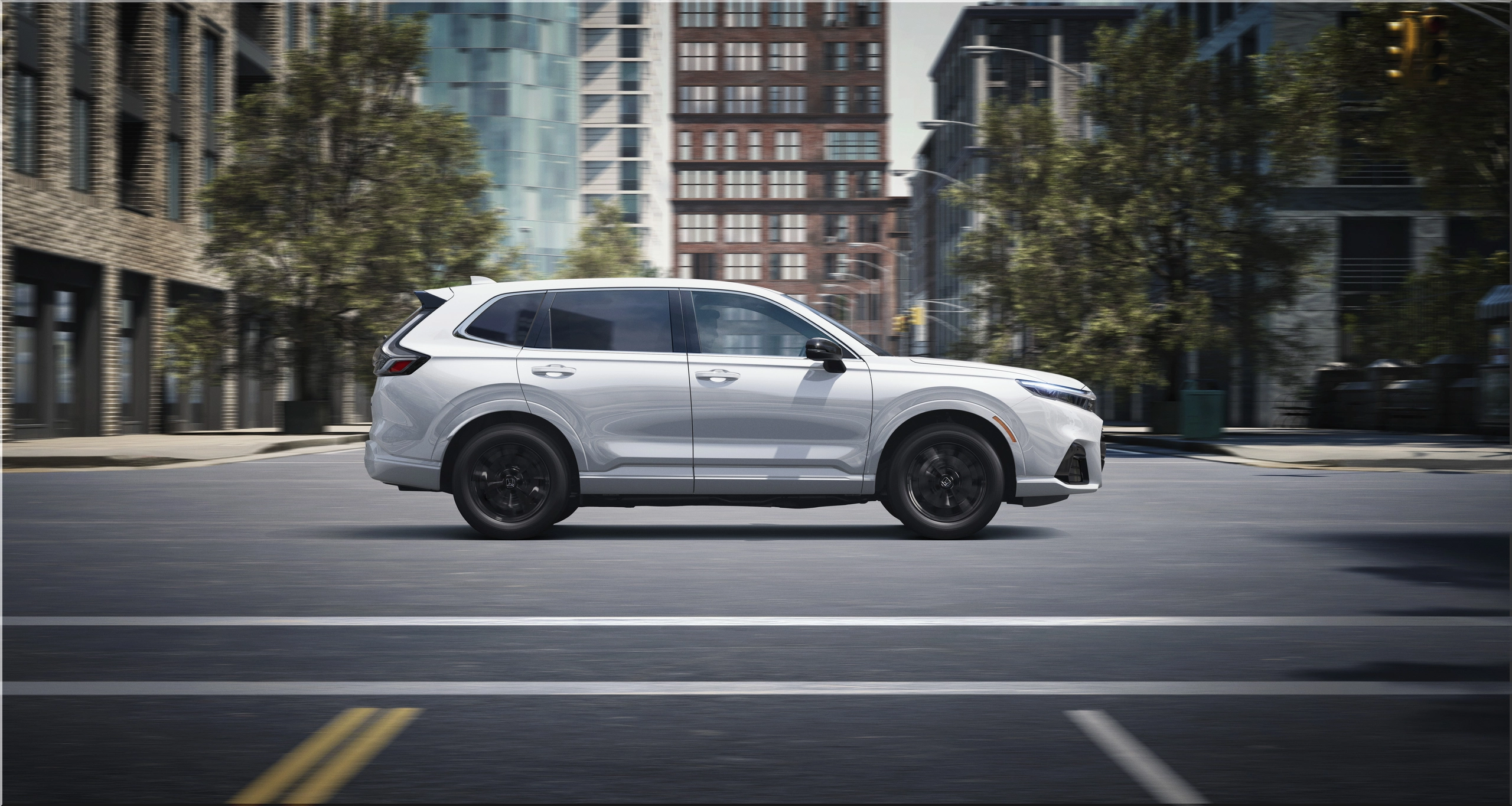
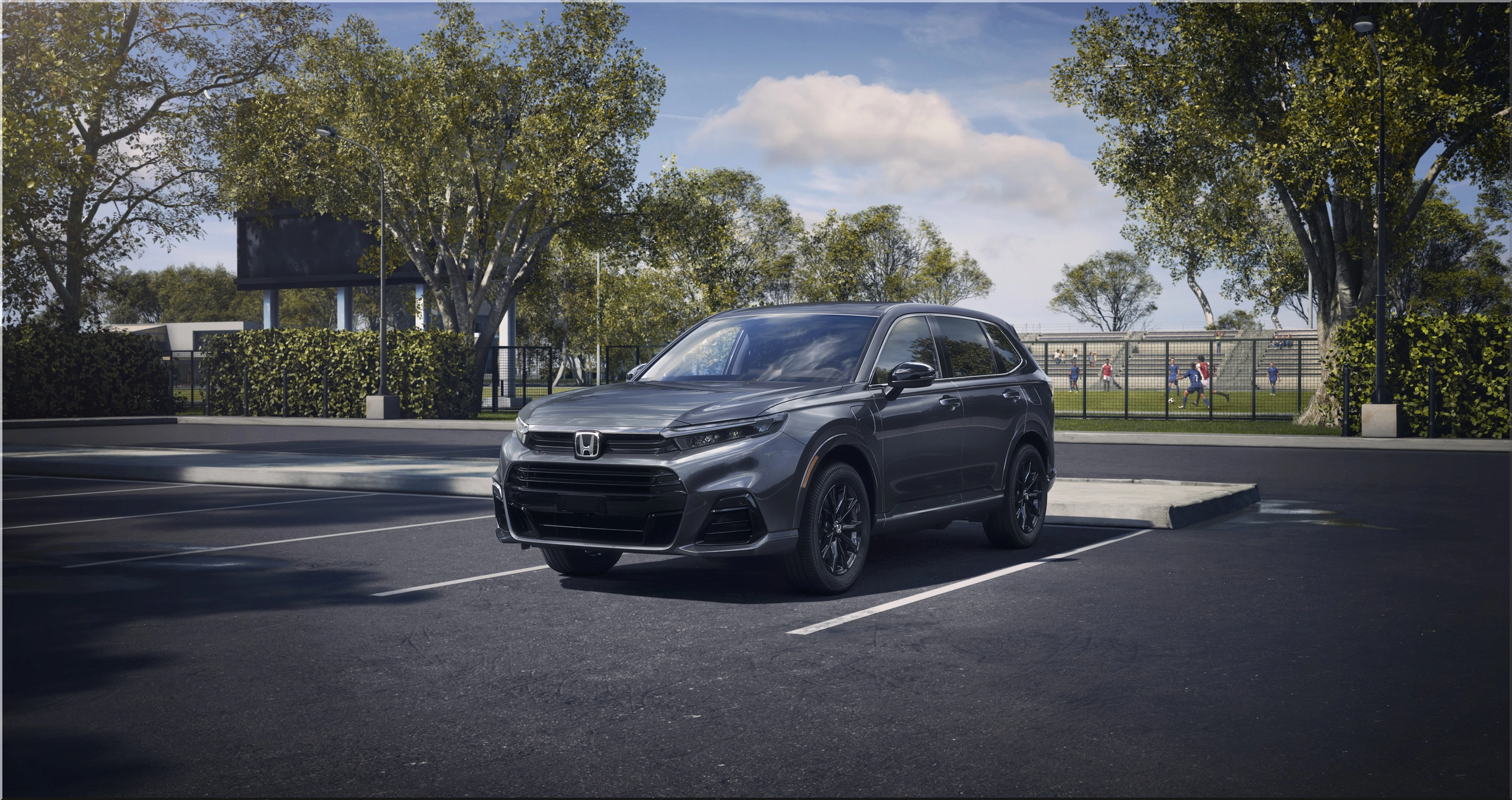
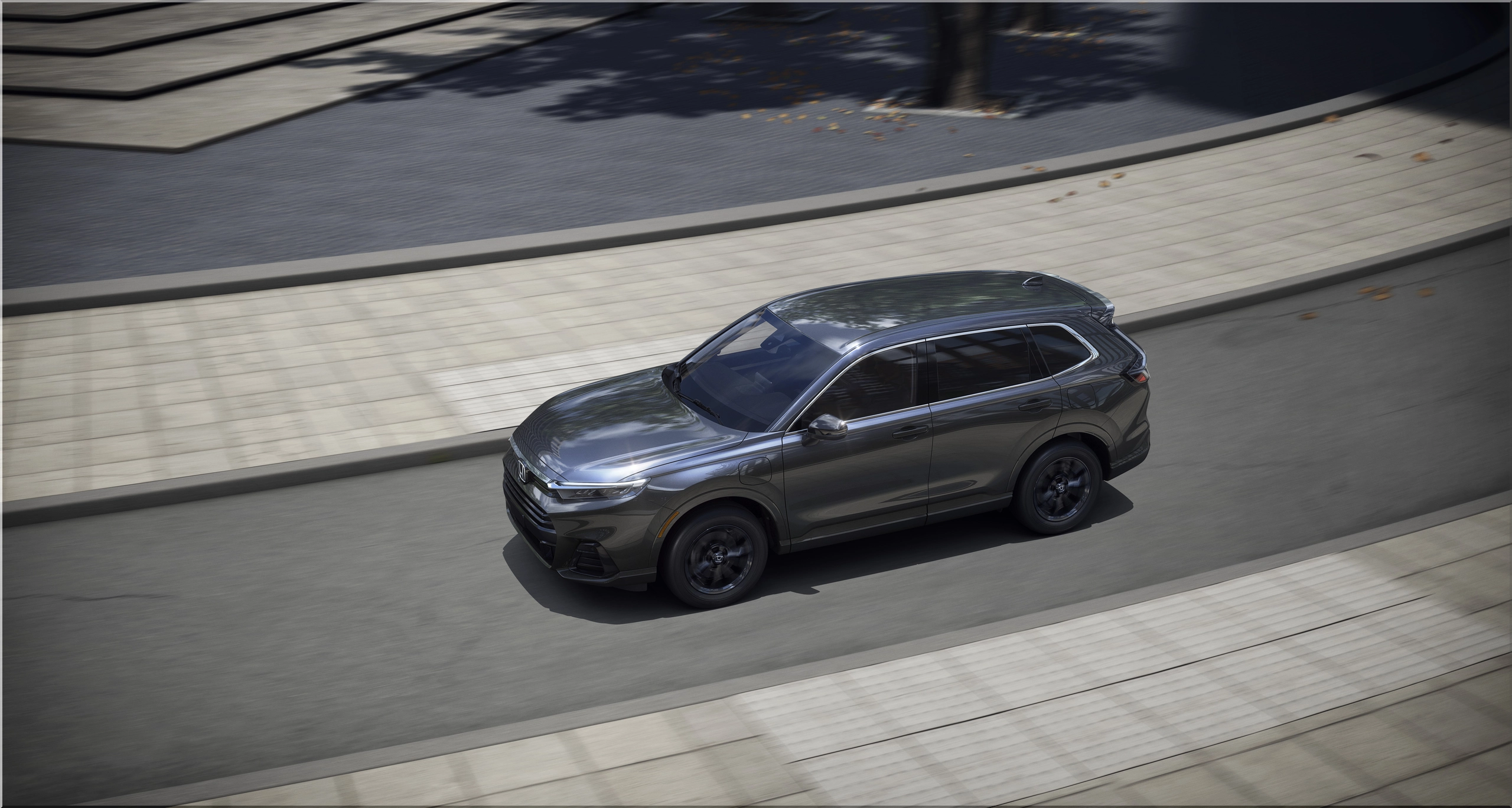
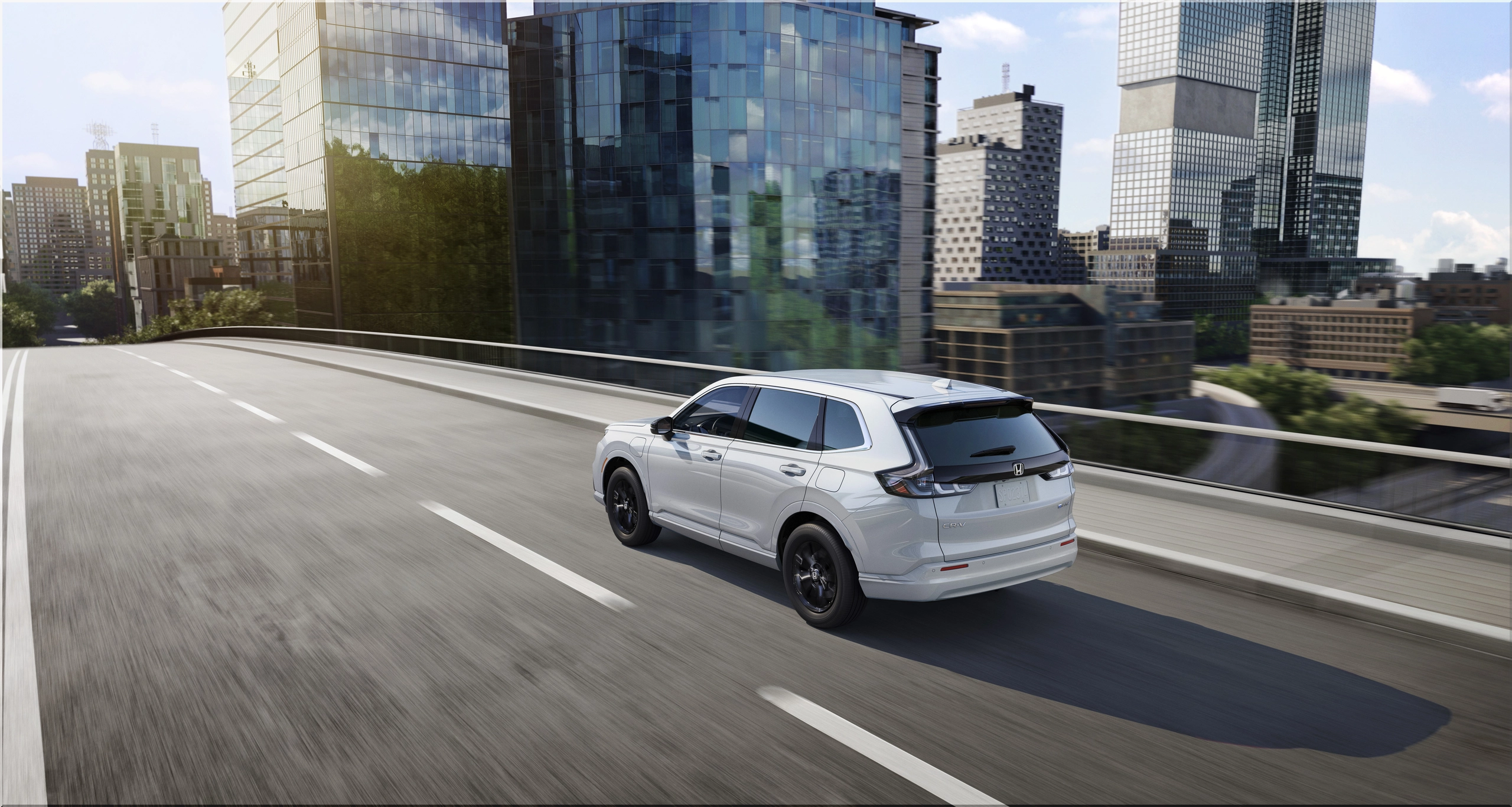
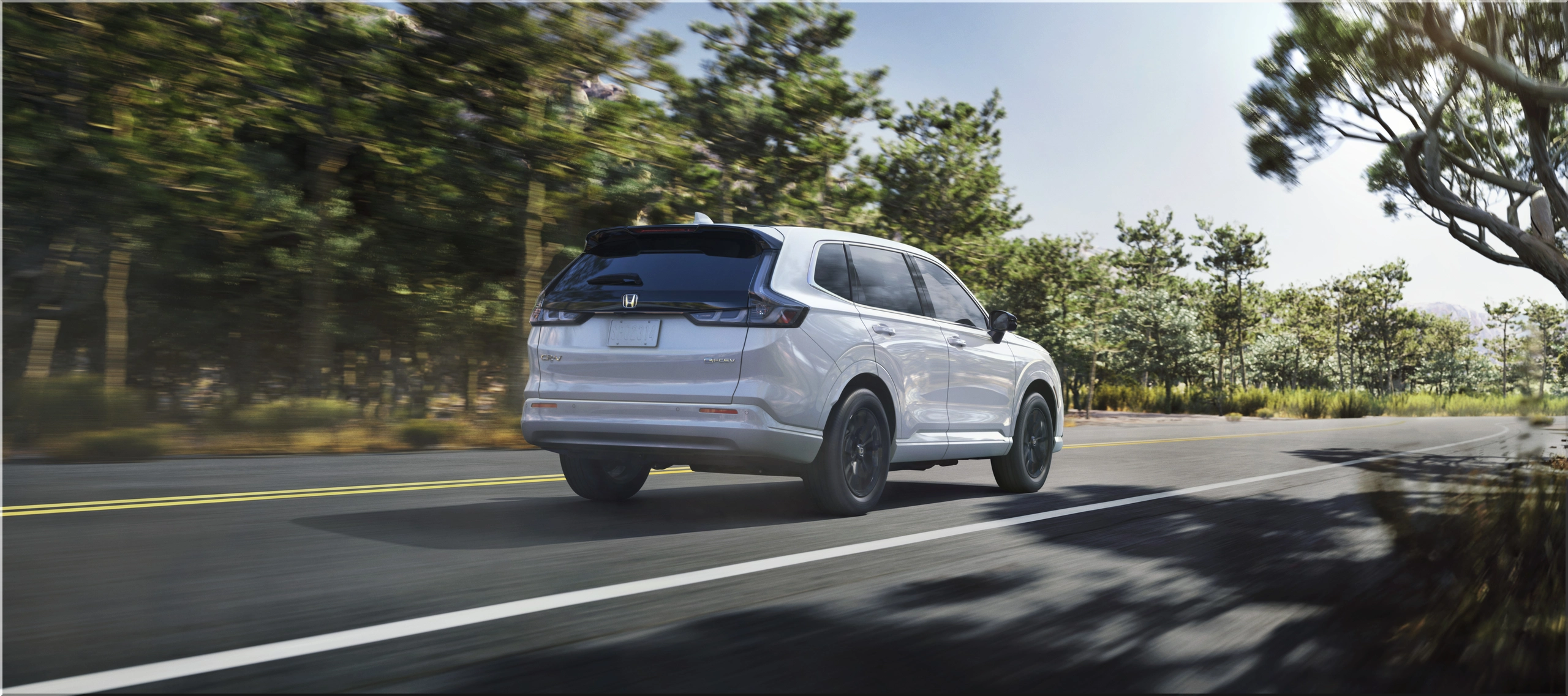
Honda has unveiled its latest innovation in the field of zero-emission vehicles: the 2025 Honda CR-V e:FCEV. This is the first plug-in hydrogen fuel cell electric vehicle (FCEV) in America, and it promises to deliver a unique combination of performance, efficiency, and convenience. Now, we will explore what makes the CR-V e:FCEV stand out from other electric cars, how it works, and what benefits it offers to drivers and the environment.
What is a plug-in hydrogen fuel cell electric vehicle?
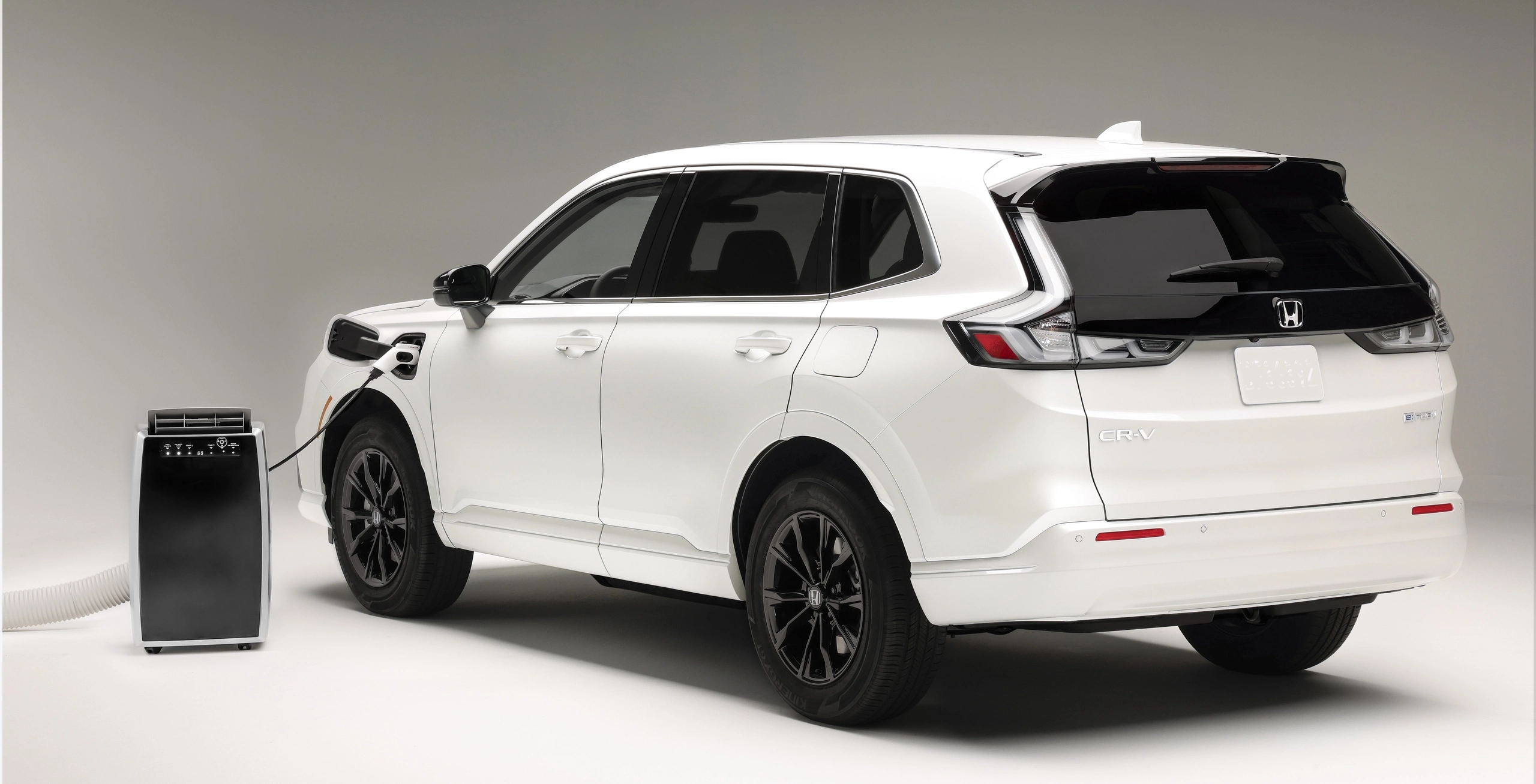
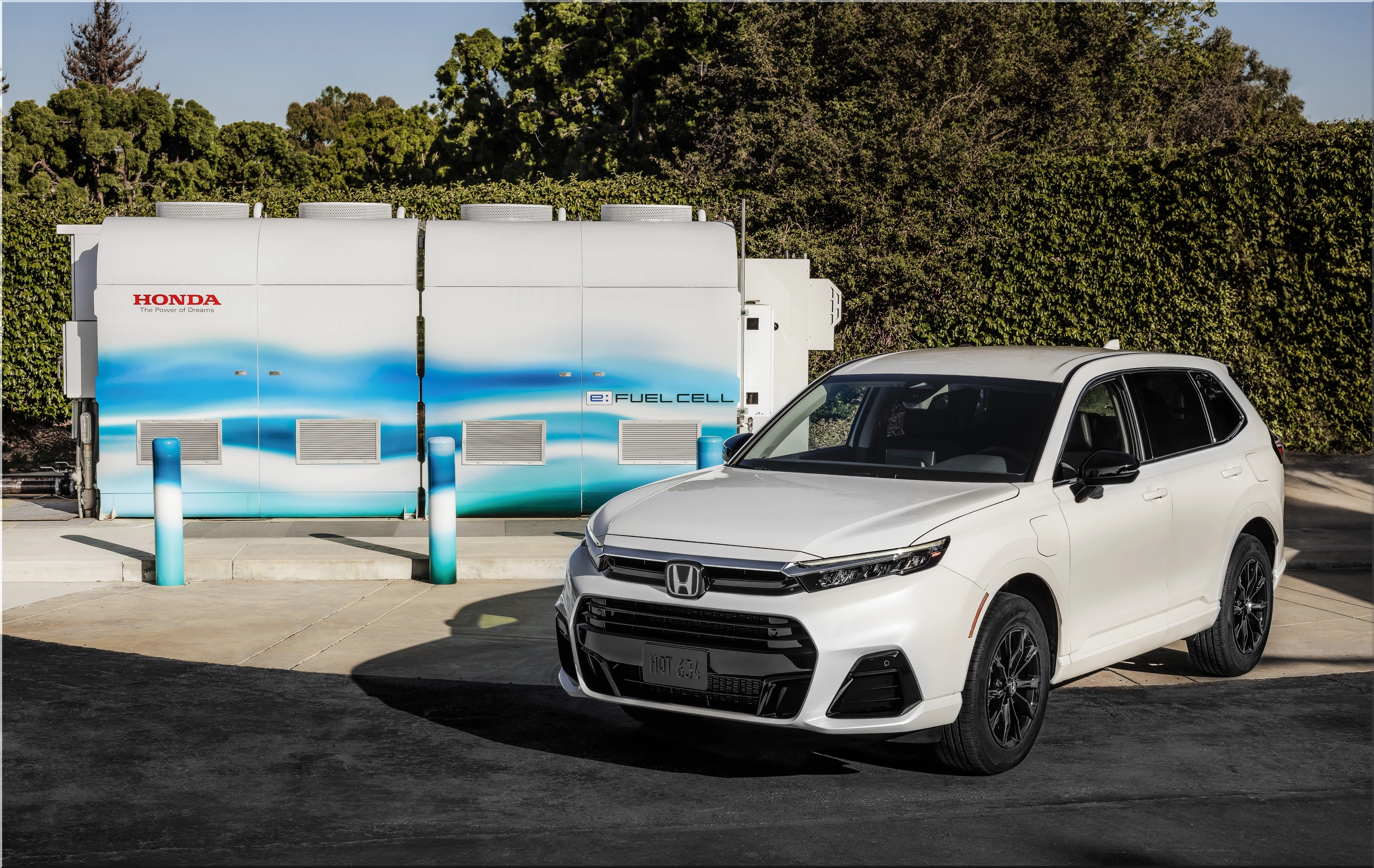
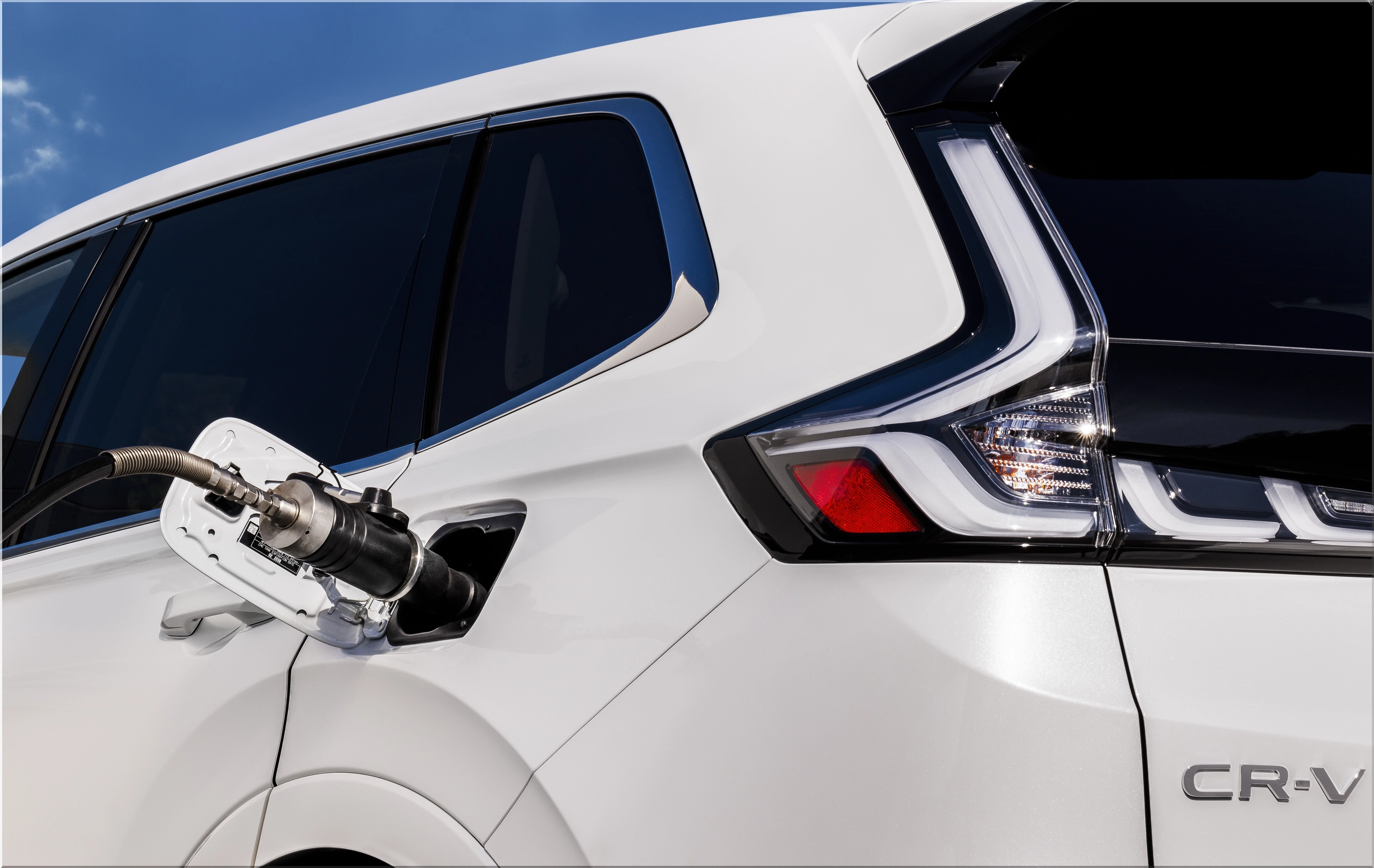
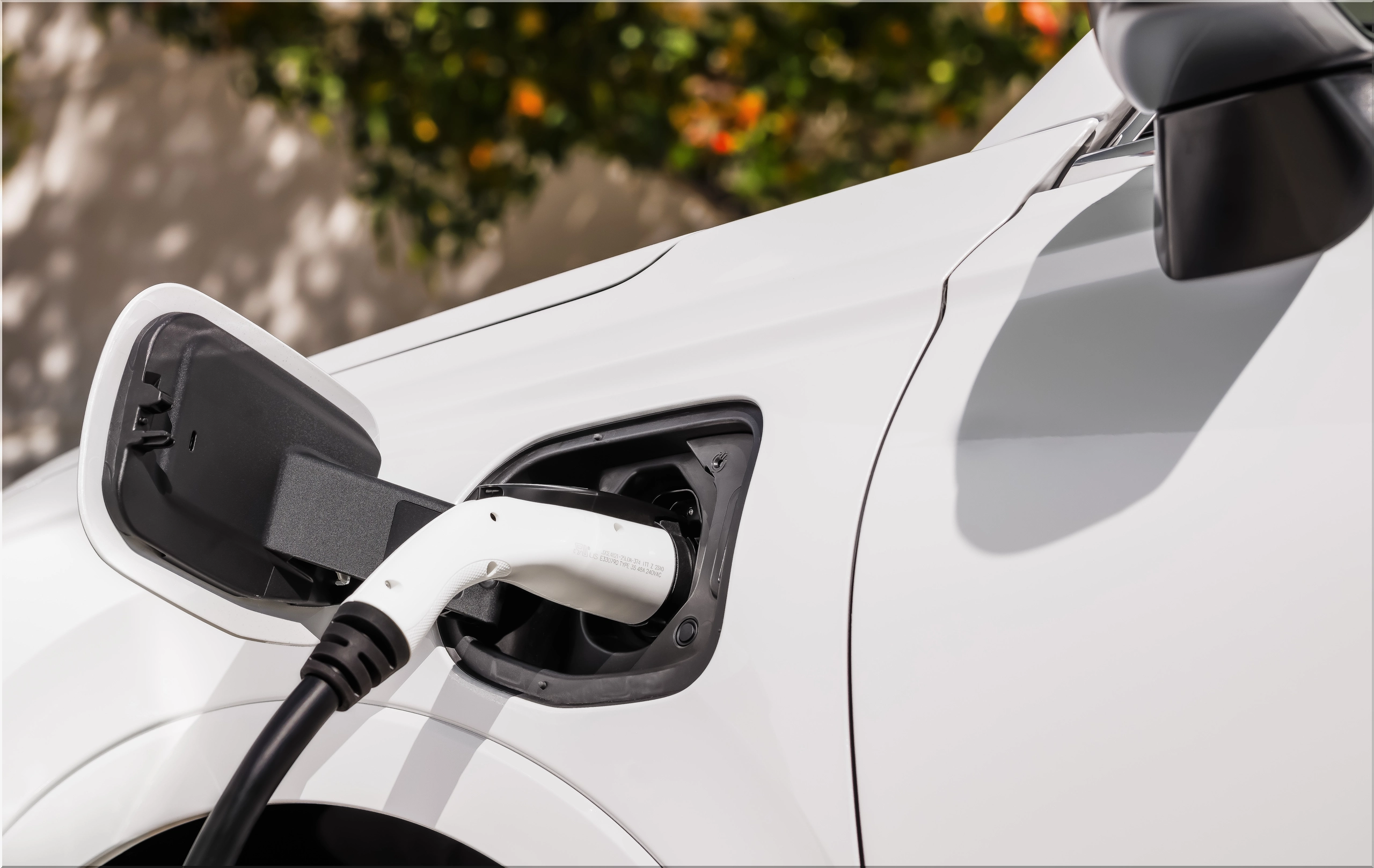
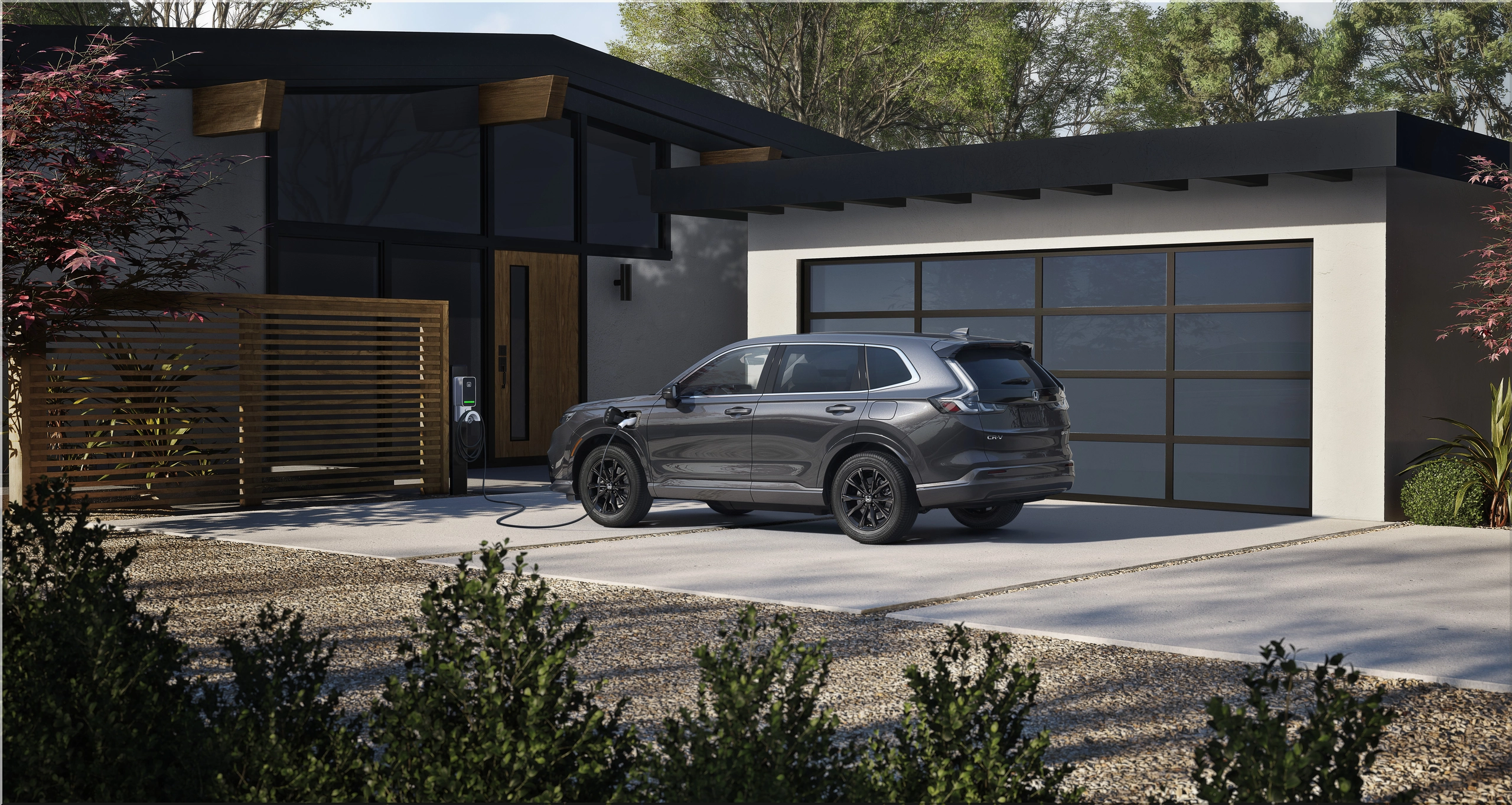
A plug-in hydrogen fuel cell electric vehicle is a type of electric car that uses both a battery and a fuel cell to power an electric motor. Unlike conventional battery-electric vehicles (BEVs), which rely solely on a large battery pack that needs to be recharged from an external source, plug-in FCEVs can generate their own electricity on board using hydrogen and oxygen. This means they can refuel in minutes at a hydrogen station or plug into an EV charging station for extra battery power.
The main advantages of plug-in FCEVs over BEVs are:
- Longer driving range: Plug-in FCEVs can travel up to 270 miles on a single tank of hydrogen, compared to around 200 miles for most BEVs.
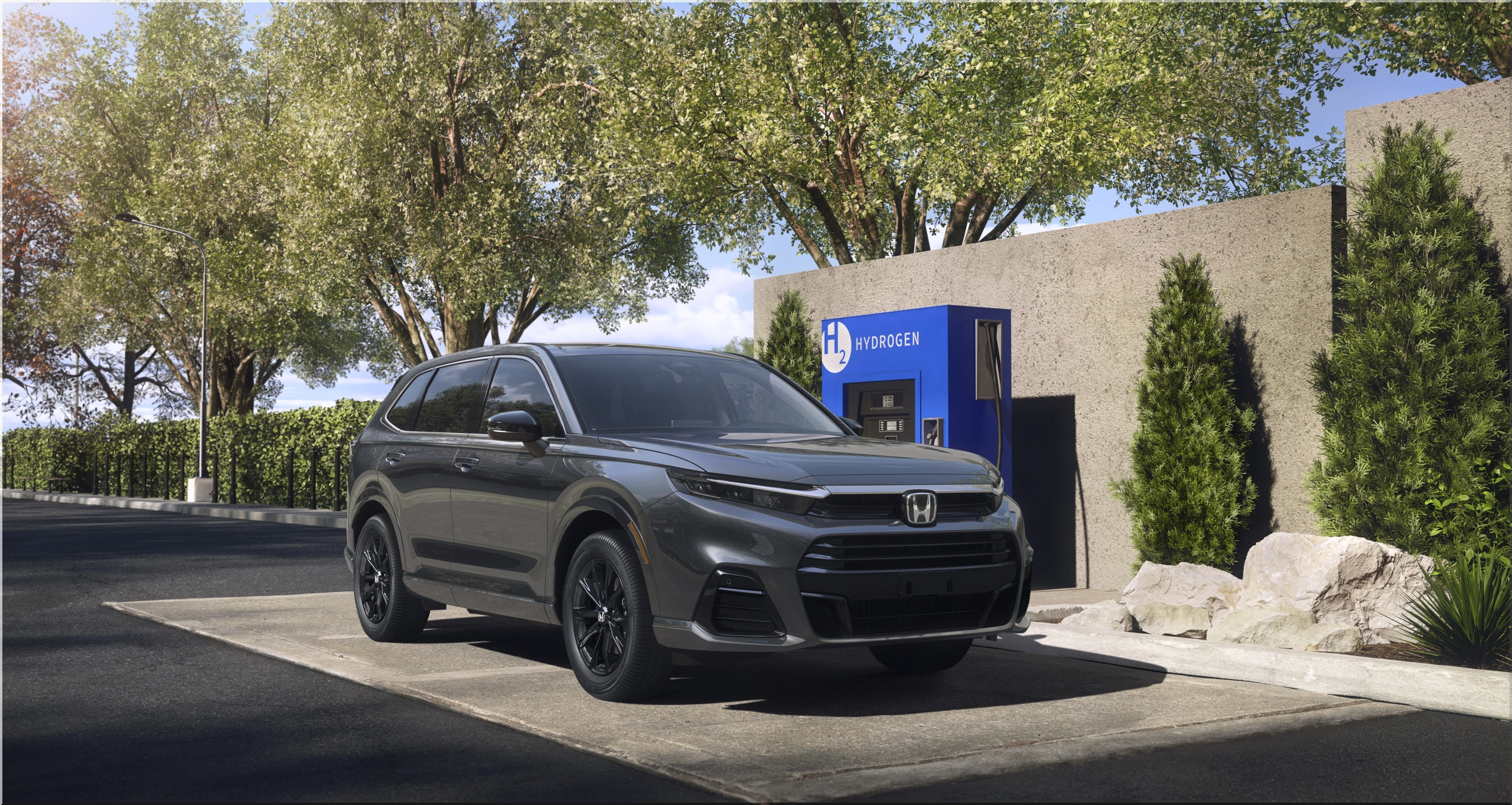
- Faster refueling: Plug-in FCEVs can refill their hydrogen tanks in about five minutes, similar to gasoline cars, while BEVs can take hours to fully recharge their batteries.
- More flexibility: Plug-in FCEVs can switch between hydrogen and battery power depending on the availability of fueling or charging options, giving them more versatility and convenience.
How does the 2025 Honda CR-V e:FCEV work?
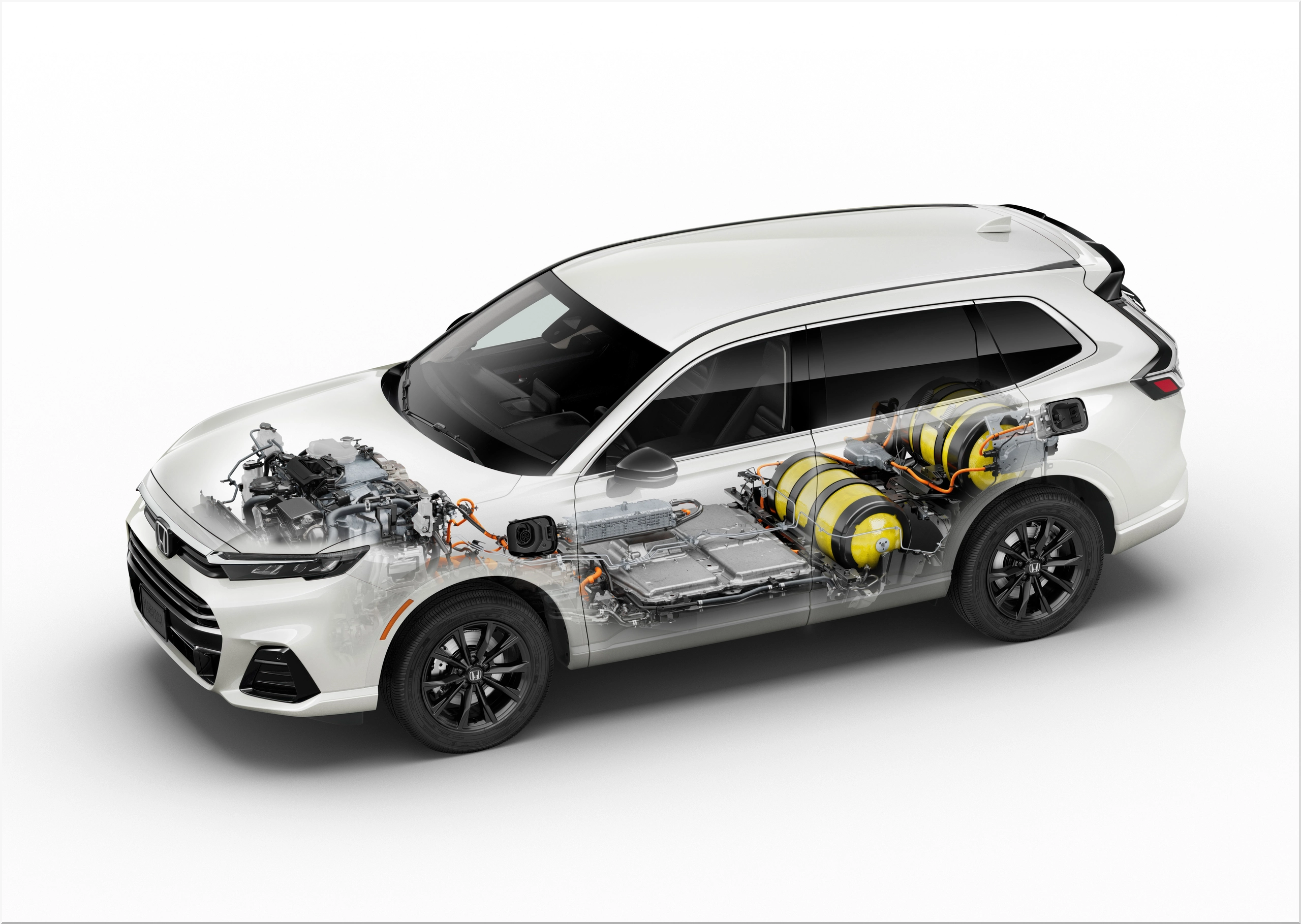
The 2025 Honda CR-V e:FCEV is powered by Honda’s second-generation fuel cell system, which is made in the US in collaboration with General Motors. The fuel cell system consists of a fuel cell stack, a hydrogen storage tank, and a power control unit. The fuel cell stack is a device that converts hydrogen and oxygen into electricity and water. The hydrogen storage tank is a high-pressure cylinder that holds up to 5 kg of compressed hydrogen gas. The power control unit is a module that regulates the voltage and current of the electricity produced by the fuel cell stack.
The CR-V e:FCEV also has a lithium-ion battery pack that stores energy from regenerative braking and provides supplemental power to the electric motor. The electric motor is a single front-mounted unit that delivers 174 horsepower and 229 lb-ft of torque, enabling the CR-V e:FCEV to accelerate from 0 to 60 mph in 9 seconds and reach a top speed of 100 mph.
The CR-V e:FCEV can operate in four different modes depending on the driving conditions and the driver’s preference:
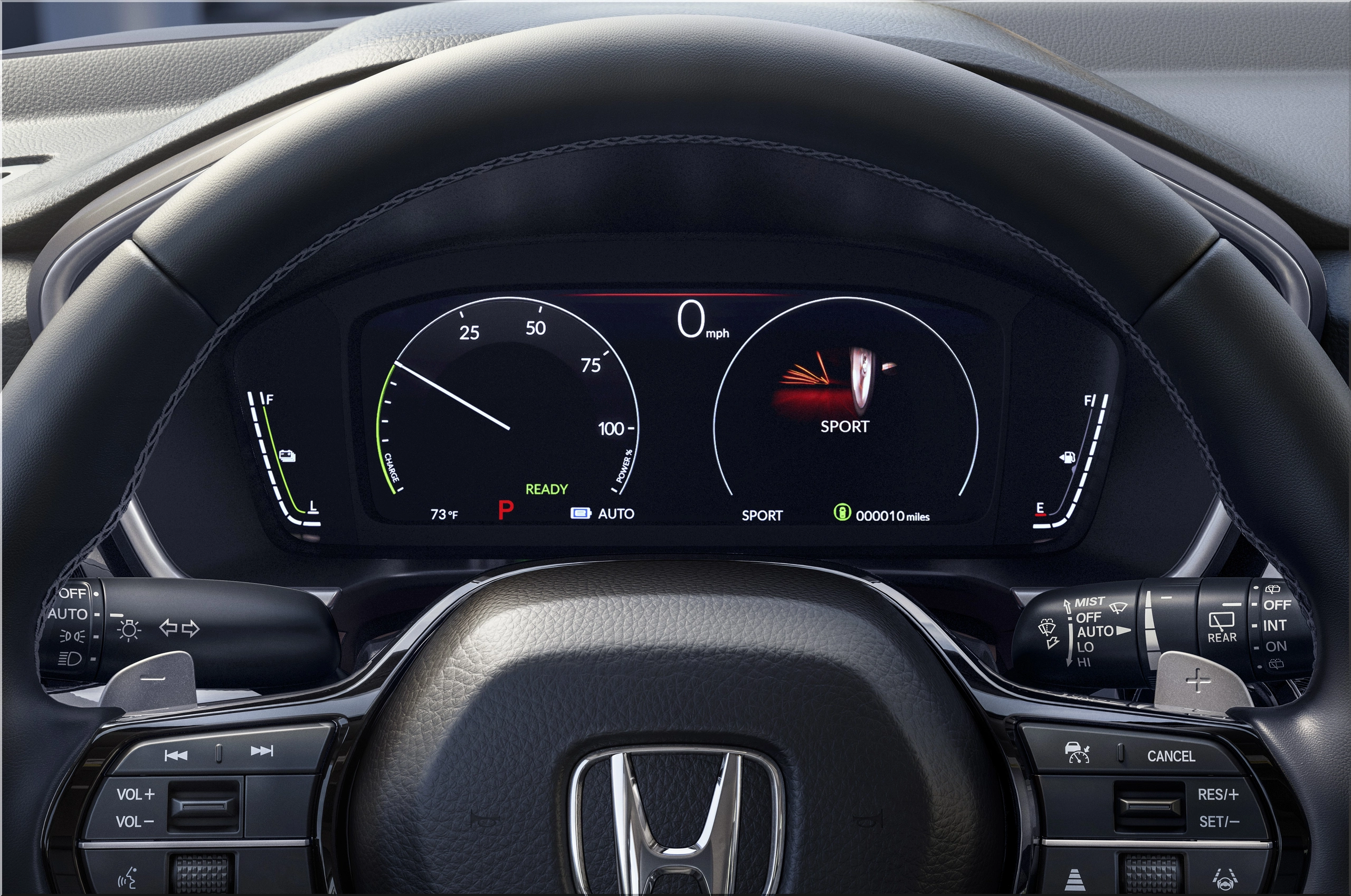
- Hydrogen mode: In this mode, the fuel cell stack provides the main source of power to the electric motor, while the battery acts as a buffer to smooth out the power delivery and improve efficiency. This is the default mode for normal driving, and it offers the best balance of performance and range.
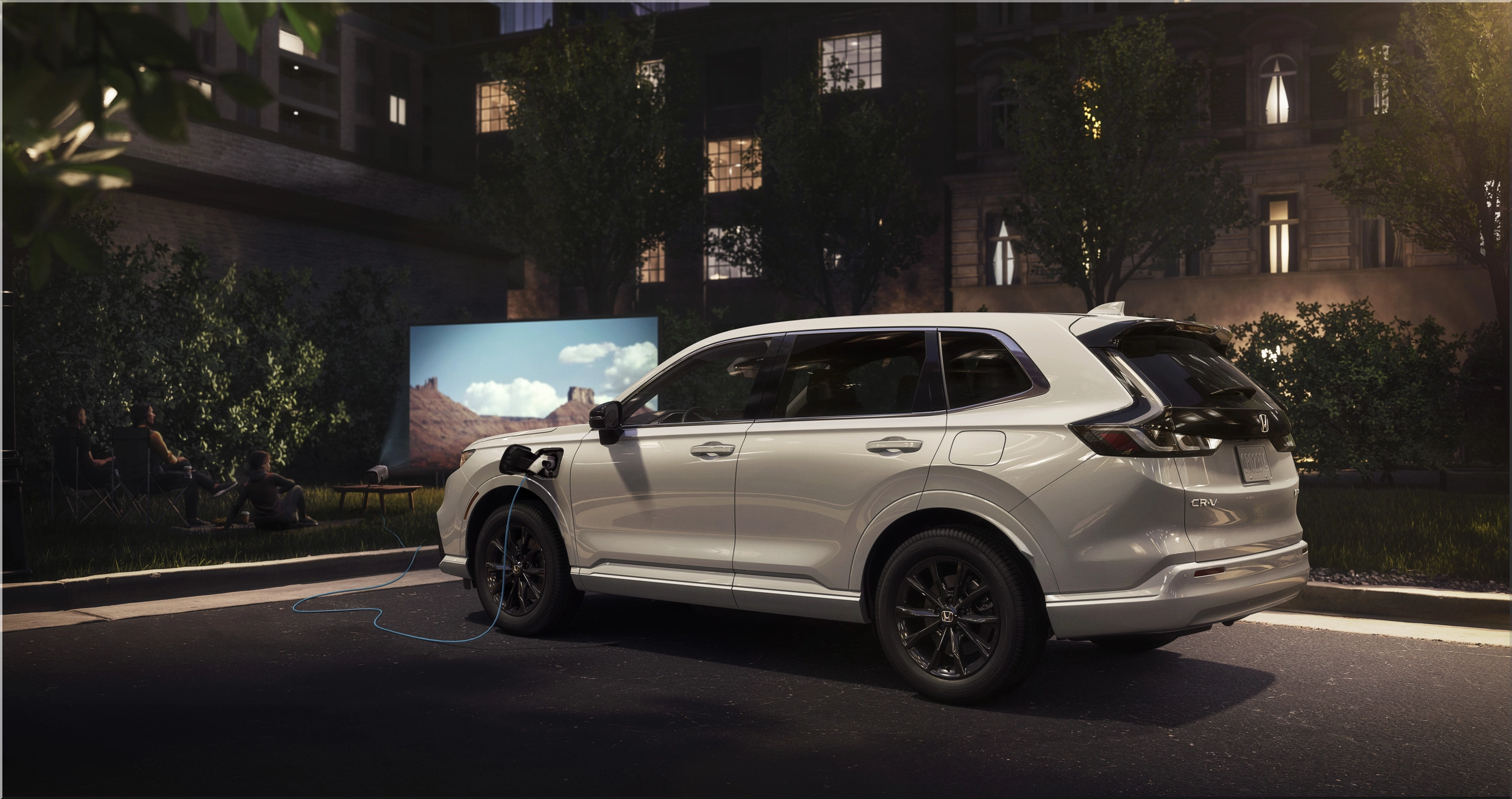
- Battery mode: In this mode, the battery provides the sole source of power to the electric motor while the fuel cell stack is turned off or idled. This mode is ideal for short trips around town, where the battery can be recharged from regenerative braking or plugging into an EV charging station. This mode also reduces hydrogen consumption and extends the overall driving range.
- Hybrid mode: In this mode, the fuel cell stack and the battery work together to provide power to the electric motor, depending on the power demand and the state of charge of the battery. This mode is activated when the driver needs more power for acceleration or hill climbing or when the battery is low and needs to be replenished by the fuel cell stack. This mode enhances the performance and responsiveness of the CR-V e:FCEV.
- Charge mode: In this mode, the fuel cell stack acts as a generator to charge the battery, while the battery powers the electric motor. This mode is useful when the driver wants to increase the battery level before plugging into an EV charging station, or when the driver anticipates a long period of battery-only driving. This mode maximizes the battery capacity and reduces the hydrogen consumption.
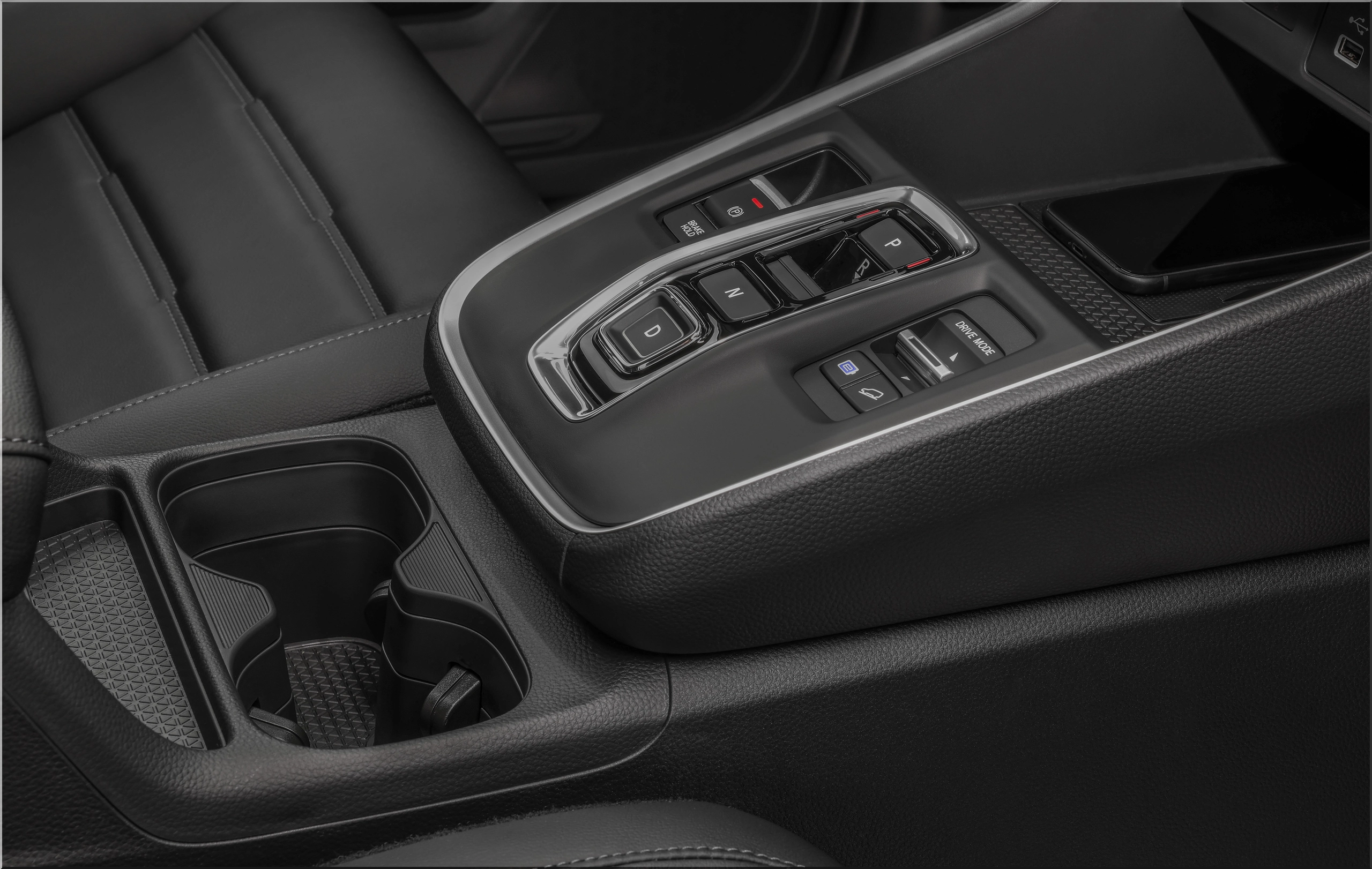
The driver can select the preferred mode using a button on the dashboard or let the CR-V e:FCEV automatically choose the optimal mode based on the driving situation and the battery level.

What are the benefits of the 2025 Honda CR-V e:FCEV?
The 2025 Honda CR-V e:FCEV offers several benefits to drivers and the environment, such as:
- Zero-emission driving: The CR-V e:FCEV emits only water vapor and warm air from its tailpipe, making it one of the cleanest vehicles on the road. By using hydrogen as a fuel, the CR-V e:FCEV also reduces the dependence on fossil fuels and the greenhouse gas emissions associated with them.
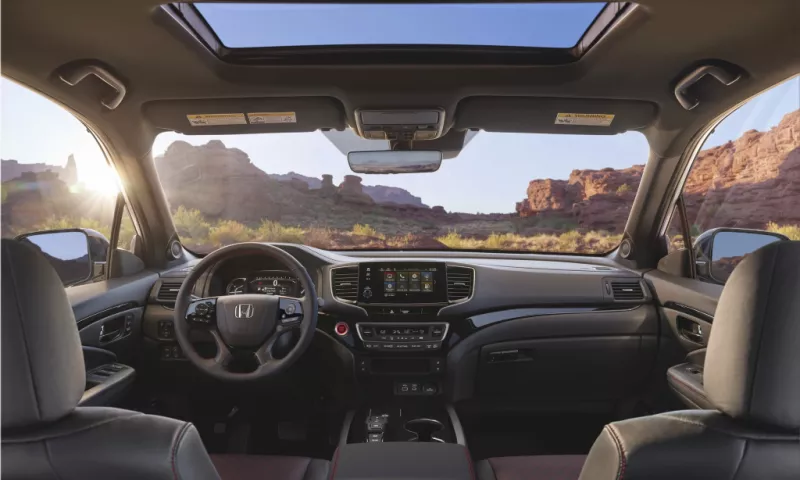
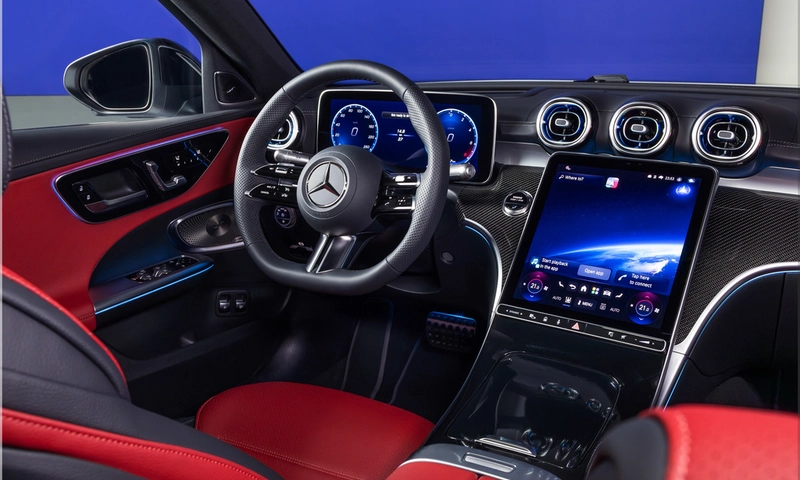
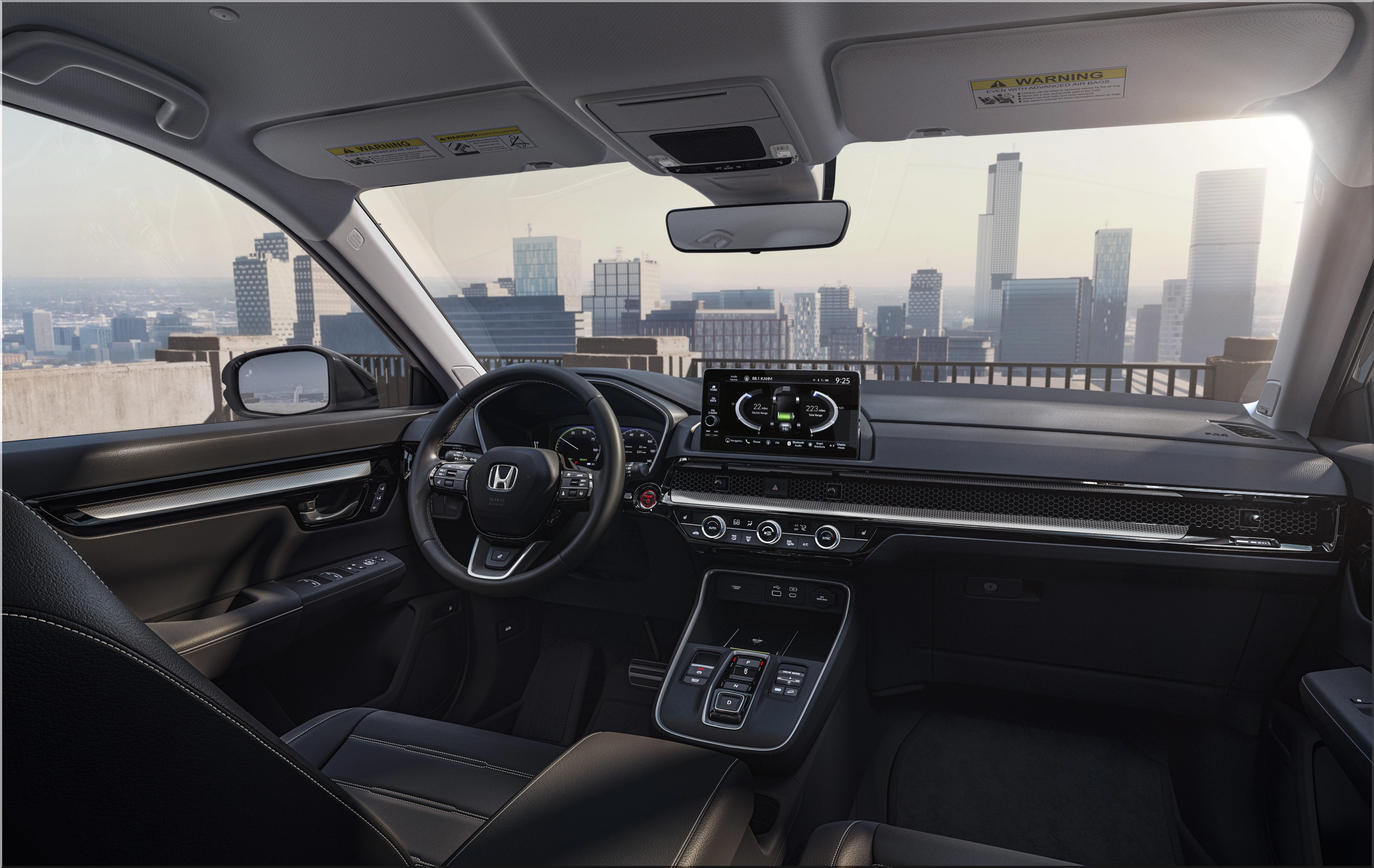
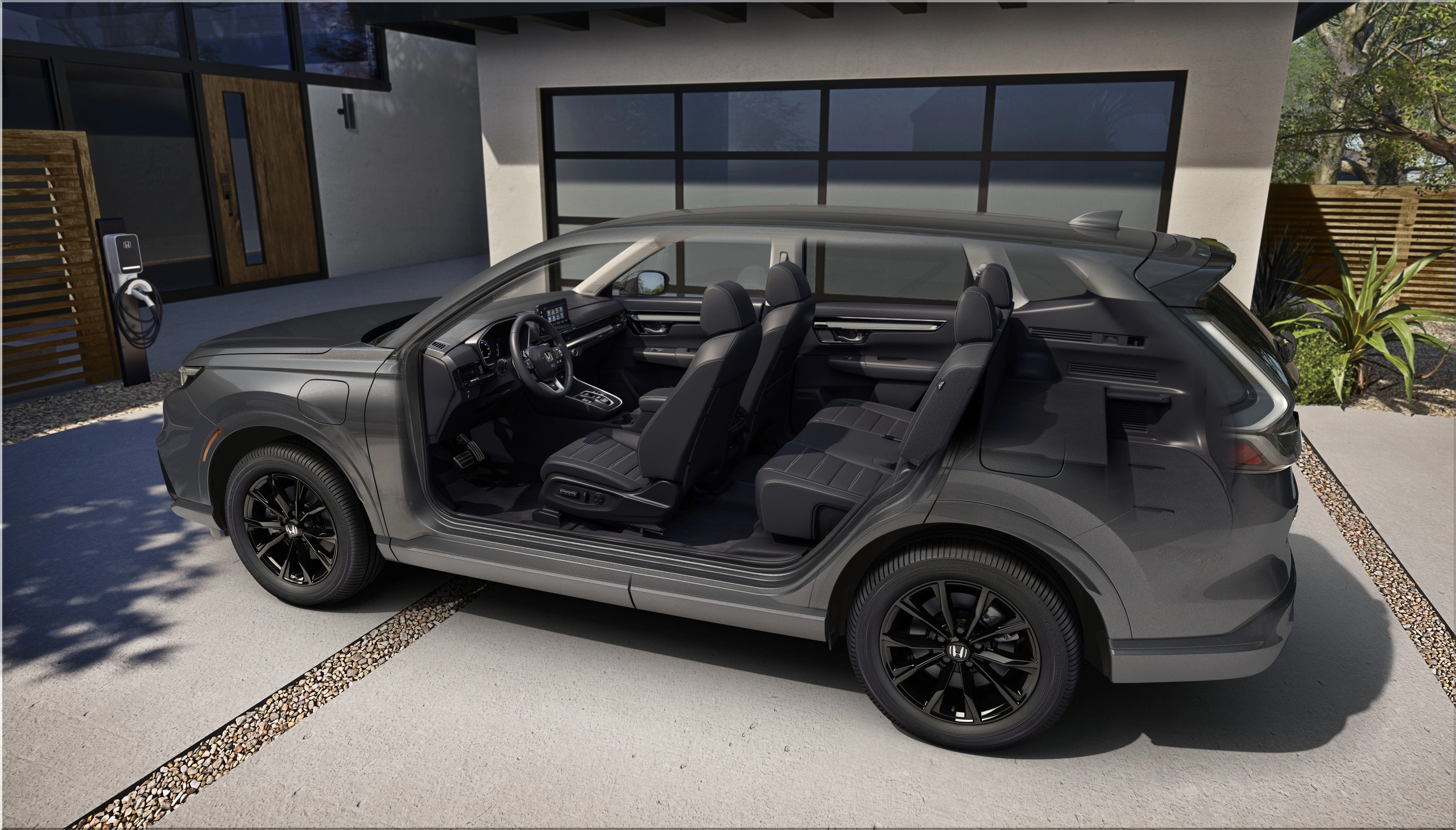
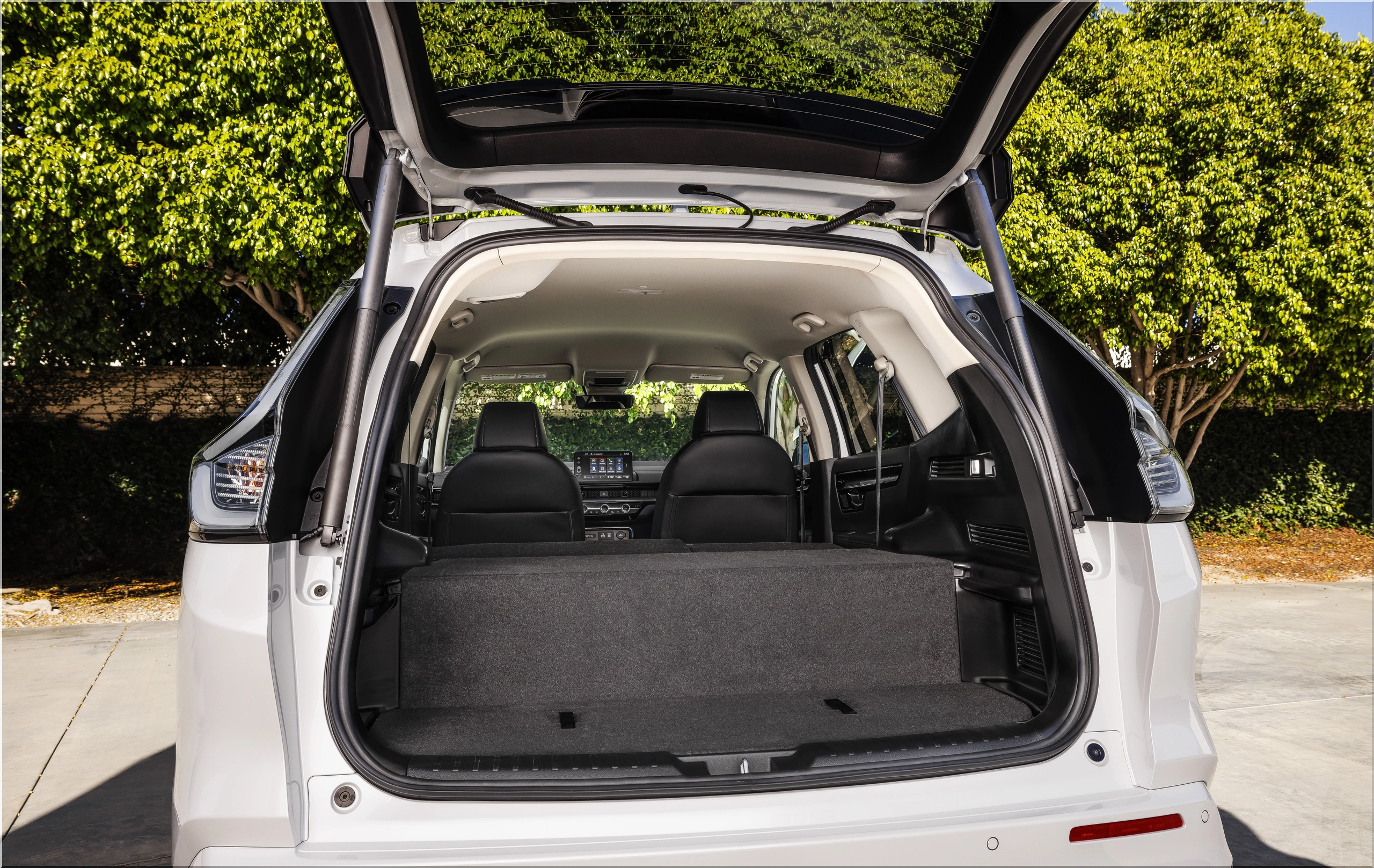
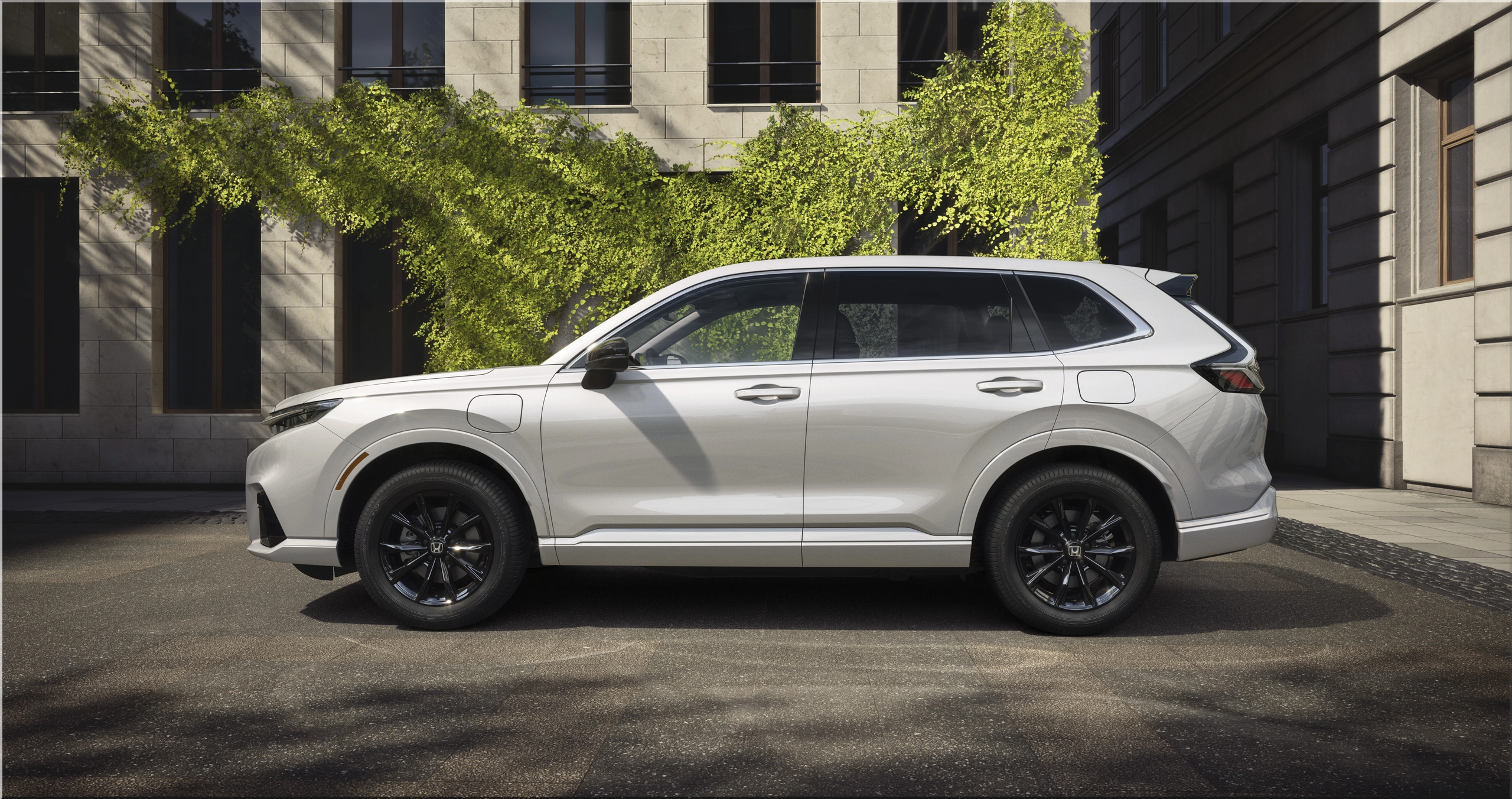
- Spacious and comfortable interior: The CR-V e:FCEV retains the spacious and comfortable interior of the regular CR-V, with room for five passengers and ample cargo space. The fuel cell system and the battery pack are cleverly packaged under the hood and under the floor, without compromising the cabin or the trunk space. The CR-V e:FCEV also features a 9-inch touchscreen infotainment system, a 12.3-inch digital instrument cluster, a wireless smartphone charger, a head-up display, and a panoramic sunroof.
- Advanced safety and driver assistance features: The CR-V e:FCEV comes with Honda Sensing, a suite of safety and driver assistance features that include adaptive cruise control, lane keeping assist, collision mitigation braking, blind spot monitoring, rear cross traffic alert, and more. The CR-V e:FCEV also has a hydrogen sensor that detects any leaks and shuts off the fuel supply if necessary, and a hydrogen tank that can withstand high impacts and temperatures.
- Exclusive incentives and perks: The CR-V e:FCEV drivers may qualify for various incentives and perks, such as federal and state tax credits, HOV lane access, free or discounted hydrogen fuel, and free or discounted EV charging. These incentives and perks vary by location and availability, and they aim to encourage the adoption of zero-emission vehicles and the development of the hydrogen infrastructure.


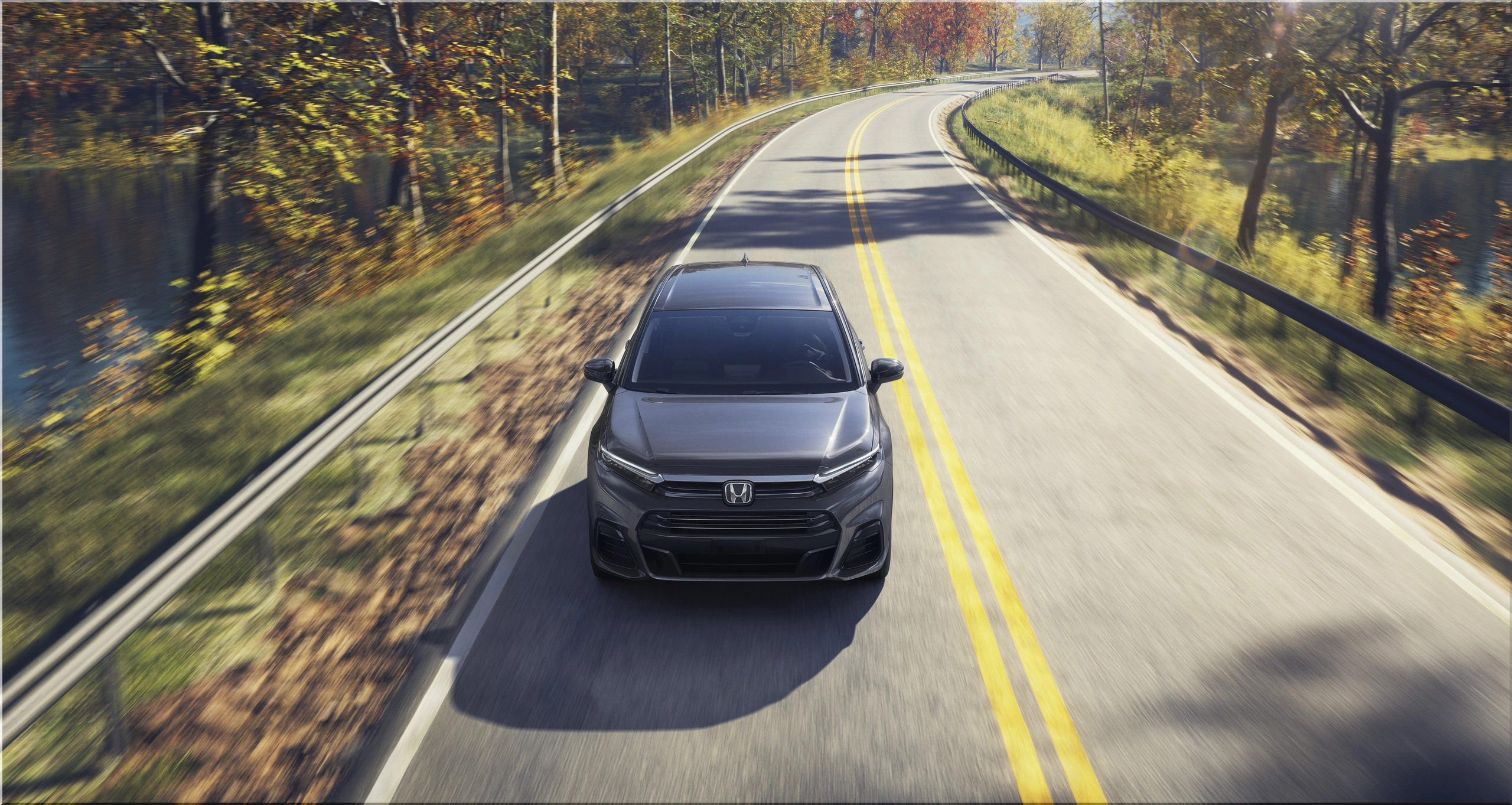

How to get the 2025 Honda CR-V e:FCEV?
The Honda CR-V e:FCEV will be available for customers in 2025; until then, get a regular Honda CR-V. The lease price and terms have not been announced yet, but they are expected to be competitive with other FCEVs on the market, such as the Toyota Mirai and the Hyundai Nexo. The CR-V e:FCEV will also come with a limited warranty and a roadside assistance program.
The CR-V e:FCEV is part of Honda’s global vision to achieve carbon neutrality by 2050, and to transition to 100% zero-emission vehicle sales by 2040. Honda has been a pioneer in the field of hydrogen fuel cell technology, having launched the first certified FCEV in the US in 2002, the Honda FCX. Since then, Honda has improved its fuel cell system and introduced the Honda Clarity Fuel Cell in 2016, which was the predecessor of the CR-V e:FCEV.
The 2025 Honda CR-V e:FCEV is a groundbreaking vehicle that combines the best of both worlds: the convenience and range of a gasoline car, and the efficiency and sustainability of an electric car. It is a vehicle that appeals to both the head and the heart, offering a practical and enjoyable driving experience while contributing to a cleaner and greener future.
- Add new comment
- 192 views