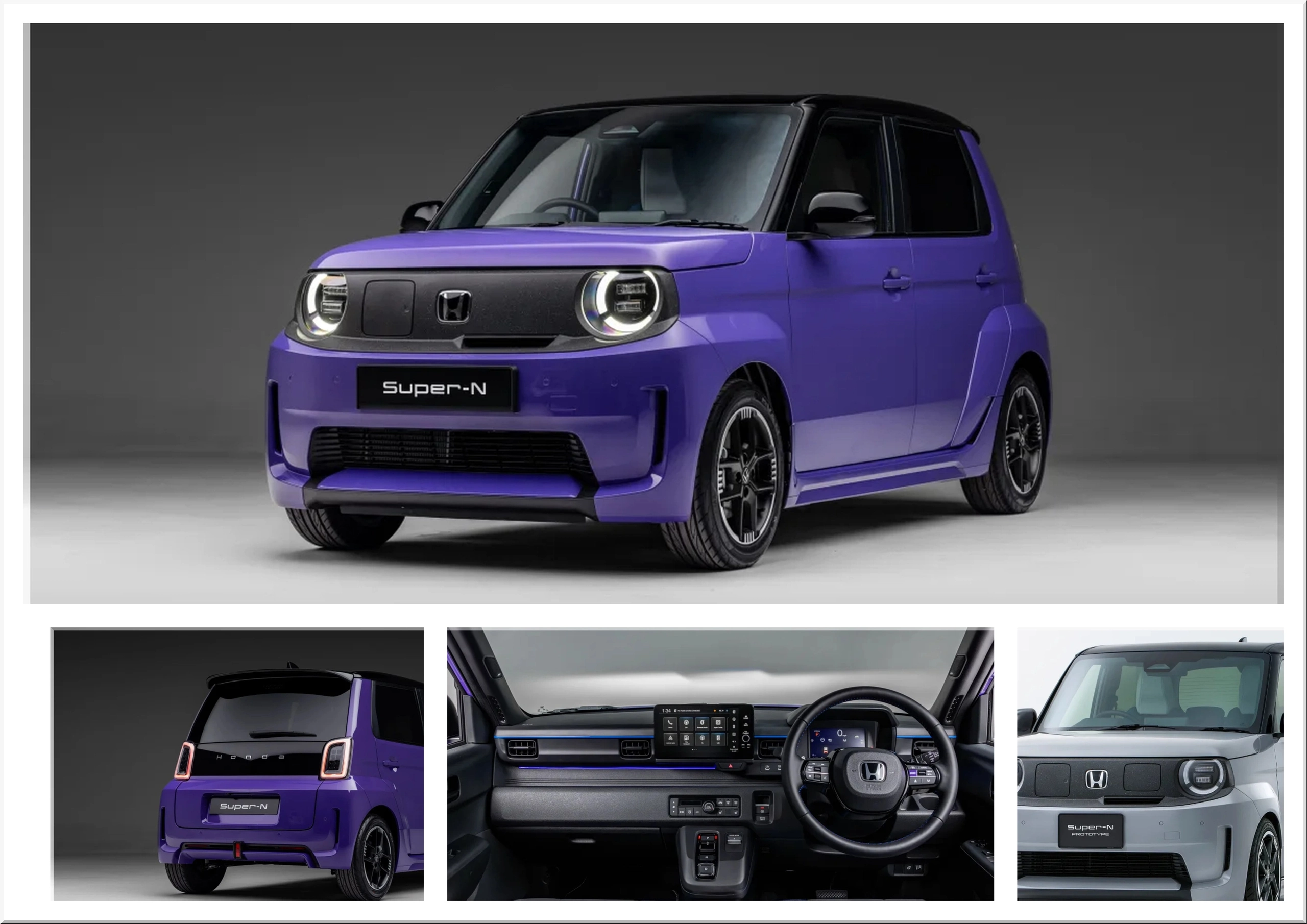
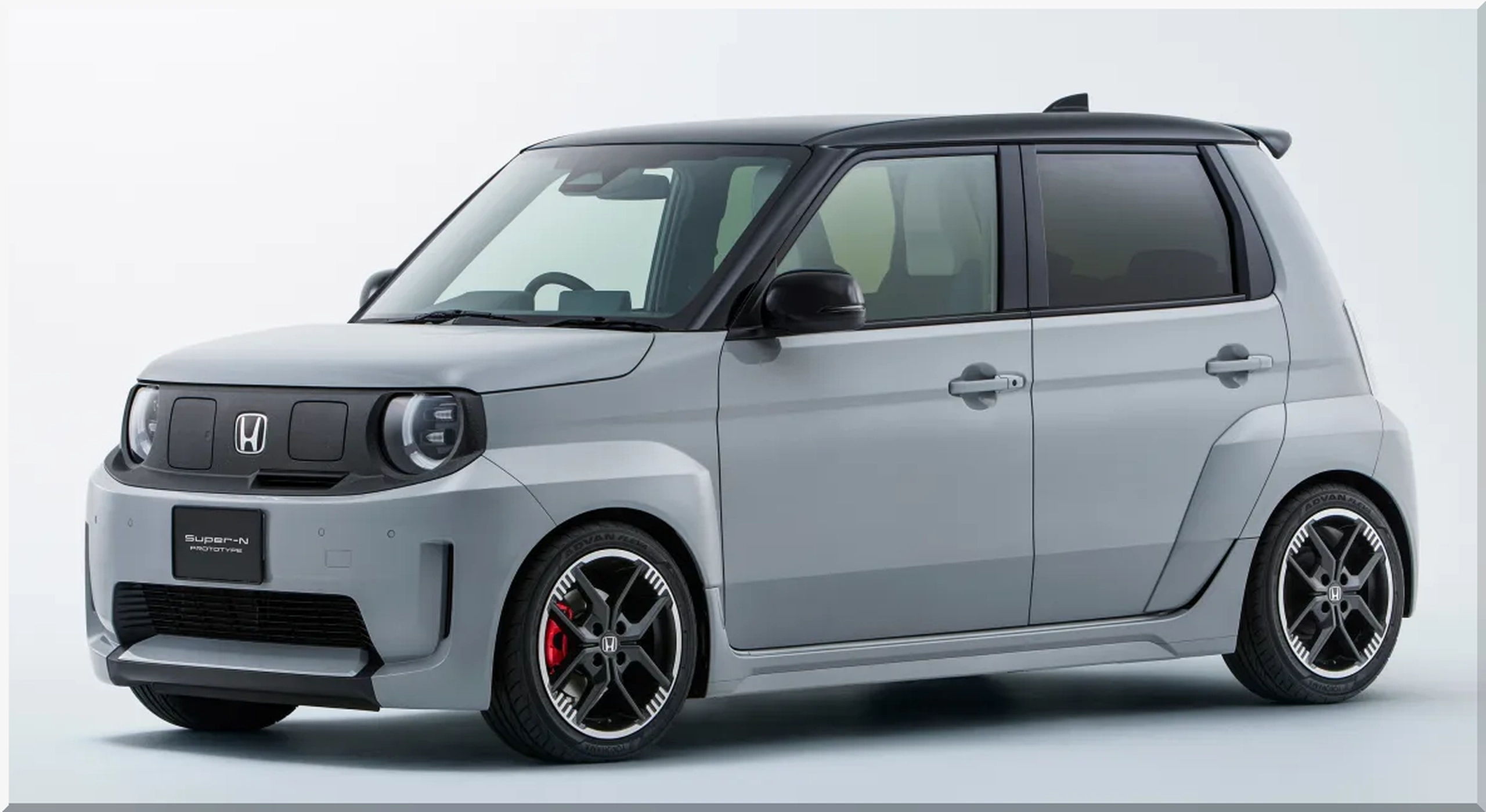
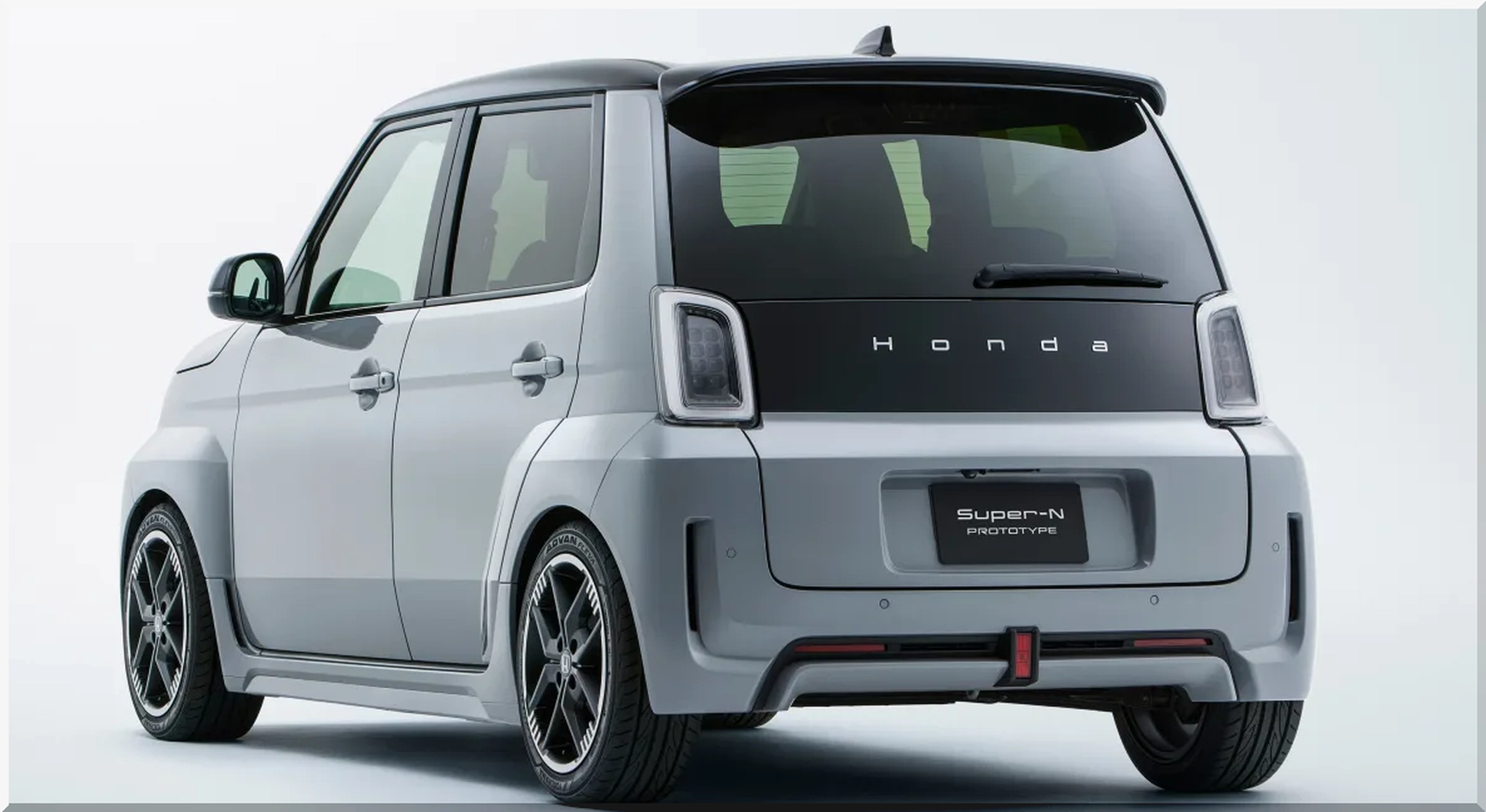
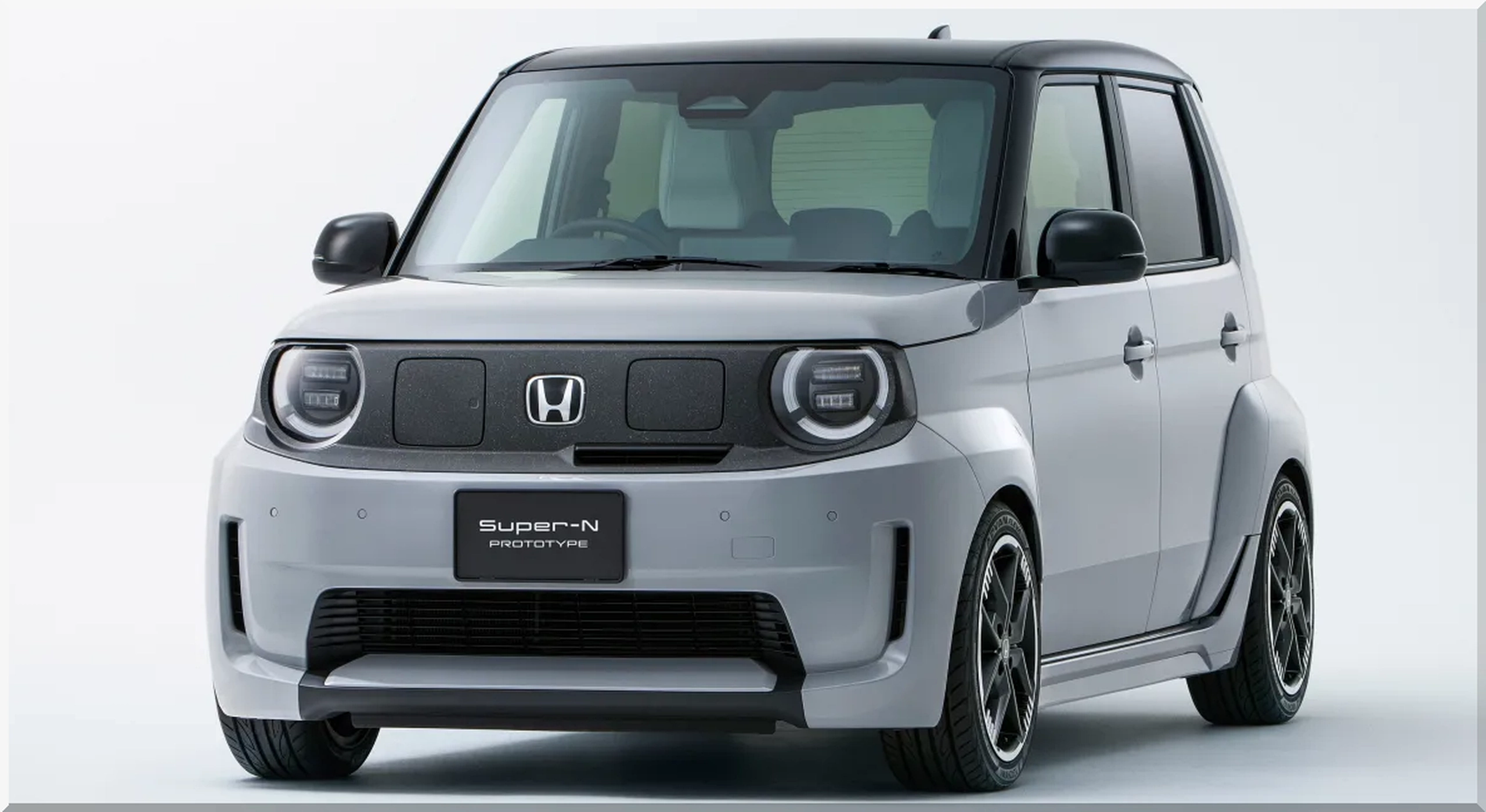
Honda has a habit of making small cars feel alive, and the Honda Super-N looks like the latest proof. This compact electric hatch reaches the UK in July 2026 with a sub-£20,000 starting price, which works out to under $26,804 at the April 13, 2026 exchange rate. That number matters because Honda did not build this car as a pricey halo toy like the old Honda e. It built a smaller, lighter, sharper-entry EV aimed at city drivers who still want a pulse.

Looking at the data, the 2026 Honda Super-N sits right in the sweet spot for urban use. Honda says it delivers a 199-mile city range and a 128-mile combined range, numbers that tell you exactly what this car wants to be: a low-mass commuter with short overhangs, fast reactions, and enough battery for real daily use without dragging around extra weight it does not need.
Why the Honda Super-N makes sense
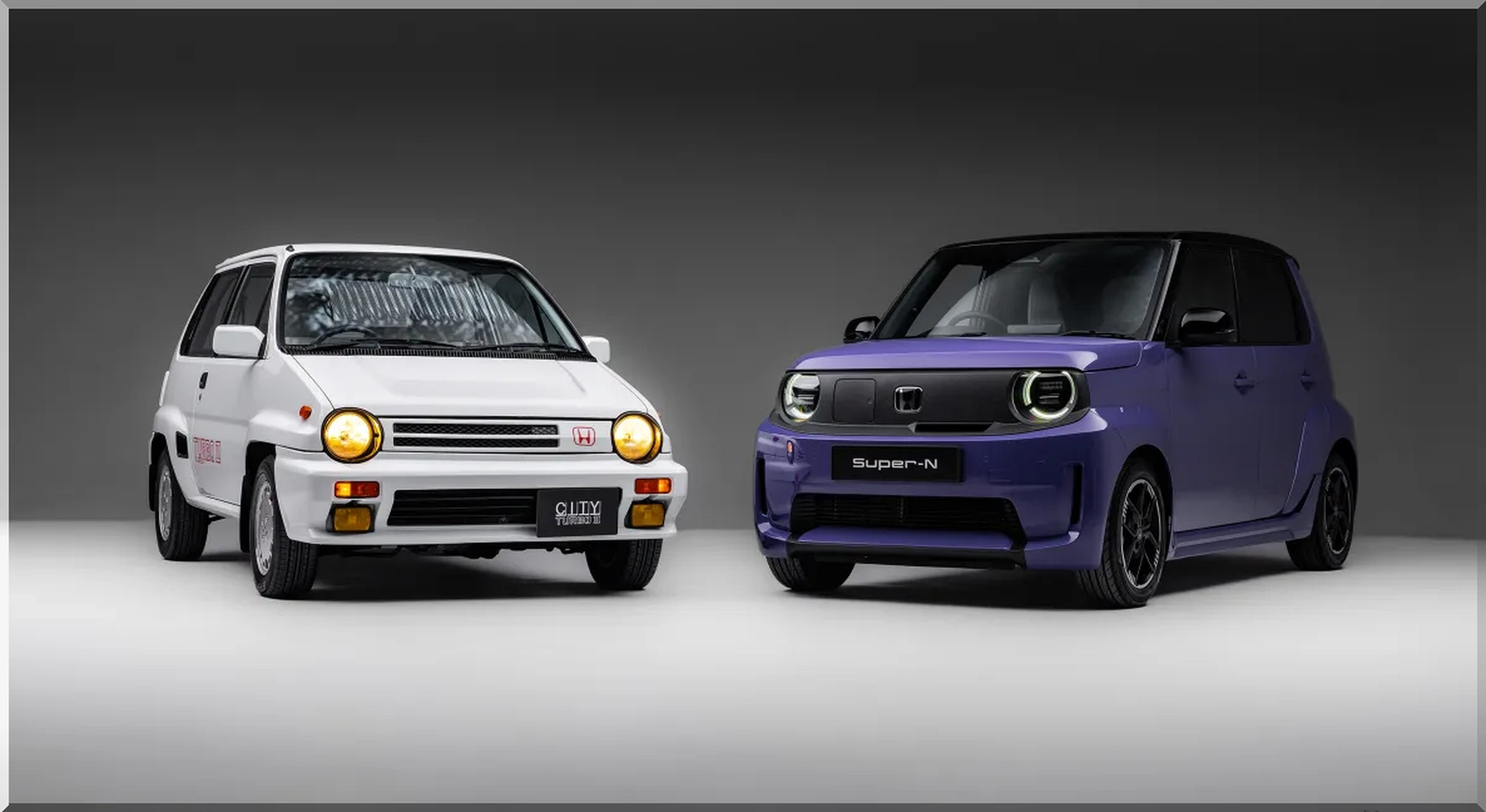
The most interesting part of the Super-N is not the retro styling. It is the engineering logic behind it.
Honda based the car on the lightweight N Series kei-car platform sold in Japan, then added wider tracks, more aggressive bodywork, and a driver-focused calibration for the UK. By comparison with many small EVs that chase bigger battery headlines, Honda chose a lighter package that should feel more alert at sane road speeds. That choice keeps steering response crisp, helps efficiency in stop-start traffic, and reduces the deadened feel that plagues many budget EVs.
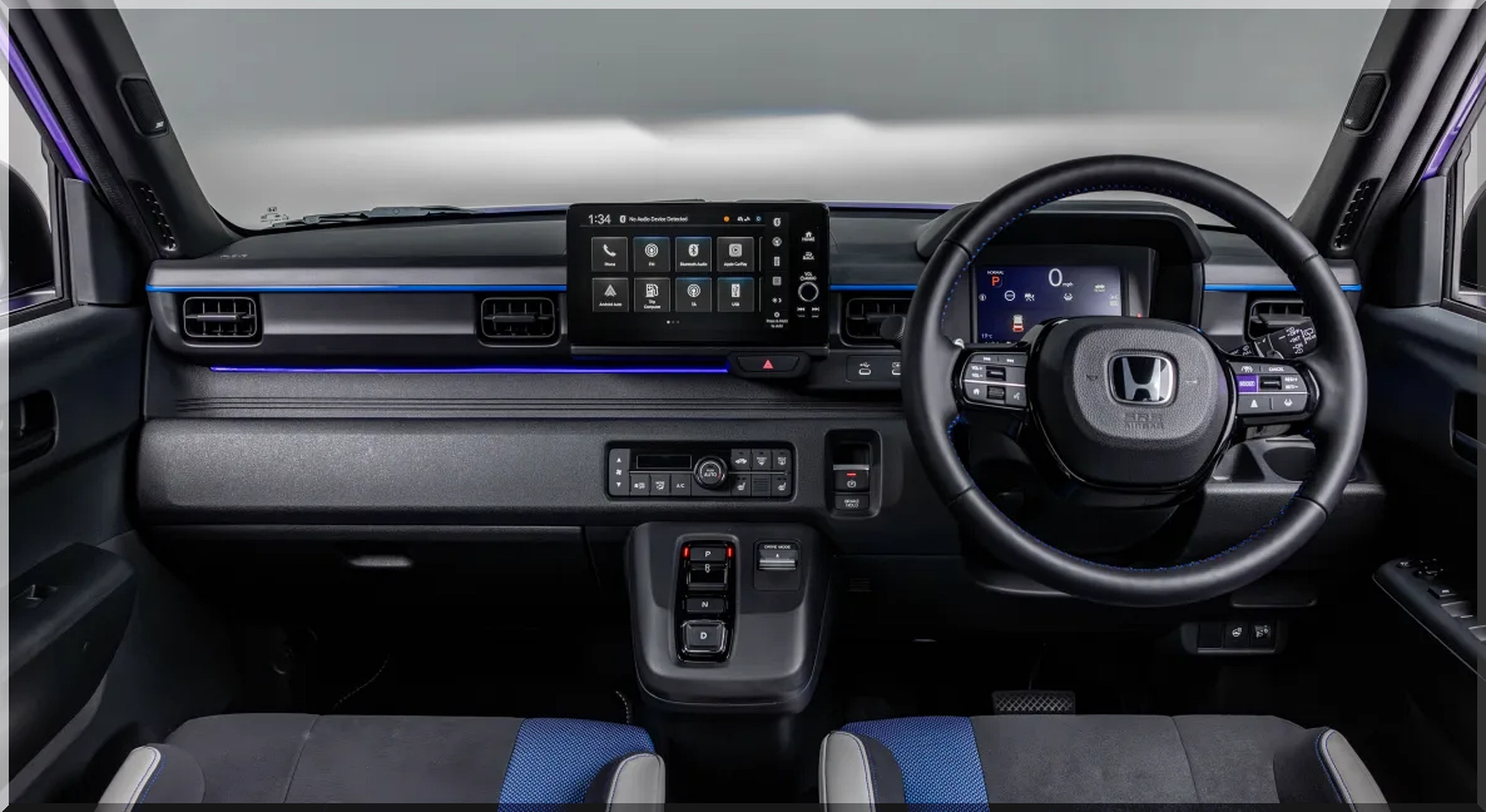
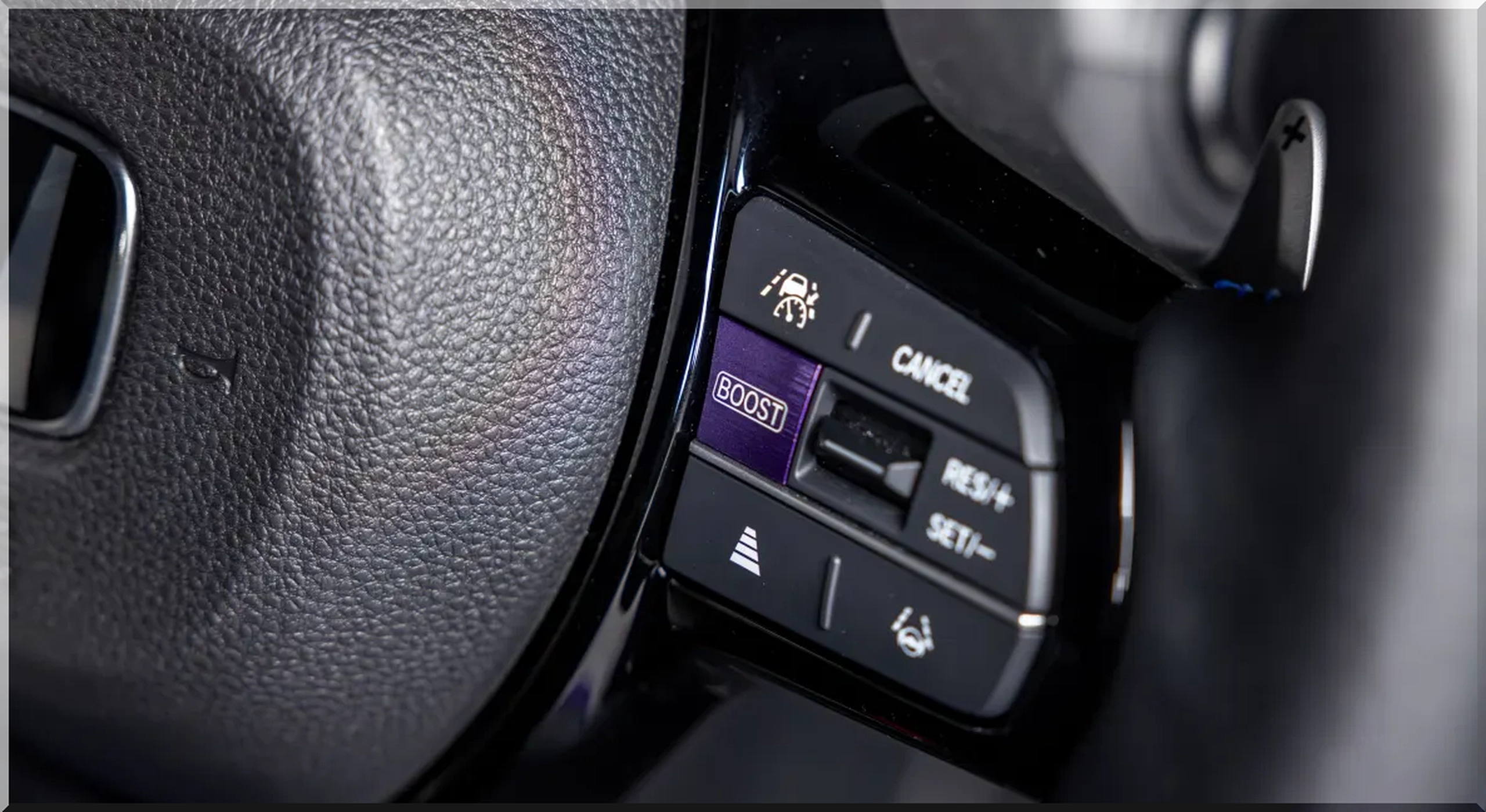
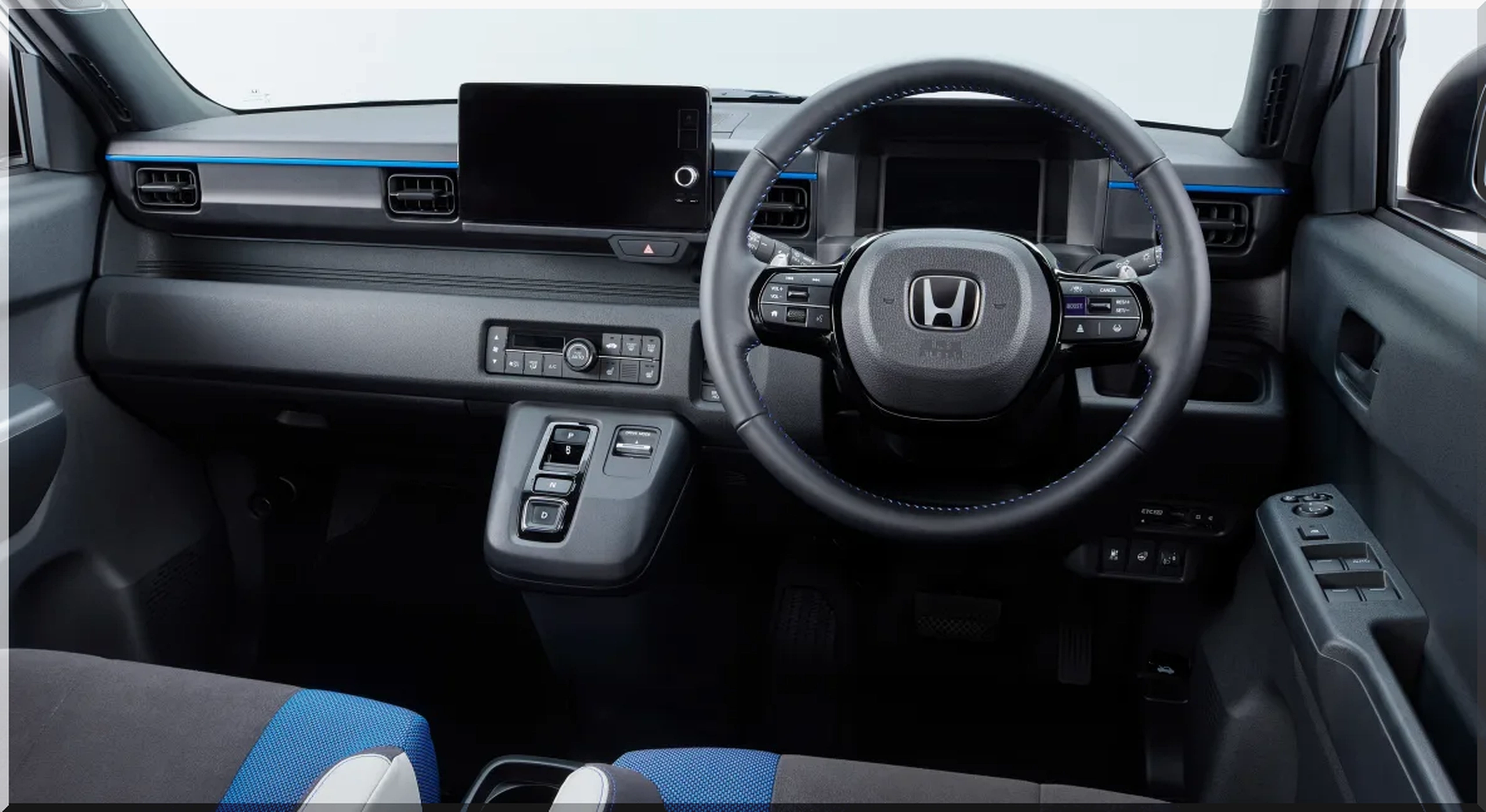
Specifically, Honda's new BOOST Mode pushes output from 47 kW to 70 kW. In horsepower terms, that is roughly 63 hp to 94 hp, which sounds modest until you pair it with a curb weight of a little over 2,866 pounds. Honda also adds a simulated seven-speed shift function and Active Sound Control. That could have been pure gimmickry. In this case, it looks more like a deliberate attempt to give a tiny EV a stronger sense of rhythm and driver input.
Key specs and measurements
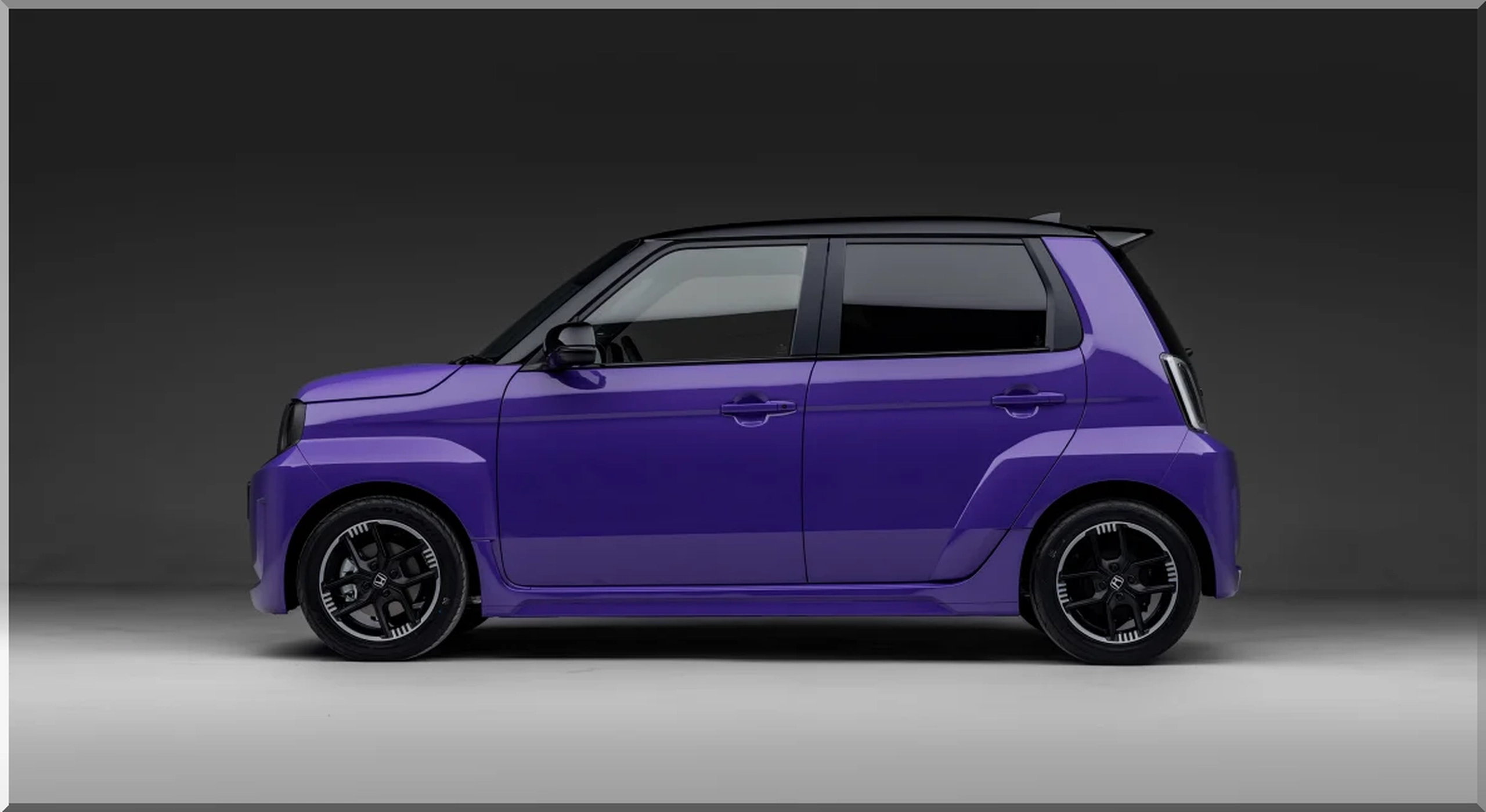
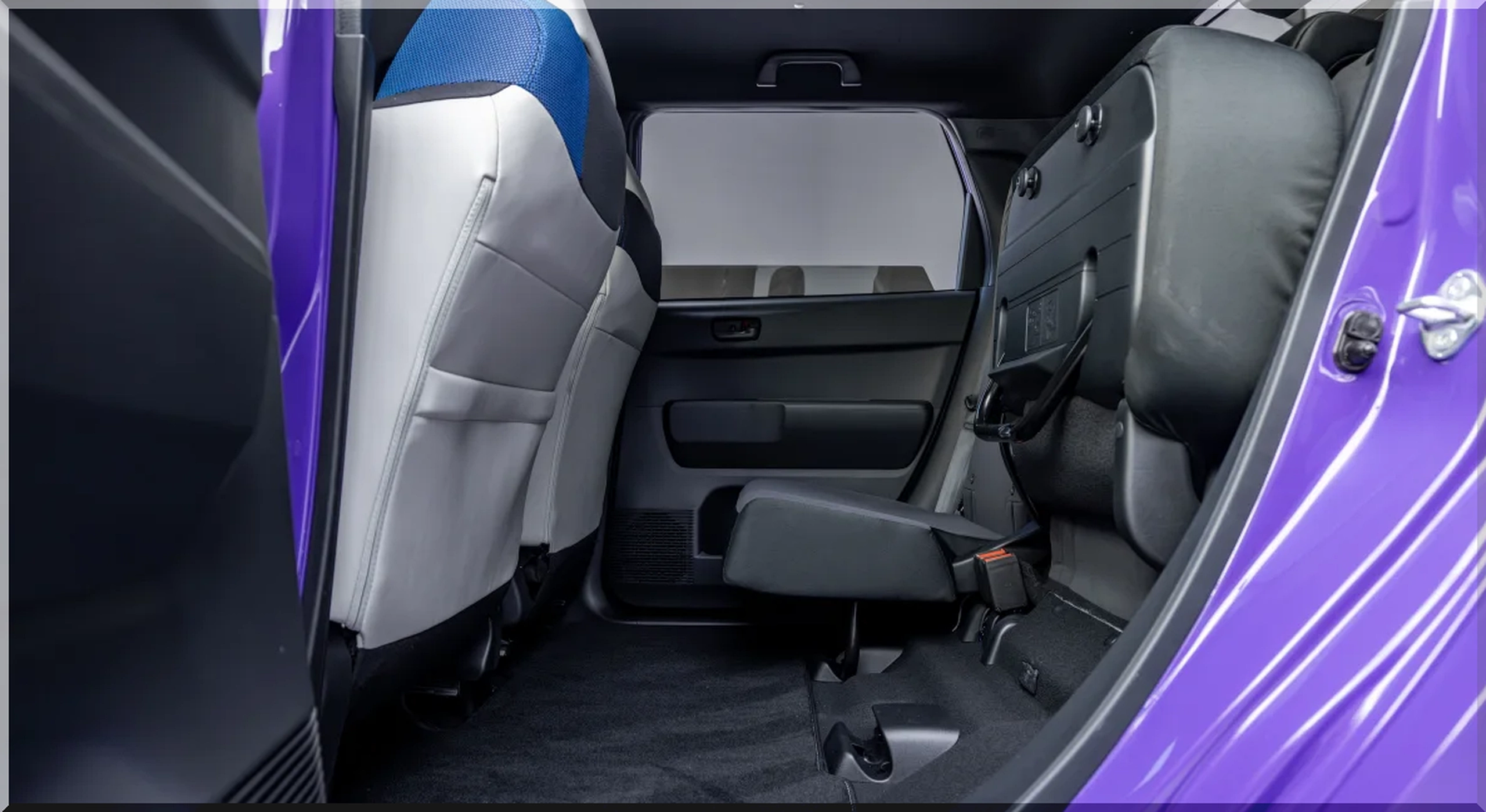
Autocar reports the Super-N measures 3,400 mm long and rides on a 2,500 mm wheelbase, or about 133.9 inches long with a 98.4-inch wheelbase. Those numbers explain the car's pitch. The footprint stays tiny, but the wheelbase stretches cabin room enough to seat four.
| Spec | Honda Super-N |
|---|---|
| UK launch | July 2026 |
| Starting price | Under £20,000 / under $26,804 |
| City range | 199 miles |
| Combined range | 128 miles |
| Power output | 47 kW standard / 70 kW BOOST |
| Approx. horsepower | 63 hp / 94 hp |
| Length | 3,400 mm / 133.9 in |
| Wheelbase | 2,500 mm / 98.4 in |
| Seating | 4 |
| Weight | A little over 1,300 kg / 2,866 lb |
What the numbers tell you on the road
A small EV like this wins or loses on weight, turning response, and packaging. The Honda Super-N EV appears to check all three boxes.
The long wheelbase relative to its overall length should help cabin space and stability. The low mass should help ride compliance and off-the-line punch. In addition, the wider-track UK tune should give the car more grip and better body control than the standard Japan-market version that underpins it. From an expert perspective, that matters more than a brochure-friendly 0-60 claim in this class.
The range story also looks honest. A 199-mile city figure works for urban buyers, apartment dwellers, and second-car households. The 128-mile combined number reminds buyers that sustained higher-speed use will cut into that headline. Honda deserves credit for that honesty. Plenty of EV launches bury the real-use number and shout the lab-friendly one.
Honda Super-N vs its key rivals
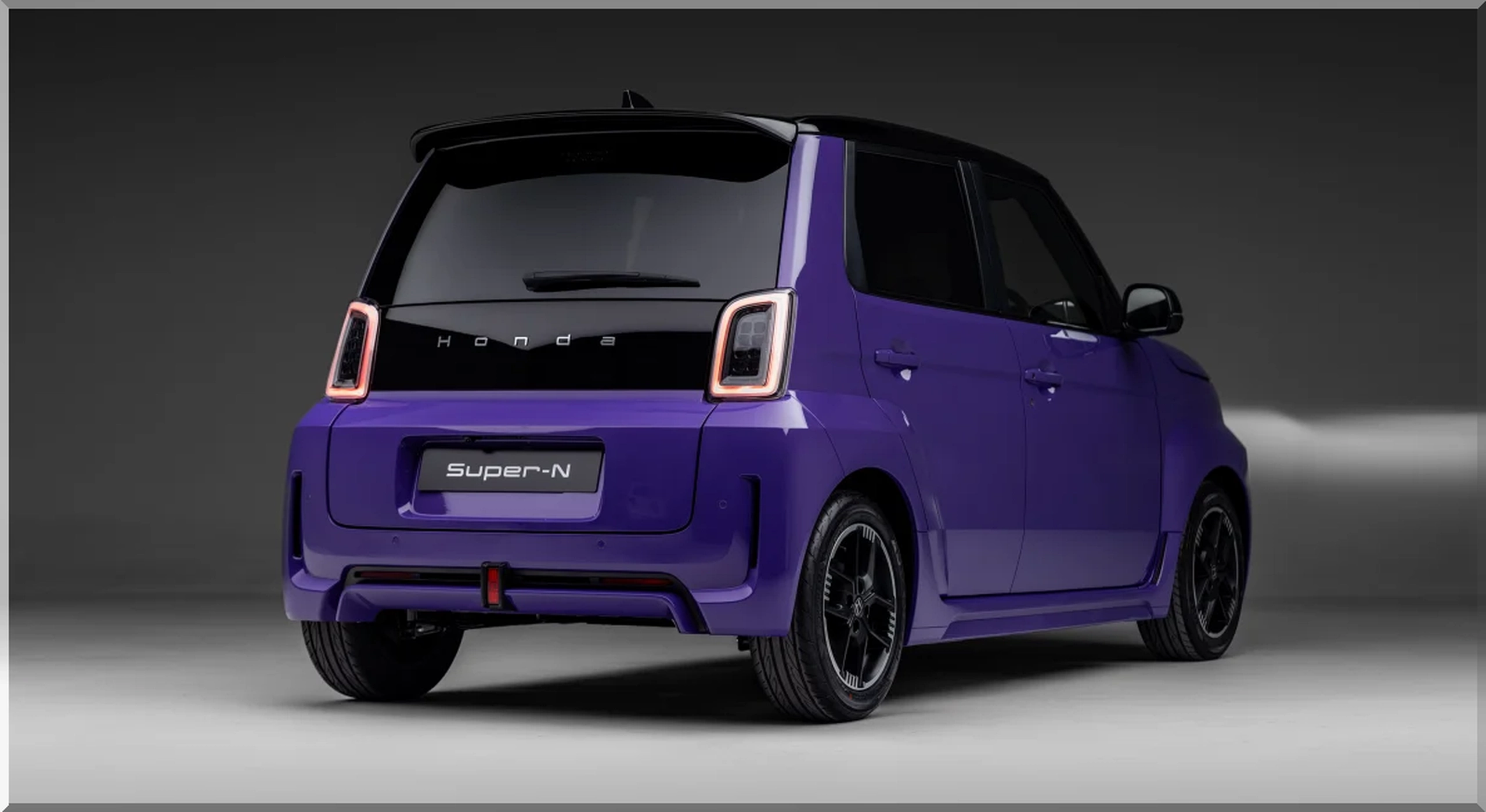
The Super-N enters one of the most price-sensitive EV classes in Europe, so pricing discipline will decide whether this car becomes a cult hit or a showroom curiosity.
| Model | UK Starting Price | Approx. USD | Positioning |
|---|---|---|---|
| Honda Super-N | Under £20,000 | Under $26,804 | Fun-first compact EV |
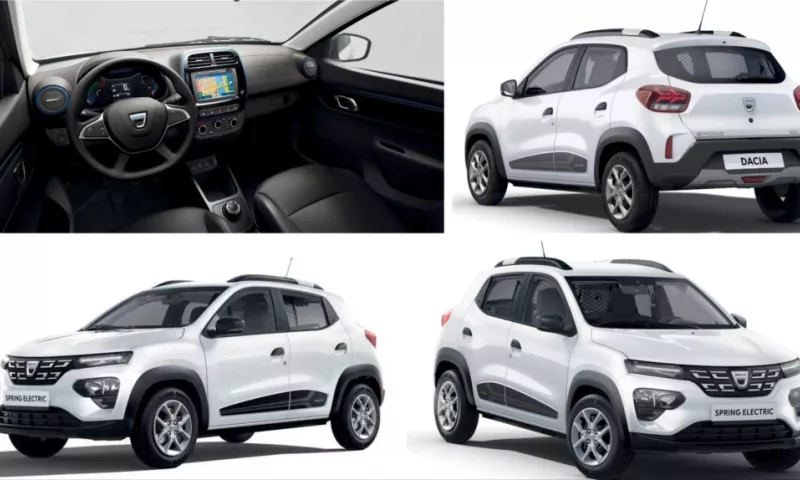
| Dacia Spring | £15,990 | $21,430 | Cheapest route into EV ownership |
| Fiat 500e | £20,995 | $28,137 | Style-led city EV |
| Hyundai Inster | From £23,755 | $31,836 | More space and broader everyday brief |
By comparison, the Dacia Spring wins on raw affordability. The Fiat 500e wins on badge charm and image. The Hyundai Inster looks like the roomier, more grown-up choice. The Honda Super-N has one clear job: own the fun factor without blowing the budget. If Honda lands close to that sub-£20,000 target, it has a real shot.
Pro-Tips for buyers
Should you wait for the Honda Super-N?
Wait for it if you want three things at once:
- Compact EV size that works in tight city parking
- Low running costs without stepping into a stripped-out budget box
- Driver engagement that most small EVs ignore
Skip it if your weekly routine includes frequent motorway runs. The combined range figure says this car favors urban and suburban use, not long-haul duty.
Why this matters to you
If you want an EV that feels light on its feet instead of heavy on its spec sheet, the Honda Super-N looks promising. Honda did not chase the biggest battery or the flashiest screen. It chased response, packaging, and price discipline. In this class, that might be the smarter move.
- Add new comment
- 72 views