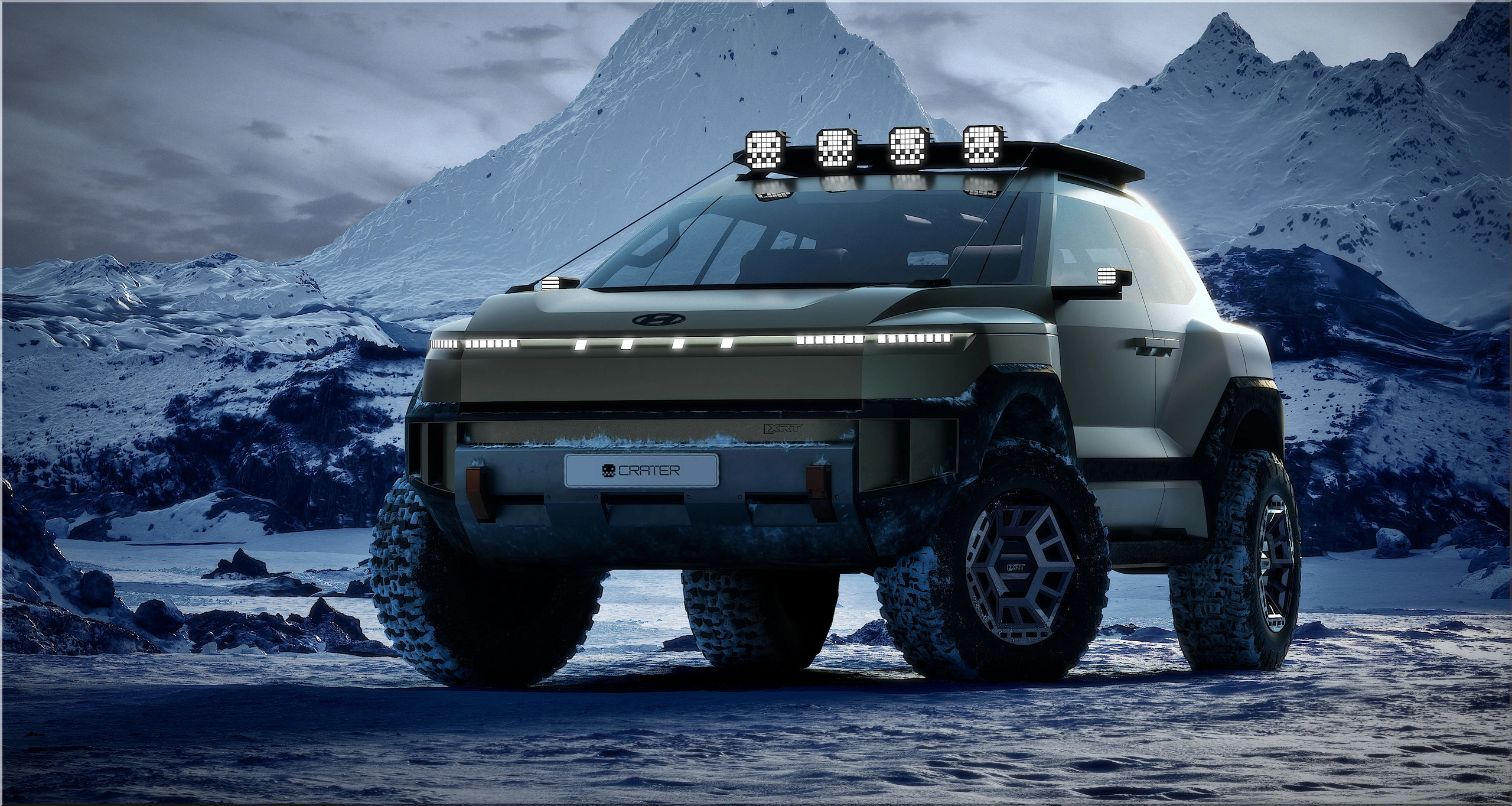
Hyundai Targets Real Off-Road Performance
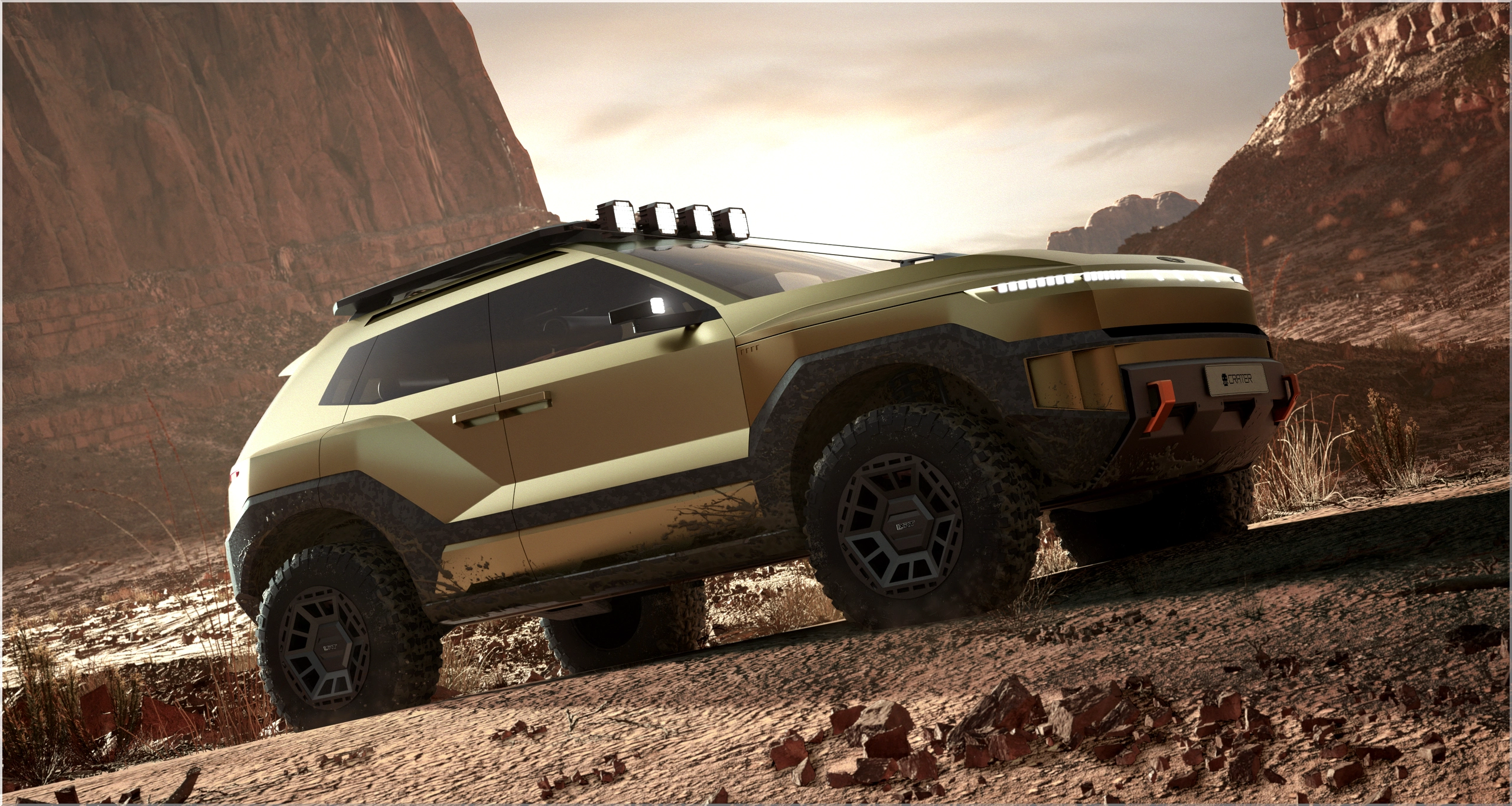
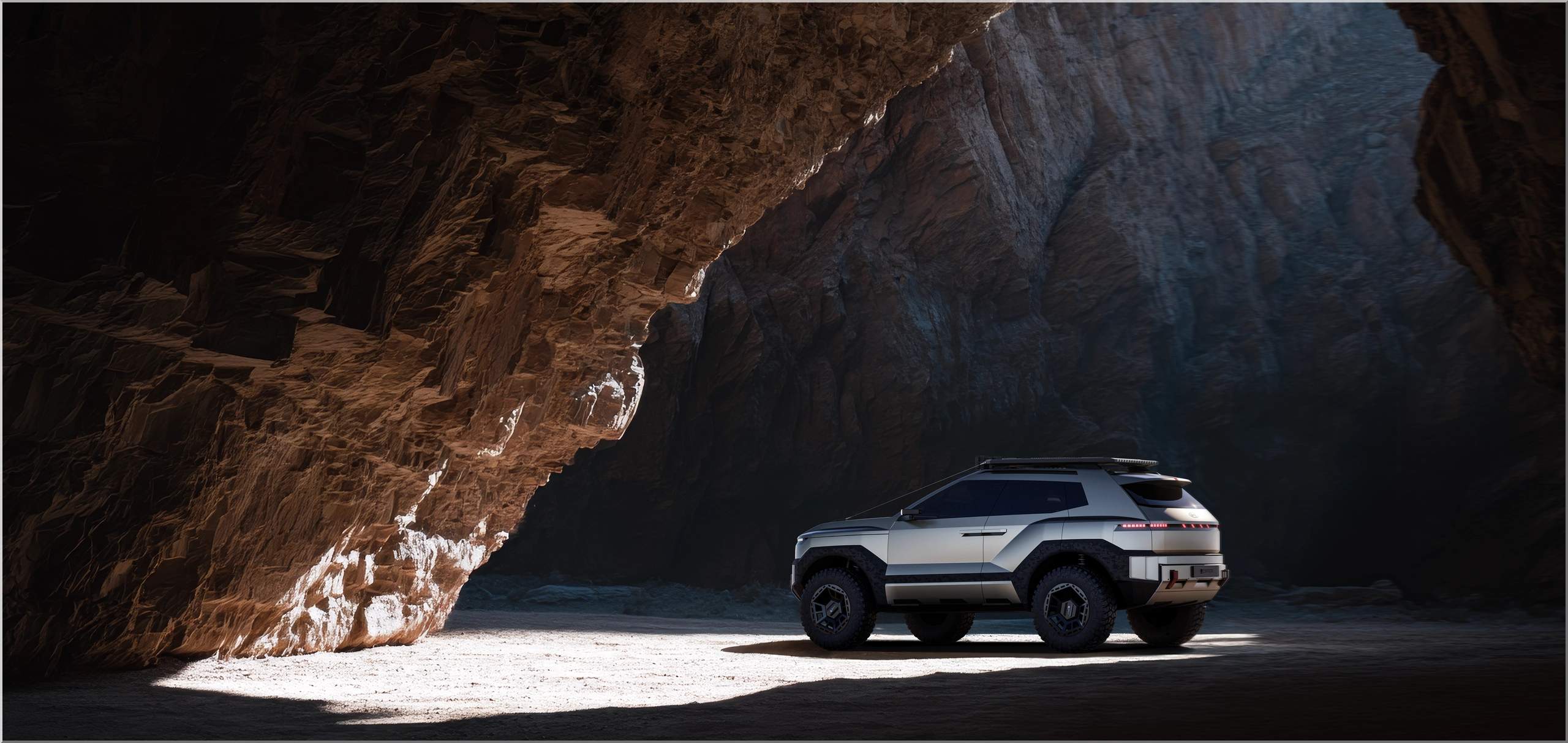
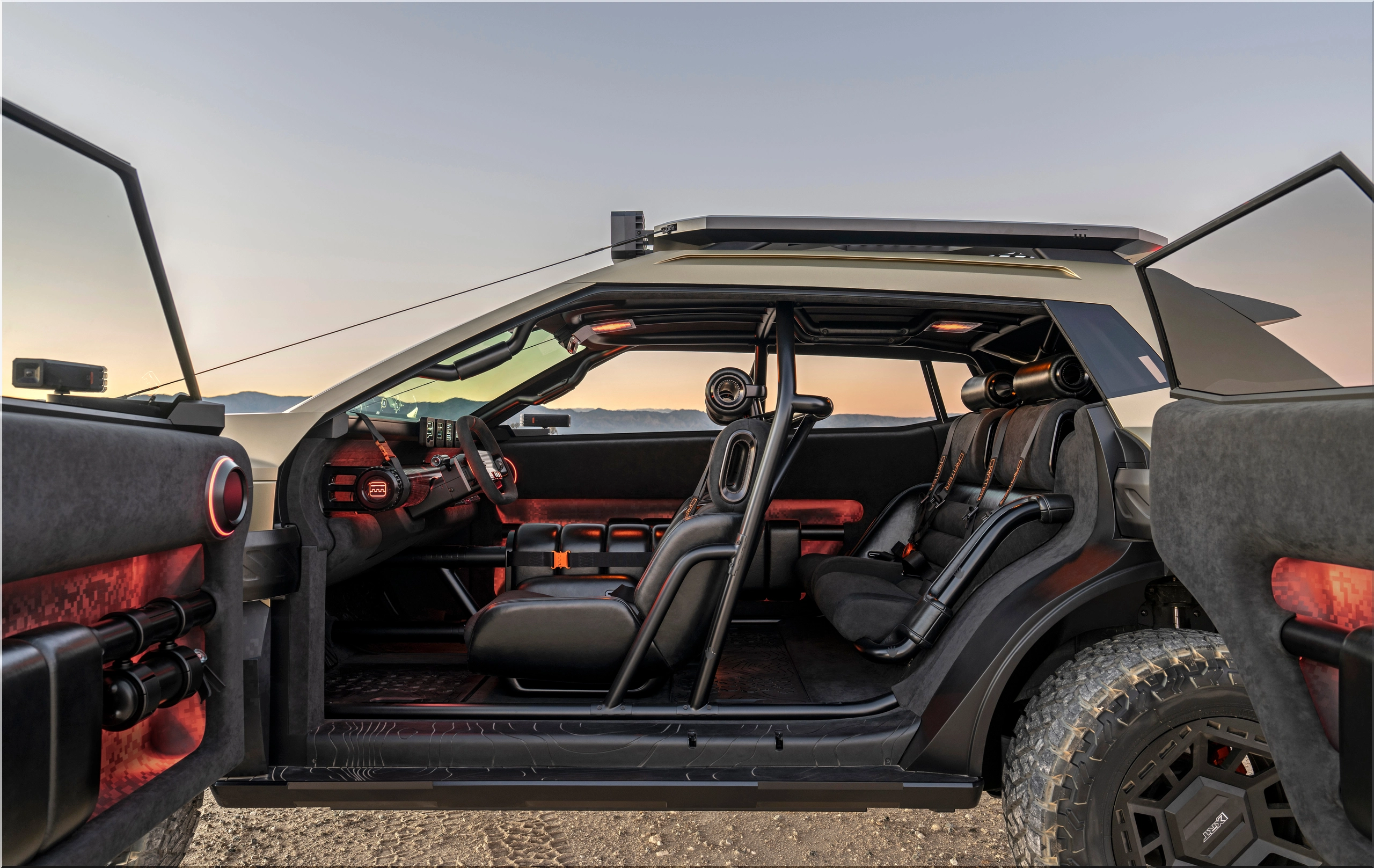
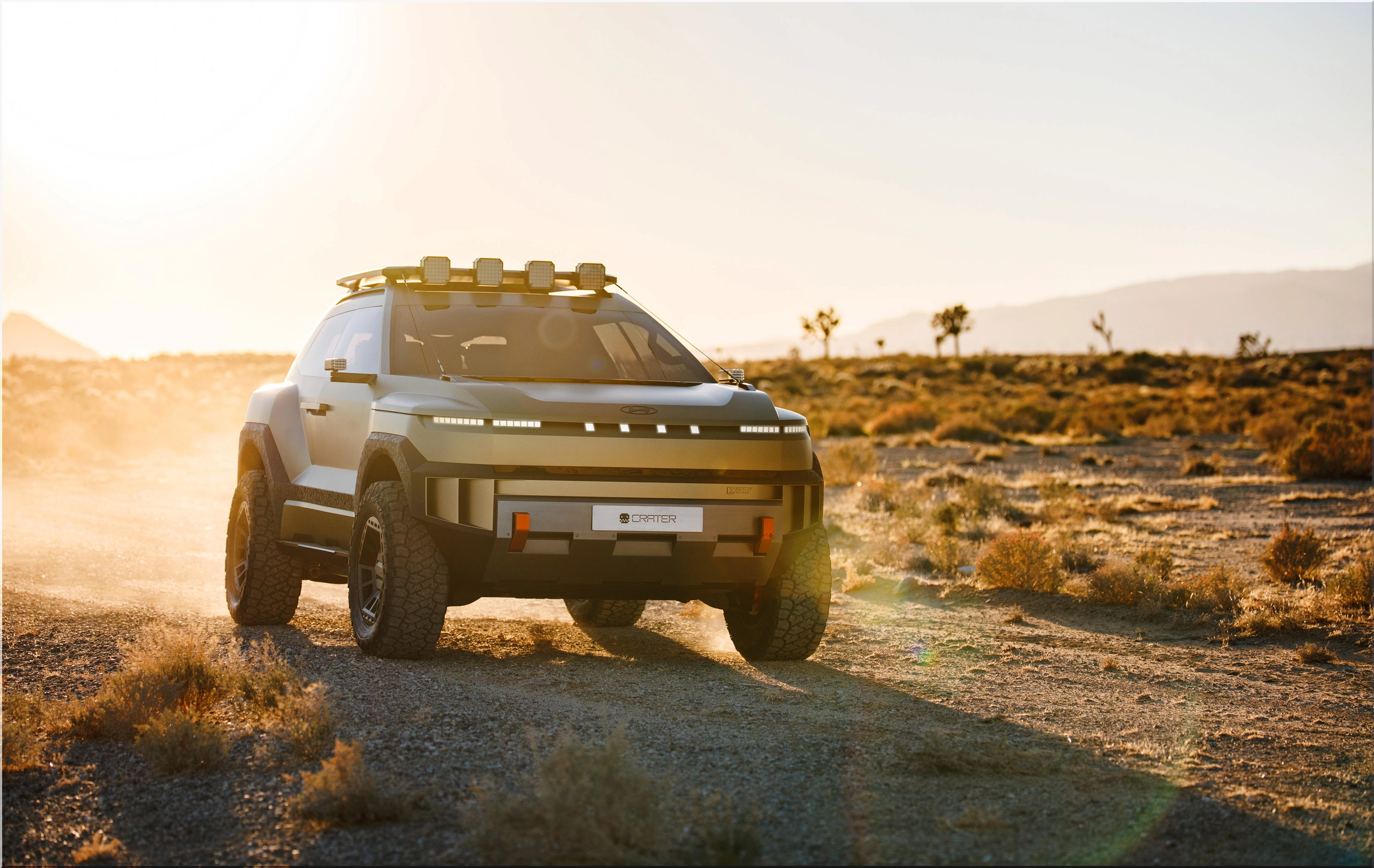
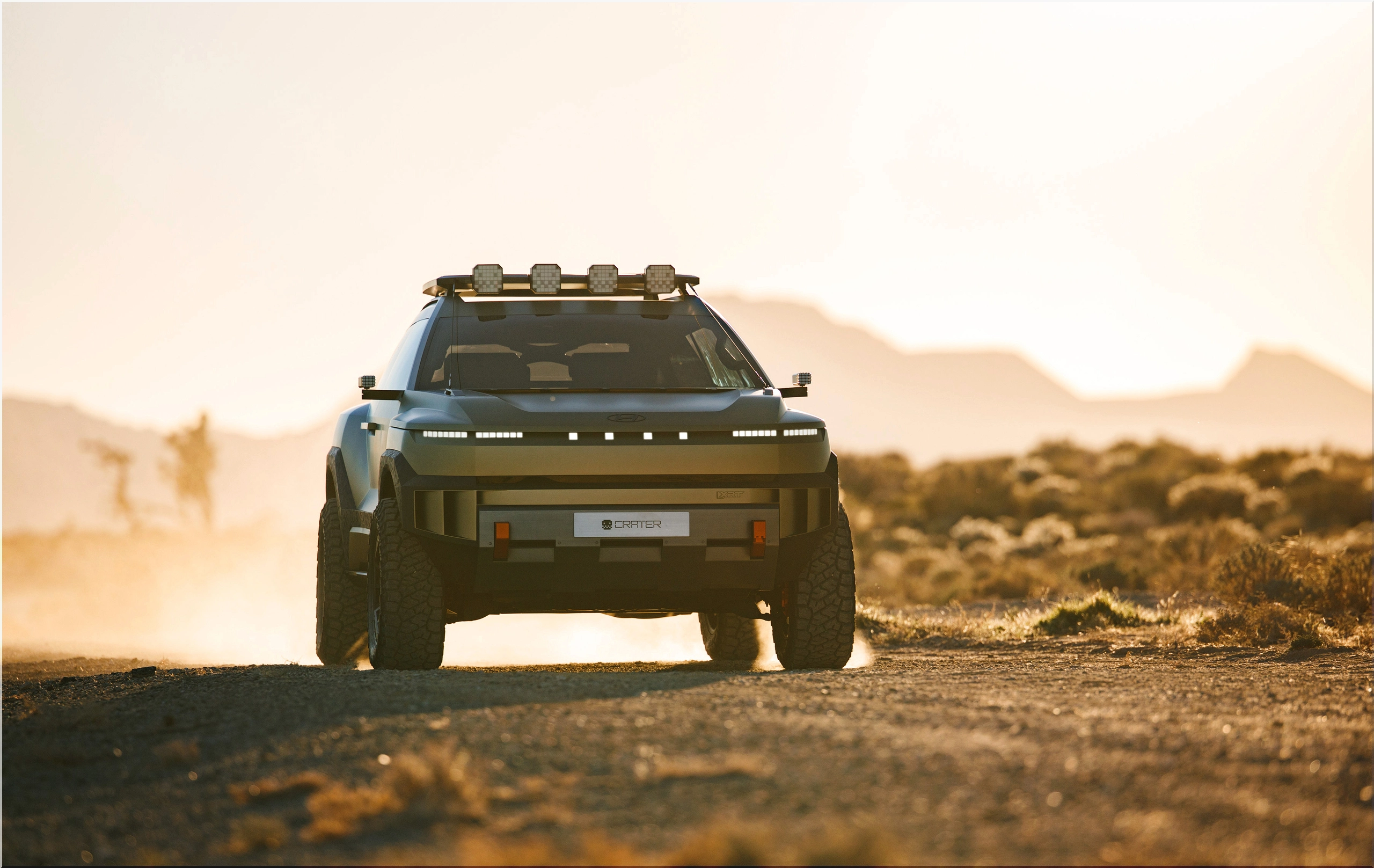
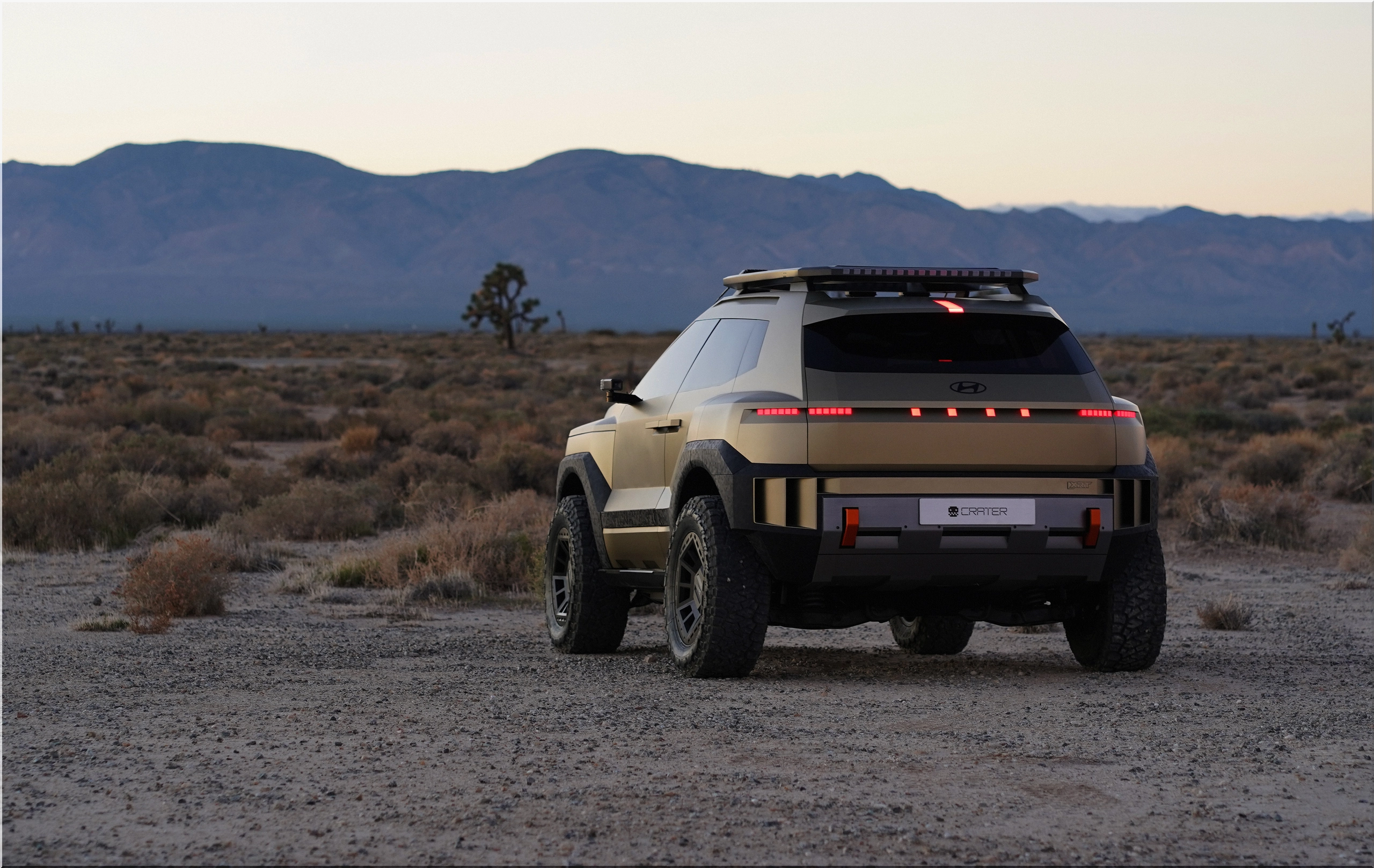
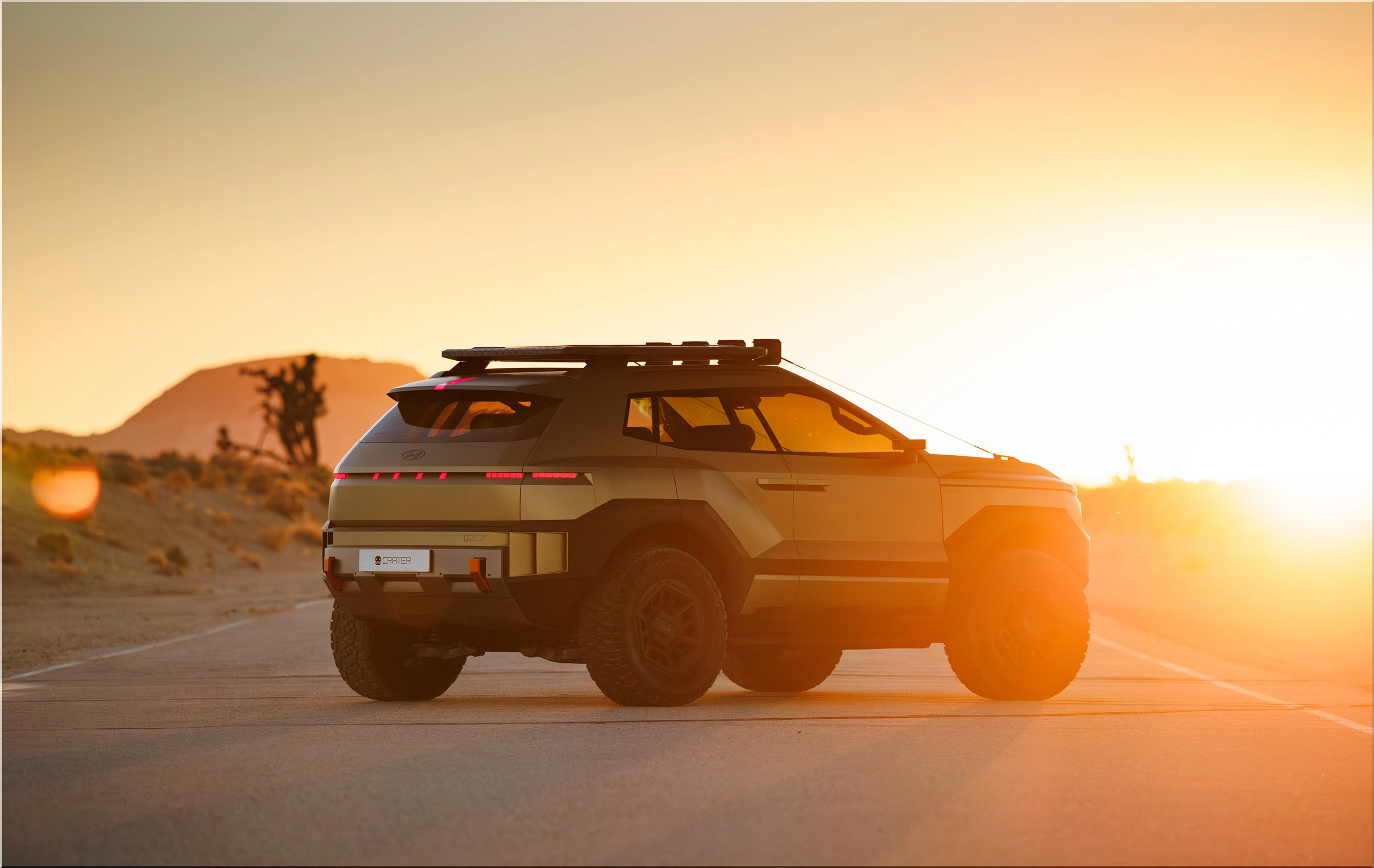
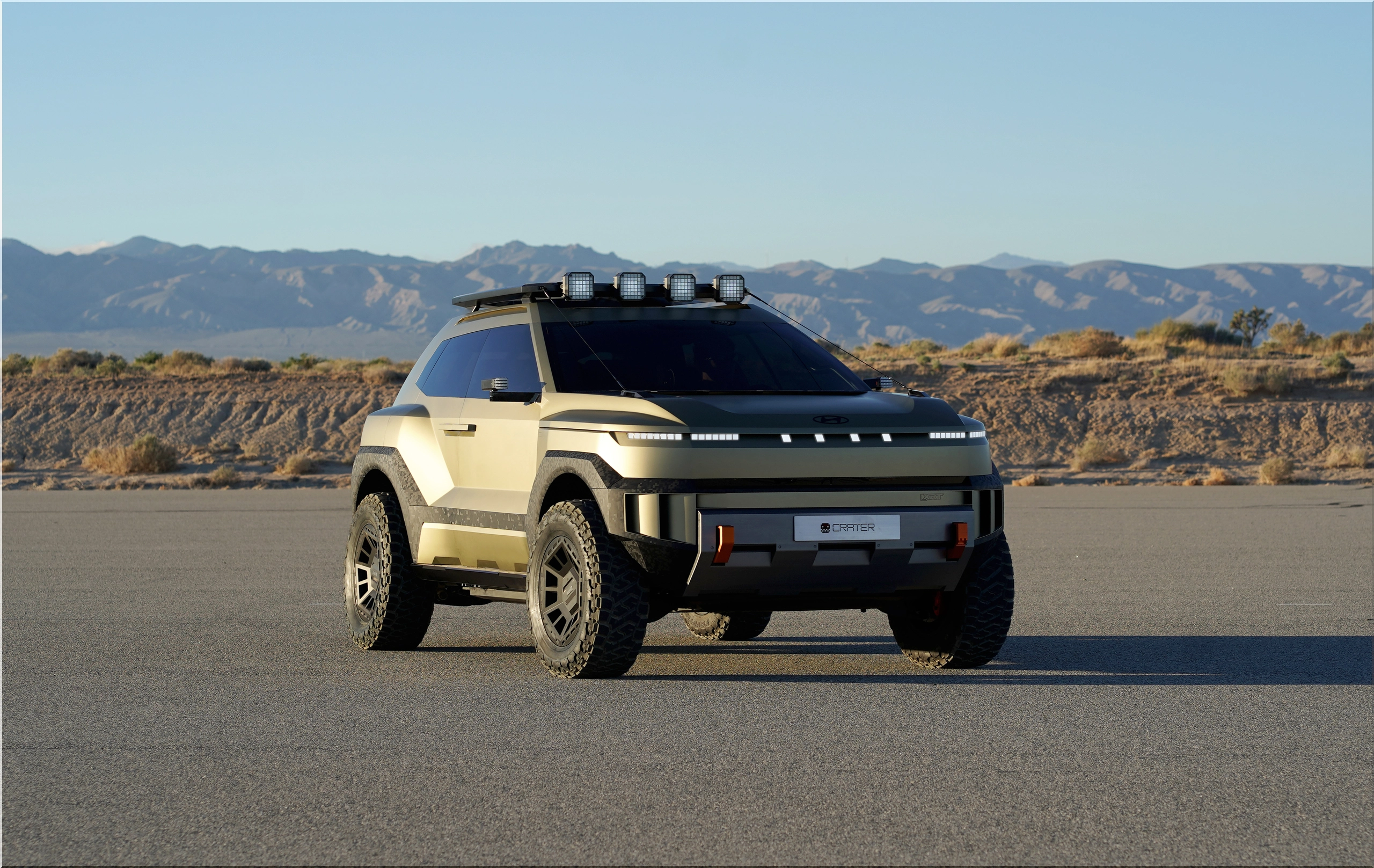
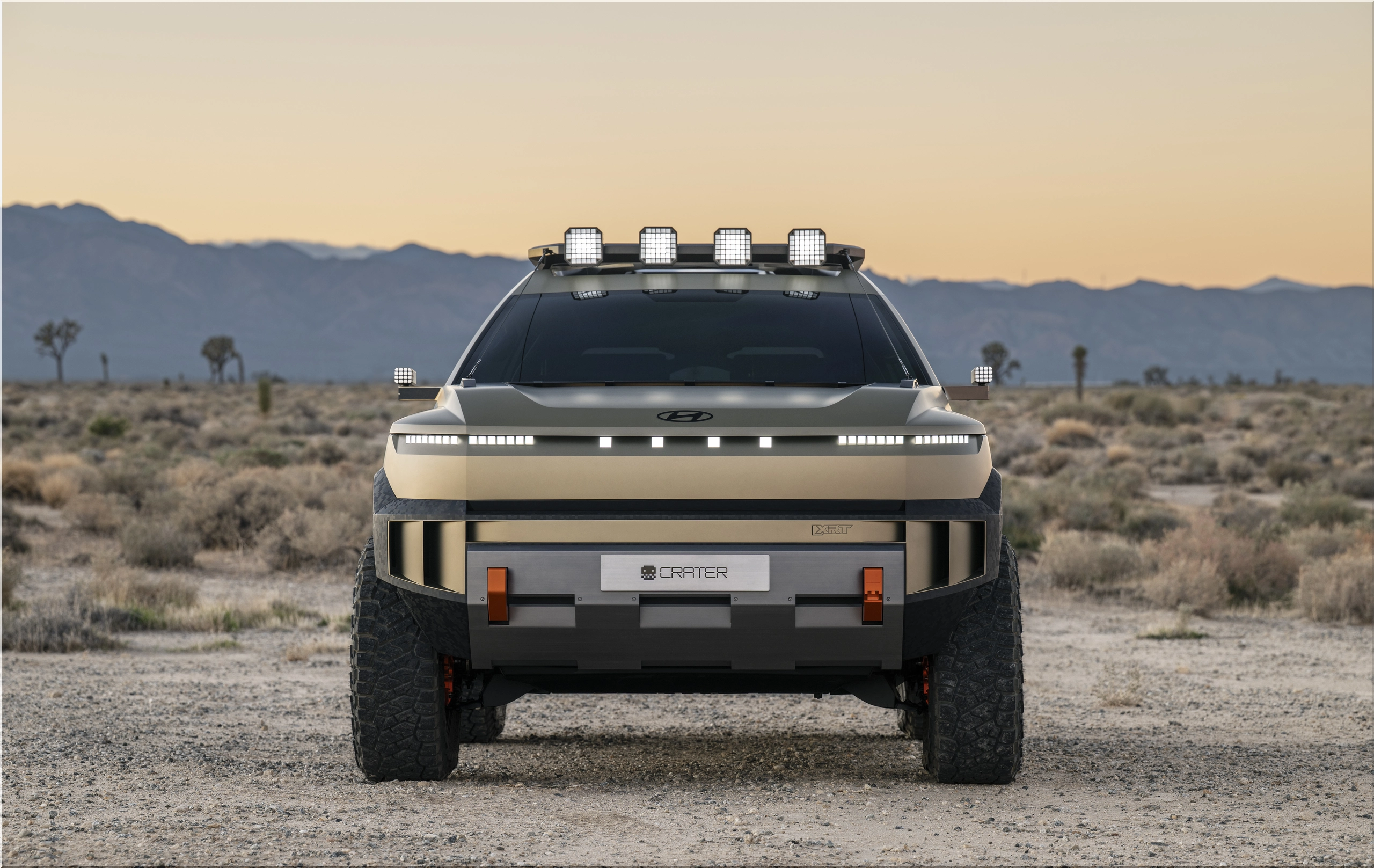
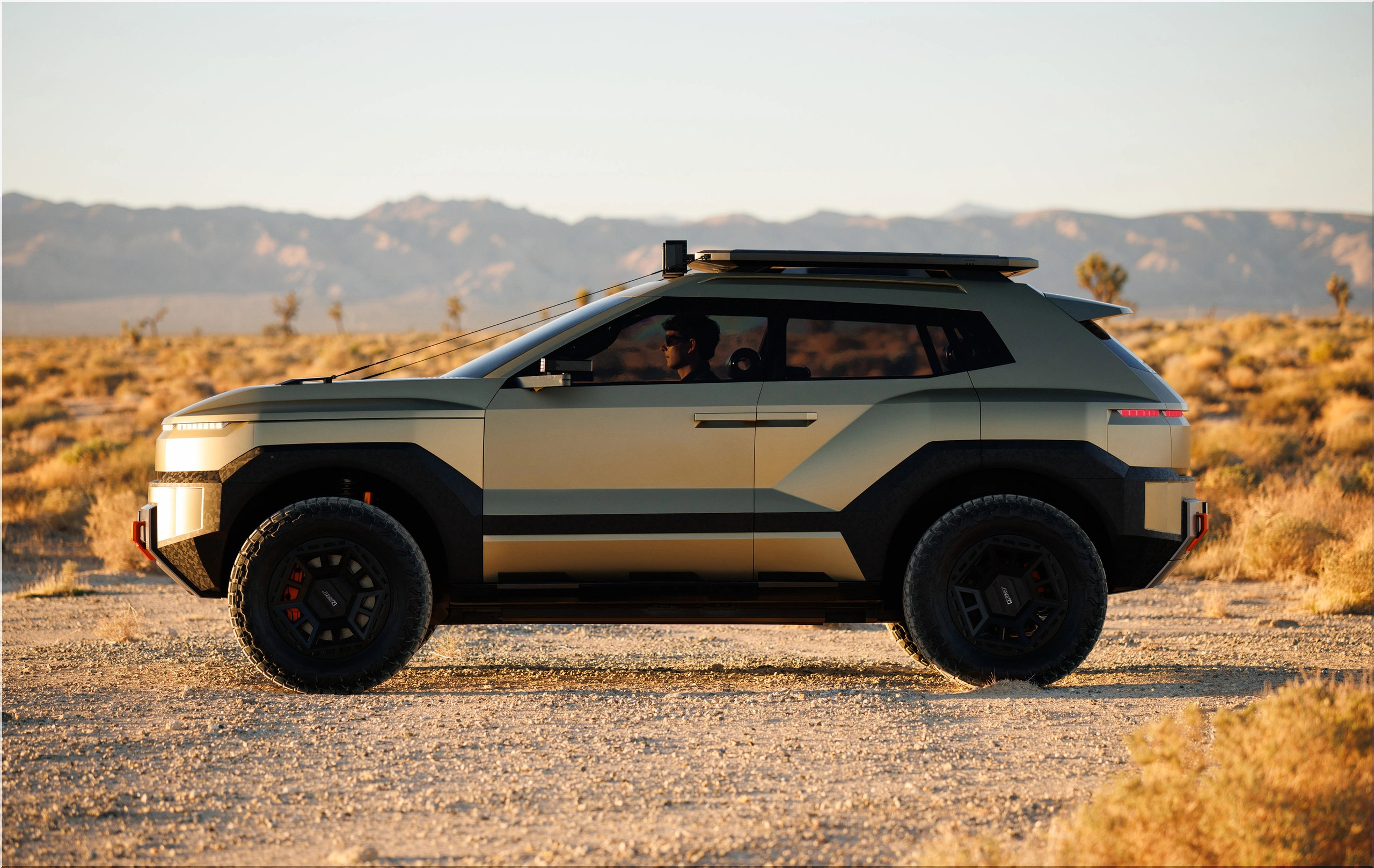
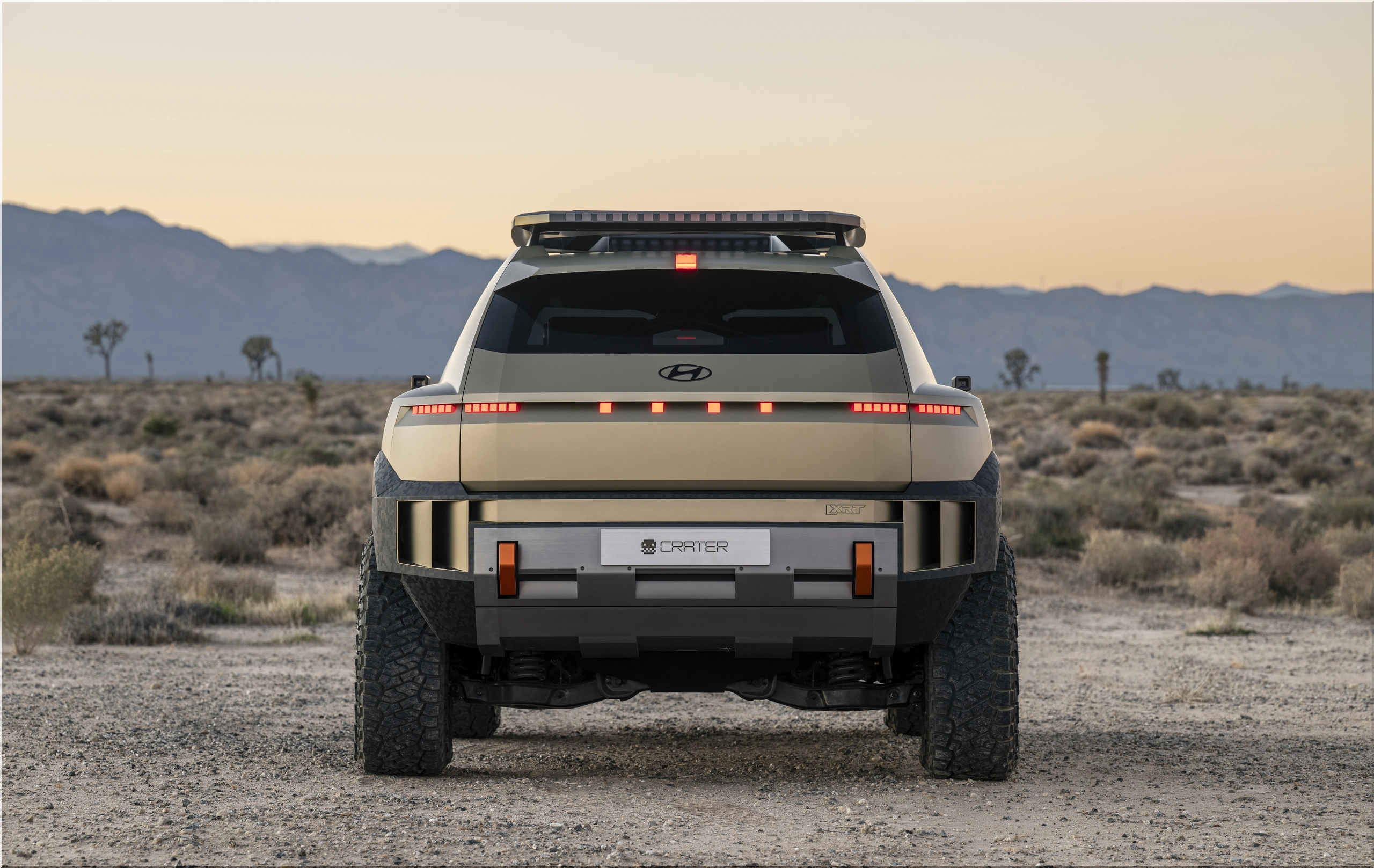
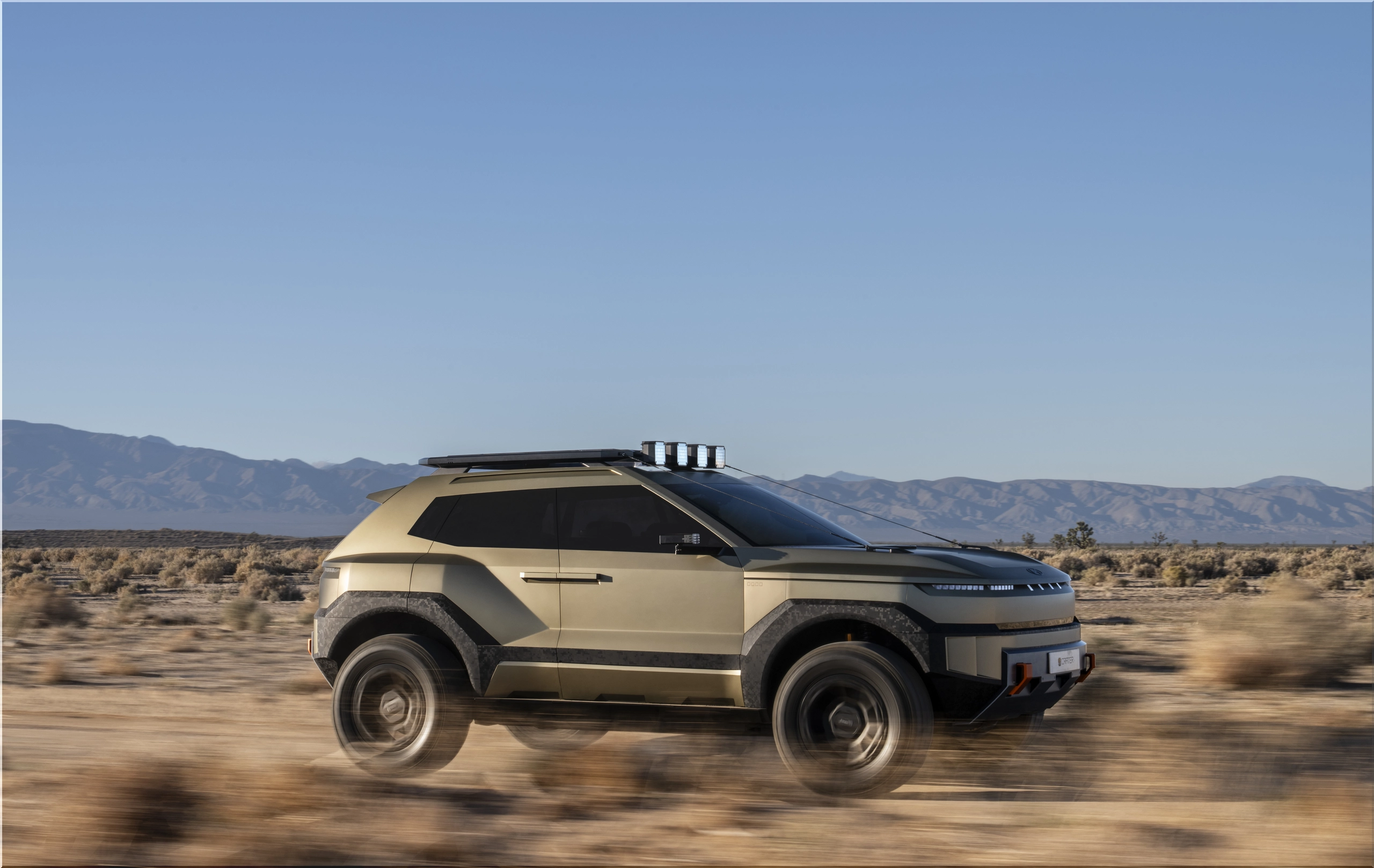
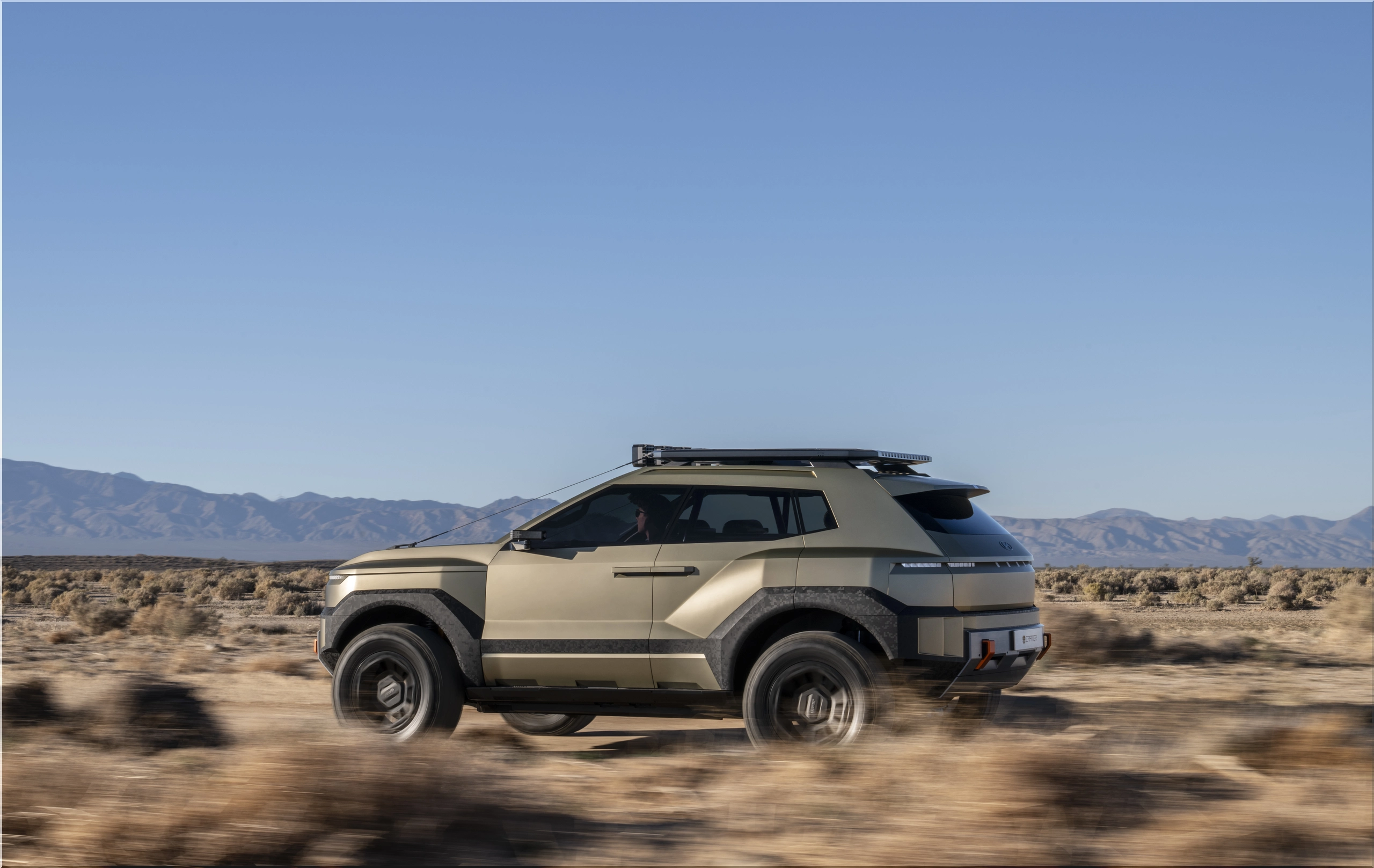
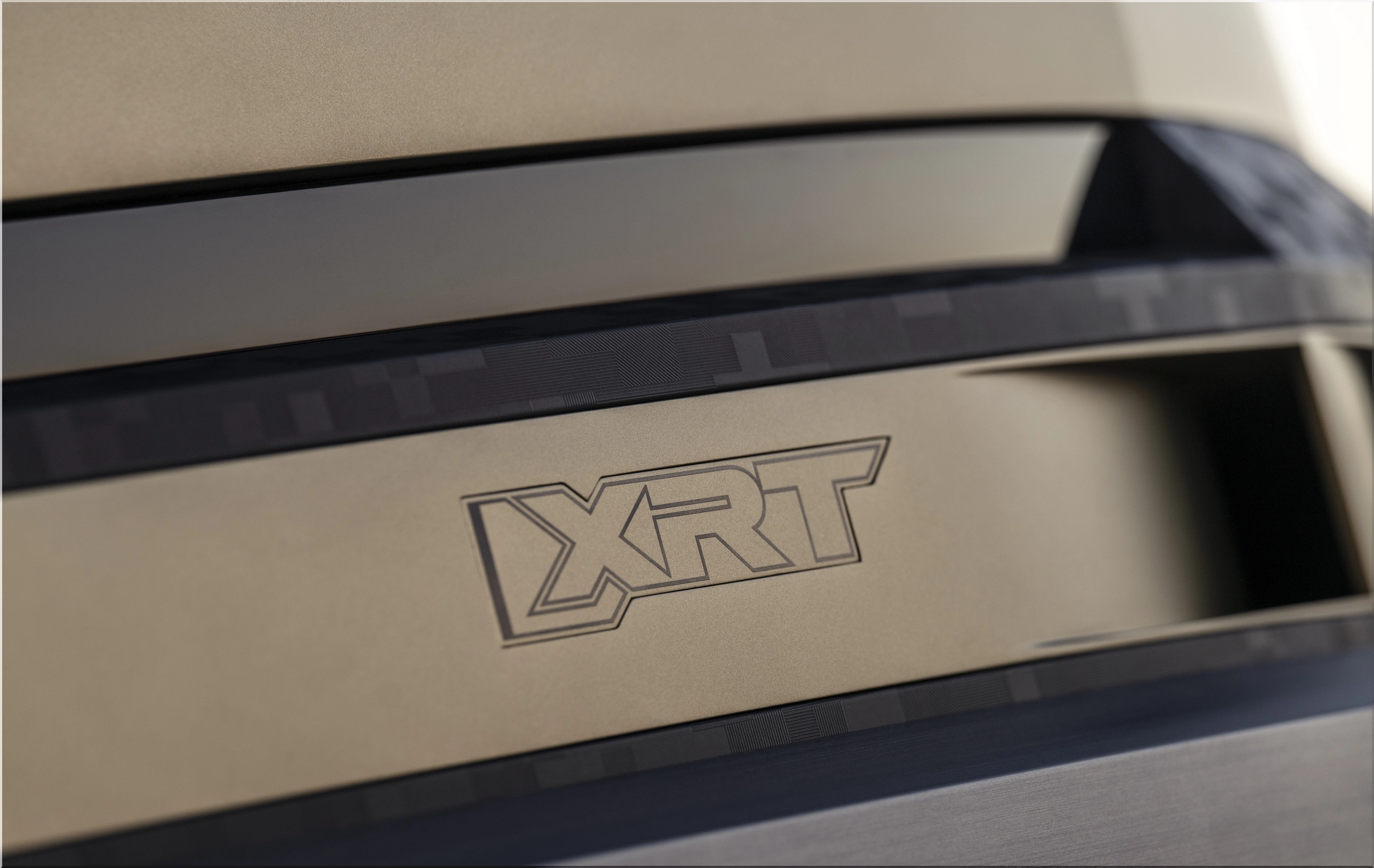
Hyundai introduced the CRATER Concept at AutoMobility LA 2025. The compact SUV reflects Hyundai's growing commitment to rugged XRT development and the expanding demand for practical off-road vehicles in the U.S. market. The design team built the concept at Hyundai’s technical center in Irvine, California. The goal: a compact SUV that stays agile, protects critical components, and supports hard use.
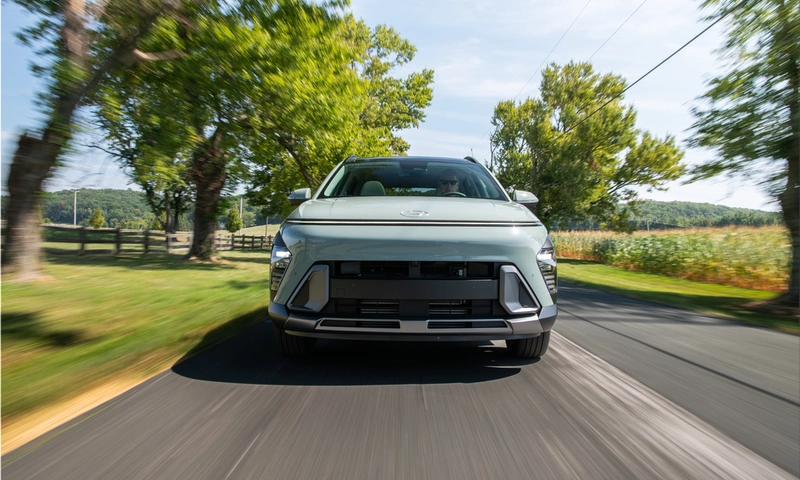
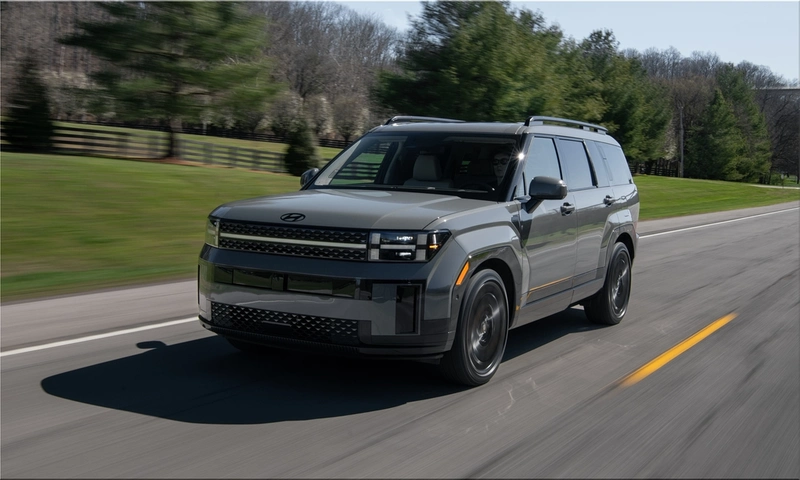
The concept sits beside Hyundai’s newest models, including the 2026 Palisade, IONIQ 5, and IONIQ 6 N. Hyundai wants drivers to see the CRATER as a preview of where future XRT vehicles may head next.
Exterior Built for Traction, Protection, and Control
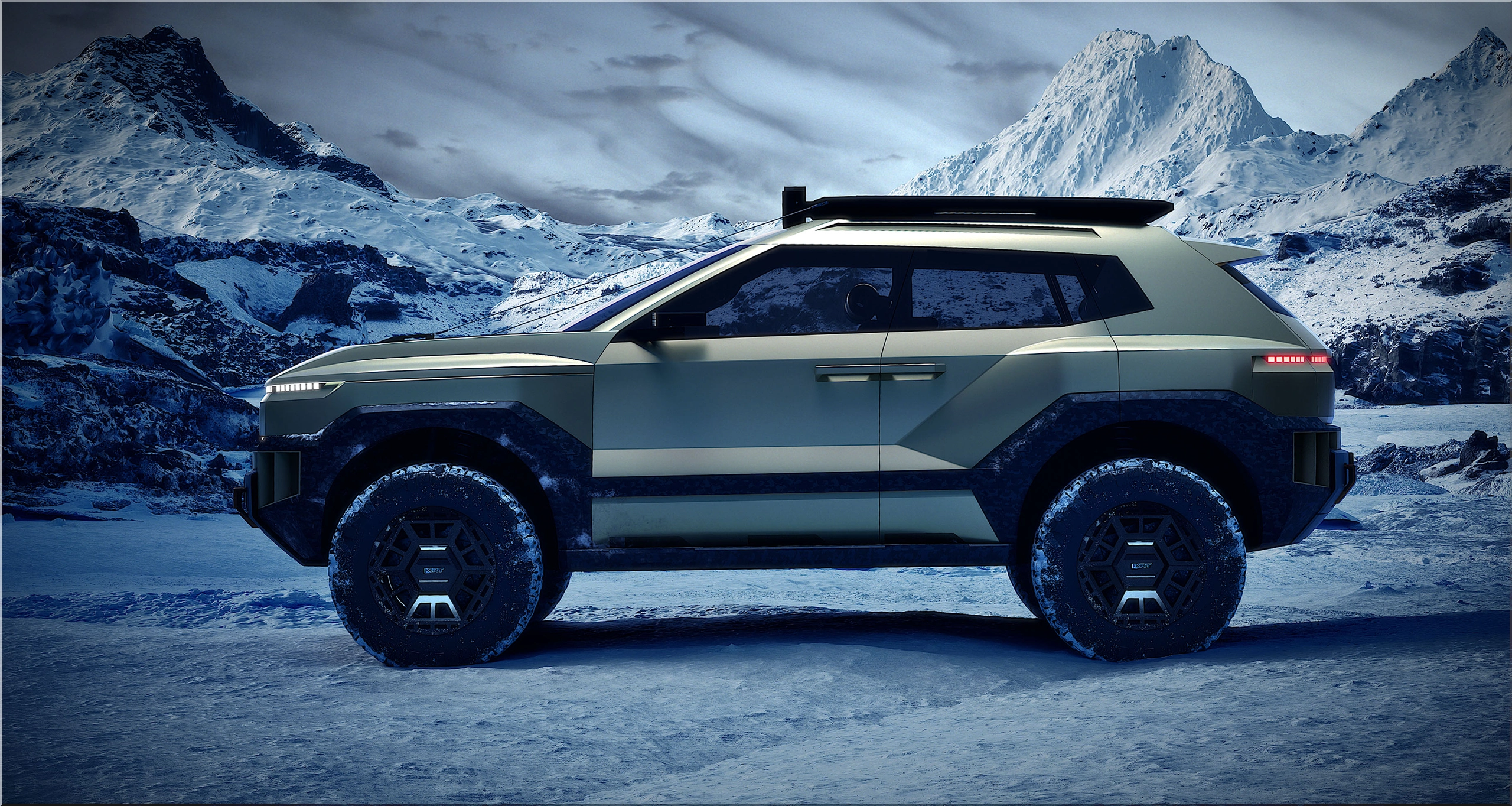
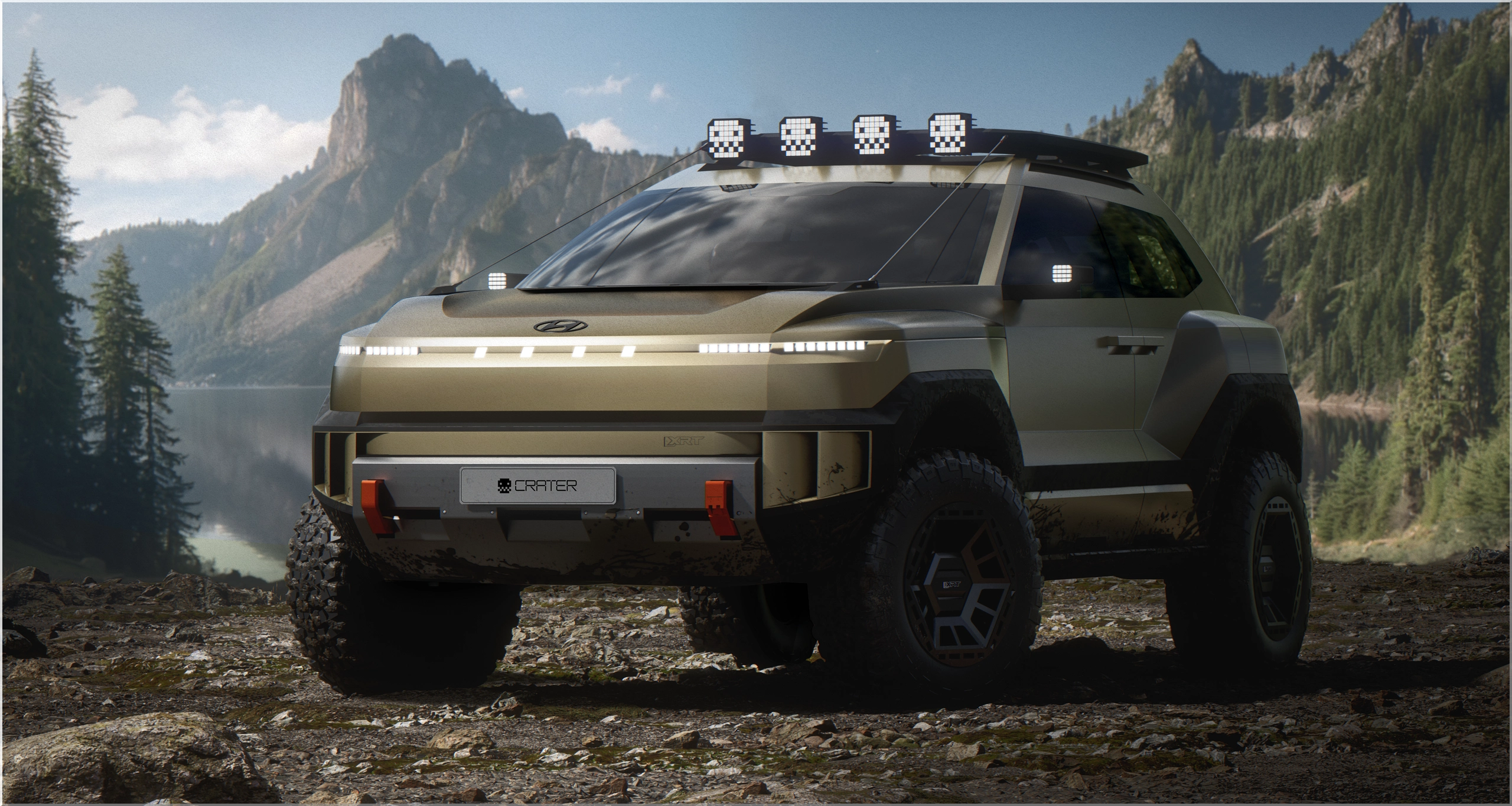
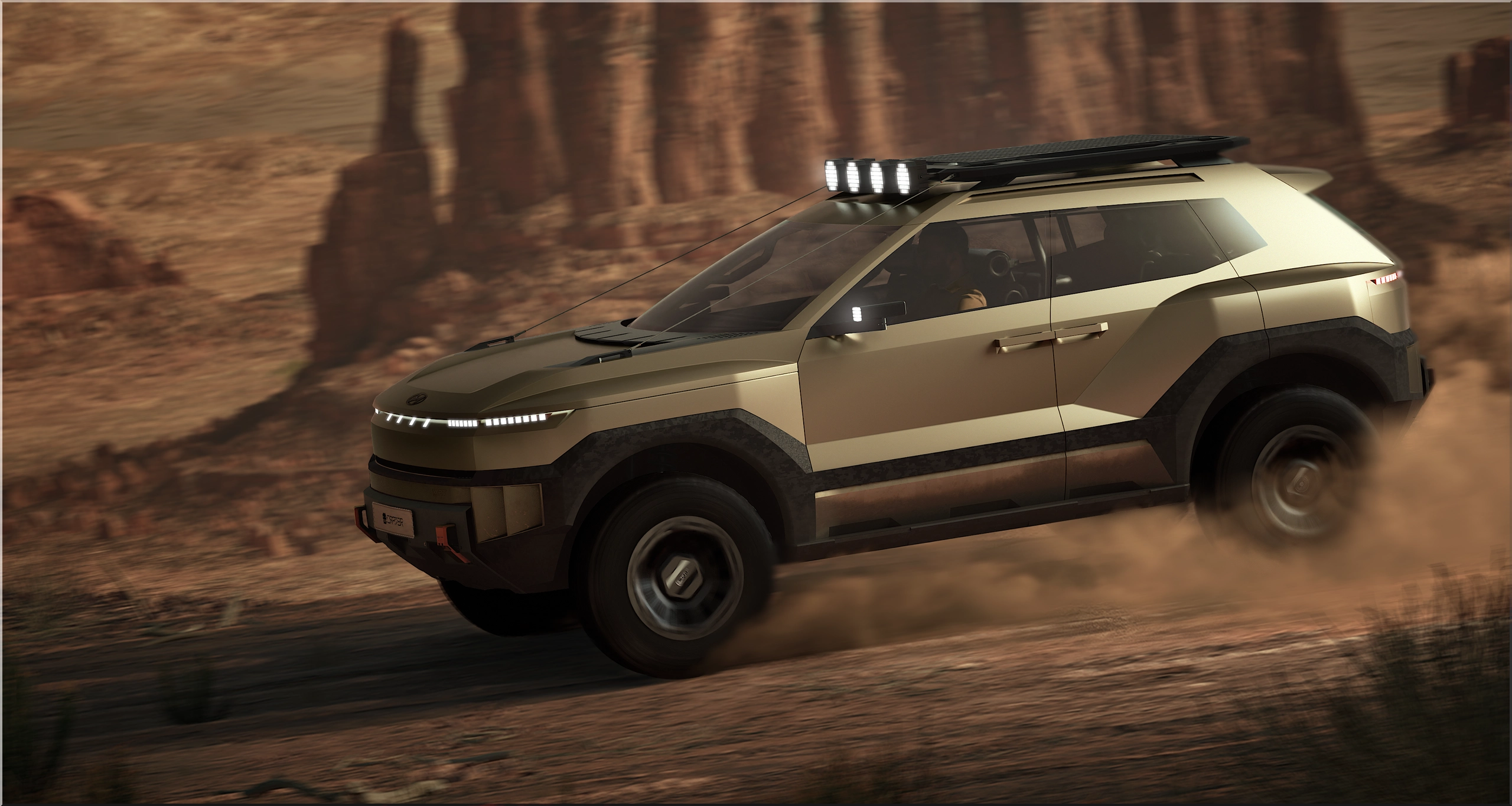
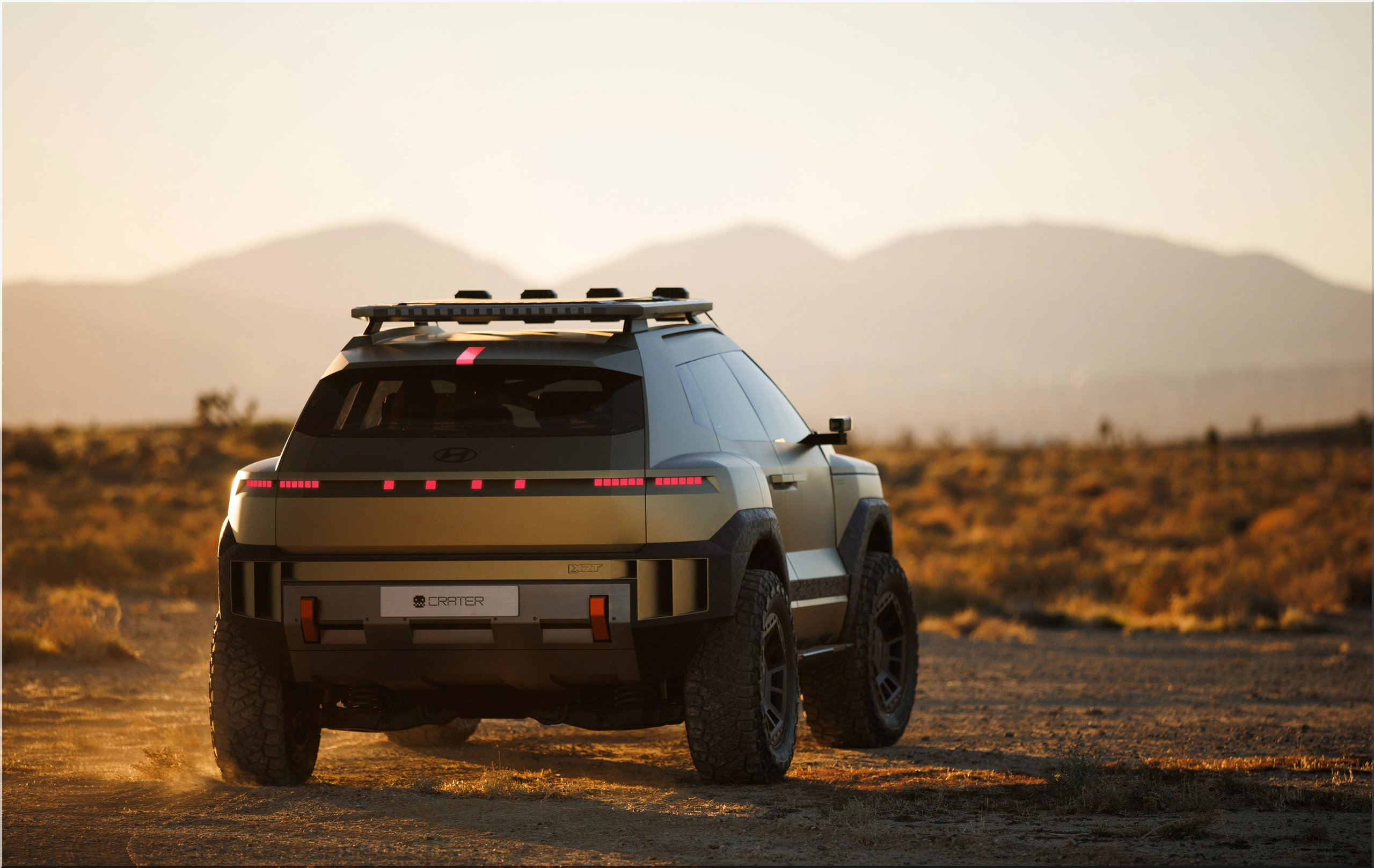
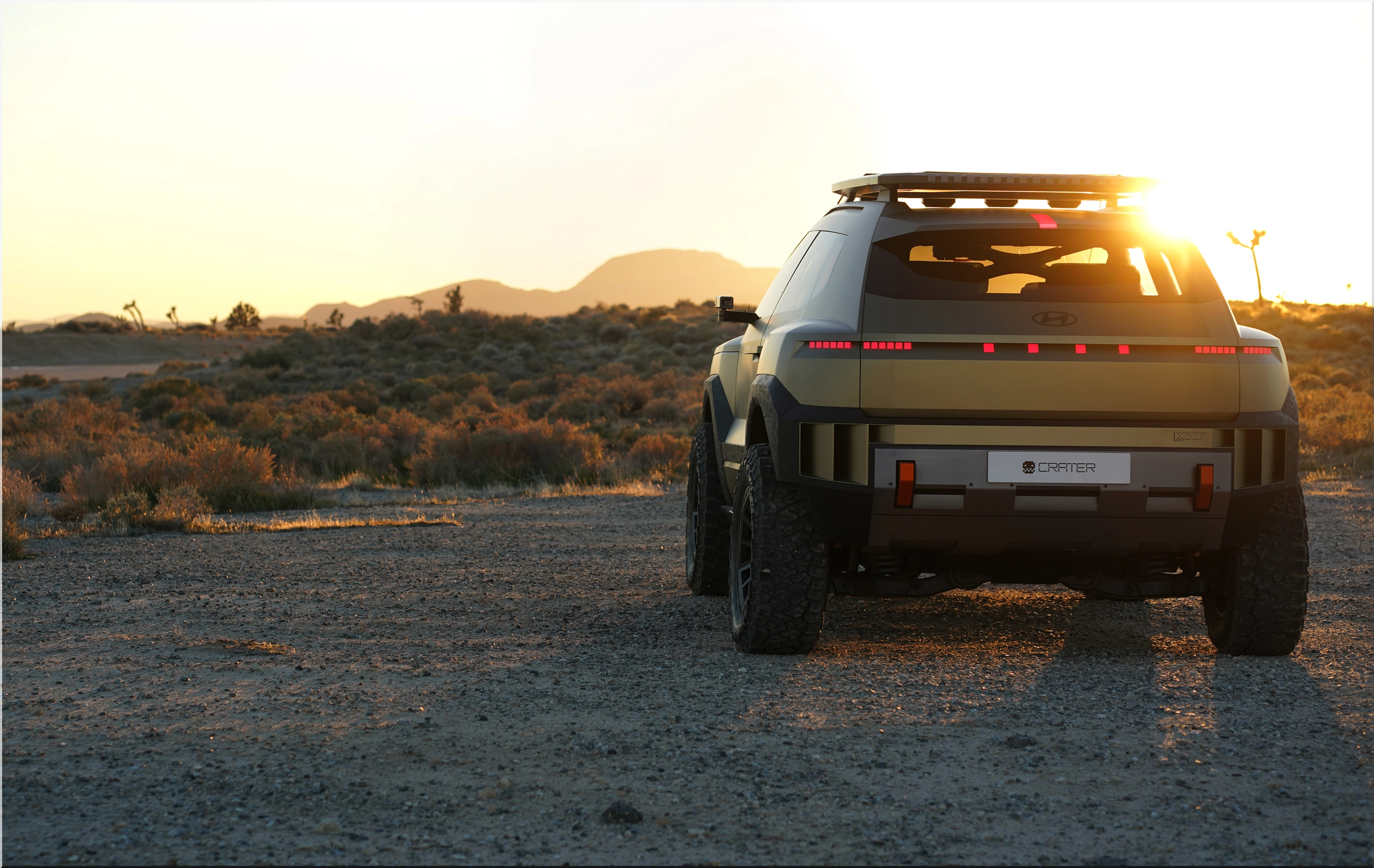
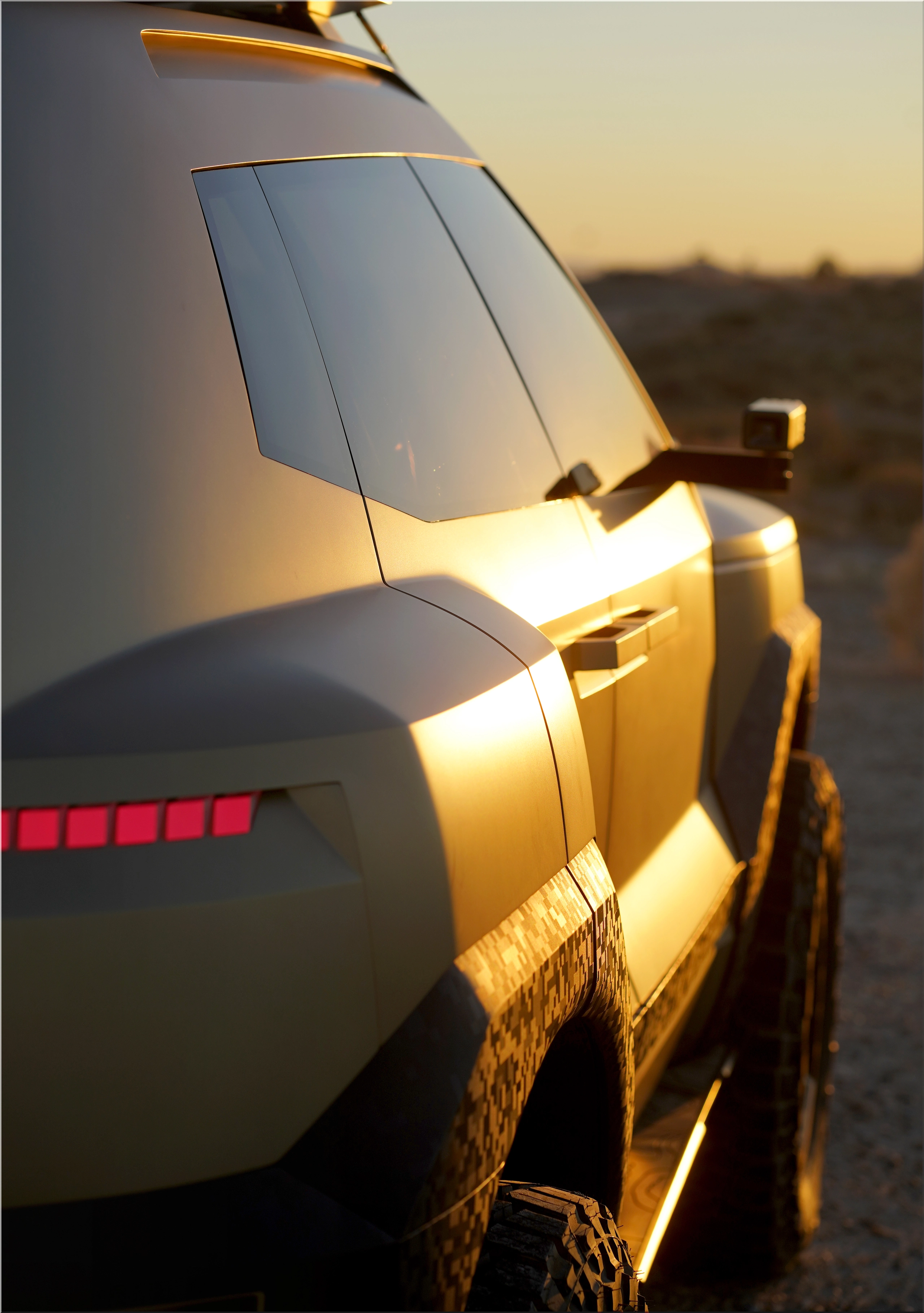
Hyundai shaped the CRATER Concept with a compact monocoque structure. This keeps weight controlled while maintaining body stiffness. Short overhangs help the SUV clear steep banks and tight drop-offs. Steep approach and departure angles support terrain where larger SUVs struggle.
Key Exterior Elements
Hyundai equipped the concept with hardware aimed at off-road reliability:
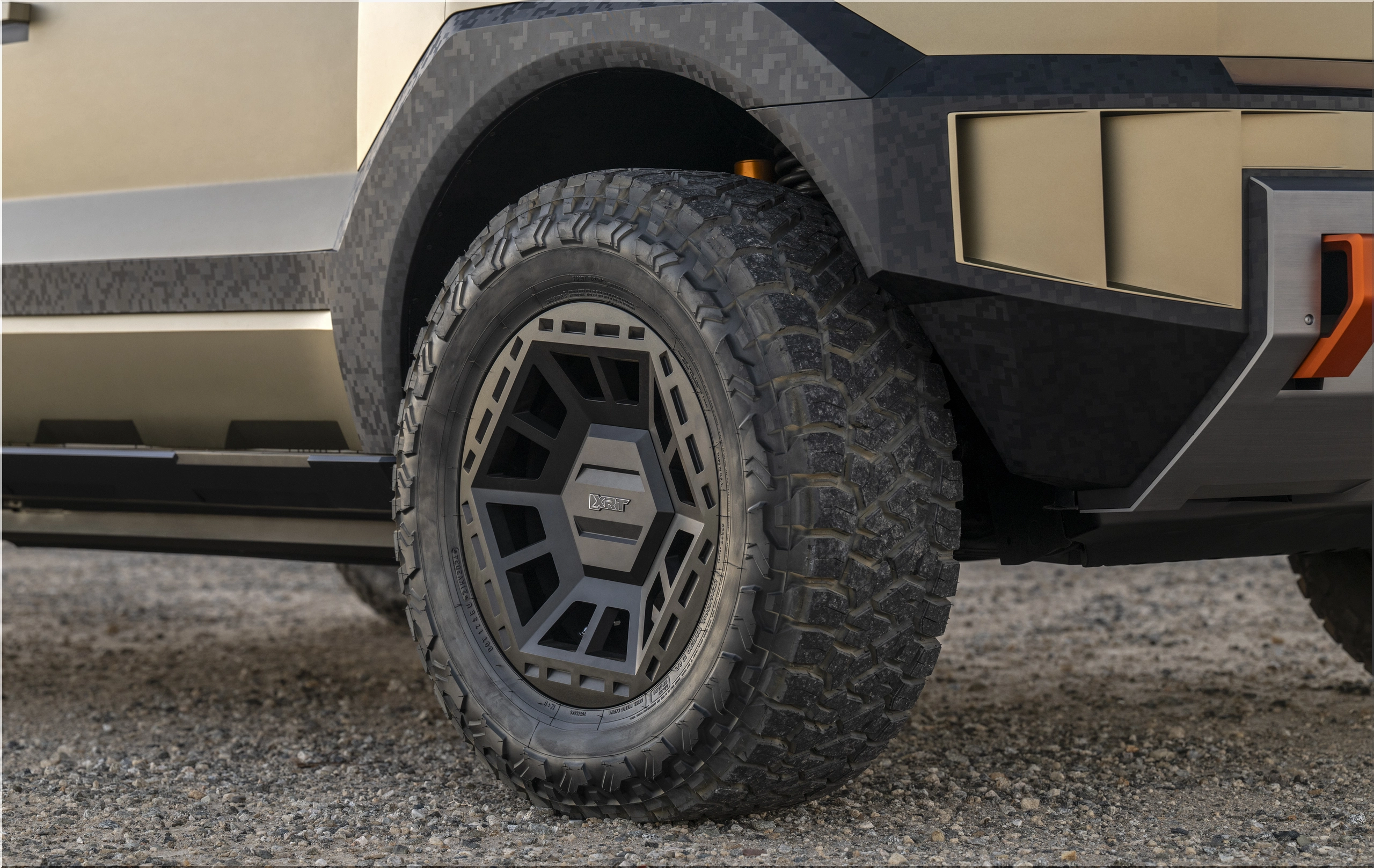
- 33-inch off-road tires for stable grip
- 18-inch hexagonal wheels designed with asteroid-impact geometry
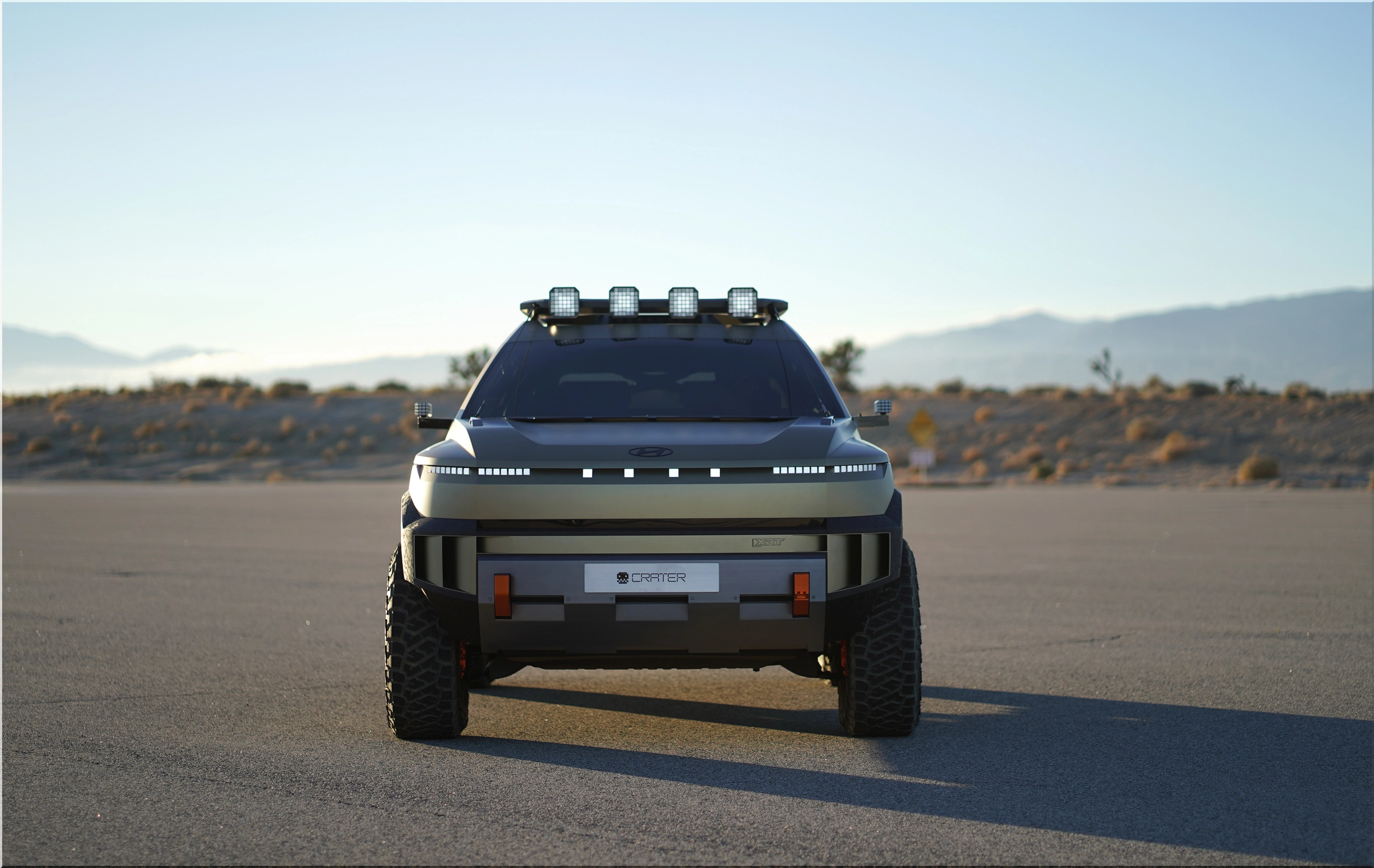
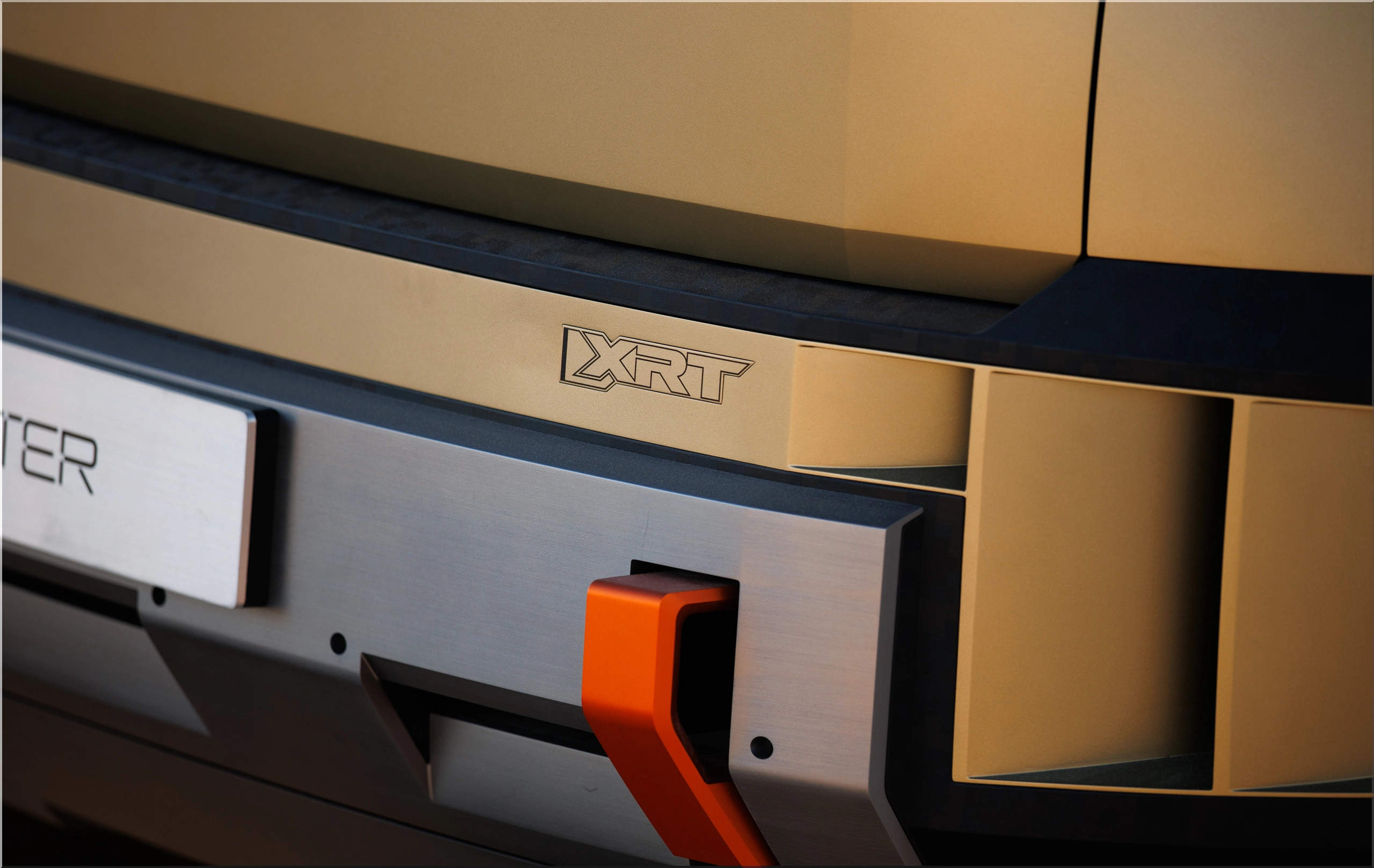
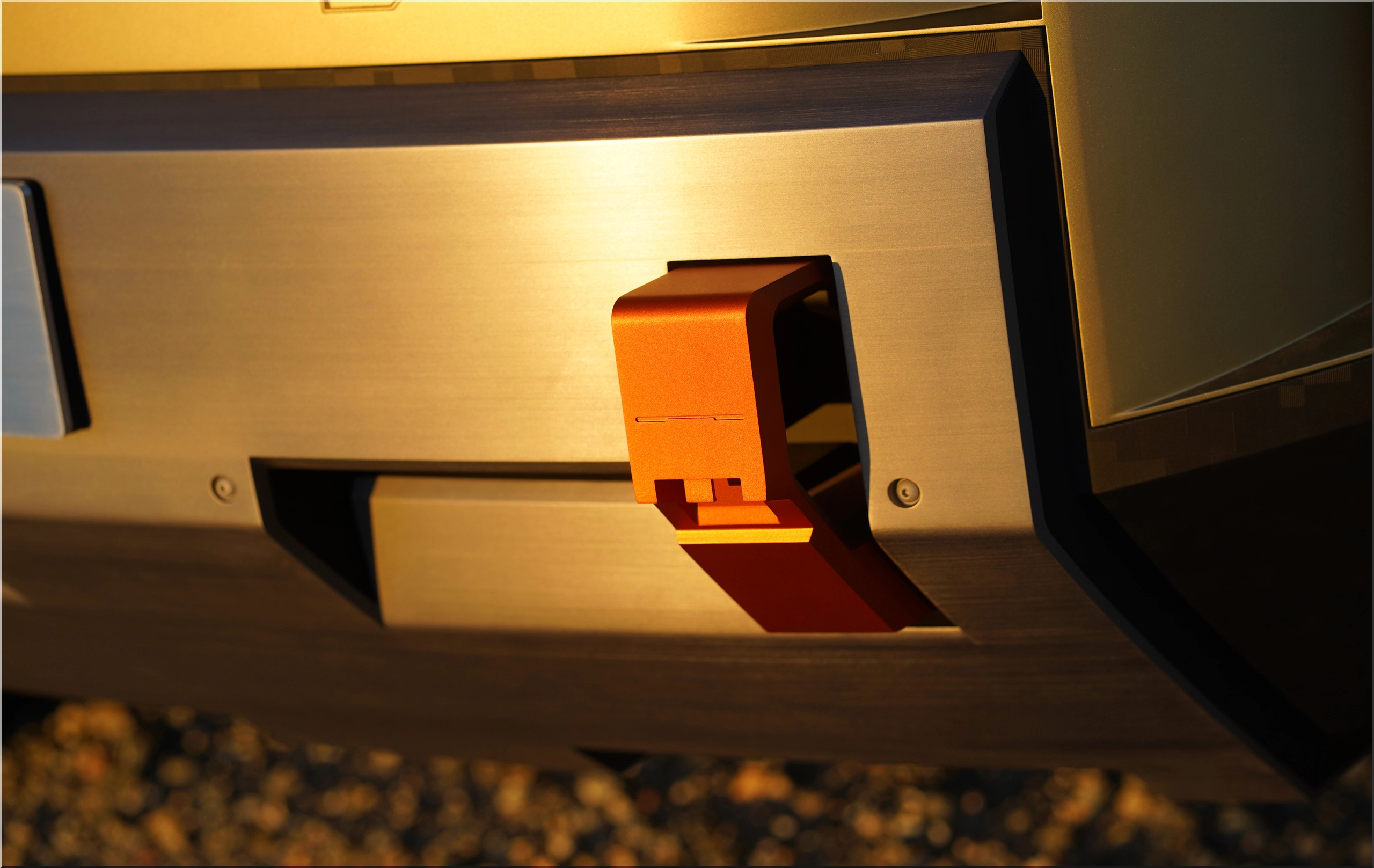
- Full-width skid plate that protects the underbody
- Limb risers for branch deflection
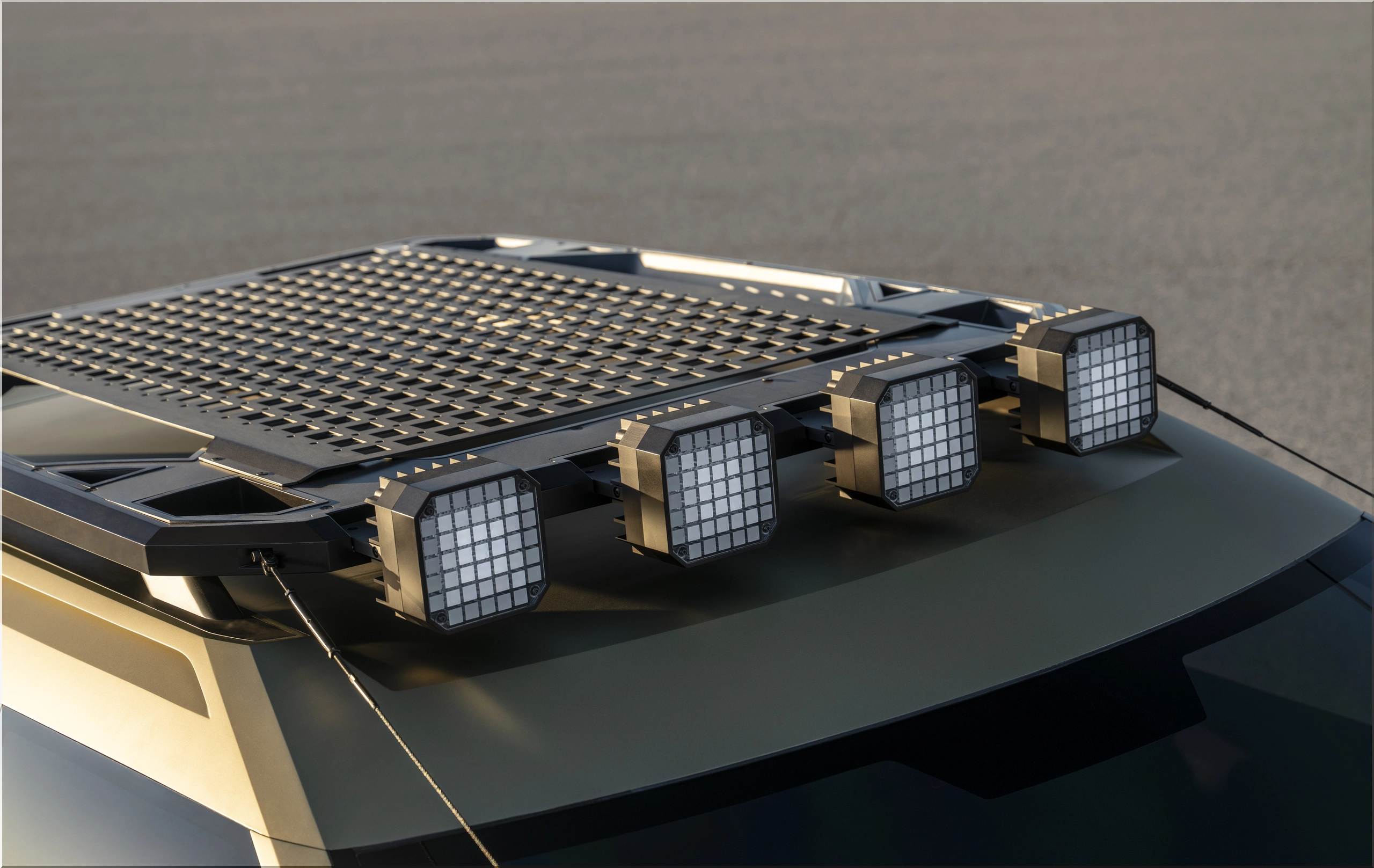
- Roof platform for lighting and cargo systems
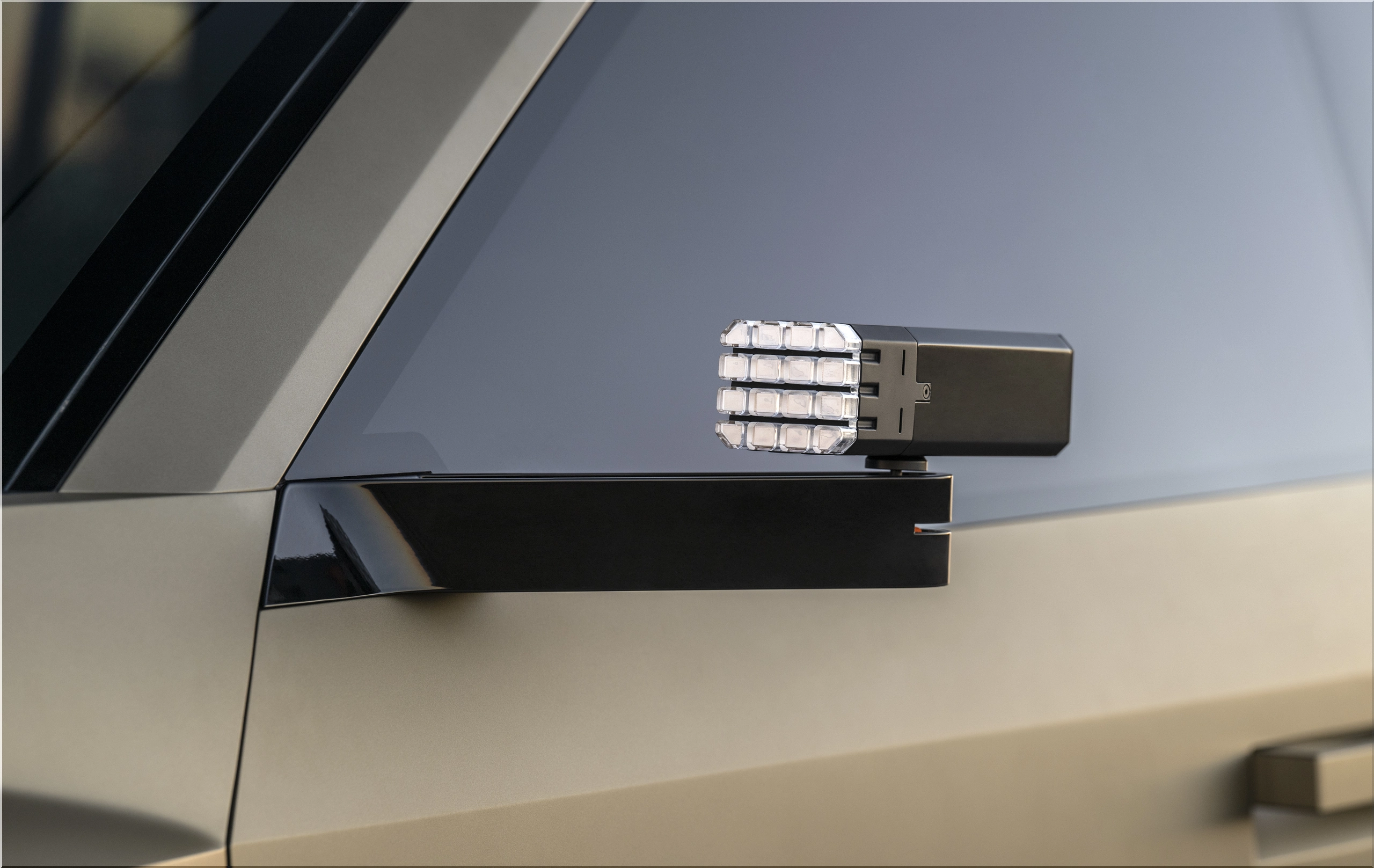
- Side-mirror cameras that detach as emergency flashlights
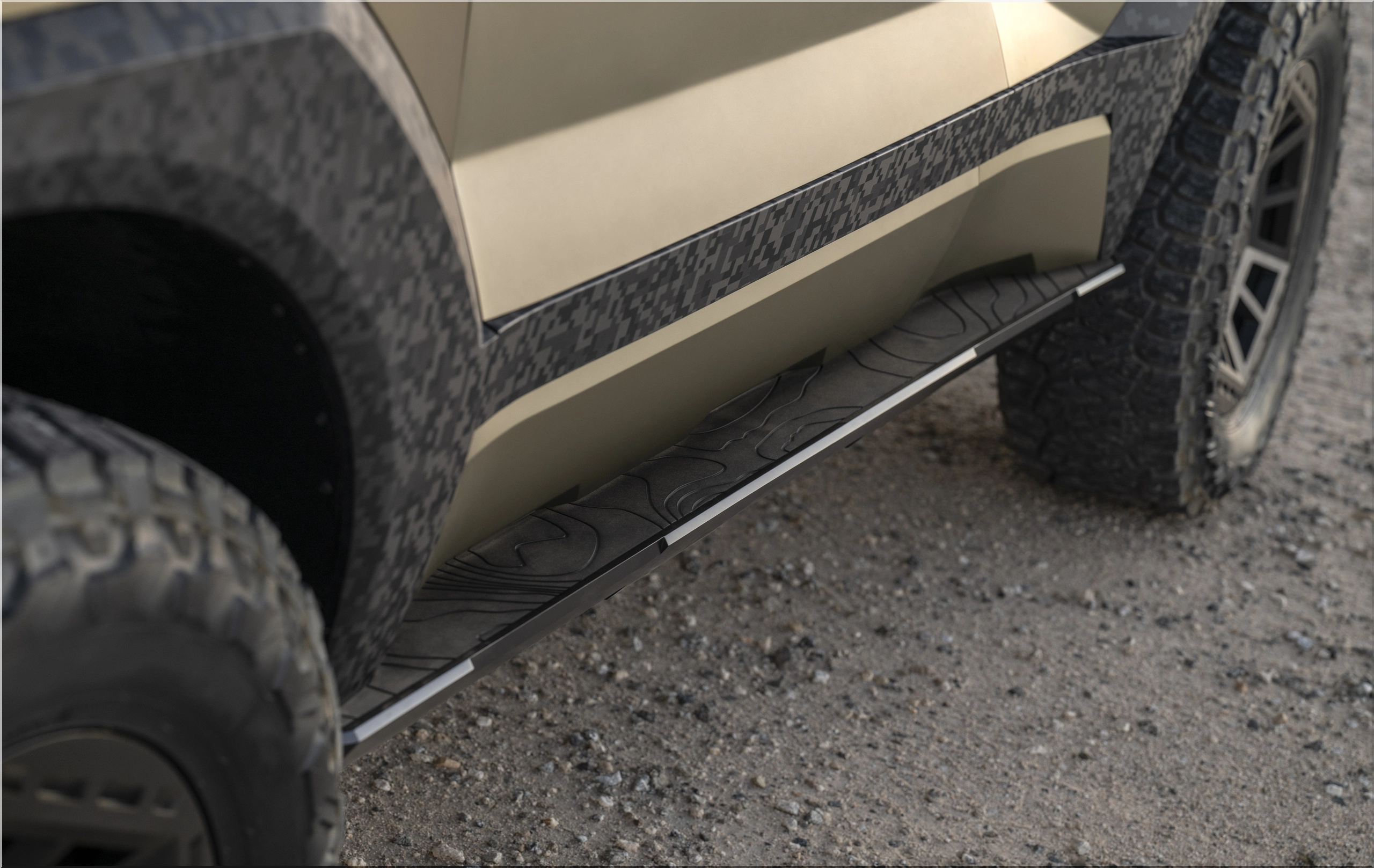
- High fenders and reinforced shoulders for clearance
Each element contributes to traction or protection. Hyundai removed decorative features and concentrated on durability. The Art of Steel design theme stays functional. Surfaces remain clean and structural. This approach reduces visual noise while signaling strength.
Lighting Designed for Practical Use
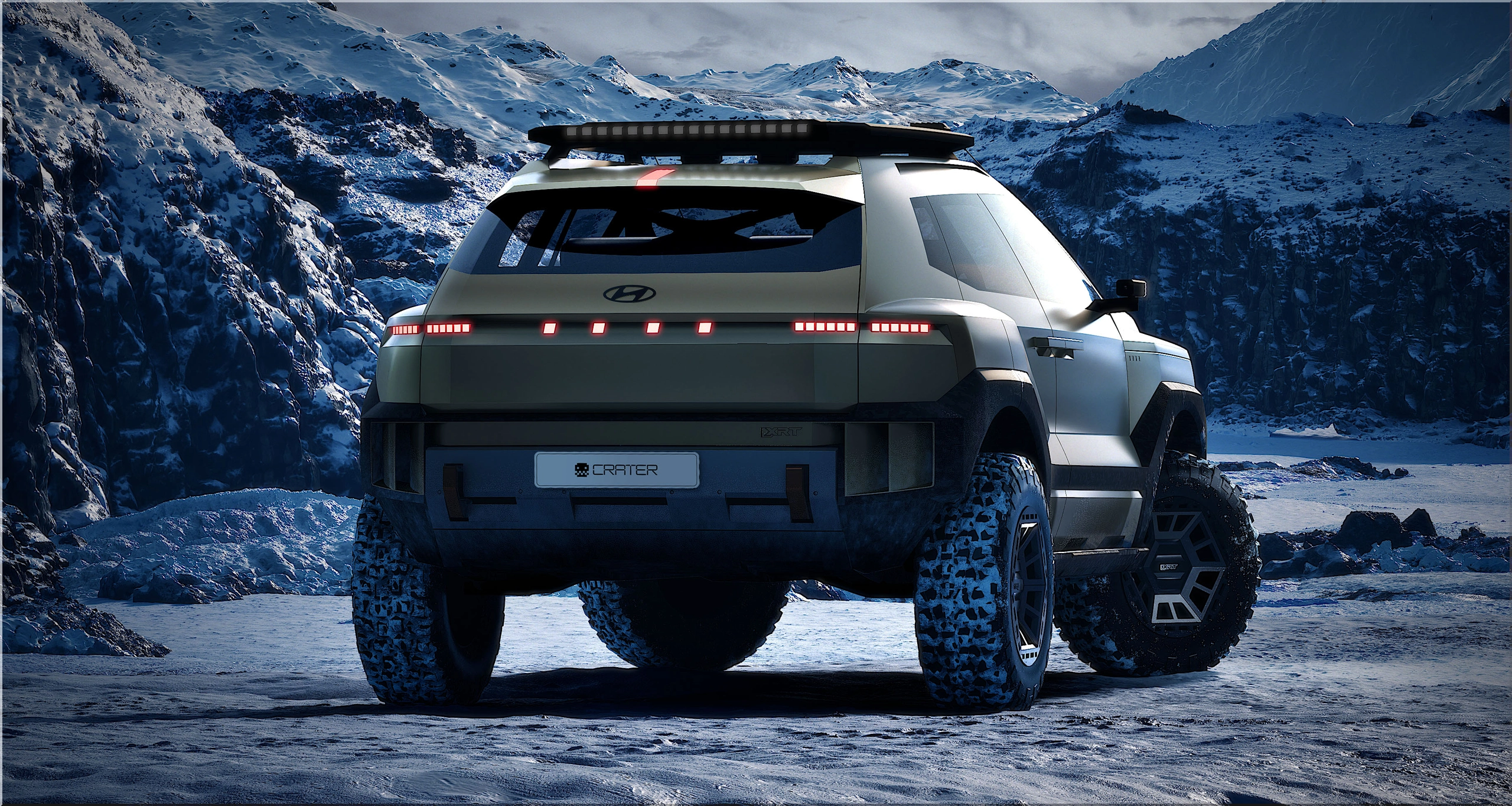
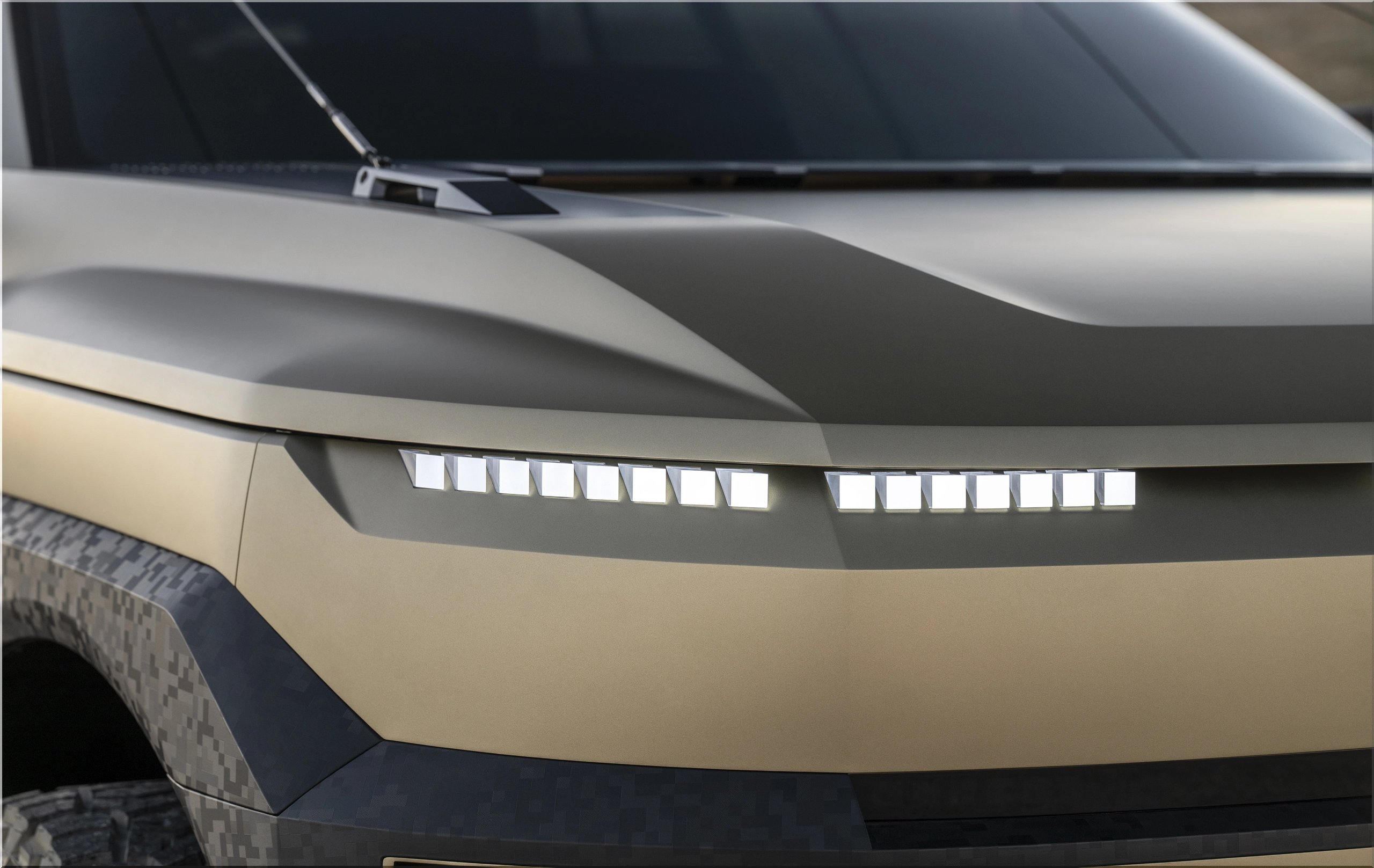
The CRATER Concept uses parametric pixel lighting in a three-dimensional arrangement. Indirect lighting washes surrounding surfaces without glare. Roof-mounted auxiliary lights follow the same pixel gradient. The lighting choices support slow nighttime driving on uneven terrain.
Interior Focused on Tools, Data, and Durability
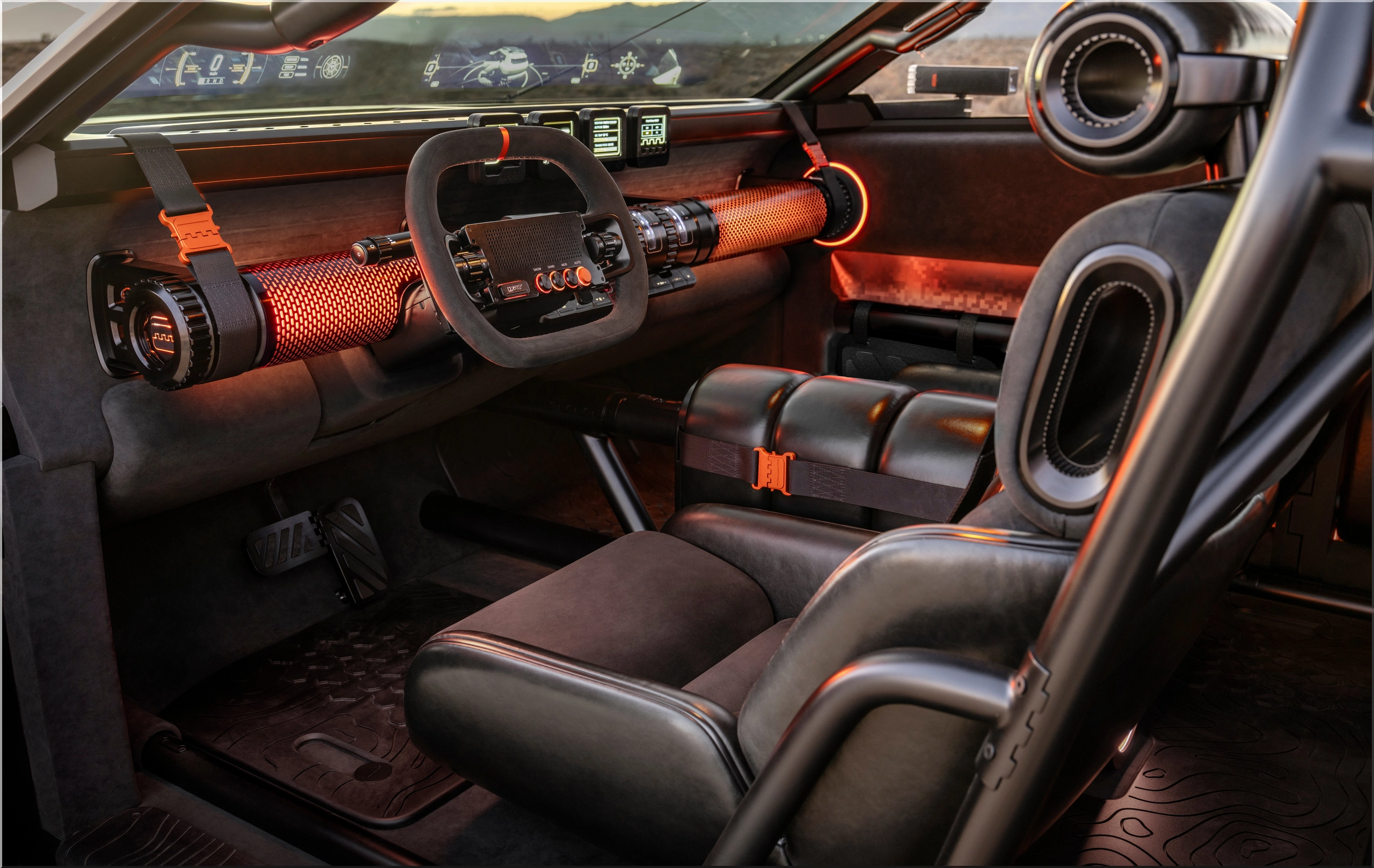
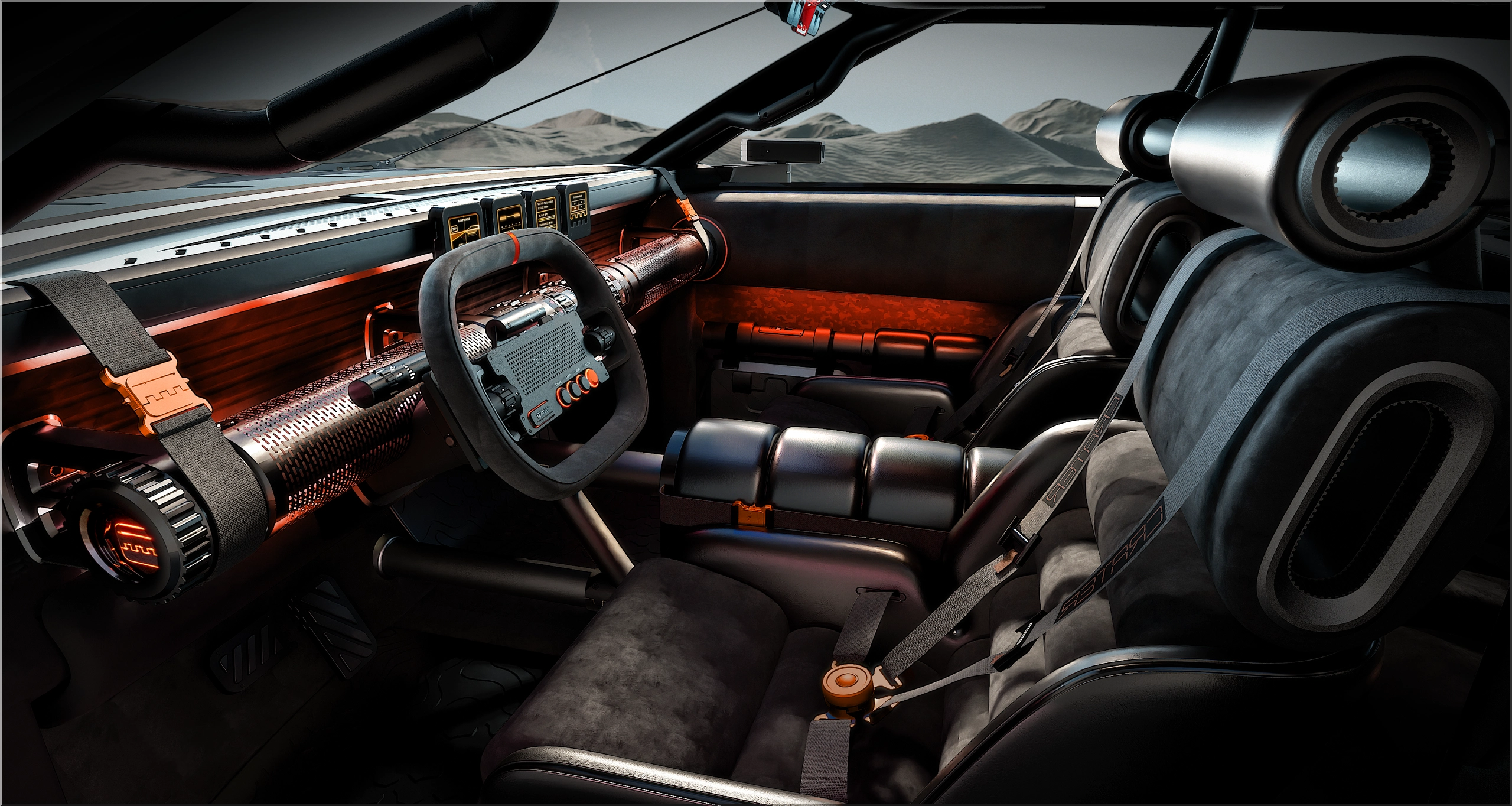
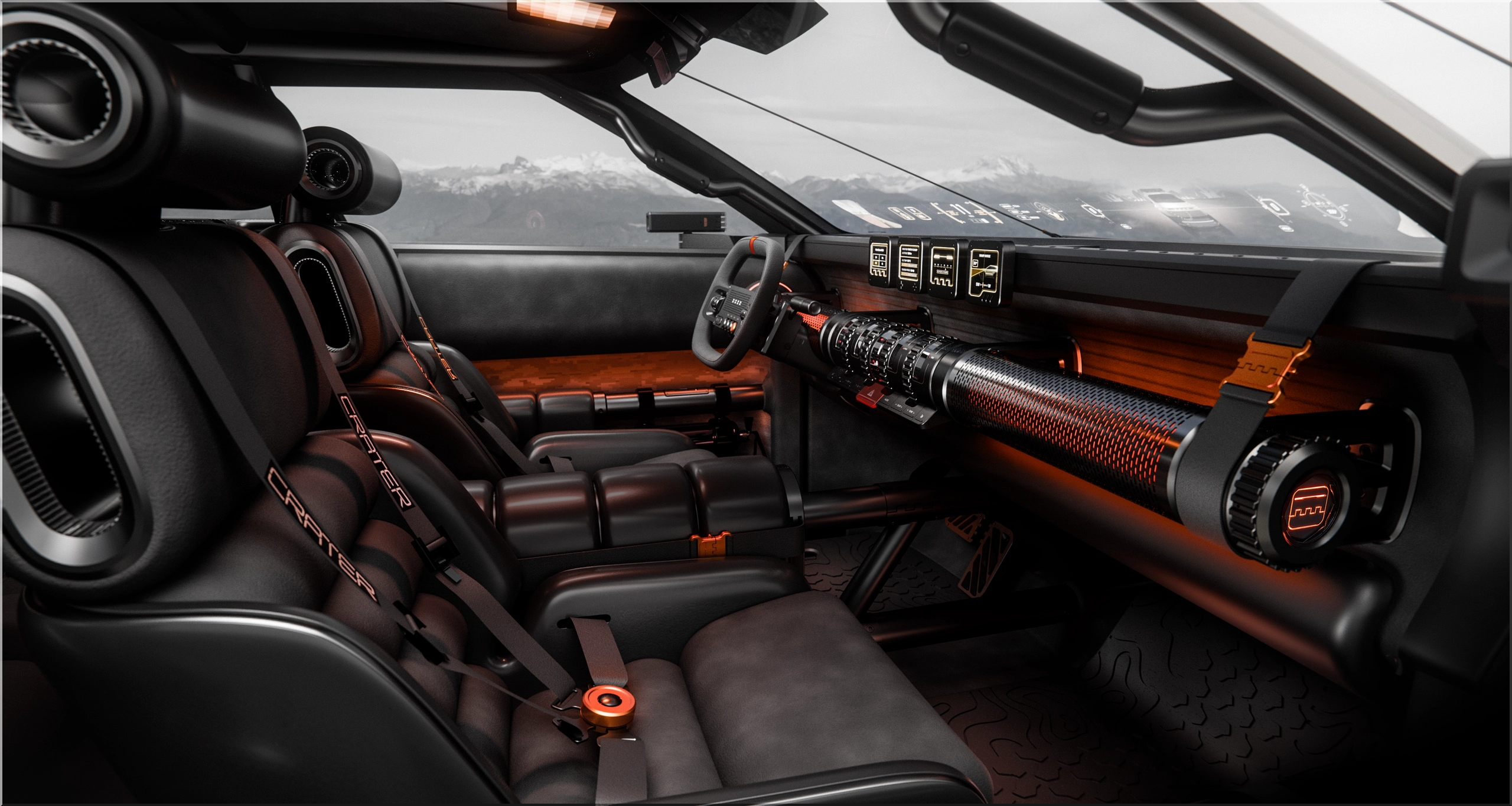
The interior targets drivers who want clear data, simple controls, and rugged materials that stay usable with dirt, dust, and gear inside the cabin. Hyundai kept the cabin minimal and functional.
Interior Features
Key features include:
- Full-width head-up display with integrated rear camera feed
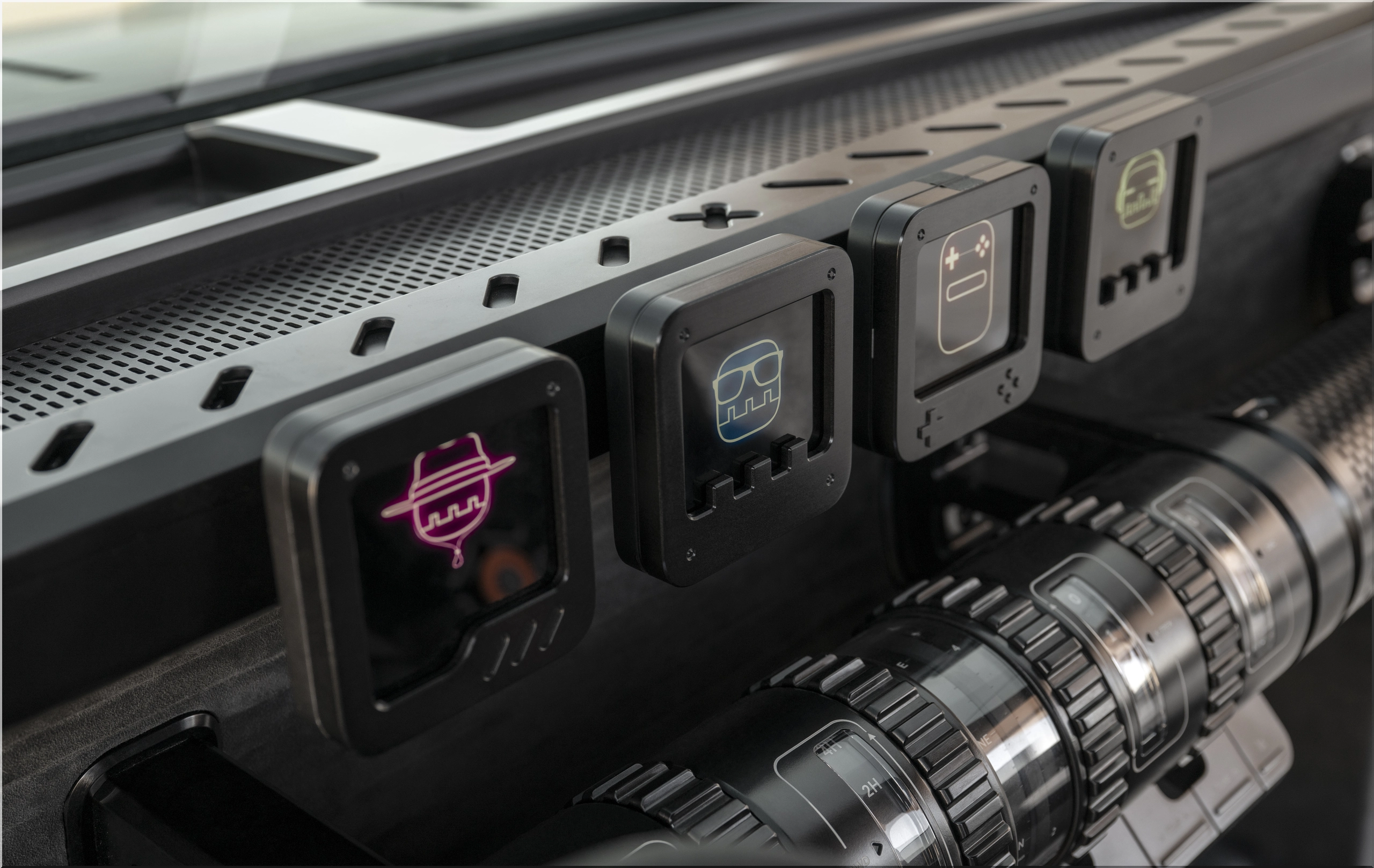
- BYOD interface for personal device integration
- Crash pad with embedded ambient lighting
- 4-point seatbelts
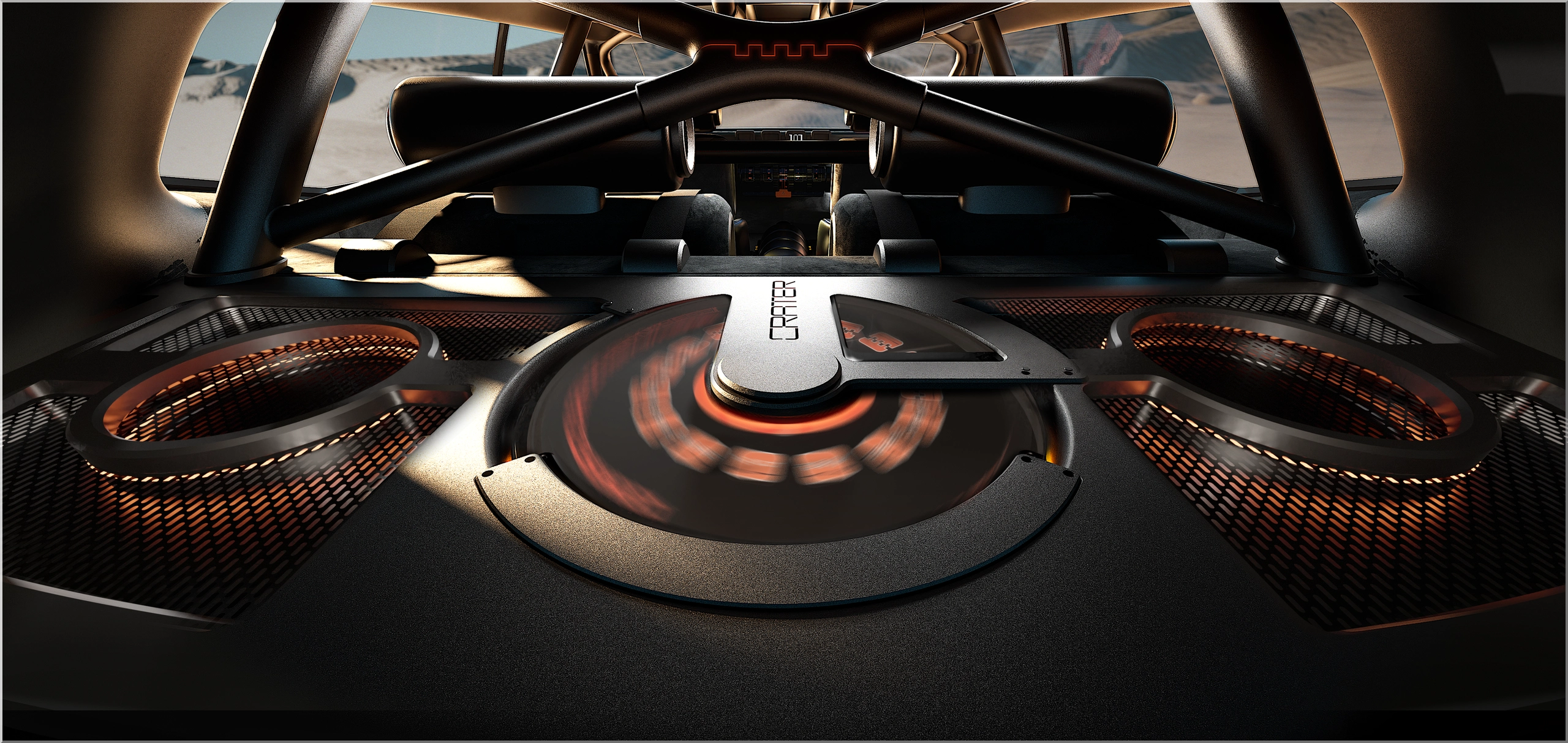
- Integrated roll cage
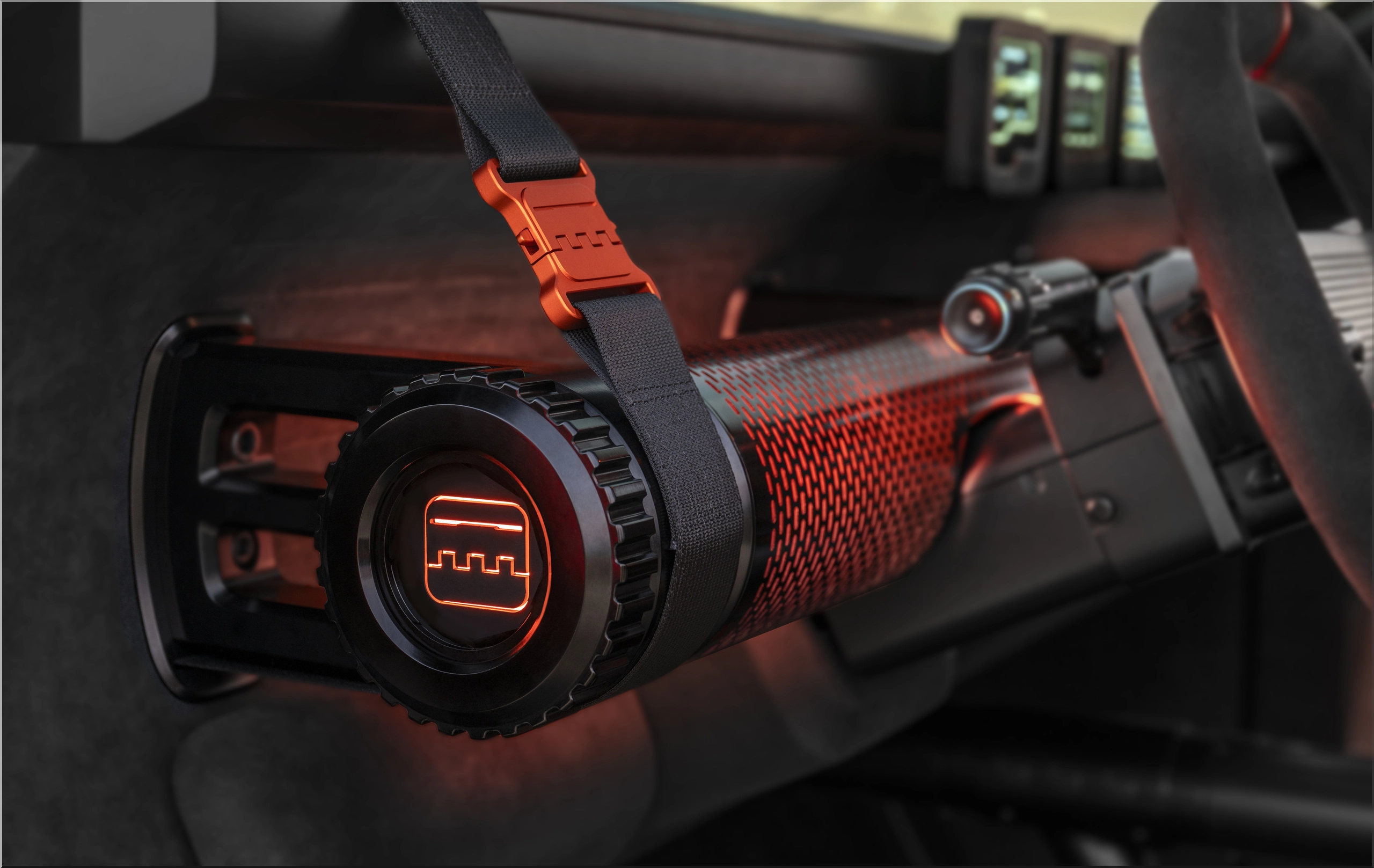
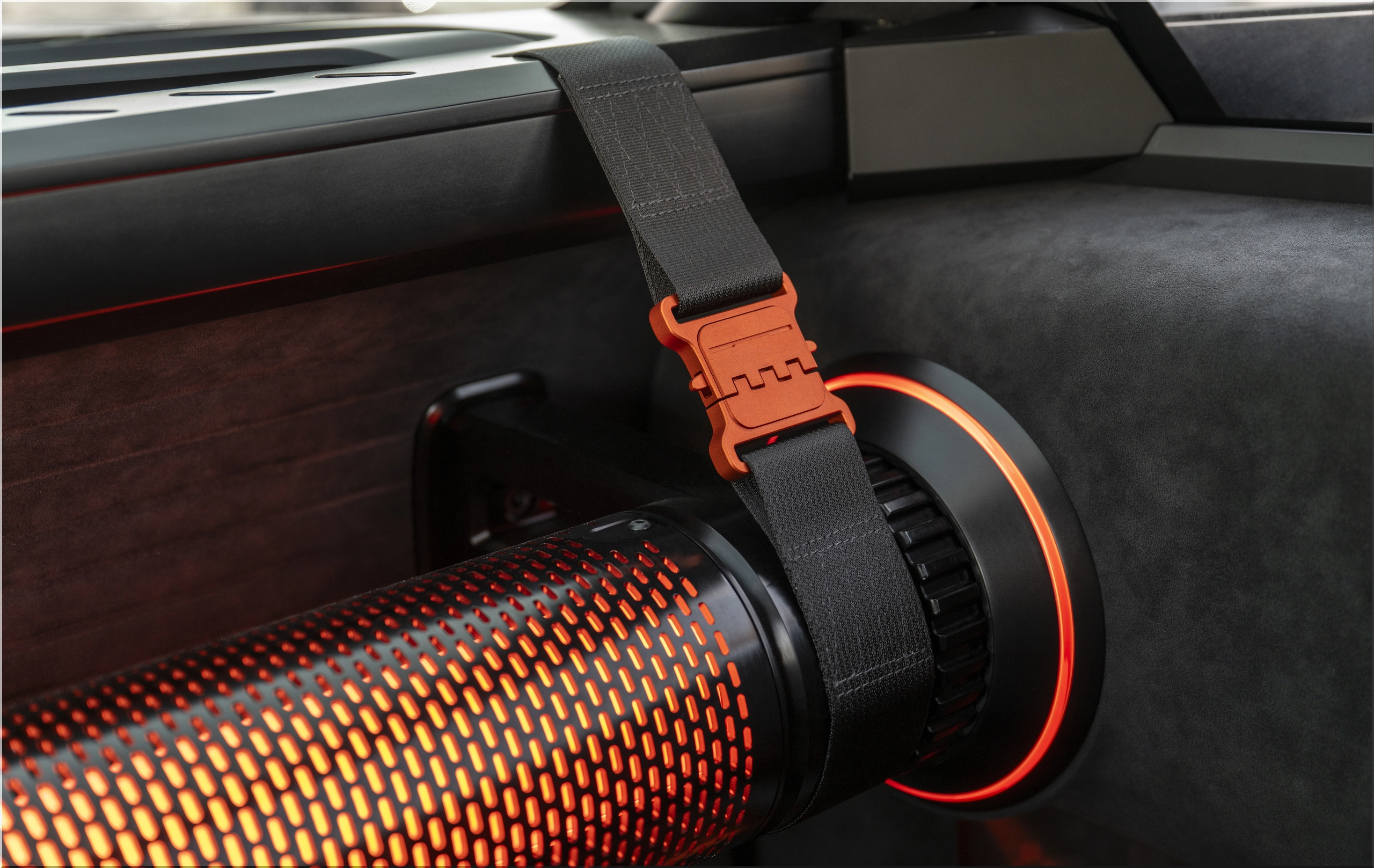
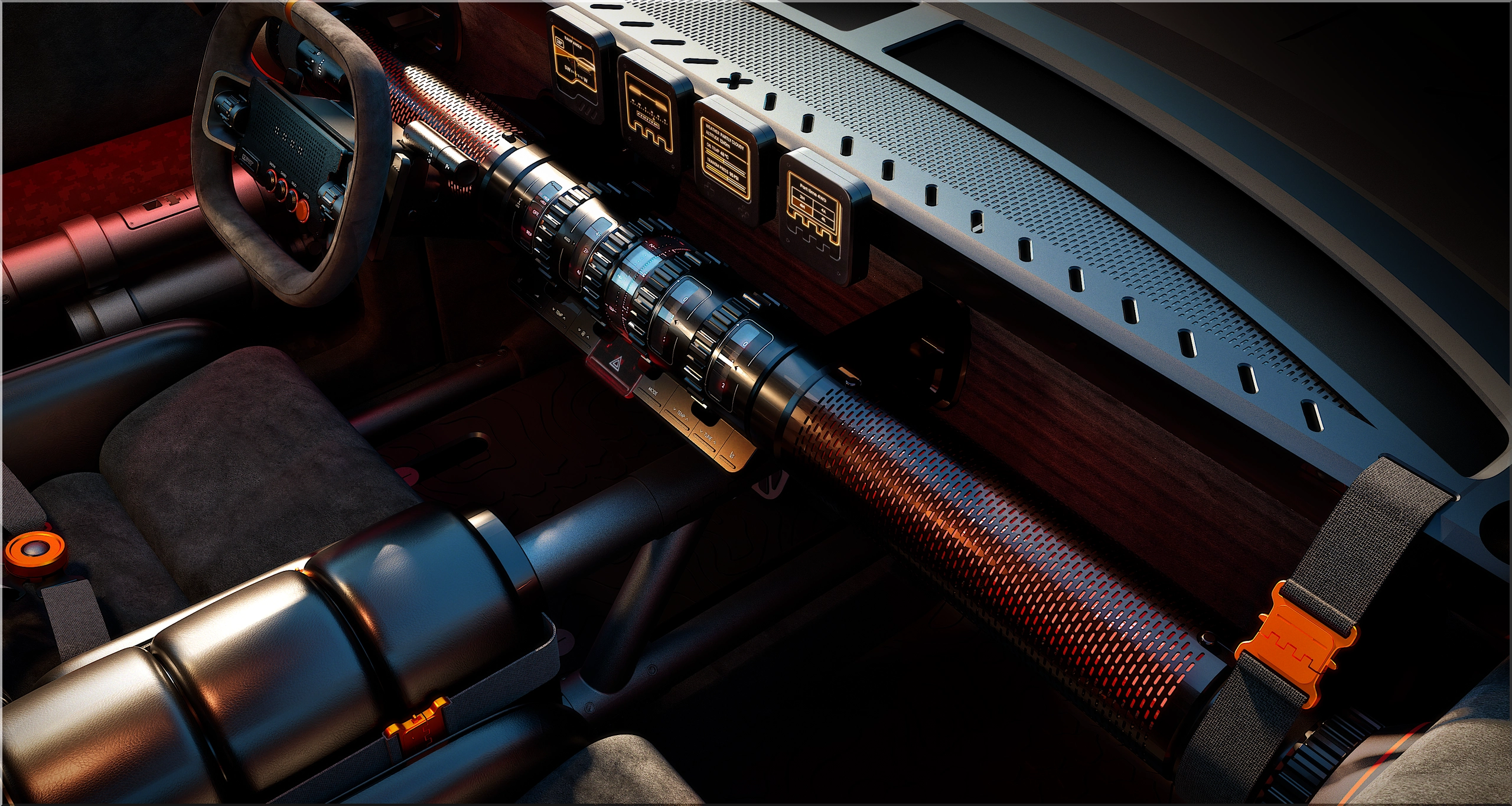
- Mechanical cylinder-style controls with visual indicators
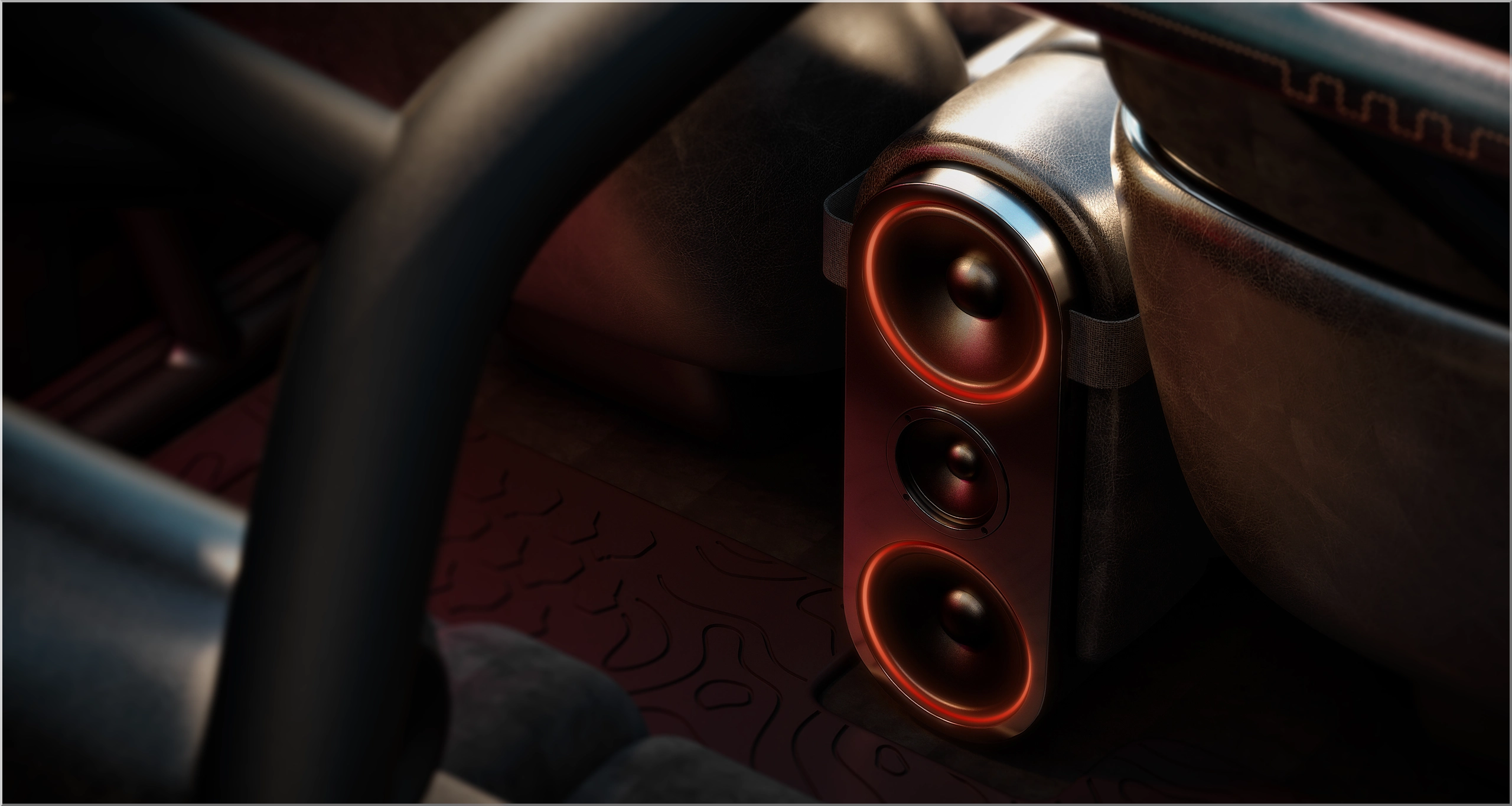
- Removable Bluetooth speaker
- First aid kit and fire extinguisher included from the factory
Hyundai prioritized quick access to core driving data. The head-up display spreads key off-road metrics across the windshield. The BYOD layout reduces the need for fixed screens, lowering complexity while keeping customization flexible.
Seats Engineered for Rough Terrain
The seating system uses 3D padding, firm side bolsters, and wraparound structures to help stabilize the body. Cylindrical cushions support shoulders and neck. This helps keep occupants centered when the vehicle hits uneven surfaces. The seating structure supports long periods of vibration without reducing comfort.
Off-Road Control Systems Built Into the Center Stack
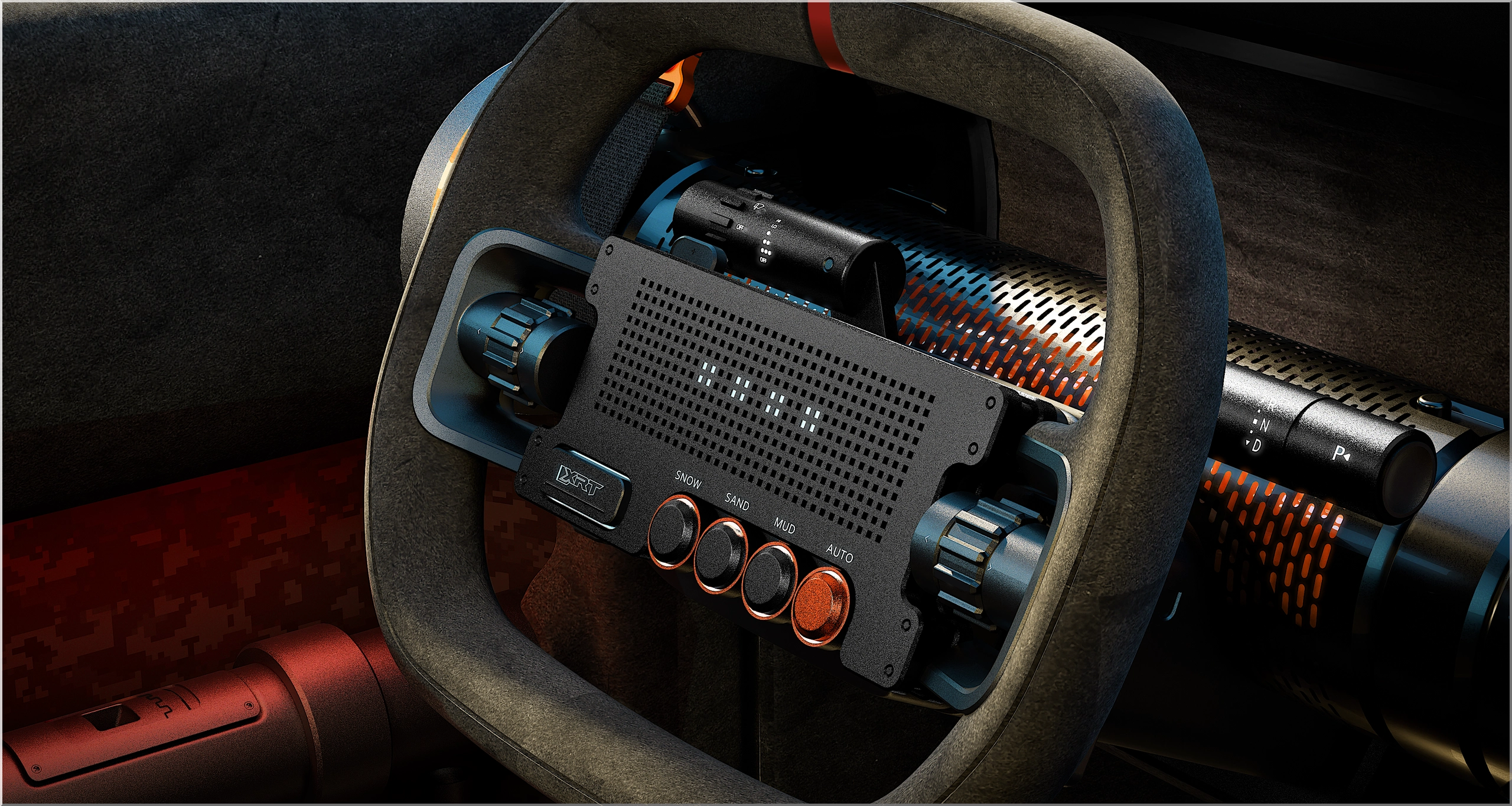
Hyundai developed a gear-type Off-Road Controller that groups traction tools in one location. Drivers gain fast access to:
- Front and rear differential control
- Traction management
- Braking support
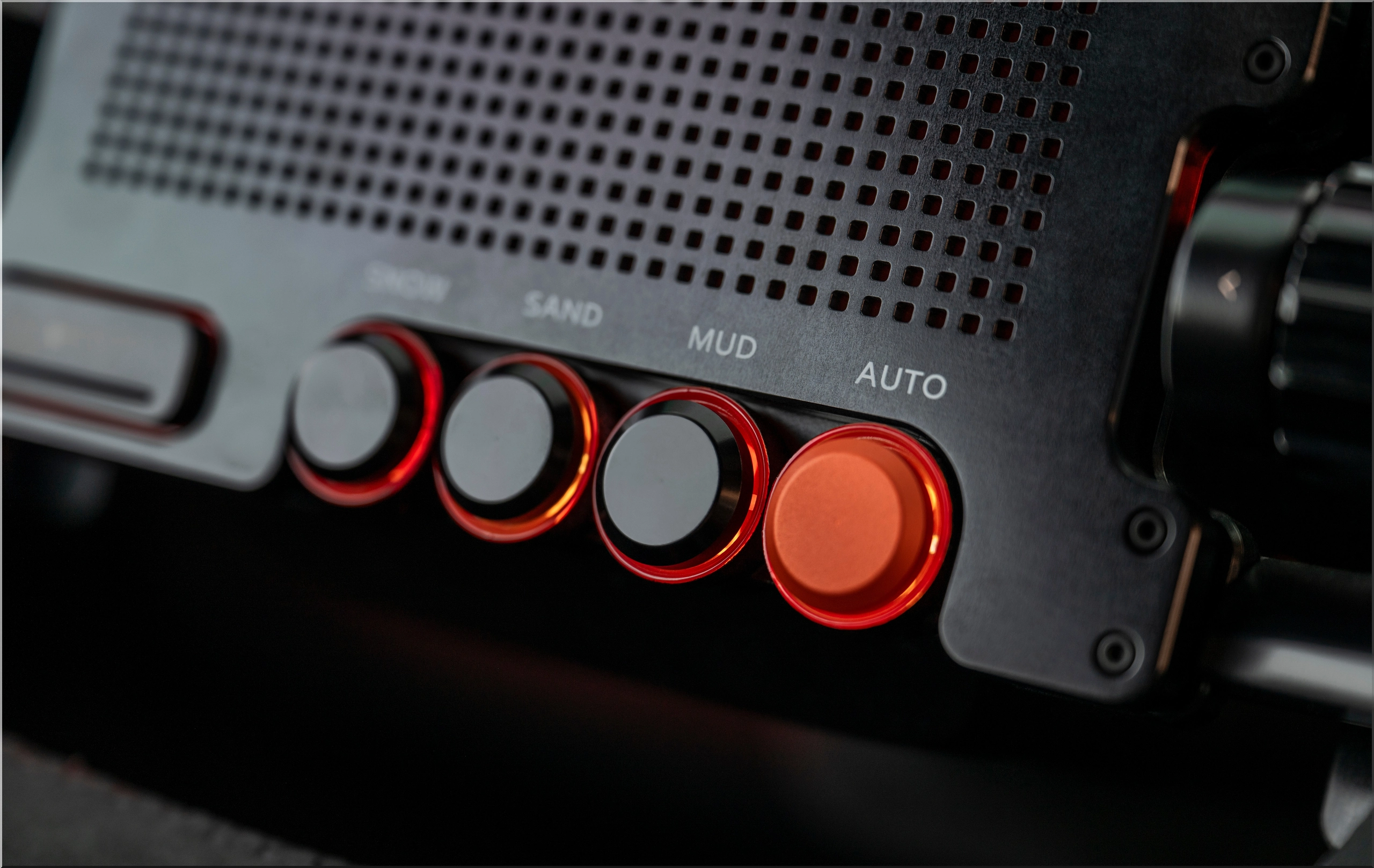
- A terrain mode selector with SNOW, SAND, and MUD presets
Additional tools include:
- Downhill brake control
- Trailer brake control
- Compass
- Altimeter
The hardware is physical, not touchscreen-based. Hyundai kept the interface simple so drivers can make changes in rough sections without distracting menus.
Color and Materials Inspired by Real Terrain
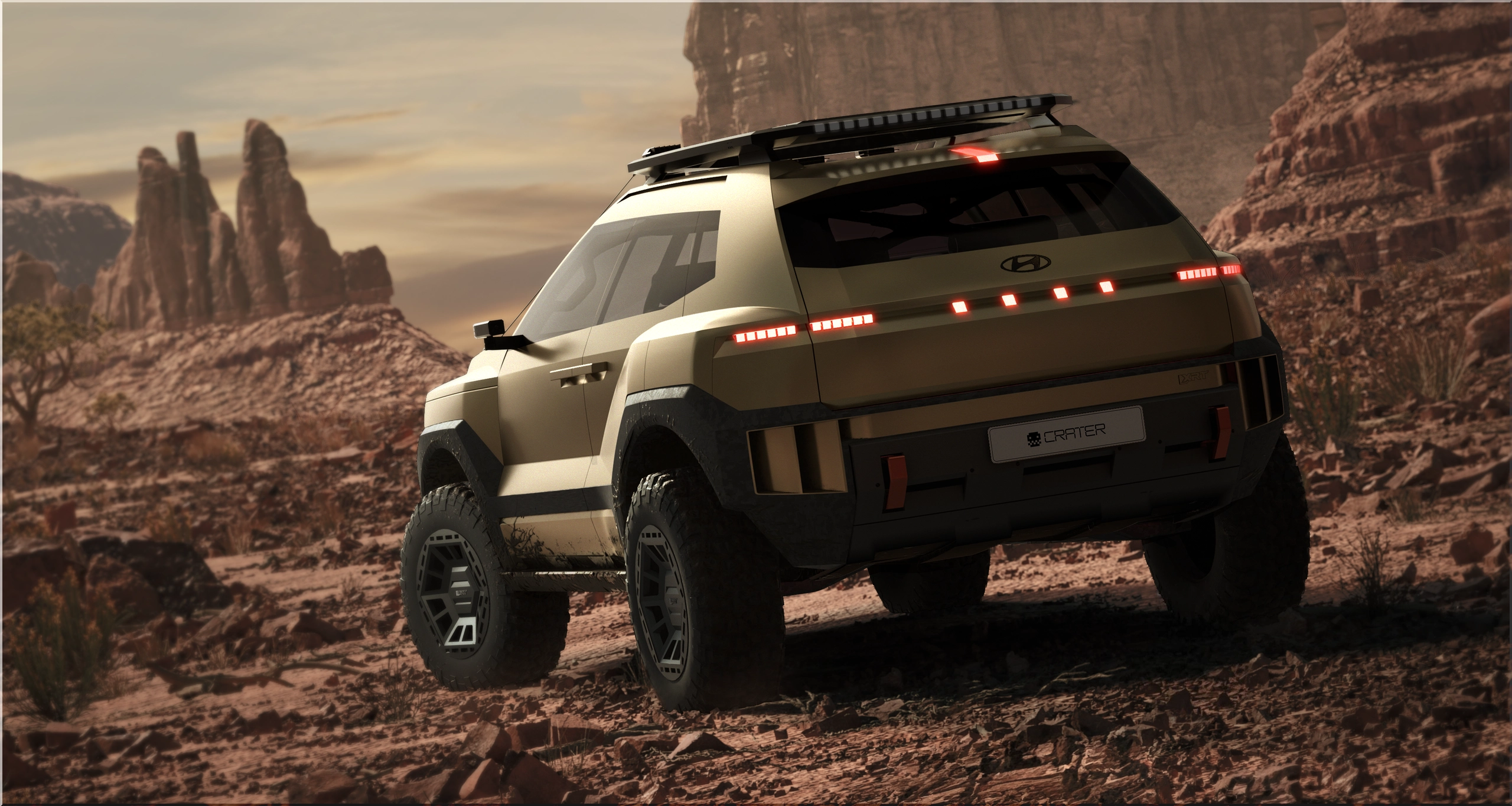
Hyundai finished the exterior in Dune Gold Matte, a green-gold tone tied to California’s coast, desert plants, and canyon rock. The color presents a muted finish that hides scratches and dust.
Inside, the Black Ember interior uses durable materials designed to manage sand, grit, and heavy gear.
Material Breakdown Table
| Material | Purpose |
|---|---|
| Black leather base | Hides dirt and wear |
| Black Alcantara | Grip during sharp movements |
| Brushed metal | Industrial strength and resistance to damage |
| Topographic etching | Off-road identity through mapped textures |
Orange accents help drivers locate controls in low light. The color link between exterior highlights and interior touchpoints gives the cabin a cohesive identity.
Hidden Utility Features Add Real Value
Hyundai embedded several small functional details to support active outdoor use:
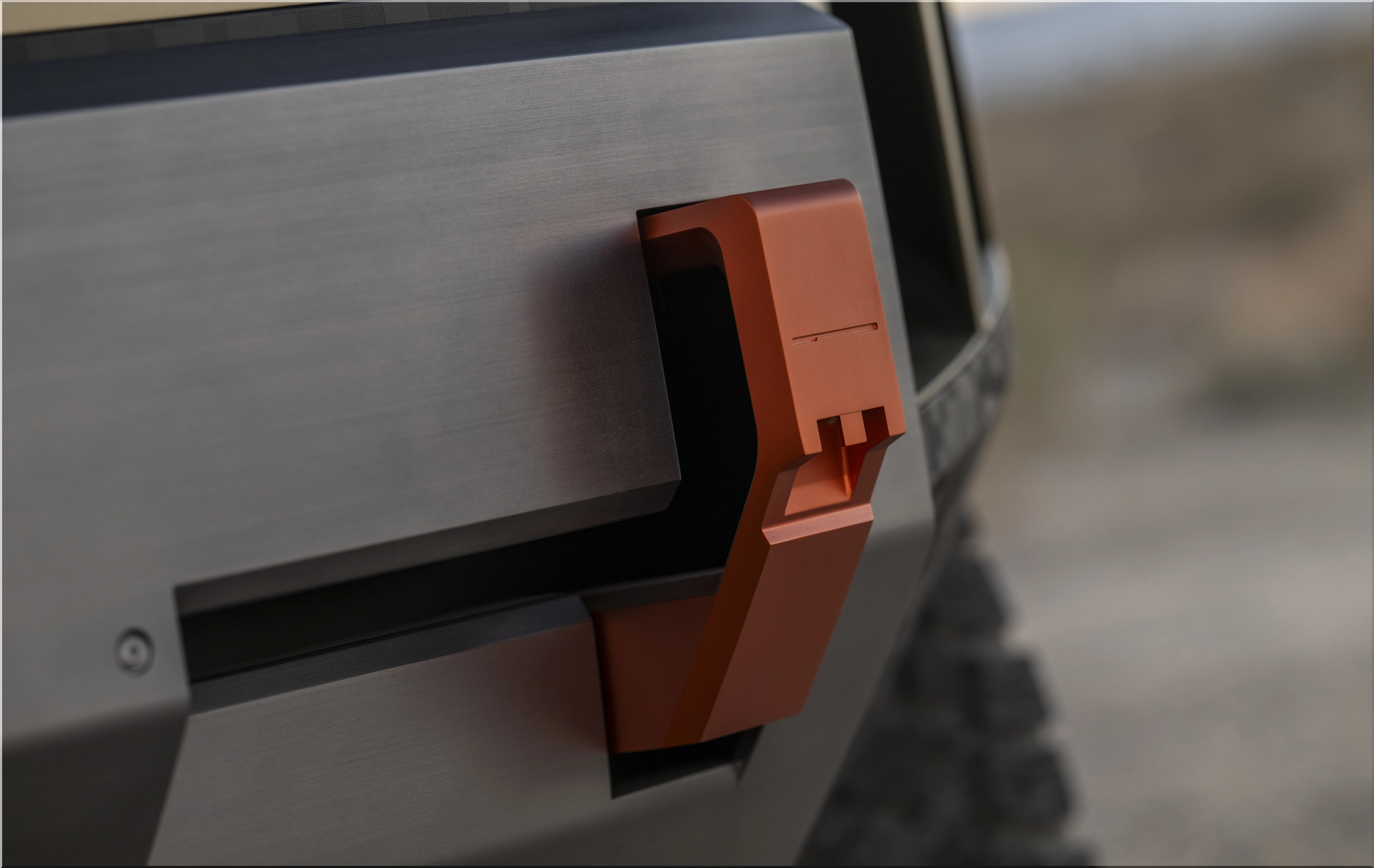
- A recovery hook that doubles as a bottle opener
- Removable side-mirror cameras that work as flashlights
- Hidden aperture lighting that reveals a compact light signature
- Cylinder-style controls that connect mechanics and indicators
- A symbolic character called CRATER MAN integrated throughout the cabin
These features keep the experience simple while adding problem-solving tools for remote areas.
Strategic Context for Hyundai
Hyundai continues growing its U.S. presence with expanded production, R&D facilities, and retail networks. The company's American operations support more than 190,000 jobs and contribute over $20.1 billion to the national economy.
Concept vehicles like the CRATER help Hyundai test demand for new segments without a full manufacturing commitment. The compact off-road SUV category has shown strong growth. Buyers want real capability without the footprint of full-size SUVs.
If Hyundai builds a production version, the CRATER Concept could compete with:
- Toyota RAV4 TRD Off-Road
- Subaru Crosstrek Wilderness
- Ford Bronco Sport Badlands
These models currently range from roughly $33,000 to $45,000 USD. A production CRATER could land in similar territory.
Why the CRATER Concept Matters
The Hyundai CRATER Concept signals Hyundai’s next move in compact rugged mobility. The design team built a vehicle focused on durability, quick control access, and real off-road function. Hyundai avoided styling excess and kept the design centered on traction, protection, and structural clarity.
For readers who track emerging tech, off-road engineering, and future production signals, the CRATER Concept shows Hyundai’s intent to push deeper into the compact adventure segment. The approach is direct. The engineering choices are deliberate. The message is clear: Hyundai sees opportunity in compact rugged vehicles that stay functional in real conditions.
- Add new comment
- 154 views