
HEV
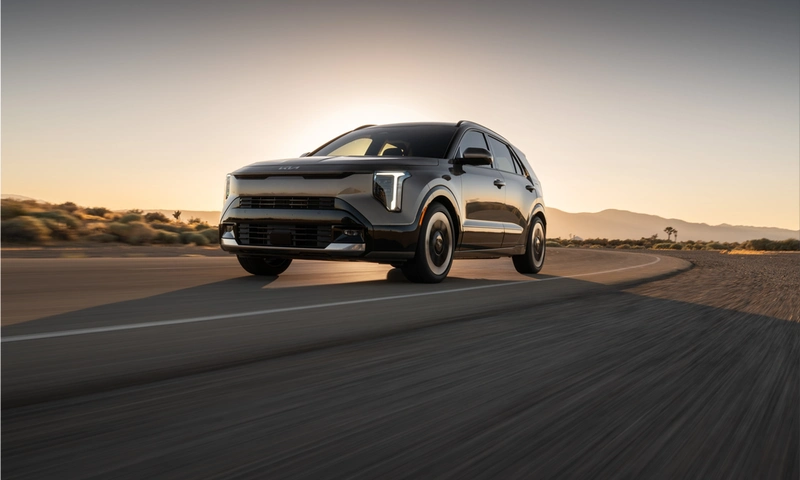
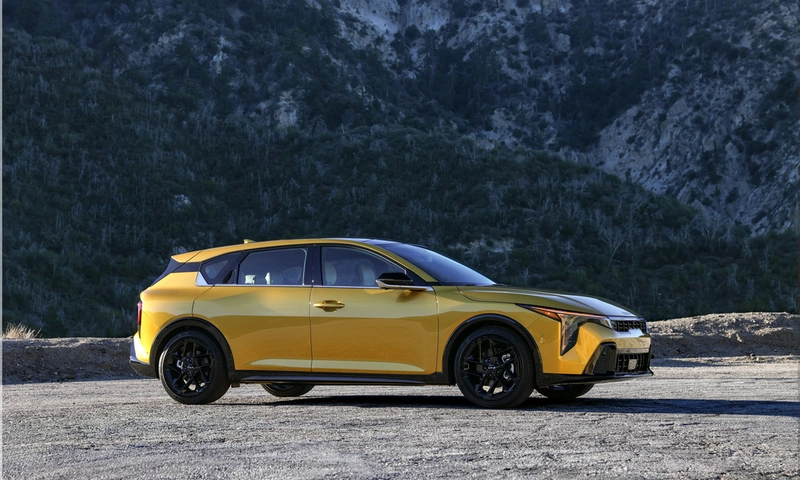
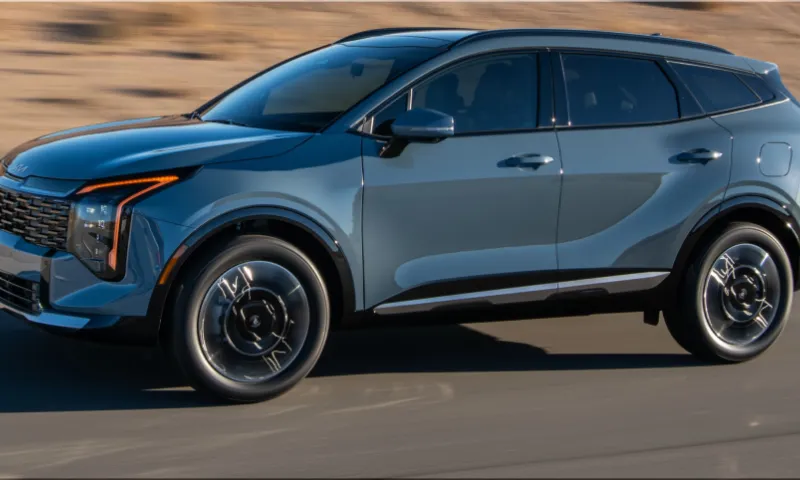
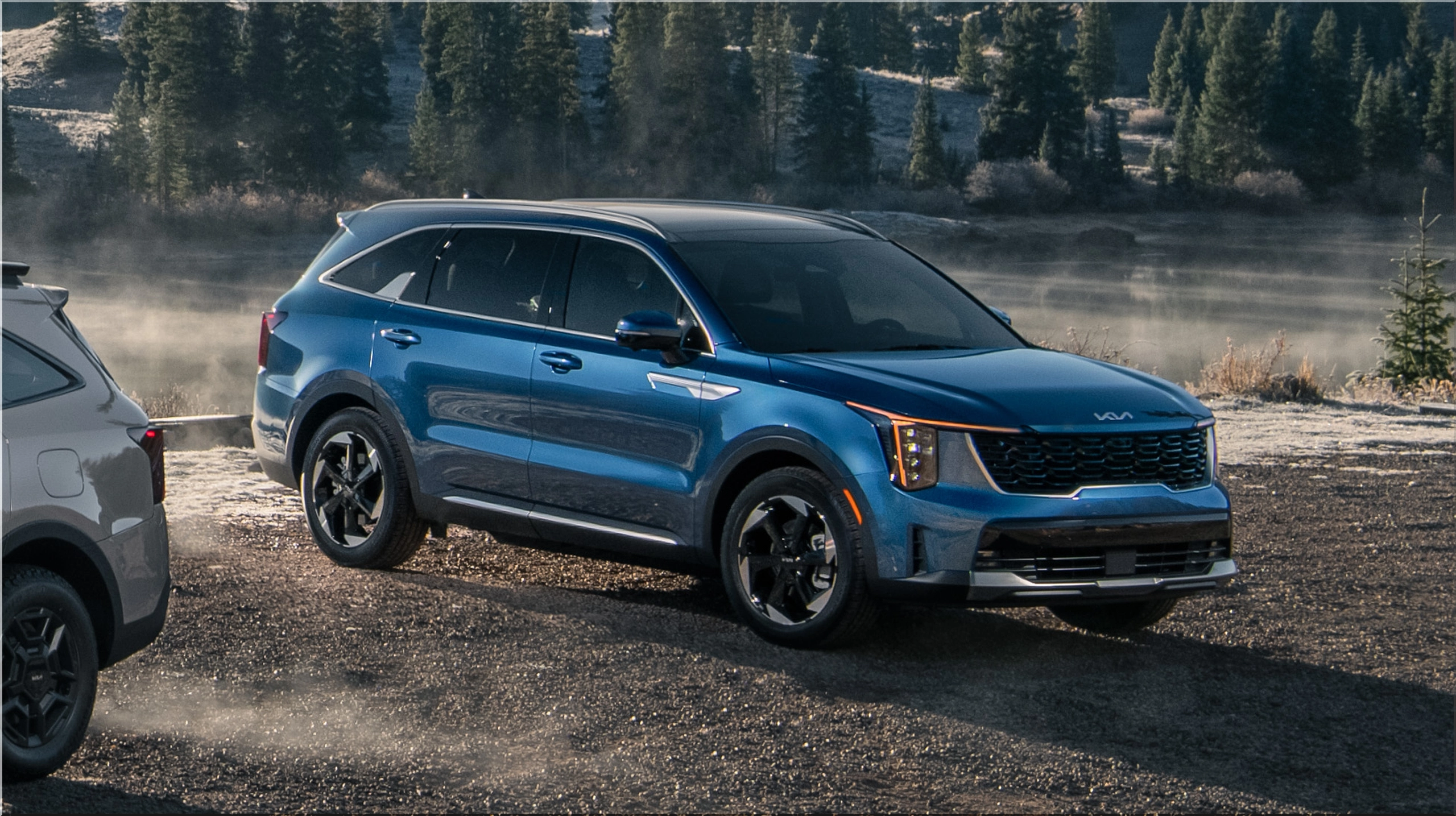
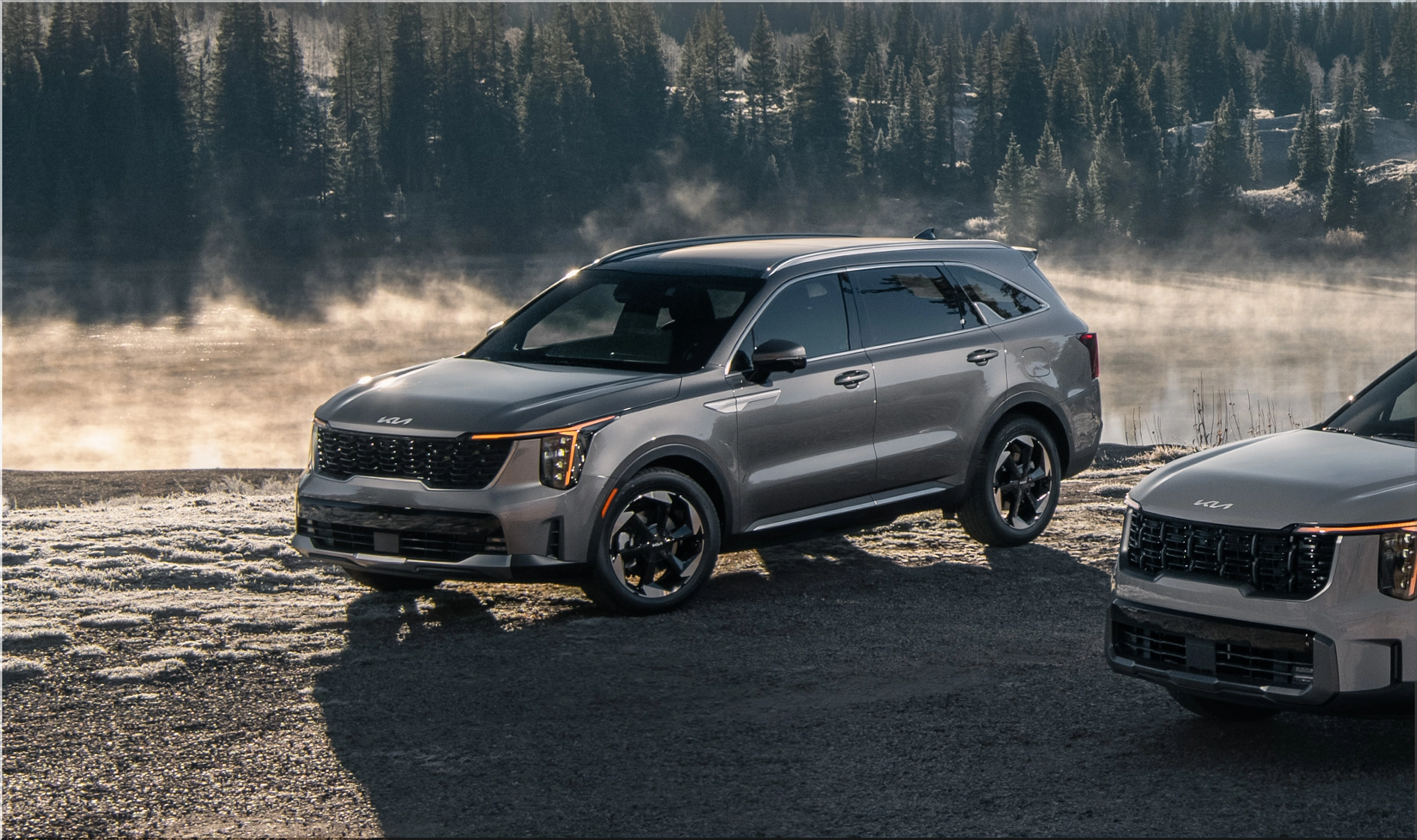
The 2026 Kia Sorento Hybrid (HEV) enters the U.S. market with a focused set of updates aimed at improving capability, interior functionality, and market competitiveness. Kia's midsize hybrid SUV now offers more standard features, an expanded trim lineup, and refined design elements — all at a price point designed to pressure its biggest rivals in the electrified three-row segment.
Pricing Breakdown and Competitive Position
Kia announced three main trims for the 2026 Sorento Hybrid, with pricing structured to attract mainstream hybrid SUV buyers while offering higher-margin premium options.
MSRP (excluding $1,445 destination fee):
| Trim | Drivetrain | Price (USD) |
|---|---|---|
| Sorento HEV EX FWD | Front-wheel drive | $38,890 |
| Sorento HEV EX AWD | All-wheel drive | $40,690 |
| Sorento HEV SX Prestige | All-wheel drive | $47,190 |
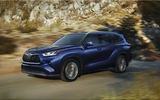
At under $39,000, the base EX FWD directly targets the Toyota Highlander Hybrid and Honda Pilot Hybrid. The SX Prestige, topping out near $47,200, aligns with premium trims of the Hyundai Santa Fe Hybrid and Ford Explorer Hybrid but undercuts luxury entries by several thousand dollars.
Key Updates for 2026 Sorento Hybrid
The 2026 Sorento HEV focuses on three categories of improvements: capability, design, and interior functionality. The changes are incremental but strategic, aimed at enhancing daily usability and off-road confidence.
Capability: Terrain Mode Now Standard on AWD
All AWD-equipped Sorento Hybrid models now feature Terrain Mode as standard. This feature optimizes throttle response, all-wheel-drive torque distribution, and transmission mapping for conditions like snow, mud, or sand. It builds on Kia's goal of improving real-world utility in a segment that often prioritizes efficiency over versatility.
Exterior Design: New X-Line SX-Prestige Trim
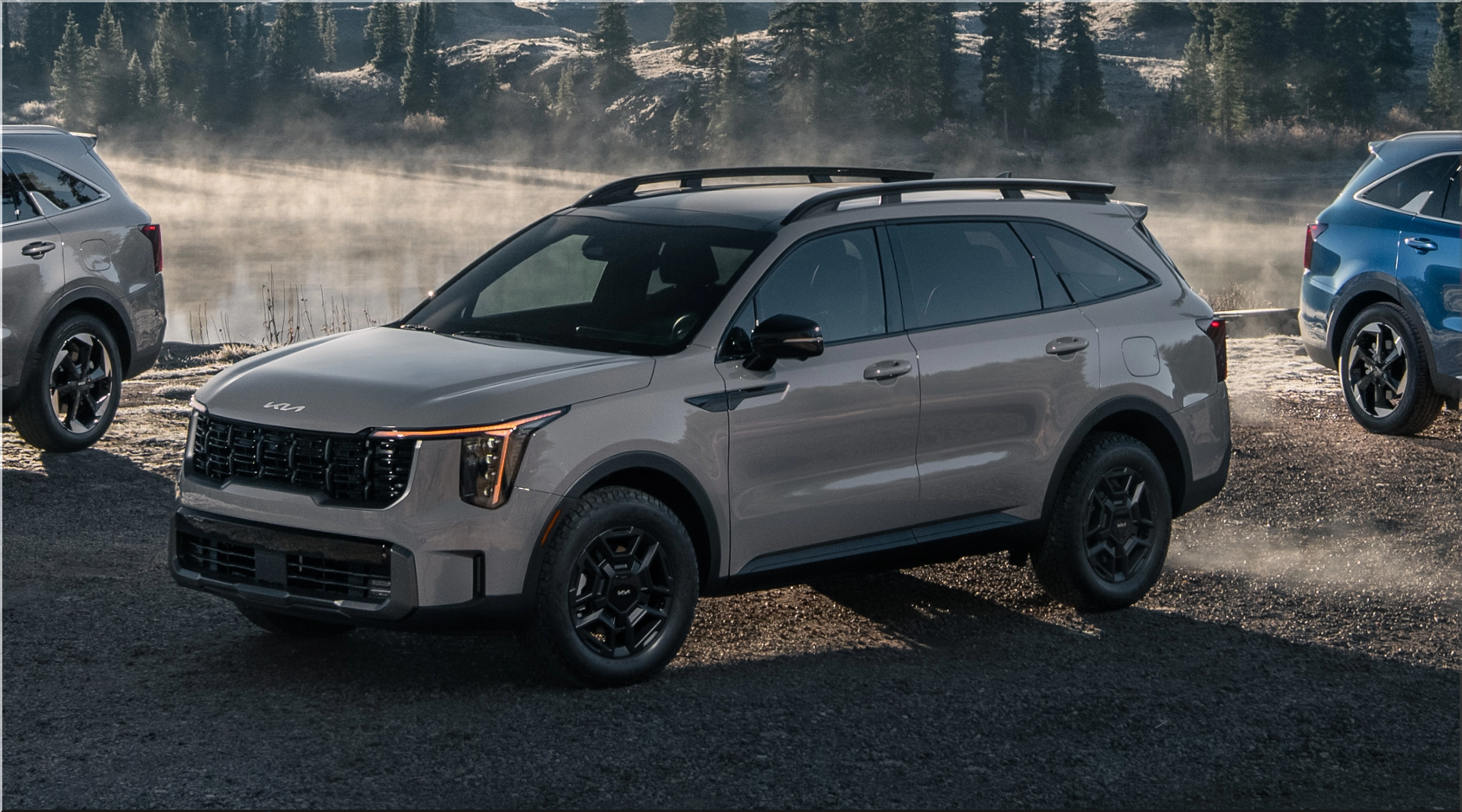
The new X-Line SX-Prestige variant introduces a series of visual and functional upgrades for buyers seeking a more aggressive appearance and premium feel. Standard exterior enhancements include:
- Gloss black 19-inch wheels with gunmetal accents
- Black window surrounds, roof rails, and mirror caps
- Dark gunmetal grille surround and bumper trim
- Blackout fender garnish
- X-Line badging replacing the standard HEV badge
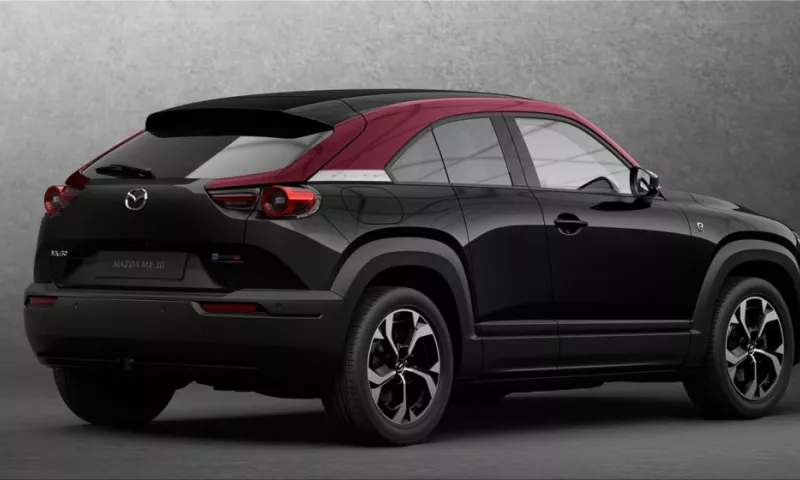
The blackout treatment moves Sorento closer to trends seen in competitors like the Mazda CX-90 PHEV and Jeep Grand Cherokee 4xe, which emphasize performance-oriented styling even on hybrid variants.
Interior and Technology: Functional Refinements
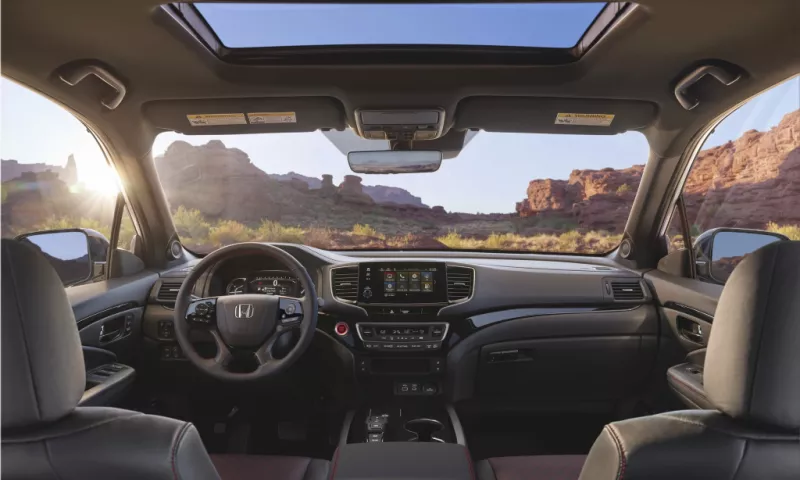
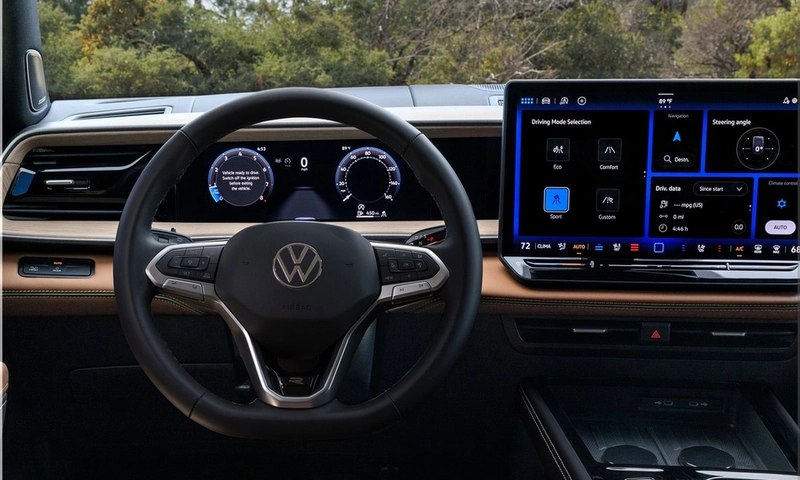
Kia has updated the cabin for 2026 with practical improvements over aesthetic overhauls. The most notable change is a new steering wheel design that integrates hands-on detection — a subtle but important update for vehicles equipped with driver-assistance systems. This technology enhances safety by ensuring driver engagement during semi-automated driving.
Other key changes:
- Dust Blue interior package removed from the lineup
- One-tone black leather interior added
- Second-row bench seat now standard (replaces captain’s chairs)
- EX Premium Package adds back captain’s chairs, Bose premium audio, and panoramic roof
These changes improve the Sorento's appeal to families who prioritize passenger capacity and infotainment features without compromising on comfort.
Market Context: Kia’s Hybrid Strategy
The Sorento Hybrid plays a strategic role in Kia's electrification roadmap. Positioned between the Sportage Hybrid and Telluride, it offers a middle ground for buyers who want a three-row hybrid without moving to a plug-in model or fully electric SUV.
Kia’s hybrid lineup now spans five models in the U.S.:
- Niro HEV – Subcompact crossover focused on efficiency
- Sportage HEV – Compact SUV with a value-driven feature set
- Sorento HEV – Midsize three-row hybrid for families
- Sorento PHEV – Plug-in hybrid with electric-only capability
- Carnival HEV (upcoming) – Minivan alternative with hybrid efficiency
This multi-tier approach is designed to capture different buyer segments while meeting tightening U.S. emissions regulations. The Sorento HEV is particularly important because it offers a combination of size, price, and efficiency that appeals to the largest slice of the U.S. family SUV market.
Key Standard Features by Trim Level
Sorento HEV EX (FWD/AWD):
- 1.6-liter turbocharged hybrid powertrain
- 6-speed automatic transmission
- Standard 2nd-row bench seat
- 8-inch touchscreen with wireless Apple CarPlay and Android Auto
- Forward Collision-Avoidance Assist
- Terrain Mode (AWD only)
Sorento HEV SX Prestige (AWD):
- 12.3-inch dual panoramic display
- Bose Premium Audio system
- Panoramic sunroof
- Heated and ventilated front seats
- Surround View Monitor
- Blackout exterior styling (X-Line package)
This approach — offering meaningful standard features even on the base trim — has been a core part of Kia’s competitive edge. It helps justify the $38,890 starting price and reduces dependency on costly option packages.
Strategic Pricing Analysis
The 2026 Sorento HEV is priced to pressure competitors without triggering a race to the bottom. Its base price is roughly:
- $2,000 less than a similarly equipped Toyota Highlander Hybrid LE AWD
- $1,500 less than a Honda Pilot Sport Hybrid (expected 2026 pricing)
- $3,000 less than the Ford Explorer Hybrid Limited AWD
Even at the top end, the SX Prestige AWD undercuts the Explorer Platinum Hybrid by more than $4,000 while matching or exceeding its feature content. Kia's pricing strategy positions the Sorento as a high-value proposition for families considering a hybrid SUV but unwilling to spend luxury-brand money.

Fuel Efficiency and Powertrain Outlook
While official EPA figures for the 2026 model are not yet published, the Sorento Hybrid is expected to continue offering a balance between efficiency and usable power. The outgoing model delivered:
- Combined fuel economy: ~37 mpg (FWD)
- Combined fuel economy: ~35 mpg (AWD)
The hybrid system — a 1.6-liter turbocharged four-cylinder paired with a 44 kW electric motor — produces a combined 227 horsepower. This output remains competitive against the Highlander Hybrid (243 hp) and Explorer Hybrid (318 hp) while maintaining significantly better fuel economy than the latter.
Target Buyer and Market Outlook
Kia is targeting a specific slice of the hybrid SUV market: buyers seeking a three-row vehicle with improved efficiency, modern safety tech, and lower ownership costs without moving into premium territory.
This group includes:
- Families transitioning from traditional gas SUVs
- Buyers seeking a second vehicle with hybrid efficiency
- Fleet managers prioritizing total cost of ownership
Given rising fuel costs and stricter emissions policies, the midsize hybrid SUV segment is expected to grow by more than 20% between 2025 and 2027. The Sorento HEV is positioned to capture a significant share of that growth, particularly among value-focused buyers.
Competitive Edge in 2026
The 2026 Kia Sorento Hybrid will compete in one of the most crowded SUV segments, but its mix of pricing, feature content, and hybrid technology provides several competitive advantages:
- Aggressive pricing relative to Toyota, Ford, and Honda
- Standard Terrain Mode and expanded AWD usability
- Family-focused interior upgrades and enhanced safety tech
- X-Line styling package appealing to younger, design-conscious buyers
Kia’s broader strategy also includes increasing U.S. assembly and supply chain localization, which could insulate the Sorento from price fluctuations tied to tariffs or import costs — a growing concern in 2026 and beyond.
Final Take
The 2026 Kia Sorento Hybrid does not redefine the segment, but it tightens Kia’s position in the midsize hybrid SUV race. The pricing is competitive, the feature set is stronger, and the updates reflect a brand focused on practical gains over flashy promises.
Kia’s hybrid strategy relies on incremental improvement, not radical redesigns. And with this model, that’s enough. The Sorento HEV remains one of the best-value three-row hybrid SUVs in the U.S. market, offering families a practical and efficient alternative without pricing them out of the segment.
- Add new comment
- 194 views