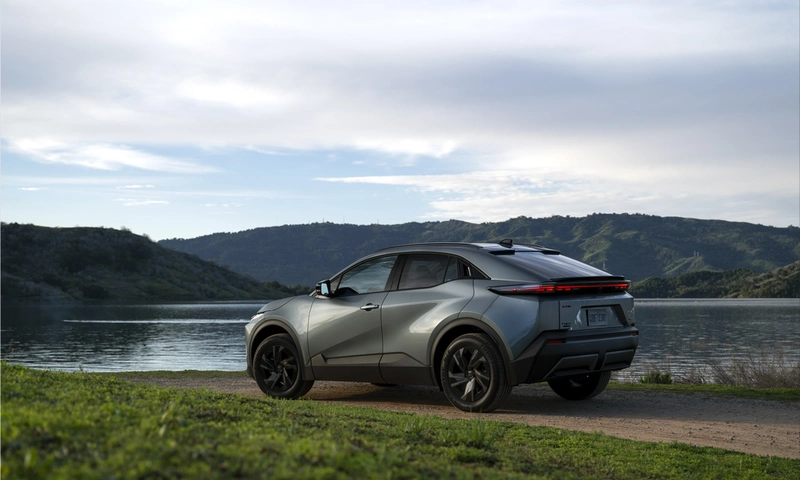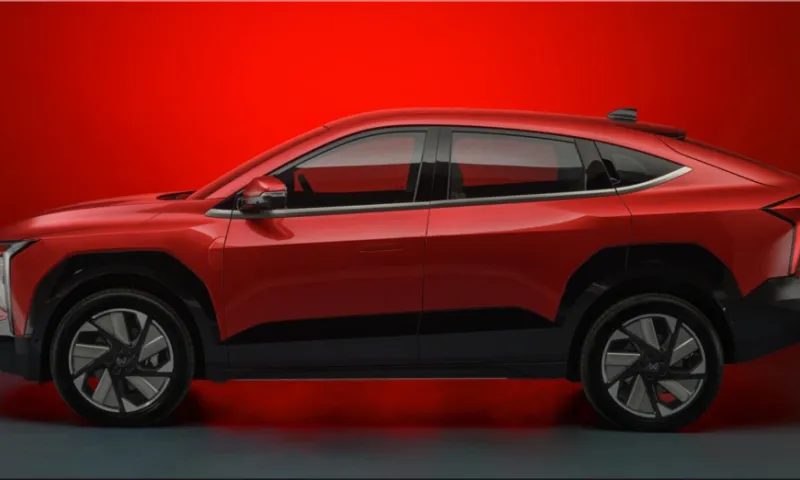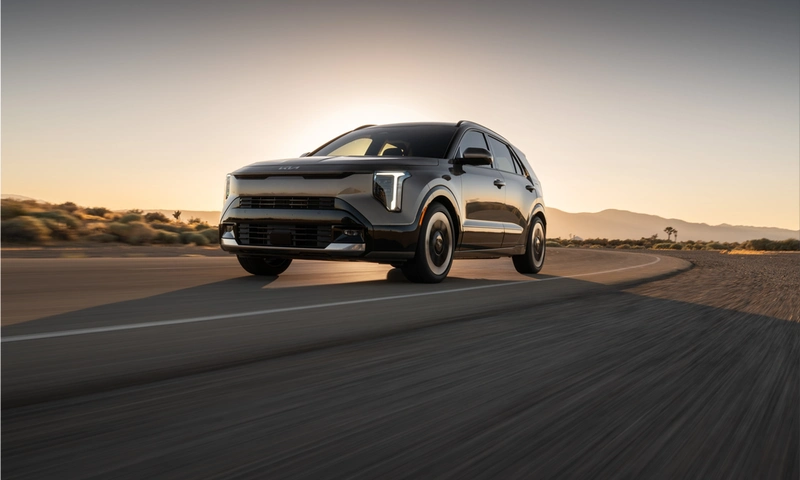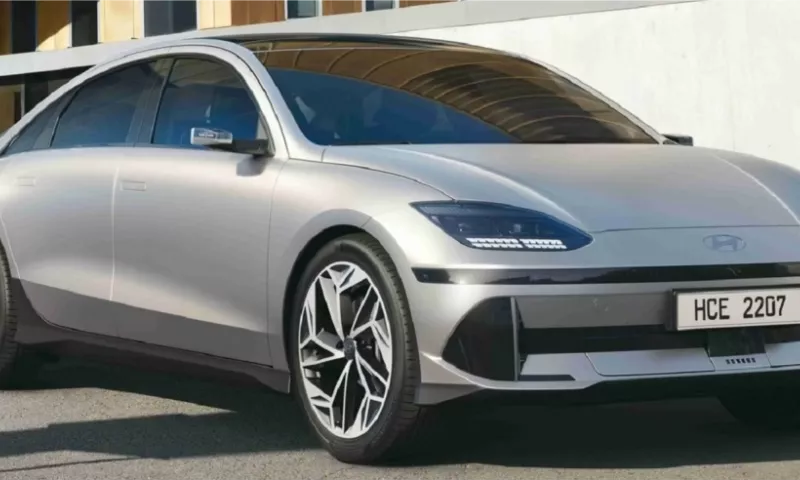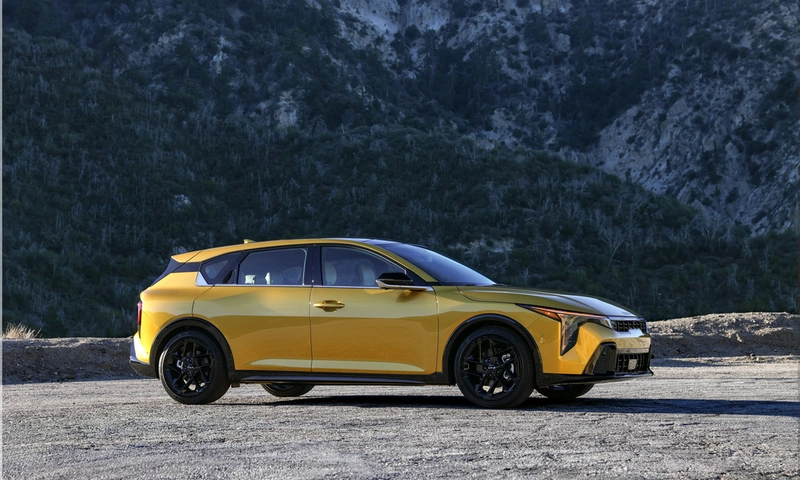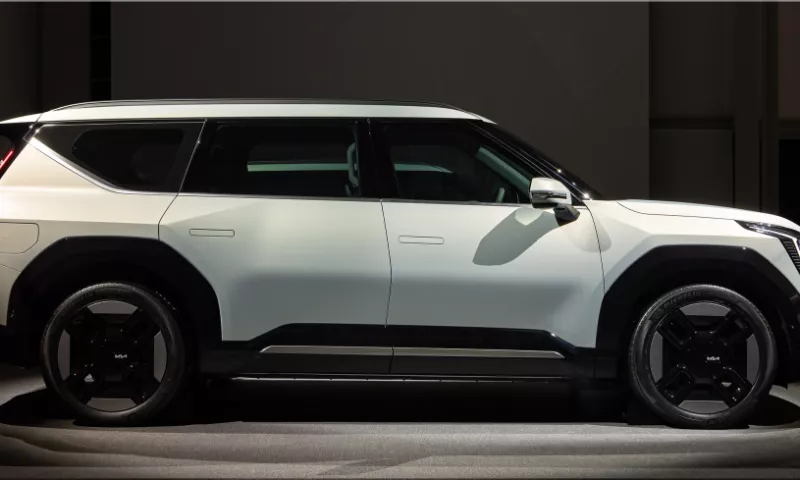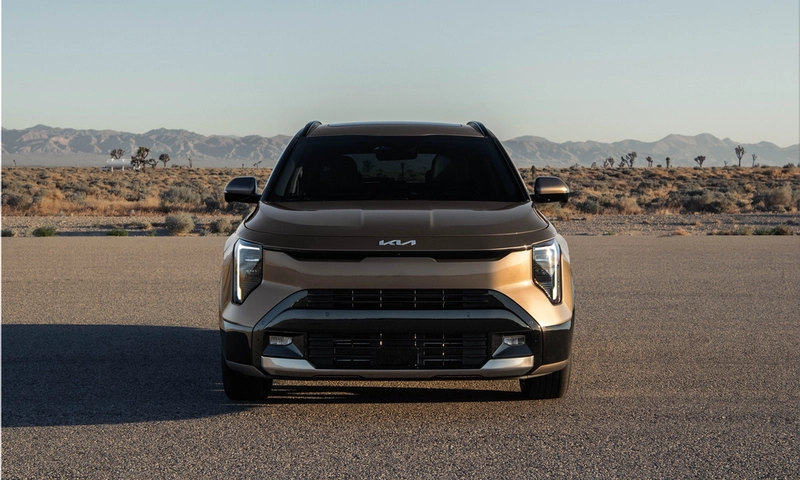
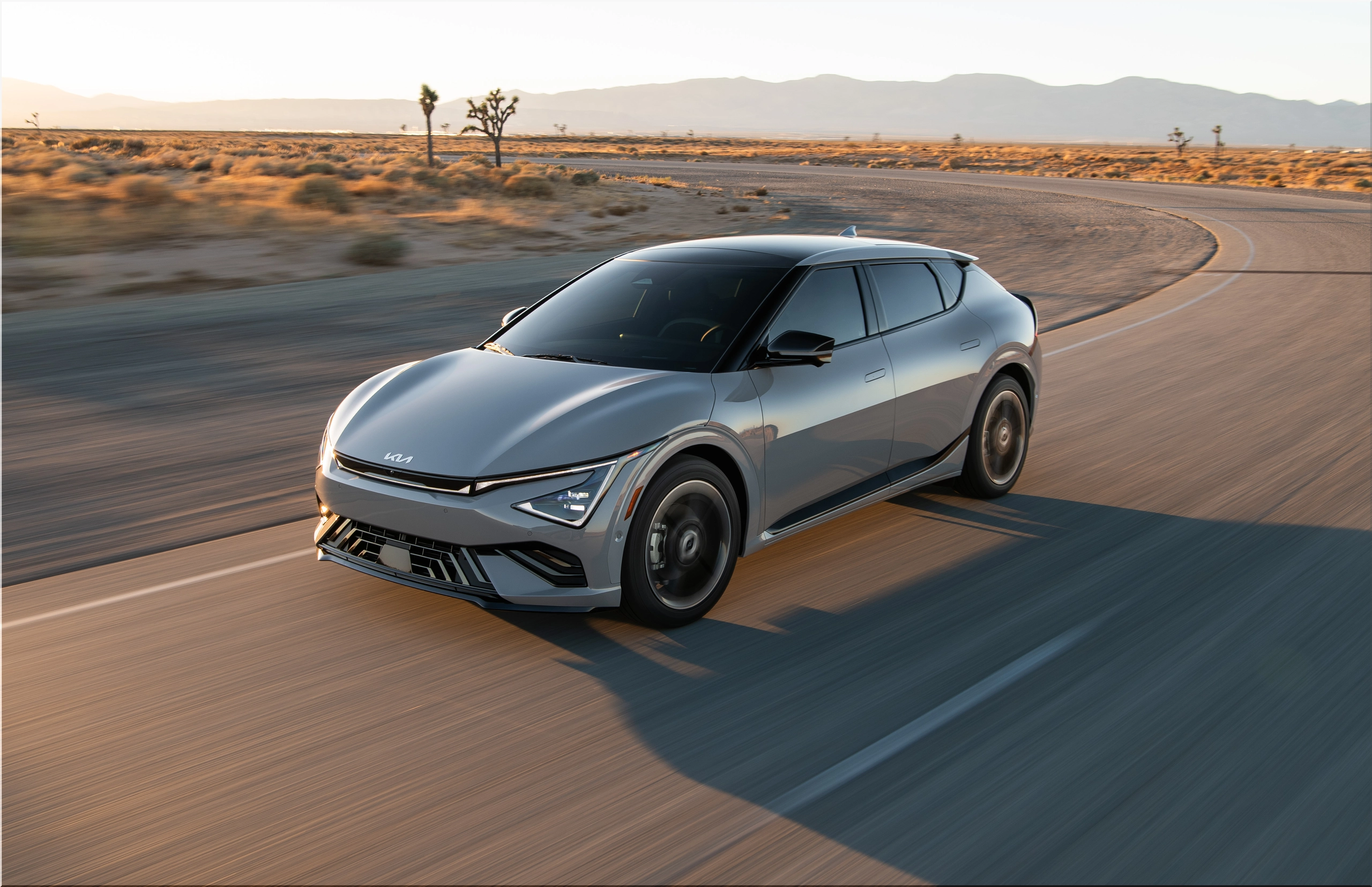
Kia has made the 2026 Kia EV6 much easier to take seriously. The electric crossover now starts at $37,900 before the $1,545 destination charge, which puts its real entry price at $39,445. That figure matters because EV shoppers have become less patient with expensive promises and more focused on range, charging access, and monthly payment logic.
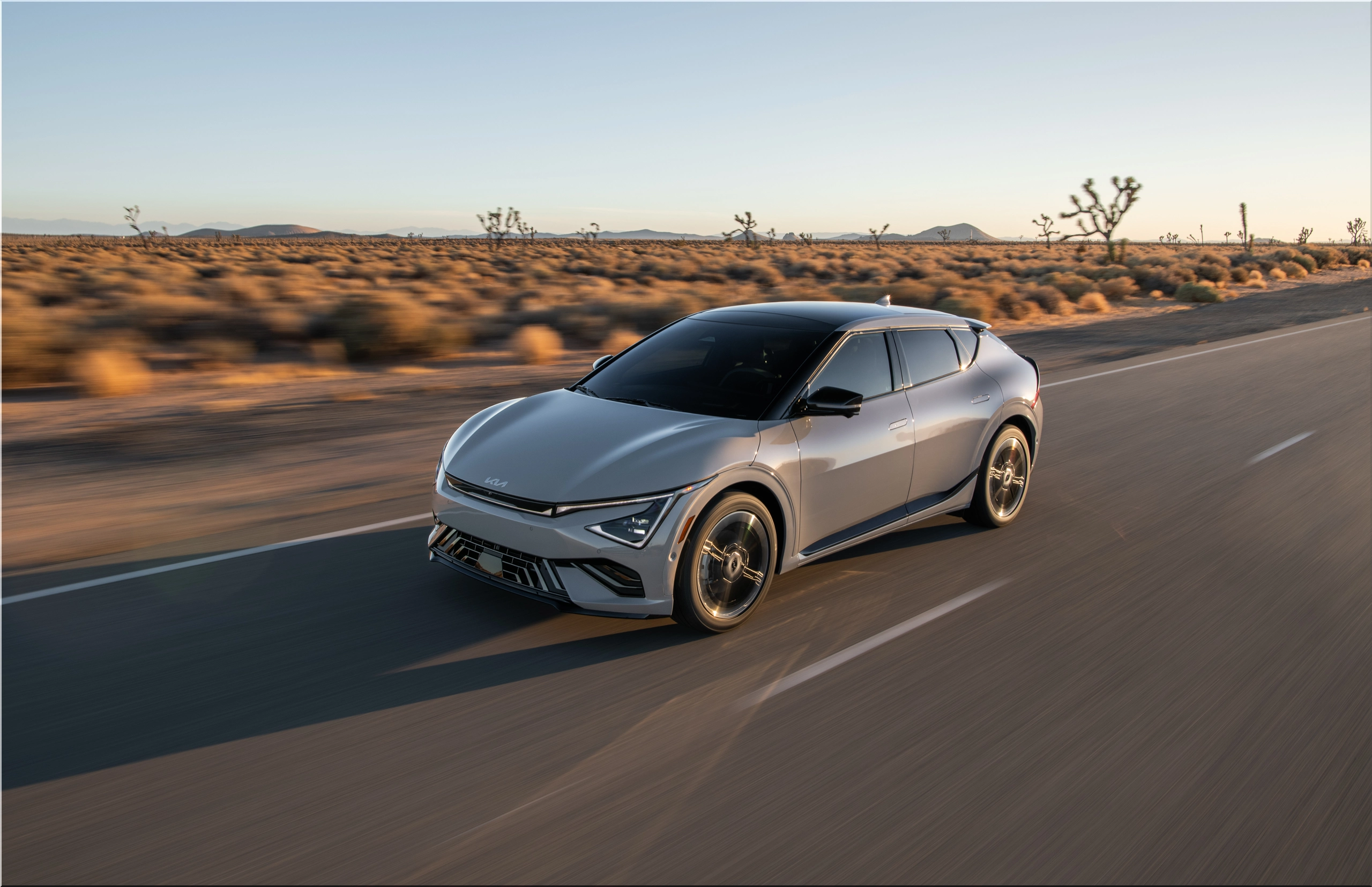
The EV6 already had the hardware. It brought an 800-volt electrical architecture, sharp styling, fast DC charging, and a cabin with genuine family-car space. For 2026, Kia gives it the one upgrade that can move search interest into showroom traffic: a lower price.
This is Kia reading the room. EV demand has cooled from its early frenzy, hybrids have gained momentum, and buyers now compare electric crossovers against cheaper, familiar gasoline and hybrid SUVs. Consequently, the 2026 Kia EV6 price cut turns the EV6 from an interesting electric crossover into a better value argument.
2026 Kia EV6 Pricing Makes The Lineup Easier To Understand
The 2026 EV6 lineup starts with the Light Standard Range RWD and moves through Light Long Range, Wind, and GT-Line trims. Kia keeps the trim ladder simple enough for buyers who hate spreadsheet shopping, but the real story sits in the gap between the base model and the long-range trims.
| 2026 Kia EV6 Trim | Drivetrain | MSRP | Destination Charge | Effective Starting Price |
|---|---|---|---|---|
| Kia EV6 Light Standard Range | RWD | $37,900 | $1,545 | $39,445 |
| Kia EV6 Light Long Range | RWD | $41,200 | $1,545 | $42,745 |
| Kia EV6 Light Long Range | AWD | $45,200 | $1,545 | $46,745 |
| Kia EV6 Wind | RWD | $44,800 | $1,545 | $46,345 |
| Kia EV6 Wind | AWD | $48,800 | $1,545 | $50,345 |
| Kia EV6 GT-Line | RWD | $48,700 | $1,545 | $50,245 |
| Kia EV6 GT-Line | AWD | $53,000 | $1,545 | $54,545 |
The EV6 Light Long Range RWD now looks like the smart-money trim. It adds the larger battery without dragging buyers too far past the $40,000 psychological line. In addition, it gives shoppers the range and charging speed that make an EV feel usable outside the daily commute.
The base Light Standard Range still has a purpose. It works for drivers with predictable routes, home charging, and no strong need for long-distance flexibility. But the Long Range RWD trim gives the EV6 its strongest ownership case.
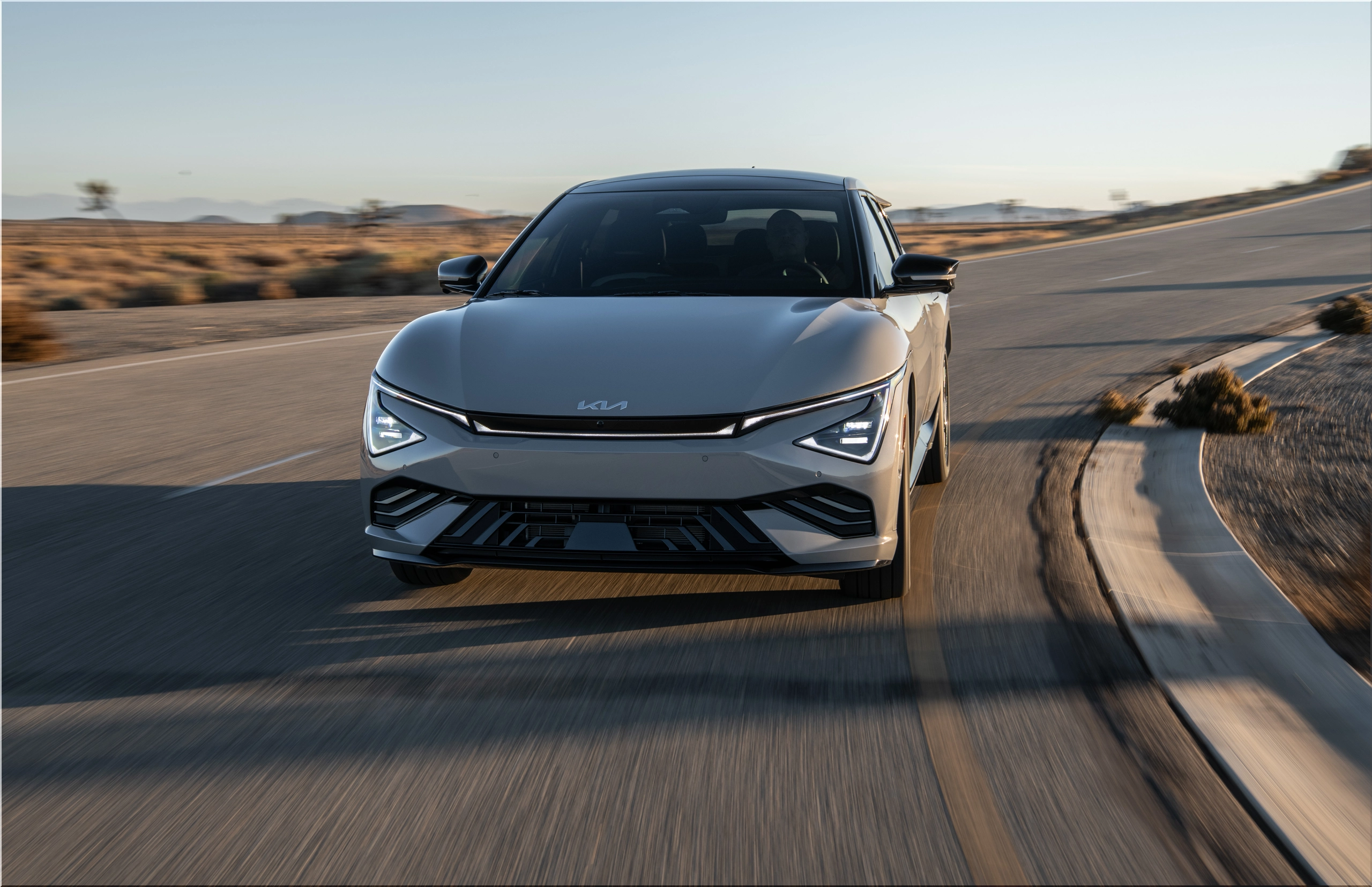
Battery, Power, And Range: The Specs That Matter
The 2026 Kia EV6 uses two battery sizes. The entry model uses a 63.0-kWh battery, while long-range versions use an 84.0-kWh battery. That larger pack changes the EV6 from a commuter EV into a legitimate road-trip-capable crossover.
Rear-wheel-drive models prioritize efficiency. All-wheel-drive versions add a second motor, stronger acceleration, and better traction, but they also cost more and usually give up some range.
| Specification | Light Standard Range RWD | Long Range RWD | Long Range AWD |
|---|---|---|---|
| Battery Capacity | 63.0 kWh | 84.0 kWh | 84.0 kWh |
| Horsepower | 167 hp | 225 hp | 320 hp |
| Torque | 258 lb-ft | 258 lb-ft | 446 lb-ft |
| EPA Range Estimate | 237 miles | Up to 319 miles | Up to 295 miles |
| Motor Layout | Rear motor | Rear motor | Dual motor |
| Best Buyer Fit | Urban and suburban commuting | Range-focused daily use | Snow, hills, and stronger acceleration |
Looking at the data, the EV6 Long Range RWD gives the cleanest balance. It uses the larger battery, avoids the extra weight and drag of a front motor, and stretches range to an estimated 319 miles. That makes it the trim most buyers should price first.
The AWD versions bring a different personality. With 320 horsepower and 446 lb-ft of torque, the EV6 gains the punch that many drivers expect from a modern electric crossover. The added grip also helps in cold-weather states, where wet pavement, snow, and steep driveways can make rear-drive EVs feel less confident.
Charging Speed Remains The EV6 Advantage
The EV6 still has one of the strongest charging arguments in its class. Its 800-volt charging architecture allows fast energy intake on compatible high-output DC chargers. Under ideal conditions, the EV6 can charge from 10 percent to 80 percent in about 18 minutes.
That number has practical value. A driver who stops with a low battery can add substantial range during a coffee break instead of planning a long meal around charging. The system also helps reduce the mental tax that comes with EV road trips.
For 2026, Kia adds a standard dual-voltage charging cable, which gives owners more flexibility at home and on the road. Some buyers overlook cables and adapters during the shopping process, then regret it after delivery. Kia solves part of that problem up front.
Pro-Tip: Do Not Shop Range Alone
A long EPA range number helps, but charging speed can matter more on interstate trips. A slower-charging EV with a large battery can still waste time at public chargers. The EV6 pairs strong range with fast charging, which gives it a real advantage for drivers who take weekend trips or long family drives.
Size, Cabin Space, And Daily Use
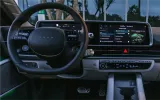
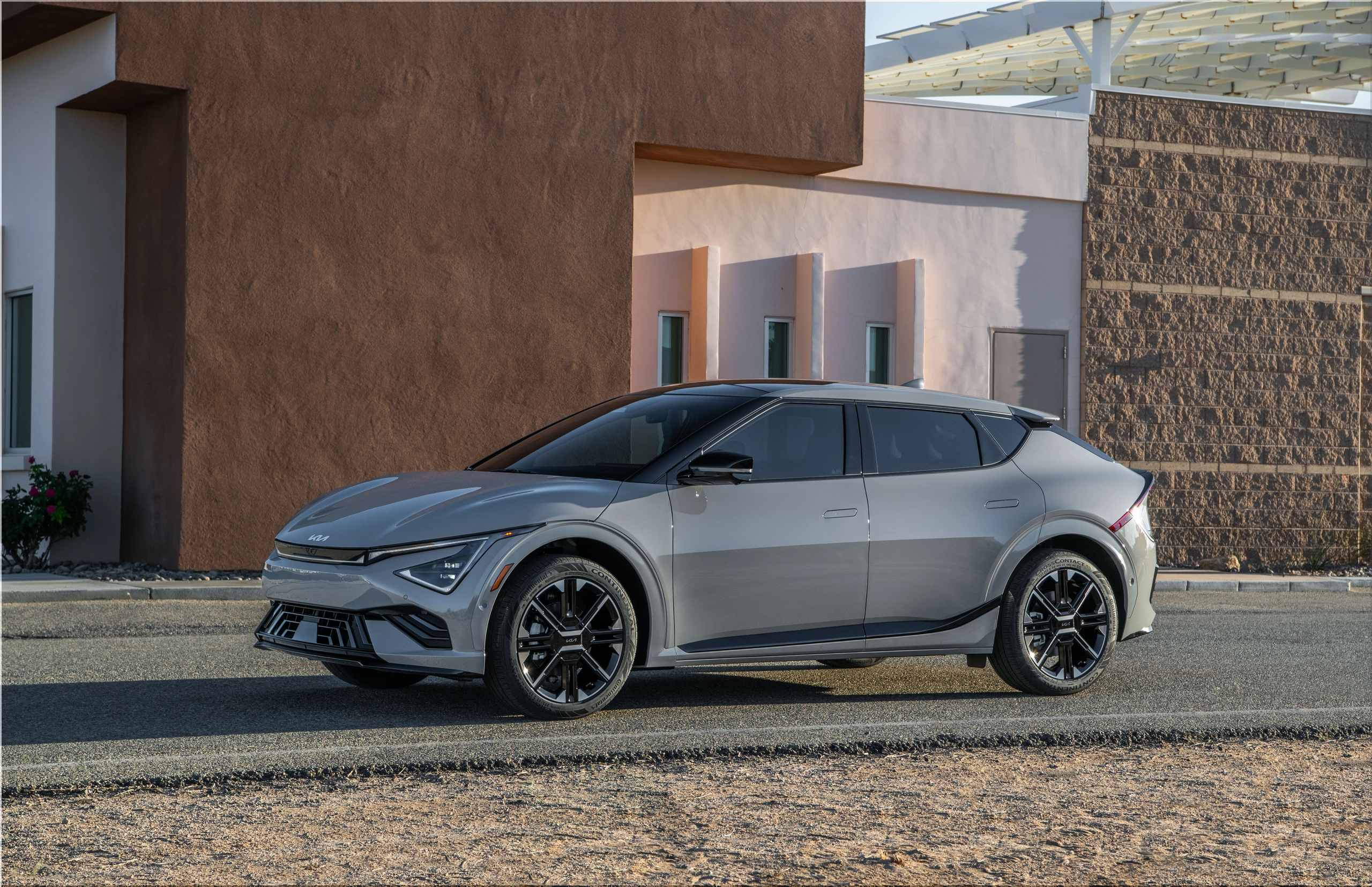
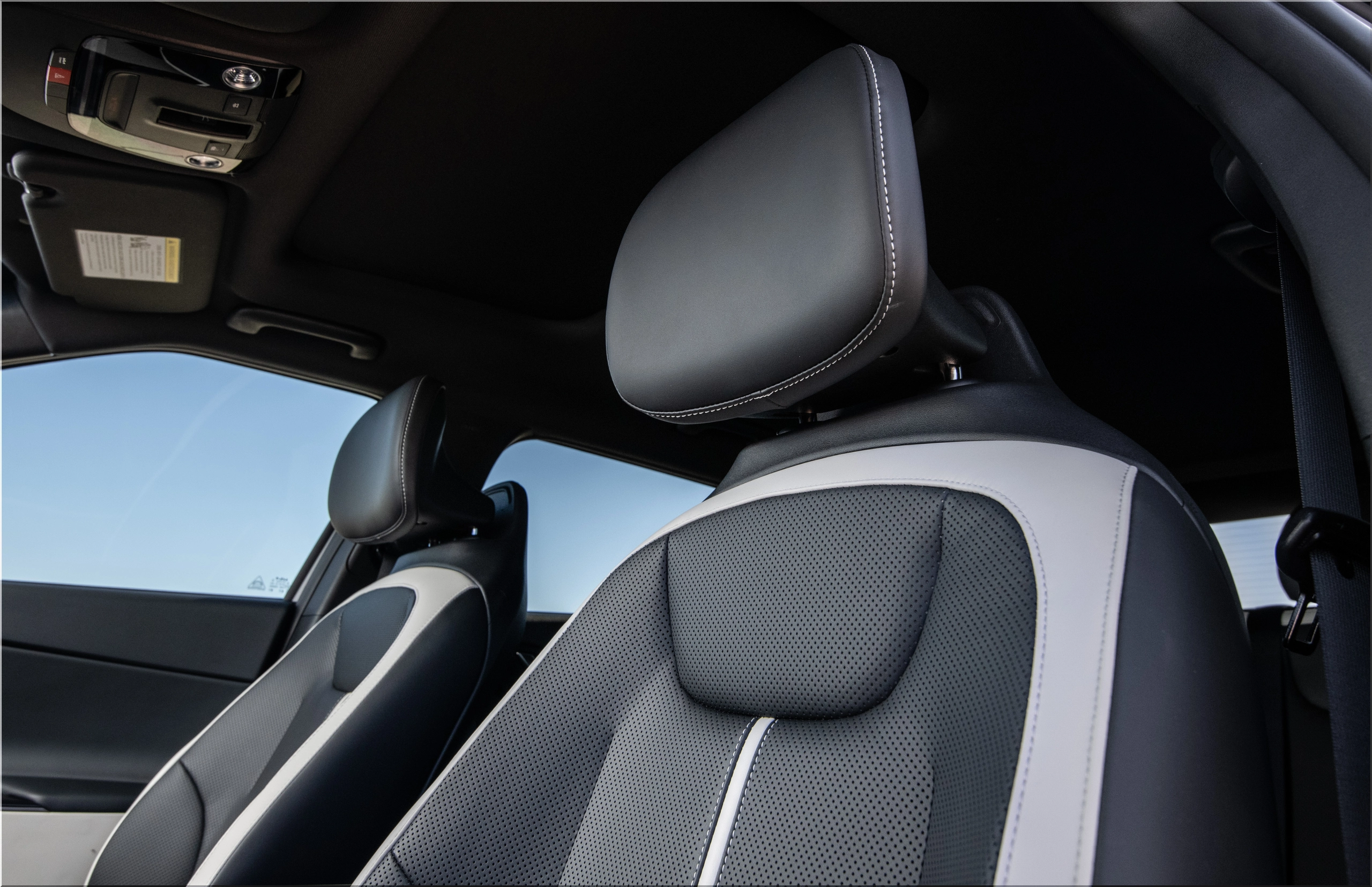
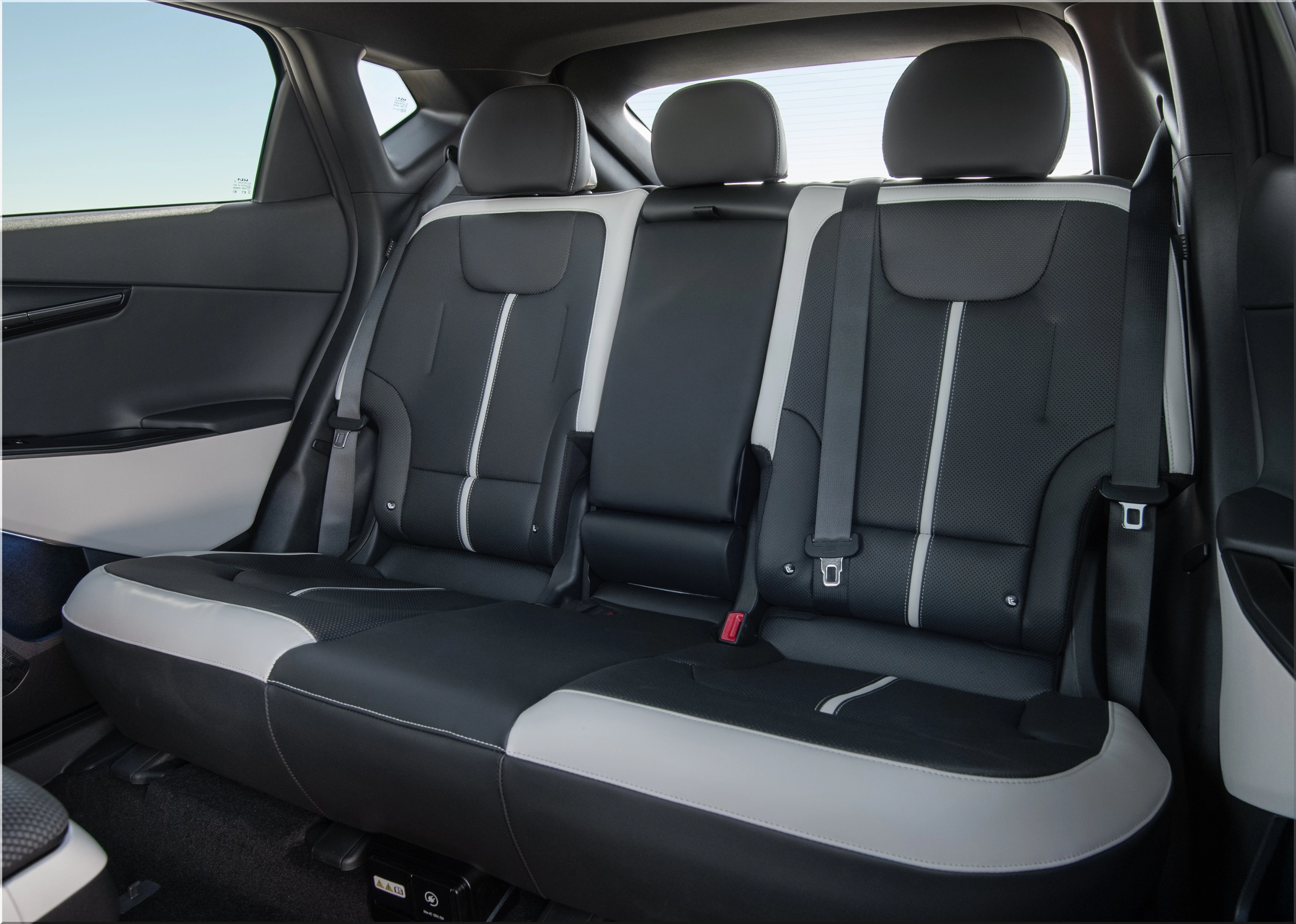
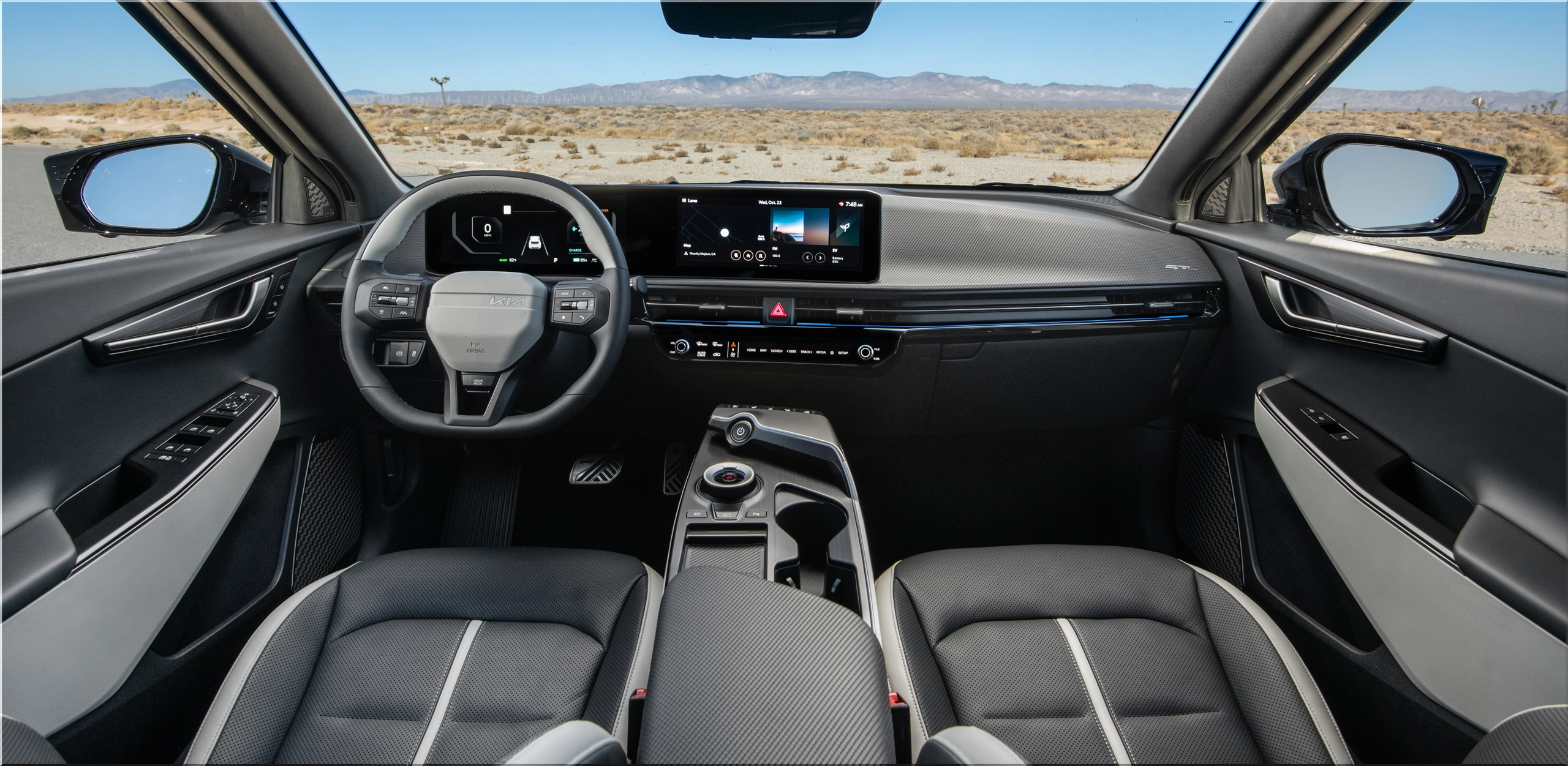
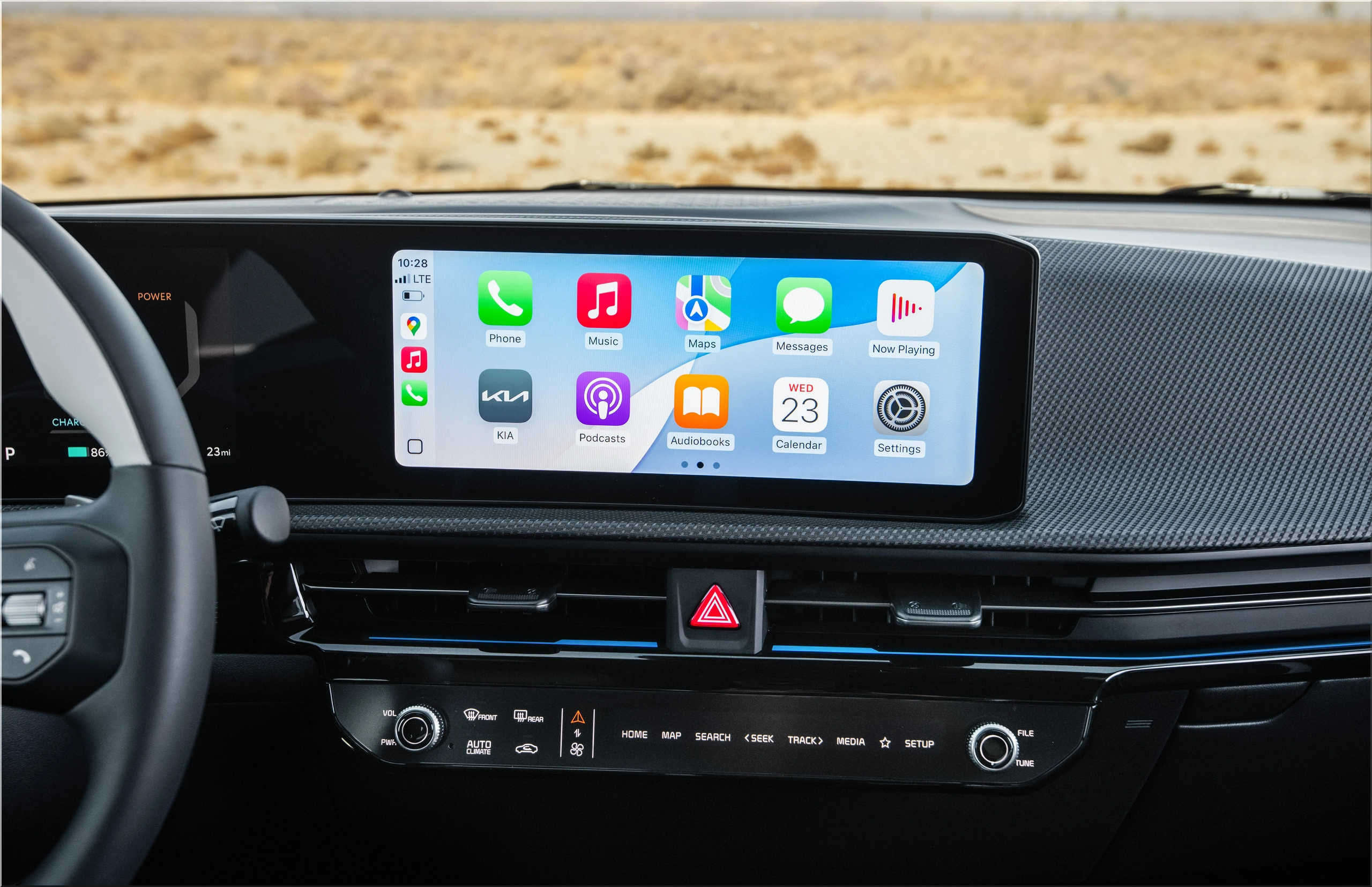
The EV6 measures about 184.8 inches long, 74.4 inches wide, and 60.8 inches tall. Its 114.2-inch wheelbase does a lot of heavy lifting inside the cabin. Because Kia packages the battery under the floor, passengers get a flat cabin layout and strong rear-seat legroom.
Cargo space lands at roughly 24 cubic feet behind the rear seats and about 50 cubic feet with the rear seats folded, depending on configuration. That does not beat every boxy compact SUV, but it gives most families enough room for groceries, luggage, sports gear, and weekend bags.
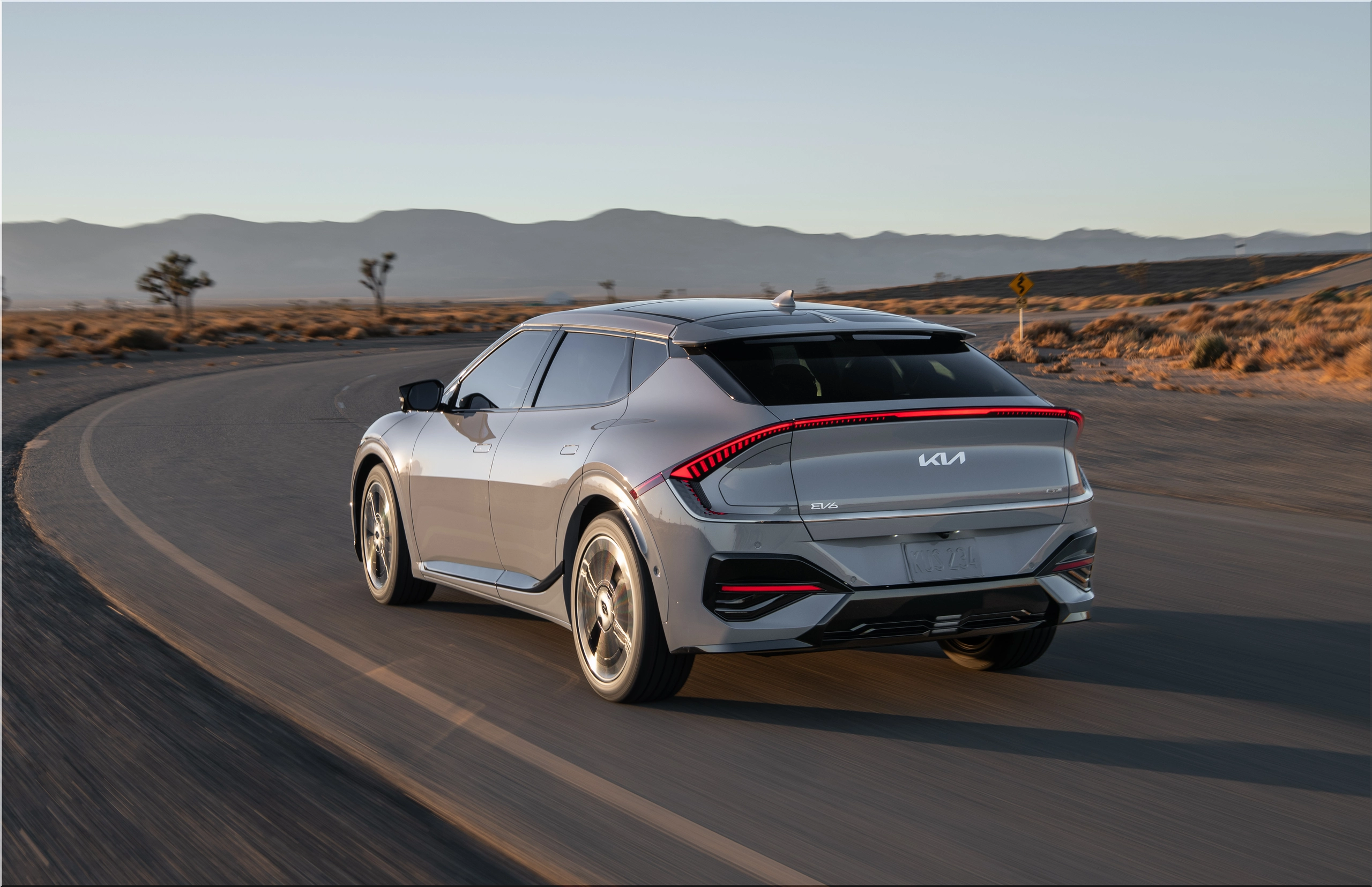
The EV6 also feels lower and more planted than many electric SUVs. Kia trades some upright cargo-box shape for sharper road manners and a sleeker profile. That decision gives the EV6 a sportier personality, though shoppers who want maximum cargo volume may prefer a more squared-off crossover.
2026 Kia EV6 Vs Key Electric SUV Rivals
The revised EV6 now sits in a much tougher fight. Tesla still controls attention, Hyundai brings similar hardware through the Ioniq 5, and Ford gives the Mustang Mach-E a familiar American name. Kia's job is to make the EV6 feel like the rational choice, not the quirky alternative.
| Model | Starting Price Range | Key Strength | Main Weakness Against EV6 |
|---|---|---|---|
| 2026 Kia EV6 | From $39,445 with destination | Fast charging, strong range, lower 2026 pricing | Less cargo-friendly shape than some rivals |
| Hyundai Ioniq 5 | Lower entry pricing in many trims | Similar charging tech, roomy cabin | Softer driving character |
| Tesla Model Y | Competitive pricing | Charging network and software | More common, less distinctive design |
| Ford Mustang Mach-E | Similar mainstream EV pricing | Dealer reach, strong brand recognition | Slower charging architecture than EV6 |
By comparison, the EV6 makes its strongest case against buyers who want speed at the charger, not just speed from a stoplight. The Tesla Model Y still has the charging-network advantage, but the EV6 counters with fast hardware, a more distinctive cabin, and a price structure that now feels less ambitious.
The Hyundai Ioniq 5 remains the family sibling and a tough internal rival. It feels roomier and more relaxed. The EV6 feels sharper and more driver-focused. That difference gives Kia a clearer identity.
Why This Price Cut Matters To Buyers
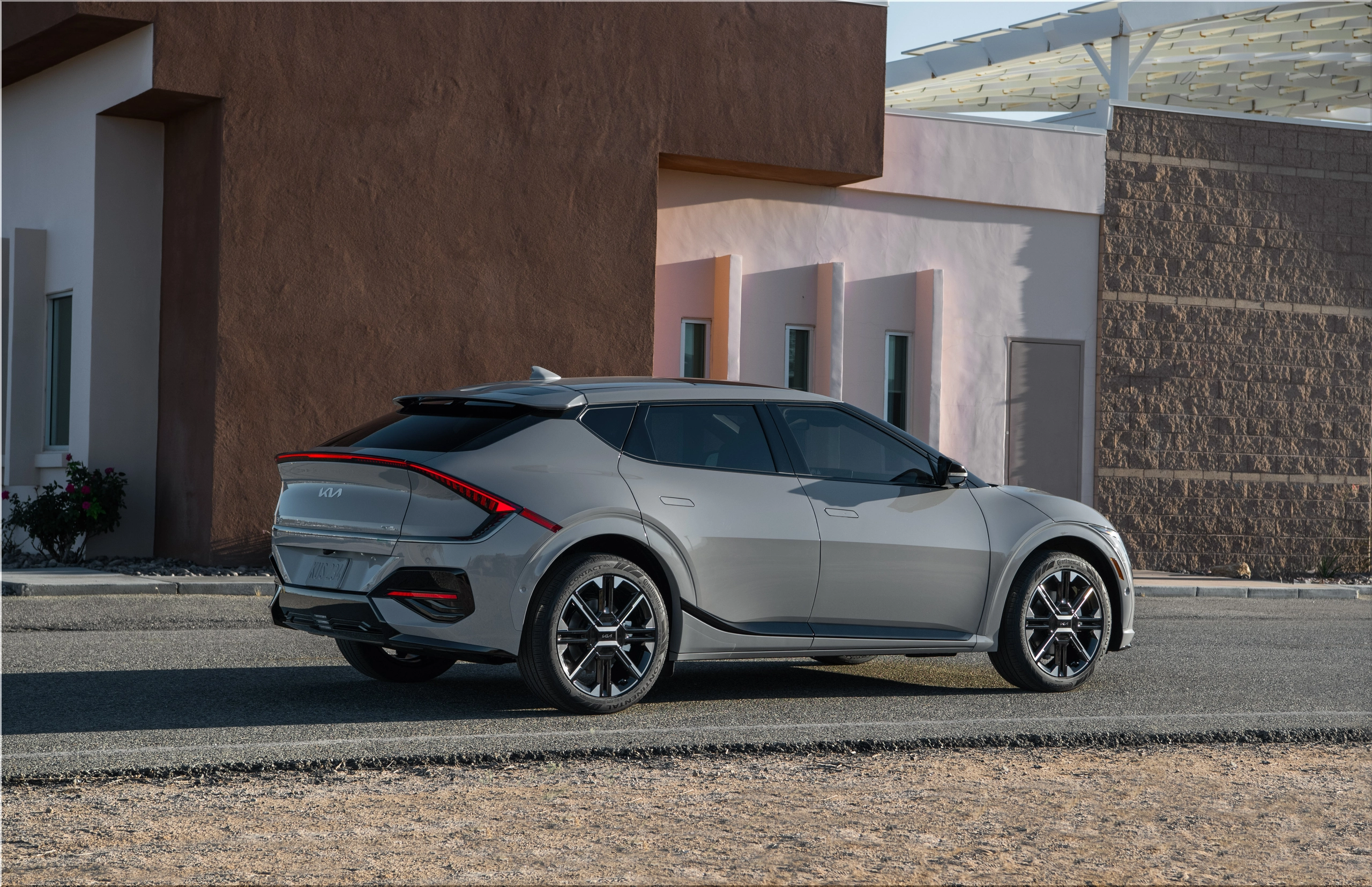
The 2026 price cut arrives at the right time. EV buyers now ask harder questions about resale value, charging access, insurance costs, and real monthly payments. Kia answers by reducing the starting point while keeping the EV6's core engineering strengths intact.
Specifically, the lower MSRP helps three types of buyers:
- First-time EV shoppers who want a known brand and strong warranty coverage.
- Commuters with home charging who want lower running costs without giving up crossover space.
- Road-trip drivers who need fast charging and more than 300 miles of estimated range.
From an expert perspective, Kia did not need to overhaul the EV6. The platform already worked. The pricing needed help. Now the car makes more sense before the test drive starts.
Which 2026 Kia EV6 Trim Should You Buy?
Buy the 2026 Kia EV6 Light Long Range RWD if you want the best balance of price, range, and charging performance. It gives you the larger battery, an estimated range of up to 319 miles, and a price that stays close enough to mainstream SUV territory.
Choose the Wind AWD if you want stronger acceleration, extra traction, and more comfort features. It costs more, but it adds power that you can feel every time you merge onto a highway or pass a slow truck on a two-lane road.
Pick the GT-Line AWD only if design, tech, and performance feel worth the extra money. It looks sharper and drives with more confidence, but value shoppers should run the numbers carefully.
The Takeaway: The EV6 Finally Has The Price It Needed
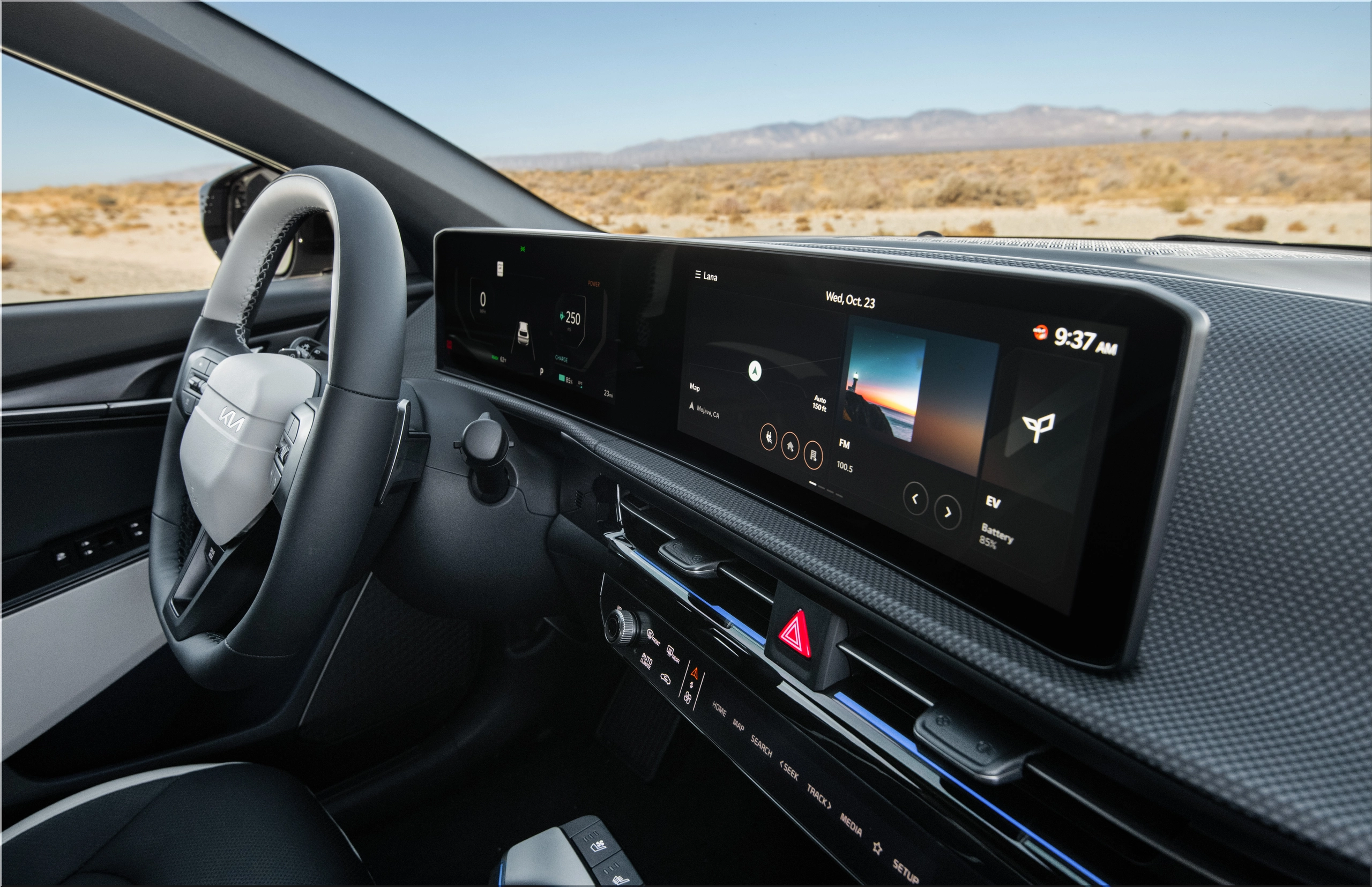
The 2026 Kia EV6 now feels better matched to the current EV market. It still brings fast charging, up to 319 miles of estimated range, available all-wheel drive, and a cabin that works for daily American driving. The difference now comes from price.
Kia did not chase gimmicks. It cut the number that buyers see first. That move gives the EV6 a cleaner path against the Tesla Model Y, Hyundai Ioniq 5, and Ford Mustang Mach-E.
For shoppers who want an electric SUV with quick charging and real range, the 2026 EV6 deserves a serious look. The Light Long Range RWD trim, in particular, hits the sweet spot. It gives buyers the hardware that matters without forcing them into the most expensive version of the car.
- Add new comment
- 54 views