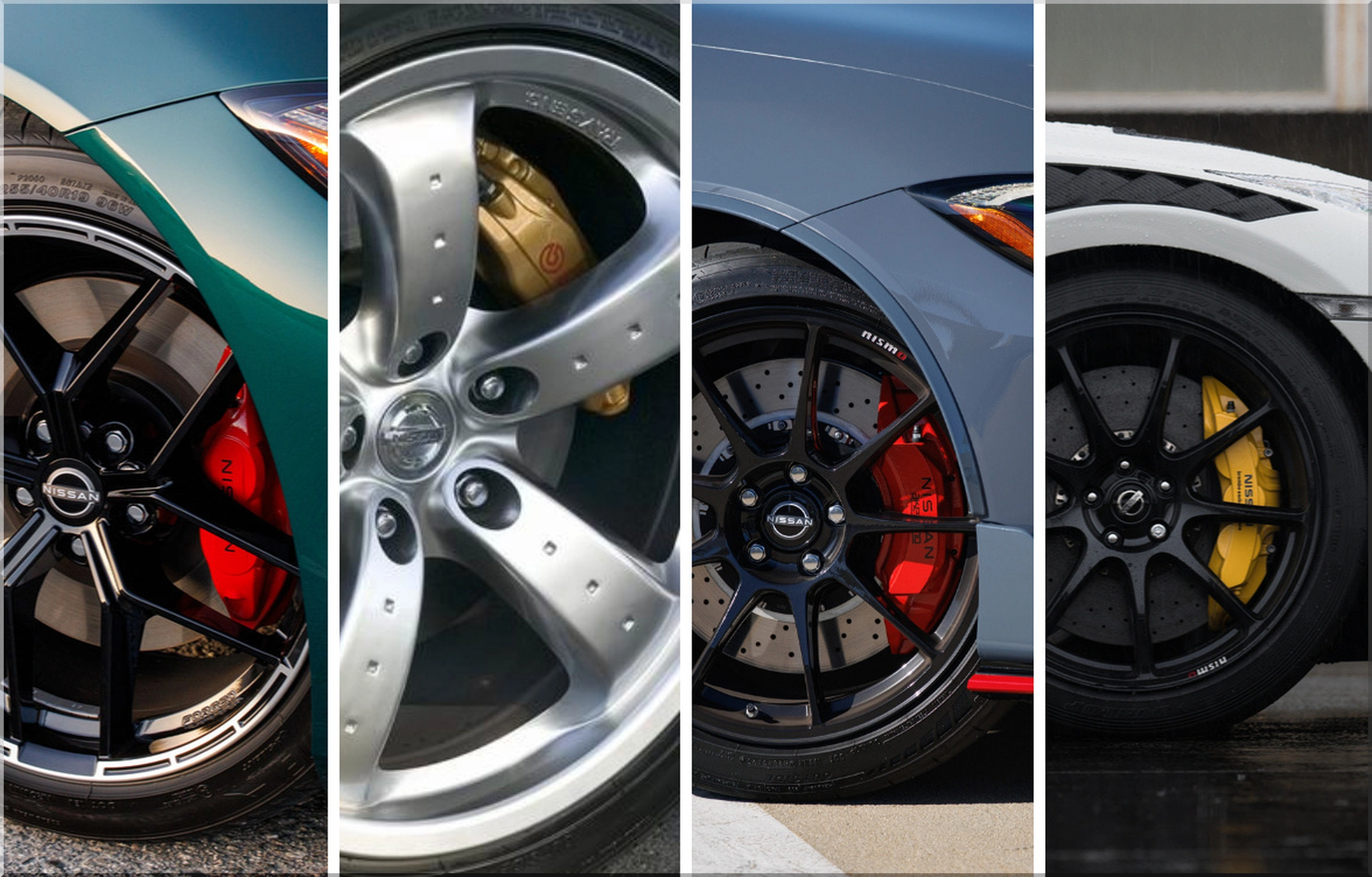
A bright caliper peeking through a wheel can look like automotive jewelry. On a Nissan, it may also reveal the brake hardware hiding behind that wheel. Silver, red, bright red, gold, and yellow each carry a message, though a few rare Nissans break their own rules.
Color can help shoppers separate an everyday setup from serious track hardware in seconds. Yet paint never replaces a spec sheet or inspection. This guide explains what each Nissan brake caliper color means and how buyers should read the code.
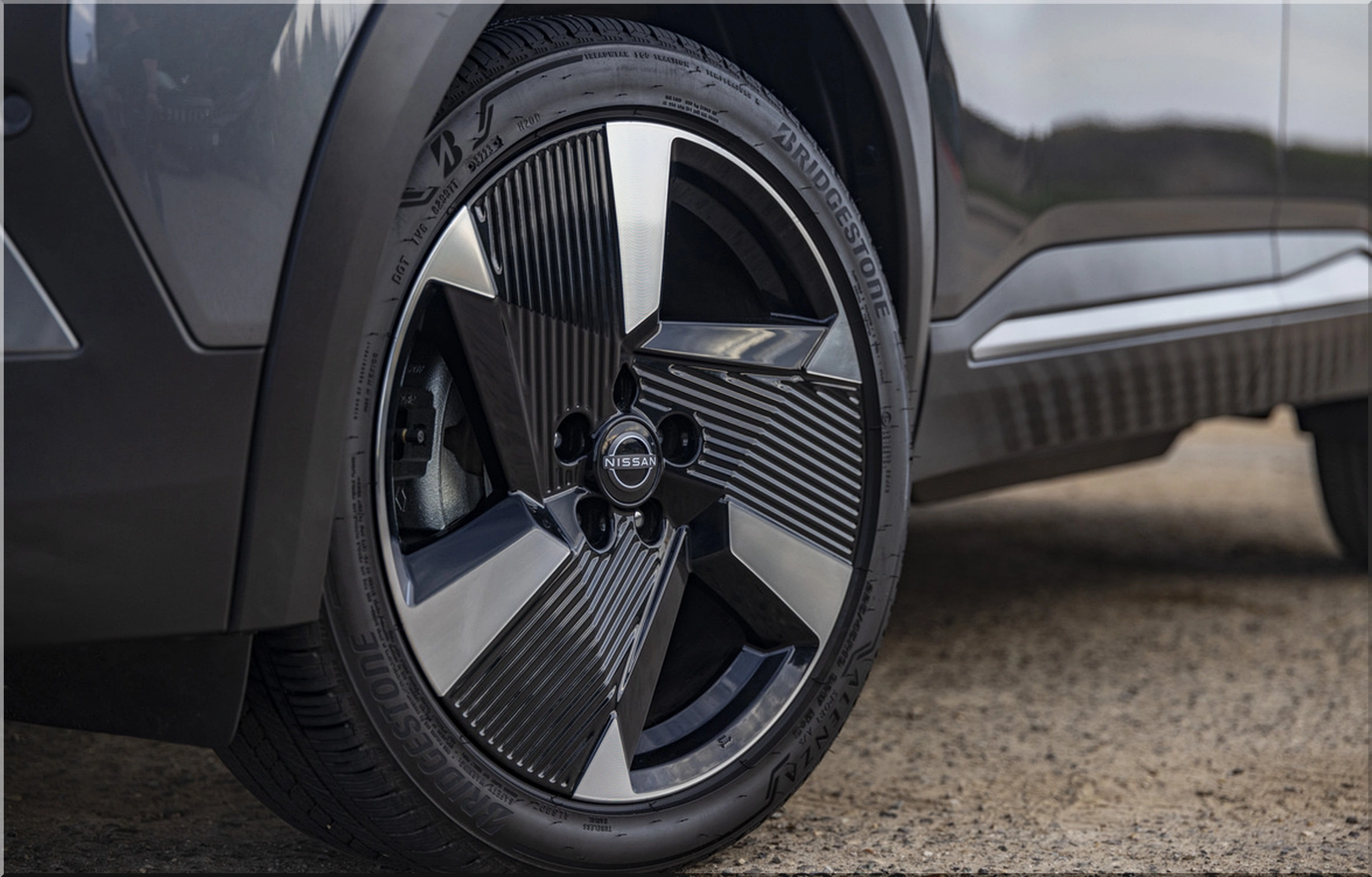
Nissan Brake Caliper Colors at a Glance
Nissan uses caliper color as visual shorthand for braking capability. The hierarchy starts with common silver hardware and rises toward rare yellow carbon-ceramic brakes. Nissan traces this idea to the GT-R, where visible brake hardware became part of the car's performance character.
| Caliper color | Main meaning | Nissan example | Key hardware clue |
|---|---|---|---|
| Silver | Everyday braking | 2027 Z Sport | Cast-iron calipers |
| Red | Higher-performance braking | 2027 Z Performance, 2026 Armada NISMO | Upgraded performance hardware |
| Bright red | Z NISMO performance tier | 2027 Z NISMO | Akebono calipers and GT-R-derived front rotors |
| Gold | Brembo braking system | R34 and R35 GT-R, 350Z Track Edition | Brembo calipers |
| Yellow | Carbon-ceramic track brakes | 2020 GT-R NISMO, 2020 GT-R Track Edition | Extreme heat and fade resistance |
Definition: Brake caliper. A brake caliper straddles the rotor and houses one or more pistons. Brake fluid pushes those pistons, which press the pads against the spinning rotor. That friction slows the wheel and converts motion into heat.
Color gives drivers a quick clue about the system that handles that heat. It does not supply a laboratory score or promise a fixed stopping distance.
Silver Brake Calipers Cover Everyday Duty
Silver sits at the base of Nissan's color code and appears across most of the lineup. Nissan tunes these systems for confident, smooth stopping during daily driving. Think school runs, highway commutes, grocery trips, and the occasional panic stop when traffic suddenly loses its manners.
Silver does not mean weak. It means Nissan places the hardware in its everyday category rather than its high-performance group.
The 2027 Nissan Z Sport Sets the Baseline
The 2027 Z Sport uses two-piston front and one-piston rear cast-iron calipers. Its rotors measure 12.6 inches at the front and 12.1 inches at the rear. Those figures provide a useful reference for the red-equipped Z Performance.
Drivers who attack a racetrack, mountain descent, or repeated high-speed braking zone create far more heat than routine traffic does. Nissan gives those users other hardware and another color.
Pro Tip: Never judge brake health by paint. A clean silver caliper can outperform a neglected red one because pad thickness, rotor condition, fluid age, tire grip, and temperature shape every stop.
Red Calipers Signal a Real Performance Upgrade
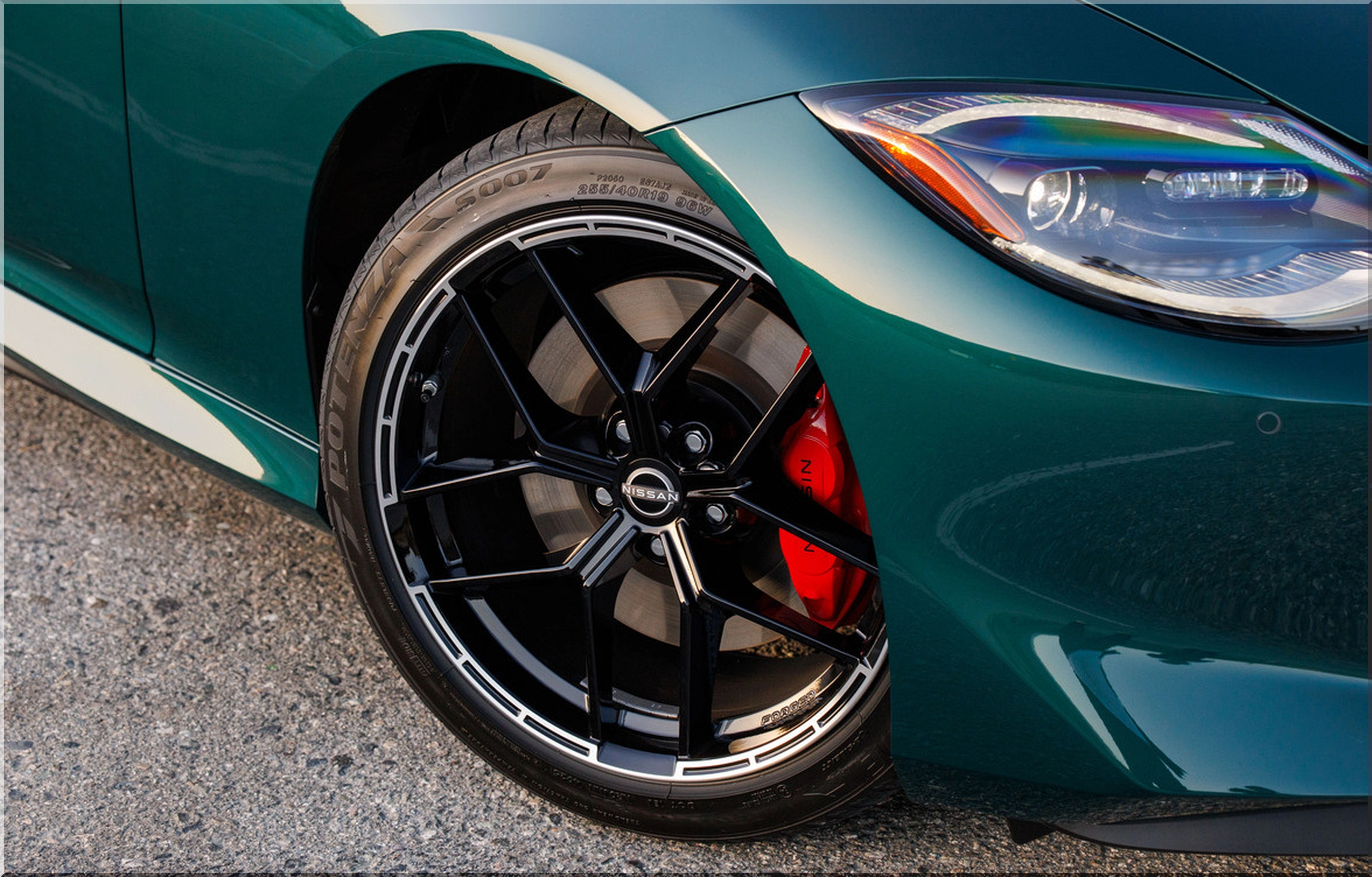
Red announces a higher-performance Nissan, and the color comes with substance. On the 2027 Nissan Z Performance, Nissan replaces the Sport's cast-iron units with aluminum Akebono calipers. The front calipers use four pistons, while the rear calipers use two.
Nissan also increases rotor size. Front diameter grows from 12.6 to 14 inches, while rear diameter rises from 12.1 to 13.8 inches. Larger rotors can manage more heat and give the caliper greater mechanical advantage. Multiple pistons can spread pressure across a larger pad more evenly.
That extra capacity helps during repeated hard braking, where heat can reduce pad friction and soften pedal response. Engineers call that loss brake fade. One emergency stop tells only part of the story; the fifth hard stop often reveals the stronger system.
The 2026 Armada NISMO also carries red calipers, paired with 13.78-inch rotors at both axles. A sports coupe and a full-size SUV bring very different mass and driving goals. Red signals a performance category, not identical parts.
Bright Red Marks the 2027 Z NISMO
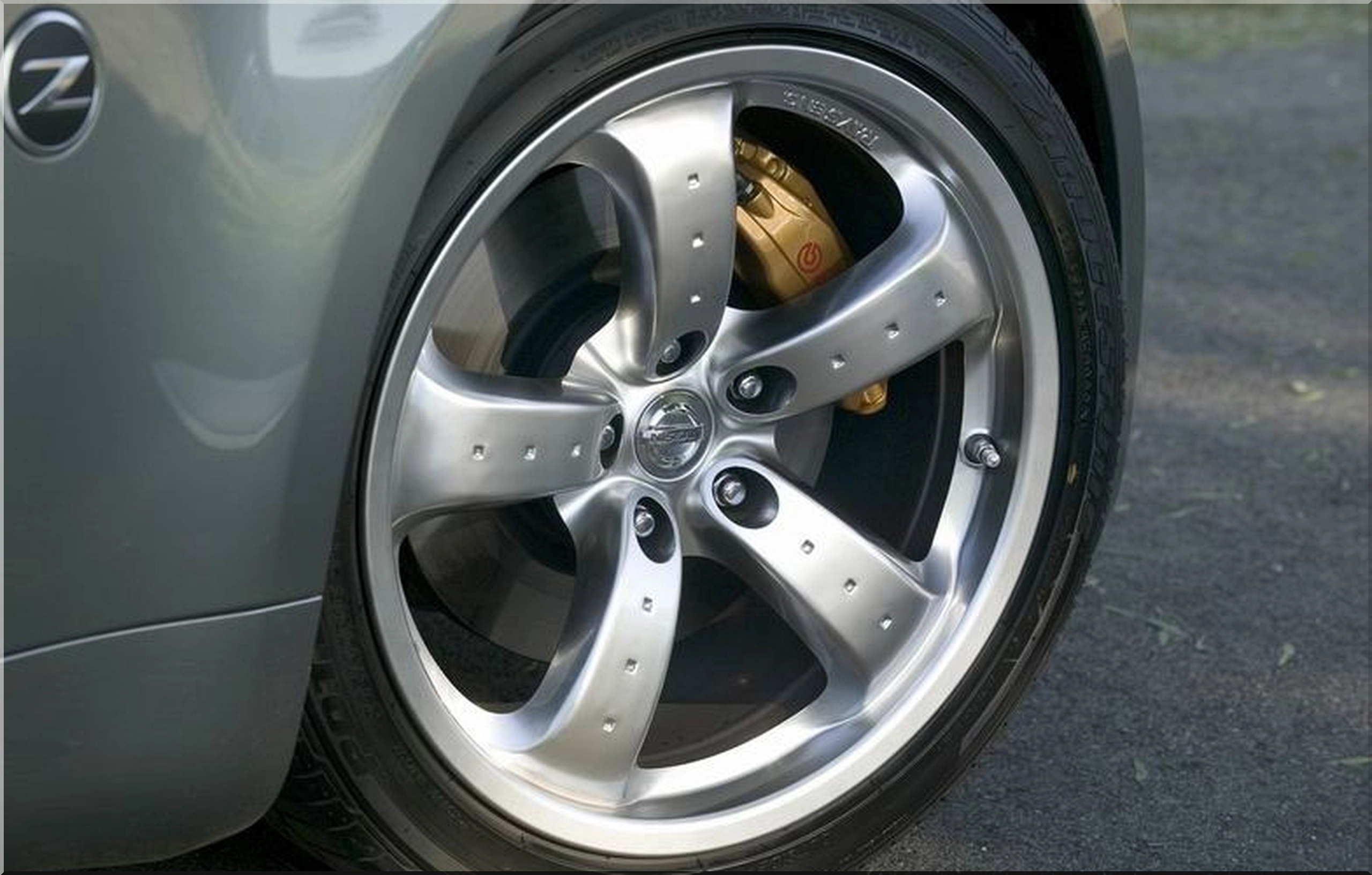
Look twice at the 2027 Z NISMO. Its calipers wear a brighter red than the Z Performance units. That difference sounds delightfully fussy until the hardware enters the conversation.
The 2027 Nissan Z NISMO brakes use bright-red Akebono calipers. Up front, the car pairs them with two-piece iron-aluminum rotors that share the GT-R's design. The front discs measure 15 inches, one inch larger than those on Z Performance. Rear discs retain a 13.8-inch diameter.
Nissan also applies paint and clear coat that withstand high temperatures. Track sessions push heat into the calipers, pads, fluid, and rotors lap after lap. Ordinary paint may discolor under that load.
Brighter paint itself does not shorten a stop. It identifies a package built to cope with repeated high-load braking.
Gold Calipers Identify Brembo Hardware
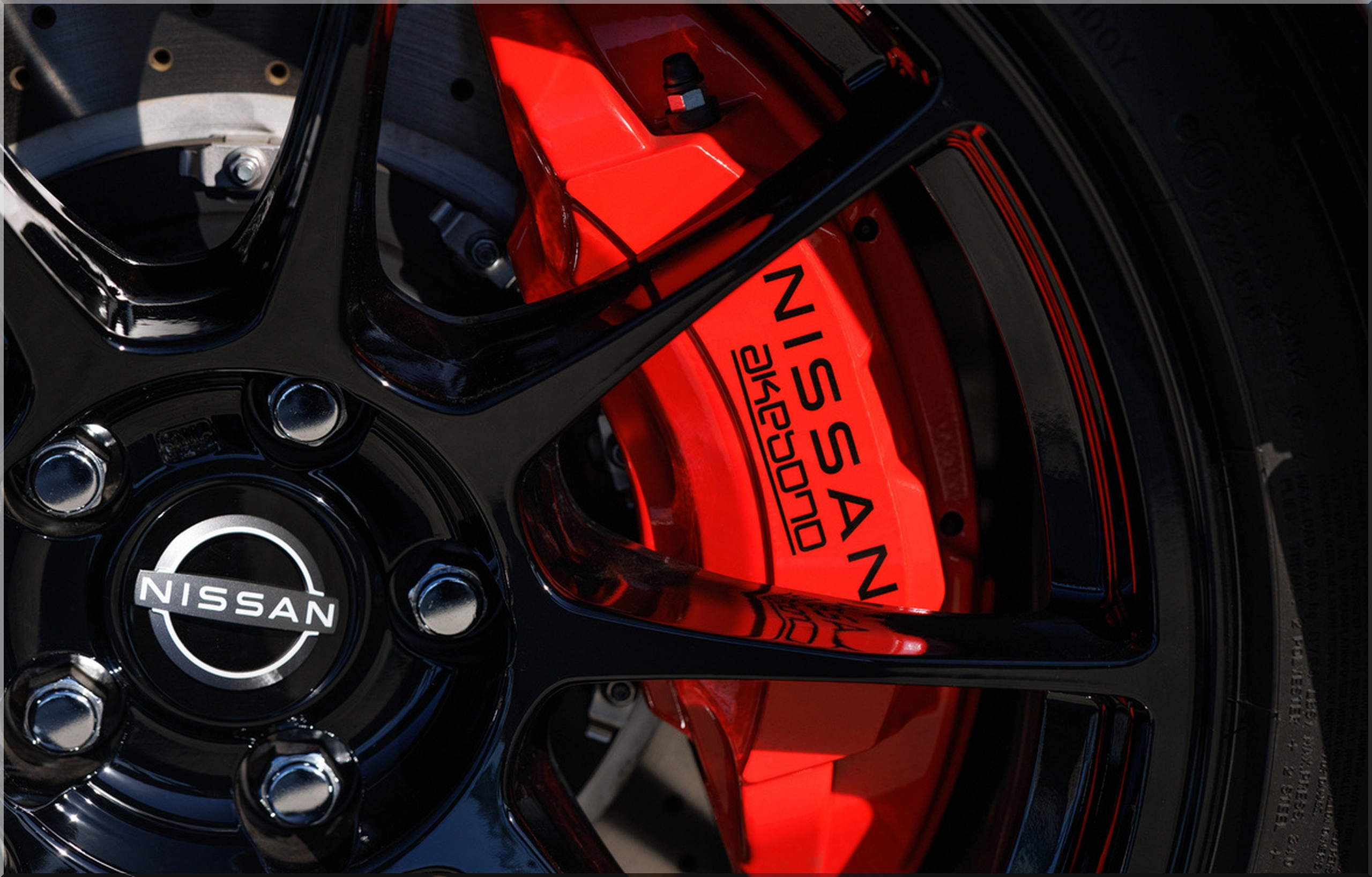
Gold carries deep history in Nissan's performance catalog. Nissan uses it to identify Brembo brakes, a name many enthusiasts connect with high-output road cars and track machines.
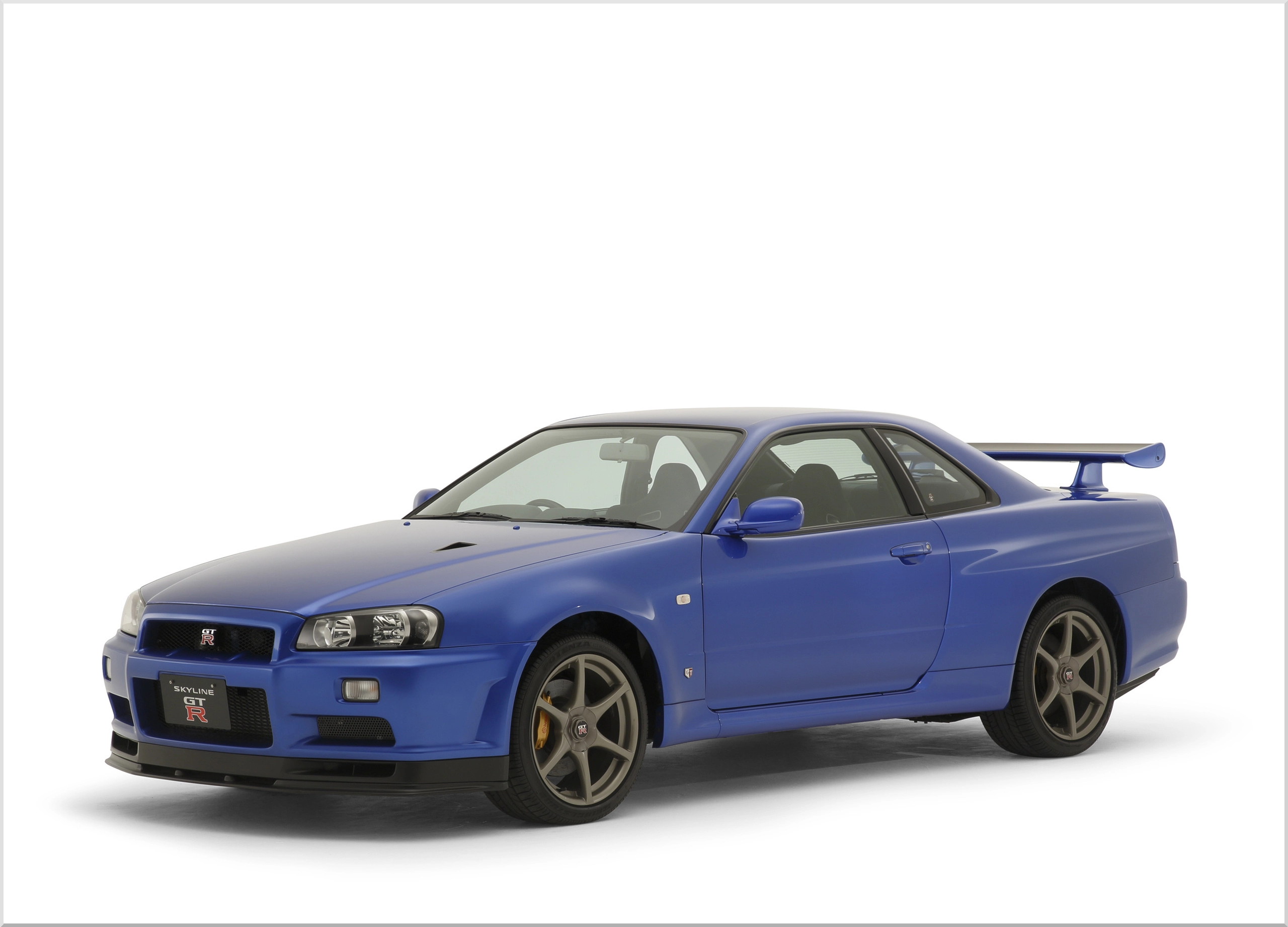
The Japan-market R34 GT-R became the first Nissan with gold calipers in 1999. Earlier GT-R models offered Brembo hardware with black calipers, so 1999 established the gold visual cue. American buyers saw gold Brembo calipers on the 2003 350Z Track Edition.
Nissan returned to gold for the R35 GT-R, which used six-piston front and four-piston rear calipers. Nissan launched that generation in Japan during late 2007 and brought it to the United States in 2008.
Many shoppers assume gold always beats red or bright red. That shortcut can mislead. Gold mainly identifies Brembo hardware within Nissan's code. Rotor material, size, caliper design, pads, tires, cooling, and vehicle mass still decide how the system performs. Cross-model colors do not work like levels in a video game.
Yellow Calipers Point to Carbon-Ceramic Brakes
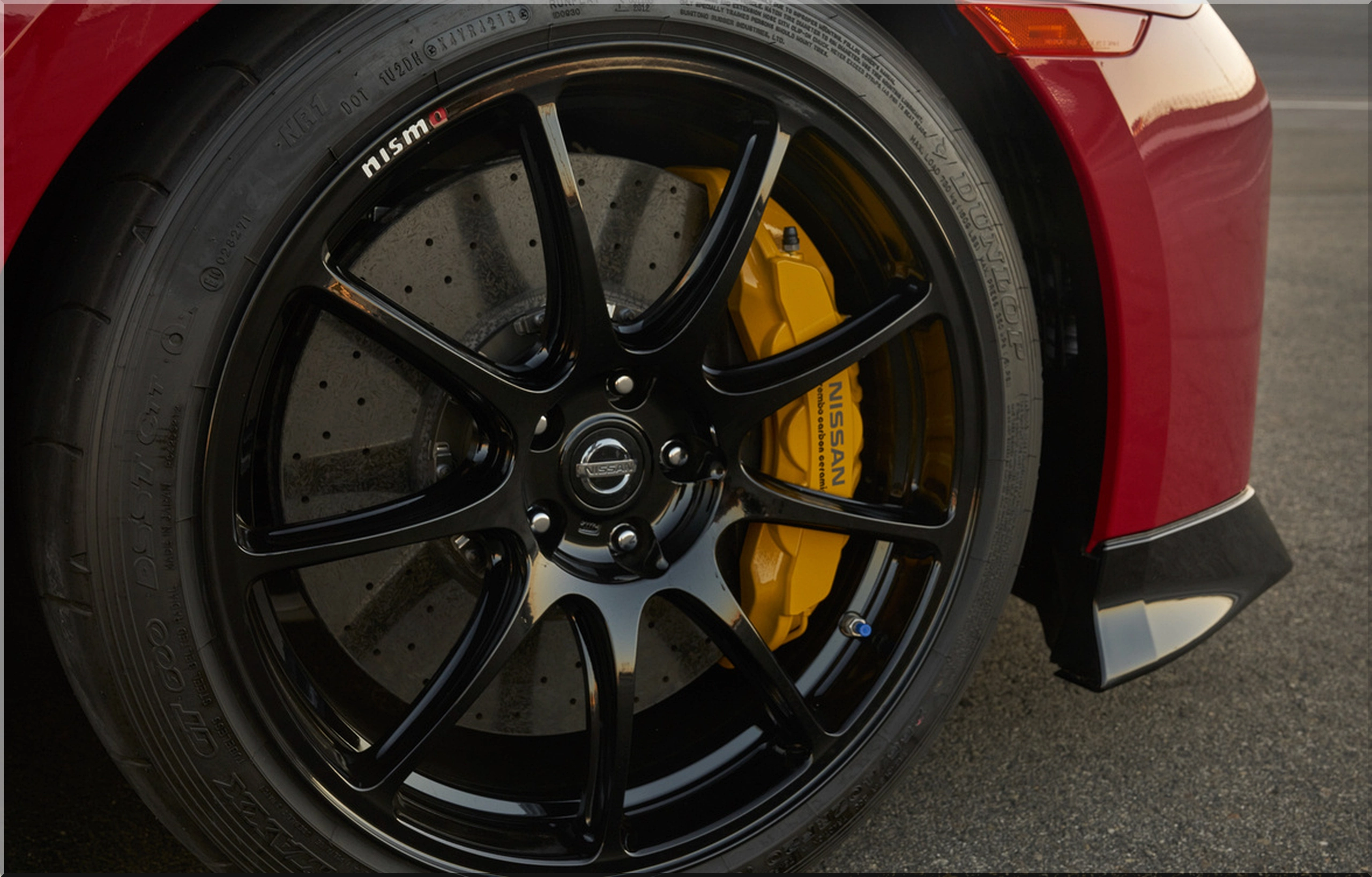
Yellow marks the rarest production tier in Nissan's system. Nissan links this color with carbon-ceramic brakes that handle repeated track laps and very high heat.
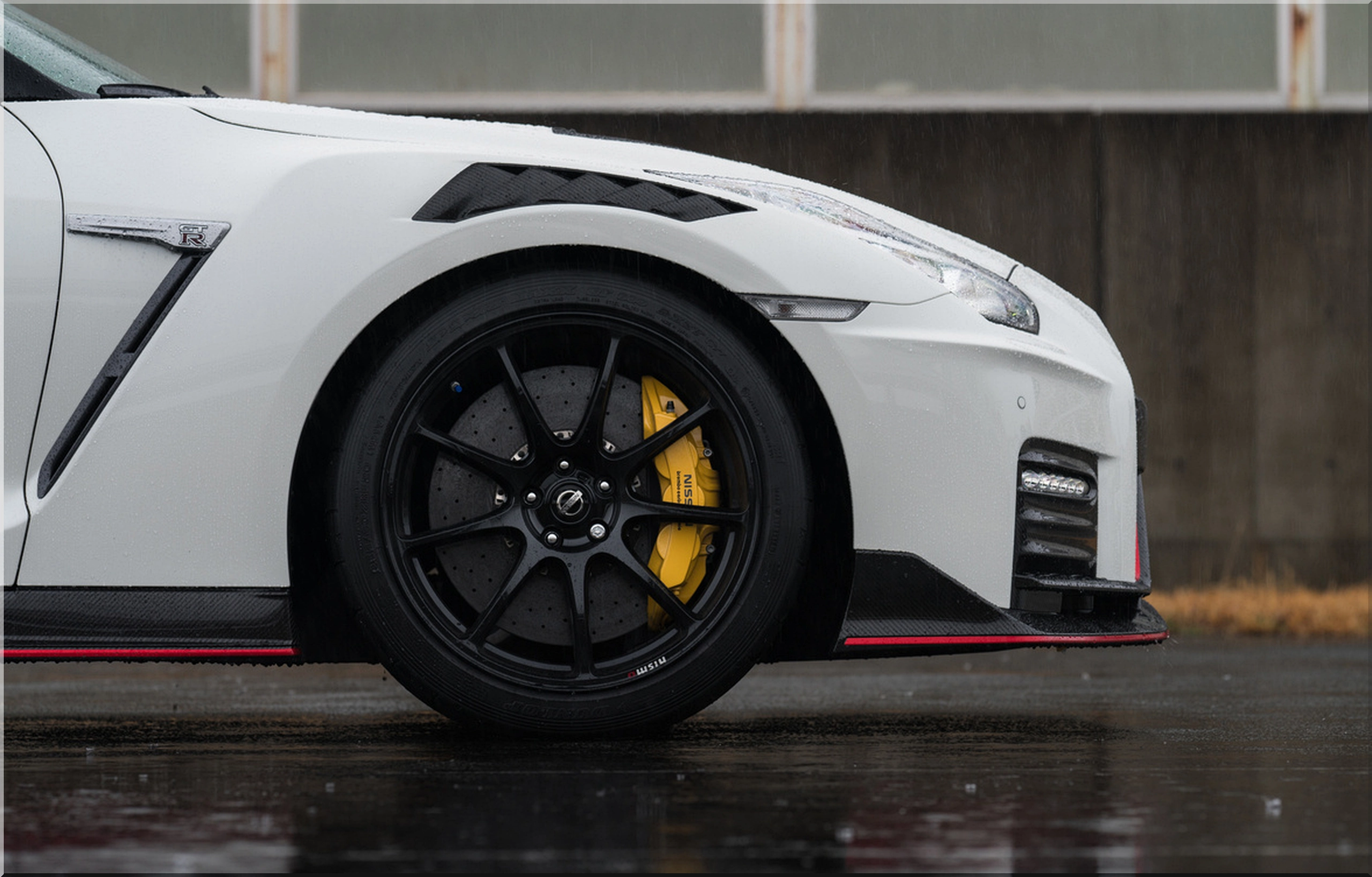
The 2020 GT-R NISMO and 2020 GT-R Track Edition provide the key examples. Their yellow calipers sit beside Brembo carbon-ceramic rotors. Nissan says the yellow coating can retain its color above 1,832 degrees Fahrenheit, or 1,000 degrees Celsius.
That figure signals sustained racetrack punishment, not a hurried stop outside the supermarket. Carbon-ceramic hardware offers strong fade resistance when a driver repeatedly turns speed into heat.
Rare hardware also deserves financial care. Before buying a used GT-R with carbon-ceramic brakes, ask a qualified technician to assess rotor condition. Request current prices for rotors and pads too. The yellow flash looks exciting; a replacement invoice may produce a different pulse rate.
Nissan Sometimes Breaks Its Own Color Rules
A color code sounds wonderfully tidy. Special editions have other ideas.
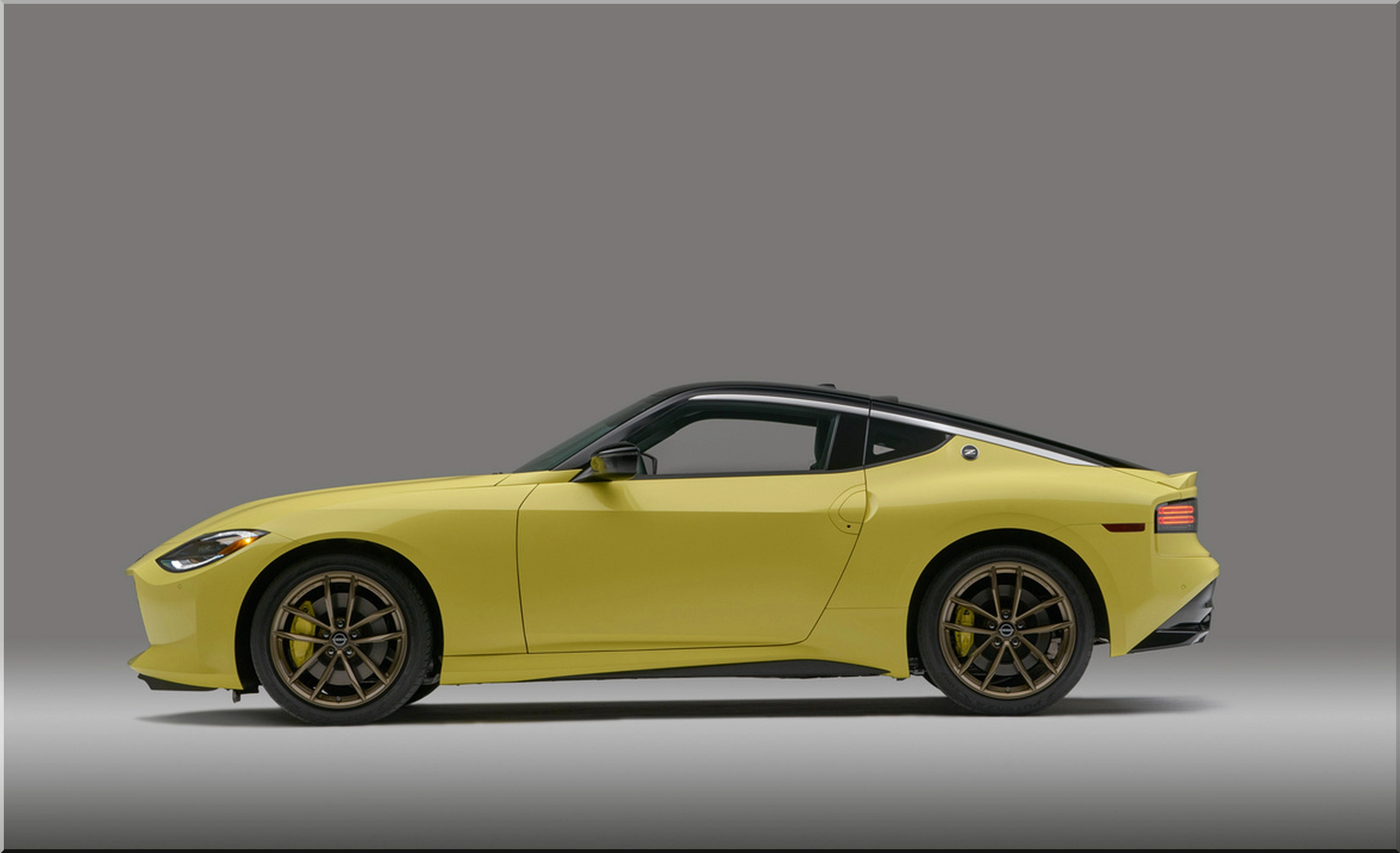
The 2020 GT-R50 by Italdesign wore red Brembo calipers, although Nissan normally links Brembo systems with gold. The 2023 Z Proto Spec wore yellow Akebono calipers, yet that car did not use carbon-ceramic rotors.
Limited-run cars may favor a specific visual theme. Use color as a clue rather than a parts catalog. A VIN, original window sticker, factory specification, and physical inspection provide firmer answers.
What Caliper Color Leaves Unanswered
A painted caliper leaves several big questions open:
- Exact stopping distance: Tires, road grip, speed, temperature, load, and anti-lock brake calibration influence the result.
- Current condition: Worn pads, old fluid, scored rotors, seized slides, or damaged seals can weaken any color tier.
- Brake feel: Pad compound, hose expansion, fluid, pedal ratio, and booster tuning affect response.
- Service cost: Larger or carbon-ceramic components may carry very different parts and labor prices.
- Factory originality: A previous owner can repaint calipers or install parts from another trim.
A large brake package may resist fade far better while producing a similar first-stop distance on the same tires. Repeated braking separates thermal capacity from curb appeal. Ask how the car will perform during the driving you actually do.
How to Inspect a Used Nissan With Colored Calipers
A quick visual check can protect you from an expensive assumption:
- Verify the trim and VIN. Compare the car with its original window sticker, factory brochure, or dealer build data.
- Match the visible hardware. Check the caliper brand, casting, piston arrangement, rotor diameter, and rotor construction against factory specifications.
- Search for repaint clues. Look for overspray on bleed screws, rubber boots, hoses, pads, or nearby suspension pieces. Uneven gloss and flaking also raise questions.
- Check wear and service records. Ask when the owner changed pads, rotors, and brake fluid. Inspect warning lights, vibration, noise, and pedal feel.
- Price the next service. Ask a Nissan specialist for parts and labor costs before you settle on a purchase figure.
Can You Paint Silver Nissan Calipers Red?
Yes, but paint changes appearance only. It does not add pistons, increase rotor diameter, improve cooling, or create stronger pad friction. A red caliper on base hardware still uses base hardware.
For a cosmetic repaint, ask a brake specialist to use a high-temperature product and proper surface preparation. Keep coating away from rotor faces, pads, bleed screws, seals, hoses, and sliding surfaces. Poor preparation can cause peeling, contamination, or difficult servicing.
For added braking capacity, plan the system as a matched package. A qualified shop should verify wheel clearance, brake balance, master-cylinder compatibility, anti-lock brake operation, pad compound, fluid, and parking-brake function. A caliper swap alone can create poor pedal feel or uneven braking.
Daily drivers often gain more from fresh quality tires, correct pads, clean fluid, and sound factory components. Track drivers may need greater thermal capacity. Choose hardware for use, then pick the color you enjoy.

Read the Color, Then Verify the Hardware
Nissan's code gives shoppers a clever first clue. Silver brake calipers serve everyday driving. Red points to stronger performance hardware. Bright red identifies the latest Z NISMO setup. Gold signals Brembo lineage. Yellow usually marks carbon-ceramic track equipment.
Start with the paint, then confirm the trim, rotor specifications, caliper construction, and service history. If you plan to buy used, pay for an independent inspection and price future brake work first.
The wheel tells the opening line. The hardware finishes the sentence.
- Add new comment
- 68 views