
Mazda Targets Quicker Interactions and Lower Distraction
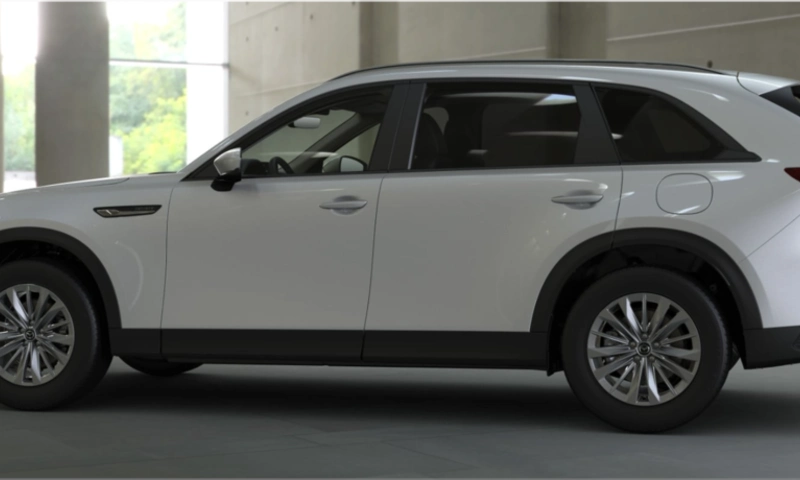
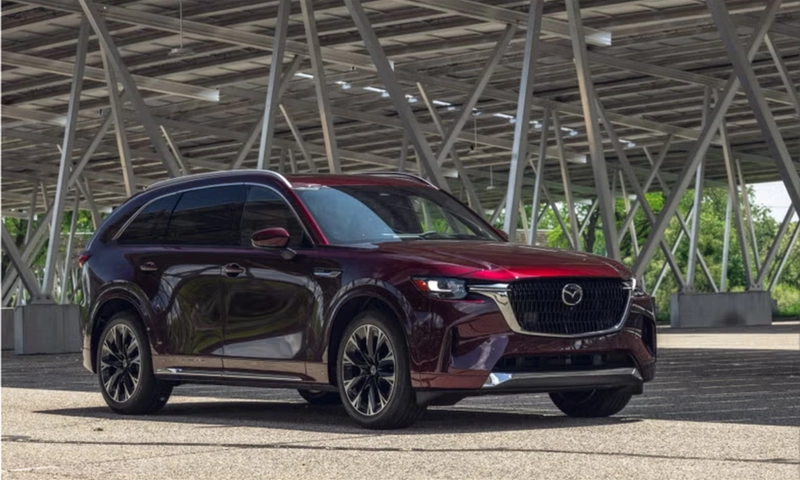
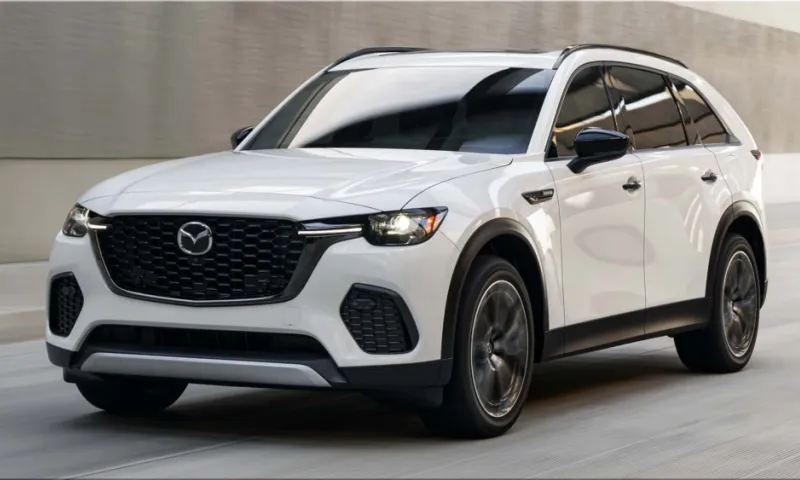
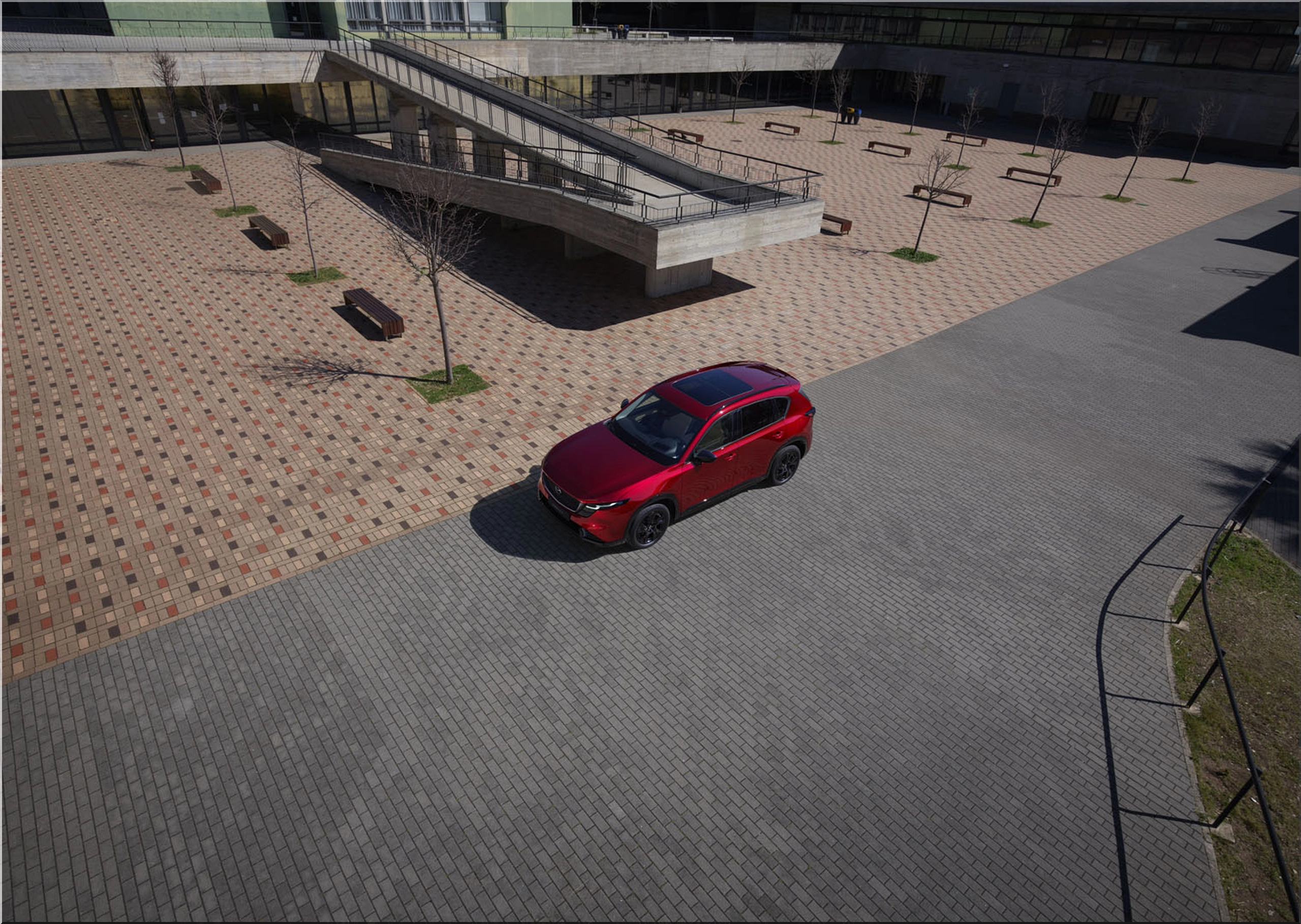
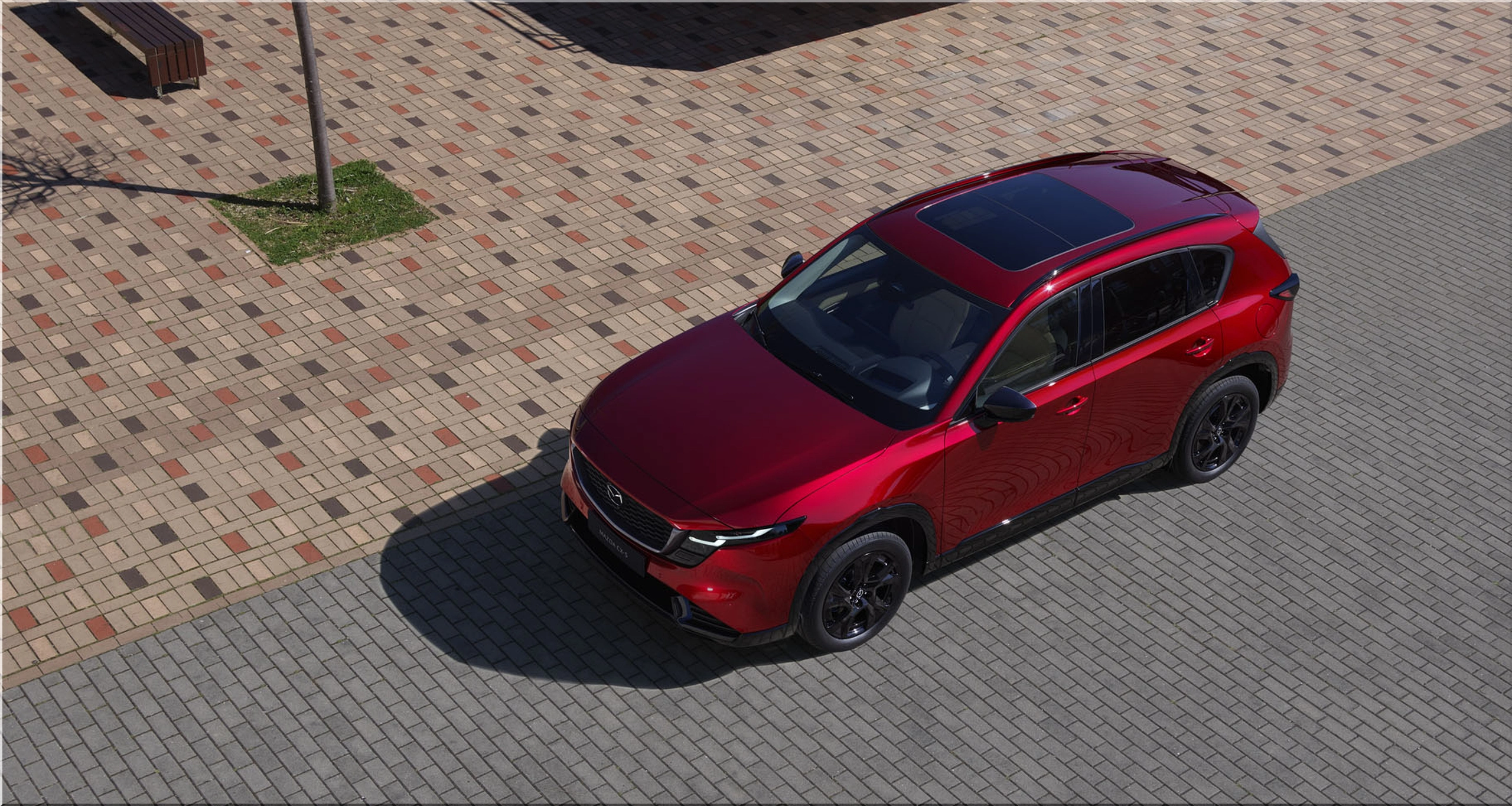
Mazda redesigned the 2026 CX-5 with new in-vehicle technology aimed at speed, clarity, and reduced distraction. The company focused on giving drivers fast access to core functions while keeping the interface familiar to anyone who uses a smartphone. Mazda's in-vehicle technology leadership says the project centered on one objective: help drivers keep their eyes on the road through cleaner design and sharper controls.
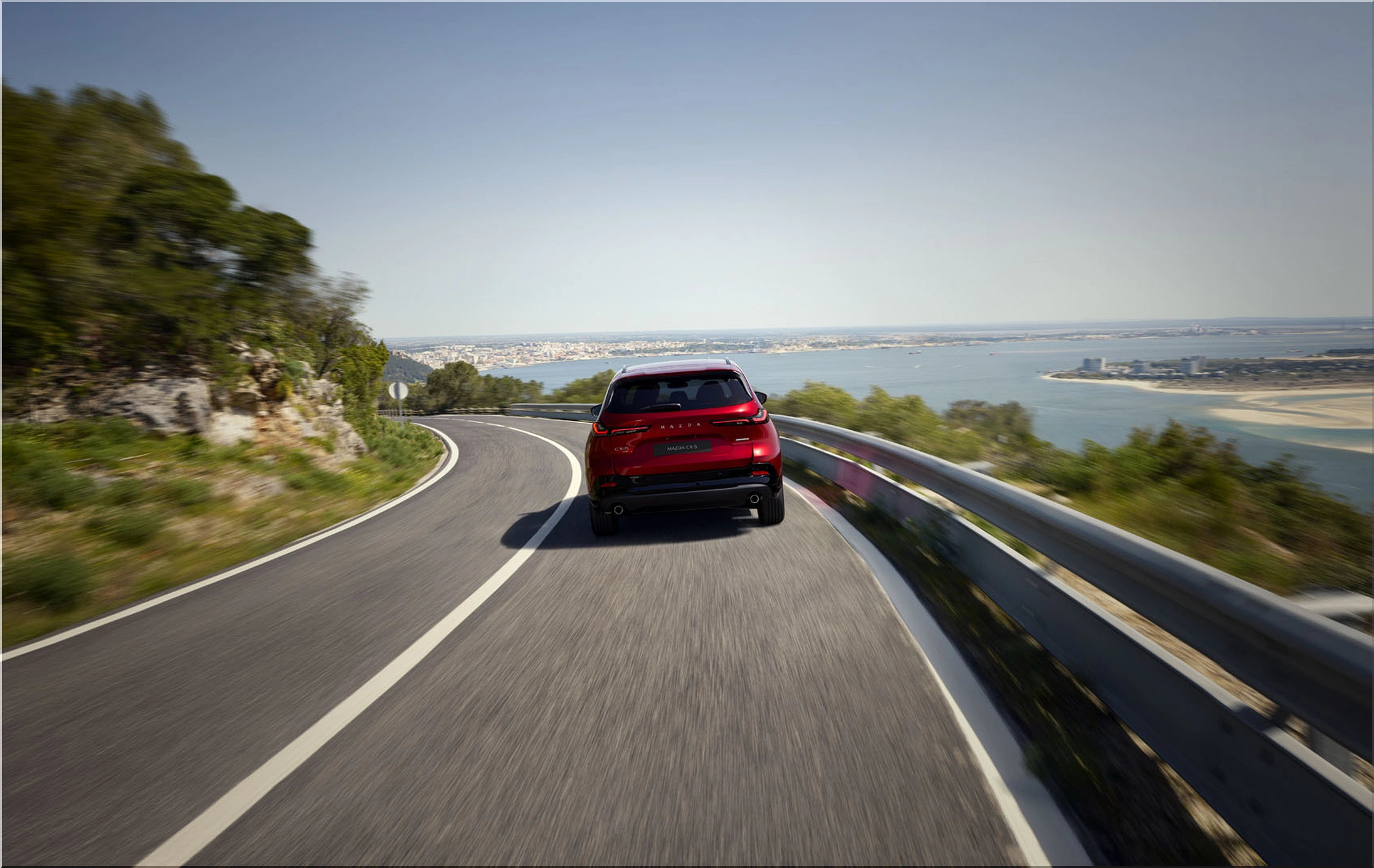
Why Mazda Reworked the CX-5 Interface
Engineers studied how drivers interact with mobile devices. They analyzed gesture patterns, menu expectations, and the actions drivers repeat most during daily commutes. Mazda built the updated Mazda Connect system around these findings.
Key upgrades support that strategy:
- Faster access to routine features
- Clear, predictable layout
- Minimal eye movement during operation
Each decision supports a direct goal: shorten the time needed to adjust core settings.
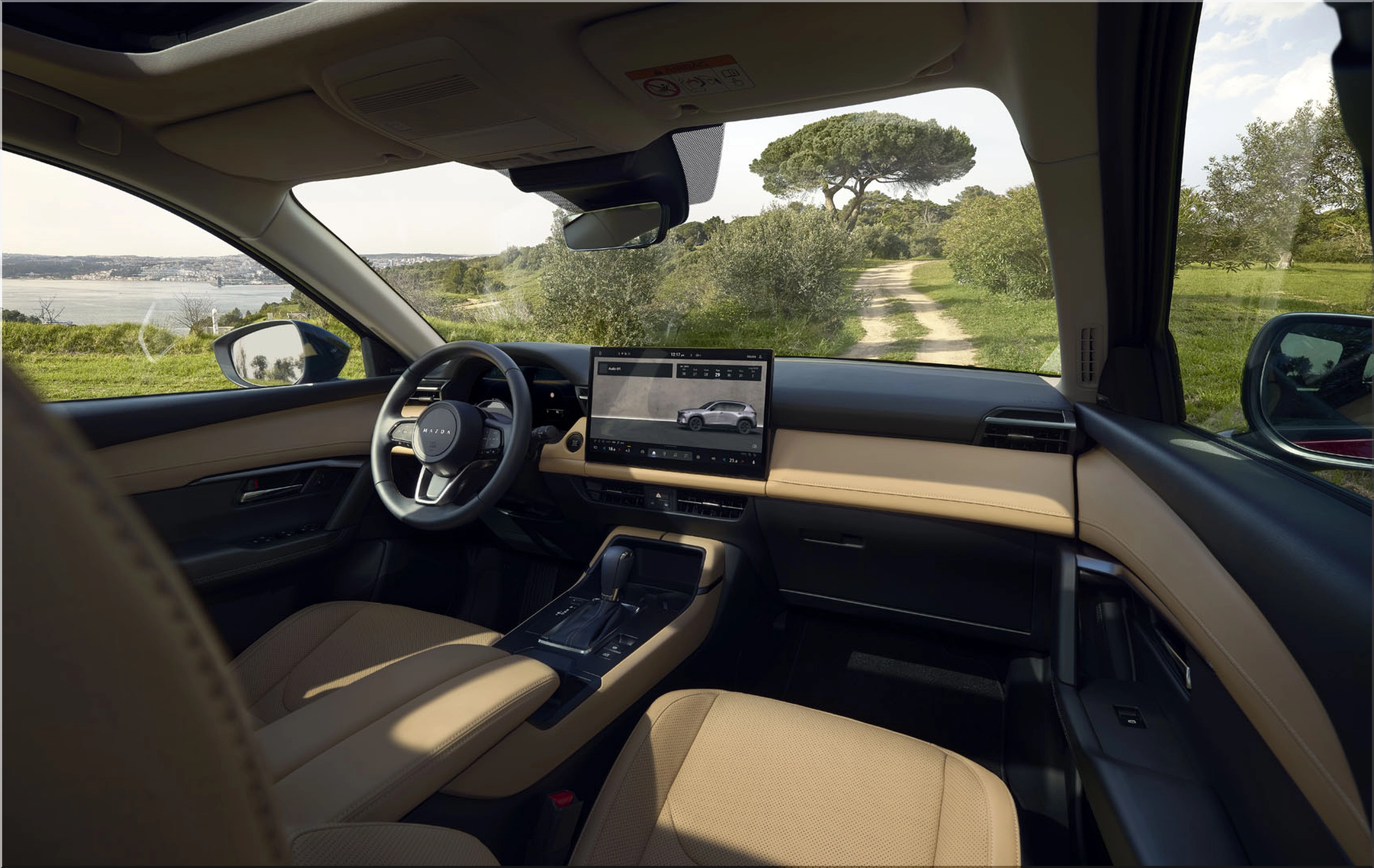
Google Built-In Reshapes CX-5's Digital Core
Every 2026 CX-5 includes Google built-in. The system places Google Maps and other compatible apps directly on the center display. Drivers no longer need a phone for native navigation.
What Google Built-In Adds
- Navigation with familiar Google interface
- App access without pairing a smartphone
- Voice commands for quick inputs
- Reduced steps for routine tasks
The shift aligns Mazda with competitors moving toward embedded ecosystems instead of custom-built software stacks.
Larger Displays Add Flexibility
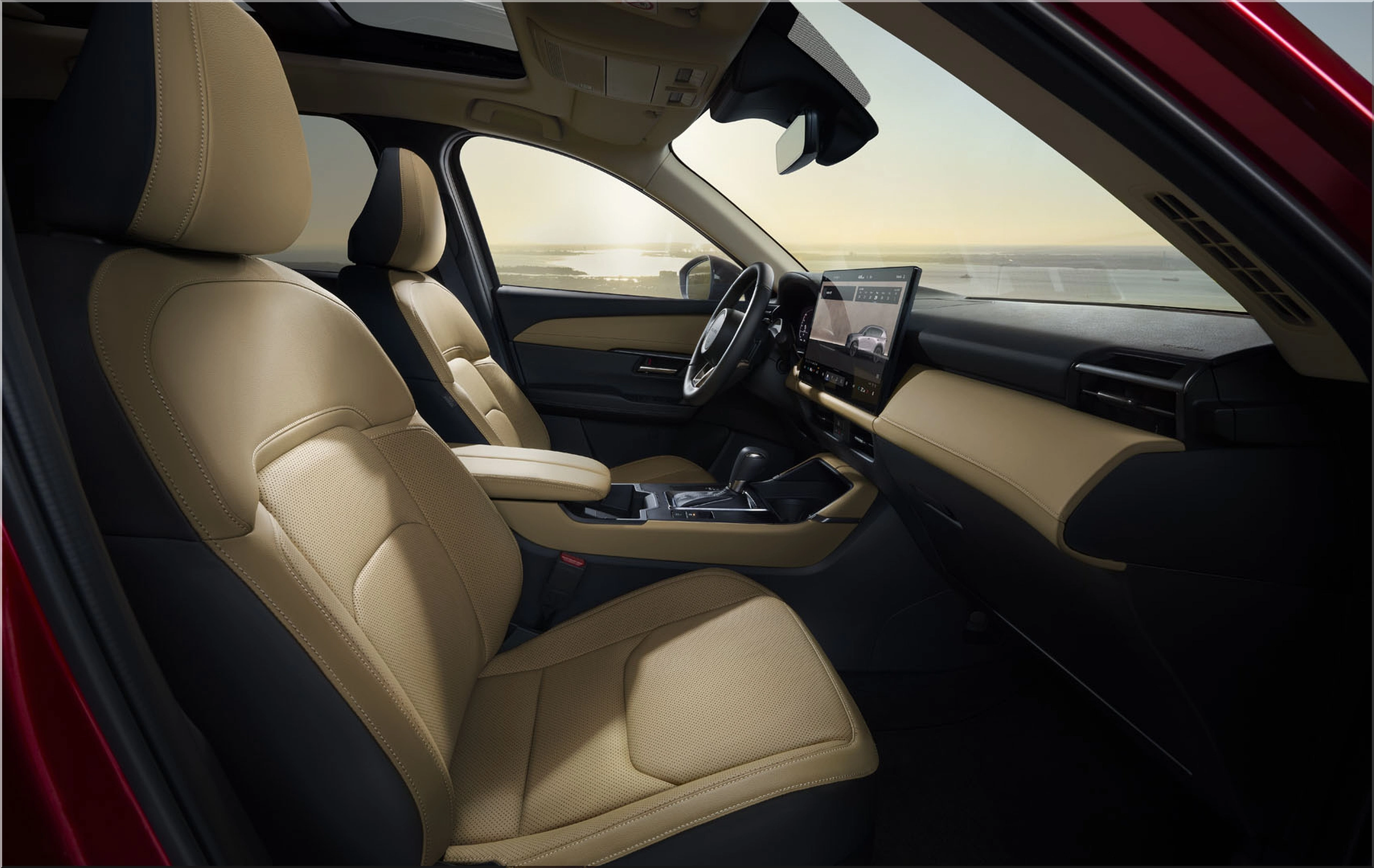
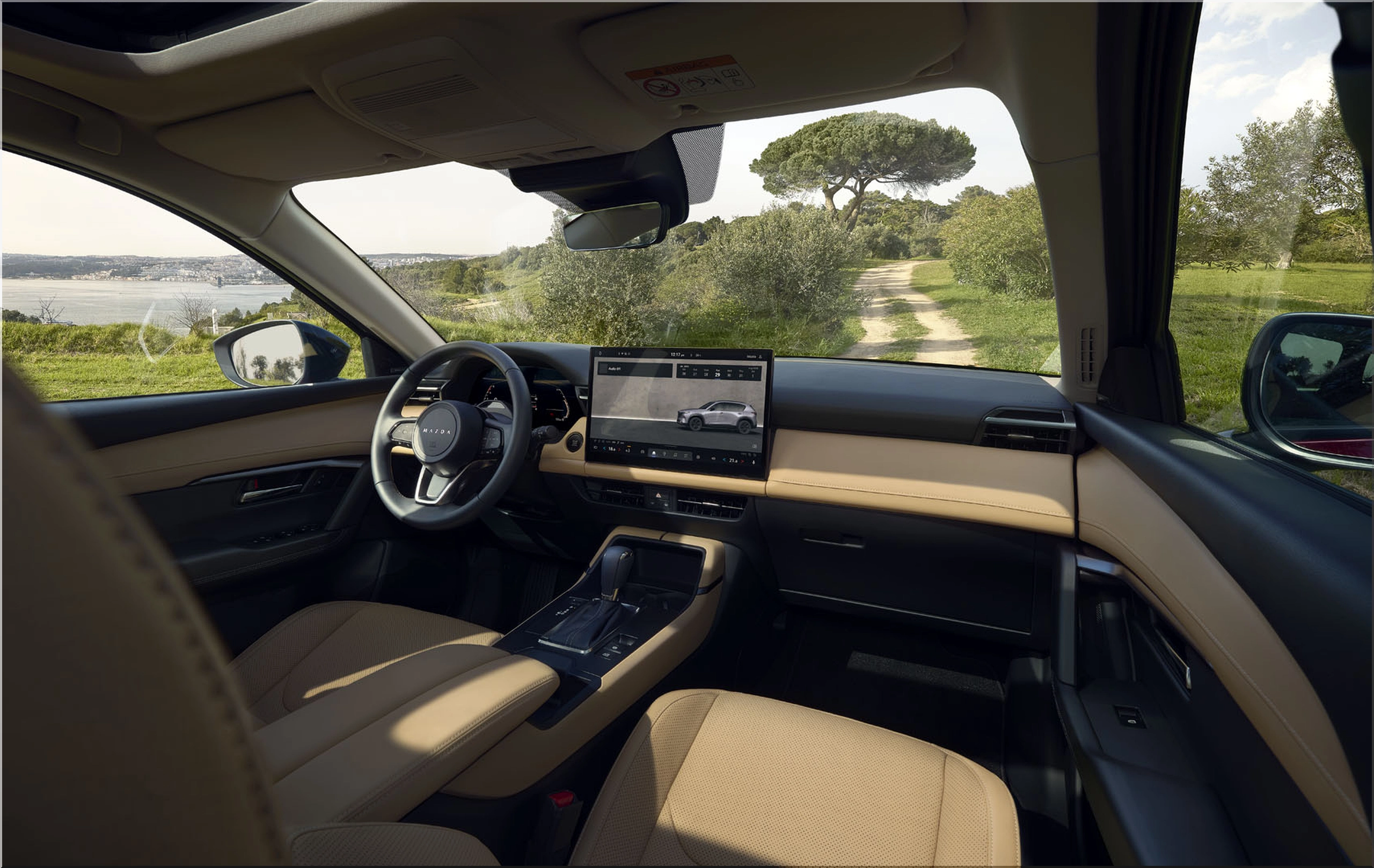
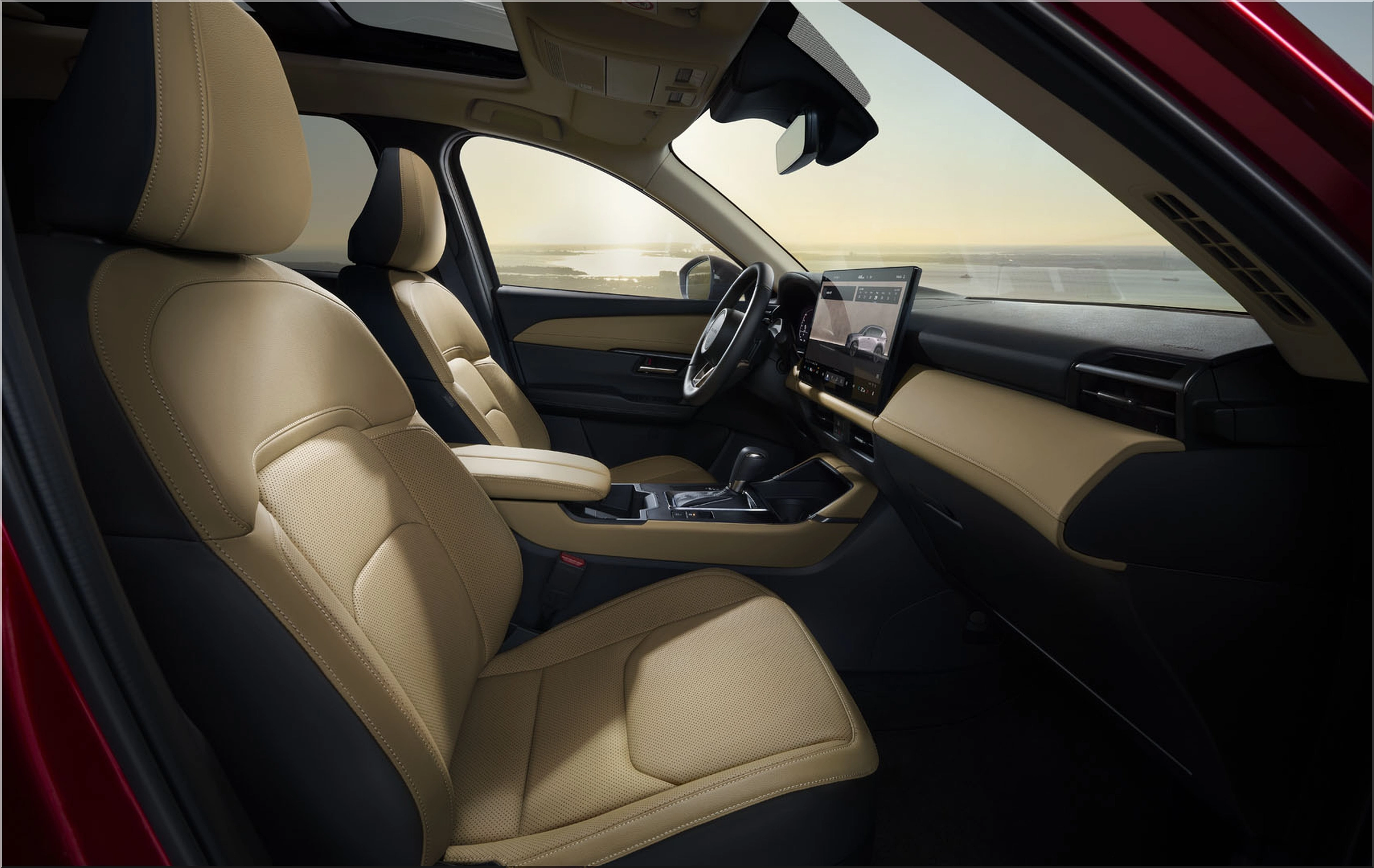
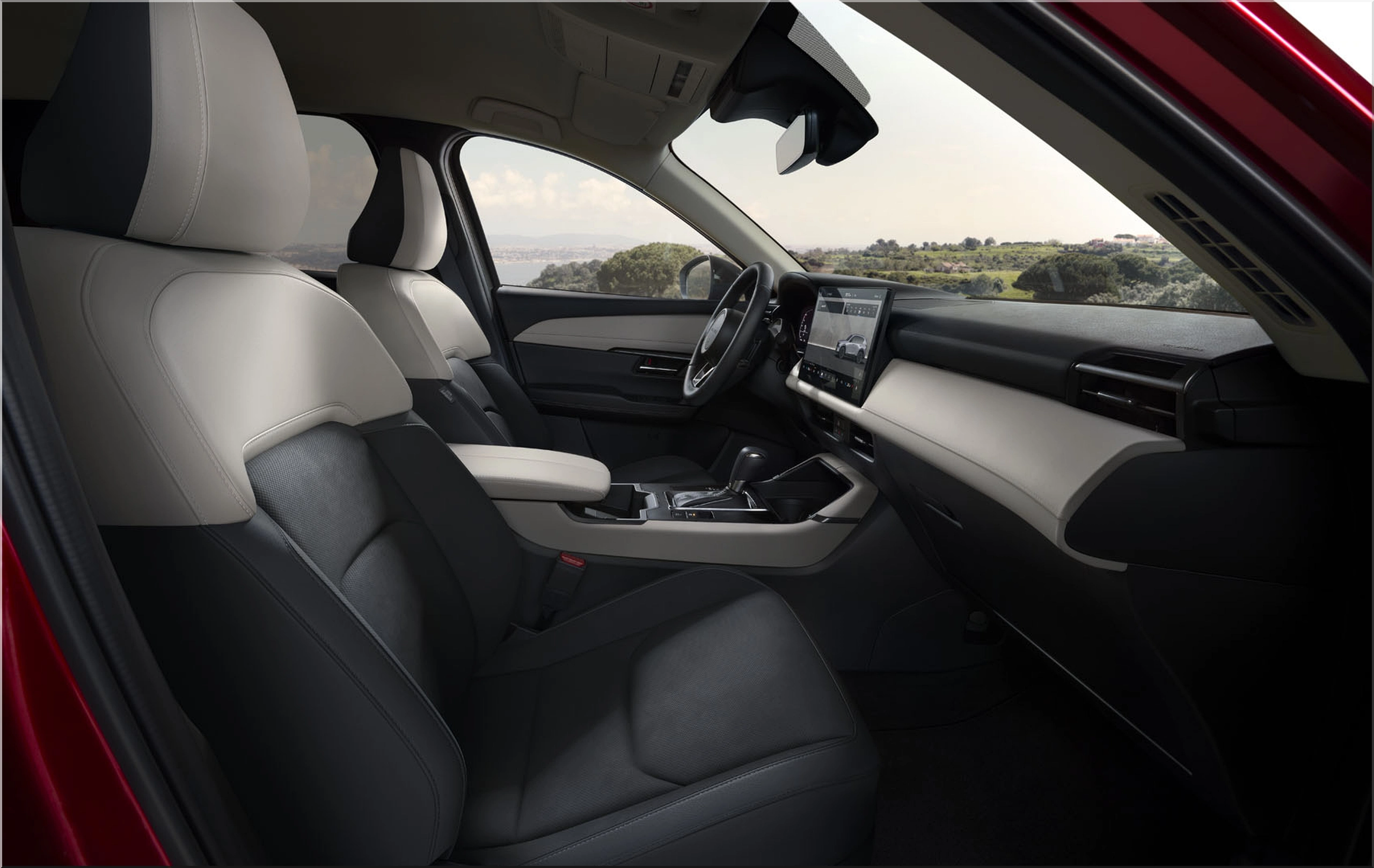
The 2026 CX-5 offers two touchscreen options: a 12.9-inch standard display and an optional 15.6-inch unit. The larger screen is Mazda's biggest to date. Both use a revised layout with a fixed bottom dock.
Fixed Dock Design
The dock keeps HVAC, volume, and other high-use controls permanently visible. Drivers gain consistent access without drilling through menus. This structure supports Mazda's push toward faster adjustments and fewer screen taps.
Updated Steering Wheel Controls
Mazda redesigned the steering wheel interface to support the new system. Drivers can trigger commands, adjust functions, and interact with the display without removing their hands from the wheel.
Key Improvements
- More direct button layout
- Clearer tactile response
- Faster system engagement
These changes support Mazda's safety-centric focus: keep hands on the wheel and eyes forward.
Standard Phone Mirroring Still Matters
Mazda kept Apple CarPlay and Android Auto standard. Some drivers prefer their phone's interface, and Mazda accounted for that preference. These features add flexibility without forcing a shift to embedded apps.
How the CX-5's Tech Strategy Fits Market Trends
The compact SUV segment is shifting toward embedded software, large screens, and simplified controls. Mazda's new approach addresses three trends shaping buying decisions:
- Drivers want faster interface responsiveness.
- App familiarity matters more than custom layouts.
- Automakers need scalable, cloud-supported platforms.
Mazda positions the CX-5 to compete with top tech leaders by focusing on practical improvements instead of flashy design overhauls.
Practical Impact for Drivers
These updates serve a clear purpose: reduce friction during everyday driving. The new system aims to cut the time drivers spend searching for key controls.
Drivers gain:
- Faster feature access with fixed on-screen controls
- Cleaner visual hierarchy on larger displays
- More accurate voice control through embedded software
- Flexible connectivity via CarPlay, Android Auto, and Google apps
Pricing
Mazda has not yet released the full price structure for the 2026 CX-5. Based on current segment trends and existing CX-5 models, early estimates place the next CX-5 lineup between $31,000 USD and $40,000 USD, depending on trim and screen configuration. These figures remain approximate until Mazda publishes final pricing.
What to Watch in 2026
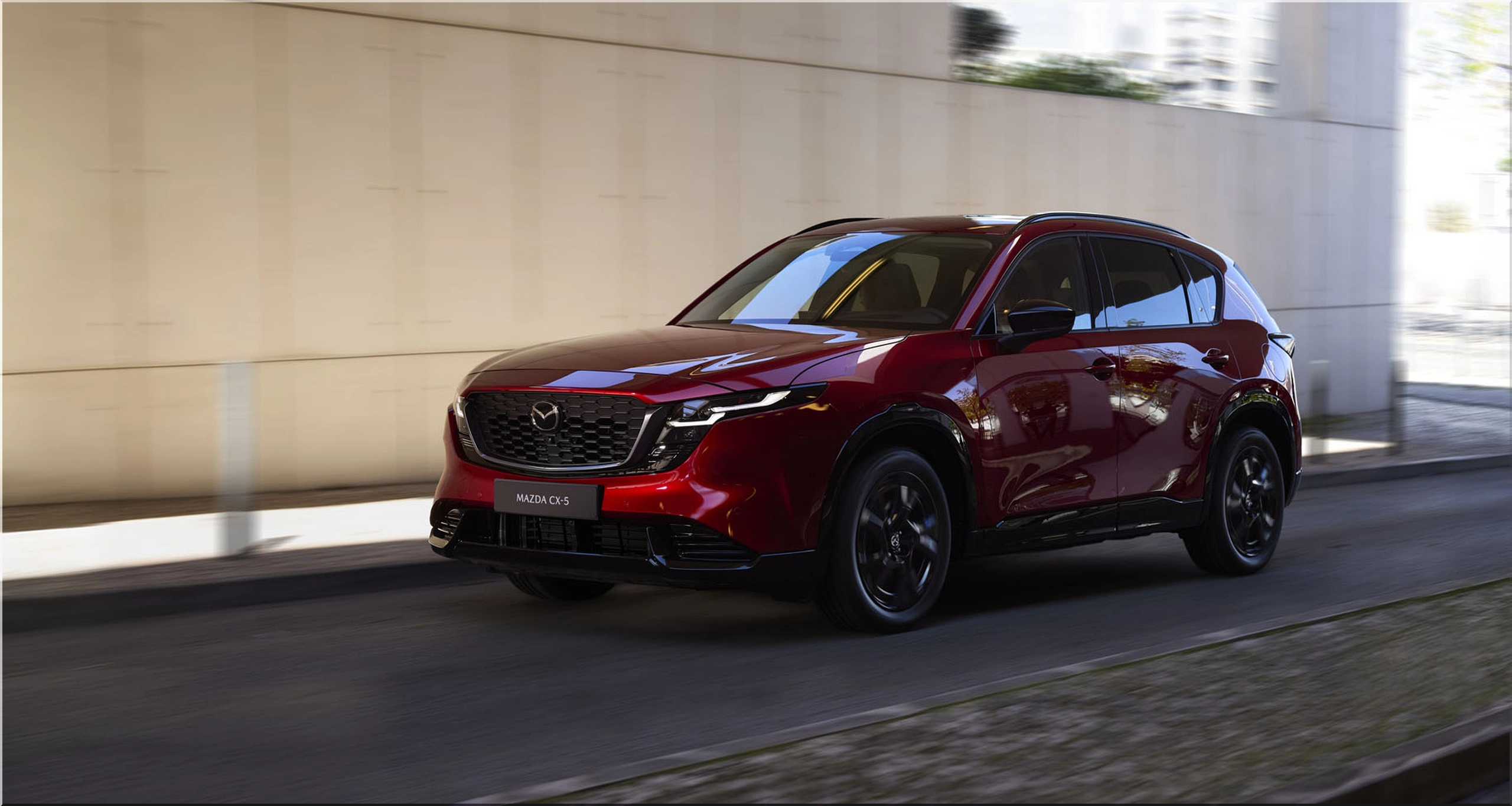
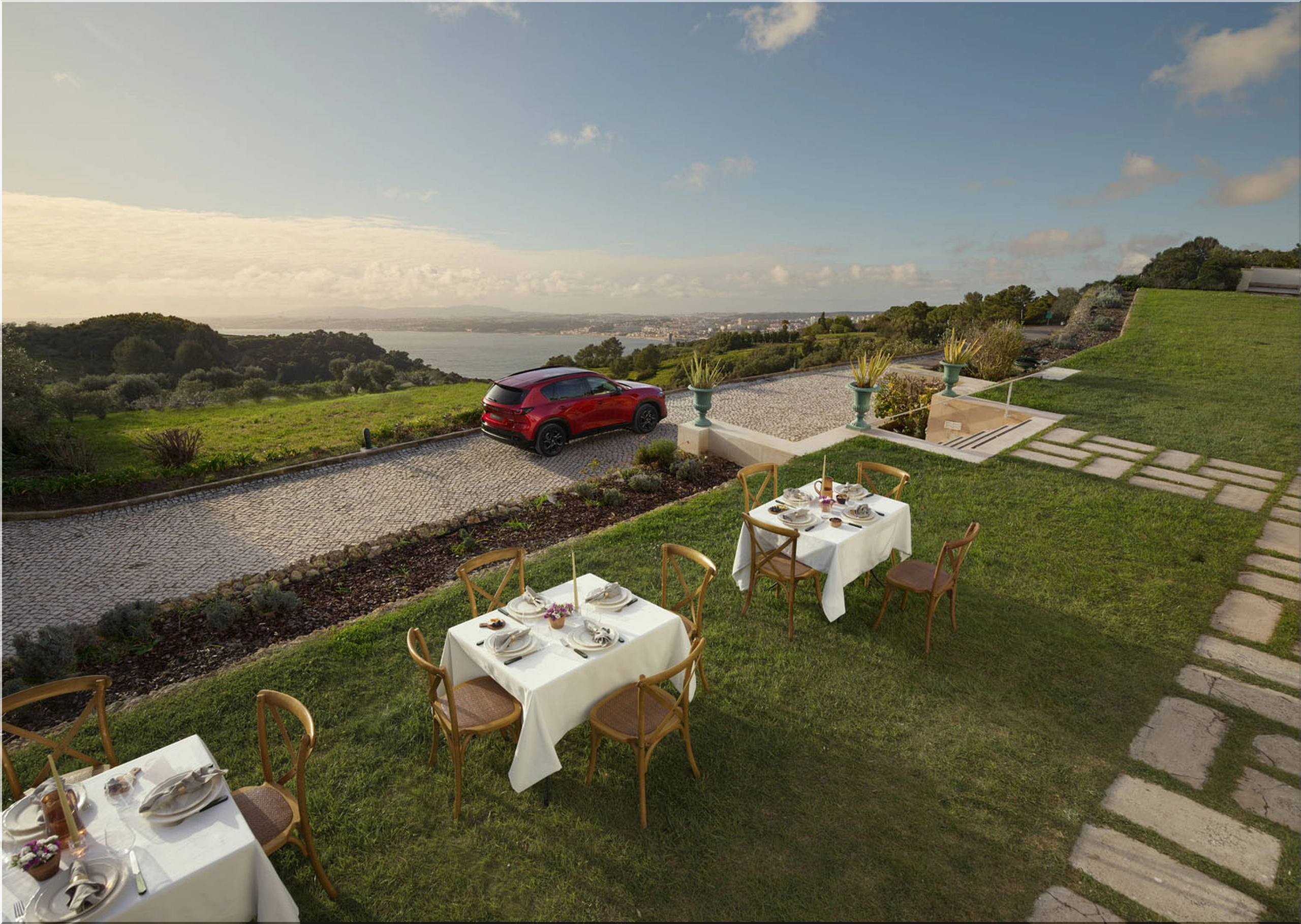
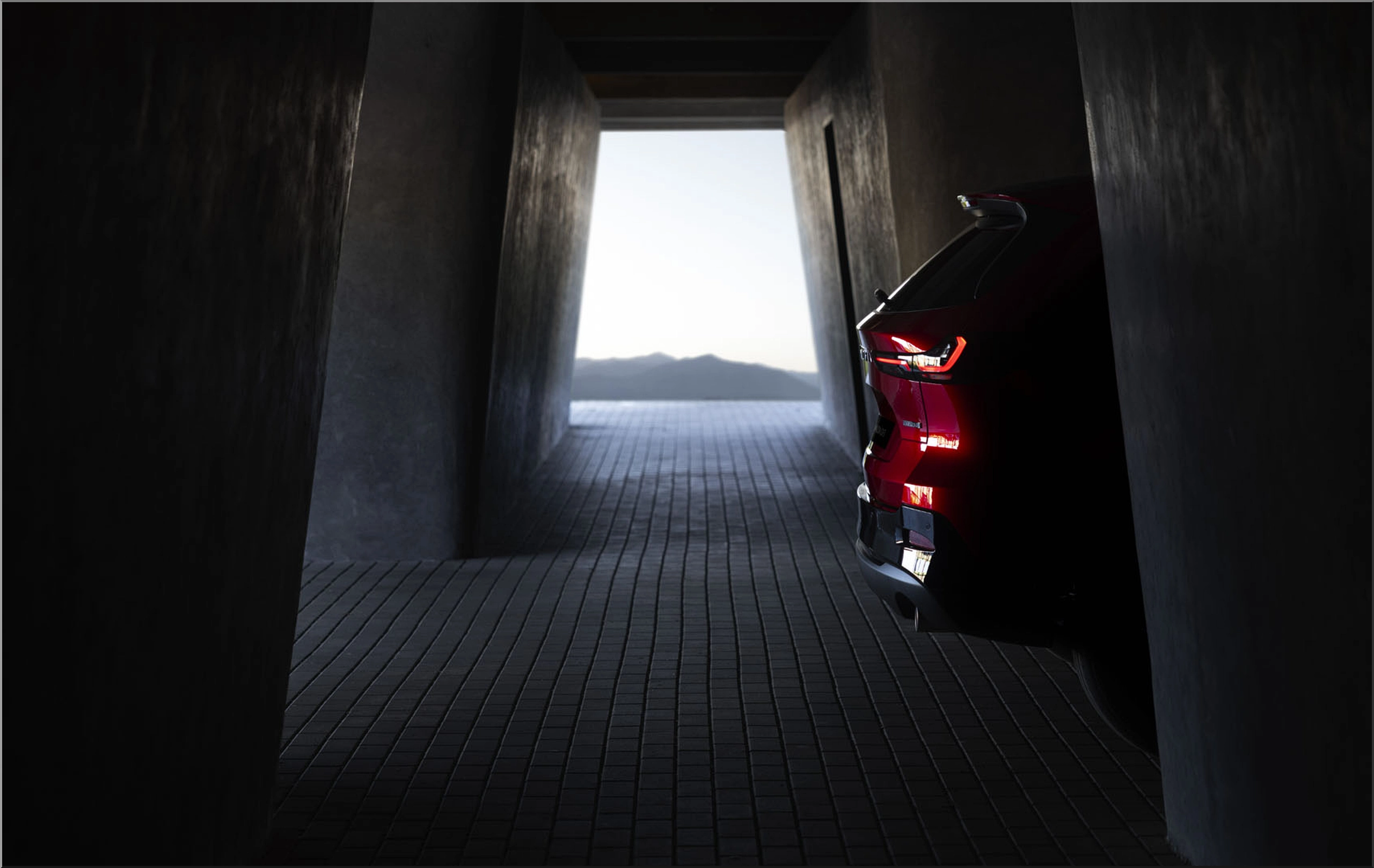
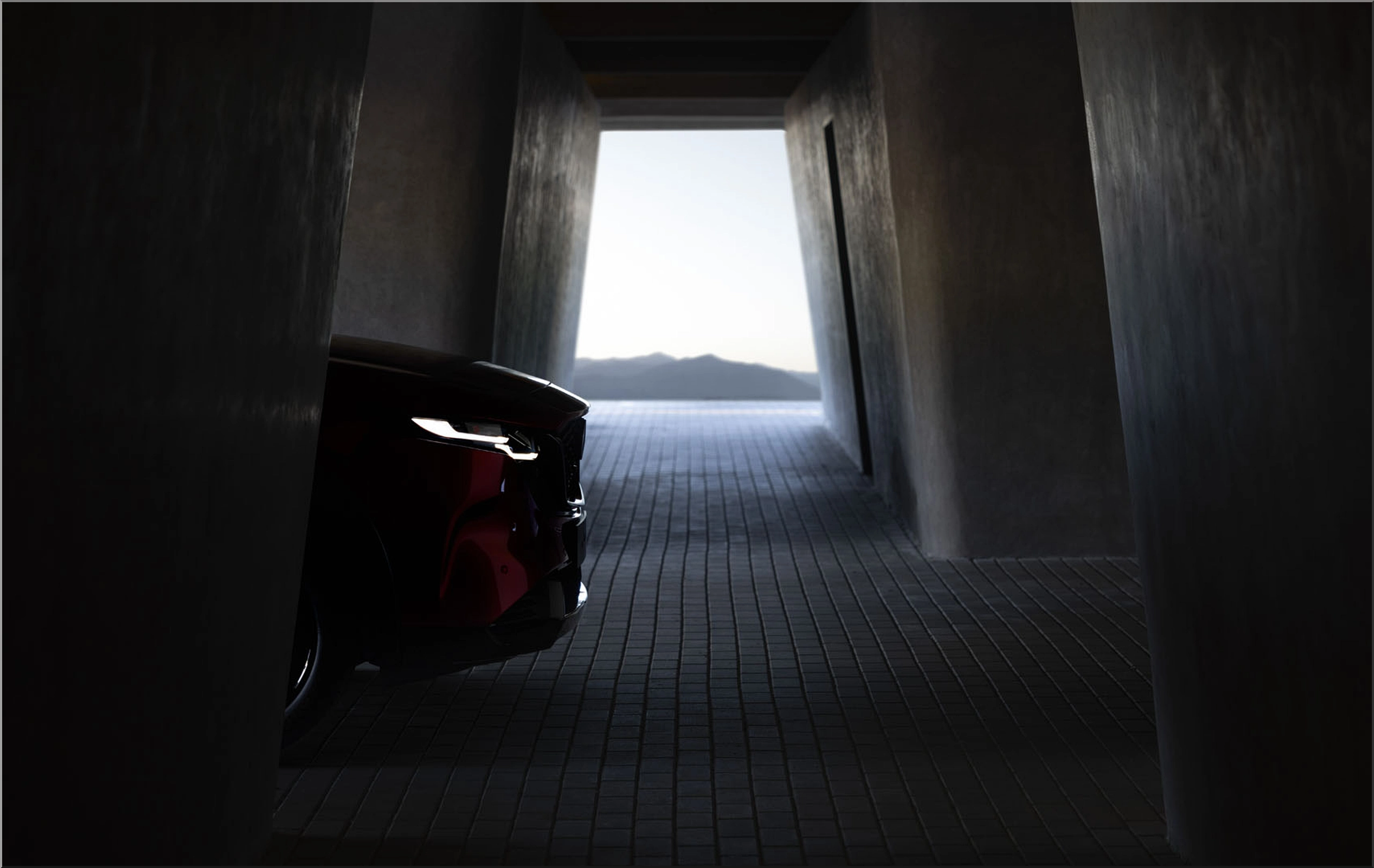
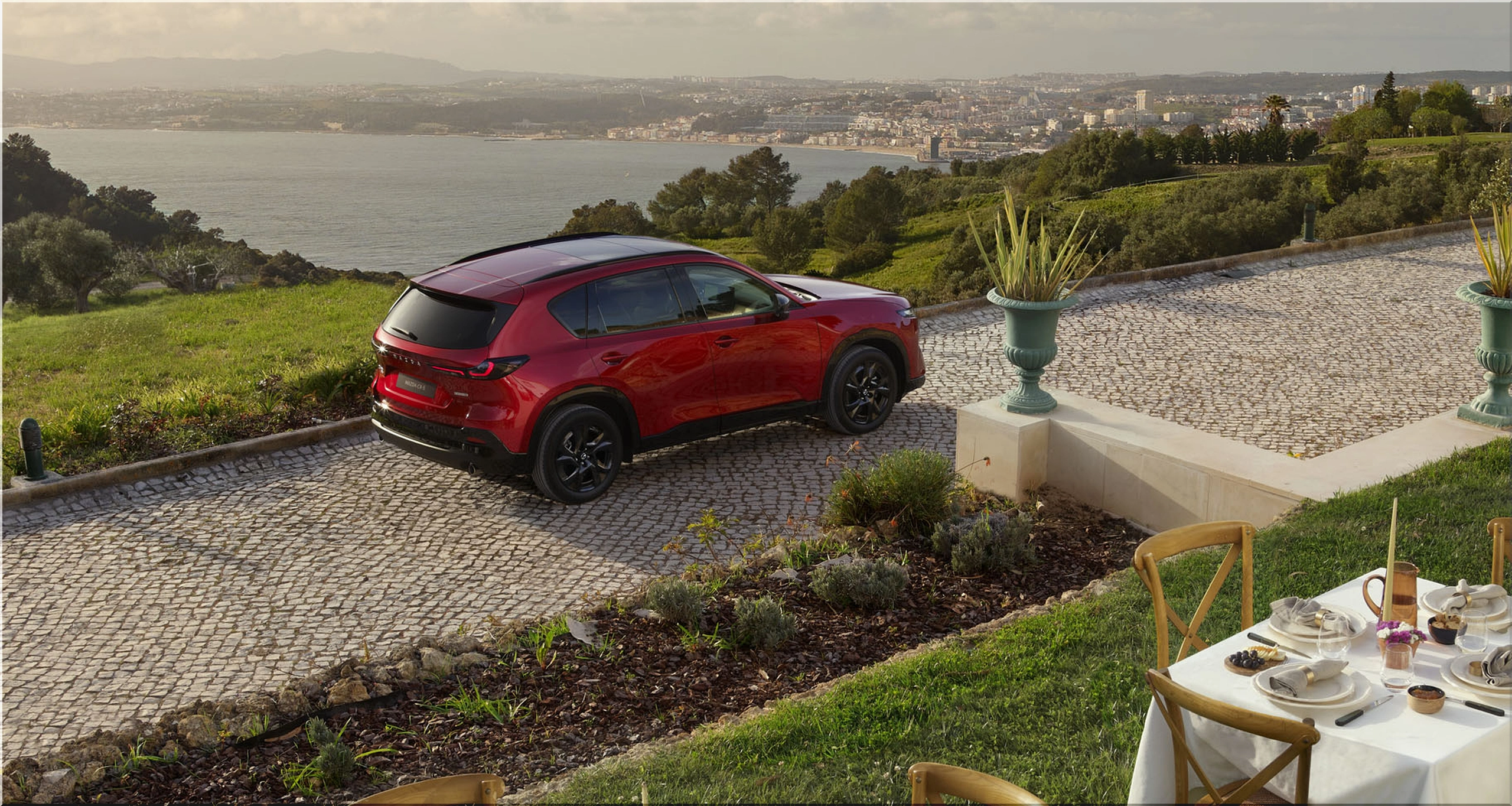
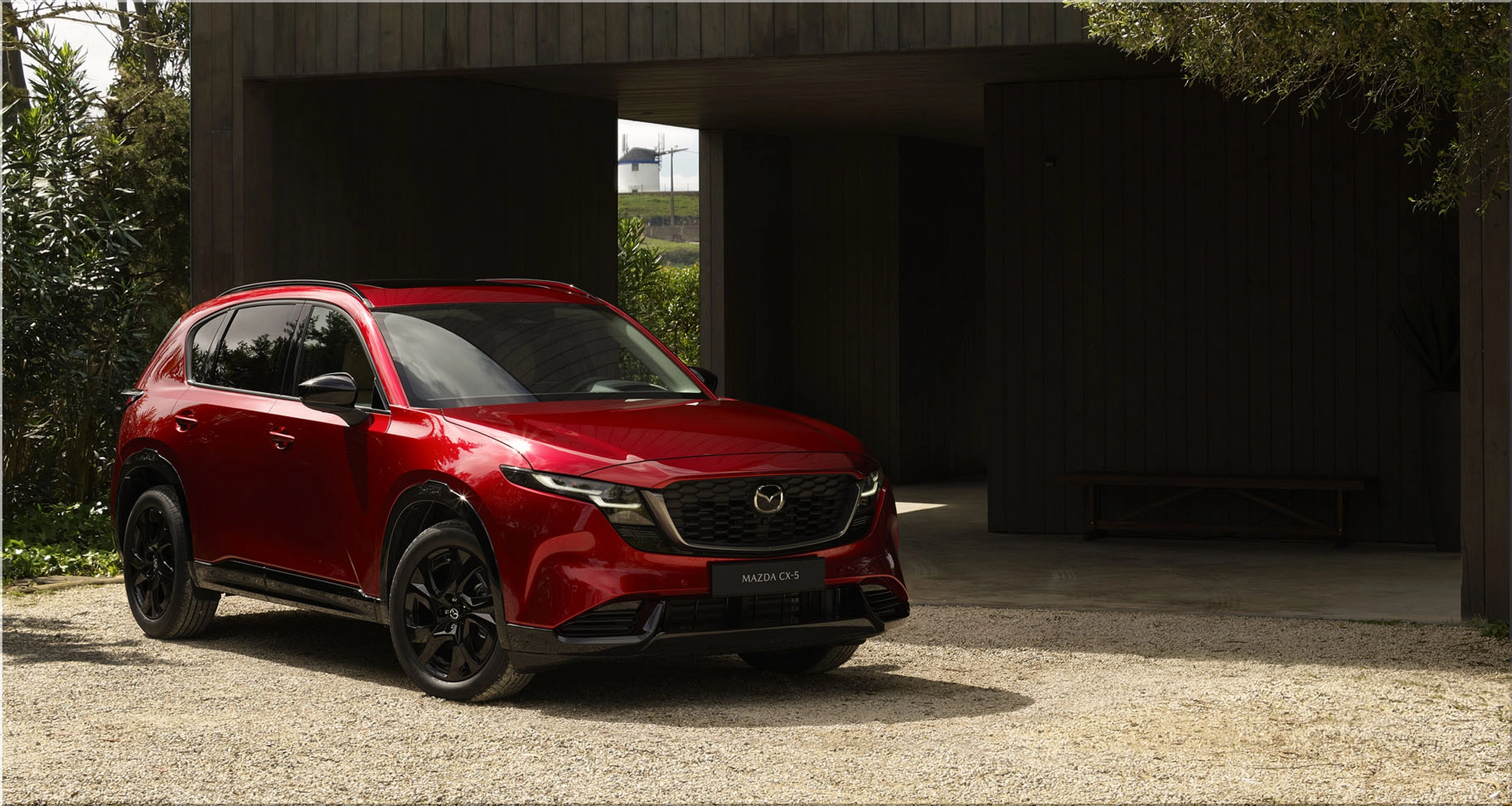
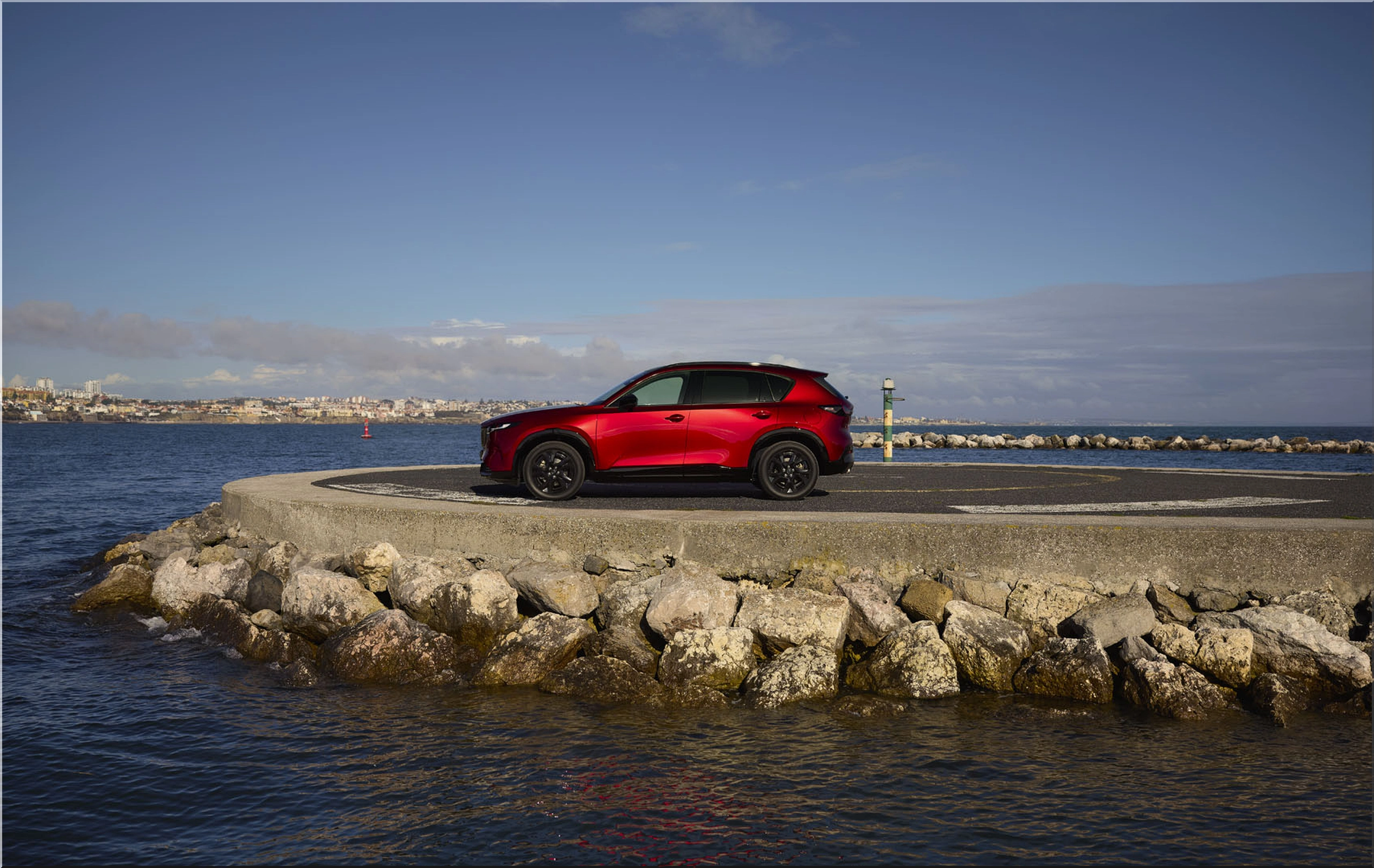
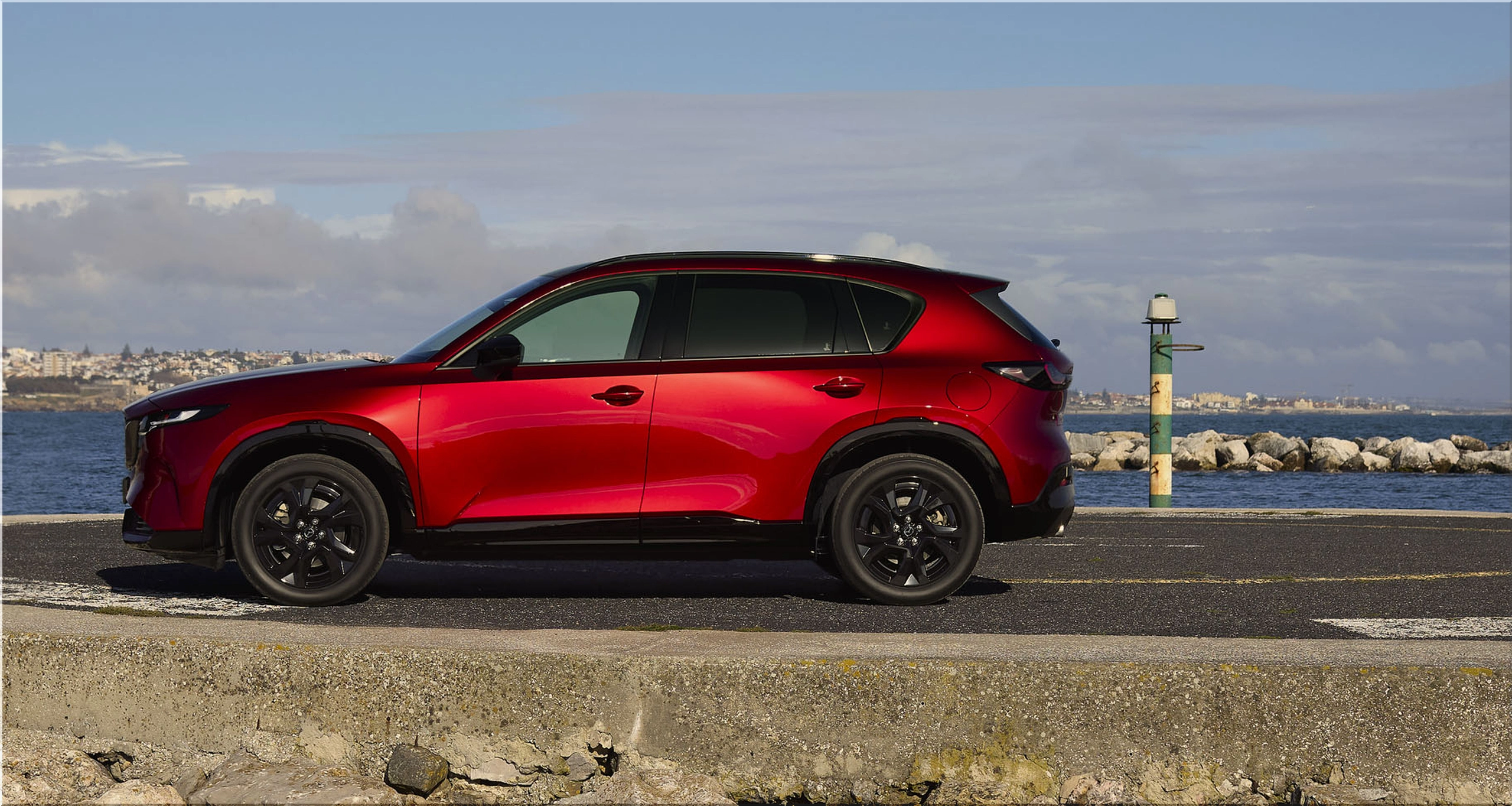
The CX-5 continues as one of Mazda's key sellers. With embedded Google built-in, larger displays, and improved ergonomics, the 2026 model positions Mazda to compete with tech-heavy rivals from Hyundai, Toyota, and Honda. Buyers who value fast, predictable controls may notice the difference immediately.
- Add new comment
- 233 views