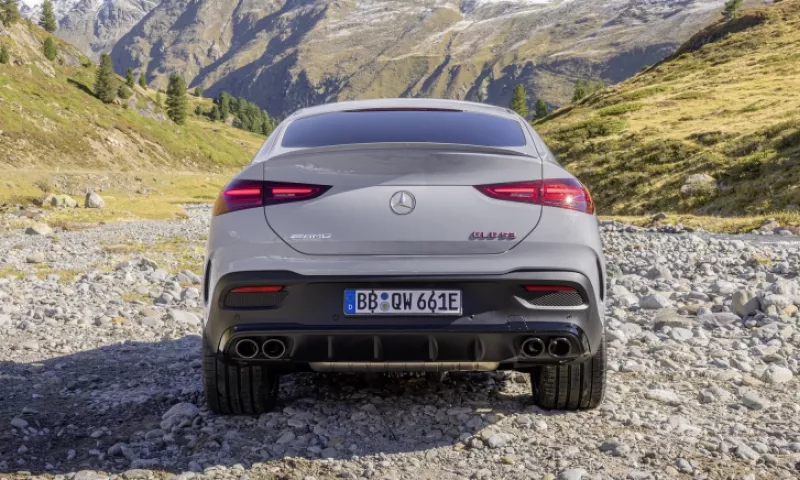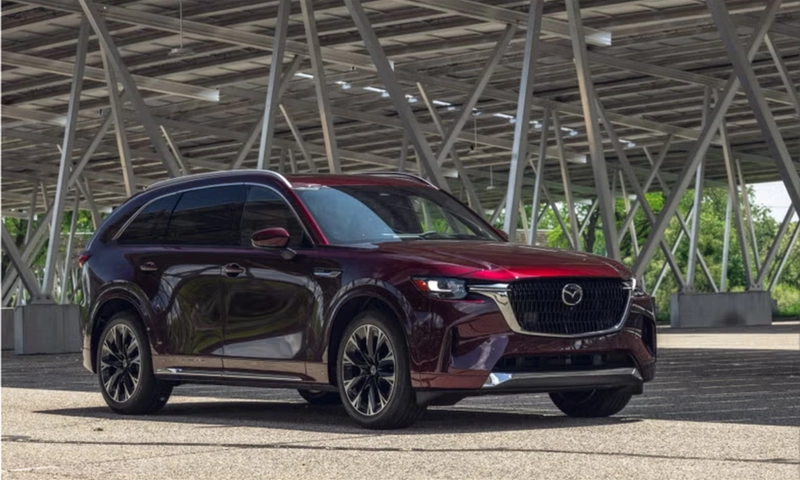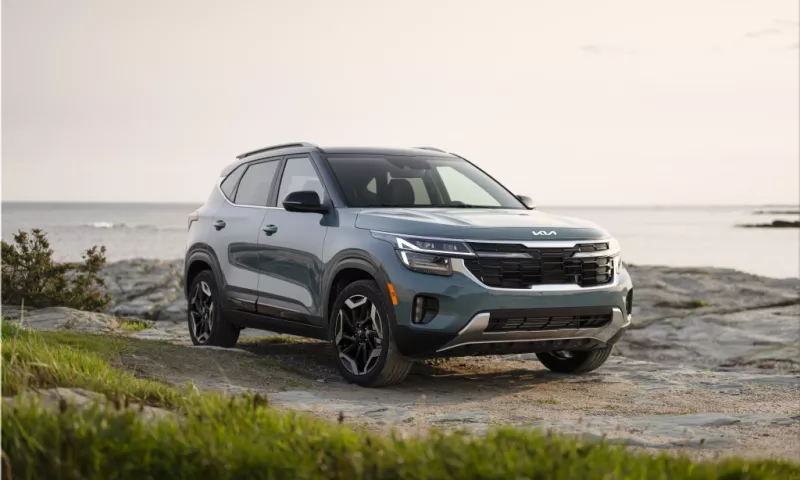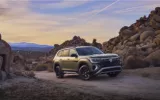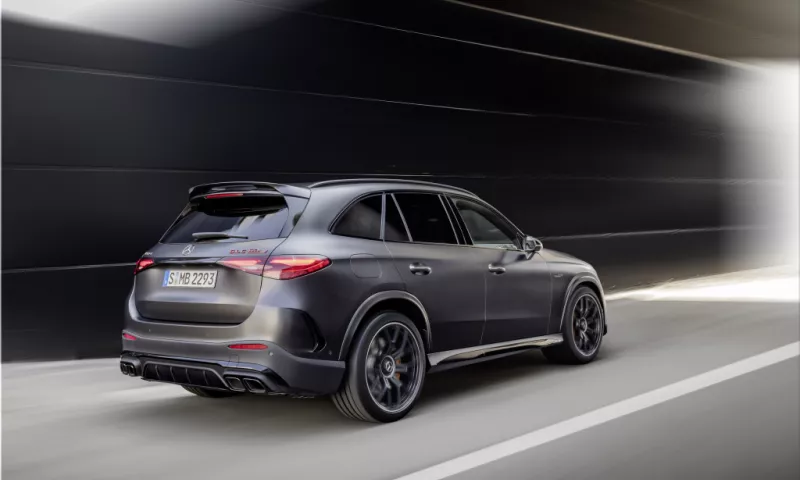
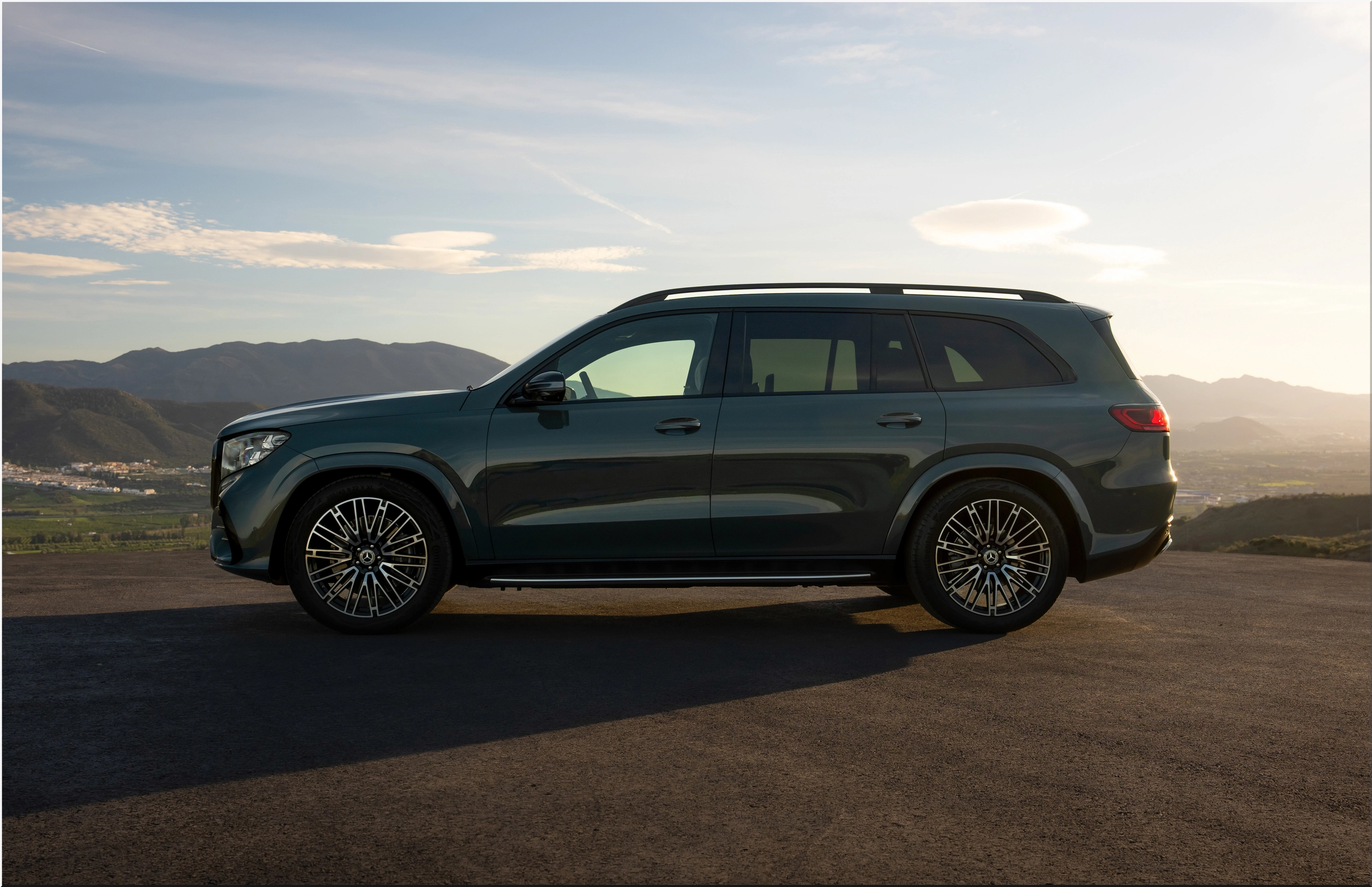
Mercedes-Benz did not tear up the GLS formula for 2027. It went after the parts that owners feel every day: cabin tech, ride isolation, rear-seat comfort, and low-end shove. That move makes sense. The 2027 Mercedes-Benz GLS already had the size, stance, and three-row packaging to compete at the top of the luxury SUV class. Now it adds a standard MBUX Superscreen, the new MB.OS software stack, more responsive mild-hybrid powertrains, and a cleaner visual link to the S-Class.
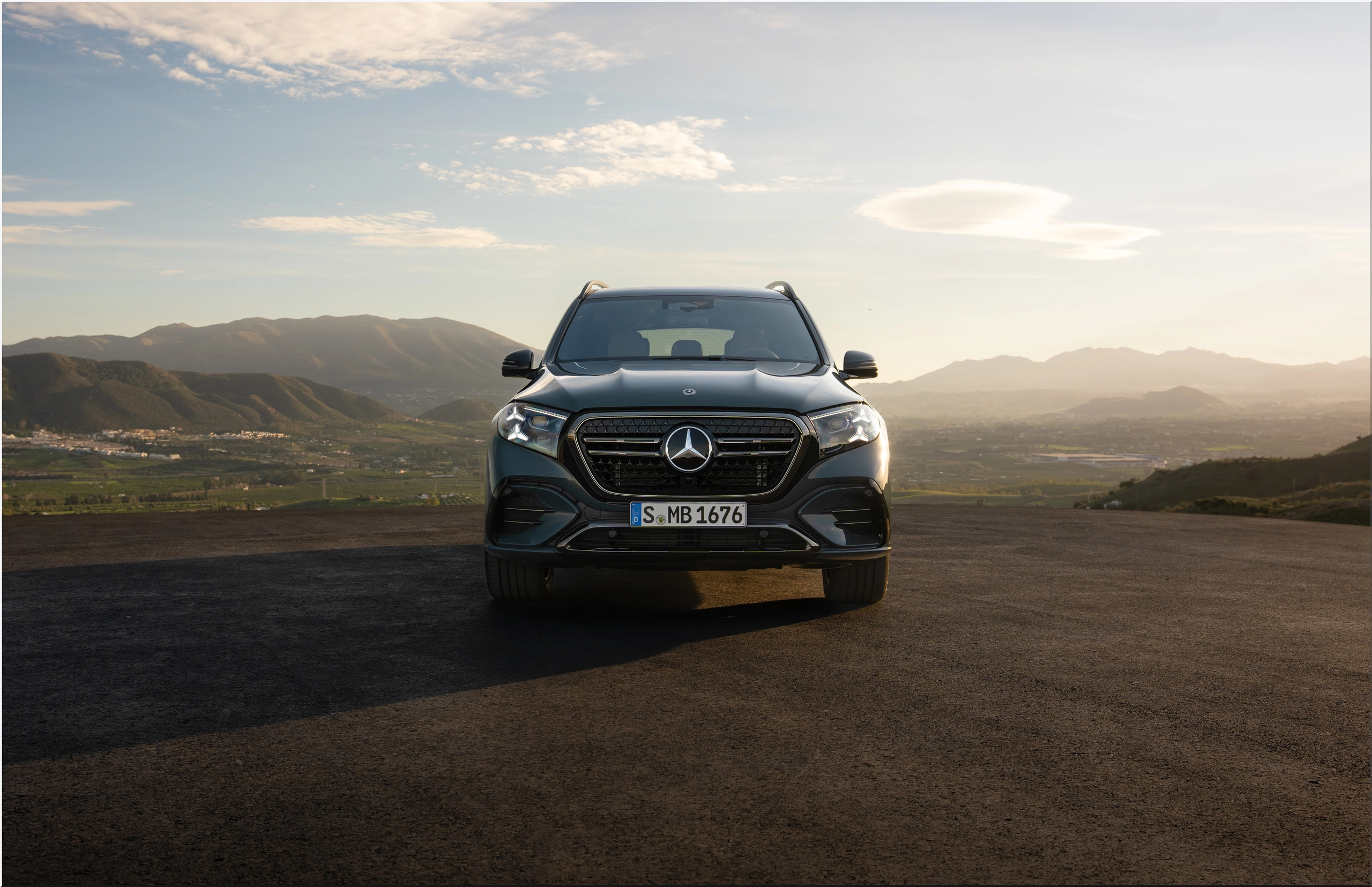
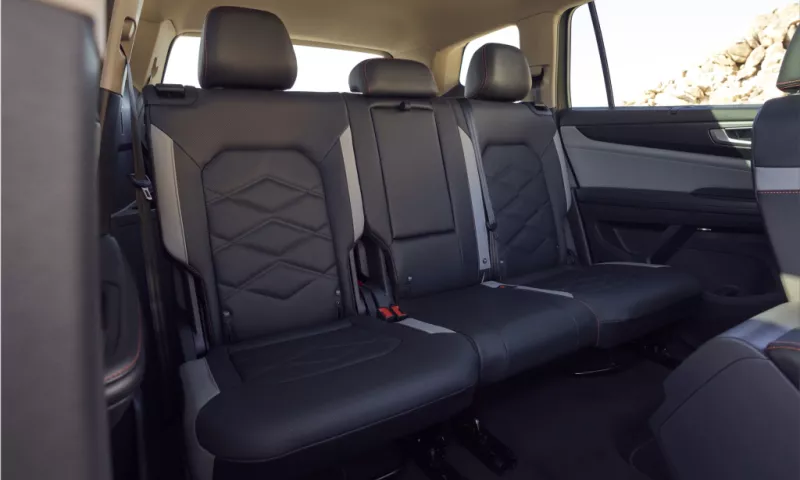
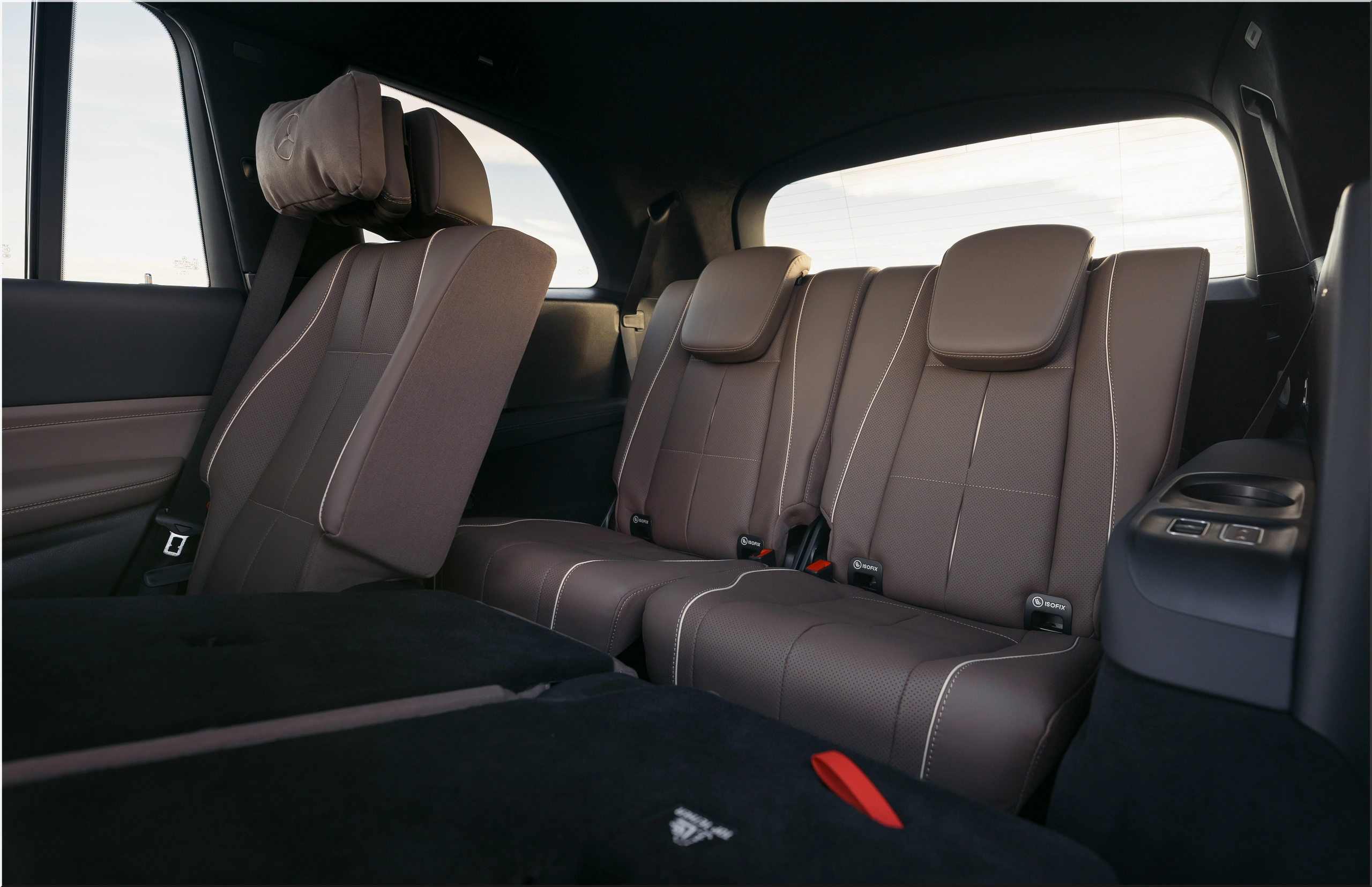
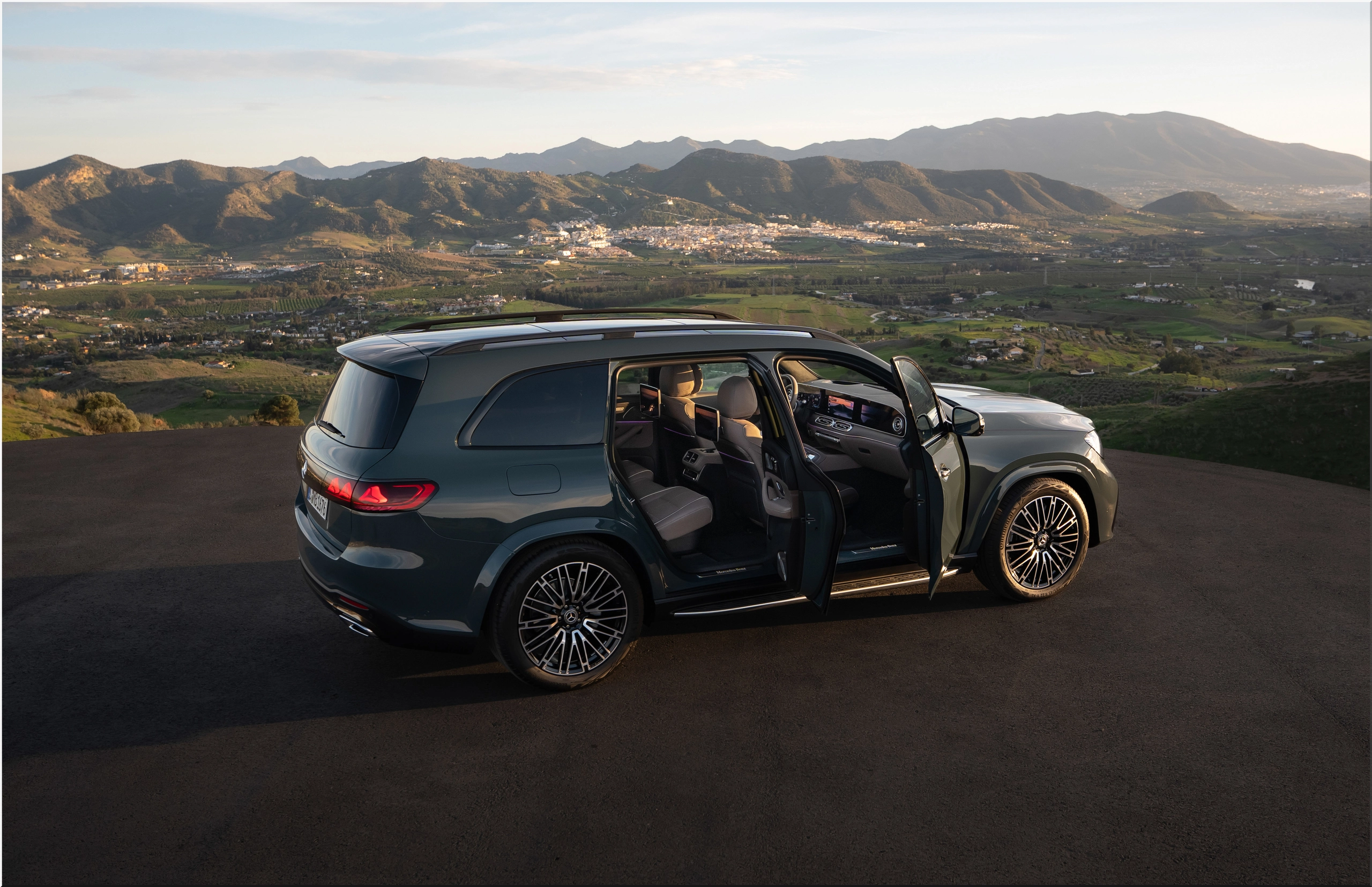
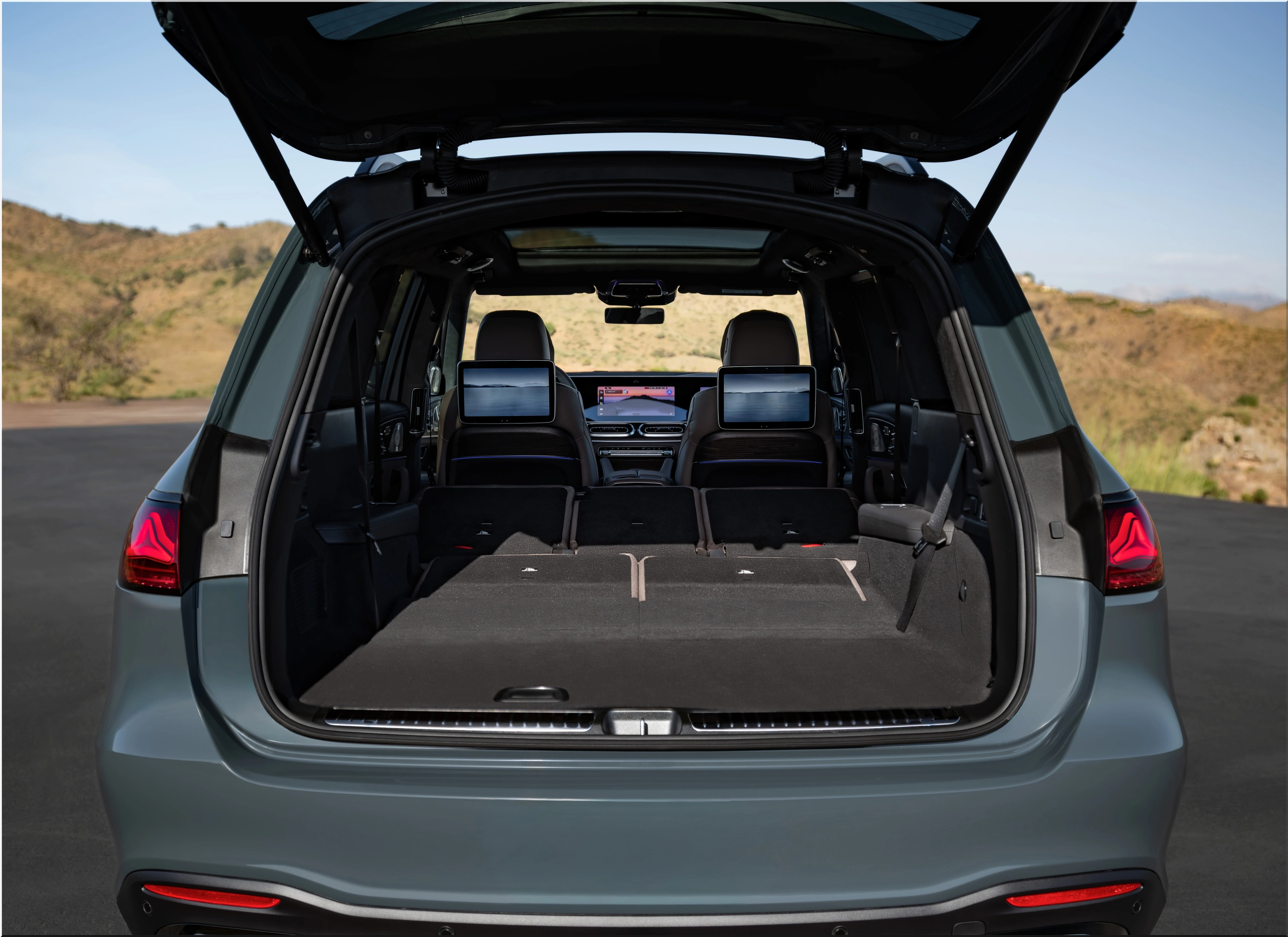
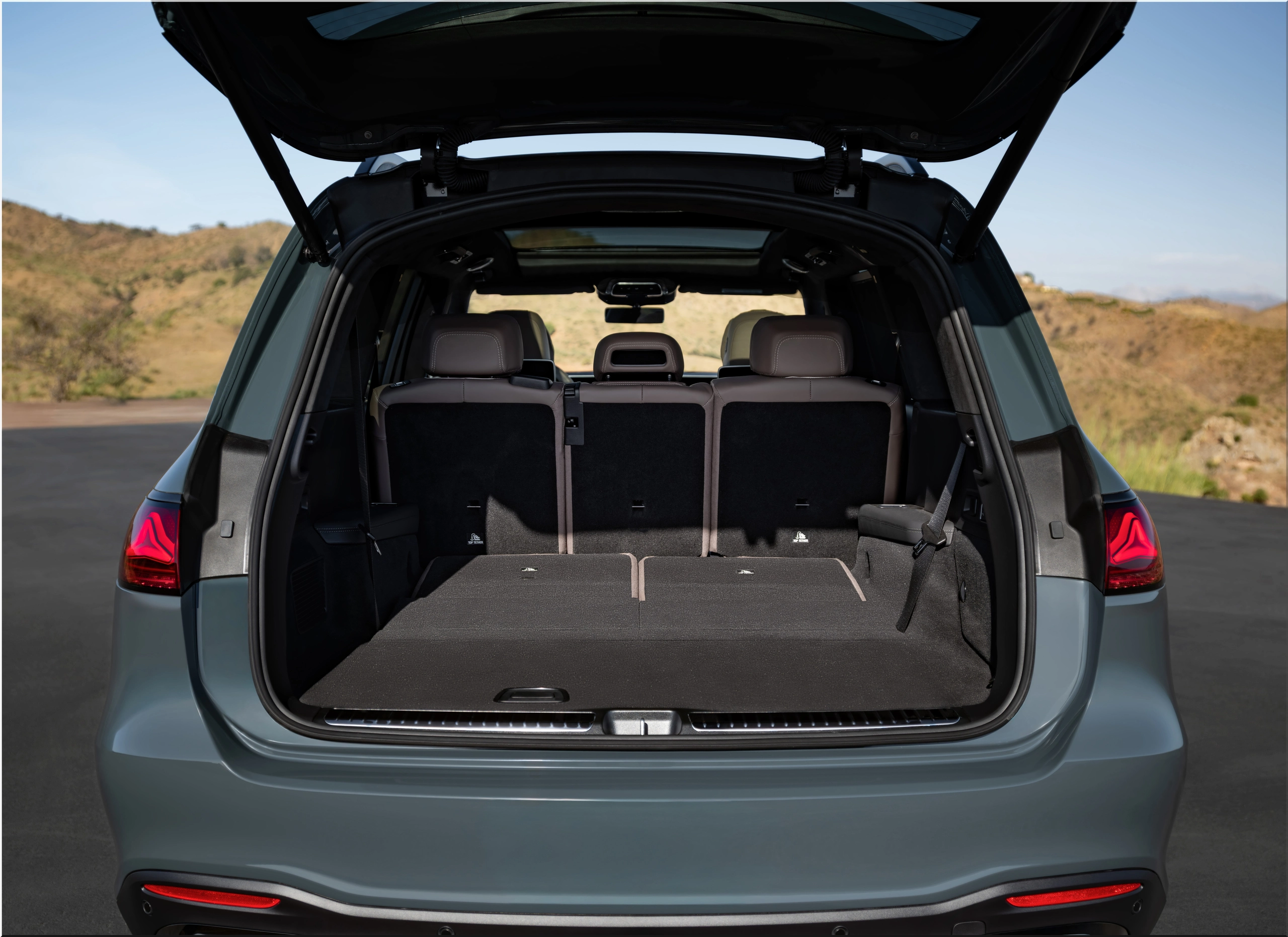
Looking at the data, the GLS still rides on a 123.4-inch wheelbase and stretches about 205.0 inches long, which keeps it squarely in full-size territory. That matters because Mercedes still sells this SUV on usable space, not on styling drama alone. The company says the third row fits adults up to 6-foot-4, and the seven-seat layout remains standard. That gives the GLS a real packaging argument against SUVs that treat the third row like a penalty box.
What changed on the 2027 Mercedes-Benz GLS
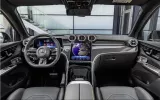
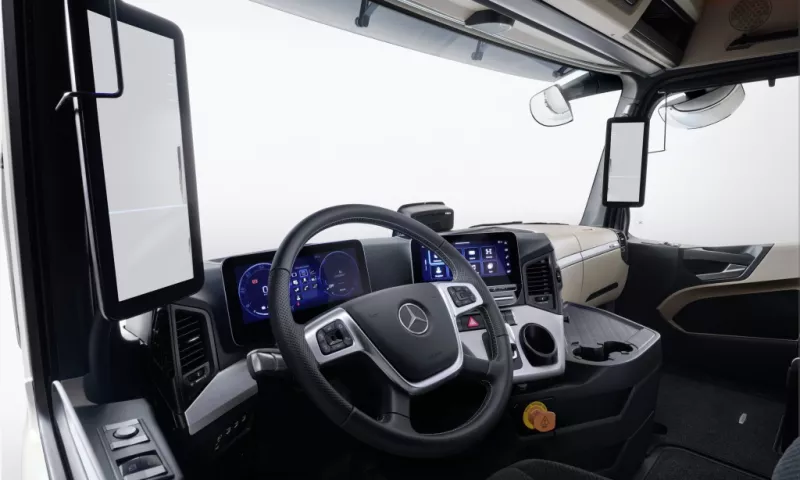
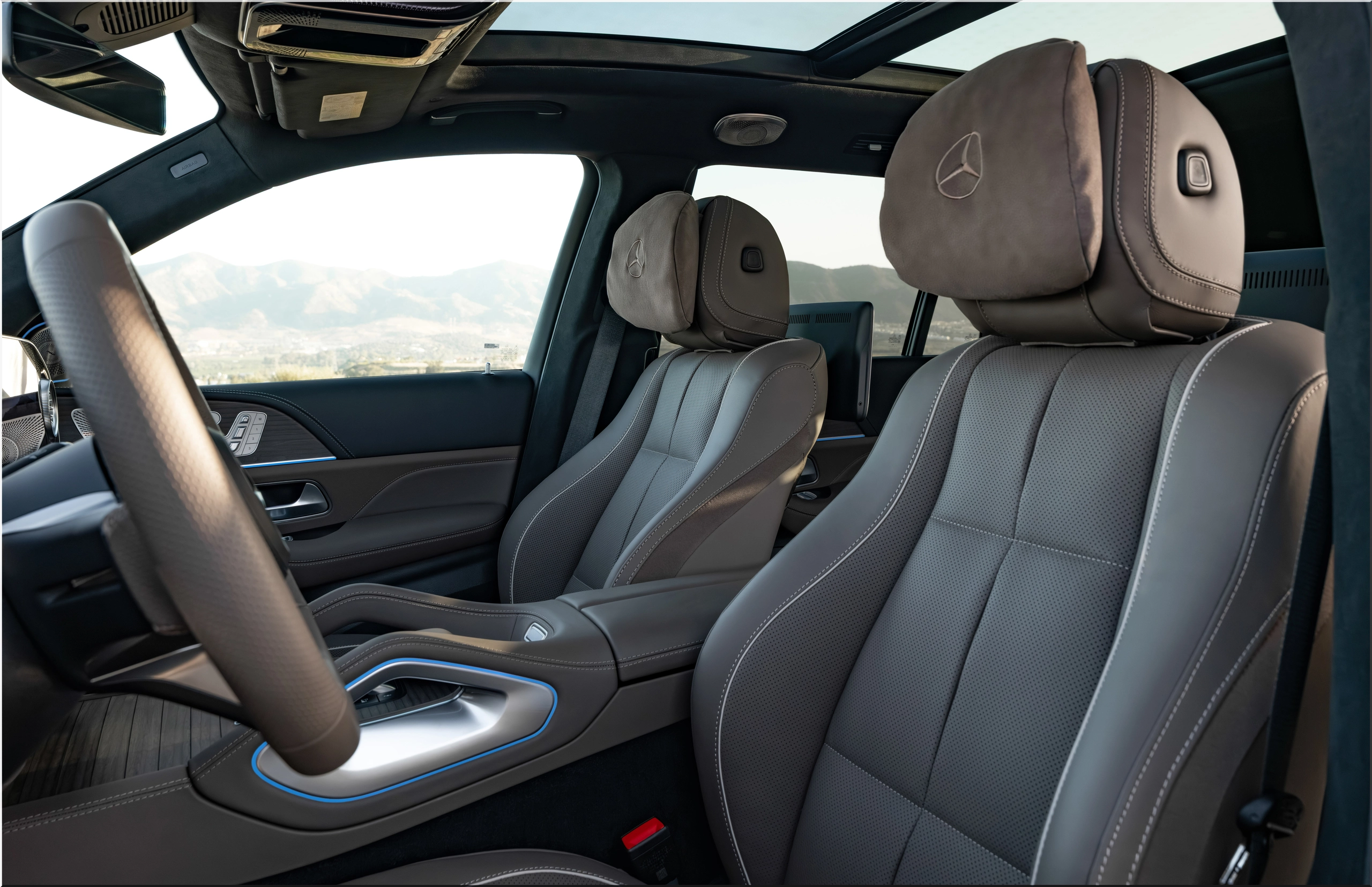
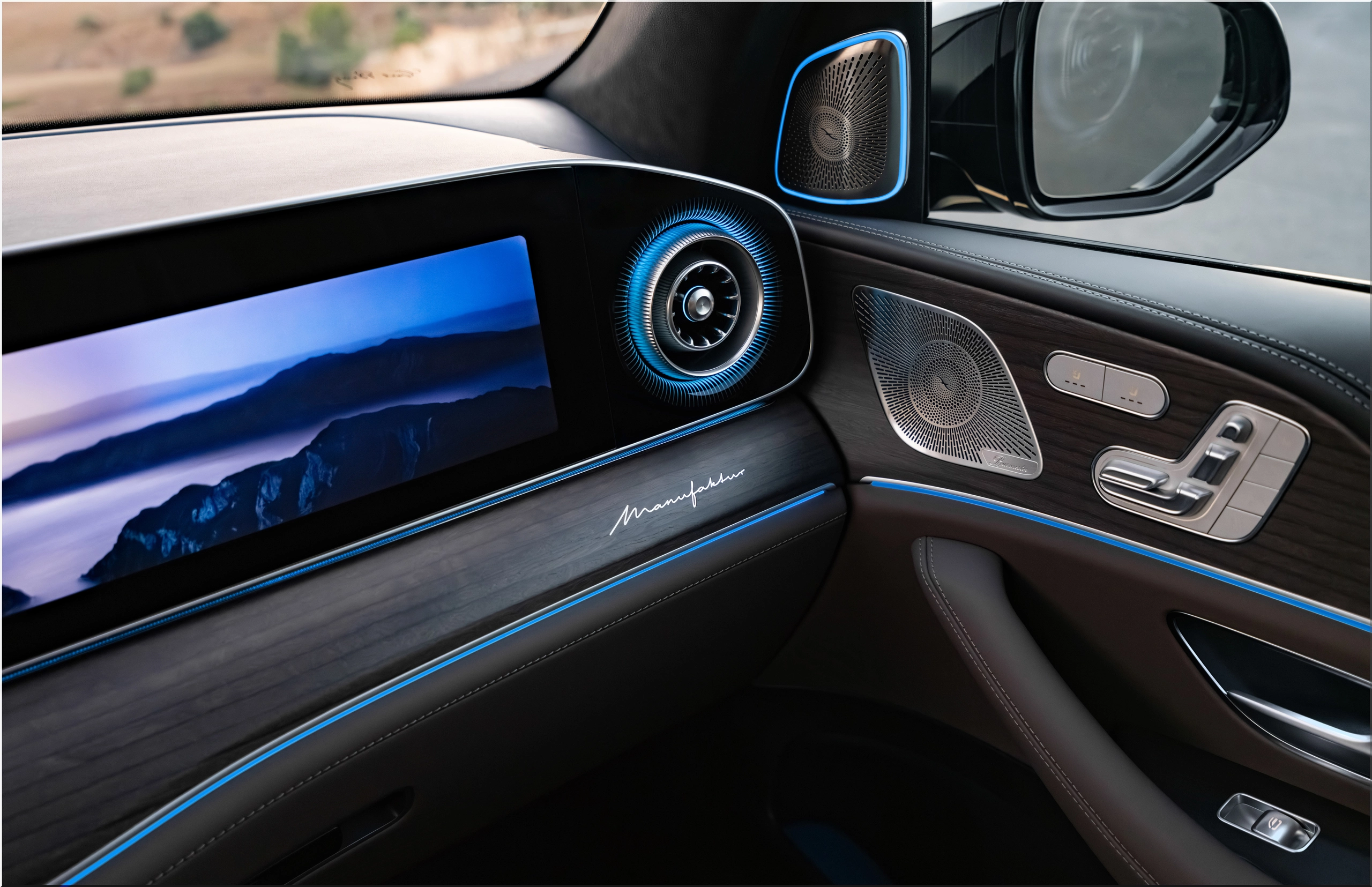
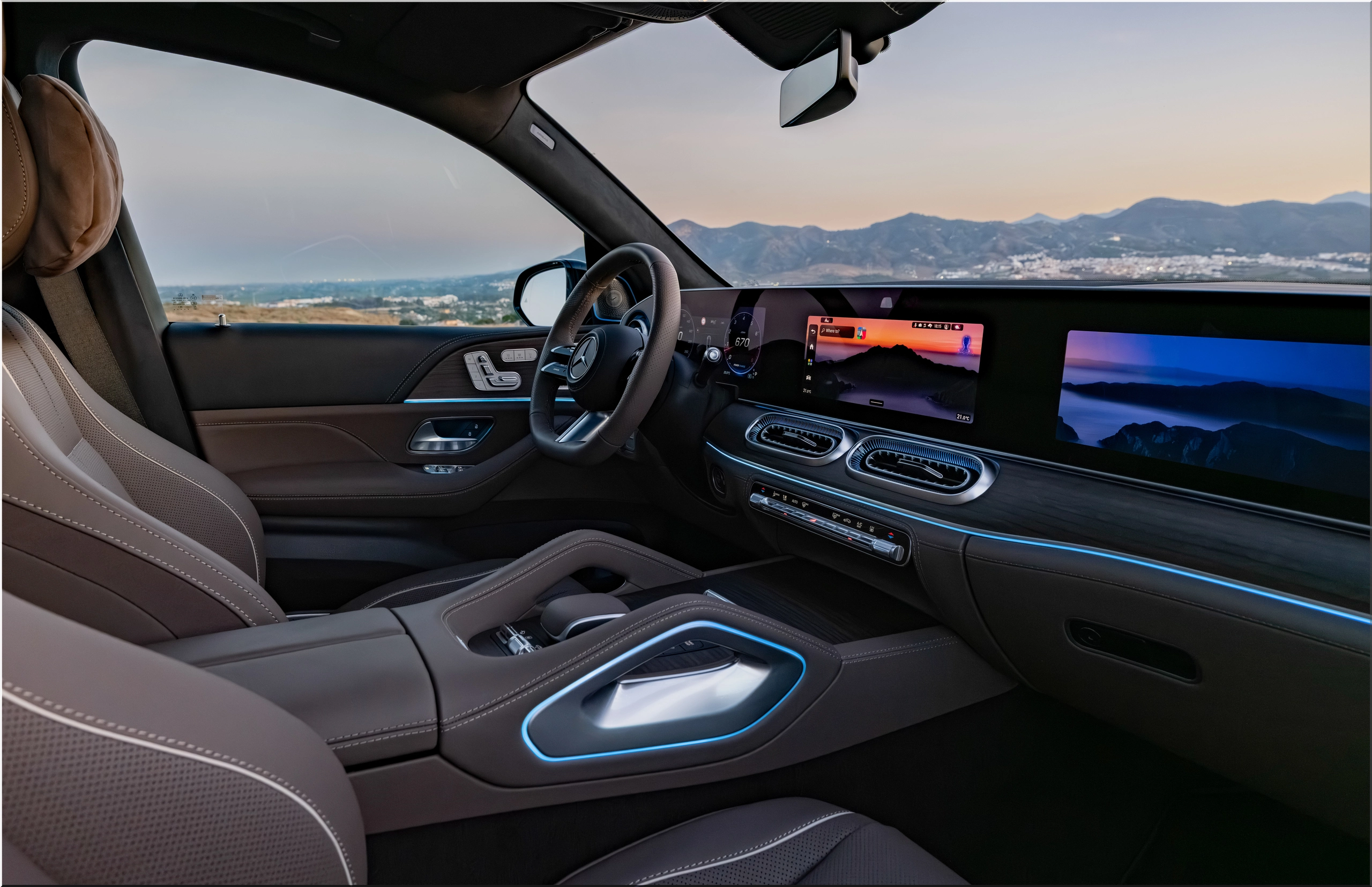
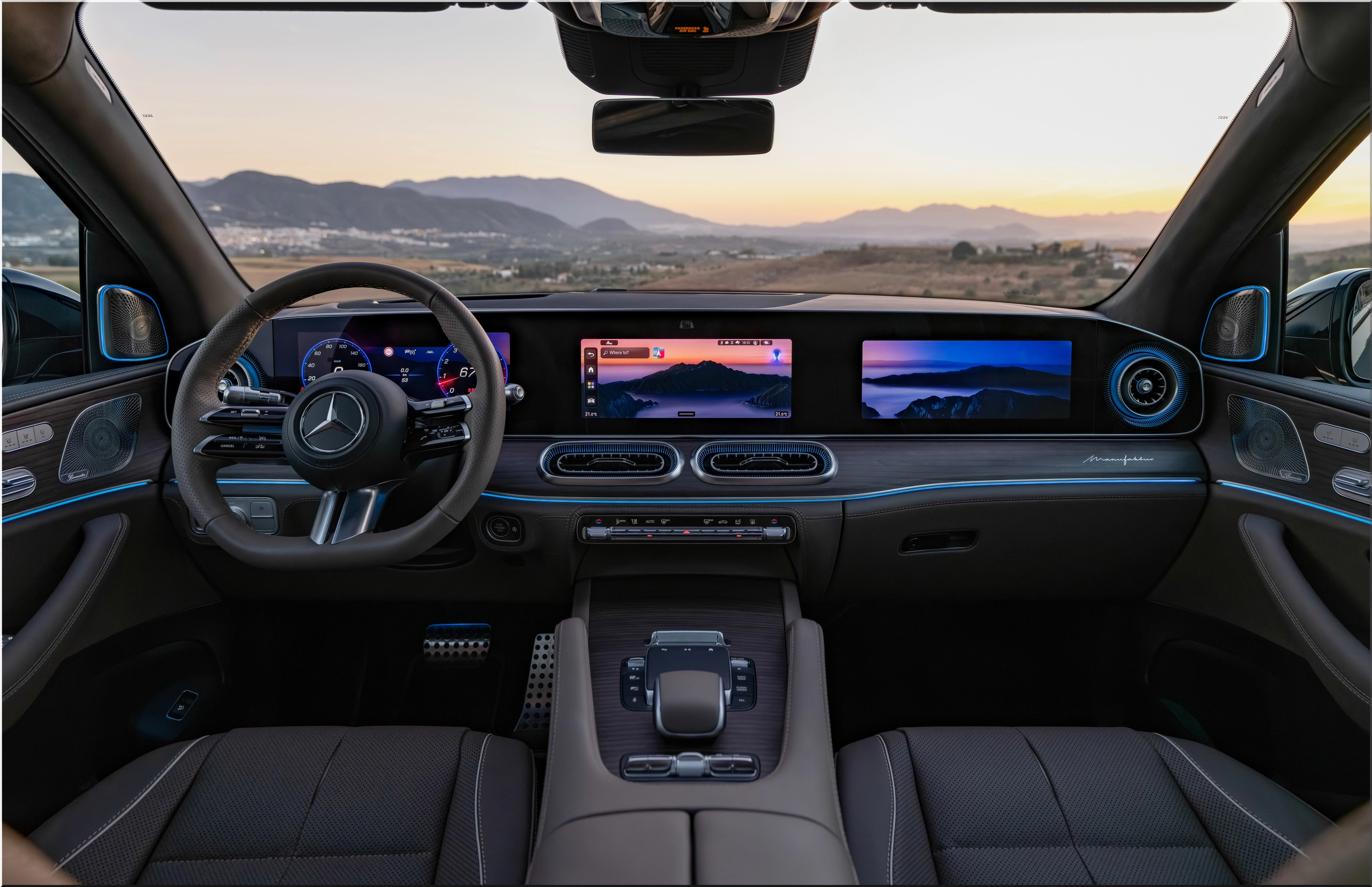
The biggest shift sits behind the windshield. Mercedes now fits the MBUX Superscreen as standard, with three 12.3-inch displays under one glass surface. In addition, the GLS moves to MB.OS, which brings the latest MBUX Virtual Assistant, generative AI functions, Google Maps-based navigation, and a stronger over-the-air update structure.
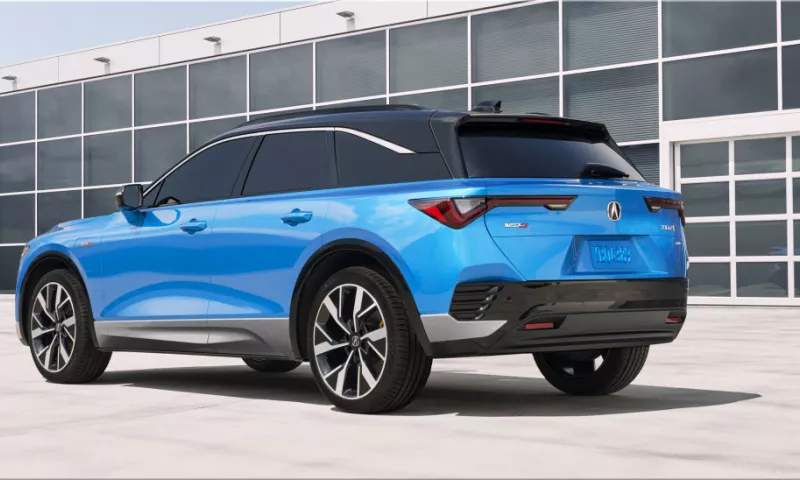
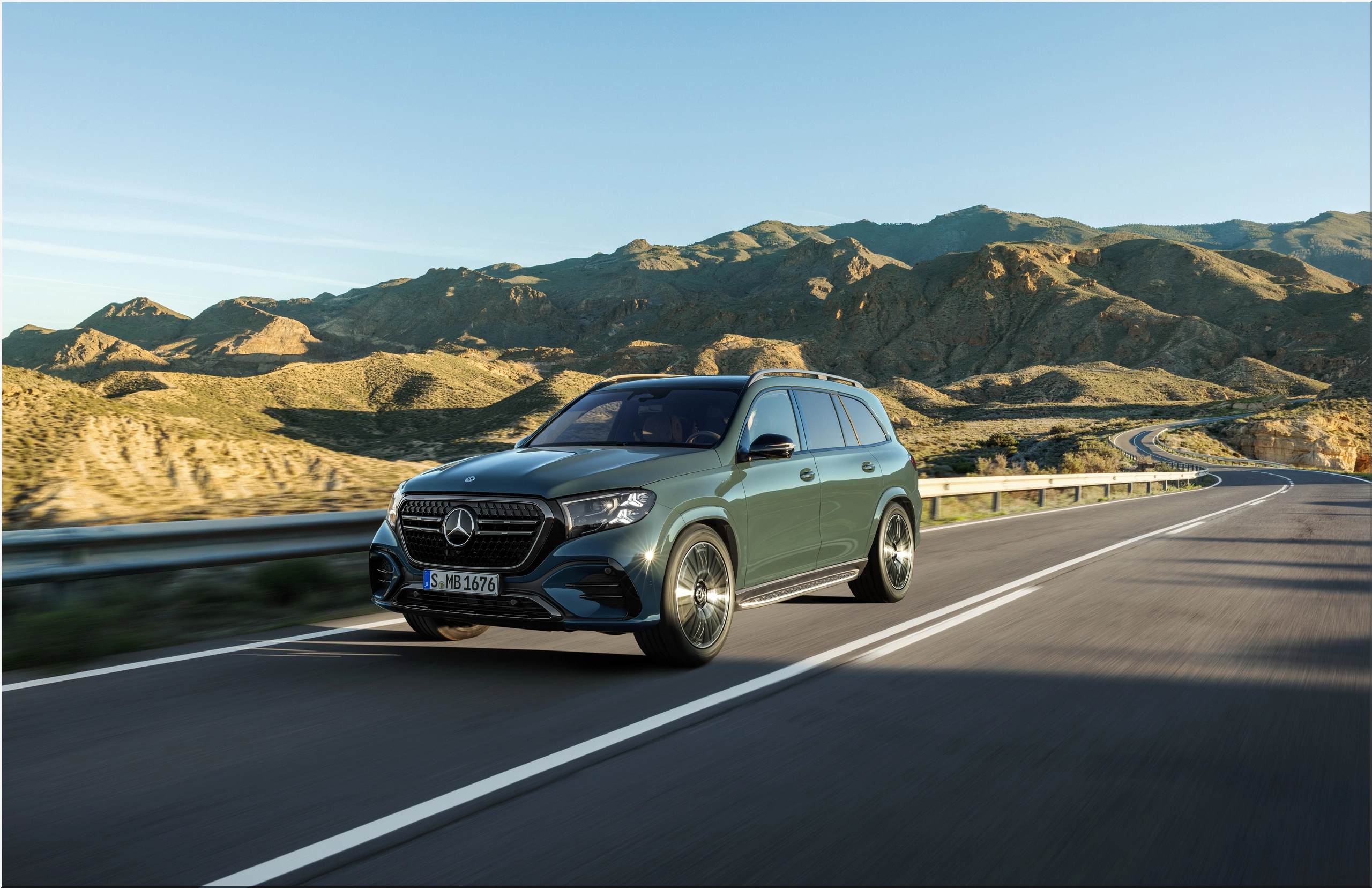
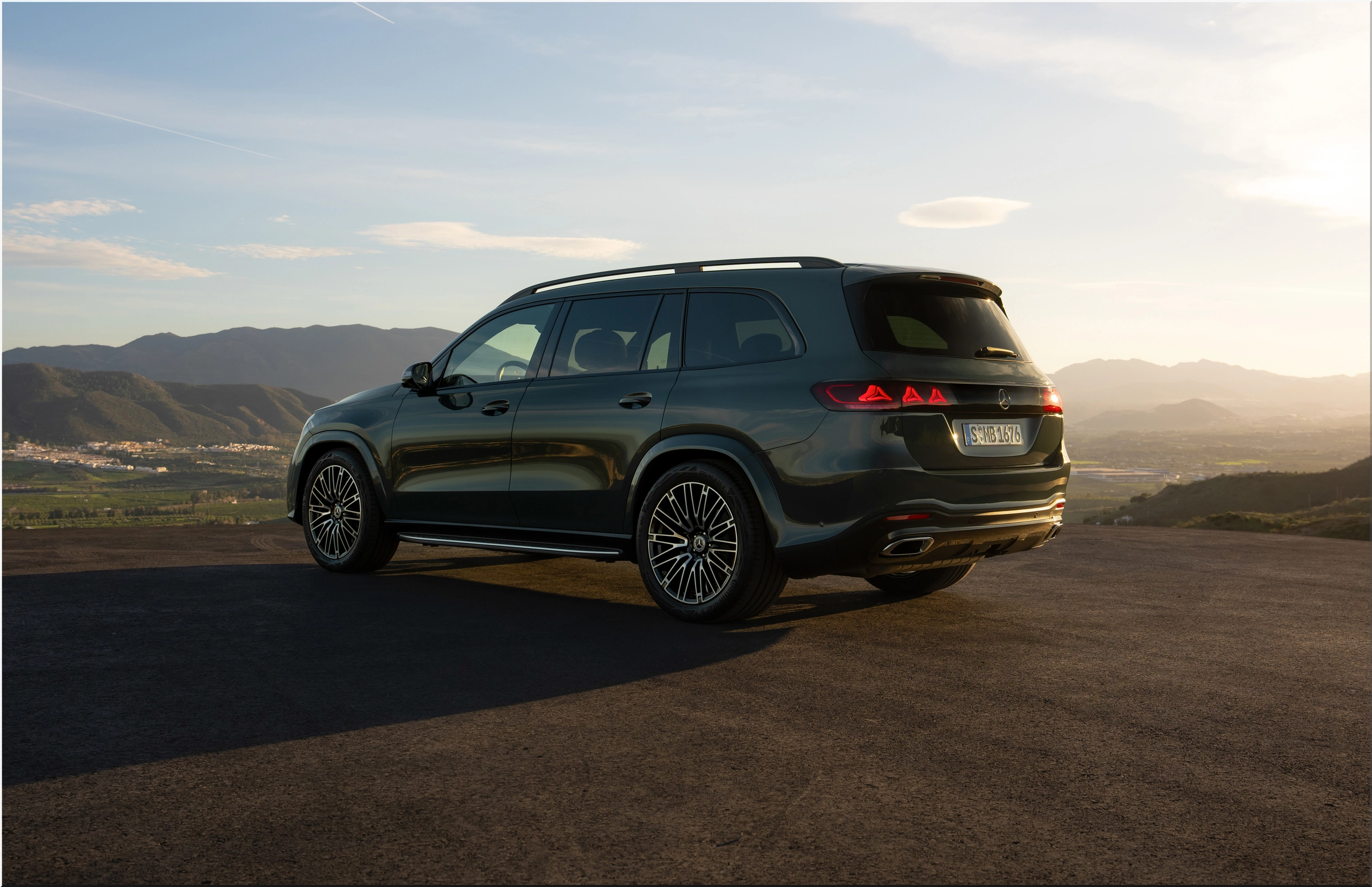
Outside, Mercedes kept the shape familiar and changed the details that owners and onlookers actually notice:
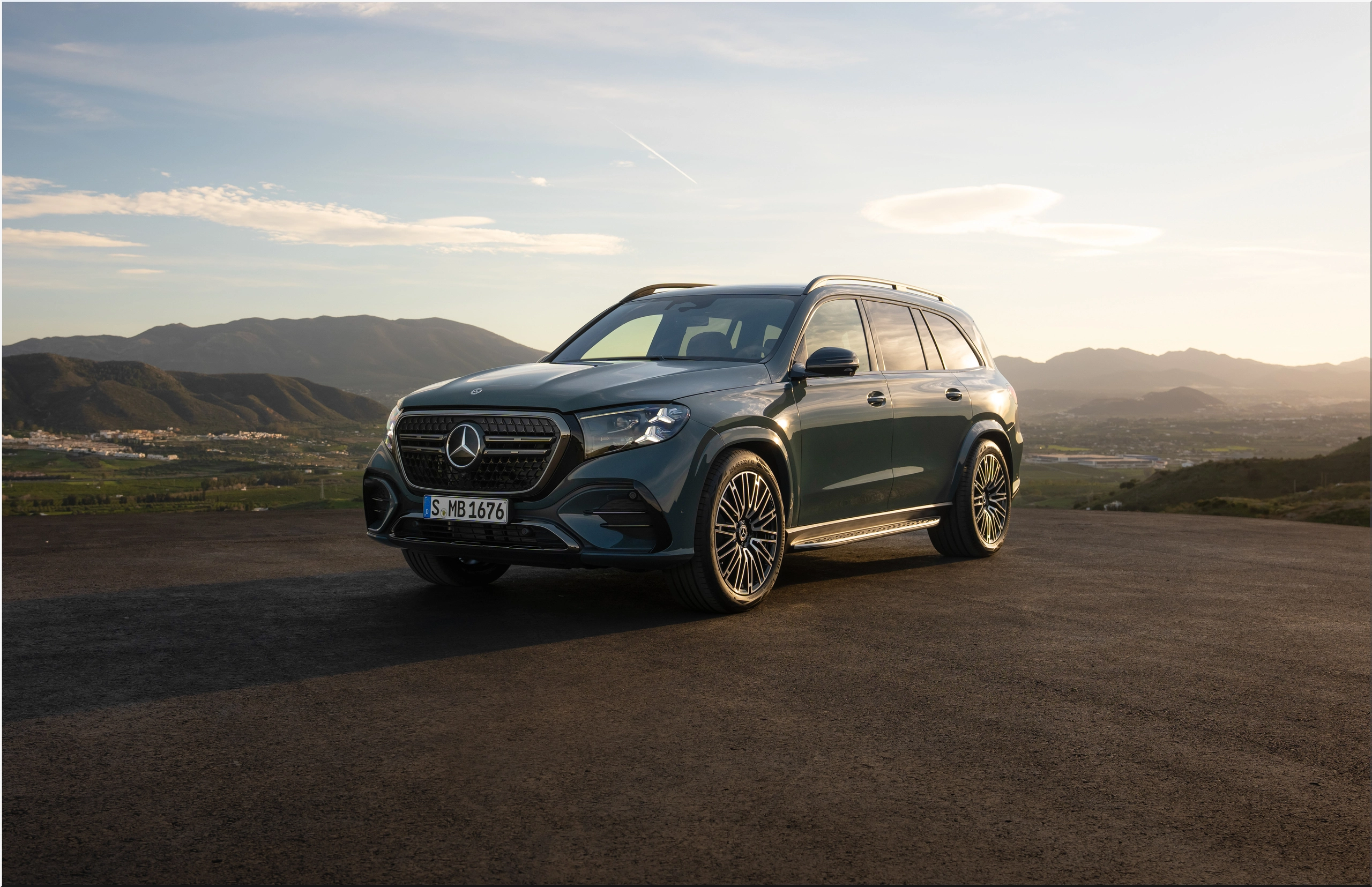
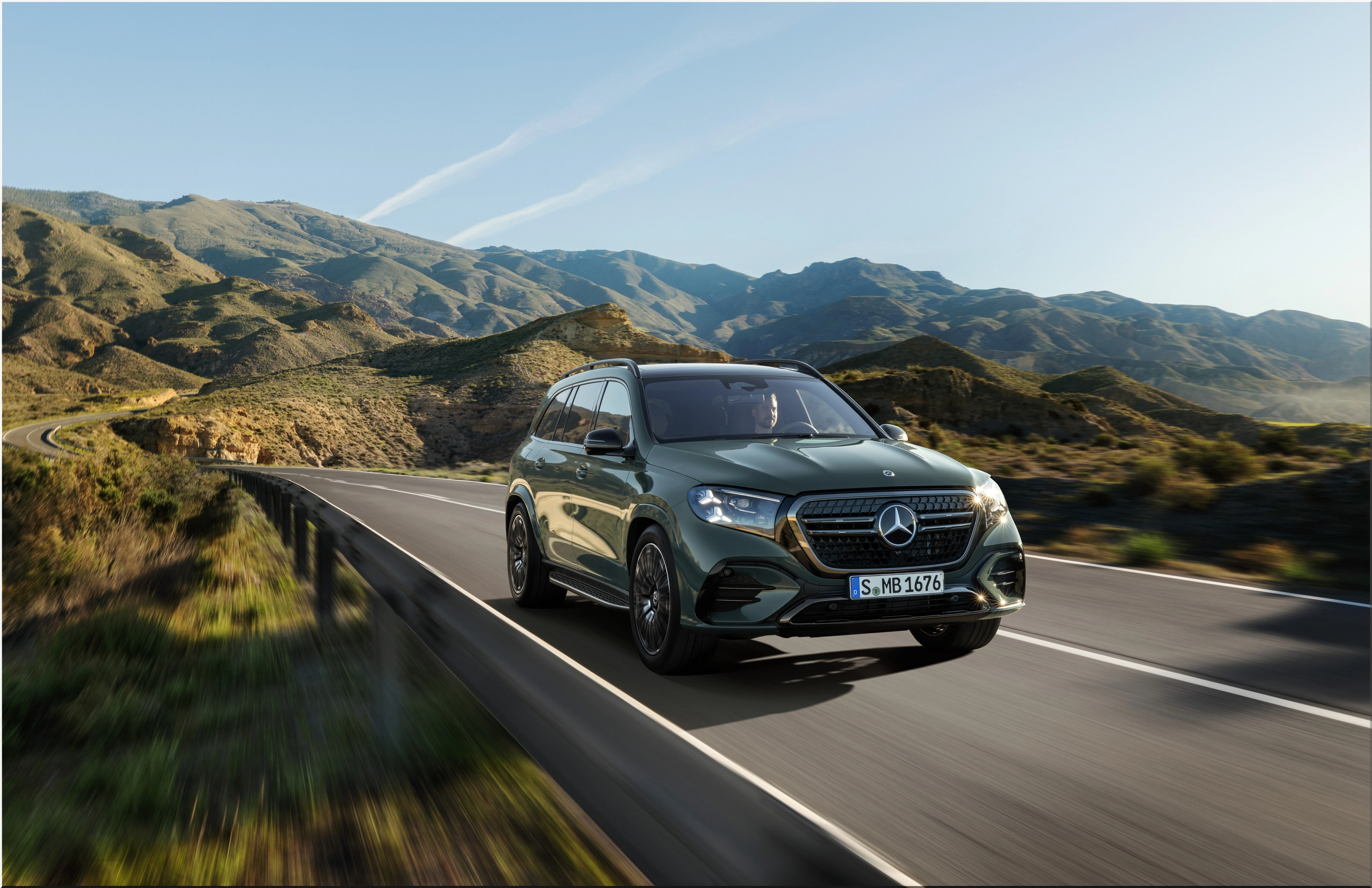
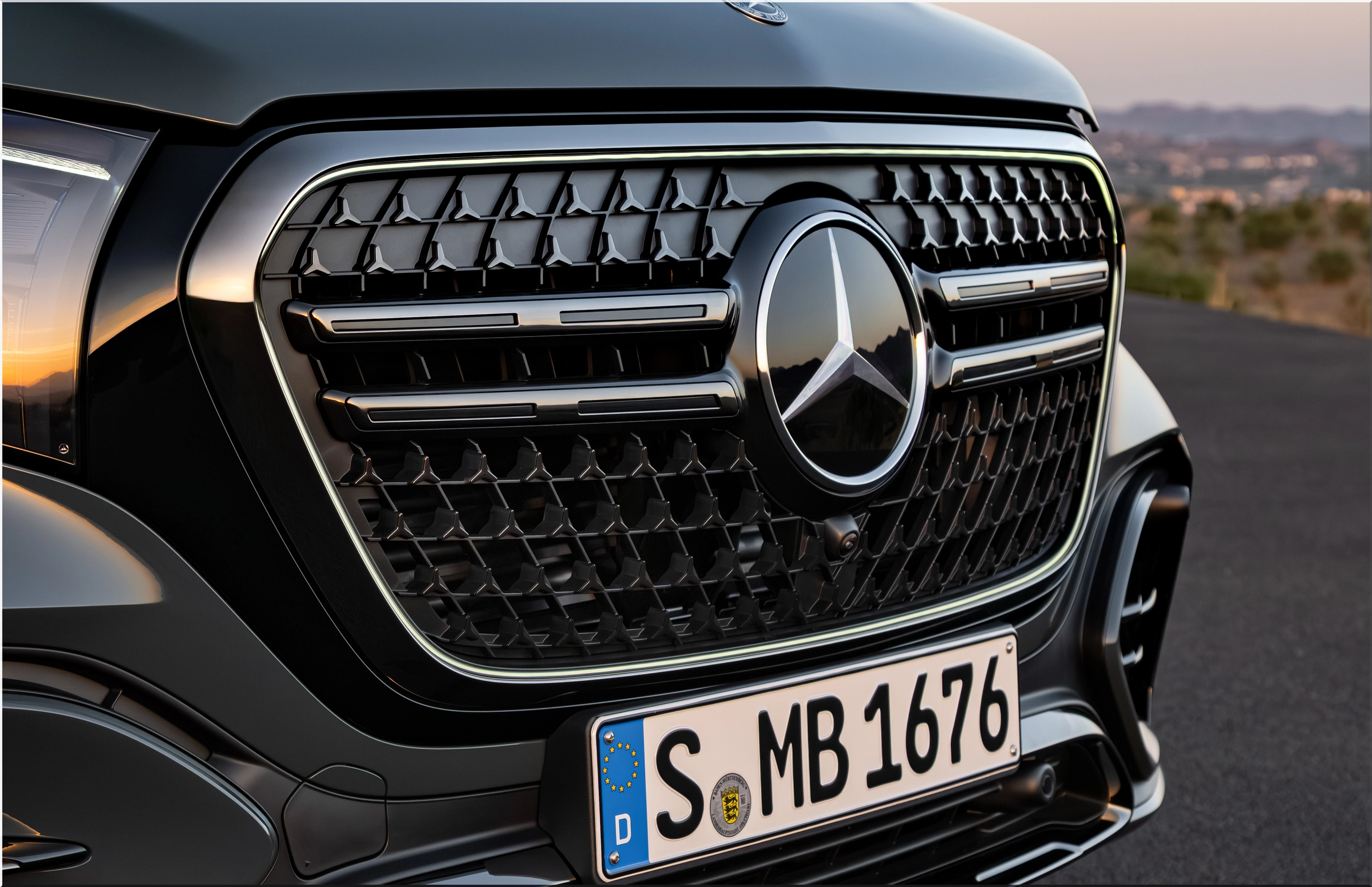
- New grille design with illuminated surround
- Optional illuminated hood star
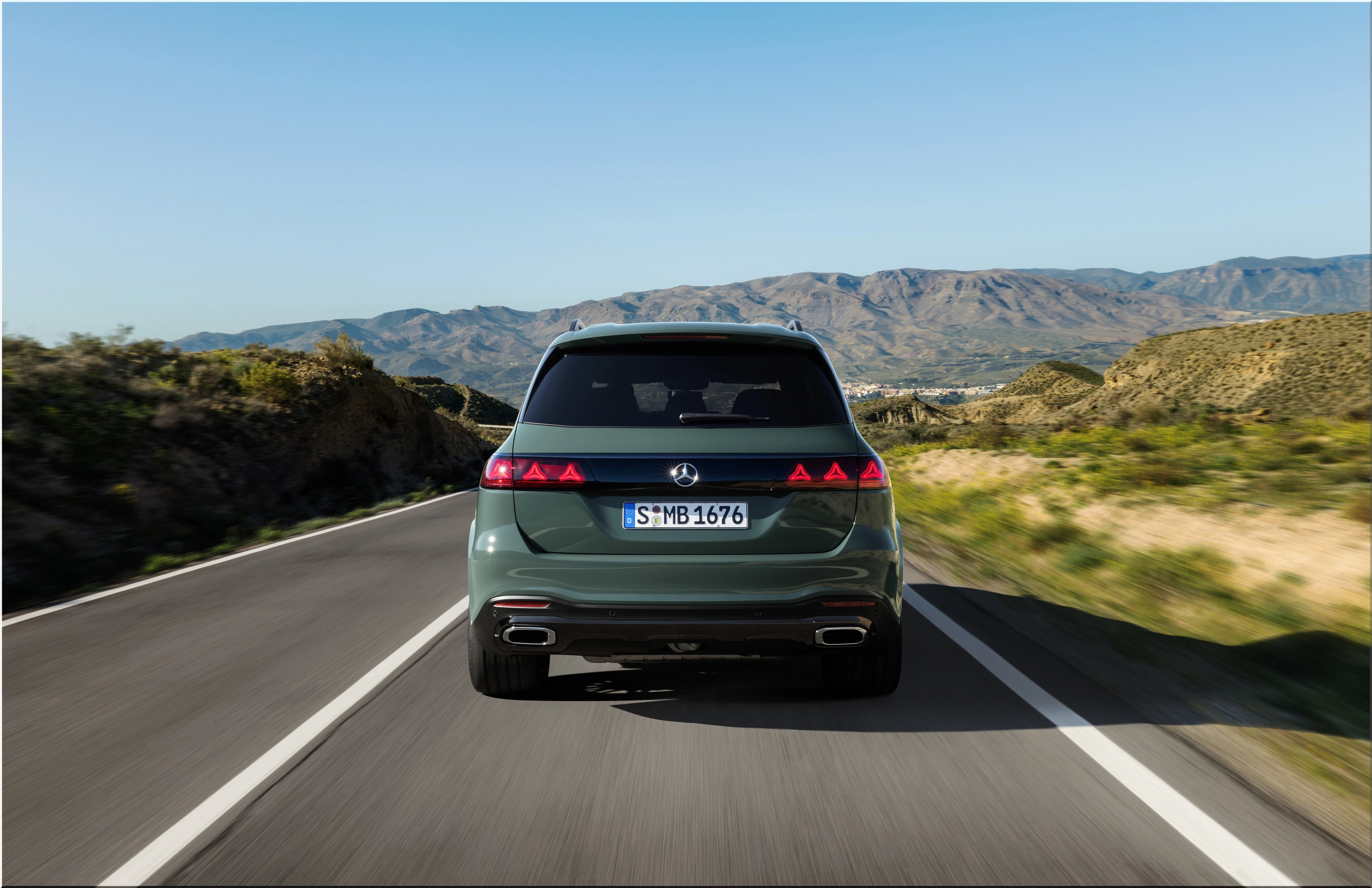
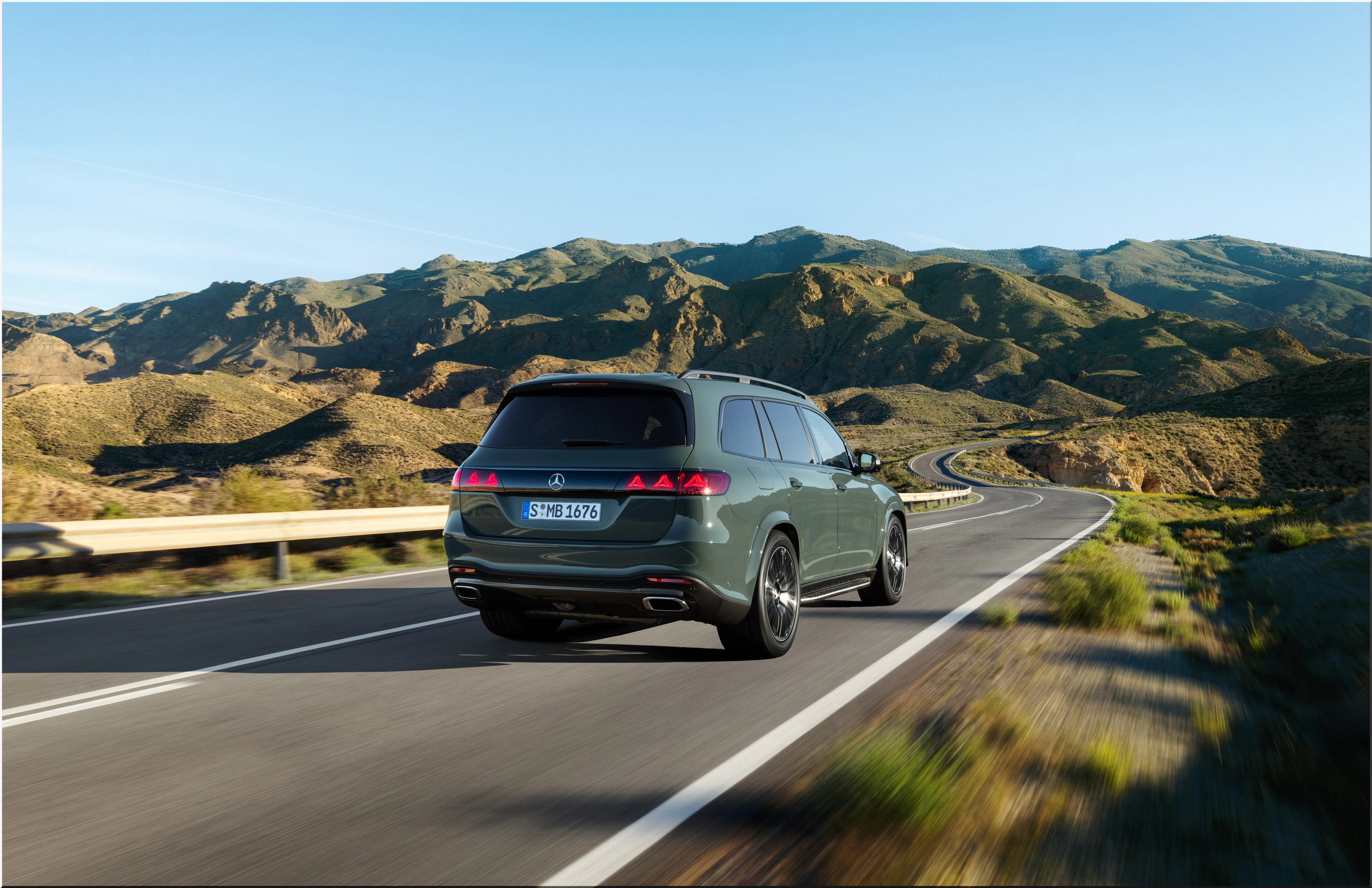
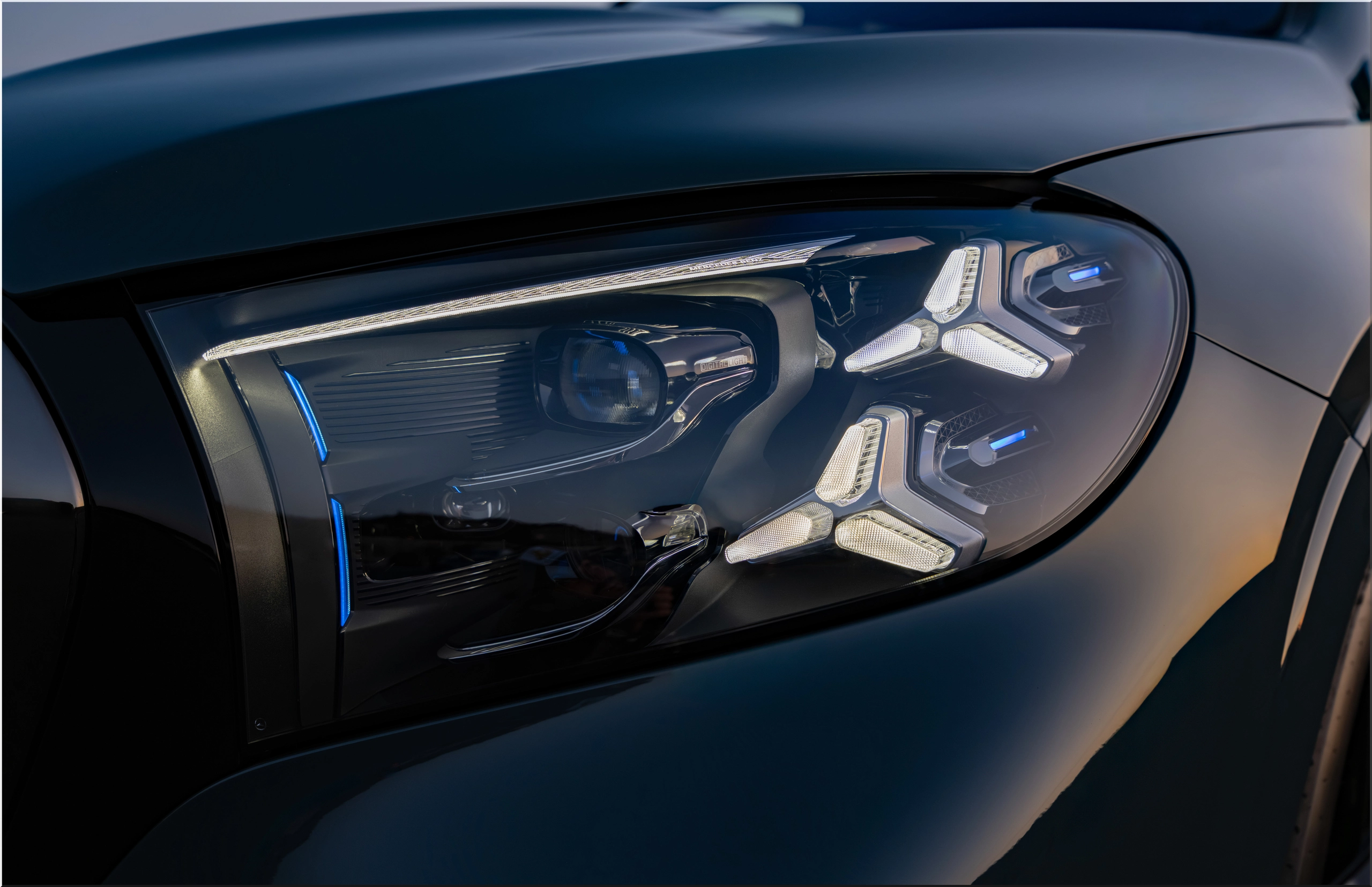
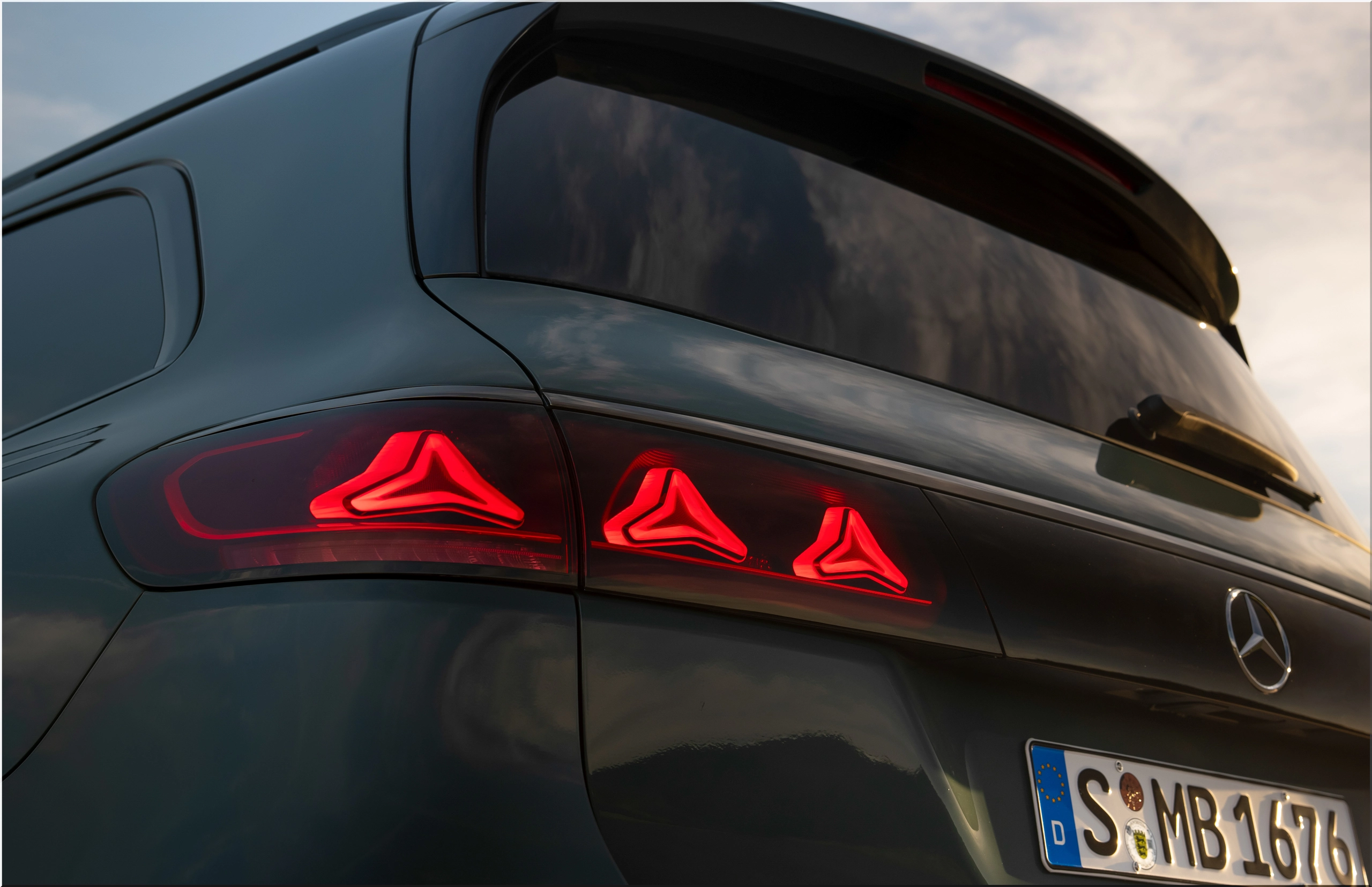
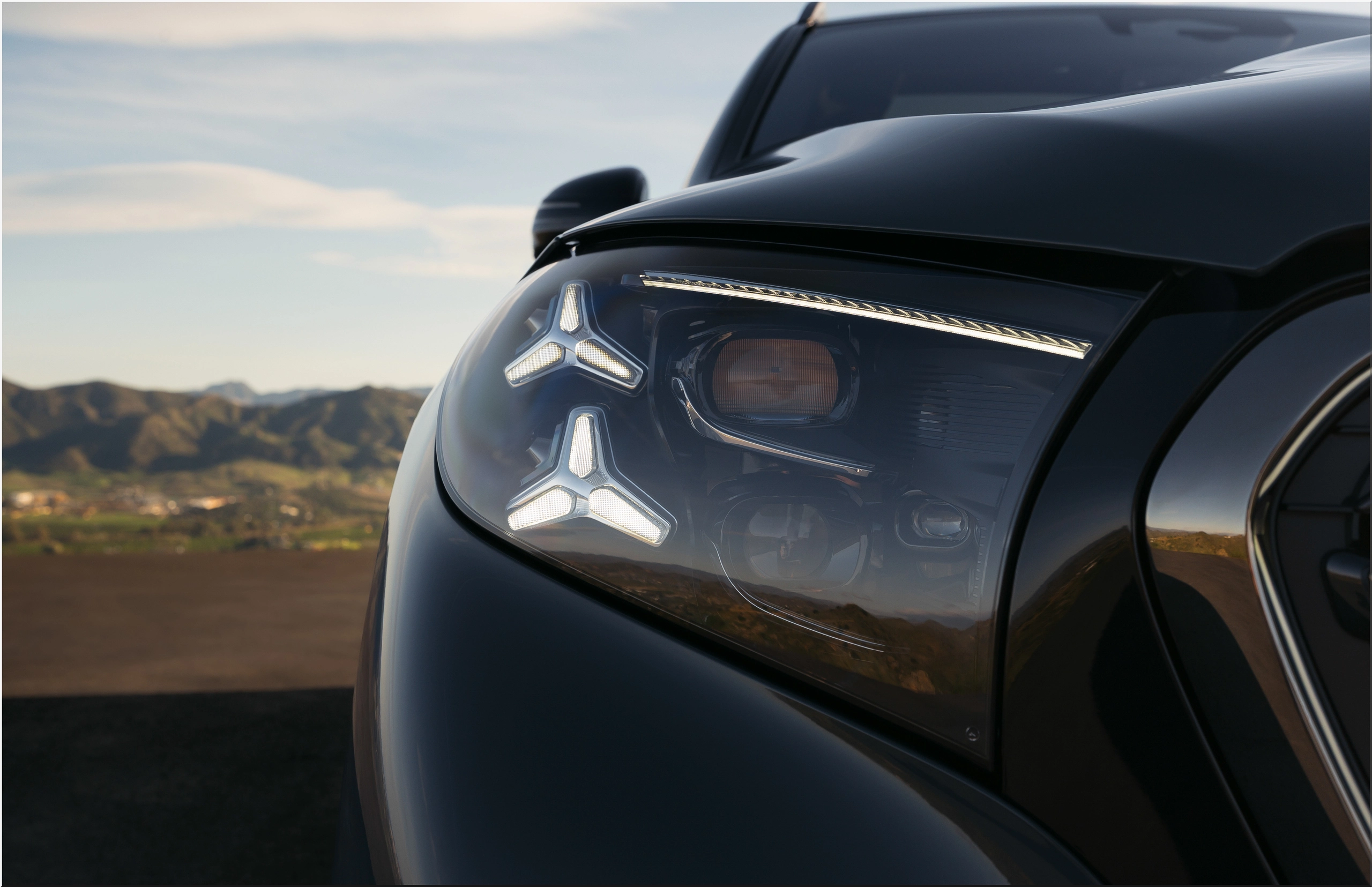
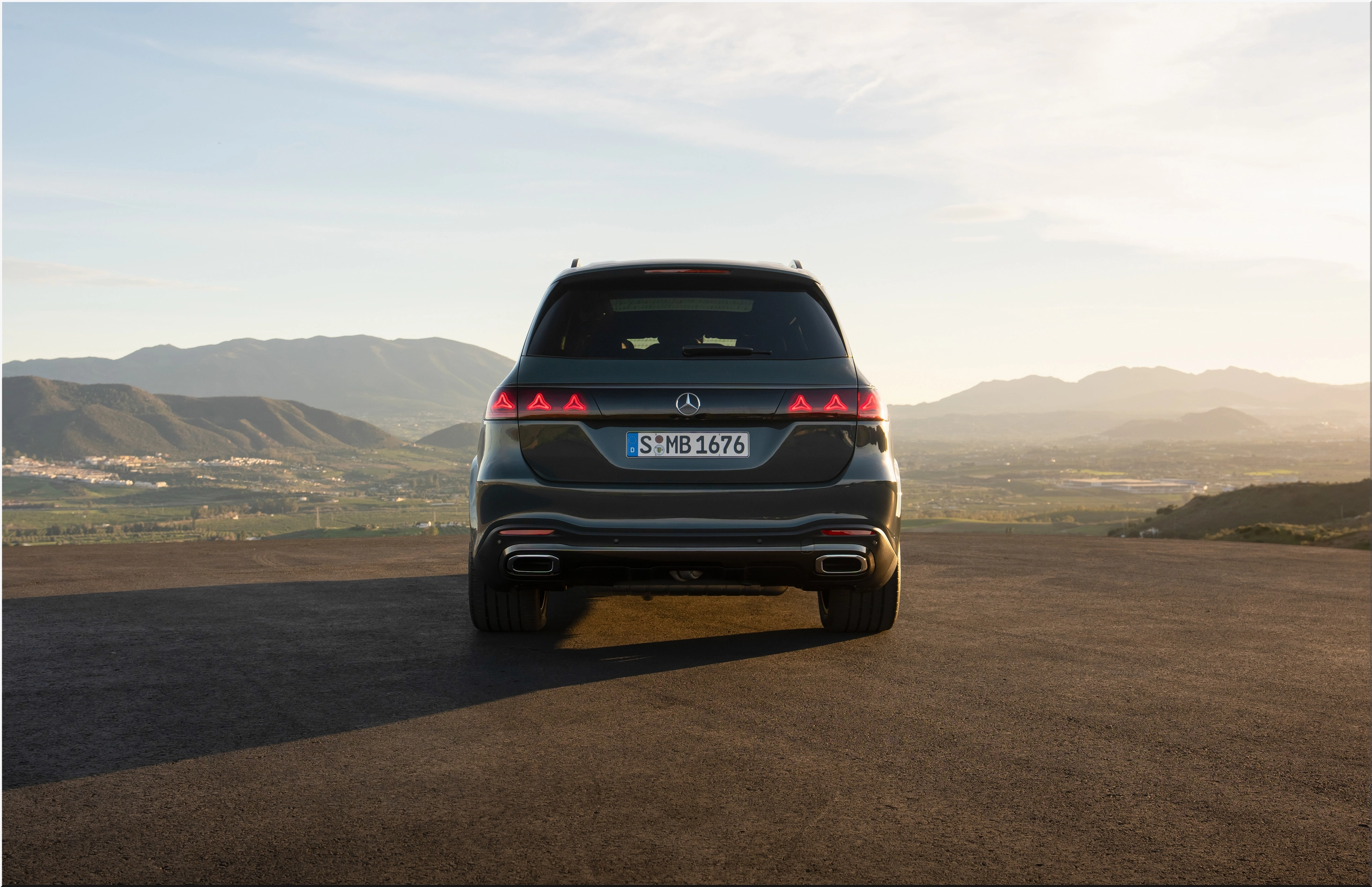
- Revised headlamps and taillamps with star-pattern signatures
- New DIGITAL LIGHT hardware for partial high-beam functionality in the US
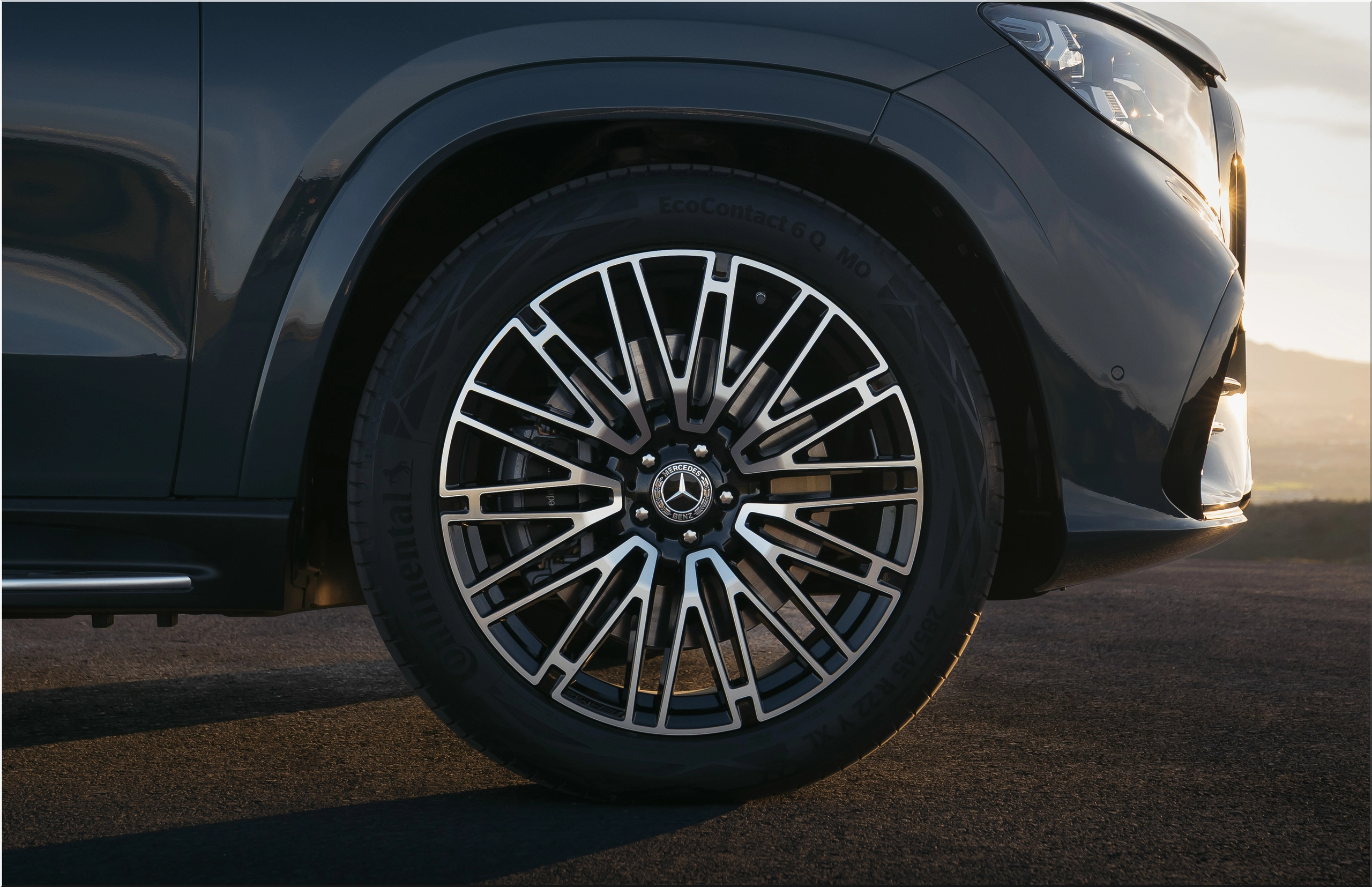
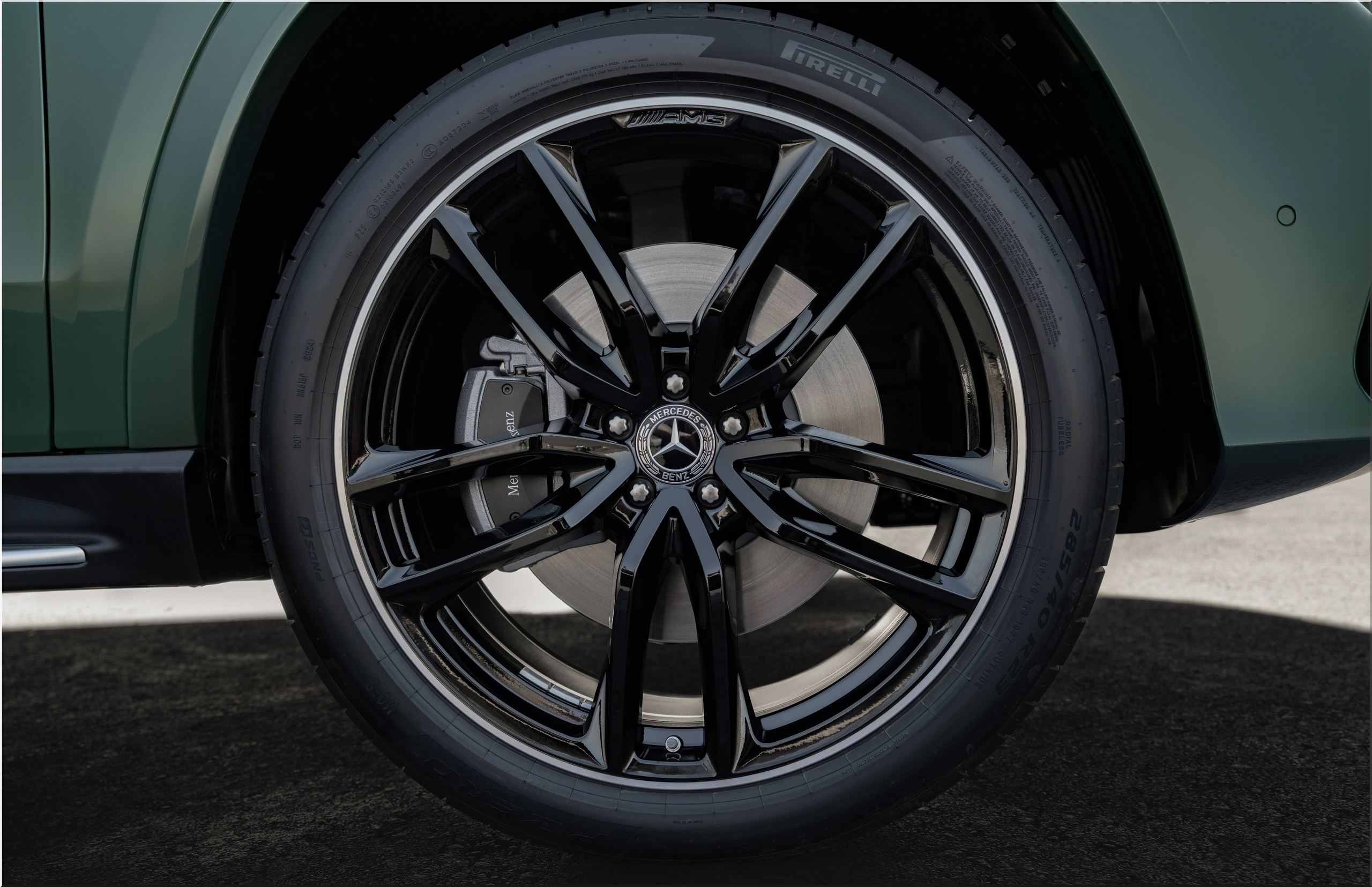
- Updated wheel and trim combinations
That approach fits the GLS buyer. This customer usually wants visible money and quiet authority, not a total identity reset.
Powertrain upgrades focus on response, not drama
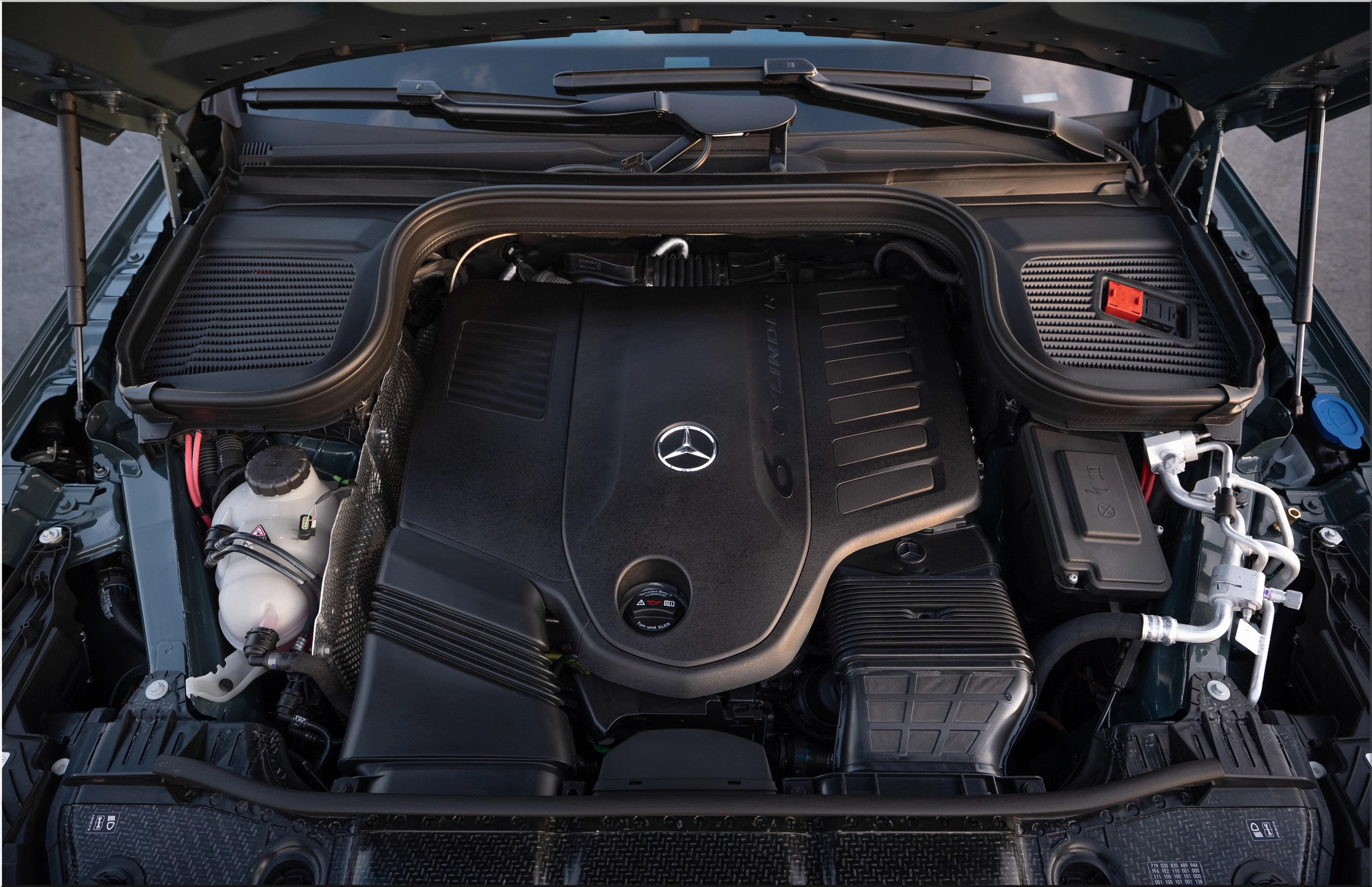
Mercedes split the range into the same core personalities: a six-cylinder GLS 450 and a V8-powered GLS 580, both with 4MATIC all-wheel drive. Specifically, both engines now work with a 48-volt mild-hybrid system and an integrated starter generator that adds torque support during launch and transient throttle inputs.
2027 Mercedes-Benz GLS powertrain table
| Model | Engine | Output | Torque | 0-60 mph |
|---|---|---|---|---|
| GLS 450 4MATIC | 3.0-litre inline-six turbo | 375 hp | 413 lb-ft | 5.4 sec |
| GLS 580 4MATIC | 4.0-litre V8 biturbo | 530 hp | 553 lb-ft | 4.6 sec |
From an expert perspective, Mercedes made the right call here. Buyers in this class rarely ask for peak-rpm fireworks. They ask for smooth, immediate acceleration with no coarse edges. The updated six-cylinder adds a more powerful electric auxiliary compressor, while the V8 gains a stronger output figure and sharper response. The result should feel richer in the midrange, where a 5,500-plus-pound luxury SUV actually lives.
Ride quality remains the main event
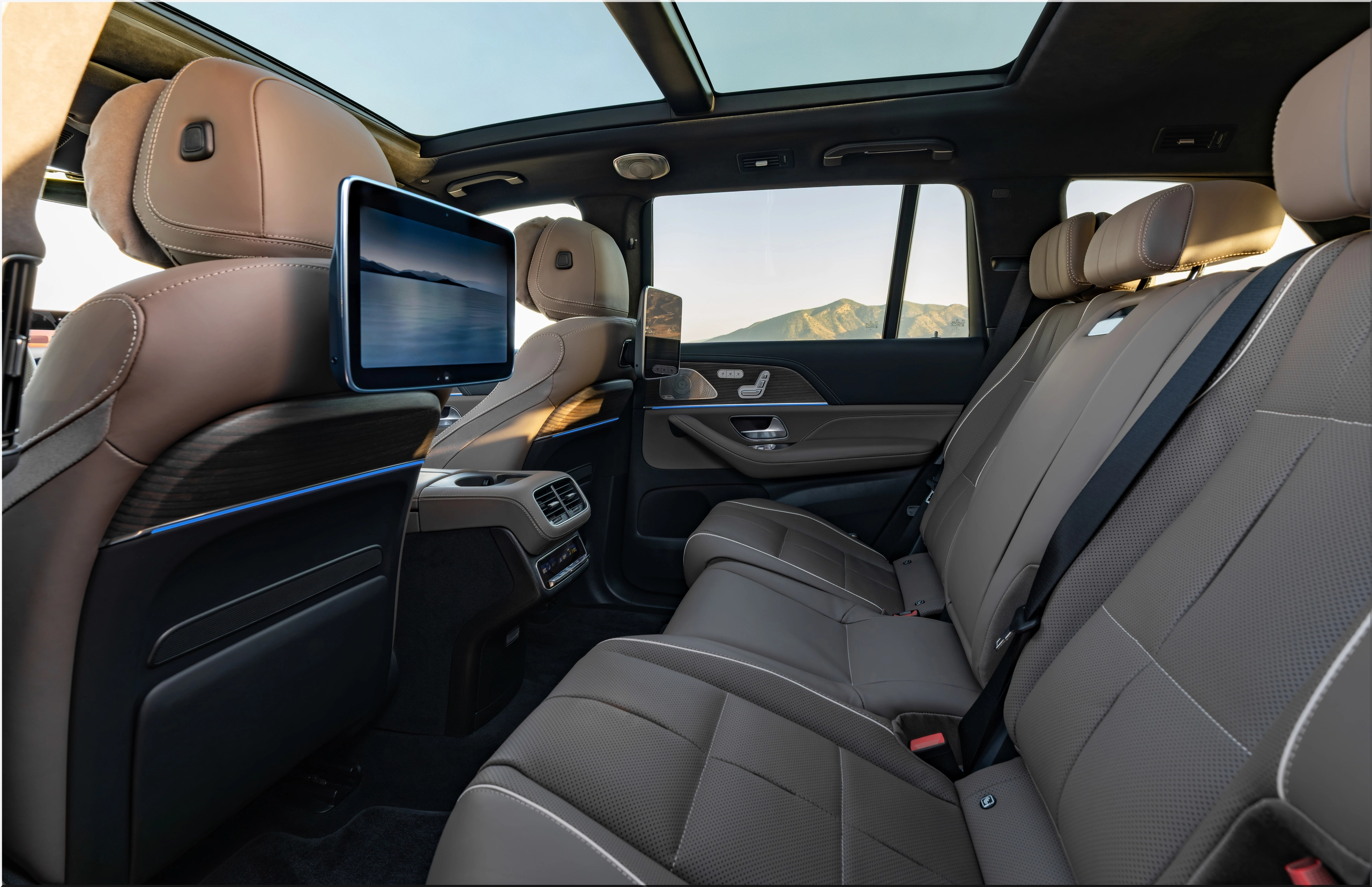
Mercedes still treats the GLS as a comfort-first machine, and the chassis story backs that up. AIRMATIC air suspension remains standard, while E-ACTIVE BODY CONTROL stays optional on the GLS 580. The more advanced system can control each wheel individually and monitor road conditions at a very high frequency, which lets the body stay calmer over broken pavement and reduces head toss for second- and third-row passengers.
Consequently, the GLS keeps a real edge where luxury SUVs win or lose loyalty: long-distance fatigue. More insulation, smoother power delivery, and active suspension control all attack the same problem from different angles. Mercedes clearly wants the GLS to feel quieter, softer, and more composed without turning it numb.
Chassis and comfort table
| Area | Standard | Available / Higher Spec | Why it matters |
|---|---|---|---|
| Suspension | AIRMATIC air suspension | E-ACTIVE BODY CONTROL | Better bump isolation and flatter body control |
| Infotainment | MBUX Superscreen | Rear entertainment hardware | Front and rear passengers get a stronger digital experience |
| Seating | 3-row, 7-seat layout | Executive Rear Seat Package Plus | Adds business-class second-row comfort |
| Driver aids | MB.DRIVE suite | MB.DRIVE ASSIST PRO / PARKING ASSIST 360 | Adds automation and cloud-linked updates |
| Lighting | Updated lighting signatures | Next-gen DIGITAL LIGHT | Better visibility and stronger brand identity |
Cabin tech now does more of the selling
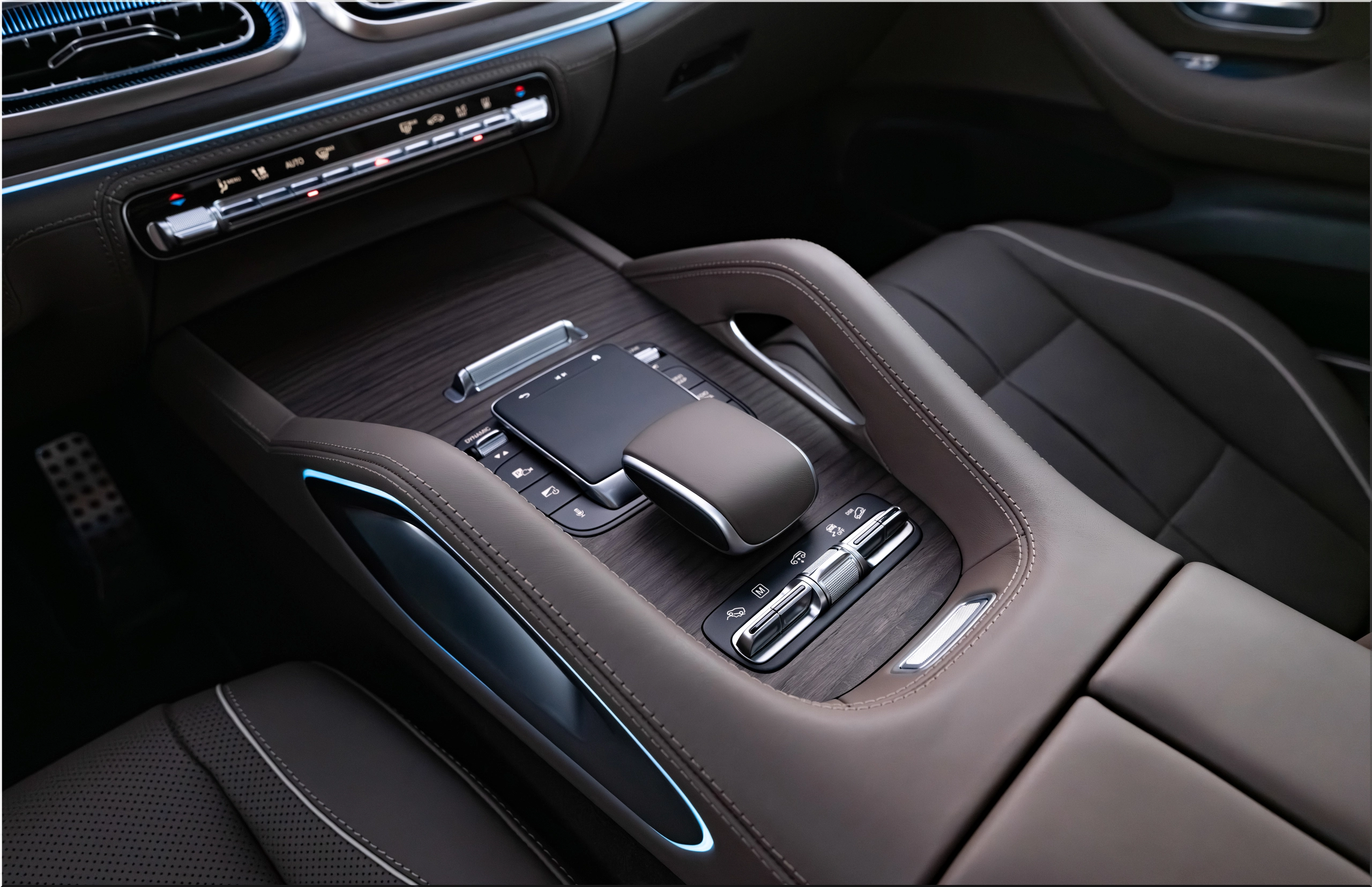
The prior GLS already felt expensive. The 2027 model now looks current. That distinction matters because luxury buyers increasingly compare screen execution, software speed, voice control, and streaming capability as aggressively as they compare leather quality.
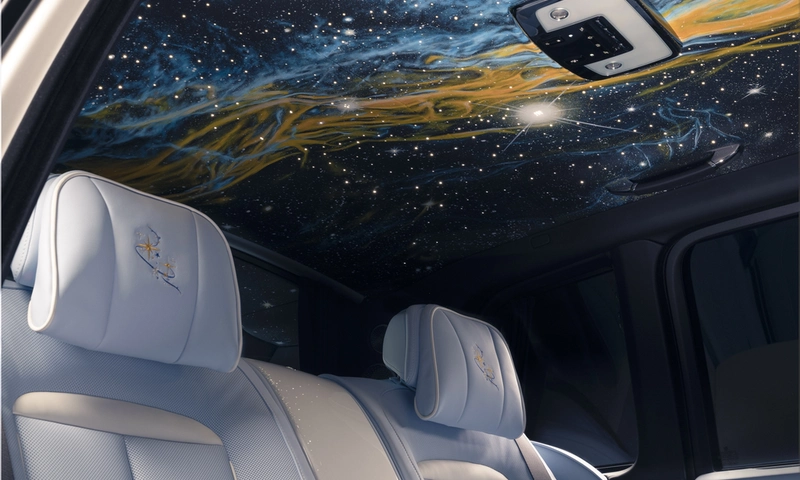
The MBUX Superscreen gives the GLS a proper flagship look, while the rear-seat package adds two 11.6-inch HD displays and integrated cameras. By comparison, some rivals still force second-row passengers to rely on tablets or dealer-installed accessories. Mercedes builds the rear-seat experience into the product plan, and that matches the way many GLS owners actually use the vehicle.
Size, space, and real-world packaging
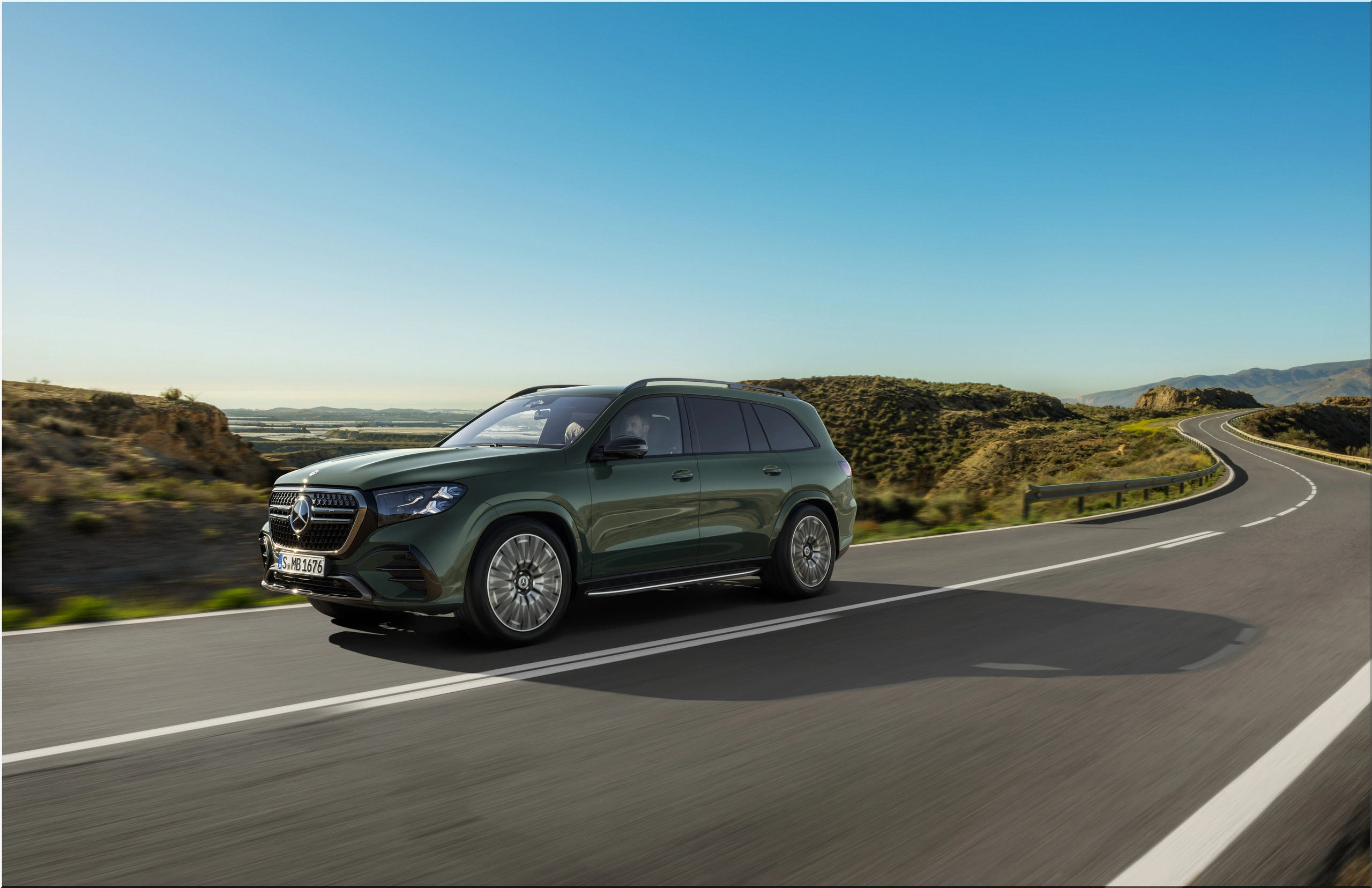
Mercedes did not reinvent the body shell, and that is fine. The GLS already had the footprint to support genuine family and chauffeur duty.
Core dimensions and packaging
- Length: about 205.0 in / 5,207 mm
- Wheelbase: 123.4 in / 3,135 mm
- Width: about 77.0 in / 1,956 mm without mirrors
- Seating: 7 passengers
- Panoramic roof glass area: more than 10.8 sq ft
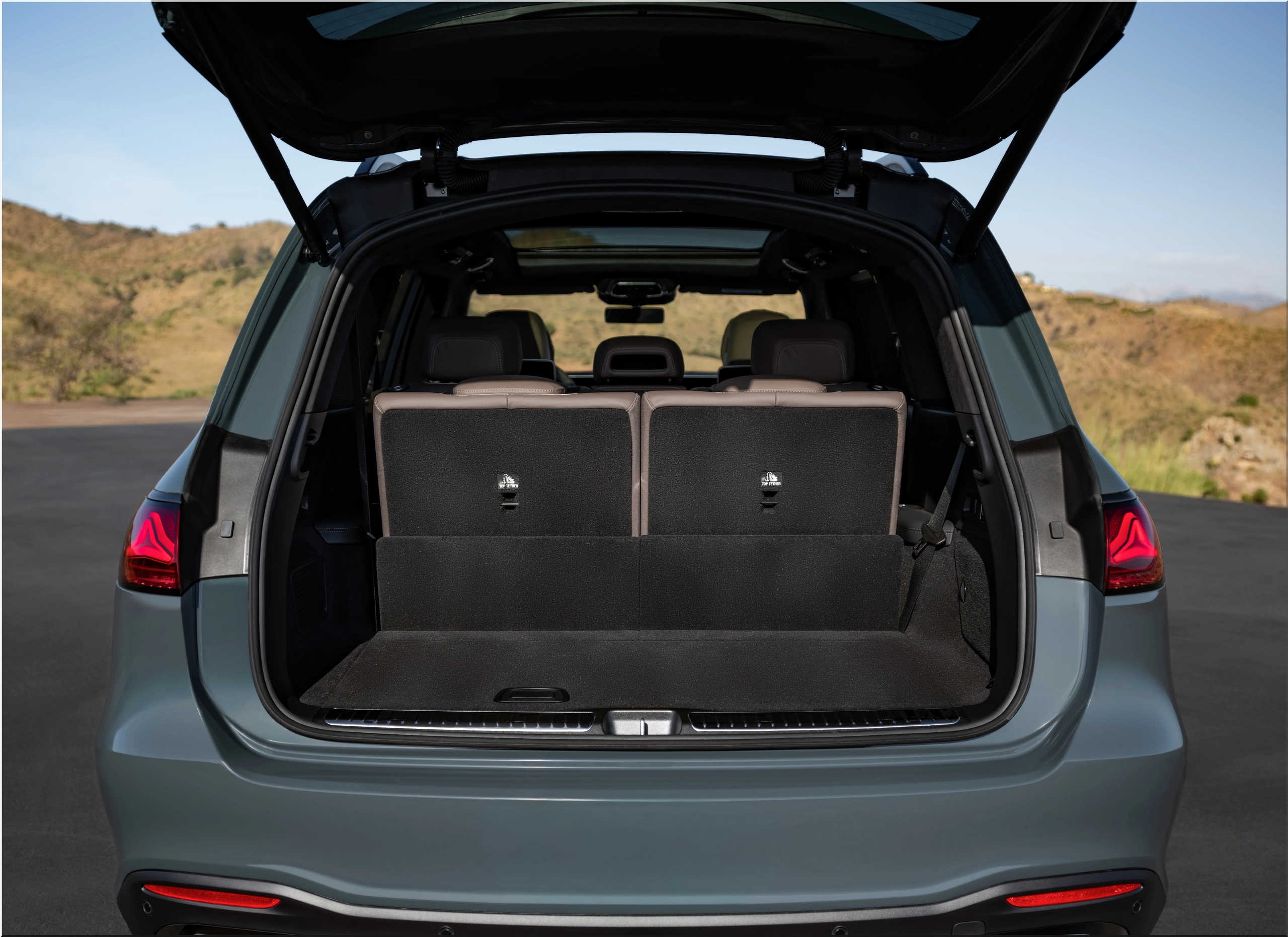
- Cargo capacity: roughly 17.4 cu ft behind the third row on the current GLS layout
Those numbers explain why Mercedes did not need a full redesign. The GLS already delivers the hard part: usable size with premium-brand polish.
Definition: What does MB.OS actually change?
MB.OS stands for Mercedes-Benz Operating System. It acts as the vehicle's central software architecture, tying together infotainment, navigation, driver assistance, cloud services, and over-the-air updates.
That matters because software now shapes ownership quality. Faster updates, cleaner app integration, better voice assistance, and smarter navigation all age better than static hardware.
Pro-Tip
If you buy luxury SUVs for second-row duty, skip the surface-level spec war and focus on suspension, rear-seat package content, and cabin noise control. On paper, horsepower sells. In daily use, seat comfort, ride composure, and software speed decide whether the car still feels worth the money after 18 months.
What now?
The 2027 Mercedes-Benz GLS looks like a smart, low-risk move from Mercedes. It did not chase novelty for its own sake. It took an already large, capable, genuinely luxurious three-row SUV and fixed the pressure points: older-looking tech, the need for quicker software, and stronger powertrain response.
Buyers shopping the Range Rover, BMW X7, and Lexus TX should keep the GLS on the short list for one reason above all others: Mercedes still understands that a flagship SUV must make every seat feel expensive. The 2027 update pushes that point harder than before.
Pricing has not been announced yet. Once Mercedes releases final market figures, the next questions will be simple: how much does the V8 premium climb, which rear-seat packages stay optional, and how closely dealer inventory matches the headline spec.
- Add new comment
- 165 views