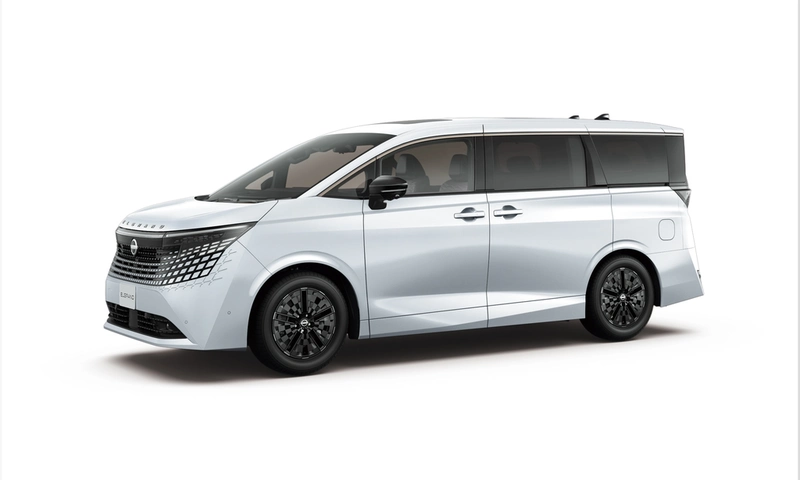

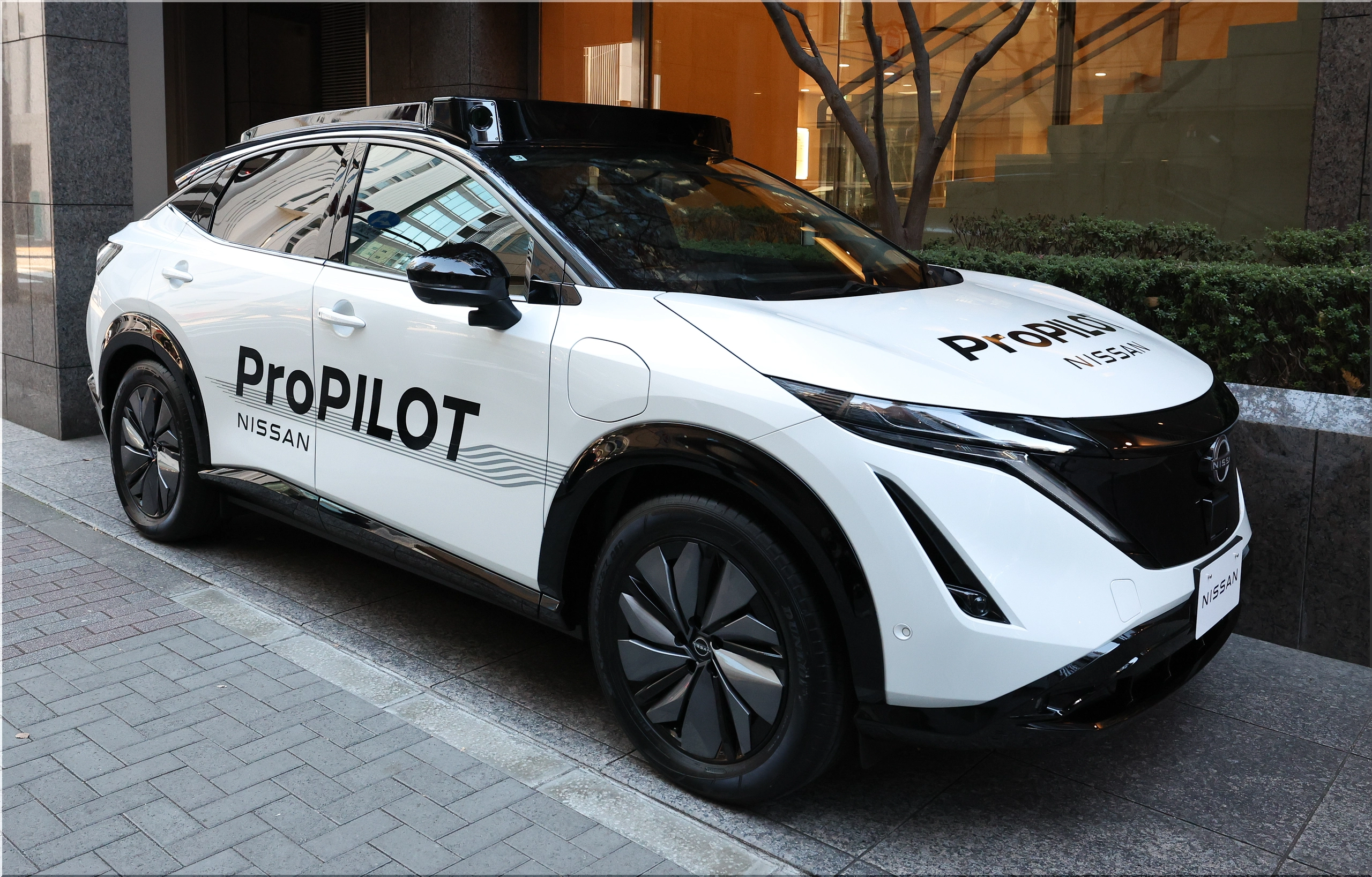
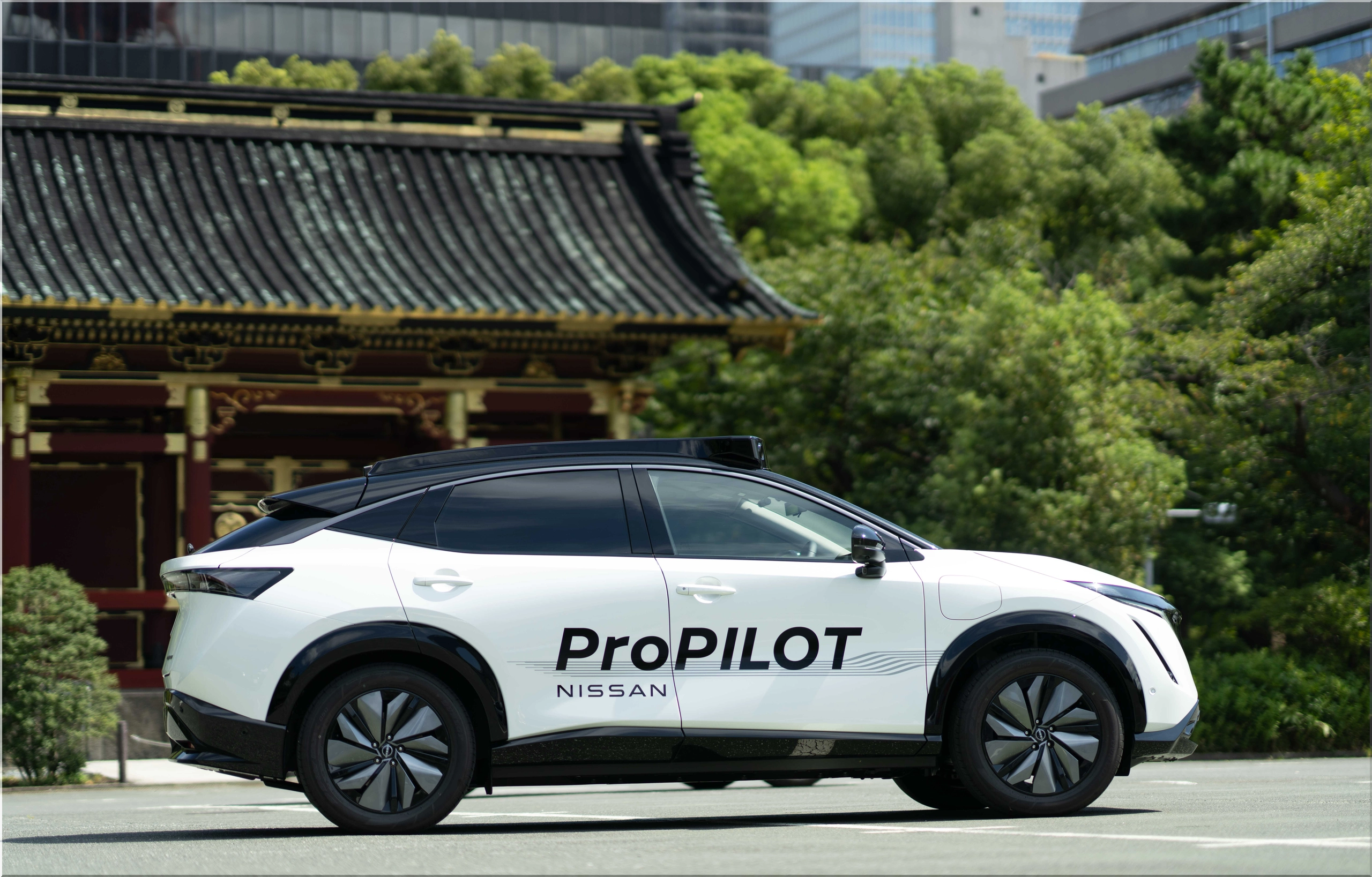
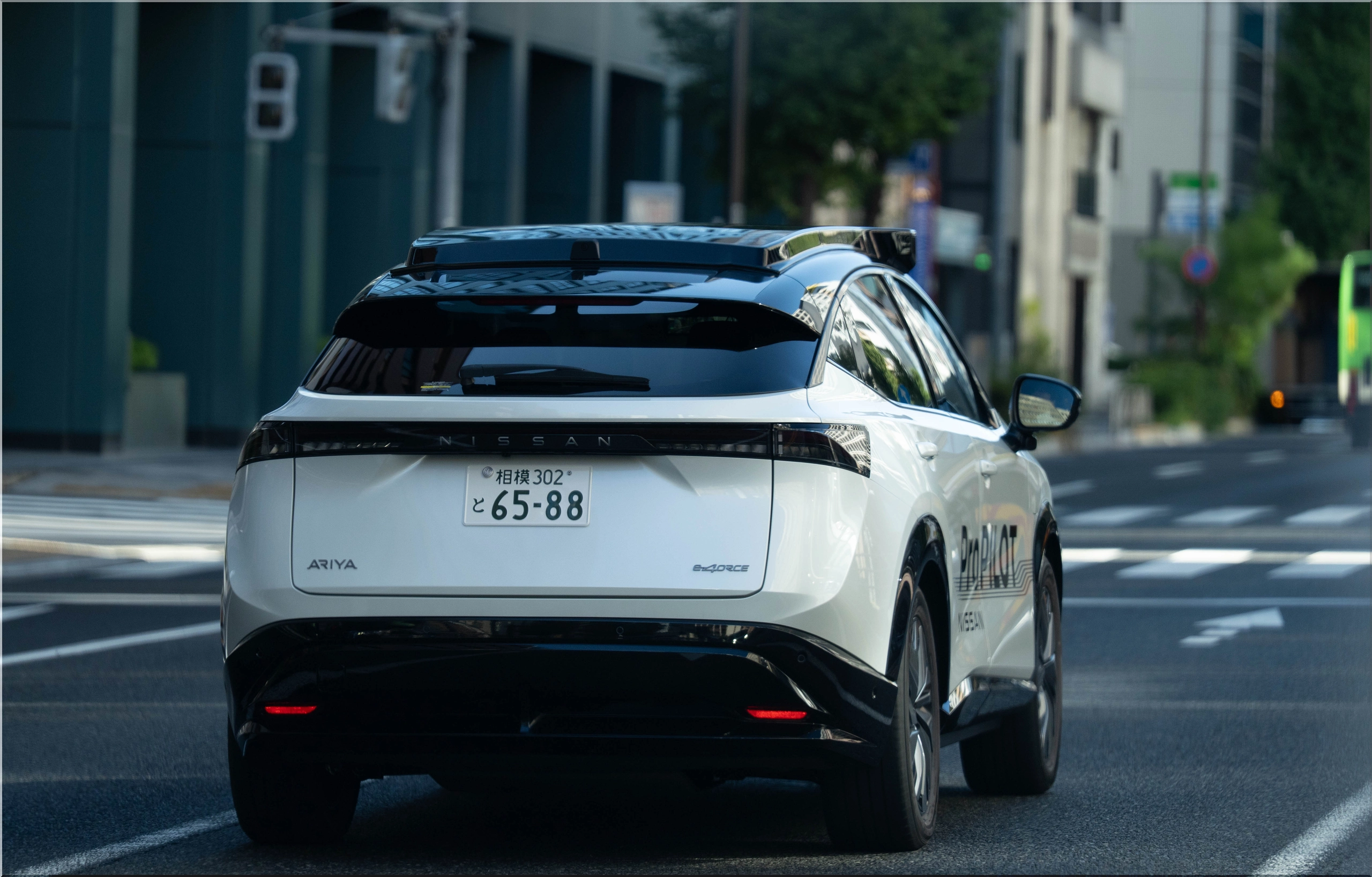
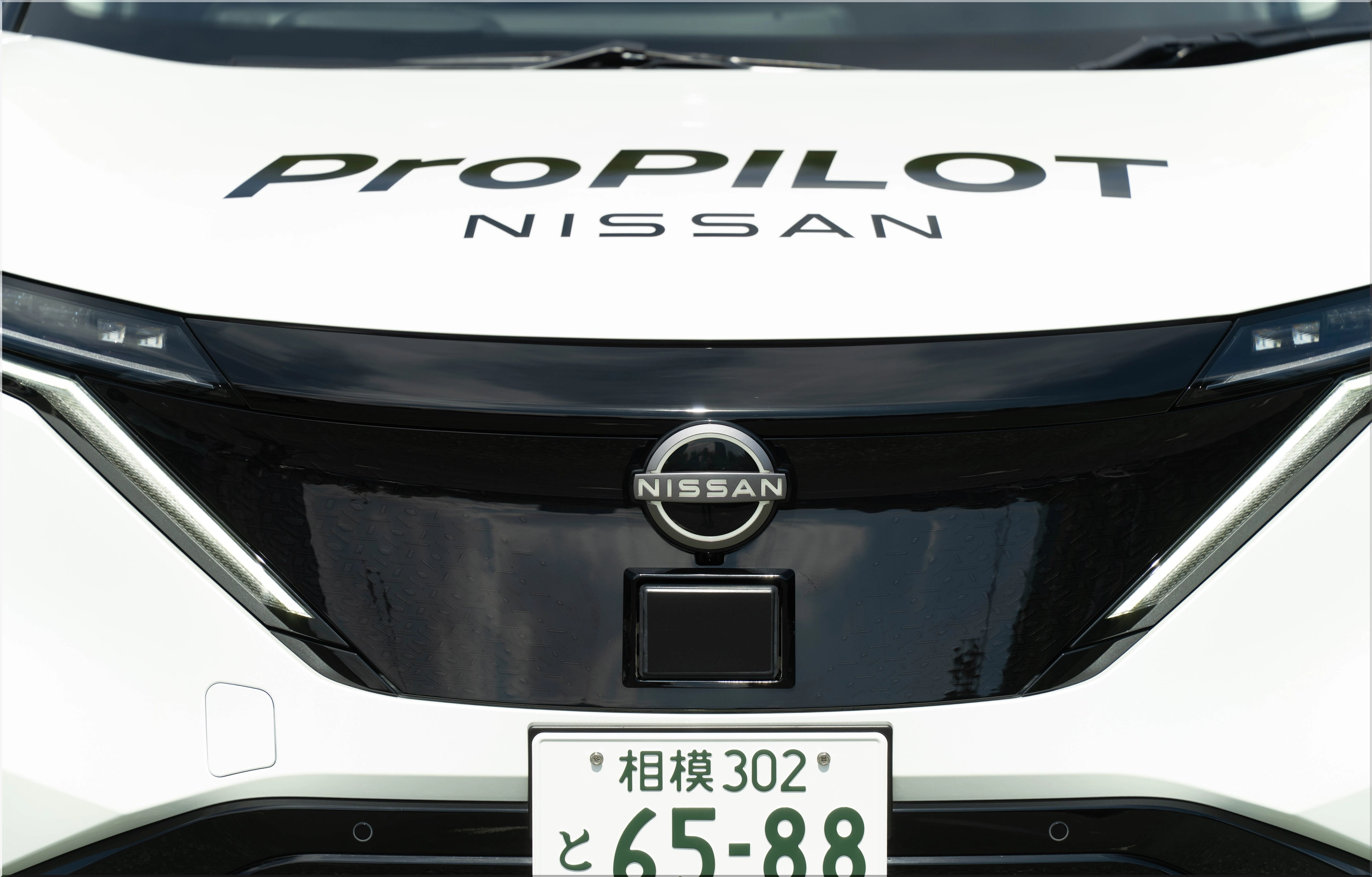
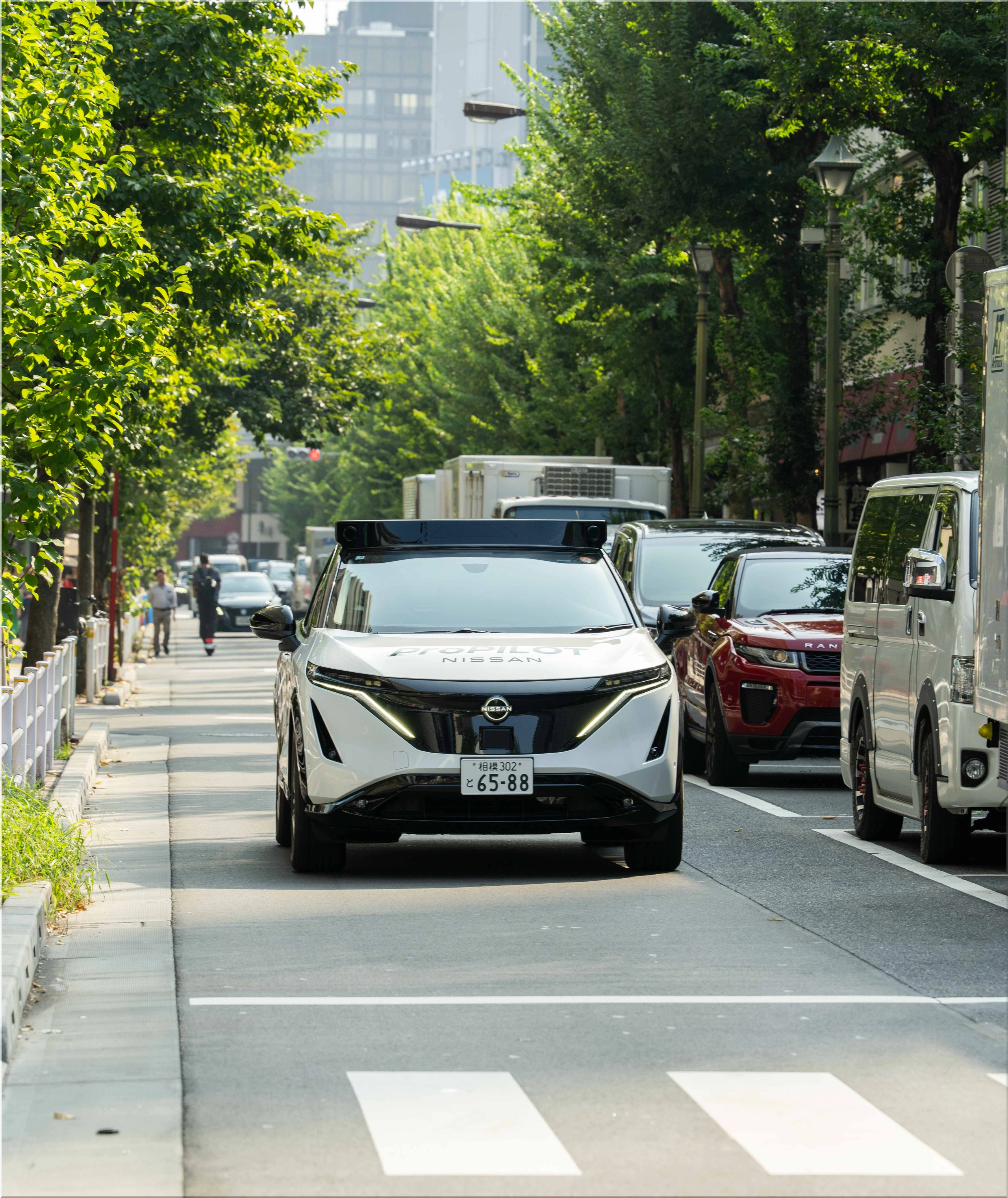
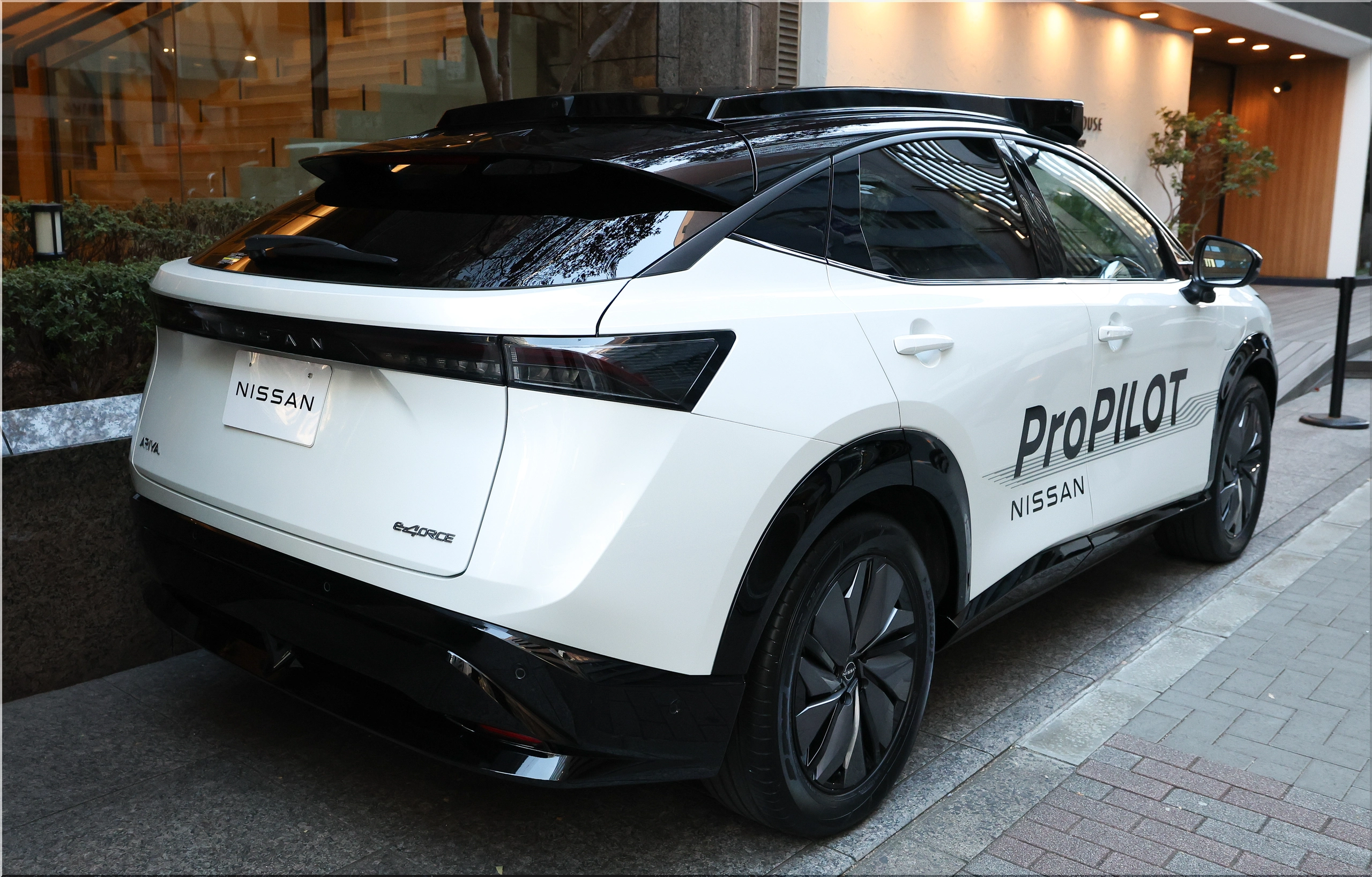
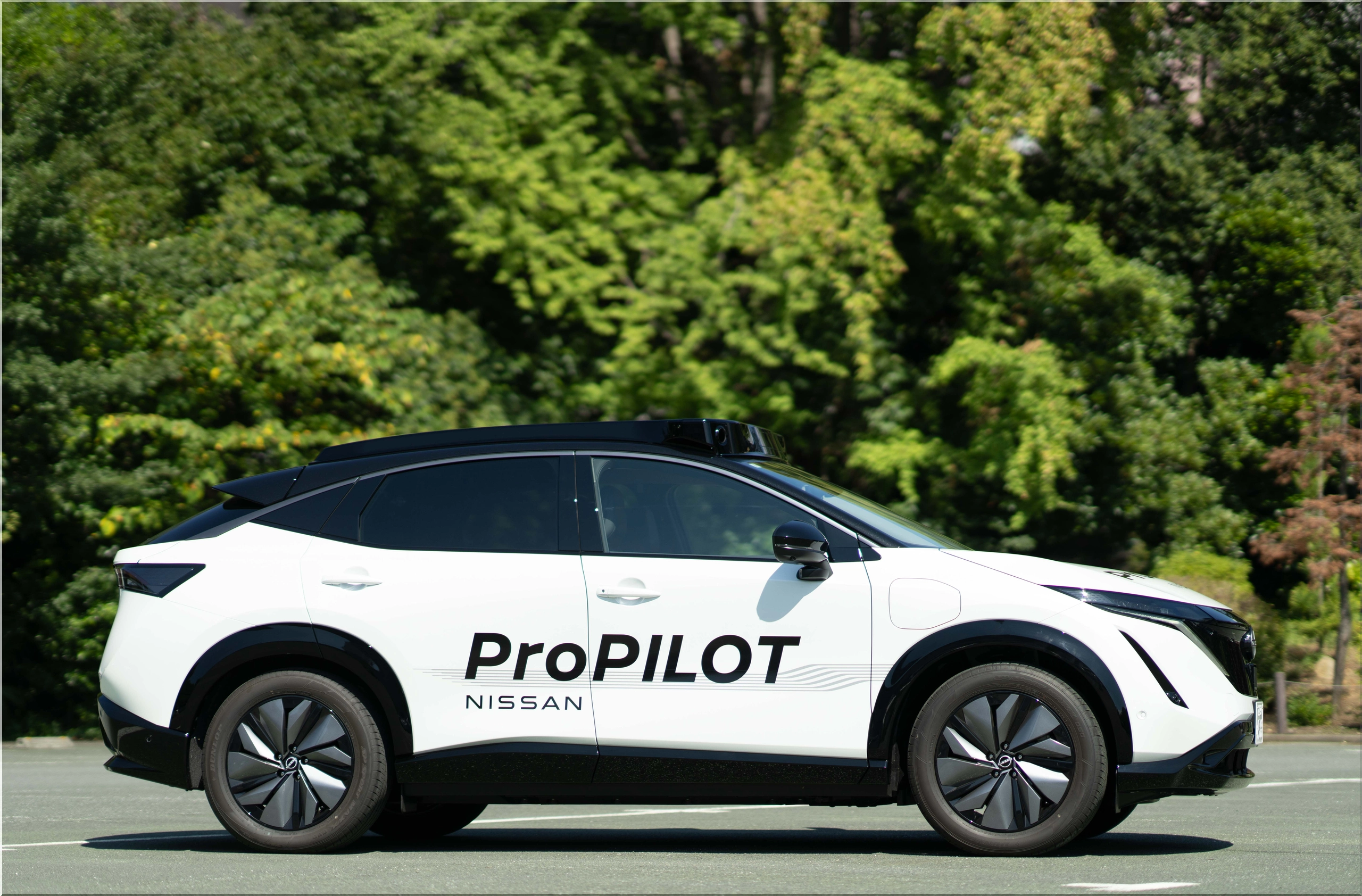
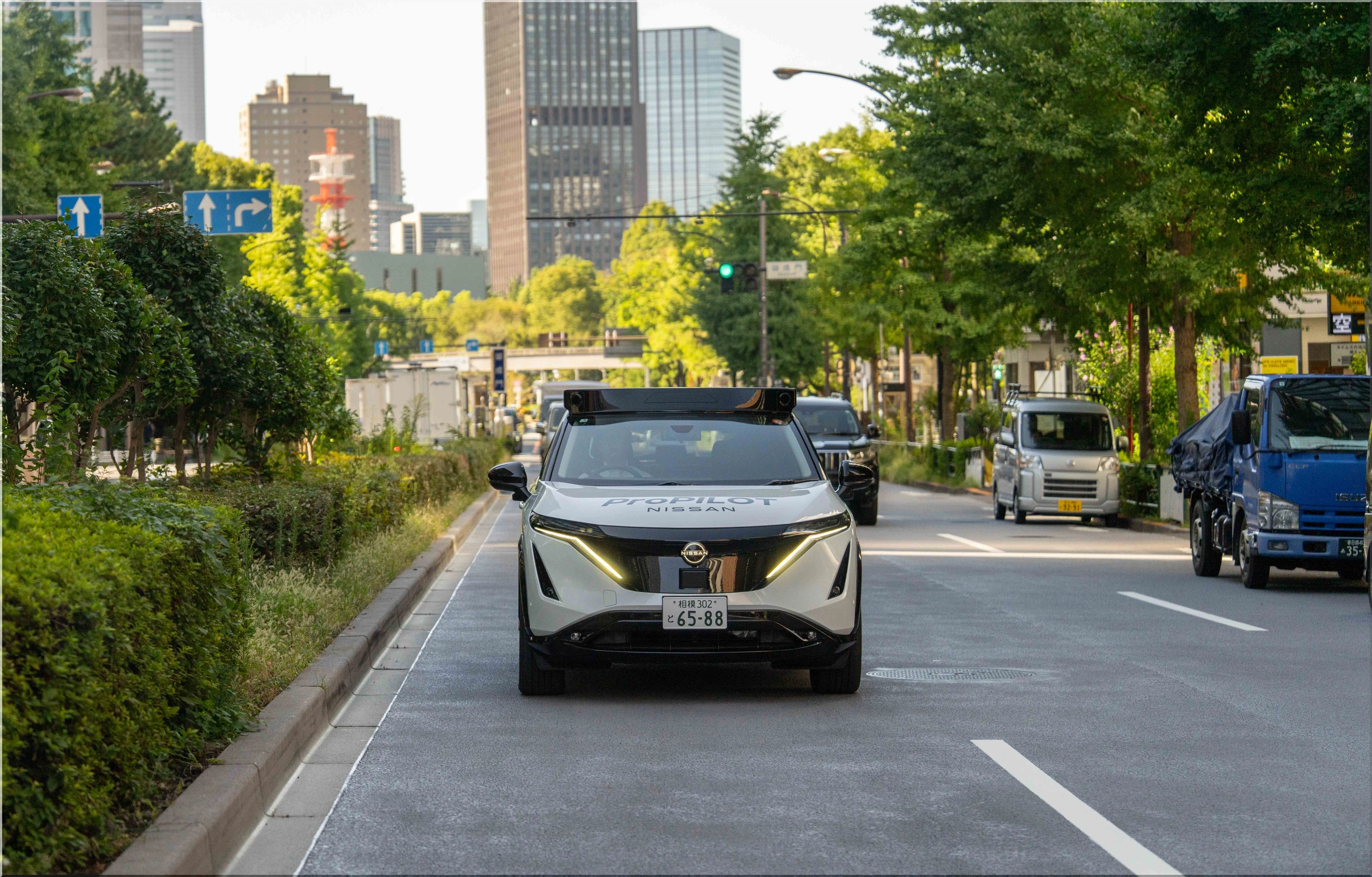
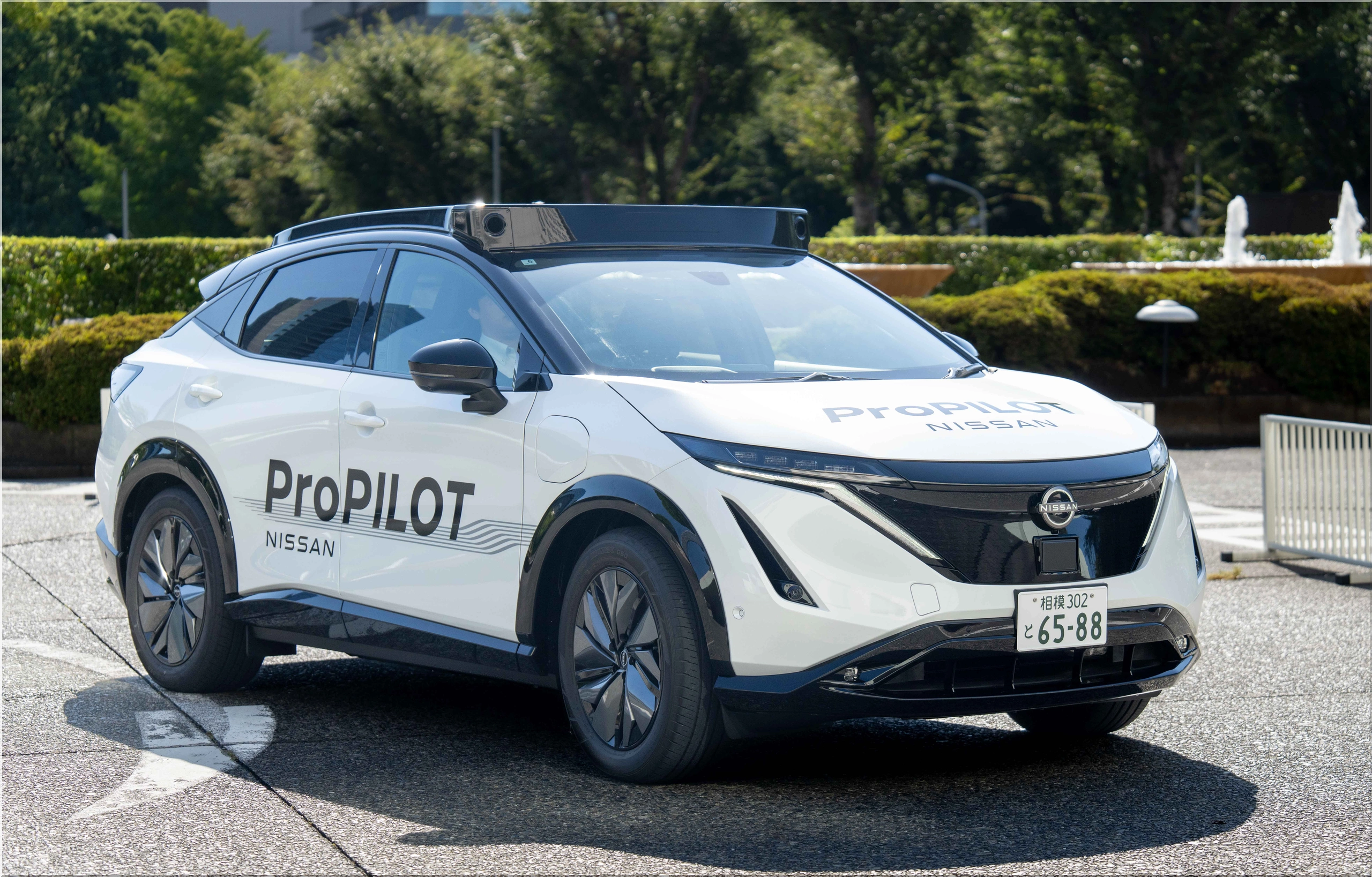
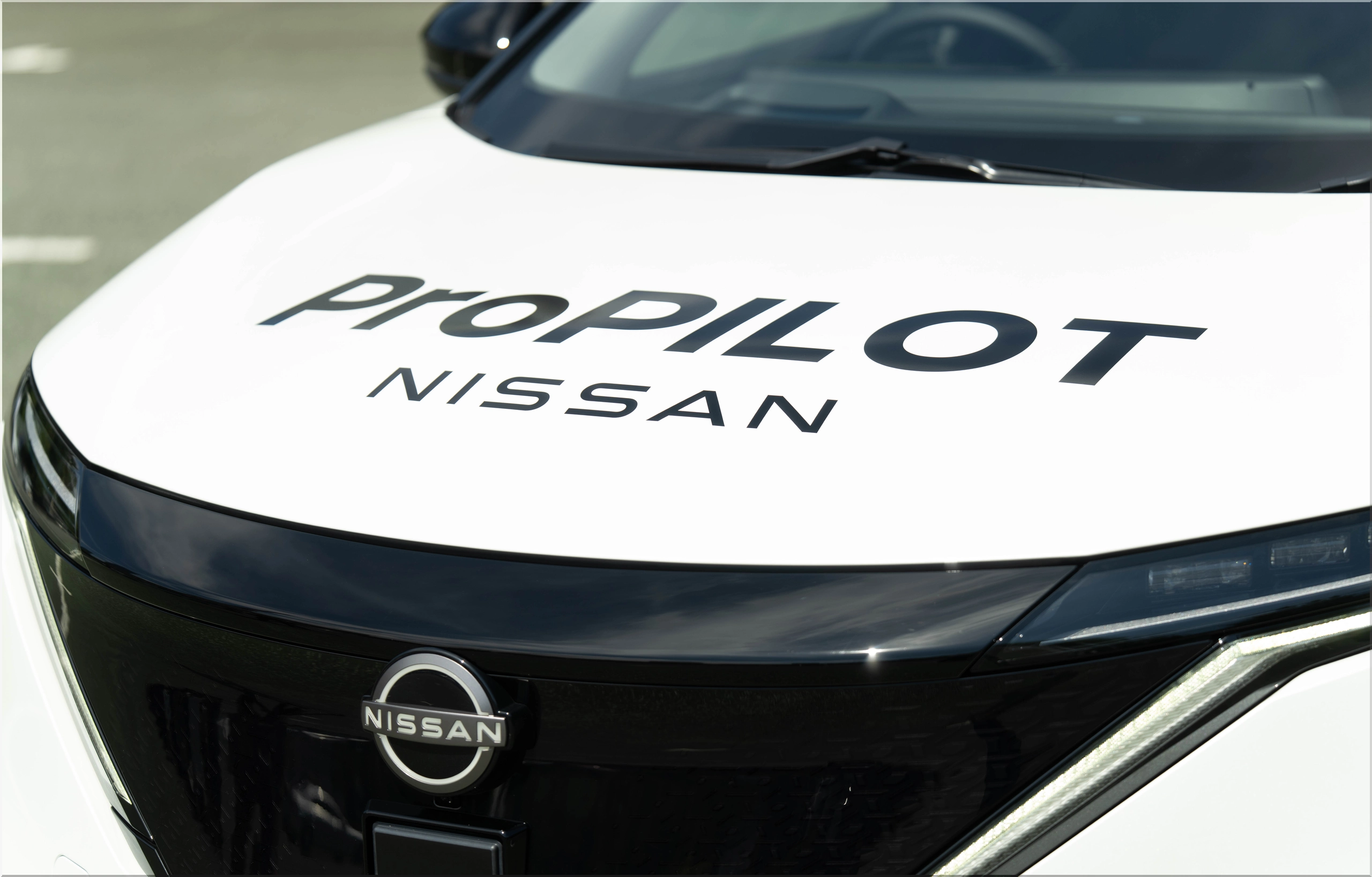
Nissan plans another reset for advanced driver assistance systems. This time, it brings an outside partner. The company signed definitive agreements with Wayve to integrate Wayve AI Driver into the next-generation ProPILOT lineup. Production starts in Japan during fiscal year 2027. Global rollout follows.
Nissan frames this as progress. It also reads like a correction.
Why Nissan Looked Outside for Driver Assistance Software
ProPILOT launched in 2016. It handled single-lane highway driving. ProPILOT 2.0 arrived in 2019 with hands-off capability on mapped highways. Both systems worked best in narrow conditions.
Urban streets remain harder. Construction zones confuse cameras. Pedestrians break rules. Human drivers improvise. Software struggles.
Wayve claims its embodied AI learns driving like a person. It trains end-to-end models on real-world data, not scripted rules. Nissan wants that flexibility inside its vehicles.
That choice signals limits with in-house development.
What Wayve AI Actually Adds to ProPILOT
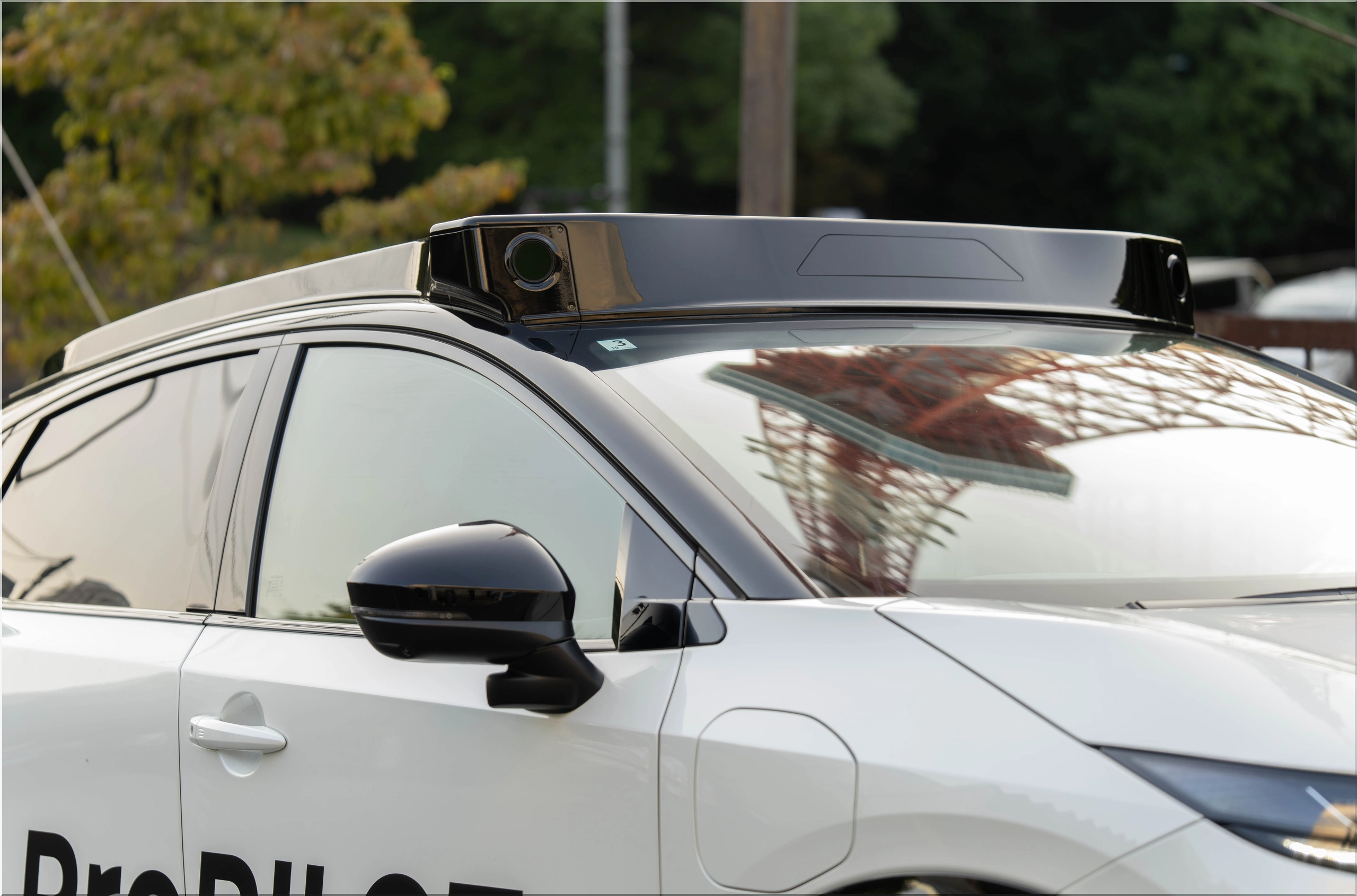
Wayve does not sell sensors. It sells software that interprets sensor data. Nissan keeps control of hardware.
The system combines:
- Wayve AI Driver software
- Nissan Ground Truth Perception
- Cameras, radar, and next-generation LiDAR
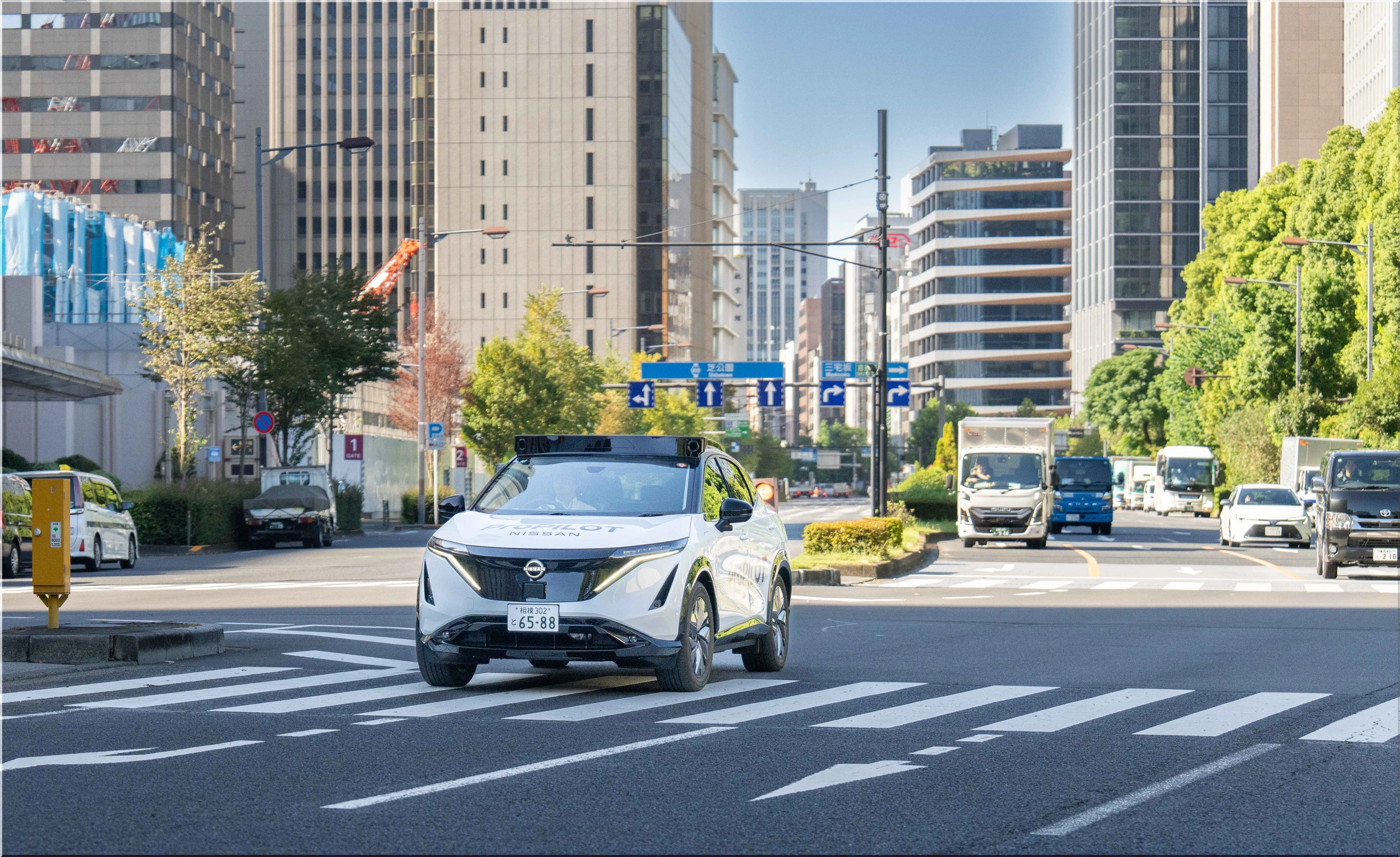
Together, they support ADAS and point-to-point driving. Nissan tested prototypes in Tokyo during 2025. Demonstrations included dense traffic and pedestrian-heavy streets.
Wayve says its models adapt quickly to new cities. That matters for global deployment. Rewriting rules for every region slows scale.
What Changes for Drivers
Nissan promises smoother control in complex settings. The company points to human-like decision making. That phrase raises eyebrows. Software does not think. It predicts.
Still, expectations stay grounded. This remains driver assistance, not autonomy. Drivers stay responsible. Hands-off claims will vary by market rules.
Practical gains likely include:
- Better lane choice in city traffic
- Fewer abrupt braking events
- More stable steering around obstacles
- Improved merging behavior
If those improvements arrive, drivers will notice. If they do not, marketing will outpace reality again.
Data, Scale, and Risk
Nissan plans mass production. That matters. Many autonomy efforts stall at pilot scale. Nissan commits to putting Wayve AI into everyday vehicles.
That creates a feedback loop:
- Vehicles gather diverse driving data
- Wayve retrains models
- Software updates improve performance
This approach mirrors Tesla’s playbook. Nissan avoids building its own end-to-end AI stack from scratch. That saves time. It also hands leverage to a partner.
Wayve gains global scale. Nissan gains speed. Both share risk.
How ProPILOT With Wayve Compares to Rivals
Driver assistance now splits into two camps. Rule-based systems dominate legacy automakers. Data-driven systems push faster learning but higher uncertainty.
The table below shows where Nissan lands.
| System | Core Approach | Urban Capability | Sensor Stack | Market Availability |
|---|---|---|---|---|
| Nissan ProPILOT with Wayve AI | End-to-end AI + perception fusion | Expanding | Camera, radar, LiDAR | Planned 2027 |
| Tesla Autopilot / FSD | End-to-end vision AI | Broad, inconsistent | Cameras only | Active |
| GM Super Cruise | Rule-based with maps | Limited | Camera, radar, LiDAR | Active |
| Mercedes Drive Pilot | Highly constrained autonomy | Narrow | Camera, radar, LiDAR | Limited markets |
Nissan aims between Tesla’s ambition and GM’s caution. That middle ground often proves hardest.
Cost and Hardware Questions Remain
Nissan has not shared pricing. Advanced ProPILOT packages today add several thousand dollars. Expect similar or higher pricing with LiDAR-based driver assistance.
Converted to USD, estimates from current systems suggest:
- Entry ProPILOT packages: around $2,000 to $3,000 USD
- Advanced hands-off systems: $4,000 USD or more
Final pricing will depend on vehicle class. Nissan sells across segments. Margins vary.


What This Signals for the Industry
Nissan becomes the first global automaker to commit Wayve AI at scale. That matters for startups chasing production deals. Carmakers want software partners who ship.
This deal also shows pressure on internal autonomy teams. Building AI stacks takes years. Shareholders lack patience. Partnerships accelerate timelines.
Still, execution decides outcomes. Integrations fail often. Software maturity lags marketing. Regulators slow rollout.
The Wry Reality Check
Nissan talks about intelligent mobility. Drivers care about fewer false alerts and calmer drives. If ProPILOT with Wayve AI handles city streets with less drama, it succeeds.
If it overpromises, drivers tune it out.
2027 feels far. Expectations will rise before then. Nissan chose a bold path. Now it has to prove restraint.
- Add new comment
- 101 views