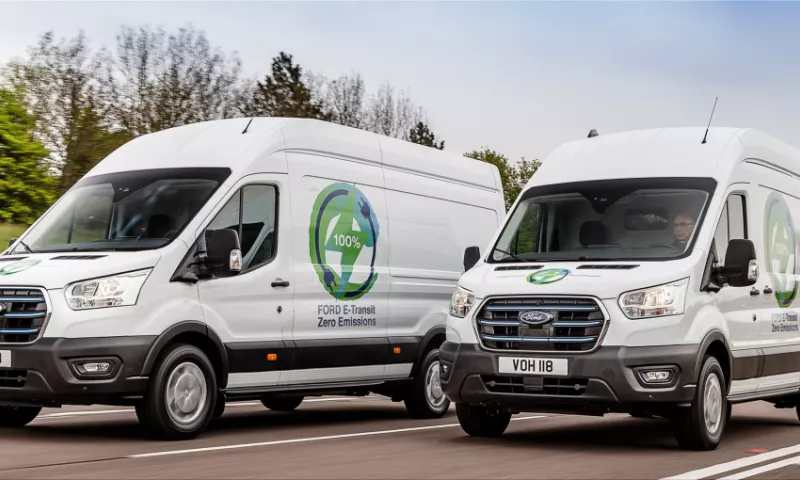
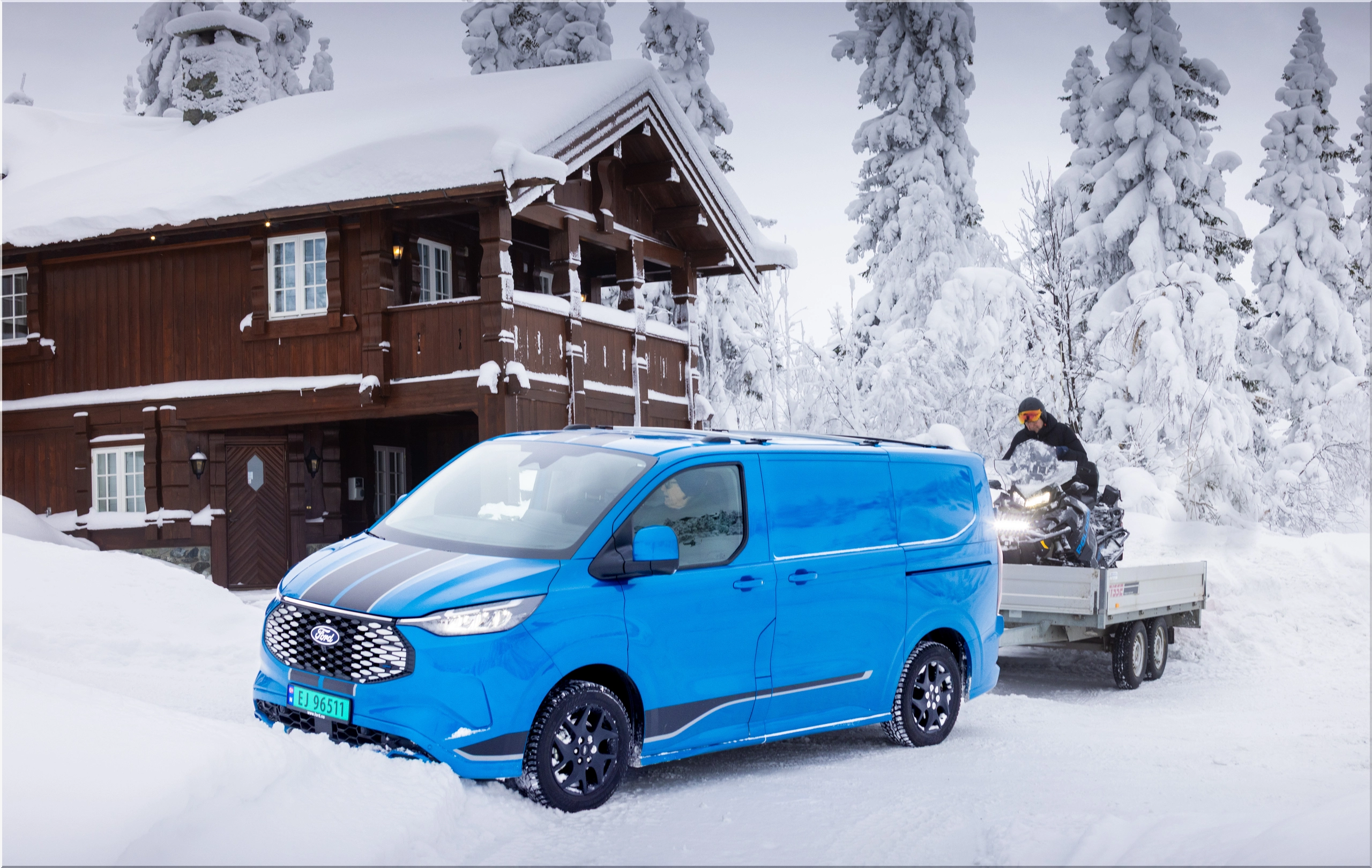
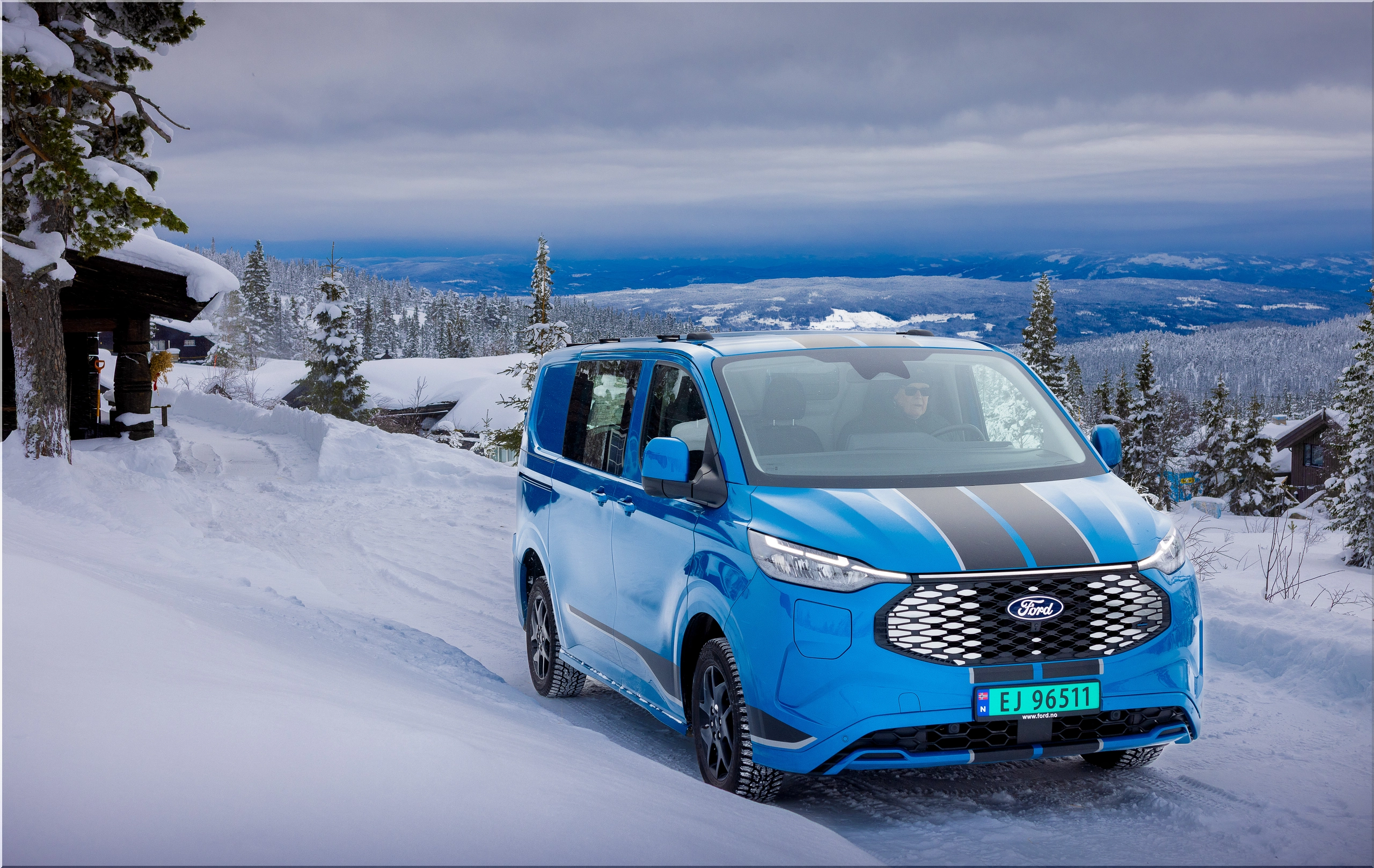
Ford Pro is shifting the commercial vehicle market by delivering the first battery electric vehicle (BEV) in the 1-ton segment to offer all-wheel drive (AWD). This move addresses a specific demand in regions, where challenging terrain and winter conditions make traction a non-negotiable requirement for professional fleets. By integrating a dual-motor or high-torque system, Ford ensures that the transition to electric power does not force contractors to sacrifice the utility they previously found in diesel-powered Transit Custom models.
The arrival of several hundred units in early 2026 marks a strategic push to capture a market that has historically favored internal combustion engine (ICE) platforms for heavy-duty tasks. Data indicates that over 90 percent of 1-ton vans sold in the previous year featured four-wheel drive, suggesting that the E-Transit Custom AWD is not a niche offering but a core replacement for the outgoing diesel fleet.
Technical Specifications and Drivetrain Architecture
The E-Transit Custom utilizes a sophisticated electric drivetrain that prioritizes torque delivery and efficiency. While the standard rear-wheel-drive (RWD) model provides a solid foundation for urban delivery, the AWD variant introduces a front-axle drive unit that transforms the vehicle's capability. This configuration is particularly effective for hill-start assist and maintaining momentum when the van is loaded to its maximum gross vehicle weight (GVW).
Engineering focus was placed on the hjulmoment (wheel torque), which reaches a staggering 465 lb-ft (630 Nm) in the high-output versions. This represents a 50 percent increase over the RWD counterparts, providing the necessary bite to pull a heavy trailer through snow or mud. The power delivery is managed by intelligent software that can shift torque between axles in milliseconds, reacting to slip before the driver even perceives a loss of traction.
Power Ratings and Performance Data
Buyers can select from multiple power outputs depending on their specific operational needs. The AWD system is available across three distinct motor configurations:
- 136 hp (100 kW): Optimized for efficiency and urban range.
- 218 hp (160 kW): The balanced choice for mixed highway and local use.
- 286 hp (210 kW): The flagship power level reserved for the Sport and MS-RT trims.
Battery Capacity and Charging Infrastructure
The E-Transit Custom features an upgraded battery pack with a net capacity designed to support full workdays without midday charging. For the RWD models, the range reaches up to 230 miles (370 km), while the AWD variants offer a slightly lower but still competitive 211 miles (340 km) due to the added weight and mechanical drag of the second motor.
Charging speeds have seen significant improvements in the 2026 model year. The vehicle now supports DC fast charging that can take the battery from 10 percent to 80 percent in just 29 minutes. This is a 10-minute reduction compared to previous iterations, allowing drivers to gain approximately 69 miles (111 km) of range during a brief 10-minute break.
Charging and Range Comparison Table
| Feature | E-Transit Custom RWD | E-Transit Custom AWD |
|---|---|---|
| Max Range (WLTP) | 230 Miles (370 km) | 211 Miles (340 km) |
| 10-80% Charge Time | 29 Minutes | 29 Minutes |
| 10-Minute Range Gain | 69 Miles (111 km) | 65 Miles (105 km) |
| Peak Power Output | 218 hp | 286 hp |
| Standard Heat Pump | Included | Included |
Pro Power Onboard and Productivity Features
One of the most significant advantages of the Ford Pro ecosystem is the Pro Power Onboard system. This feature turns the van into a mobile power station, delivering 2.3 kW of electricity directly from the high-voltage battery. Professionals can run high-draw power tools like circular saws, drills, or even specialized diagnostic equipment directly from the 230V outlets in the load area or cabin.
This eliminates the need for heavy, noisy, and polluting portable generators. By using the main drive battery, the system operates silently, which is a major benefit for contractors working in residential areas with strict noise ordinances. Furthermore, the inclusion of a vapor-injected heat pump as standard equipment ensures that the cabin remains warm in sub-zero temperatures without a catastrophic drop in driving range.
Payload, Towing, and Load Volume
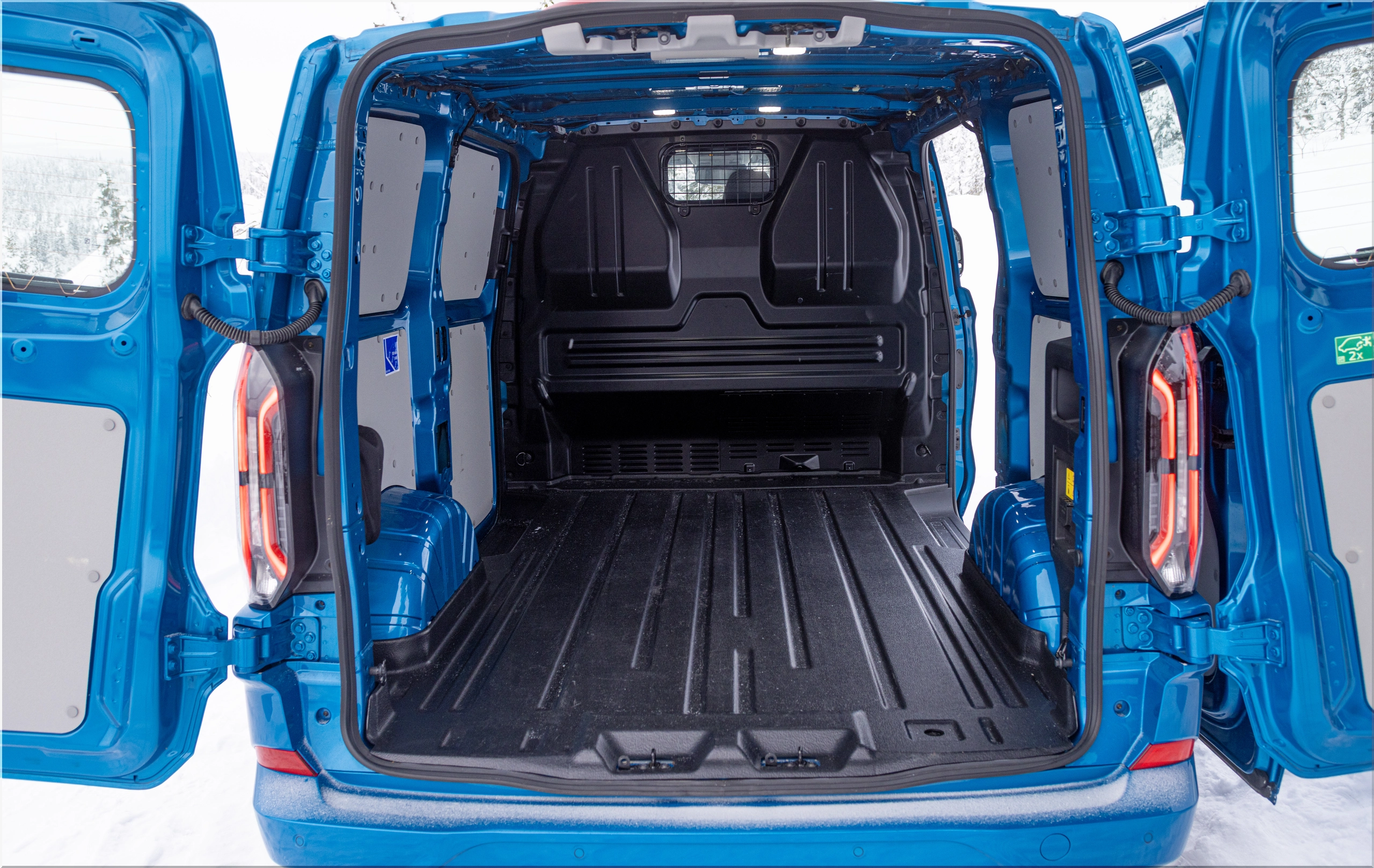
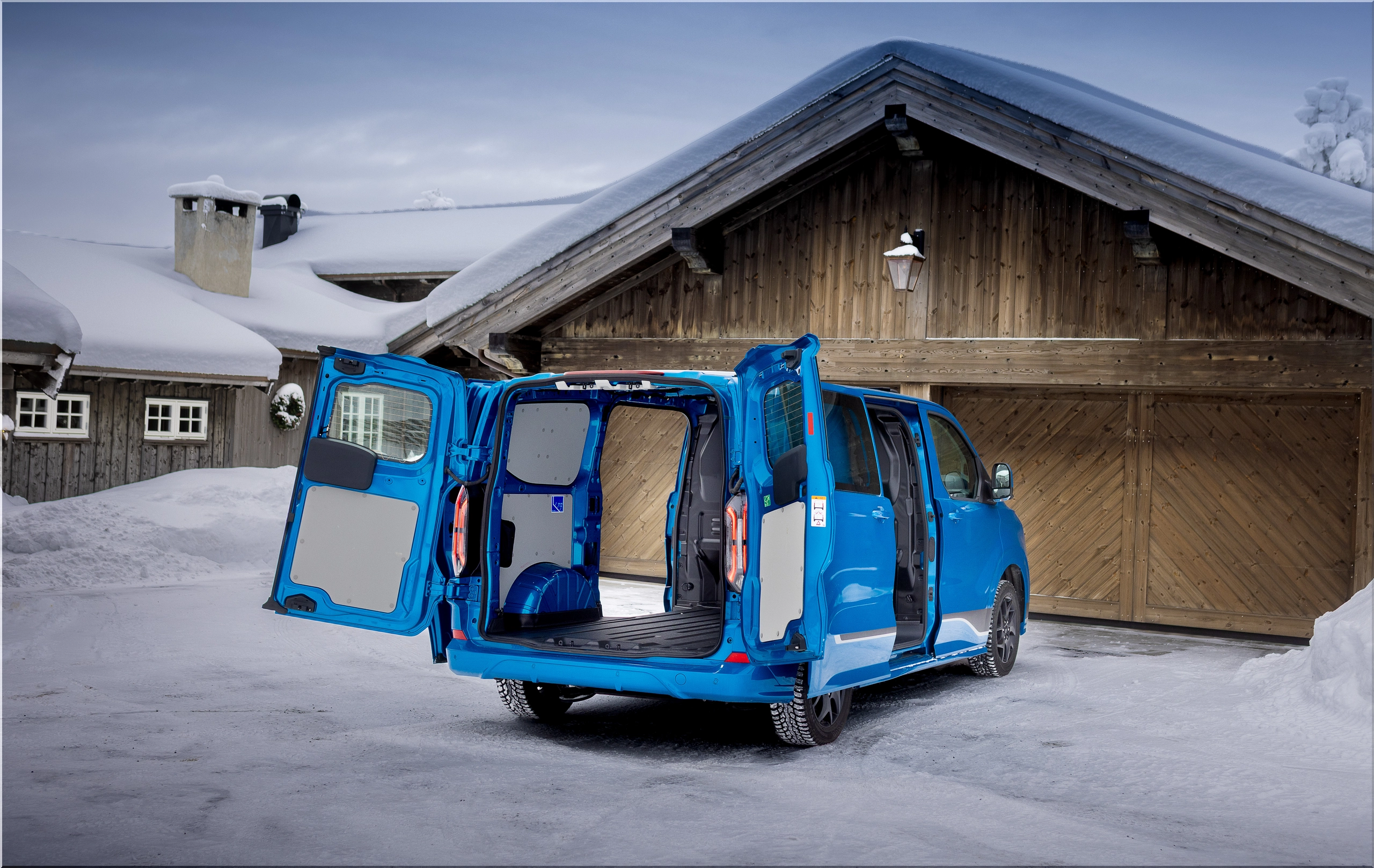
Despite the inclusion of a massive battery pack and an additional front motor, the E-Transit Custom AWD maintains a competitive payload capacity of nearly one metric ton (2,200 lbs). This allows it to compete directly with diesel vans in the same size class. The load volume remains uncompromised by the electric architecture, offering up to 240 cubic feet (6.8 cubic meters) of space.
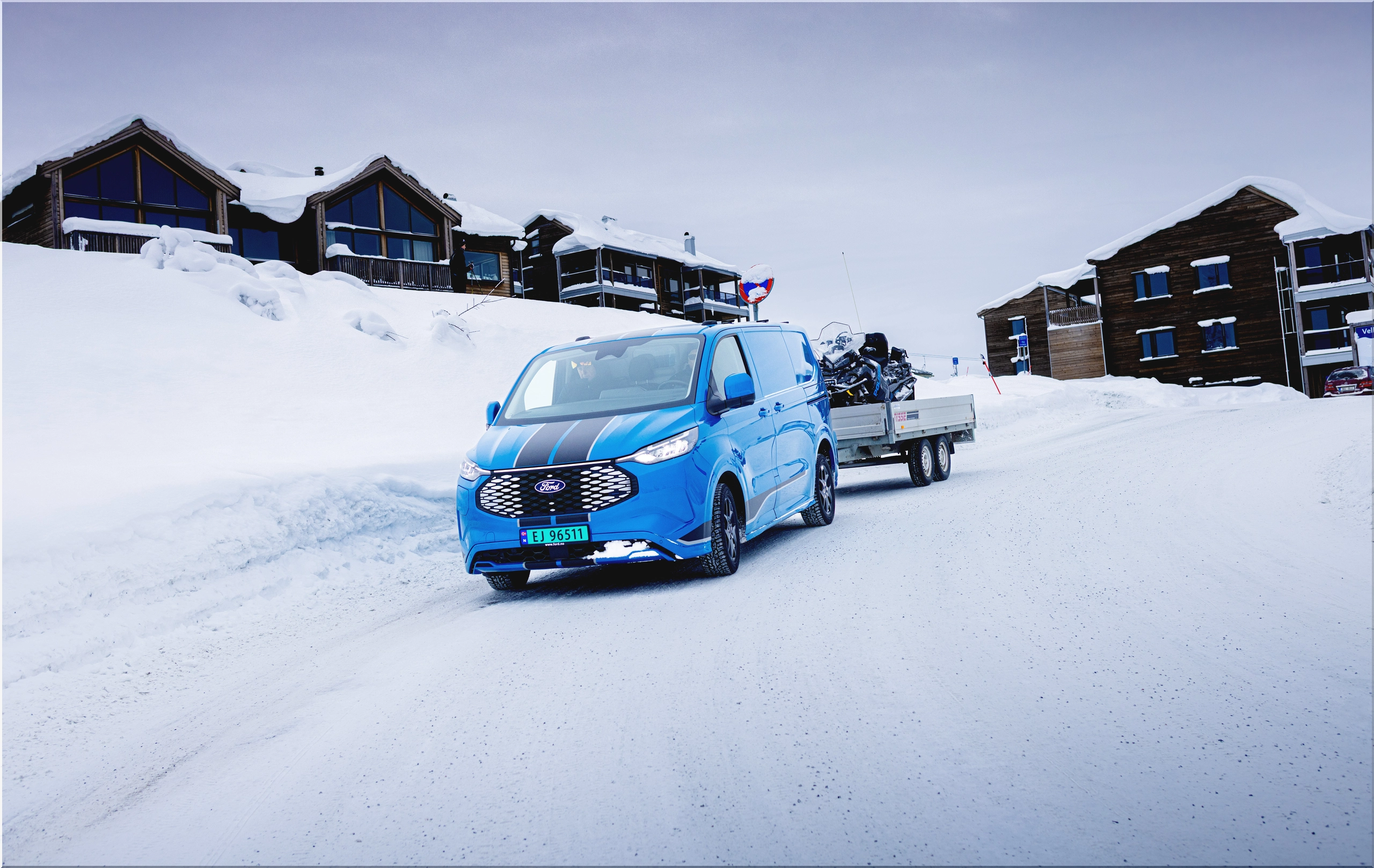
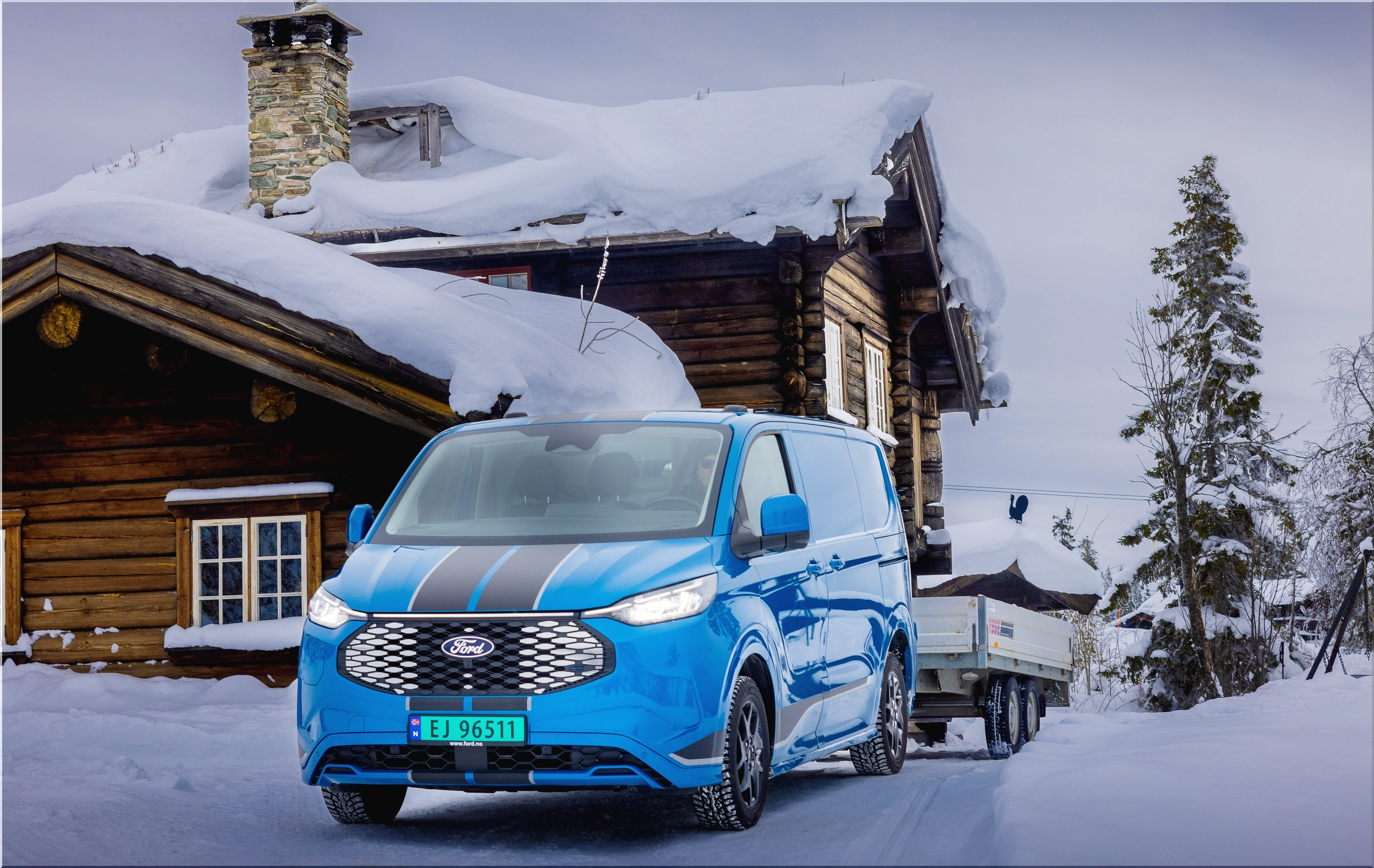
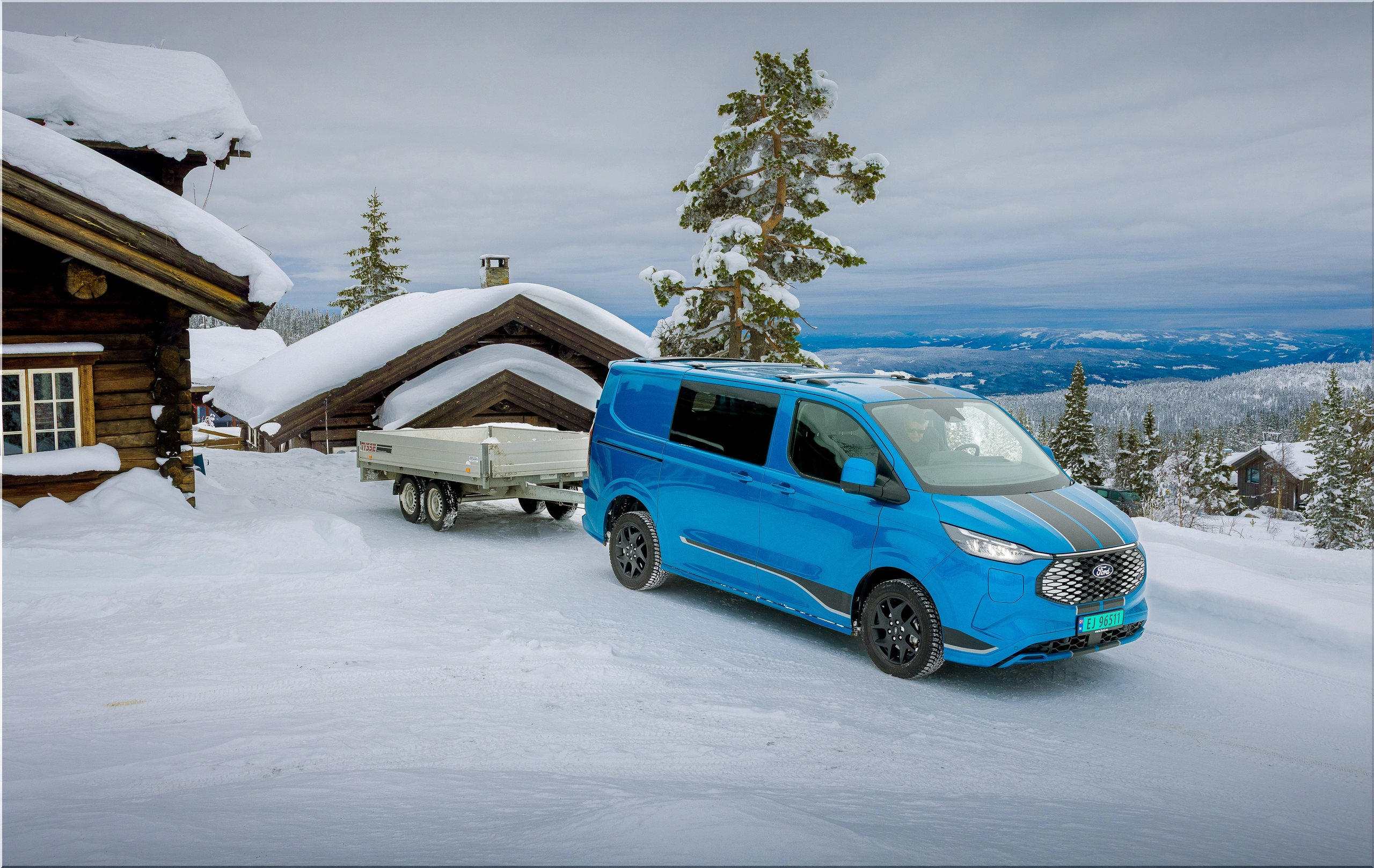
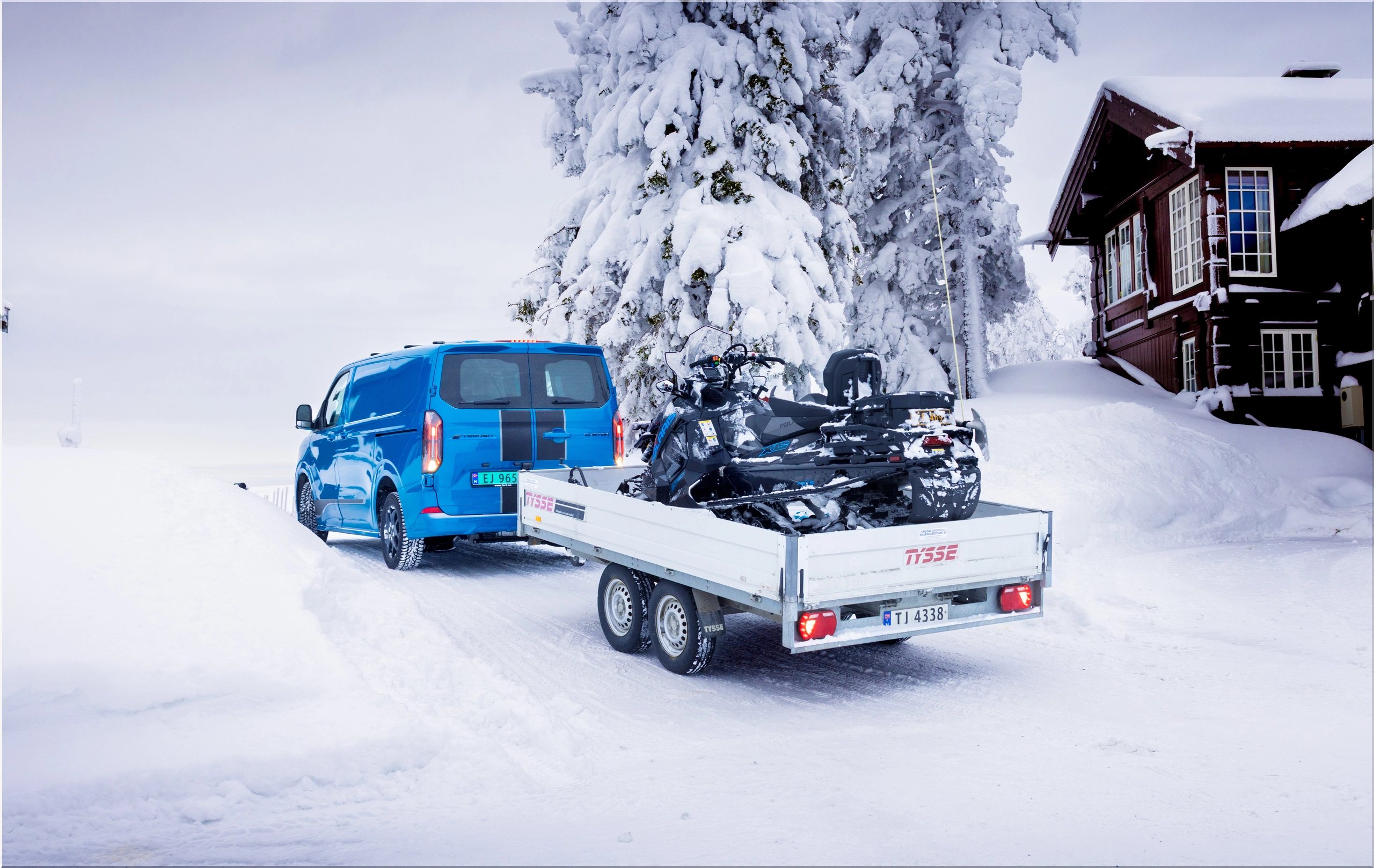
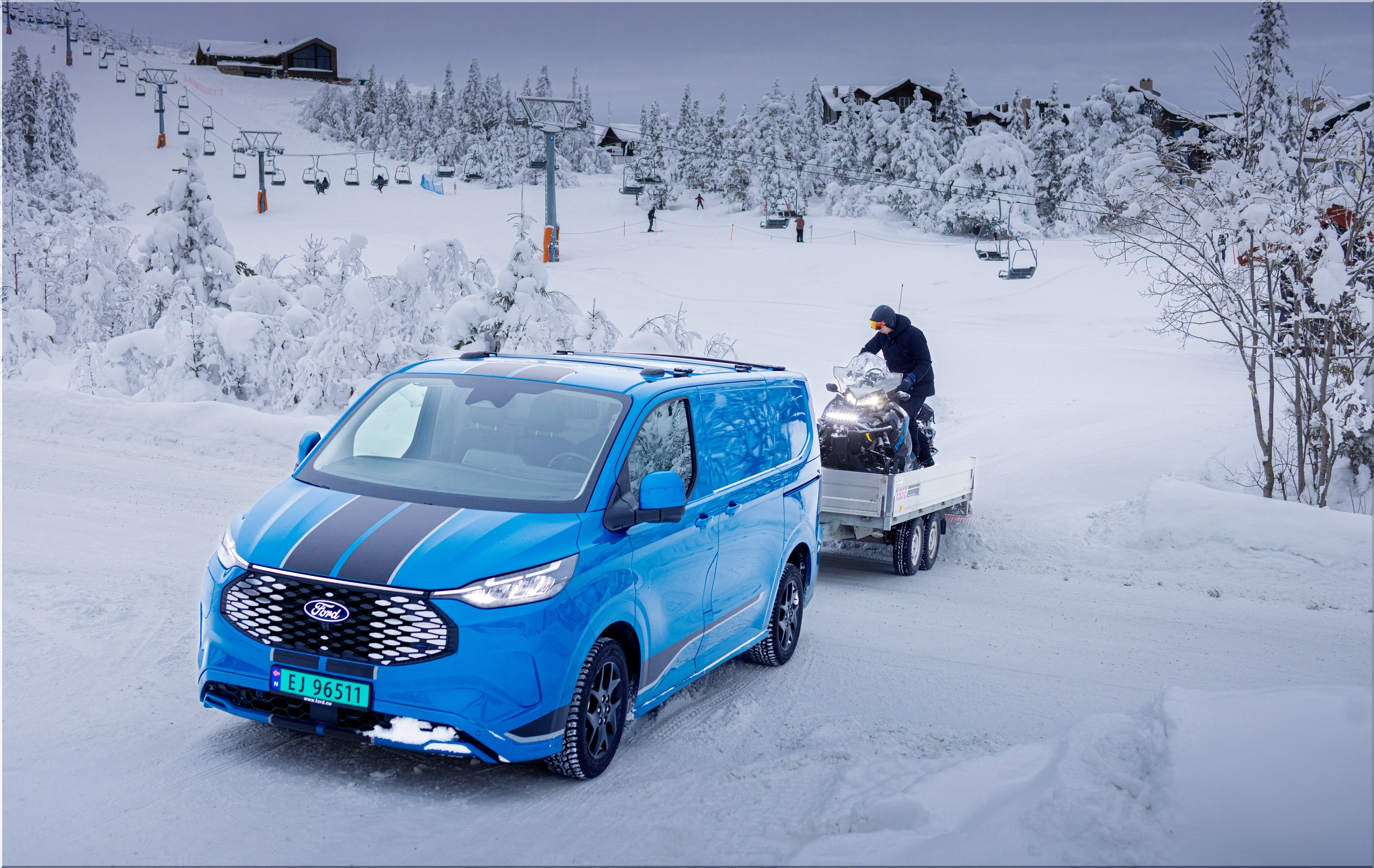
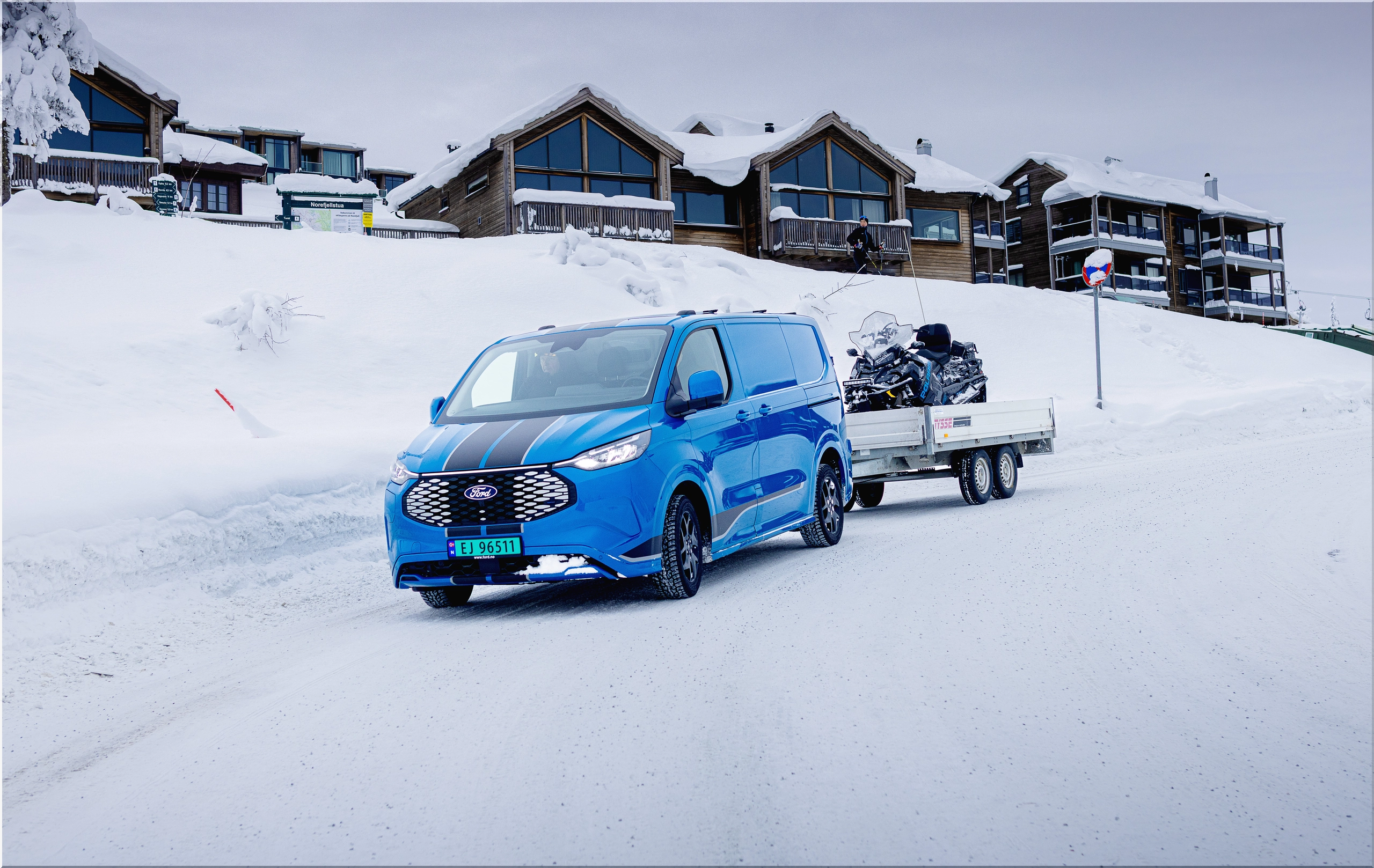
For those requiring towing capabilities, the E-Transit Custom leads its segment with a maximum towing capacity of 5,070 lbs (2,300 kg). This is a critical metric for landscapers, carpenters, and utility companies that frequently transport equipment trailers. The AWD system provides extra stability during towing, particularly on slippery boat ramps or unpaved worksites.
Cargo Dimensions and Capacity
- Maximum Load Length: 11.3 feet (3.45 meters) with the load-through bulkhead.
- Total Volume: Up to 6.8 cubic meters.
- Towing Max: 5,070 lbs (2,300 kg).
- AWD Upcharge: Approximately $1,800 (20,000 NOK) excluding VAT.
Market Context and Competitive Landscape
The shift toward AWD in the electric van market is a response to the "Norway effect," where high EV adoption meets harsh geography. Ford Motor Norge reports that 92 percent of their diesel sales in 2025 were AWD models. Consequently, they expect the AWD share for the E-Transit Custom to hit 95 percent in 2026. This indicates that four-wheel drive is a requirement for market dominance in northern climates.
Competitive Comparison: 1-Ton Electric Vans
| Model | Drivetrain | Max Towing (lbs) | Max Range (miles) |
|---|---|---|---|
| Ford E-Transit Custom | AWD / RWD | 5,070 | 211-230 |
| VW ID. Buzz Cargo | RWD / AWD | 2,200-3,968 | 250-260 |
| Mercedes-Benz eVito | FWD | 0 (No Rating) | 162 |
| Stellantis (E-Expert/Scudo) | FWD | 2,200 | 205 |
The data shows that while some competitors offer more range, the Ford platform wins on utility metrics like towing and payload. Many electric vans in this segment are limited to front-wheel drive (FWD) or lack a certified towing rating entirely. The E-Transit Custom AWD bridges the gap between a city delivery vehicle and a rugged work truck.
Cost of Ownership and Digital Integration
The entry price for the E-Transit Custom AWD Trend (136 hp) starts at approximately $49,500 (548,480 NOK) excluding VAT. When factoring in the lower maintenance costs of an electric powertrain—fewer moving parts, no oil changes, and reduced brake wear due to regenerative braking—the total cost of ownership (TCO) becomes highly favorable for high-mileage fleets.
Ford includes a service agreement for three years with unlimited mileage, which covers annual inspections. Additionally, owners receive 12 months of Ford Telematics, providing a digital logbook and real-time vehicle health monitoring. This data allows fleet managers to optimize routes and monitor charging status to ensure the vehicles are ready for the next shift.
Multi-Passenger Variants: E-Tourneo Custom
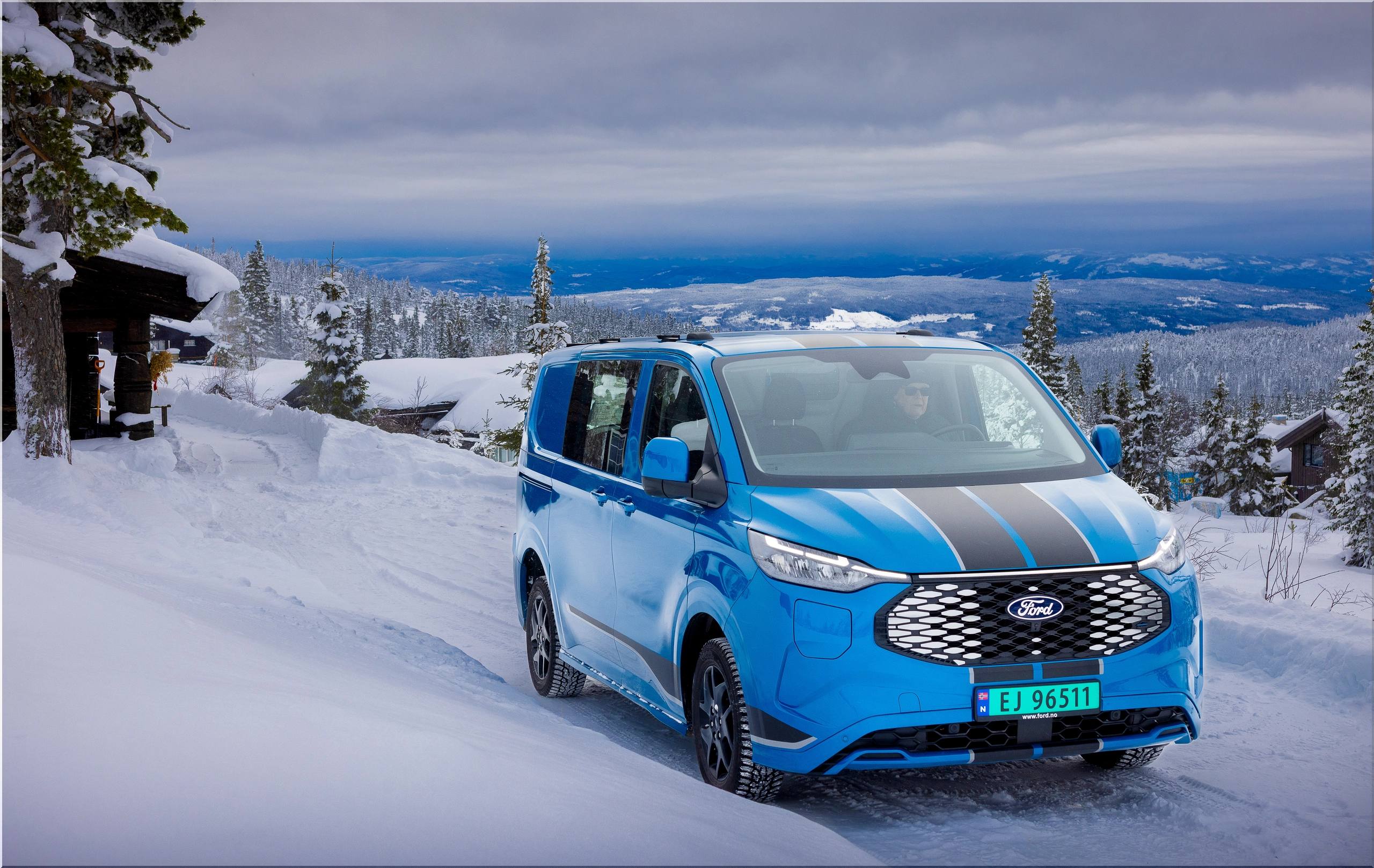
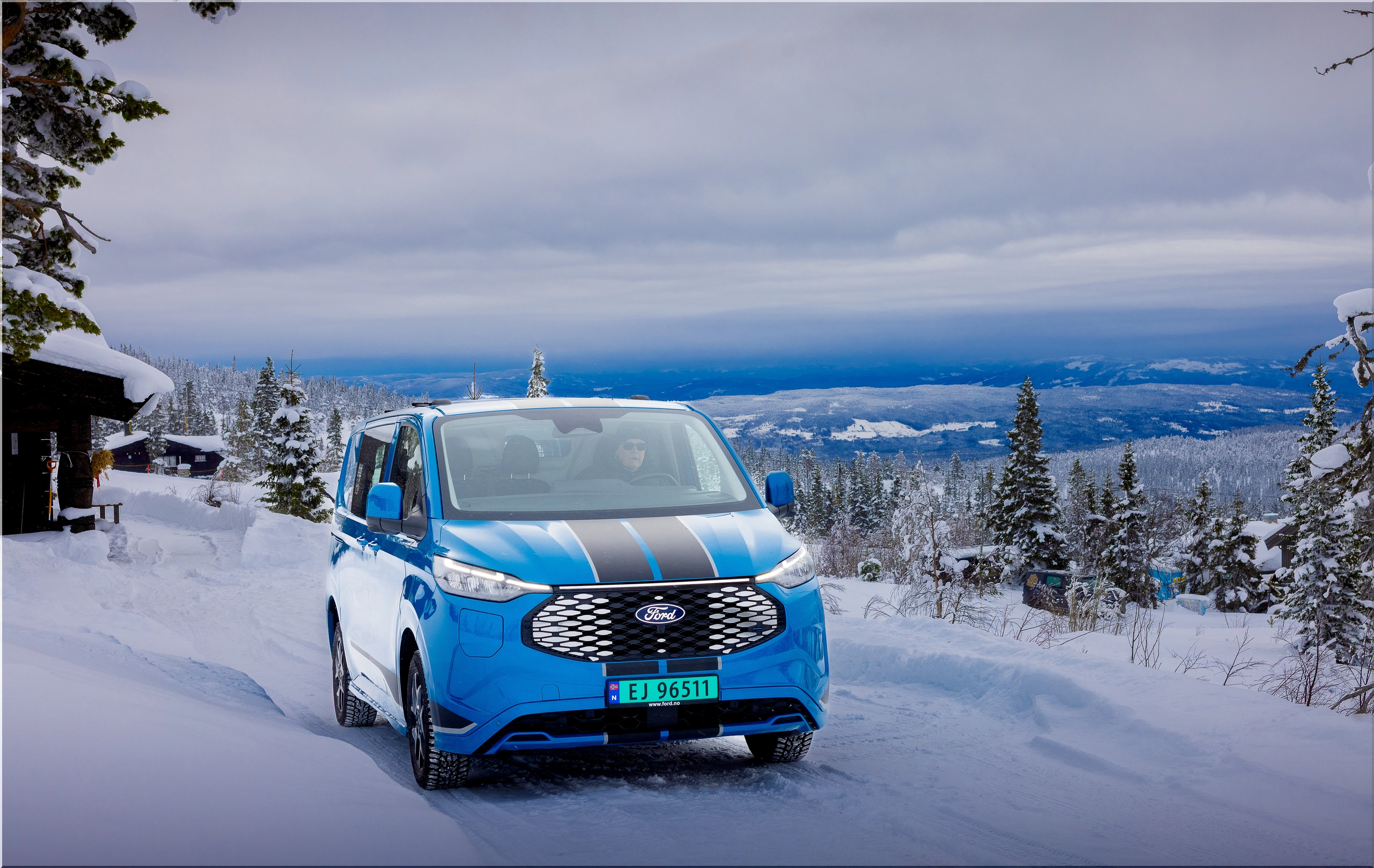
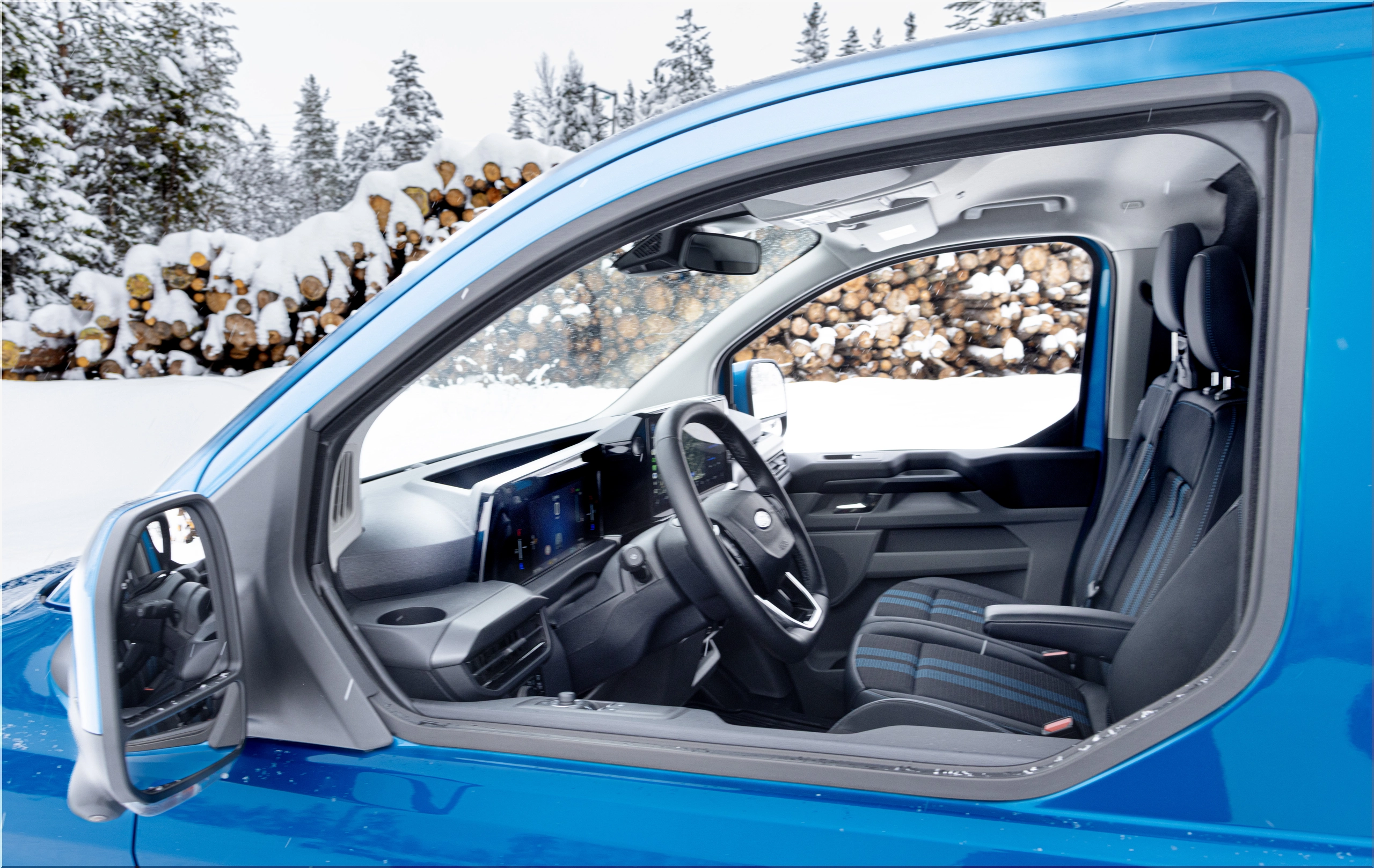
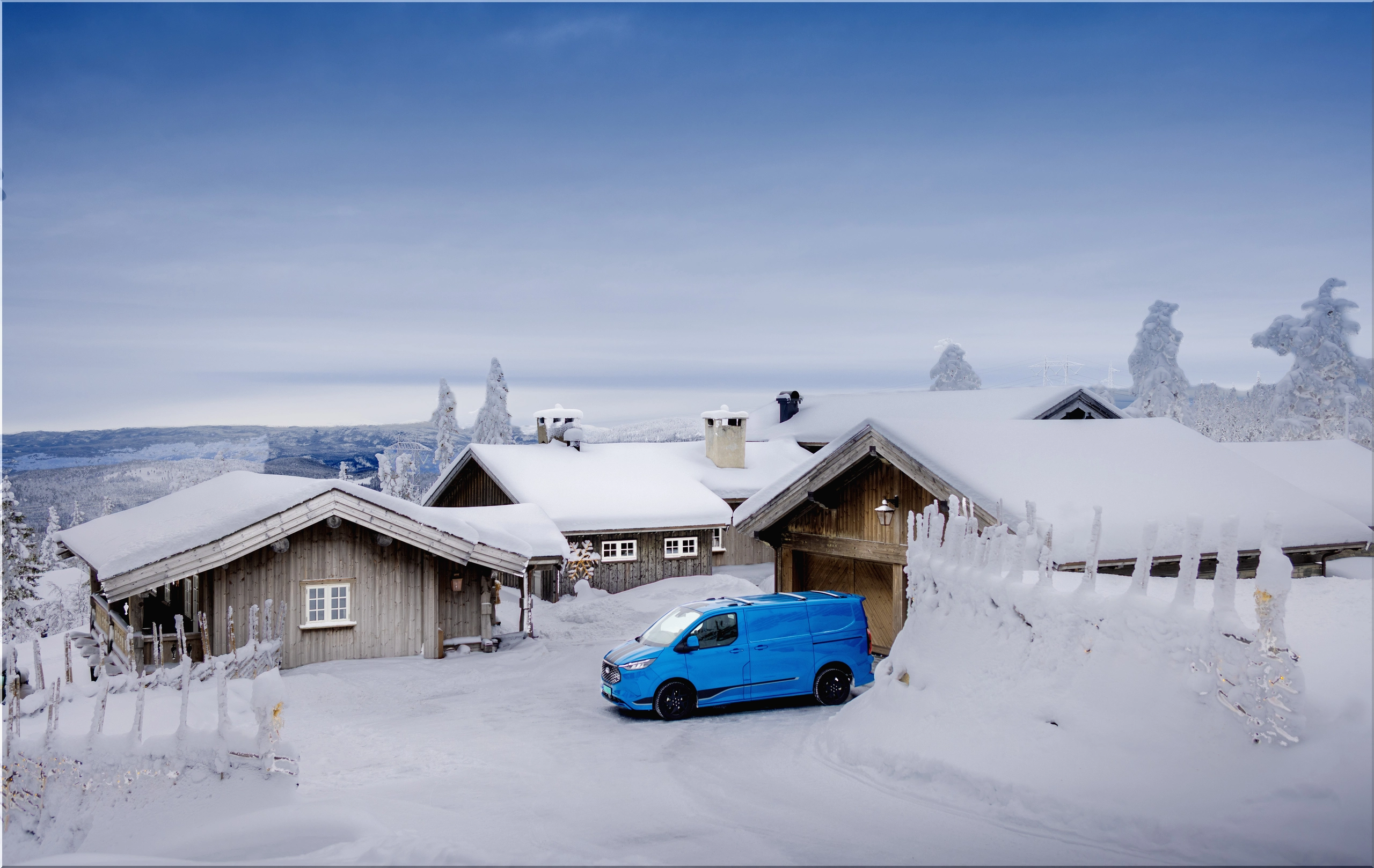
While the primary focus is on the cargo van, the E-Tourneo Custom provides a premium 8-seater or 9-seater solution for family use or VIP transport. It shares the same AWD architecture and battery technology, starting at roughly $59,600 (660,937 NOK) excluding VAT. This variant targets the passenger transport market, offering a quiet, zero-emission alternative to traditional diesel shuttles without losing the ability to navigate mountain roads or snowy ski resorts.
Trim Levels and Configurations
The AWD system is available across a wide range of trims, ensuring that both budget-conscious fleets and image-conscious owner-operators find a suitable match:
- Trend: The entry-level workhorse focused on utility.
- Limited: Adds comfort features and upgraded interior materials.
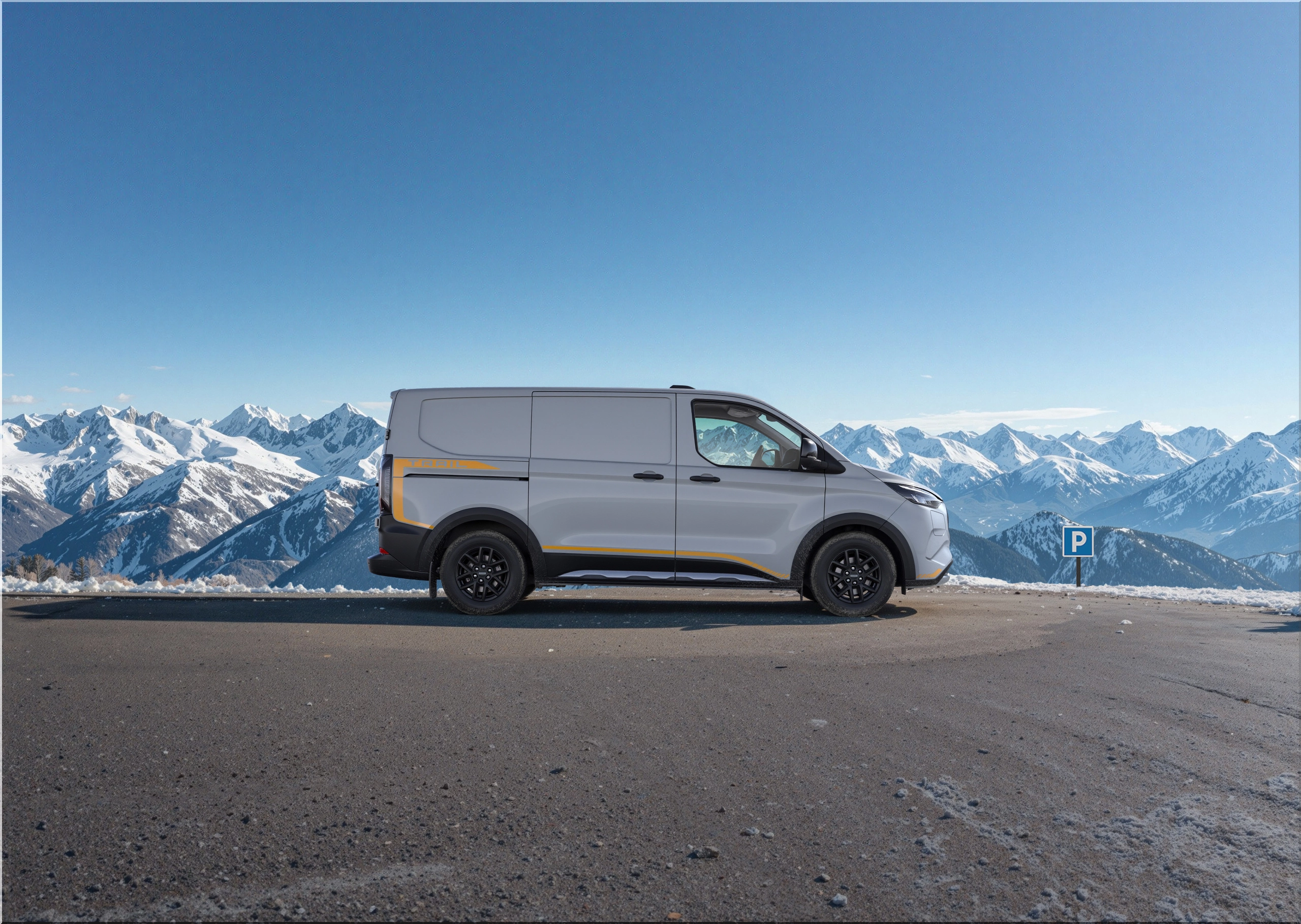
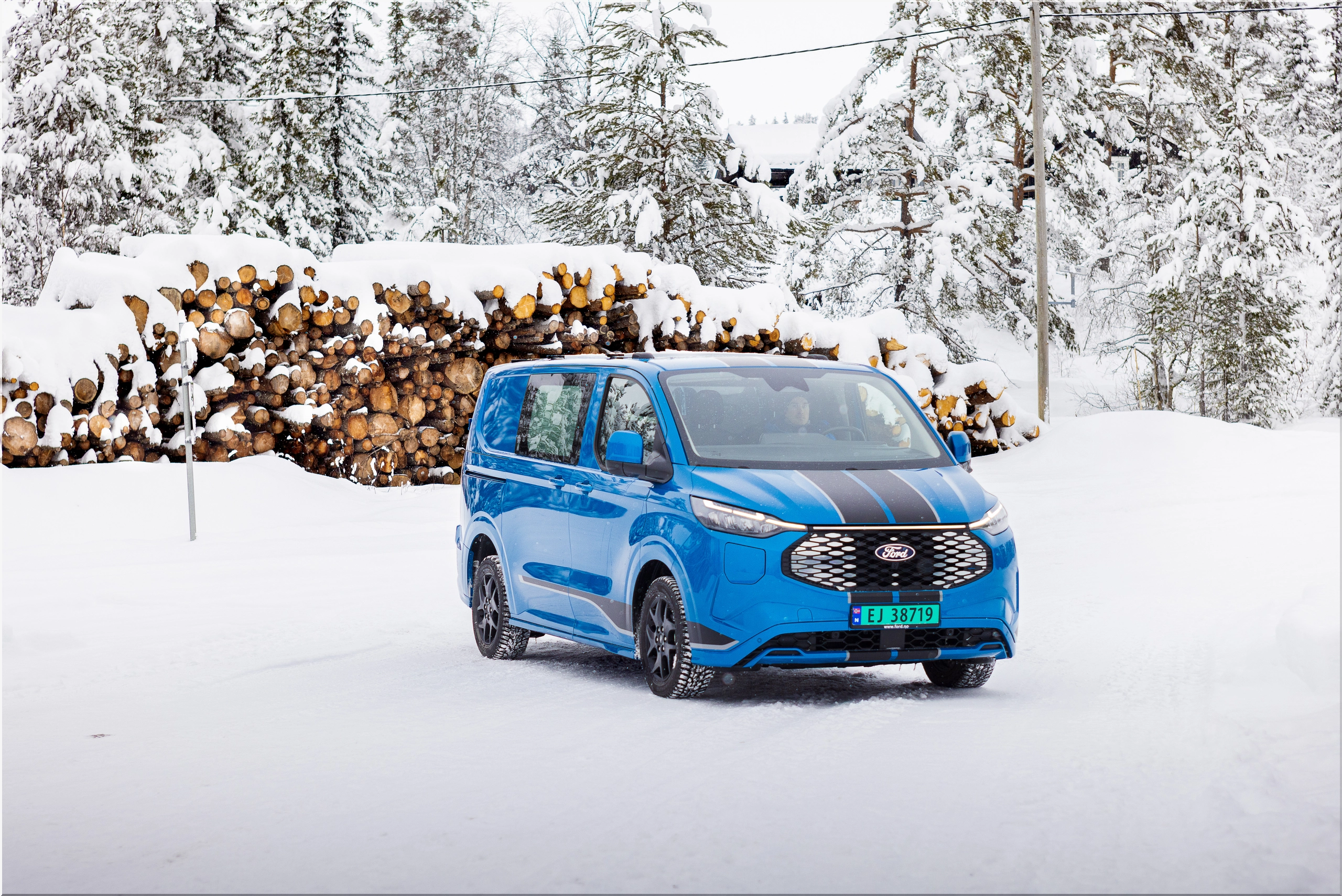
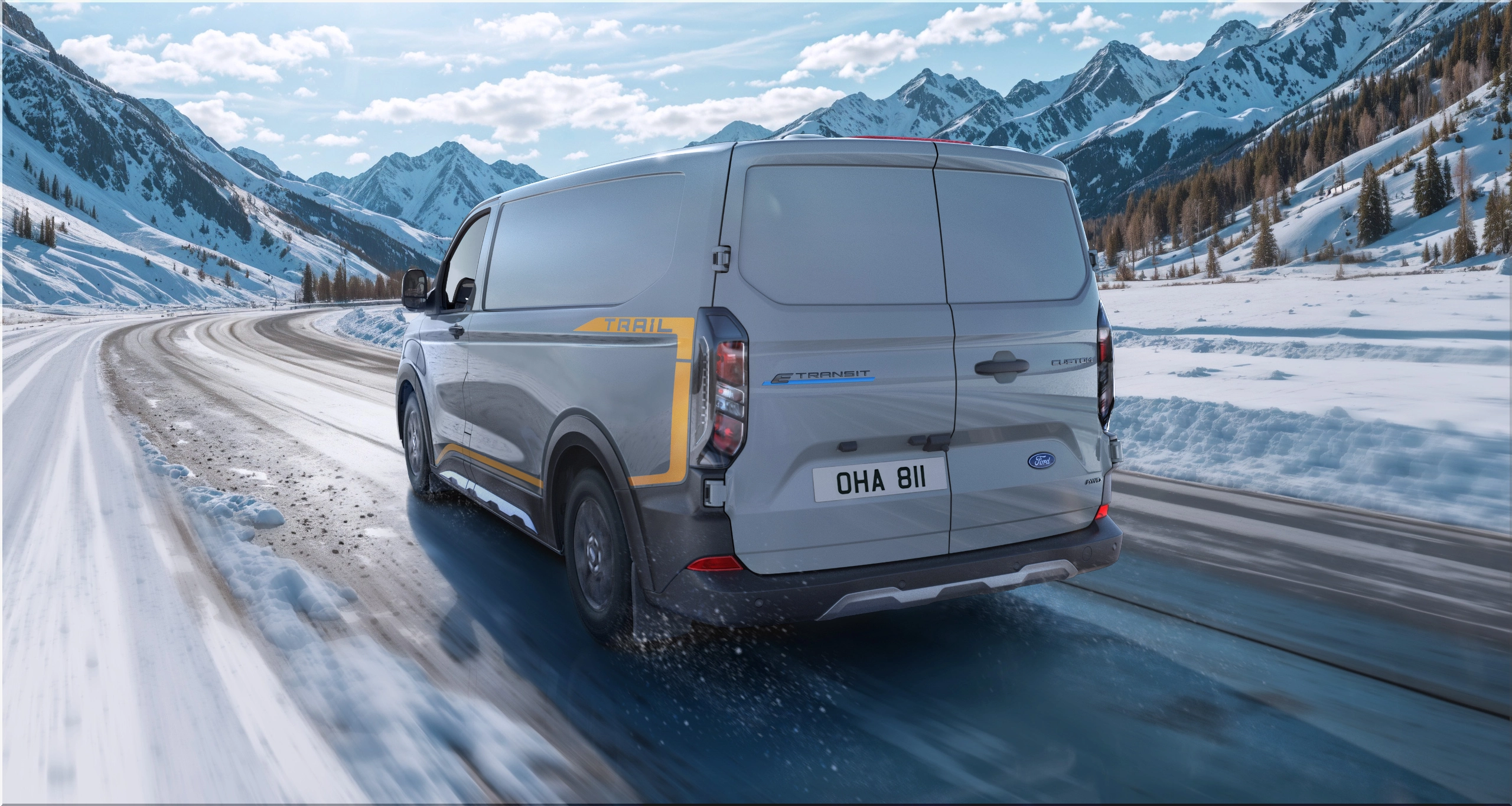
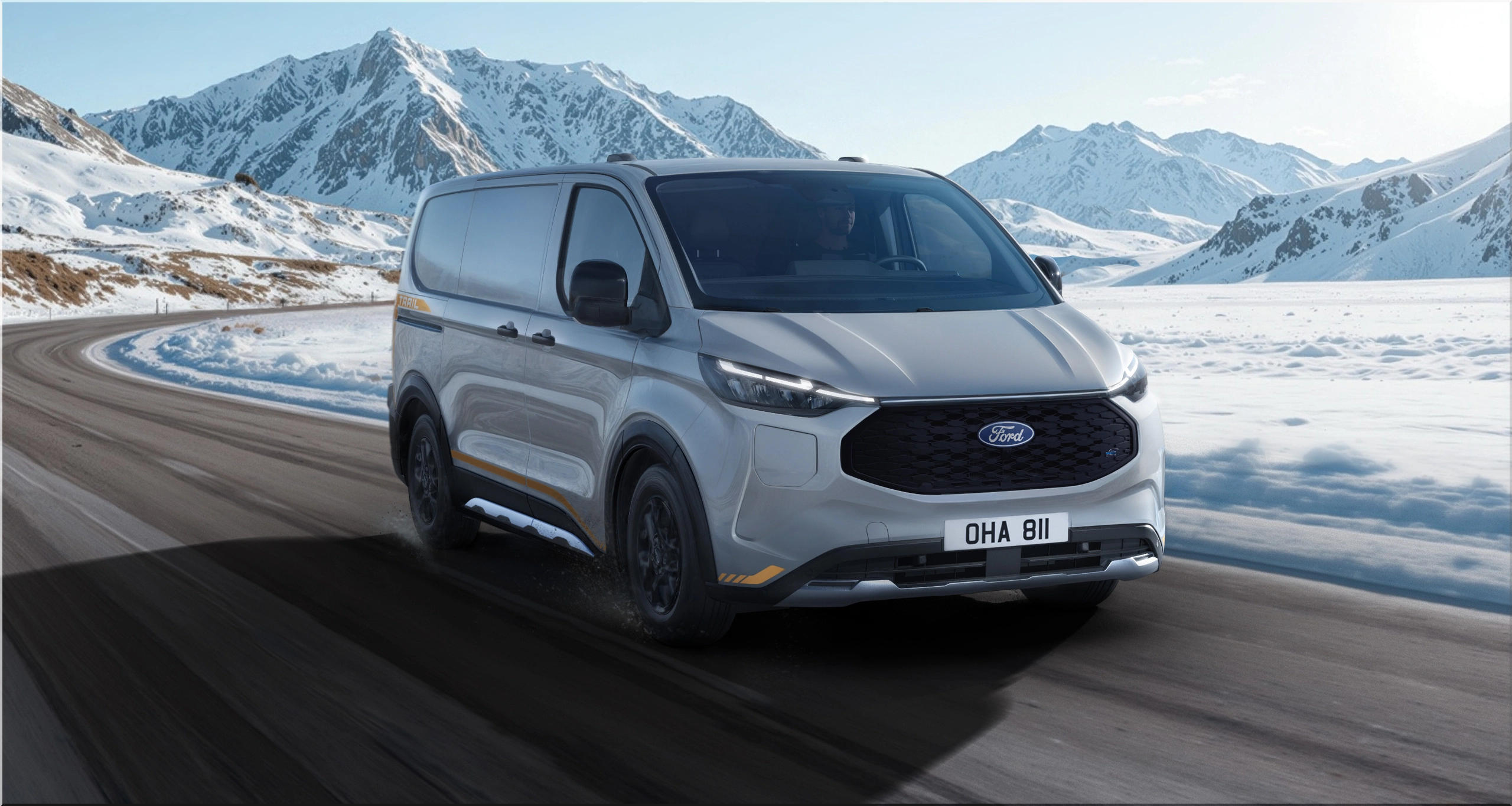
- Trail: Features rugged styling and enhanced traction settings.
- Sport: Performance-oriented aesthetics with the 286 hp motor.
- MS-RT: High-performance styling inspired by rally racing.
Strategic Logic Behind AWD Implementation
Why did Ford invest heavily in an AWD electric van while others stayed with FWD? The logic is rooted in traction physics. In a front-wheel-drive van, as you add weight to the cargo area, the center of gravity shifts toward the rear, lifting weight off the driven wheels. This results in poor traction on inclines.
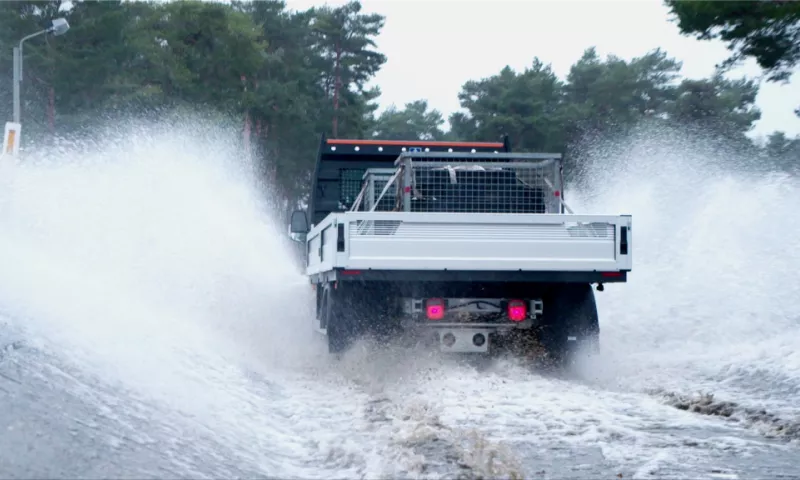
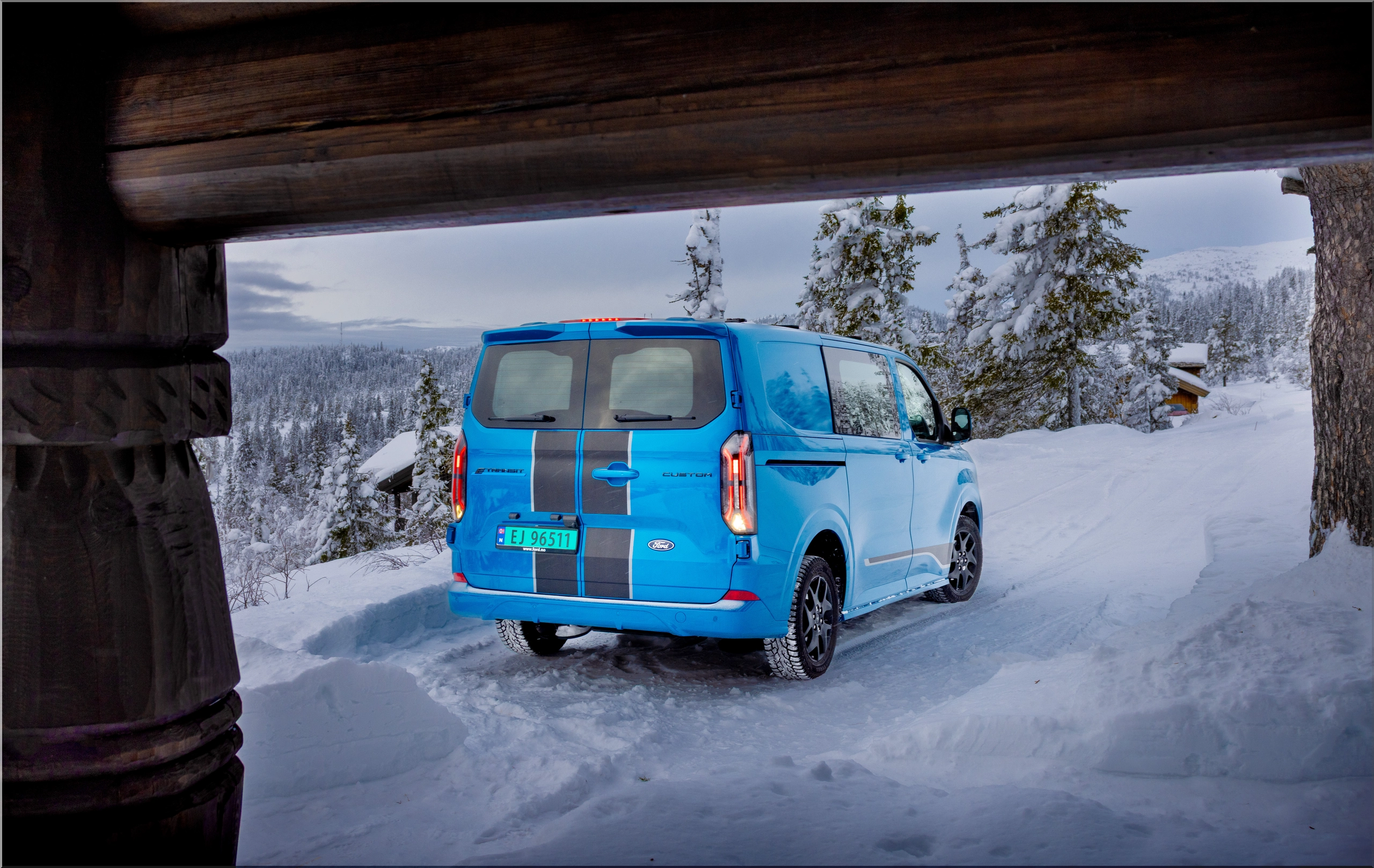
By using a dual-motor AWD setup, the E-Transit Custom maintains traction regardless of how the cargo is distributed. This engineering choice makes it a viable tool for "last-mile" delivery in regions with steep driveways and unplowed roads. It moves the electric van from being a "fair weather" vehicle to a year-round asset.
Future Outlook for Ford Pro
The first shipments from Ford's factory in Turkey are scheduled to reach customers in April 2026. This timeline is aggressive and intended to capitalize on the lack of direct AWD competition in the 1-ton electric space. As fleet emission standards tighten across Europe and North America, the availability of a high-capability AWD electric van will be a deciding factor for government tenders and corporate sustainability goals.
The E-Transit Custom is more than an engine swap; it is a ground-up redesign of how a commercial vehicle interacts with its environment. From the Pro Power Onboard system to the intelligent AWD software, every feature is geared toward reducing downtime and increasing the utility of the electric platform.
Pro-Tip: Maximize Winter Range
To preserve the most range in cold climates, use the vehicle's "Pre-conditioning" feature while it is still plugged into a charger. This uses grid power to warm the battery and the cabin to the optimal operating temperature, ensuring the battery energy is used solely for propulsion once the trip begins.


What Now?
For business owners considering the switch to electric, the E-Transit Custom AWD represents the first real opportunity to do so without compromising on the ruggedness required for field work. The combination of a 5,000-lb towing capacity, 200+ mile range, and the security of all-wheel drive sets a new benchmark for the industry.
If you operate in a region with significant snowfall or varying terrain, the $1,800 premium for the AWD system is an investment that will likely pay for itself in reduced downtime and increased vehicle versatility. Test drives for the new models begin in April, providing the first hands-on opportunity to experience the 465 lb-ft of instant torque provided by the dual-motor system.
- Add new comment
- 176 views