The 2026 Nissan LEAF arrives this fall with a clear mission: keep electric driving affordable. Starting at $29,990, the third-generation LEAF undercuts every other EV on sale in the U.S. while offering more range, new technology, and a sharper design.
Lower Price, Longer Range
Nissan introduced the first LEAF in 2011 at $32,780. Fifteen years later, the new model costs less. The base LEAF S+ lists at $29,990, while the SV+ starts at $34,230, and the PLATINUM+ tops out at $38,990.
The 2026 LEAF S+ features a 75 kWh battery with an EPA-estimated range of 303 miles per charge. That’s a dramatic increase over the first-generation model, which managed only 73 miles. The new SV+ and PLATINUM+ trims include the same core battery technology with improved efficiency, while also adding more standard equipment.
Pricing Breakdown (USD)
| Trim Level | MSRP (USD) | Range (miles) | Key Features |
|---|---|---|---|
| LEAF S+ | $29,990 | 303 | 12.3-inch display, NACS charging |
| LEAF SV+ | $34,230 | 303 | 14.3-inch display, more tech features |
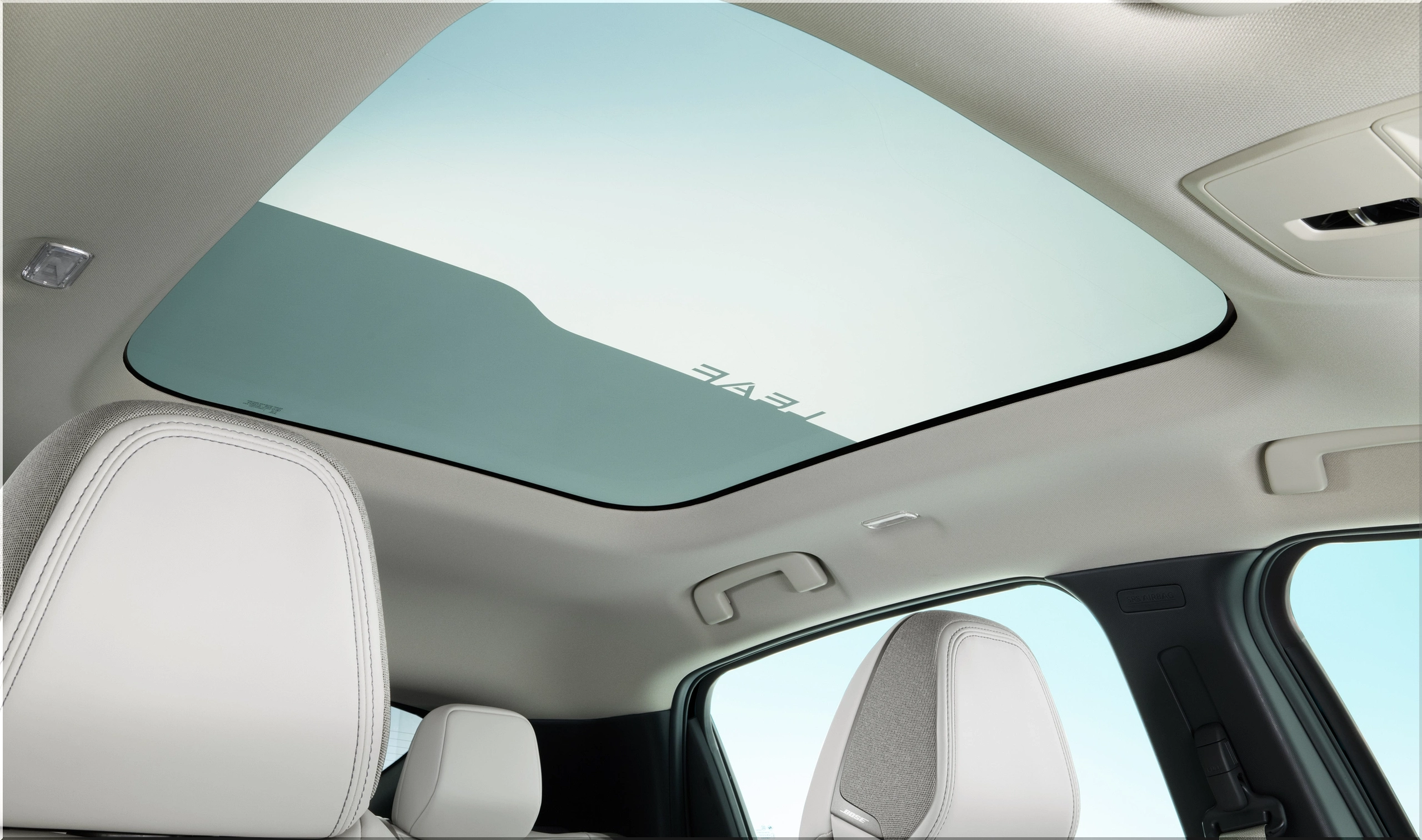
| LEAF PLATINUM+ | $38,990 | 303 | Premium interior, panoramic roof |
Entry-level LEAF S pricing to be announced later.
Charging Gains
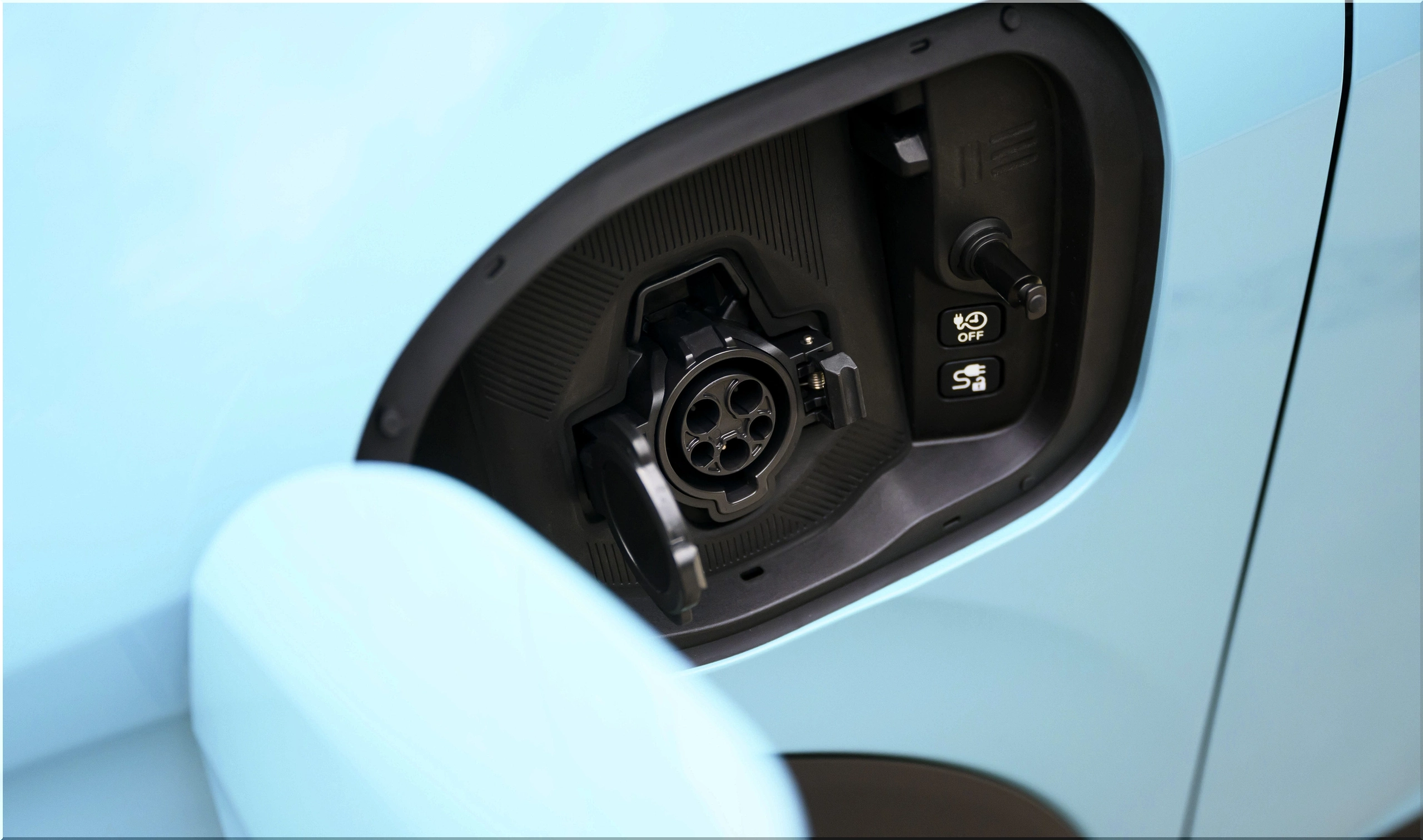
The 2026 LEAF supports North American Charging Standard (NACS) ports with Plug & Charge. Drivers gain access to more than 20,000 Tesla Superchargers in the U.S.. For commuters, that removes a significant barrier: reliable charging.
Nissan also claims charging sessions are now simpler. Drivers plug in, the car verifies credentials, and billing happens automatically.
New Design Direction
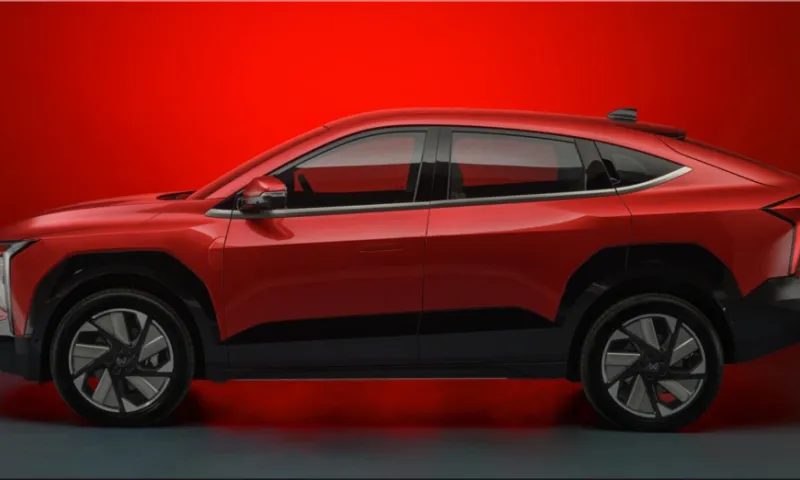
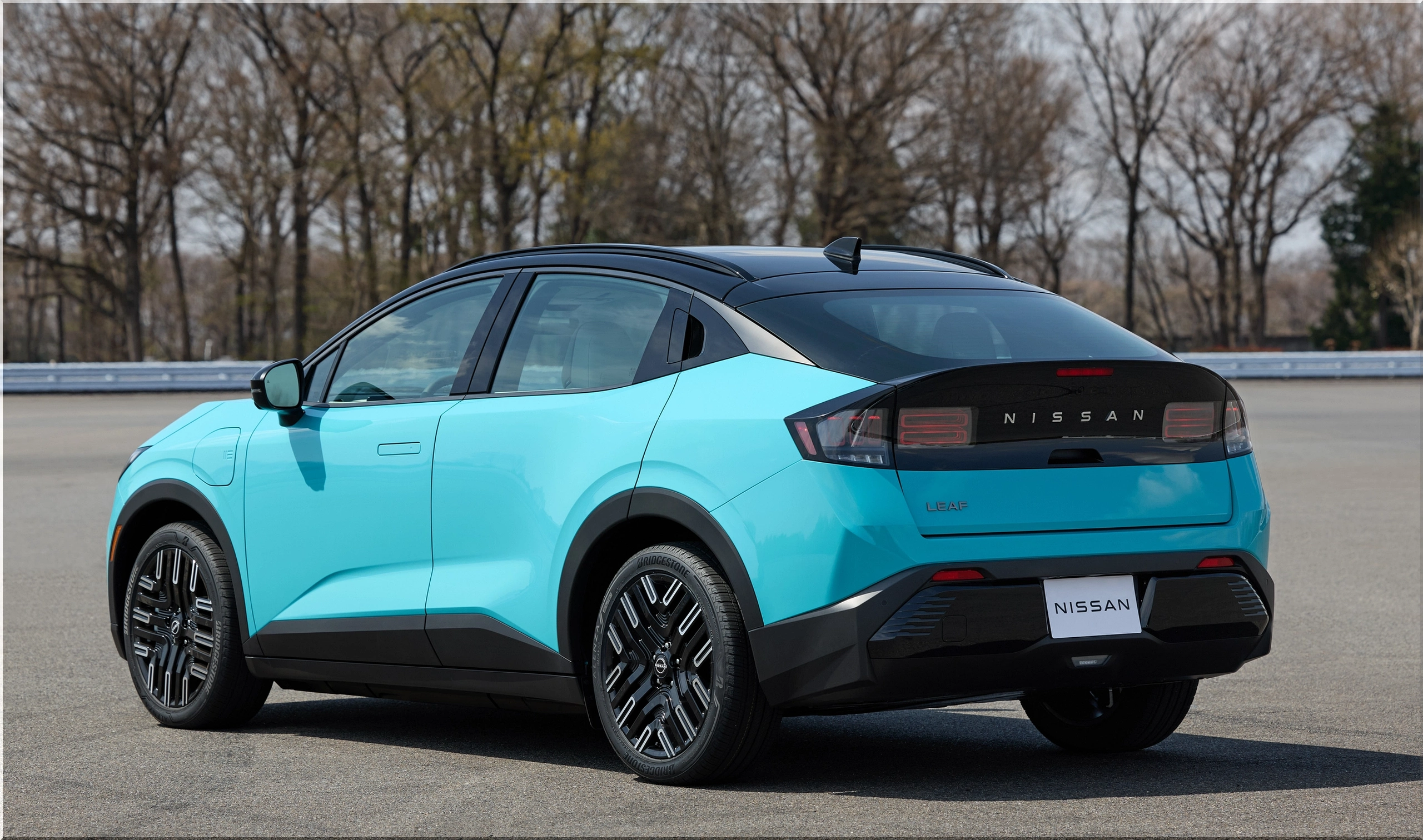
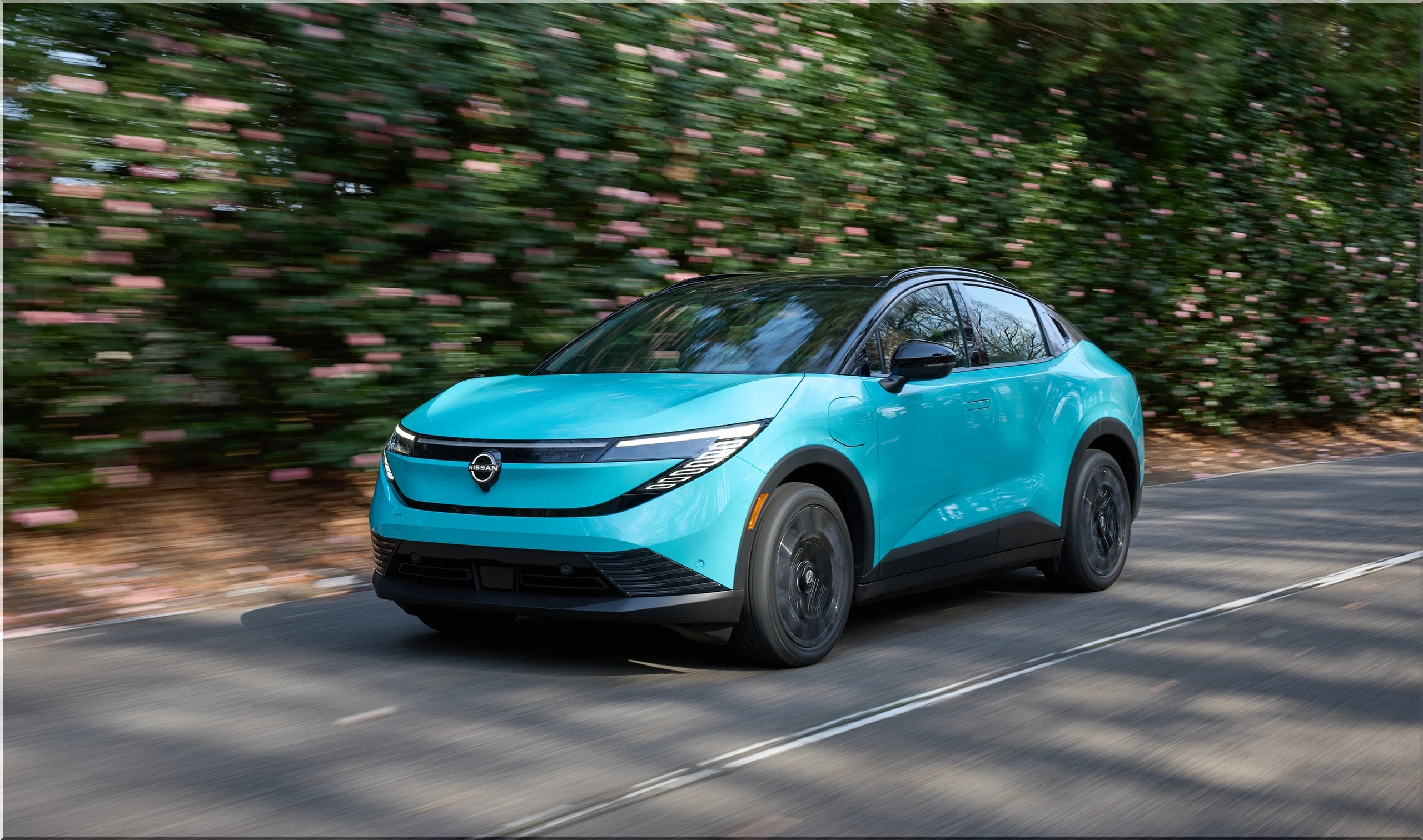
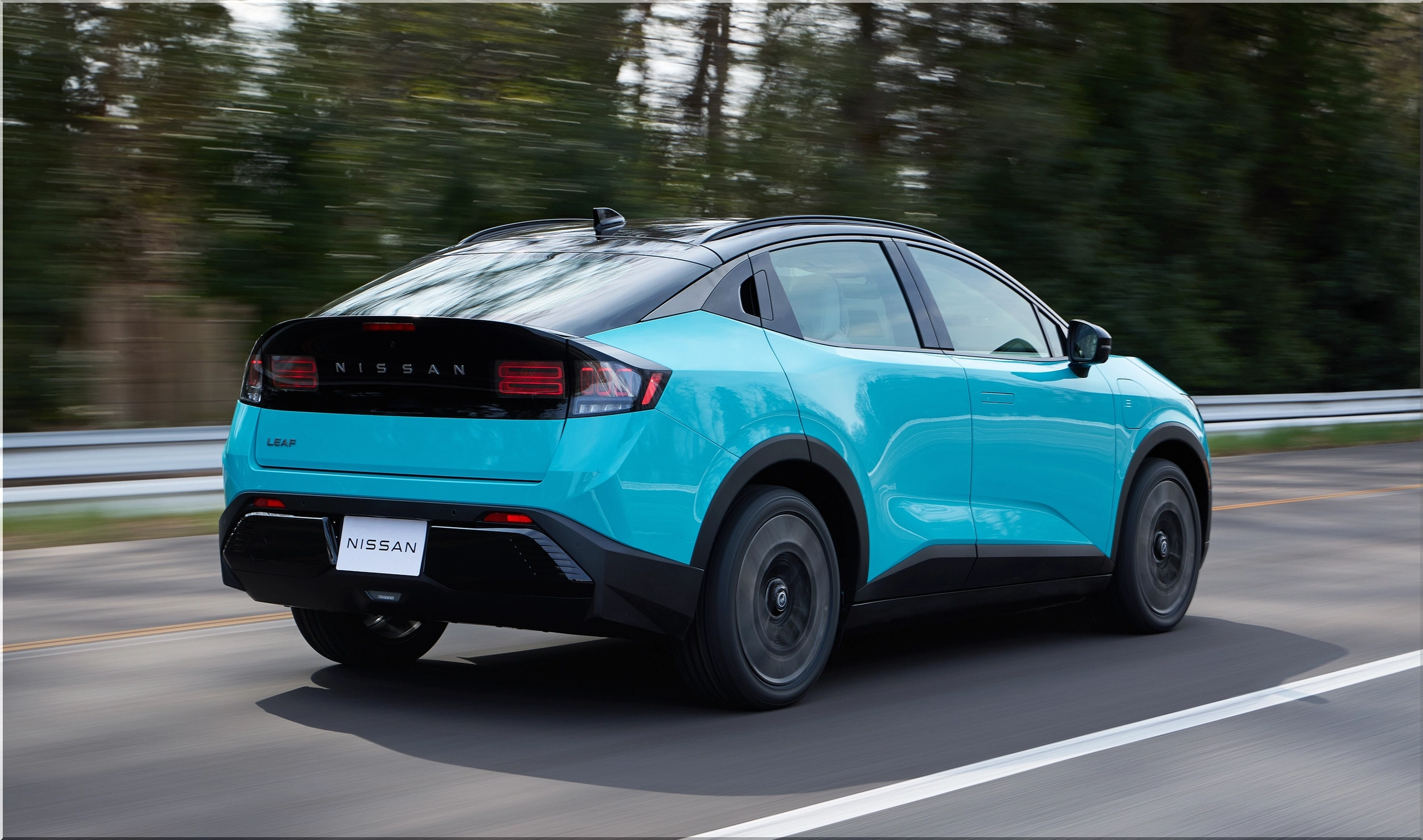
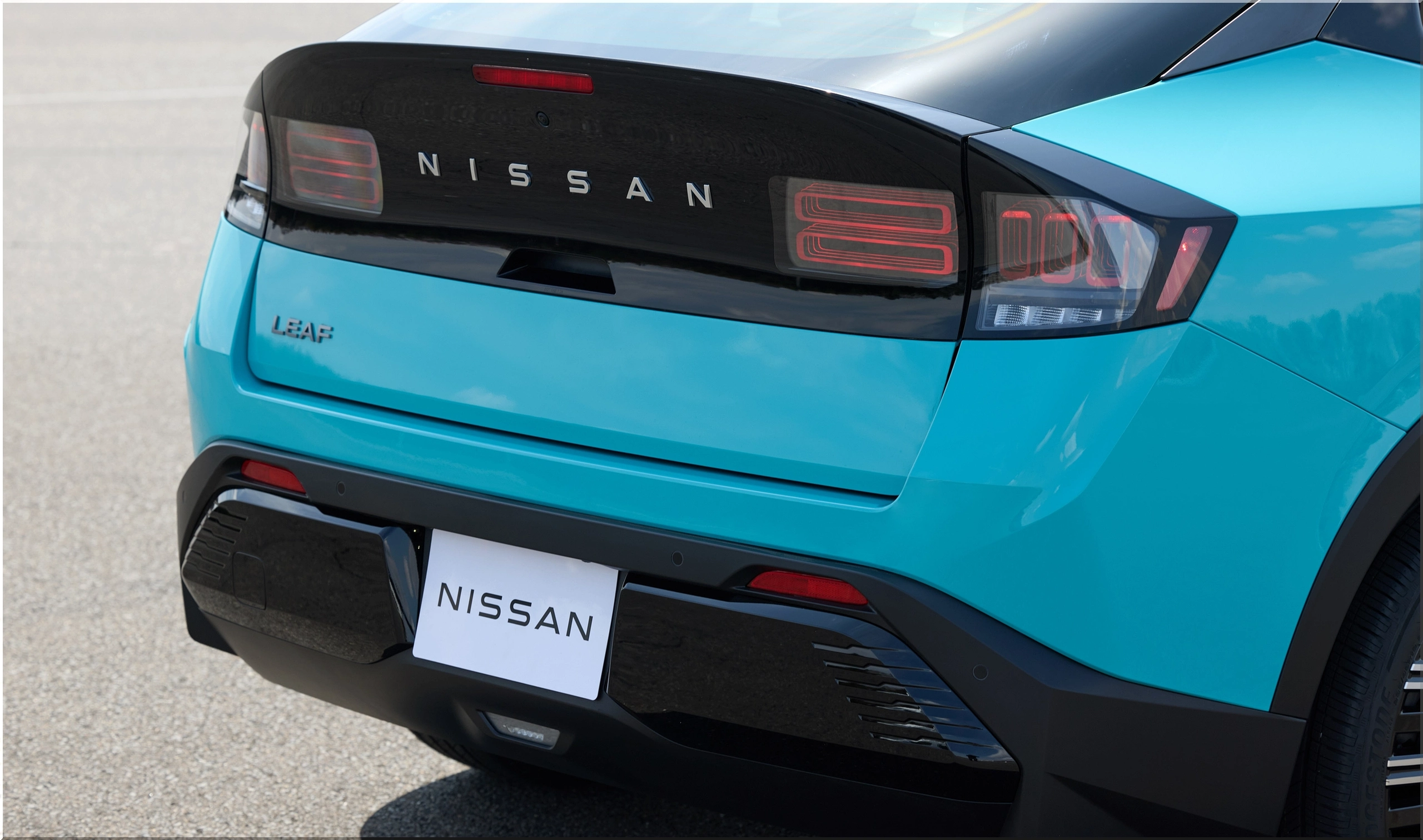
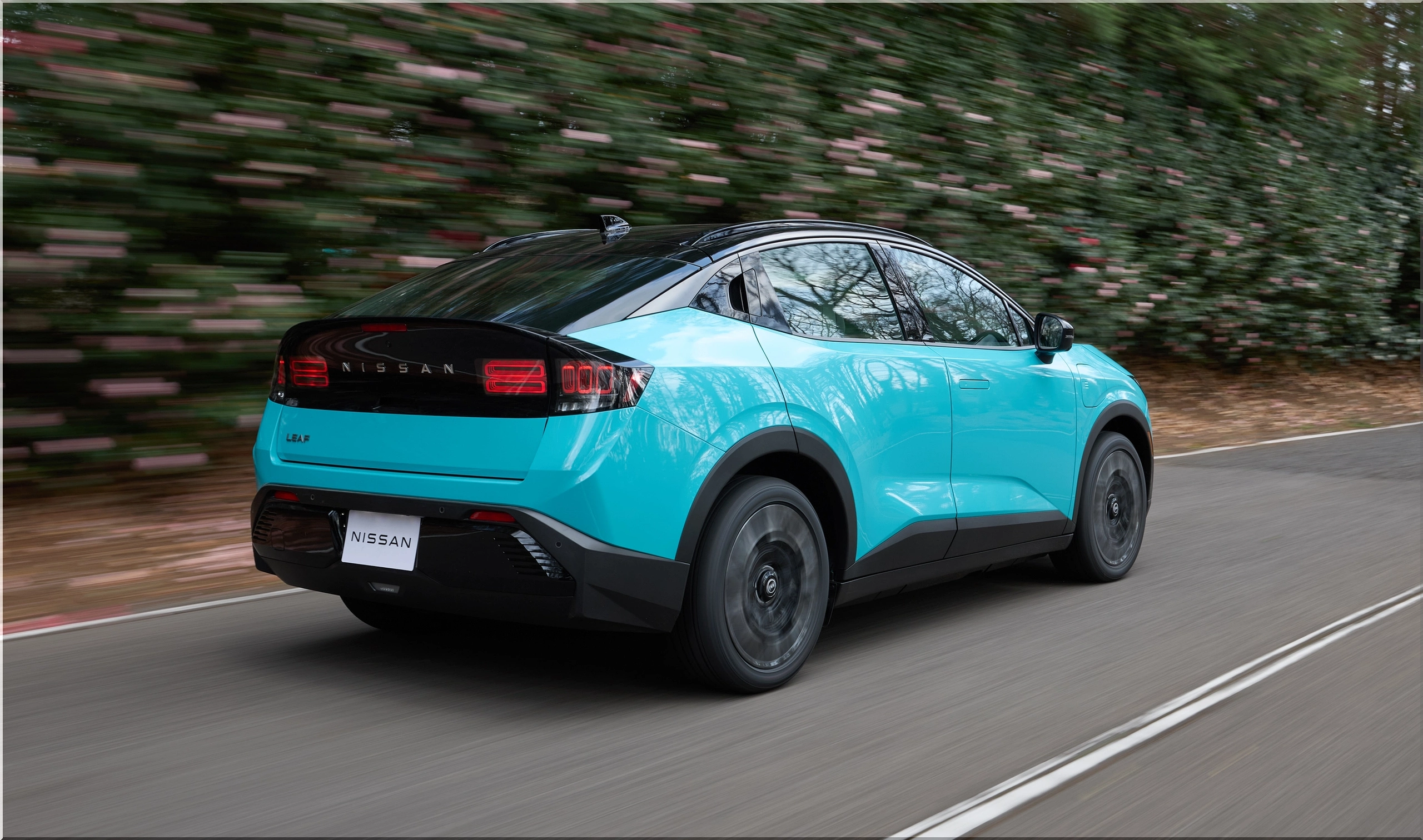
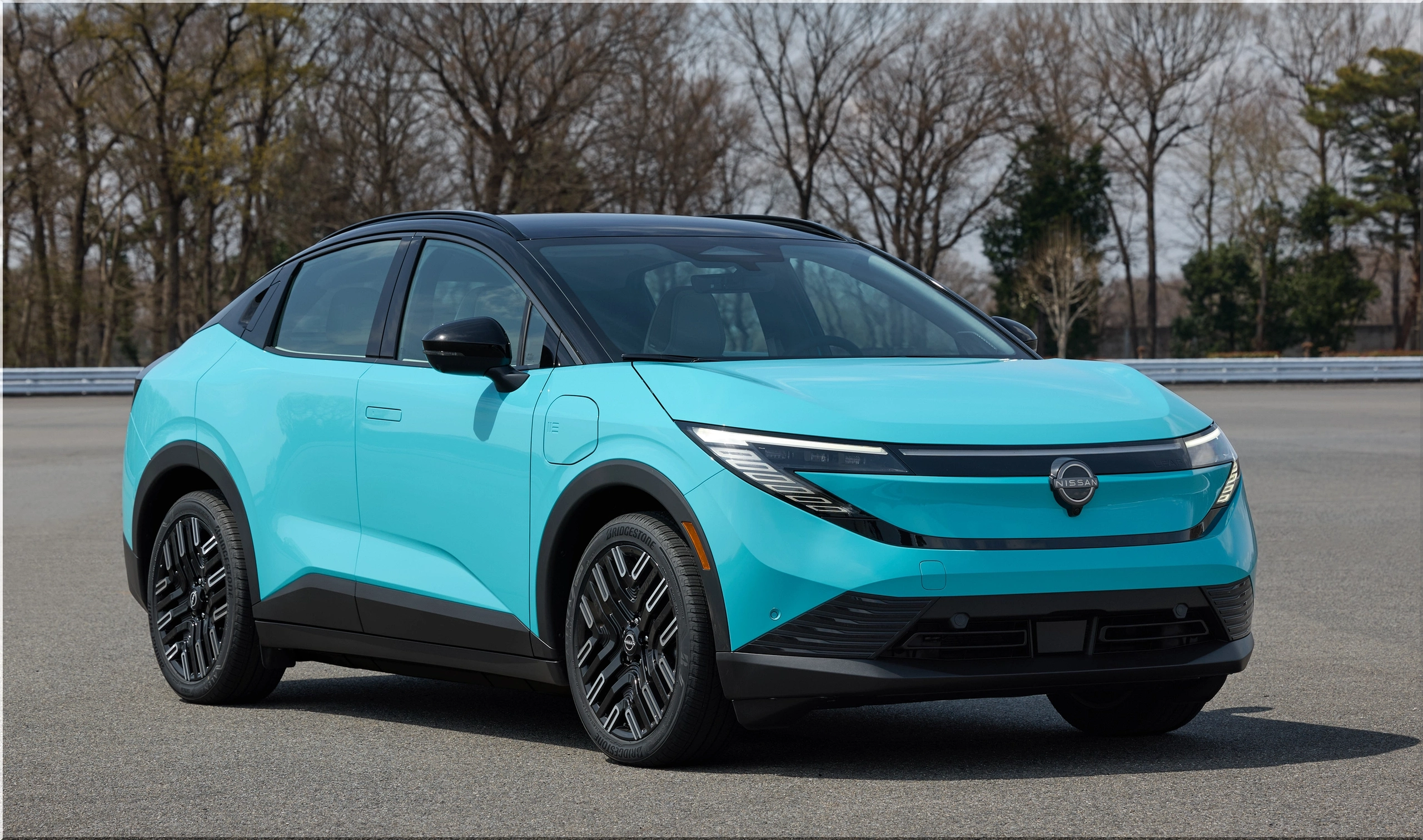
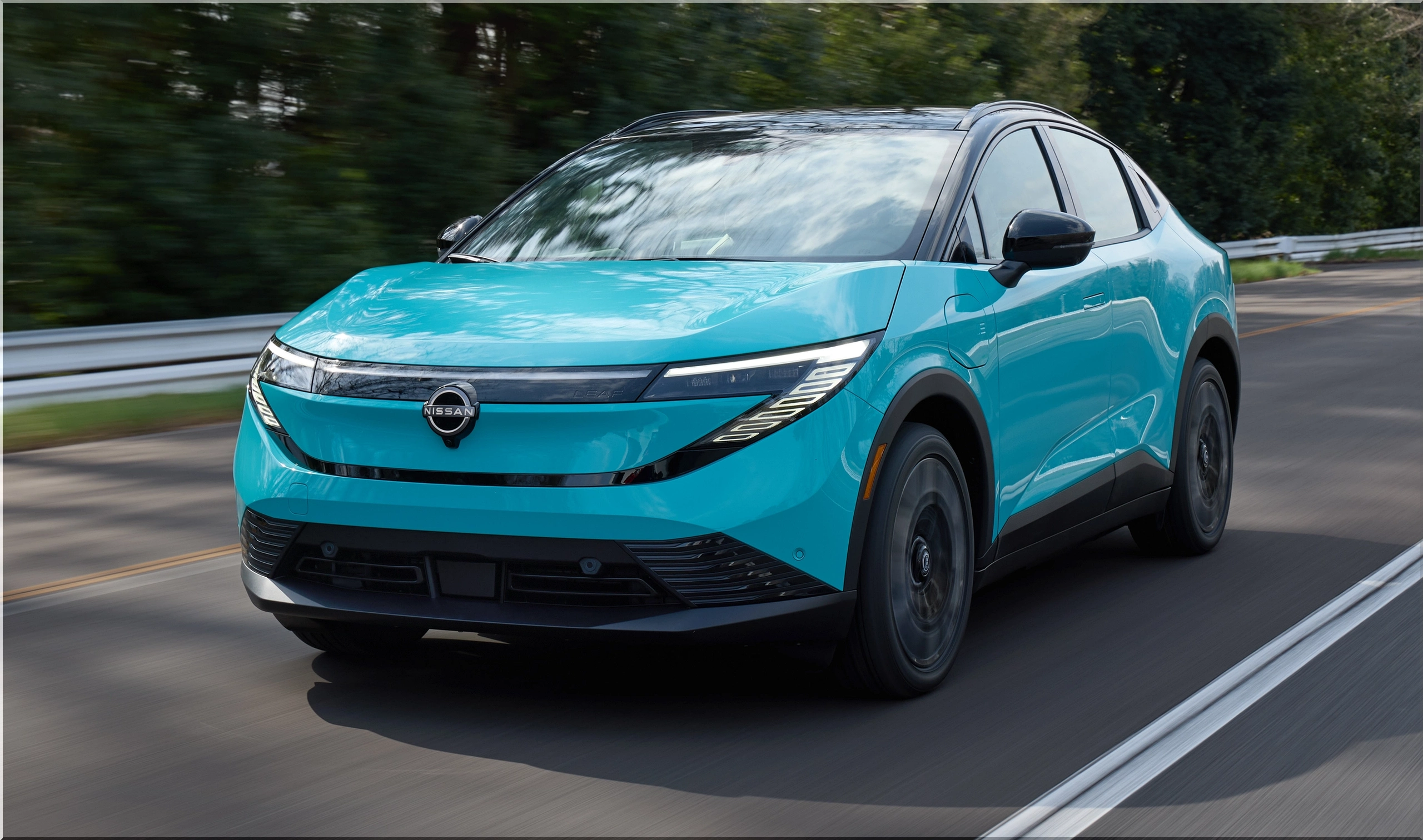
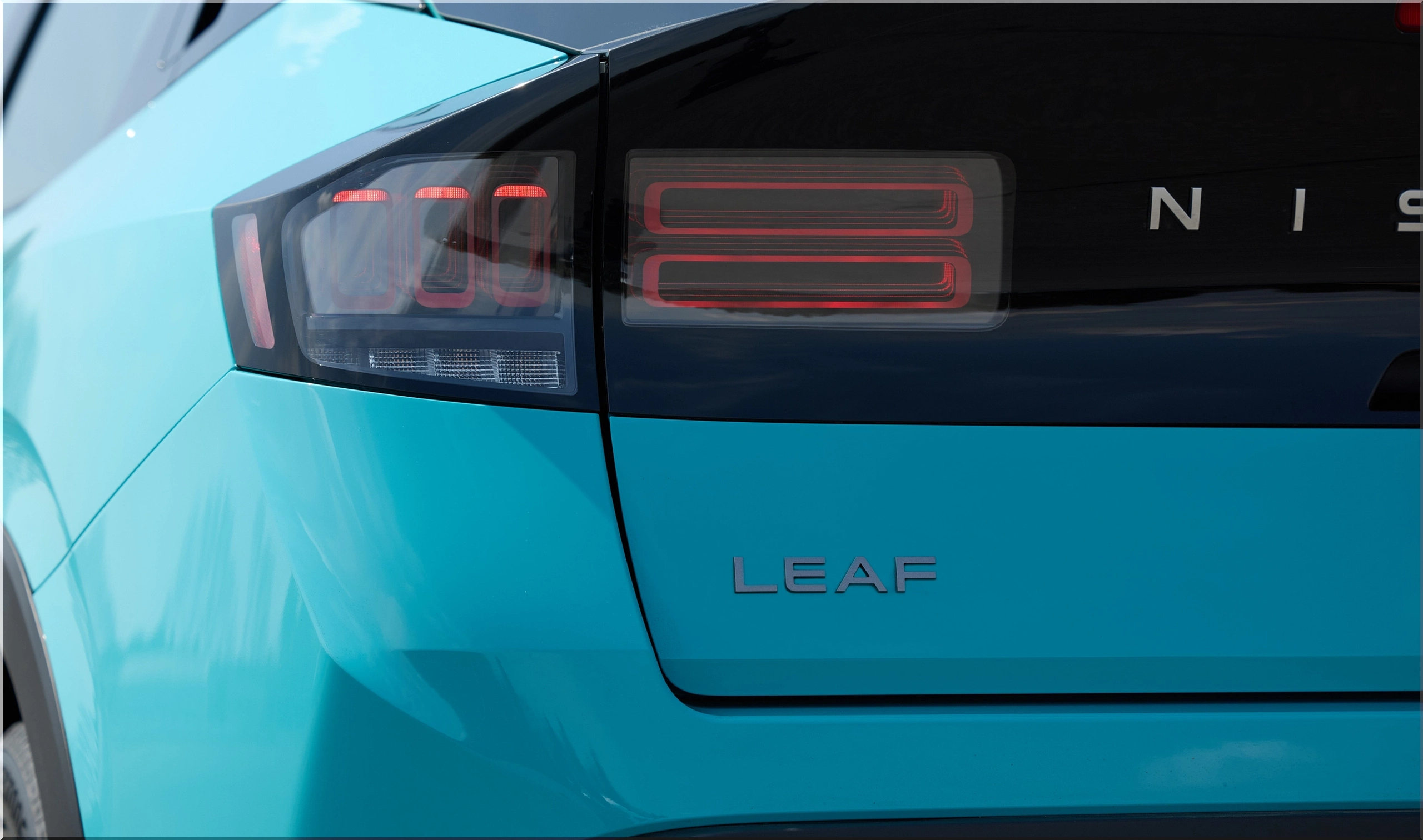
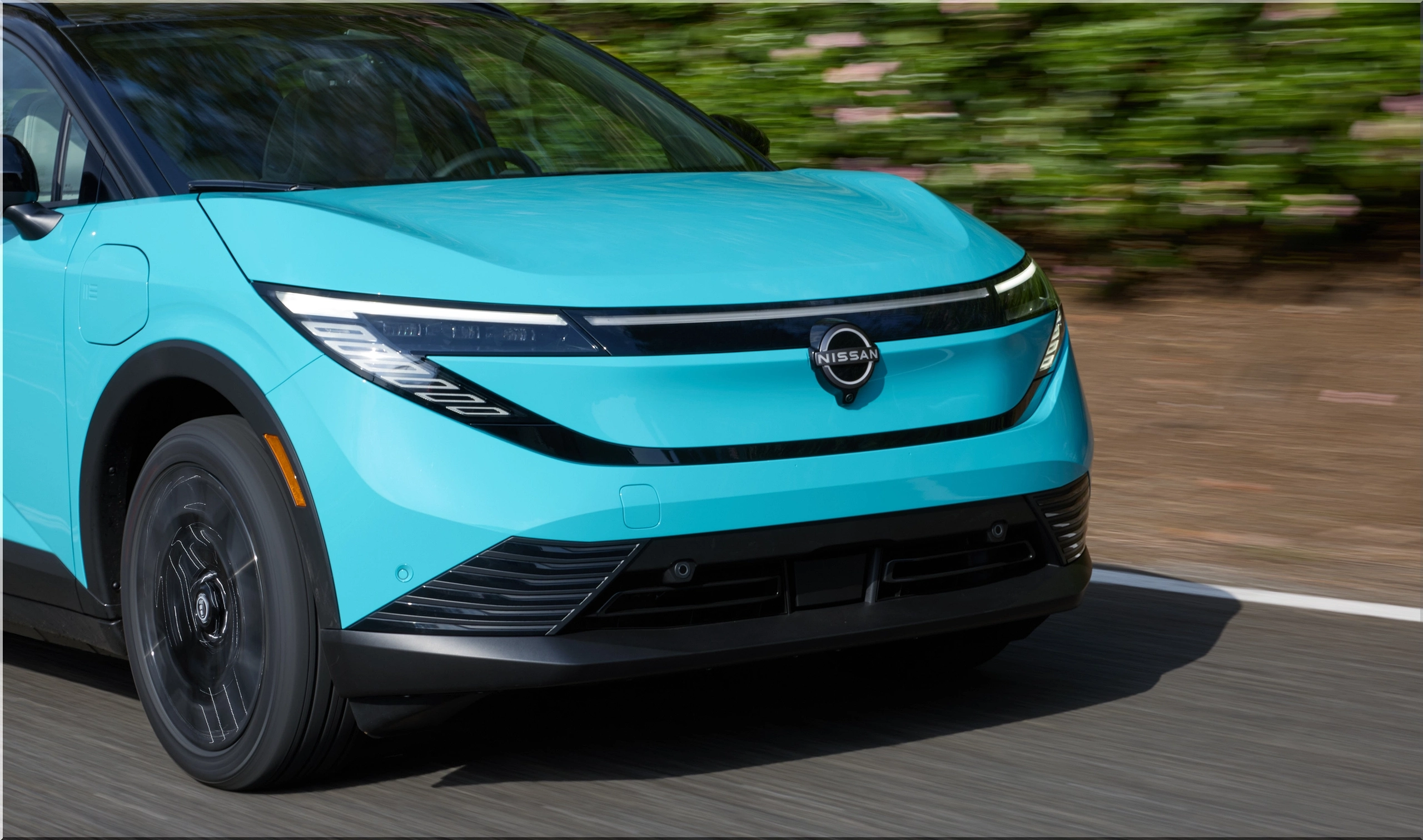
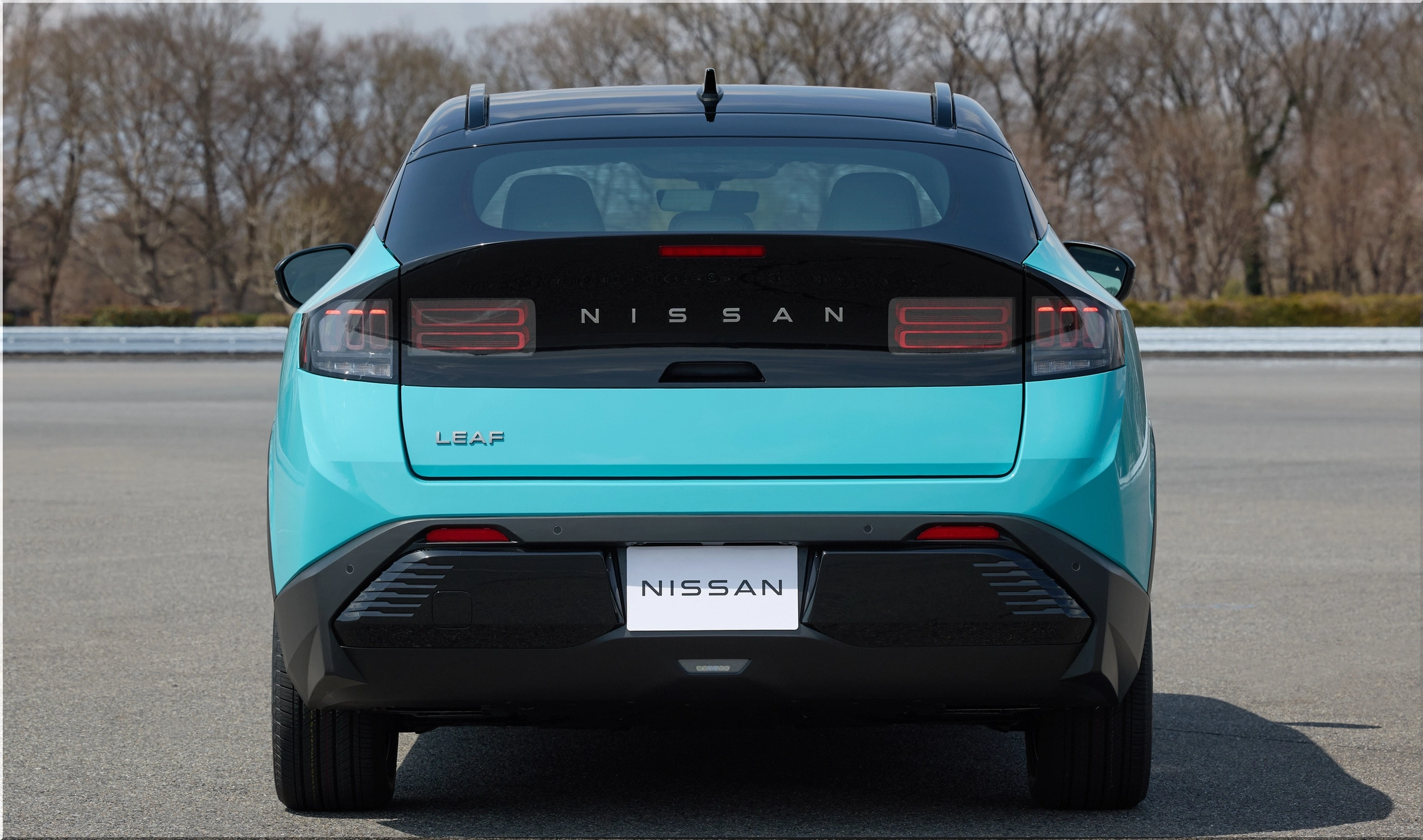
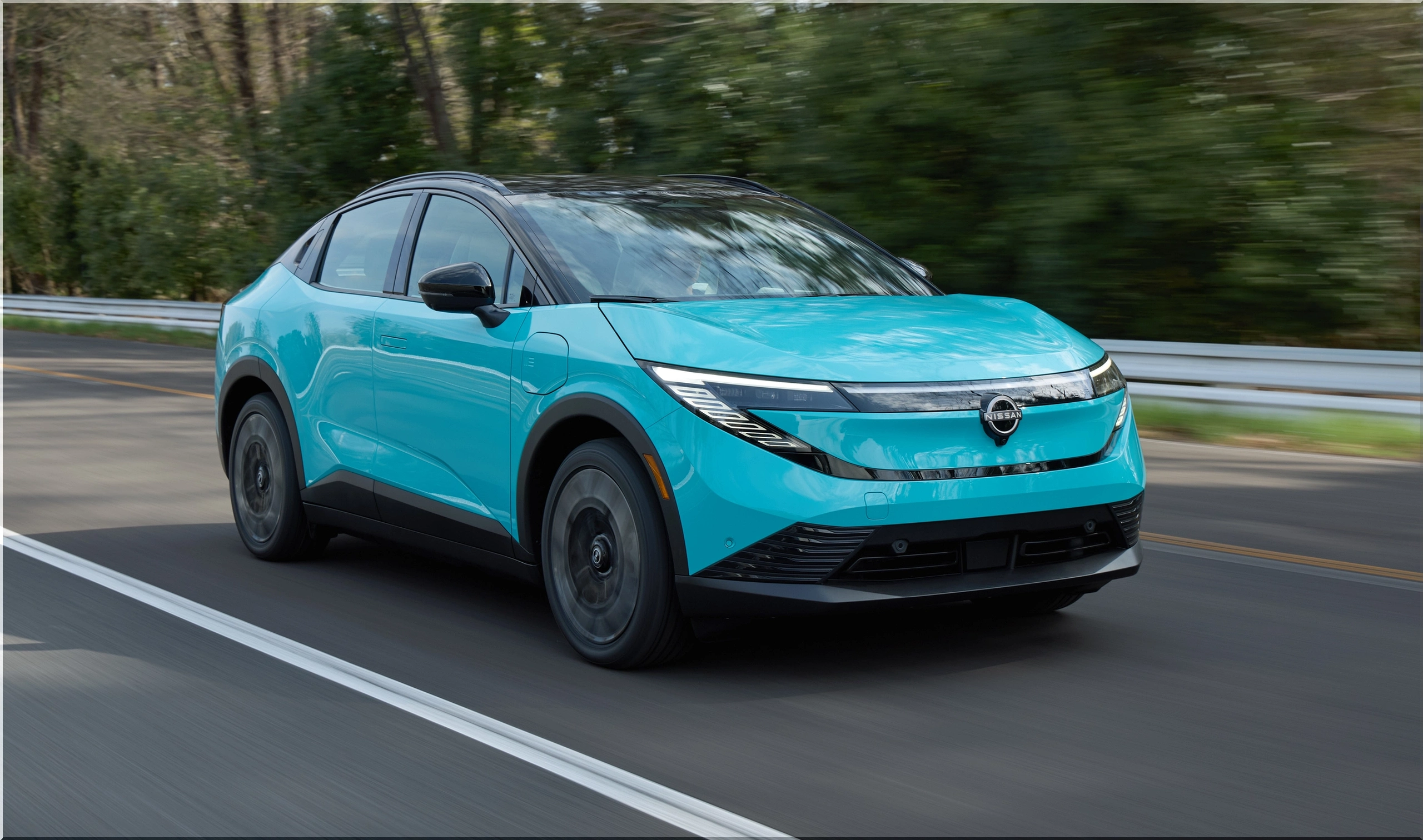
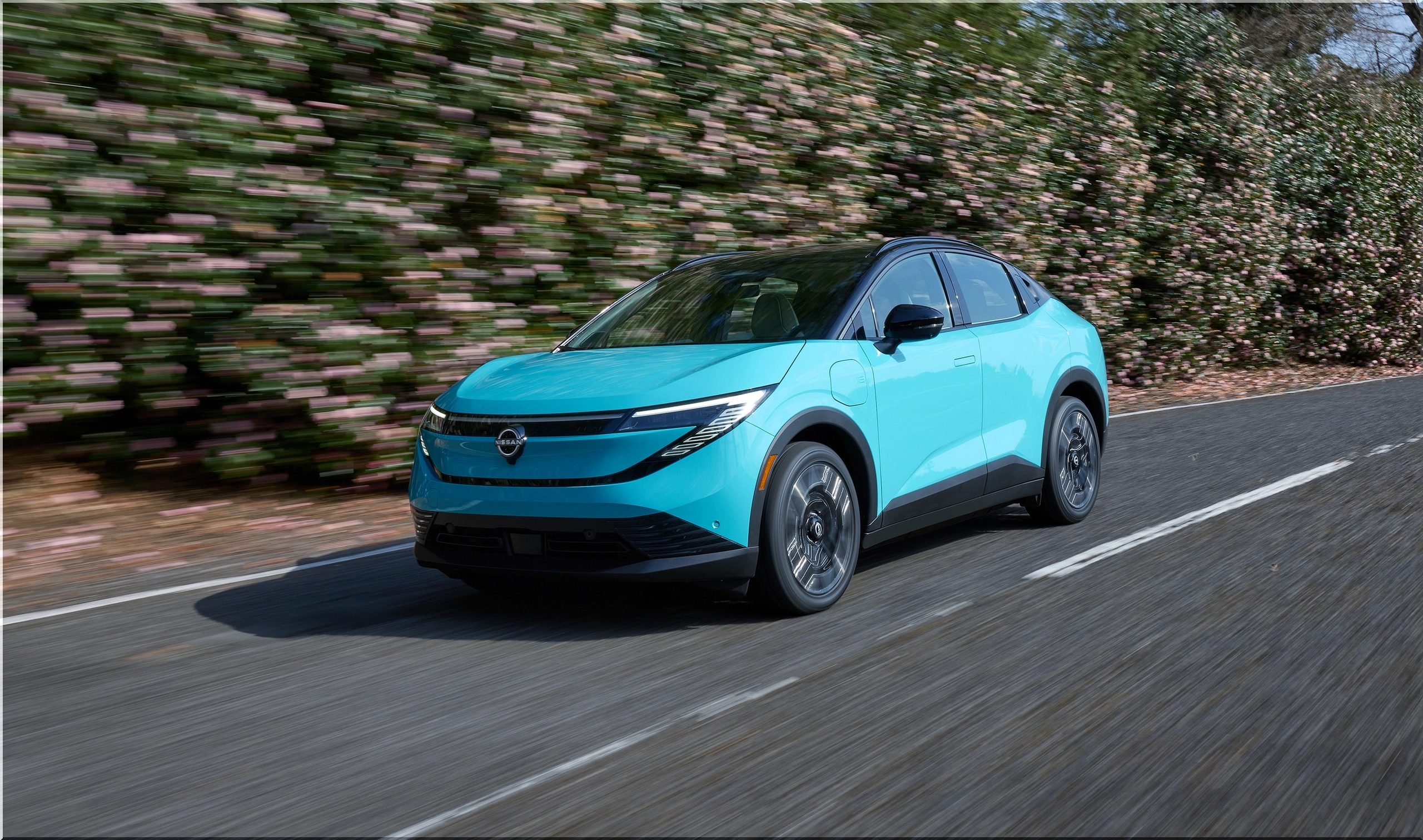
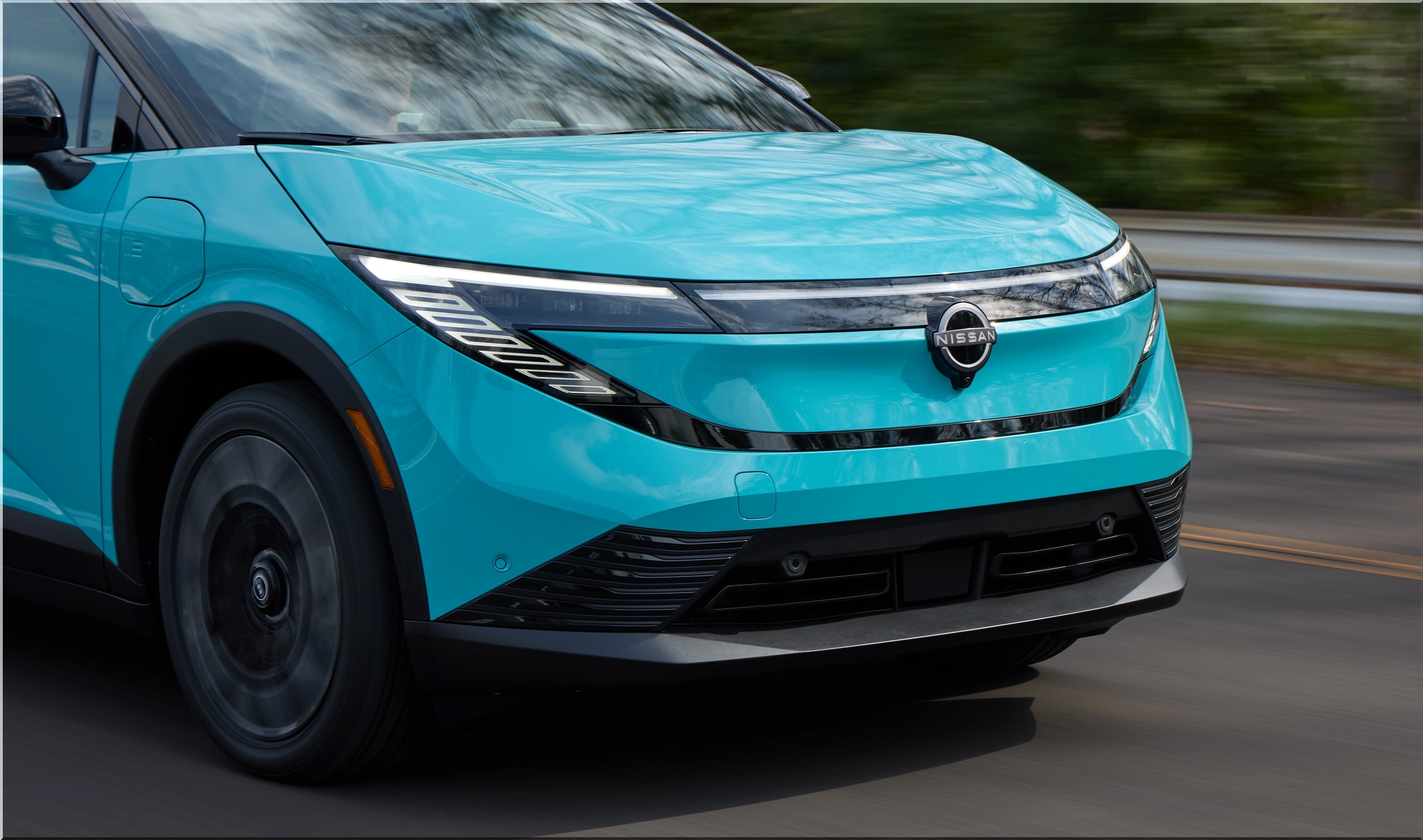
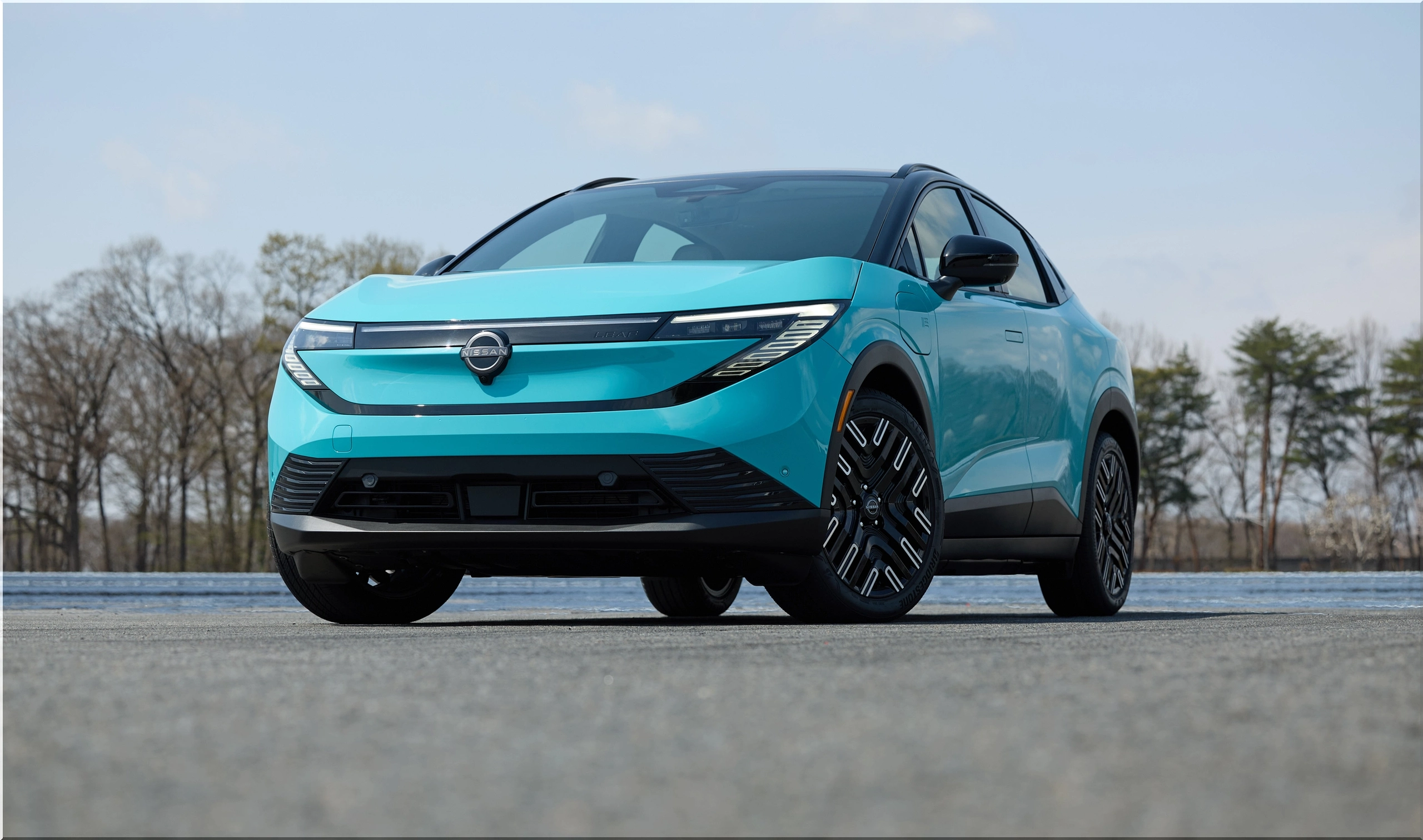
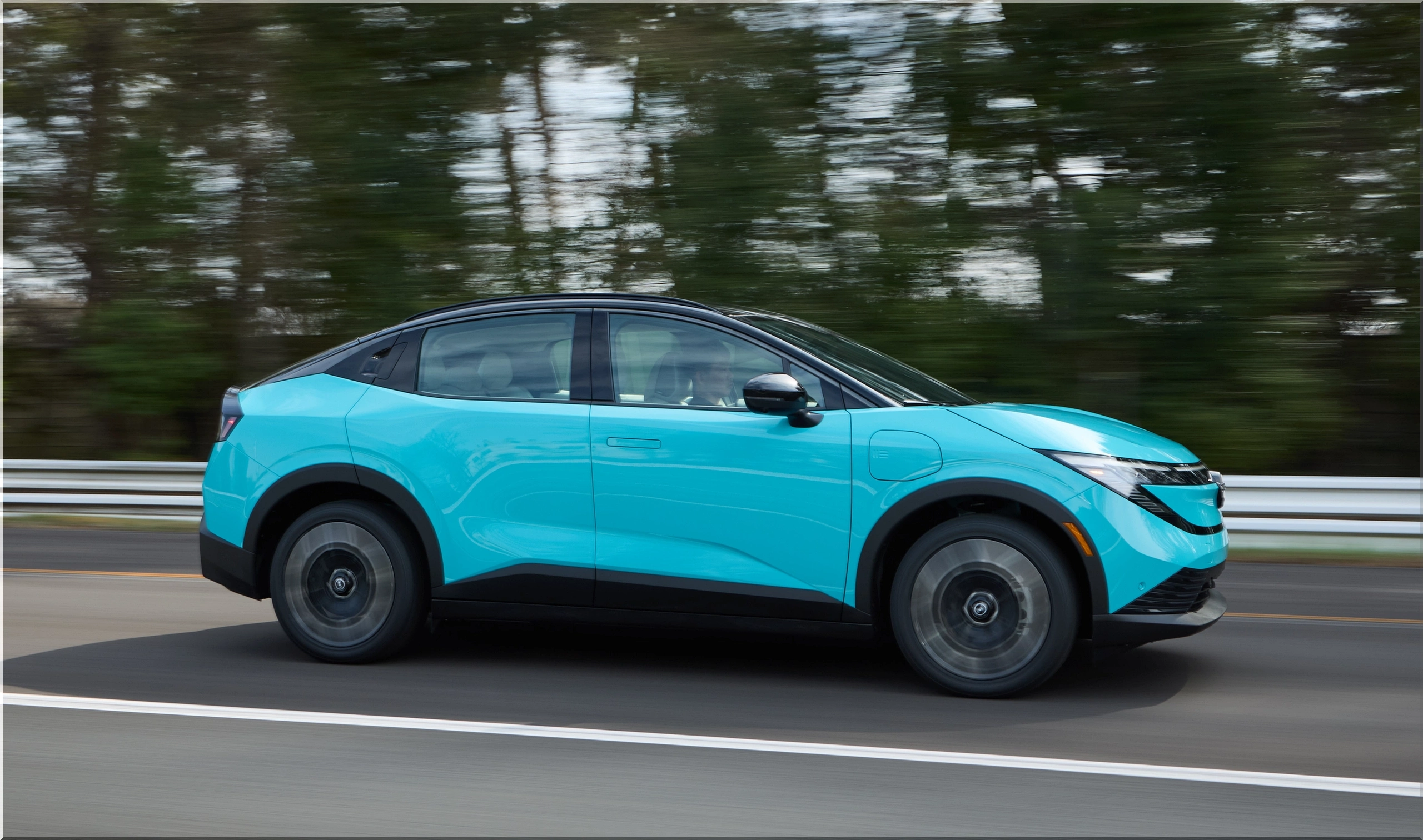
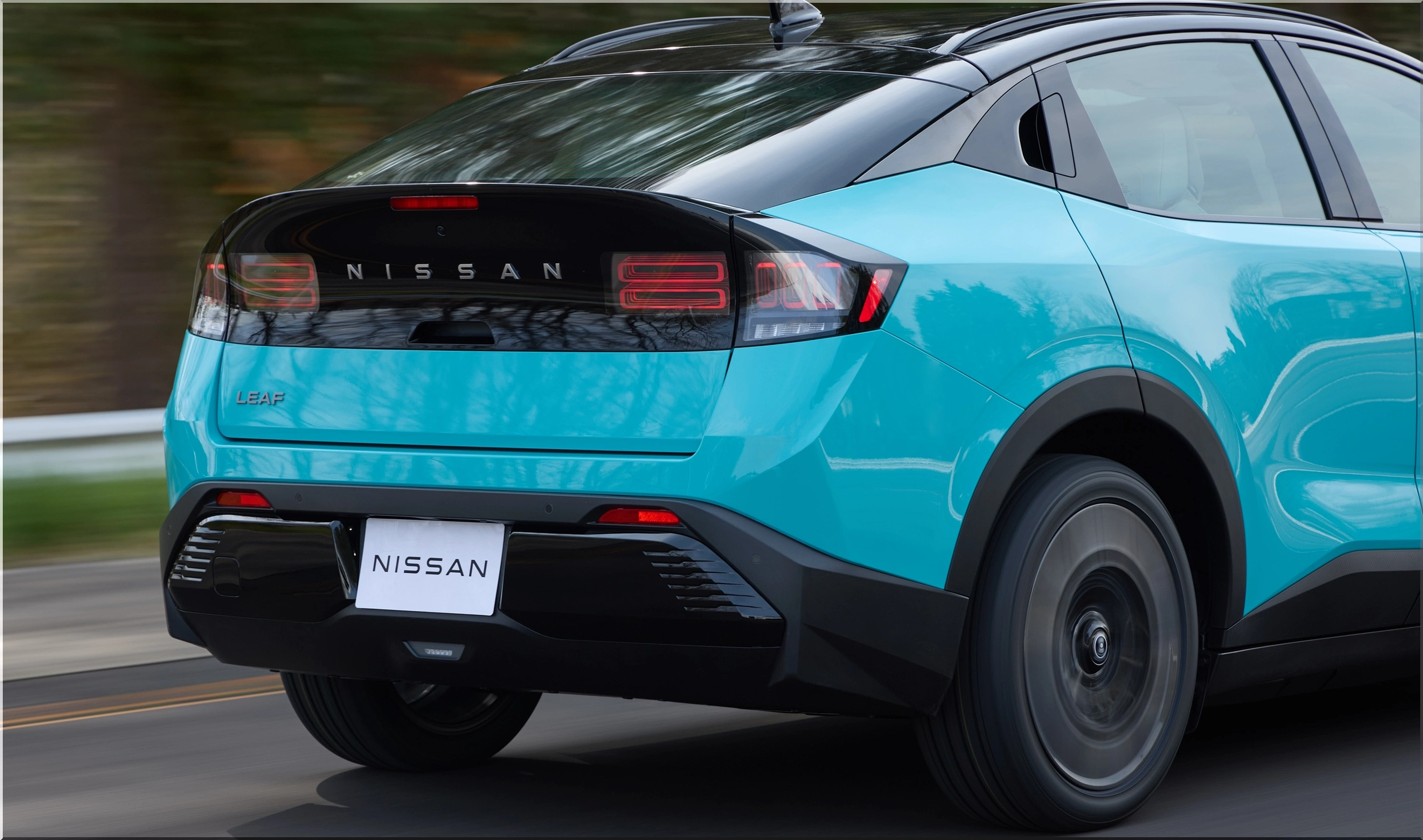
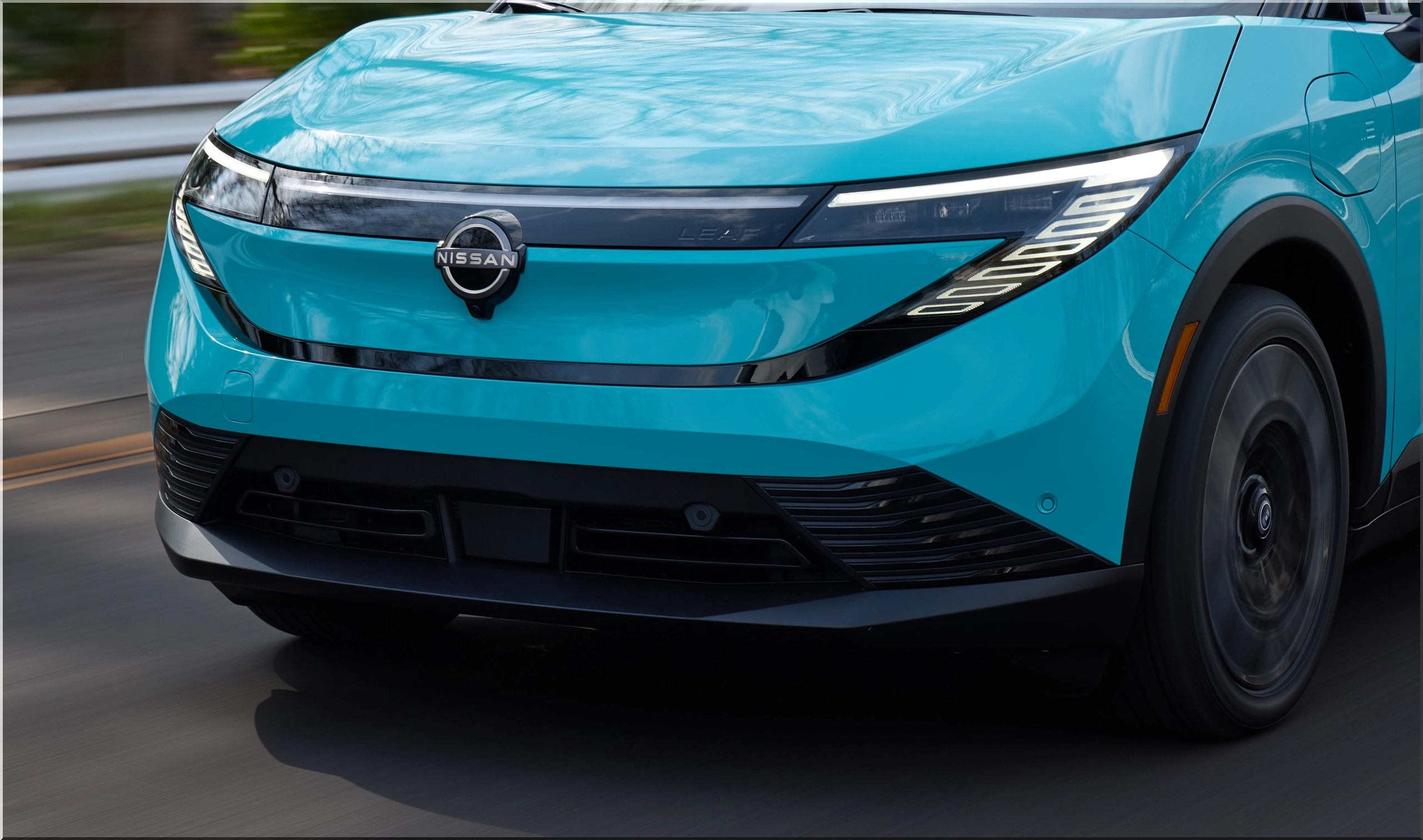
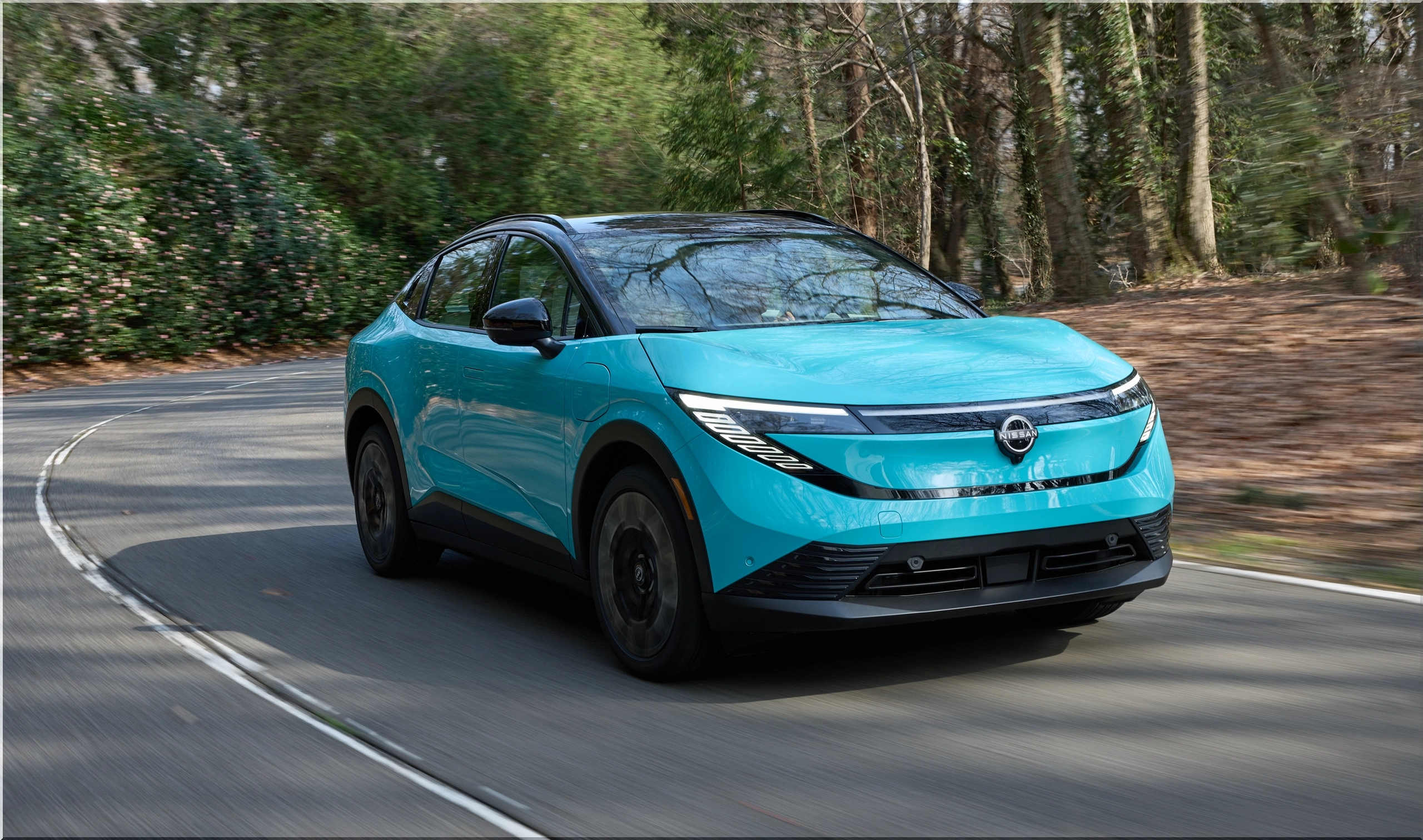
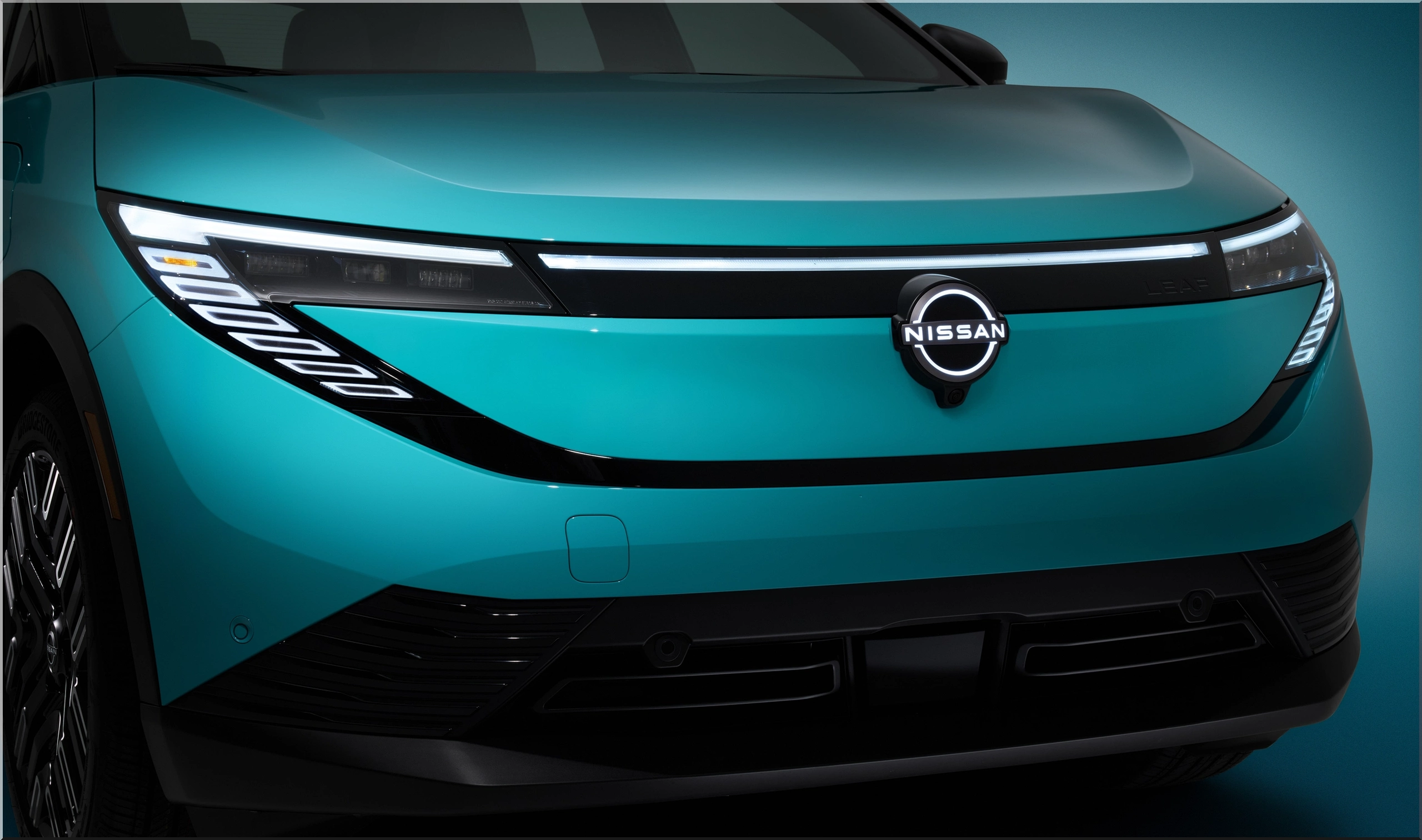
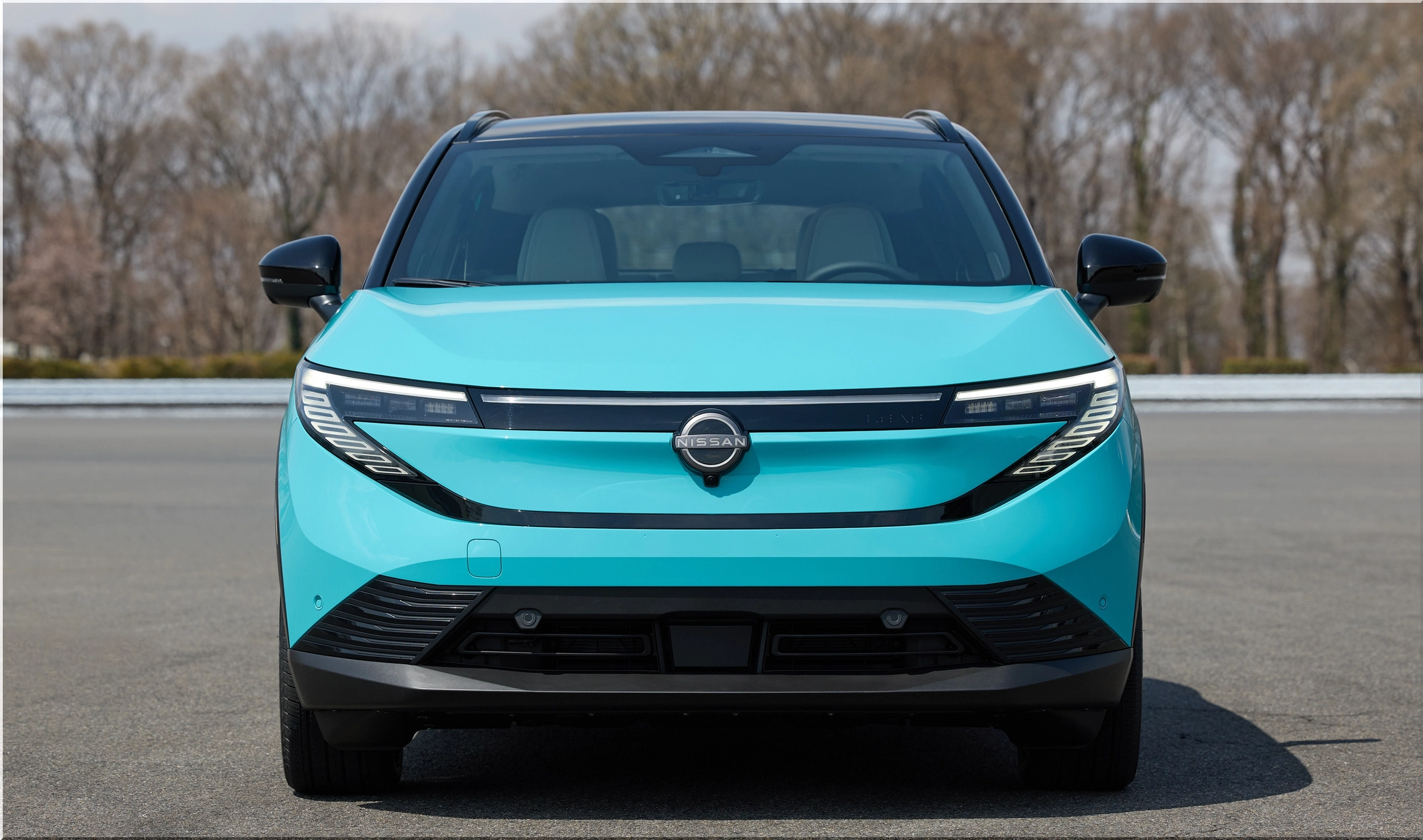
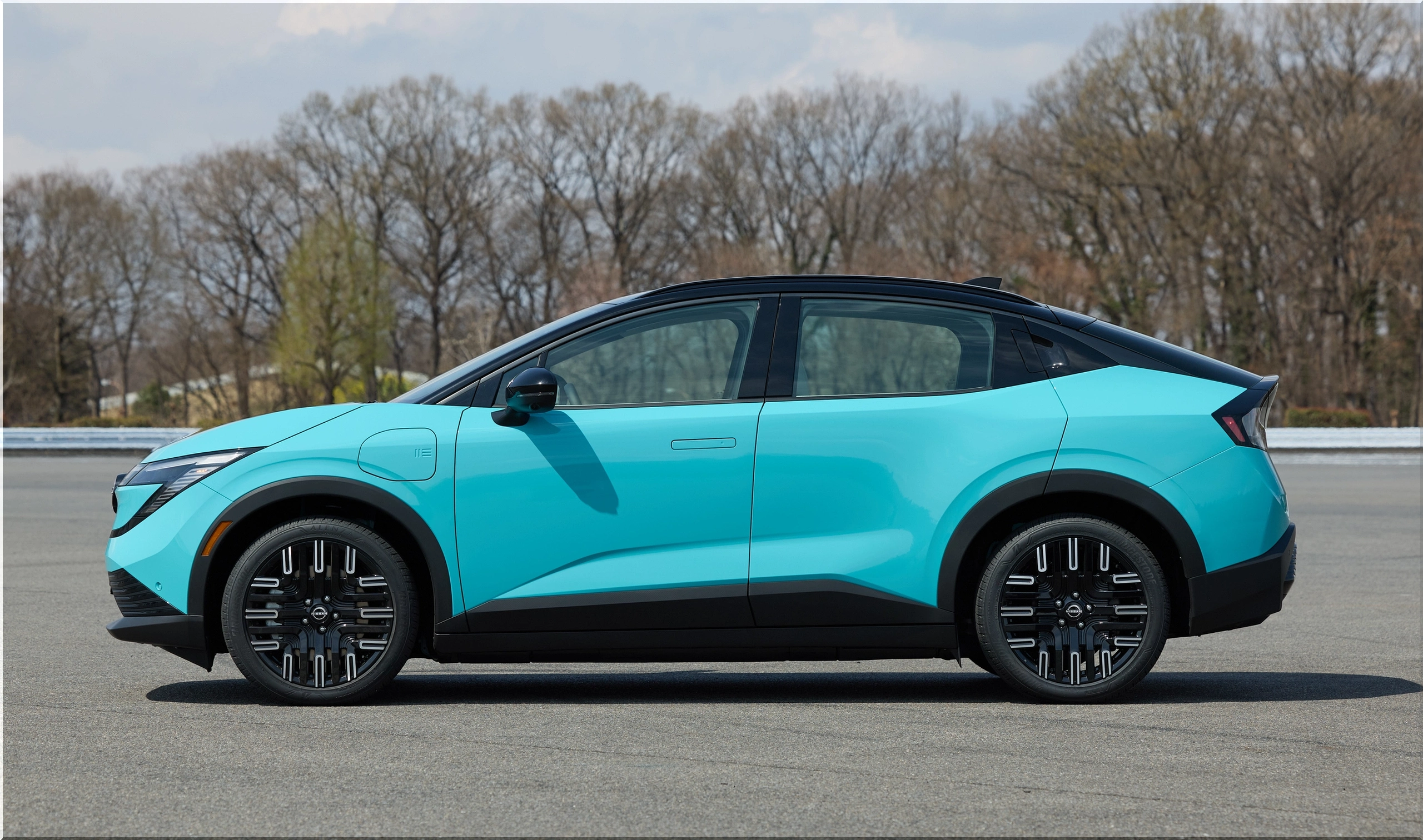
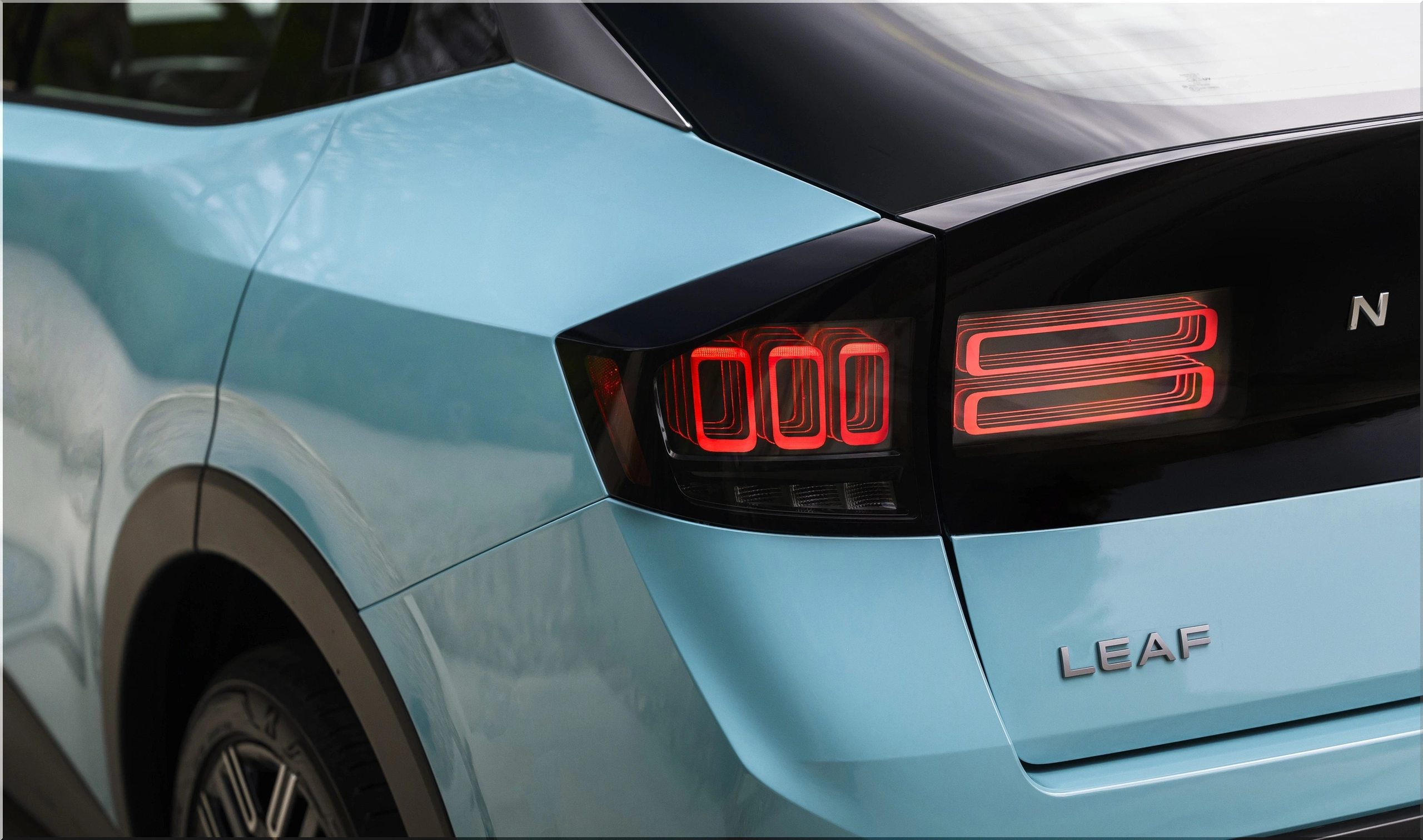
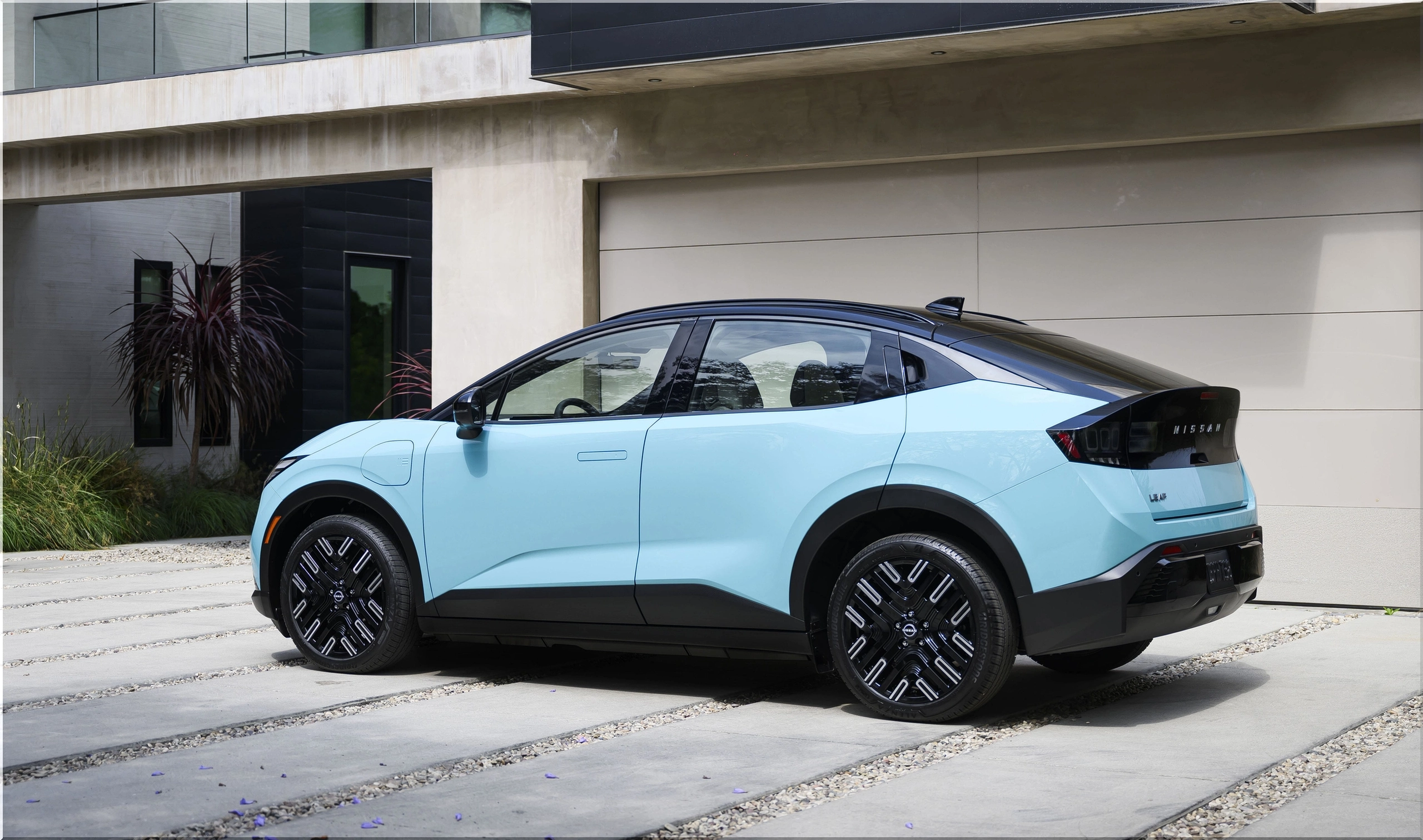
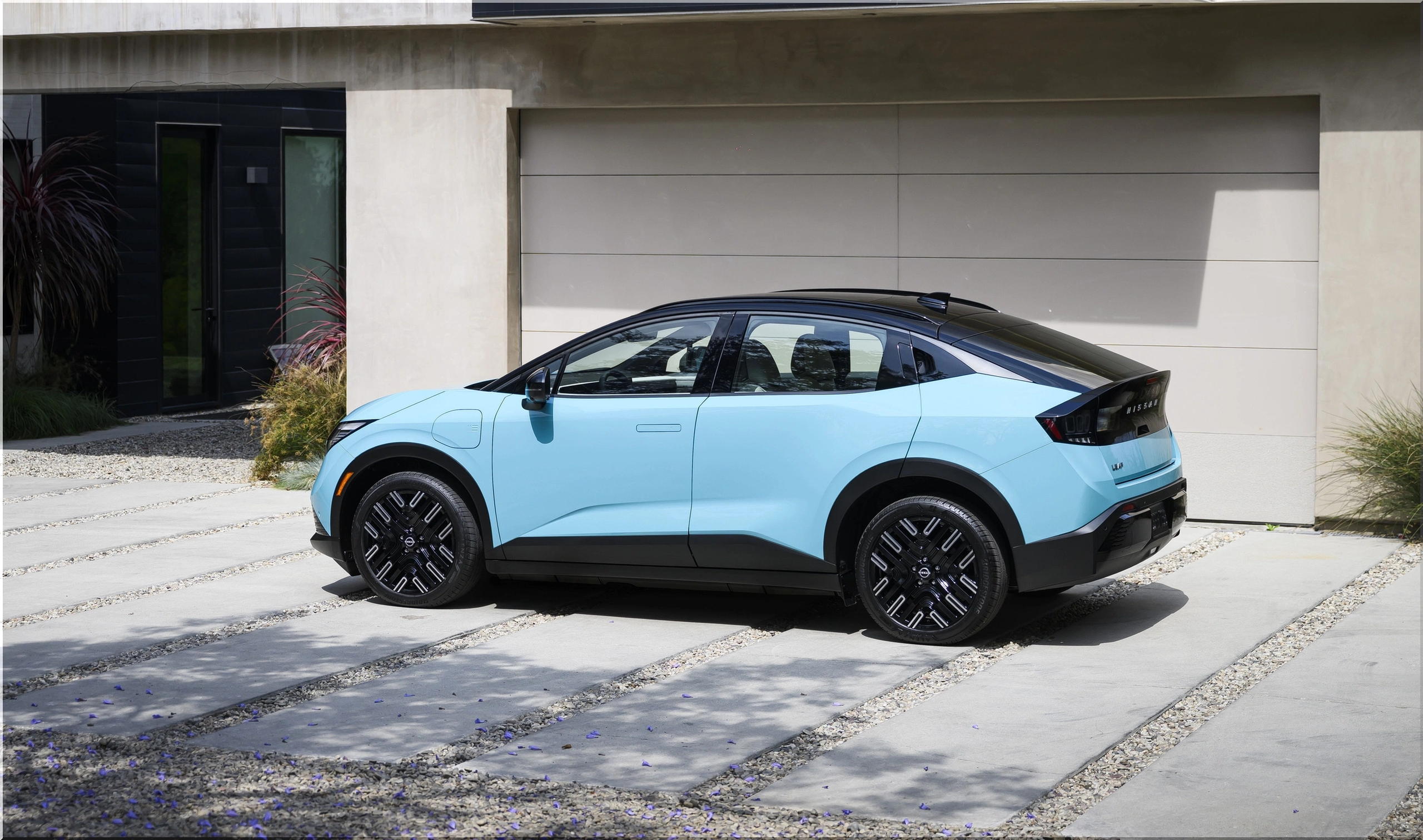
The LEAF’s styling moves away from hatchback to compact crossover. Nissan calls it a sleeker, more aerodynamic profile. Design features include:
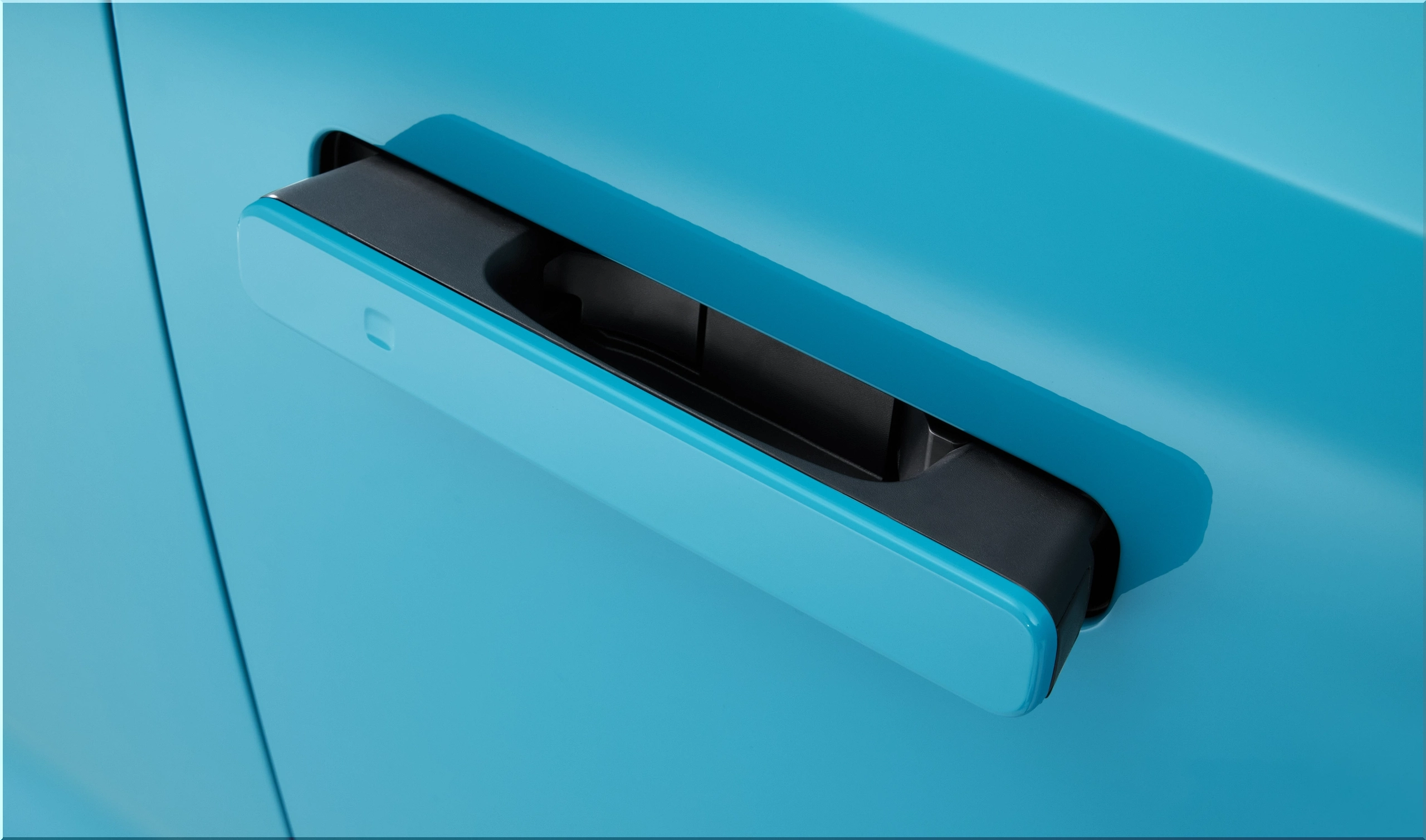
- Flush door handles that deploy automatically.
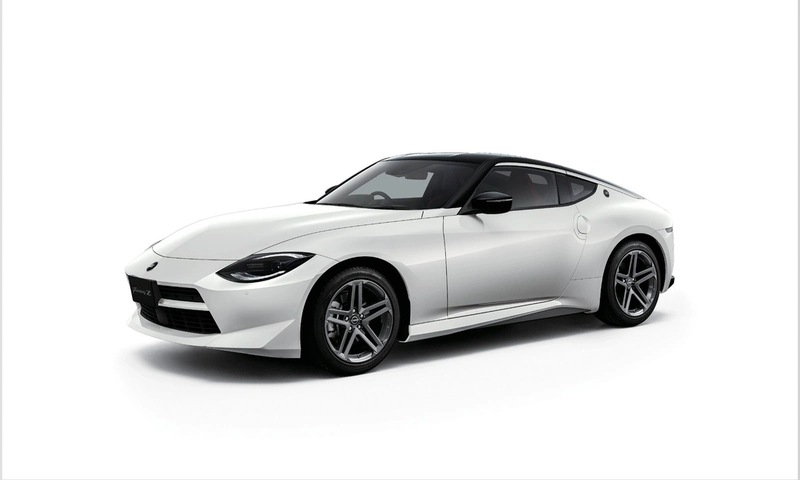
- A katana blade roofline inspired by the Z sports car.
- A dimming panoramic roof, the first in its segment.
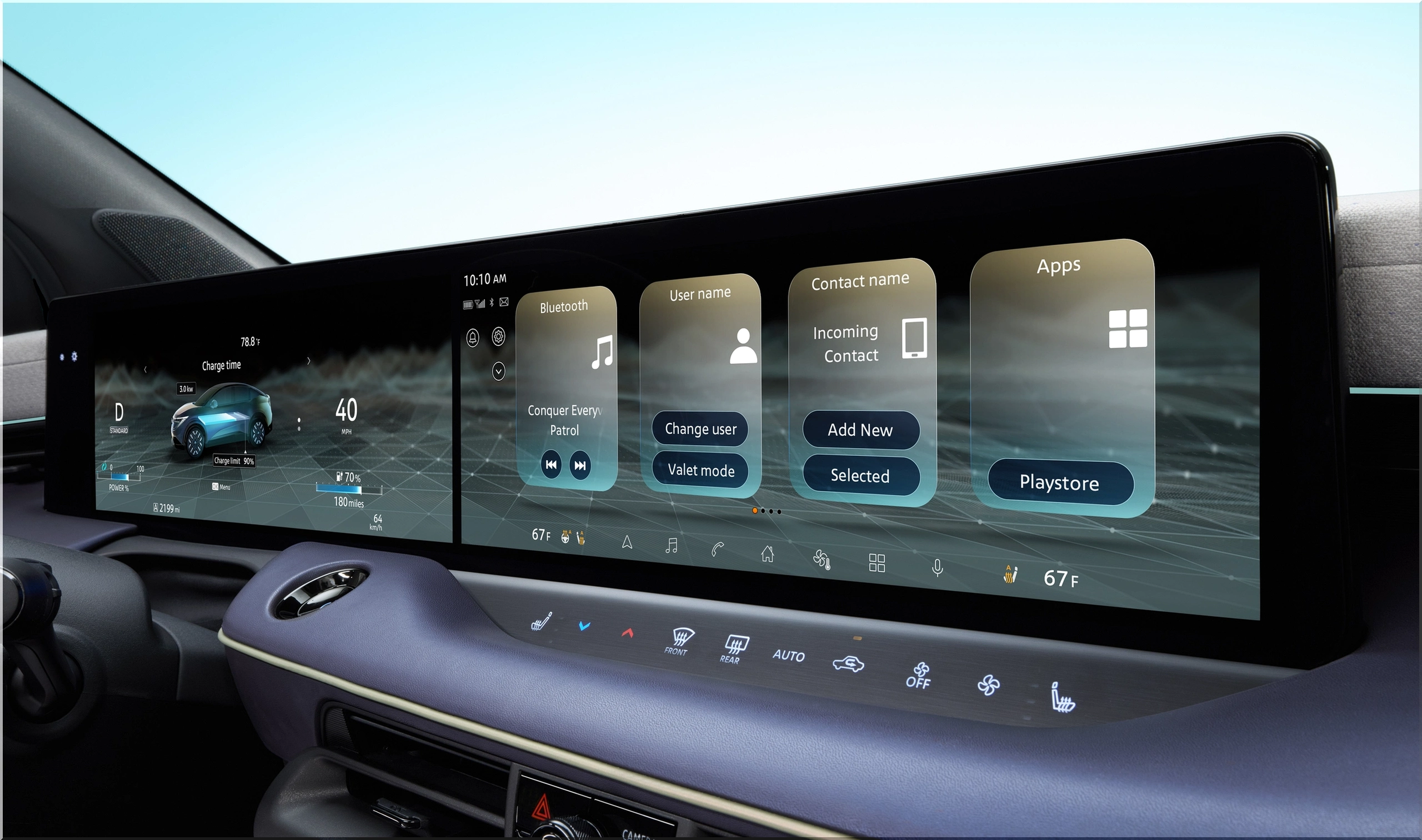
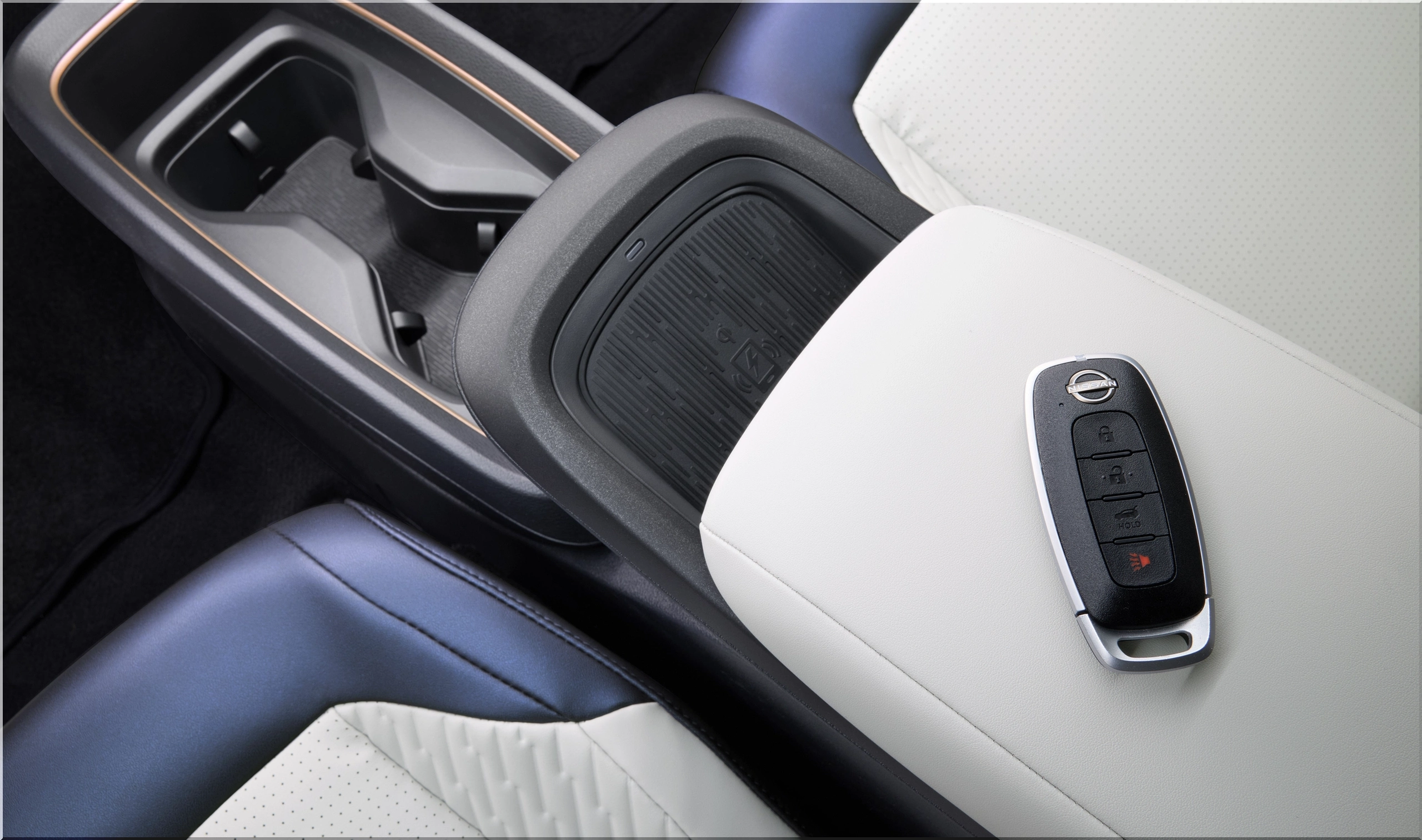
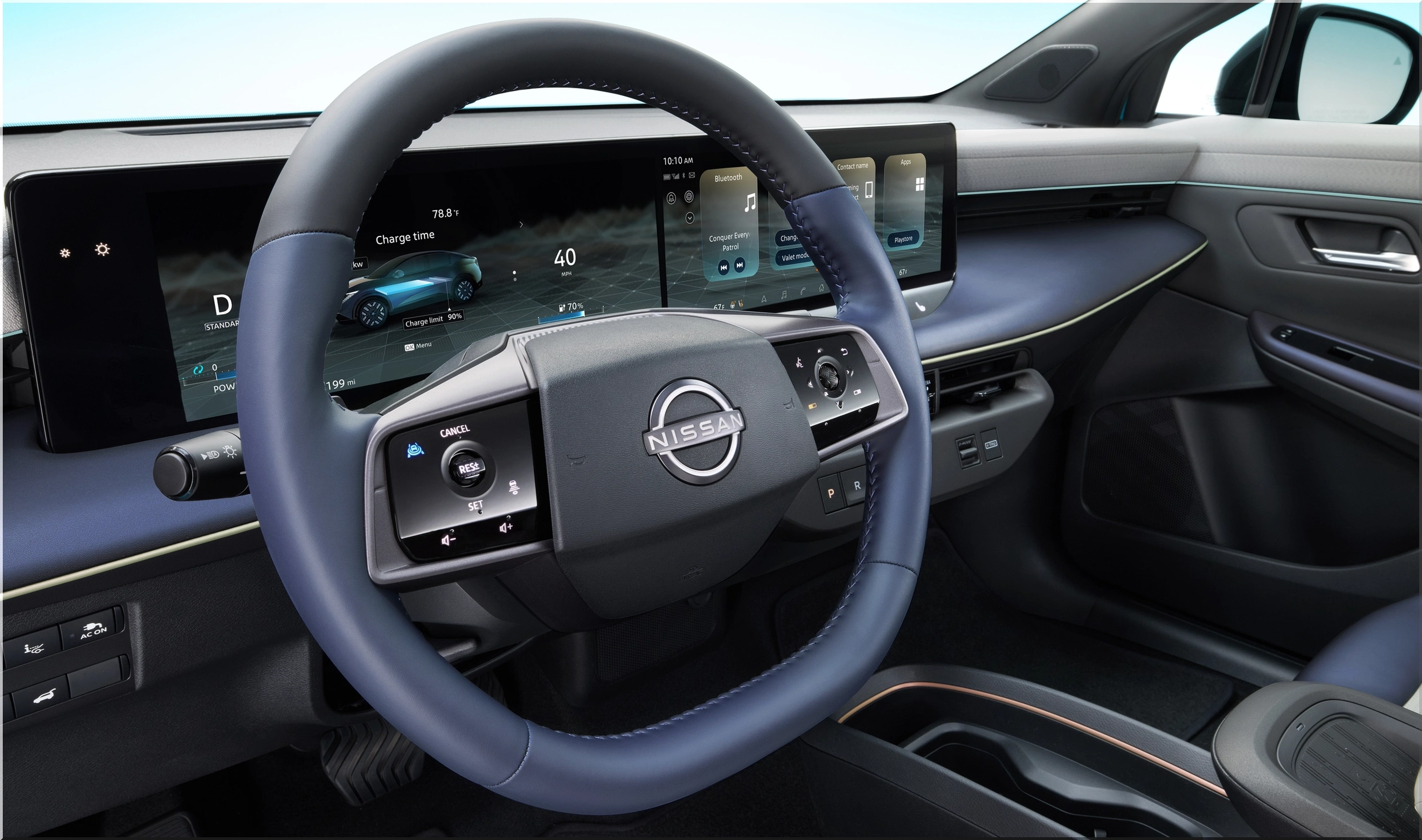
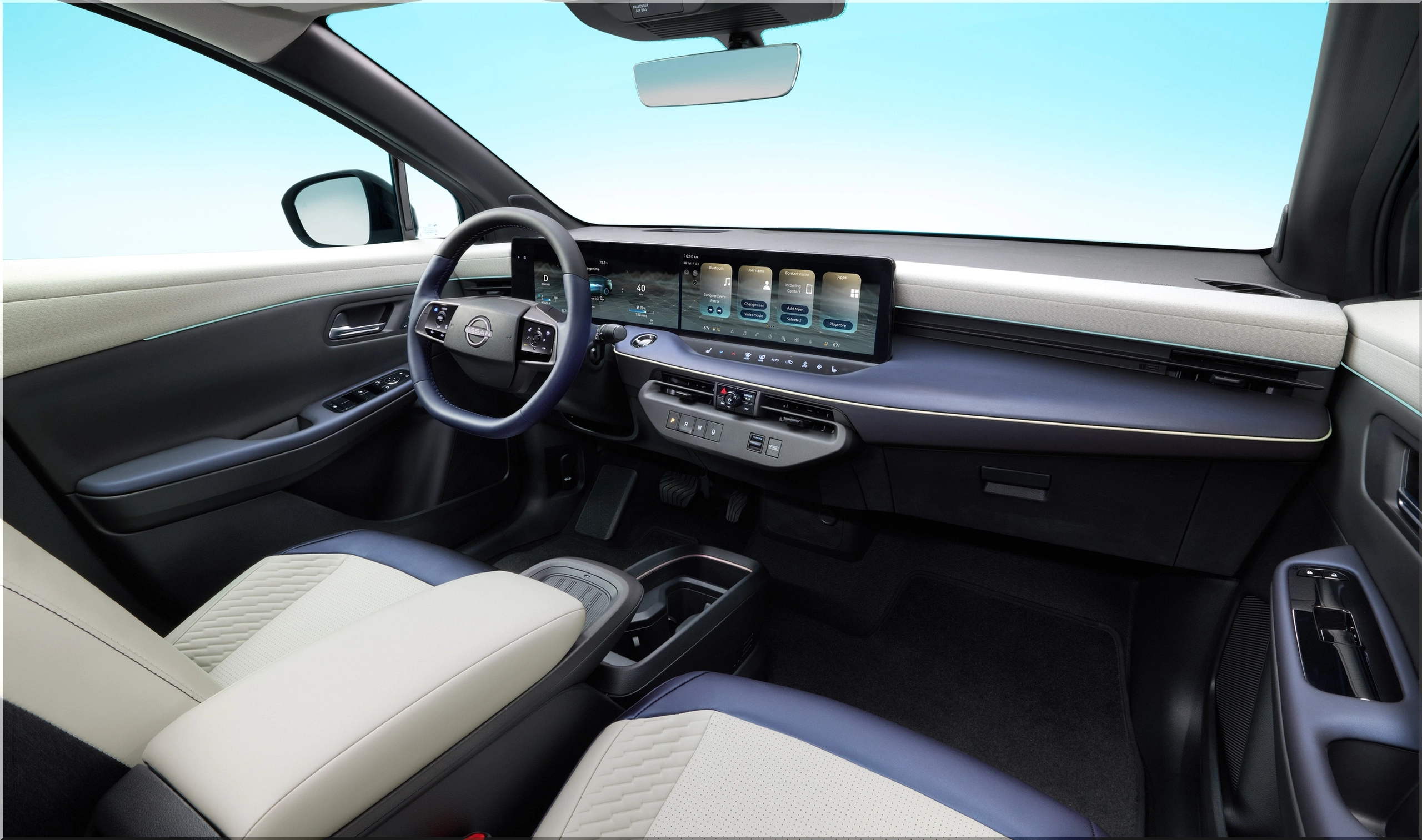
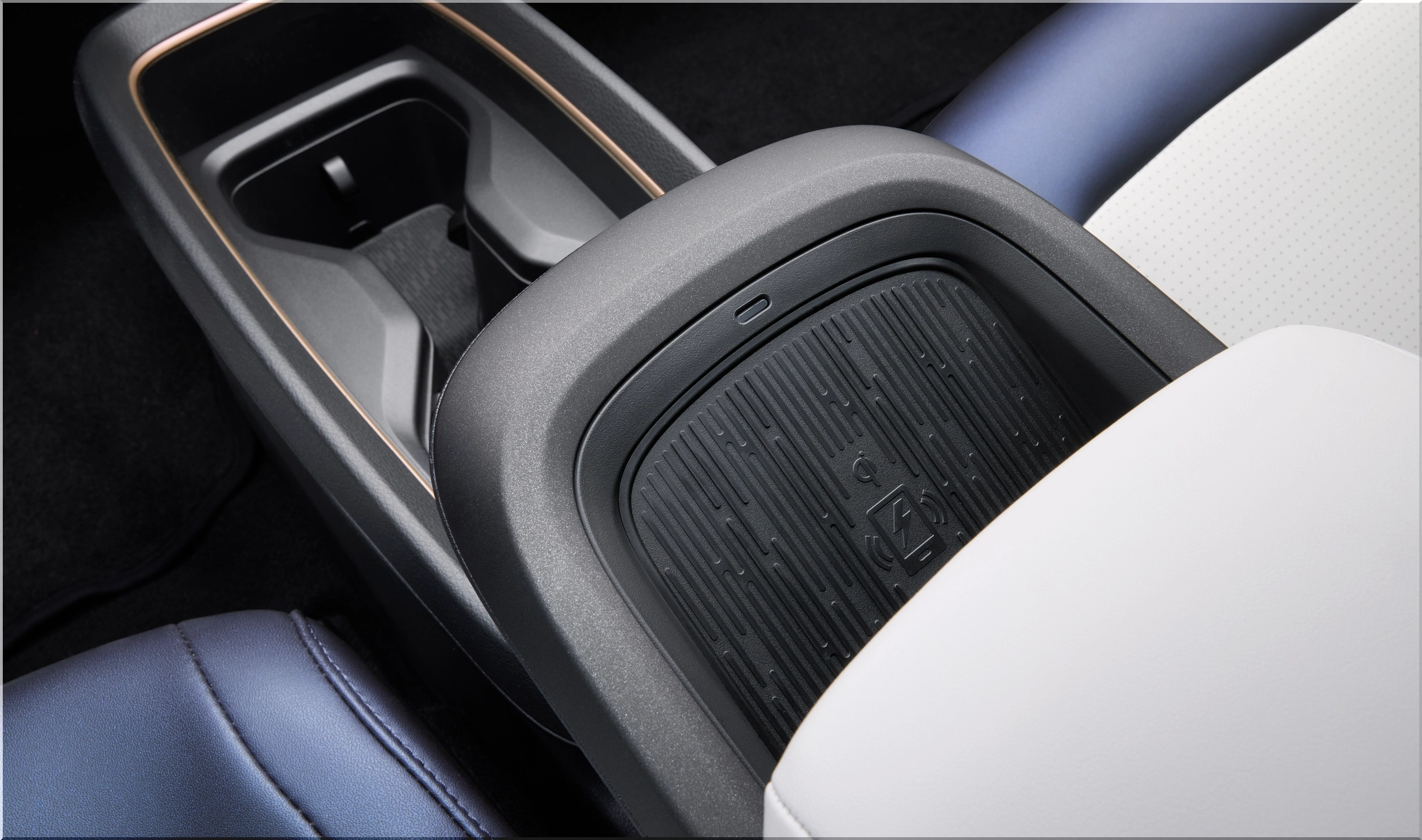
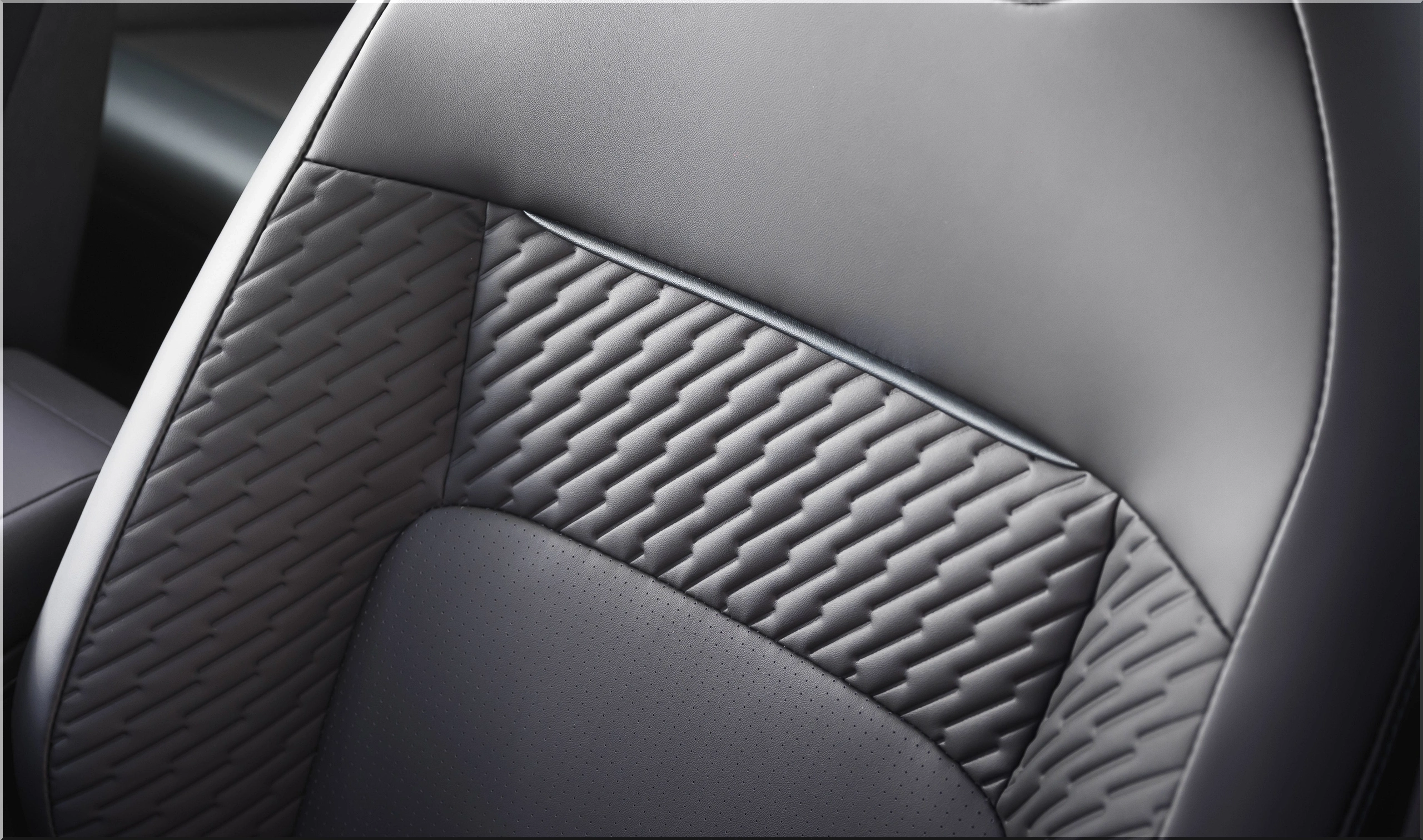
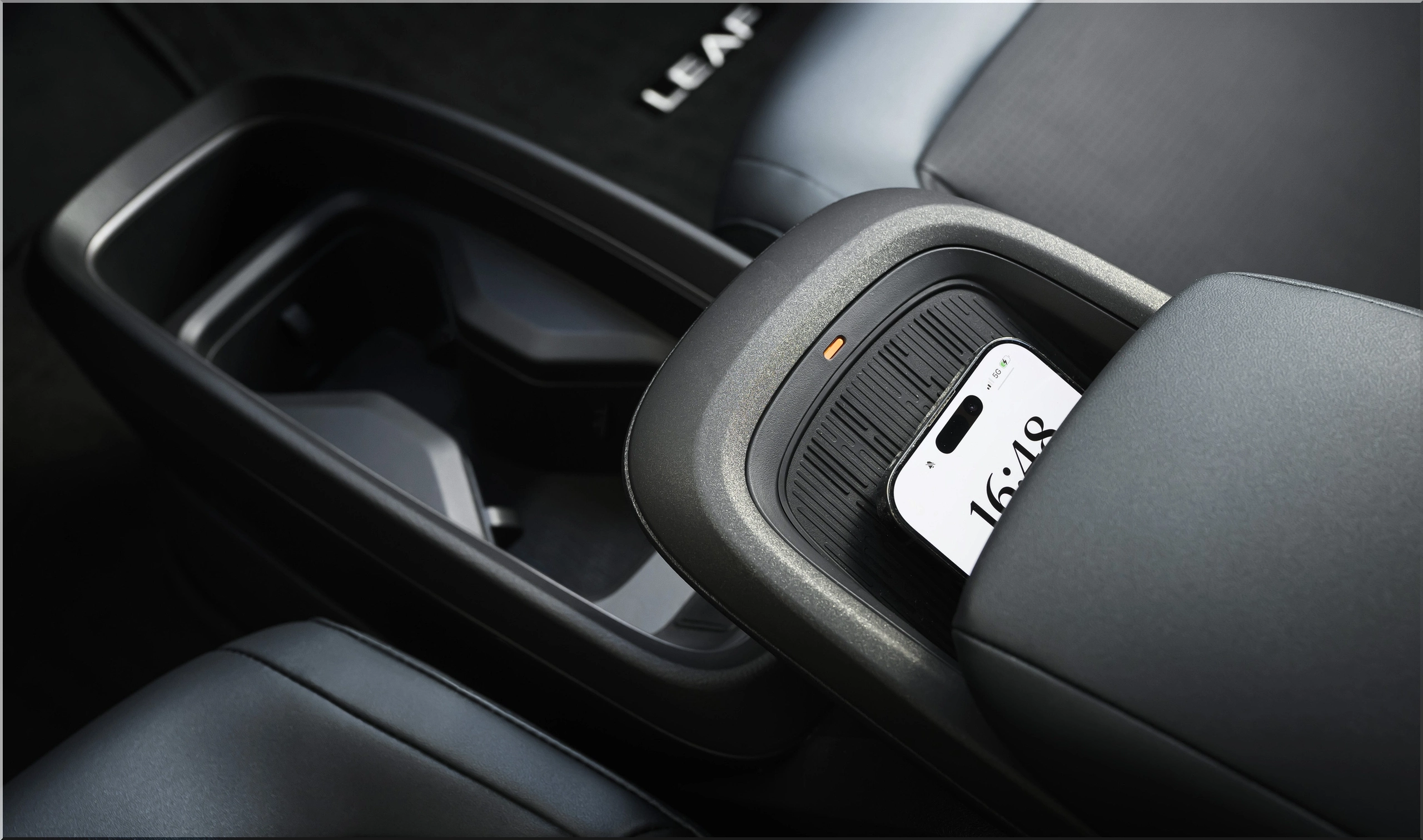
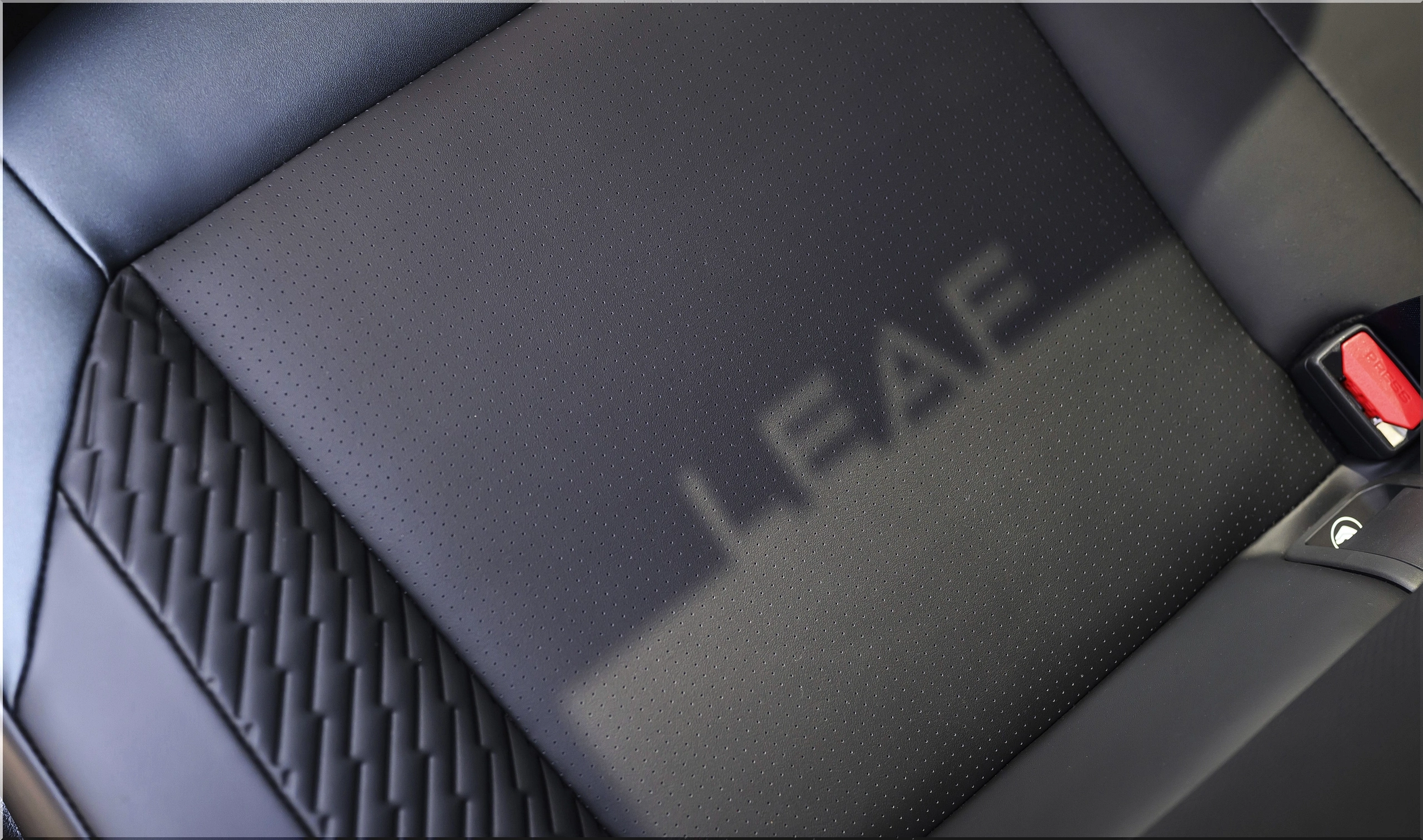
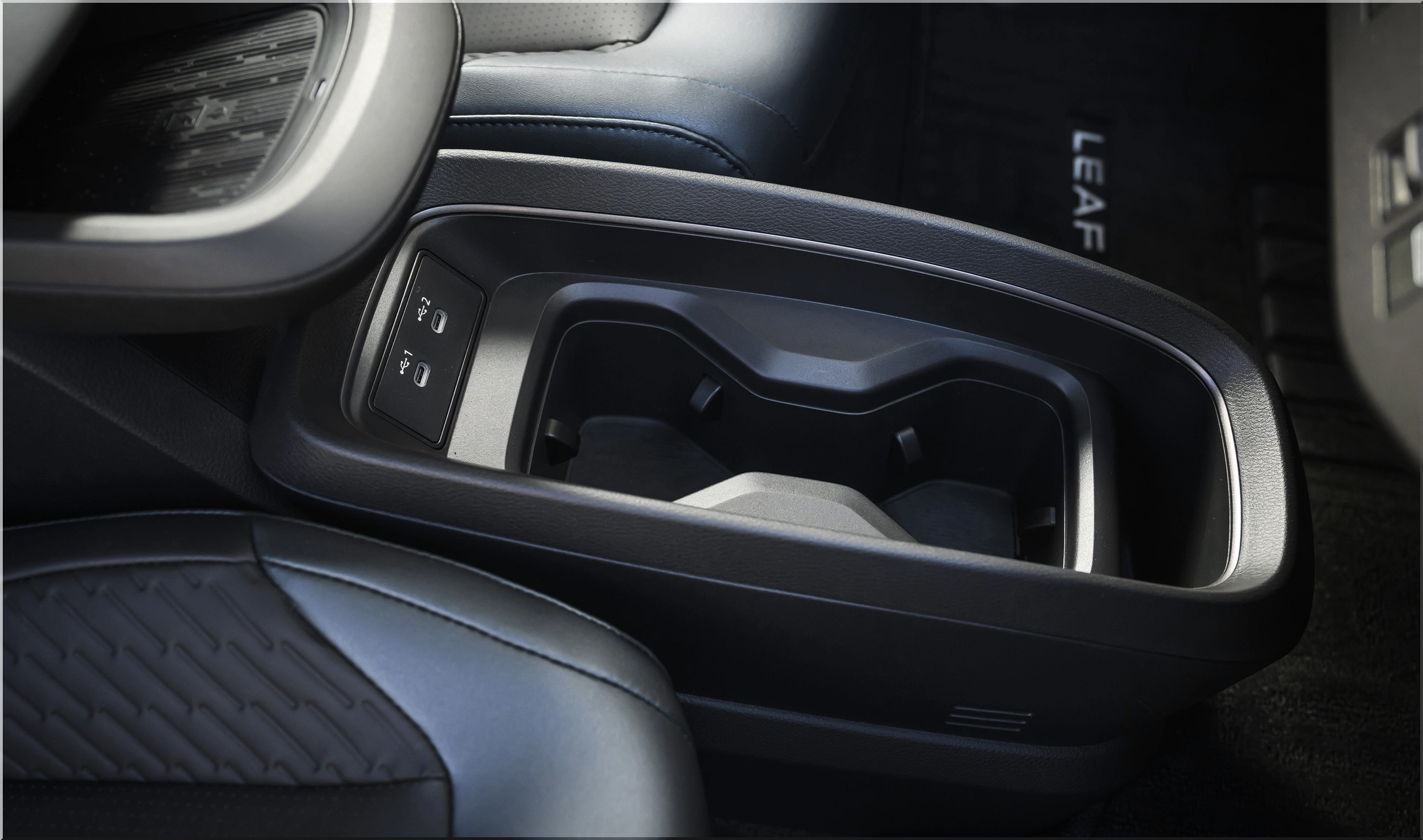
Inside, Nissan emphasizes space. Dual digital displays (12.3-inch on S/S+, 14.3-inch on SV+/PLATINUM+) sit on a minimalist dash. Flat flooring opens up rear legroom. Seats have been reshaped for better comfort, with more knee clearance in the second row.
Technology Package
The LEAF introduces Google built-in. Drivers access Google Maps, Assistant, and apps without needing to pair a smartphone. Route planning integrates Intelligent Route Planner, which calculates charging stops.
Standard safety technology expands:
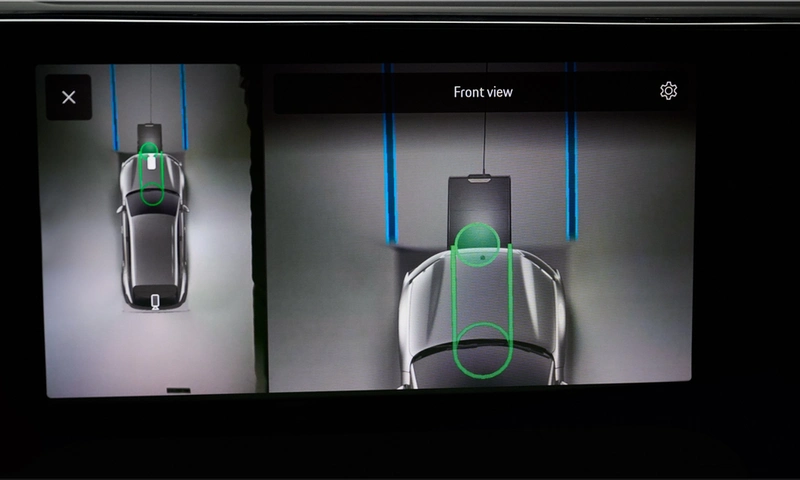
- Intelligent Around View Monitor
- Invisible Hood View
- Front Wide View Camera
These features aim to improve low-speed maneuvering and tight-space driving.
Competitive Edge
Nissan markets the LEAF as the lowest-cost EV in the United States. Most EVs have shifted into the $40,000–$60,000 range. By keeping the LEAF under $30,000, Nissan reopens access to EV buyers priced out of the market.
For context:
- Tesla Model 3: ~$38,990
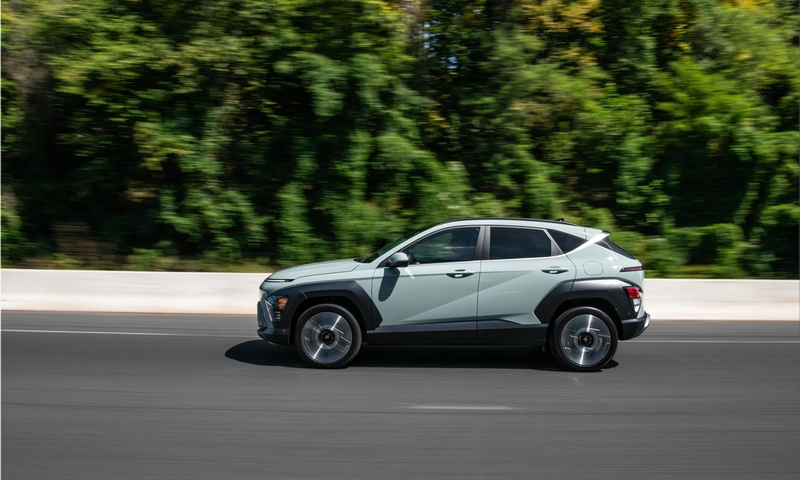
- Hyundai Kona Electric: ~$32,000
- Chevrolet Equinox EV (base): ~$34,995
The LEAF’s pricing sets a new floor for mass-market EV adoption.



Range and Efficiency
EPA figures place the LEAF at 131 MPGe city and 111 MPGe highway. That efficiency makes it one of the most energy-conscious EVs sold today.
Key figures:
- Battery capacity: 75 kWh
- Range: 303 miles
- MPGe: 131 city, 111 highway
This range moves the LEAF into mainstream acceptance for daily commuting and longer road trips.
Nissan’s Strategy
Nissan executives describe the LEAF as proof of their commitment to affordable EVs. “We’ve stuck to our mission of engineering EVs that are affordable but packed with value,” said Vinay Shahani, Senior Vice President of U.S. Marketing and Sales.
The company stresses that the 2026 LEAF offers more for less. Compared to the outgoing 2025 SV PLUS, the new SV+ is $1,960 cheaper while offering more features and range.
Market Impact
The LEAF launched in 2010 as the first widely available EV. Sales topped half a million globally across two generations. But competition intensified, and Nissan risked losing relevance. By pricing the new LEAF aggressively, Nissan aims to secure its position in an EV market that increasingly caters to premium buyers.
The question is whether affordability alone will drive demand. Range anxiety remains a concern. Nissan addresses it with NACS compatibility, but adoption depends on real-world charging access.
Key Takeaways
- Starting price: $29,990 (lowest U.S. EV MSRP)
- Range: 303 miles per charge
- Charging: NACS with Plug & Charge, access to 20,000+ Tesla Superchargers
- Design: Flush handles, panoramic roof, dual screens, expanded interior space
- Technology: Google built-in, advanced camera systems
- Efficiency: 131 city / 111 highway MPGe




Conclusion
The 2026 Nissan LEAF signals that affordable EVs still have a place in the U.S. market. While rivals move upmarket, Nissan pushes prices down while raising range and features. The result is a car that strips away excuses for not going electric.
For buyers weighing cost, range, and charging, the LEAF provides a straightforward offer: an electric car under $30,000 that can travel 300 miles on a charge.
- Add new comment
- 143 views