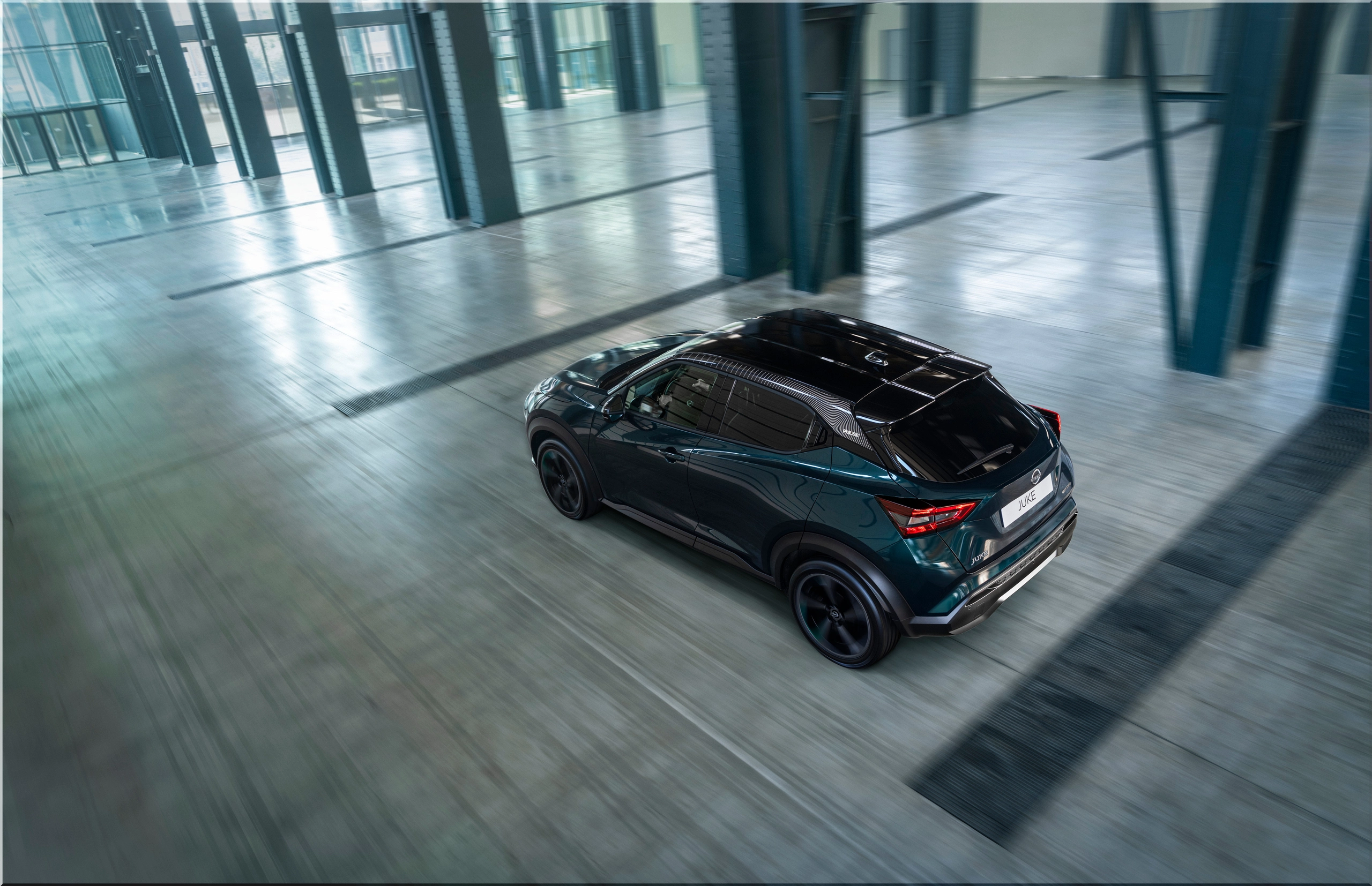
Nissan knows exactly what the Nissan JUKE Pulse needs to do. It does not need to reinvent the JUKE. It needs to push the small crossover's strongest selling points harder: bold design, urban-friendly size, premium-feeling tech, and a trim walk that nudges buyers up from mid-grade to something richer.
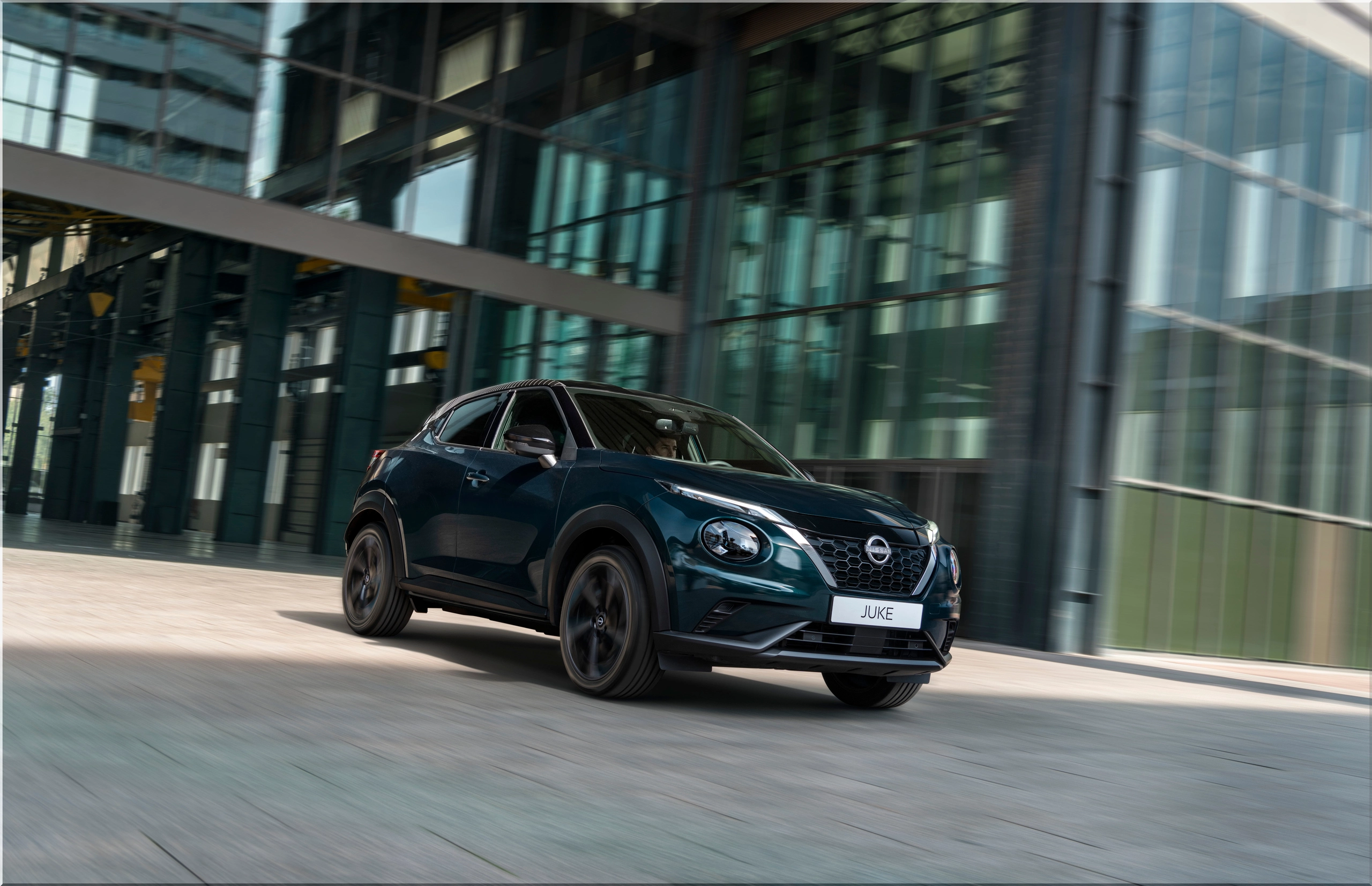
That is exactly what JUKE Pulse Edition does.
Built from the N-Connecta grade, the new Pulse package adds design hardware that buyers will actually notice and convenience tech they will use every day. In plain English, Nissan took the JUKE's existing sweet spot and gave it louder styling, a more upscale cabin, and a stronger value argument for drivers who want their compact SUV to feel less rental-counter basic and more custom-order sharp.
What the Nissan JUKE Pulse adds over a standard JUKE
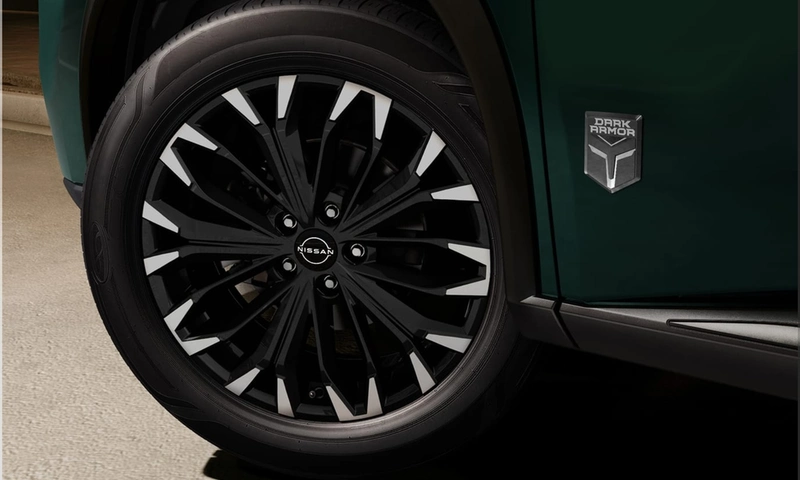
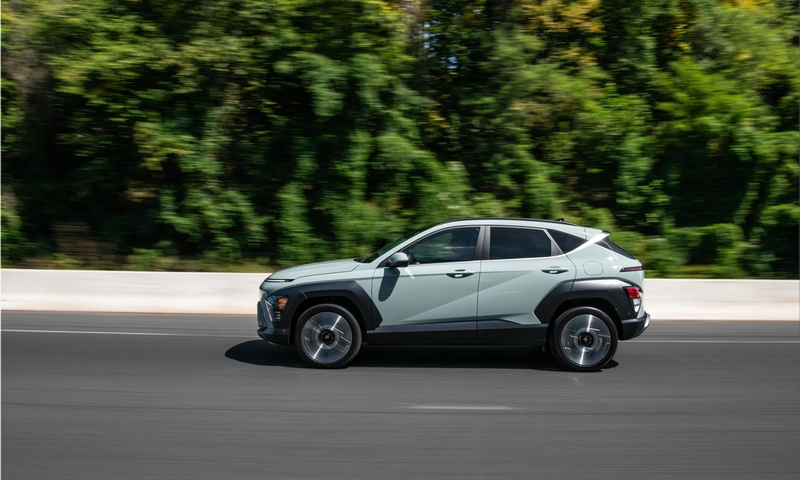
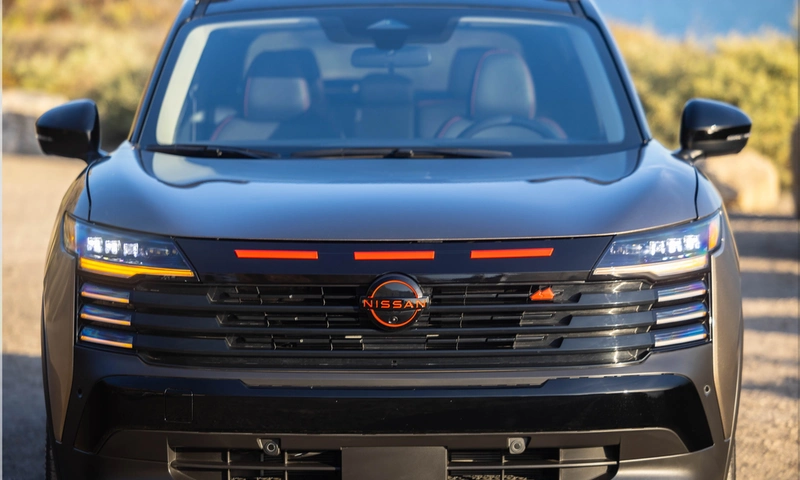
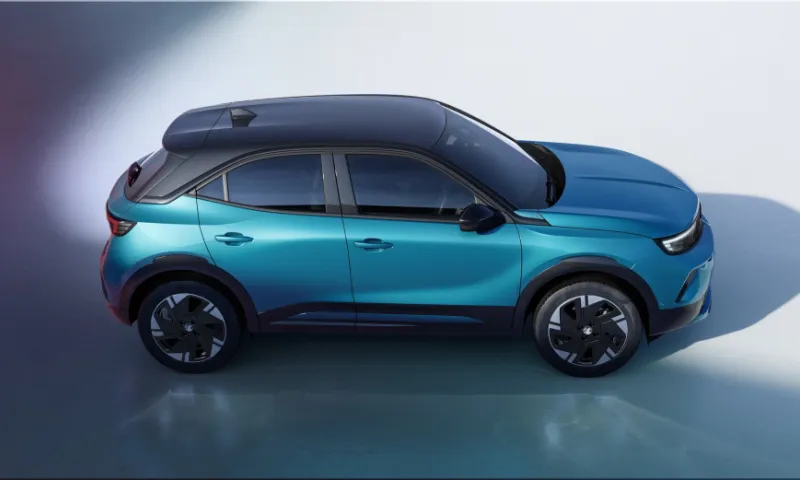
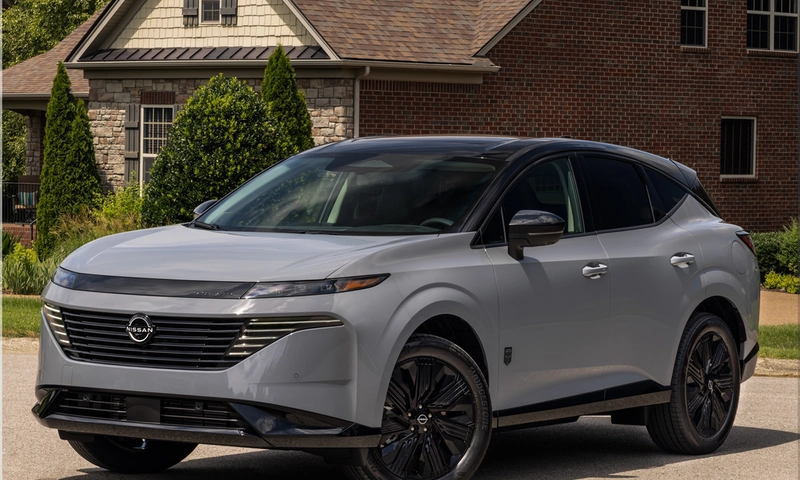
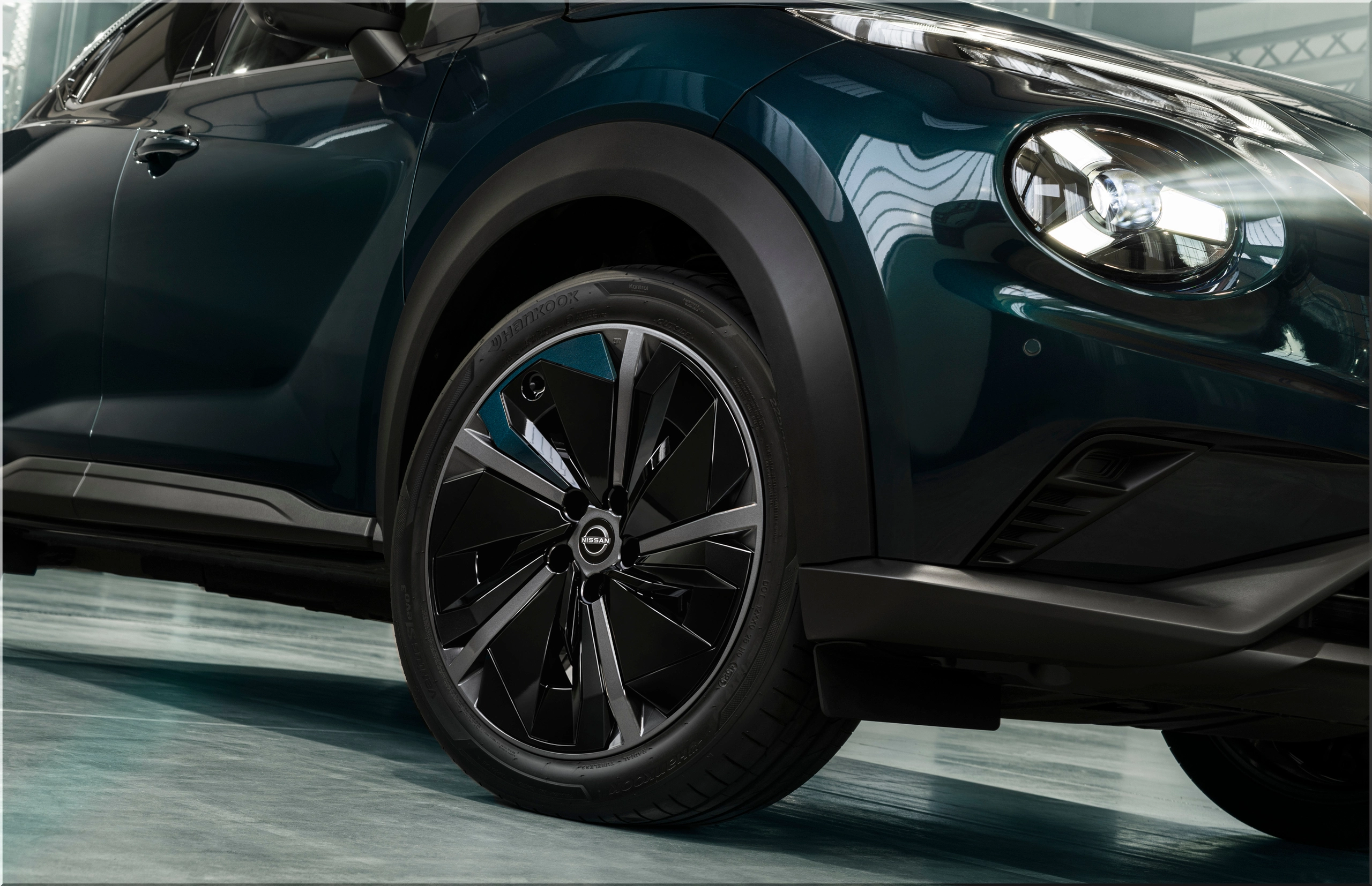
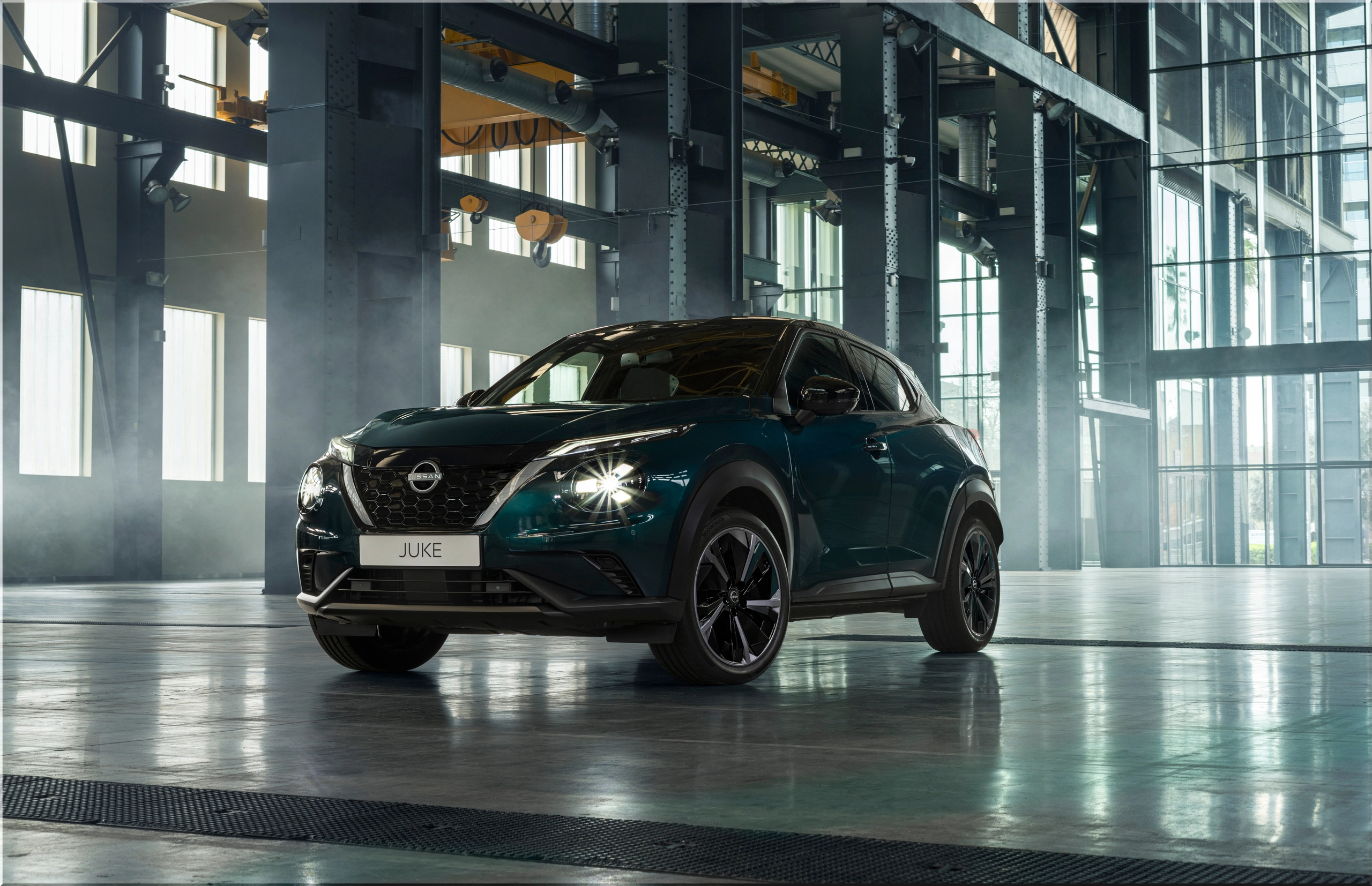
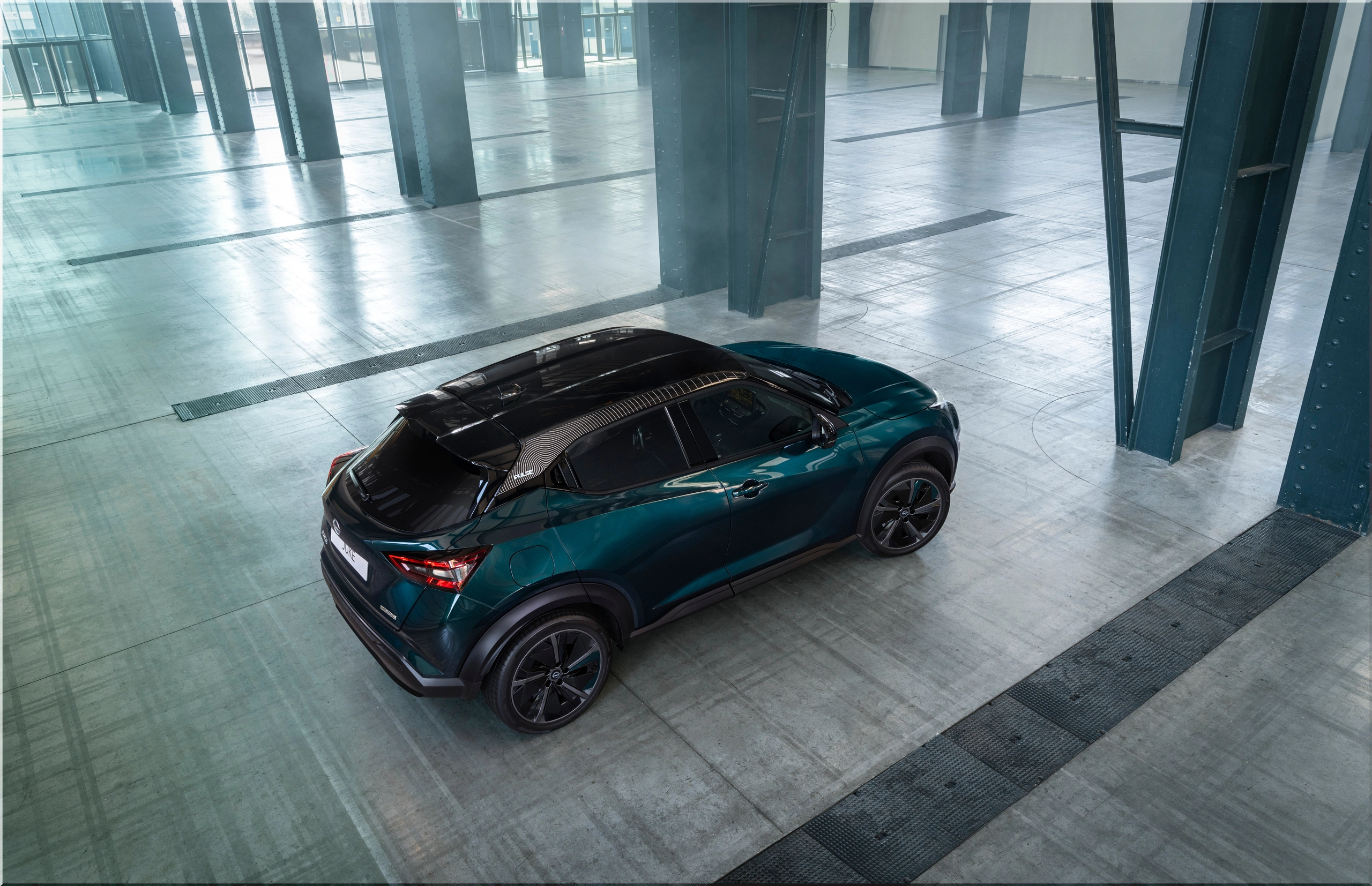
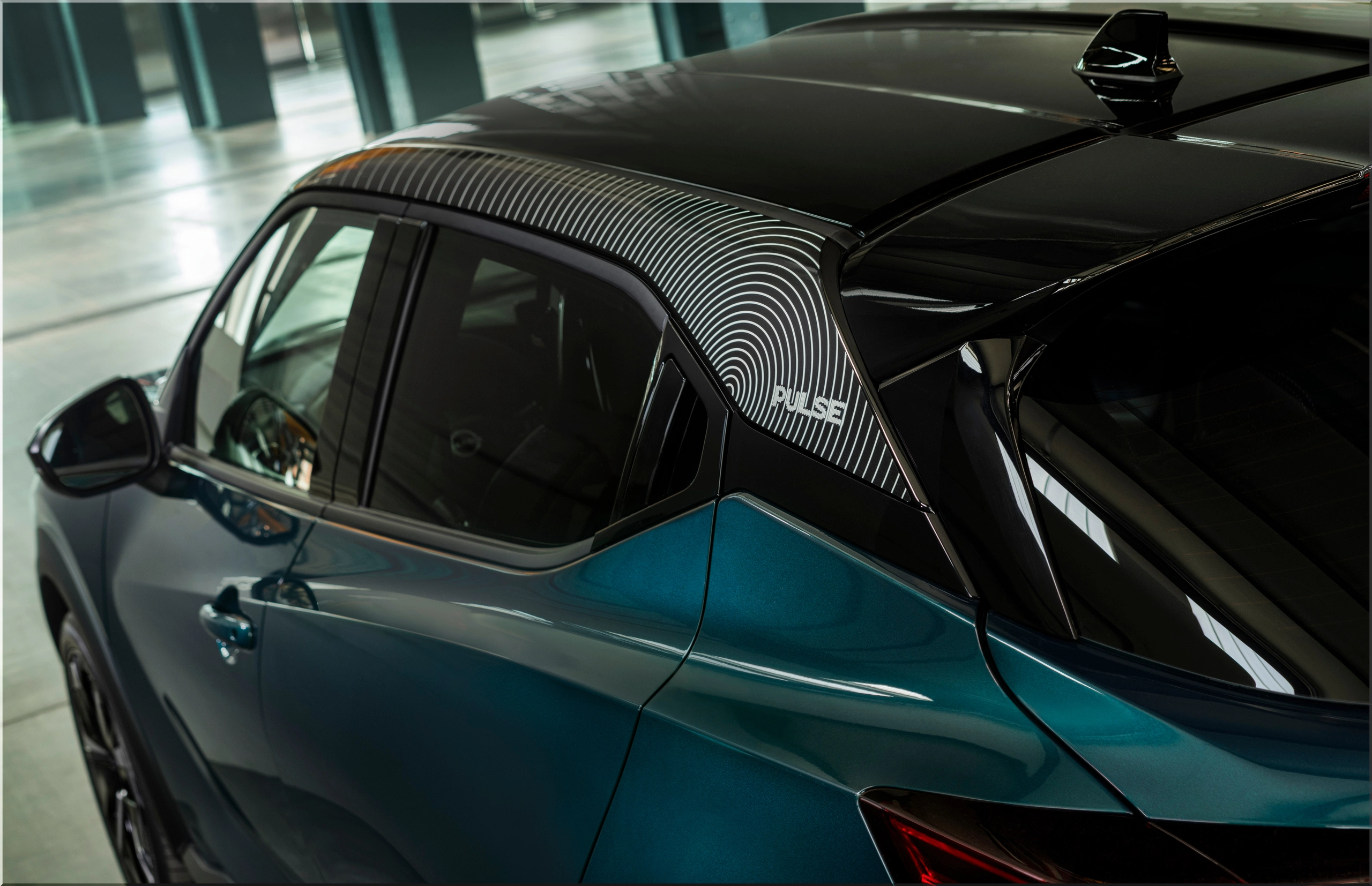
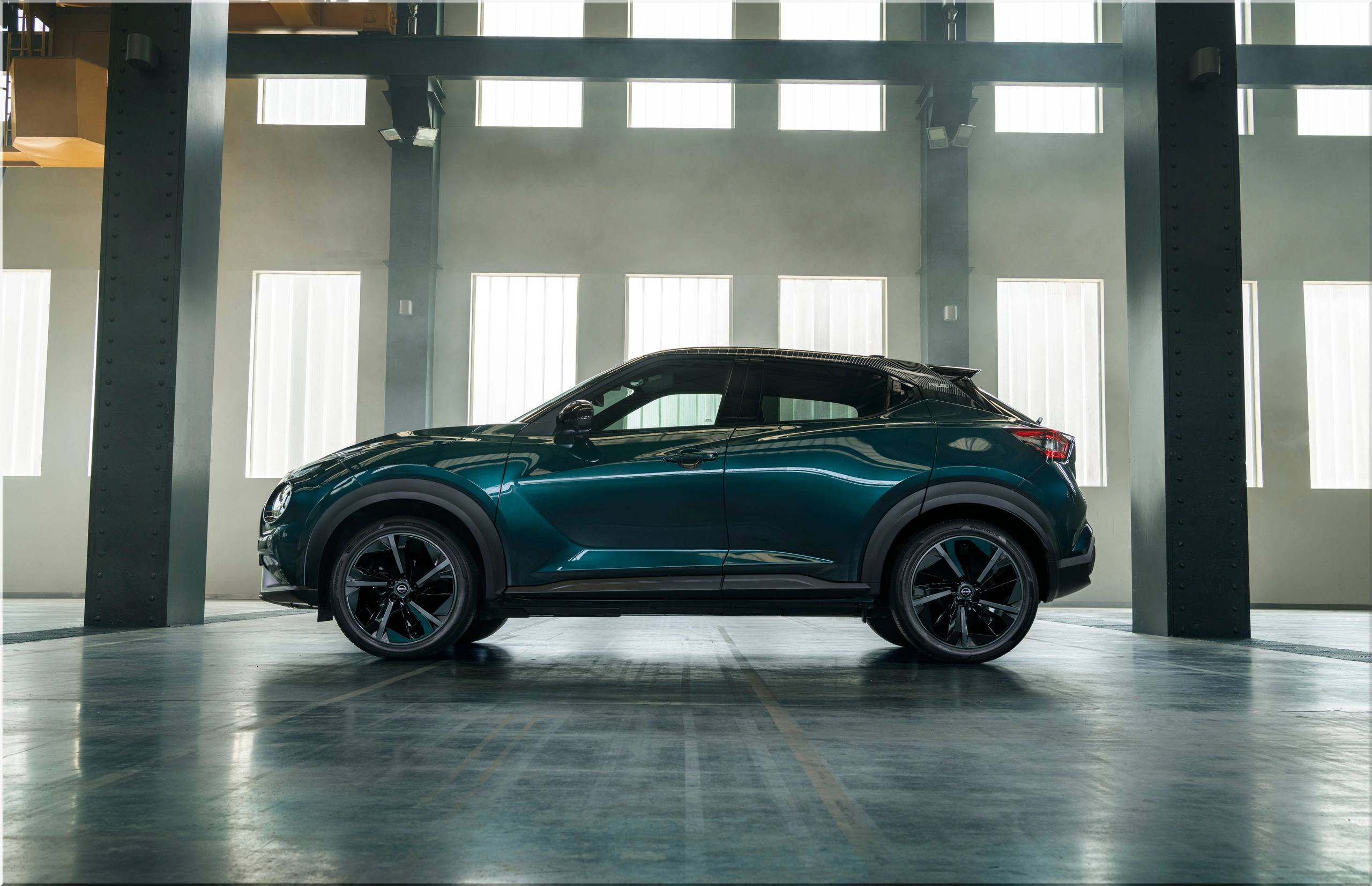
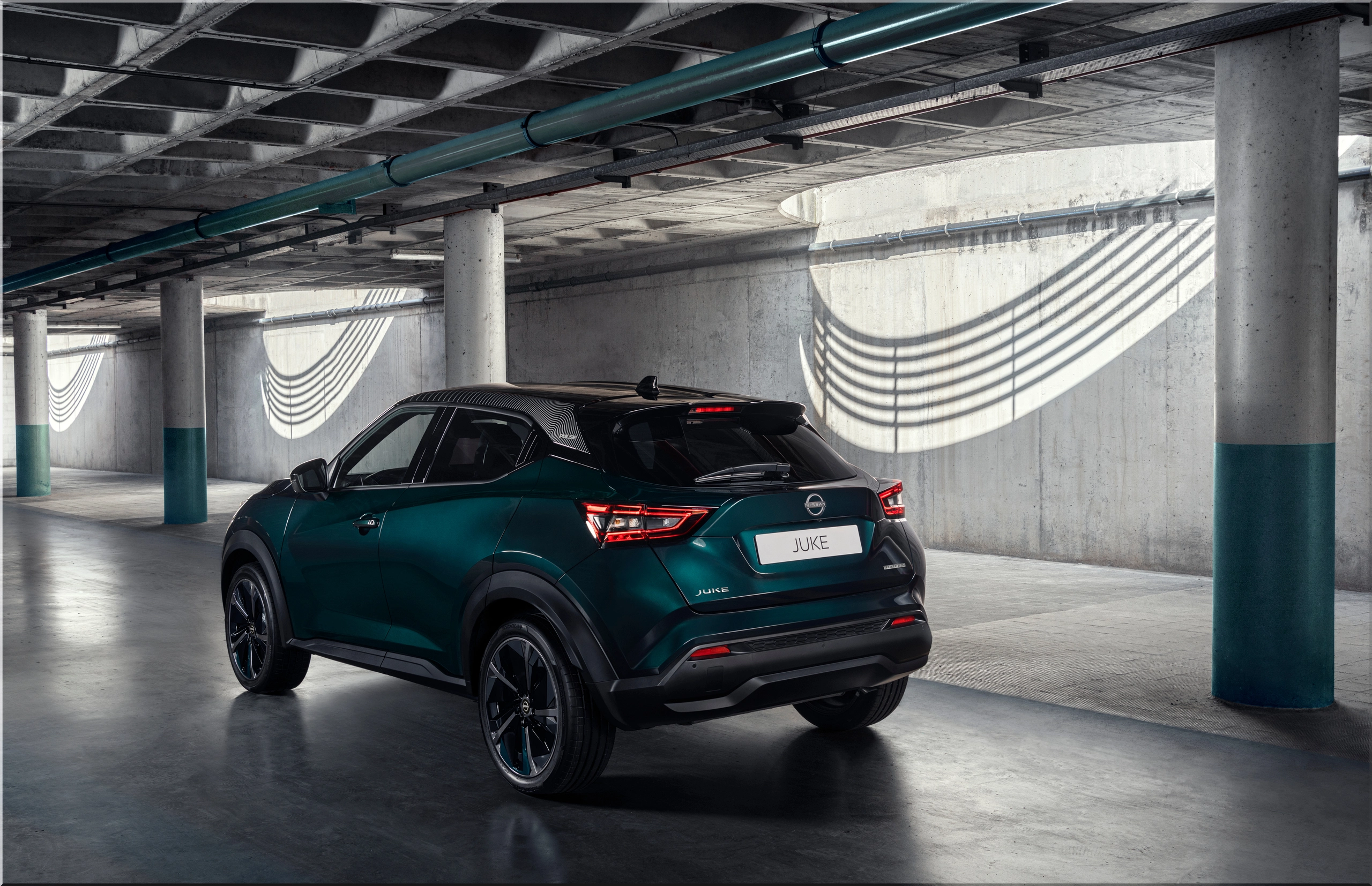
The Pulse is a trim-led play, and a smart one. Nissan adds a distinct sound-wave roof graphic, a black roof panel, black mirror caps, and 19-inch aero wheels with an asymmetric Ocean Blue accent. That combination gives the car a more tailored look without forcing Nissan to rework the body shell.
Inside, the gains matter more.
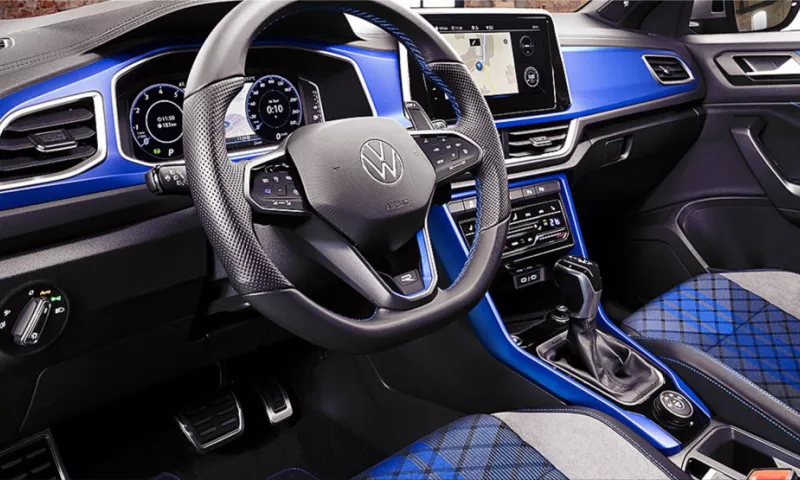
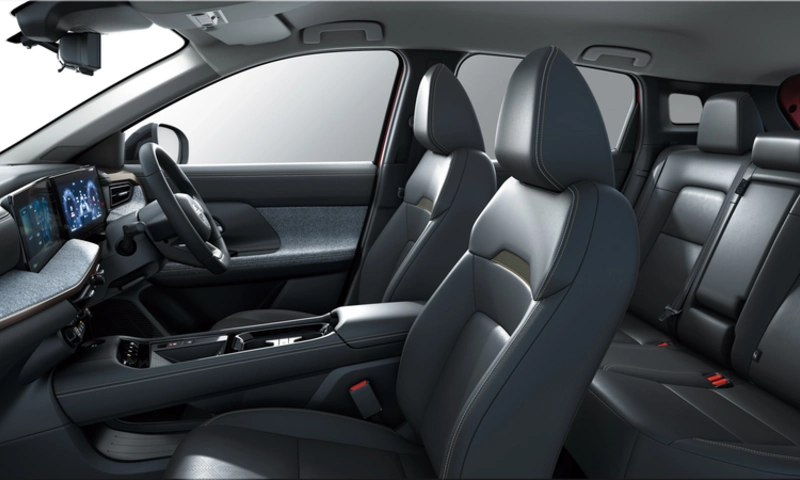
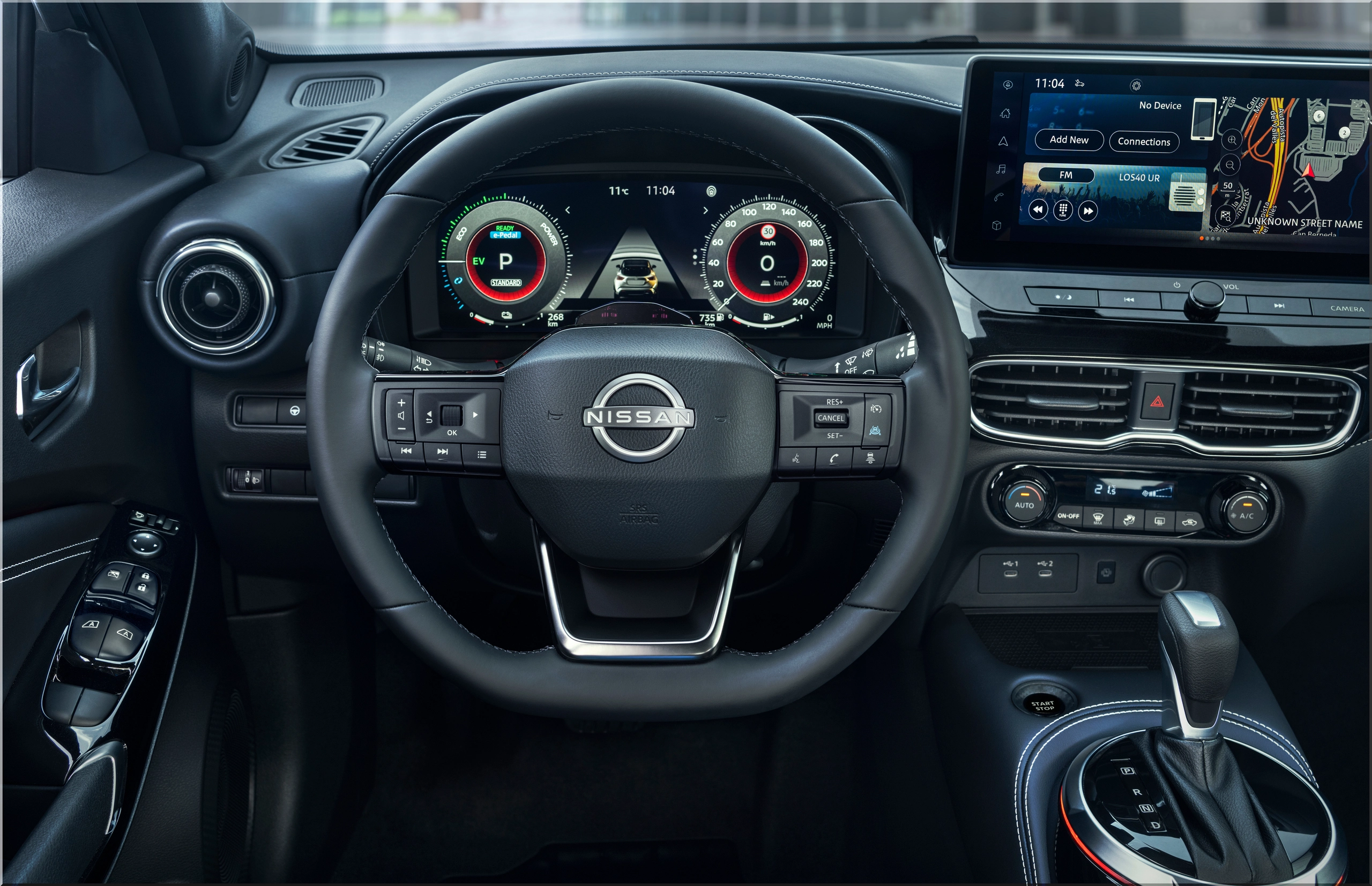
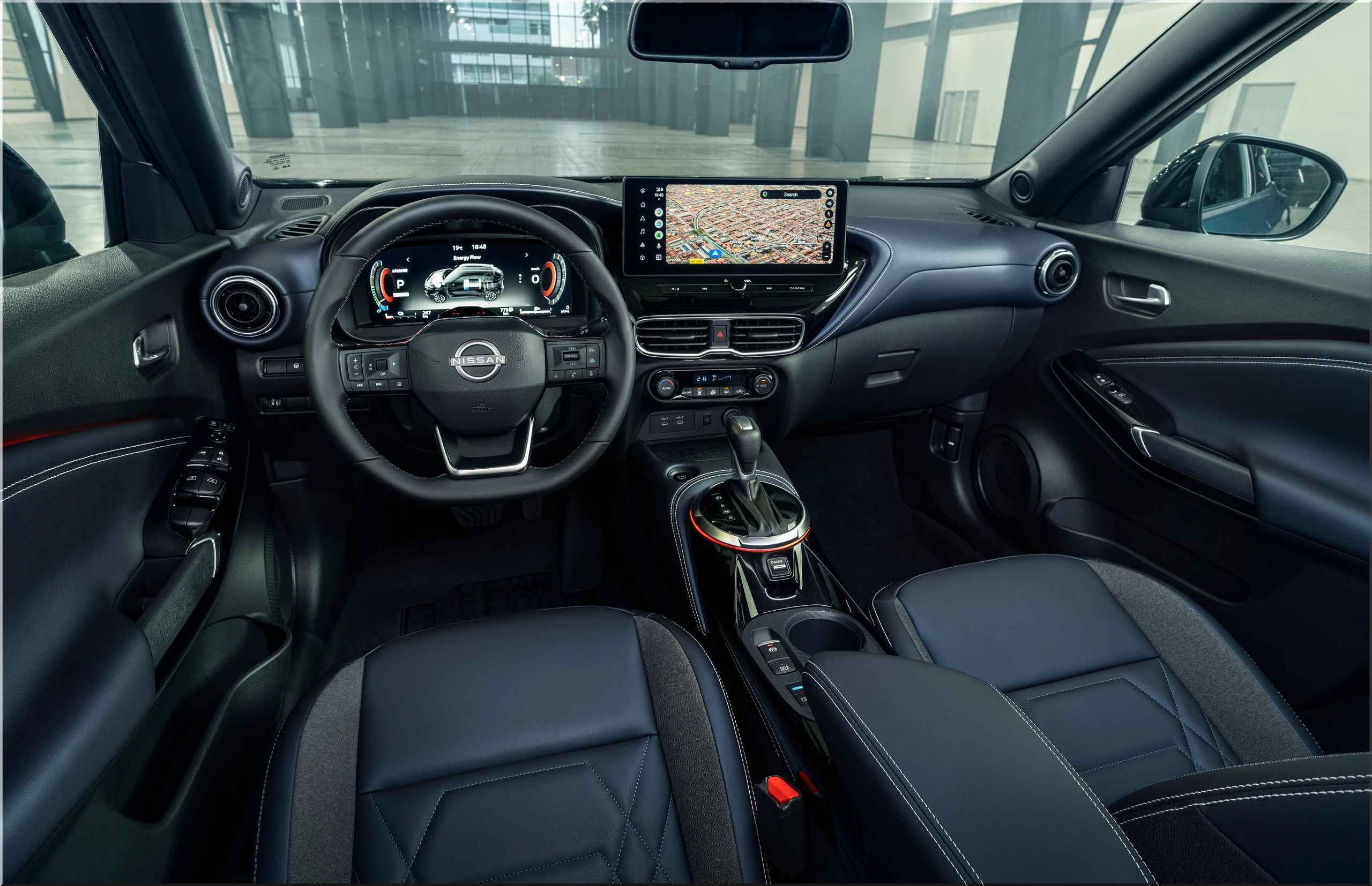
The JUKE Pulse brings dark blue synthetic leather bucket seats, matching blue trim on the dash and doors, ambient lighting, gloss black detailing, a 12-speaker Bose audio system, wireless charging, and a 360-degree camera. Those are not throwaway brochure bullets. They target exactly the pressure points that move buyers in this class: perceived cabin quality, parking ease, and infotainment credibility.
Why this trim strategy makes sense
From an expert perspective, Nissan is selling mood as much as metal here. Small crossovers live and die by image, but price sensitivity still rules the segment. By basing Pulse on N-Connecta, Nissan avoids the cost jump of a top-trim structure while giving buyers enough premium equipment to justify the spend.
Looking at the data, that also lets Nissan keep the Pulse below the price ceiling where shoppers start drifting into larger vehicles or better-known premium badges. That positioning matters because the JUKE competes in a category where a few thousand dollars can reroute a buyer straight into a bigger boot, a stronger hybrid, or a flashier cabin.
2026 Nissan JUKE Pulse key specs and equipment
| Item | Nissan JUKE Pulse 1.0 Petrol | Nissan JUKE Pulse Hybrid |
|---|---|---|
| Base UK price | £27,865 | £31,395 |
| Approx. USD equivalent | $36,973 | $41,657 |
| Engine | 1.0-liter turbo 3-cylinder | 1.6-liter hybrid 4-cylinder |
| Power | 112 bhp | 139 bhp system output |
| Torque | 200 Nm | 353 Nm |
| Transmission | 6-speed manual or 7-speed DCT | Automatic only |
| Drive layout | FWD | FWD |
| Fuel economy | 48.7 mpg | around 60 mpg |
| Boot space | 422 liters | 354 liters |
That boot-space split tells the real story. The petrol JUKE Pulse keeps the more practical cargo area, while the hybrid JUKE Pulse gives up luggage volume to package the electrified hardware. Consequently, buyers need to choose between fuel savings and outright carrying flexibility.
Dimensions that still work in the real world
| Dimension | Nissan JUKE |
|---|---|
| Overall length | 4,210 mm / 165.7 in |
| Overall width | 1,800 mm / 70.9 in |
| Overall height | 1,593 mm / 62.7 in |
| Turning circle | 11.0 m / 36.1 ft |
| Max luggage length, seats folded | 1,477 mm / 58.1 in |
| Max luggage width | 1,239 mm / 48.8 in |
| Boot capacity, petrol | 422 L |
| Boot capacity, hybrid | 354 L |
Specifically, those measurements explain why the JUKE still works in dense cities. It stays short enough for tight parking, wide enough to avoid feeling flimsy on the motorway, and tall enough to deliver the elevated driving position crossover buyers expect.
Powertrains: which JUKE Pulse makes more sense?
The 1.0-liter turbo petrol remains the rational entry point. With 112 bhp and 200 Nm, it will not set your hair on fire, but it should feel adequate in mixed suburban use, and the bigger boot gives it the better family-weekend argument.
The hybrid changes the conversation.
At 139 bhp and 353 Nm, it brings materially stronger shove and materially better fuel use, with Nissan claiming consumption gains of up to 25 percent in normal driving and as much as 40 percent in town. By comparison, that makes the hybrid the sharper choice for commuters, urban drivers, and anyone who spends more time in traffic than on open A-roads.
The catch sits in the price delta and reduced cargo capacity. If you pile luggage, strollers, or airport bags into the rear every week, the cheaper petrol may still win.
Nissan JUKE Pulse vs rivals
| Model | Starting UK price | Approx. USD | Core angle | JUKE Pulse win/loss |
|---|---|---|---|---|
| Nissan JUKE Pulse 1.0 | £27,865 | $36,973 | Style-led special edition | Strong tech-for-money case |
| Ford Puma ST-Line X | about £29,695 | about $39,401 | Best-driver reputation | JUKE wins on visual identity |
| Renault Captur esprit Alpine | from £26,495 | about $35,155 | Polished value play | Captur undercuts on price |
| Peugeot 2008 Hybrid GT | about £35,020 | about $46,467 | Premium-feel design | JUKE wins on price discipline |
The Ford Puma still looks like the driver's pick. The Renault Captur stays brutally effective on value. The Peugeot 2008 pushes harder on upscale presentation. Yet the Nissan JUKE Pulse threads a useful middle line. It looks expensive, packs big-ticket tech, and avoids the pricing creep that can sink special editions.
Pro-Tips for buyers
- Pick the petrol JUKE Pulse if boot space and lower entry price matter more than mpg.
- Pick the hybrid JUKE Pulse if you commute in traffic and want the stronger torque curve.
- Treat the Bose system, 360 camera, and wireless charging as the real value drivers, not the roof graphic.
- Cross-shop the Ford Puma before signing. Cross-shop the Renault Captur before financing. Those two will frame the JUKE's value fast.
Why this matters to you
If you shop compact crossovers, you already know the problem: too many of them feel engineered by spreadsheet. The 2026 Nissan JUKE Pulse does a better job of selling personality without throwing away the everyday basics.
That counts.
Nissan did not chase a wild power number or some fake rugged package. It added the features owners touch, hear, and see every day. In this segment, that is often the smarter move.
What now?
The right next step is simple. Price the JUKE Pulse petrol against a Ford Puma ST-Line X and a Renault Captur esprit Alpine on the same finance term. Then decide what you value most: the Nissan's cabin theatre and tech bundle, the Ford's driving edge, or the Renault's value math.
For buyers who want a small SUV with attitude and better-than-usual equipment, the Nissan JUKE Pulse makes a solid case. It does not try to be everything. It just targets the parts of this class that still move metal.
- Add new comment
- 74 views