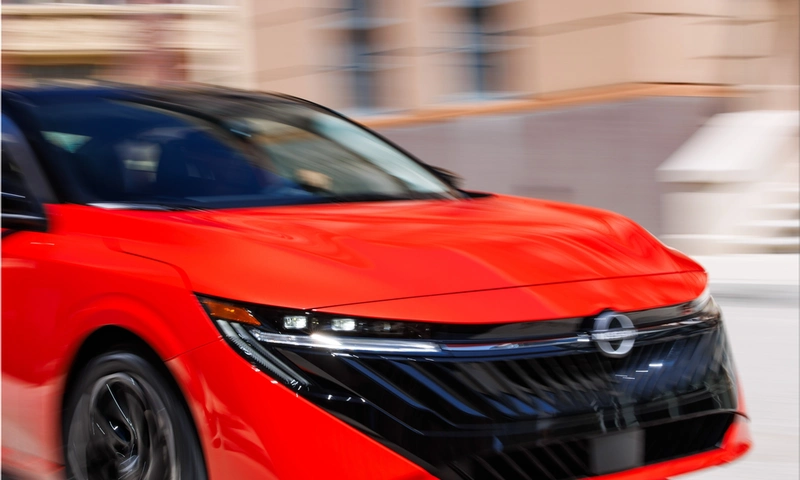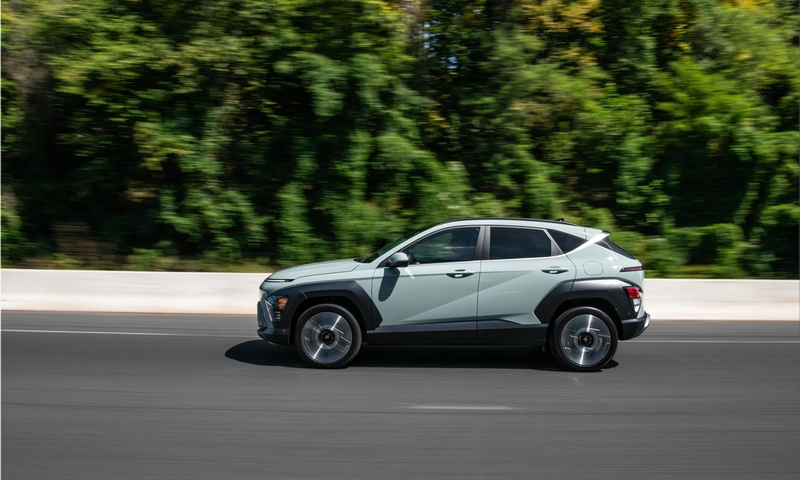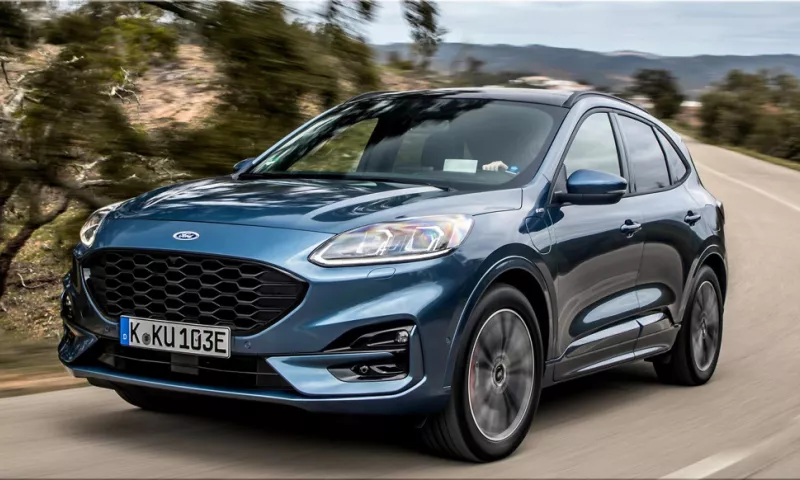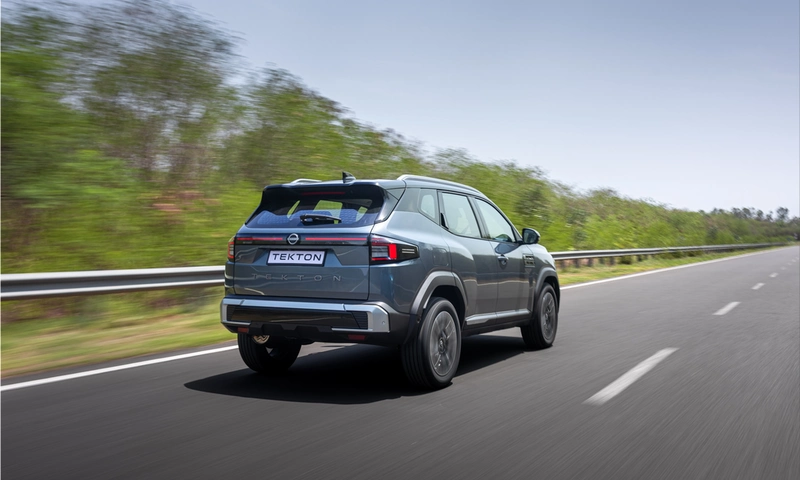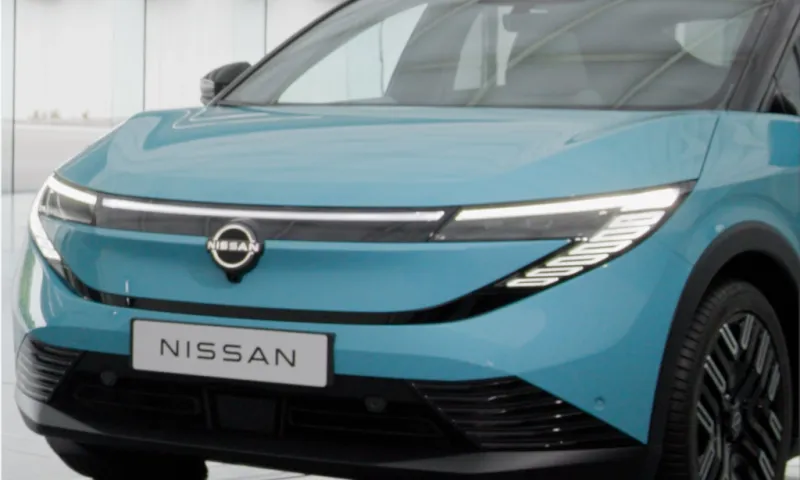
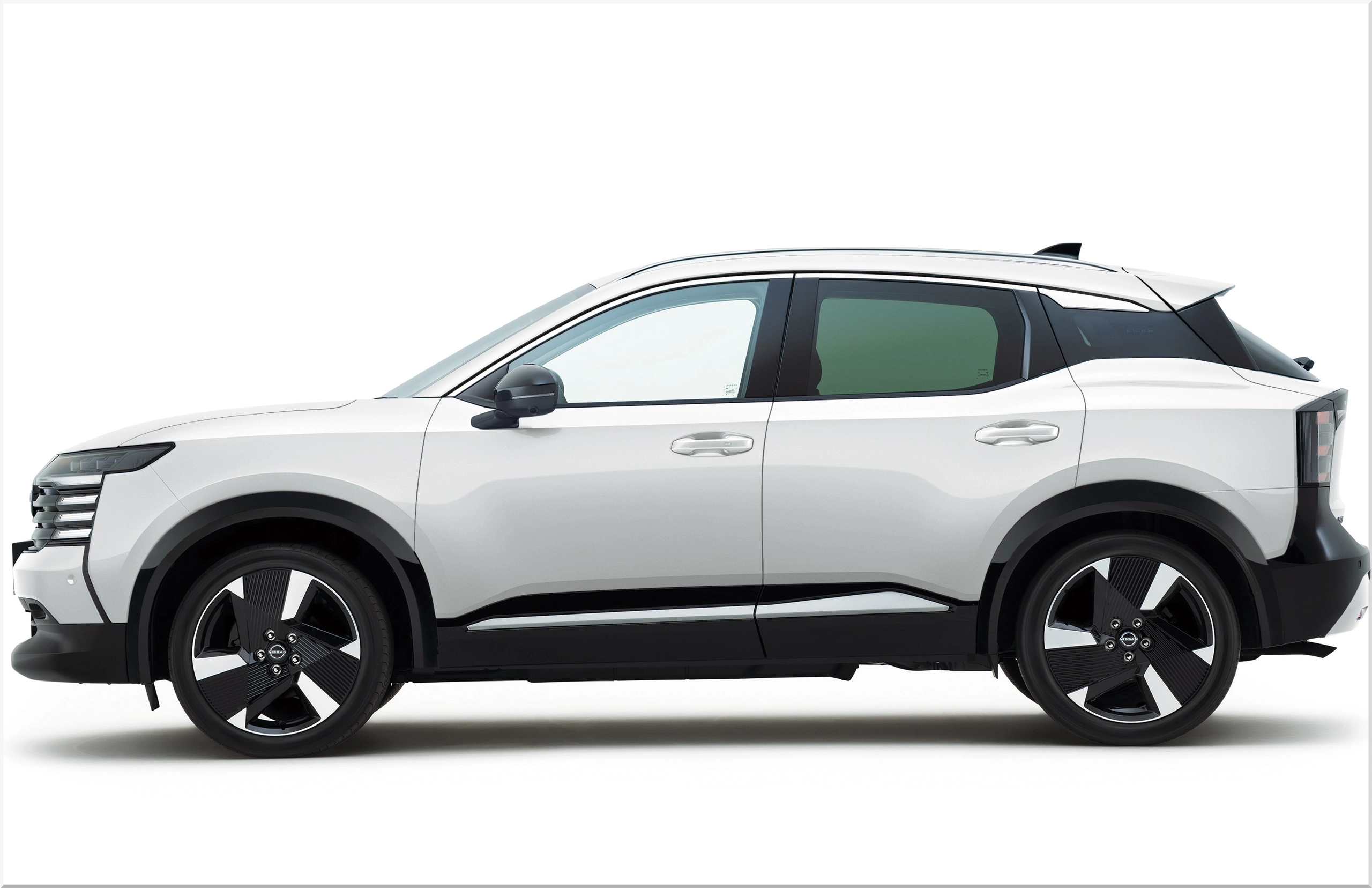
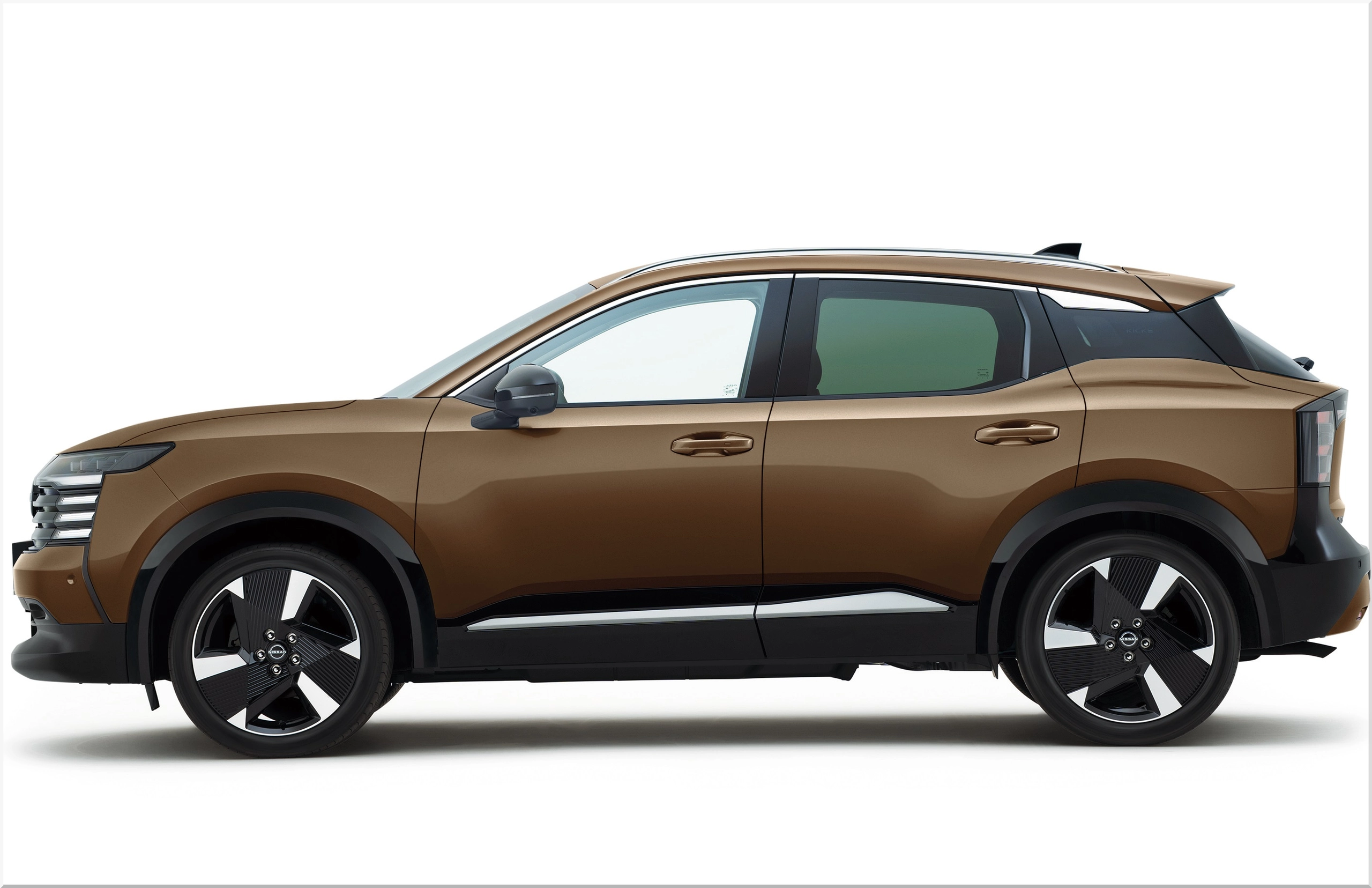
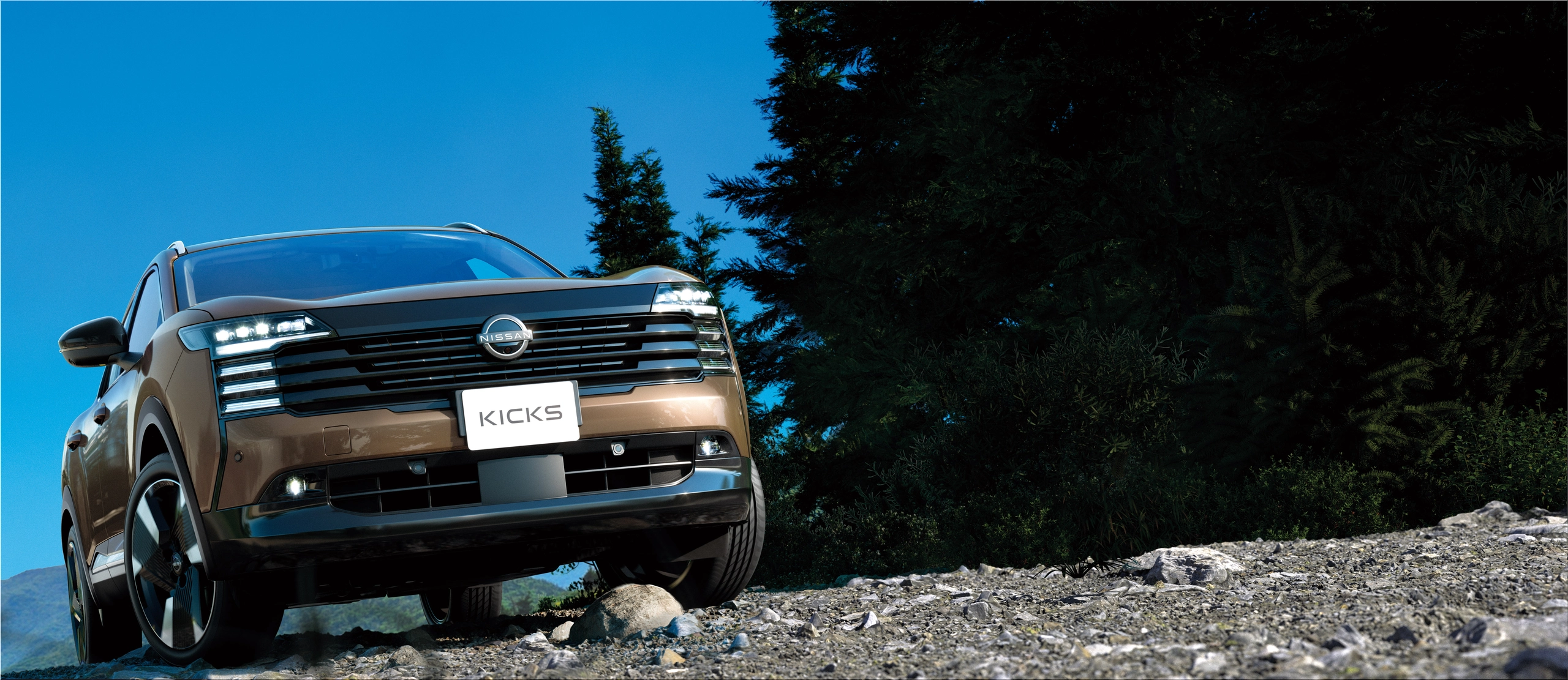
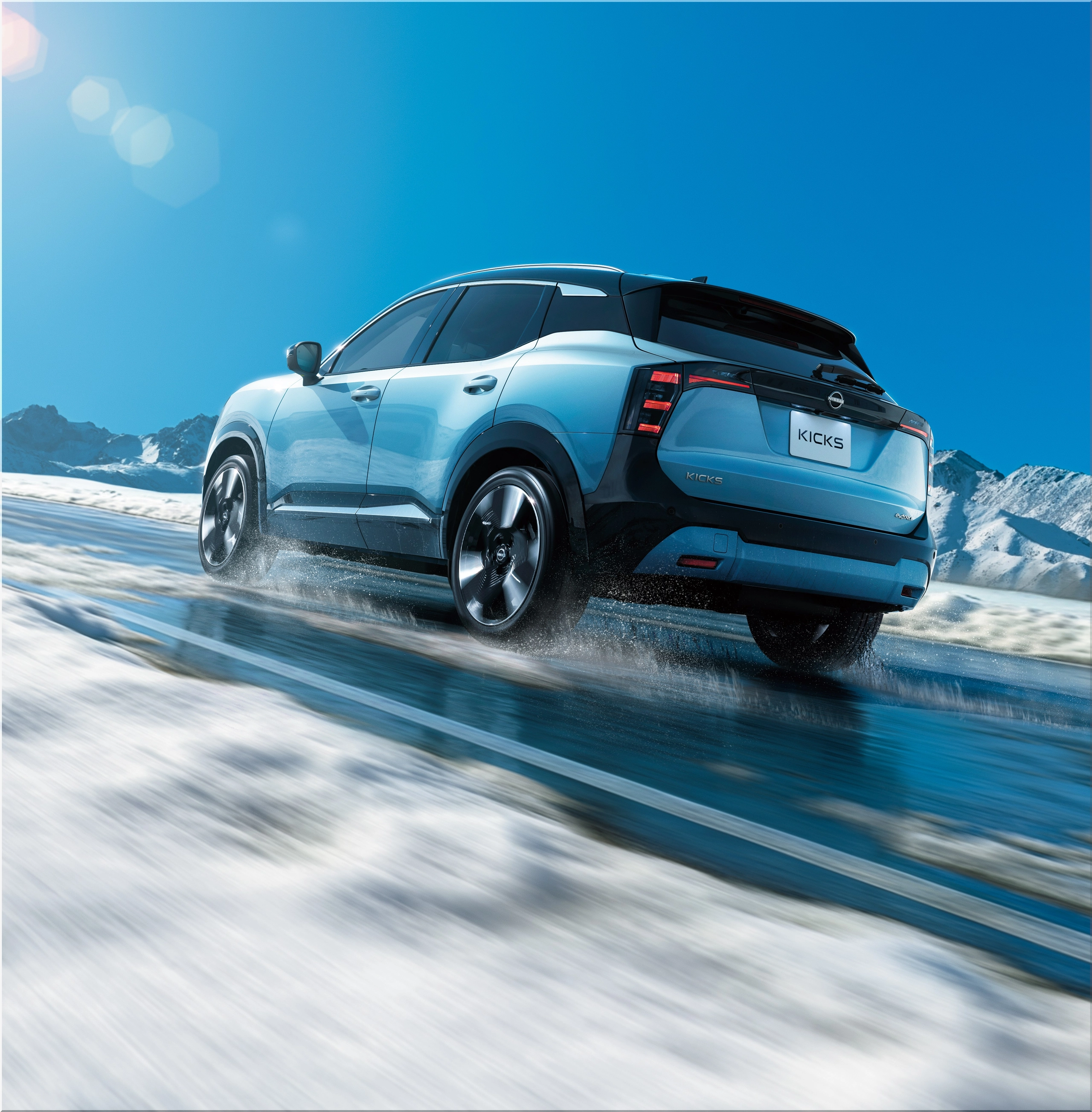
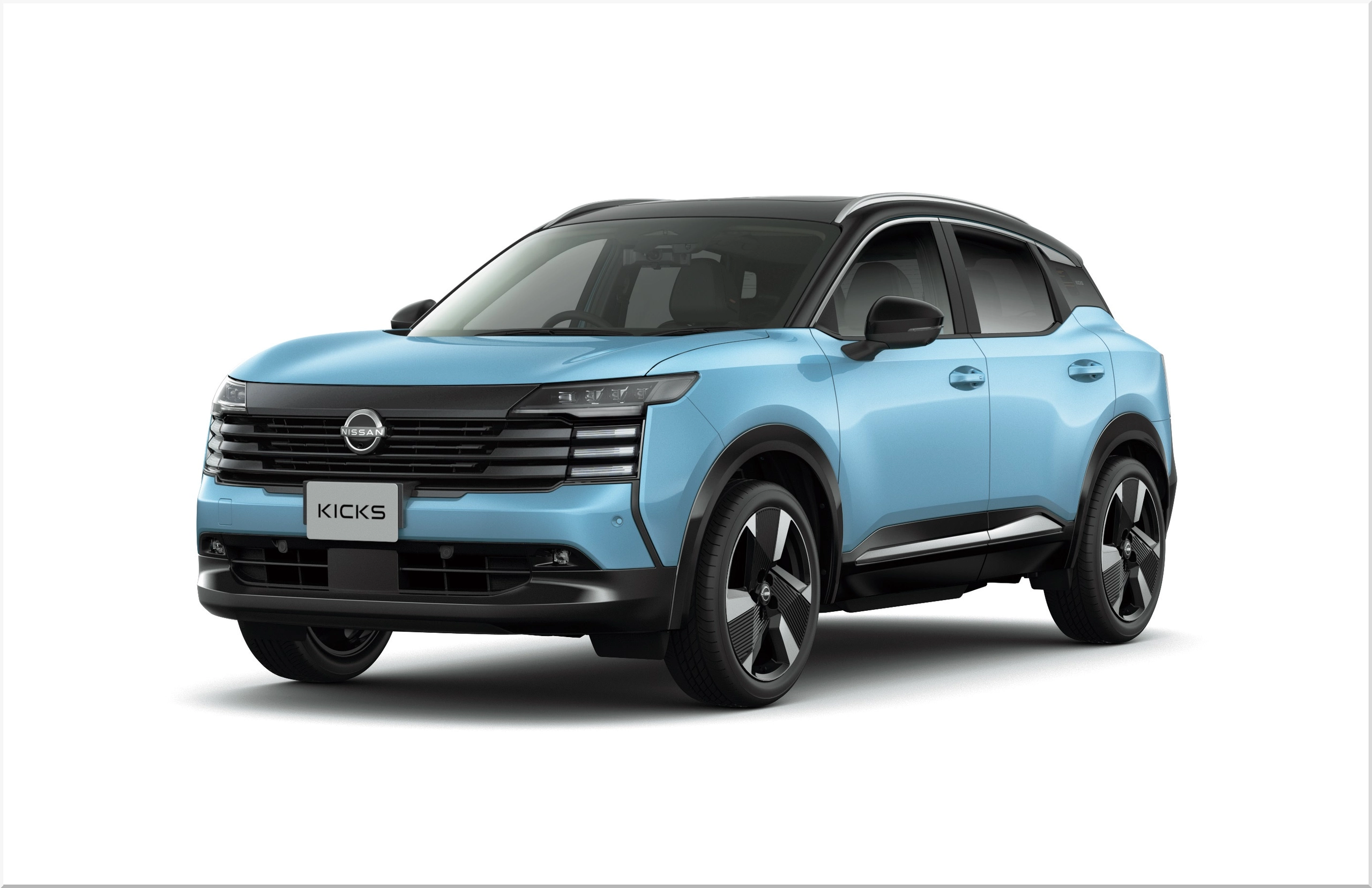
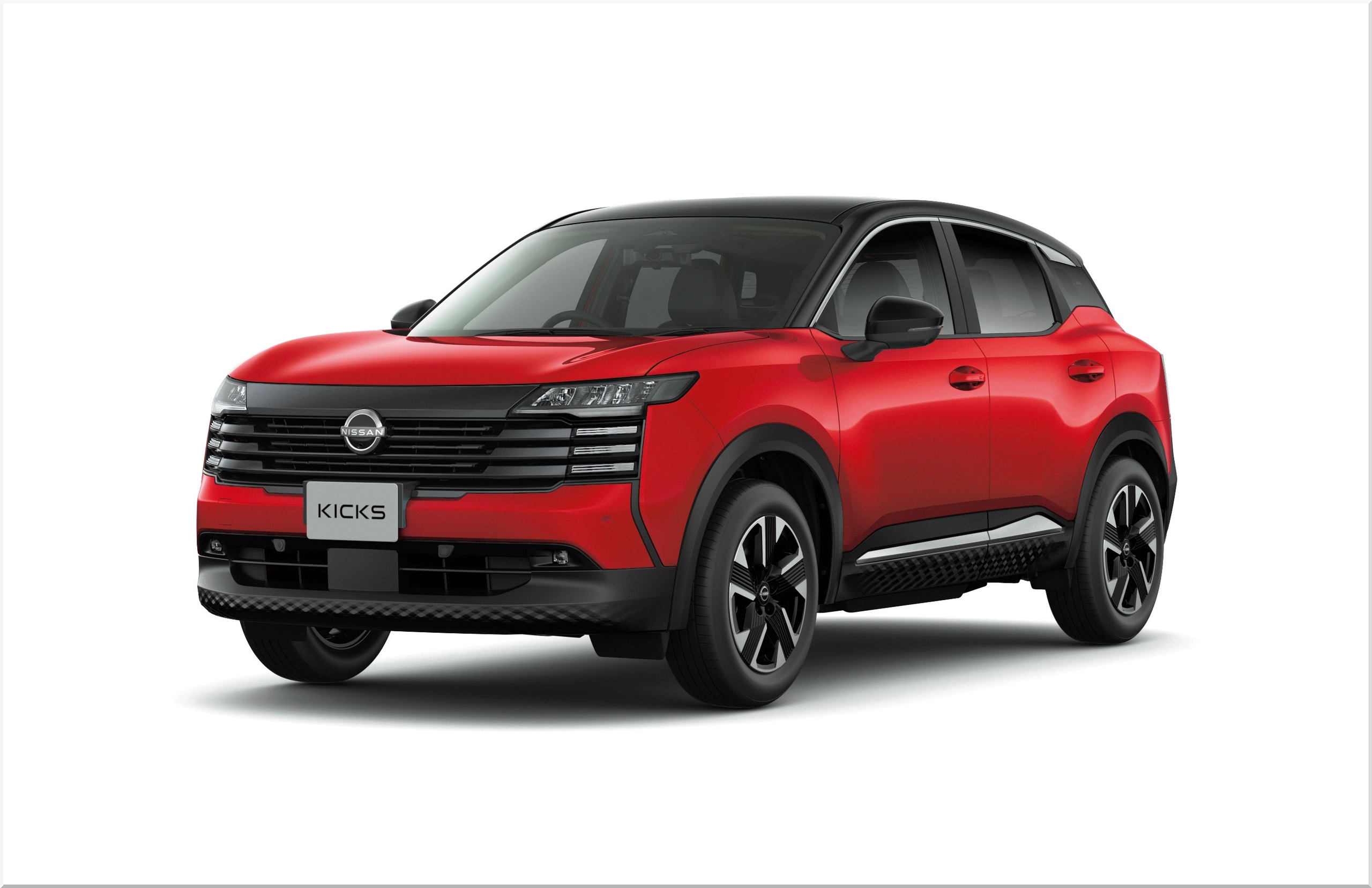
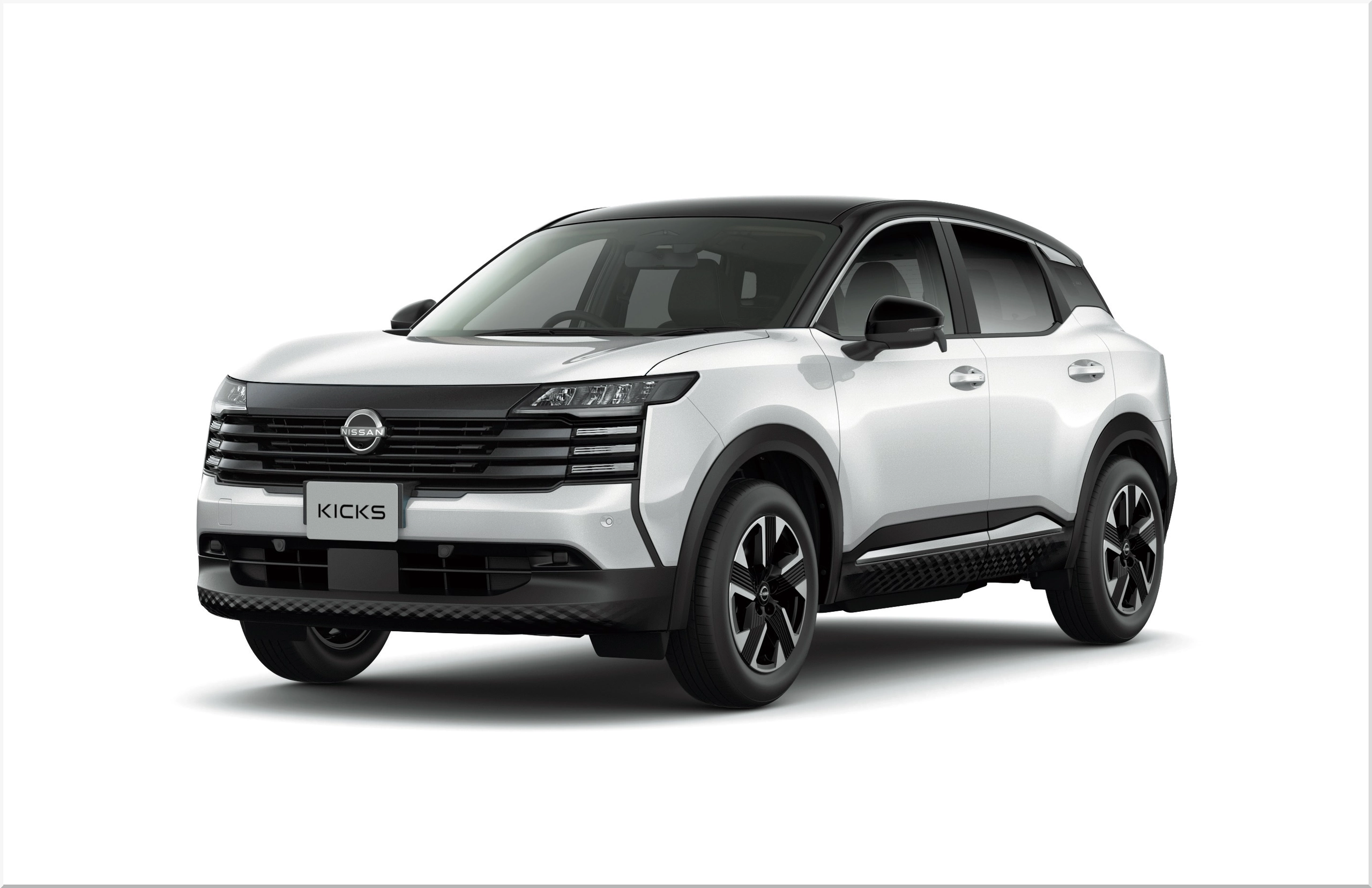
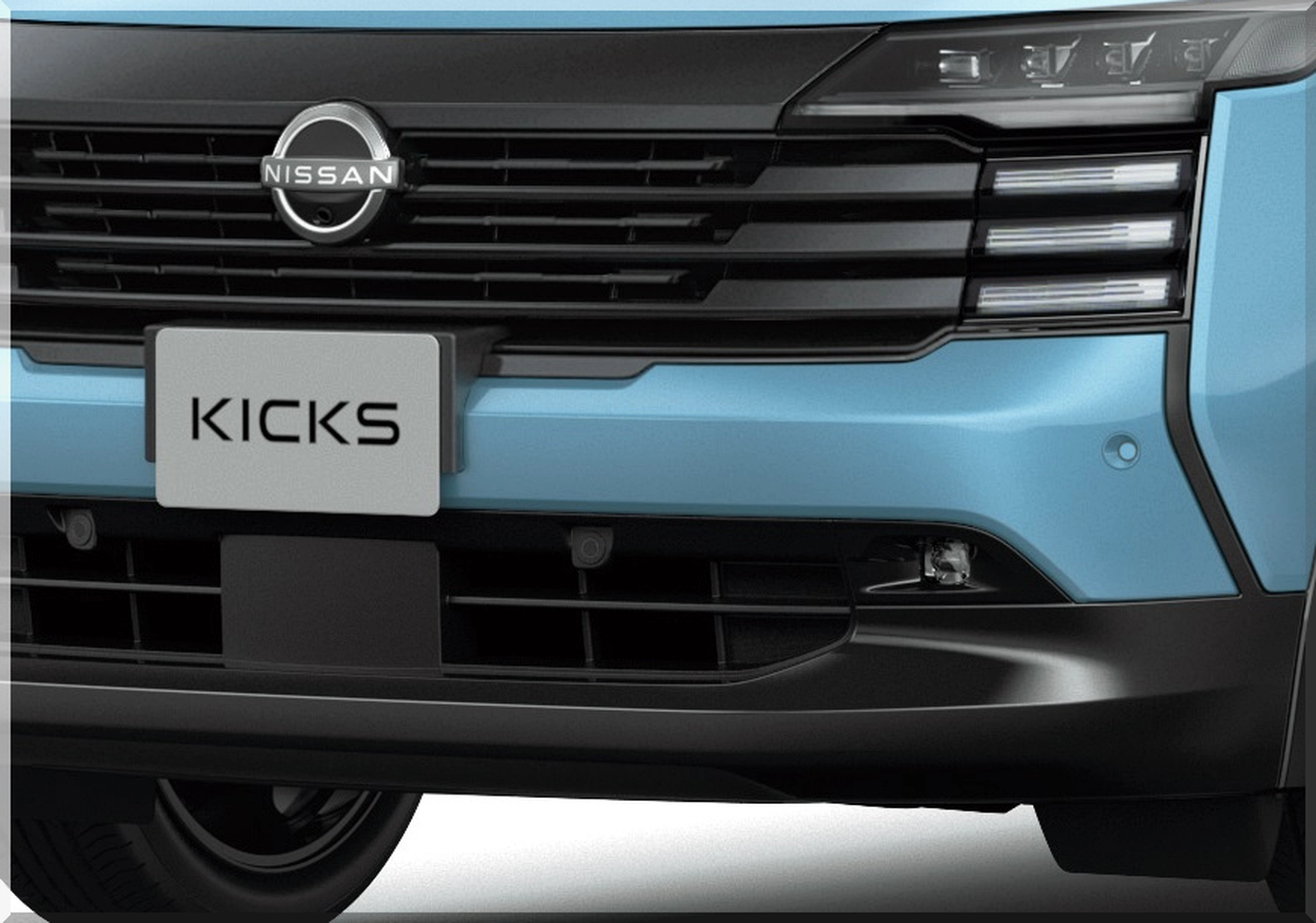
The 2026 Nissan Kicks e-POWER hybrid has launched in Japan, and Nissan gave its small SUV a far more interesting technical script than the North American gasoline model. Japan gets the second-generation Nissan Kicks body, the newer CMF-B architecture, a third-generation e-POWER system, and available e-4ORCE AWD. That mix turns a budget-size crossover into a compact hybrid SUV with EV-style drive feel and no plug.
The timing also says plenty. Nissan needs hybrids that feel different from Toyota's familiar parallel-hybrid playbook, and the Nissan Kicks hybrid gives the brand a sharp answer in the small SUV class. It uses gasoline only to generate electricity. The wheels get power from electric motors, so throttle response feels closer to an EV than a normal hybrid.
2026 Nissan Kicks Japan Specs: Bigger Body, More Cabin Space
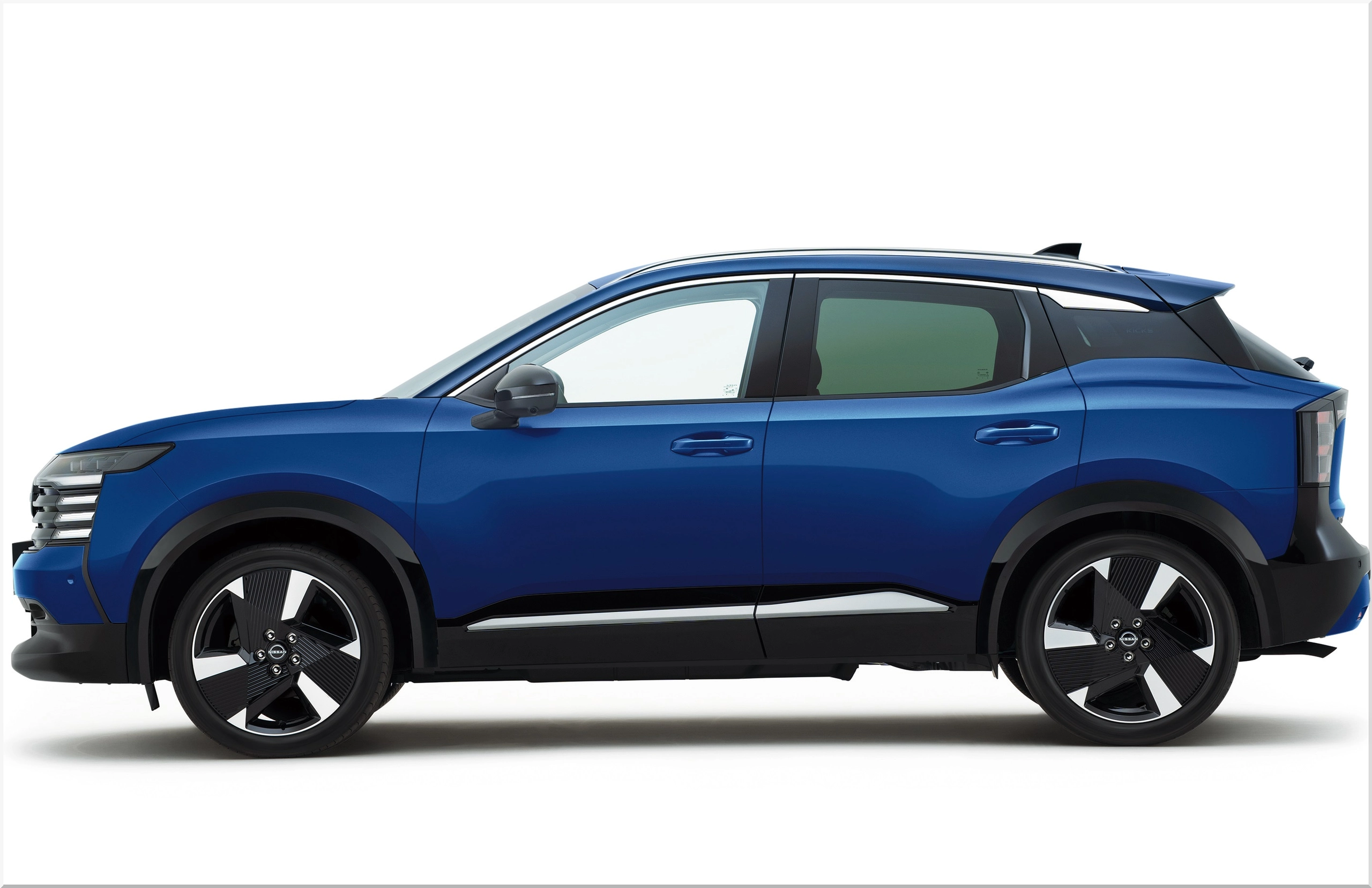
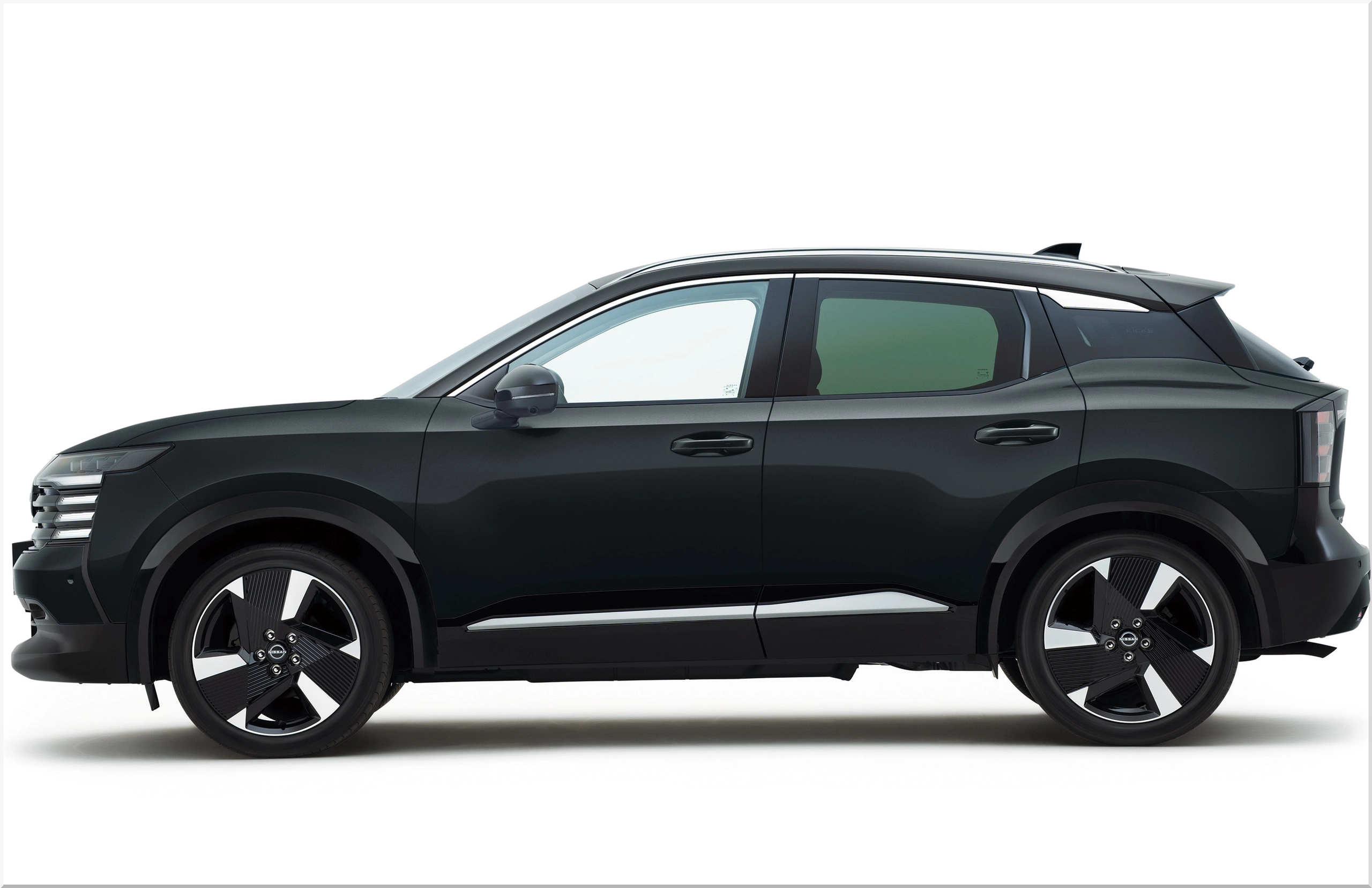
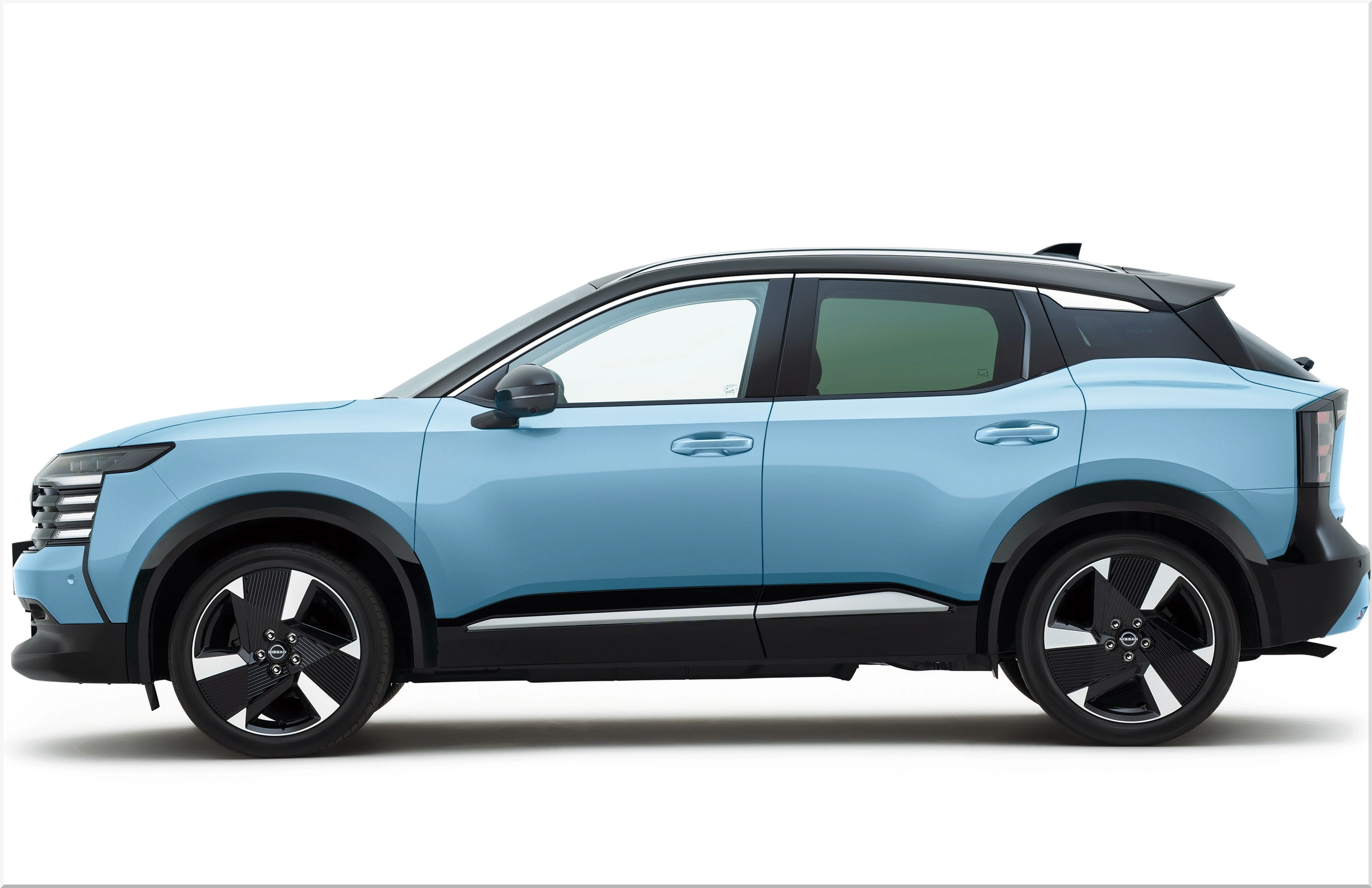
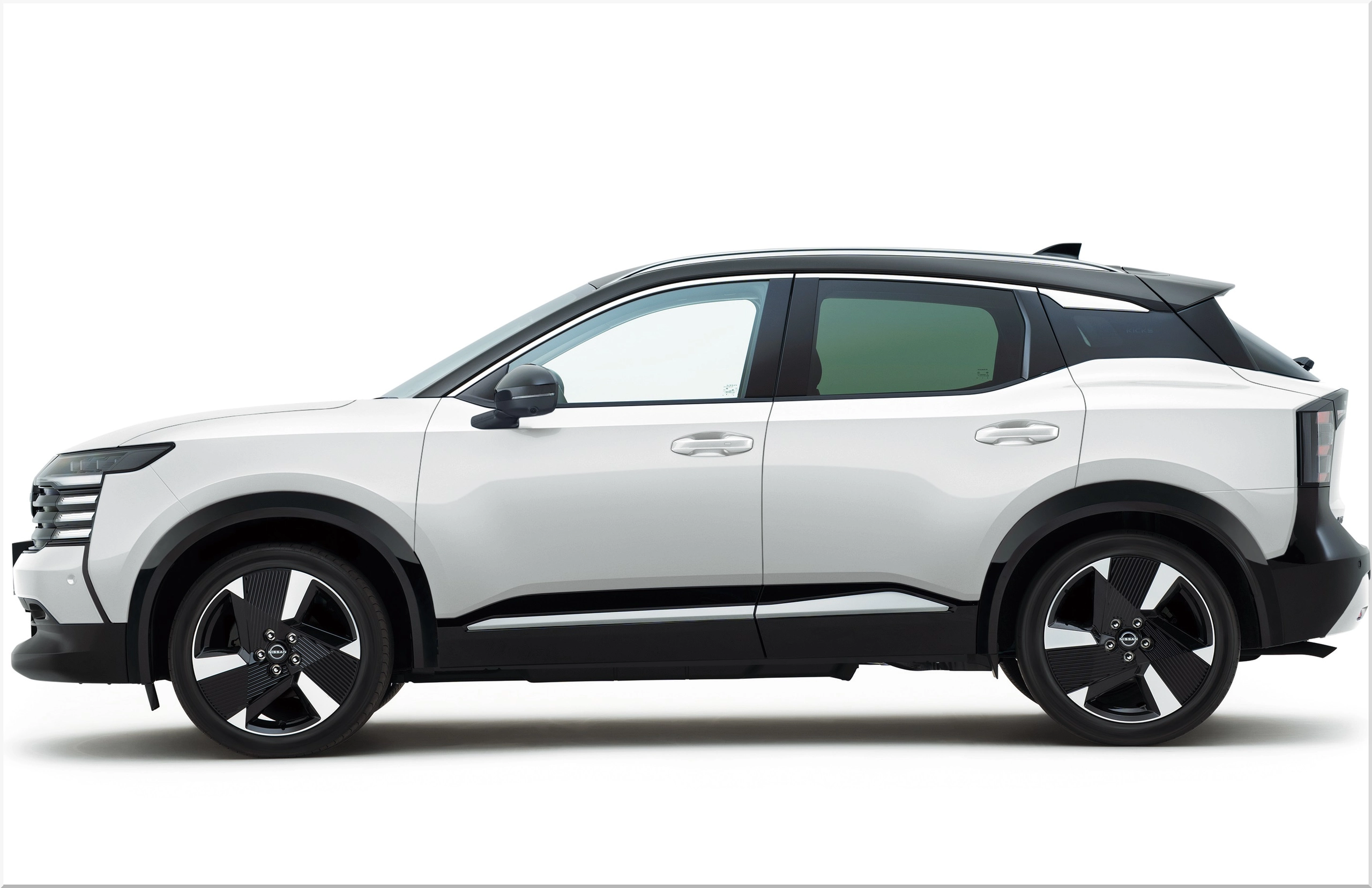
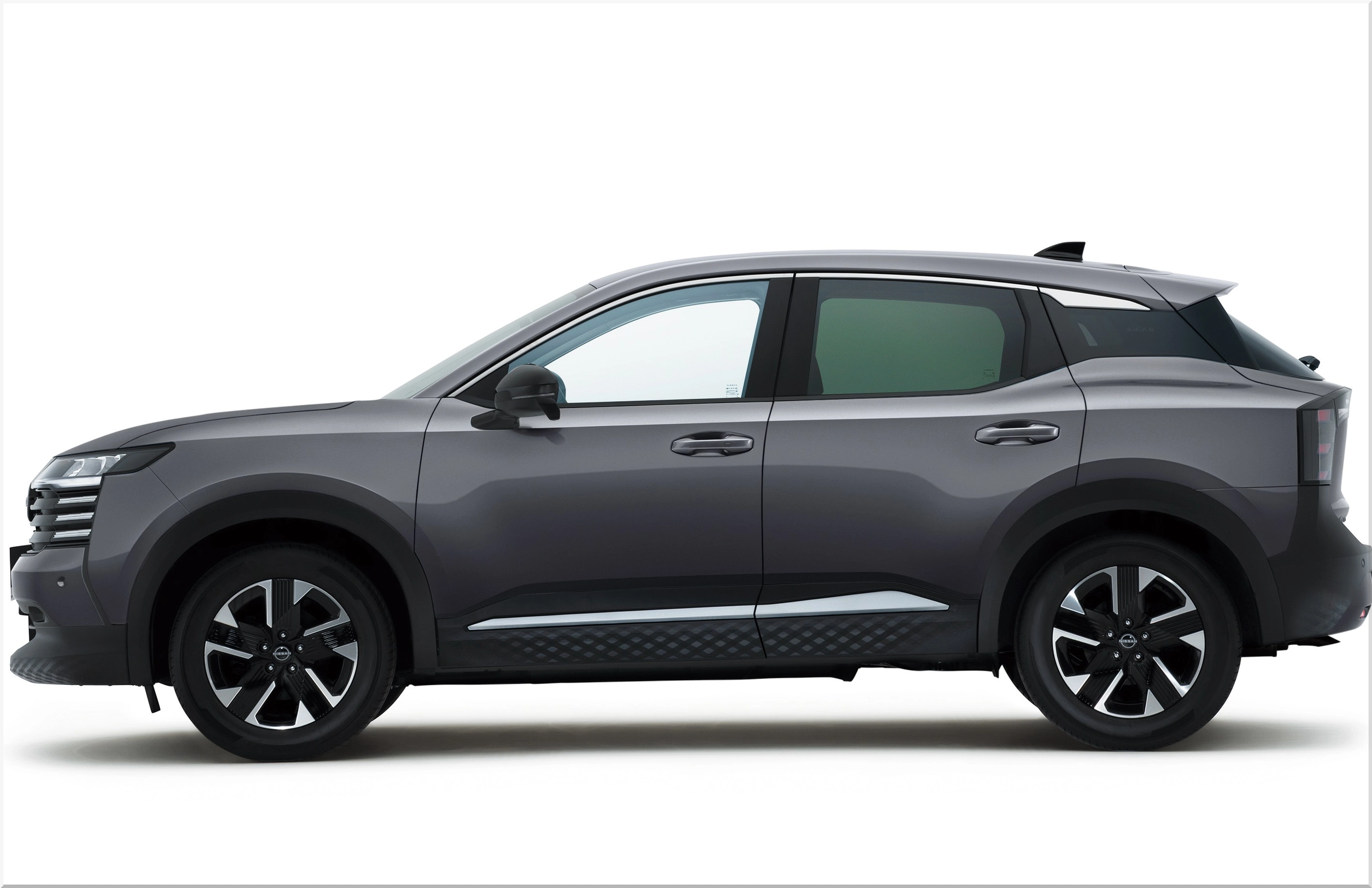
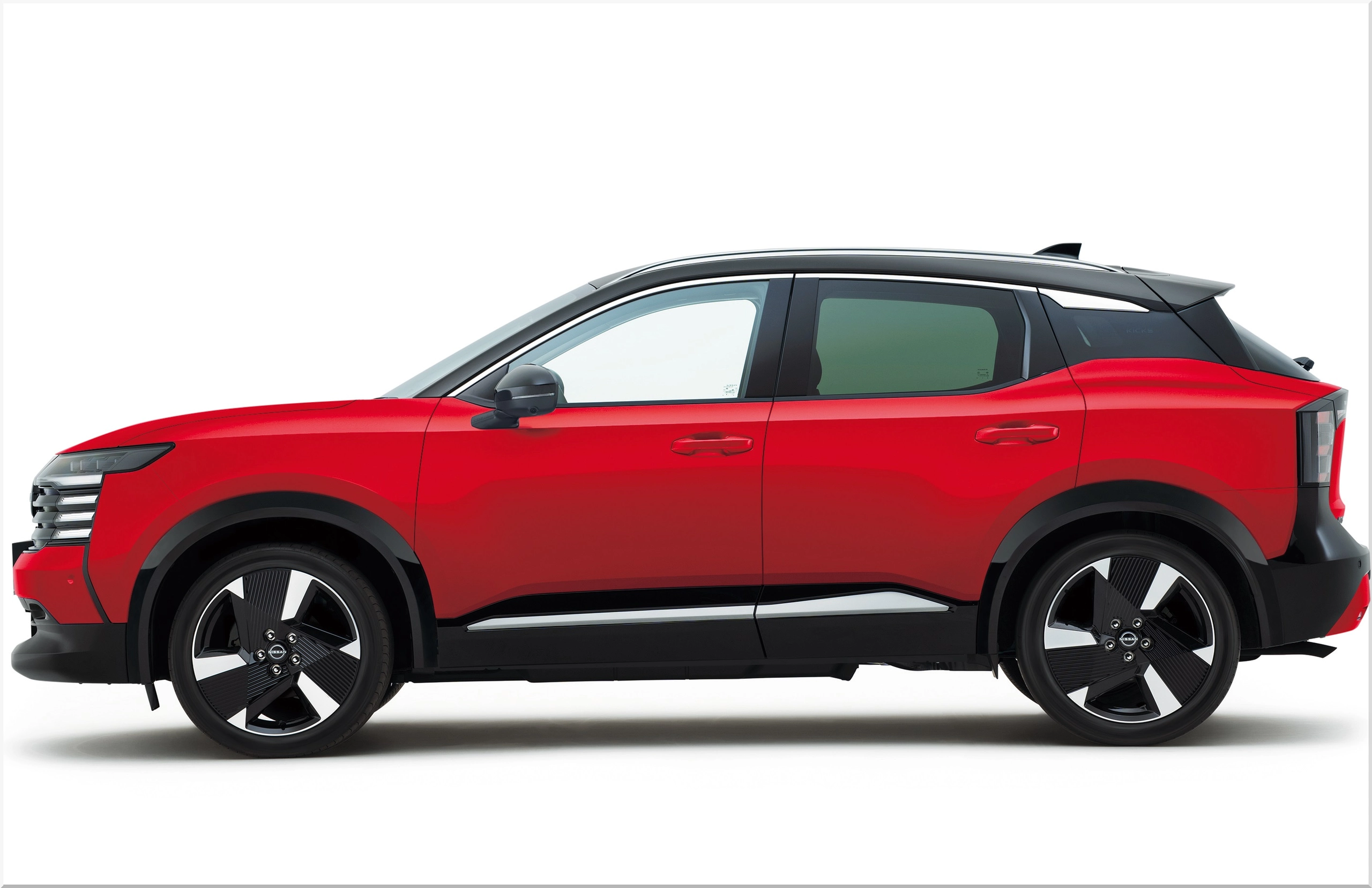
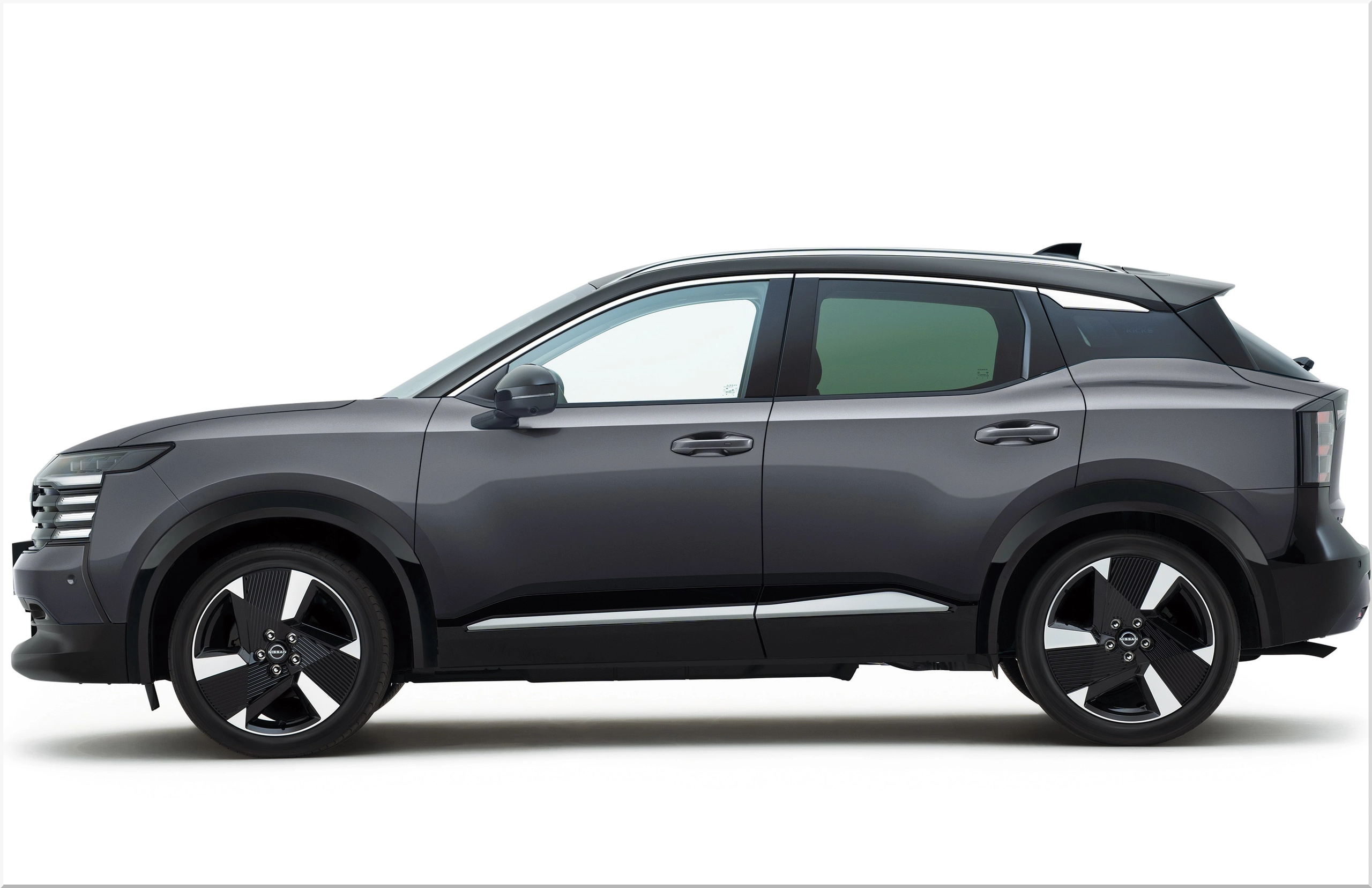
The new Japan-market Kicks measures 4,365 mm long, 1,800 mm wide, and 1,615 mm tall. In American measurements, that equals 171.9 inches long, 70.9 inches wide, and 63.6 inches tall. The 2,655 mm wheelbase converts to 104.5 inches, while the 170 mm ground clearance equals 6.7 inches.
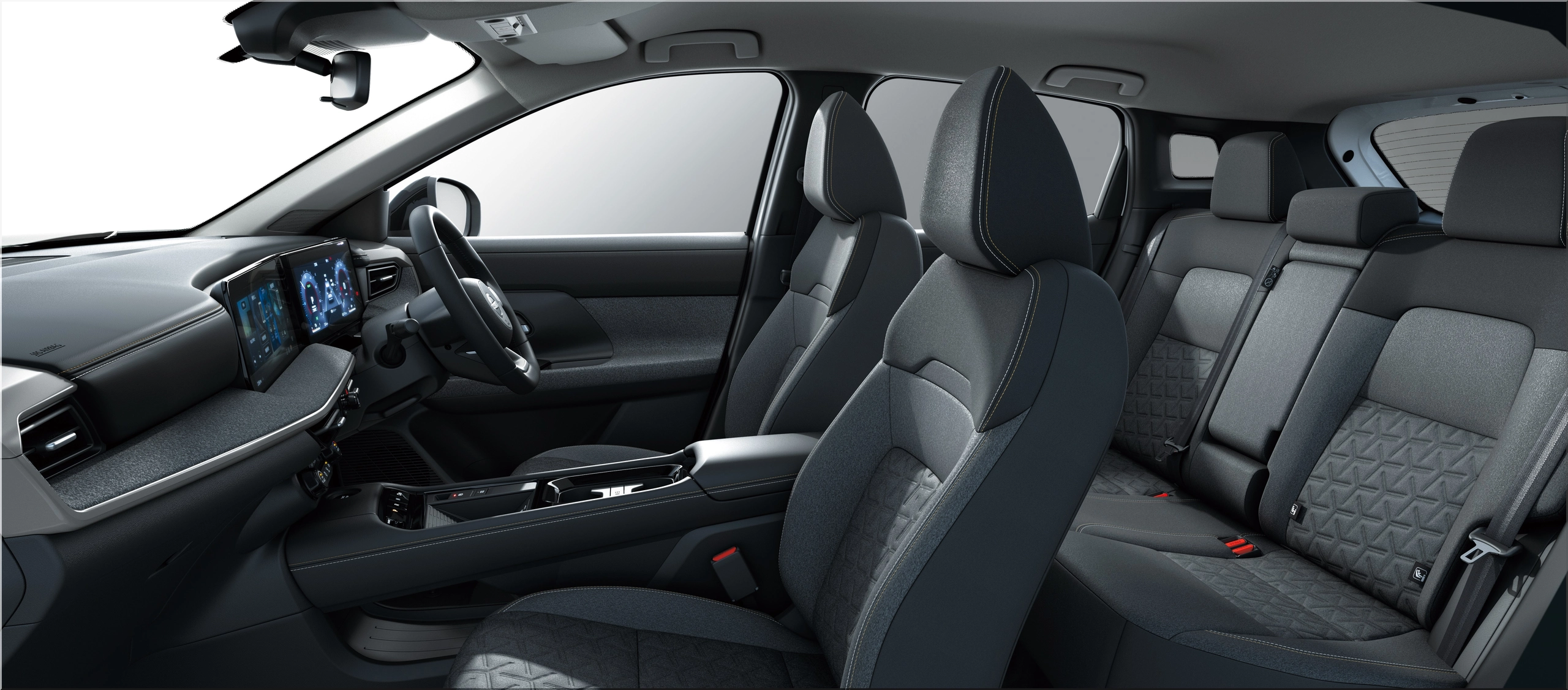
That size gain counts. The new Kicks adds 75 mm in length, 40 mm in width, 10 mm in height, and 35 mm in wheelbase compared with the prior model. Consequently, Nissan can claim better shoulder room, rear legroom, and luggage space, even if the brand has not listed a full cargo-volume figure in the launch data.
| Measurement | 2026 Nissan Kicks Japan | Inches |
|---|---|---|
| Length | 4,365 mm | 171.9 in |
| Width | 1,800 mm | 70.9 in |
| Height | 1,615 mm | 63.6 in |
| Wheelbase | 2,655 mm | 104.5 in |
| Ground clearance | 170 mm | 6.7 in |
Looking at the data, the Kicks sits in the sweet spot for dense cities, tight parking, and weekend trips. It stays smaller than a Nissan Rogue, but it no longer feels like a lightly padded hatchback pretending to be an SUV. That counts in Japan, and it would count in the US for drivers who want hybrid efficiency without Corolla Cross sameness.
How Nissan e-POWER Works in the 2026 Kicks
The third-generation Nissan e-POWER system uses a 1.4-liter HR14DDe three-cylinder gasoline engine as a generator. The engine produces 98 PS and 115 Nm, which converts to about 97 hp and 85 lb-ft. It does not directly drive the wheels.
Specifically, the front electric motor produces 143 PS and 315 Nm, or about 141 hp and 232 lb-ft. That torque arrives instantly, which gives the Kicks its strongest daily-driving trait: quick response from low speed. In city traffic, that design should make the Kicks feel punchier than its output sheet suggests.
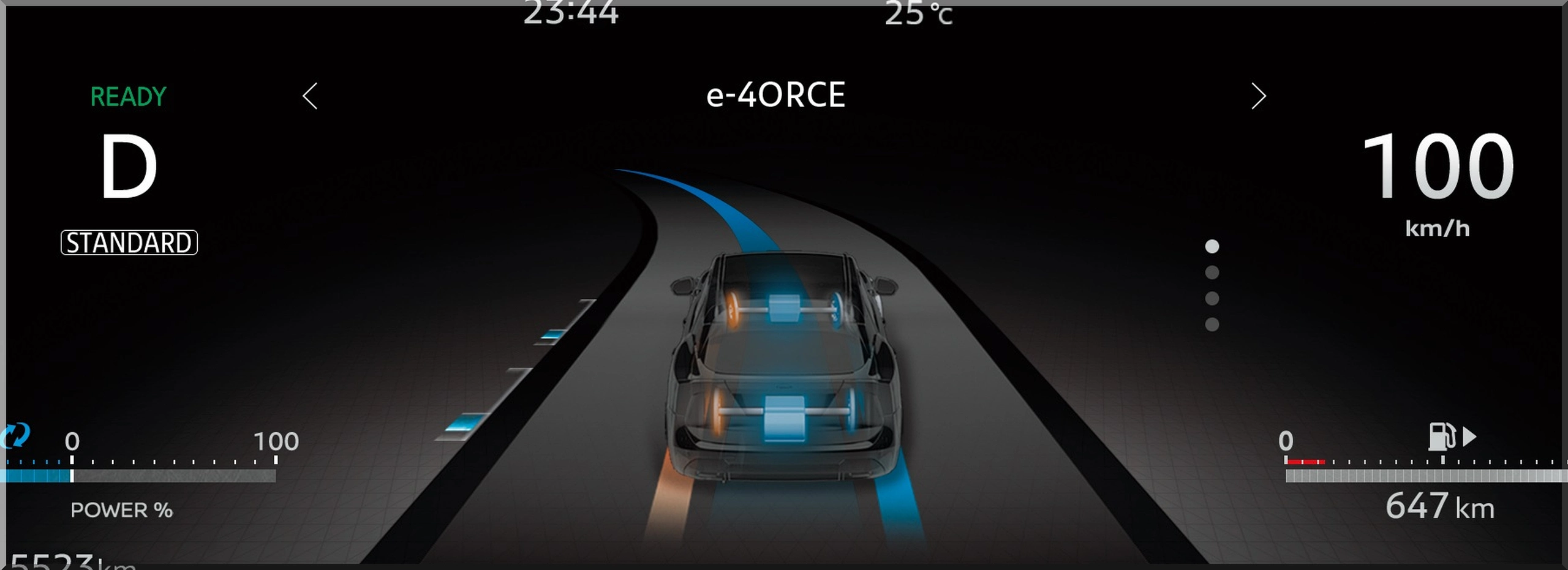
The e-4ORCE AWD version adds a rear electric motor rated at 68 PS and 140 Nm, or about 67 hp and 103 lb-ft. Nissan has not listed a combined system output, so adding front and rear peak figures would mislead readers. The better takeaway: the rear motor gives Nissan control over traction and rotation, not just extra shove.
Why the 5-in-1 Electric Unit Matters
Nissan integrated the motor, generator, inverter, reducer, and increaser into a 5-in-1 e-POWER unit. From an expert perspective, that saves space, cuts weight, raises rigidity, and cleans up packaging. Small SUVs live or die by millimeters, so powertrain compactness directly affects cabin room, crash packaging, and service layout.
In addition, the new setup targets lower noise. Since the engine runs as a generator, Nissan can tune engine speed around electrical demand rather than direct wheel speed. That approach can reduce the strained rubber-band feel drivers often dislike in small hybrids.
Fuel Economy: Strong WLTC Numbers, Not EPA Numbers
The front-wheel-drive Kicks X returns up to 25.7 km/L on Japan's WLTC cycle. That converts to about 60.5 mpg US, although WLTC does not match EPA testing. Higher trims drop to around 23.4 km/L, or 55.0 mpg US.
The e-4ORCE AWD grades trade some economy for all-weather traction. The AWD ratings run from 21.5 km/L to 20.1 km/L, equal to roughly 50.6 mpg US to 47.3 mpg US. By comparison, that still looks strong for a small AWD hybrid with electric rear-axle control.
| Version | WLTC Fuel Economy | Approx. US MPG Equivalent | Main Win |
|---|---|---|---|
| Kicks X 2WD | 25.7 km/L | 60.5 mpg | Best efficiency |
| Kicks G 2WD | 23.4 km/L | 55.0 mpg | More equipment |
| Kicks X e-4ORCE | 21.5 km/L | 50.6 mpg | AWD traction |
| Kicks G e-4ORCE | 20.1 km/L | 47.3 mpg | Top trim plus AWD |
The caveat needs teeth. These figures use Japanese WLTC testing, so US EPA ratings would likely land lower. Still, the 2026 Nissan Kicks e-POWER hybrid shows exactly why Nissan's series-hybrid strategy deserves attention.
Price Converted to USD
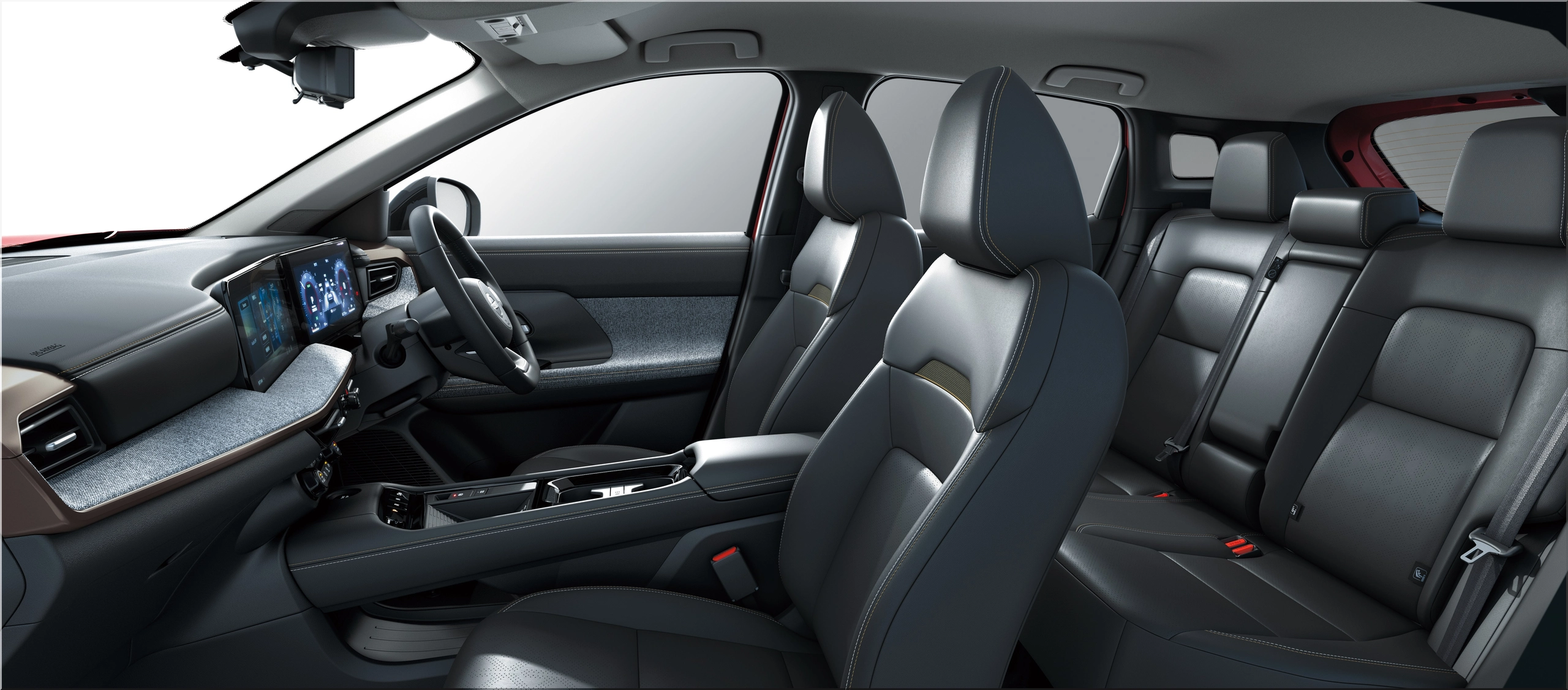
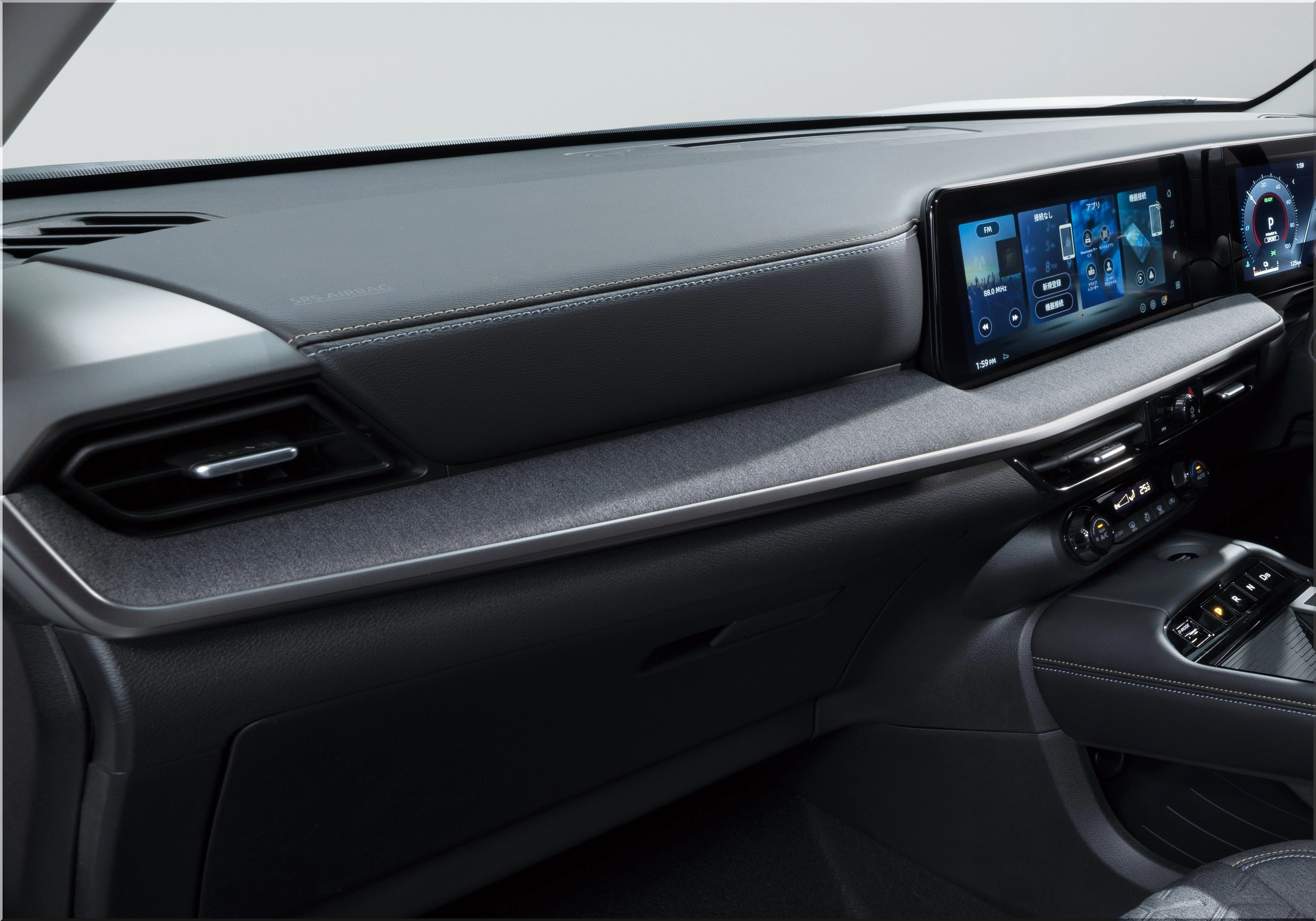
Japan pricing starts at 2,999,700 yen, or about $18,600 using a rate near 161.3 yen per dollar. The top G e-4ORCE reaches 4,248,200 yen, or about $26,300. That pricing looks aggressive for a hybrid SUV with AWD, dual 12.3-inch screens on upper trims, ProPILOT, and available Bose Personal Plus audio.
| Grade | Japan Price | Approx. USD |
|---|---|---|
| X Simple Package 2WD | 2,999,700 yen | $18,600 |
| X 2WD | 3,259,300 yen | $20,200 |
| X+ 2WD | 3,549,700 yen | $22,000 |
| G 2WD | 3,898,400 yen | $24,200 |
| X e-4ORCE Simple Package | 3,349,500 yen | $20,800 |
| X e-4ORCE | 3,599,200 yen | $22,300 |
| X+ e-4ORCE | 3,899,500 yen | $24,200 |
| G e-4ORCE | 4,248,200 yen | $26,300 |
Rival Check: Kicks Hybrid vs Small SUV Hybrids
The Nissan Kicks hybrid competes most naturally against the Toyota Yaris Cross Hybrid, Honda Vezel e:HEV, and Toyota Corolla Cross Hybrid. The Kicks wins on EV-style drive logic and AWD motor control. Toyota still wins on proven hybrid familiarity and fuel-economy reputation.
| Model | Hybrid Type | AWD Option | Key Advantage | Key Loss |
|---|---|---|---|---|
| Nissan Kicks e-POWER | Series hybrid | e-4ORCE electric AWD | EV-like drive feel | No confirmed US launch |
| Toyota Yaris Cross Hybrid | Parallel hybrid | E-Four | Higher peak WLTC efficiency | Smaller cabin feel |
| Honda Vezel e:HEV | Two-motor hybrid | AWD available | Smooth road manners | Less distinctive tech story |
| Toyota Corolla Cross Hybrid | Parallel hybrid | AWD available | Bigger footprint | Higher size and price class |
The Kicks does not beat every rival on paper. It wins by driving logic. If you like the instant torque of an EV but hate charging plans, Nissan's system makes more sense than a conventional small SUV hybrid.
Pro-Tips for Buyers
- Pick e-4ORCE if you drive in snow or heavy rain. The rear motor and Snow mode give the Kicks a real traction story, not just a badge.
- Skip the Simple Package if tech matters. The upper trims bring the bigger digital interface and richer safety equipment.
- Watch resale logic. The X+ trim looks like the value play because it adds major comfort and infotainment upgrades without jumping to the top price.
- Do not compare WLTC directly with EPA. Use the Japanese fuel numbers as a clue, not a US window-sticker promise.
Should You Wait for the Nissan Kicks e-POWER Hybrid?
US buyers should not wait yet. Nissan has not announced the Kicks e-POWER for America, and the current US-market Kicks uses a conventional 2.0-liter gasoline engine. Australia also has no confirmed plan for this model, even though the Kicks e-POWER would make logical sense as a Juke-style small SUV successor.
Still, Nissan should pay attention. The US market wants hybrids again, and drivers now understand the trade: EVs bring charging questions, gasoline SUVs bring fuel bills, and hybrids split the difference. The 2026 Nissan Kicks e-POWER hybrid gives Nissan a small, smart, torque-rich answer at the exact moment buyers want practical electrification without a charging cable.
- Add new comment
- 21 views