Celebrating 25 Years of Porsche in Latin America
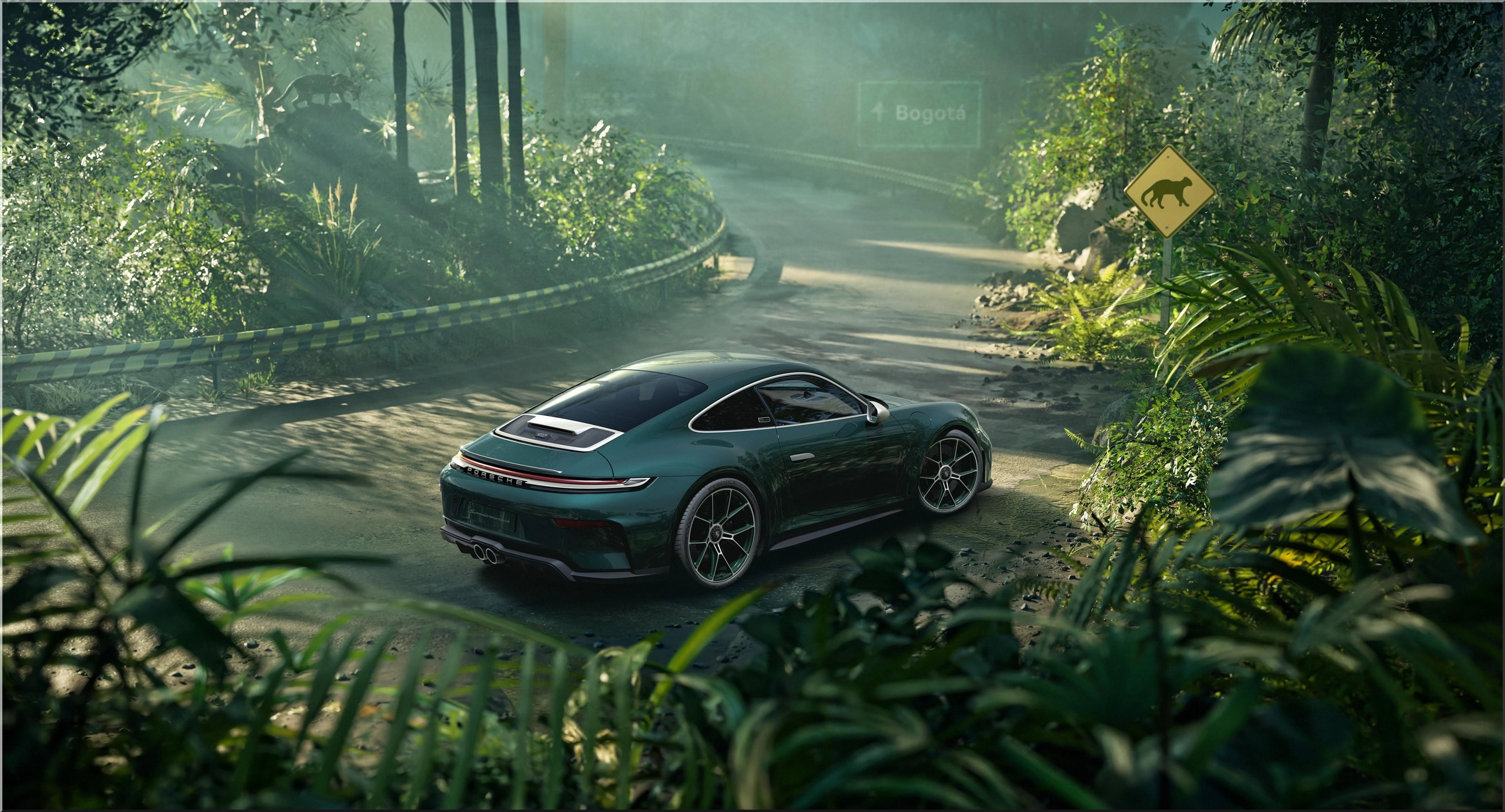
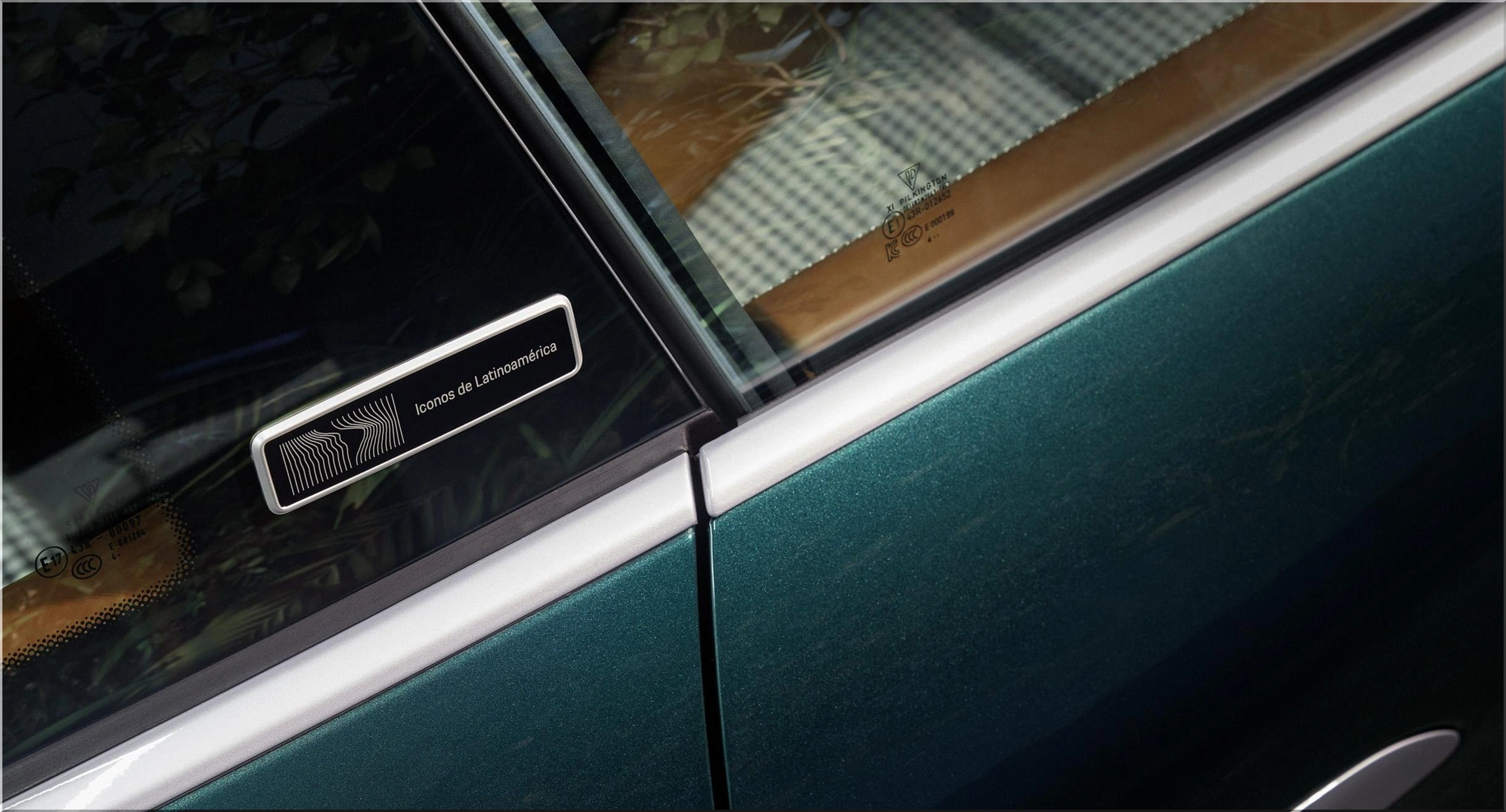
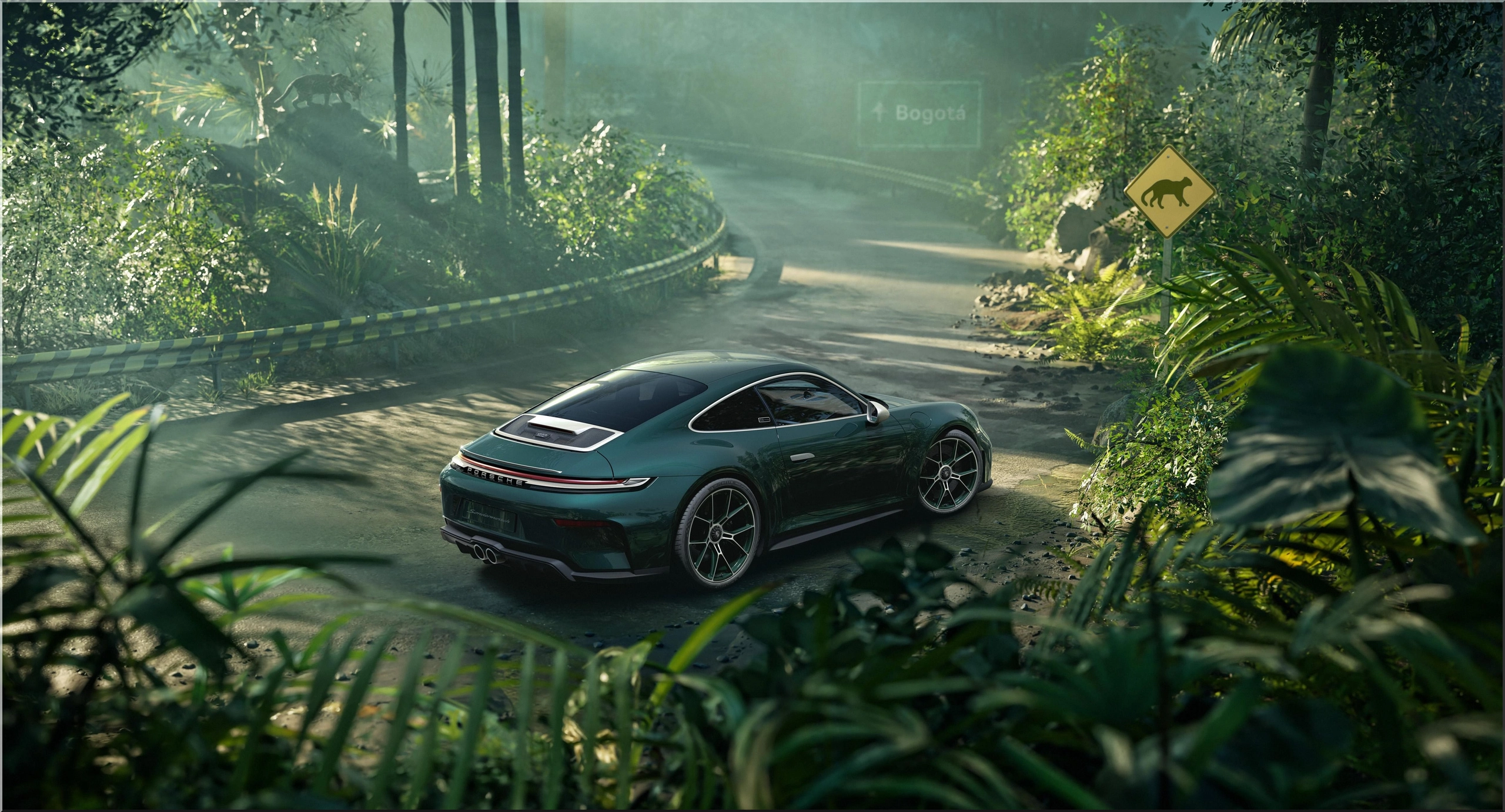
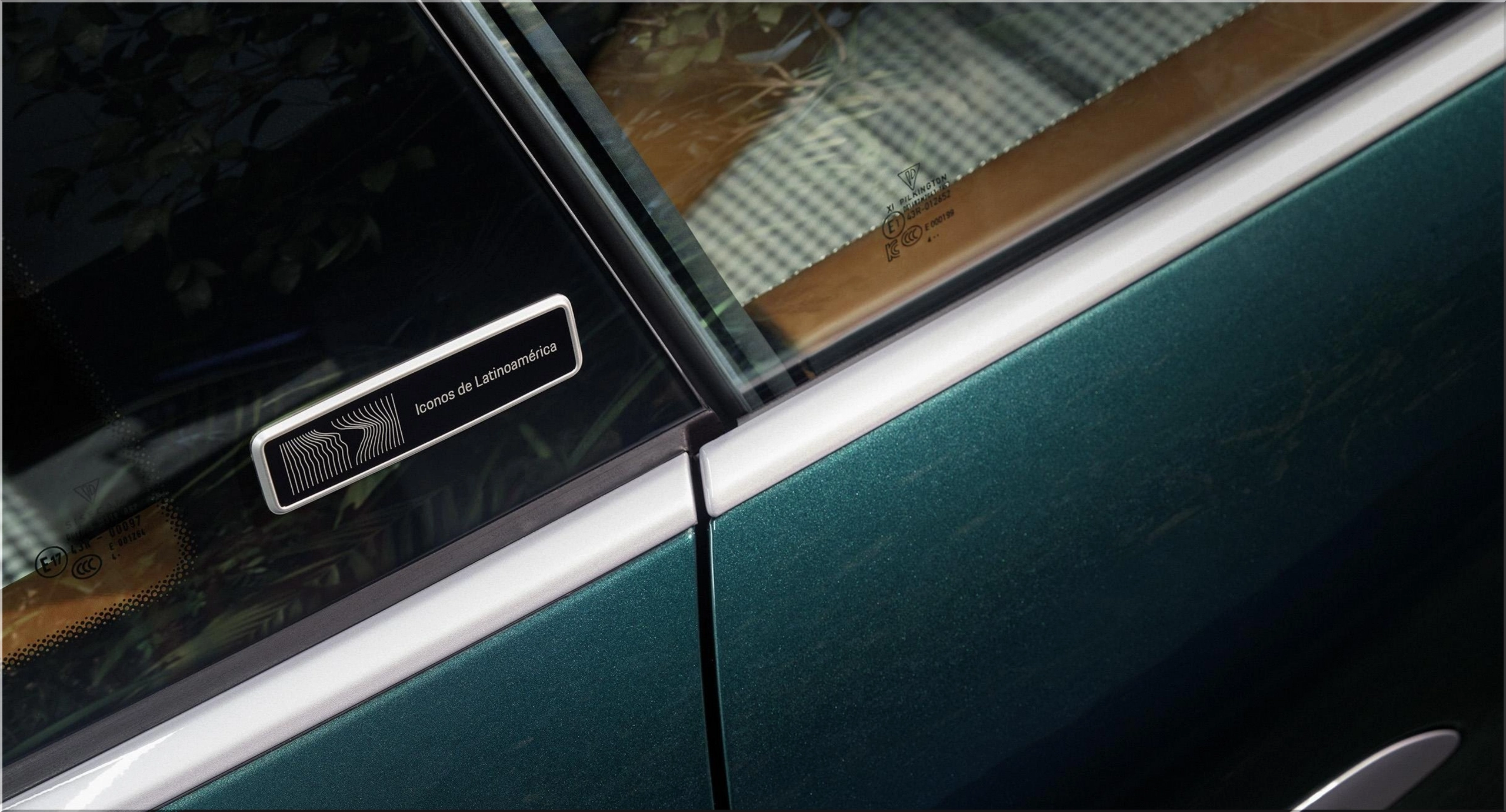
In 2025, Porsche Latin America marked its 25th anniversary with a bold statement — the launch of the Icons of Latin America program. This new initiative from the Sonderwunsch division focuses on one-of-a-kind creations celebrating the region’s culture and natural diversity. The debut project, the 2025 Porsche 911 GT3 Touring “Ocelot”, draws inspiration from Colombia’s Amazon rainforest and its elusive namesake, the ocelot.
The Ocelot edition was developed to honor two milestones: 25 years of Porsche Latin America and 30 years of Autoelite, Porsche’s importer in Colombia. Every aspect of this bespoke 911 GT3 reflects both heritage and modern performance.
Design That Reflects the Amazon
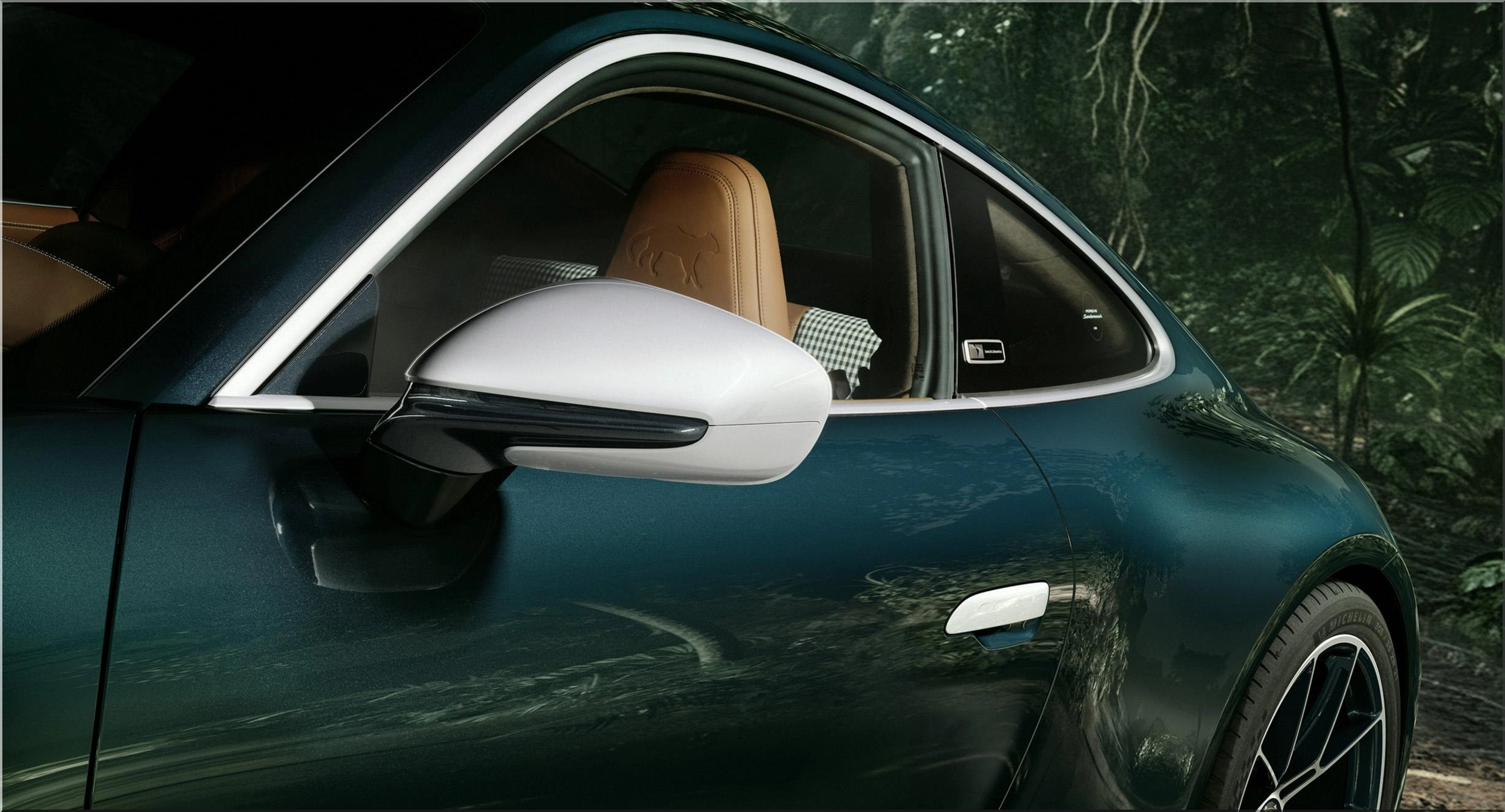
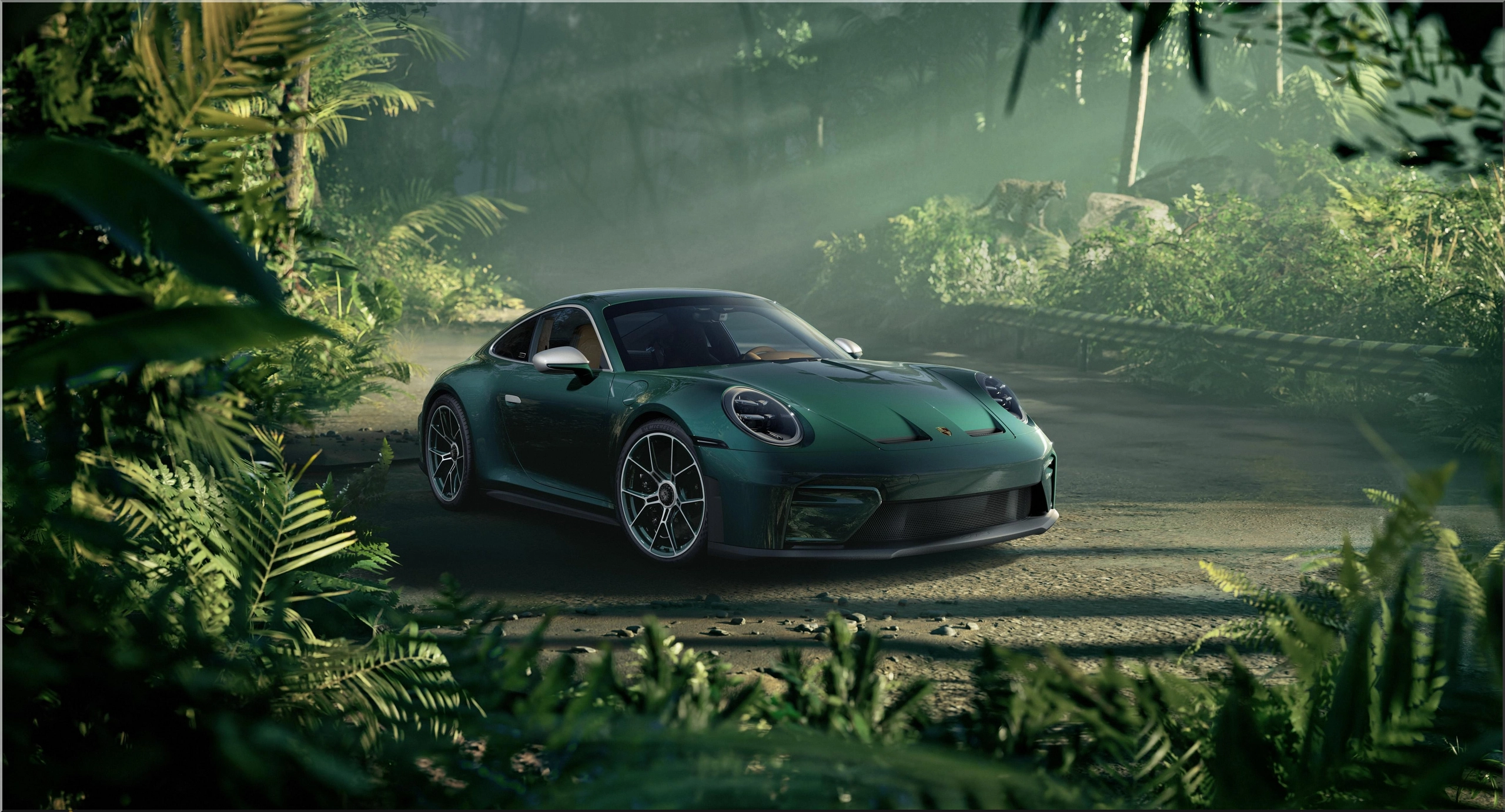
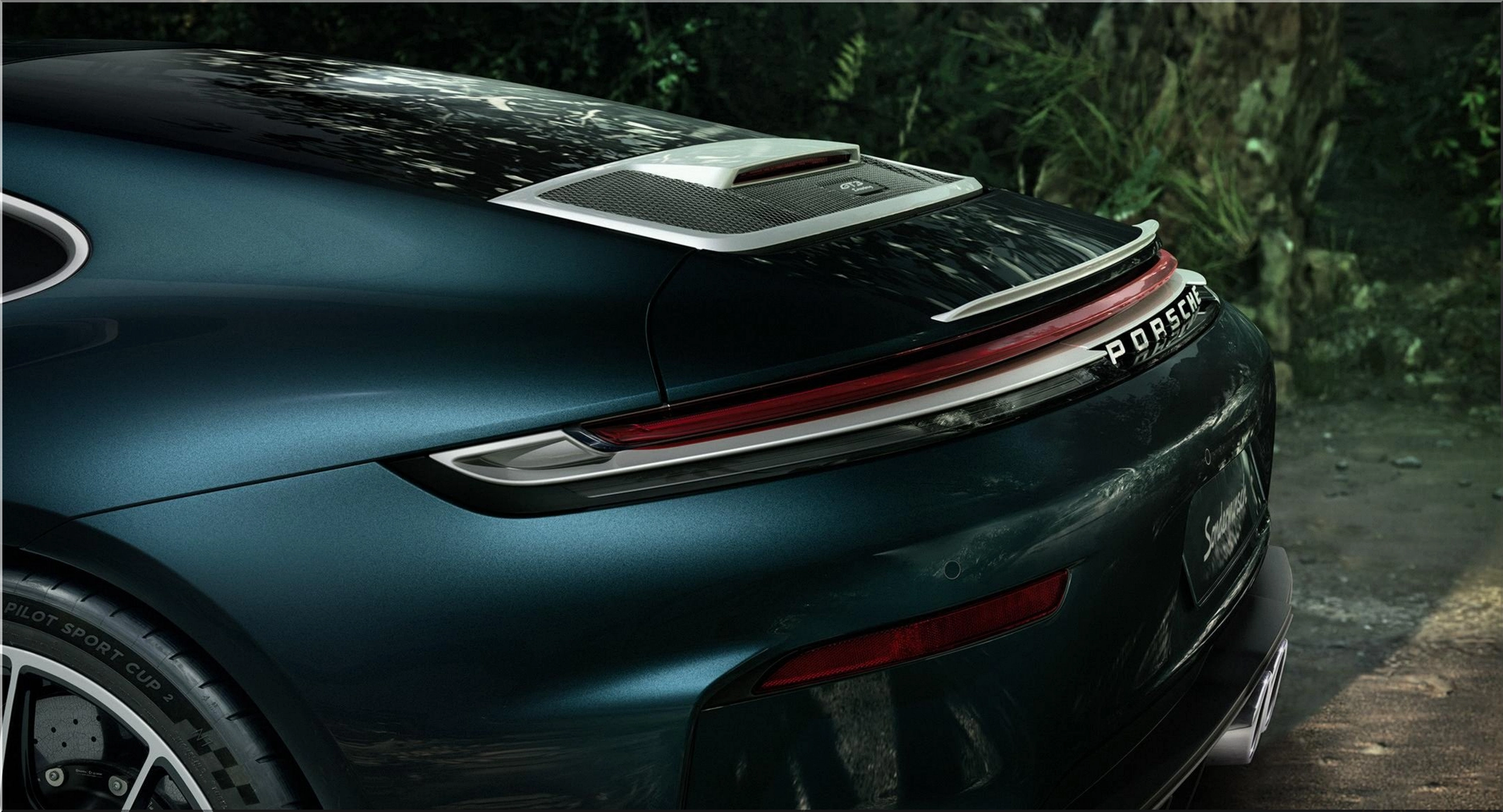
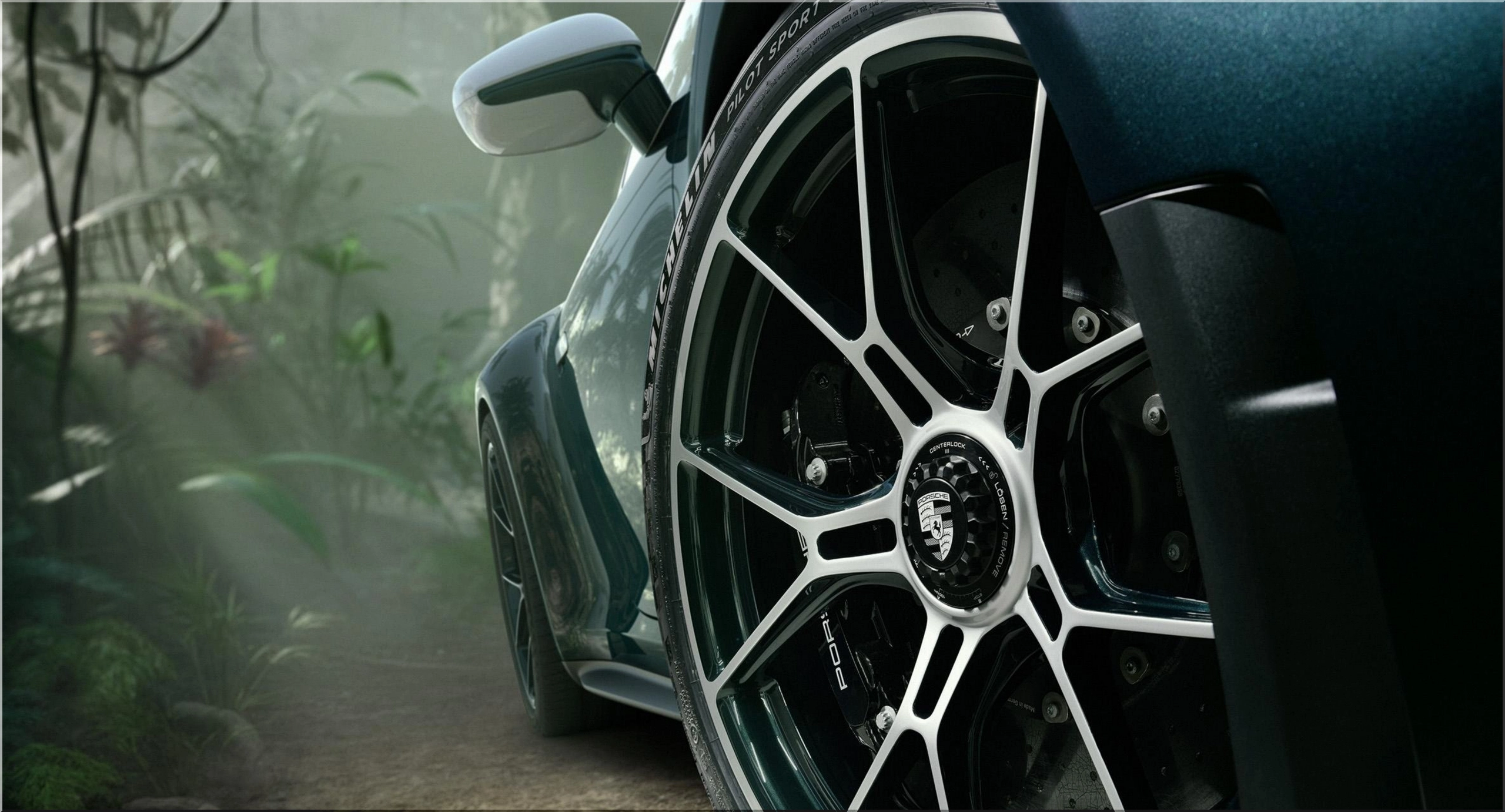
The exterior of the 911 GT3 “Ocelot” is finished in Forest Green Metallic, a Paint to Sample hue (code 2B4) inspired by the Amazon’s layered foliage. The finish shifts tone under changing light — from deep shadow to shimmering green — much like the forest canopy it represents.
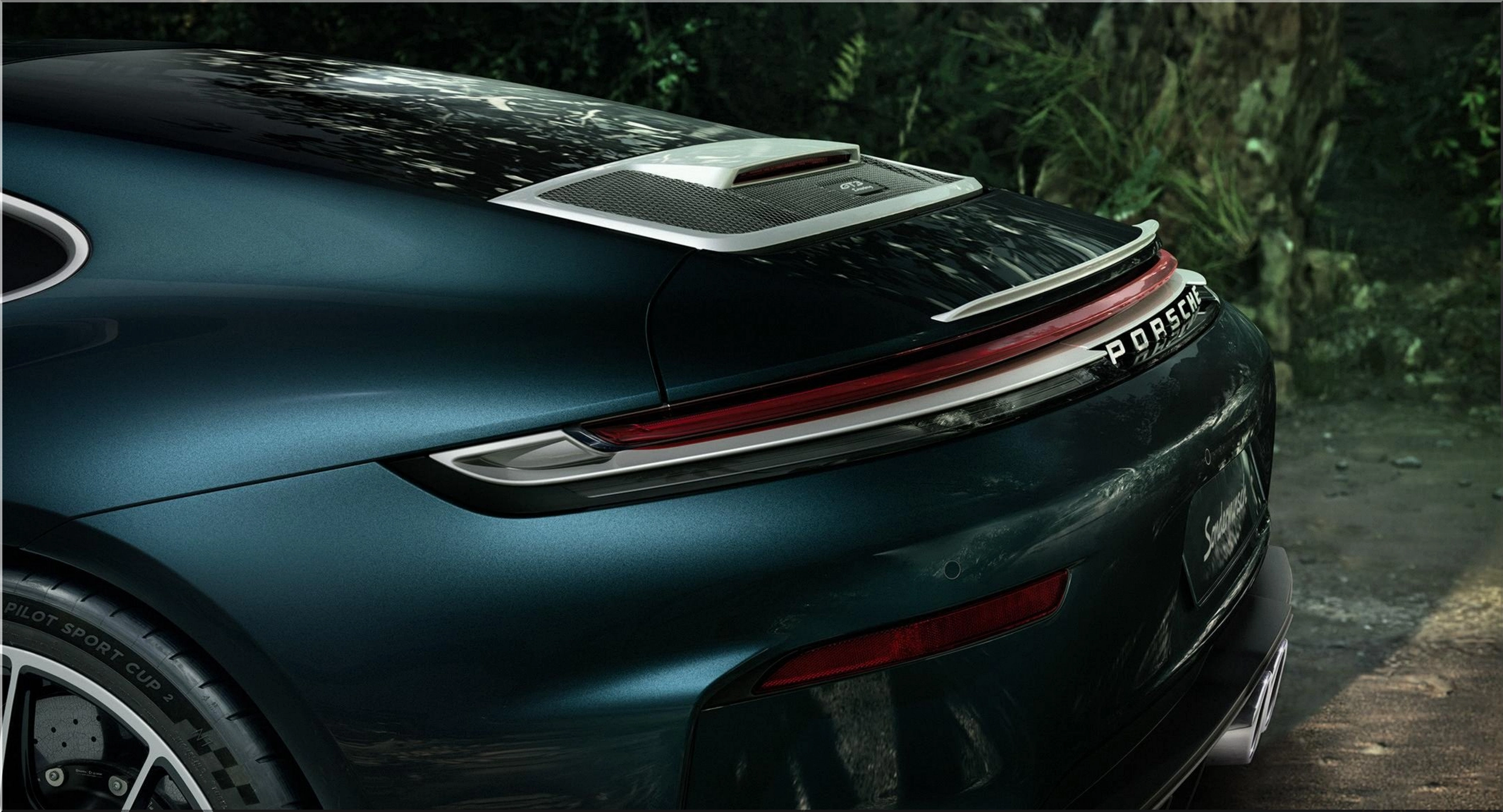
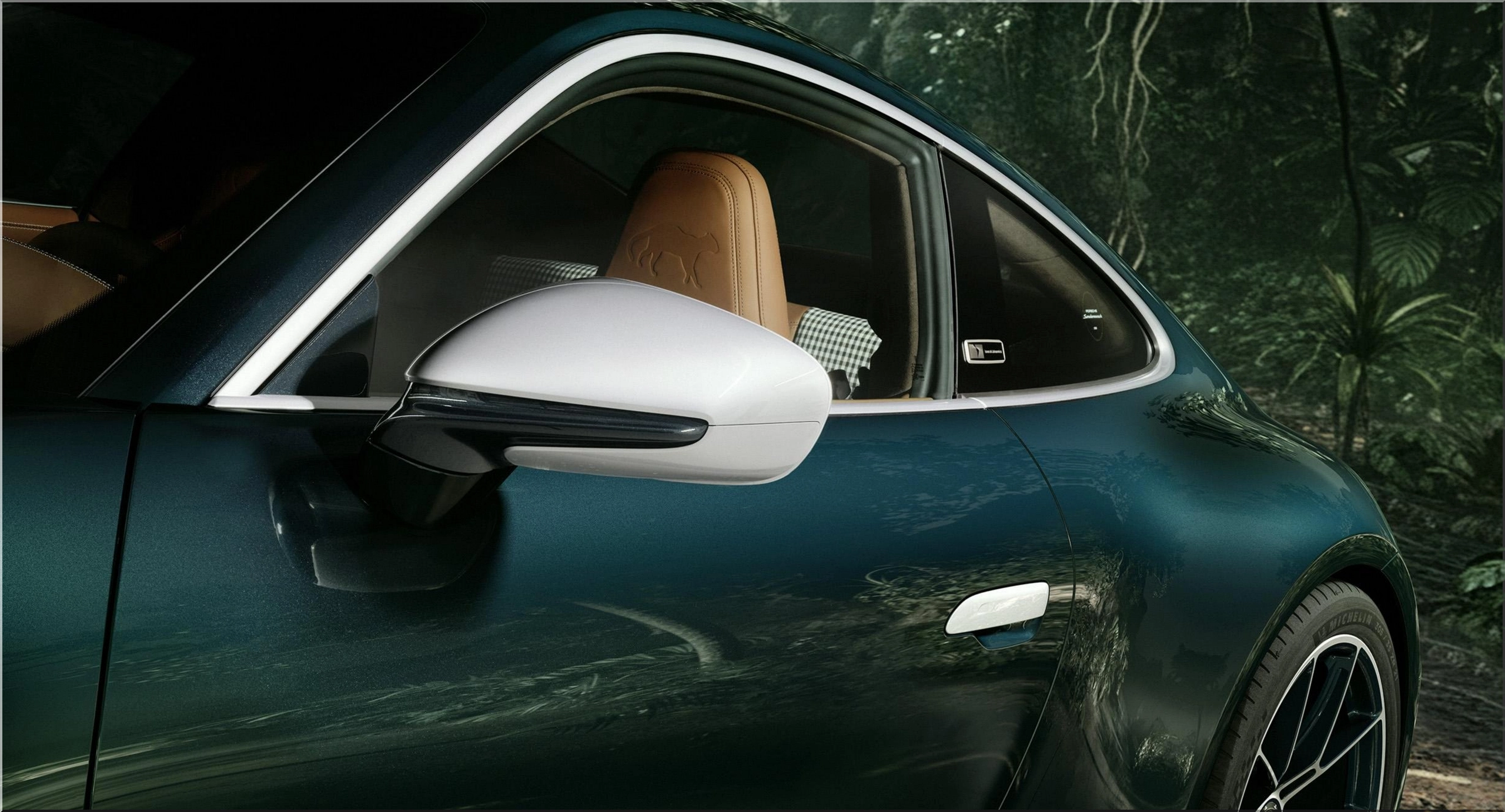
Complementing this, Centenaire Silver accents appear on the door handles, side mirrors, intake grilles, and rear logo. These touches recall the chrome trim found on classic 1960s Porsche 911 models, establishing a visual link between modern craftsmanship and Porsche’s historical design language.
Key Exterior Details
- Base model: 2025 Porsche 911 GT3 Touring
- Primary color: Forest Green Metallic (Paint to Sample)
- Accent color: Centenaire Silver
- Wheel design: 20/21-inch forged aluminum wheels in Forest Green Metallic with silver detailing
- Estimated price: $240,000 USD (approximate, depending on configuration)
Every design decision reinforces the link between Porsche’s German engineering precision and Latin American identity — a balance of performance and artistry.
Interior: Where the Ocelot Comes Alive
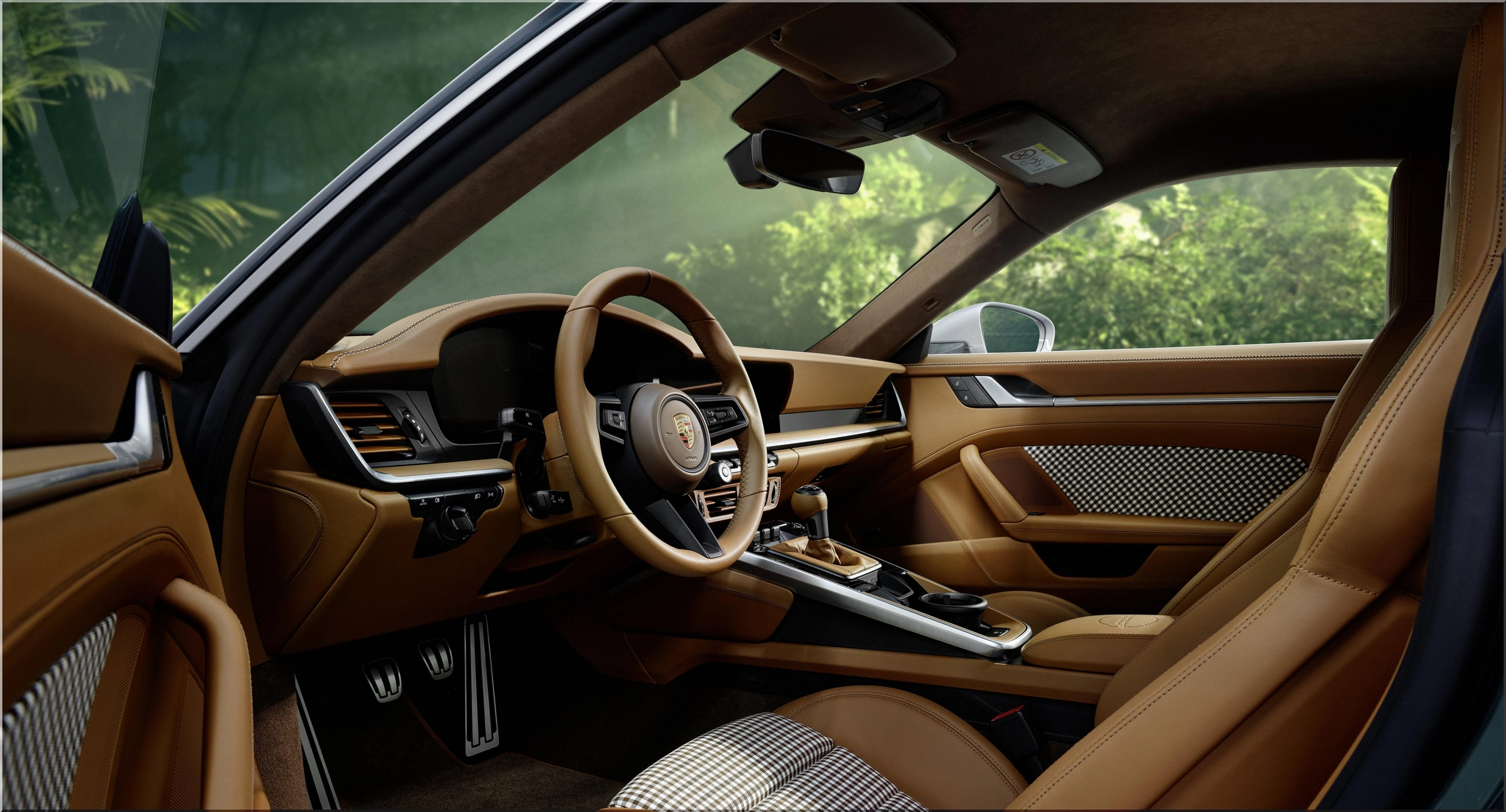
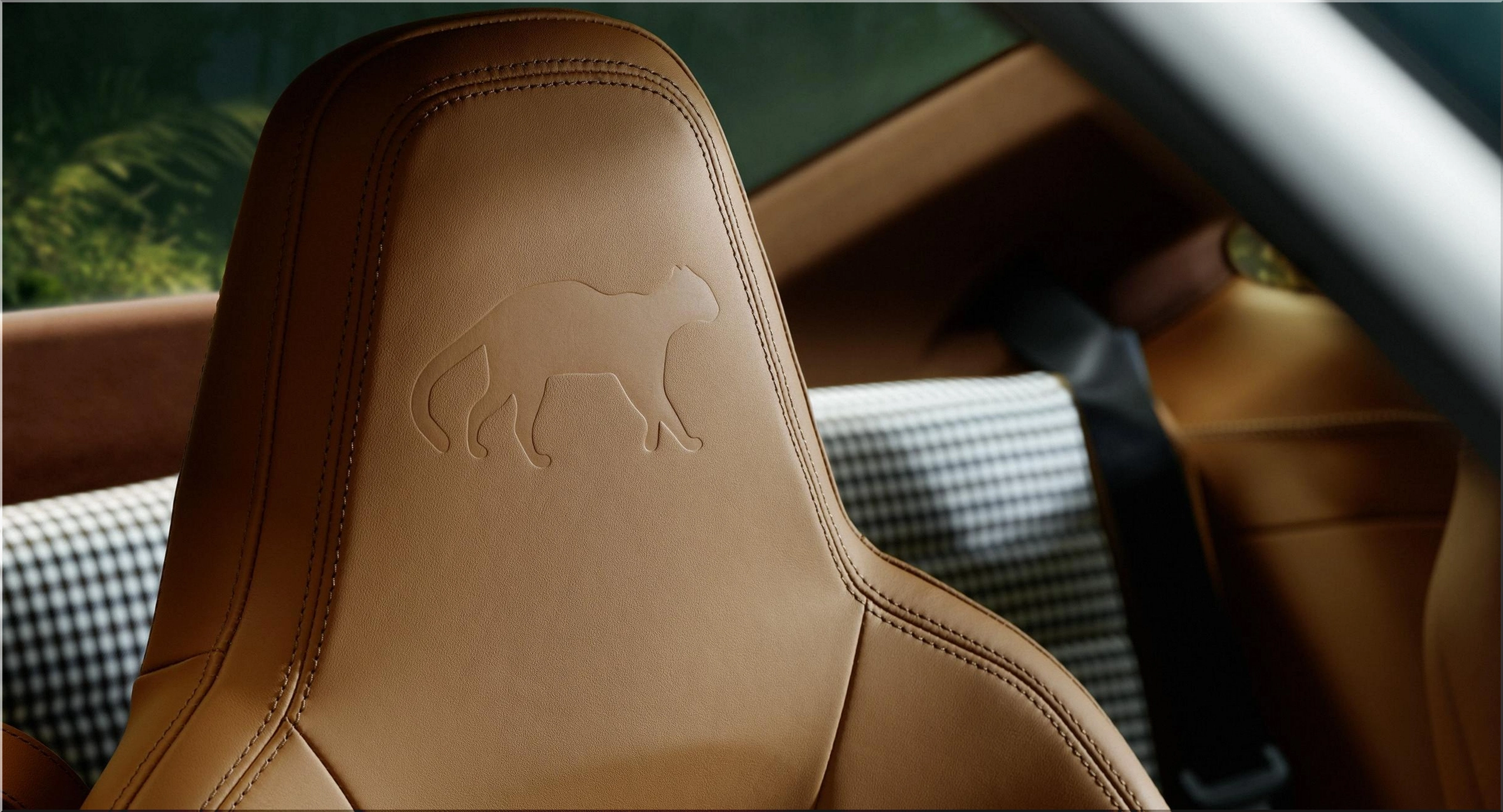
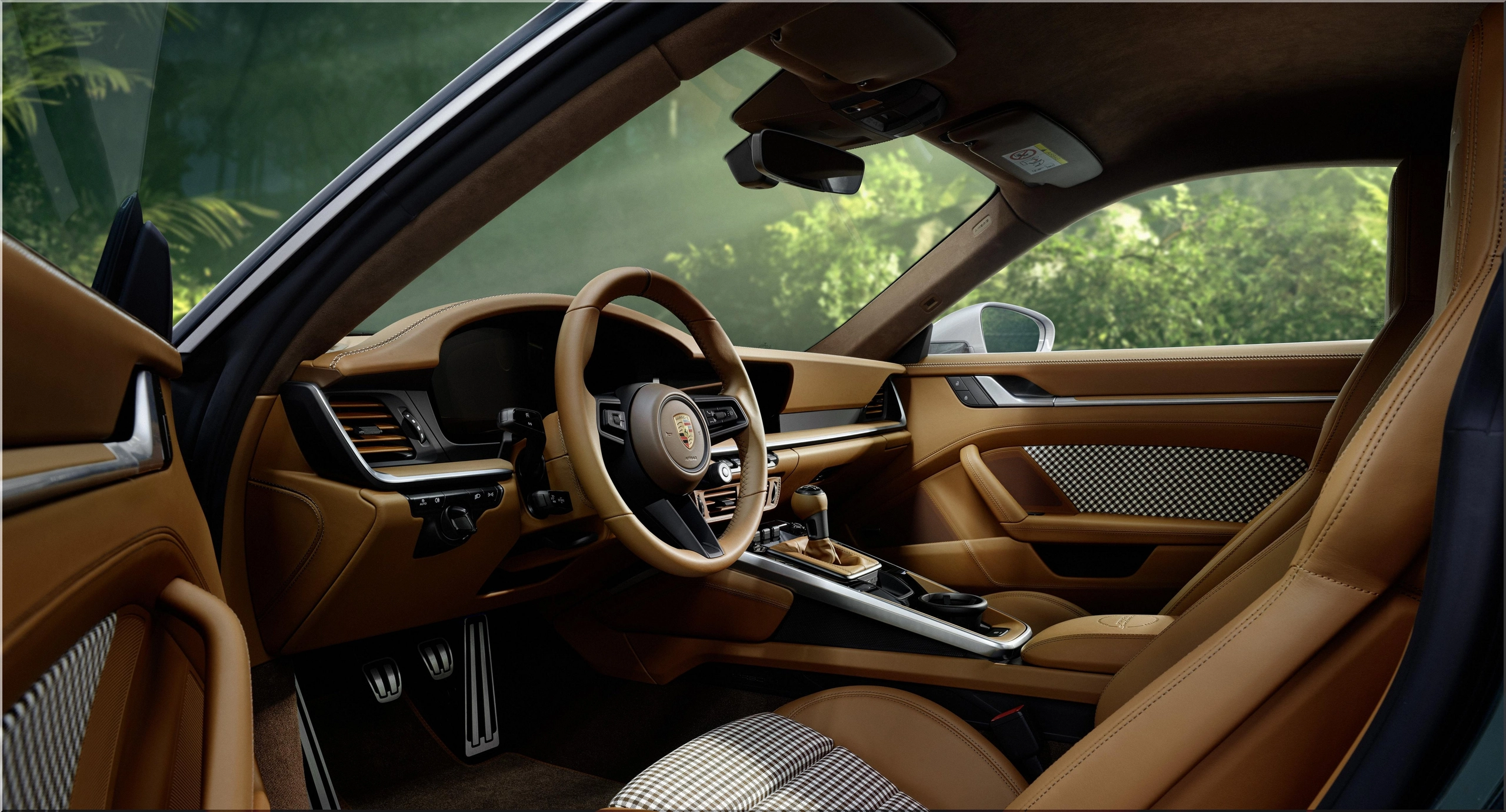
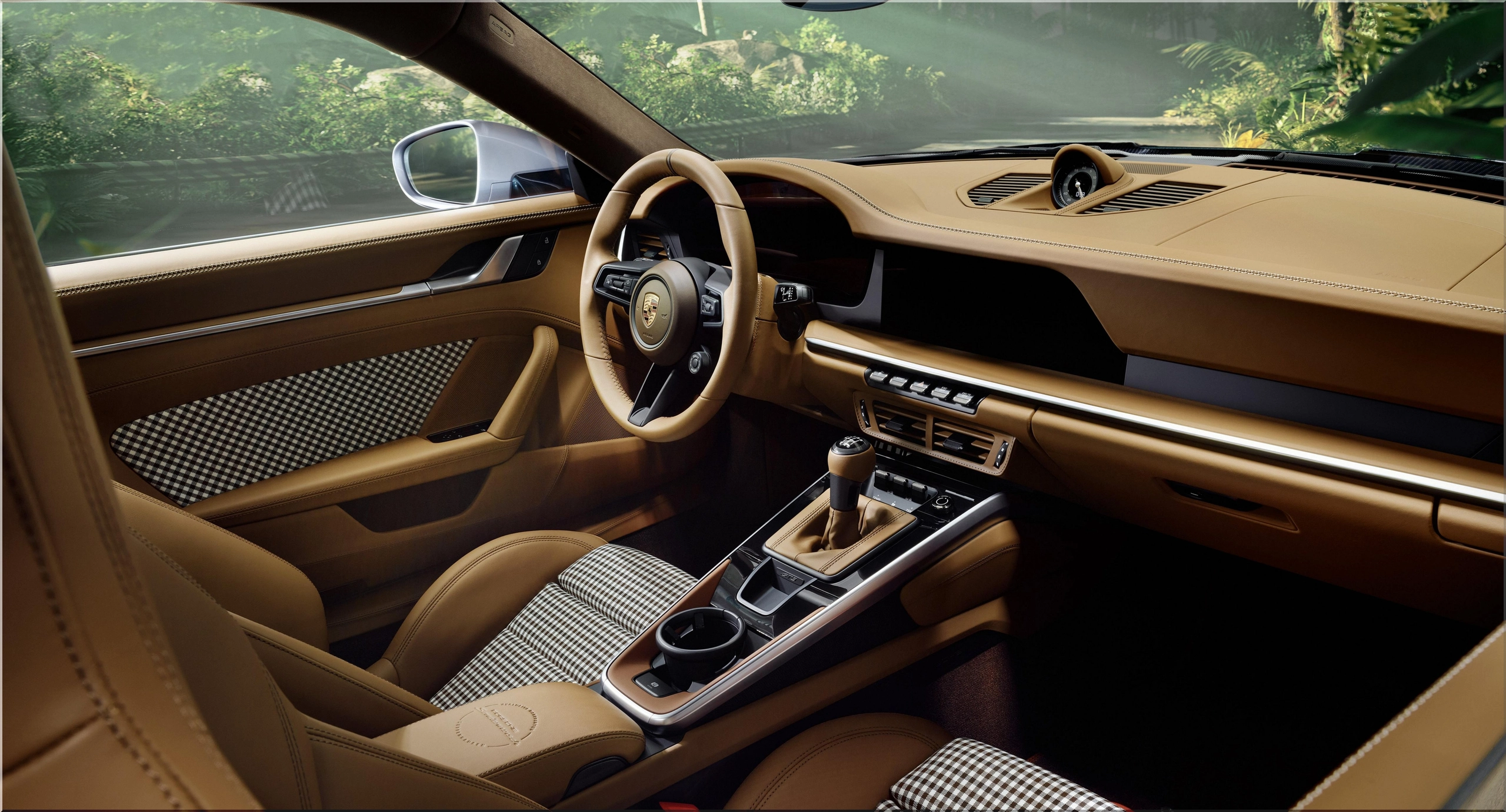
Inside, the design moves from the forest canopy to its most symbolic creature — the ocelot. The cabin uses Cohiba Brown leather with Crema and Truffle Brown cross-stitching, capturing the pattern and warmth of the ocelot’s fur.
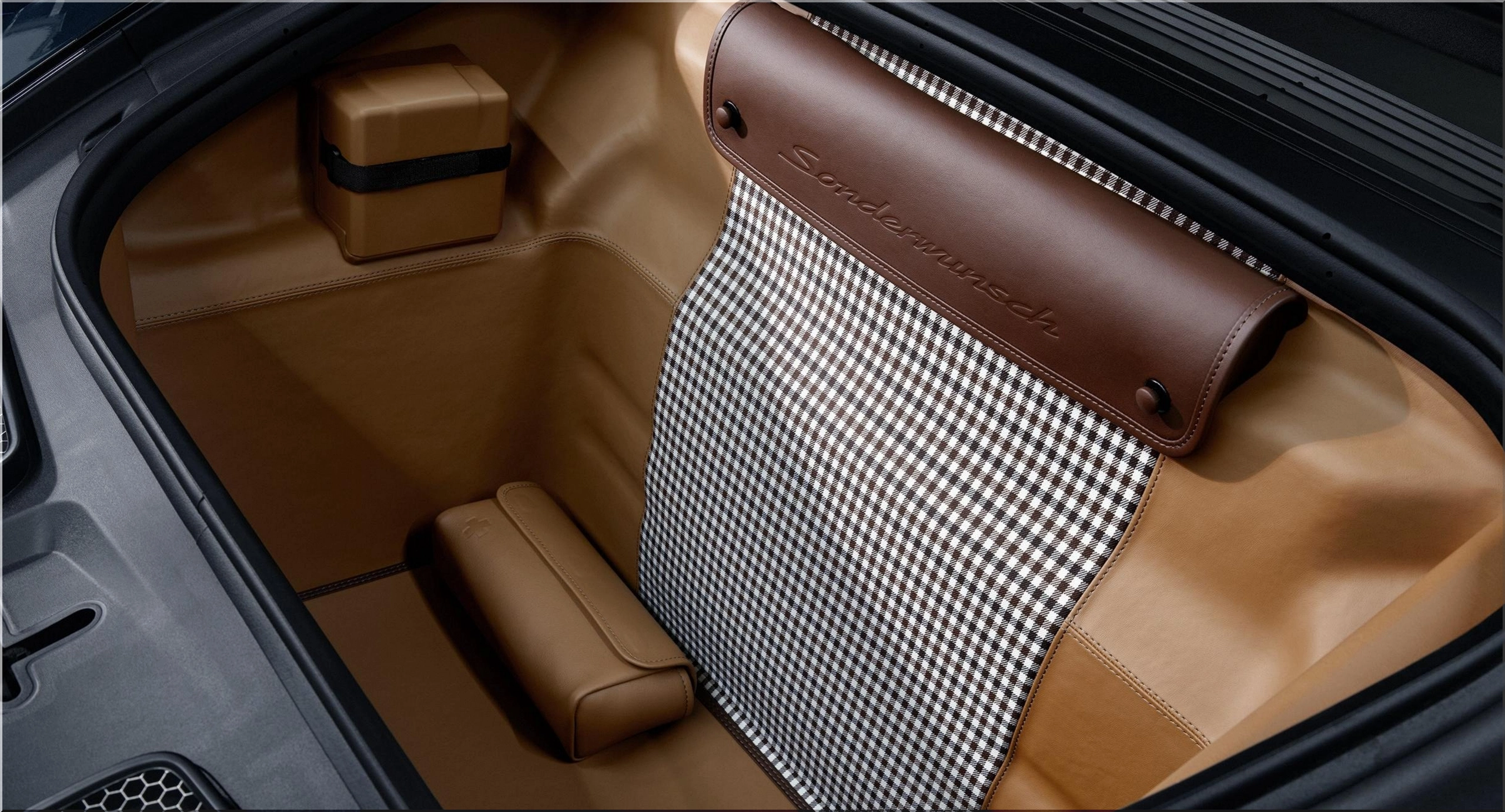
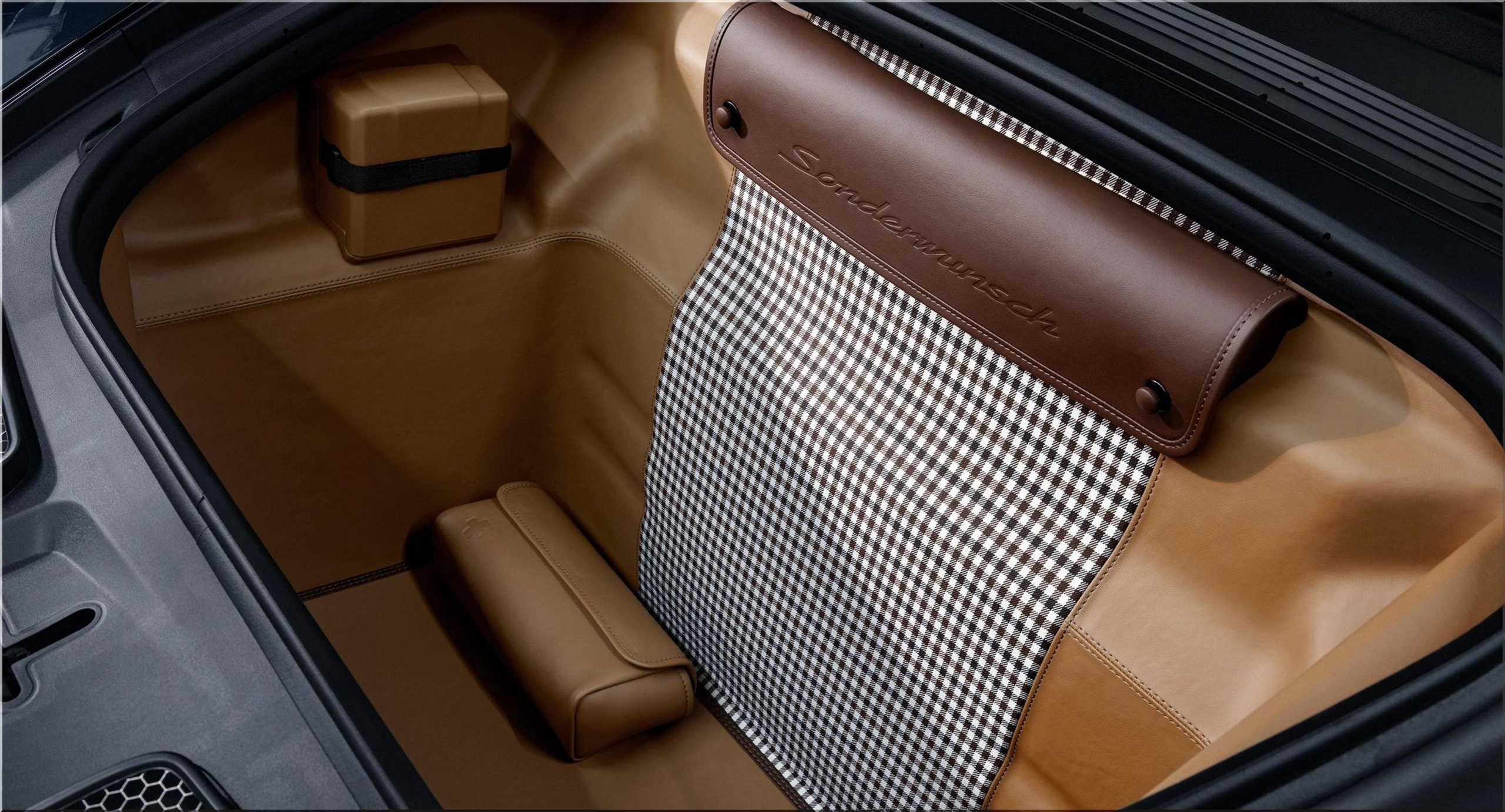
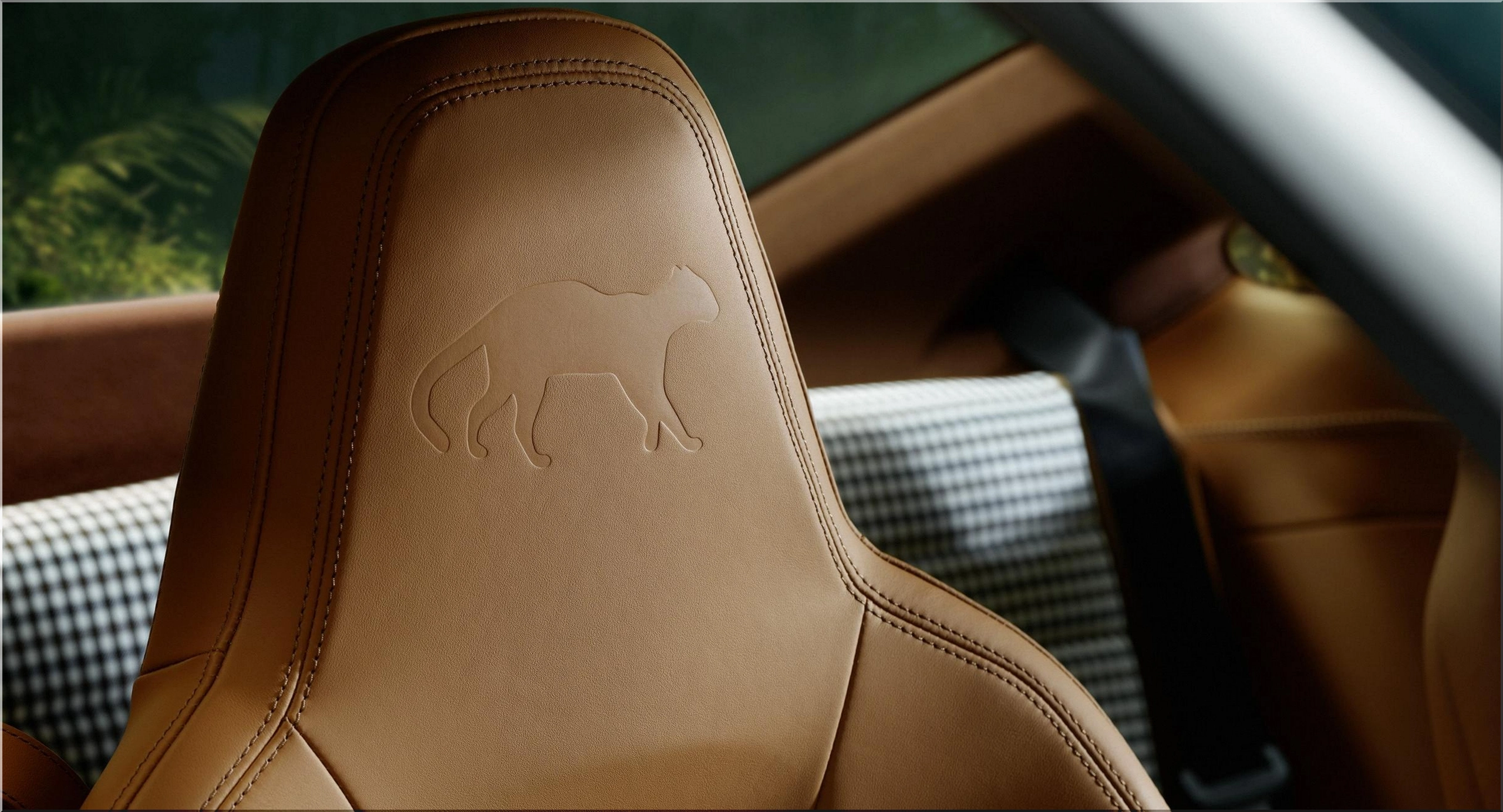
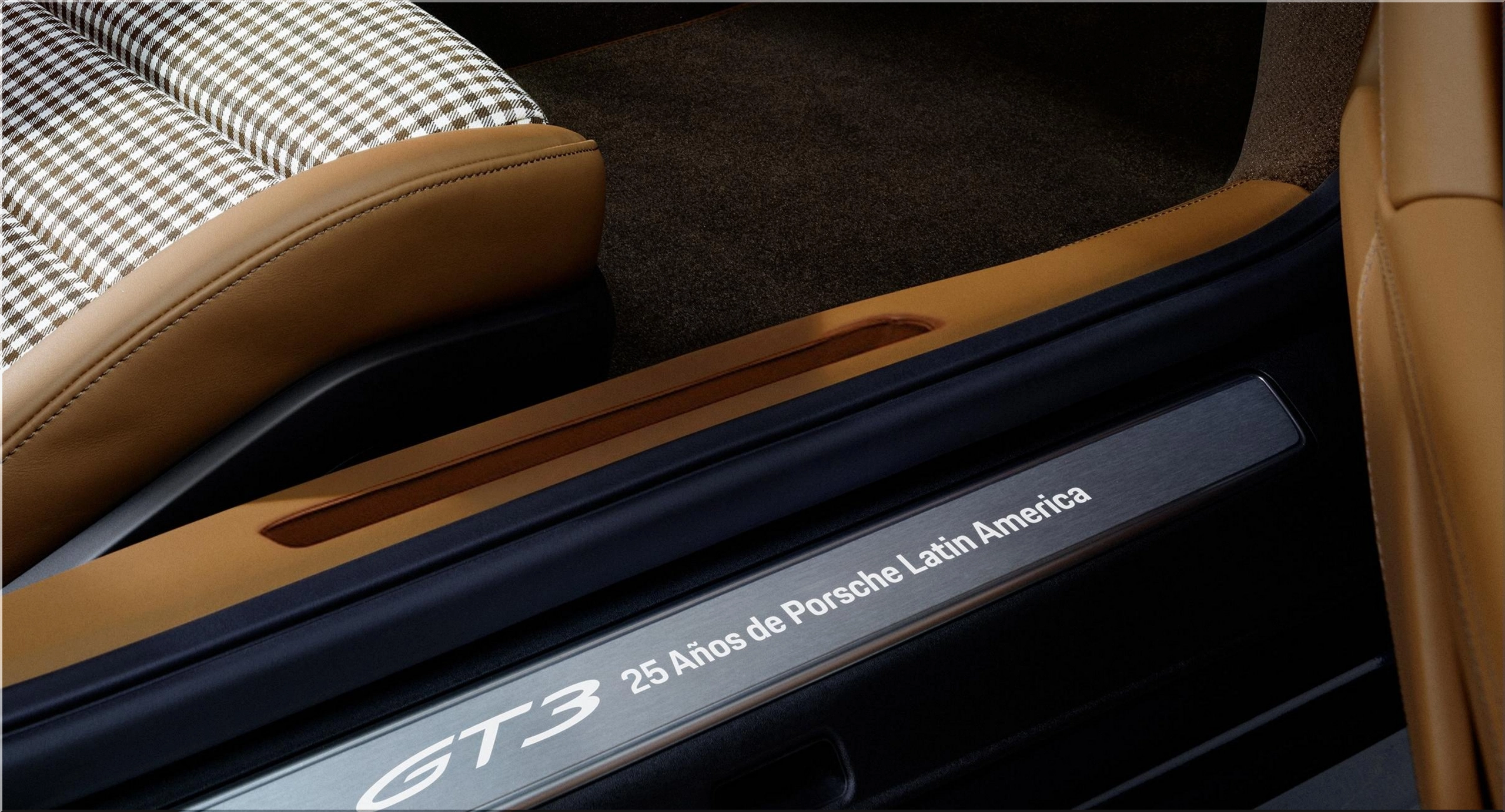
The Sports Seats combine Cohiba Brown leather with Pepita fabric centers in Truffle Brown, Black, and Cream White, echoing both Porsche’s heritage and the wild cat’s rosette patterns. Each headrest carries an embossed ocelot silhouette, inspired by Colombian wildlife crossing signs. This small detail links craftsmanship with environmental awareness.
Notable Interior Features
- Primary upholstery: Cohiba Brown leather
- Seat center fabric: Pepita pattern (Truffle Brown, Black, Cream White)
- Trim details: Crema and Truffle Brown stitching
- Headrests: Embossed ocelot silhouette
- Steering wheel: Cohiba Brown leather with a Truffle Brown 12 o’clock marker
- Roof liner: Race-Tex in Truffle Brown
- Door sills: Illuminated with “30 Años de Autoelite” and “25 Años de Porsche Latin America”
Every component, down to the leather-lined front luggage compartment, was finished to match. The result feels more like a handcrafted watch interior than a performance car’s cockpit.
The Sonderwunsch Program: Customization Reinvented
Porsche’s Sonderwunsch (special wishes) program dates back to the late 1970s. In its modern form, it allows clients to co-create individual vehicles alongside Porsche’s designers and engineers. The process includes Paint to Sample Plus, where Porsche develops custom paint formulations to match a client’s vision, and retrofitting options for older vehicles.
For the 911 GT3 Ocelot, the Sonderwunsch team used this process to reinterpret Colombian culture through automotive design. The approach combines customer collaboration, brand heritage, and sustainability awareness — a framework Porsche plans to replicate for future “Icons of Latin America” models.
Sonderwunsch Program Highlights
- Paint to Sample Plus: Unique color creation for new vehicles.
- Interior Redesign: Custom stitching, leather, and materials.
- Exterior Modifications: Trim, wheel, and paint personalization.
- Restoration Options: Modern upgrades for classic Porsche models.
Engineering Integrity Meets Artistry
Beneath its rainforest-inspired skin, the 911 GT3 Touring “Ocelot” remains a track-bred machine. Powered by a 4.0-liter naturally aspirated flat-six engine, it delivers 502 horsepower and a redline of 9,000 rpm. A six-speed manual transmission transfers power to the rear wheels, offering purists the driving experience they value most.

Performance Specifications
| Specification | Value |
|---|---|
| Engine | 4.0L flat-six |
| Power | 502 hp |
| Transmission | 6-speed manual |
| Drive layout | Rear-wheel drive |
| 0–60 mph | 3.7 seconds (est.) |
| Top speed | 199 mph |
| Fuel consumption (WLTP) | 13.8–13.7 l/100 km |
| CO₂ emissions | 312–310 g/km |
The GT3 Touring variant omits the fixed rear wing, favoring cleaner aerodynamics and a more restrained look. Yet, it retains the double-wishbone front suspension, rear-axle steering, and track-derived chassis tuning that define the GT3 lineup. The Ocelot edition proves that personalization need not compromise performance.
A Cultural and Corporate Milestone
The Icons of Latin America initiative goes beyond aesthetics. It signals Porsche’s strategic commitment to Latin America’s growing luxury market. Over the past decade, the brand has expanded its regional network, capitalizing on rising demand for high-performance sports cars and SUVs in Mexico, Colombia, Chile, and Brazil.
By tying this project to Colombia — one of Latin America’s most biodiverse nations — Porsche sends a clear message: heritage and innovation can coexist in modern luxury mobility. The 911 GT3 “Ocelot” acts as a bridge between German precision and Latin American expression.
Conclusion: Porsche’s Global Personalization Future
The Porsche 911 GT3 “Ocelot” marks a turning point for Sonderwunsch’s global strategy. With the Icons of Latin America series, Porsche is testing how local culture can shape future bespoke models without diluting engineering integrity.
Each element — from the Forest Green Metallic paint to the ocelot-embossed headrests — reinforces a single message: customization can respect tradition while serving performance.
If Porsche continues on this path, the Sonderwunsch program could redefine what individualization means in the age of electric and hybrid performance cars.
- Add new comment
- 159 views