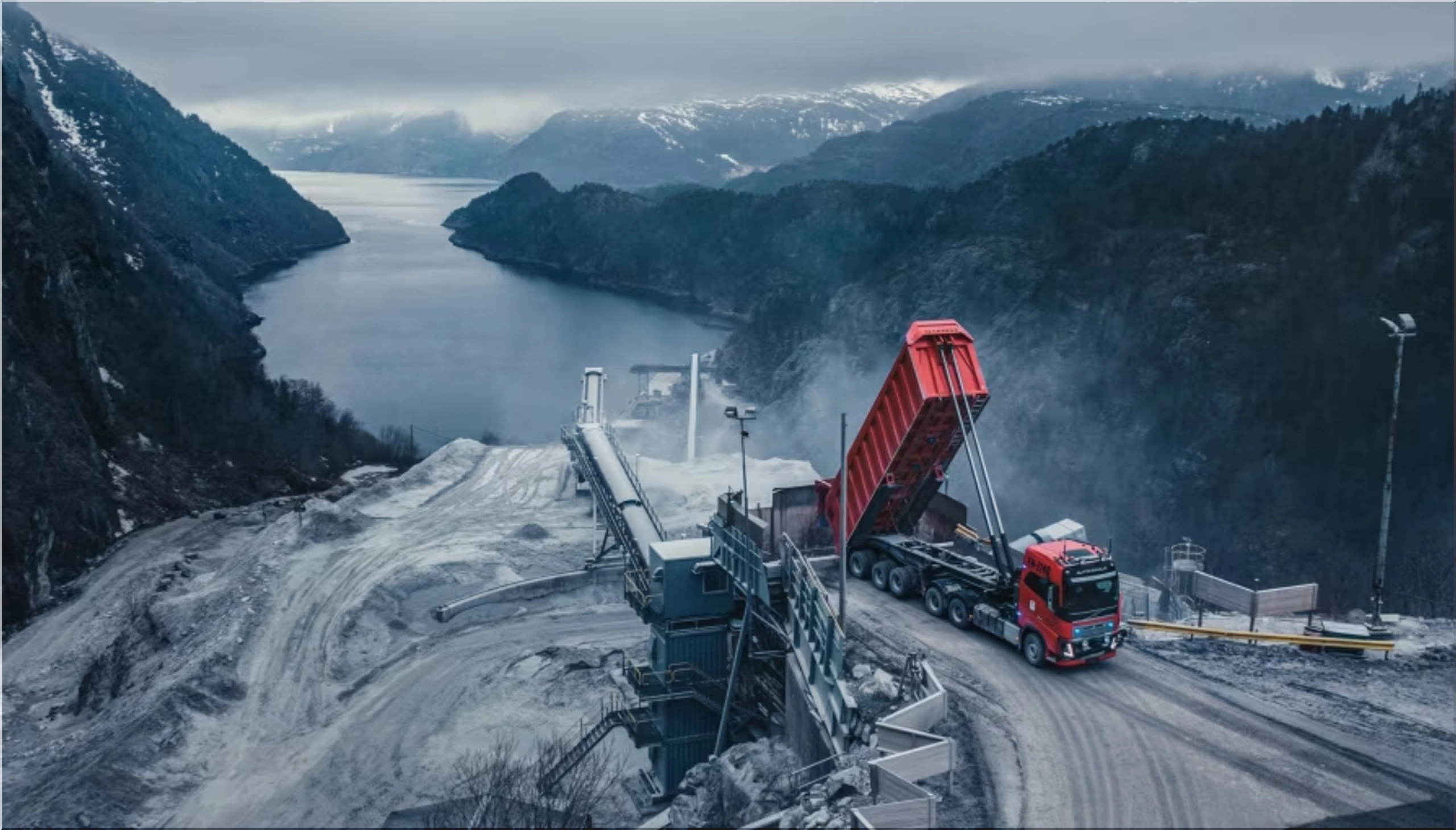
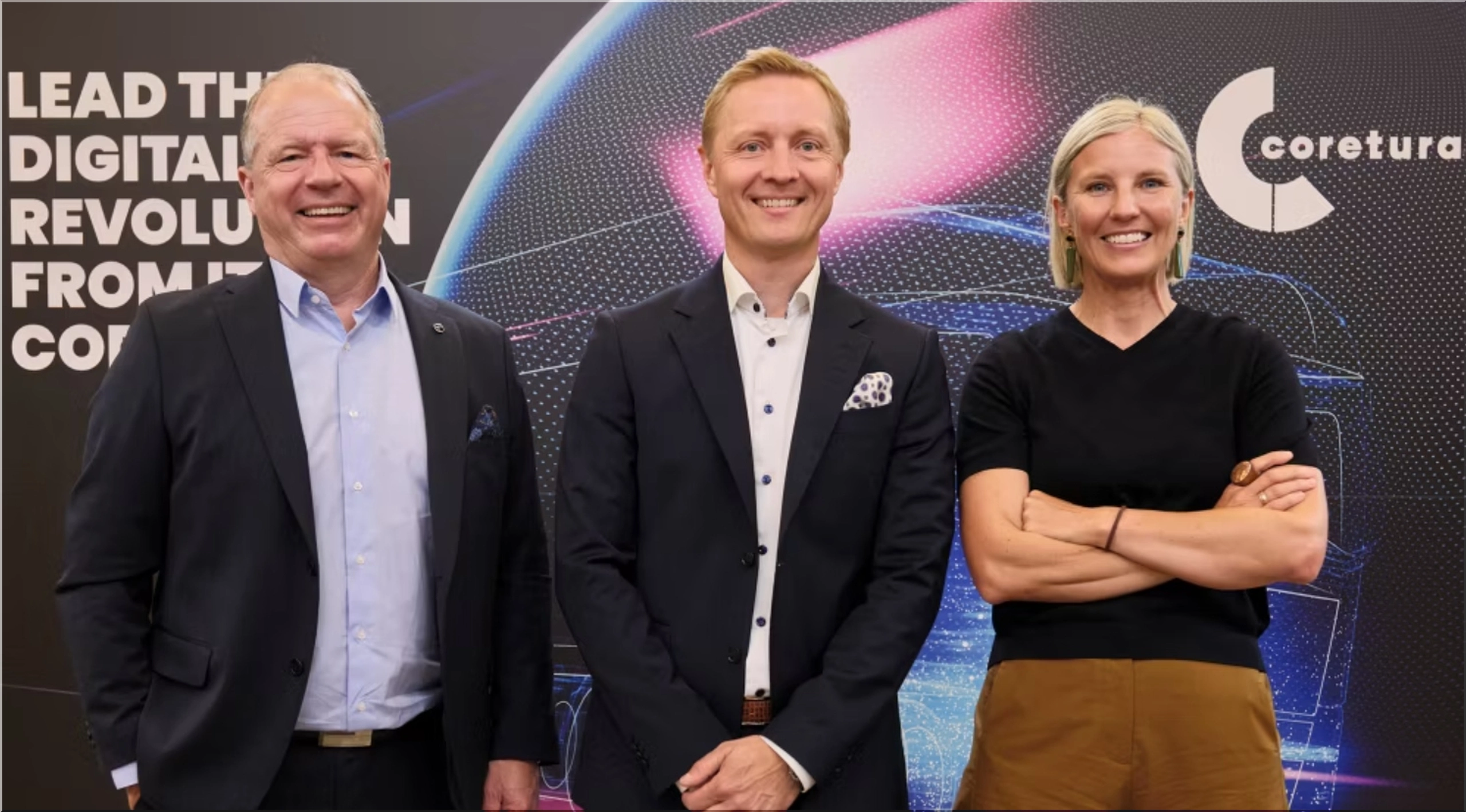
Volvo Group and Daimler Truck have officially launched Coretura AB, a new joint venture focused on developing a shared software-defined vehicle (SDV) platform. The new company began operations on June 2, 2025, with headquarters in Gothenburg, Sweden.
Why Coretura Matters
Unified Platform Cuts Costs and Speeds Delivery
- Standardized hardware and software reduce redundancy and supplier overlap.
- Over-the-air updates decouple software and hardware development cycles.
- Joint development reduces R&D costs and increases scale.
Flexible Operating System for OEM Independence
Coretura provides a neutral operating system for digital functions. Both OEMs can build their own user experiences and apps while sharing core components.
Technical Blueprint of Coretura
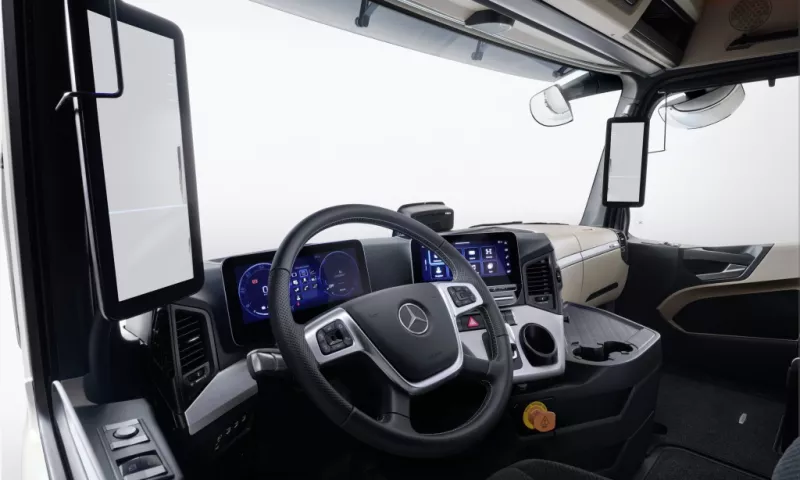
Central Computer Architecture
- Focus on high-performance control units.
- Manages data streams across truck systems.
- Acts as the digital control hub for new features.
Over-the-Air Updates
- Wireless delivery of software enhancements.
- Enables new feature rollouts without physical service.
- Supports faster uptime and better cost efficiency.
Timeline and Key Milestones
| Date | Milestone |
|---|---|
| May 17, 2024 | Non-binding intent to form joint venture |
| Oct 28, 2024 | Binding agreement signed |
| June 2, 2025 | Coretura officially launched |
| H1 2025 | Operational integration targeted |
Strategic Goals
Set the Industry Standard
Coretura aims to become the global benchmark for software-defined vehicle platforms in the commercial truck and bus segment. Other manufacturers may license the system.
Improve Customer ROI
Shared development lowers software costs. Fleets gain modular digital tools—paying only for the functions they use.
Speed up Tech Deployment
- Accelerates rollouts of ADAS, remote diagnostics, and fleet analytics.
- Facilitates future autonomous trucks through centralized digital architecture.
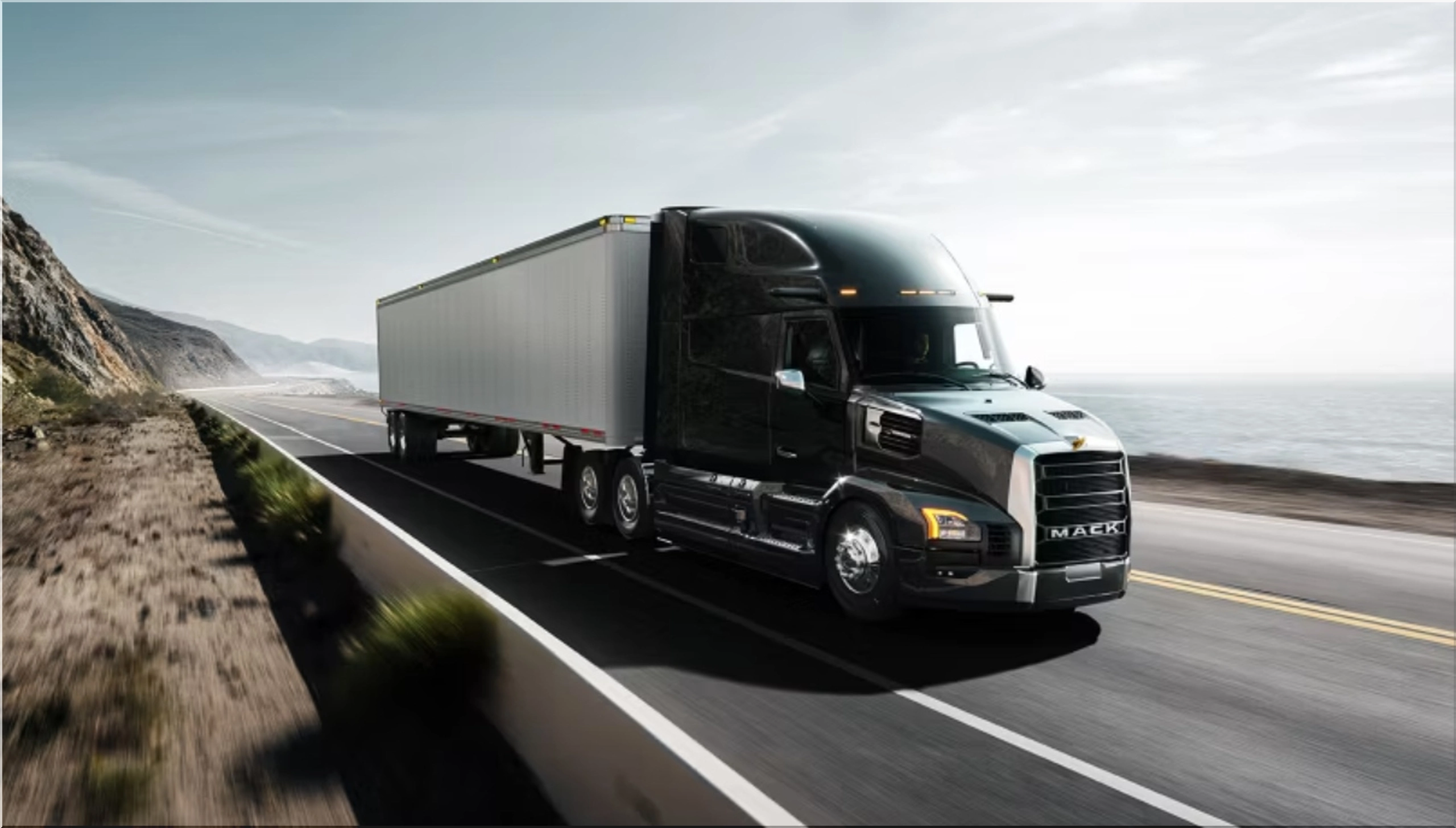
Competitive Landscape and Differentiation
Shared Platform Beats Siloed Systems
Independent development is costly. A shared SDV base streamlines delivery and cuts duplication across suppliers.
Preserve Brand Identity
Volvo and Daimler Truck maintain separate branding, digital services, and user experiences built on the shared stack.
Future-Proof Design
- Adopts industry shift toward zonal architecture and unified ECUs.
- Aligns with electric, autonomous, and connected vehicle ecosystems.
Strategic Context and Synergies
- Builds on existing Daimler–Volvo cooperation via Cellcentric (hydrogen fuel cells development).
- Supplements Flexis JV with Renault and CMA CGM (urban delivery vans).
- Complements Cespira, Volvo’s JV with Westport on clean fuel injection.
- Supports autonomy efforts with Waabi and Aurora via Volvo Autonomous Solutions.
Risks and Challenges
Regulatory Hurdles
Final clearance pending from EU and U.S. competition authorities. Target sign-off in mid-2025.
Cybersecurity Threats
The system must resist cyberattacks. OEMs will need ongoing security patching and threat monitoring.
Emerging Competition
Other alliances or Tier-1 suppliers could launch rival SDV platforms targeting the same market segments.
Conclusion
Coretura signals a shift in how heavy-duty vehicles are built and operated. It delivers shared savings, faster innovation, and OTA support. Fleets benefit from lower TCO. OEMs gain software scale. It sets a new benchmark in the commercial trucking space—and positions Volvo and Daimler Truck for future electric, hydrogen, and autonomous rollouts.
- Add new comment
- 264 views