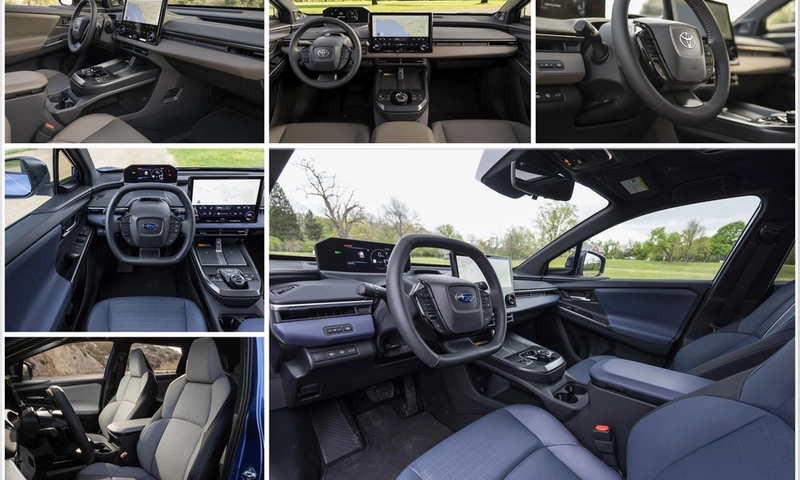
Toyota gives its full-size pickup a focused 2027 update led by the new 2027 Toyota Tundra Trailhunter, sharper front styling, a standard 14-inch touchscreen, and Toyota Safety Sense 4.0. The SR5-based overlanding package combines suspension, traction, recovery, and protection hardware under one factory warranty.
Toyota will release full 2027 Toyota Tundra specs and pricing in fall 2026. Until then, buyers should separate confirmed equipment from carryover assumptions.
What Changes on the 2027 Toyota Tundra
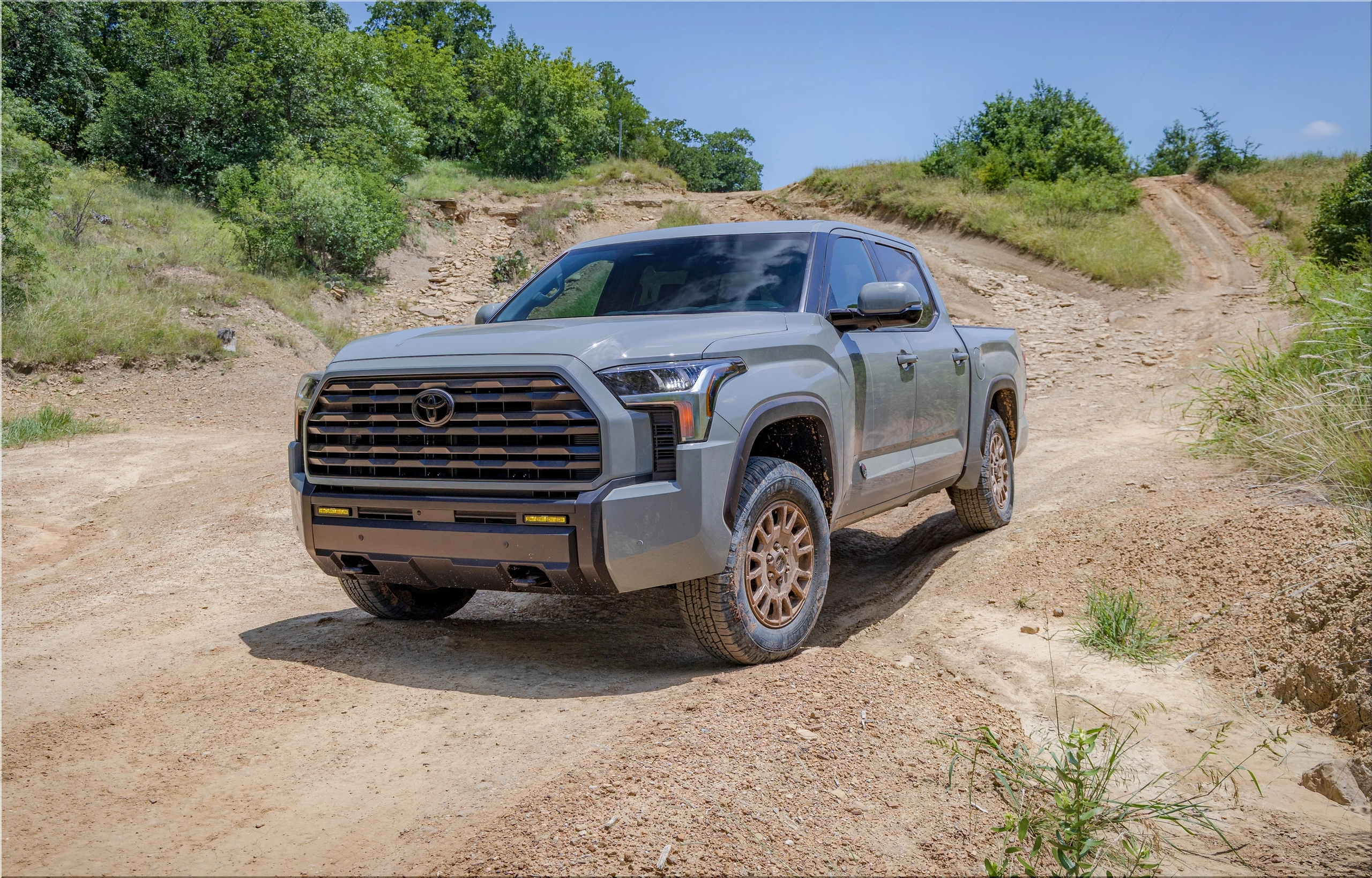
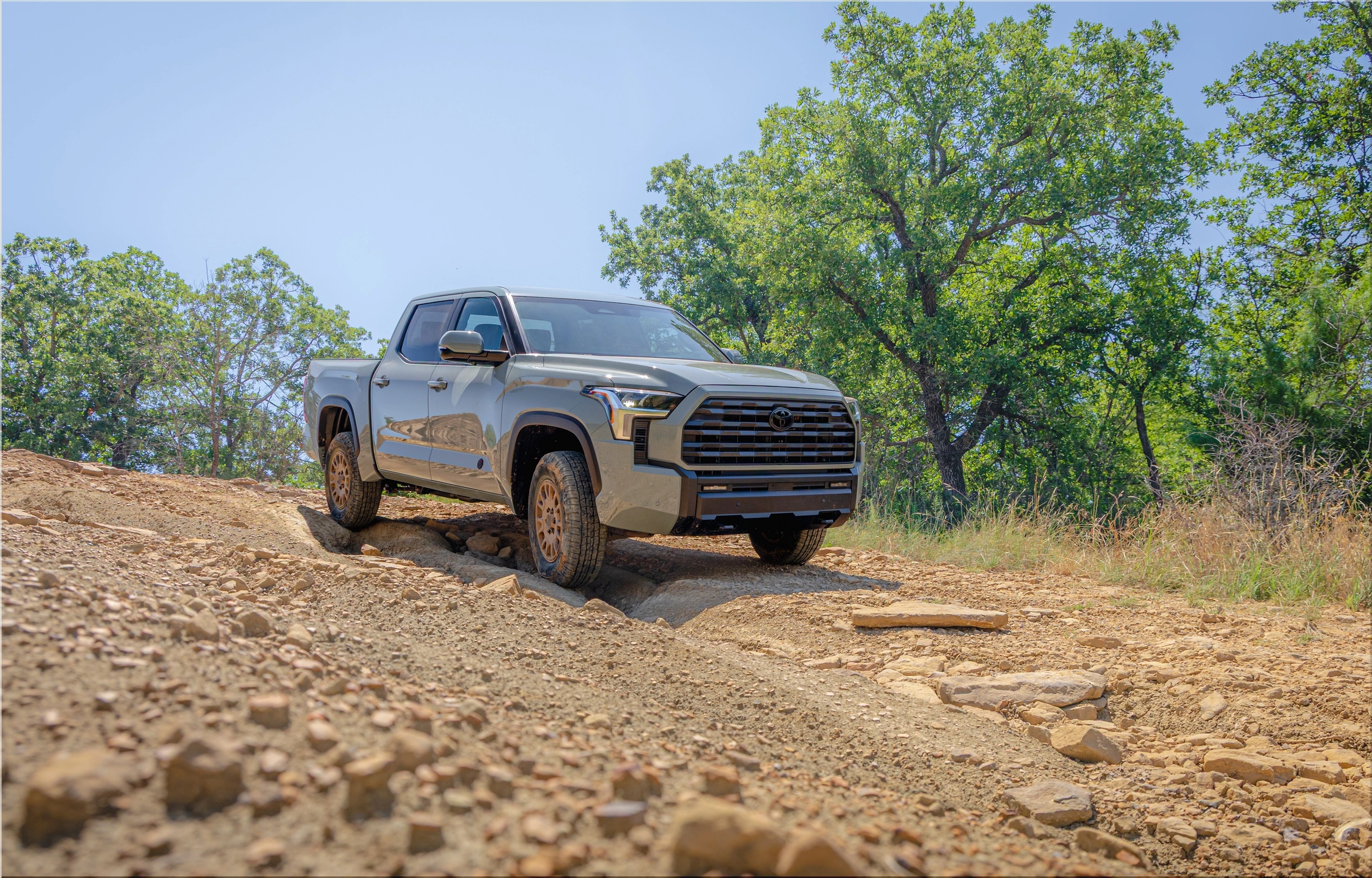
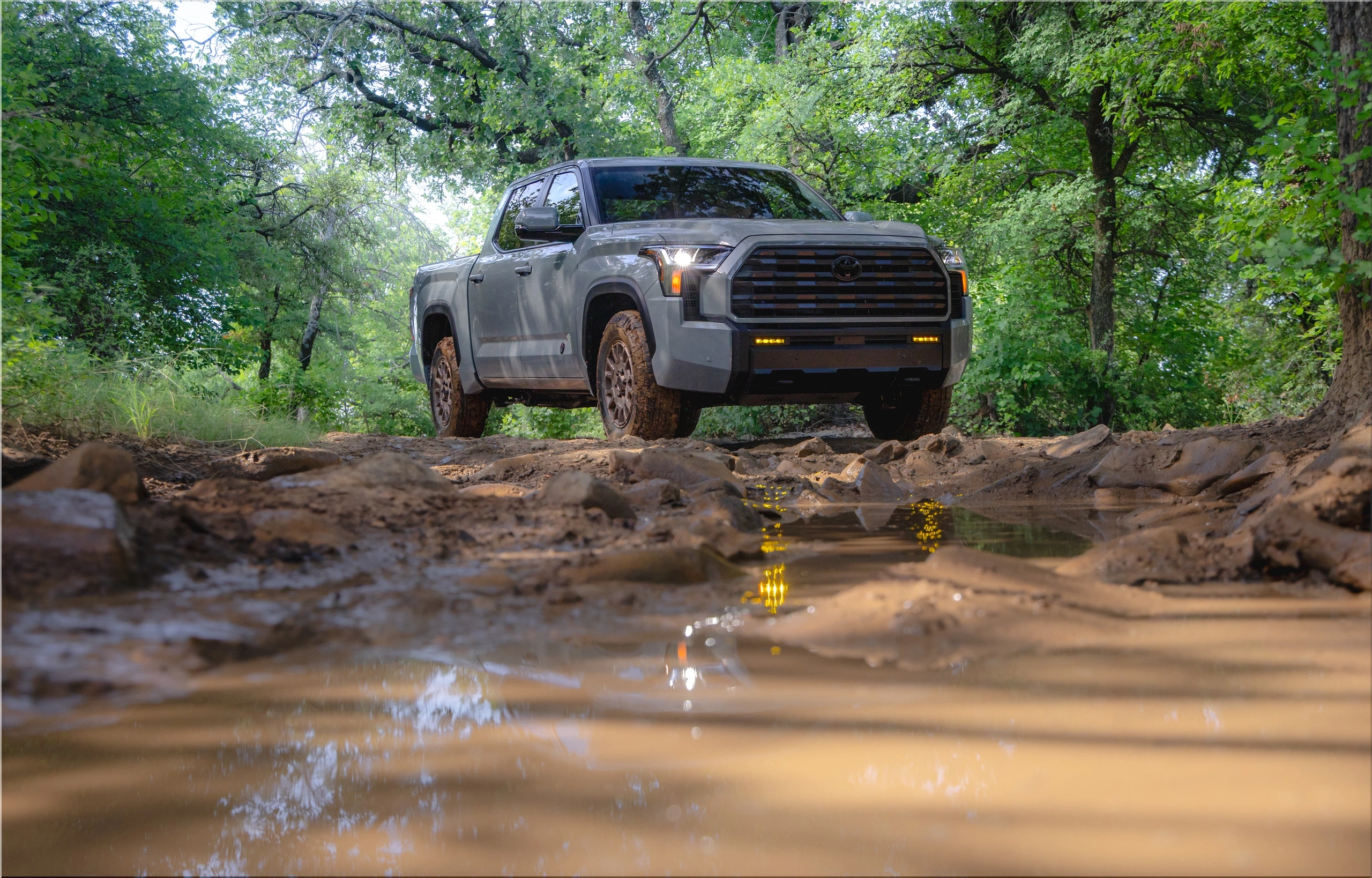
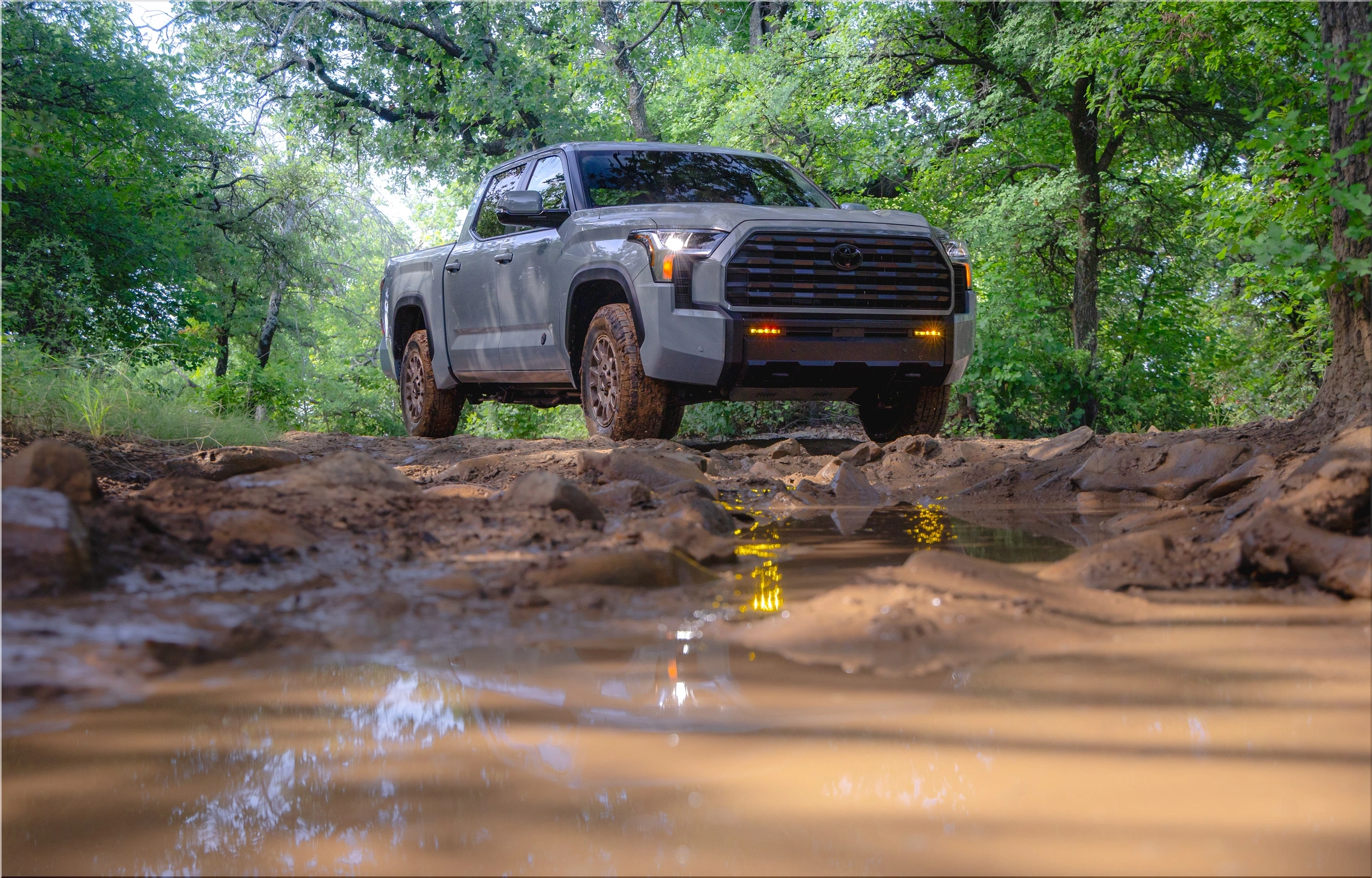
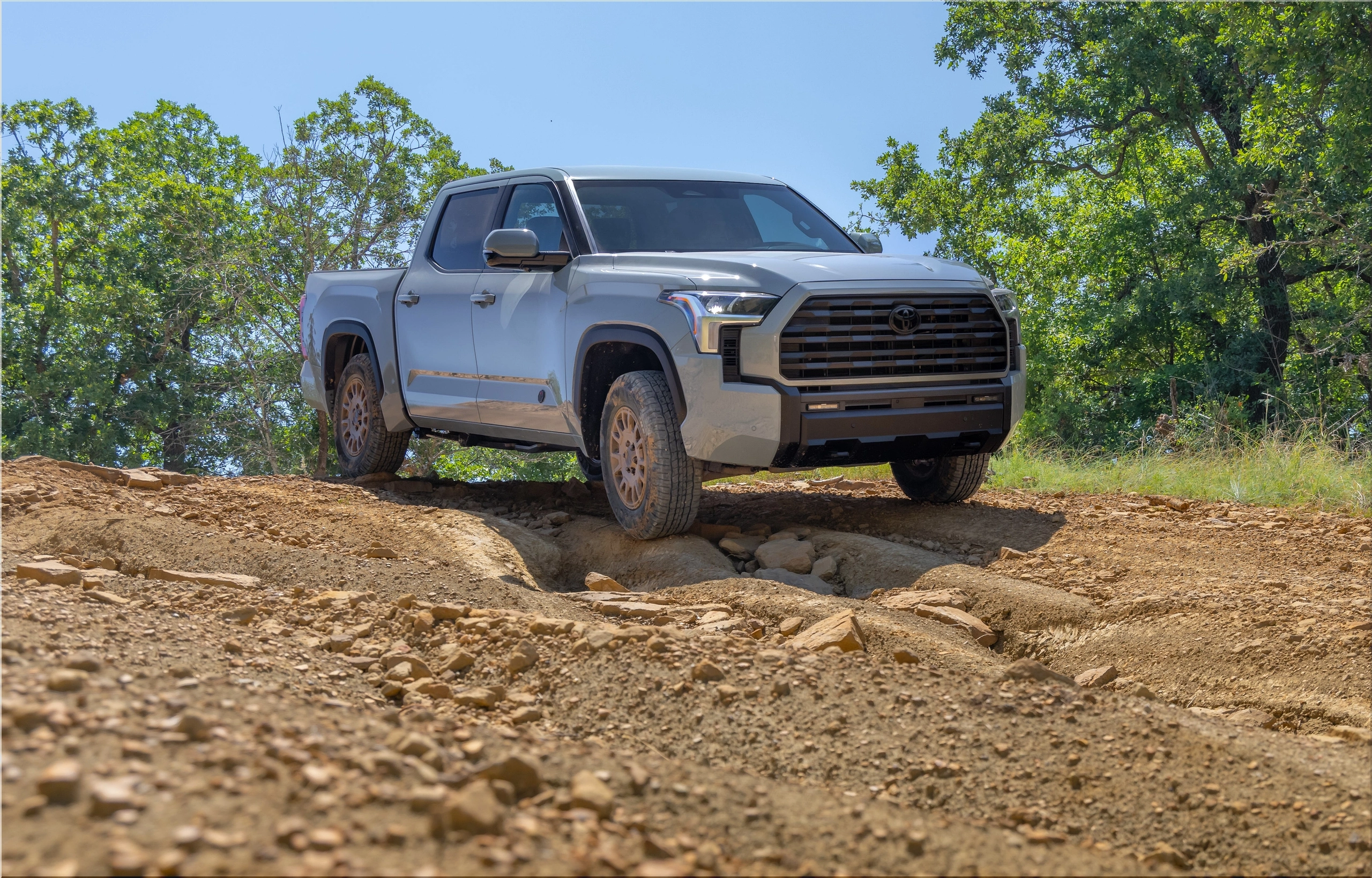
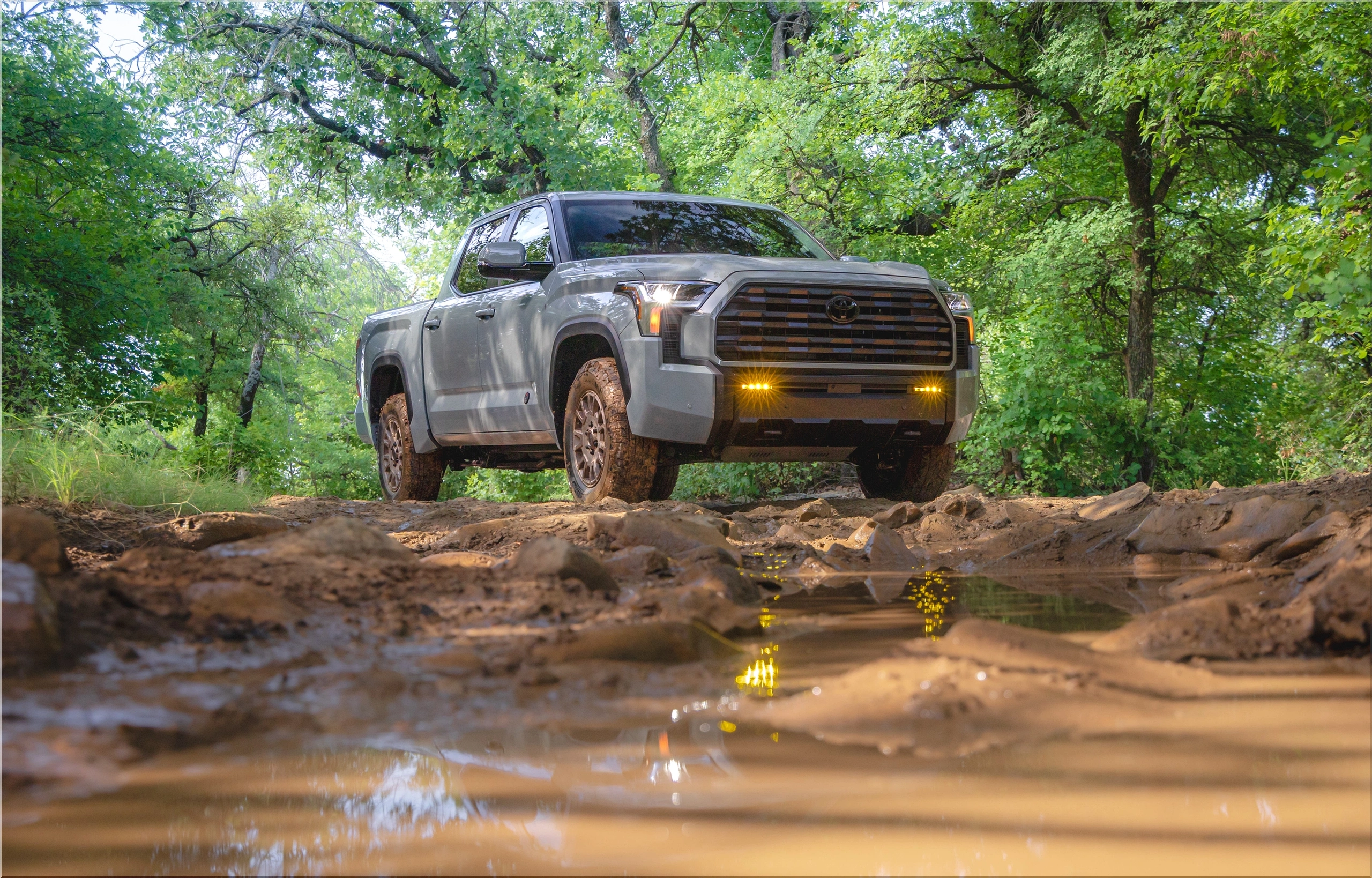
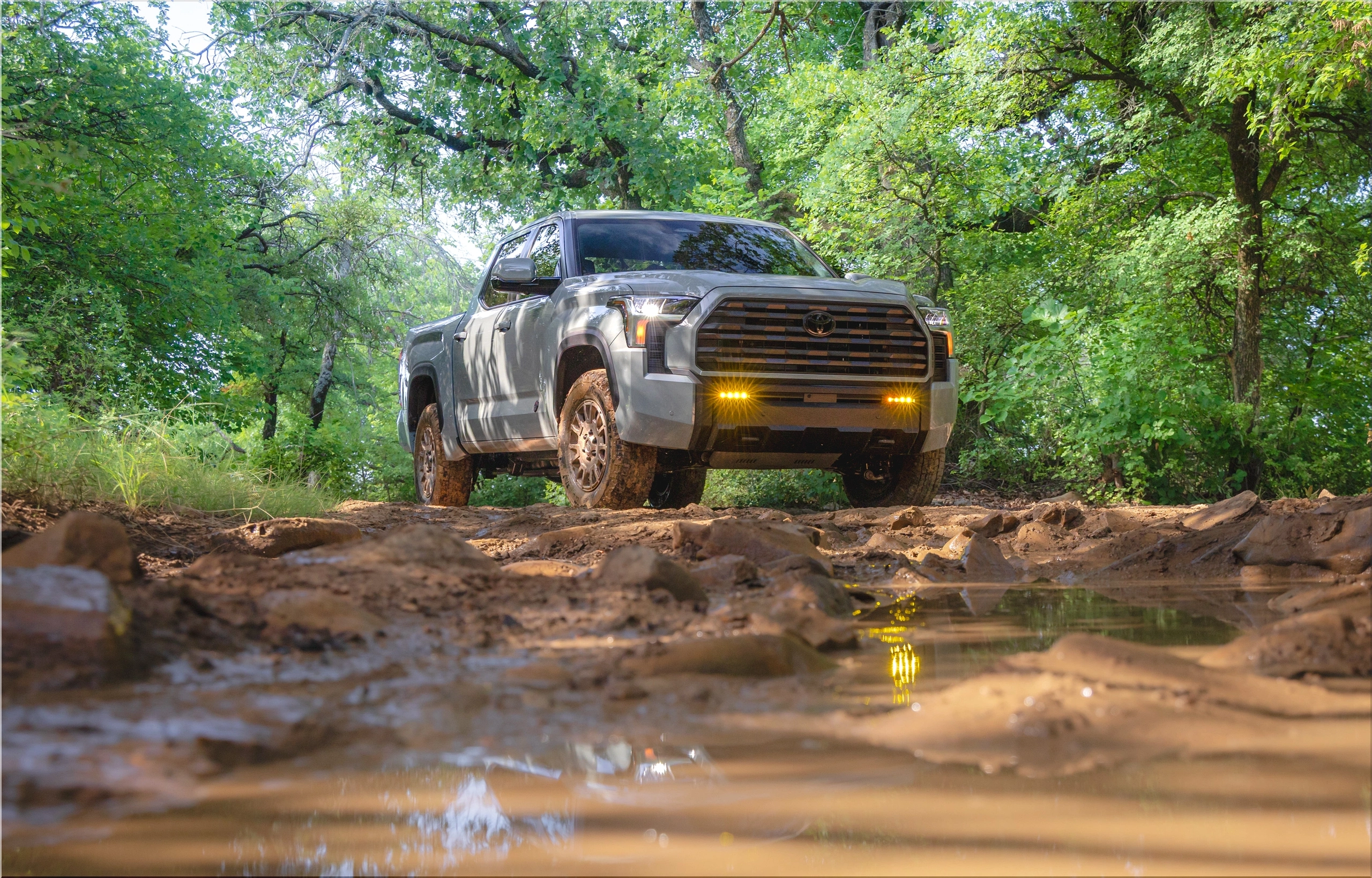
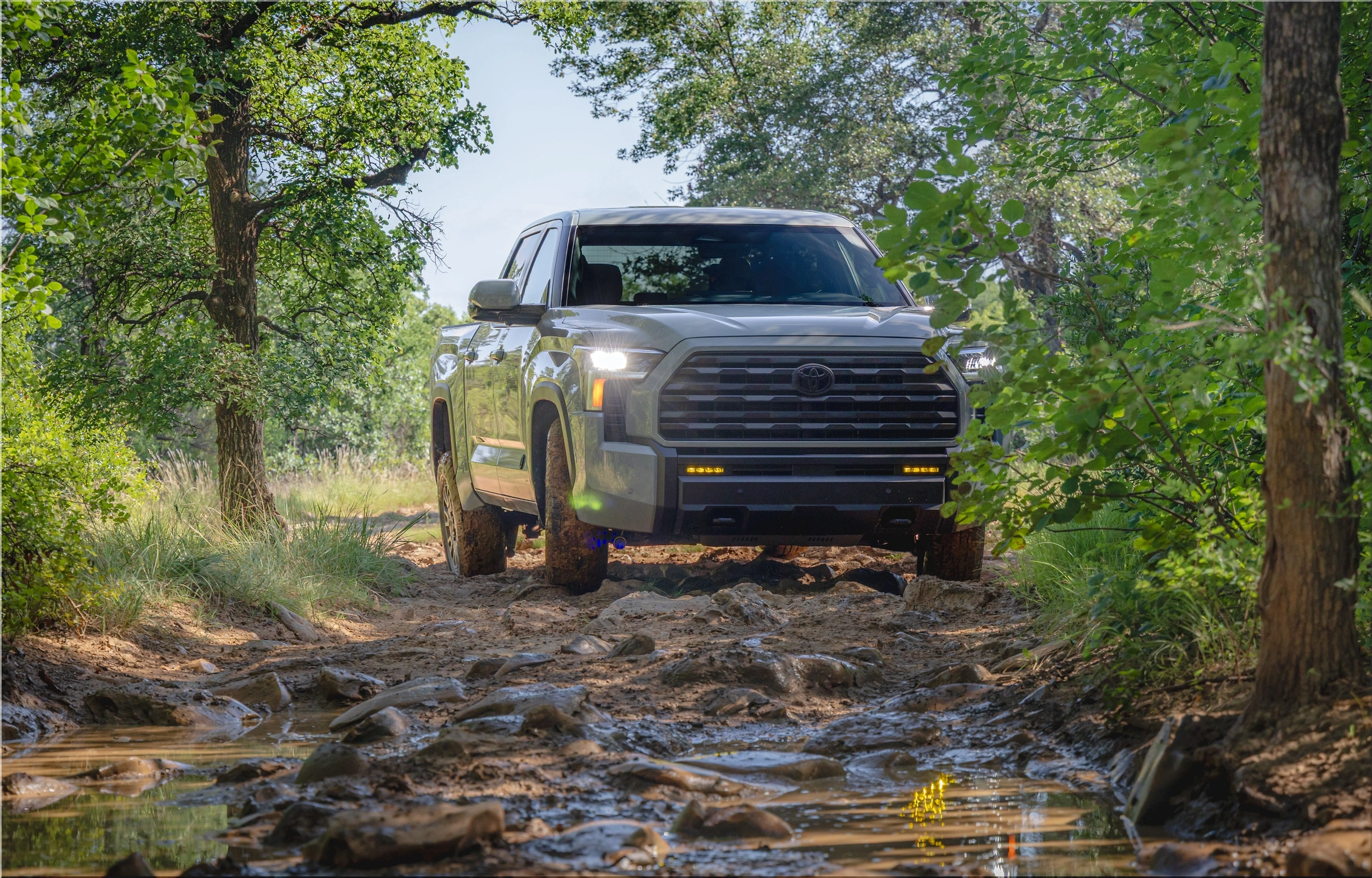
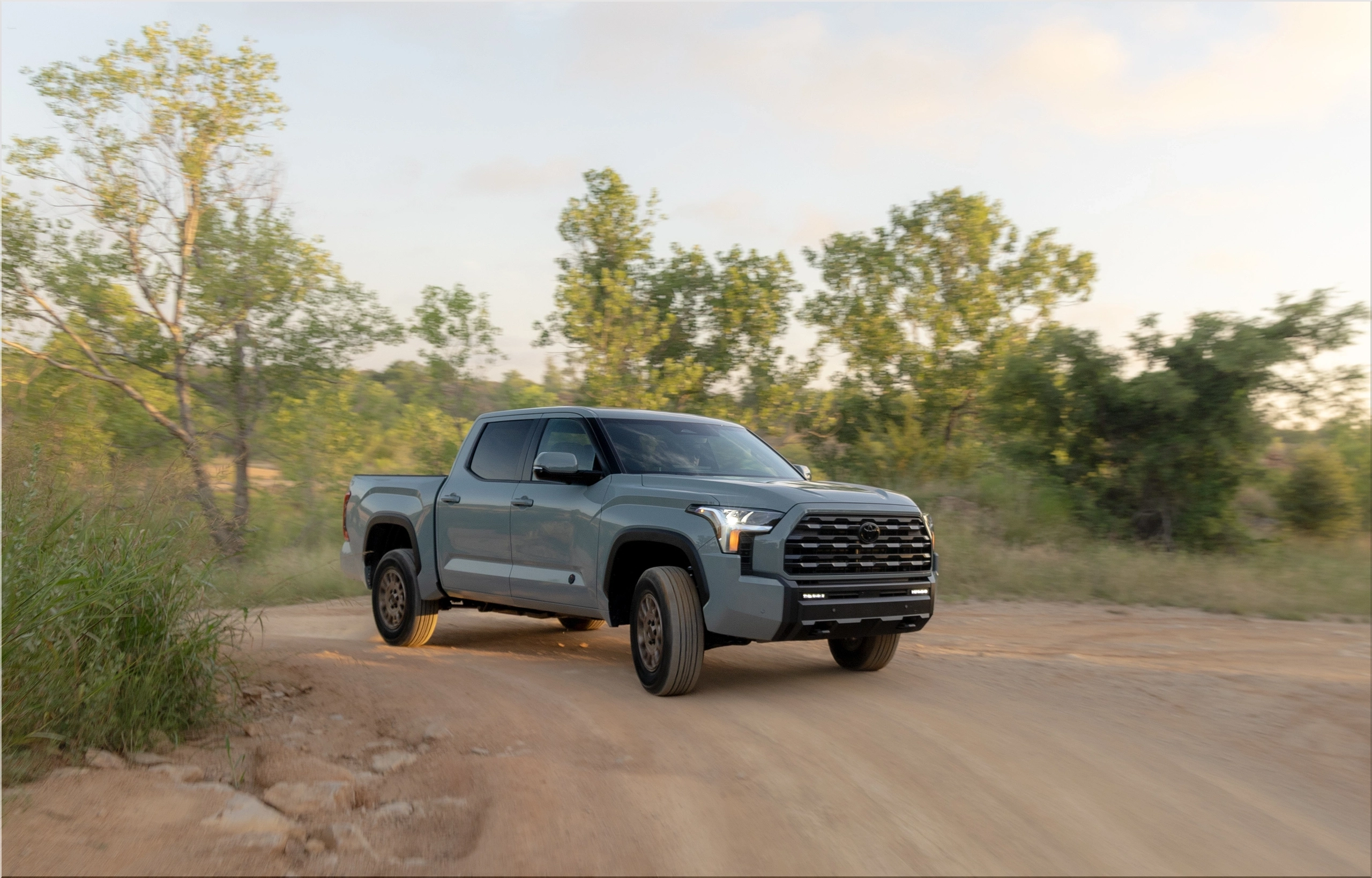
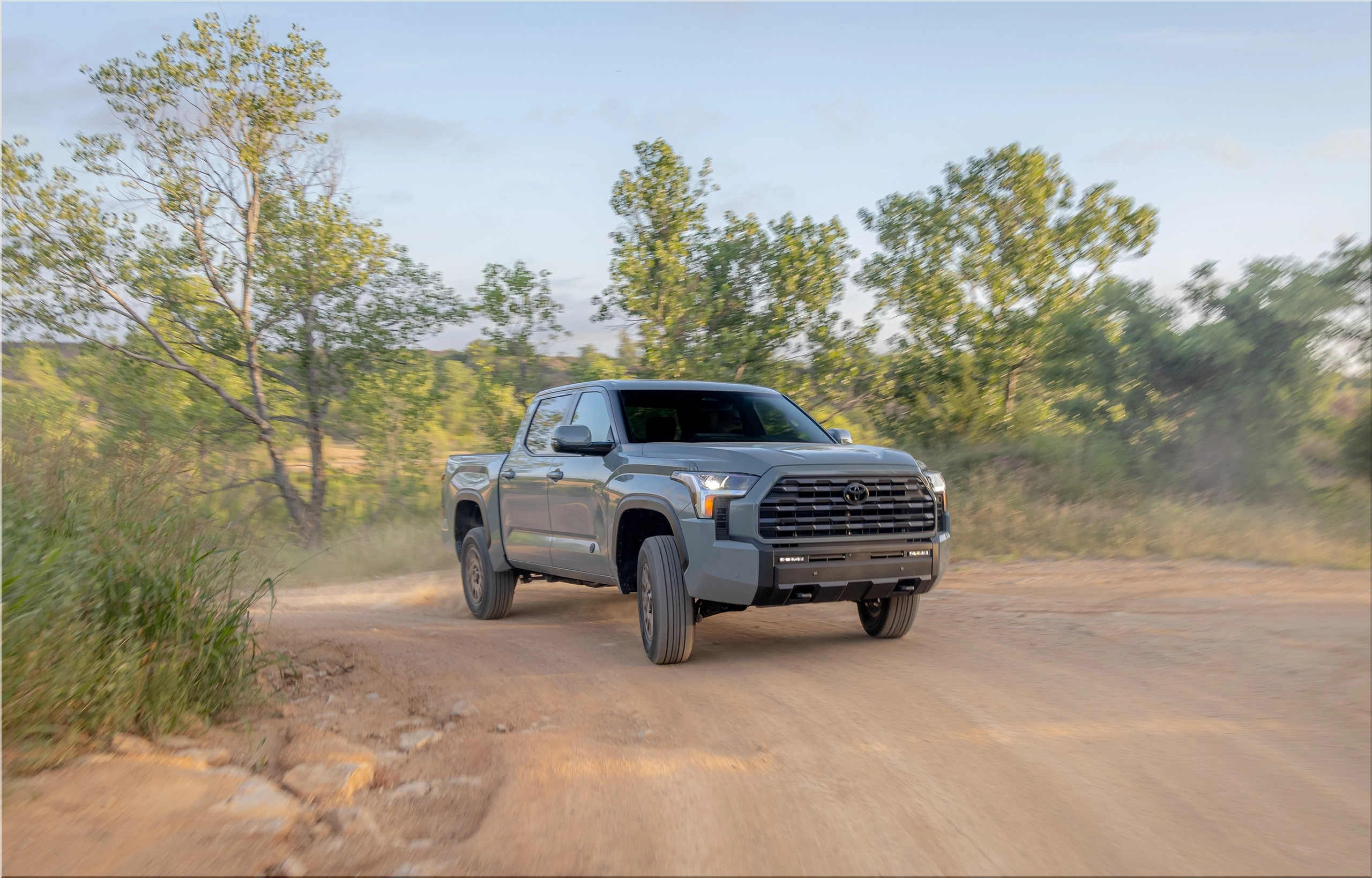
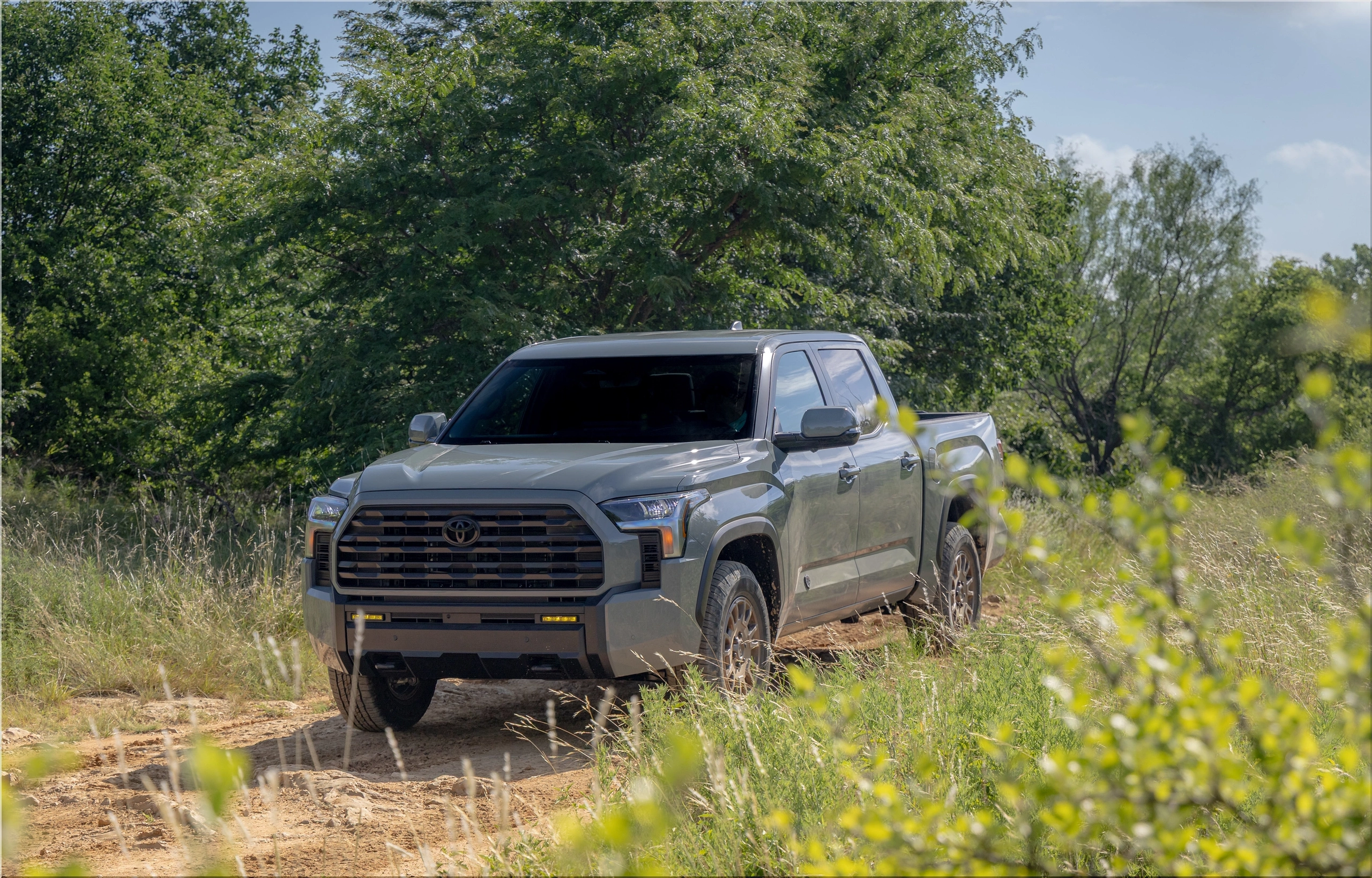
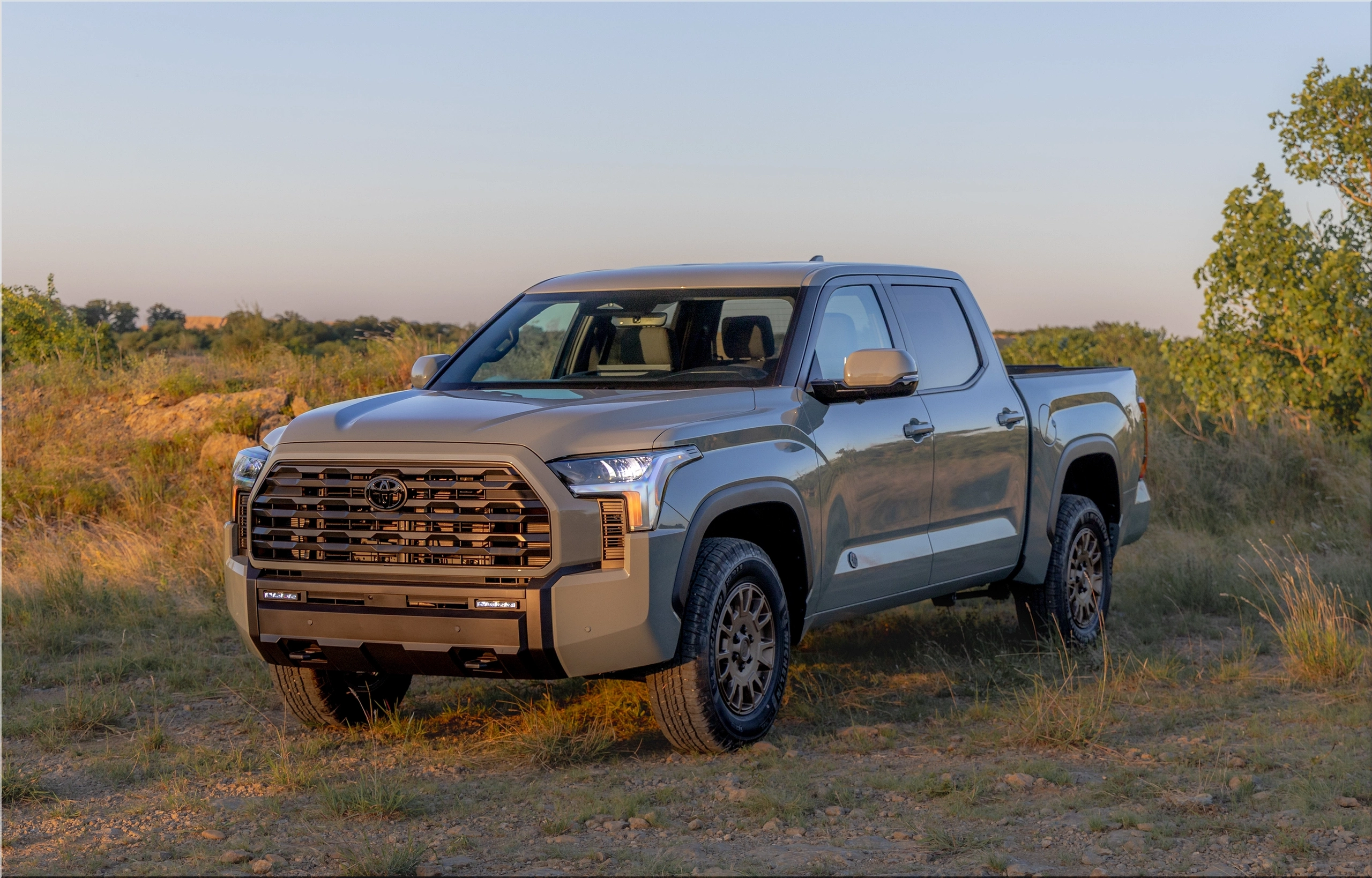
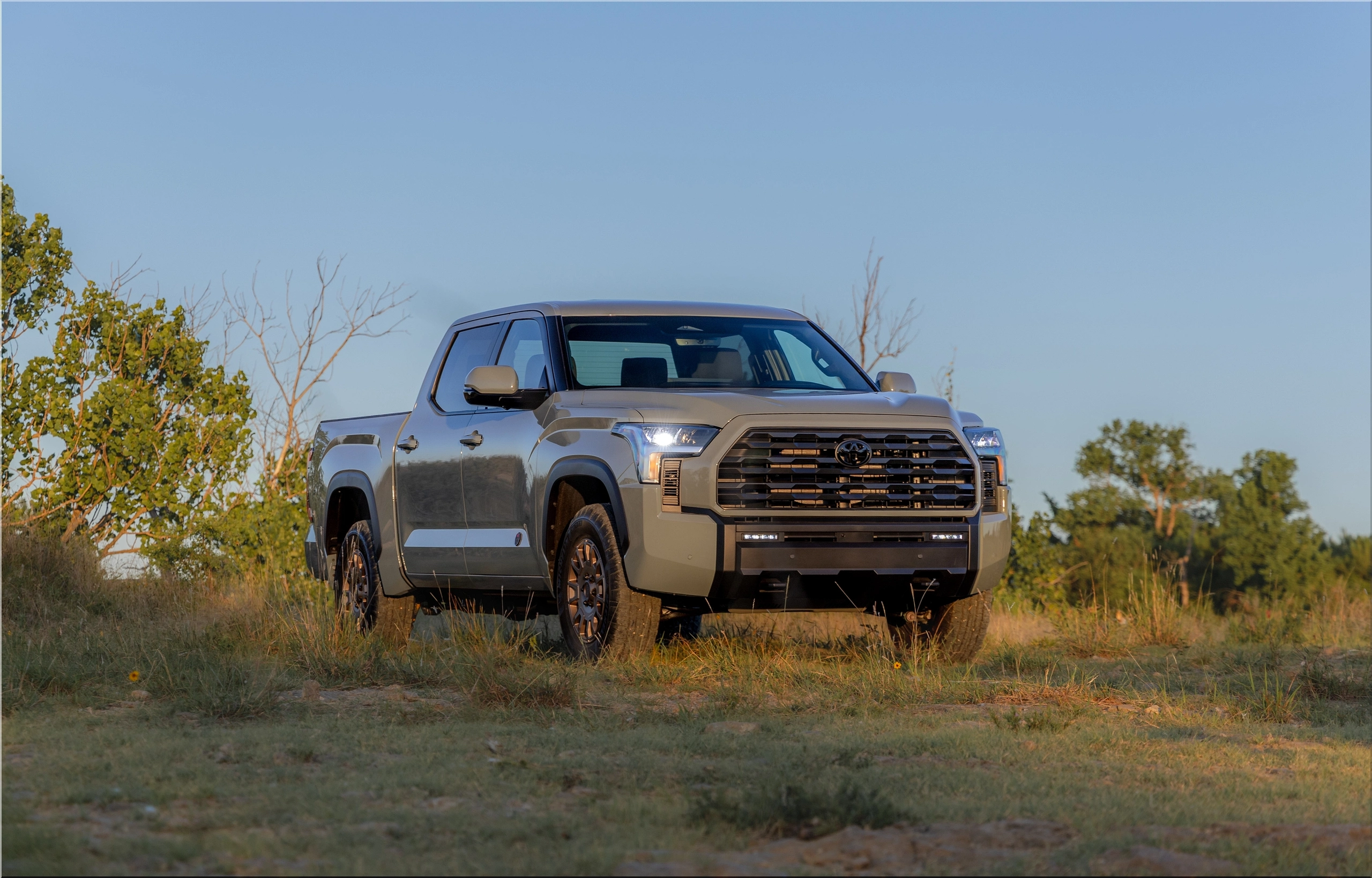
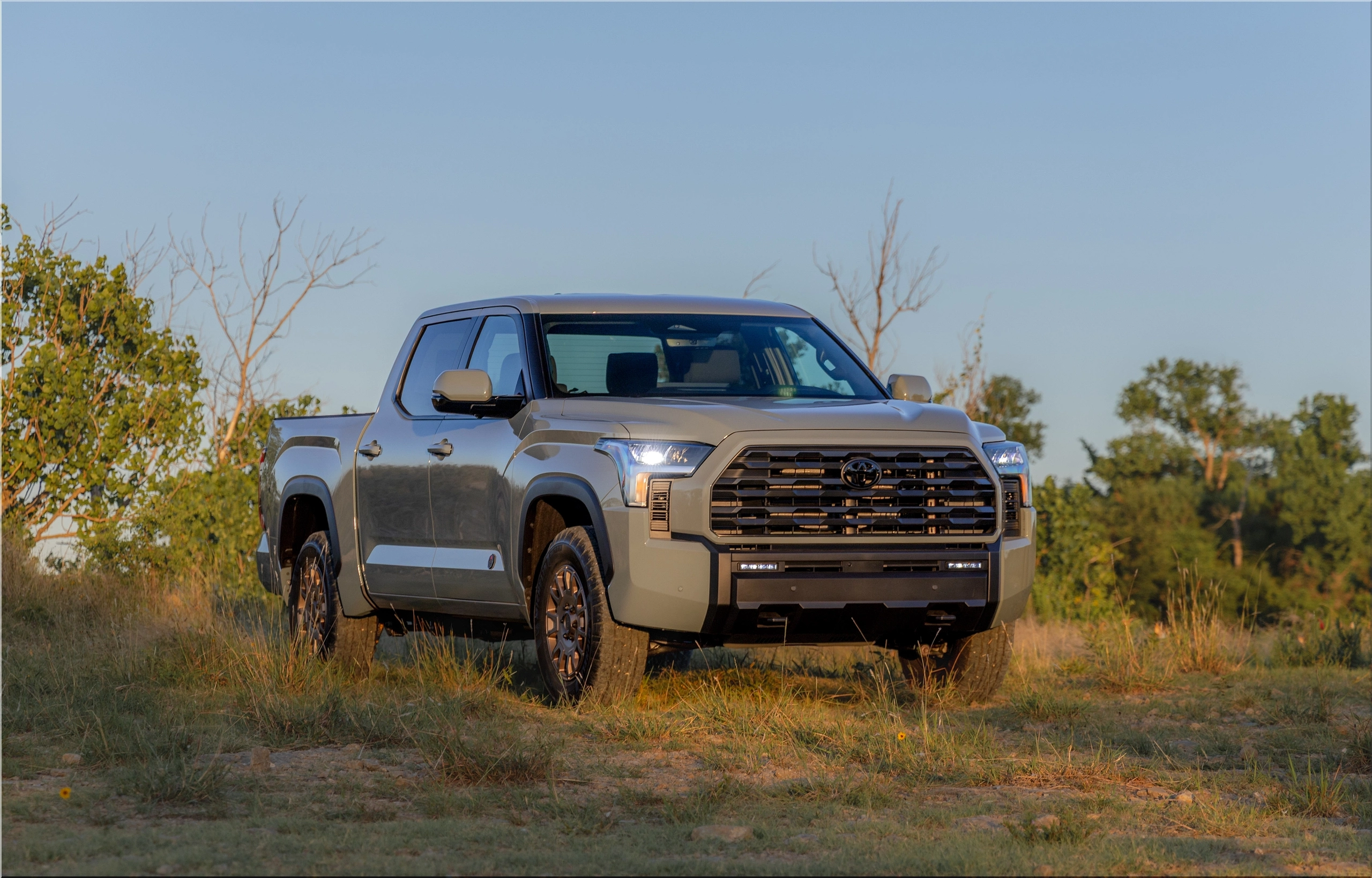
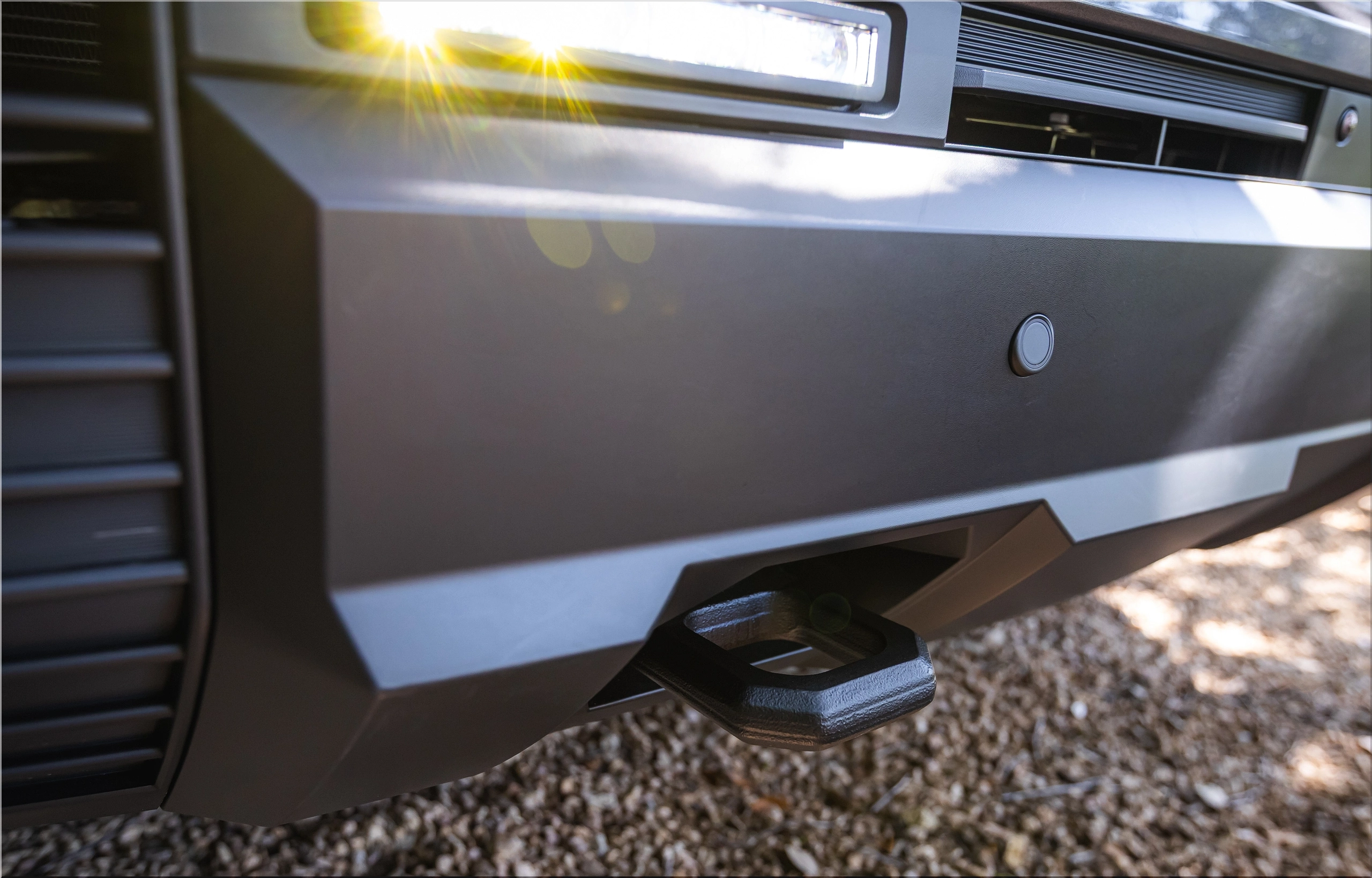
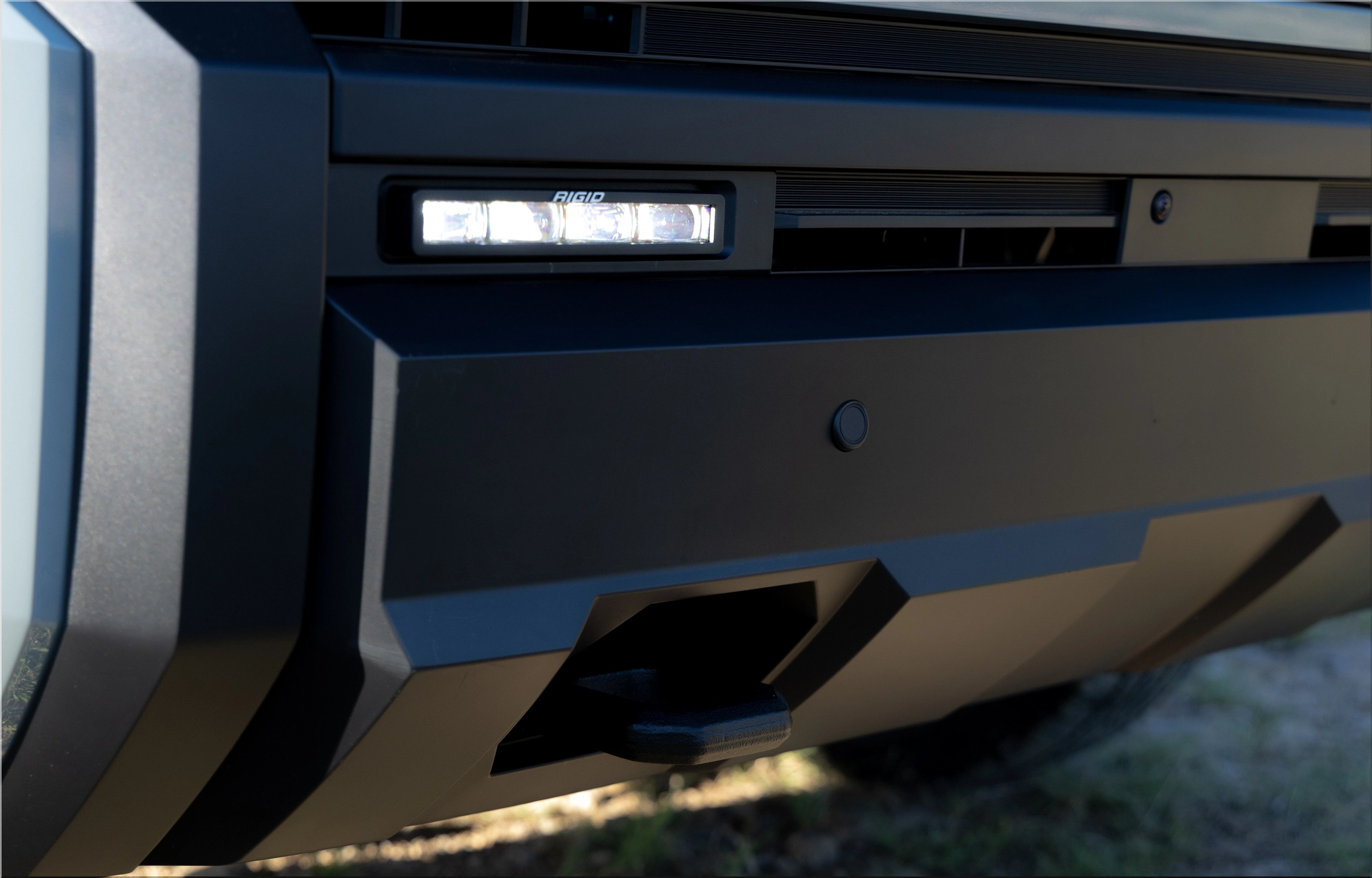
The Toyota Tundra refresh reaches every grade, from SR through Capstone. CALTY's Ann Arbor design team squared the front geometry, strengthened the vertical theme, reshaped the center lower bumper, added rectangular fog lights, and applied trim-specific hexagonal grilles. The result looks cleaner and less fussy without abandoning the Tundra's broad stance.
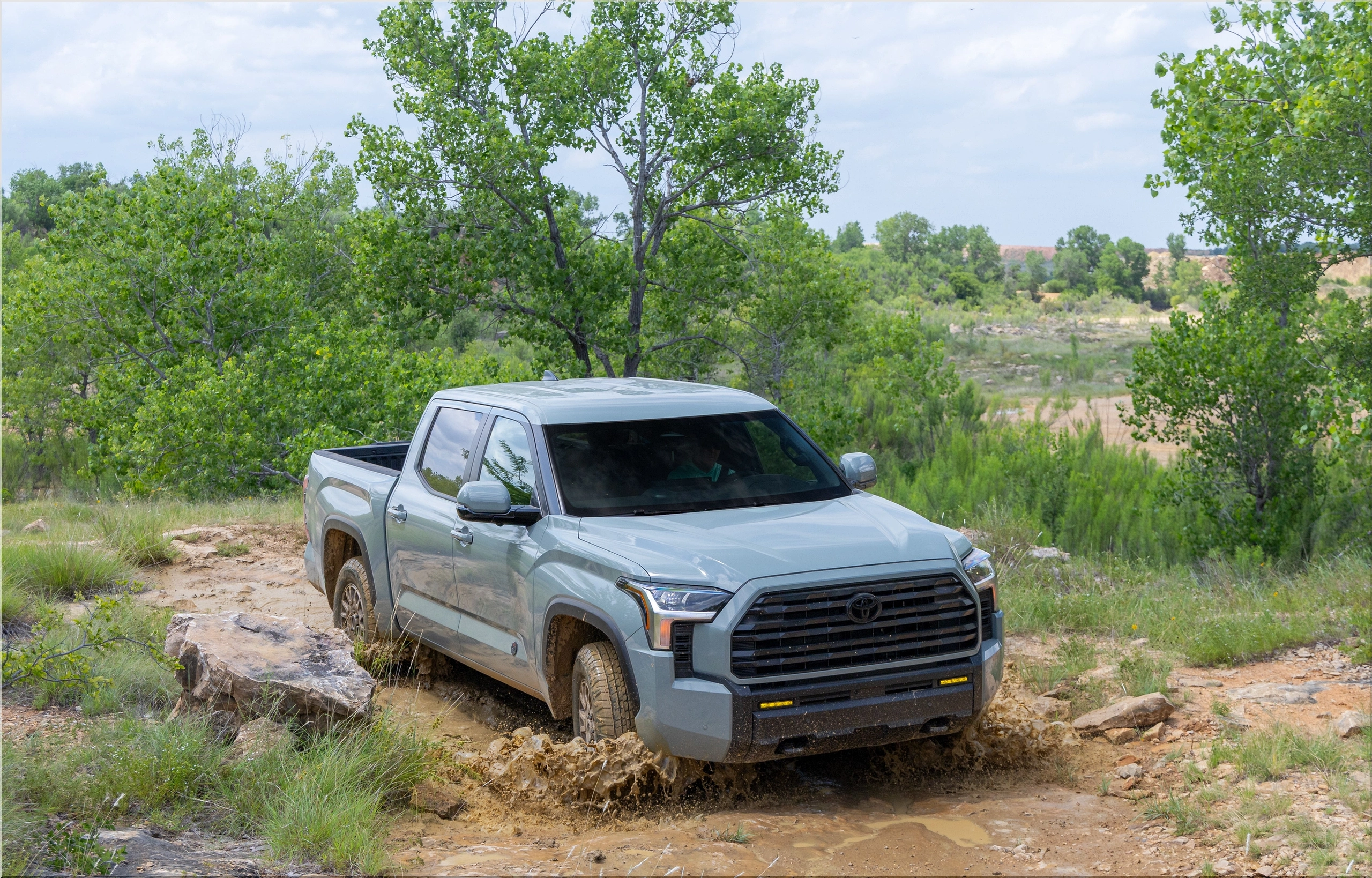
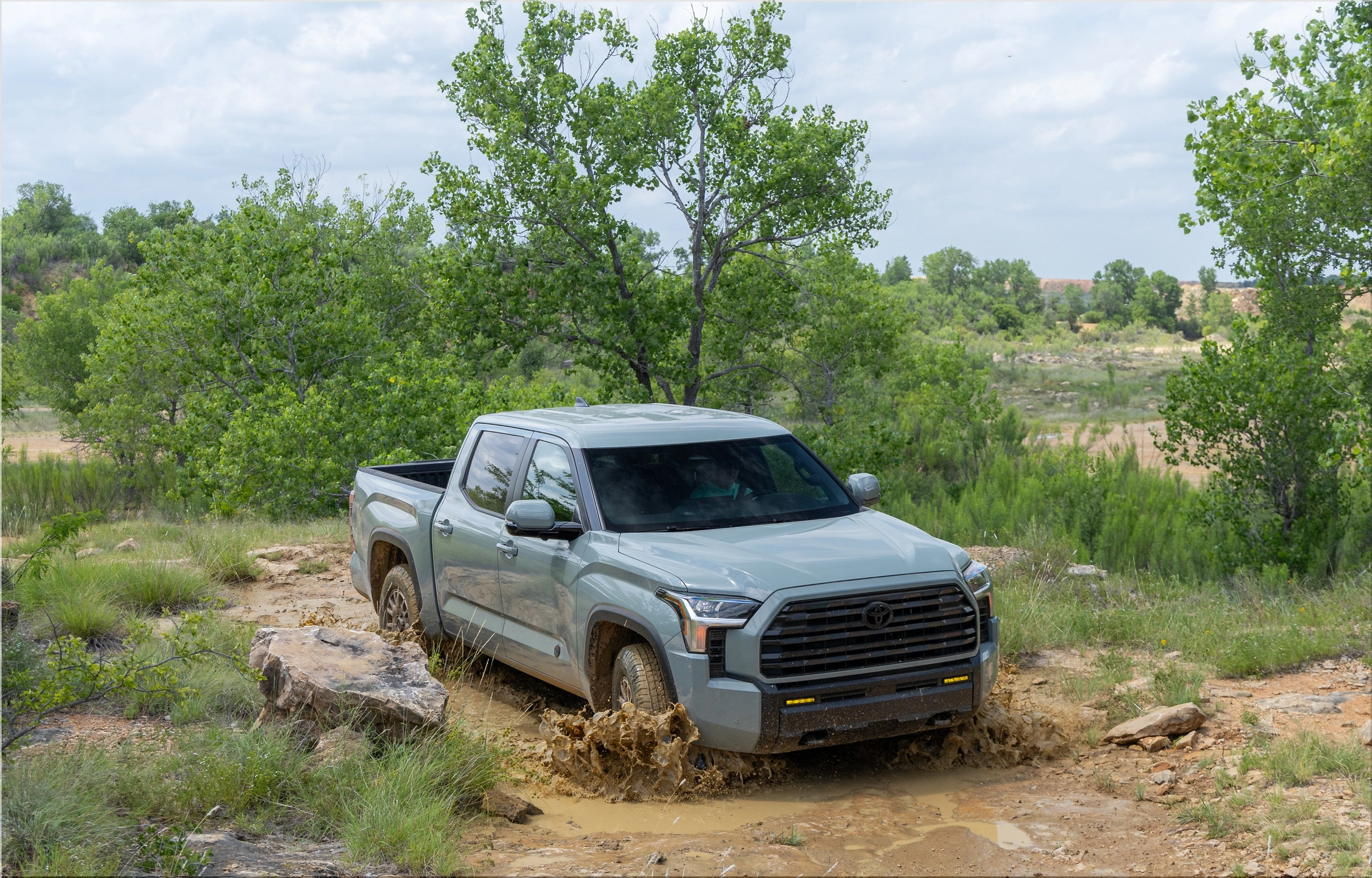
The major changes include:
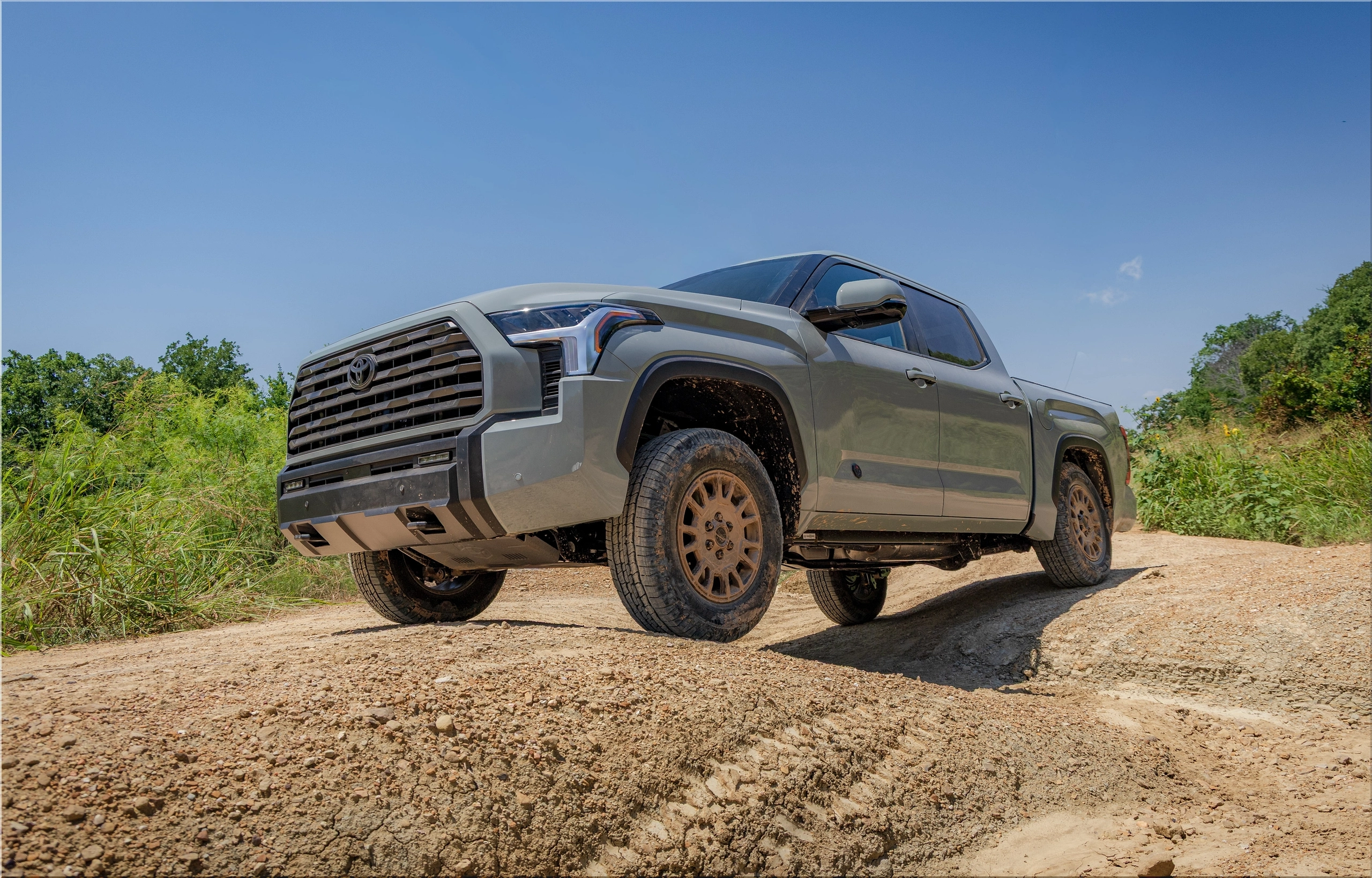
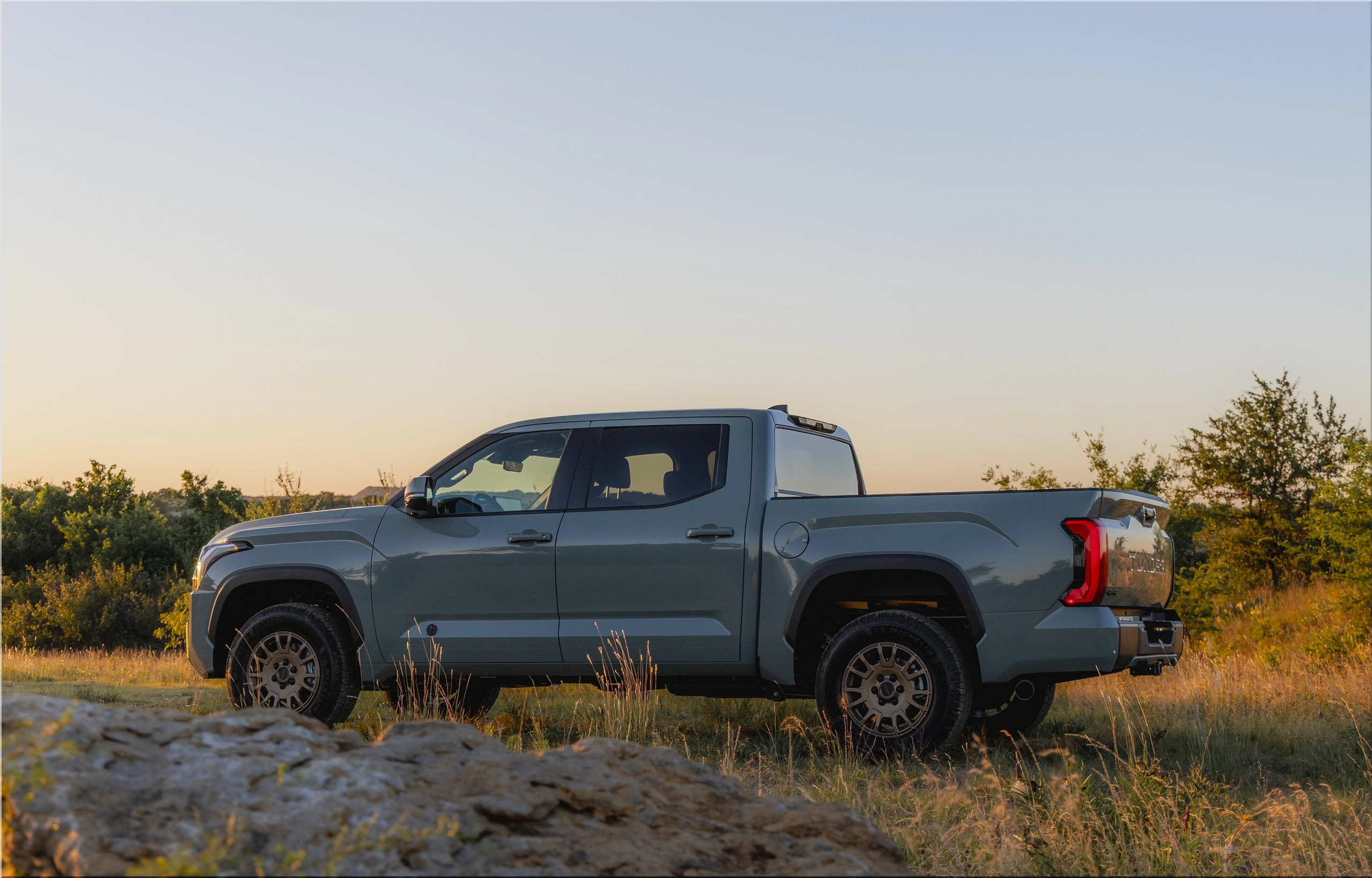
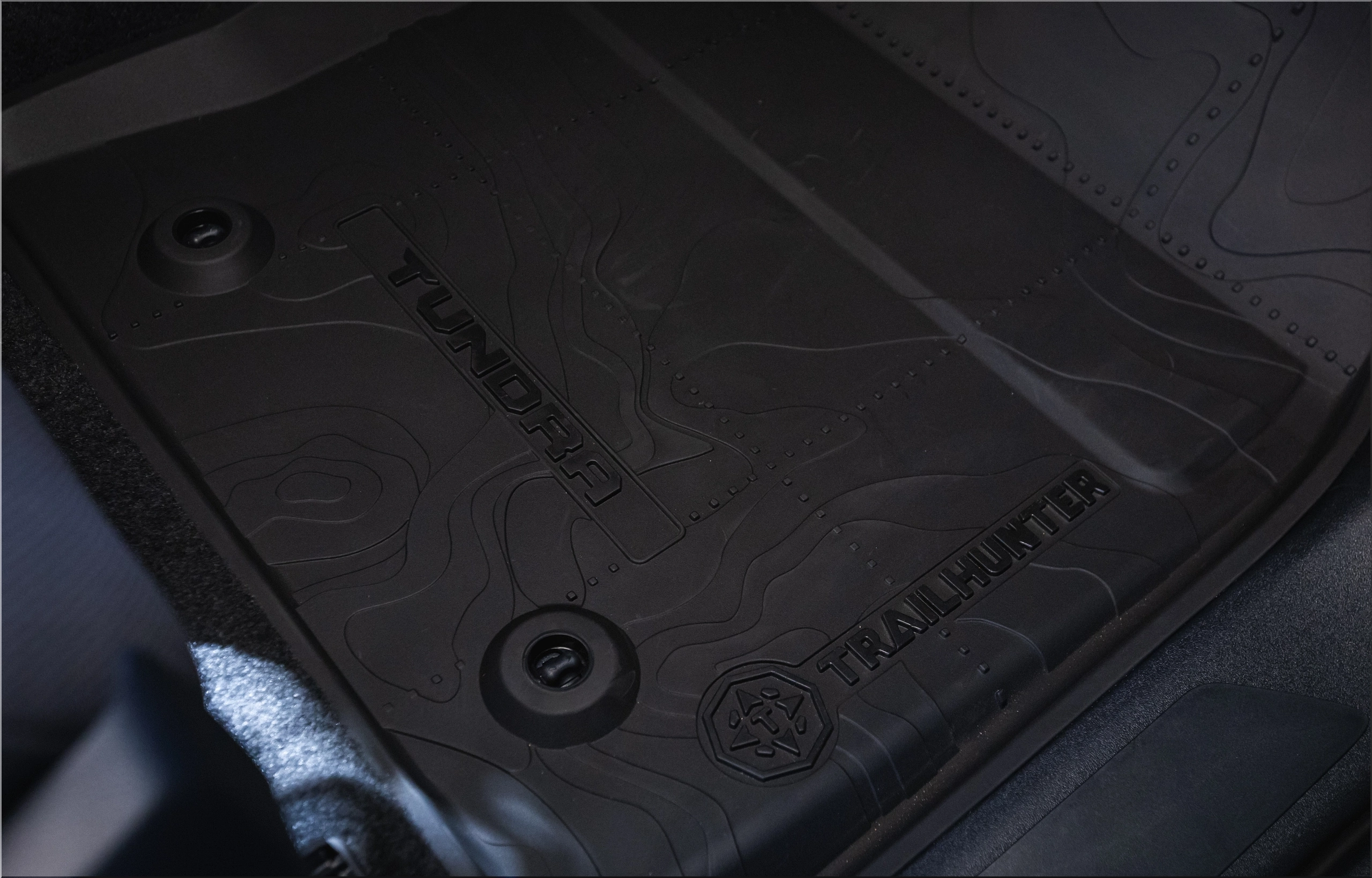
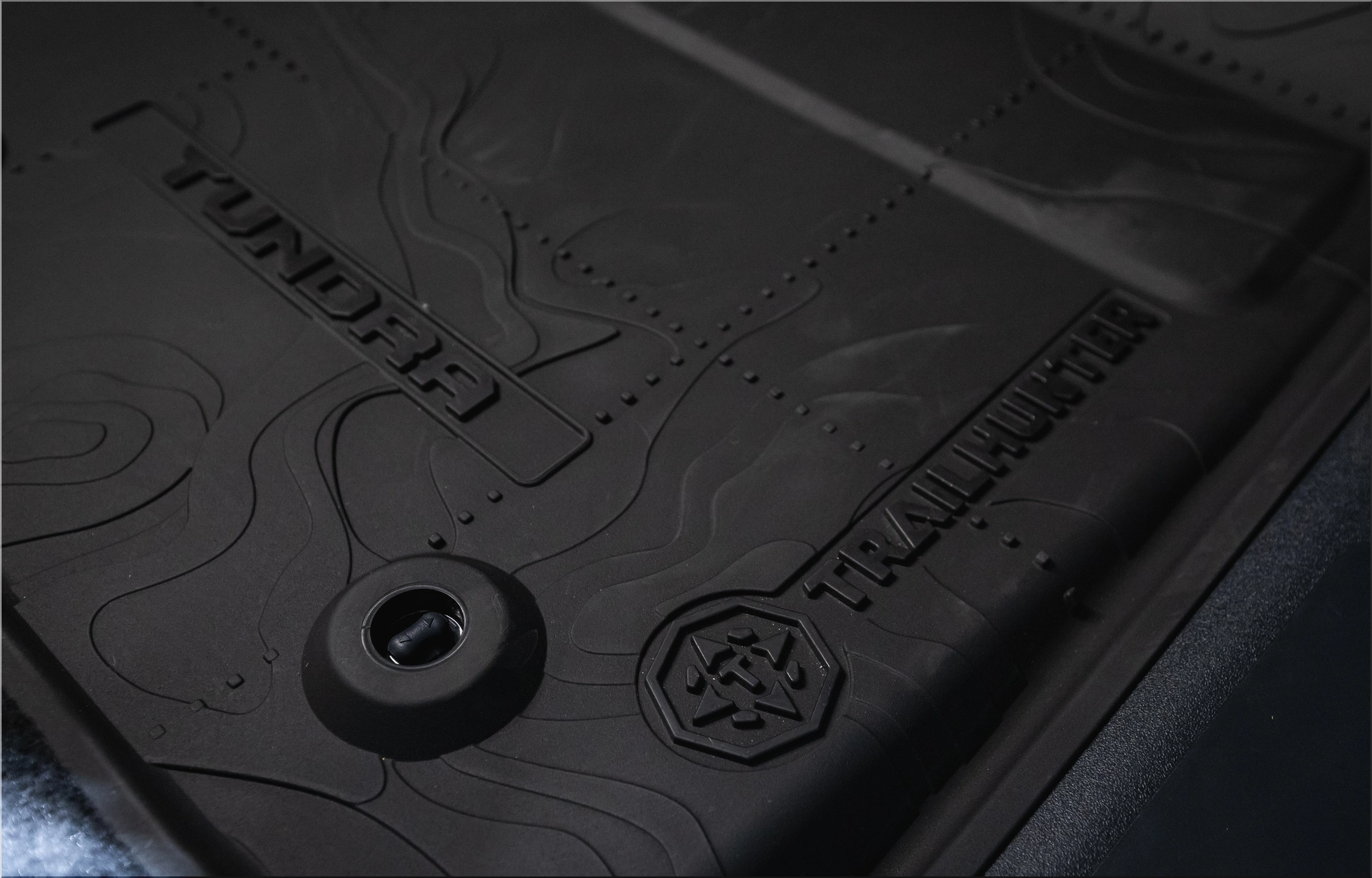
- A new Toyota Tundra Trailhunter package based on the SR5
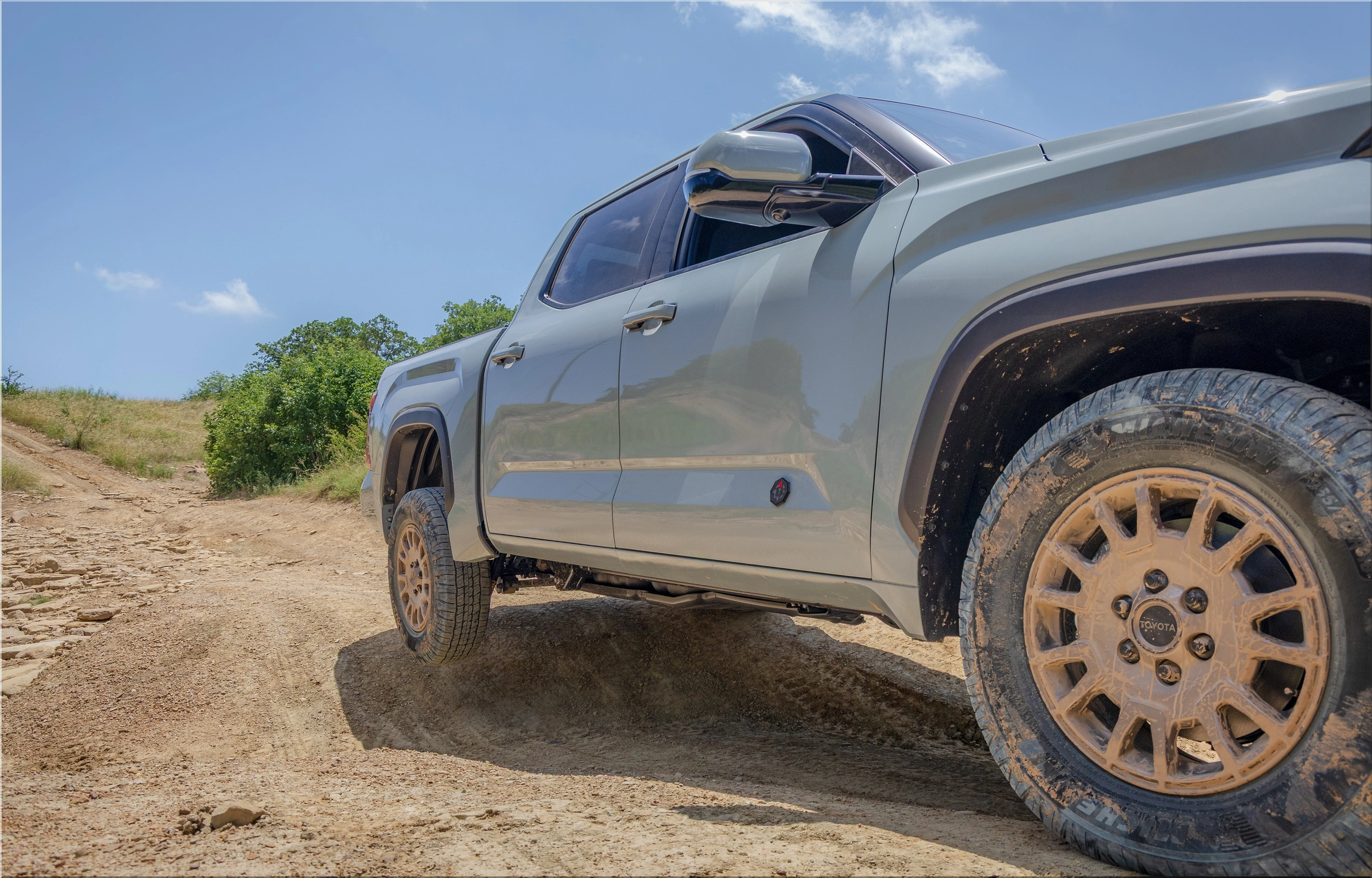
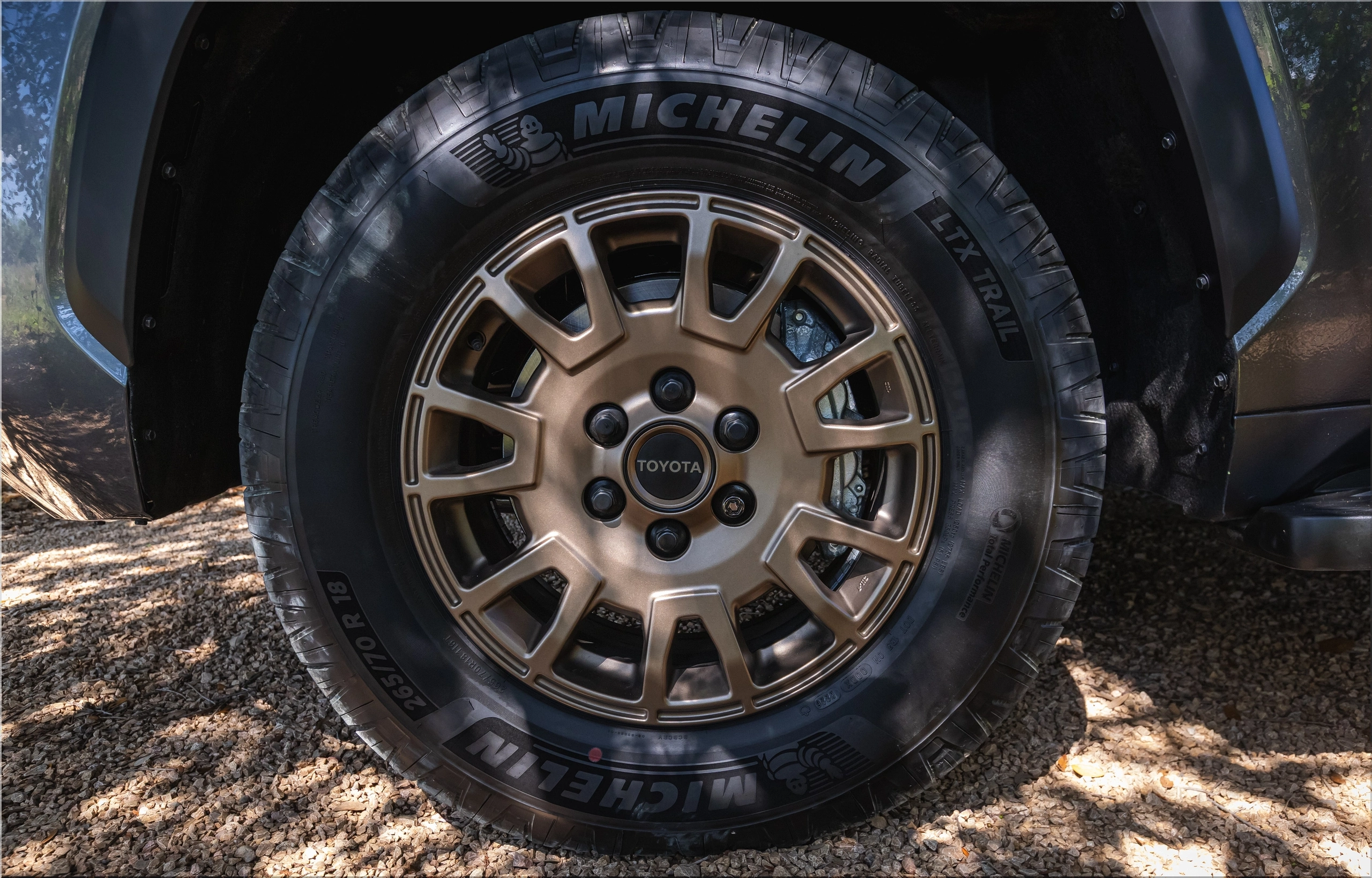
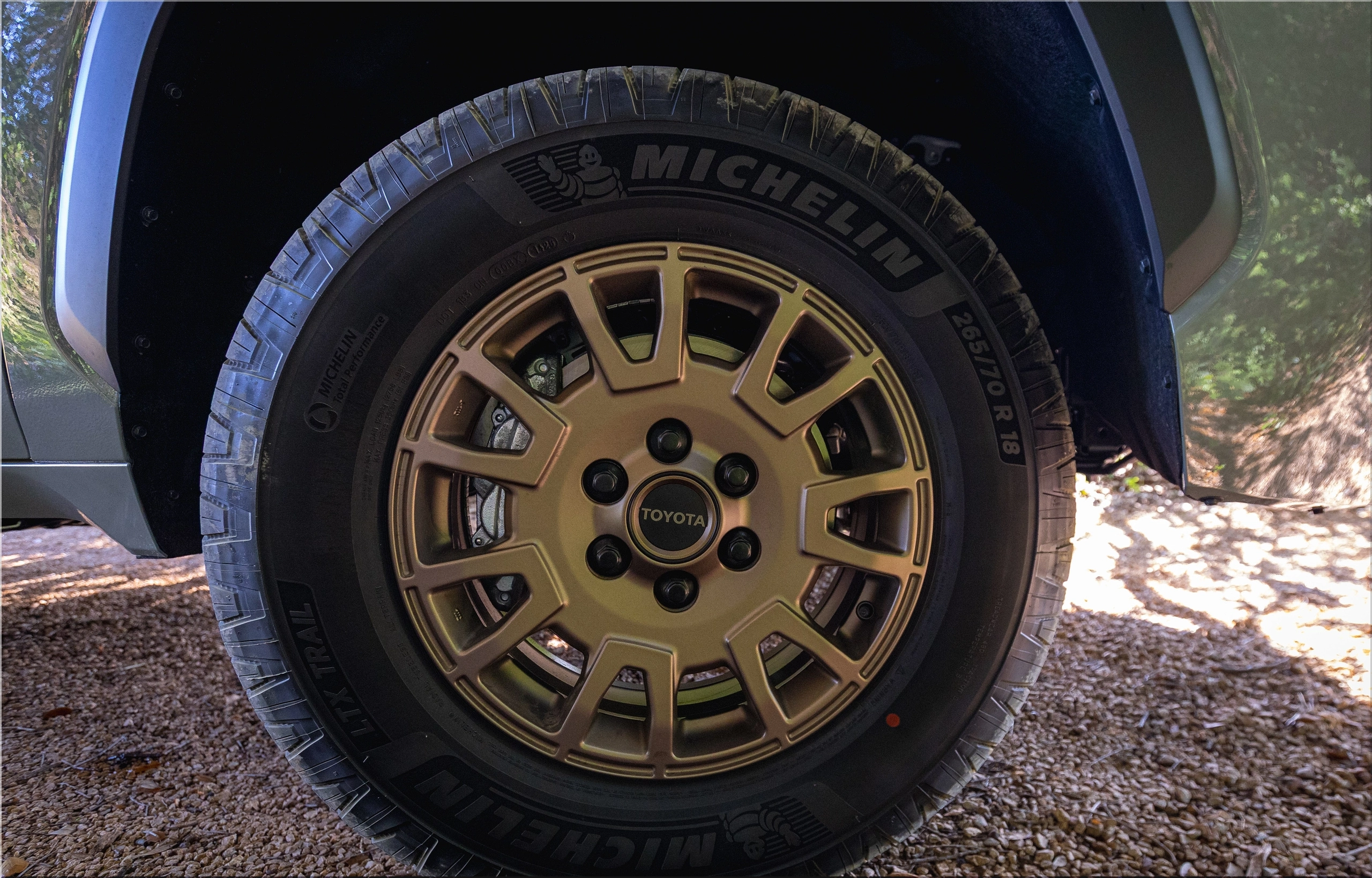
- Michelin LTX Trail 265/70R18 tires on bronze-colored 18-inch wheels
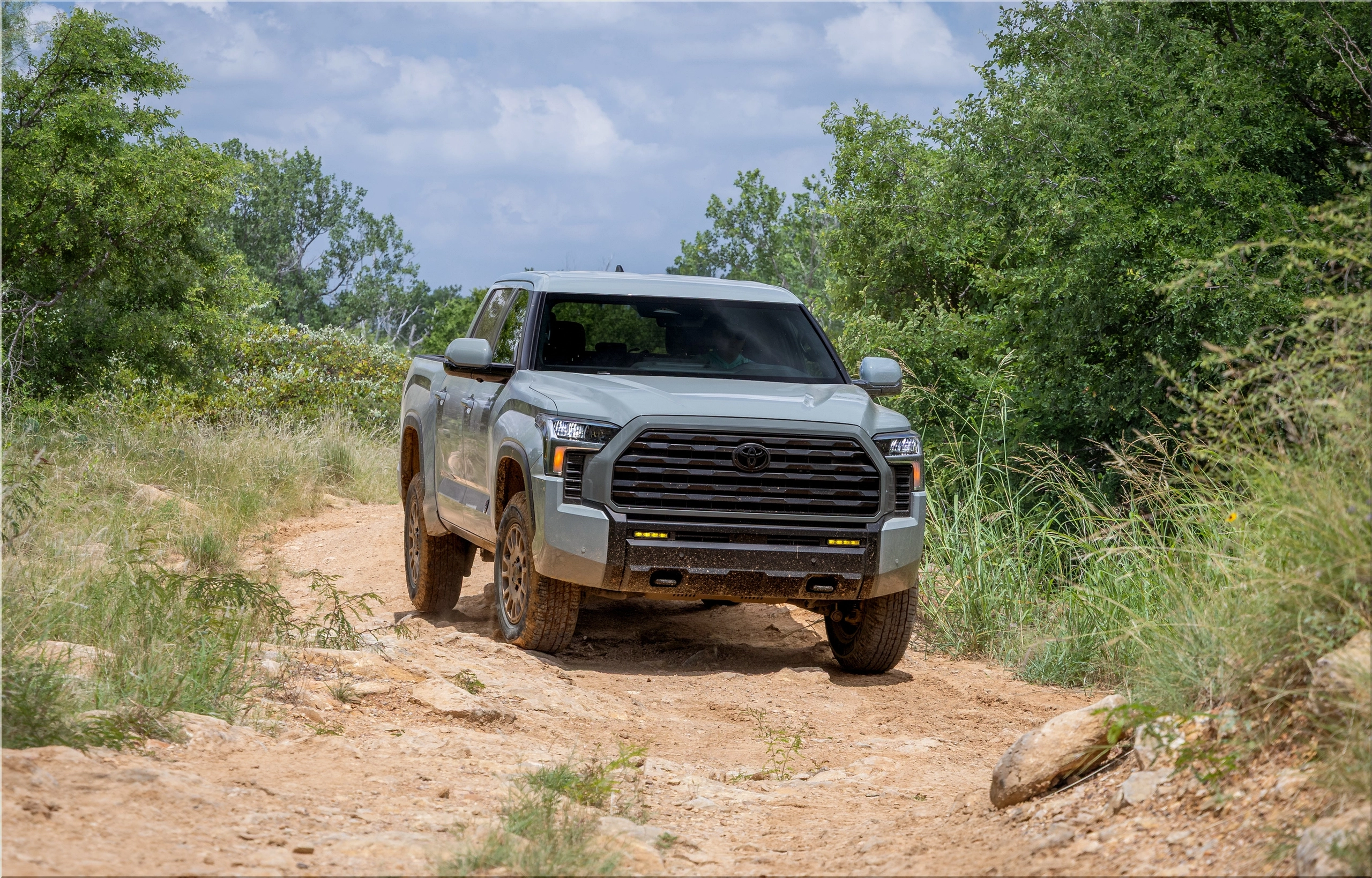
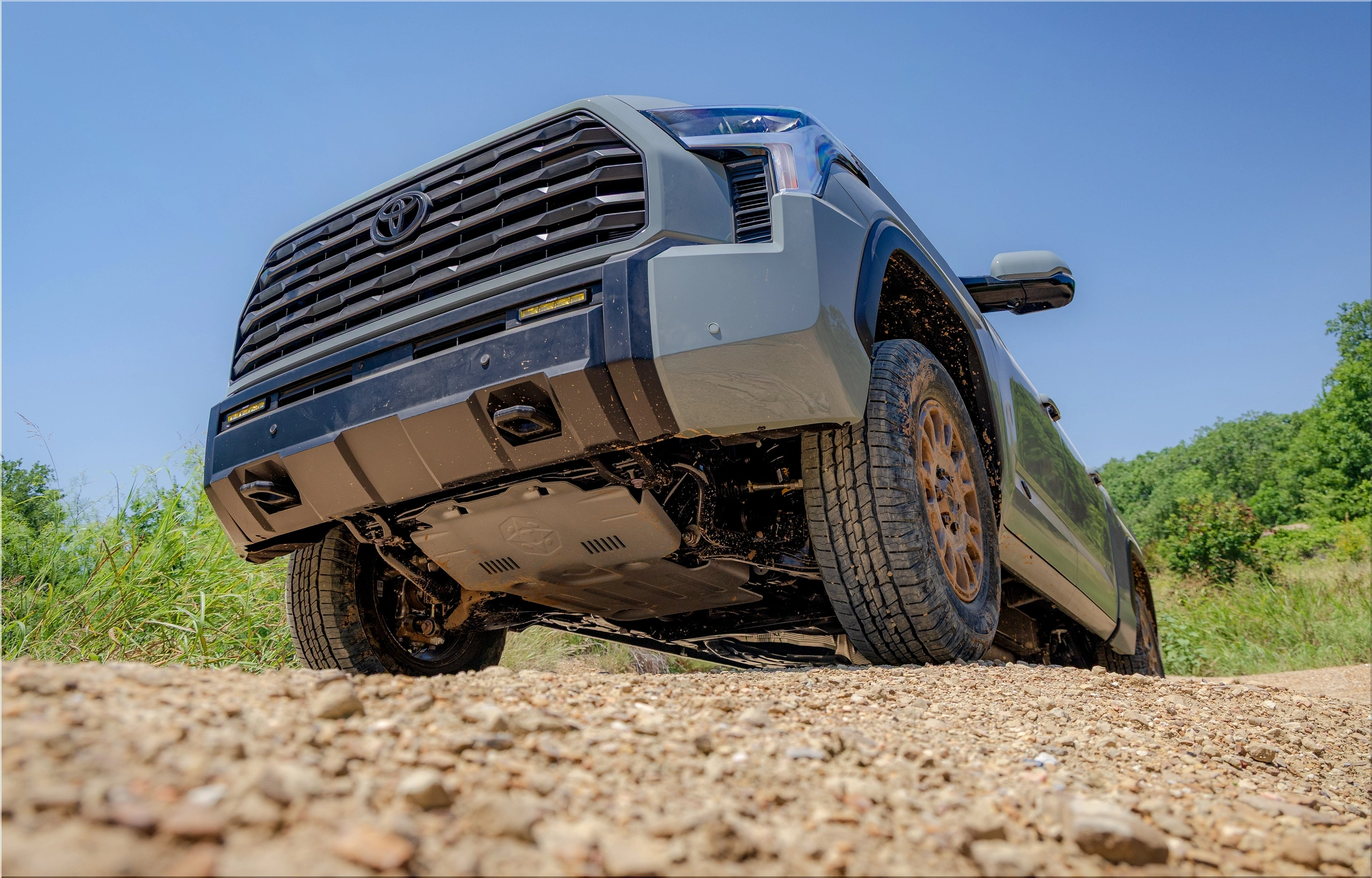
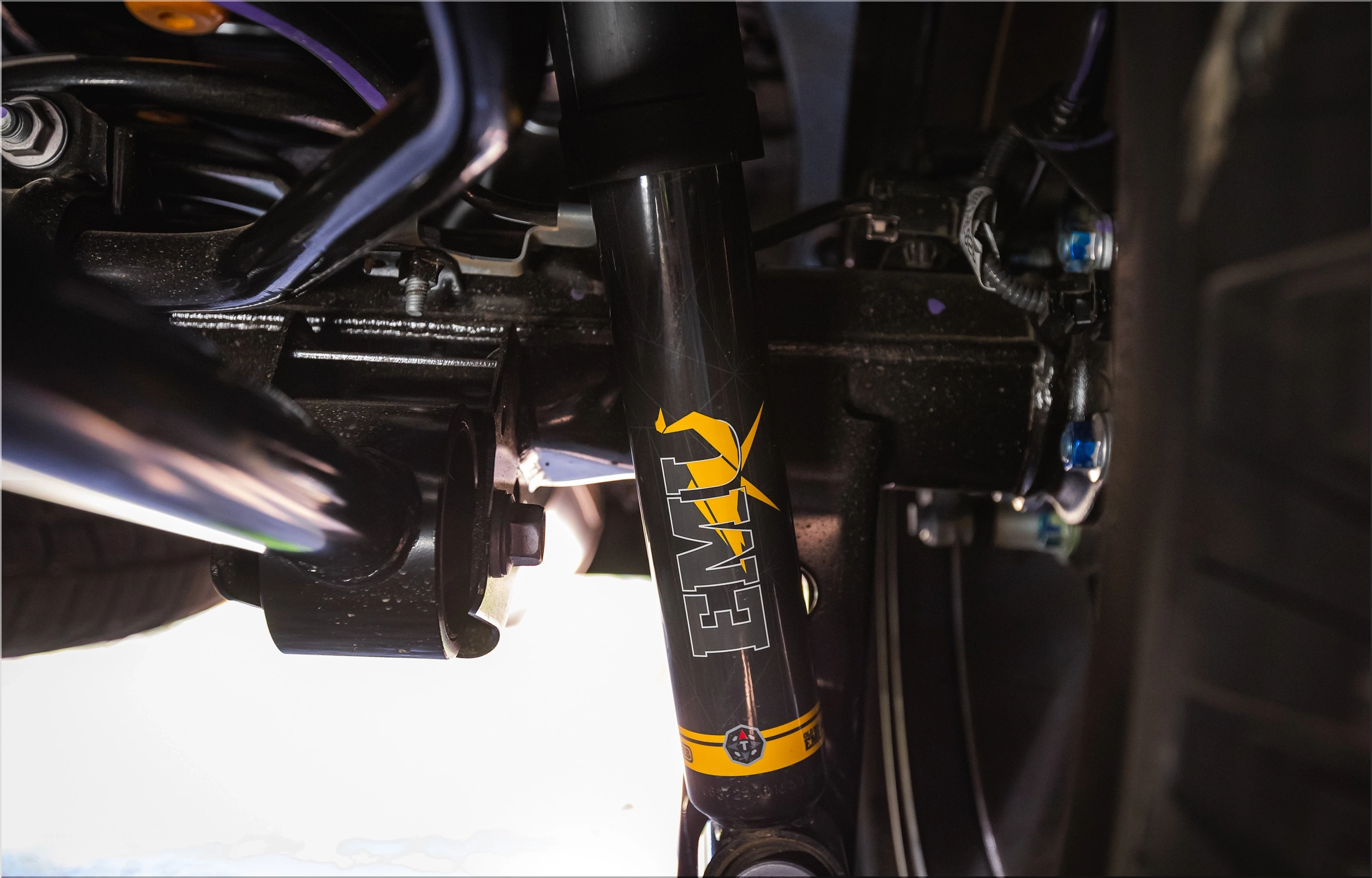
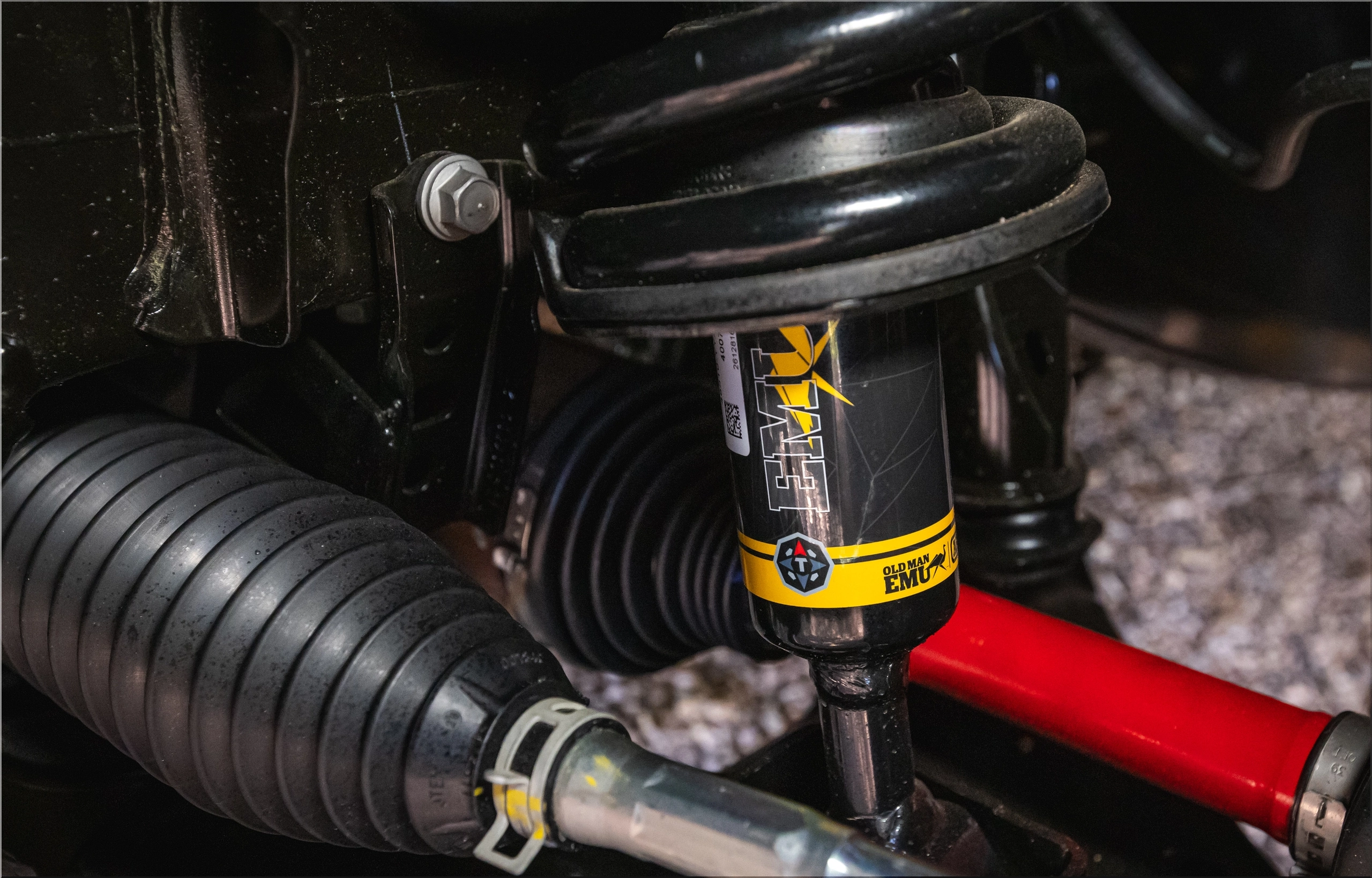
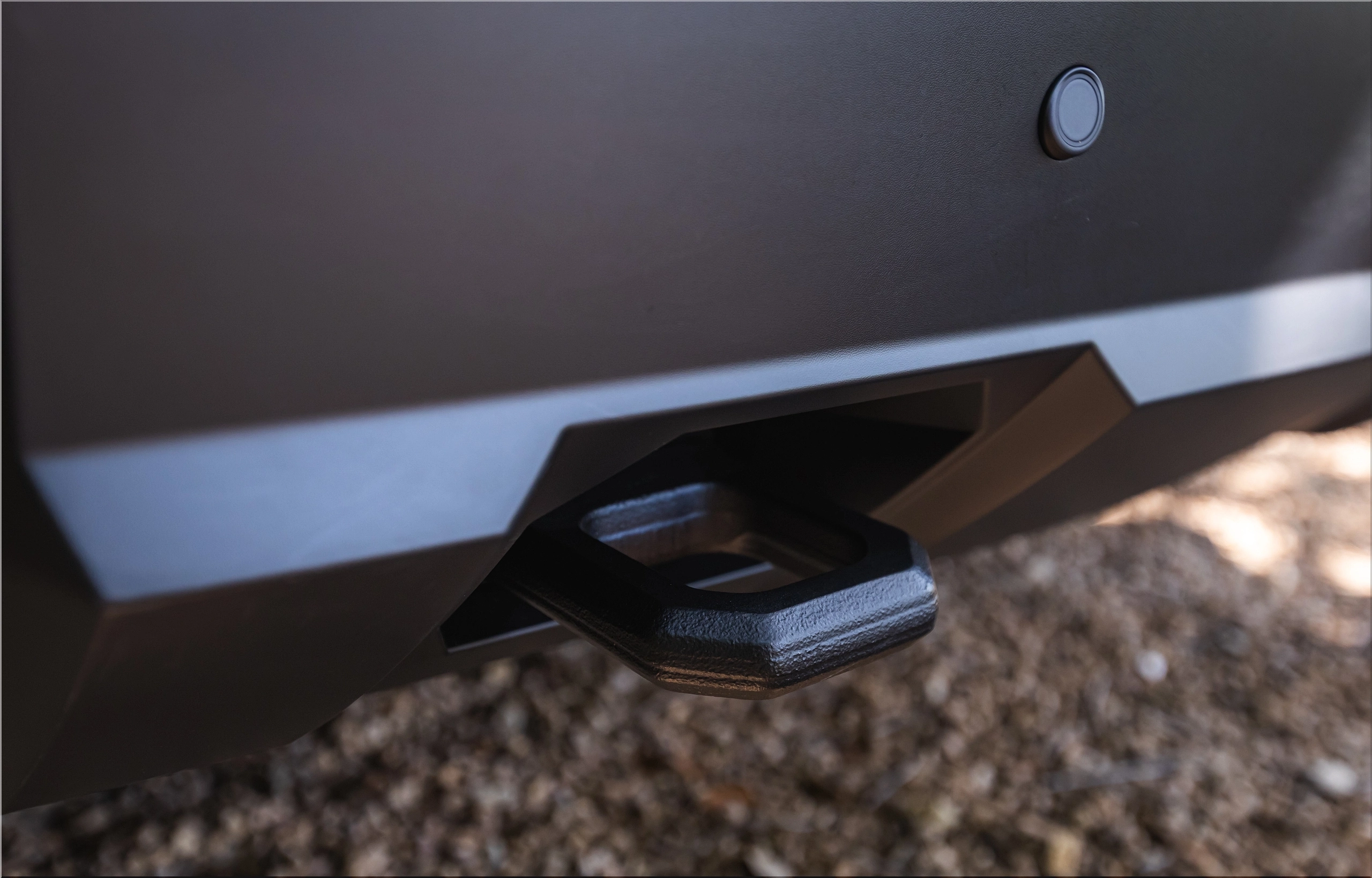
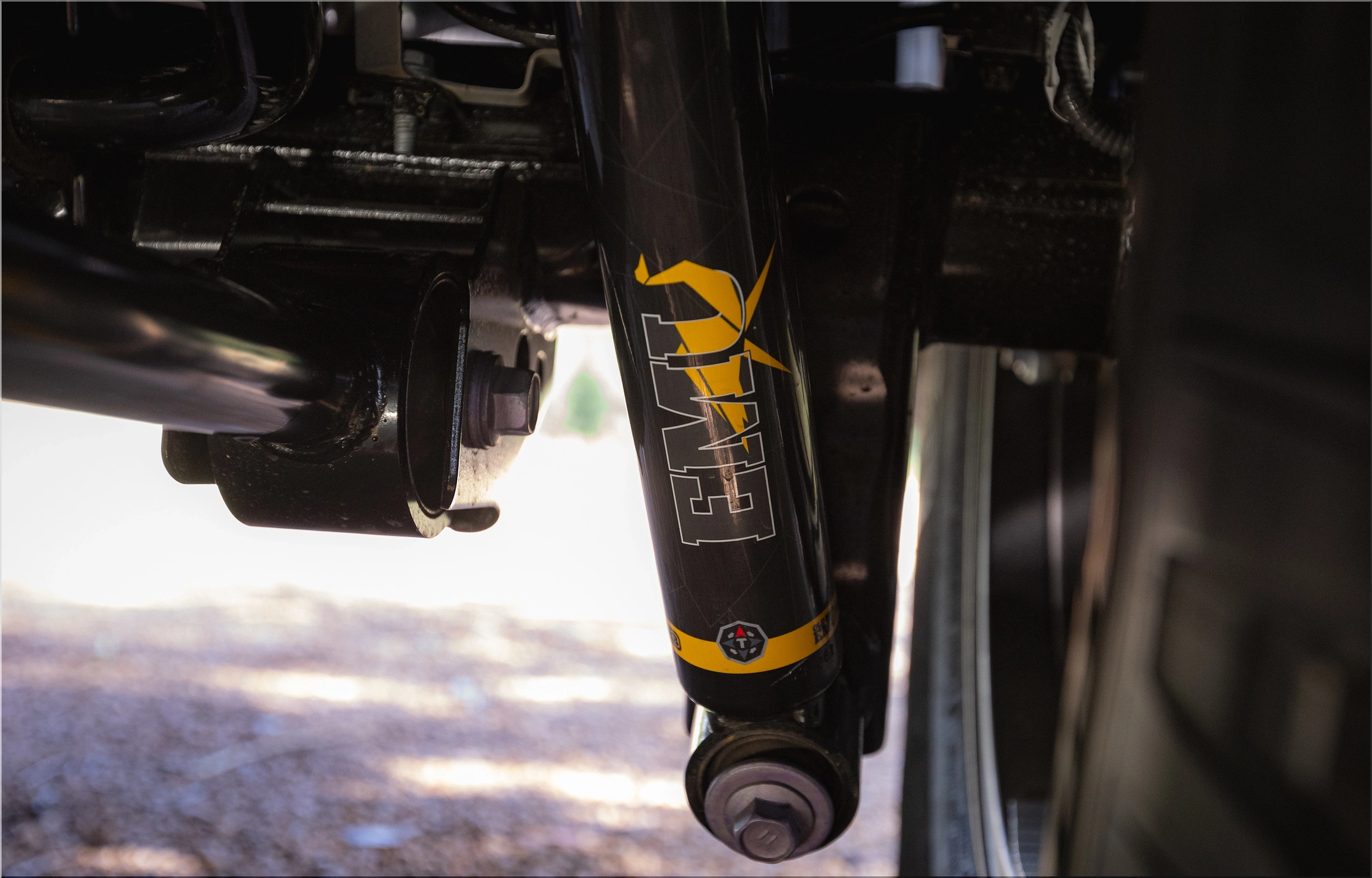
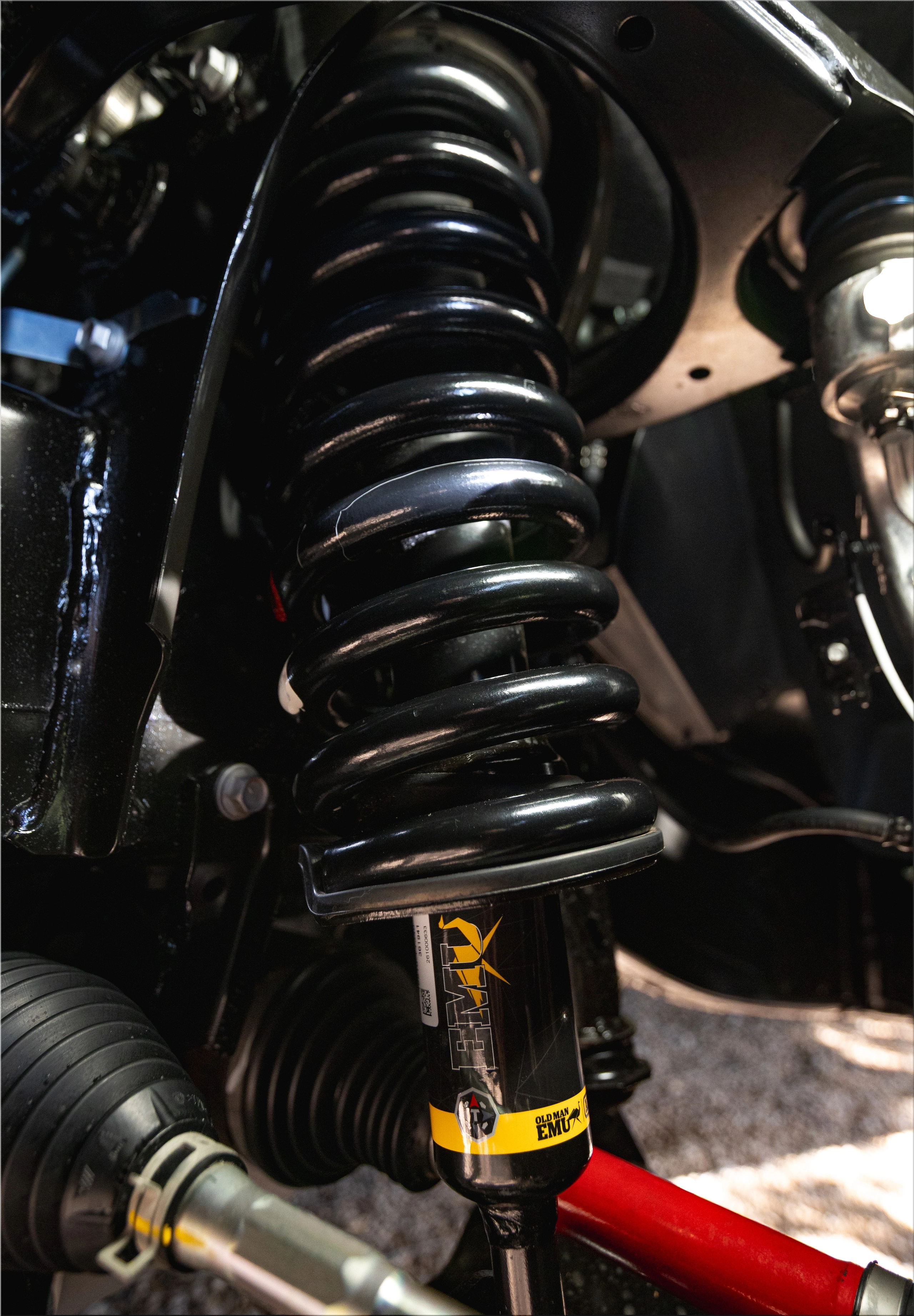
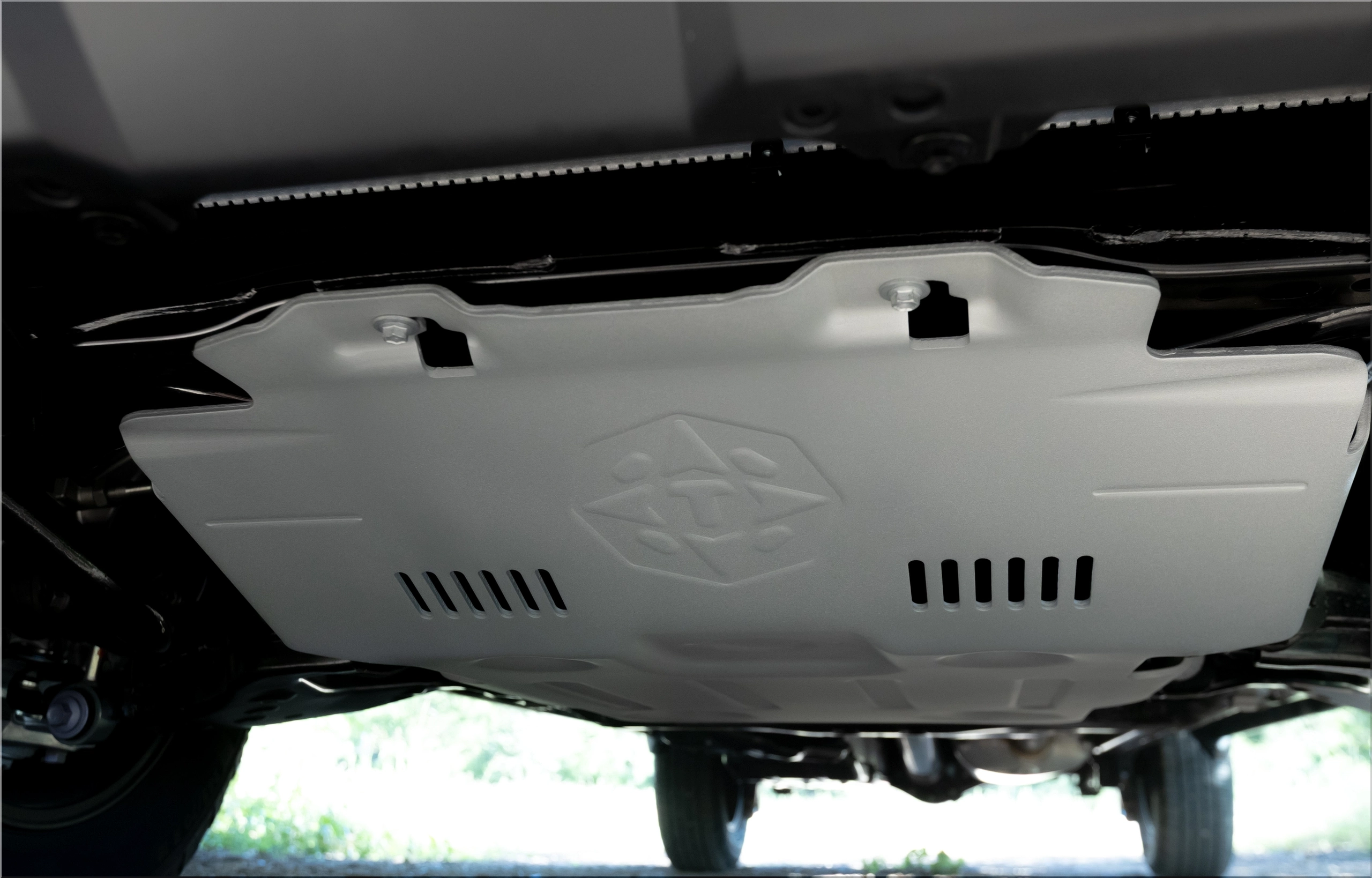
- Old Man Emu upgraded suspension, front recovery hooks, and added underbody armor
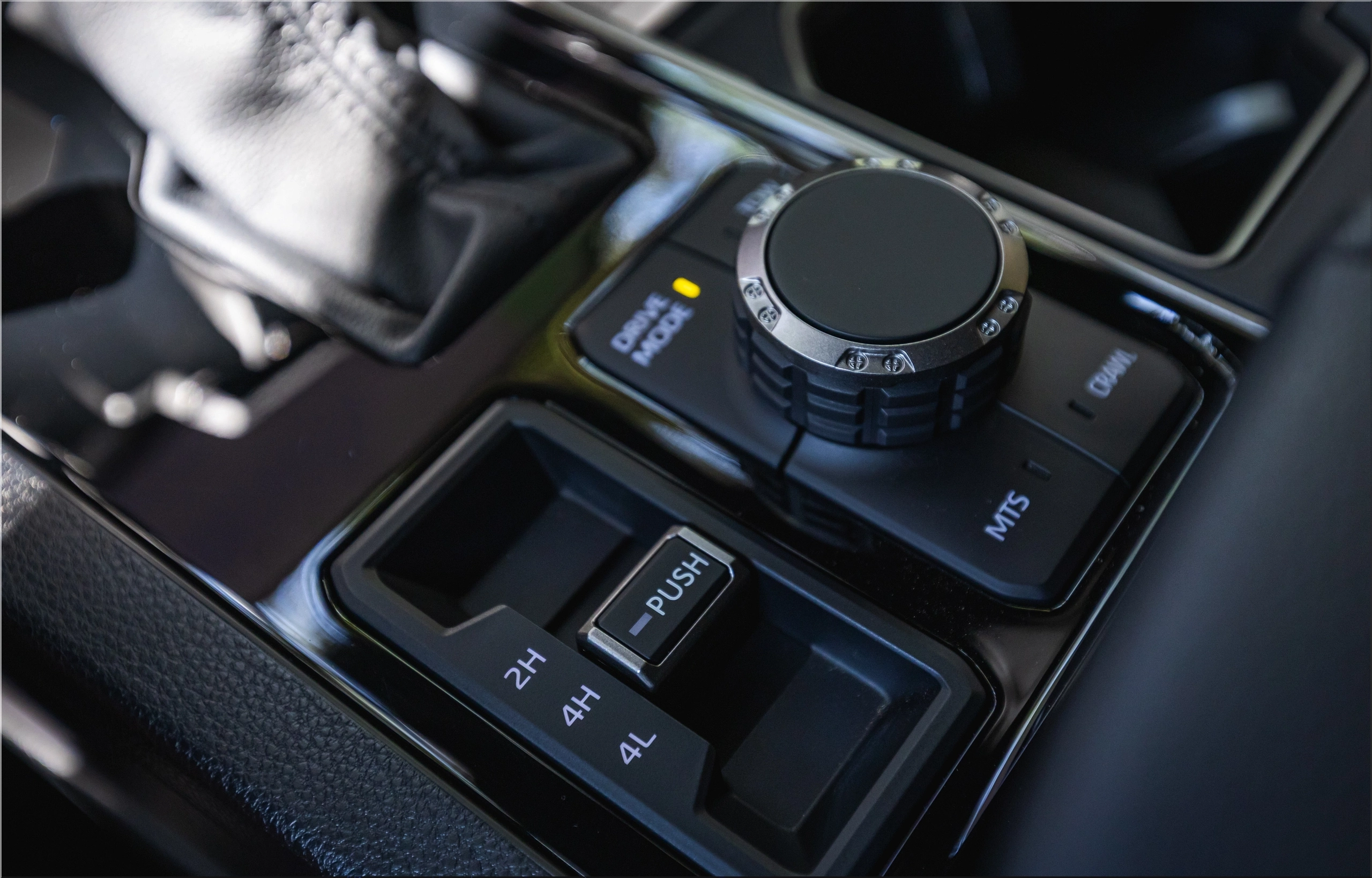
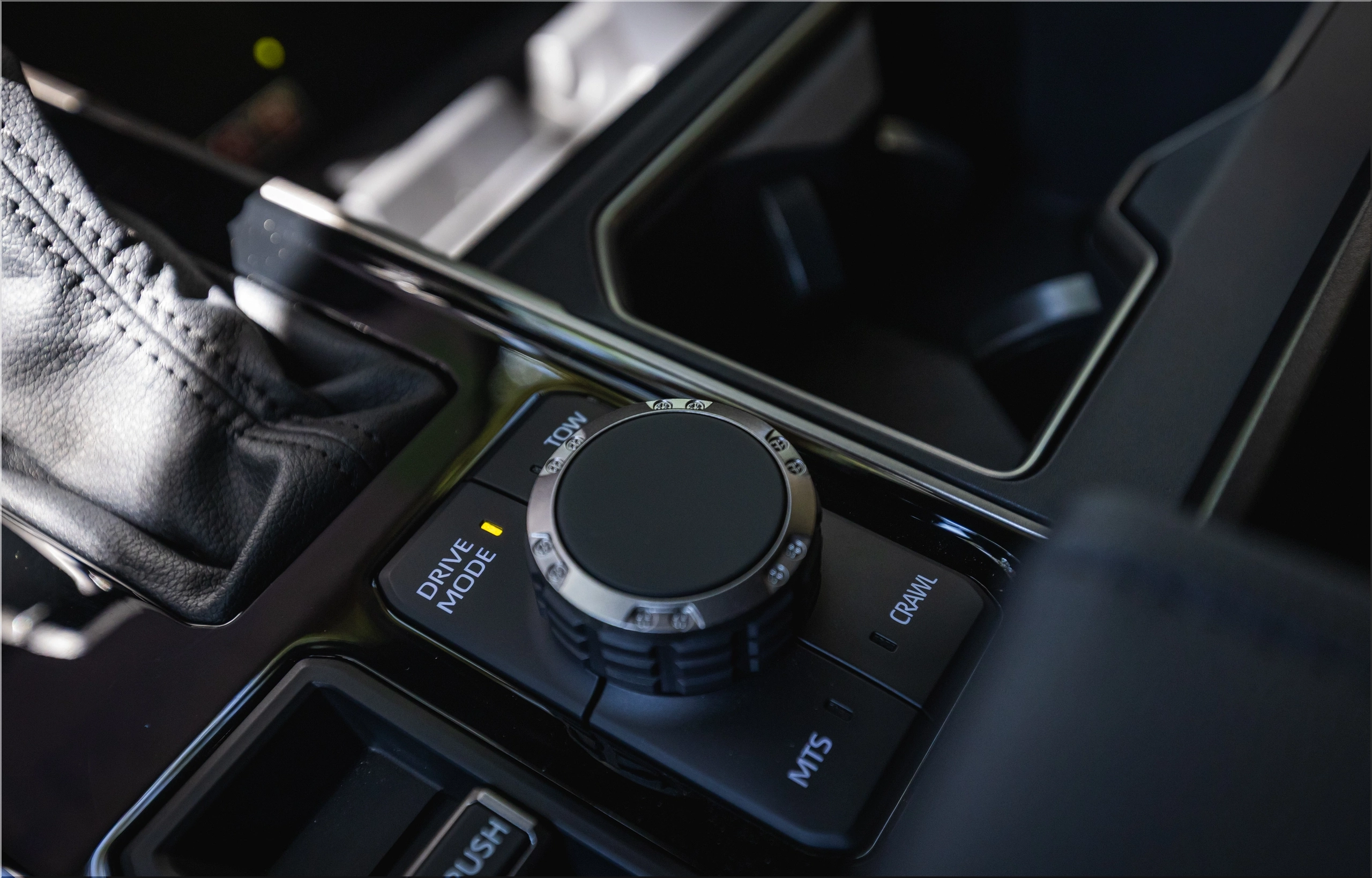
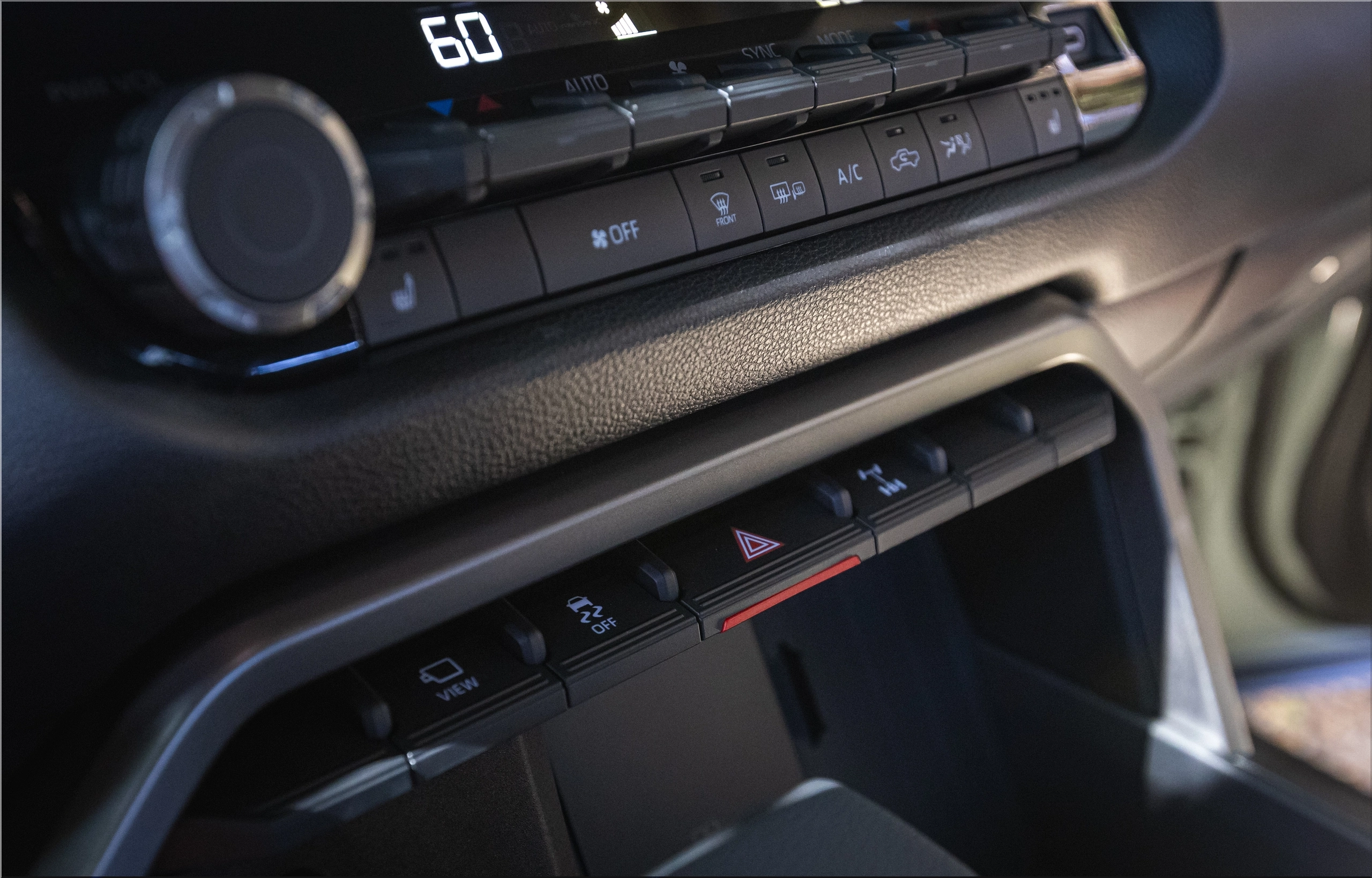
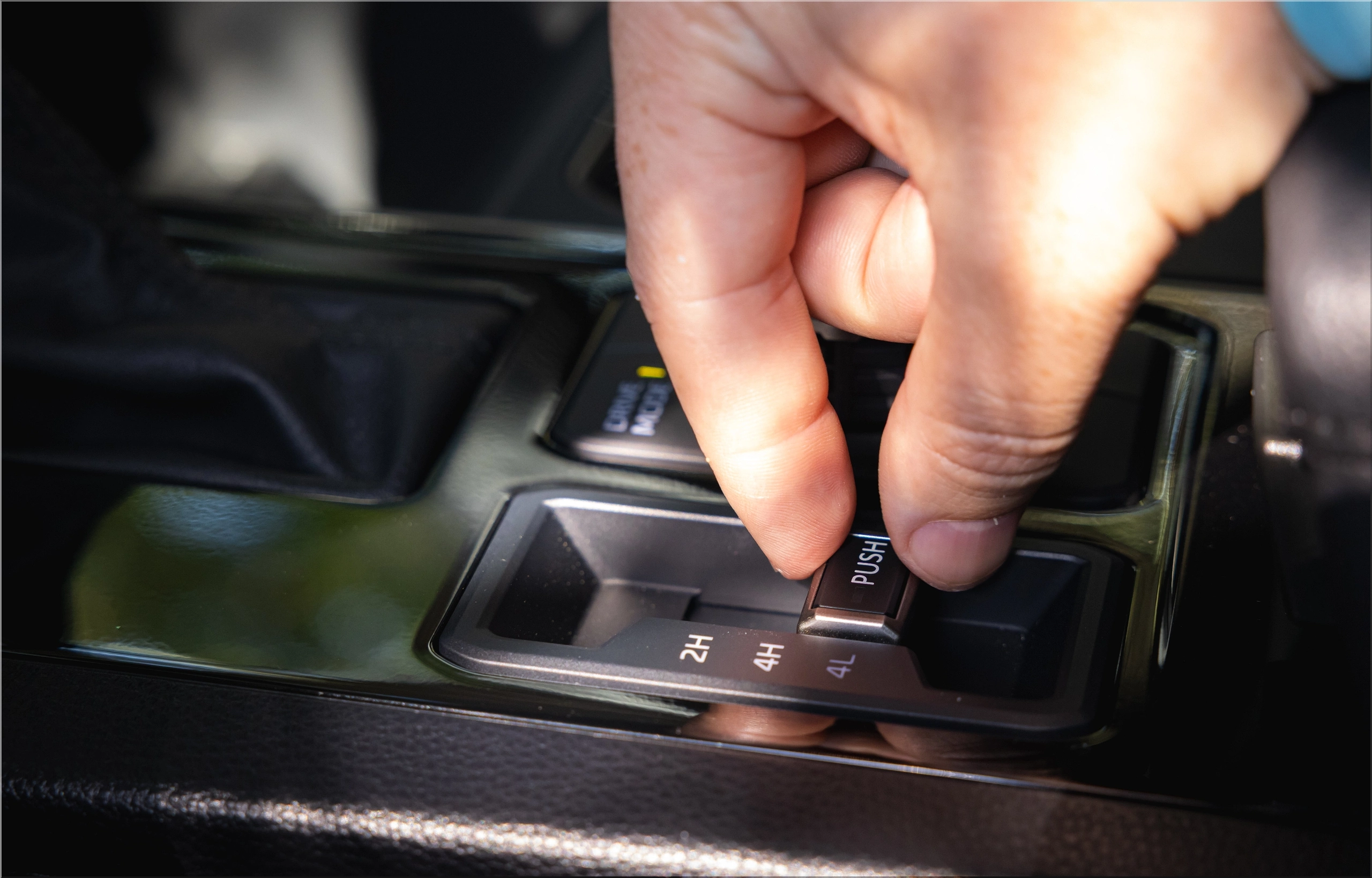
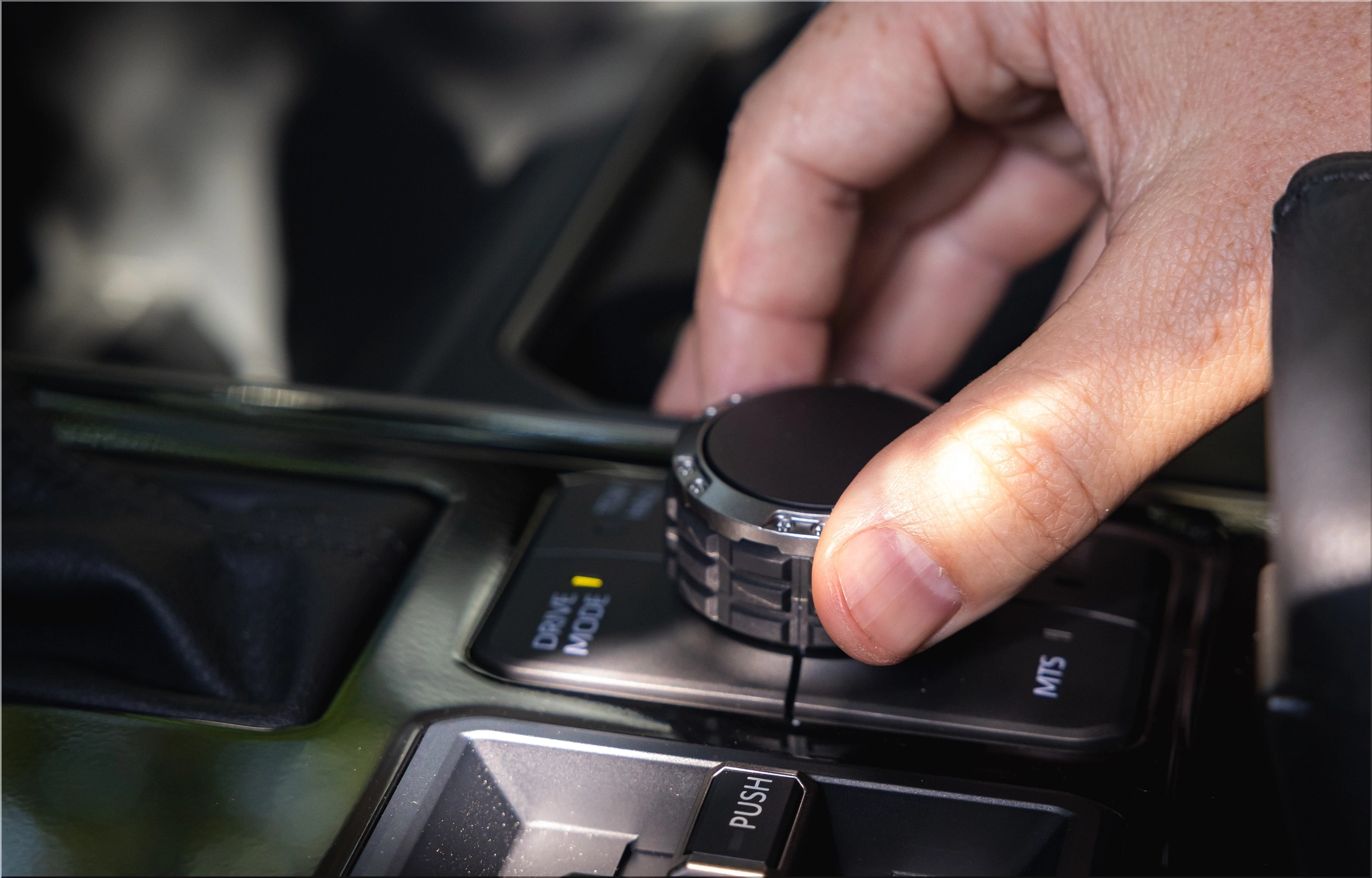
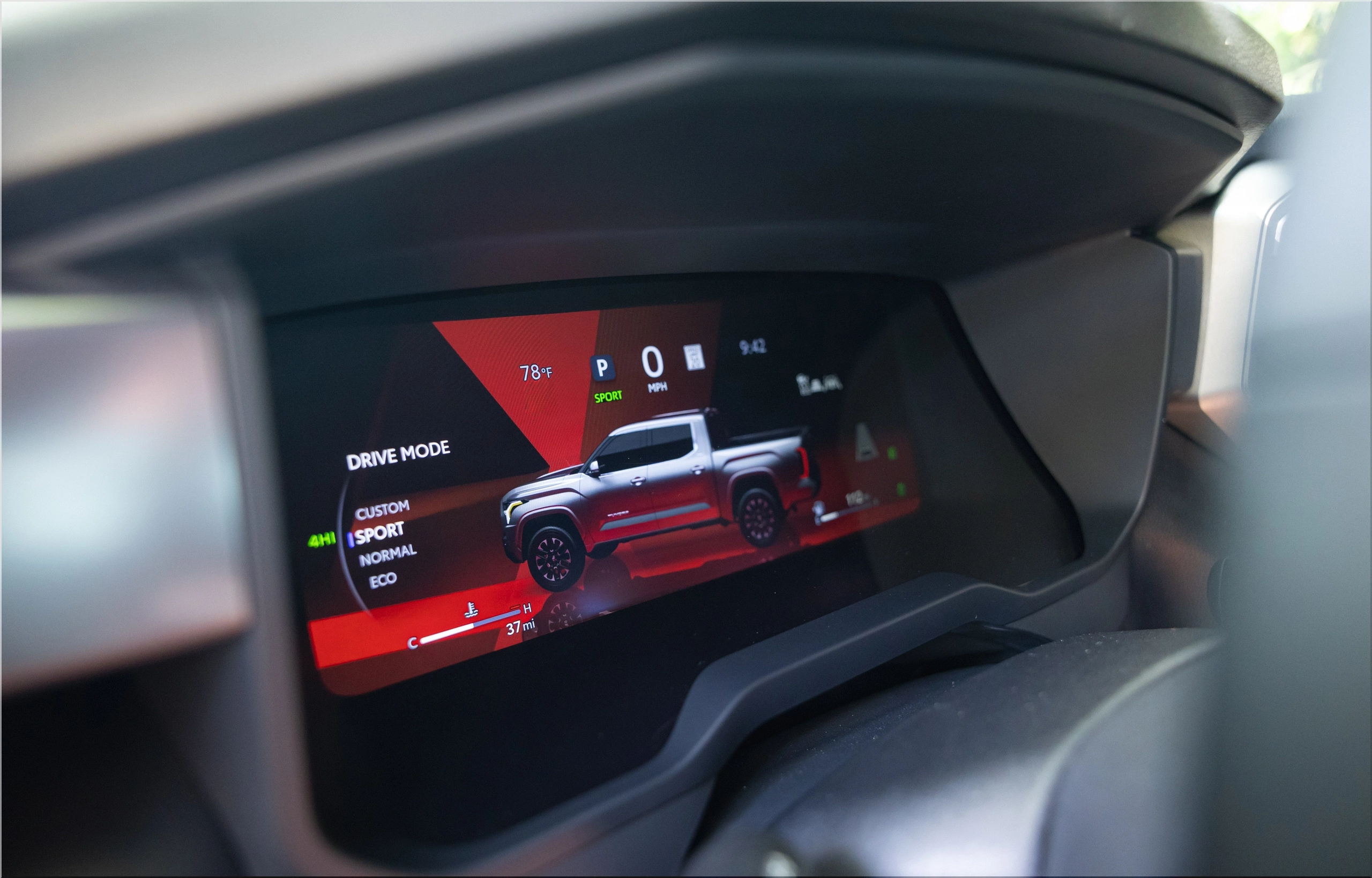
- Multi-Terrain Select, Crawl Control, and an electronic locking rear differential
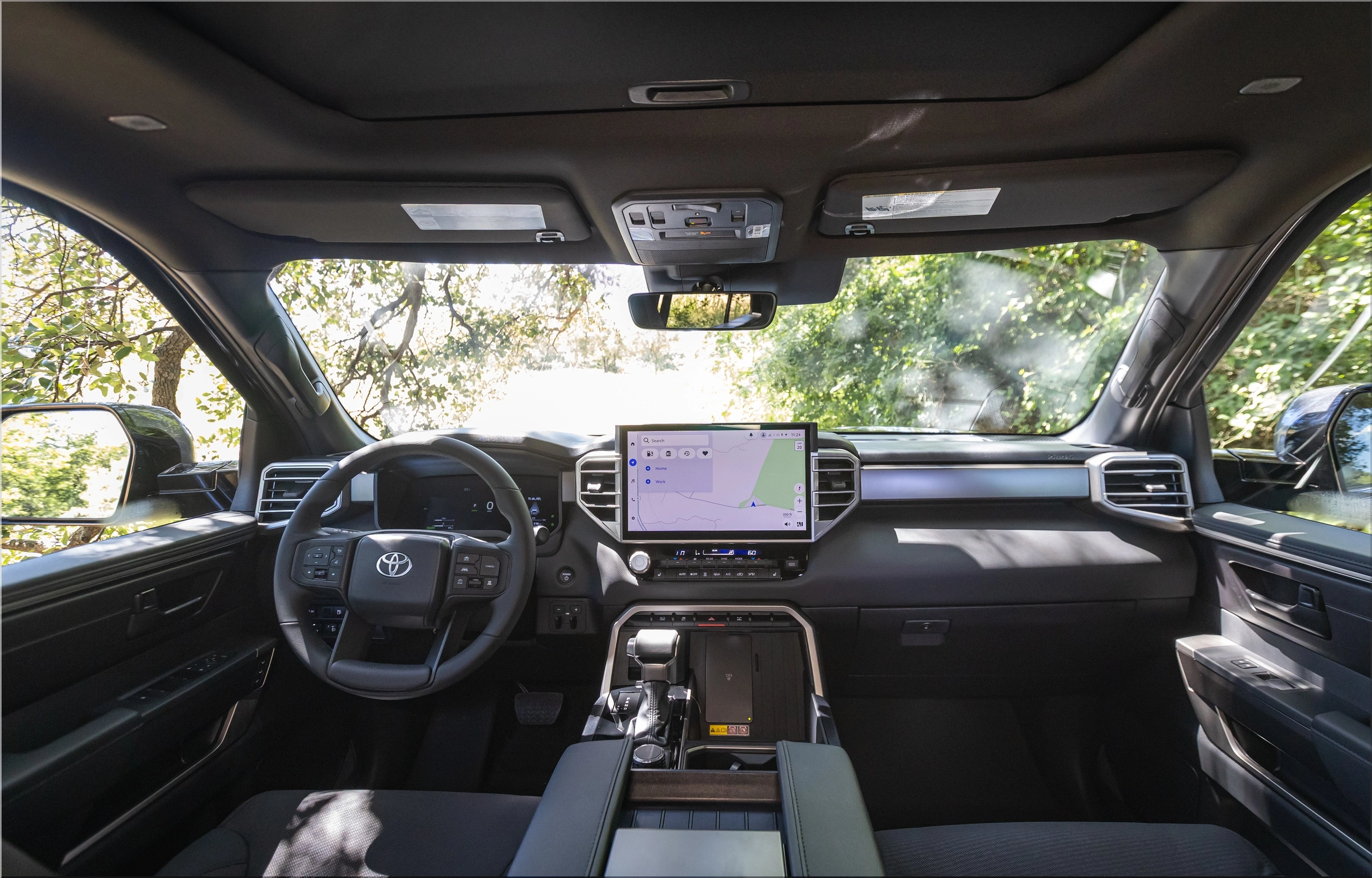
- A standard 14-inch Toyota Audio Multimedia touchscreen on every grade
- Toyota Safety Sense 4.0 across the range
- New FOX enhanced Q3S shocks, red tow hooks, and Honeycomb paint for TRD Pro
- A brighter grille-mounted LED light bar and available RIGID fog lights
Trailhunter Targets Overlanding, Not Desert Racing
The 2027 Toyota Tundra Trailhunter uses a restrained tire specification. A 265/70R18 tire measures about 32.6 inches, or 828 mm, in nominal diameter: two 185.5-mm sidewalls plus an 18-inch wheel. That size gives the truck useful sidewall depth without the steering weight, gearing penalty, spare-tire bulk, and fuel use that often accompany 35- or 37-inch tires.
Specifically, Toyota chose Michelin LTX Trail rubber instead of an aggressive mud-terrain tire. That choice favors highway stability, tread life, wet-road manners, and moderate trail grip. Long-distance campers spend far more time on asphalt and graded dirt than they spend charging across dunes, so the tire fits the mission.
Old Man Emu supplies the suspension upgrade. Toyota has not published the shock diameter, reservoir design, lift height, spring rate, wheel travel, or added load rating. The engineering logic still points toward controlled travel with camping cargo rather than maximum-speed impacts, because overlanding hardware must manage drawers, a refrigerator, water, recovery gear, and trailer tongue weight for hours at a time.
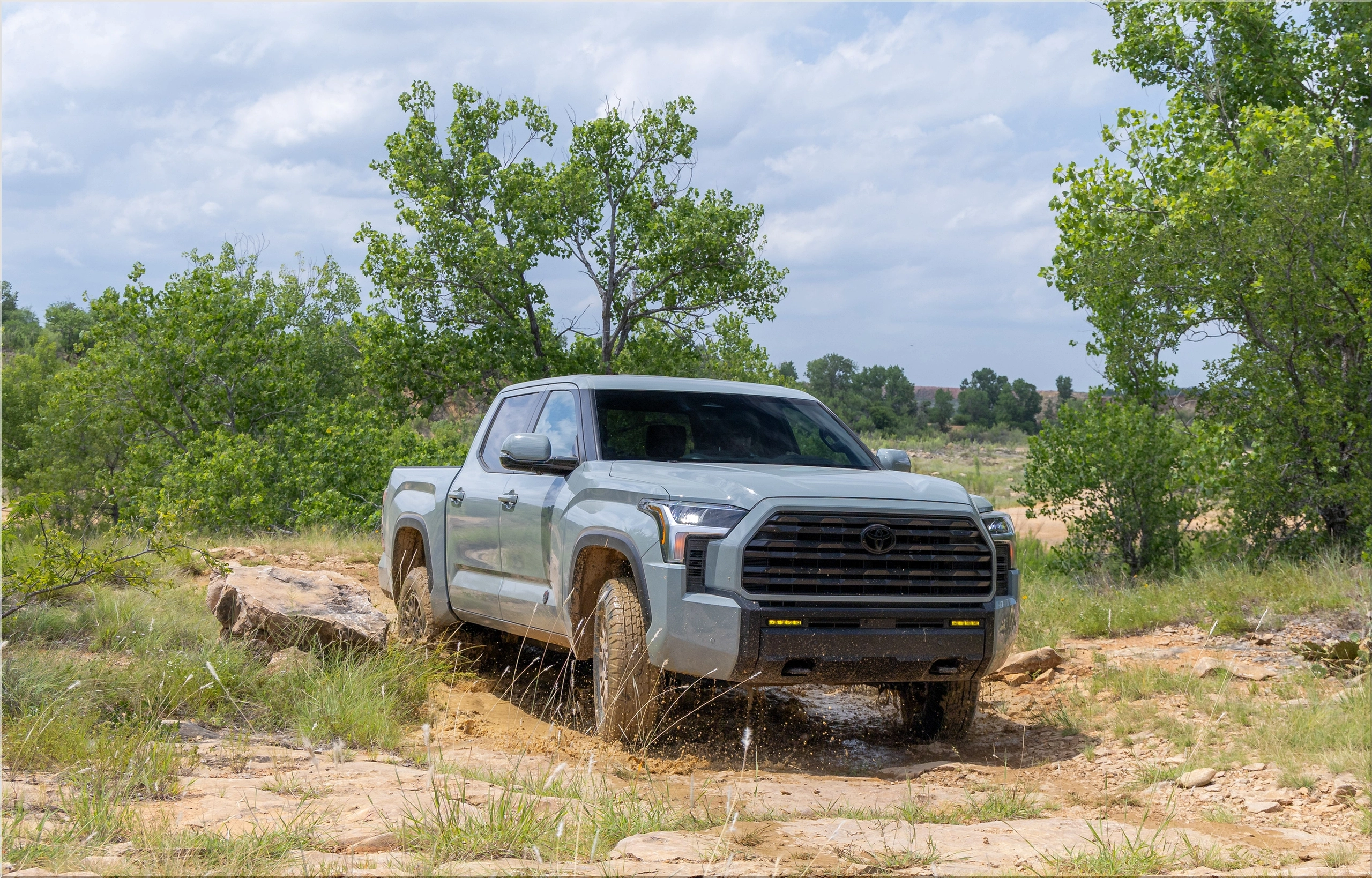
Crawl Control
Crawl Control works like low-speed off-road cruise control. The system meters throttle and braking at a selected speed, allowing the driver to concentrate on tire placement and steering.
The electronic rear locker solves a different problem. It forces both rear wheels to turn together when one tire loses grip, while Multi-Terrain Select adjusts throttle and brake intervention for changing surfaces. Consequently, the three systems attack speed control, wheel slip, and axle traction separately.
What Toyota Has Confirmed and What Remains Pending
Toyota's first release identifies the hardware but stops short of a full order guide. This distinction carries real financial weight for anyone planning to tow a travel trailer or load the bed with an overland build.
| Item | Confirmed for 2027 | Still pending |
|---|---|---|
| Trailhunter basis | SR5 package | Cab, bed, and engine combinations |
| Tires and wheels | 265/70R18 Michelin LTX Trail; 18-inch bronze-colored wheels | Tire load index and spare specification |
| Suspension | Old Man Emu upgrade | Lift, travel, shock construction, and spring rates |
| Trail hardware | Front recovery hooks and added underbody protection | Plate materials, coverage area, and winch provisions |
| Traction systems | Multi-Terrain Select, Crawl Control, rear locker | Transfer-case ratio and drive-mode details |
| Capability | Factory-built overlanding focus | Tow rating, payload, ground clearance, and trail angles |
| Price | Toyota promises a more accessible position | Package MSRP and destination charge |
Toyota also has not announced a snorkel, rock rails, onboard air compressor, bed rack, or auxiliary fuel tank for the full-size Trailhunter. Buyers should not assume that equipment carries over from the Toyota Tacoma or Toyota 4Runner Trailhunter.
Gas and Hybrid Power Return
Toyota confirms gas and hybrid choices for the 2027 Toyota Tundra, but it has not assigned either engine to Trailhunter or released final output. The existing 3.445-liter twin-turbo V6 and i-FORCE MAX parallel hybrid provide the best reference, since Toyota continues to use the same underlying truck architecture.
| Current 2026 reference | i-FORCE twin-turbo V6 | i-FORCE MAX hybrid |
| Output | 389 hp at 5,200 rpm | 437 hp at 5,200 rpm |
| Peak torque | 479 lb-ft at 2,400 rpm | 583 lb-ft at 2,400 rpm |
| Transmission | 10-speed automatic | 10-speed automatic |
| Fuel economy | Up to 18/23/20 mpg city/highway/combined on SR5 | Up to 20/24/22 mpg on eligible rear-drive grades |
| Current maximum towing | Up to 12,000 pounds | Up to 11,450 pounds |
| Current maximum payload | Up to 1,940 pounds across the range | Lower than the gas maximum due to added hybrid mass |
The hybrid places a motor-generator and clutch inside the bell housing between the engine and transmission. This layout sends electric torque through the 10-speed gearbox, so the truck retains low-range gearing and conventional four-wheel-drive hardware. Peak torque arrives at 2,400 rpm, where a loaded truck needs it during launch, grade changes, and low-speed trail work.
In addition, i-FORCE MAX grades offer a 2.4-kW inverter for tools and campsite equipment. Toyota has not confirmed hybrid availability for Trailhunter, so campers should wait for the order guide before counting on that power source.
Current Tundra Dimensions Put the New Package in Context
Toyota has not released revised 2027 exterior measurements. The current body choices show the footprint buyers can reasonably expect, but the new bumpers could alter final length and trail angles.
| Current body configuration | Wheelbase | Overall length | Inside bed length |
| Double Cab, 6.5-foot bed | 145.7 in / 3,701 mm | 233.6 in / 5,933 mm | 77.6 in / 1,971 mm |
| Double Cab, 8.1-foot bed | 164.6 in / 4,181 mm | 252.5 in / 6,414 mm | 96.5 in / 2,451 mm |
| CrewMax, 5.5-foot bed | 145.7 in / 3,701 mm | 233.6 in / 5,933 mm | 65.6 in / 1,666 mm |
| CrewMax, 6.5-foot bed | 157.7 in / 4,006 mm | 245.6 in / 6,238 mm | 77.6 in / 1,971 mm |
The current truck spans 80.2 inches, or 2,037 mm, without mirrors. Its composite bed measures 58.7 inches, or 1,491 mm, across, 48.7 inches, or 1,237 mm, between the wheel wells, and 20.9 inches, or 531 mm, deep. Toyota reinforces the bed with aluminum crossmembers to resist dents and corrosion while controlling mass.
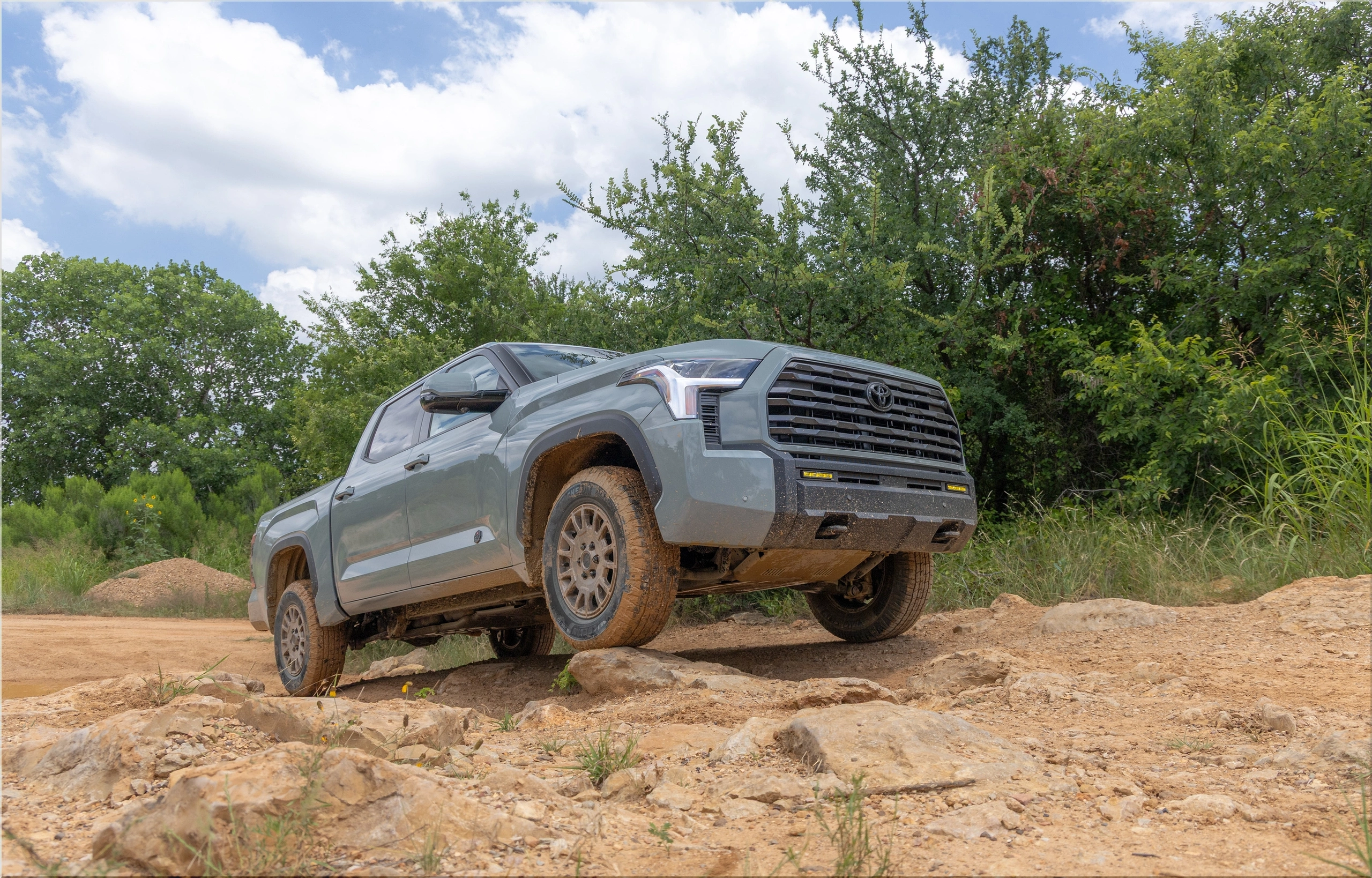
From an expert perspective, the CrewMax short bed best balances its 145.7-inch wheelbase with 41.6 inches of rear legroom. A longer bed adds cargo room but hurts turning and breakover clearance. Toyota has not confirmed a Trailhunter cab or bed.
New Cabin Technology Fixes a Real Value Gap
The 14-inch touchscreen now comes standard. In 2026, buyers had to move from SR or SR5 to Limited or add equipment to get the larger display, so the change adds visible value at the lower end of the range.
The new multimedia system brings AT&T 5G connectivity, configurable home-screen widgets, and quicker responses to 'Hey Toyota' commands. A built-in drive recorder can save 20-second clips from exterior cameras after a manual or triggered event. The available Digital Key also works through compatible Apple, Google, and Samsung wallet apps, supports access for up to five added drivers, and can retain NFC access for a period after the phone battery dies.
Toyota Safety Sense 4.0 includes:
- Pre-Collision System with Pedestrian Detection
- Full-Speed Radar Cruise Control
- Lane Departure Alert with Steering Assist
- Lane Tracing Assist
- Automatic High Beams
- Road Sign Assist
- Proactive Driving Assist
How Trailhunter Compares With the Ford Raptor and Ram RHO
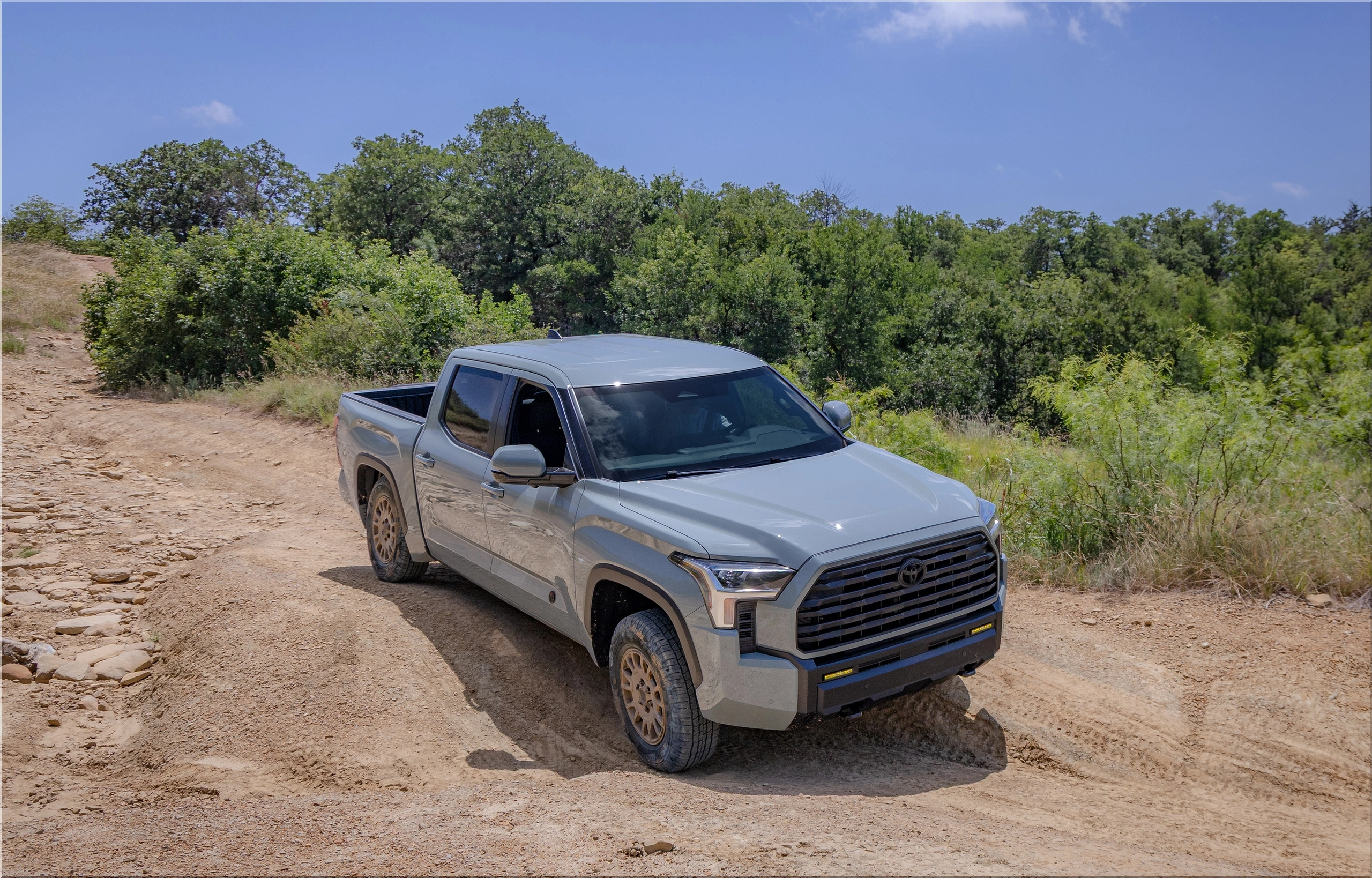
The Toyota Tundra Trailhunter does not chase the Ford F-150 Raptor or Ram 1500 RHO on horsepower or suspension travel. Those trucks target fast desert running and wear 35-inch or larger tires. Toyota takes a less extreme route that should cost less, generate less road noise, and preserve more everyday utility.
| Specification | 2027 Tundra Trailhunter | 2027 Tundra TRD Pro | 2026 Ford F-150 Raptor | 2026 Ram 1500 RHO |
| Power | Pending | Hybrid output pending; 2026 truck makes 437 hp | 450 hp | 540 hp |
| Tires | 265/70R18, about 32.6 in | 285/65R18 reference, about 32.6 in | 35 in; optional 37 in | 325/65R18, about 34.6 in |
| Dampers | Old Man Emu; details pending | FOX enhanced Q3S | FOX electronically controlled | Bilstein e2 active |
| Rear locker | Standard | Standard | Standard | Standard |
| Ground clearance | Pending | Current running-clearance figure reaches 10.9 in | 11.9 in with 35s | 11.8 in |
| Maximum towing | Pending | Current rating up to 11,175 lb | 8,200 lb | 8,330 lb |
Looking at the data, Ford and Ram win the horsepower, tire-size, and clearance contest. By comparison, Toyota may deliver a calmer daily driver with stronger towing potential, but only the final Trailhunter rating can settle that point. Its closer showroom rivals may prove to be the F-150 Tremor, Silverado ZR2, and Ram Rebel once Toyota announces price.
2027 Toyota Tundra Price and Buying Advice
Toyota has not priced the 2027 range or Trailhunter package. For context, the 2026 SR5 starts at $46,510 and the TRD Pro at $72,565 before destination and options. Those figures set broad bookends, not a forecast.
Should You Buy Trailhunter or Modify an SR5?
Buy Trailhunter if you value one warranty, integrated drive controls, factory calibration, and simpler resale. Build an SR5 independently if your use demands 35-inch tires, a winch, rock sliders, or springs rated for a constant heavy load. Compare the package MSRP with parts, labor, alignment, spare-tire changes, and sensor recalibration before deciding.
Pro-Tips for Tundra Buyers
- Check the door-jamb payload label on the exact truck; accessories, passengers, and trailer tongue weight consume that rating.
- Wait for Toyota's fall data if you tow near the limit or need specific clearance and trail angles.
- Inspect skid-plate coverage and recovery-hook access before adding bumpers or a winch.
The 2027 refresh gives the Tundra useful hardware and overdue standard tech. Trailhunter targets realistic overland travel at an SR5 starting point. Price, payload, and final geometry will decide its value.
- Add new comment
- 41 views