Positioning the Trailseeker in a Crowded EV Field
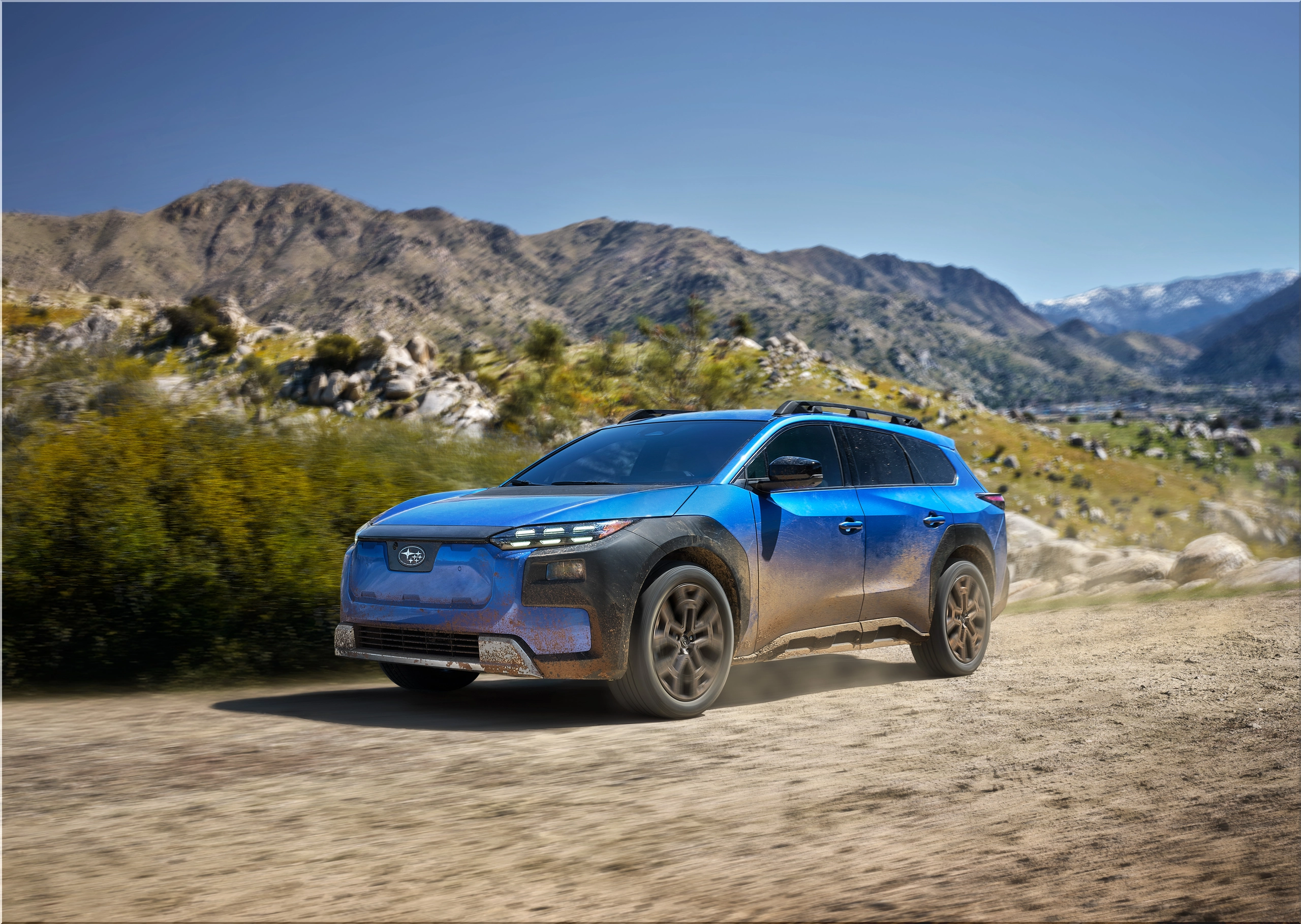
Subaru enters the electric SUV segment with the 2026 Subaru Trailseeker, a model built for drivers who want strong all-wheel-drive control, fast acceleration, and clear pricing. Subaru sets the starting figure at $39,995 USD, which places the Trailseeker under most AWD electric SUVs with similar power.
The Trailseeker uses a 375-horsepower dual-motor setup. It reaches 60 mph in 4.4 seconds, which puts it ahead of several direct competitors. Estimated range reaches 280 miles, which covers daily driving and moderate road trips. Fast-charge speed peaks at 150 kW, pushing the pack to 80 percent in about 28 minutes.
The model enters a segment led by the Hyundai Ioniq 5 AWD, Ford Mustang Mach-E AWD, and Toyota bZ4X AWD. Subaru focuses on AWD accuracy, driver confidence, and price pressure. That formula hits a wide group of buyers who want capability without premium-level pricing.
Power Output and AWD Behavior
Subaru brings its Symmetrical All-Wheel Drive architecture into a fully electric system. The layout uses front and rear acceleration sensors to shift torque during braking, cornering, and rapid load changes. The system reacts in real time and avoids the lag seen in many software-heavy AWD systems.
Drivers get several traction tools:
- X-MODE Dual-Mode for Snow/Dirt and Deep Snow/Mud
- Grip Control for slow terrain
- Downhill Assist Control for steep surfaces
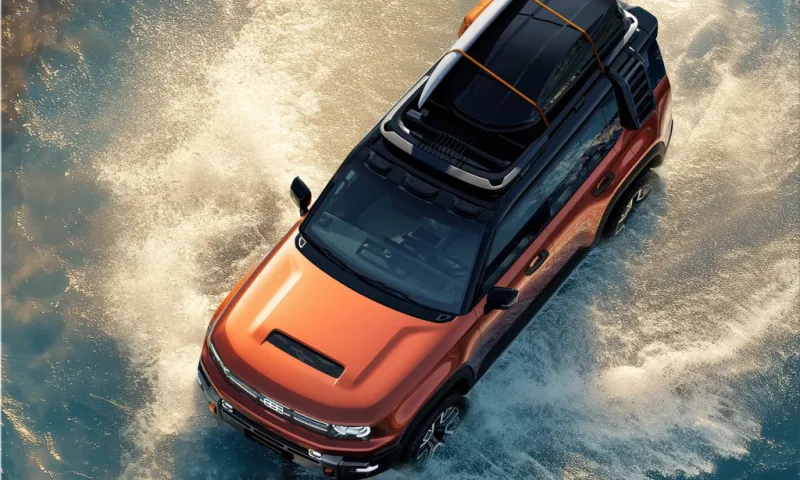
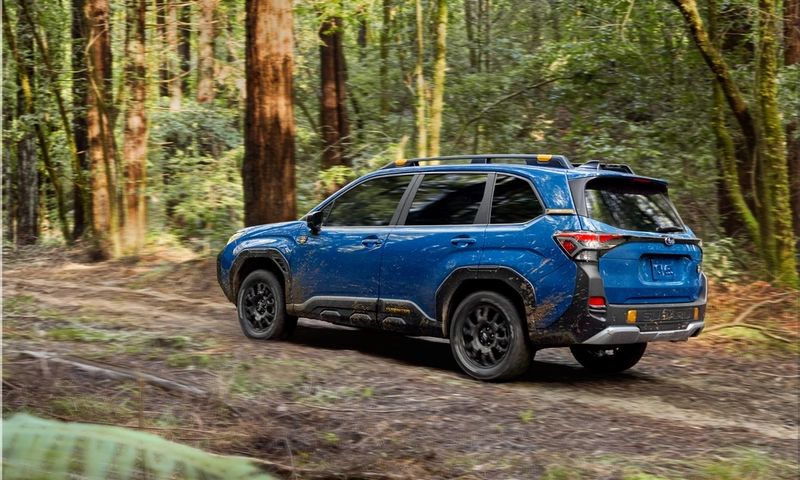
8.3 inches of ground clearance keeps the Trailseeker above typical compact EV crossovers. That extra height positions it closer to adventure-focused models than urban EVs.
Compared with rivals:
| Model | Horsepower | 0–60 mph | Ground Clearance | AWD Hardware |
|---|---|---|---|---|
| Subaru Trailseeker | 375 hp | 4.4 s | 8.3 in | True dual-motor AWD with torque sensors |
| Hyundai Ioniq 5 AWD | 320 hp | 4.5 s | 6.1 in | Dual-motor AWD |
| Toyota bZ4X AWD | 214 hp | 6.5 s | 8.1 in | Dual-motor AWD |
| Ford Mustang Mach-E AWD | 346–480 hp | 3.7–5.2 s | 5.7 in | Dual-motor AWD |
Subaru delivers stronger ground clearance than most EV competitors and matches or beats many in acceleration. Drivers who want consistent AWD traction rather than software-based torque routines will see the difference on snow and dirt.
Battery Capacity, Charging Speed, and Cold-Weather Use
The Trailseeker uses a 74.7-kWh lithium-ion pack. Subaru includes a battery-preconditioning tool that boosts charging speed in cold weather. Drivers trigger the function through the touchscreen or by selecting a charger in the navigation interface.
Peak charge speed hits 150 kW. That places the Trailseeker above the Toyota bZ4X and close to the Ford Mach-E Standard Range trims but below the fastest Ioniq 5 variants.
Charging comparison:
| Model | Peak Charge | 10–80% Charging Time |
|---|---|---|
| Trailseeker | 150 kW | ~28 min |
| Hyundai Ioniq 5 AWD | 235 kW | 18–20 min |
| Toyota bZ4X AWD | 100 kW | 45–60 min |
| Ford Mustang Mach-E AWD | 150 kW | 33–40 min |
Subaru stays competitive but avoids high-voltage systems found in the fastest Korean EVs. For many drivers, the Trailseeker’s consistency under cold conditions will matter more than top-peak numbers.
Interior Layout and Functional Cabin
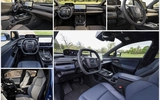
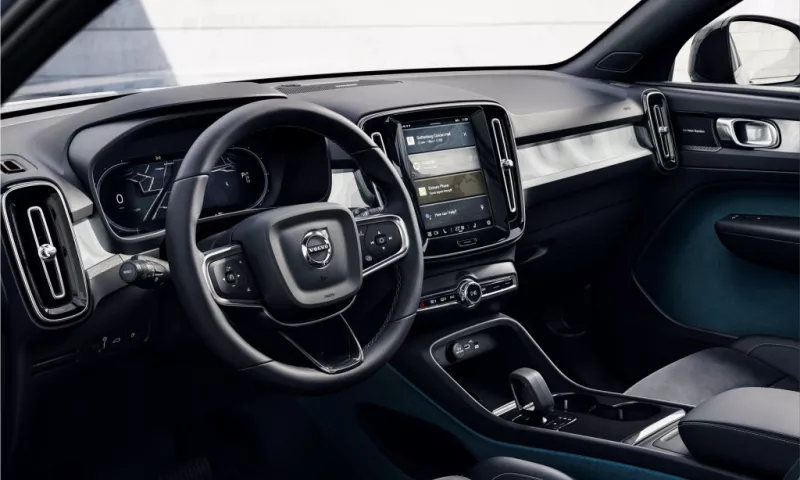
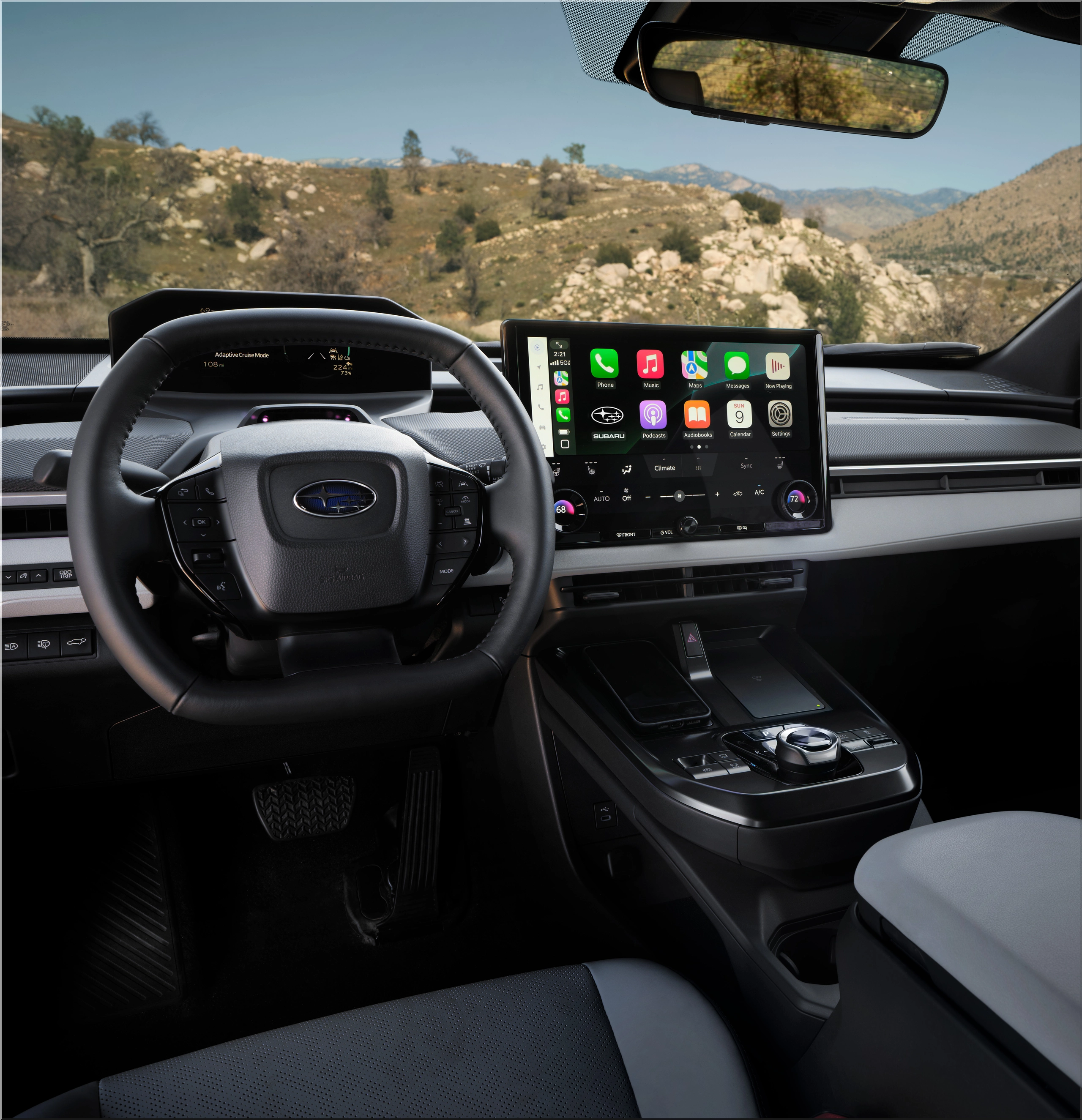
Subaru installs a 14-inch touchscreen, the largest display in the brand’s lineup. The layout remains simple and direct. Wireless phone integration comes standard. A large center console supports storage and device charging. Subaru uses StarTex upholstery as the base material, with leather available on higher trims.
Cargo capacity reaches 32.2 cubic feet. The roof supports a 700-pound static load, which enables rooftop tents and heavy racks. Those numbers give the Trailseeker more functional range than many compact EVs, which often limit roof loads to protect efficiency.
Exterior Design and Practical Details
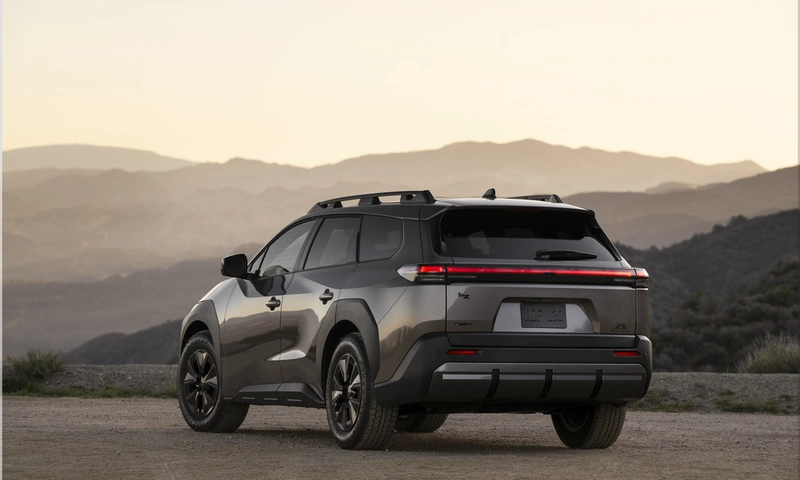
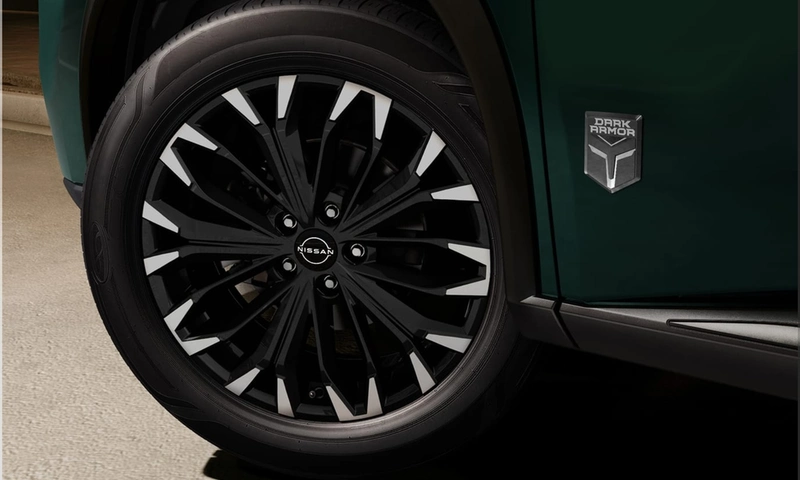
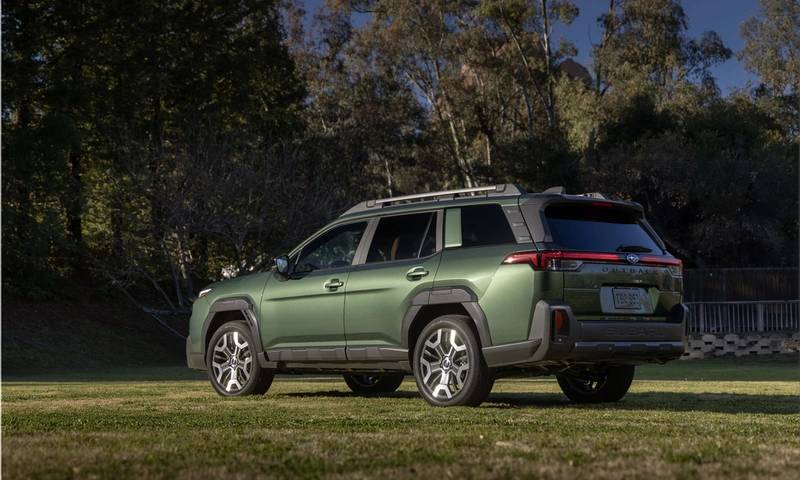
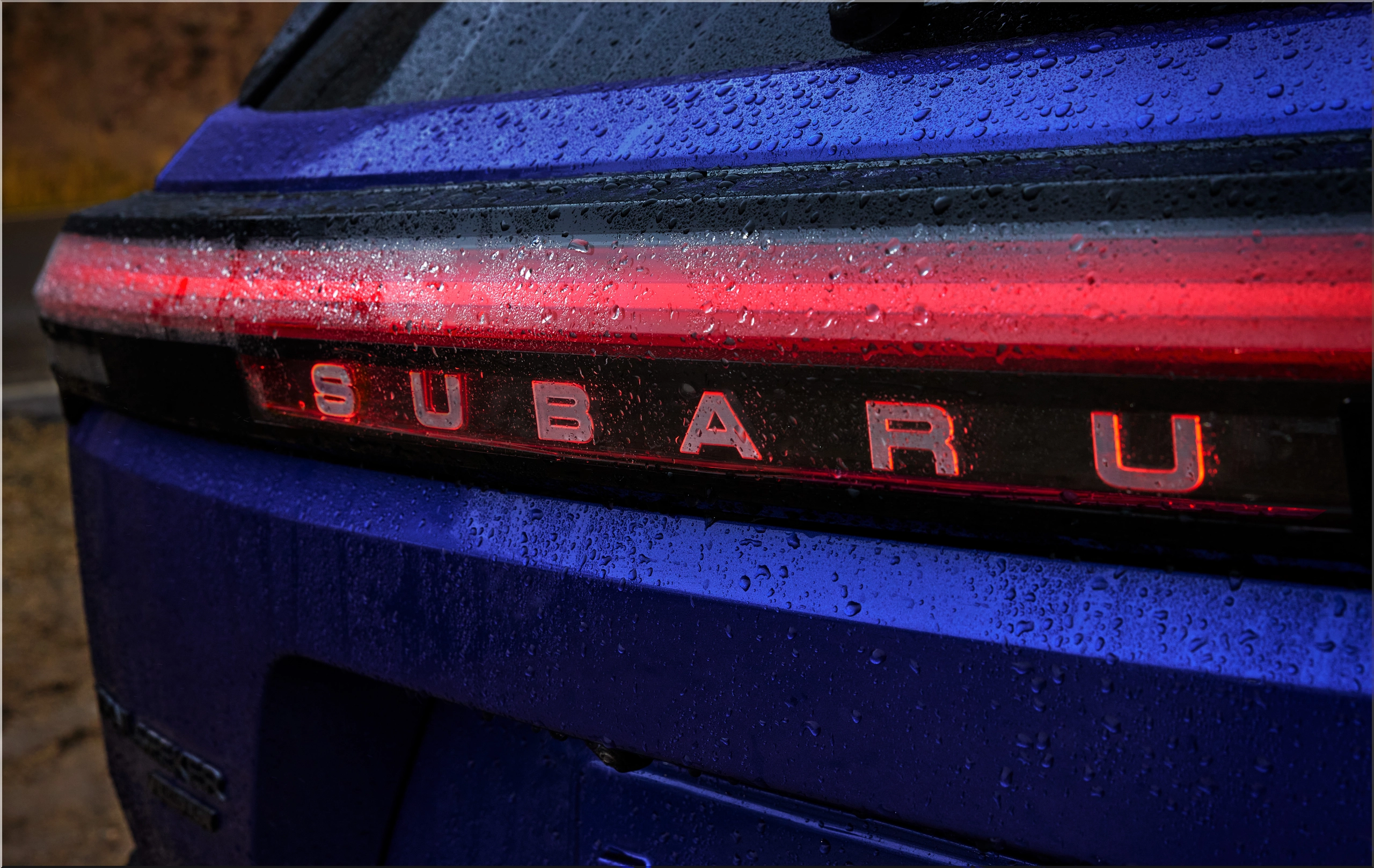
Subaru uses new EV signature lighting with a bright front badge and updated bumpers. Wheel sizes range from 18 inches on base trims to 20 inches on upper trims. A three-dimensional rear badge increases visibility at night.
Paint options include Crystal Black, Crystal White, Magnetite Gray, Brilliant Bronze, Sapphire Blue, and Daybreak Blue Pearl. The latter adds $395 USD.
Trim Breakdown and Pricing
Subaru sells the Trailseeker in three trims:
Trailseeker Premium — $39,995 USD
- 14-inch screen
- Wireless phone integration
- Heated front seats
- Dual wireless charging pads
- X-MODE
- 18-inch wheels
- Full suite of driver-assist tools
Trailseeker Limited — $43,995 USD
Adds:
- Harman Kardon audio
- 20-inch wheels
- Heated rear seats
- Heated wheel
- Hands-free power rear gate
- Digital key
- 120-volt cargo outlet
Trailseeker Touring — $46,555 USD
Adds:
- Panoramic glass roof
- Ventilated seats
- Radiant leg warmers
- Gloss-black hood detail
- Optional two-tone leather
Competitive Position and Buyer Impact
Subaru shapes the Trailseeker for drivers who want direct driving results and predictable AWD behavior. Acceleration outpaces the Hyundai Ioniq 5 AWD. Capability on loose surfaces beats the Toyota bZ4X AWD. Cabin function competes with the Ford Mach-E, which offers a stronger performance ceiling but at higher prices.
The Trailseeker targets buyers who want:
- AWD traction in winter conditions
- Strong acceleration without premium pricing
- Fast charging with simple controls
- Practical cargo and roof capacity
- Direct, functional technology instead of complex UX layers
The Trailseeker emerges as a clear option for EV drivers who want performance and control without luxury pricing pressure. Subaru stays focused on results: fast output, accurate AWD, and simple decisions for the buyer.
- Add new comment
- 170 views