Introduction: A First for the Industry
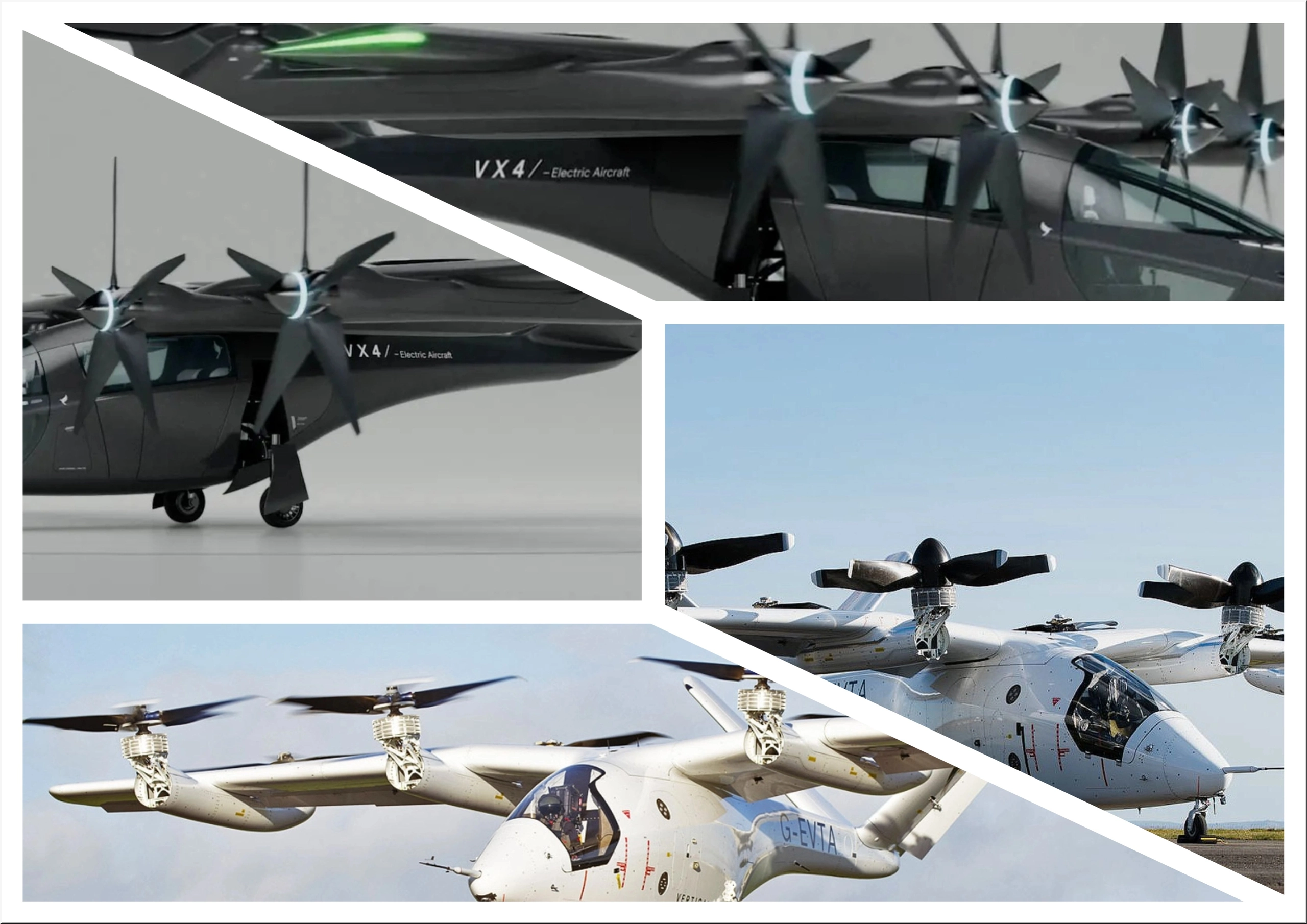
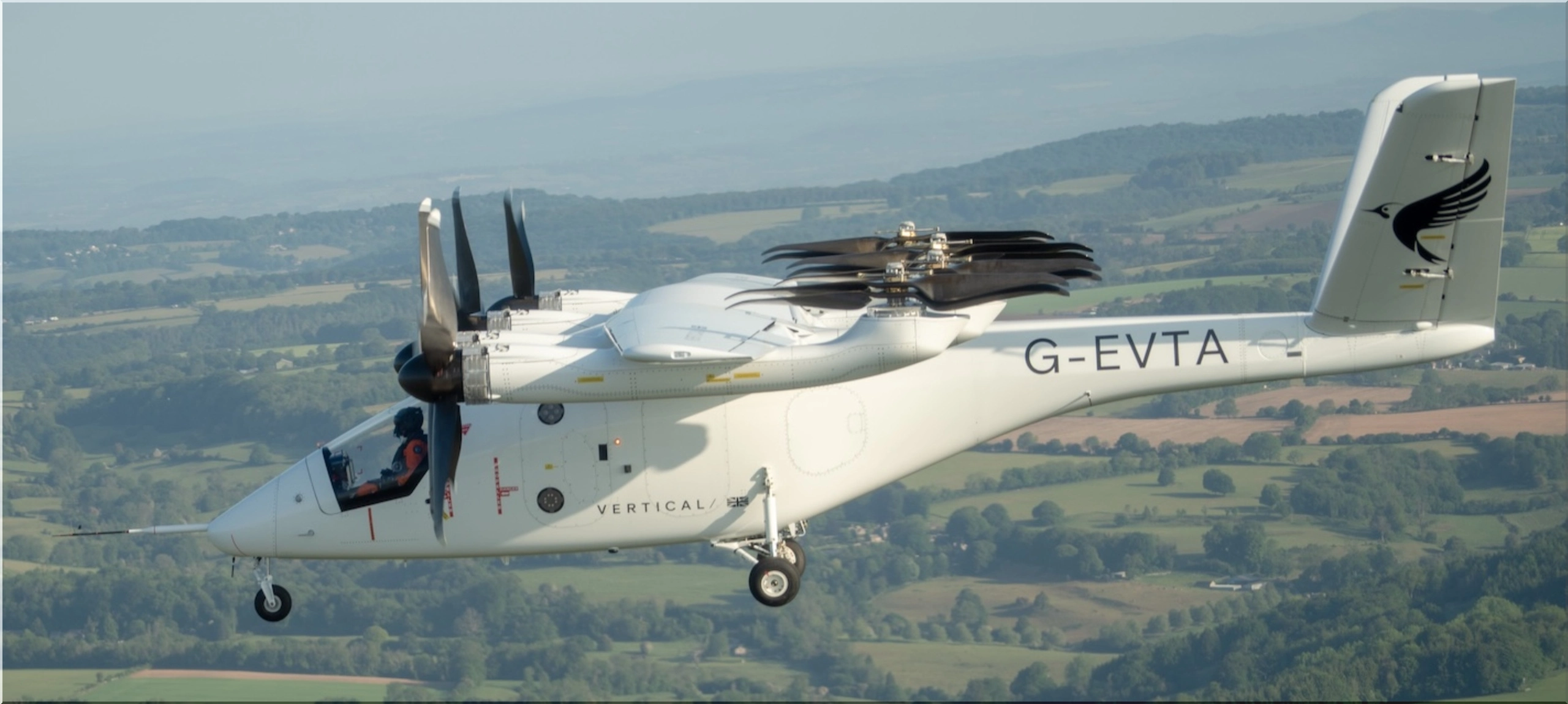
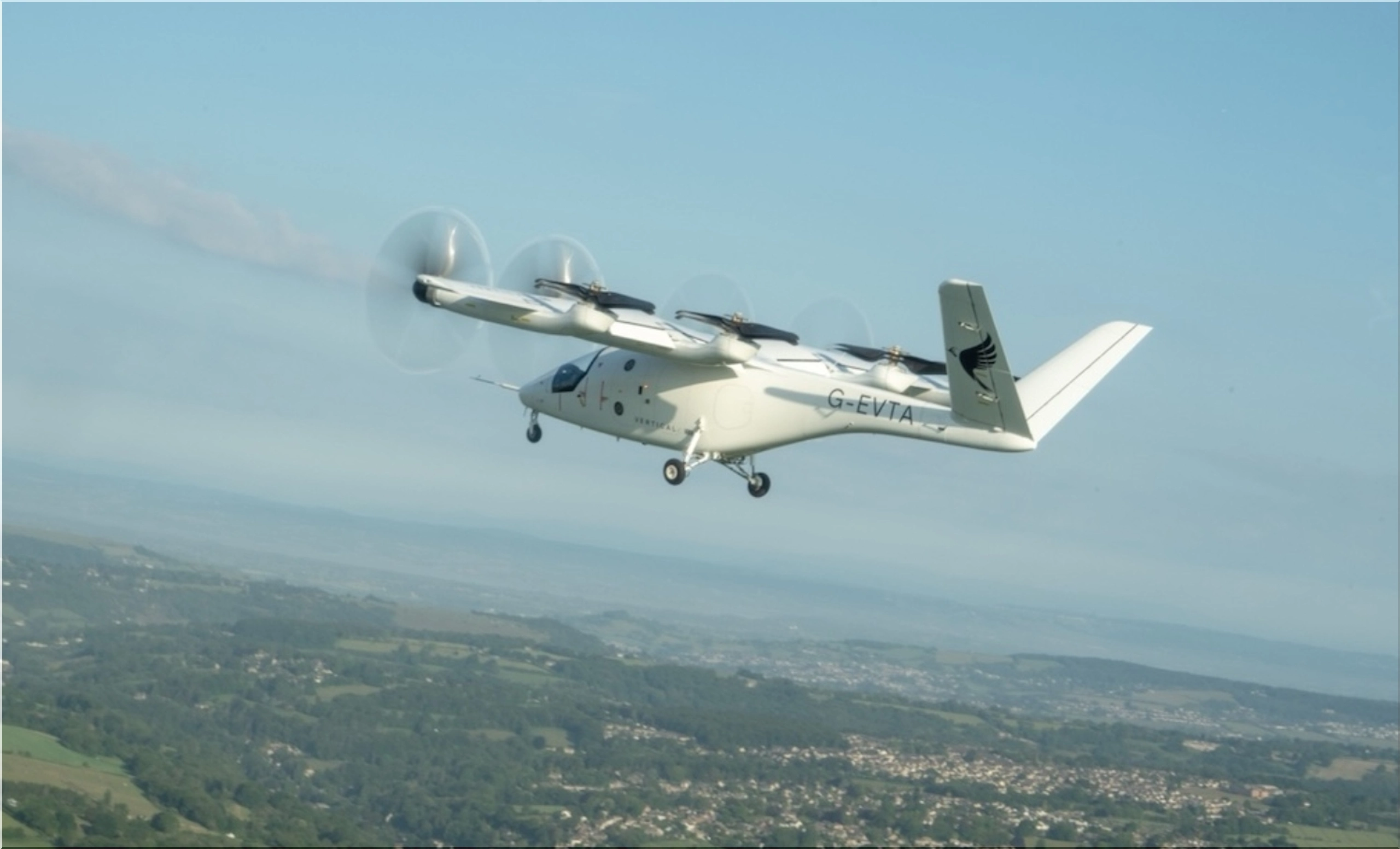
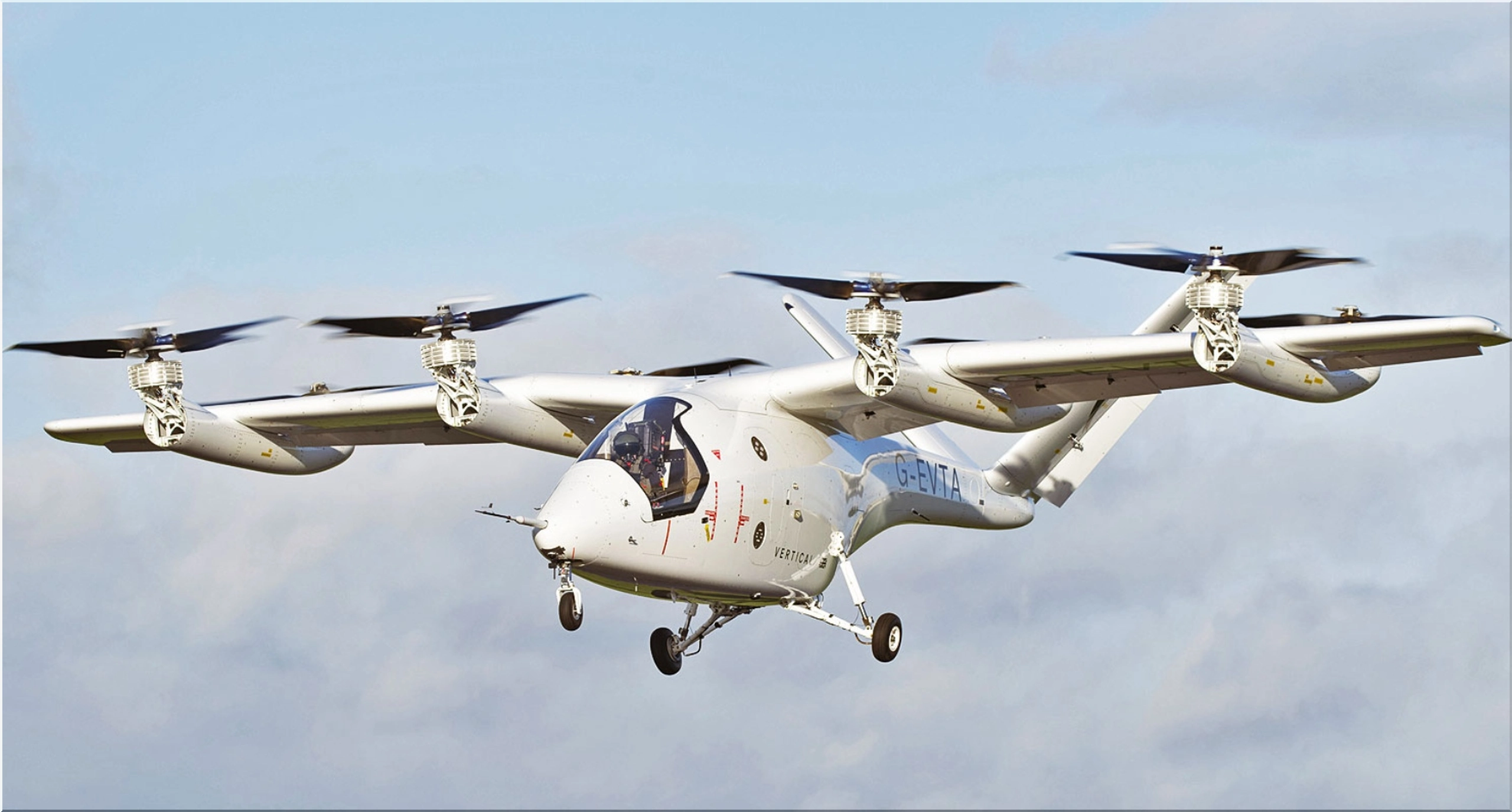
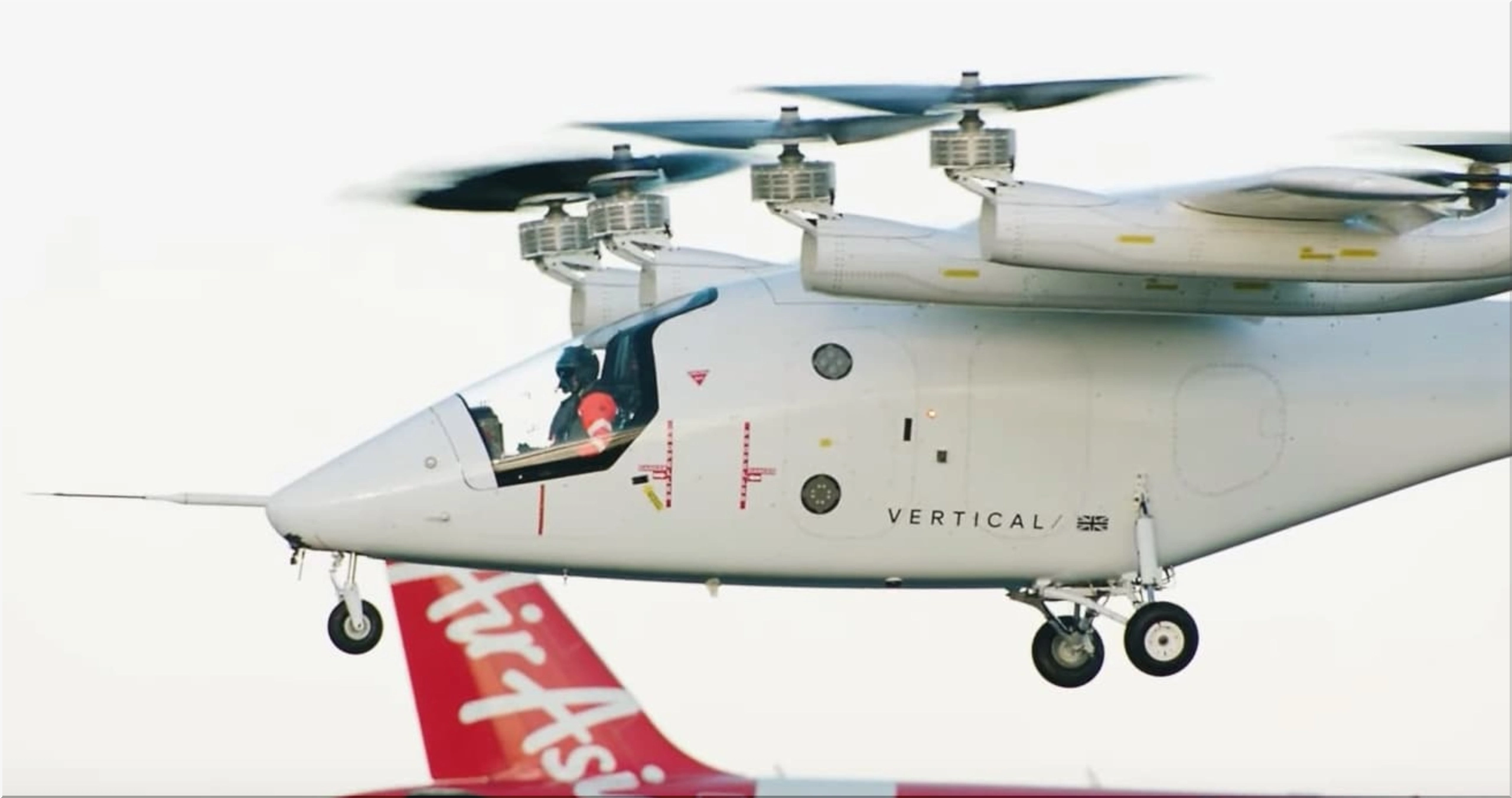
Vertical Aerospace's VX4 has completed its first piloted wingborne flight in open airspace—an industry milestone. The test took place on May 22, 2025, at Cotswold Airport in the United Kingdom, following approval from the UK Civil Aviation Authority (CAA). This is the first time an electric vertical take-off and landing (eVTOL) aircraft has operated wingborne in regulated European airspace.
Aircraft Overview: Vertical Aerospace VX4
| Specification | Detail |
|---|---|
| Seating Capacity | 1 pilot + 4 passengers |
| Top Speed | 150 mph (240 km/h) |
| Cruise Altitude | Up to 2,000 feet |
| Range | 100 miles (160 km) |
| Noise Output | Approximately 50 dBA during cruise |
| Propulsion System | 8 electrically driven propellers |
| Emissions | Zero in-transit CO₂ emissions |
| Expected Market Price | Approx. $3 million USD |
Flight Test Results: First Real-World Wingborne Mission
The flight was piloted by Simon Davies, Vertical’s Chief Test Pilot, a former Royal Air Force instructor with over 30 years of flight experience. The aircraft took off vertically, transitioned to forward flight using wing lift, and landed safely—all under open-air conditions.
- Flight Altitude: Approached 2,000 feet
- Speed Achieved: Up to 150 mph
- Flight Duration: Undisclosed, but sufficient for full system validation
- Conditions: Non-simulated, real-world weather and airspace
Vertical Aerospace collected over 30,000 data points in-flight, testing energy consumption, aerodynamics, avionics, and control stability. Engineers confirmed that battery draw, propeller thrust, and flight computer response times met performance benchmarks.
Design Engineering: Focus on Redundancy and Safety
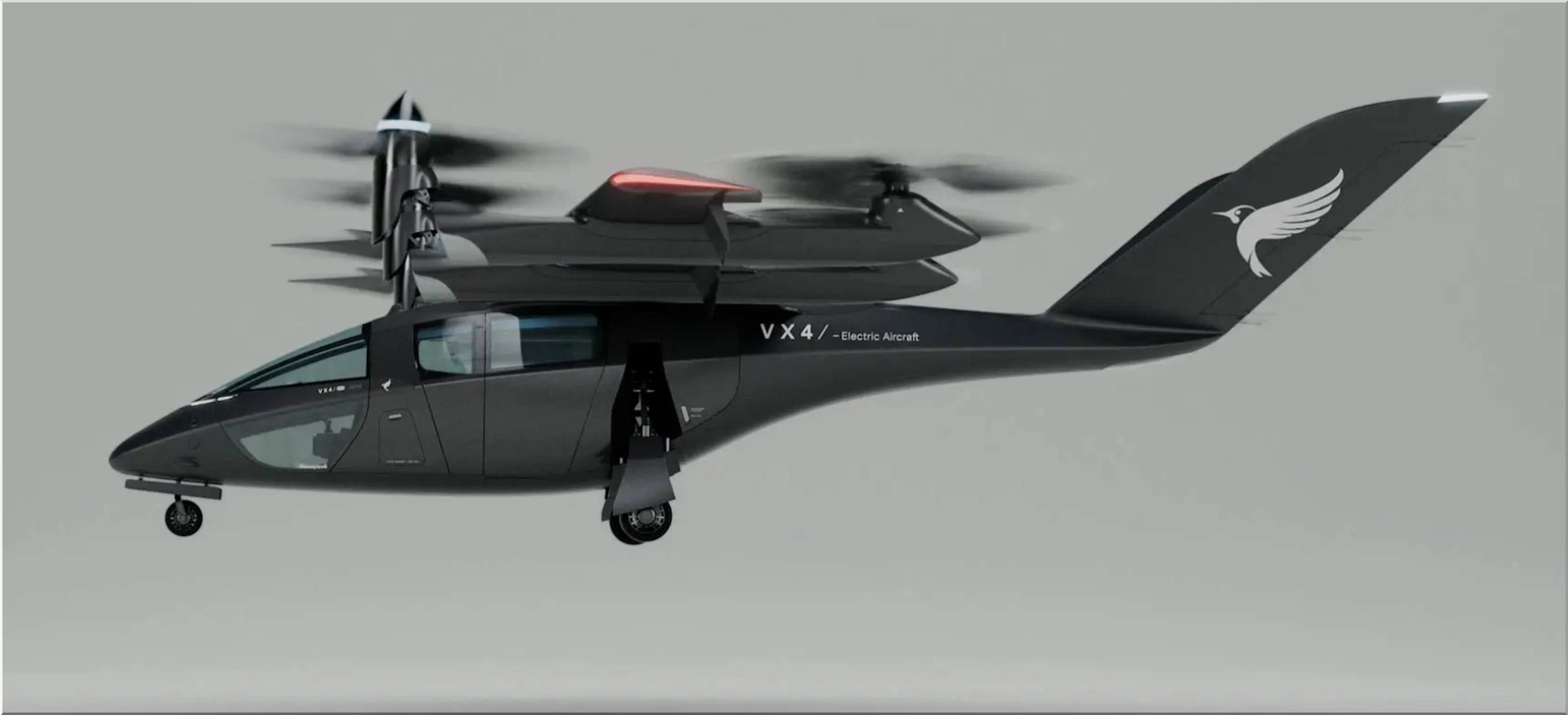
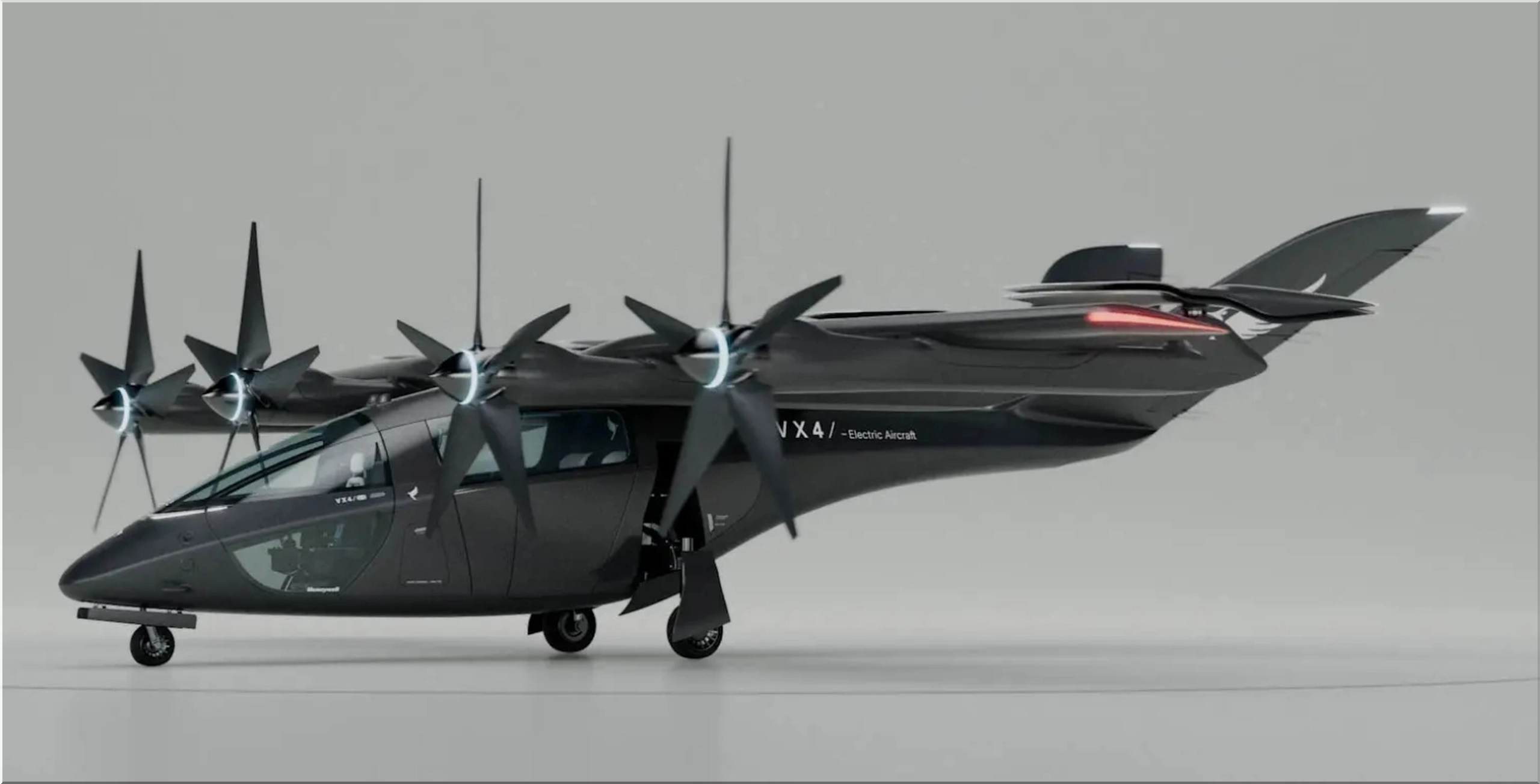
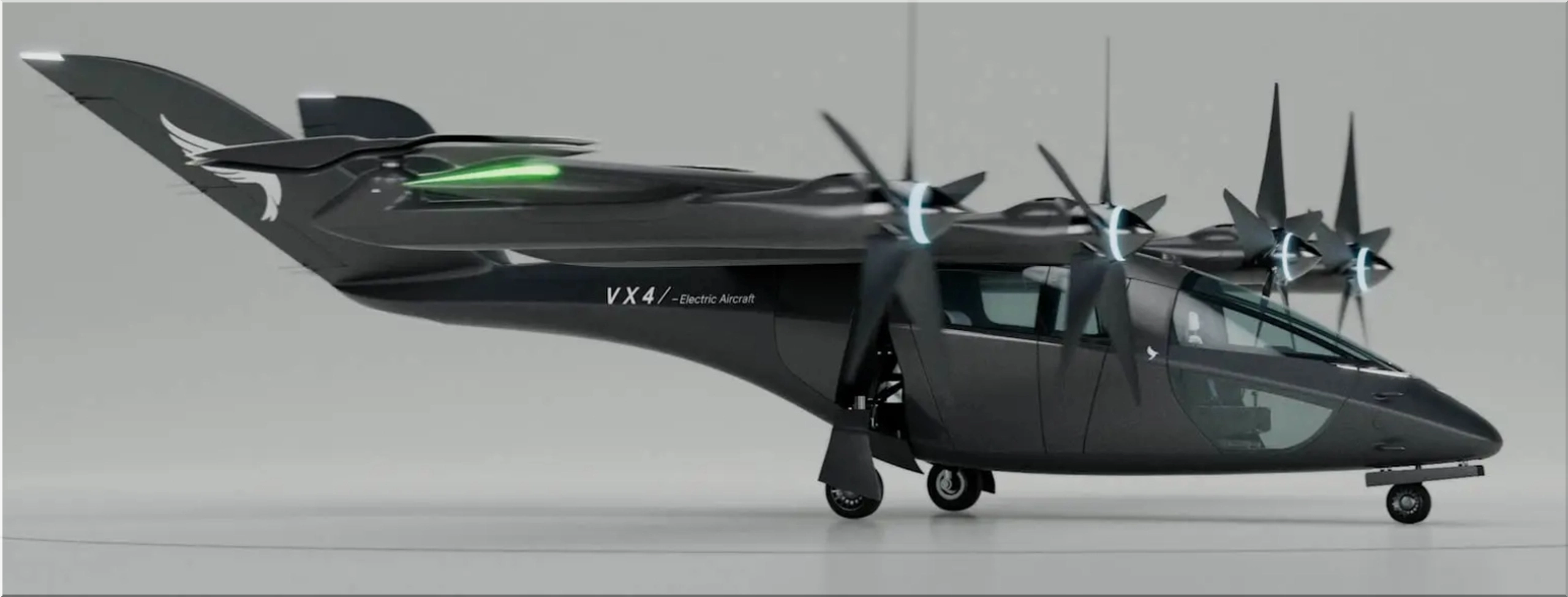
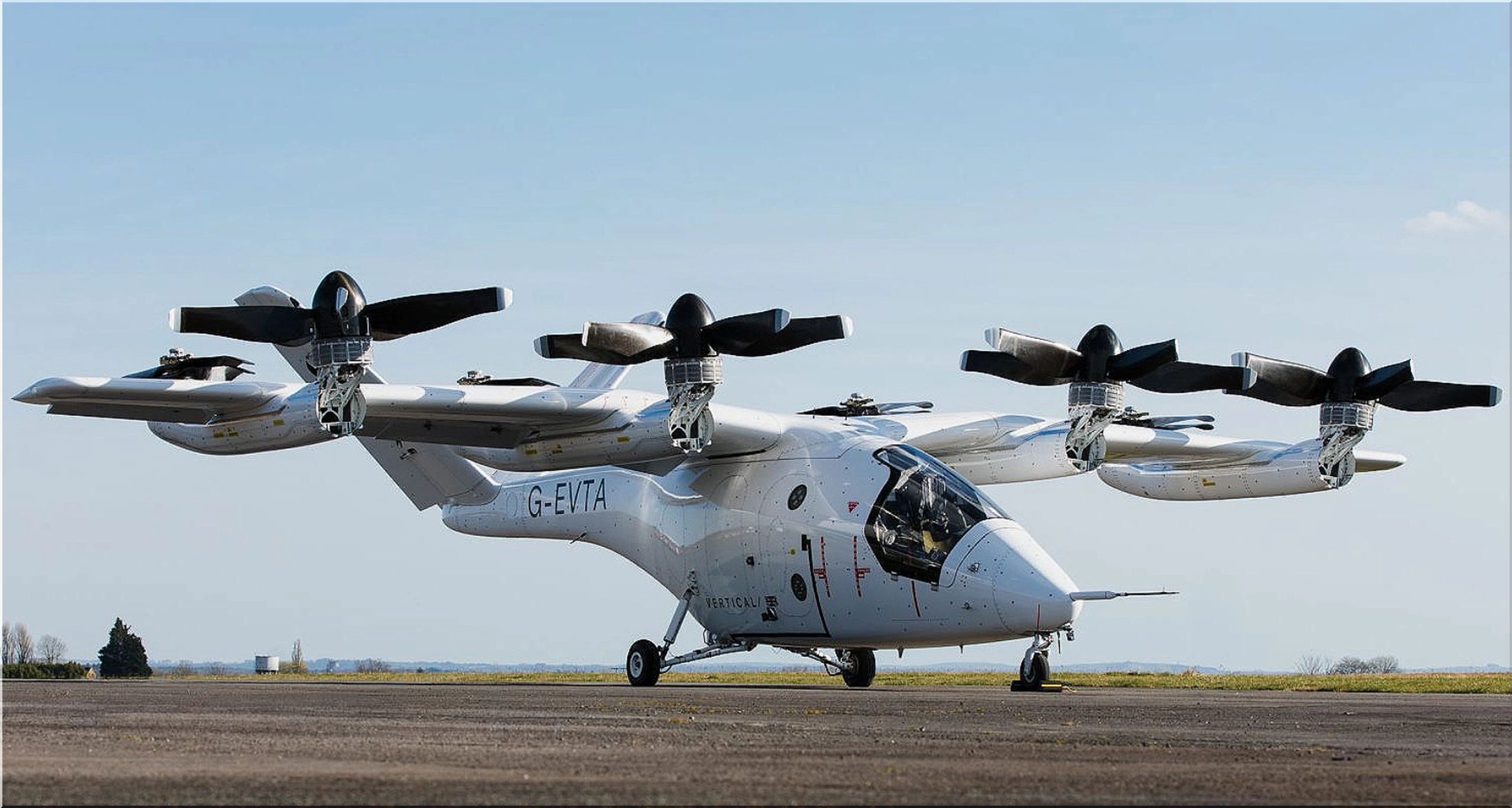
The Vertical Aerospace VX4 features a high-mounted wing and V-tail for aerodynamic efficiency. Eight rotors offer Distributed Electric Propulsion, meaning no single point of failure can compromise lift. This design enables:
- Shorter takeoff times
- Built-in failover if a motor loses power
- Lower noise during cruise and hover
Honeywell’s fly-by-wire system manages thrust vectoring, control surfaces, and flight stabilization. The VX4 also uses custom battery modules engineered for rapid cooling and high thermal resistance.
Unlike ducted fan eVTOLs, the VX4 prioritizes open rotor design for weight savings and higher thrust-to-weight ratio.
Regulatory Path: Civil Aviation Authority Involvement
The UK CAA granted Vertical Aerospace Design Organisation Approval (DOA). This allows it to conduct flight tests toward a Type Certificate, which is mandatory for passenger transport licensing.
Vertical is the only eVTOL developer in Europe currently conducting piloted wingborne tests under open airspace conditions. This regulatory head start may significantly impact timelines for commercial rollout.
Next target: A full mid-air transition flight—switching from vertical to wingborne flight—planned for Q3 2025.
Commercial Pipeline: Orders and Market Forecast
Vertical Aerospace has secured over 1,500 conditional preorders for the VX4. Buyers include:
- American Airlines
- Virgin Atlantic
- Avolon
- Marubeni Corporation
These preorders come with option agreements, not firm deliveries. The company is working toward initial production in 2026 and first deliveries by 2028.
The VX4 targets urban air mobility, intercity transfers, and short-range commercial shuttles in congested metro areas. Flight range and recharging cycles are tailored for high-frequency, low-distance operations.
Market Outlook: What's Next?
Vertical plans to test a hybrid-electric VX4 variant in 2026. This version will:
- Increase range to over 300 miles (480 km)
- Reduce recharge times between flights
- Broaden market access in regions without charging infrastructure
This hybrid platform will compete with Beta Technologies’ Alia-250, Joby S4, and Archer Midnight, all of which are vying for early adoption in U.S. and European airspace.
By 2030, Vertical projects VX4 production volumes to reach hundreds of units annually, driven by contracts with aviation operators and air taxi services.
Conclusion: Data-Driven Progress
The first wingborne piloted flight of the Vertical Aerospace VX4 marks a turning point for electric aviation. With over 30,000 validated test parameters and strong regulatory backing, the VX4 is on track for certification.
If future tests meet their targets, Vertical could be the first UK-based company to launch a fully certified eVTOL for commercial passenger use.
No hype. Just results.
- Add new comment
- 280 views