
Volvo Cars is once again redefining automotive safety innovation with the upcoming debut of its multi-adaptive safety belt in the all-new Volvo EX60 electric SUV. Known for its engineering-first approach to occupant protection, Volvo introduces this system as a global first. Unlike traditional seatbelts, which use fixed restraint forces, this system customizes belt tension and energy absorption based on the crash severity, occupant characteristics, and seat position.
What Is the Multi-Adaptive Safety Belt?
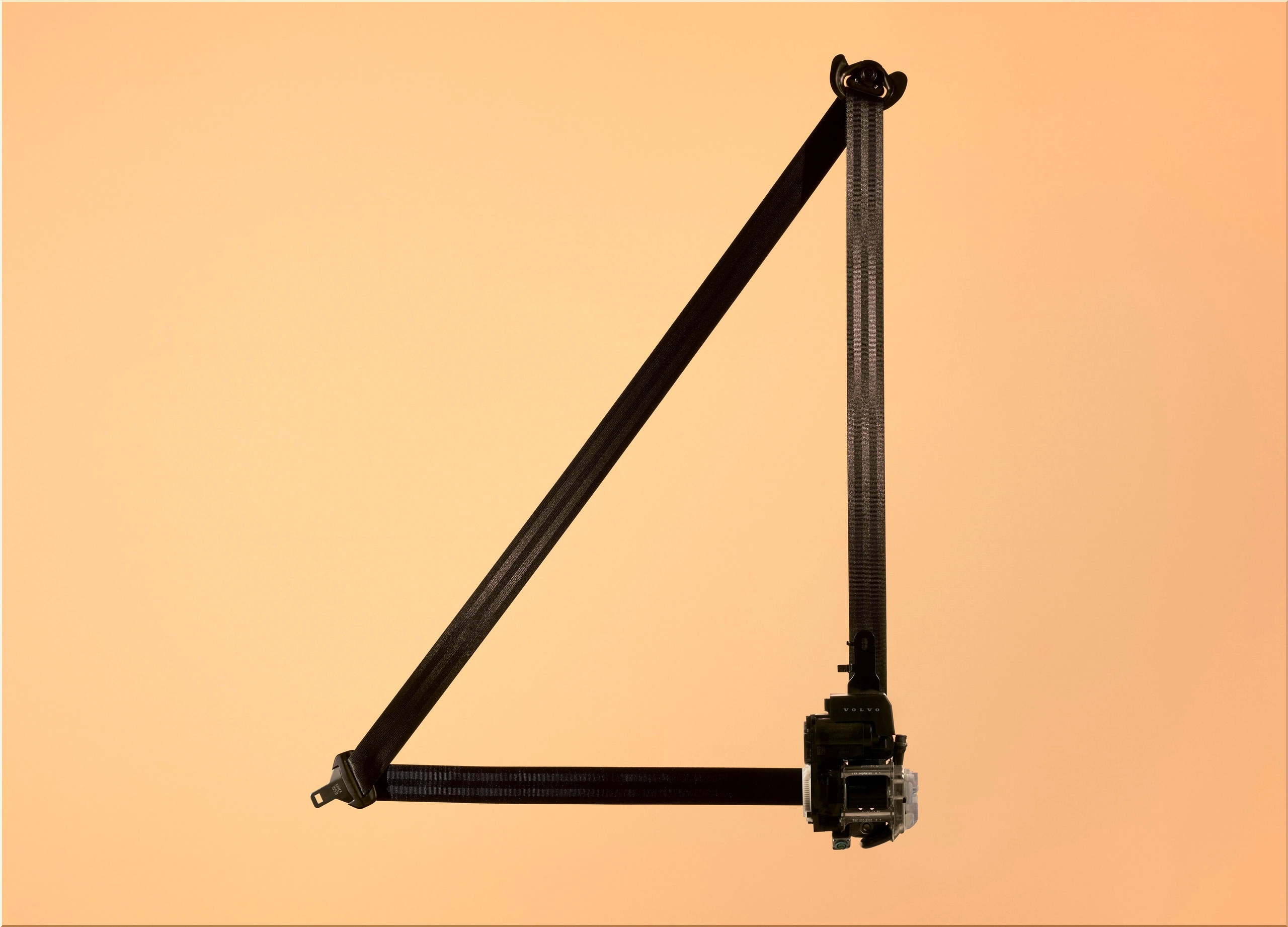
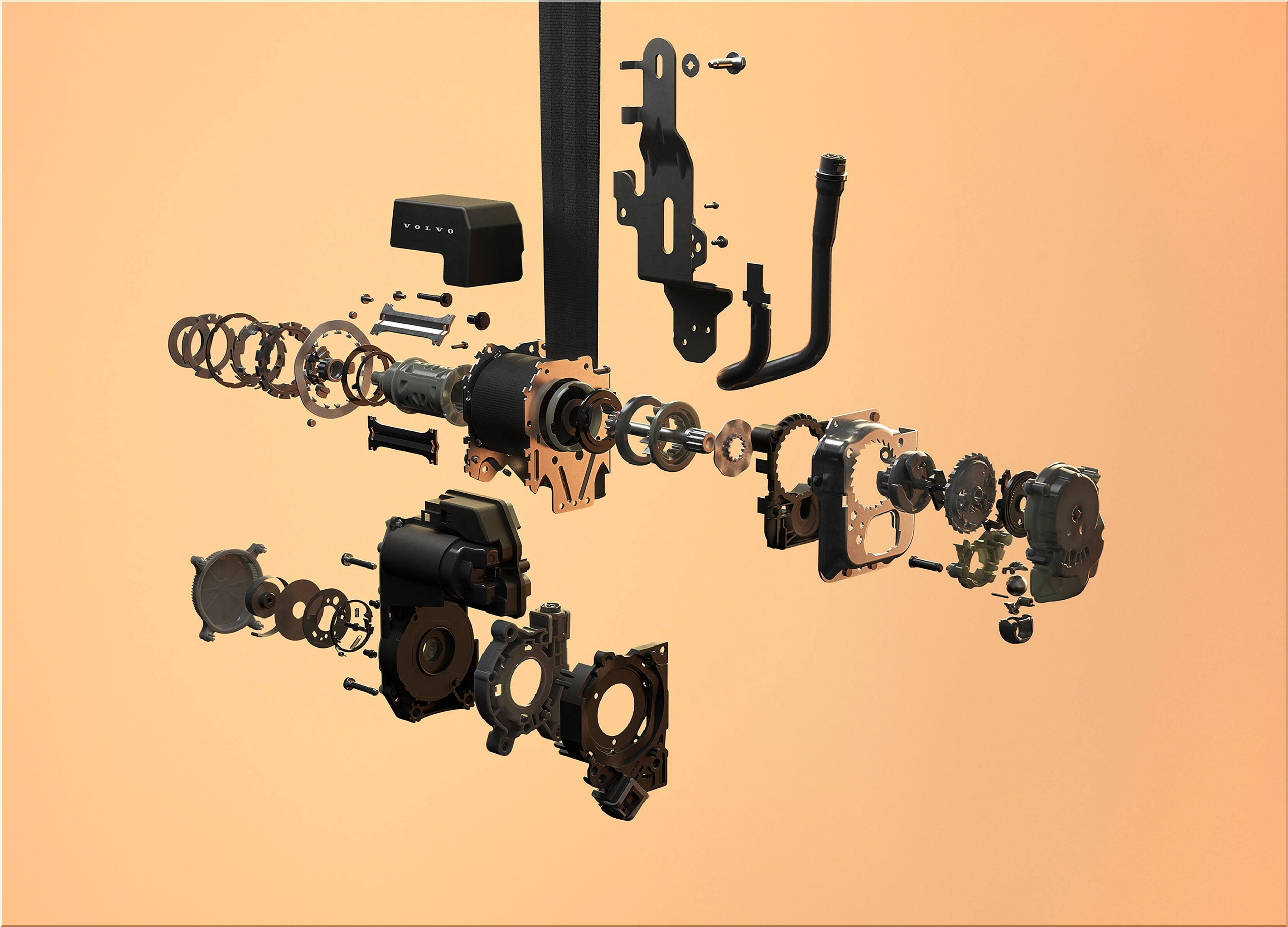
The multi-adaptive safety belt is a dynamic restraint system with 11 distinct load-limiting profiles. Conventional belts typically use just two or three. Volvo’s system adapts in real time to occupant build, posture, and seating configuration, applying fine-tuned restraint levels to minimize injury risk.
- 11 programmable load settings
- Customized belt tension calibrated to reduce head and chest trauma
- Integrated with Volvo’s crash energy management system
How the System Works
The belt system uses real-time sensor data to evaluate:
- Occupant size and weight via seat sensors
- Body posture and seat positioning
- Crash direction and severity
- Passenger location in the vehicle
This allows for independent adjustment of each belt, optimizing for each occupant.
Sensor data sources include:
- Biometric seating pressure sensors
- Accelerometers and gyroscope input
- Interior cameras tracking occupant movement
- LIDAR and radar data from external crash prediction systems
Why 11 Load Profiles Matter
Fixed-force belts risk over-restraint or under-restraint depending on the crash scenario. Volvo’s solution uses load modulation to reduce injuries in all conditions:
| Crash Severity | Occupant Type | Load Profile Action |
|---|---|---|
| Low | Small adult | Low belt tension to reduce rib compression |
| Medium | Average adult | Balanced force for chest protection |
| High | Larger adult | High tension to prevent excessive forward motion |
Integrated with the EX60’s Safety Suite
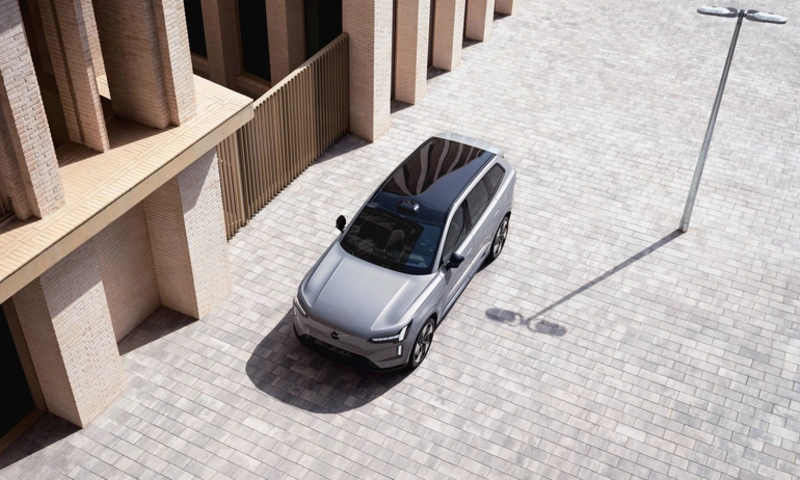
The Volvo EX60, with an expected starting price around $57,000 USD, integrates this seatbelt with its broader safety suite:
- Pre-collision assist
- Steering-avoidance support
- Adaptive airbag deployment
- Volvo’s proprietary crash mitigation AI
Each system works in real time to enhance protection during different types of impact scenarios.
The Role of Over-the-Air Updates
Volvo will continuously refine the system through over-the-air (OTA) updates. These software pushes improve algorithmic response and ensure long-term system reliability.
OTA Benefits:
- Adaptive tuning based on real-world data
- Improved edge-case crash responses
- No dealer visit required for safety enhancements
Broader Implications for Automotive Safety
This development marks a shift toward personalized crash protection. Regulators in Europe and North America have shown support for adaptive restraint technologies, and Volvo's early leadership may drive market-wide adoption.
Market Impact:
- Insurance premiums could drop due to fewer injury claims
- OEM competitors may be pressured to adopt similar tech
- Consumers will increasingly expect adaptive safety features in premium EVs
What It Means for the Industry
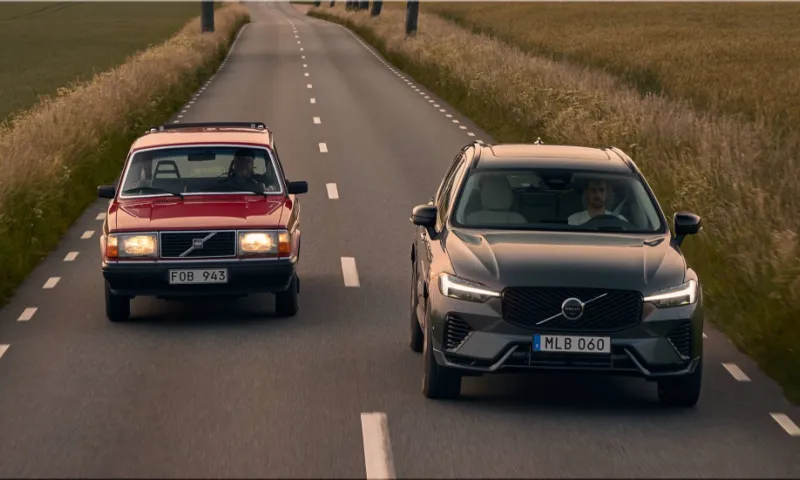
Volvo invented the three-point belt in 1959. Now it’s redefining that legacy with software-driven restraint control. Deploying this in the EX60 instead of the more expensive EX90 signals Volvo’s intent to scale personalized safety features across its lineup, not just luxury models.
Conclusion
The Volvo EX60’s multi-adaptive safety belt changes the safety game. With programmable force profiles, OTA support, and real-time sensor logic, it tailors protection to every individual inside the vehicle.
This is where safety technology is headed: personalized, predictive, and continually improving. Volvo's approach puts occupant survival first—without compromising on comfort or control.
- Add new comment
- 286 views