Strategic Focus: Military Logistics for the Next Generation
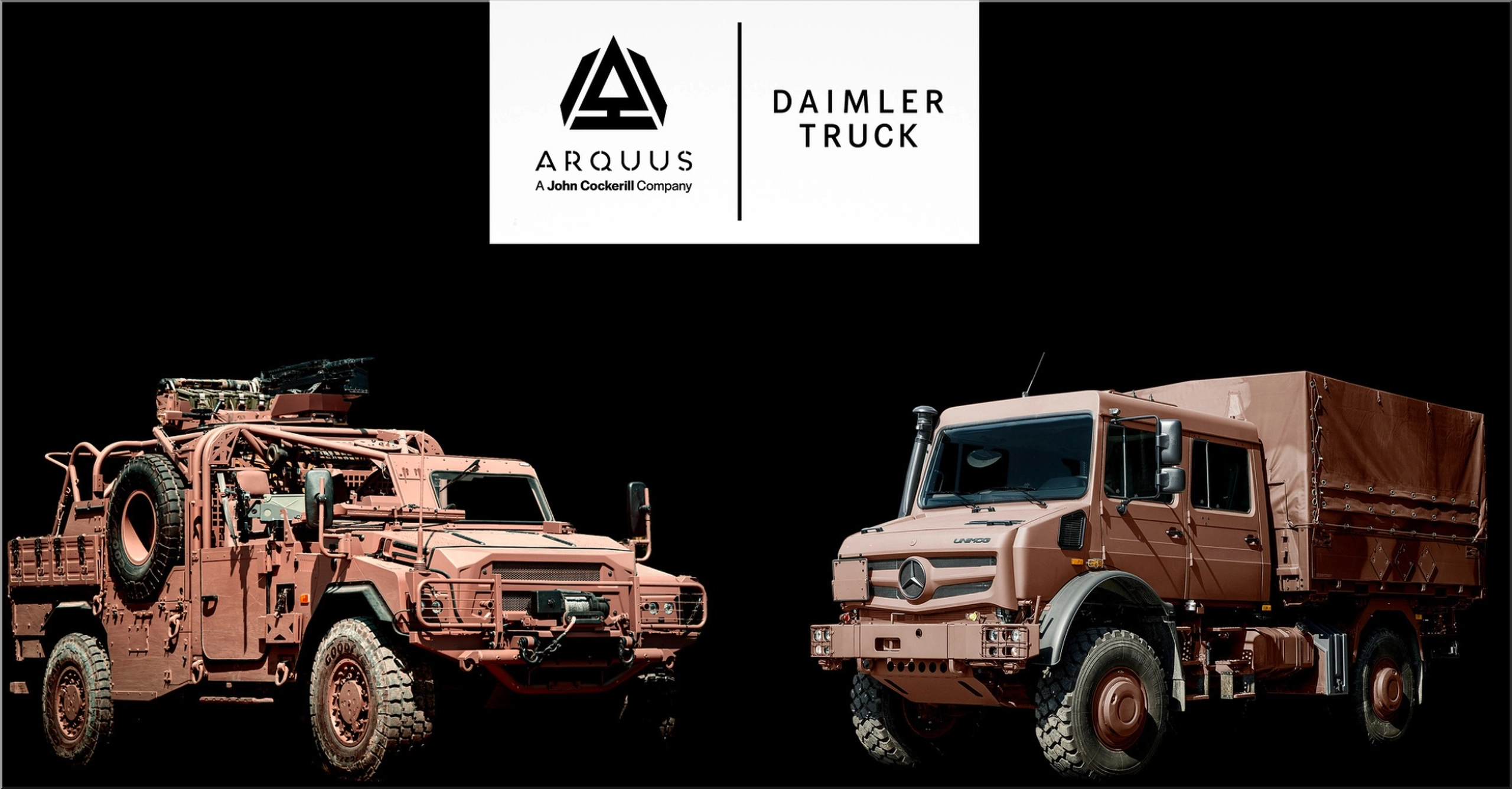
Daimler Truck and ARQUUS announced a Franco-German military vehicle partnership on July 3, 2025. This deal targets next-generation logistics trucks for the French Army. The agreement focuses on joint vehicle development, production, sales, and service support. Both companies plan to align resources and manufacturing capabilities across their sites in Germany and France to deliver new hardware faster and more efficiently.
The new alliance moves the needle in Europe’s strategic defense push. ARQUUS, responsible for nearly 90% of the French Army’s wheeled vehicles, brings in-country manufacturing and long-standing operational knowledge. Daimler Truck, with deep experience in commercial and defense vehicle platforms, provides scalable manufacturing and existing military-grade tech platforms.
This partnership is about industrial integration, modular design, and scaling fast for operational advantage.
Why This Partnership Matters
European defense logistics is due for a transformation. The current mix of aging military fleets and high operational demands requires fast deployment of new platforms.
Key takeaways from this partnership:
- Joint development cuts lead times on design-to-deployment cycles.
- Production in both countries strengthens regional defense readiness.
- Existing manufacturing infrastructure reduces initial investment costs.
- Strategic alignment supports European NATO forces with interoperable systems.
In short, this is a build-and-deliver plan. Both companies are combining capabilities for results, not press coverage.
ARQUUS and Daimler Truck: Site-Level Integration
Production will remain within national borders. Here's where the assembly work happens:
| Company | Location | Function |
|---|---|---|
| ARQUUS | Garchizy, France | Military vehicle production |
| ARQUUS | Limoges, France | Support and additional assembly |
| Daimler Truck | Wörth am Rhein, Germany | Defense truck production hub |
| Daimler Truck | Molsheim, France (Alsace) | Integrated French operations (3,000+ jobs) |
The Molsheim site enhances France’s industrial base, while Wörth am Rhein is one of Europe’s largest truck production facilities. Together, these four locations can deliver scale without redundancy.
Market and Cost Implications
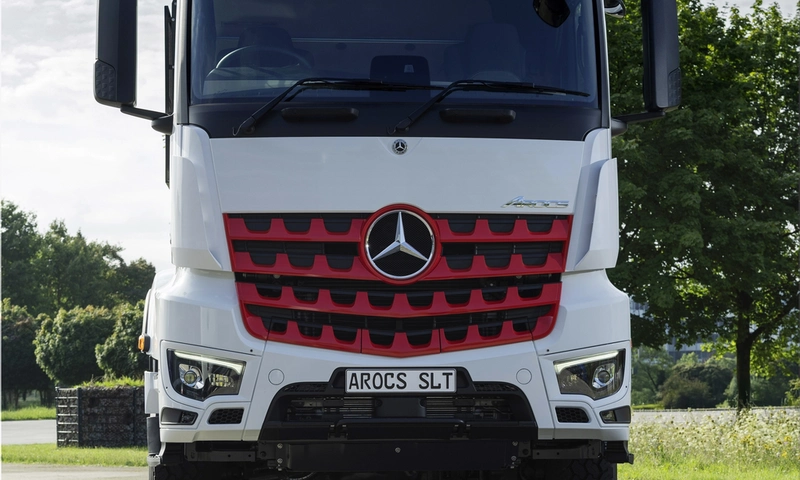
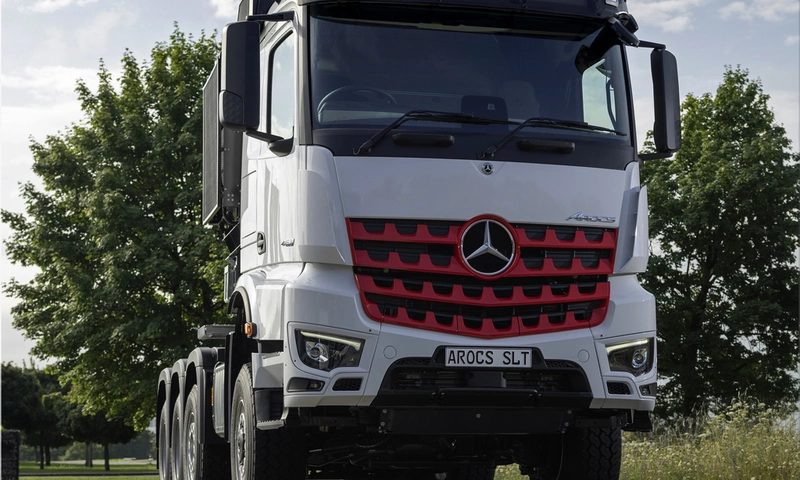
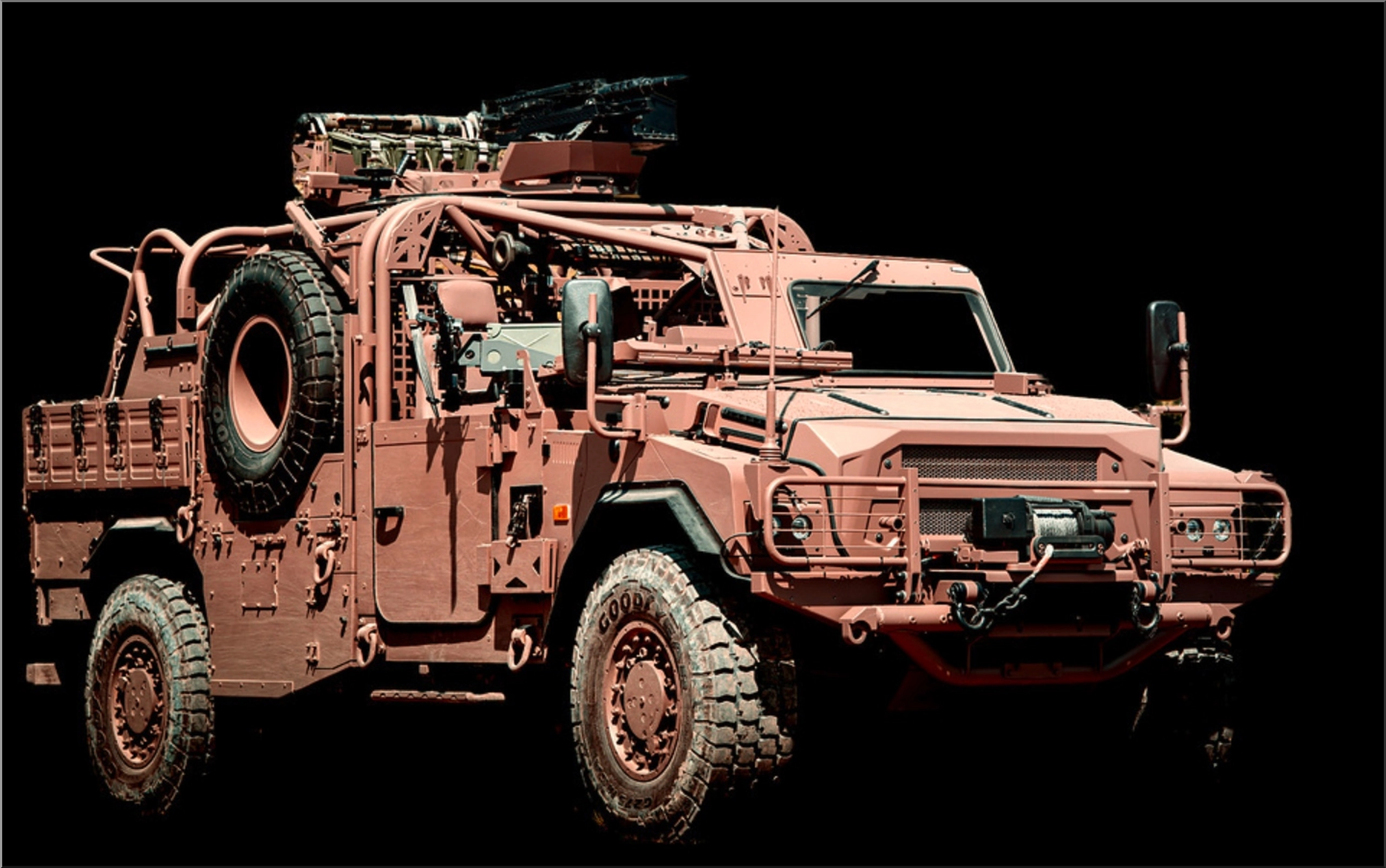
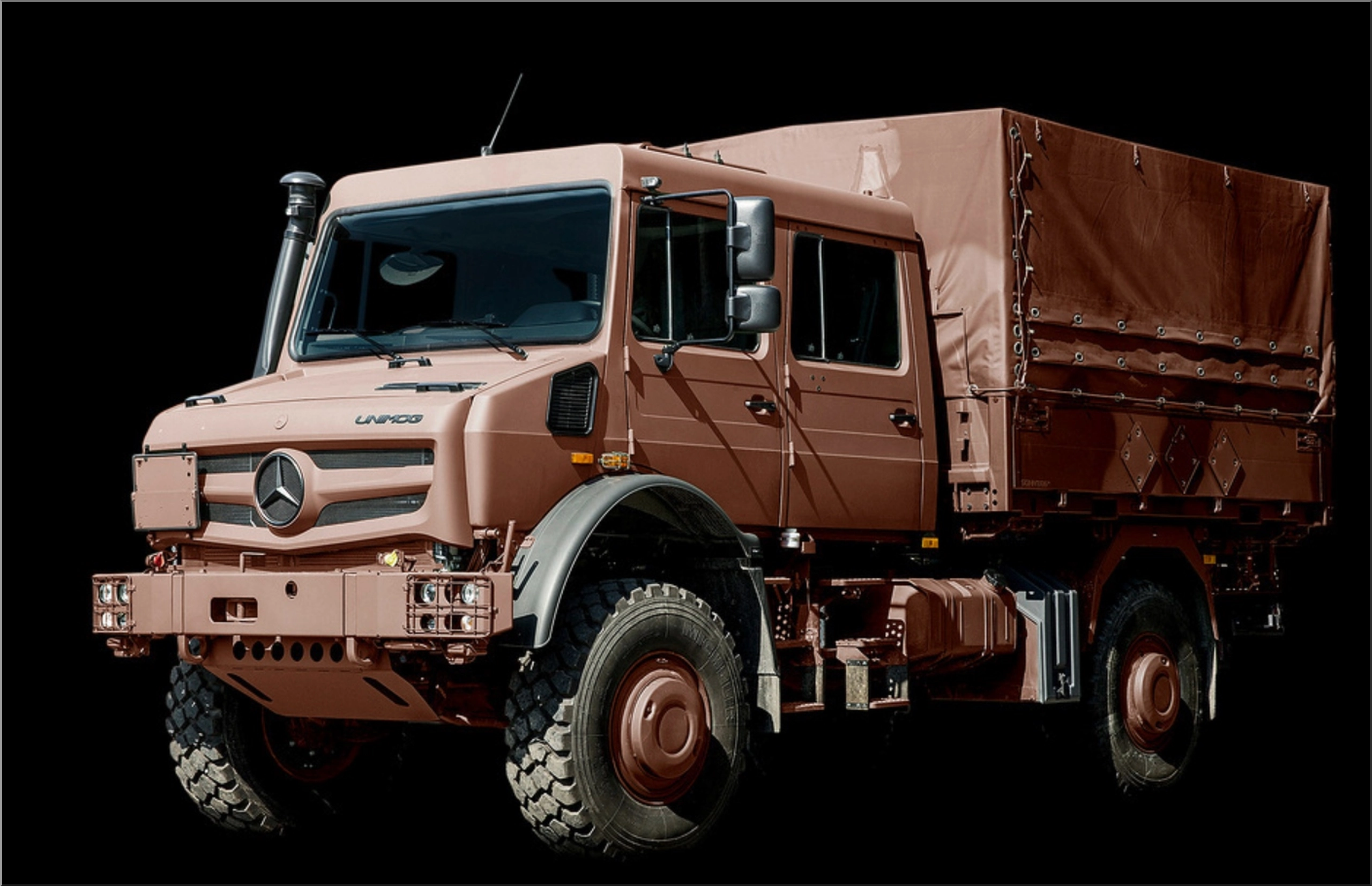
Defense truck development carries high unit costs, but both companies already produce modular commercial platforms. Daimler Truck can adapt the Mercedes-Benz Zetros and Arocs series into military variants. ARQUUS offers products like the SHERPA and BASTION, which have proven track records in harsh terrain.
This synergy lowers R&D spending. It also means faster route-to-production using existing tooling and supply chains.
For context:
- Mercedes-Benz Zetros pricing: Starts around $250,000 USD per unit (military configuration).
- ARQUUS SHERPA: Estimated base price near $400,000 USD depending on spec.
By combining modular chassis development, expect cost reduction in joint builds of 20–30% compared to independent procurement.
What Vehicles Could Be Affected?
This deal targets logistics-focused wheeled military vehicles—not tanks, not IFVs. Priorities include:
- Medium and heavy trucks for troop and cargo transport
- Protected supply vehicles with armored cabs
- All-terrain logistics platforms adaptable for humanitarian use
- Command and control variants using modular systems
- Unmanned autonomous support vehicles for convoy logistics (future development)
The focus is fleet renewal for the French Army, but this platform could scale for export to other EU nations or UN partners. Scalability means the alliance isn’t just strategic—it’s commercial.
Strategic Value for France and Germany
With the Russia-Ukraine war forcing many NATO members to reconsider logistics readiness, this deal addresses urgent operational gaps. France aims to modernize its support fleet, moving away from Cold War-era trucks toward digitally integrated, network-ready systems.
Key benefits:
- Interoperability across NATO partners using common standards
- Sovereign production within France and Germany
- Shared IP lowers long-term upgrade costs
This is about reliable military mobility, not high-profile tech demos.
Competitive Landscape
The defense truck space is evolving. Here's how Daimler Truck and ARQUUS compare to key players:
| Company | Focus Area | Notes |
|---|---|---|
| Rheinmetall MAN | Heavy trucks, armored logistics | Strong in Germany, NATO integration |
| Iveco Defence | Light and medium tactical vehicles | Strong in Italy, joint EU defense contracts |
| Oshkosh Defense | Heavy-duty U.S. military trucks | High protection, limited EU local presence |
| Mercedes-Benz | Modular commercial-based platforms | Integrated EU footprint, scalable globally |
| ARQUUS | French armored and logistics focus | Strong domestic market, expanding globally |
This partnership allows Daimler Truck and ARQUUS to compete with Rheinmetall MAN directly on heavy logistics tenders, especially in France and Belgium.
Timeline and Execution Risks
The companies have not released a fixed schedule. However, here’s what to expect based on standard defense cycles:
Estimated Milestones:
- 2025–2026: Engineering collaboration and prototype selection
- 2026–2027: Field testing and adaptation for French Army specs
- 2028+: Initial delivery and active deployment
Risks to watch:
- Supply chain pressure from ongoing raw materials shortages
- Regulatory delays from EU export licensing procedures
- Political shifts in France or Germany post-election cycles
Still, both companies have existing government ties. Expect accelerated procurement windows for critical platforms.
Long-Term Impact
Defense modernization doesn’t happen in headlines—it happens in factories. This partnership between Daimler Truck and ARQUUS supports that reality.
Expected outcomes:
- Faster production of interoperable wheeled military vehicles
- Reduced cost through shared design and modular manufacturing
- Greater defense mobility and readiness across EU borders
- Strengthened industrial ties between France and Germany
With France investing over $400 million USD in tactical fleet upgrades through 2030, this deal positions the new alliance to capture a significant share.
Bottom Line
The Daimler Truck–ARQUUS partnership is about production-first defense modernization. Joint development lowers cost and time. Shared facilities maximize capacity. Modular platforms increase adaptability.
This isn’t a marketing exercise—it’s a practical, forward-looking strategy built on execution.
Expect the first trucks from this partnership to support French Army logistics missions within three years. Long-term, this model could expand to support other European allies looking for high-readiness, cost-effective military transport solutions.
- Add new comment
- 249 views