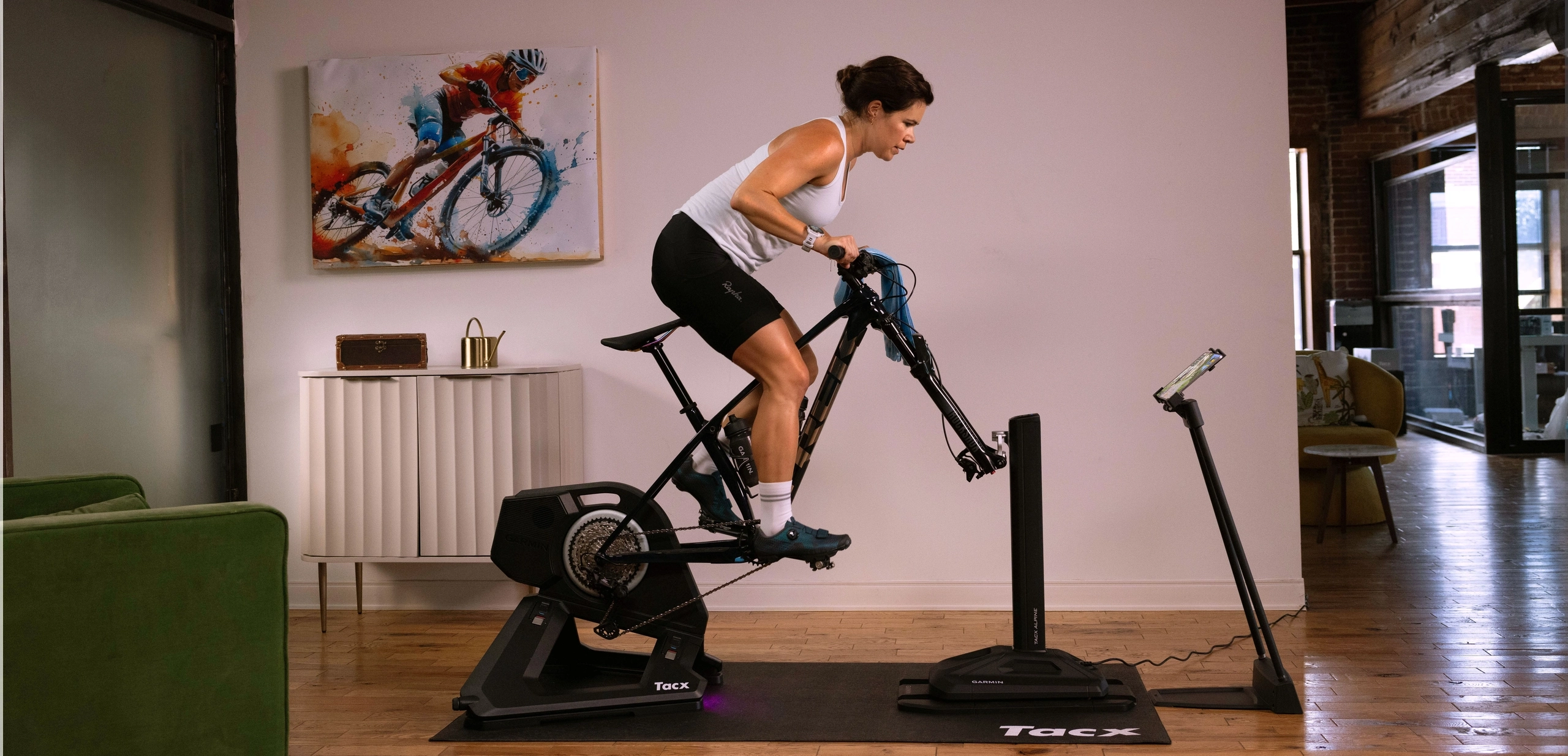
Optimized Climbing Simulation for Serious Cyclists
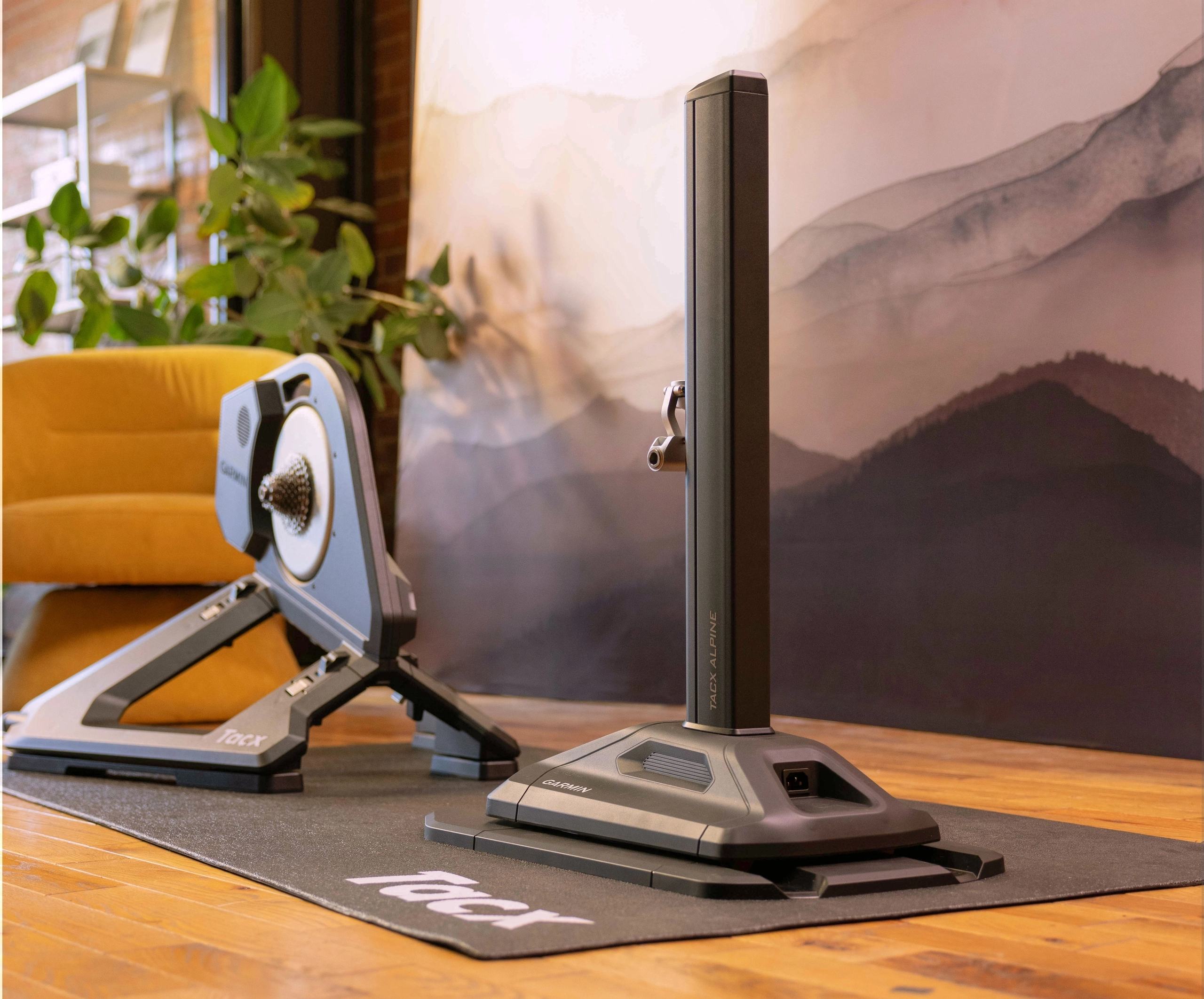
The new Tacx Alpine from Garmin redefines what's possible in indoor training. This smart gradient simulator mimics climbs and descents between +25% and -10%, pushing athletes to train with greater precision. Priced at $1,180 USD (approximate conversion from €1,099.99), the Tacx Alpine delivers high-fidelity elevation shifts and full software integration for data-driven results.
This is not a gadget for casual riders. It's a performance enhancer for cyclists prepping for real-world ascents—think Alpe d’Huez, not Sunday strolls.
Key Performance Specifications
| Feature | Specification |
|---|---|
| Gradient Range | +25% to -10% |
| Adjustment Speed | Up to 3% per second |
| Accuracy | +/- 0.1% gradient precision |
| Compatibility | Tacx NEO 3M, NEO 2T |
| Bike Mounts Supported | Quick release, 12x100mm, 15x100mm, 15x110mm |
| Smart Integration | Bluetooth & ANT+ |
| Control Options | App-based or manual via buttons |
| Dimensions (LxWxH) | 47.5 x 75.2 x 31.6 cm |
| Weight | 10.9 kg (24 lbs) |
| Country of Manufacture | Netherlands |
Why Gradient Simulation Matters
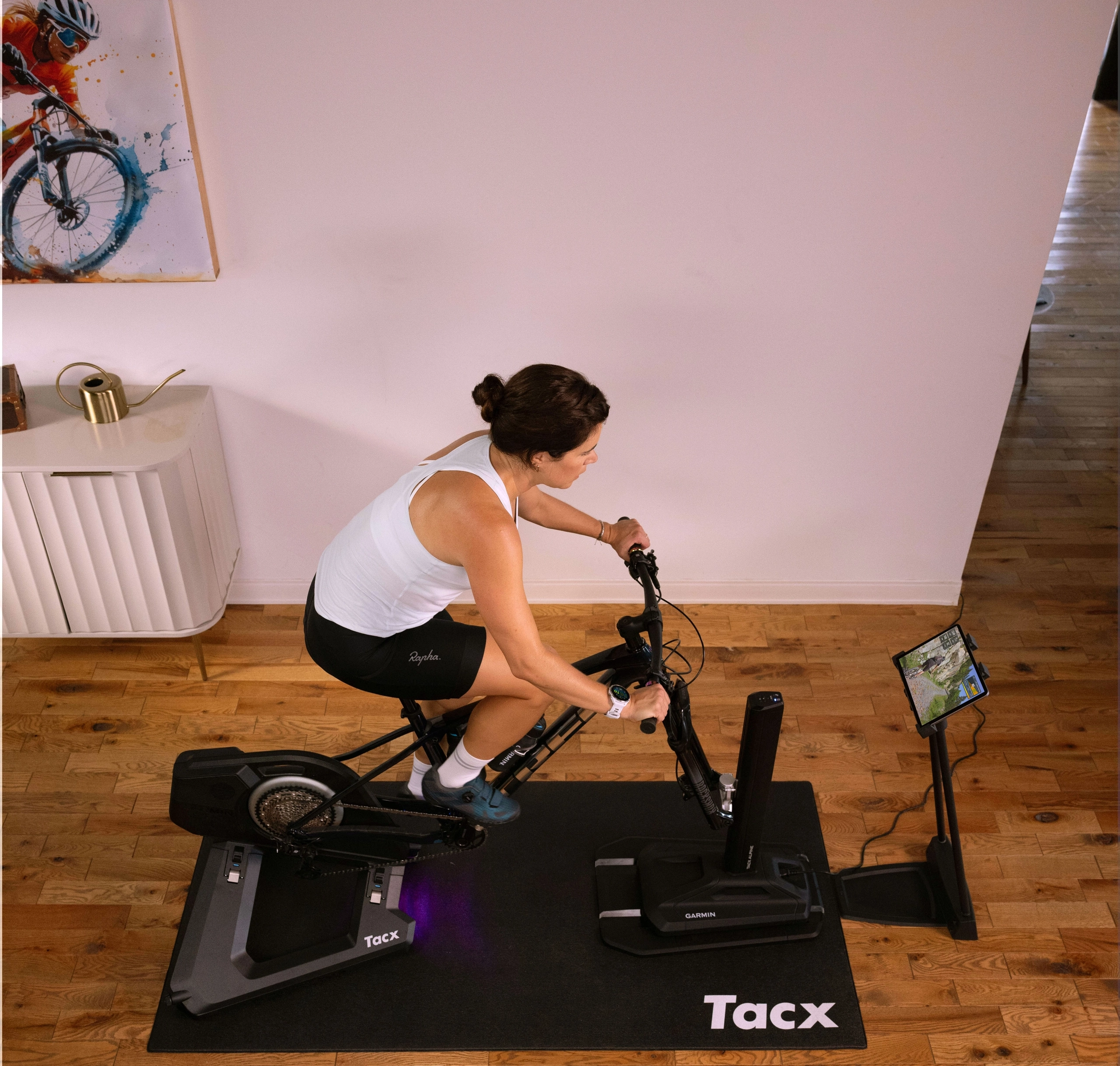
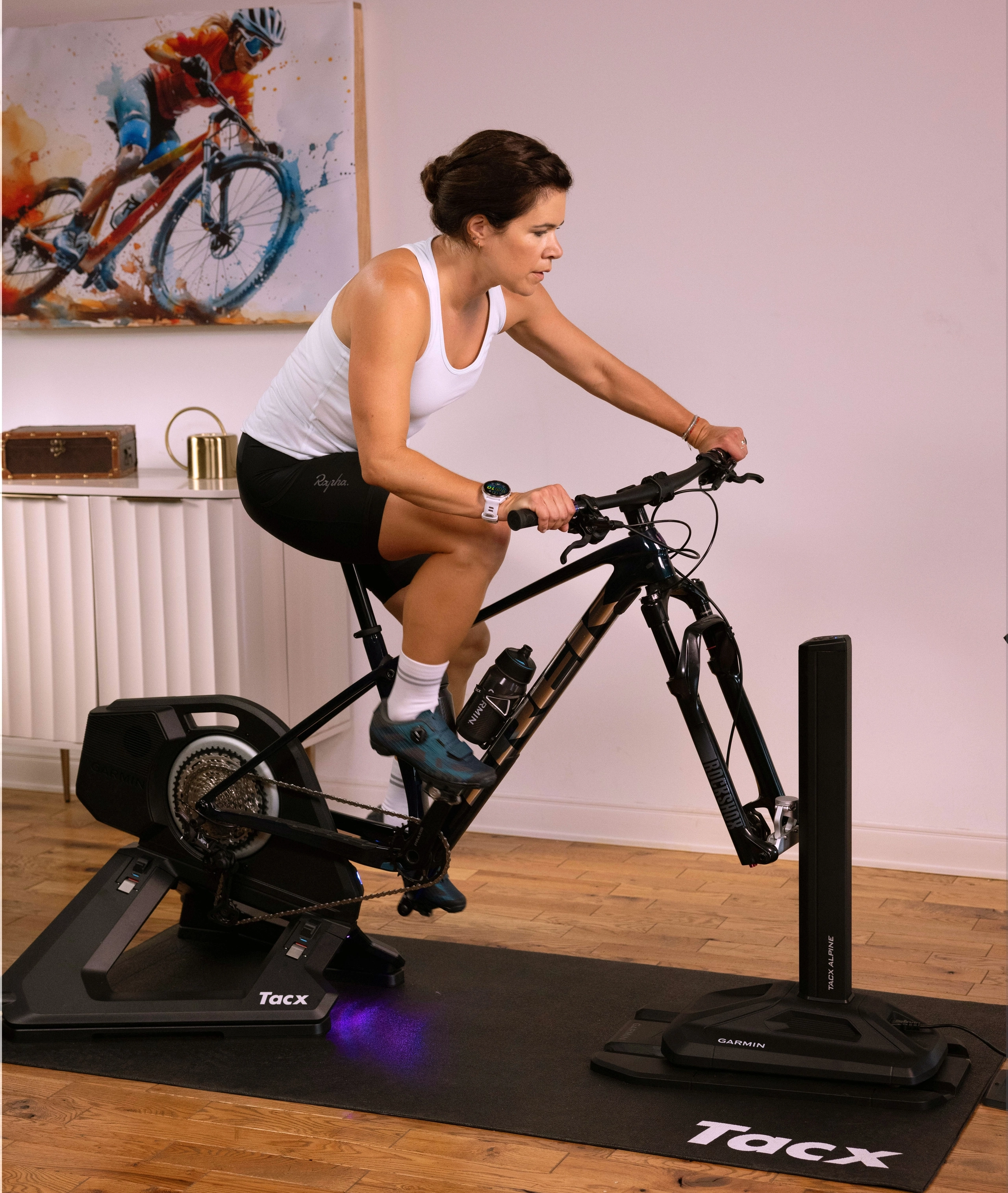
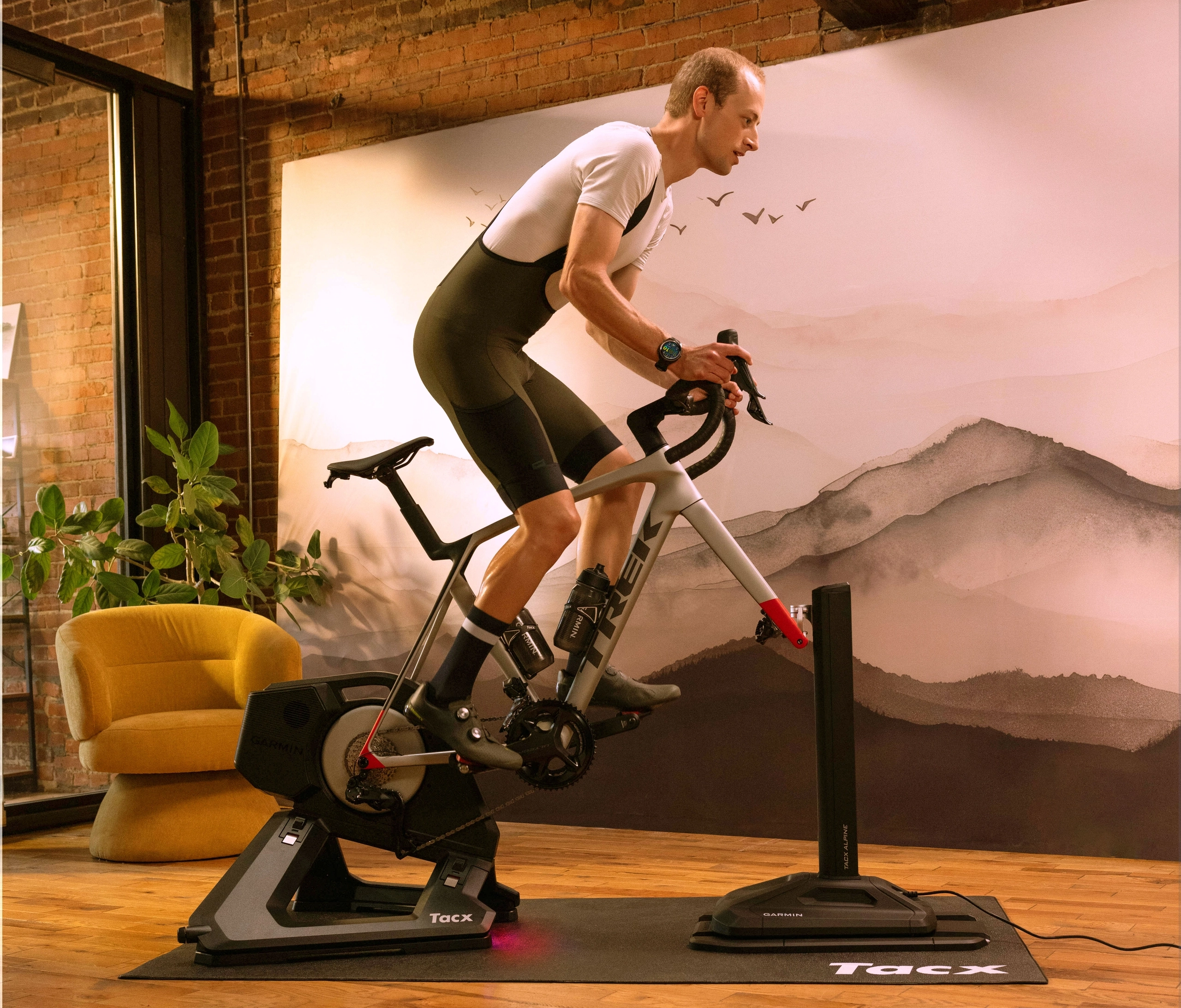
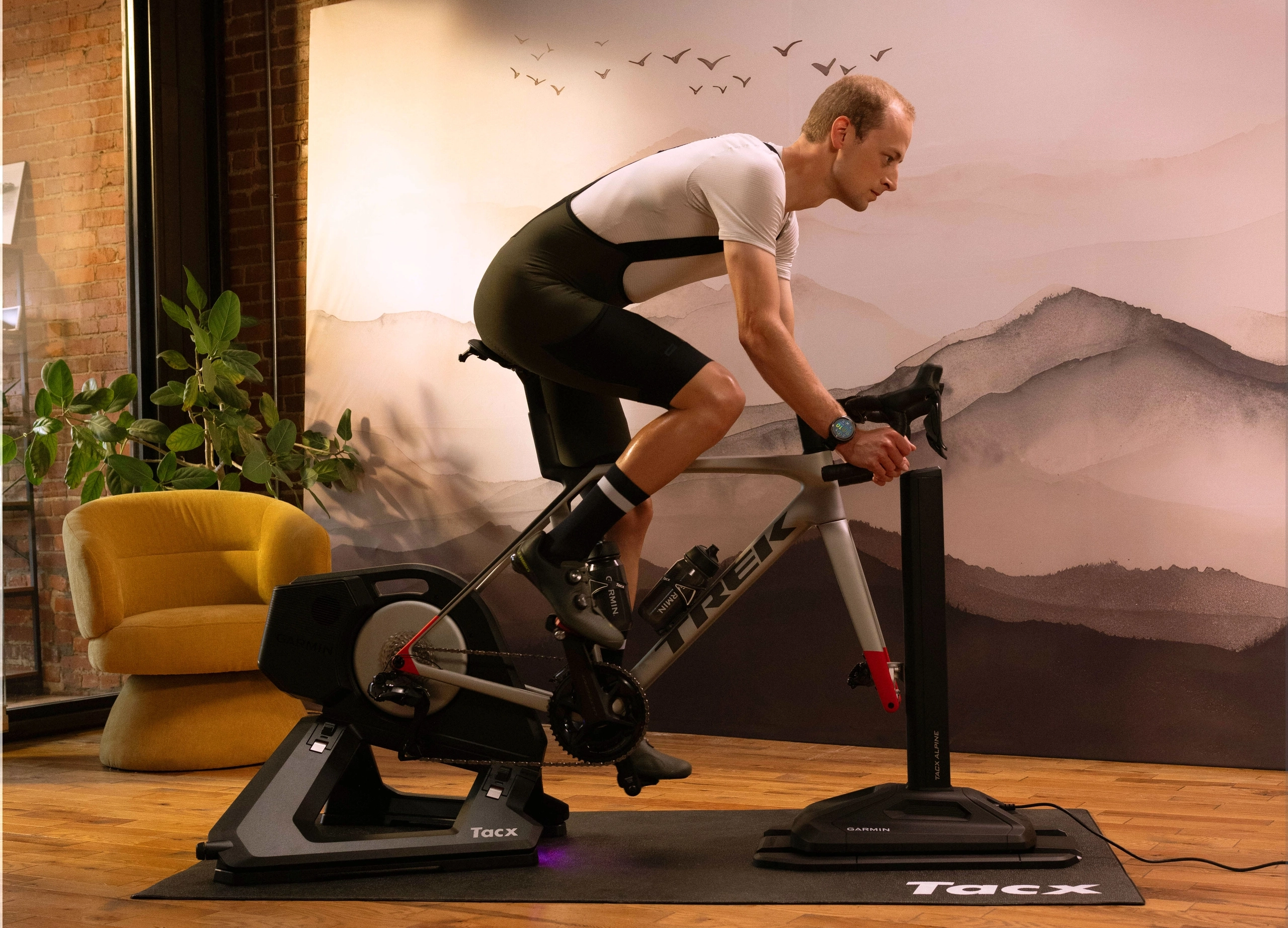
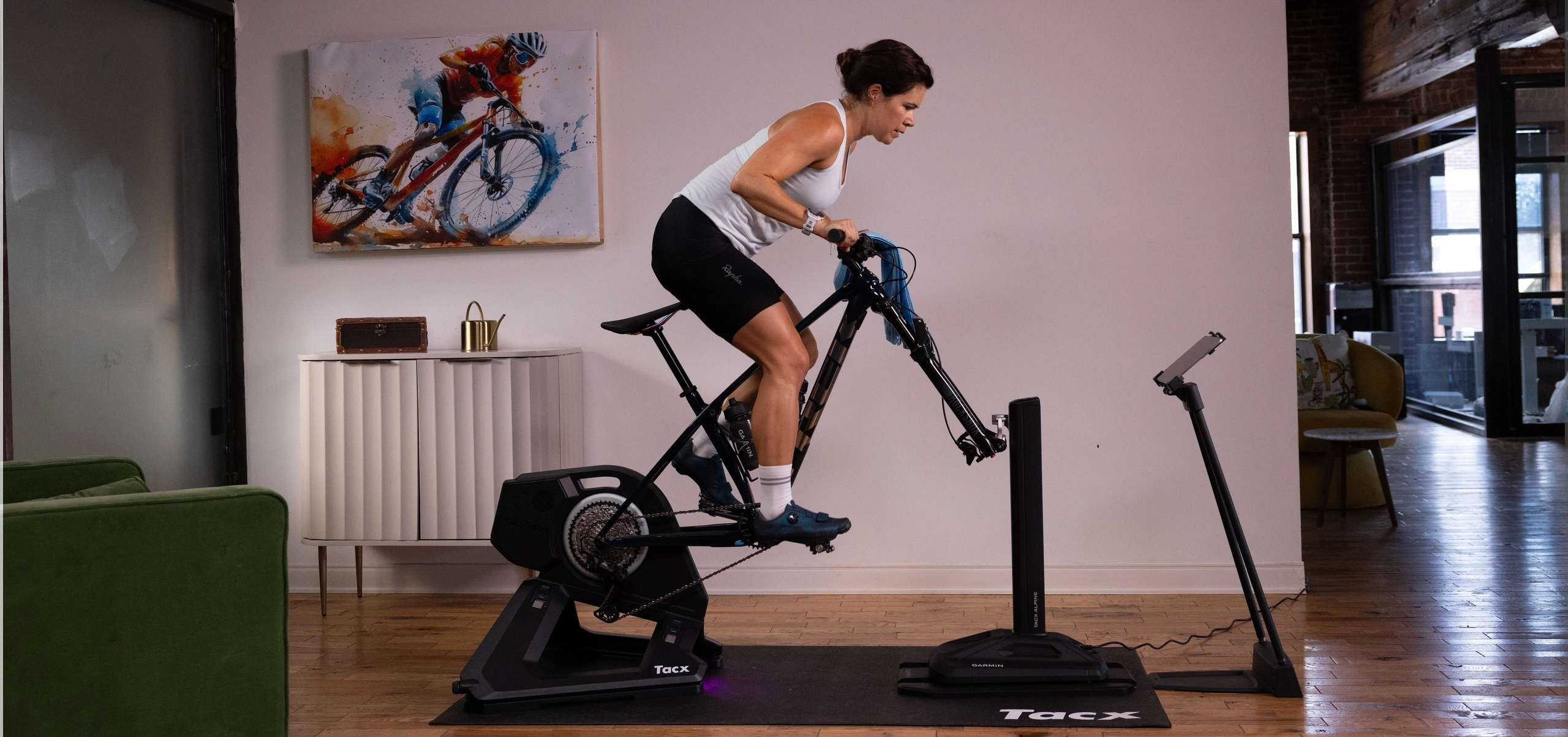
Indoor cycling setups rarely replicate outdoor climbing dynamics. The Tacx Alpine fills that gap. By moving the fork dynamically, the rider experiences biomechanical stress similar to outdoor hill climbs. This forces proper muscle recruitment and allows high-cadence climbing drills from a safe, controlled environment.
Key training benefits include:
- Increased glute and hamstring activation during climbs
- Practice for gear shifting under load
- Improved bike handling via real-time steering simulation
For competitive cyclists and alpine climbers, this can reduce the transition time between winter training and spring racing.
Multidirectional Motion Compatibility
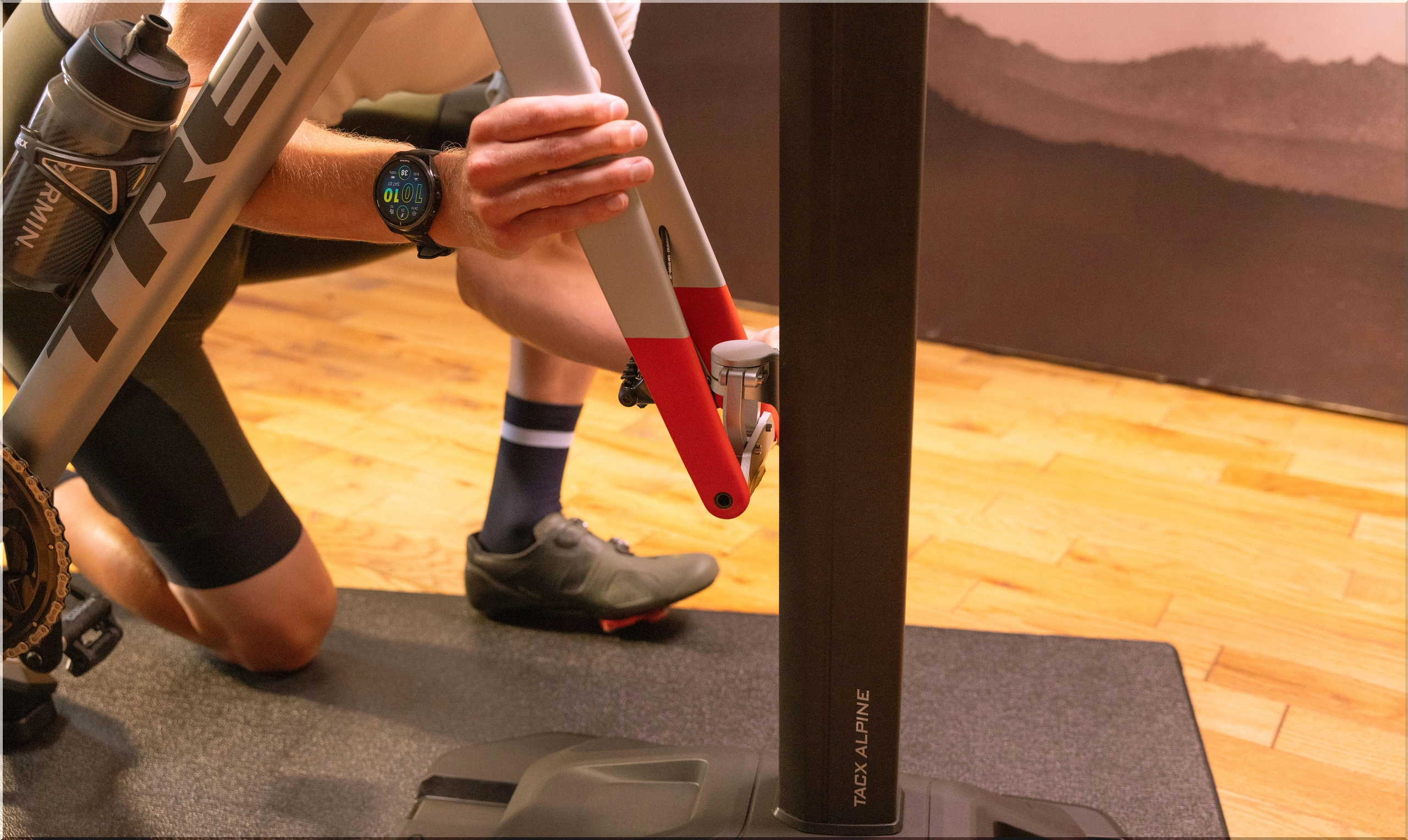
The Tacx Alpine pairs seamlessly with the Tacx NEO 3M and NEO 2T, both known for allowing front-back and lateral motion. These multidirectional inputs give riders realistic in-saddle and out-of-saddle behavior, especially important during steep efforts.
The Dynamic Fork Mount lets the front fork move and rotate naturally. That translates into better:
- Weight distribution training
- Avatar steering in third-party apps
- Balance control during intervals
Unlike rigid setups that limit movement, this system supports biomechanics across all cycling styles.
Smart App Integration and Real-Time Control
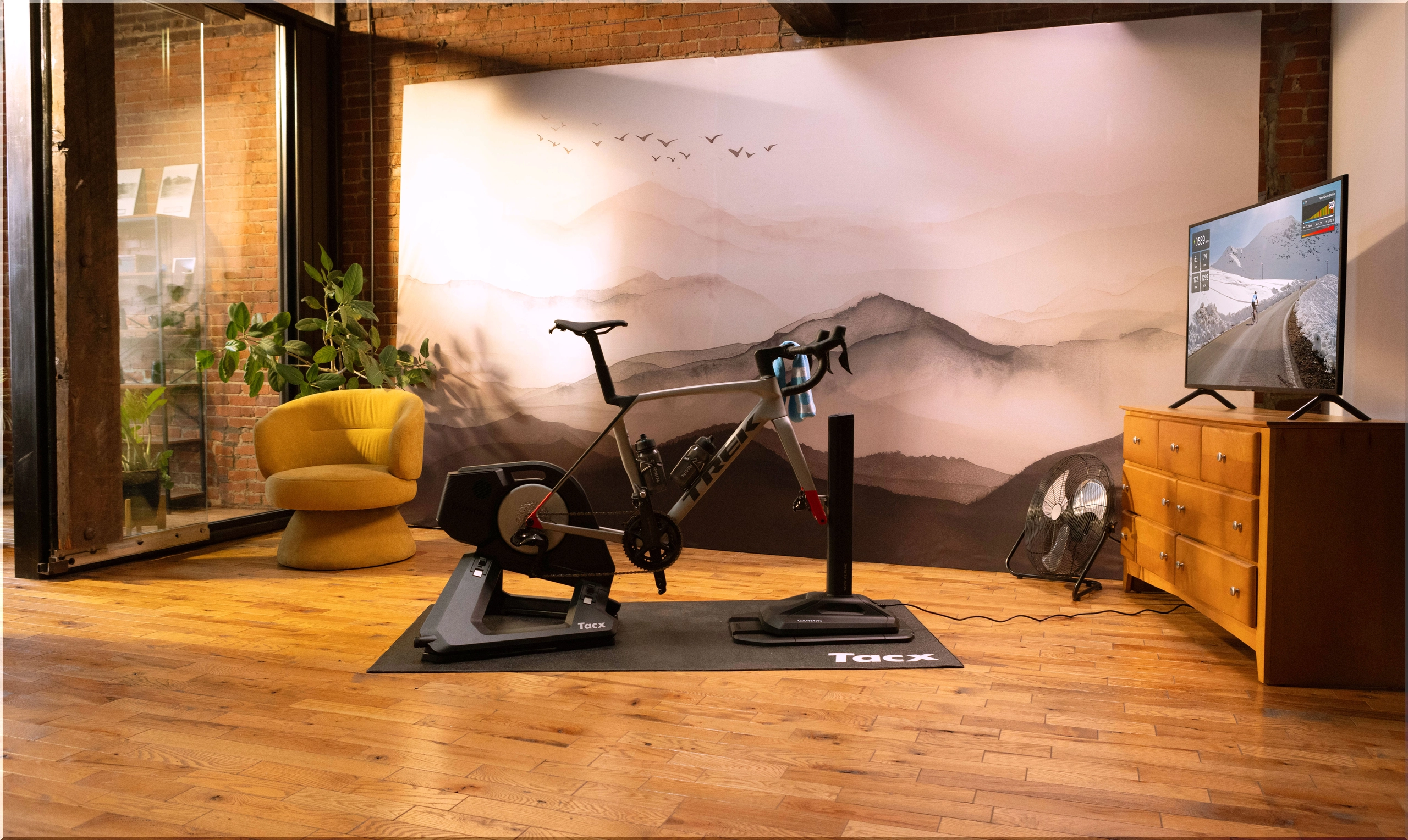
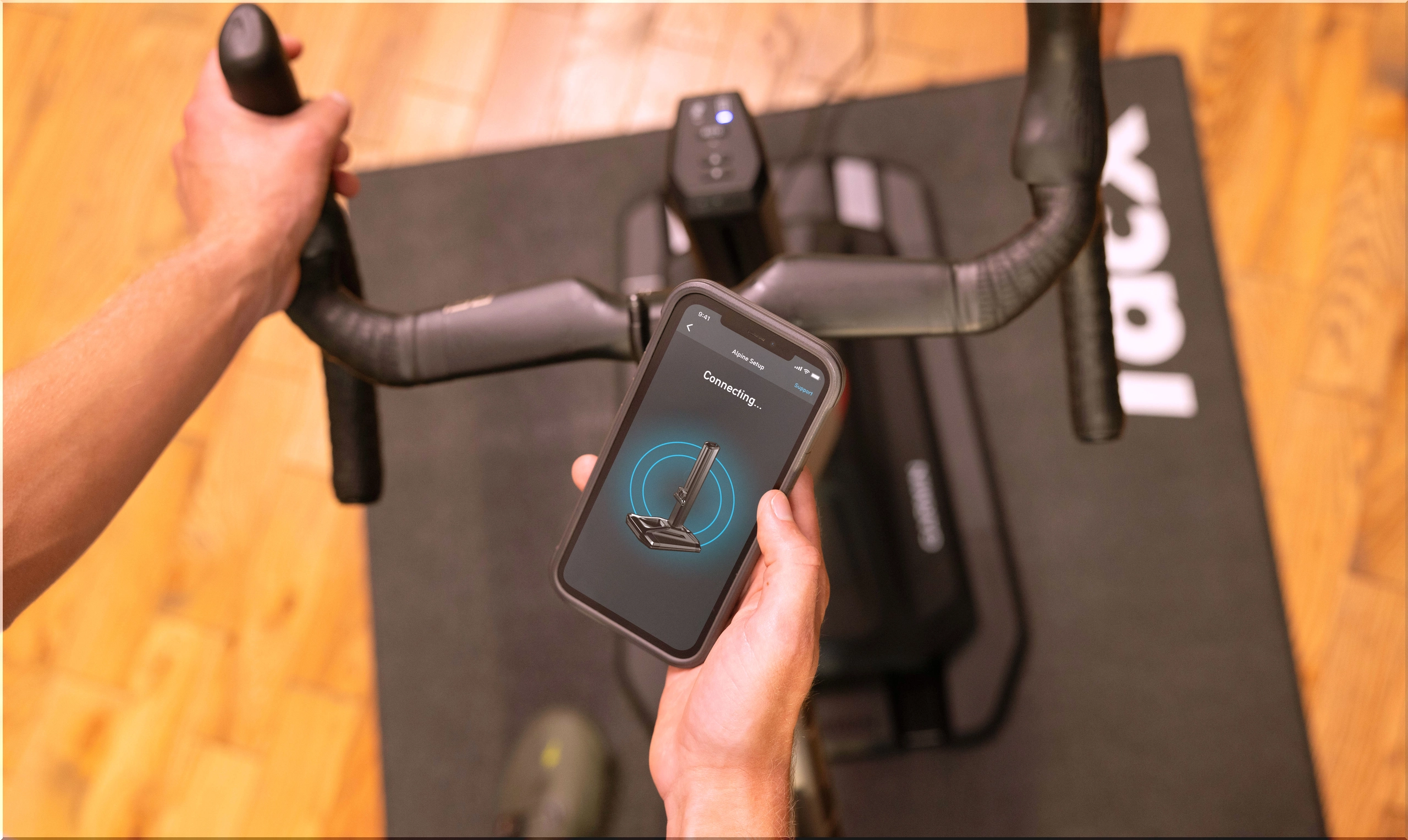
The Alpine isn't just hardware. It becomes powerful when paired with the Tacx Training App or other compatible platforms like Zwift. Riders can:
- Auto-adjust gradient based on route profiles
- Import GPS files for virtual rides
- Ride real-world videos synced to elevation changes
- View post-ride analytics in Garmin Connect
Manual override remains an option. Two tactile arrow buttons on the unit allow immediate elevation changes, even during app malfunctions or disconnects.
Product Bundle and Pricing Breakdown
Included in Box:
- Tacx Alpine unit
- Fork mount guide plate
- Adapter kit for thru-axles and quick releases
- NEO 2T compatibility adapters
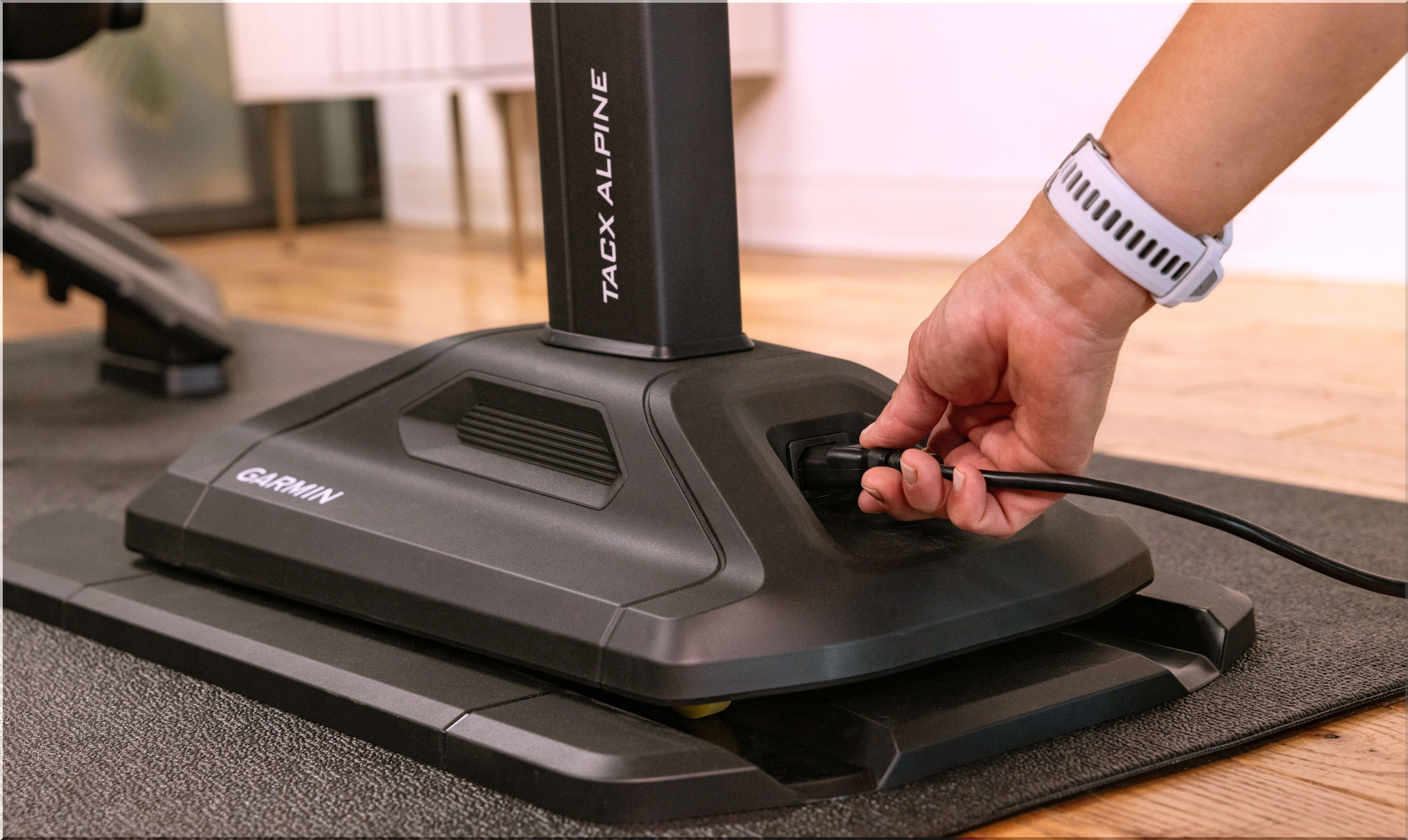
- Power cable
- Three-month Tacx Premium subscription
- Quick-start guide
Pricing Overview (in USD):
| Component | MSRP (approx. USD) |
|---|---|
| Tacx Alpine | $1,180 |
| Tacx NEO 3M Trainer | $2,145 |
| Tacx NEO 2T Trainer | $1,395 |
This setup is a clear investment, but when compared to outdoor training camps or travel logistics, it's a cost-effective tool for off-season gains.
Real-World Scenarios Where It Wins
The Tacx Alpine targets use cases where traditional smart trainers fall short.
1. Pre-Race Altitude Conditioning
Cyclists targeting mountainous races can simulate precise climbs repeatedly to dial in effort zones and pacing.
2. Time-Constrained Training
Athletes can replace 3-hour outdoor rides with targeted 60-minute uphill intervals—replicating the same workload without distractions.
3. Data-Driven Recovery Tracking
The device logs detailed gradient and power data. Coaches can benchmark neuromuscular response during incline intervals over time.
Installation and Compatibility Tips
- Mounting requires compatible forks. Most modern disc brake road bikes fit.
- New adapters are included for NEO 2T.
- Calibration is available through the Tacx Training App in under 5 minutes.
- Firmware updates arrive via the app, avoiding manual setup.
Setup checklist:
- Download the Tacx Training App (smartphone or desktop)
- Connect device via Bluetooth or ANT+
- Mount bike using supplied adapters
- Calibrate via app or adjust manually
- Begin climbing session
Tacx Alpine vs. Competing Gradient Simulators
| Feature | Tacx Alpine | Wahoo Kickr Climb |
|---|---|---|
| Gradient Range | -10% to +25% | -10% to +20% |
| Max Adjustment Speed | 3%/second | 1.5%/second |
| Fork Movement Support | Yes (Dynamic Fork) | No |
| Steering Input | Yes | No |
| Weight | 10.9 kg | 4.7 kg |
| App Compatibility | Wide (Tacx + 3rd) | Limited |
| Price (approx. USD) | $1,180 | $599 |
While the Kickr Climb undercuts in price, the Tacx Alpine delivers broader training capabilities, motion simulation, and steering—all absent from Wahoo’s device.
Final Takeaway: Performance Investment with Measurable Gains
The Garmin Tacx Alpine is not for beginners. It’s built for cyclists who want year-round control over their climbing performance. Between the hardware’s speed, accuracy, and compatibility, and Garmin’s ecosystem of training apps, this unit delivers quantifiable return on training hours.
For riders preparing for multi-day mountain races, Gran Fondos, or early-season elevation targets, the Tacx Alpine offers clear value in both time savings and physical preparation.
Garmin nailed it. This gradient simulator brings the mountain indoors—with data to prove it.
- Add new comment
- 278 views